🕓 2025/4/15
#Japanese sake
more
A trip to Fukuoka to soothe your soul and enjoy local sake at Dazaifu Tenmangu Shrine
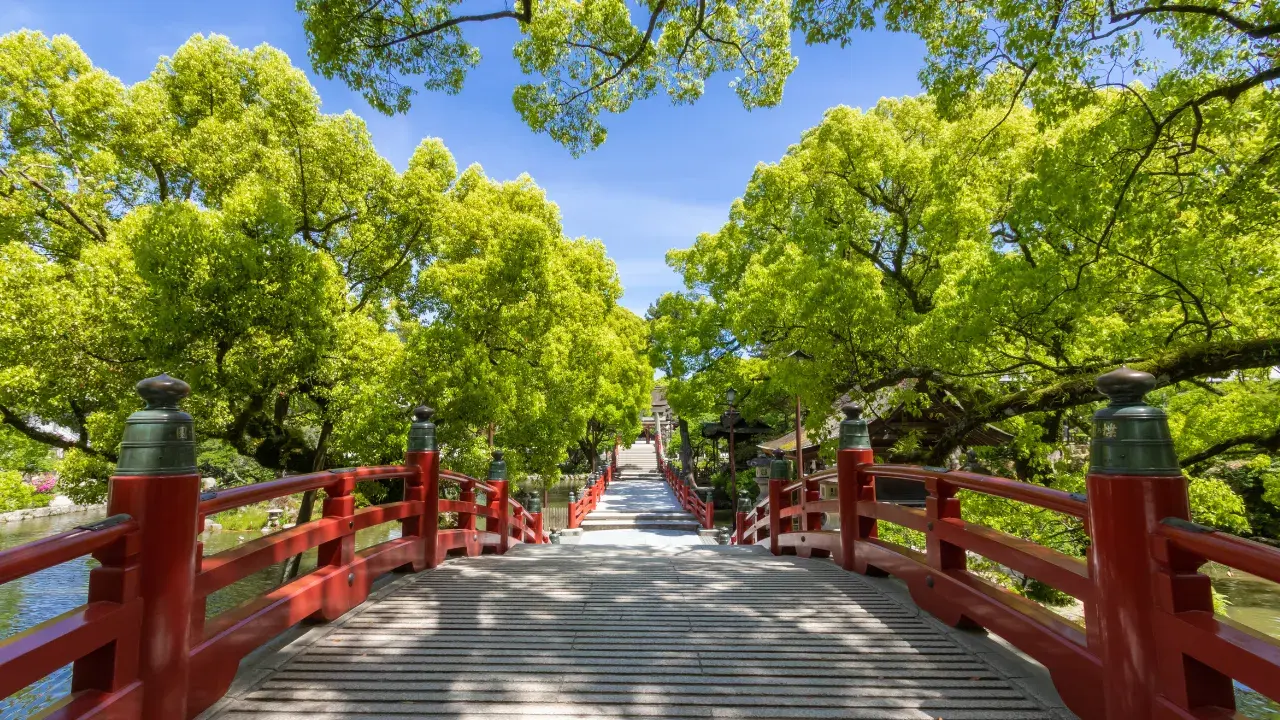
table of contents
- Recommended sake breweries around Dazaifu Tenmangu Shrine
- Recommended selection of sake around Dazaifu Tenmangu Shrine
- History and highlights of Dazaifu Tenmangu Shrine
- Model course visiting Dazaifu Tenmangu Shrine and sake breweries
Introduction
Dazaifu Tenmangu Shrine is dedicated to the god of learning, Michizane Sugawara. This area is steeped in history and culture, with its precincts and temporary shrines filled with the scent of plum blossoms, and a sacred atmosphere that harmonizes with beautiful nature and tradition. On the other hand, Fukuoka has long been known as a sake region where sake production has been popular, and blessed with the clear water of the Chikugo River and abundant rice, unique local sake is brewed in breweries all over the country.
In this article, we will introduce the highlights and history of Dazaifu Tenmangu Shrine, as well as introduce attractive sake breweries that can be visited in the surrounding area, as well as a model itinerary for enjoying sightseeing and delicious sake. Would you like to go on a journey of knowledge and delicious sake where the depth of history intersects with the depth of taste?
1. Recommended sake breweries at Dazaifu Tenmangu Shrine
A sacred place for local sake that Fukuoka is proud of, a trip you should take a trip from Dazaifu Tenmangu Shrine
The area surrounding Dazaifu Tenmangu Shrine is a region that has been prosperous in sake production since ancient times, supported by rich water sources and fertile land. In particular, Chikushino City, Kurume City, and the western part of Fukuoka City are dotted with sake breweries that are rooted in the local climate and history, and still brew unique local sake.
Here, we have carefully selected recommended breweries packed with charm as sake breweries that can be visited from Dazaifu by public transportation. We will provide an easy-to-understand introduction to the characteristics of each brewery, access information, and whether or not tours and tastings are available.
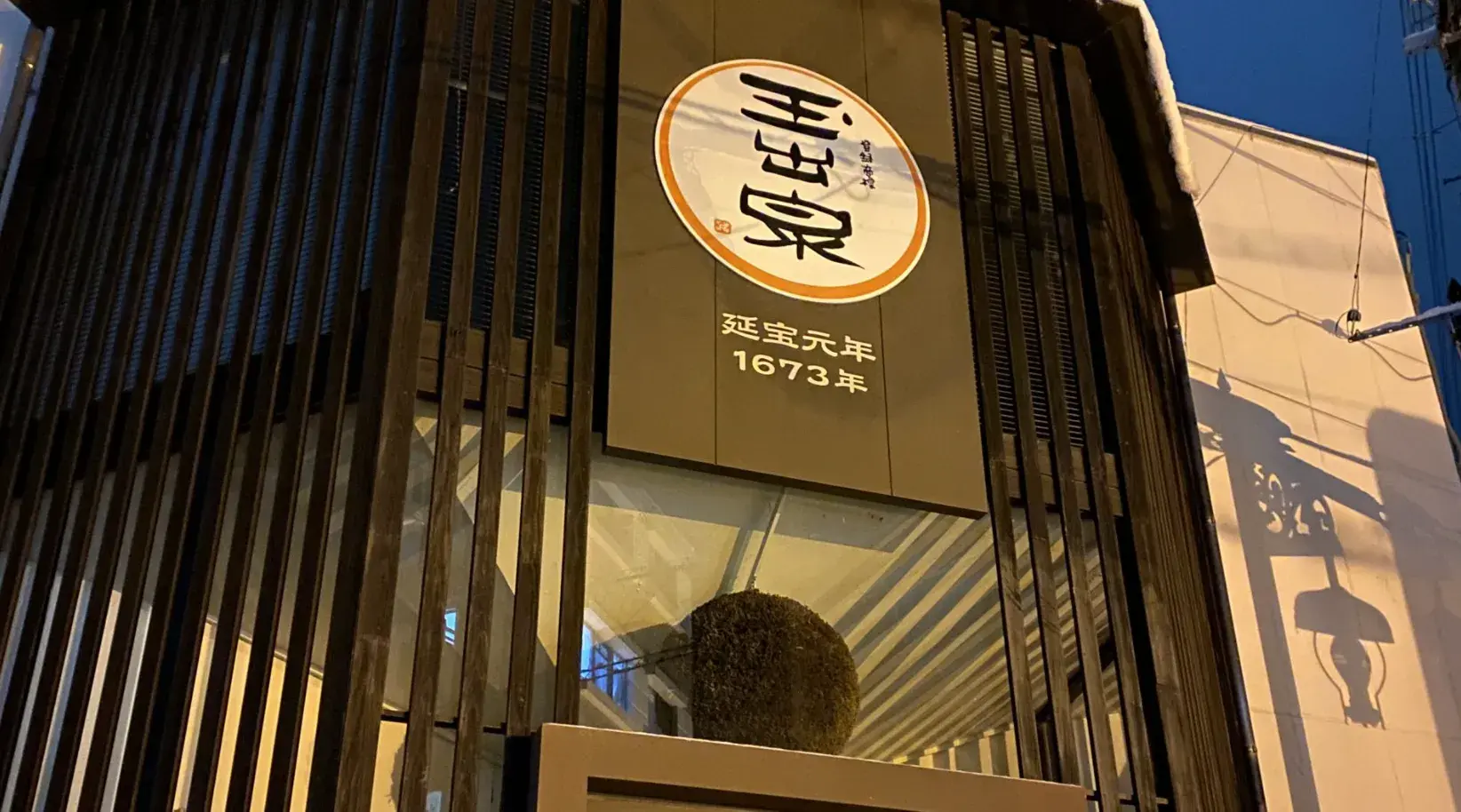
1. Oga Sake Brewery | Enjoy the tradition of “Tamadesen” at Fukuoka’s oldest sake brewery
 Exhibitor:https://www.ohga.jp
Established in 1673, Oga Sake Brewery has the oldest history in Fukuoka Prefecture. Located near the Futsukaichi hot spring town in Chikushino City, we have been brewing handmade sake using underground water from the local Mt. Homan for over 350 years.
The main brands “Tamadesen” and “Sugako no Sake” are standard sake that are loved by the locals. You can also purchase limited edition sake at the direct sales store, and it is conveniently located just one train stop from Dazaifu Tenmangu Shrine.
| item | Content |
|---|---|
| Official name | Ohga Sake Brewery Co., Ltd. |
| Founding year | 1673 (first year of Enpo) |
| Main brands | Sake from Tamadeizumi, Oga, Chikushino, and Kanko |
| visit | Limited to events, etc. (usually not available) |
| Tasting | Basically not allowed (paid tasting available during events) |
| Direct sales office | Yes (business hours 10:00-17:00) |
| access | Nishitetsu Dazaifu Station → Get off at Nishitetsu Futsukaichi Station, about 5 minutes walk |
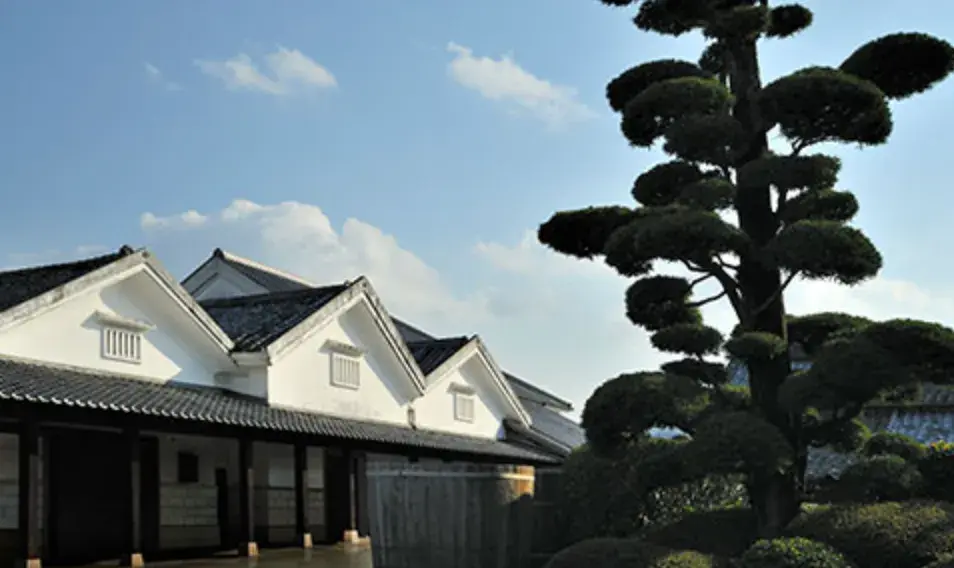
2. Yamaguchi Sake Brewery | A long-established brewery in Kurume with the sound of warblers in the garden
 Exhibitor:https://www.niwanouguisu.com
Founded in 1832. “Yamaguchi Sake Brewery”, located in Kitano-cho, Kurume City, is a famous brewery known throughout the country for its famous sake “Niwa no Uguisu.” The name of the sake comes from a warbler that flew into the brewery’s garden, and the story is characterized by a sense of coexistence with nature.
We use high-quality water from the Chikugo River system for brewing, and we use Yamada Nishiki and Yume Ikken rice for sake. At the “uguisubar 1020” store, you can purchase alcoholic beverages and check out limited edition products.
| item | Content |
|---|---|
| Official name | Yamaguchi Sake Brewery |
| Founding year | 1832 (Tenpo 3) |
| Main brands | Japanese warbler in the garden, Japanese warbler label, Uguisu toro |
| visit | Not possible (no tour of the brewery) |
| Tasting | Not possible (over-the-counter sales only) |
| Direct sales office | Available (Business hours 9:00-17:00, closed on Sundays and holidays) |
| access | Approximately 4 minutes walk from Nishitetsu Amagi Line “Kitano Station” |
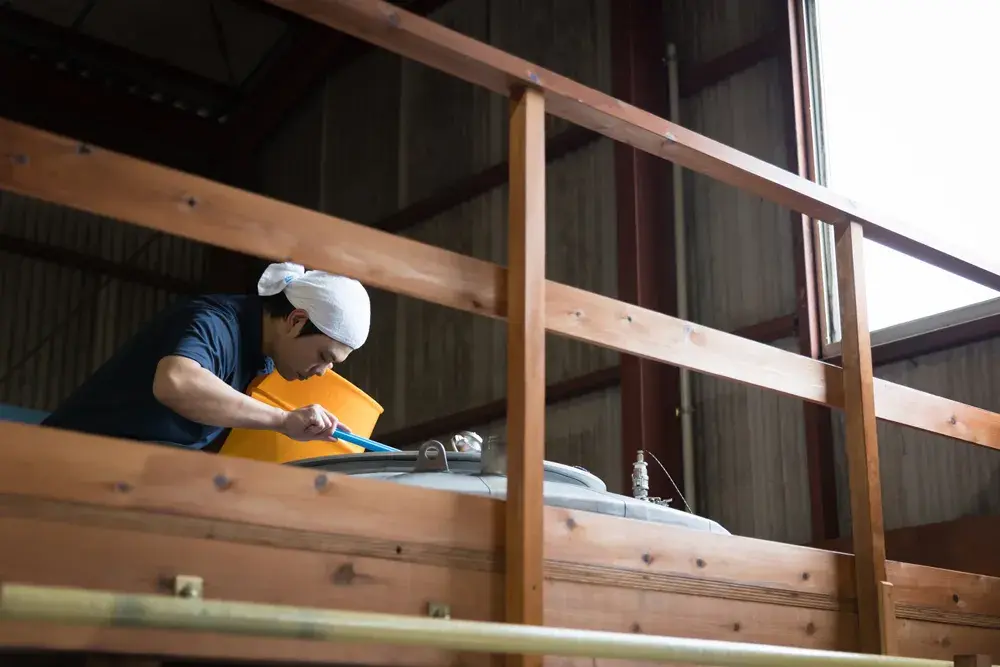
3. Hamachi Sake Brewery | A complex brewery where you can also enjoy craft beer
 Exhibitor:https://www.suginoya.co.jp
Hamachi Sake Brewery, located in Motooka, Nishi-ku, Fukuoka City, is a long-established sake brewery that was founded in 1898, but is also an advanced sake brewery that offers a wide variety of products such as sake, local beer, and liqueurs. It is known for its “Suginoya” brand and is popular among tourists.
There is also a direct sales shop, cafe, bakery, and restaurant on the premises, and the main attraction is that you can easily enjoy a tour and tasting. Although it is a bit difficult to access from Dazaifu, it is well worth the visit.
| item | Content |
|---|---|
| Official name | Hamachi Sake Brewery Co., Ltd. |
| Founding year | 1870 (Meiji 3) |
| Main brands | Suginoshya (sake, beer, plum wine, etc.) |
| visit | Possible (no reservation required, during business hours) |
| Tasting | Possible (free/many types) |
| Direct sales office | Available (Business hours 10:00-17:00, closed on Wednesdays) |
| access | Approximately 90 minutes by subway/bus transfer, get off at Showa Bus “Motooka” |
2. Recommended selection of sake around Dazaifu Tenmangu Shrine
Fukuoka’s local sake should be enjoyed along with sightseeing at Dazaifu Tenmangu Shrine. The sake produced through the blessings of water from the Chikugo River, excellent sake rice such as Yamada Nishiki and Yume Ikken, and the traditional techniques of the master brewers is appealing for its wide range and depth of flavor.
Here, we will introduce carefully selected and especially recommended local sake that you can purchase or drink around Dazaifu. We have posted information that will help you with your travel food experiences, such as the characteristics of flavors and dishes that go well with each other.
1. Tamadeizumi|Oga Sake Brewery
It is a representative brand of Oga Sake Brewery, a long-established brewery with the best access from Dazaifu, and is produced by one of the oldest breweries in Fukuoka, founded in 1673. Using underground water from Mt. Homan in Chikushino City, the sake is carefully brewed using traditional hand methods and has a gentle flavor rooted in the local area.
“Tamadesen” is mainly available in special junmai sake and honjozo types, and has a reputation for being easy to pair with a wide variety of dishes due to its soft, gentle texture and pleasant aftertaste. You can also purchase it at a direct sales store that you can stop by while sightseeing, making it a perfect way to combine sightseeing in Dazaifu with a local sake experience.
| item | Content |
|---|---|
| type | Special Junmai Sake/Honjozo etc. |
| taste | Soft and mild taste, refreshing aftertaste |
| How to drink | Can be used in a wide variety of ways, from cold to lukewarm. |
| Compatible dishes | Salt-grilled sea bream, dashimaki egg, Chikuzenni, etc. |
| Where can I buy/drink it? | Oga Sake Brewery Direct Sales Office (near Futsukaichi Station) |
2. Garden warbler|Yamaguchi Sake Brewery
“Niwa no Uguisu”, brewed by Yamaguchi Sake Brewery, which was founded in 1832, is a popular brand that represents Fukuoka and is popular throughout the country. The label design is sophisticated, making it popular among women and sake beginners alike.
The taste is a “fruity and easy-to-drink” style with a refreshing ginjo aroma and a good balance of rice flavor and acidity. Their representative products, “Junmai Ginjo” and “Uguishu (plum wine),” have won awards at contests across the country, and pair well with a wide variety of foods. It’s relatively easy to find at liquor stores and Kakuuchi in Hakata and Tenjin, making it perfect for those who want to casually enjoy local flavors.
| item | Content |
|---|---|
| type | Junmai Ginjo/Special Junmai/Plum wine “Uguisu Toro” etc. |
| taste | Fruity, elegant, and soft acidity |
| How to drink | Recommended to chill and enjoy the scent. |
| Compatible dishes | Sesame mackerel, tempura, boiled tofu, Japanese sweets |
| Where can I buy/drink it? | Liquor stores in Tenjin and Hakata, such as Kakuuchi “Sake Sugawara” |
3. Rokugo Tanaka (Tanaka Rokujugo) | Shiraito Sake Brewery
“Tanaka Rokugo” is a pure rice sake that uses 100% Yamada Nishiki grown in Itoshima, and has a clear and sharp taste, as if the blessings of local nature were packed into a bottle. The manufacturer, Shiraito Sake Brewery, is a long-established brewery that was founded in 1902 and is known as a rare brewery that maintains the traditional manufacturing method of “Haneki Shibori.”
The name is “Tanaka no Naka” + 65% rice polishing ratio = “Tanaka Rokugo”. With its refreshing taste that doesn’t interfere with your meal, its moderate acidity, and the flavor that allows you to feel the contours of the rice, it has been called the “ideal sake to accompany a meal,” and has gained enthusiastic support from sake fans.
| item | Content |
|---|---|
| type | Pure rice sake |
| taste | Sharp and dry, pleasant rice flavor |
| How to drink | Chilled to room temperature |
| Compatible dishes | Sashimi, salt-grilled, Hakata ramen, yakitori, etc. |
| Where can I buy/drink it? | Available at liquor stores and sake bars in Fukuoka City |
4. Kitaya Gokujo | Kitaya
The highest quality Daiginjo sake produced by Kitaya, a prestigious brewery representing Fukuoka Prefecture that has won Champion Sake at the IWC (International Wine Challenge). With its gorgeous aroma and silky smooth texture, it continues to fascinate Japanese sake fans both in Japan and abroad.
“Gokujo Kitaya” is made by polishing Yamada Nishiki to 35%, and is characterized by a delicate, plump aroma, elegant sweetness, and a sharp aftertaste. It is perfect for pairing with special meals or as a gift, and can be purchased at specialty stores in Fukuoka City such as Sake Sugawara and Sumiyoshi Sakehan.
| item | Content |
|---|---|
| type | Daiginjo/Junmai Ginjo |
| taste | Fruity, smooth and fragrant |
| How to drink | Chill well and serve in a glass |
| Compatible dishes | Pairs well with mizutaki and Western food. |
| Where can I buy/drink it? | Liquor merchant Sugawara, Sumiyoshi Sakehan, etc. |
5. Mitsui Kotobuki +14 Dry|Miino Kotobuki
An ultra-dry Junmai Ginjo sake produced by Miino Kotobuki, a company with roots in the Chikugo Plains of Fukuoka. As its +14 alcohol level suggests, it has a sharp spiciness and a sharp mouthfeel, and goes particularly well with strongly seasoned dishes and hot pot dishes.
It’s not just spicy, but has a flavor design that retains the flavor of the rice, so you won’t get tired of drinking it, and it is enthusiastically supported by sake lovers. At izakayas and sake bars, if you tell them that you would like to drink something dry, this brand is often recommended, and it is attracting attention as one of Fukuoka’s “kids in the know.”
| item | Content |
|---|---|
| type | Junmai Ginjo |
| taste | Sharp cutting, dry and refreshing |
| How to drink | Can be served cold or lukewarm |
| Compatible dishes | Motsu nabe, yakitori (sauce), mentaiko dishes, etc. |
| Where can I buy/drink it? | Izakaya and liquor stores in Fukuoka City (including Kakuuchi) |
3. History and highlights of Dazaifu Tenmangu Shrine
A sacred place of learning that has received people’s prayers for over a thousand years
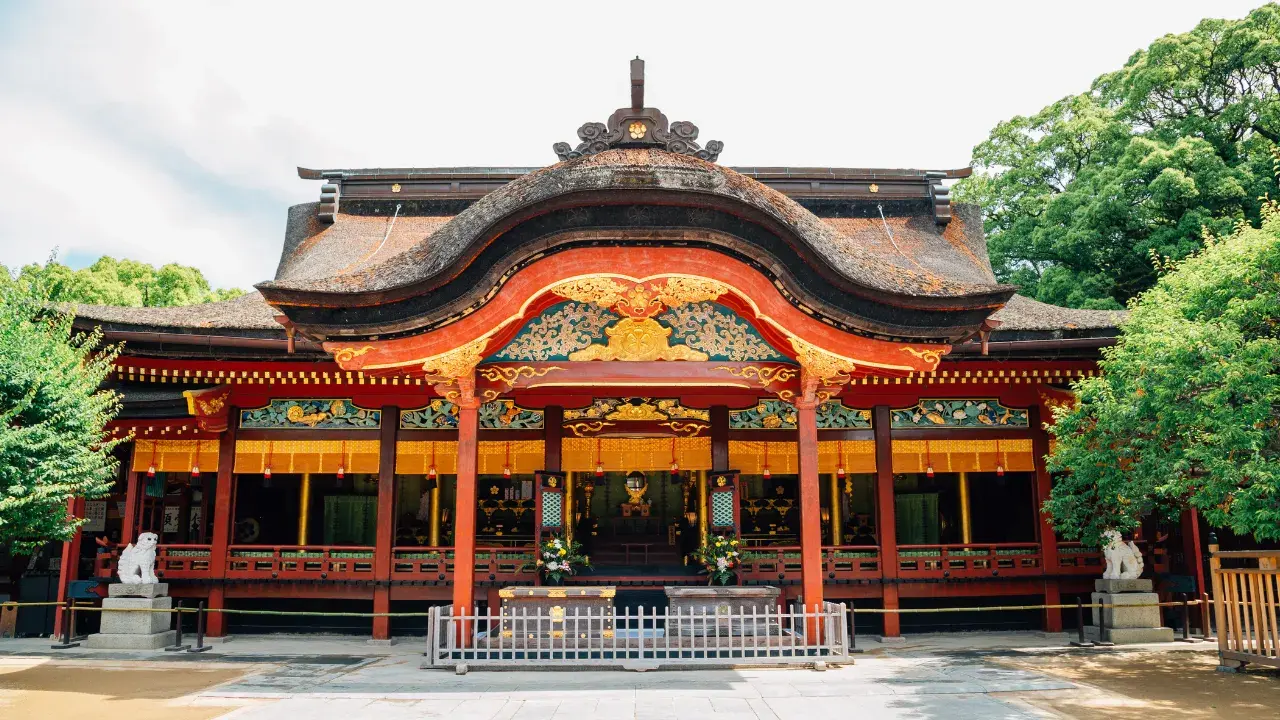
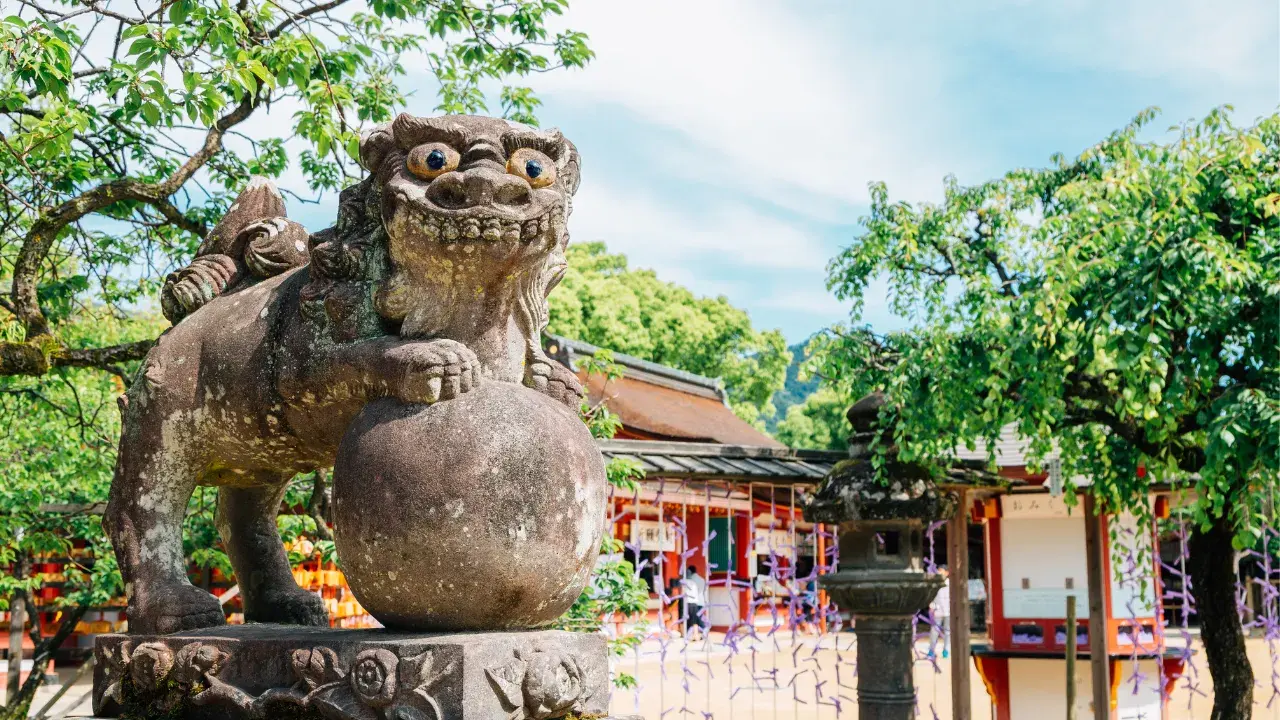
Dazaifu Tenmangu Shrine, located in Dazaifu City, Fukuoka Prefecture, is the main shrine of about 12,000 Tenmangu shrines nationwide. It enshrines Michizane Sugawara, known as a scholar and politician from the Heian period, and has long been worshiped as the god of learning. The shrine grounds are dotted with numerous attractions steeped in history and legends, and many visitors visit throughout the year as they can enjoy nature in all four seasons.
・Michizane Sugawara and the beginning of Tenjin belief
Michizane Sugawara was a literary figure of the Heian period with excellent knowledge and character, and was highly regarded in both academics and politics, but due to a political dispute, he was demoted to Dazaifu on charges he was not guilty of. He died here in 903. After that, there were a series of disasters and epidemics in the capital, and it was feared that it was Michizane’s curse, so Tenjin worship began to be worshiped as a deity to pacify the spirits, which is said to be the origin of Tenjin worship.
In 905, a shrine was built over the grave, and in 919, a shrine was built by imperial order. This is the beginning of Dazaifu Tenmangu Shrine.
・Tobiume legend and sacred tree
In response to the song that Michizane recited when he was demoted, “If the east wind blows, let the plum blossoms bloom, forget the spring, the Lord is gone.” The “Tobiume Legend” says that plum blossoms from Kyoto flew all the way to Dazaifu in one night. This plum tree still stands near the main shrine as a sacred tree, and continues to bloom with beautiful flowers.
・The main shrine of Momoyama architecture and the “temporary hall” that connects to the future
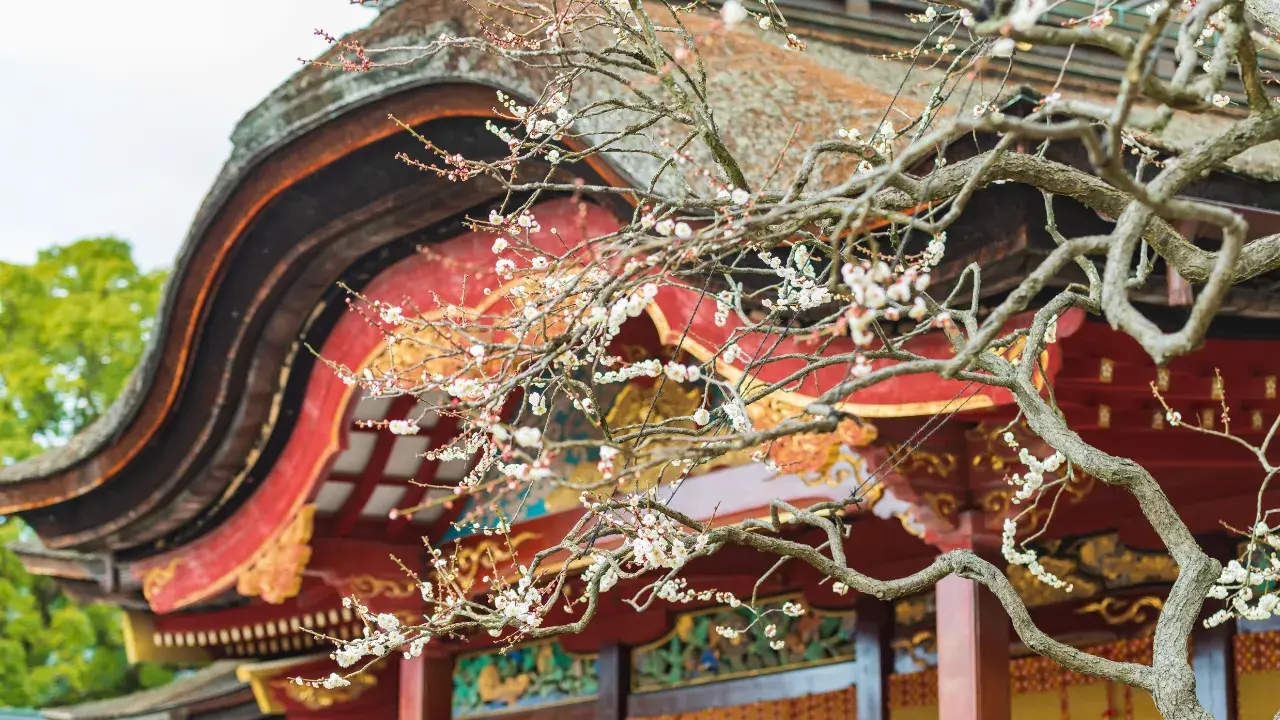
The current main shrine was rebuilt in 1591 by Sengoku warlord Takakage Kobayakawa. It has been designated as a national important cultural property and is known for its magnificent Momoyama-style shrine architecture.
Starting in 2023, major renovations are underway for the first time in 124 years, and there will be limited-time decorations in the precincts.special temporary hallappears. This art-like building was created by architect Sou Fujimoto and fashion designer Mame Kurogouchi, and is a hot topic for its unique worship space that combines tradition and modernity.
・Main highlights
| Name | Highlights |
|---|---|
| Shinji Pond and Taiko Bridge | The three bridges that span the pond represent the past, present, and future, and it is said that crossing them will purify your mind and body. |
| sacred cow | Statues of cows dotted around the temple grounds. It is said that if you pat your head, you will receive wisdom, and it is popular among students taking entrance exams. |
| tower gate | A two-story gate rebuilt in the Taisho era. The solemn stance that welcomes visitors is impressive. |
| nature of the four seasons | The seasonal scenery is attractive, with 6,000 plum trees (February), 30,000 irises (early summer), and autumn leaves (autumn). |