🕓 2025/7/14
#tourist spot
More than 400 years have passed since that day when Shirasagi Castle was clothed in the light of dawn.
more
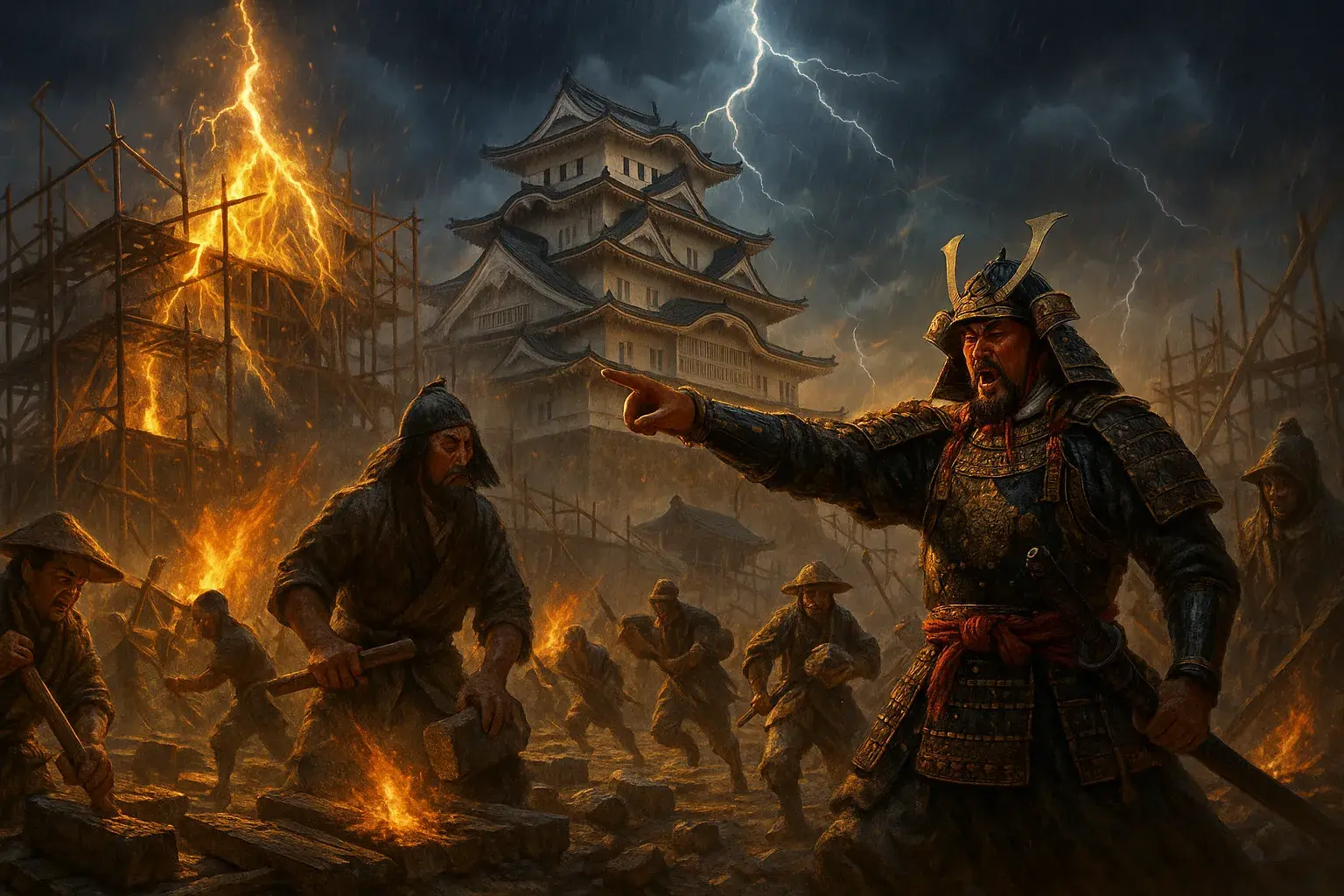
table of contents
Introduction
“Who built Himeji Castle?” – With that question as the starting point, the journey to unravel the 700 years of Shirasagi Castle begins now. The torch of the fort that was lit by the Akamatsu clan was blazed with Hideyoshi’s ambition, and spread its dazzling wings in the hands of Terumasa Ikeda. We will guide you through the drama of this castle, which survived the storm of the Castle Abandonment Ordinance and rose to become a World Heritage Site, in a three-layered structure: story, chronology, and experiential spots. First of all, please listen carefully to the “will of the castle” entrusted to us by the three generations.
The visuals in each chapter use images generated by AI to help readers visualize the scene more clearly. Please use this as a supplementary reference only, as it may differ from the actual scenery.
- 1. The story of Himeji Castle: “Who built it?”
- Chapter 1: Himeyama swaying with torches – the fortress of Norimura Akamatsu and Sadanori
- Chapter 2: Three-layered castle tower in black coat – Hideyoshi Hashiba, the drawbridge of the world
- Chapter 3: Emerging of the white heron – Terumasa Ikeda, nine years of major renovation
- Chapter 4: White walls that escaped the gunpowder warehouse – Meiji preservation drama
- “This castle is the best textbook left behind in Japanese castle building techniques. It must be passed on to future generations.”
- Chapter 5: The white heron is still dancing–Heisei’s major repairs and future successors
- 2. Chronology Digest
- 3. “Experience spot” where you can feel the history of Himeji Castle
- 1. Inside the large castle tower – Listen to the heartbeat of the 17th century wooden structure
- 2. Hishi-no-mon and Masugata Kuruwa – Momoyama’s design and power
- 3. Nishinomarucho Station (Hyakken Corridor) and Makeup Tower – Corridor where Senhime walked
- 4. Hazama and Ishiotoshi – “Ray of Fire” design remaining on the wall
- 5. The slope of the fan and the engravings – the signatures of the craftsmen told by the stone walls
- 6. Okikuido – A ghost story spot where the Sarayashiki legend lives on
- 3. “Experience spot” where you can feel the history of Himeji Castle
- Finally
1. The story of Himeji Castle: “Who built it?”
White wings descend on the lightly cloudy Harima Plains.
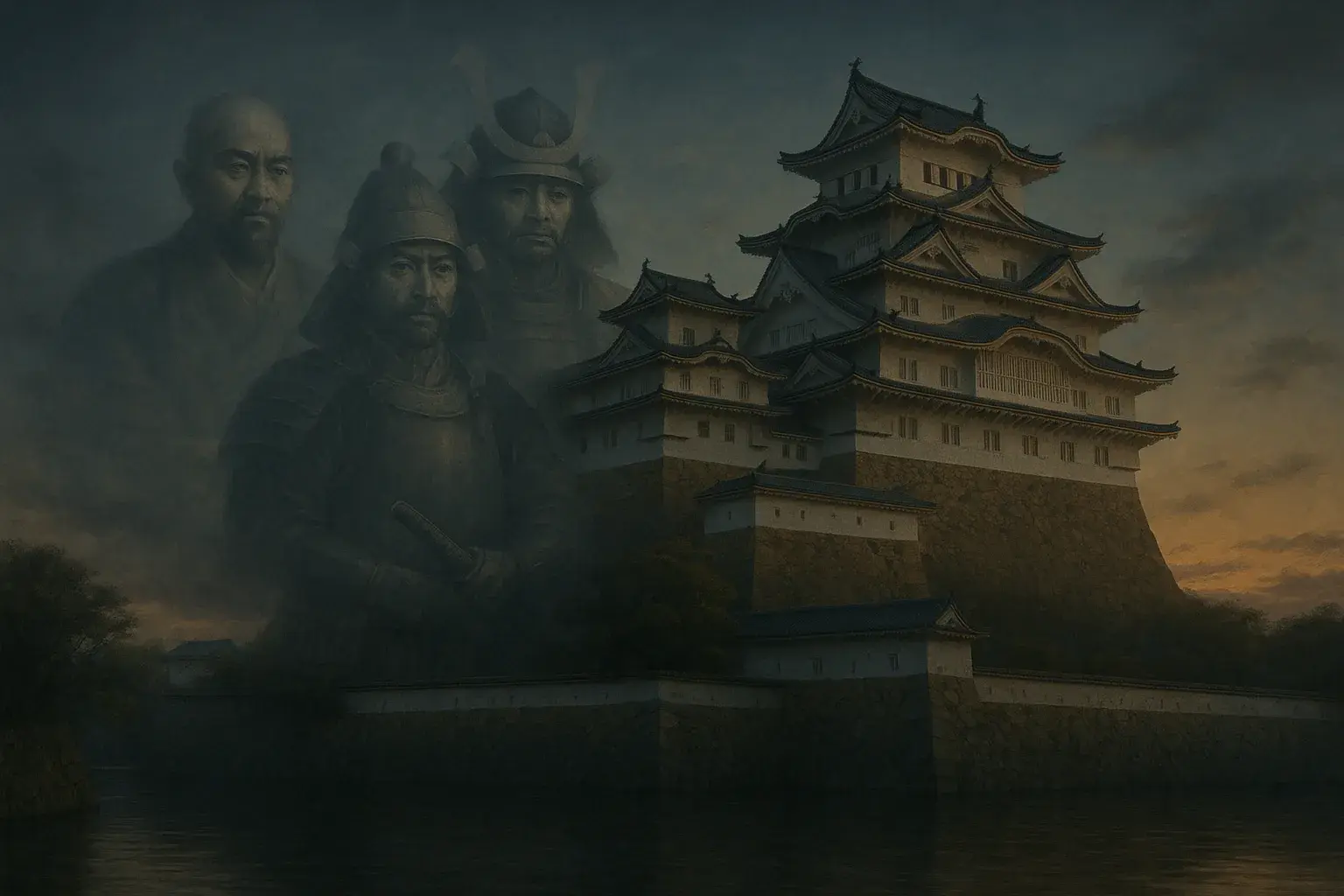
Himeji Castle stands quietly, nestling along the gentle ridge of Himeyama. It was built 400 years ago, and the white walls are slightly dyed by the morning light, giving it the nickname “White Heron Castle.” Here, the thoughts of three generations are layered together and are alive like a layer of deep indigo.
When you suddenly wonder, “Who built it?”, you are transported back in time, and the sound of the wind passing over the fort and the sound of drums hits your ears.
Akamatsu’s mission, Hideyoshi’s ambition, and Terumasa’s responsibility – three wills overlapped, and the white heron shaped the castle as if it were spreading its wings.
Why did they build a castle on Himeyama, pile up stones, and reflect the light of their swords on the white walls? A small journey to find the answer continues through the story of three generations of castle construction.
Chapter 1: Himeyama swaying with torches – the fortress of Norimura Akamatsu and Sadanori
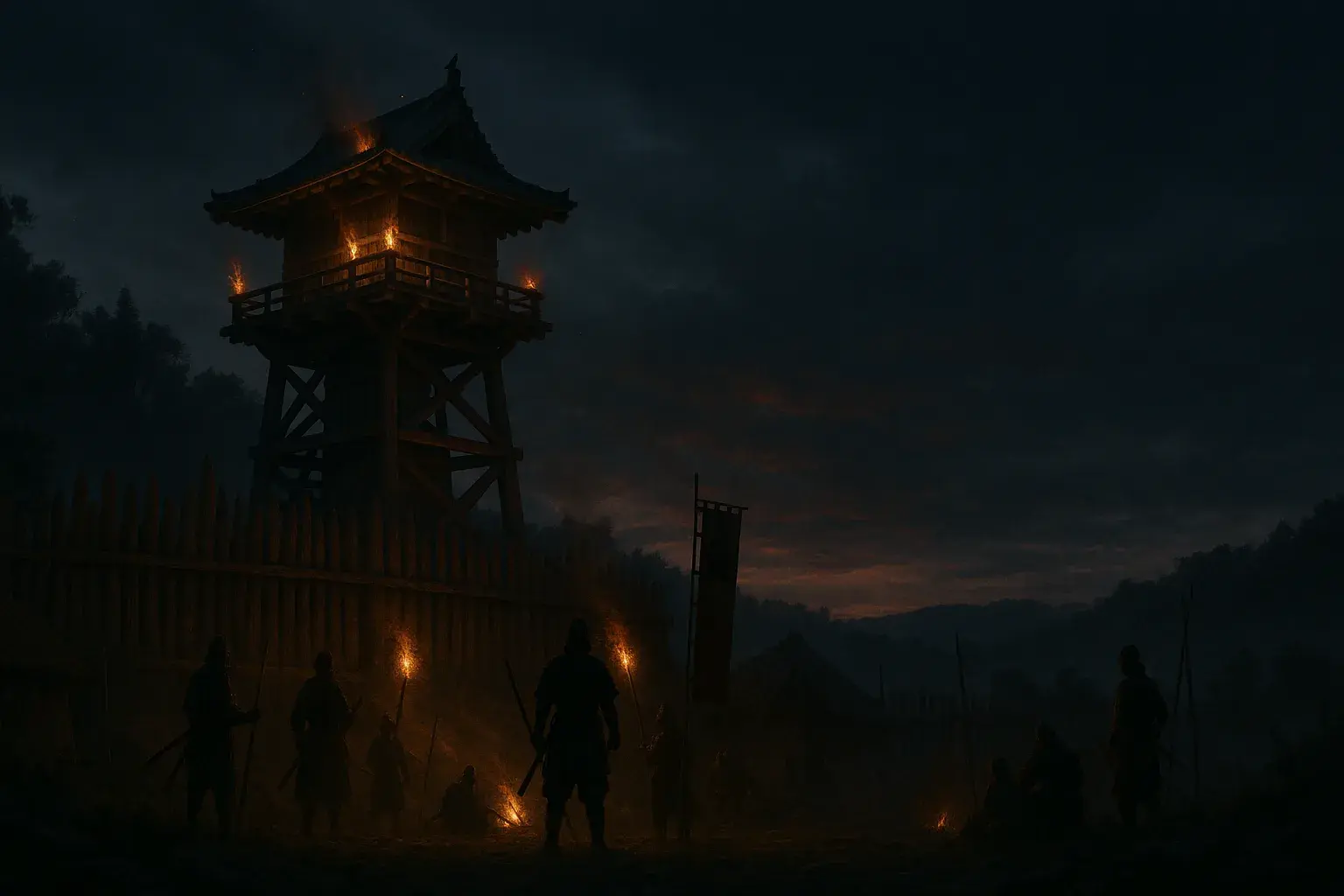
This was in 1333, when the conflict between the Northern and Southern Courts erupted and the world was torn into East and West. Norimura Akamatsu, a powerful clan from Harima, believed that he needed a foothold to take back Kyoto, so he built a small fort on Himeyama. It is said that the roughly constructed wooden turret was lit with torches, and the red light swayed as it swayed through the night clouds. Although it was called a fort, it was actually built like a watchtower to watch over the surrounding area, and it seems to have been more of a place to raise a flag than a place for protection.
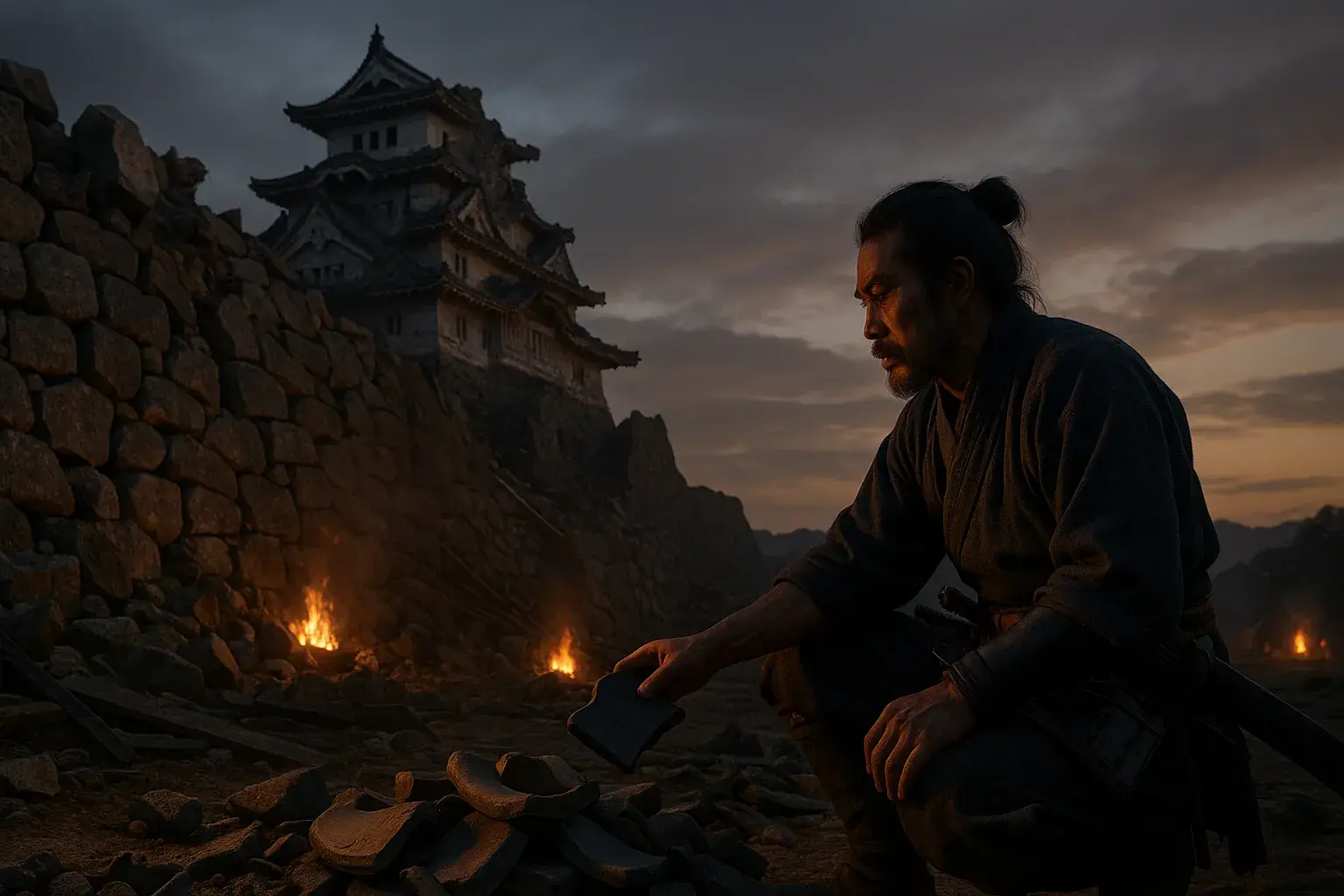
Eventually, his son Sadanori Akamatsu rebuilt the stone walls around 1346, wishing to “turn his father’s fortress into a more reliable shield.” It is a rugged wall made of river stone and granite facing the field. However, as the turrets and earthen walls were added little by little, and the name was given to it as “Himeyama Castle,” the place began to look like a castle.
“This fortress will be the first shield to protect my home and Harima.”
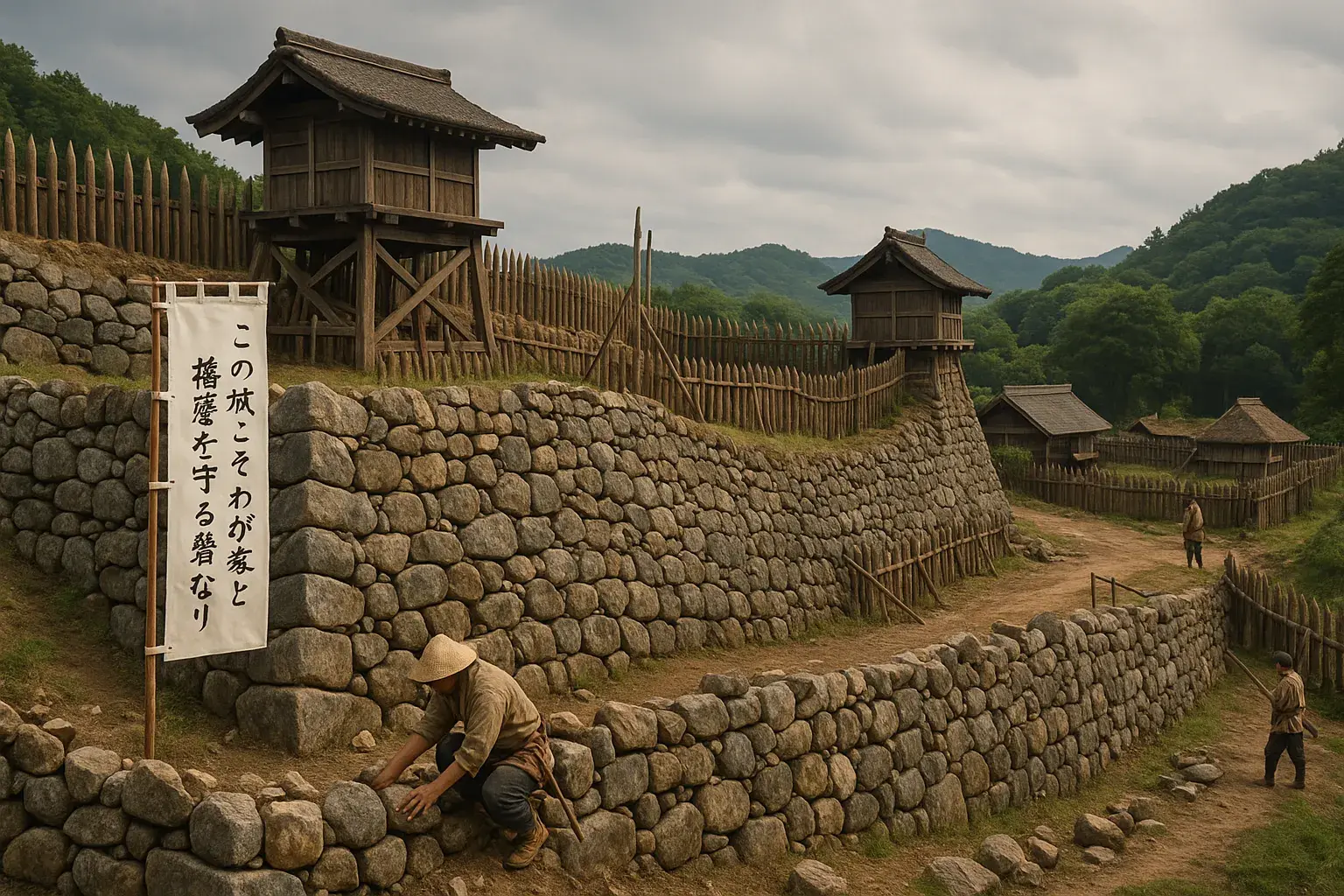
It is said that Sadanori made such a statement and continued to watch over the castle to keep the fire alive. However, there was a lot of turmoil surrounding the shogun family (Ashikaga clan) to whom they had sworn loyalty, and Himeyama Castle was doomed to have its stone walls crumble and be rebuilt every time it changed hands.
Even so, Sadanori continues to add to the protection as if he were picking up broken pieces of tiles, and keeps etching in his heart, “This castle will definitely become our shield someday.” As the Sengoku period approaches chaos, the spark left in the fort quietly prepares to flare up in the next generation.
Chapter 2: Three-layered castle tower in black coat – Hideyoshi Hashiba, the drawbridge of the world

The time is Tensho 8 (1580). Hashiba (later Toyotomi) Hideyoshi, who had almost completed his invasion of China and was within reach of unifying the country, set foot in Himeji, the center of Harima. When he looked up at Himeyama, it was still a modest small castle – but in Hideyoshi’s eyes, it appeared as a “drawbridge” across to the West Country.
Hideyoshi first built up more stone walls, the backbone of the castle, and installed a three-tiered castle tower. The castle town also re-routed its routes into a grid pattern, adjusting the width of the roads and waterways as if to say, “Everything from here on out is my army’s yard.”
“Let’s treat Himeyama as a moat and use it as a drawbridge to the west country.”
There are very few samurai in armor at the scene where they are in charge. Instead, there were carpenters with hammers and saws in hand, tilers burning tiles, and plasterers painting white walls, and the sound of mallets instead of war drums echoed day and night.
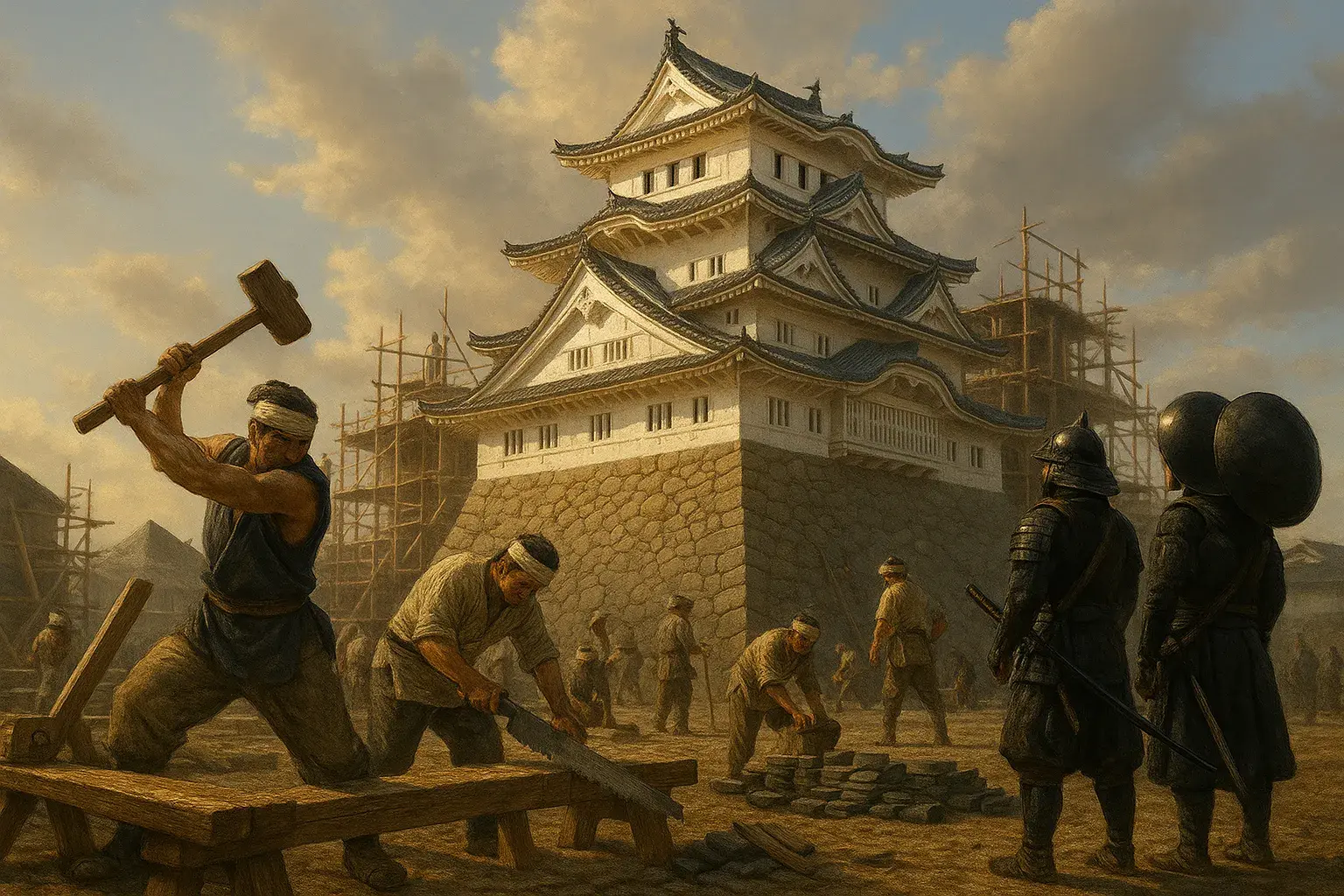
Once completed, the three-story castle tower will become a symbol of Hideyoshi’s Kurohoro-shuu – the pride of the elite warriors who wore black robes on their backs. However, for Hideyoshi, Himeji was just a transit point. When he decided to make Osaka the capital and moved to Osaka Castle, tranquility returned to Himeyama.
The three-layered castle tower will remain, with only the memory of its black coat swaying in the wind, patiently waiting for the next person to build the castle.
Chapter 3: Emerging of the white heron – Terumasa Ikeda, nine years of major renovation
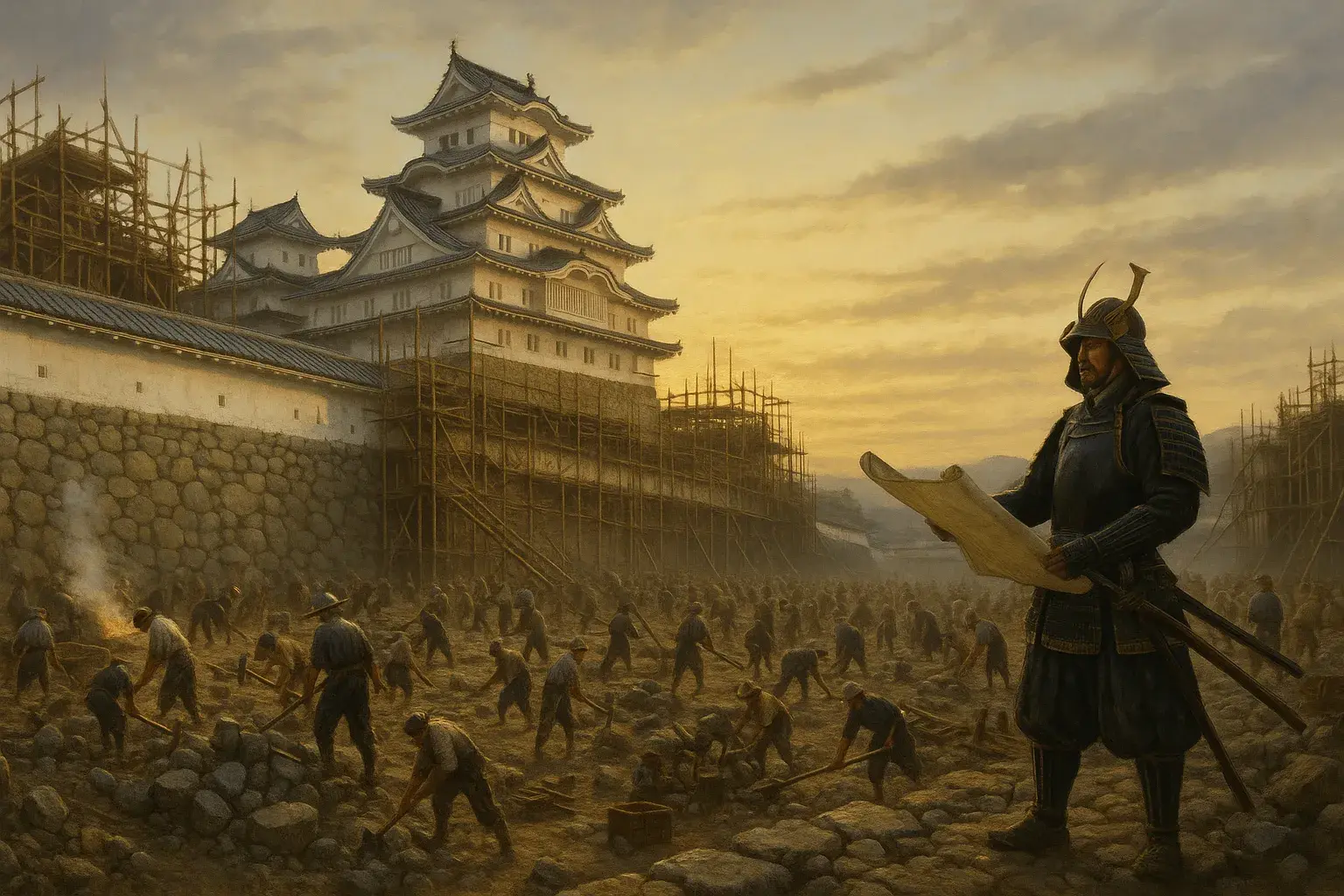
Keicho 5 (1600). The roar of victory that rang out during the Battle of Sekigahara reached Harima, and Tokugawa Ieyasu chose Himeji as a key location from which to conquer the western provinces. The person who decided to do so was Terumasa Ikeda, the son-in-law. He was given a total of 520,000 koku, and was entrusted with the idea of “using this place as a shield to monitor the western provinces.”
Terumasa first decided to remove the three-story castle tower left by Hideyoshi and “rebuild it from scratch.” A total of 30,000 people were called together to scrape Mt. Himeyama, fill in the valleys, and pile up stones — a daunting task that lasted nine years. A slope that curves like a maze, a curved ring made up of seven layers, and a long white plaster wall that runs all the way over a stone wall. Unlike Osaka, it was designed in pursuit of “beauty to protect.”
— “Spread out your white walls like the wings of a heron, and make it a castle that no one can tear down.”
Terumasa is said to have said so.
Nine years later, a “contiguous castle tower group” appeared, consisting of a five-story, six-story large tower tower and three smaller castle towers. The white plaster shines softly in the morning sun, and someone in the castle town whispers to himself.
”It looks like a heron has spread its wings.”
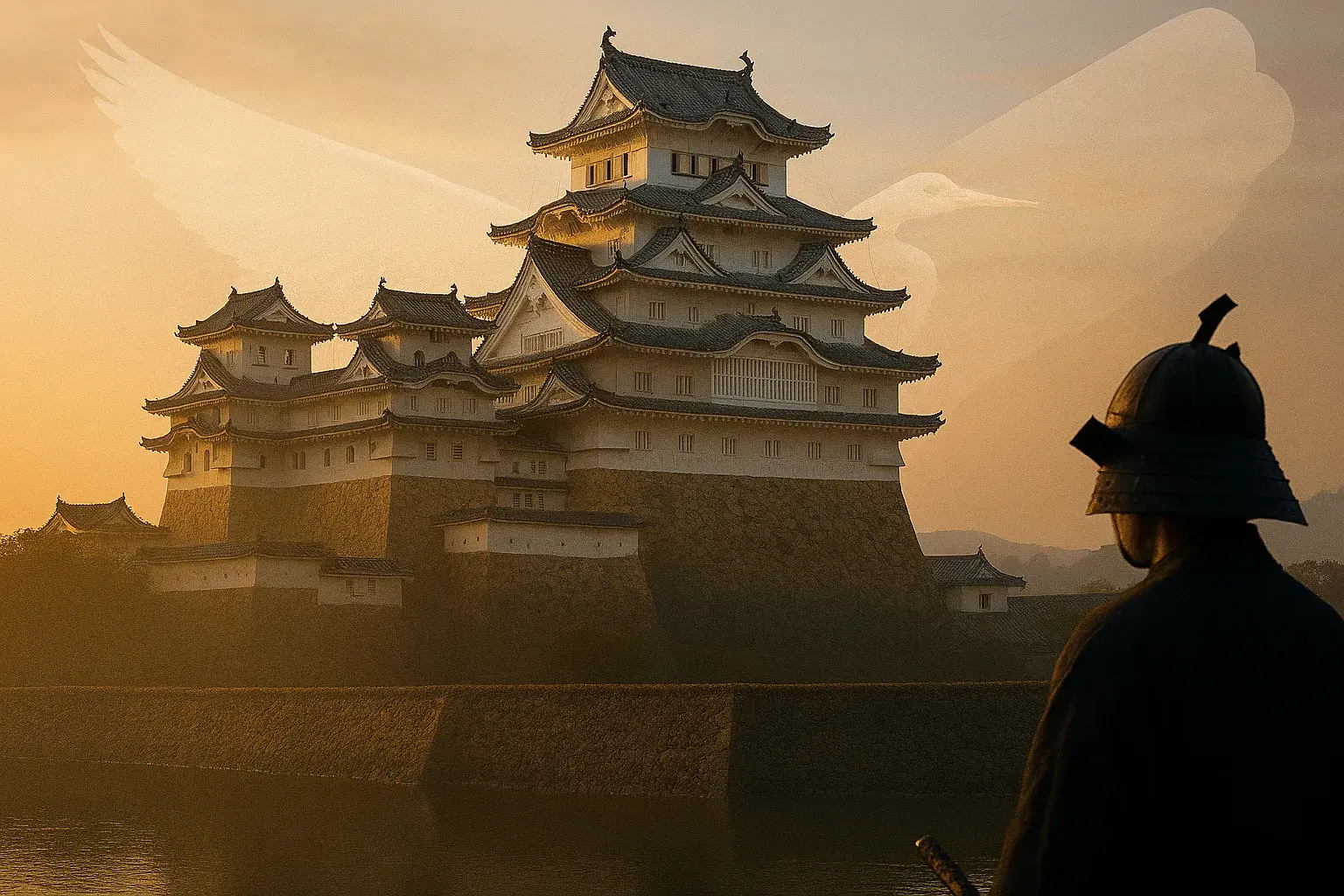
From this word, Himeji Castle eventually came to be called “White Heron Castle.” Terumasa Ikeda left his name as a “master castle builder,” and the castle quietly began to flap its wings for the next 400 years.
Chapter 4: White walls that escaped the gunpowder warehouse – Meiji preservation drama
In 1873, the new government issued the Castle Abolition Order, forcing many castles to either be demolished or turned into military training grounds. Himeji Castle is no exception. The buildings of the Sannomaru were demolished one after another, and it is said that one officer even whispered, “Why don’t we try blowing up that white wall in an artillery exercise?”
–“Let’s blow away that white wall with one shot.”
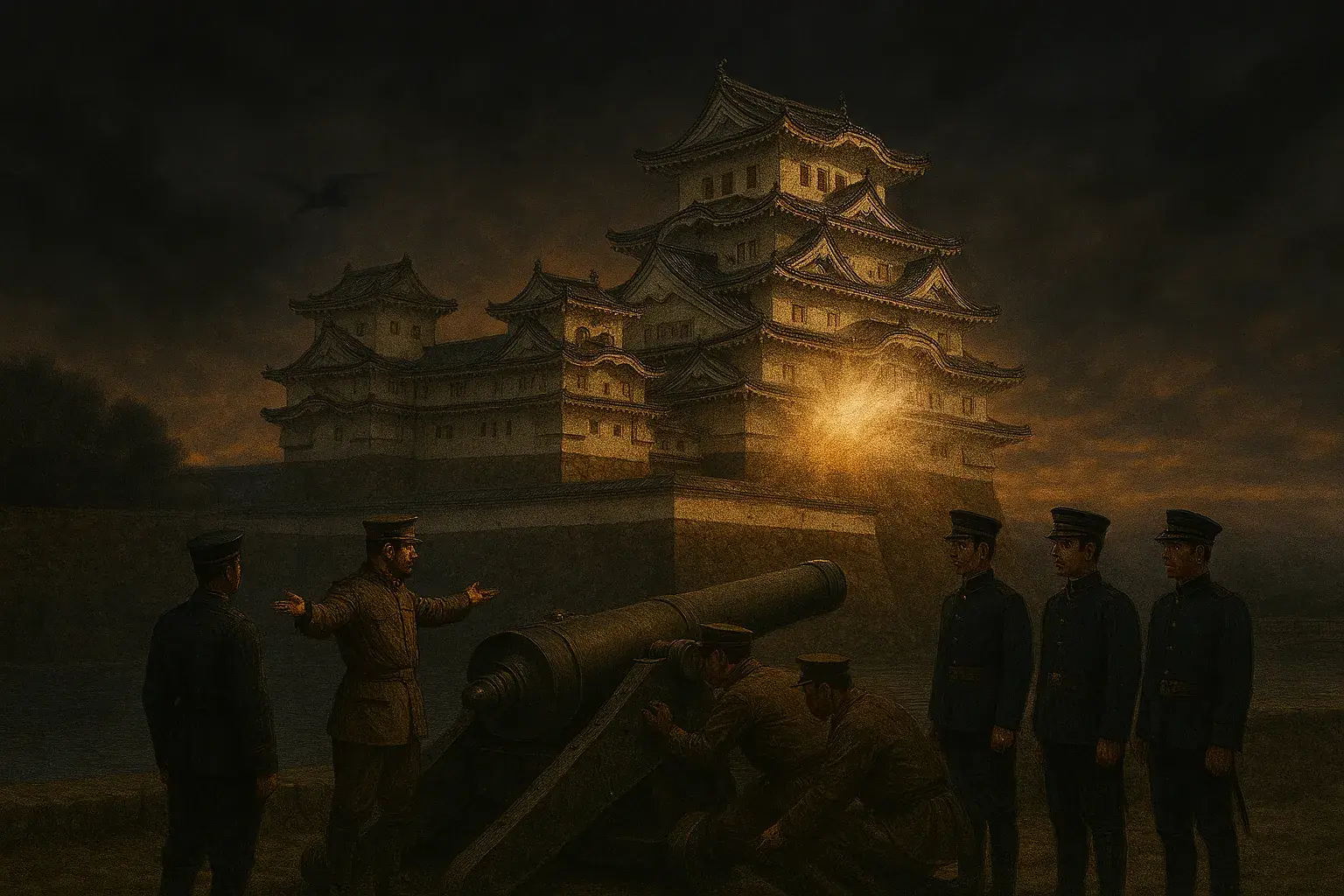
Such an ominous voice crossed the stone walls, casting a cold shadow on the white plastered walls.
However, Army Lieutenant Colonel Shigeto Nakamura shook his head.
“That’s a landmark of Harima. It’s also useful for surveying. Leave it there.”

With this advice based on military practice, the castle tower will be removed from the bombing target for the time being. However, the country did not want to pay for the upkeep, so in 1871, the entire castle was auctioned off. The successful bidder was Seijiro Kanbe, a nearby tool dealer. The price is only 23.50 yen. This is because he believed that he could make money by breaking down and selling the lumber and roof tiles.
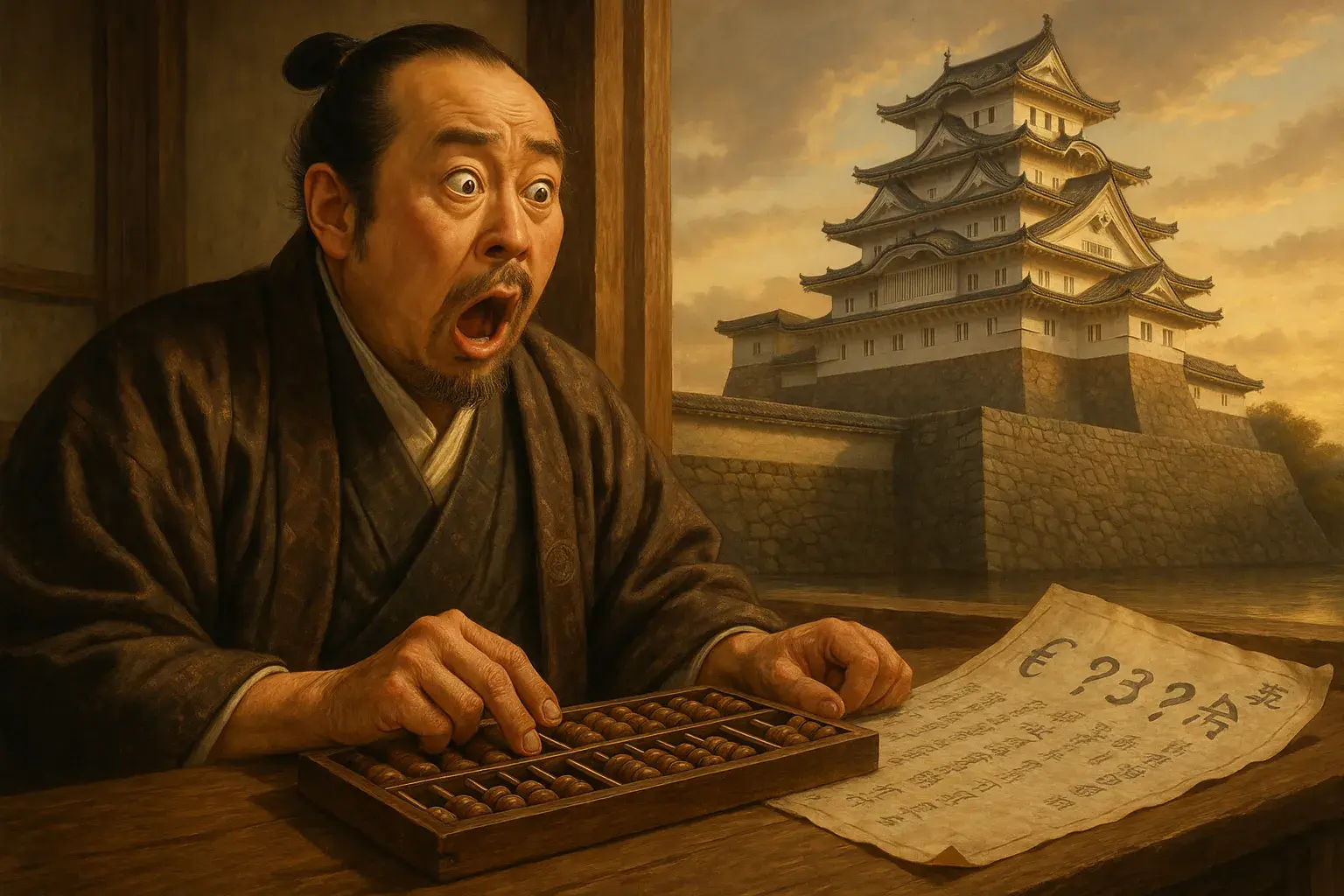
However, when I got an estimate, the cost of tearing down the stone wall and removing the white walls was so high that it made my eyes pop out. Kobe gave up and left the castle as it was. As a result, the White Heron Wall continues to quietly bask in the setting sun without hearing the sound of gunfire.
Kobe frowns as he plays the abacus again, and in the end leaves the castle untouched. The white heron wall passed through the winter without being destroyed by anyone, and now spring has come again. At that time, it was Meiji 11 (1878). Army Colonel Shigeto Nakamura looked up at the castle and took a slow breath.
“This castle is the best textbook left behind in Japanese castle building techniques. It must be passed on to future generations.”
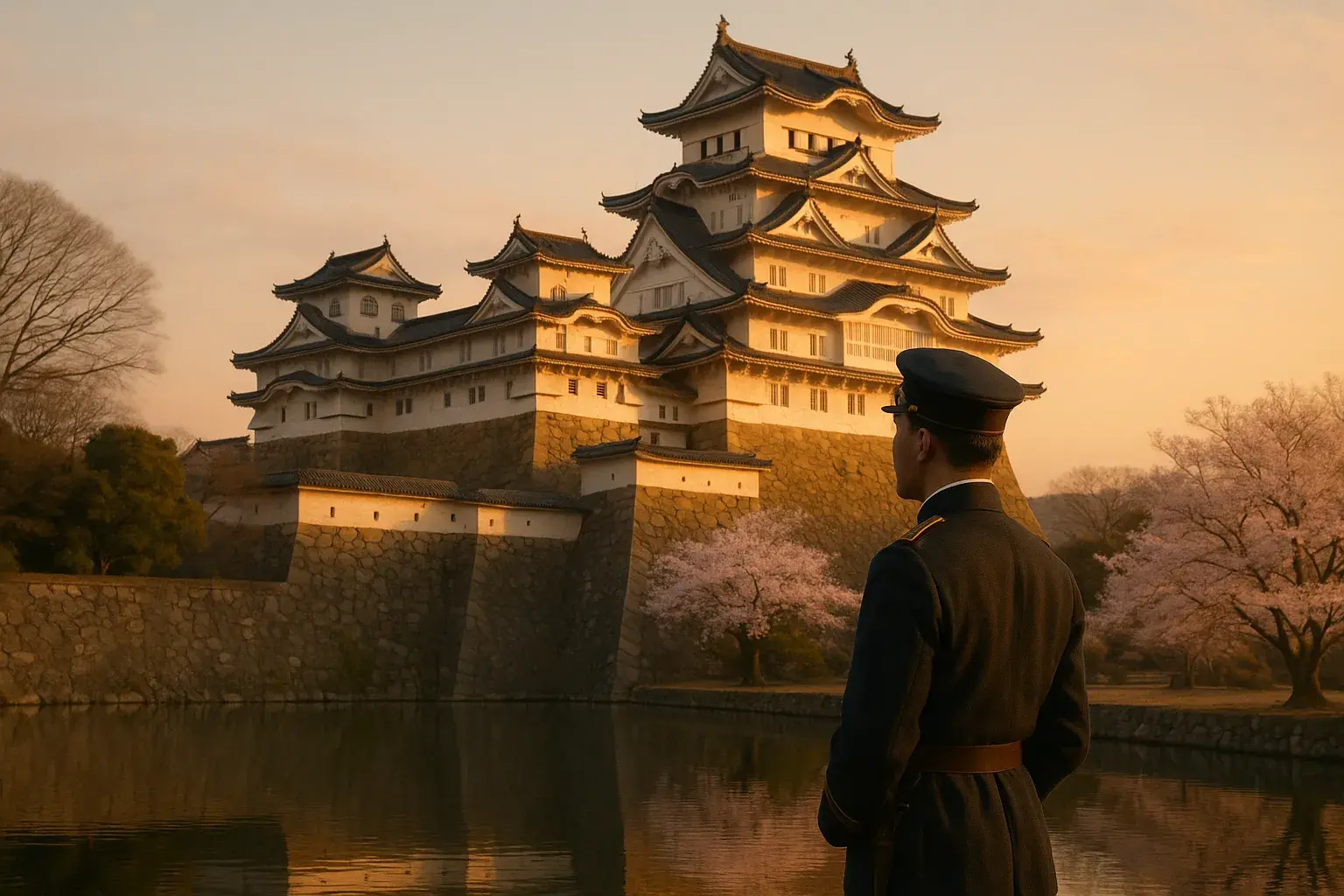
Nakamura’s petition was approved by the Daijokan the following year, and the preservation of Himeji Castle was officially decided. The white walls were spared from the sounds of gunfire and demolition hammers, and the time passed quietly while bathed in the setting sun.
Chapter 5: The white heron is still dancing–Heisei’s major repairs and future successors
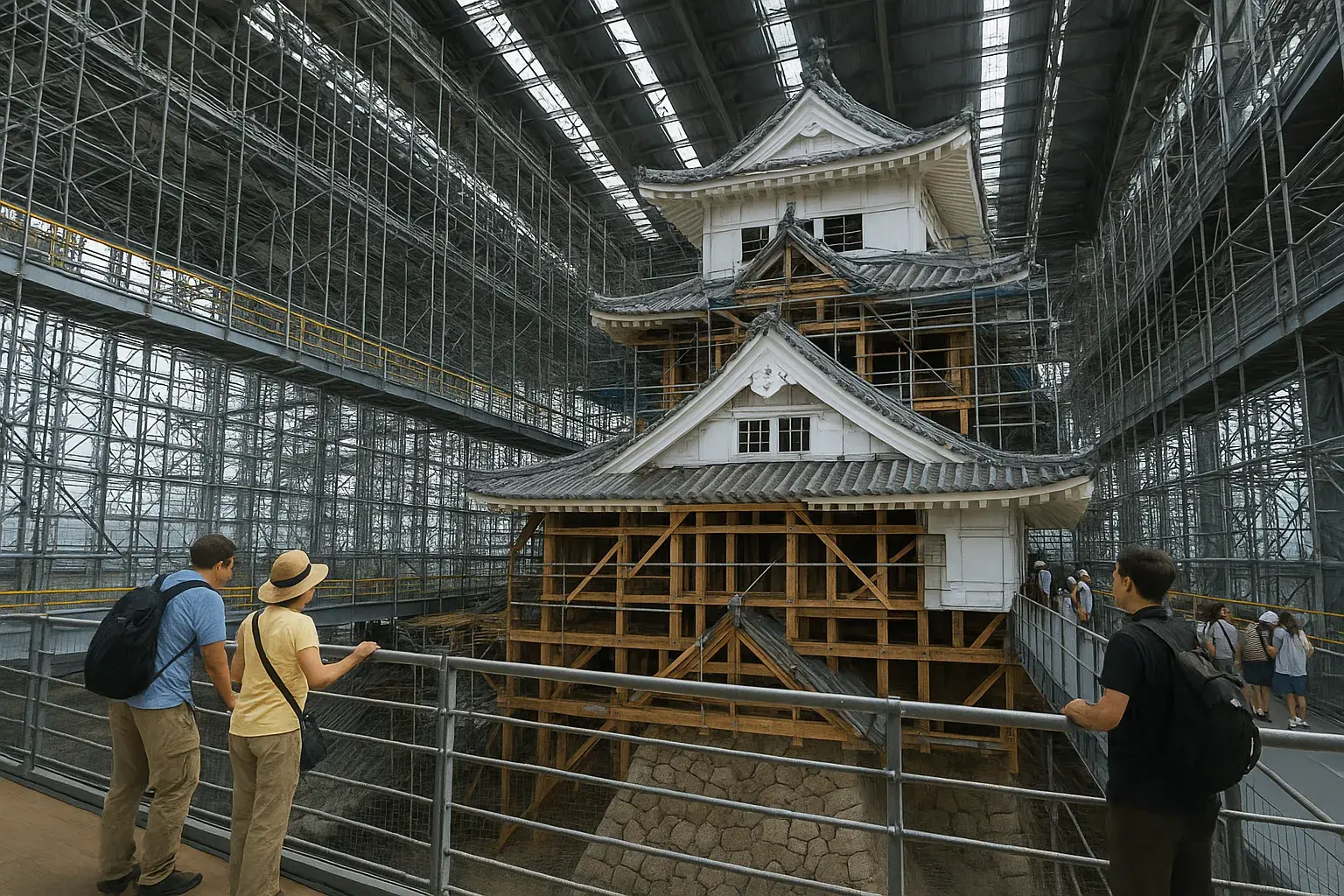
In 2009, Himeji Castle took a major break for the first time in half a century. For six years now, construction work called the “Great Heisei Repairs” has continued. The craftsmen removed the roof tiles one by one, carefully peeled off the plaster that had become dull from years of wind and rain, and gently installed new cypress wood into the damaged beams and columns. The observation passageway built high above the roofed roof that completely encloses the castle tower is named “White Heron in the Sky,” and visitors can look up at the white framework of the castle as if peering behind the wings.
Now that the repairs have been completed, if you stand at the warrior window on the top floor of the castle tower, the lights of the Seto Inland Sea will twinkle to the south, and the wind from the north over Mt. Hime will caress your cheeks. The smell of the torch held by Norimura Akamatsu, the golden ambitions outlined by Hideyoshi, and the breath of the white walls built by Terumasa Ikeda all overlap in that wind, and it seems to reach your heart as a quiet heartbeat.
Shirasagi asks softly.
“Who will protect the next 400 years?”
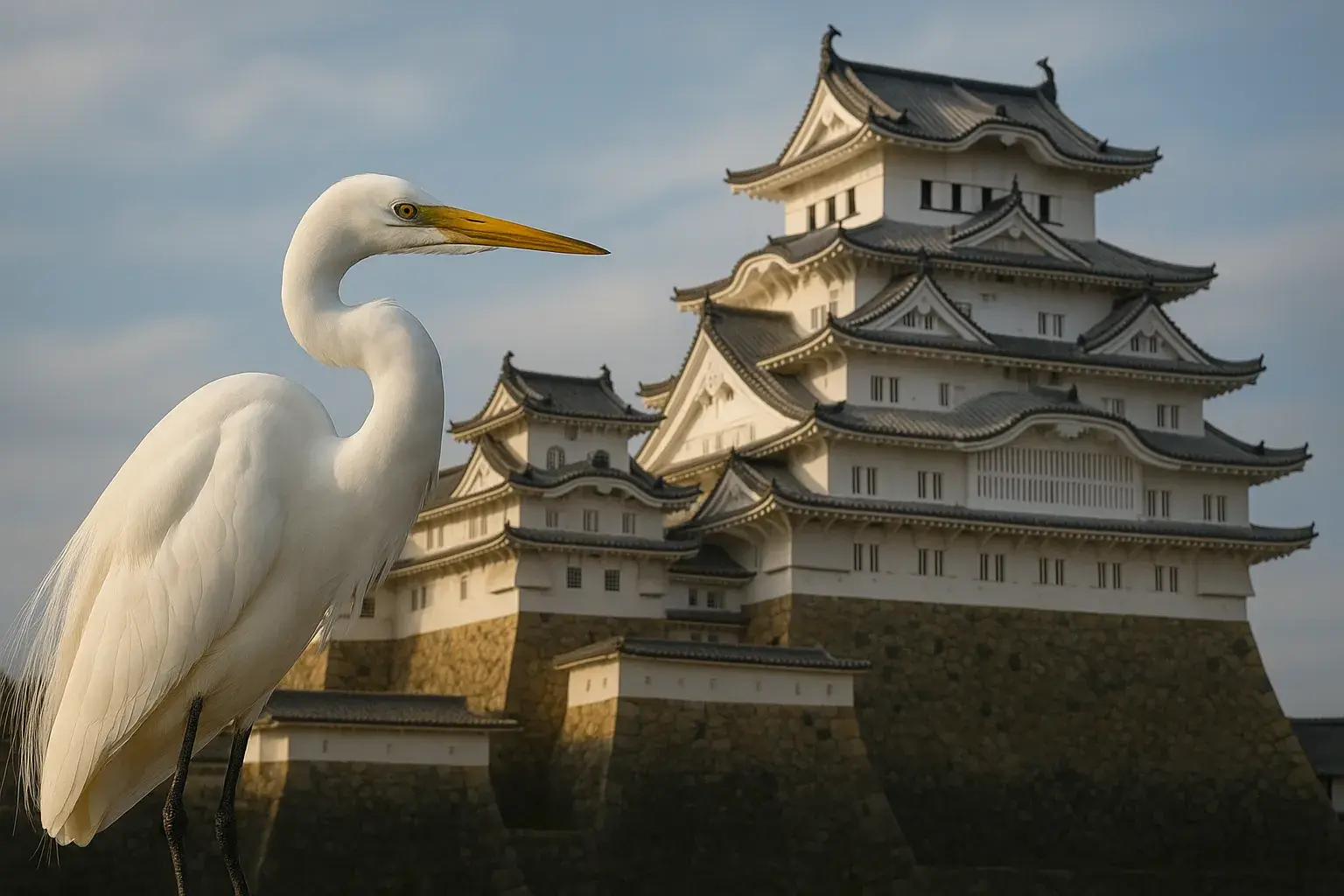
The person who listens to that voice may be the “future lord of the castle” who will carry on the wishes of the three generations of Sojo.
2. Chronology Digest
From a fort to a national treasure to a world cultural heritage site – Himeji Castle’s 700 years are a microcosm of Japanese history, from the upheavals of the Northern and Southern Courts to the modern nation and world heritage era. The spark that resided in the Akamatsu clan’s small fort was ignited by Hideyoshi’s ambitions, and turned into a white heron in the hands of Terumasa Ikeda. The castle tower, which survived the Meiji era ban on abolishing castles and was revived through major repairs in the Showa and Heisei eras, is still looking ahead to the next 400 years with its white walls shining.
1. Inside the large castle tower – Listen to the heartbeat of the 17th century wooden structure
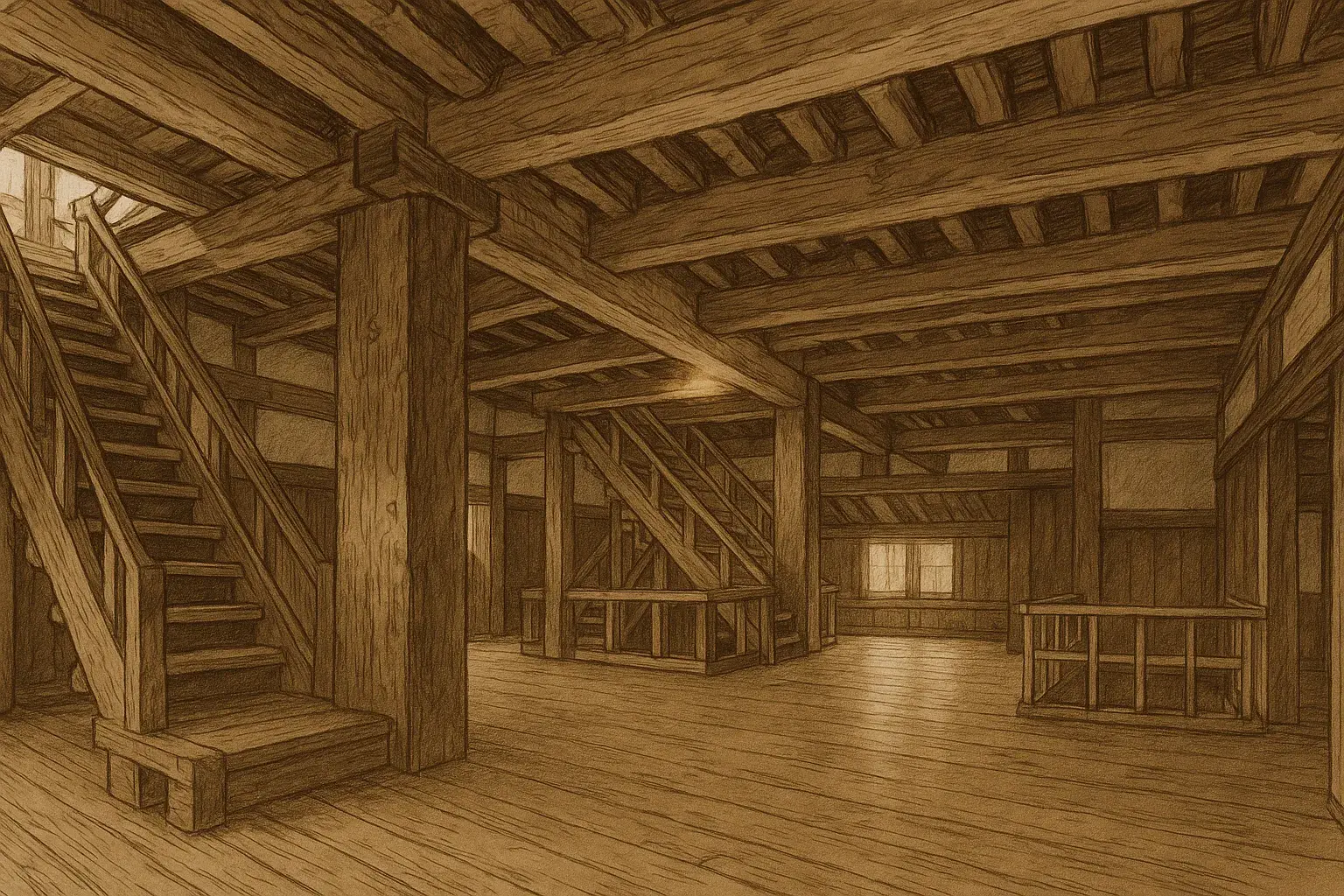
Steep wooden stairs attached to thick pillars, armor racks made of a mix of bamboo and iron, and door panels that close off the stairway entrances – the interior of the six floors is exactly as it was in actual combat at the time. When you look through the dimly lit musha-bashiri (surrounding gallery) through the window, which is conscious of the line of fire, you can clearly see the defensive philosophy established by Terumasa Ikeda. Also worth noting are the joints on the floorboards and the ink writing on the beams.
2. Hishi-no-mon and Masugata Kuruwa – Momoyama’s design and power
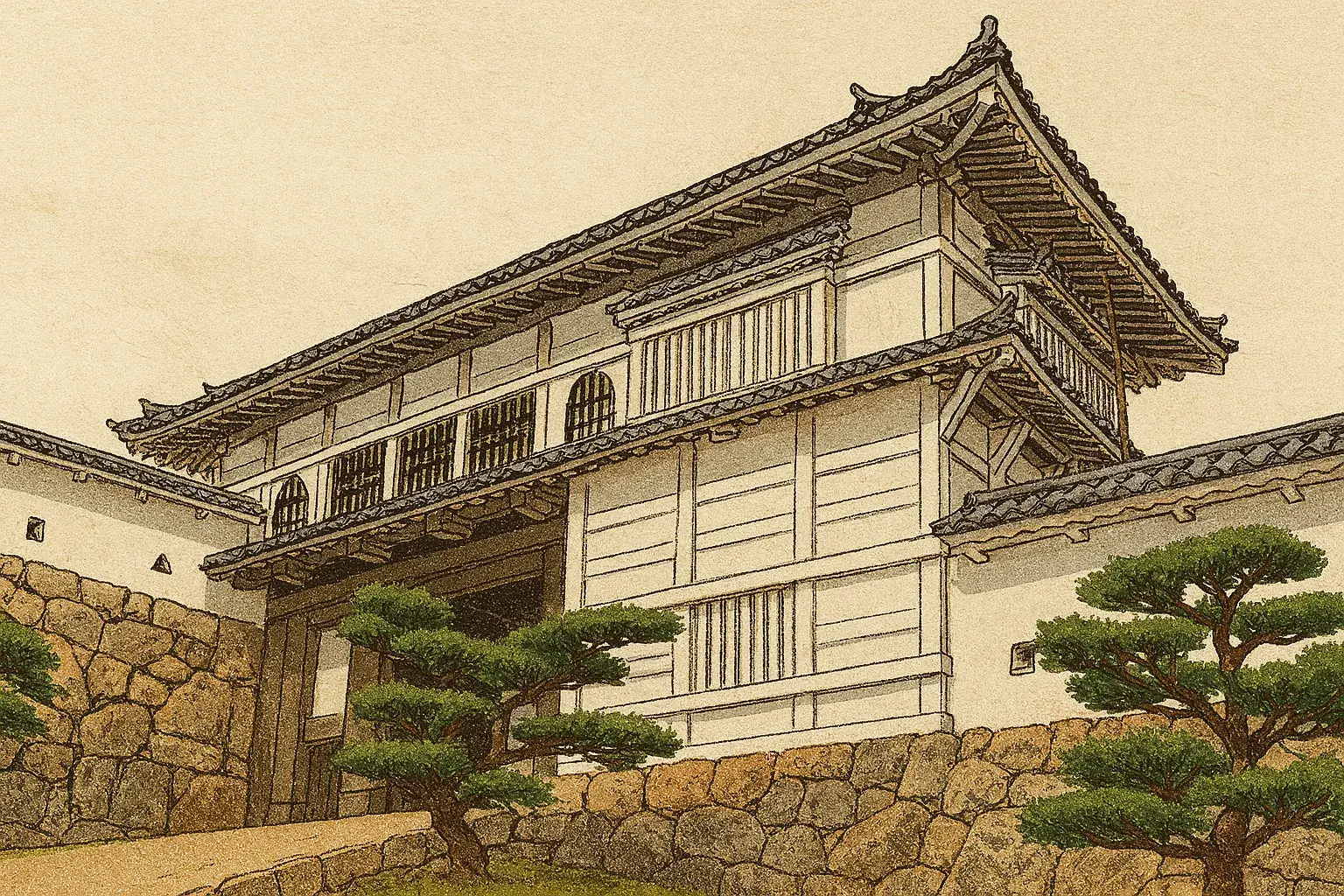
It is the largest turret gate in the castle, and it got its name from the diamond-shaped diamonds carved into the crown of the castle. When you pass through the gate, the square bends at right angles and the stone wall approaches like a wall. The path that narrows the width of the passageway and toy with the enemy is an area where the “aggressive aesthetics” of the Hideyoshi era remain strong.
3. Nishinomarucho Station (Hyakken Corridor) and Makeup Tower – Corridor where Senhime walked
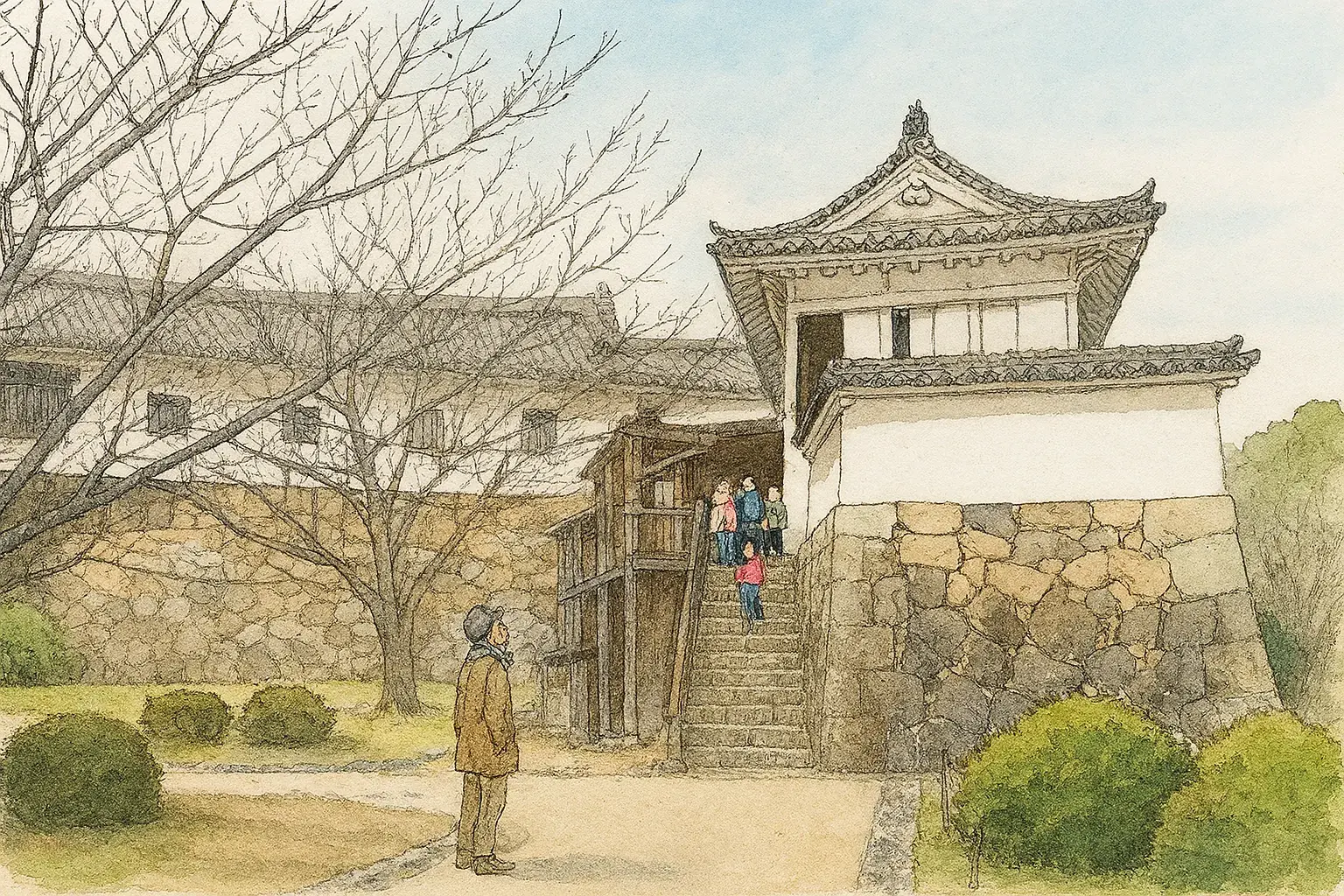
About 240 meters in length, there were a series of small rooms with tatami floors, and about 60 maids to Senhime lived there. The floorboards in the hallway and the light shining through the shoji screens reflect the culture of wives in the early Edo period. The makeup tower at the end is Senhime’s resting place. When you stand by the window, you can still see the ridgeline of Otokoyama and Shoshayama, where the princess worshiped every morning, in the same position.
4. Hazama and Ishiotoshi – “Ray of Fire” design remaining on the wall
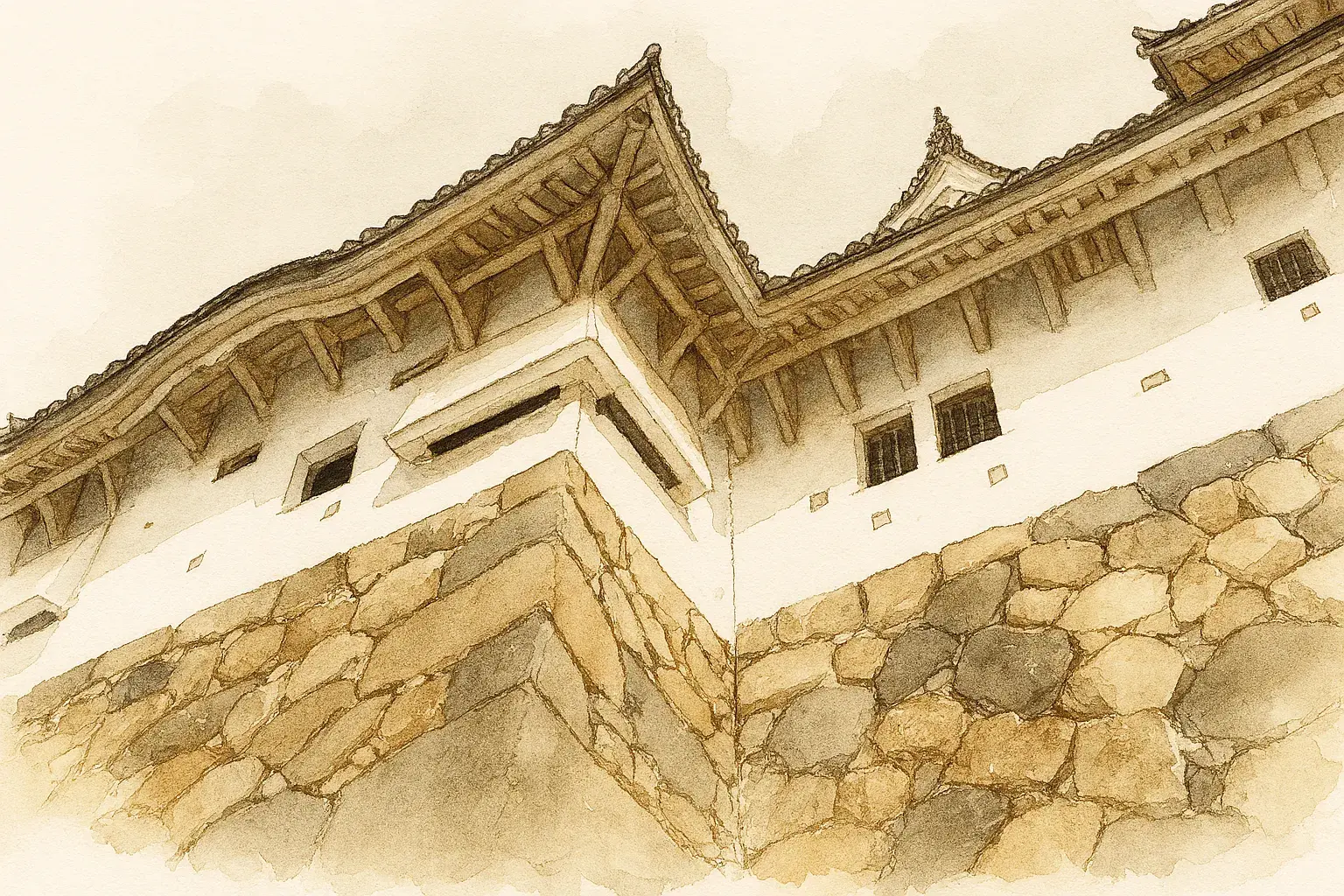
If you look closely at the earthen walls and turrets, you’ll see rows of circles, triangles, and squares. The angle is slightly different depending on the caliber of the matchlock gun, so you can see the direction of attack at a glance. The overhanging stone drop (Hakama waist type) is a device that throws stones and pours boiling water directly below. This is a moving textbook that allows you to learn about tactical engineering at the time.
5. The slope of the fan and the engravings – the signatures of the craftsmen told by the stone walls
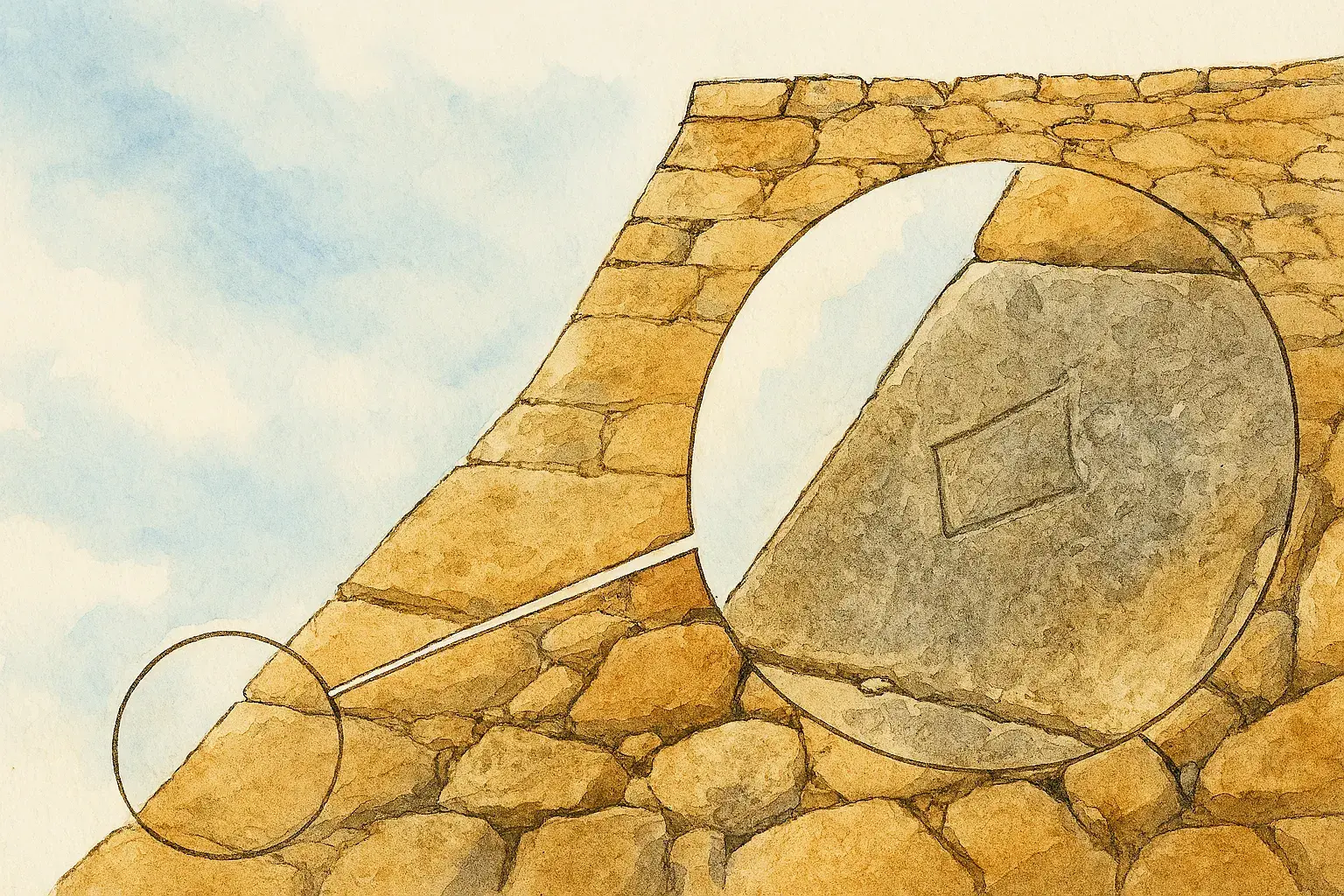
Bizen Marutaka Ishigaki has a “fan slope” with the lower part being vertical and the upper part curved into a fan shape. The curvaceous beauty that hinders climbing is the white eyebrow of Himeji Castle’s stone wall. Approximately 50 kinds of markings, such as family crests and geometric patterns, are scattered on the surface of the stone, and are considered to be symbols indicating a group of masons or a stone field. As you walk around looking for the engravings, you can feel the excitement of the castle construction site.
6. Okikuido – A ghost story spot where the Sarayashiki legend lives on
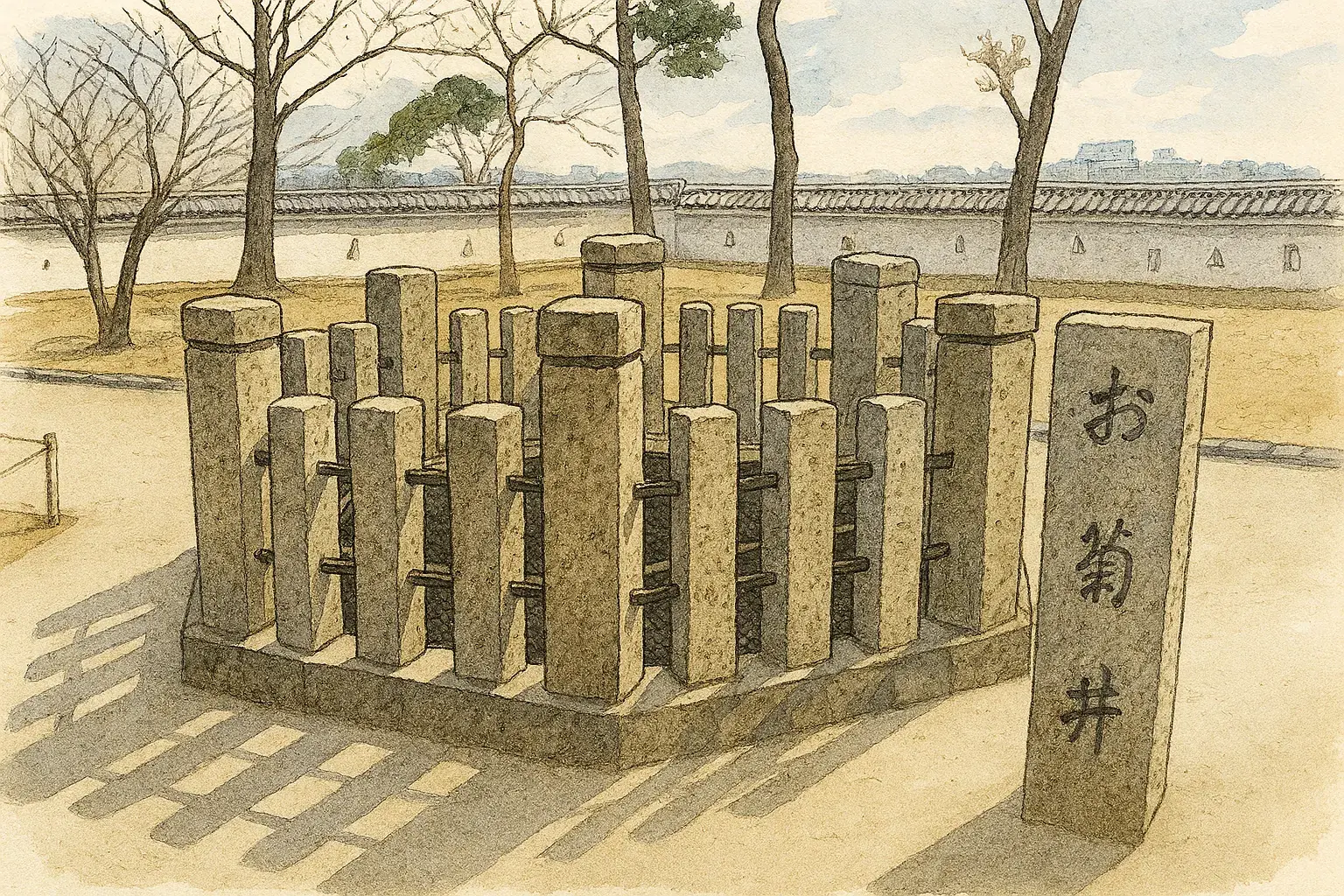
The approximately 20 m deep well that remains in Kaminoyama-ri is said to be the place where Okiku, known from Banshu Sarayashiki, threw herself. The story of a ghost counting plates in the middle of the night spread throughout the country in Edo literature and Kabuki, and engraved the name of the castle in the minds of the common people. If you look into it even during the day, you won’t be able to see the bottom, and you’ll realize why ghost stories were born.
Finally
The morning sun shines on the white plaster, and the heartbeat of a distant world can be heard through the stone walls.When you stand at Himeji Castle, the pride of Akamatsu, the dynamic movements of Hideyoshi, and the distant vision of Terumasa all fall into your heart like a single white heron.
This is not just a place where you can find out who built the building, but a stage where you can feel first-hand the dreams and responsibilities that people have inherited. The ink calligraphy on the beams of the castle tower, the silence that fills the castle tower, the carvings on the stone walls, and the white walls that were revived after major repairs in the Heisei era — all of them are bridges that connect the past and the future.
The next person to pass through the castle gate is you who has finished reading the story. Why not listen to the questions of the white heron and see where its wings will take you?