
🕓 2025/6/23
#Tourist Spot
75 Years Since the Night Flames Swallowed the Gold
Table of Contents
Introduction
75 years since the night flames swallowed the gold — this article traces the shock of the Kinkaku-ji arson incident and the trajectory of its rebirth in narrative form, focusing on the dedication of the craftsmen and the traces that can still be verified on-site.
Please note that the visuals in each chapter are AI-generated images created to help readers envision the scenes more vividly. They may differ from the actual landscape and should be enjoyed as supplementary references.
- The Full Story of the Incident
- Chapter 1: Preparation for the Crime — A Young Acolyte’s Despair
- Chapter 2: The Night of the Incident — One Night of the “Red Tower”
- Chapter 3: Aftermath — Testimony and Despair Amid the Ashes
- Chapter 4: The Trial — Inner Darkness and “Full Criminal Responsibility”
- Chapter 5: Aftermath — At the End of Silence
- Chapter 6: What Was Lost and the Reconstruction
- Timeline Digest: From Arson to Revival
- About the Reconstruction Methods
- Frequently Asked Questions
The Full Story of the Incident
Before dawn on July 2, 1950 —
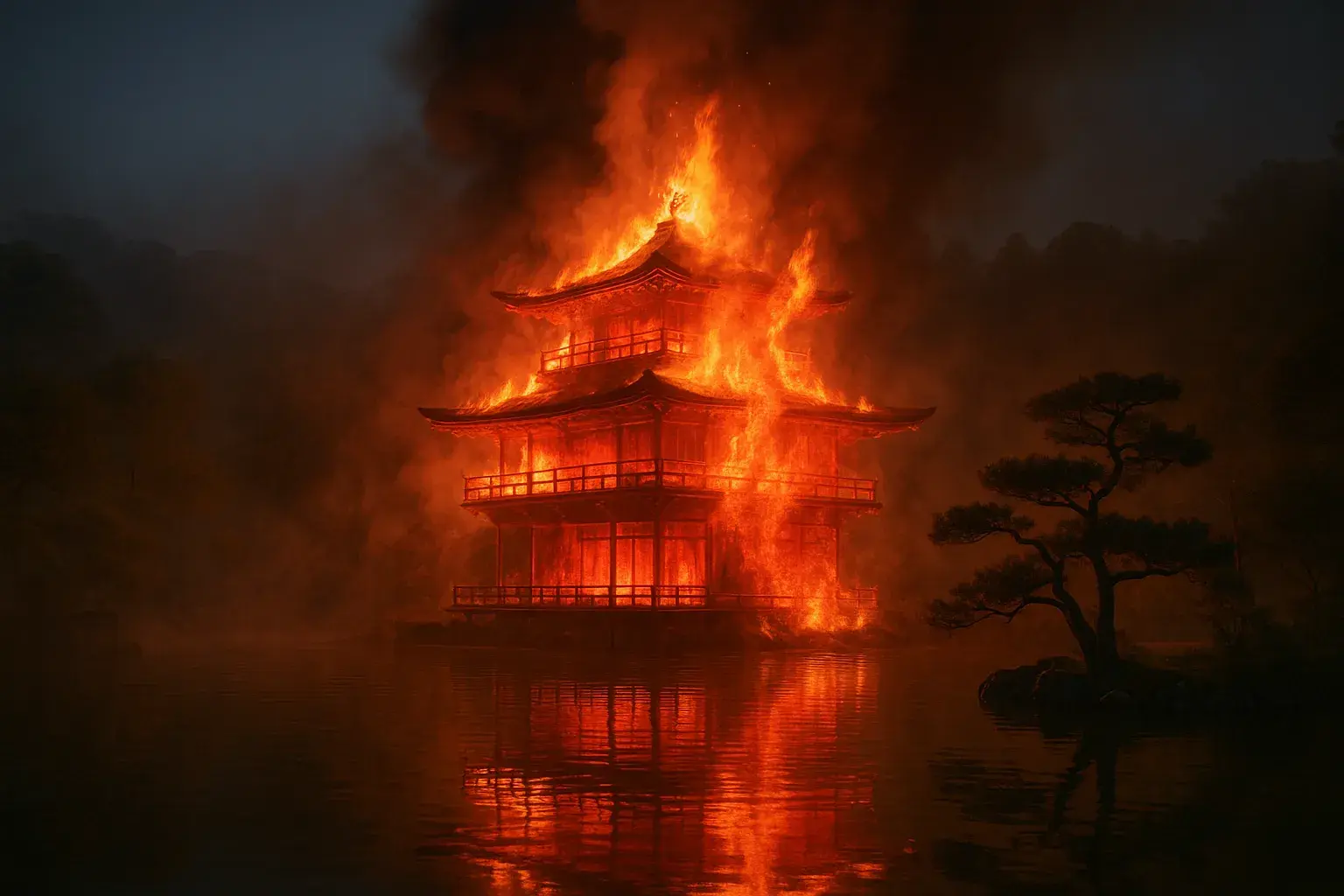
Flames suddenly flickered across the mist-shrouded surface of Kyoko-chi (Mirror Pond). The faint sound of crackling wood soon grew into a roaring pillar of fire, and the three-story pavilion “Kinkaku” was instantly transformed into a “red tower.” The eerie glow that stained midnight Kyoto was so fierce that, according to fire department records of the time, it reduced the National Treasure to ashes in just 45 minutes after the alarm was raised.
Chapter 1: Preparation for the Crime — A Young Acolyte’s Despair
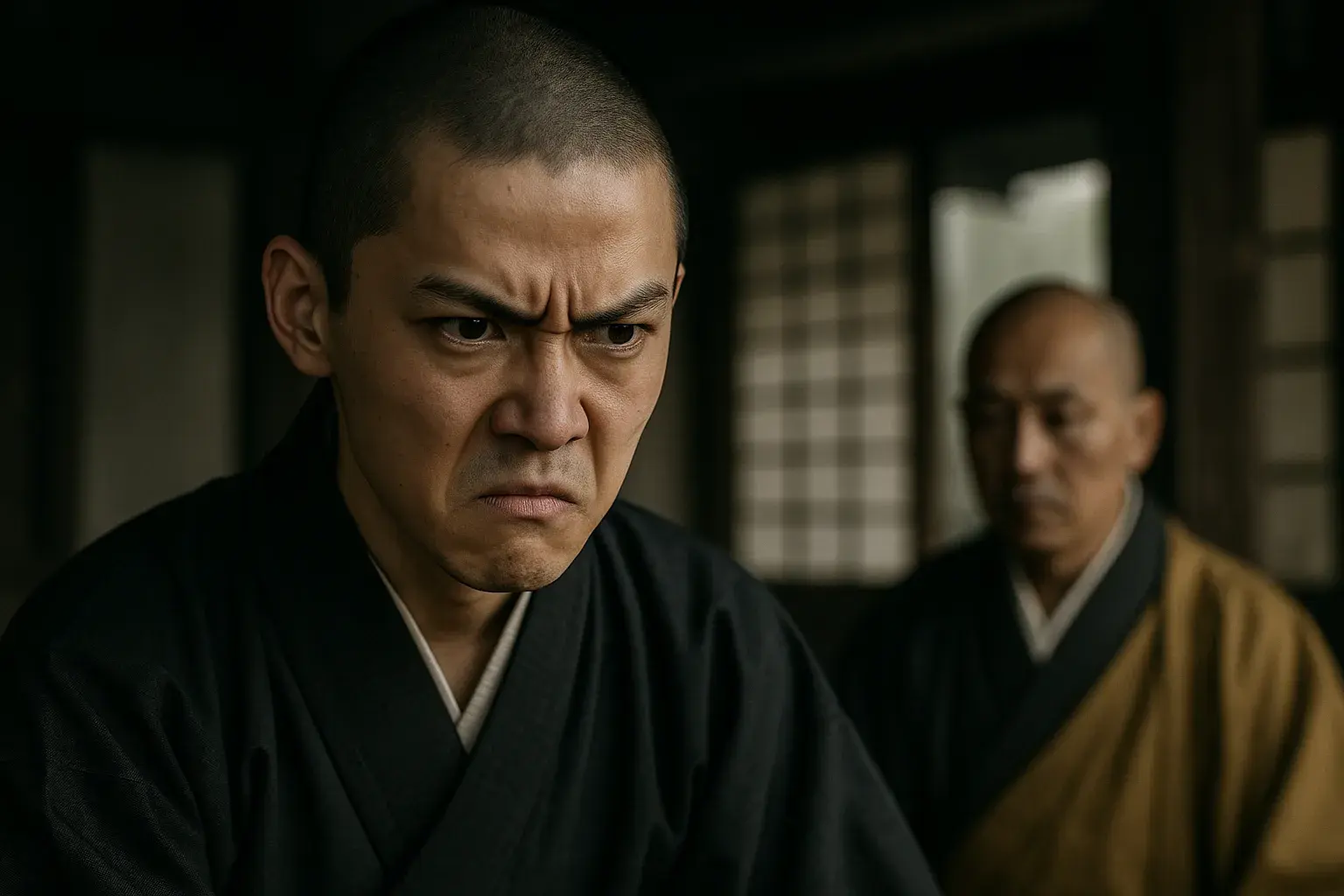
The perpetrator, Hayashi Yoken (birth name: Hayashi Yoken), began to secretly aspire to succeed the head priest after entering Rokuon-ji. However, around 1949, his relationship with the head priest and other acolytes began to deteriorate, and he started to feel that he was being mistreated. His inferiority complex gradually turned into resentment and despair, leading him toward the destructive resolve to burn down the Kinkaku and take his own life.
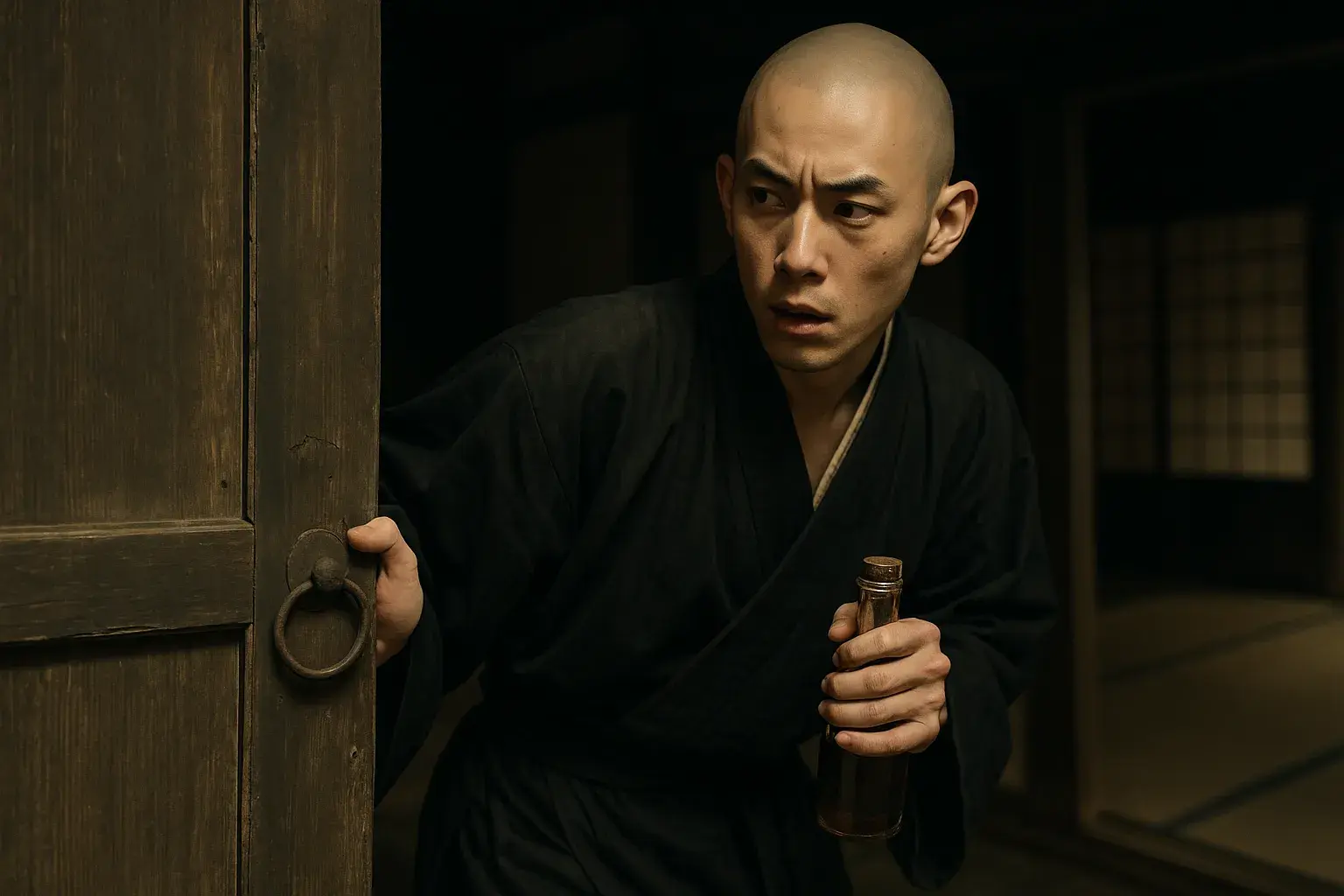
On June 10, 1950, Hayashi secretly removed nails from the wooden door on the north side of Kinkaku’s first floor. He replaced them but pulled them out again on June 28, preparing for entry. During this time, he sold his father’s coat to visit pleasure quarters and made remarks to those around him that hinted at a double suicide. On June 22, he purchased 100 tablets of Calmotin (a lethal dose) from a pharmacy — his plan was proceeding methodically and quietly.
Chapter 2: The Night of the Incident — One Night of the “Red Tower”
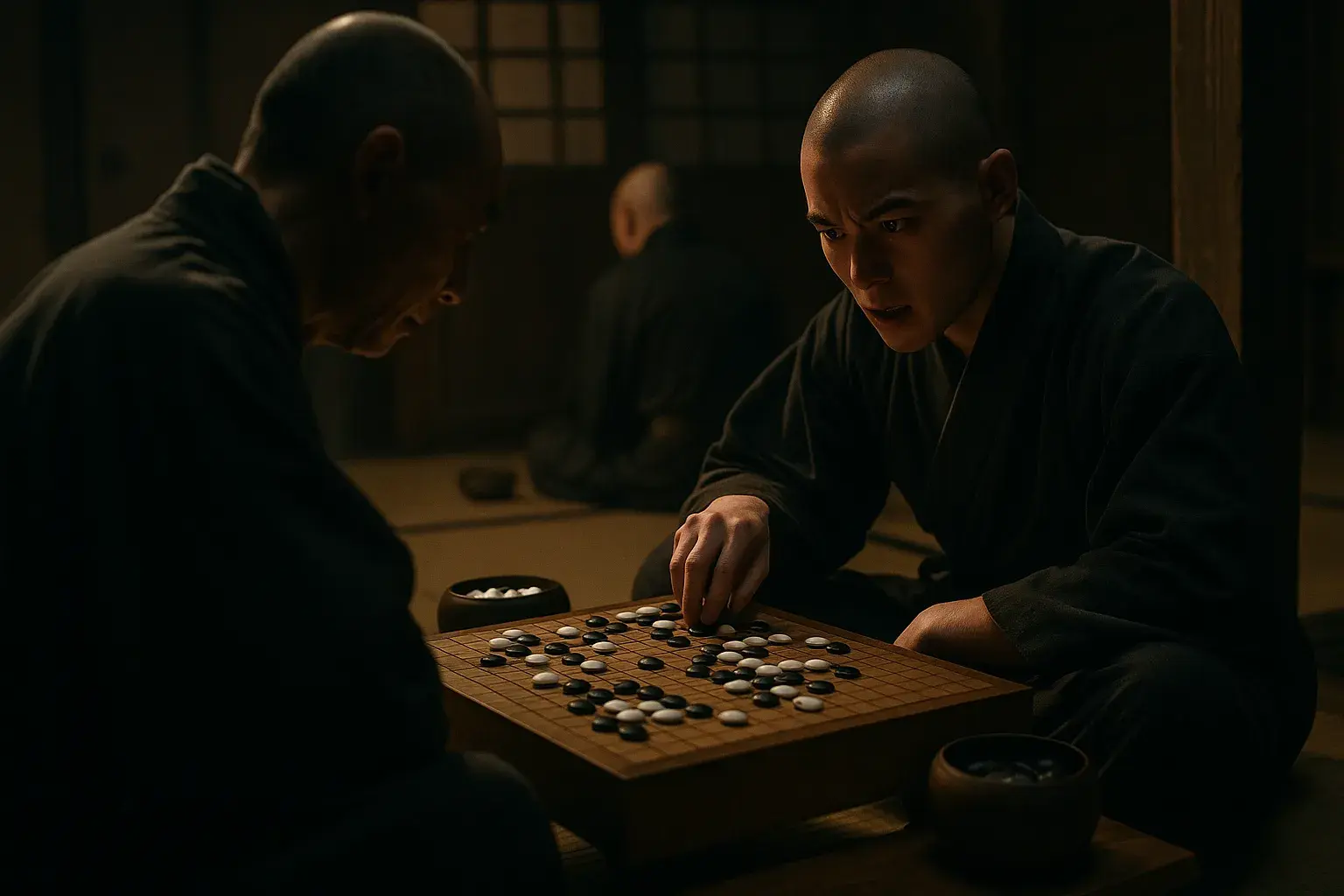
On the night of July 1, 1950, Hayashi gave the head priest a massage and then returned to his room. From 10 PM to around midnight, he played Go with a fellow monk, maintaining an appearance of normalcy. Around 3 AM on July 2, he reconfirmed that the fire alarm installed in the kitchen quarters was malfunctioning, then carried his futon and books from his room toward the Kinkaku.
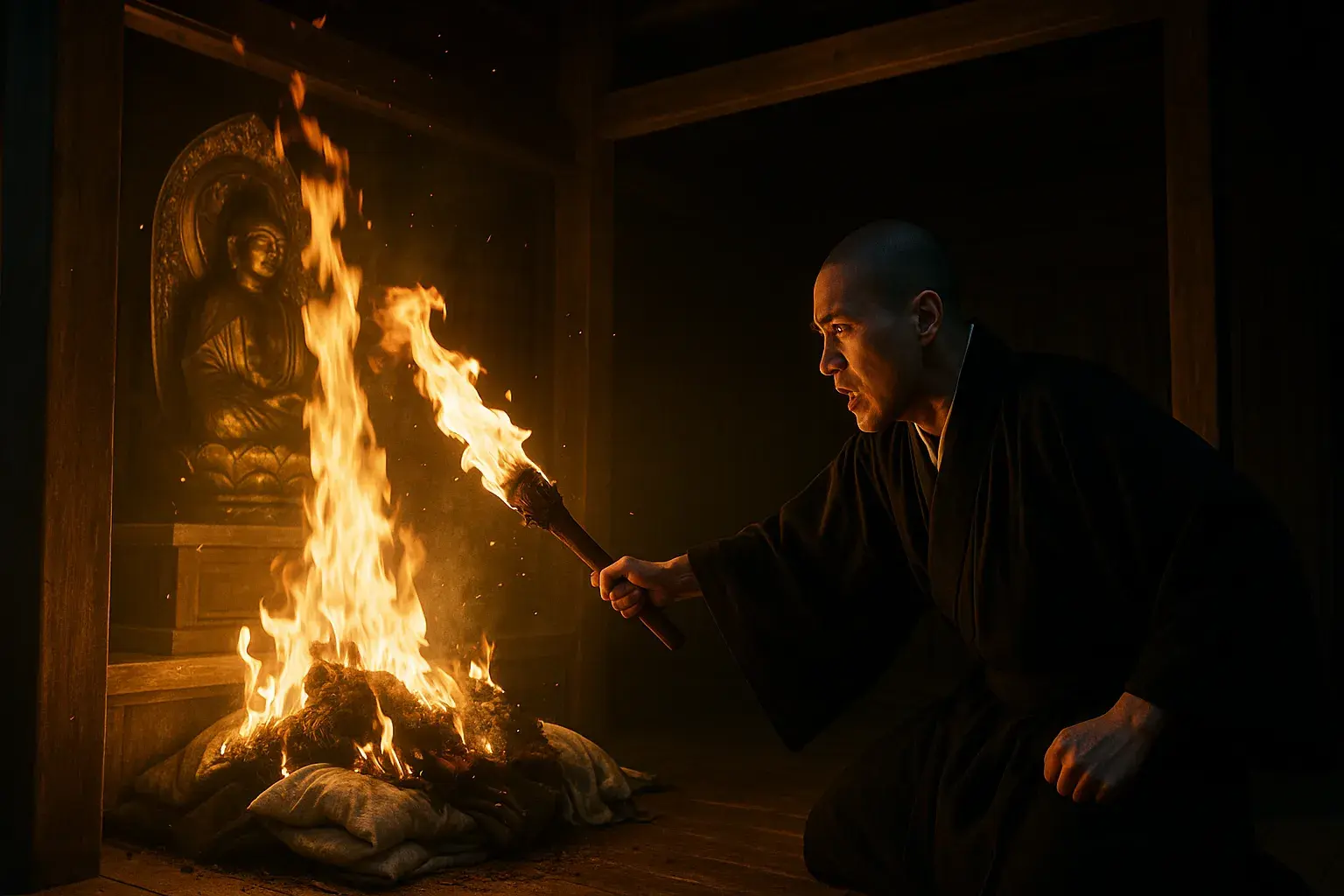
He piled futons and clothing in front of the statue of Ashikaga Yoshimitsu on the first floor, added straw bundles, and struck a match. The flames spread instantly, and by 3:07 AM the fire was spotted from an eastern watchtower. Fire engines arrived six minutes after the alarm, but the Kinkaku was already engulfed in flames. By 3:40 AM the pavilion collapsed; by 3:50 AM the fire was largely extinguished, but the Kinkaku and many cultural treasures had been reduced to ash.
Chapter 3: Aftermath — Testimony and Despair Amid the Ashes
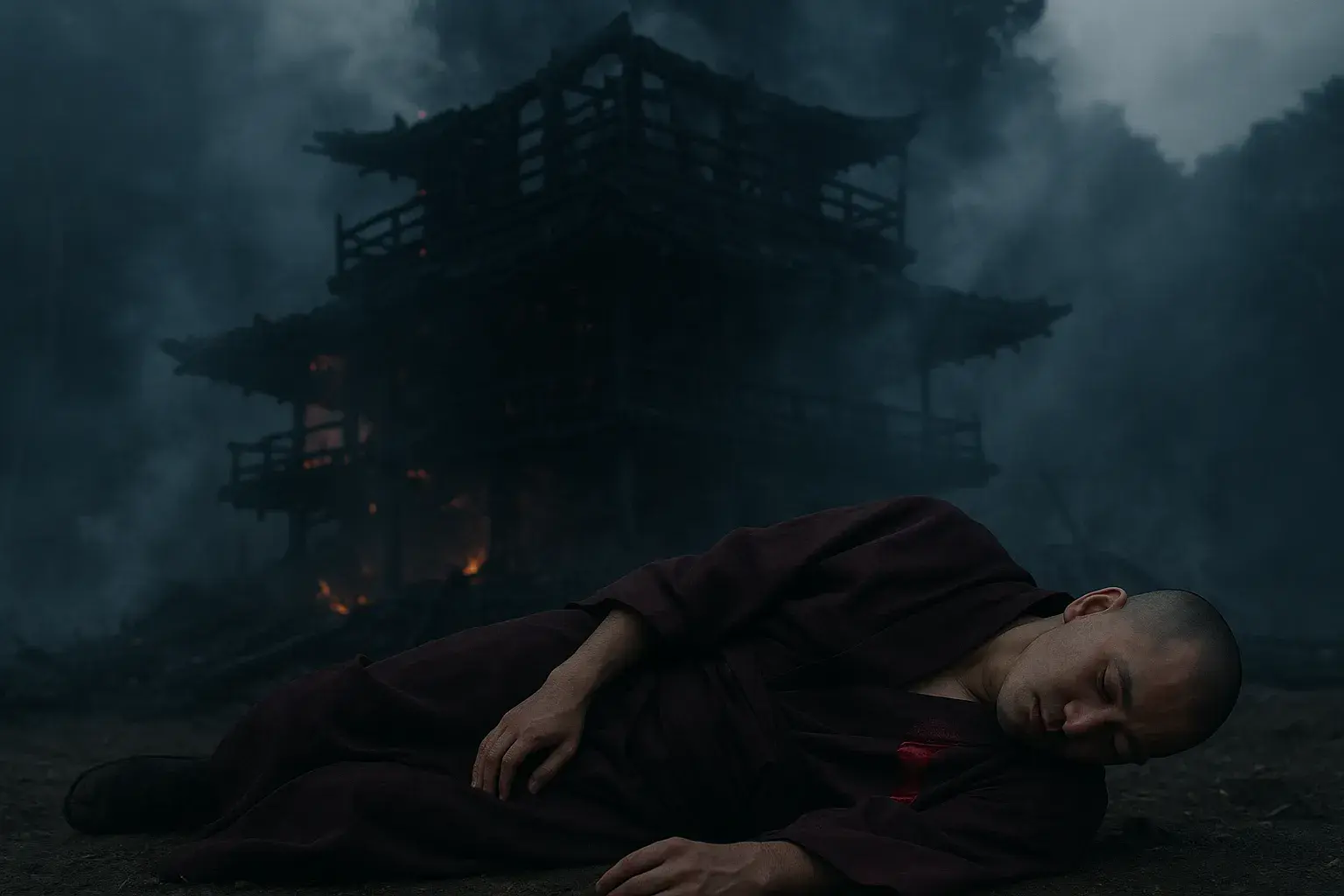
After the fire, Hayashi had disappeared and his belongings were missing from his room, strongly suggesting arson. That evening, he was found collapsed on the slopes of Mt. Hidari Daimonji behind the temple, having ingested Calmotin and stabbed himself with a short sword. In a semi-conscious state, he confessed “I set the fire,” but did not speak about his motive.
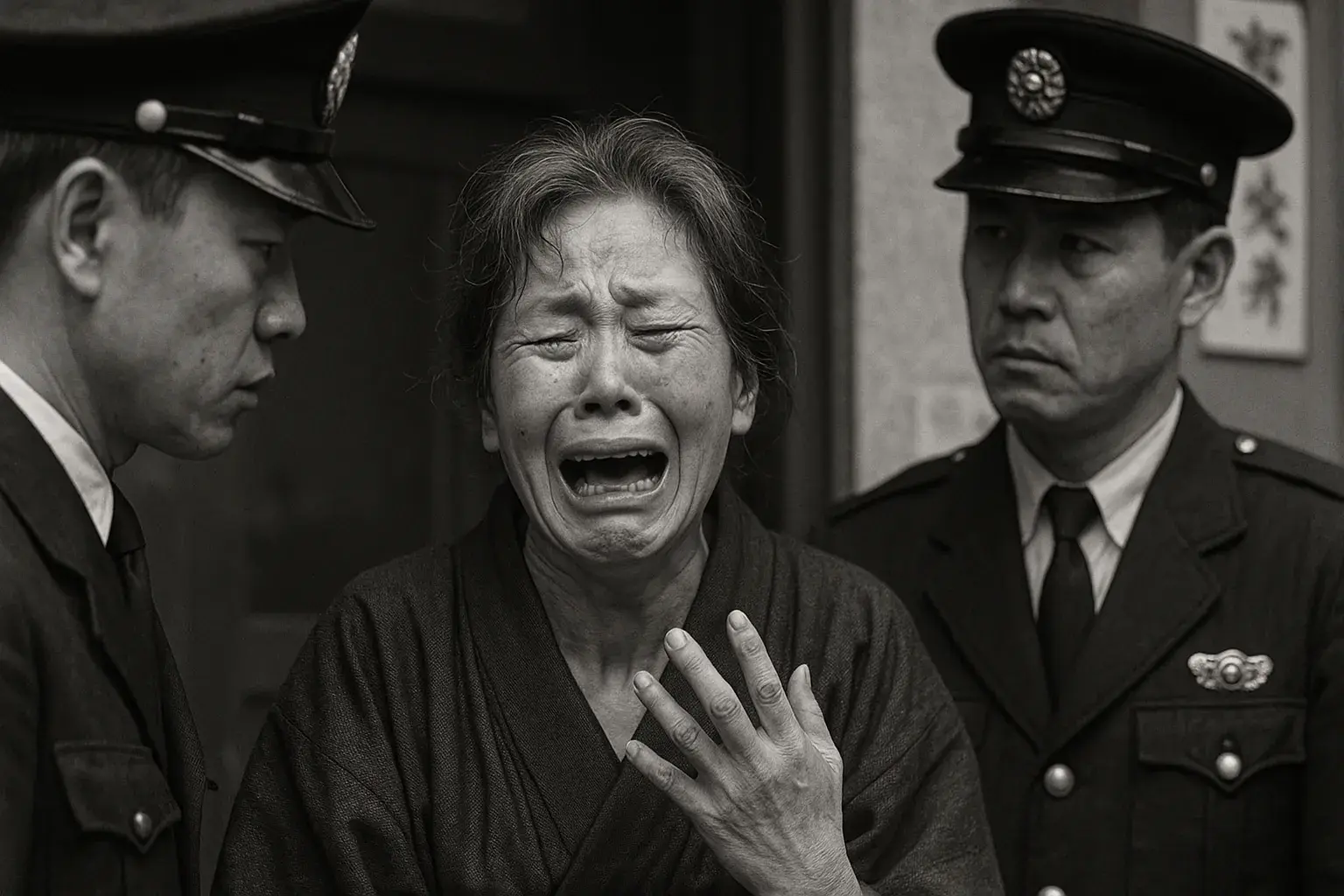
His mother, Shimako, had been on her way to Kyoto to visit her son, but en route she learned that the arsonist was her own child. Two days later, Shimako threw herself from a train deck at Hozu Gorge, taking her own life. She had reportedly told police that she would call her son a “traitor to the nation” and would be willing to die herself to atone for his crime.
Chapter 4: The Trial — Inner Darkness and “Full Criminal Responsibility”
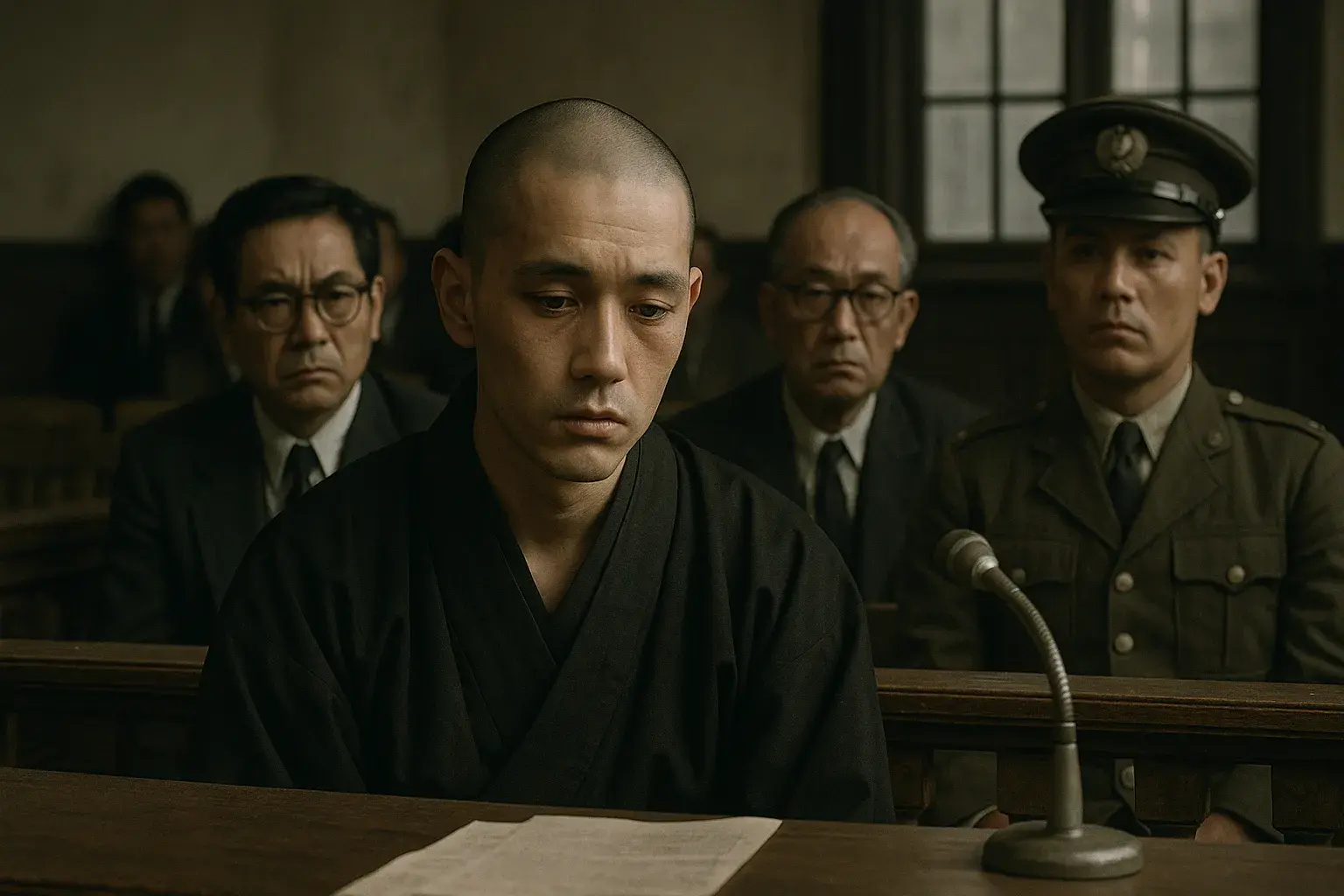
Shortly after the incident, Hayashi was indicted for arson and violation of the National Treasure Preservation Law, and his trial began at the Kyoto District Court. The prosecution argued that his motive was “self-loathing, jealousy of beauty, and resentment toward society.” Hayashi admitted his guilt but gave vague responses about his motive.
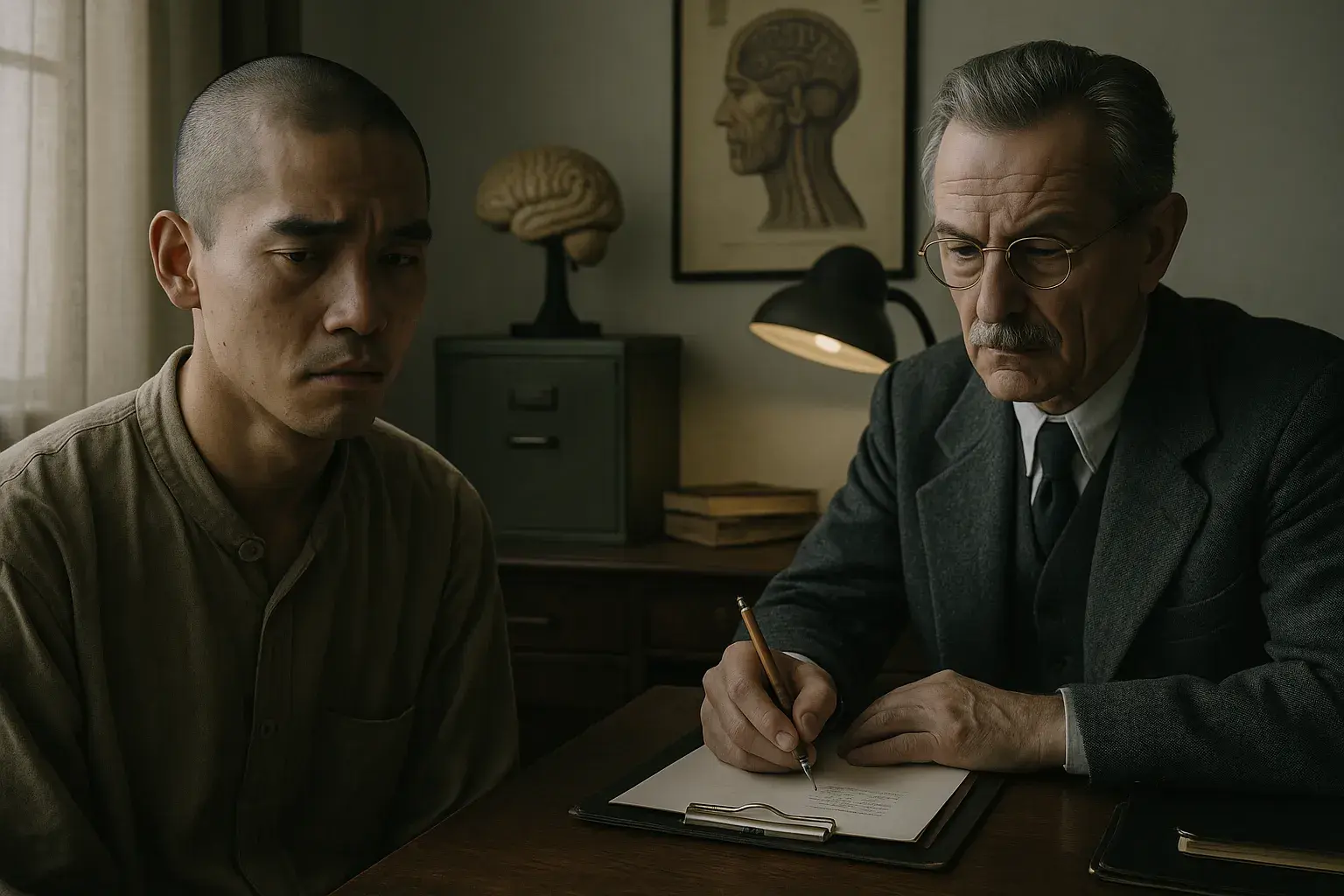
The psychiatric evaluation concluded that Hayashi had no mental illness and was diagnosed as having a “schizoid personality with full criminal responsibility.” In December 1950, Hayashi was sentenced to seven years in prison, and the verdict was finalized without appeal.
Chapter 5: Aftermath — At the End of Silence
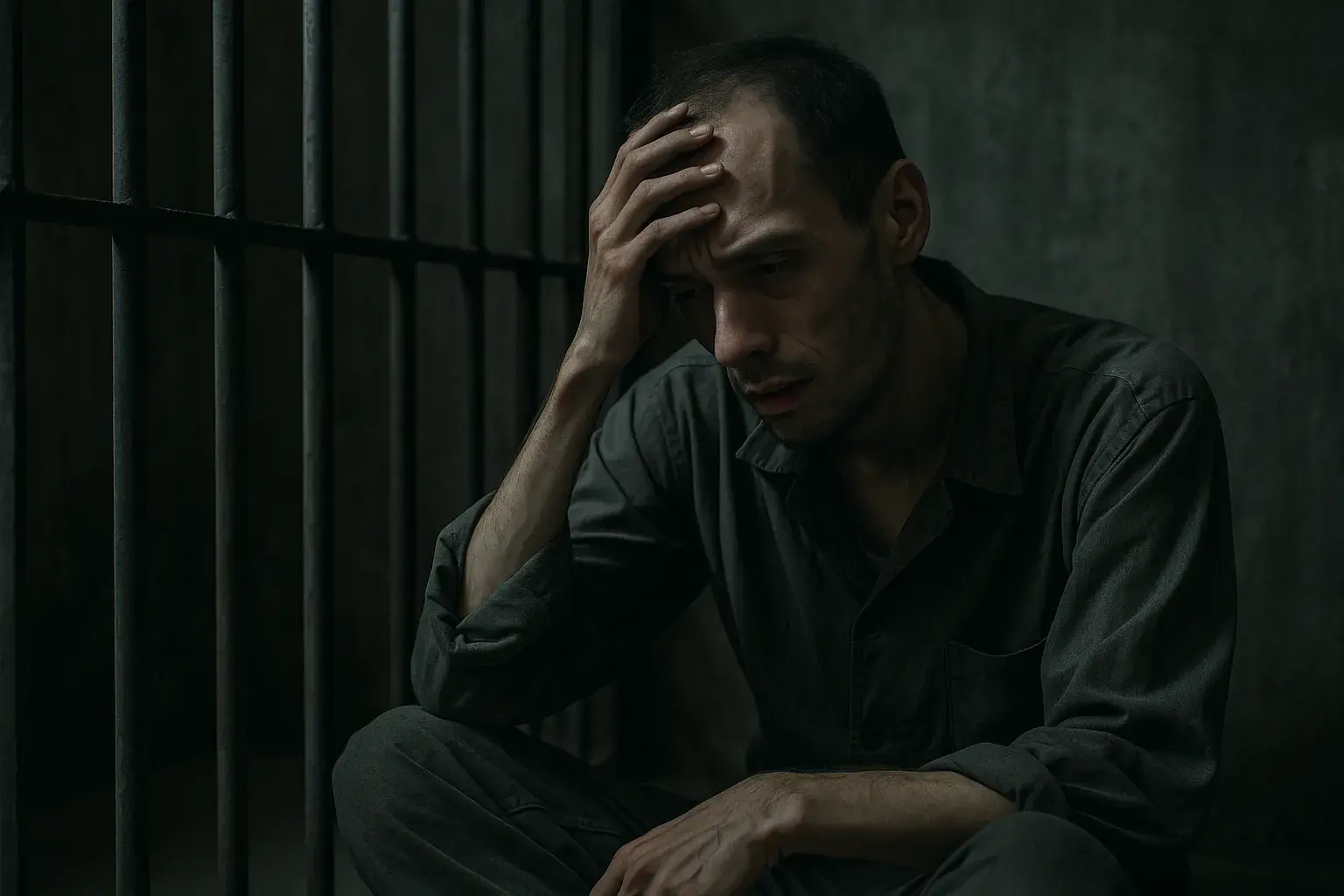
After being imprisoned at Kakogawa Prison, Hayashi began to exhibit mental abnormalities, suffering from auditory hallucinations, delusions, and refusal to eat. Letters addressed to Head Priest Jikai contained words of deep remorse and pleas for forgiveness, but their content gradually became incoherent.
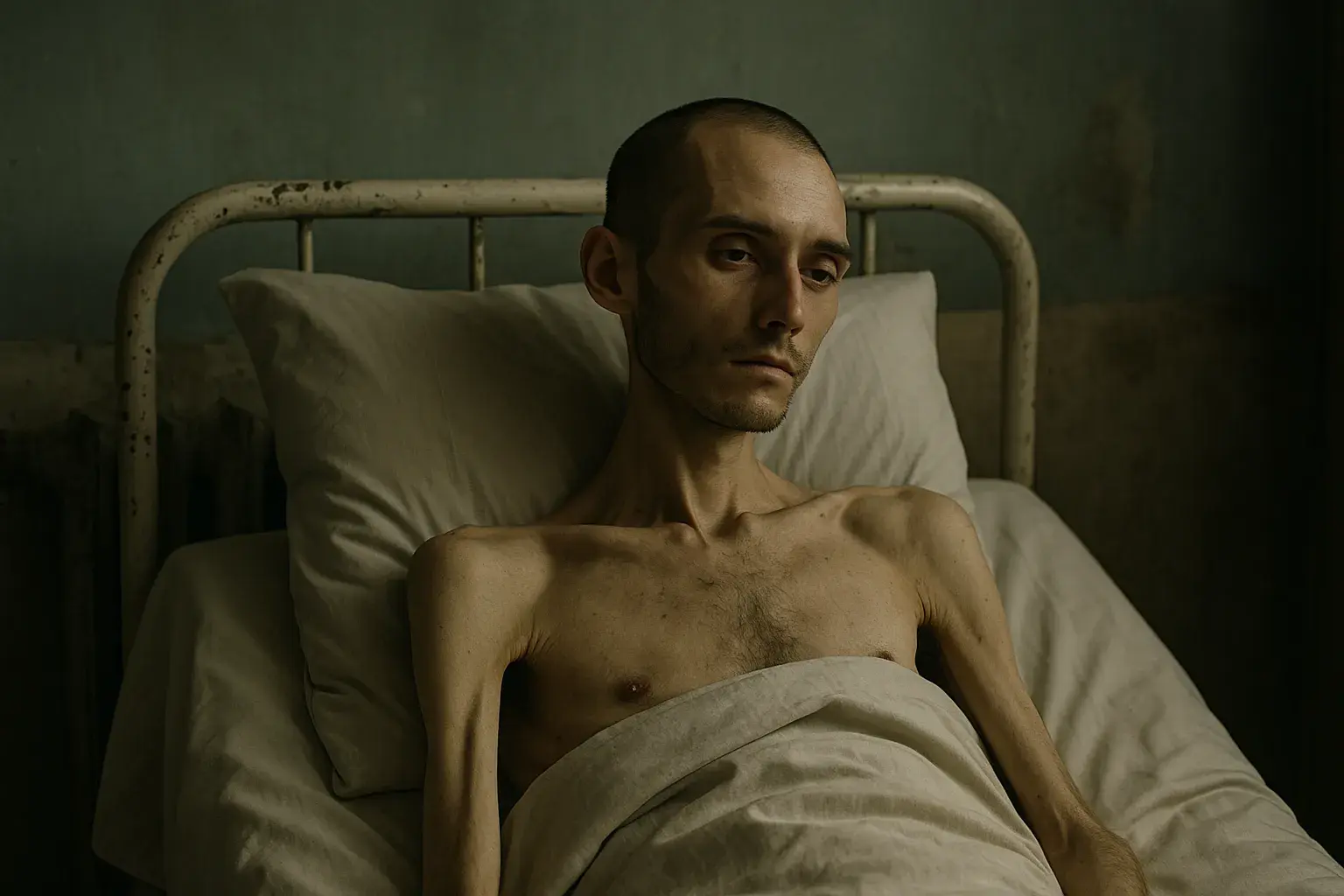
In 1953, he was transferred to Hachioji Medical Prison, where he spent his days suffering from tuberculosis and mental deterioration. After completing his sentence in 1955, he was immediately admitted to Rakunan Hospital under compulsory measures, but he reportedly responded with indifference to news of the Kinkaku’s reconstruction, saying “I don’t care.” On March 7, 1956, he died of pulmonary tuberculosis at the age of 26. His grave is in a communal cemetery in Maizuru City, alongside his mother Shimako.
Chapter 6: What Was Lost and the Reconstruction
What was lost in the flames was not just the building.
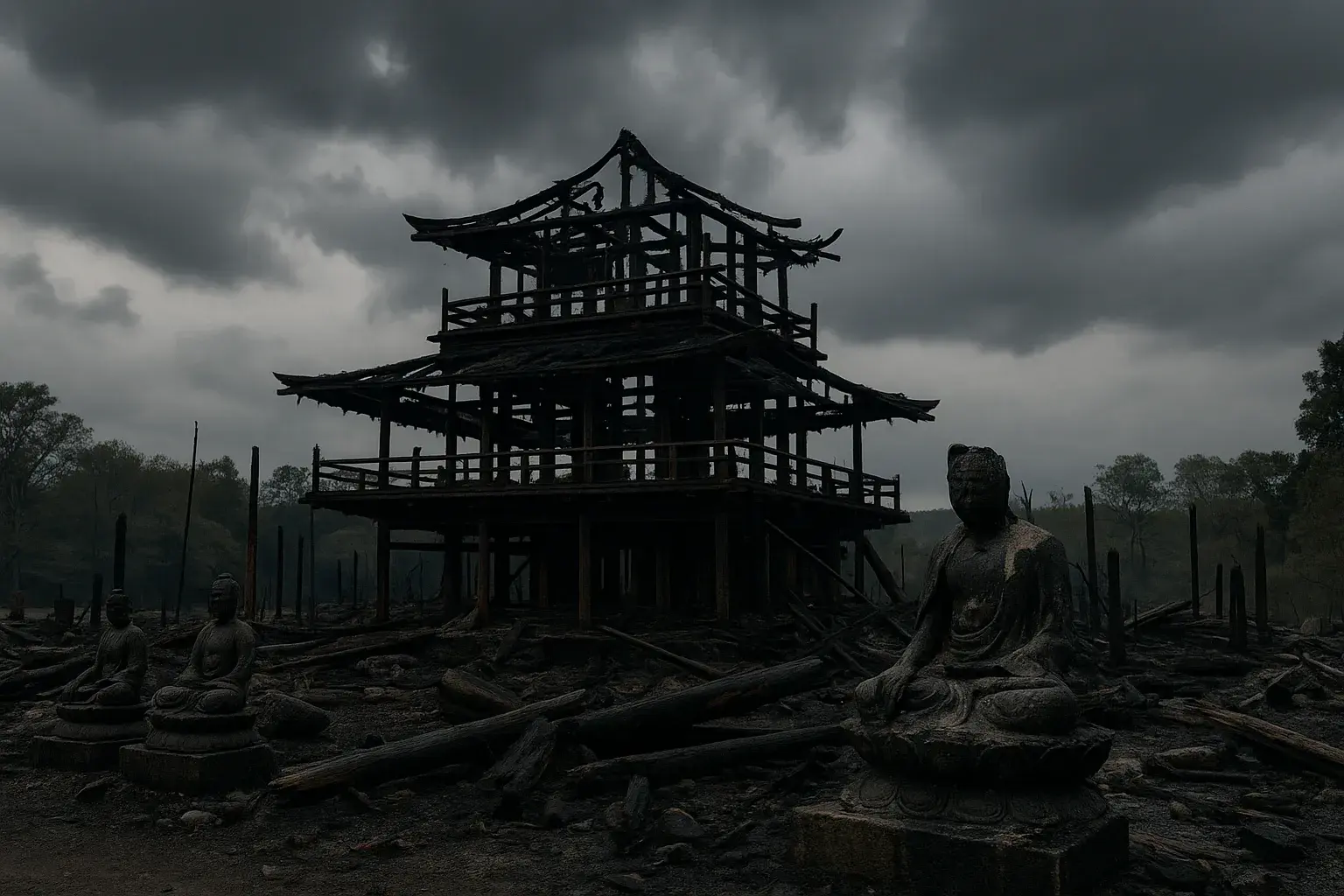
Six National Treasures, including the seated statue of Ashikaga Yoshimitsu and a Kannon Bodhisattva statue, were reduced to ash. Coming after the Horyu-ji Golden Hall fire (1949), this catastrophic loss instilled a nationwide fear that “cultural properties are not eternal.” The following year, debate on amending the Cultural Properties Protection Law accelerated in the Diet.
However — from the ashes, the “gold” would rise once more.
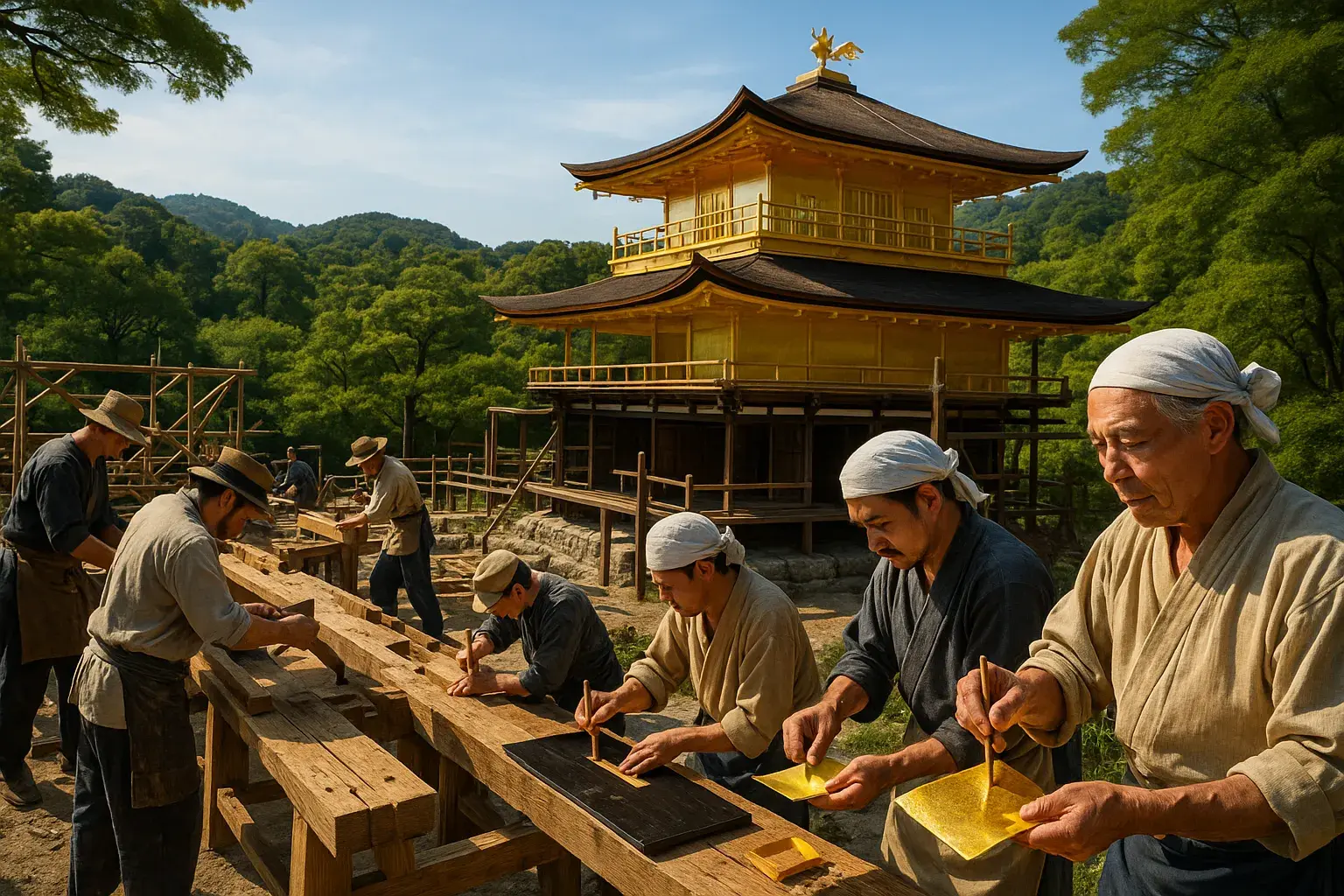
The “Three-Year Reconstruction Plan” that began in 1952 mobilized master carpenters, lacquer artisans, and gold leaf specialists based on surviving documents. On October 10, 1955, when the new Kinkaku was unveiled at the consecration ceremony, over 50,000 people lined the approach. Furthermore, during the “Great Showa Renovation” of 1986-87, approximately **200,000 sheets (20 kg)** of gold leaf 0.5 micrometers thick were reapplied in double layers, restoring a brilliance that surpasses even the original construction.
Timeline Digest: From Arson to Revival
In the early hours of July 2, 1950, a 21-year-old apprentice monk set fire to the National Treasure shariden (known as Kinkaku), reducing it to ashes. Yet just five years later, the golden pavilion was resurrected through the “Three-Year Reconstruction Plan,” which marshaled the combined skills of master carpenters, lacquer artisans, and gold leaf specialists.
Since then, the roof’s cypress bark shingle replacement (2003-04) and partial repairs in the Reiwa era (2020) have continued, and Kinkaku-ji continues to captivate the world as a cultural property that “rises even after burning.”
| Date | Event |
|---|---|
| 1950.7.2 | Apprentice monk Hayashi Yoken piles clothing, books, and straw bundles on the first floor and sets fire. The shariden and 6 National Treasure Buddhist statues are completely destroyed. |
| 1950.12 | Sentenced to 7 years at Kyoto District Court. Tuberculosis worsens during imprisonment; dies in 1956 (age 26). |
| 1952 | Reconstruction begins under the supervision of the Cultural Properties Protection Committee (a combined effort of master carpenters, lacquer artisans, and gold leaf specialists). |
| 1955.10.10 | Kinkaku consecration ceremony. The wooden three-story pavilion is faithfully restored and opened to the public. |
| 1986-87 | “Great Showa Renovation”: approximately 200,000 sheets of gold leaf reapplied and lacquer completely redone. Total cost: approximately 740 million yen. |
| 1994 | Registered as a UNESCO World Heritage Site under “Historic Monuments of Ancient Kyoto.” |
| 2003-04 / 2020 | Roof cypress bark shingle replacement, exterior partial repairs, and other periodic preservation work carried out. |
Kinkaku-ji burned down in the summer of 1950. Amid the remorse of failing to protect a National Treasure, it was the precise blueprints surviving from the Meiji era and the craftsmen who inherited their skills that lit the flame of reconstruction. Here we guide you through the behind-the-scenes story of the reconstruction and restoration.
1. The Full Picture of the 1952-55 “Three-Year Reconstruction Plan”
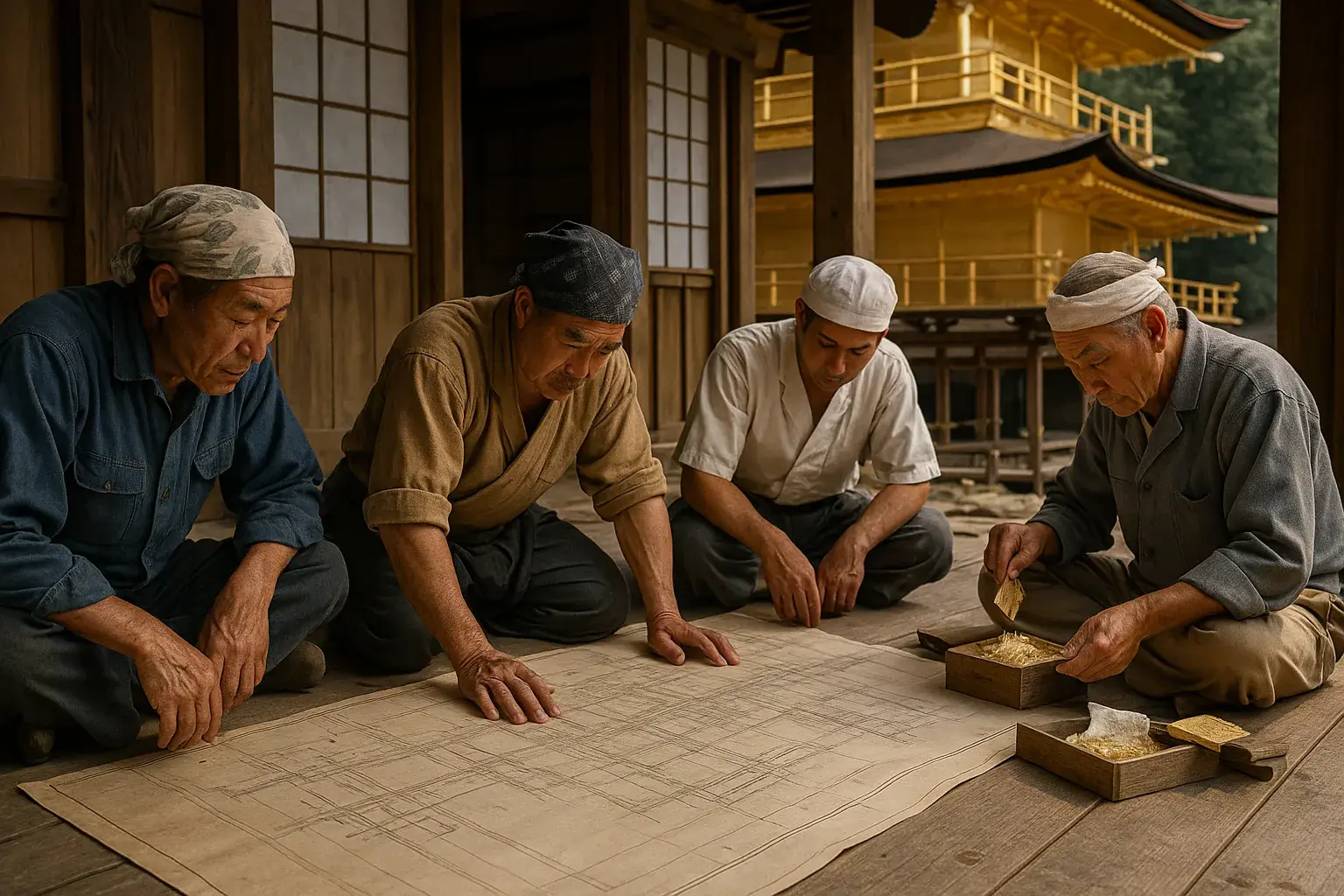
All that remained at the burned site were precise blueprints from the Meiji-era dismantling survey and the pride of the craftsmen. The Cultural Properties Protection Committee consulted with Kyoto Prefecture and the Shokoku-ji school and established two guiding principles:
Faithfully restore it as a wooden multi-story pavilion
Re-examine the gold leaf and lacquer specifications based on historical sources
The main timber was Kiso cypress. Large-diameter logs over 12 meters long were felled in the mountains of Nagano and Gifu, then transported to Kyoto via trolley and freight car. The master carpenter was Akamatsu Yoshio, who followed the lineage of Nishioka Tsunekazu. The lacquer undercoating was handled by a group of craftsmen from Kiso Hirasawa, who applied 100,000 sheets of gold leaf (about 2 kg), each measuring 10 cm square, one by one.
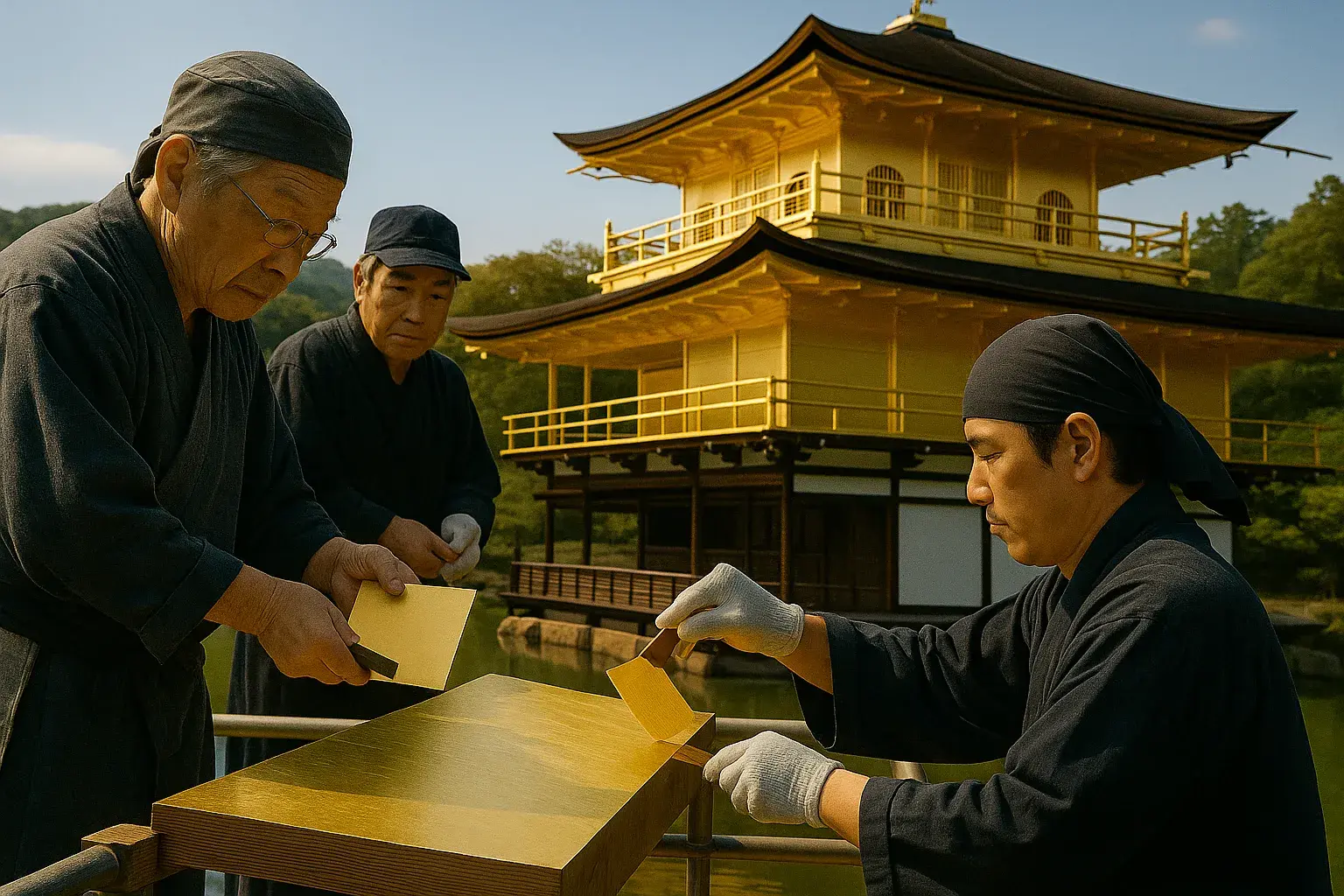
Surviving photographs had largely confirmed that “only the third floor was golden.” However, the restoration committee determined, based on traces of glue found on the eaves underside, that “the second floor also had gold leaf.” Deliberations lasted two years, but ultimately the decision was made to apply gold leaf over the entire surface to “restore the brilliance of the original construction.” This decision gave birth to the “golden second and third floors” as we know them today.
2. October 10, 1955 — The Consecration Ceremony of the Golden Revival
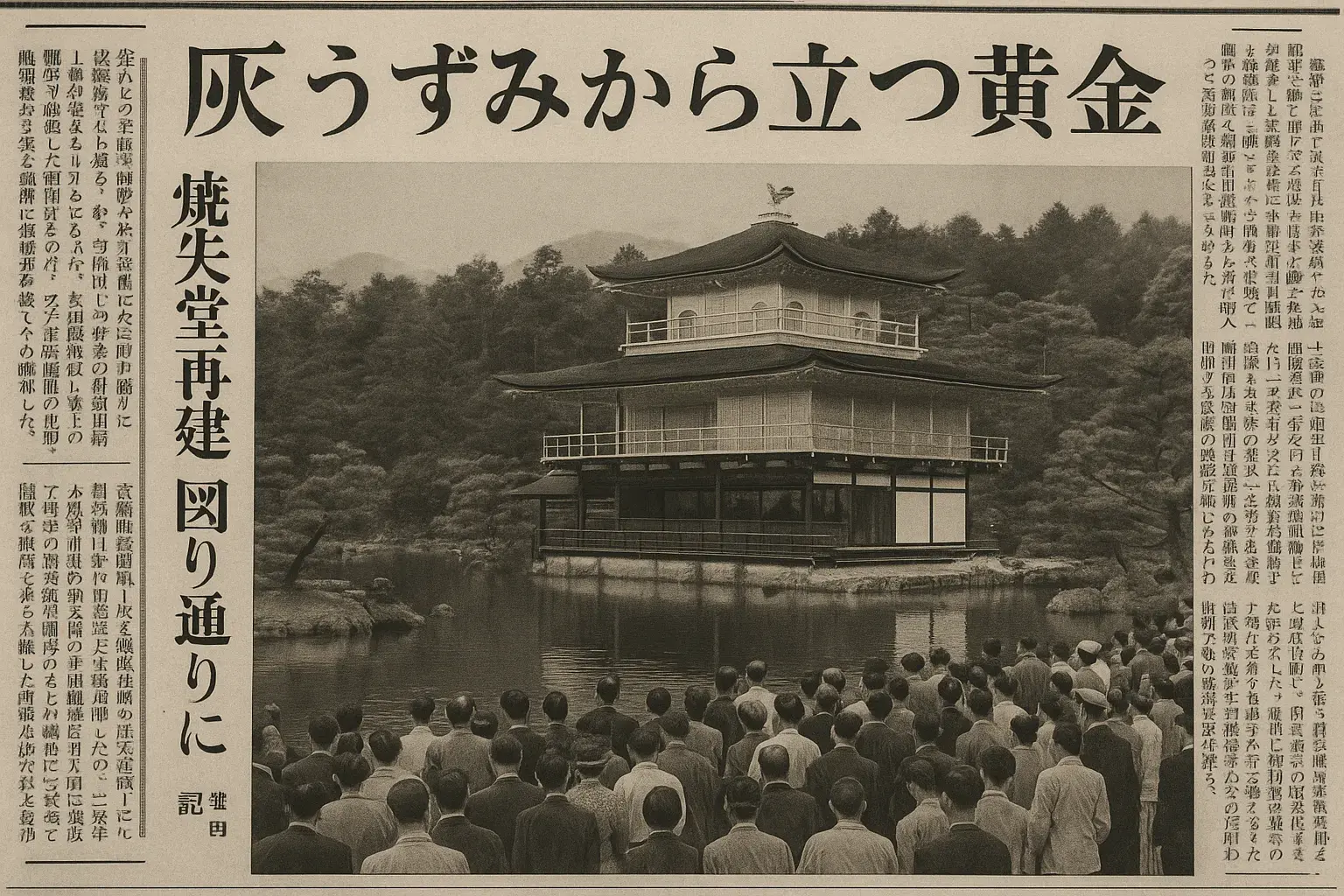
A total of 950 craftsmen were involved, at a cost of 38.75 million yen (at the time). On the day of the ceremony, over 50,000 visitors came to pay their respects. The “gold risen from the ashes” graced the front pages of national newspapers and became a symbol of postwar recovery.
3. The 1986-87 “Great Showa Renovation” — 5x Thicker Gold Leaf, 200,000 Sheets
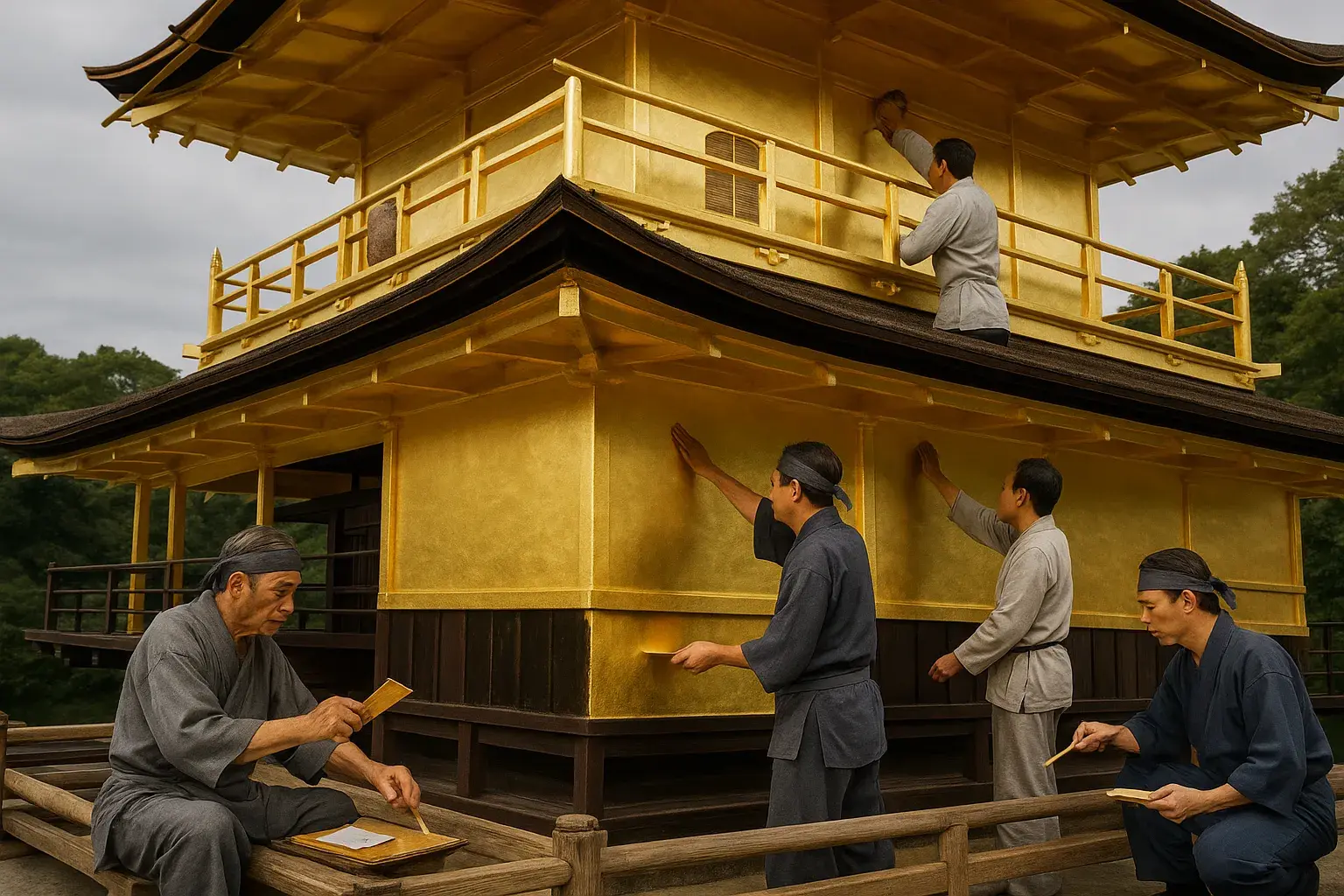
After 30 years since reconstruction, the exterior walls had darkened from ultraviolet rays and the lacquer had deteriorated. An unprecedented restoration was carried out, applying 200,000 sheets of new gold leaf, 0.5 micrometers thick and five times thicker than before, in double layers. Three craftsmen handled about 70,000 sheets each, at a total cost of 740 million yen. The surfaces reapplied at that time are the very brilliance now reflected in Kyoko-chi (Mirror Pond).
In 1950, the Kinkaku that fell to the flames was revived just three years later through the “Meiji blueprints” and the determination of the craftsmen. The cypress carved by 950 workers and the layers of gold leaf they applied gave birth to the golden pavilion once more, and its brilliance has been polished through the Great Showa Renovation and Reiwa-era repairs — truly a miraculous cultural property that “rises even after burning.”
| Experience Point | Highlights |
|---|---|
| 1. Hojo Hall Exhibition Corner | Fire-damaged roof tiles and charred pillar fragments displayed in glass cases. Includes fire department photographs from the night of the arson. |
| 2. Original Roof Phoenix (First Generation) | The bronze phoenix that survived the 1950 fire. Burn marks remain on its wings. |
| 3. Kyoto National Museum Special Exhibitions | Charred pillar fragments and pieces of the Ashikaga Yoshimitsu statue displayed on a limited-time basis. |
| 4. Temple Grounds Signboard “Traces of the Kinkaku Fire” | Displays a photograph of the conflagration taken from across Kyoko-chi (Mirror Pond) (reproduction from the Yomiuri newspaper, July 3, 1950 evening edition). |
| 5. Smartphone Audio Guide | Provides multilingual commentary on the arson and reconstruction process. Also features AR content overlaying before-and-after views of the fire. |
Early morning is recommended: On days when the Hojo Hall is open, arriving right at the 9:00 AM gate opening is less crowded, allowing close-up views of fire-damaged tiles through glass.
![[3 Selections] Carefully selected historical tourist spots in Tochigi Prefecture](https://article.bespes-jt.com/wp-content/uploads/hubfs/ae8f53cb830f542b86e66f493fb982bf-300x152.jpg)