🕓 2024/4/20
#culture
Detailed explanation of the history and overview of Meiji Shrine
more
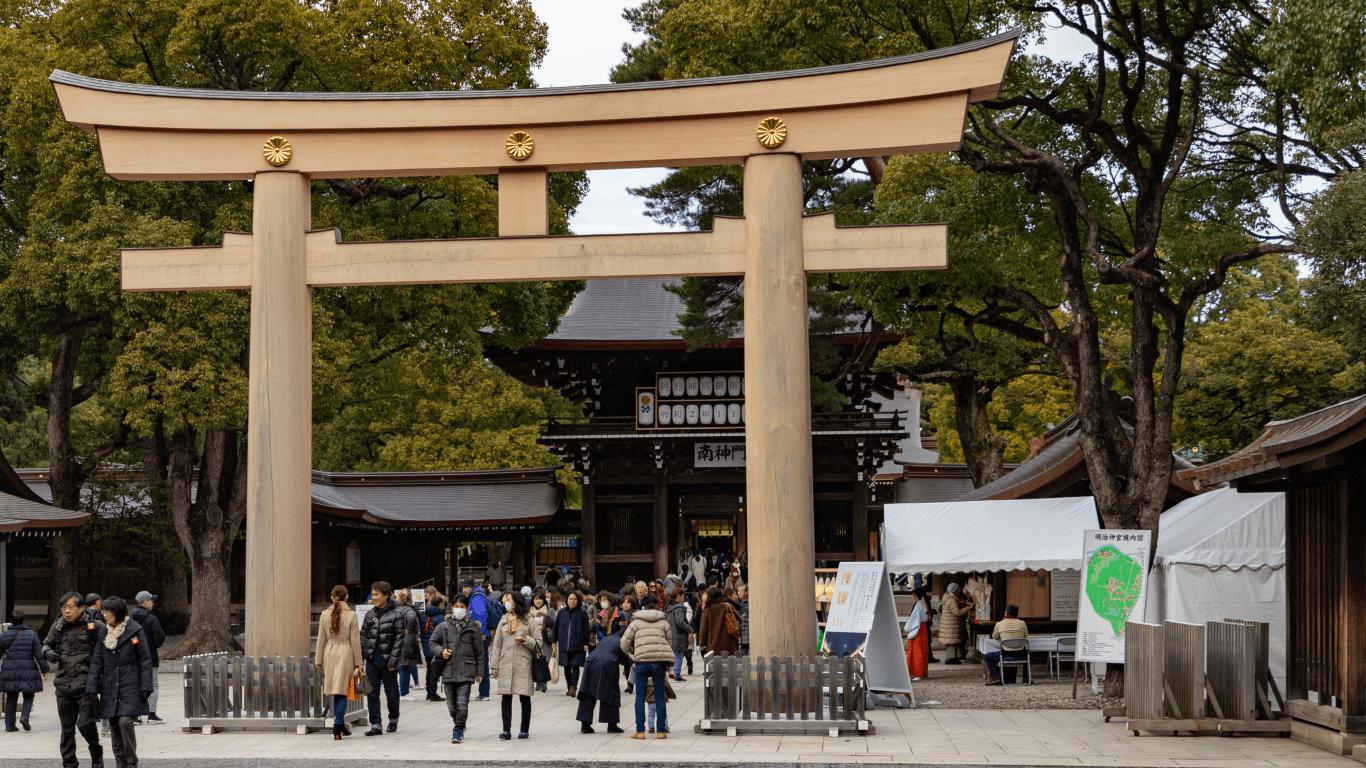
table of contents
- Overview of Meiji Shrine
- History of Meiji Shrine
- Things to see at Meiji Shrine
- Festivals and events at Meiji Shrine
- Benefits of Meiji Shrine
- Access to Meiji Shrine
Introduction
Meiji Shrine is one of Japan’s most representative shrines, located in the center of Tokyo but surrounded by rich nature. Built in 1912, this shrine is dedicated to Emperor Meiji and Empress Shoken, who led Japan’s modernization, and is an important place that symbolizes Japan’s history and culture.
In this article, we will explore the historical background of Meiji Shrine, the characteristics of its architecture, and the charm of the space that gives visitors a sense of spirituality and peace. We will also introduce information on the gourmet food you can enjoy around the shrine and how to access it, so that you can use it as a reference when visiting.
The vast grounds and lush forests of Meiji Shrine are a great place to retreat from the hustle and bustle of the city, and are crowded with visitors every year. Through this article, we hope you will gain a deeper understanding of its charm and importance, and rediscover the value of visiting.
- 1. Overview of Meiji Shrine
- 2. History of Meiji Shrine
- Introduction
- 1. Overview of Meiji Shrine
- 2. History of Meiji Shrine
- 3. Must-see places at Meiji Shrine
- ■ Japan’s largest torii gate
- ■ South approach and sake barrel
- ■ Meoto Kusunoki and Kagura Hall
- ■ Main shrine
- ■ Kiyomasa well
- ■ Ayame field
- ■ Gyoen National Garden
- ■ Kameishi
- 4. Festivals and events at Meiji Shrine
- 5. Benefits of Meiji Shrine
- 6. Access to Meiji Shrine
- Finally
1. Overview of Meiji Shrine
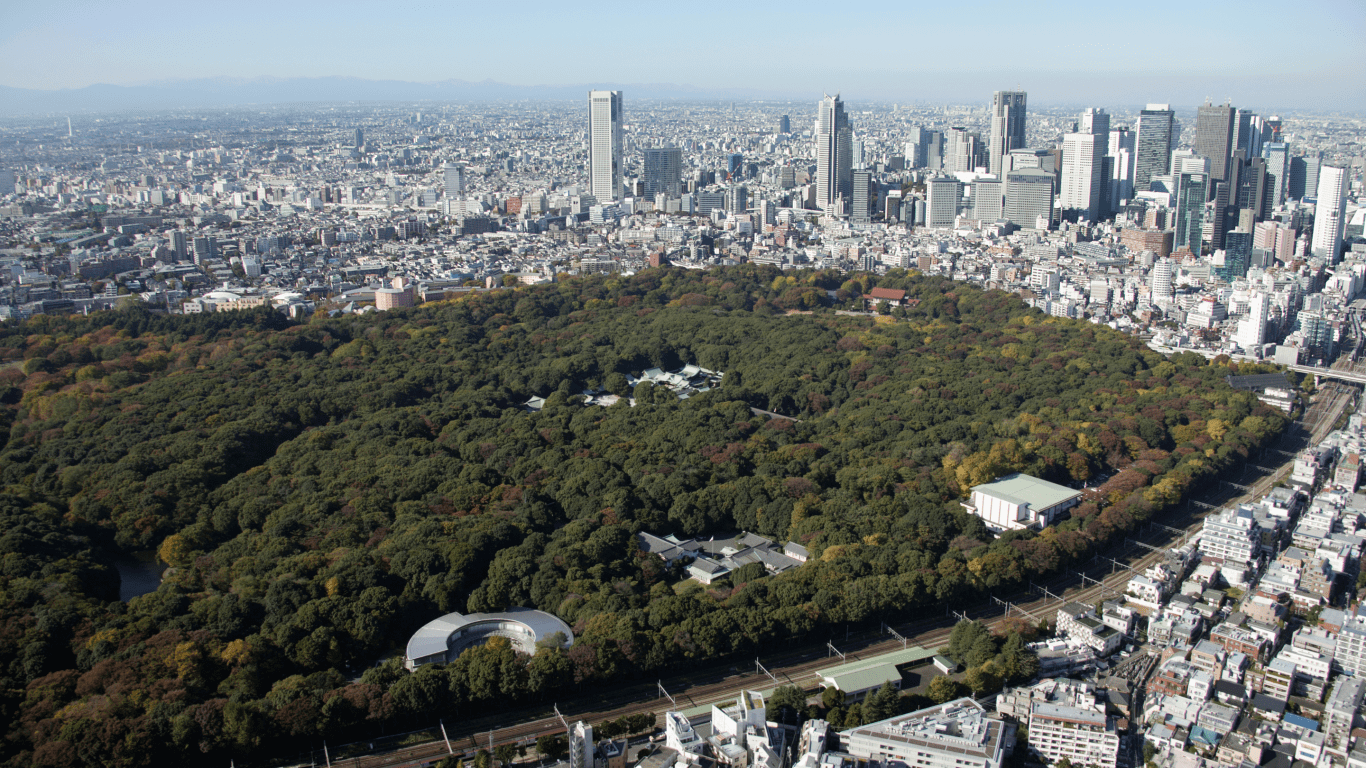
Meiji Shrine is located in Shibuya Ward, Tokyo and is known as one of the largest shrines in Japan. This shrine was completed in 1920 and enshrines Emperor Meiji and his wife Empress Shoken, who had a great influence on Japan’s modernization. The vast grounds cover approximately 70 hectares and include forests, gardens, and numerous shrine buildings.
The approach to the shrine from Harajuku Station, which is the entrance to the shrine, is known for allowing worshipers to experience the tranquility and lush nature of nature, making it a space where they can forget the hustle and bustle of the city. The main buildings follow the traditional Japanese architectural style, and the main shrine in particular has been designated as an important cultural property of Japan.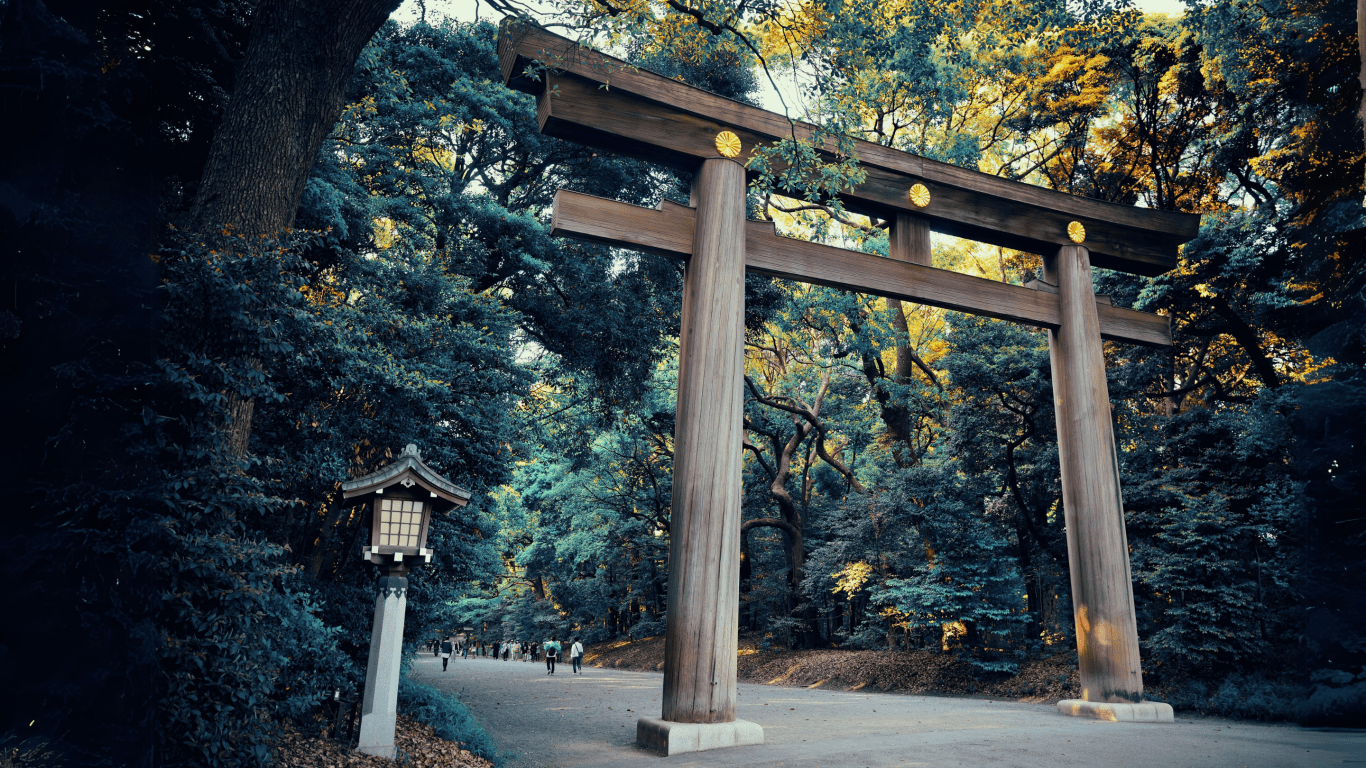
In addition to its historical and cultural value, Meiji Shrine also plays an important role in environmental conservation, as a large forest is preserved in a corner of central Tokyo. Many worshipers and tourists visit this shrine every year, and it is especially famous for the New Year’s visit, which attracts millions of visitors. It is also a popular place to enjoy nature in all seasons, offering beautiful views of cherry blossoms in the spring and autumn leaves in the fall.
2. History of Meiji Shrine
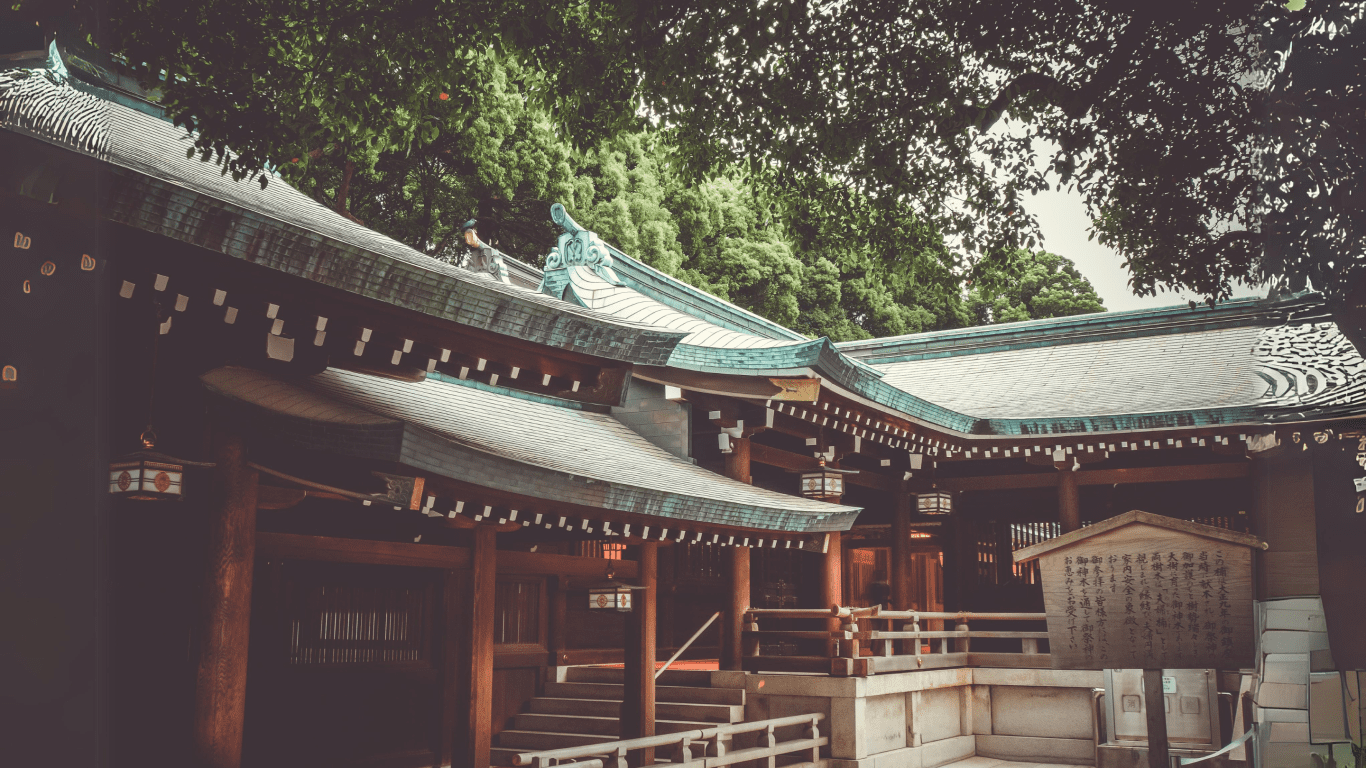
Meiji Shrine is a shrine located in Shibuya Ward, Tokyo, and is dedicated to Emperor Meiji and Empress Shoken, who played a major role in the modernization of Japan. This shrine was founded in 1920 and has received strong support from all over Japan.
The plan for its construction began in 1912, after the death of Emperor Meiji, in response to strong requests from the people. In the initial concept, many proposals were made to construct a new memorial facility in Tokyo as a place to enshrine Emperor Meiji, but in the end a shrine was chosen. This is because, unlike mere memorials or monuments, shrines were seen as places where the people’s feelings of reverence were expressed in terms of Japanese tradition and religion.
The site chosen for construction was once the villa of the Higo feudal lord and the Ii family’s residence, and was purchased by the Meiji government. Many trees have been planted around Meiji Shrine, and the area is still surrounded by a lot of nature. These trees were donated from all over the country and were planted by many volunteers as part of a nationwide project to support the construction of the shrine.
From its founding until today, Meiji Shrine has continued to play a role as an important cultural heritage site of Japan and as a source of spiritual support for the people.
🕓 2024/4/20
#culture
Detailed explanation of the history and overview of Meiji Shrine
more
table of contents
- Overview of Meiji Shrine
- History of Meiji Shrine
- Things to see at Meiji Shrine
- Festivals and events at Meiji Shrine
- Benefits of Meiji Shrine
- Access to Meiji Shrine
Introduction
Meiji Shrine is one of Japan’s most representative shrines, located in the center of Tokyo but surrounded by rich nature. Built in 1912, this shrine is dedicated to Emperor Meiji and Empress Shoken, who led Japan’s modernization, and is an important place that symbolizes Japan’s history and culture.
In this article, we will explore the historical background of Meiji Shrine, the characteristics of its architecture, and the charm of the space that gives visitors a sense of spirituality and peace. We will also introduce information on the gourmet food you can enjoy around the shrine and how to access it, so that you can use it as a reference when visiting.
The vast grounds and lush forests of Meiji Shrine are a great place to retreat from the hustle and bustle of the city, and are crowded with visitors every year. Through this article, we hope you will gain a deeper understanding of its charm and importance, and rediscover the value of visiting.
1. Overview of Meiji Shrine
Meiji Shrine is located in Shibuya Ward, Tokyo and is known as one of the largest shrines in Japan. This shrine was completed in 1920 and enshrines Emperor Meiji and his wife Empress Shoken, who had a great influence on Japan’s modernization. The vast grounds cover approximately 70 hectares and include forests, gardens, and numerous shrine buildings.
The approach to the shrine from Harajuku Station, which is the entrance to the shrine, is known for allowing worshipers to experience the tranquility and lush nature of nature, making it a space where they can forget the hustle and bustle of the city. The main buildings follow the traditional Japanese architectural style, and the main shrine in particular has been designated as an important cultural property of Japan.
In addition to its historical and cultural value, Meiji Shrine also plays an important role in environmental conservation, as a large forest is preserved in a corner of central Tokyo. Many worshipers and tourists visit this shrine every year, and it is especially famous for the New Year’s visit, which attracts millions of visitors. It is also a popular place to enjoy nature in all seasons, offering beautiful views of cherry blossoms in the spring and autumn leaves in the fall.
2. History of Meiji Shrine
Meiji Shrine is a shrine located in Shibuya Ward, Tokyo, and is dedicated to Emperor Meiji and Empress Shoken, who played a major role in the modernization of Japan. This shrine was founded in 1920 and has received strong support from all over Japan.
The plan for its construction began in 1912, after the death of Emperor Meiji, in response to strong requests from the people. In the initial concept, many proposals were made to construct a new memorial facility in Tokyo as a place to enshrine Emperor Meiji, but in the end a shrine was chosen. This is because, unlike mere memorials or monuments, shrines were seen as places where the people’s feelings of reverence were expressed in terms of Japanese tradition and religion.
The site chosen for construction was once the villa of the Higo feudal lord and the Ii family’s residence, and was purchased by the Meiji government. Many trees have been planted around Meiji Shrine, and the area is still surrounded by a lot of nature. These trees were donated from all over the country and were planted by many volunteers as part of a nationwide project to support the construction of the shrine.
From its founding until today, Meiji Shrine has continued to play a role as an important cultural heritage site of Japan and as a source of spiritual support for the people.
3. Must-see places at Meiji Shrine
■ Japan’s largest torii gate
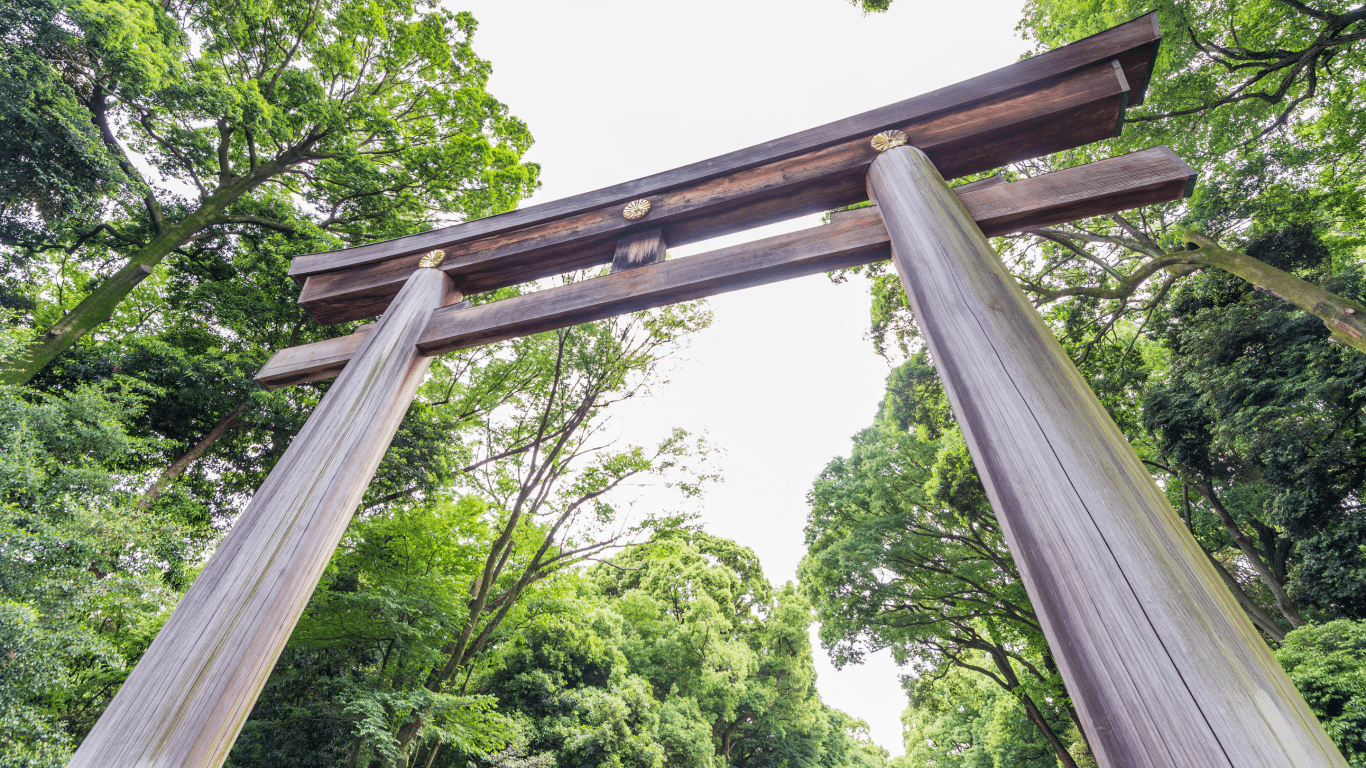
The largest torii gate in Japan welcomes visitors with its presence as the starting point for worship. After this large torii gate was damaged by lightning in 1966, it became necessary to rebuild it due to its importance. However, there were no cypress trees large enough in Japan, so it was necessary to search for suitable timber. As a result, a gigantic tree over 1,500 years old was discovered in Taiwan, and with the help of locals, it was transported to Japan.
The torii gate, which was rebuilt in 1975 using this large tree, is 12 meters high, 17.1 meters wide, and has a pillar diameter of 1.2 meters. This scale is one of the largest wooden Myojin torii gates in Japan. Its overwhelming size and historical background make it not only a symbol of Meiji Shrine, but also an important landmark that leaves a special impression on all who visit.
■ South approach and sake barrel

The South Sando, the main approach to Meiji Shrine, is the path that worshipers take immediately after passing through the Otorii gate. This approach is a quiet path surrounded by nature, bringing peace to visitors. Of particular note are the sake and wine barrels neatly lined up along the approach. These barrels are placed as symbols of Japan’s aggressive adoption of Western culture during the Meiji period.
Sake barrels are donated by sake breweries all over the country and are called “sakekomodaru.” The traditional method of offering these to shrines is to cover the barrel with a white cloth and treat it as sacred. Wine barrels, on the other hand, primarily come from Europe, particularly the Burgundy region of France, reflecting the deep respect and curiosity Emperor Meiji had for Western culture.
■ Meoto Kusunoki and Kagura Hall
Not to be missed are the place called “Meotokusu” and the Kagura Hall. Couple camphor trees are two camphor trees that grow close together, and are known as a power spot symbolizing marital love, good relationships, and family bonds. Many couples and families who visit join hands together in hopes that their relationship will continue to be good.
This couple’s camphor tree, located along the approach to the main shrine, has a special presence that gives peace and hope to visitors. Visitors can also sometimes be seen taking commemorative photos near this camphor tree, making it one of the most popular spots in Meiji Shrine.
■ Main shrine
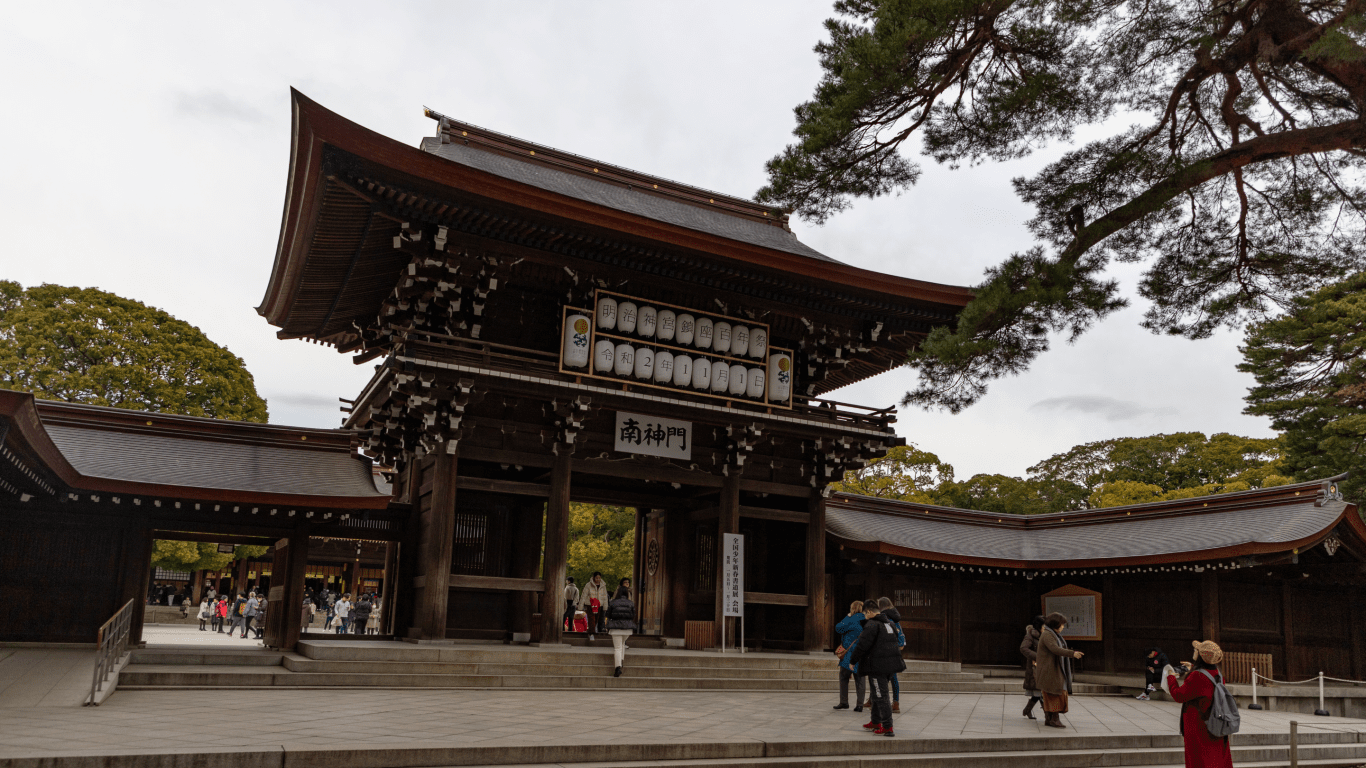
The main hall of Meiji Shrine is the most important and sacred place on the grounds. This is known as the place where Emperor Meiji and his wife, Empress Shoken, are enshrined. The main shrine, along with its formal architecture, symbolizes the spirit of Japan’s Shinto faith.
The architecture of the main shrine adopts the traditional Japanese shrine architectural style, and its stately structure leaves a deep impression on visitors. Japanese craftsmanship is fully utilized in the use of wood, the shape of the roof, and the placement of pillars, creating a perfect combination of beauty and sophistication.
Worshipers join hands and pray silently in front of the main shrine. From this place, you can feel the clean air and tranquility, allowing you to retreat from the hustle and bustle of everyday life and calm your mind. Prayers at the main shrine function not only as a place for personal wishes, but also as a place to wish for peace for the family and the country.
■ Kiyomasa well
After visiting the main shrine of Meiji Shrine, we recommend Kiyomasa Well. As the name suggests, this well is said to have originated from Kiyomasa Kato, but it is not certain whether Kiyomasa Kato actually had any connection to this area. However, its name and lore provide an interesting topic for visitors and add to the historical background of the place.
Kiyomasa Well is a natural well, and its water is extremely pure, and has been irrigating this area for many years. This water has long played an important role as a water source in this region, contributing to the maintenance of the surrounding natural environment and ecosystem. Visitors can feel the beauty and mystery of nature by looking at the clear water of this well.
■ Ayame field
If you visit the iris fields at Meiji Shrine, especially in June, you can see the beautiful, colorful irises in full bloom. This place was built in memory of Empress Shoken, and it still conveys the beauty of the irises that the Empress loved.
Shobuda is located near Kiyomasa Well and offers a particularly eye-catching view in the rich natural environment of Meiji Shrine. Every June, more than 150 types of irises bloom one after another, giving visitors a sense of the changing seasons from late spring to early summer.
■ Gyoen National Garden
Meiji Jingu Gyoen is a natural oasis in the heart of Tokyo, a vast garden where you can enjoy seasonal plants and flowers. This garden is known for its diverse vegetation and carefully designed landscaping, attracting visitors with cherry blossoms in the spring, lush trees in the summer, colorful foliage in the fall, and snow-covered serenity in the winter. There are several paths within the garden, allowing you to take a stroll and soak in the beauty of nature. It is also attractive that you can enjoy a variety of events such as flower festivals and nature observation sessions that are held depending on the season.
■ Kameishi
Kameishi, located near the north pond of the Gyoen National Garden, got its name from the natural stone shaped like a turtle. This stone is known as a power spot where energy gathers due to its shape and location. It is said that visitors can find peace of mind by clasping their hands around the turtle stone or meditating quietly. The area around Kameishi has a quiet and calm atmosphere, making it the perfect place to take a break and refresh yourself after a walk in the garden.
4. Festivals and events at Meiji Shrine
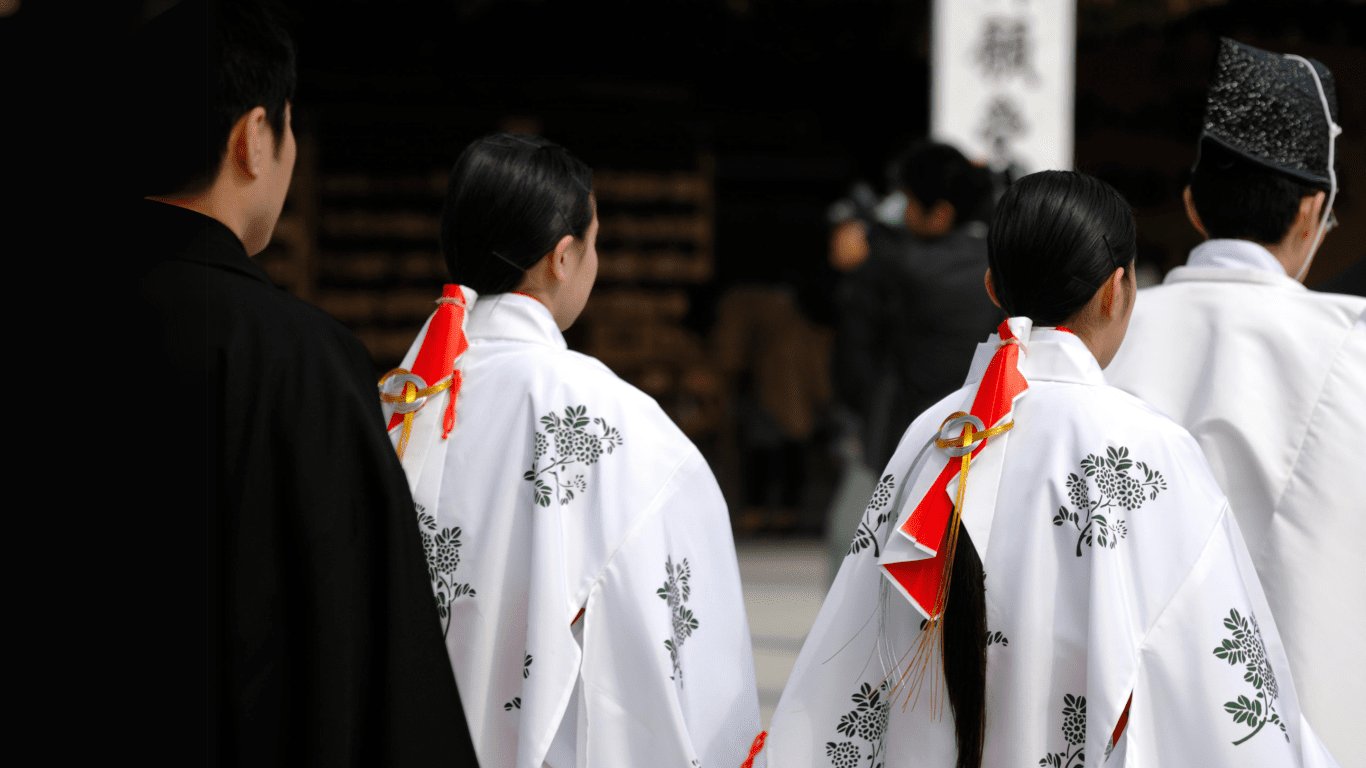
Meiji Shrine holds various festivals and events throughout the year, providing a special experience for worshipers. Particularly important events include:
■ Spring Festival
Held on November 3rd, Emperor Meiji’s birthday, this festival is one of Meiji Shrine’s most important events. Kagura and Bugaku offerings are performed, and sacred ceremonies are held in a solemn atmosphere.
■ new year’s festival
On New Year’s Day, many people visit the shrine for hatsumode. Special rituals are held for this day, making it an important opportunity to receive blessings for the new year.
■ Annual festival
On July 30th, the anniversary of Emperor Meiji’s death, a festival is held to remember him and praise his virtues. This is attended by many devotees and tourists to pay their respects.
5. Benefits of Meiji Shrine
Meiji Shrine is known for its historic and spiritual environment, and is a place visited by many worshipers. In particular, the shrine is said to bring various blessings to Emperor Meiji and Empress Shoken.
■ Matchmaking benefits
Meiji Shrine is also known as the god of marriage, and is especially worshiped by young men and women. Many worshipers visit this shrine in search of fulfillment in love or finding a good match. Power spots such as Meoto Kusunoki are especially popular as spots related to this.
■ Benefits for family harmony and child-rearing
Since Emperor Meiji and Empress Shoken valued harmony within the family, it is also worshiped as the god of family harmony and child-rearing. Many families visit the shrine to strengthen family ties and pray for the healthy growth of their children.
■ academic achievement
Meiji Shrine also has the aspect of being the god of learning. Especially during the New Year and exam season, many students come to pray for exam success and academic achievement.
■ Business prosperity and workplace stability
In memory of Emperor Meiji, who promoted the industrial revolution during the Meiji era, working adults visit this shrine to pray for business prosperity, success in the workplace, and stability. It is also a reassuring presence for entrepreneurs and business people.
■ mental and physical health
The rich natural environment is said to have a positive effect on physical and mental health, making it a peaceful place for worshipers wishing for good health and longevity.
Many worshipers visit Meiji Shrine throughout the year in search of these blessings.
6. Access to Meiji Shrine
Meiji Shrine is located in the heart of Tokyo and is easily accessible by many public transportation options.
■ Access by train
The most convenient way to get there is by train. The nearest station to Meiji Jingu is Harajuku Station on the JR Yamanote Line, about a 5-minute walk from the south exit. It is also very close to Meiji-Jingumae Station on the Tokyo Metro, about a 5-minute walk, and can be accessed using the Chiyoda Line and Fukutoshin Line. Furthermore, if you use the Toei Subway Oedo Line, you can use Yoyogi Station, which is also about a 10-minute walk away.
■ Access by car
Although it is possible to visit by car, the use of public transportation is recommended as the parking lot within the shrine grounds is often crowded. If you are driving, you can enter from the Yoyogi exit, but not from the Sangubashi exit or the Harajuku exit.
■ Other information
For bicycles and motorbikes, there are bicycle parking lots at each approach entrance. If you are using public transportation, it will take about 10 minutes to walk from the nearest station to the main shrine, so it is best to leave plenty of time.
Finally
Meiji Shrine is a place that has a great impact on the people who visit it, with its rich nature and historical background. Since its construction in 1912, this shrine dedicated to Emperor Meiji and Empress Shoken has symbolized Japan’s modernization and provided spirituality and peace to many people. Its expansive grounds provide a tranquil haven from the hustle and bustle of the city, bringing peace of mind to worshipers.
Meiji Shrine is also known for its cultural events and annual events, and is famous for attracting millions of visitors during the New Year’s New Year’s visit. Visitors can enjoy many attractions, including the main shrine, couple camphor trees, gardens, and the large torii gate. In addition, there are diverse gourmet spots around it, offering visitors the opportunity to enjoy the flavors of Japan.
It has good transportation access, easily accessible from Harajuku Station and Meiji-Jingumae Station, and is used by many visitors. This sacred place is a unique space that combines Japanese tradition and natural beauty, making it a valuable destination for domestic and international visitors.
We hope that through this article you will gain a deeper understanding of the charm and importance of Meiji Jingu, and rediscover the value of visiting it.