🕓 2025/2/25
#culture
Detailed explanation of the history and experience of bonsai
more
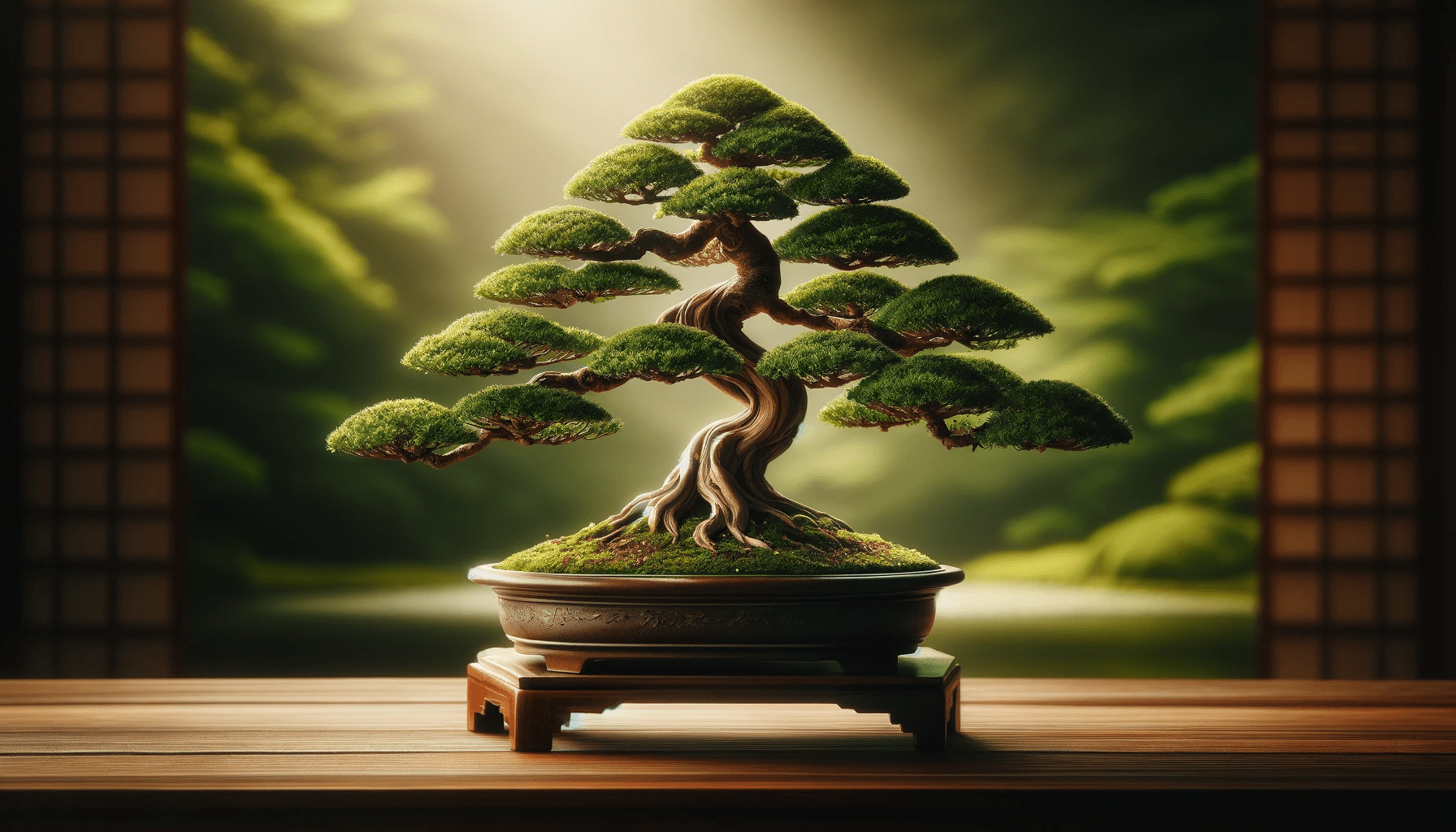
table of contents
- 1. What is bonsai?
- 2. History of bonsai
- 3. Types of bonsai
- 4. Bonsai production standards
- 5. Places where you can try and experience bonsai
1. What is bonsai?
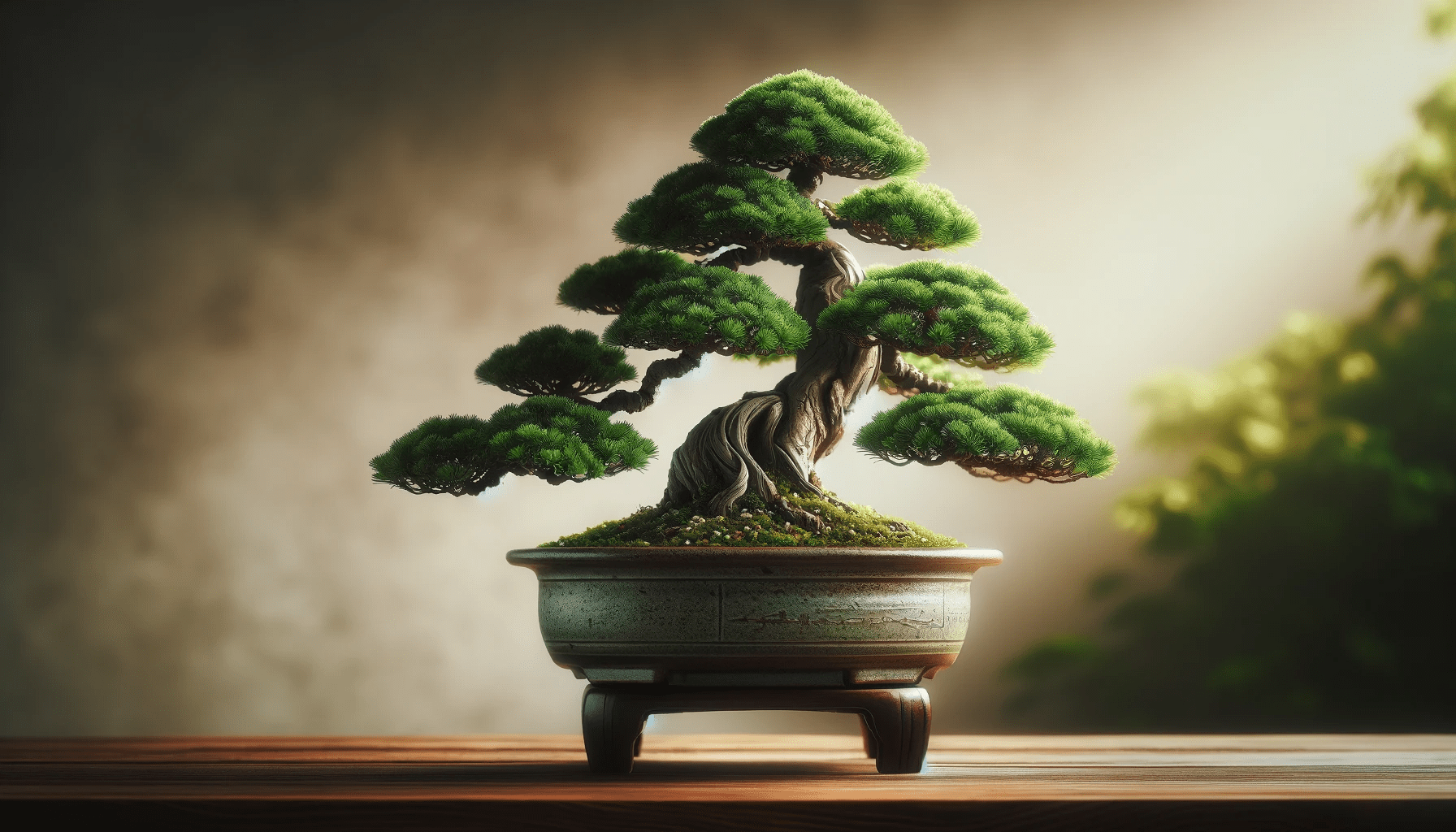
Bonsai is a traditional Japanese art form and means “planted in a container.”Its origins lie in ancient Chinese gardening techniques. This technique uses stock or seeds from ordinary plants to grow small trees.
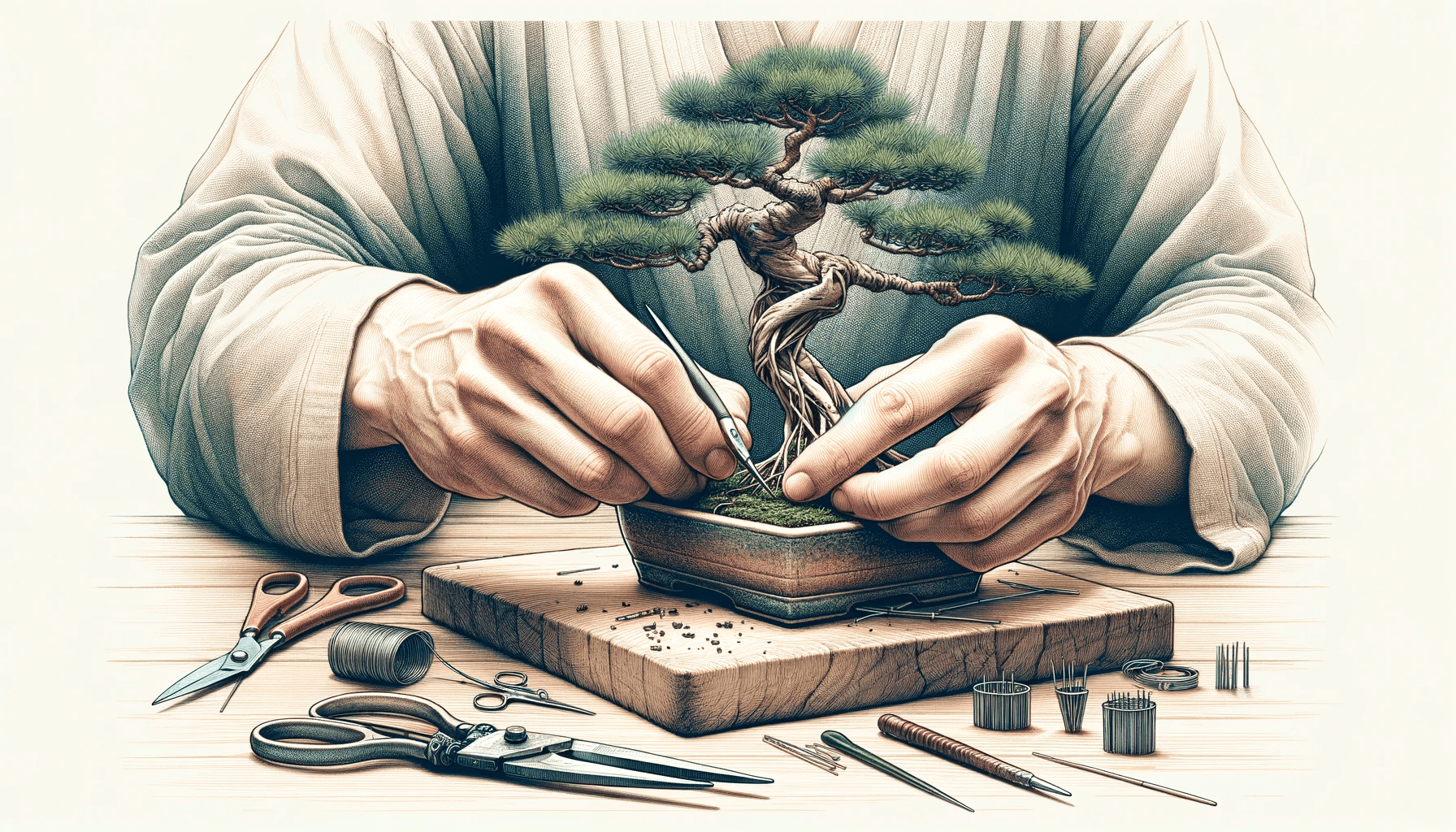
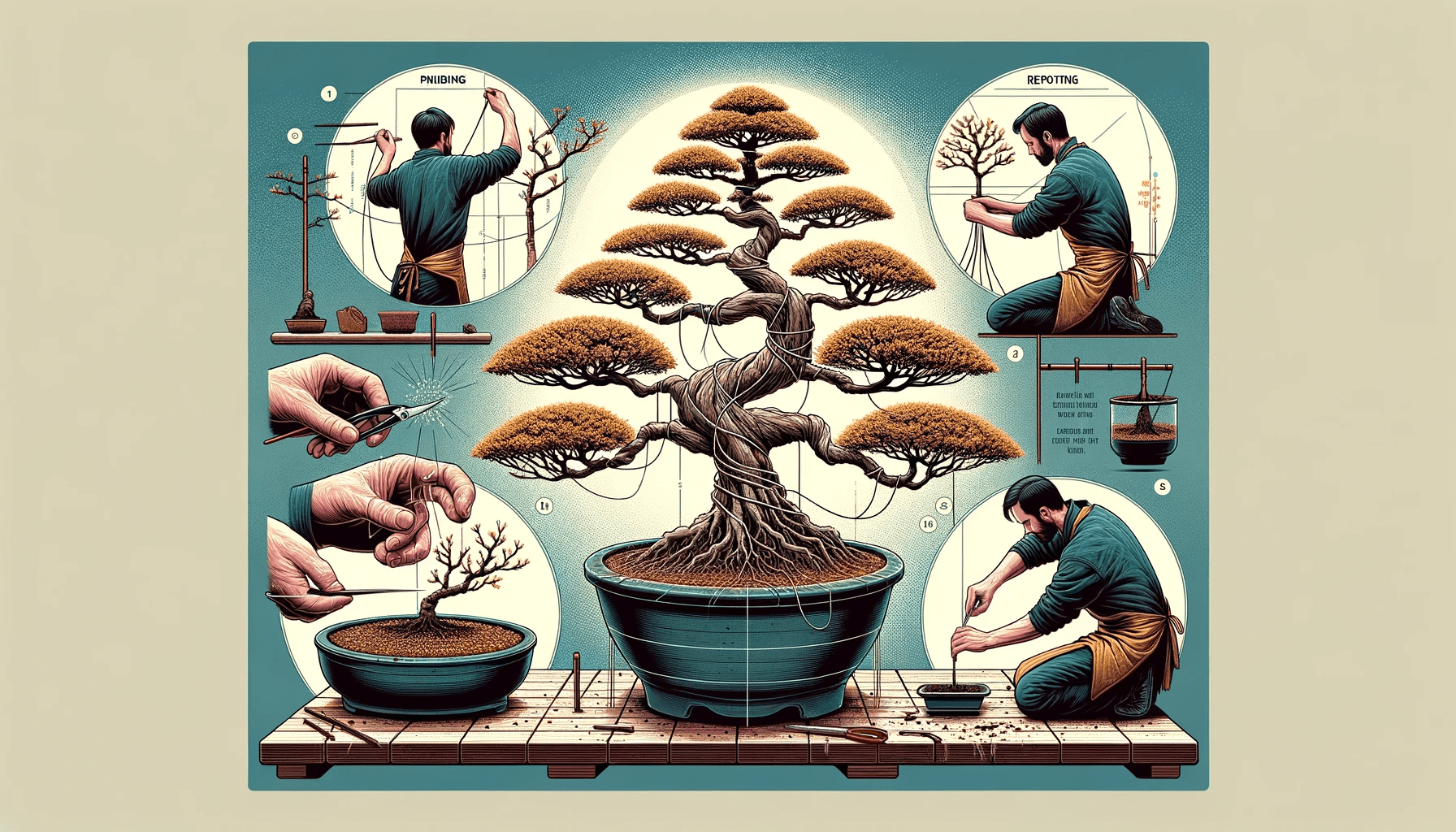
The process involves pruning branches and roots and shaping them using wire to imitate the appearance of a large, mature tree in a smaller size.
Bonsai is prized as a work of art that reproduces the beauty of nature on a small scale and provides tranquility to viewers. This art is loved all over the world as a part of Japanese culture and is inherited by many enthusiasts.
2. History of bonsai
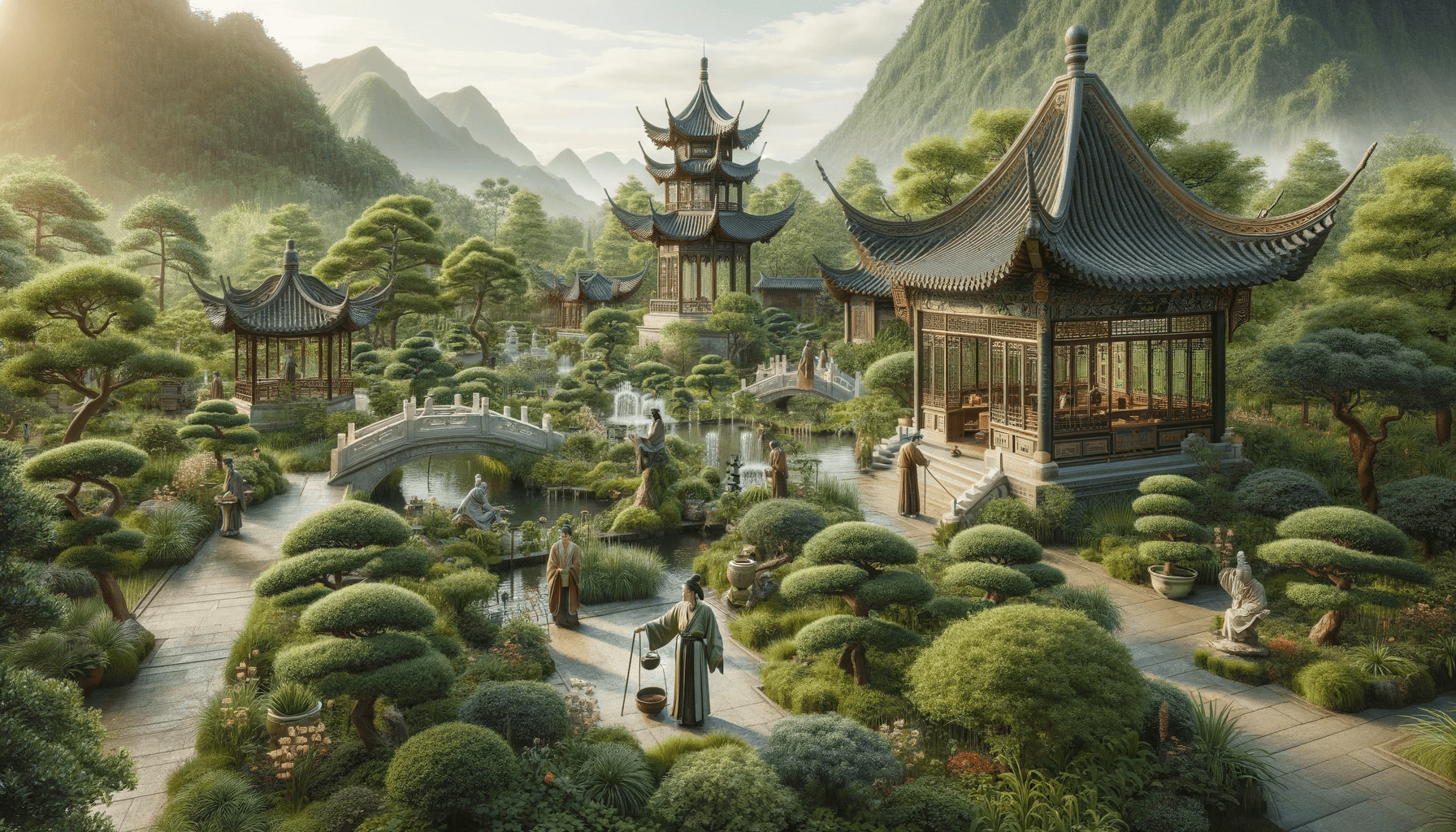
The history of bonsai begins with ancient Chinese gardening techniques and has a history of over 2,000 years. It was introduced to Japan about 700 years ago, where it developed as a unique art form.
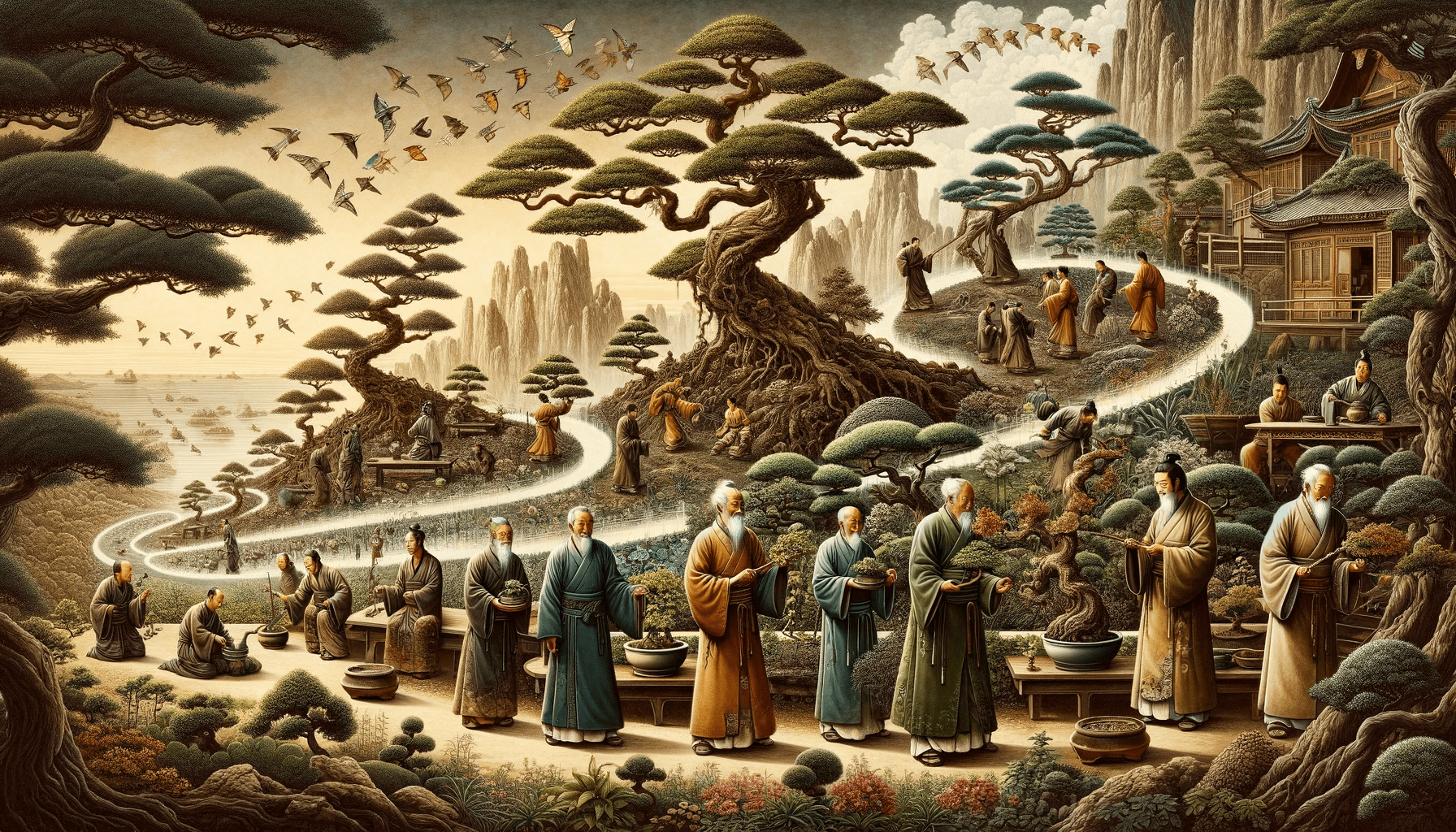
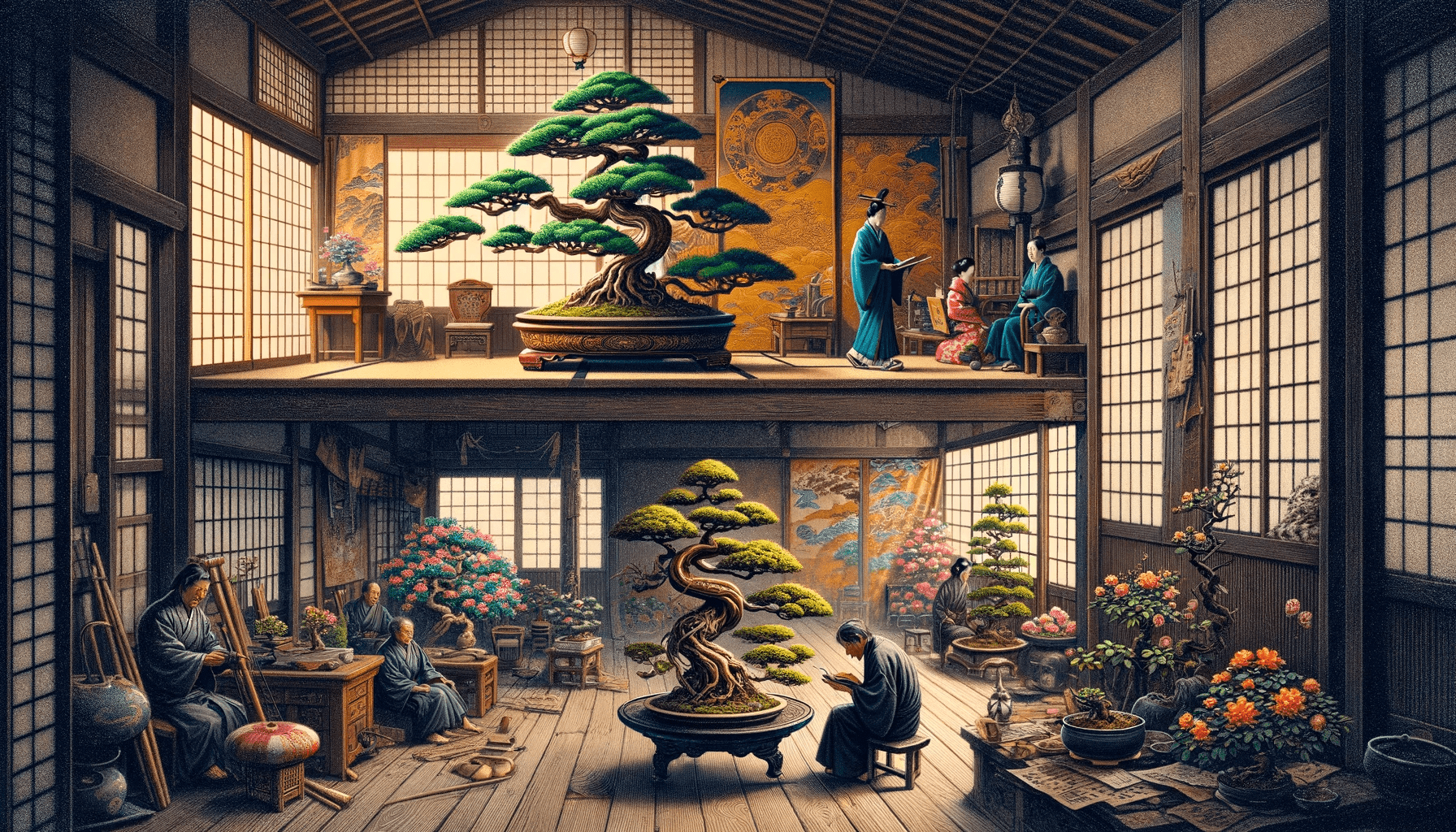
Initially, it had a strong meaning as a religious souvenir, but it gradually gained popularity among Japanese cultural figures and came to be known as bonsai.

This art has been loved by many people throughout the ages, and has been widely accepted by everyone from generals to commoners.
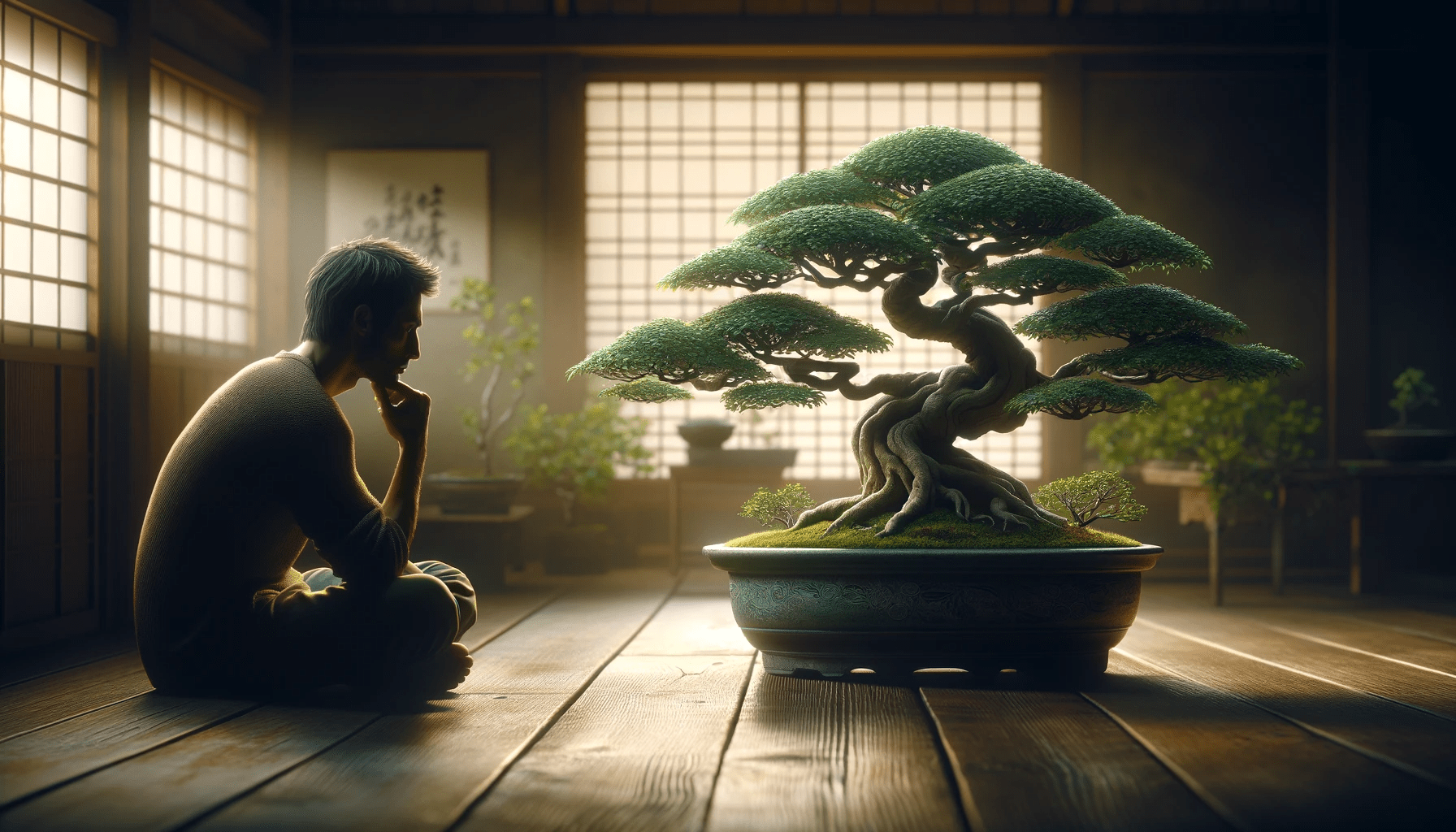
In Japan, bonsai became a source of introspection by expressing the beauty of nature in miniature form.
Additionally, bonsai is highly regarded both domestically and internationally as an important part of Japanese culture. Throughout its history, bonsai has reflected Japan’s view of nature, aesthetics, and spirituality, a tradition that continues to be carried on by enthusiasts around the world today.
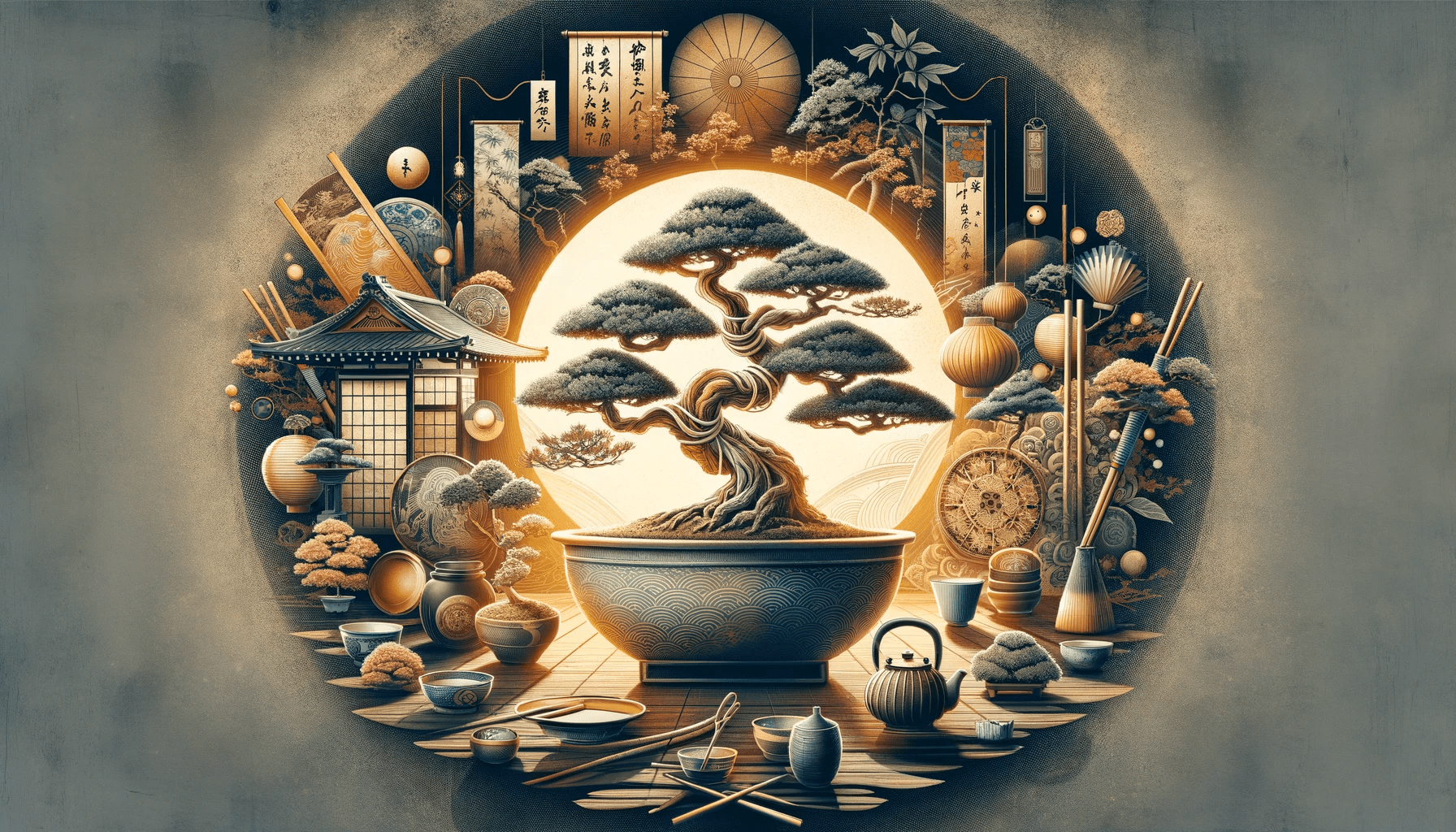
3. Types of bonsai
There are many different types of bonsai, each with their own unique characteristics. Typical types include:
1. Ficus bonsai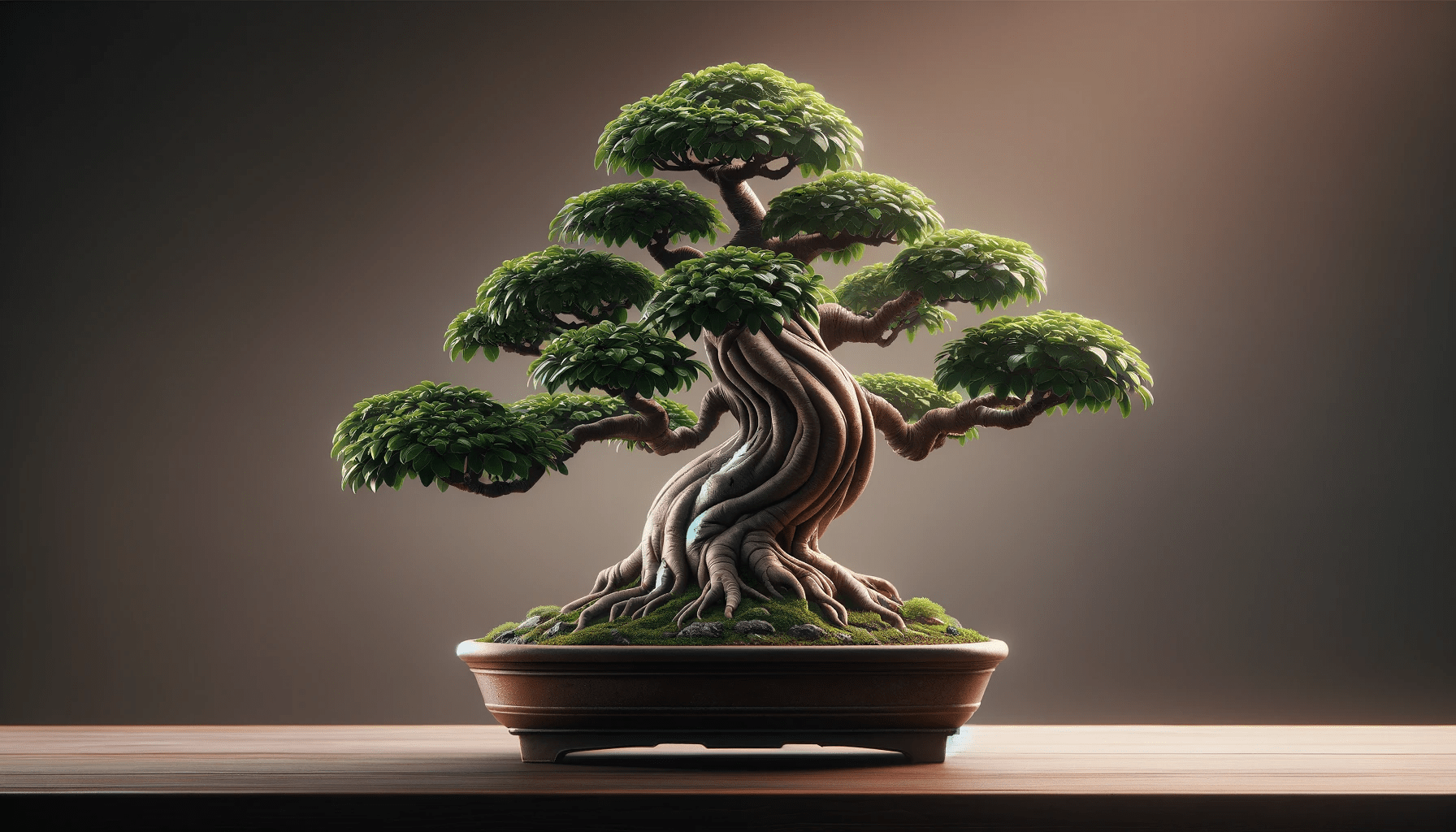
It is characterized by glossy leaves and has the ability to adapt to various environments. Popular varieties include Ficus benjamin (weeping figure) and Ficus retusa (ginseng ficus). These are easy to handle for beginners and suitable for indoor cultivation.
2. Flower bonsai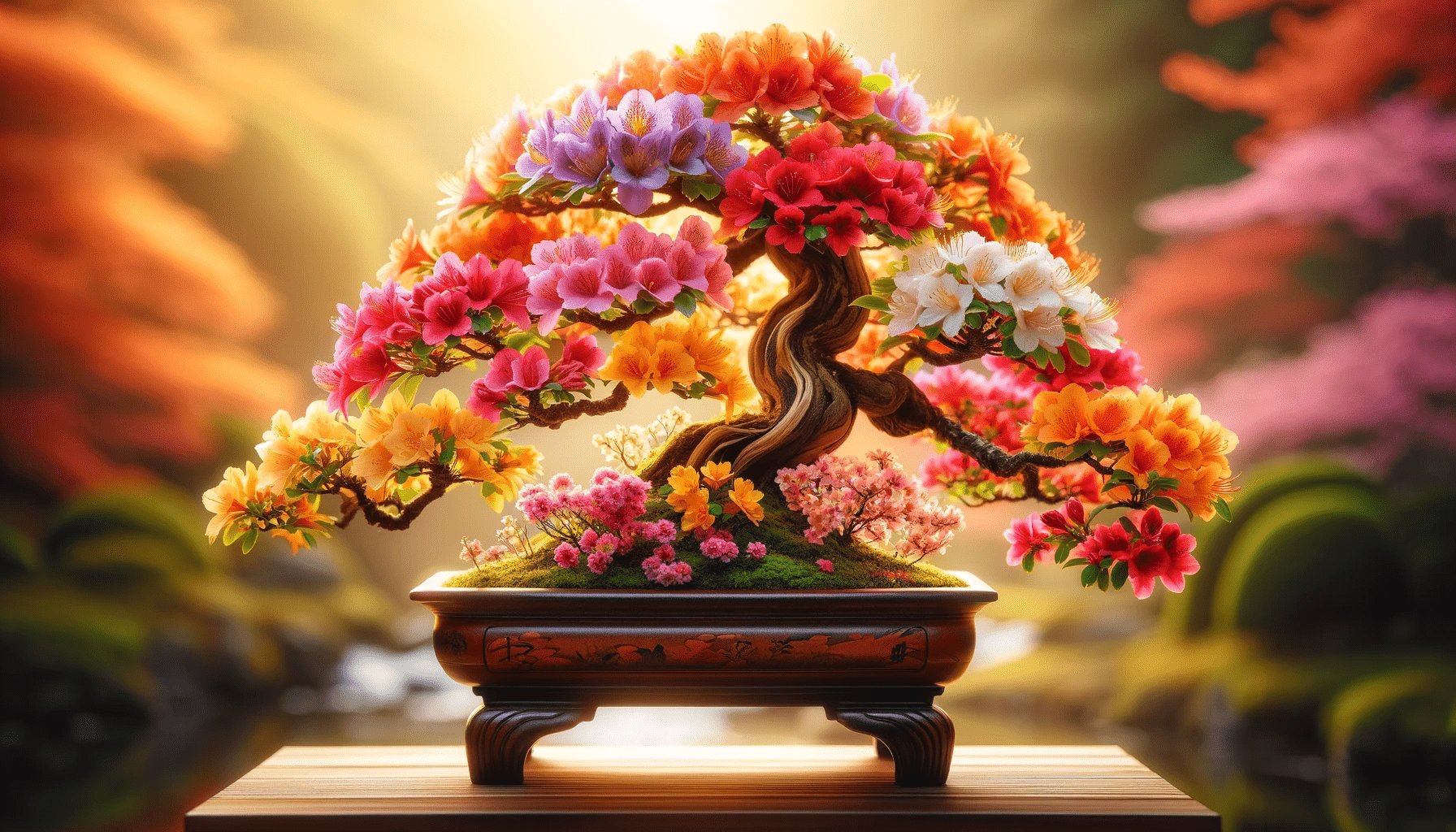
These include species that produce beautiful flowers, such as Satsuki Azalea and Japanese Cherry Blossom. These are preferred by many bonsai enthusiasts because they allow you to enjoy the changing seasons. It is characterized by colorful flowers, and you can enjoy the vivid colors.
3. Baobab bonsai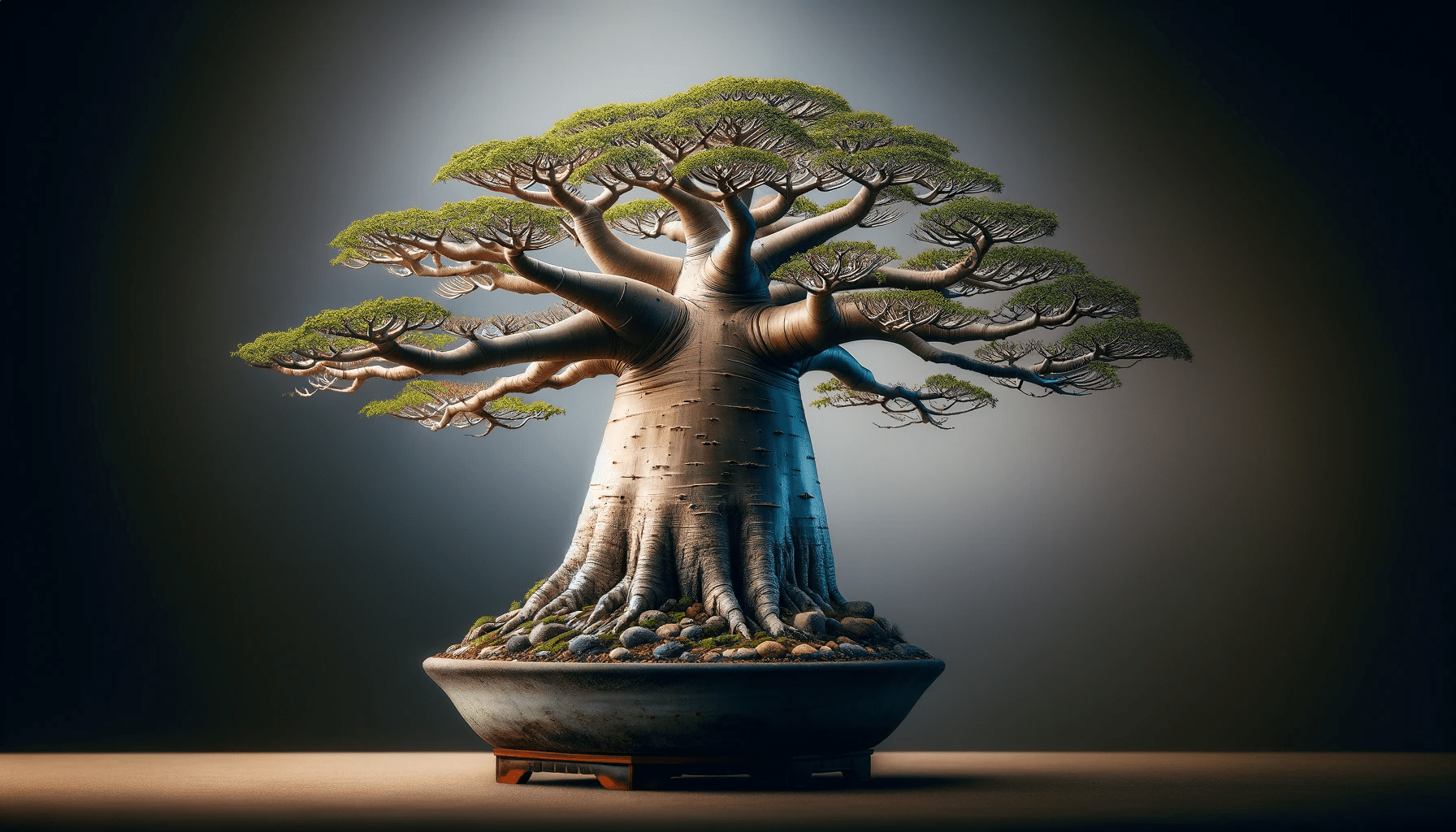
Baobab bonsai is a bonsai tree made from the baobab tree, which is native to Africa. This tree is known for its thick, bottle-shaped trunk, making it an unusual choice for a bonsai. The baobab’s distinctive appearance has attracted a lot of interest among bonsai enthusiasts.
4. Judas tree bonsai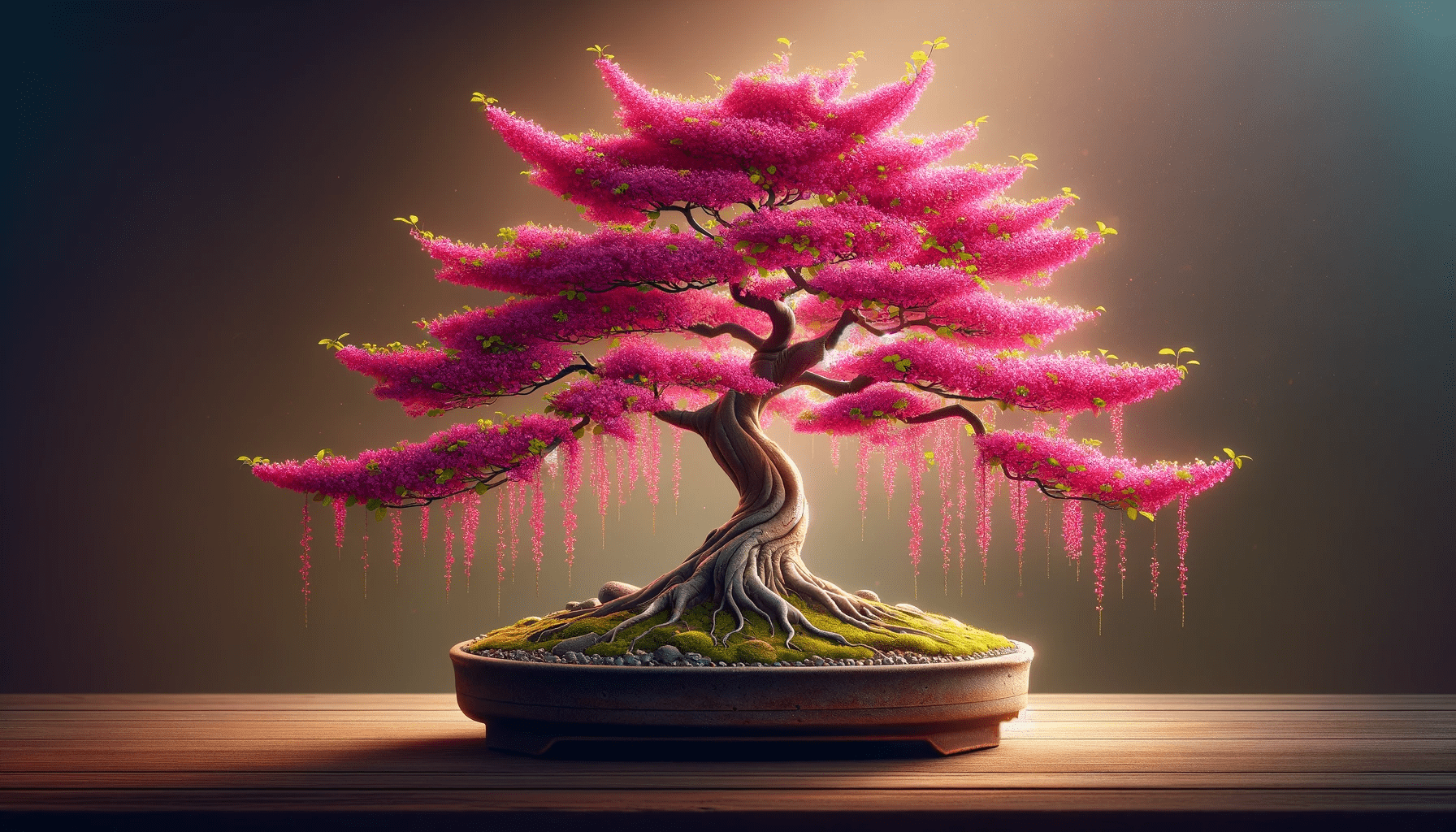
The Judas tree bonsai is known for its bright pink flowers that bloom in spring. This tree attracts attention with its beautiful flowers and is popular among bonsai enthusiasts. Judas trees bloom beautiful flowers in spring, so you can enjoy the changing seasons with bonsai. Additionally, the leaves of this tree turn bright colors in the fall, providing a year-round visual treat. Proper sunlight and watering of Judas tree bonsai can help promote healthy growth.
4. Bonsai production standards
Creating a bonsai begins with selecting the appropriate material.
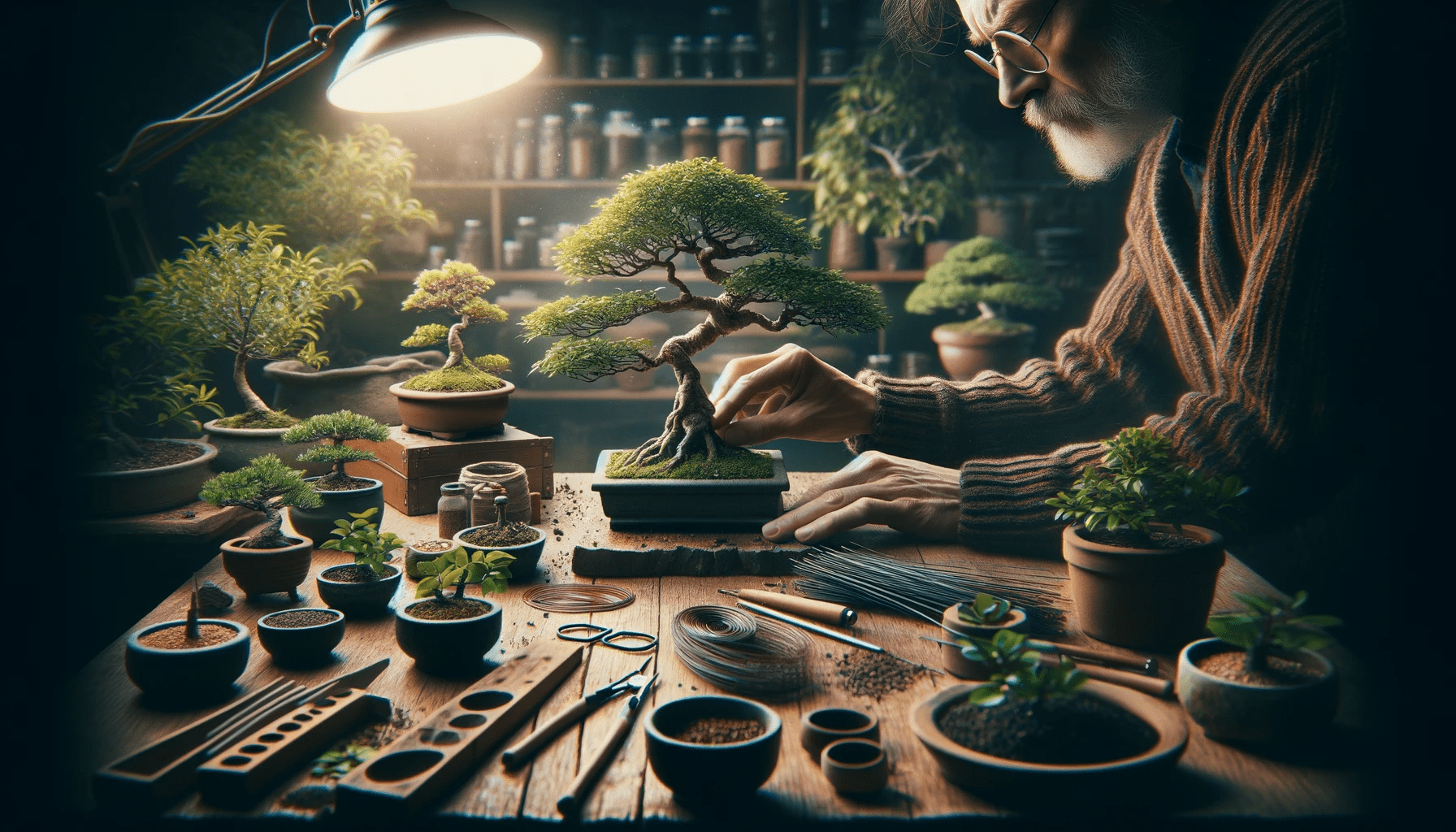
Using seedlings and cuttings, we carefully shape the pieces to meet aesthetic standards. This process includes techniques such as pruning, wiring, and repotting.
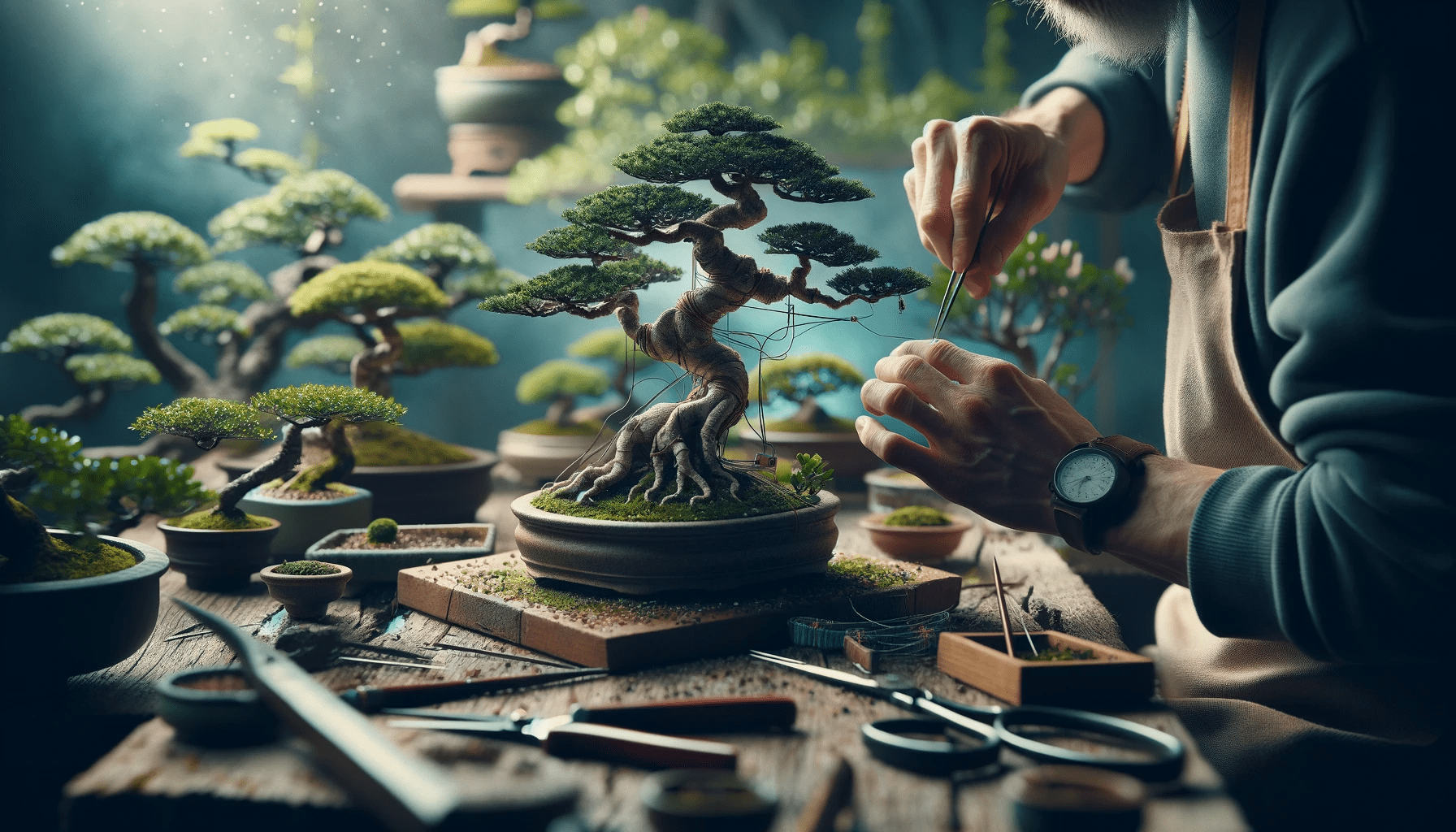
These techniques are used to imitate the appearance of large trees in nature and give bonsai a sense of life and beauty. The aim is to recreate the perfect beauty of nature on a small scale, and in the process transforms the bonsai into a work of art.
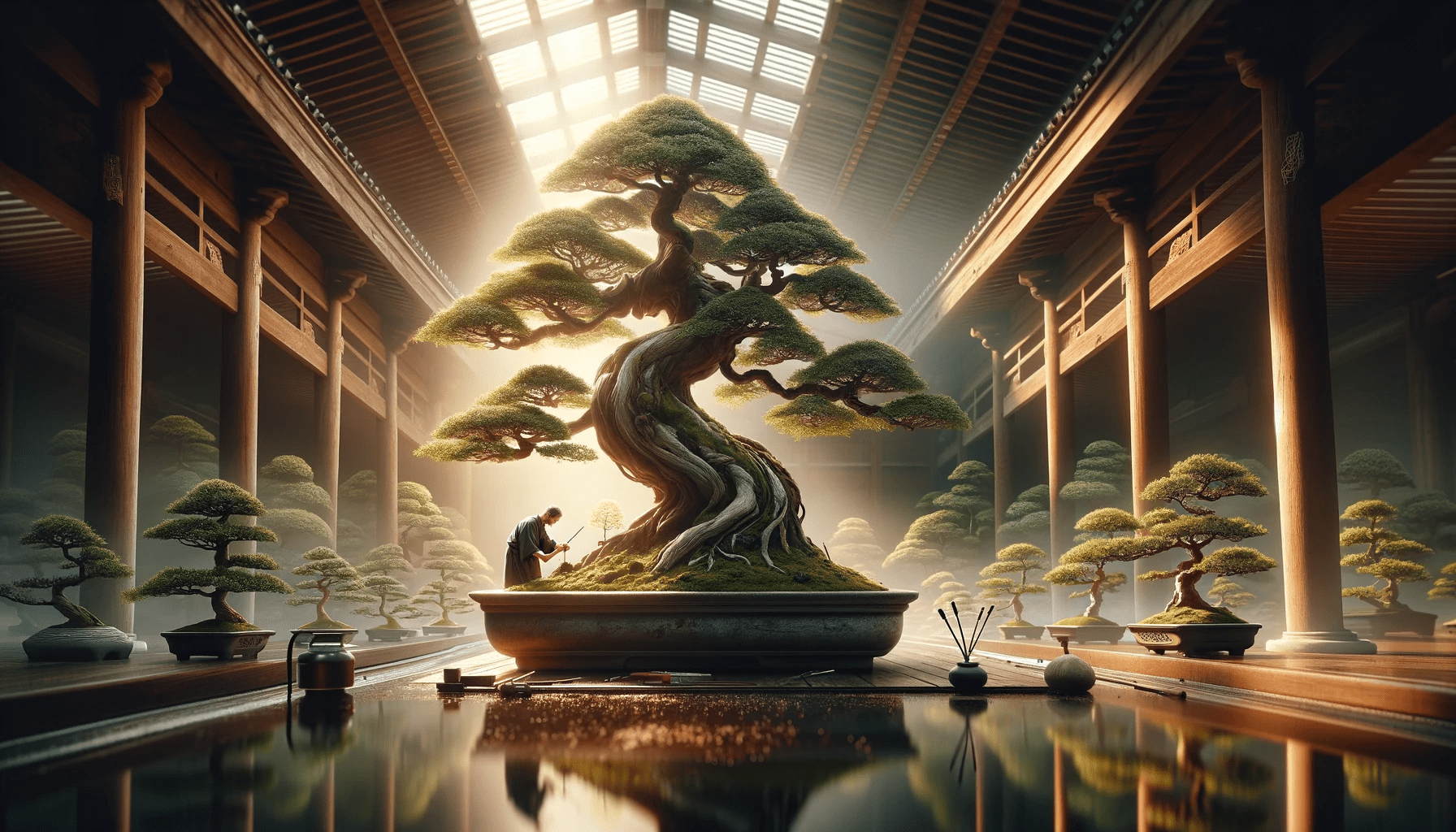
Pruning controls branch growth, wiring adjusts the direction of branches and trunks, and repotting is important for maintaining a healthy root system. These techniques allow the bonsai to mature over the years and offer a deep beauty to the viewer.
5. Places where you can try and experience bonsai

・Omiya Bonsai Village
Omiya Bonsai Village, located in Saitama City, Saitama Prefecture, is Japan’s most famous bonsai center. There are numerous bonsai gardens and bonsai museums here, where you can learn about the history and techniques of bonsai culture. When you visit, you can admire different types of bonsai and even take part in a bonsai-making workshop.
・Fujikawa Kokaen
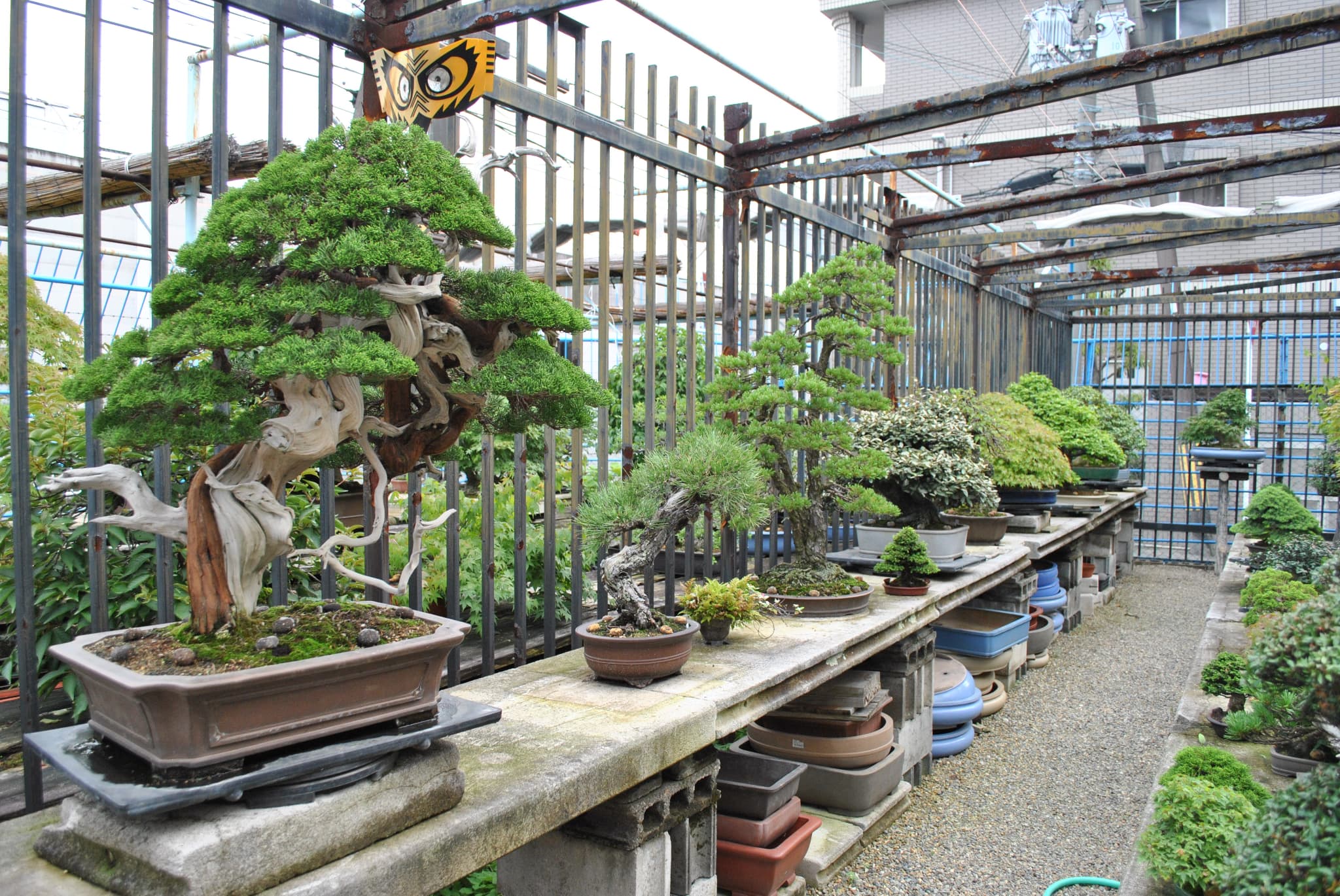
Fujikawa Kokaen, located in Ikeda City near Osaka, is a gathering place for bonsai enthusiasts and students from Japan and abroad. In addition to beautiful bonsai exhibits, short-term classes and training programs are also offered here.
・Shunkazono Bonsai Museum
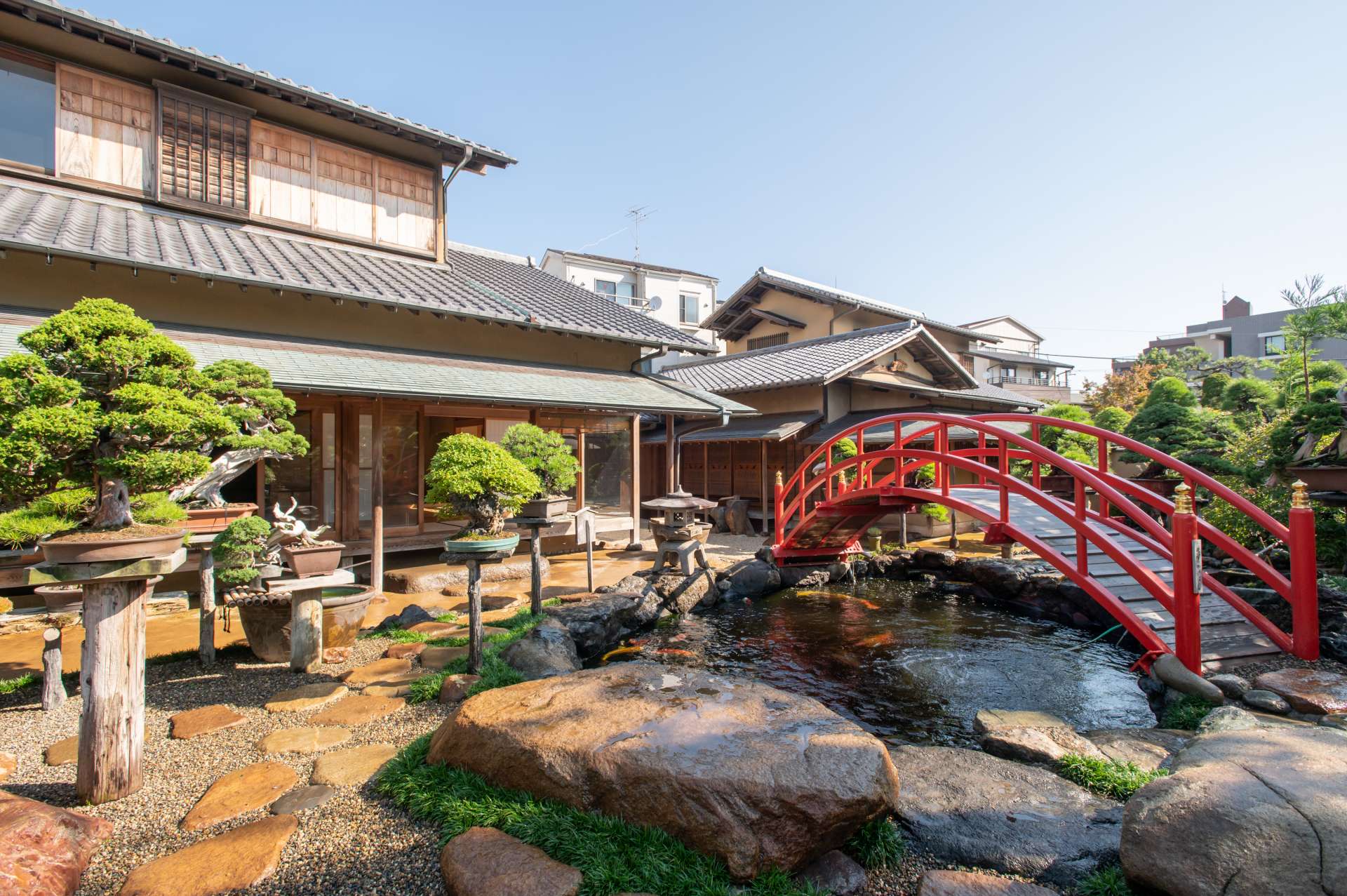
The Shunkaen Bonsai Museum, located in Edogawa Ward, Tokyo, is run by bonsai master Kunio Kobayashi. We have amazing old-growth bonsai on display, including pine trees that are over a thousand years old, and we also offer bonsai classes and apprenticeship programs.
・Kagawa Setouchi Art Tourism Area
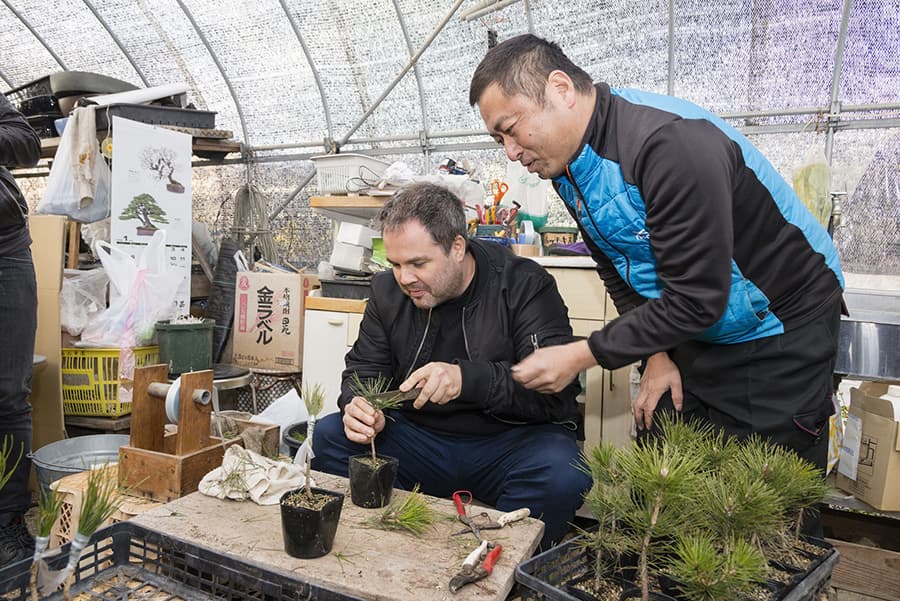
Visit Konishi Shorakuen, a bonsai garden with a history of over 130 years, and under the guidance of the 4th generation owner who has been working on it for 20 years, you will learn how to tell the good from the bad of bonsai, master the worldview expressed by bonsai, and experience the different maintenance work done each season.
![[Okayama/Kurashiki × Sake] Tipsy stroll in the white-walled town](https://article.bespes-jt.com/wp-content/uploads/hubfs/d9d0fbd2911ce47364b27e2a4a3c64ab.jpg)