
🕓 2024/9/20
#Shrine
A Detailed Guide to the History and Overview of Omiwa Shrine
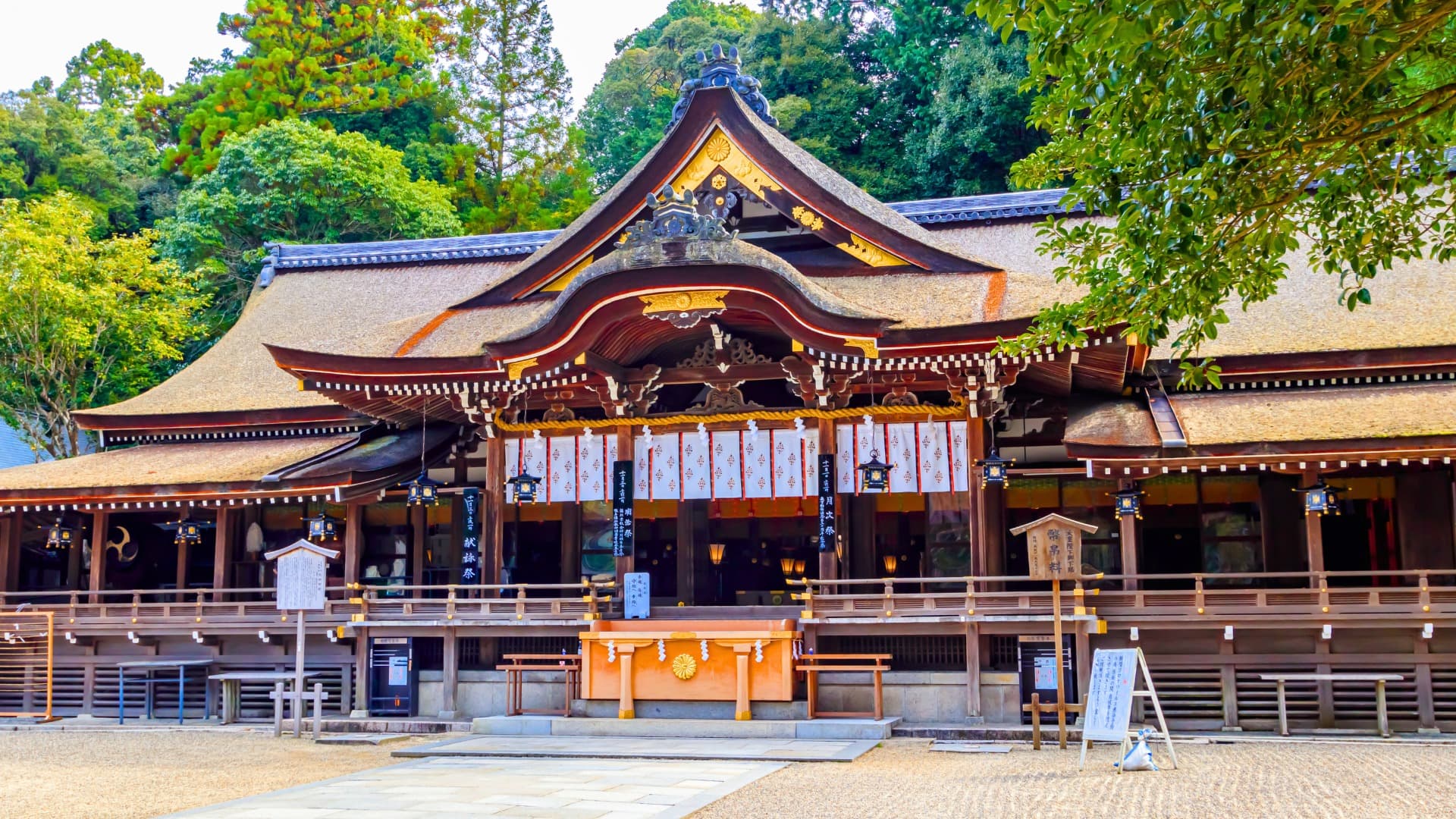
Table of Contents
- Overview of Omiwa Shrine
- History of Omiwa Shrine
- Highlights of Omiwa Shrine
Introduction
Omiwa Shrine is deeply intertwined with the history of Japan and can be considered the origin of Shinto. Its founding dates back to the Age of the Gods, and it possesses a unique form of worship with Mount Miwa as its sacred object. Without a main hall, this shrine worships nature itself as a deity, strongly evoking the spiritual connection between nature and people.
In this article, we will provide a detailed introduction to the history and highlights of Omiwa Shrine, as well as the distinctive features of its faith.
Overview of Omiwa Shrine
Omiwa Shrine (also known as “Miwa Myojin” or “Miwa Shrine”) is located in Sakurai City, Nara Prefecture, and is one of the oldest shrines in Japan. Its principal deity is Omononushi no Okami, known as the god of nation-building, and since ancient times it has played a vital role as a center of mountain worship. Its history is recorded in the Kojiki and Nihon Shoki, and it is deeply connected to important milestones in national history, including Emperor Jimmu’s eastern expedition and the establishment of the Yamato court.
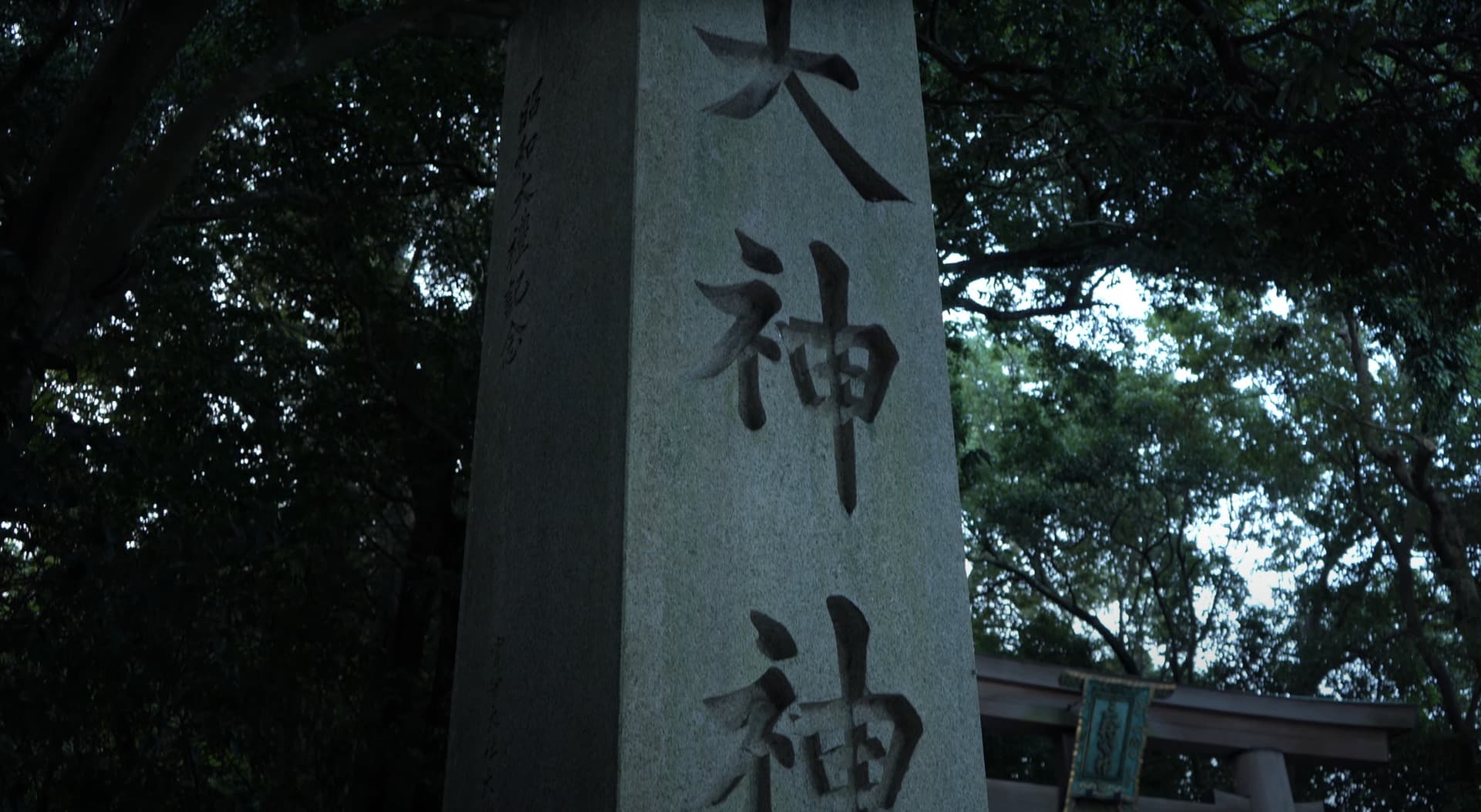
The most distinctive feature of Omiwa Shrine is that it has no main hall, and worships Mount Miwa itself as a sacred object. This is an extremely rare example that preserves the form of ancient Shinto to this day, demonstrating a form of nature worship where “the mountain itself is the deity.” This unique ritual form evokes the ancient belief in which nature and the divine are one, and is one of the reasons many worshippers and researchers visit.
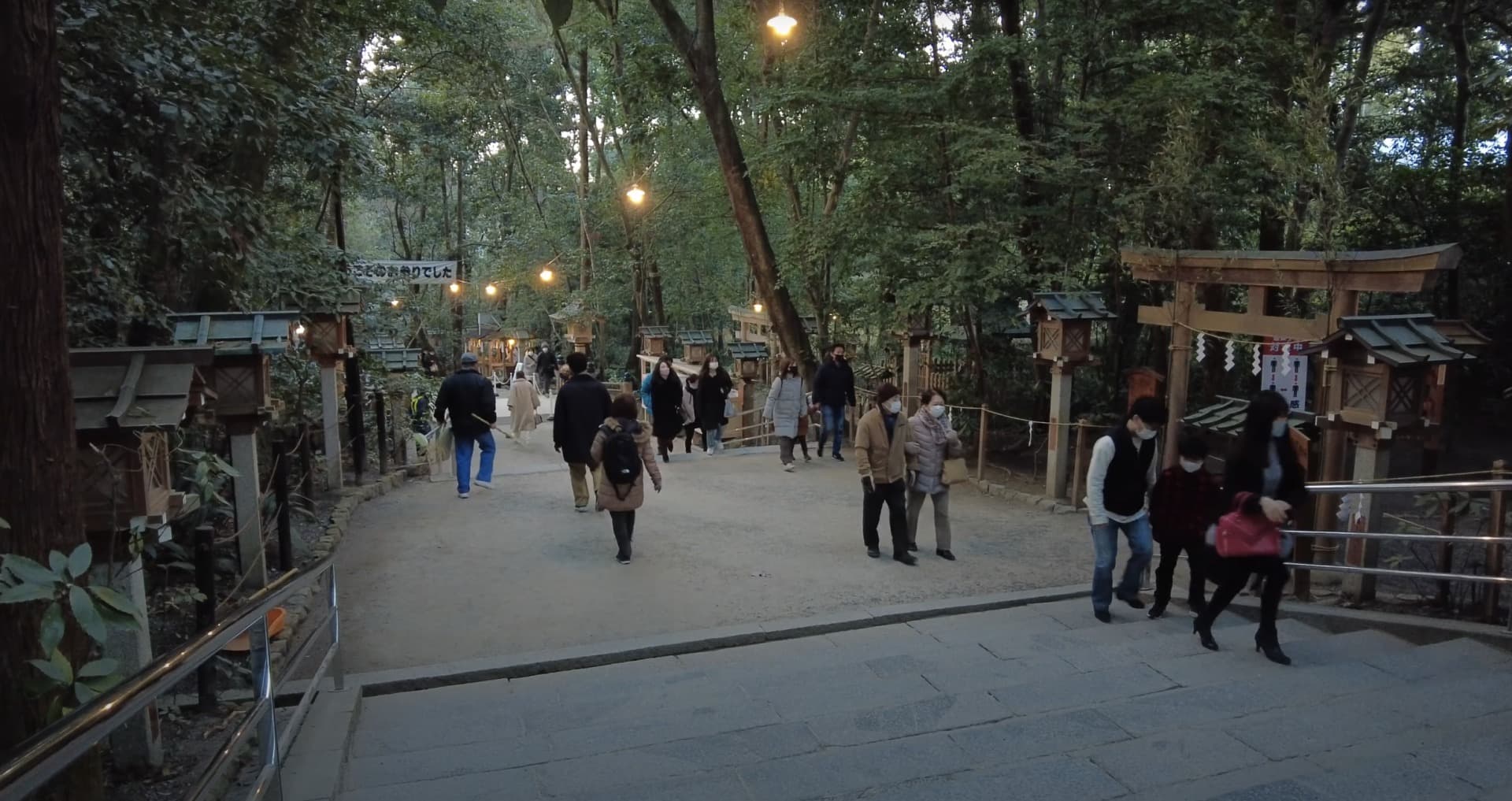
Various rituals and events are held throughout the year. The “Spring Grand Festival” and “Autumn Grand Festival,” held in April and November respectively, are known as important festivals that pray for abundant harvests and national peace. The “Onpara Festival” held in June prays for the eradication of disease and warding off evil. Worshippers can climb the sacred Mount Miwa, though registration at the reception is required, and climbers must follow designated routes and schedules.
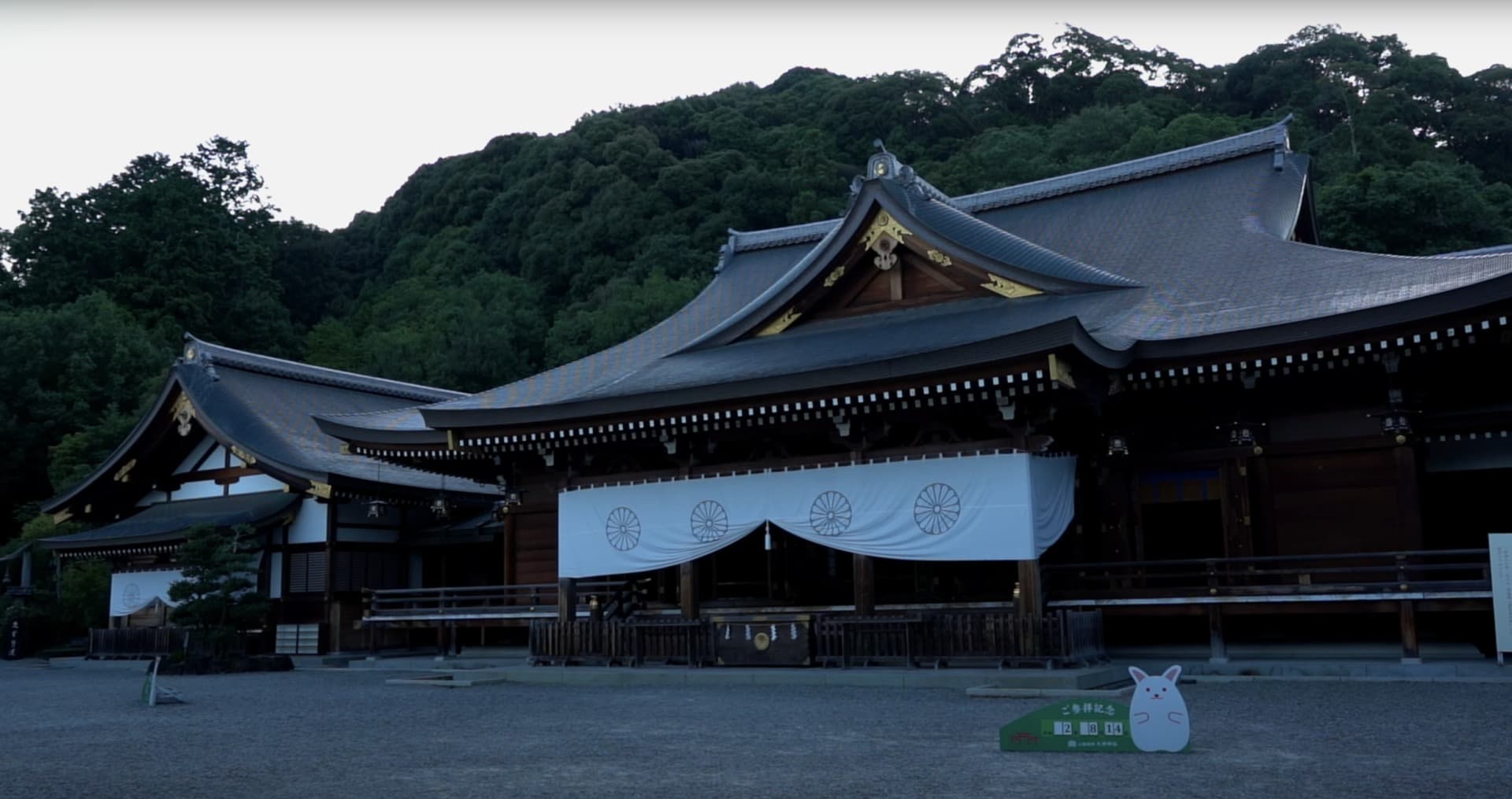
The shrine is also highly valued as a cultural asset, with structures such as the worship hall and offering hall designated as Important Cultural Properties of Japan. Furthermore, it houses many treasures and documents passed down since ancient times, which serve as valuable materials for understanding Japanese history and culture.
History of Omiwa Shrine
Omiwa Shrine is known as one of the oldest shrines in Japan, with its origins dating back to the Age of the Gods. Below, we present the major events in the history of Omiwa Shrine, organized by topic and based on accurate information.
1. Founding and Origins of Sacred Mountain Worship (Age of the Gods)
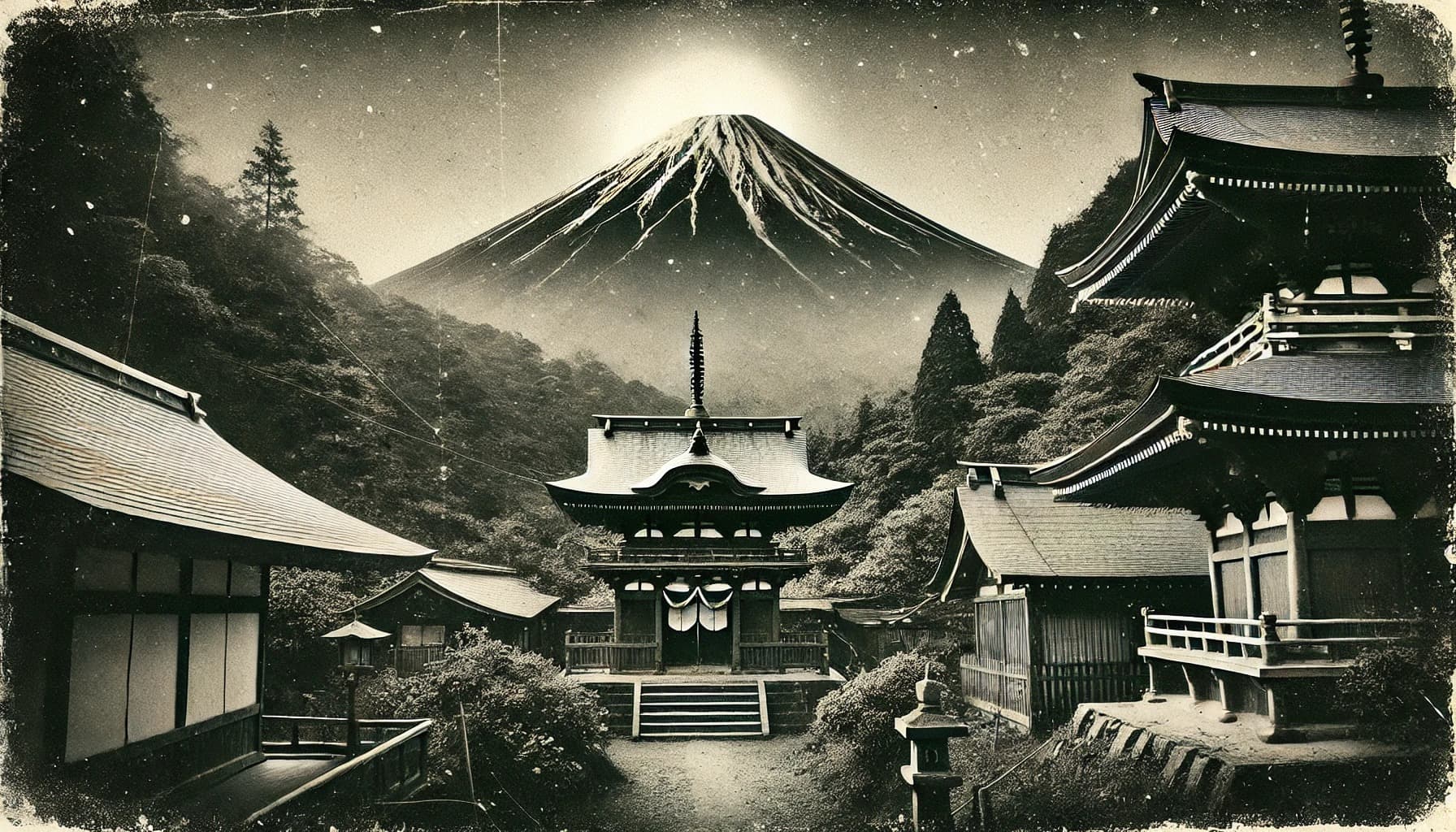
The founding of Omiwa Shrine is said to date back to the Age of the Gods, making it one of the oldest shrines in Japan. Ancient texts such as the Kojiki (compiled in 712) and the Nihon Shoki (compiled in 720) record that its principal deity, Omononushi no Okami, played a vital role as a god of nation-building and agriculture.
The sacred mountain worship of Mount Miwa itself as the divine body is a form of nature worship that has continued since ancient times and can be considered the origin of mountain worship in Japan.
2. Prosperity in the Nara Period (710-794)
 *Conceptual image
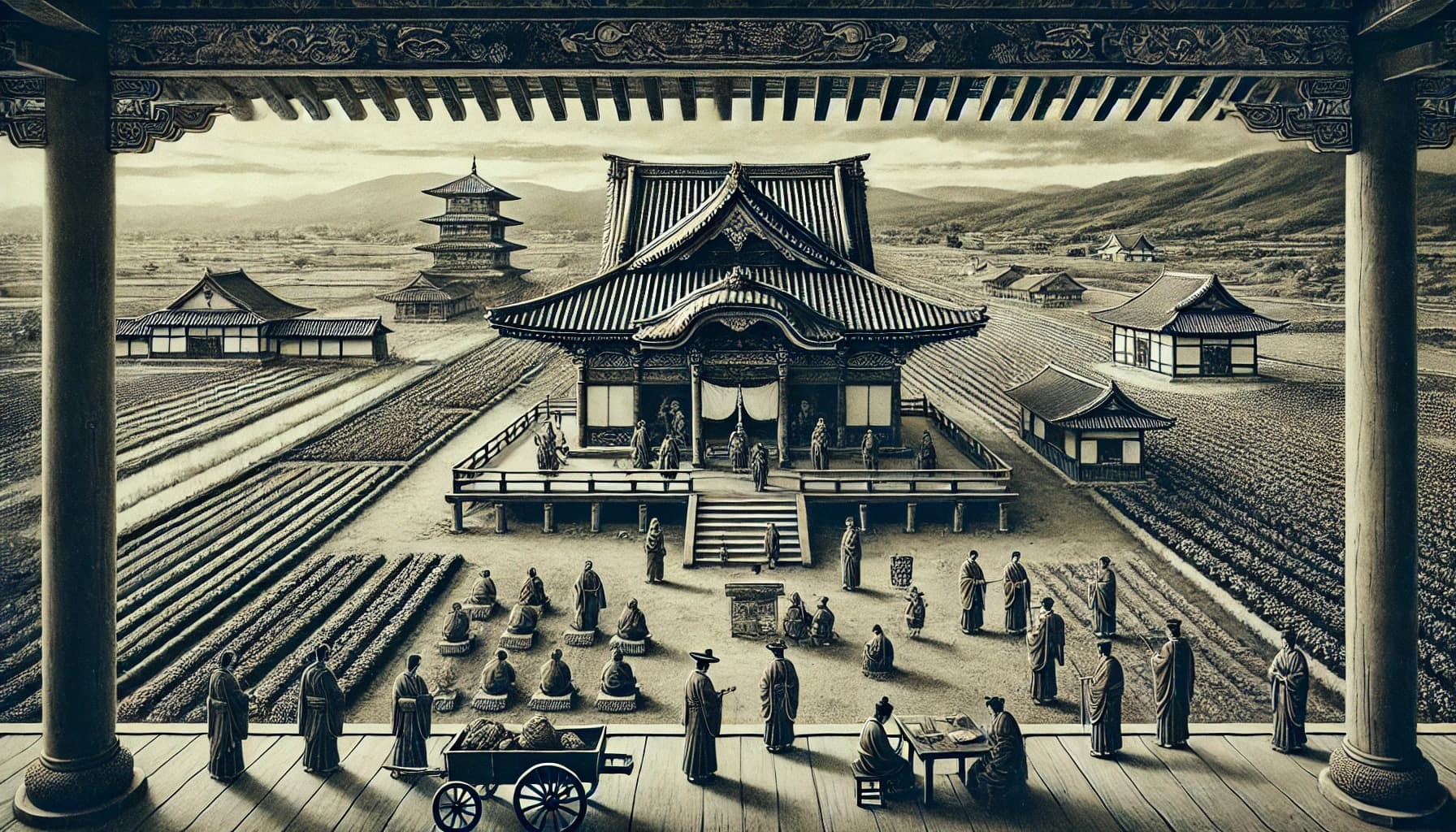
During the Nara period, Omiwa Shrine received deep reverence from the imperial court. Its name was also recorded in the Engishiki Jinmyocho (compiled in 927), establishing its status as an official shrine. During this period, national rituals and ceremonies were actively conducted, and Omiwa Shrine flourished as the central religious institution of Yamato Province.
It also contributed to the development of surrounding areas and agriculture, garnering faith from many people.
3. Medieval Changes and Warfare (12th-16th Centuries)
 *Conceptual image
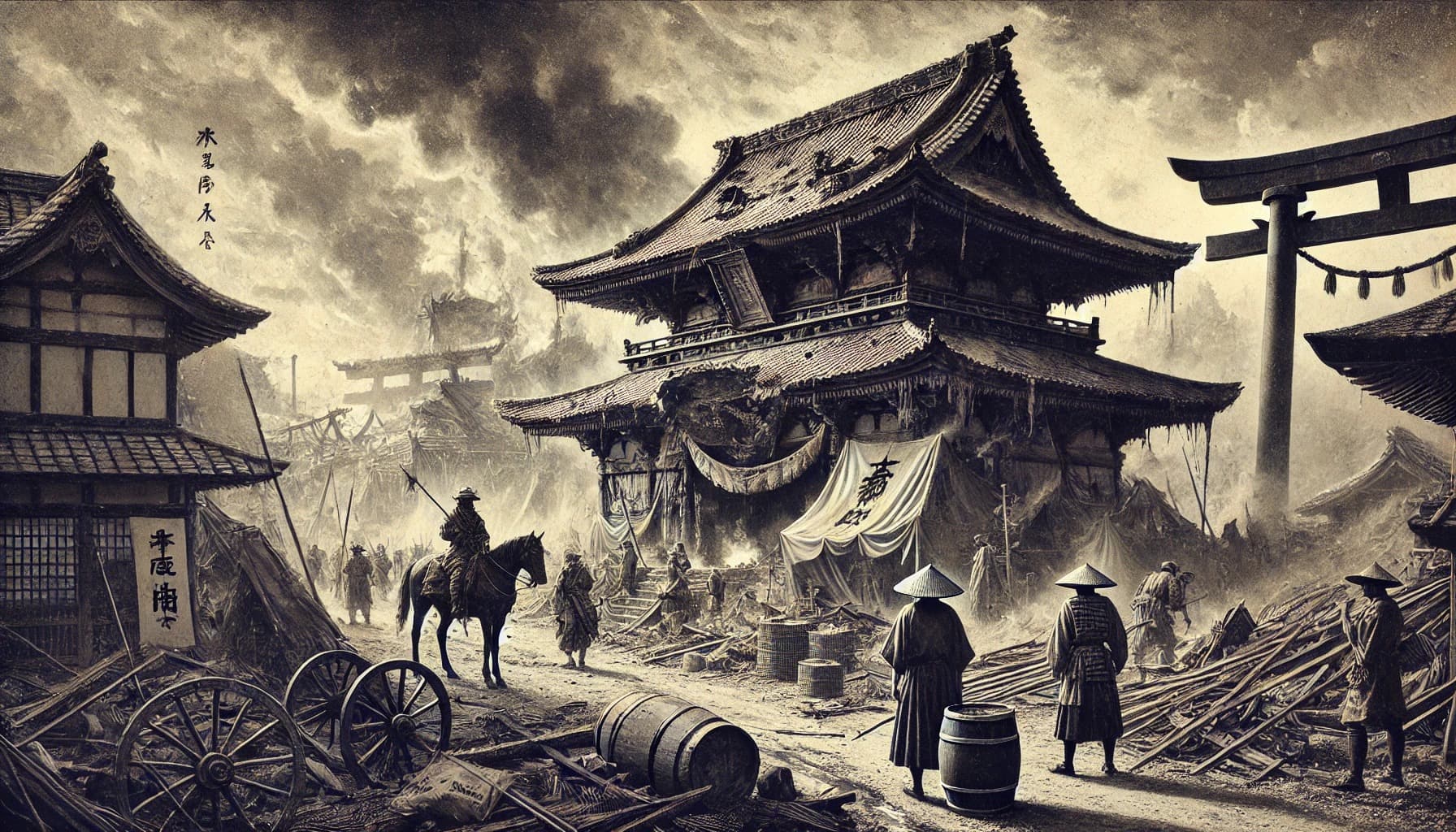
From the late Heian period through the Muromachi and Sengoku periods (12th-16th centuries), Omiwa Shrine was repeatedly affected by warfare amid social instability.
In particular, the turmoil of the Northern and Southern Courts period (1336-1392) and the conflicts of the Sengoku period (1467-1590) caused the shrine buildings to be burned and fall into disrepair. However, through the efforts of local powerful clans and devotees, the shrine buildings were rebuilt and rituals continued. During this period, under the influence of Shinbutsu-shugo (syncretism of Shinto and Buddhism), Buddhist elements were also incorporated, diversifying the forms of worship.
4. Revival and Expansion of Faith in the Edo Period (1603-1868)
 *Conceptual image
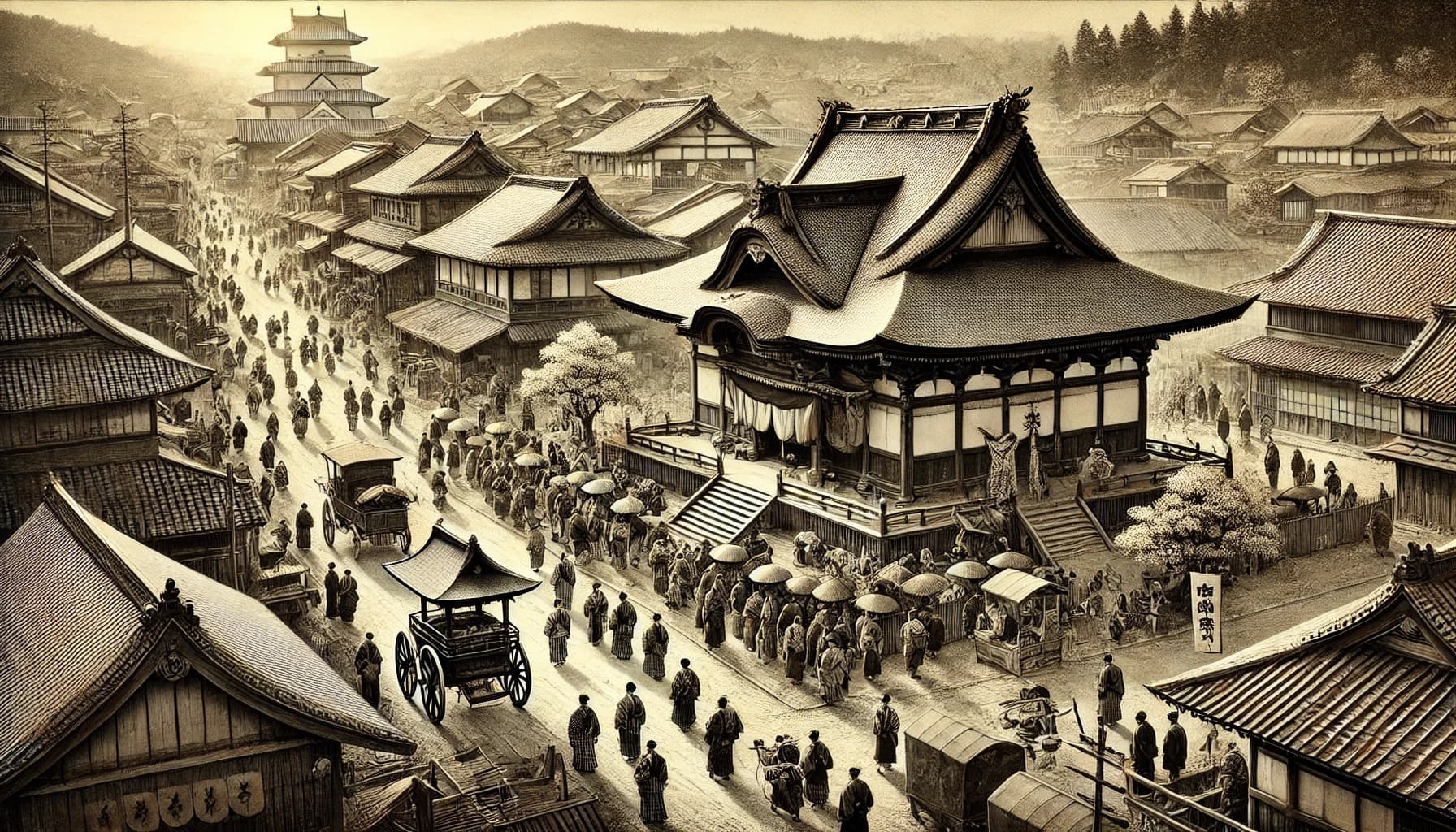
During the Edo period (1603-1868), under the stable governance of the Tokugawa shogunate, Omiwa Shrine once again embarked on a path of revival. With donations from the shogunate and various feudal lords, restoration of shrine buildings and maintenance of sacred treasures progressed.
Through the improvement of pilgrimage routes and the enrichment of festivals, the shrine became beloved among common people as “O-Miwa-san,” attracting many worshippers from across the country.During this period, local specialties such as Miwa somen noodles also became widespread, contributing to the development of the regional economy.
5. The Meiji Restoration and Separation of Shinto and Buddhism (1868 – Meiji Era)
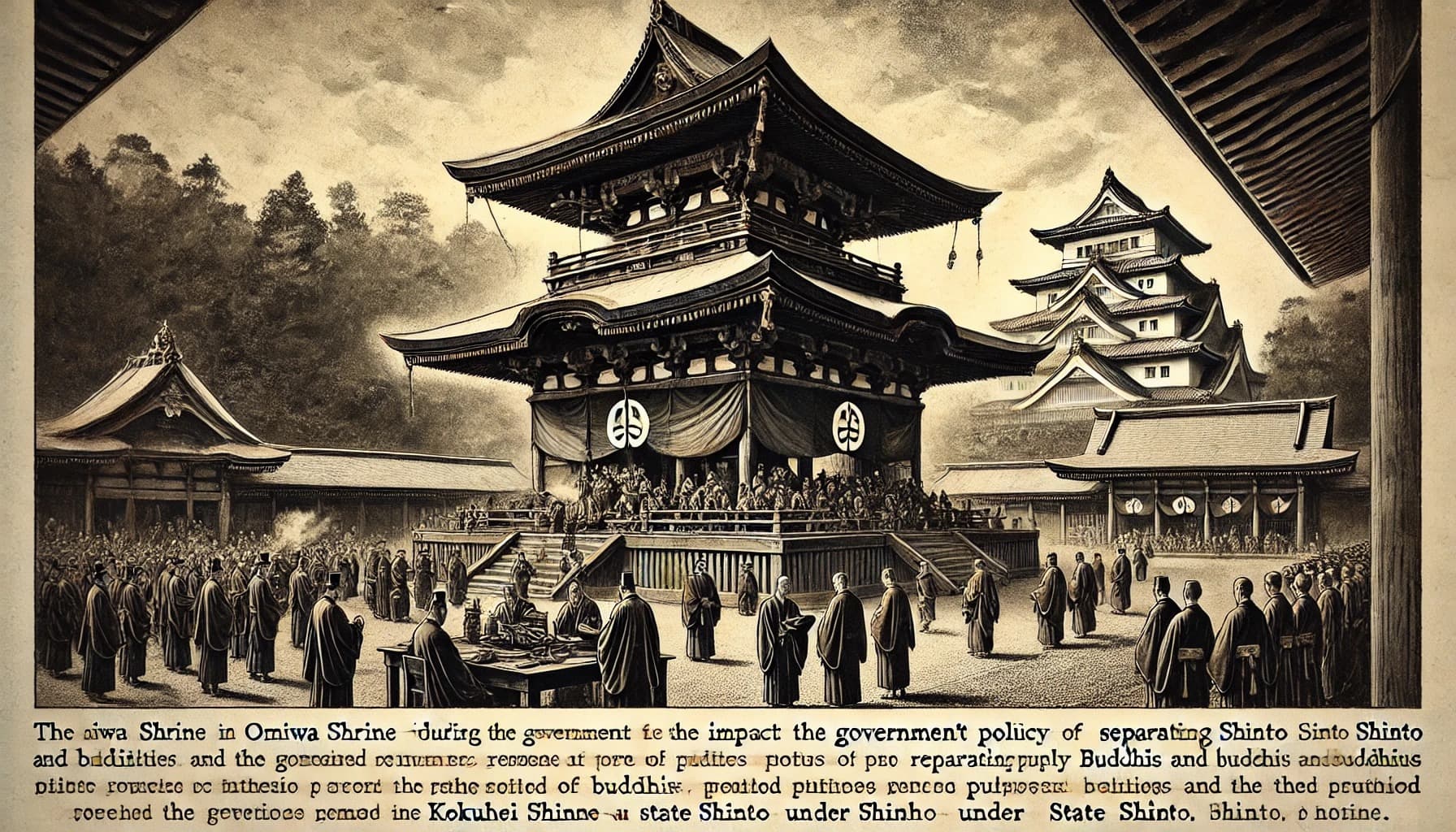 *Conceptual image
After the Meiji Restoration (1868), the government implemented the policy of separating Shinto and Buddhism, which also affected Omiwa Shrine. The Buddhist elements that had previously coexisted were removed, and a purely Shinto form was emphasized.
Furthermore, under State Shinto, it was ranked as a Kanpei Taisha (major imperial shrine), clearly establishing its position as a nationally important shrine.Even during this period of transformation, Omiwa Shrine continued to preserve its traditional rituals and faith.
6. The Path to the Modern Era and Preservation of Cultural Properties (20th Century – Present)

After the turbulent postwar period, Omiwa Shrine once again restored its faith and traditions. Through the Showa (1926-1989), Heisei (1989-2019), and Reiwa (2019-present) eras, efforts have been made to restore shrine buildings, maintain the grounds, and protect cultural properties.
Structures such as the worship hall and the great torii gate have been designated as Important Cultural Properties, and Mount Miwa itself is protected as a sacred site. Through traditional rituals and events passed down since ancient times, the shrine continues to contribute to the inheritance of faith and the promotion of regional culture.
7. Omiwa Shrine Today and Its Significance
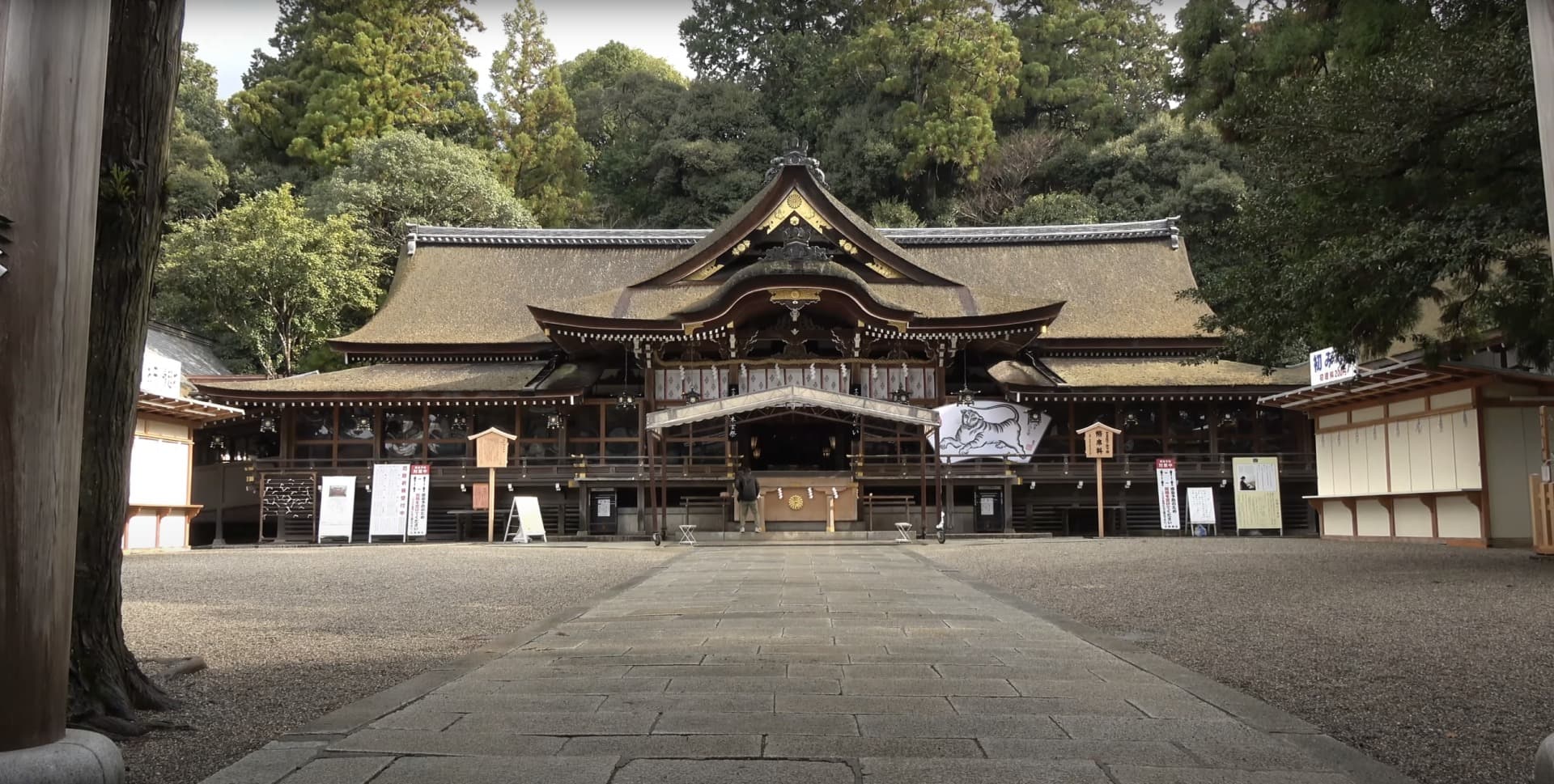
Today, Omiwa Shrine welcomes many worshippers from both Japan and abroad. The climb of Mount Miwa and traditional festivals are highly valued as symbols of the coexistence of nature and humanity and of Japan’s spiritual culture.
The shrine also actively engages in environmental conservation and cultural activities, communicating its significance in new ways. Omiwa Shrine will undoubtedly continue to fulfill its role as an important hub for conveying Japan’s history and culture into the future.
Highlights of Omiwa Shrine
Omiwa Shrine is one of the oldest shrines in Japan, captivating many worshippers with its mystical atmosphere and unique form of worship. Below are the key spots and highlights to visit when you come to Omiwa Shrine.
■ Great Torii Gate (Otorii)
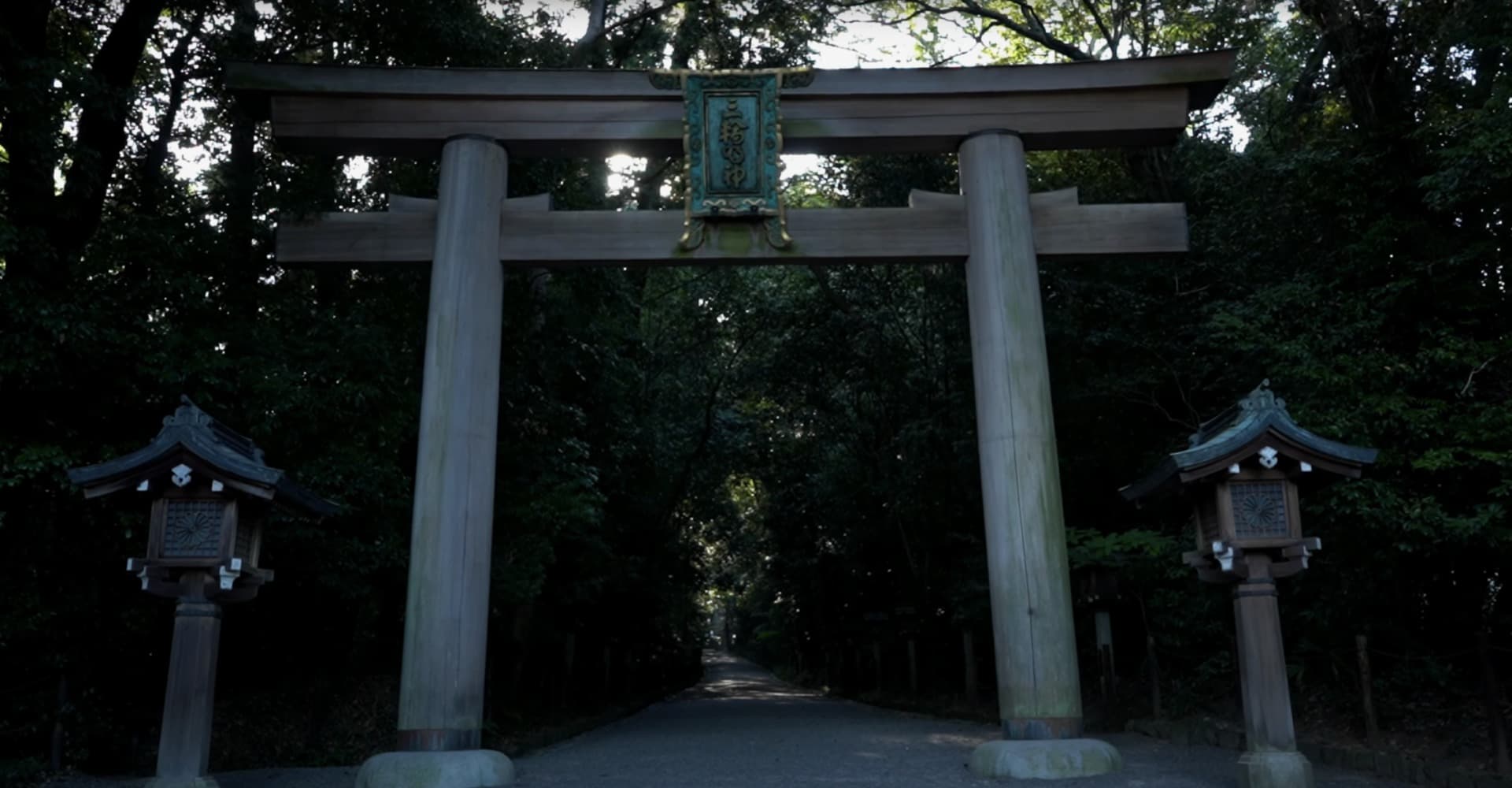
The Great Torii Gate is one of Japan’s largest steel torii gates, standing 32.2 meters tall and 23 meters wide. Built in 1990 (Heisei 2), its magnificent form is visible from a great distance. This gate is known as a landmark of Nara Prefecture, with its vibrant vermilion color harmonizing beautifully with the blue sky and surrounding greenery.
Passing beneath the torii gives one the sensation of stepping from the everyday world into a sacred space. At night, it is illuminated, creating an enchanting atmosphere.
■ Worship Hall (Haiden)
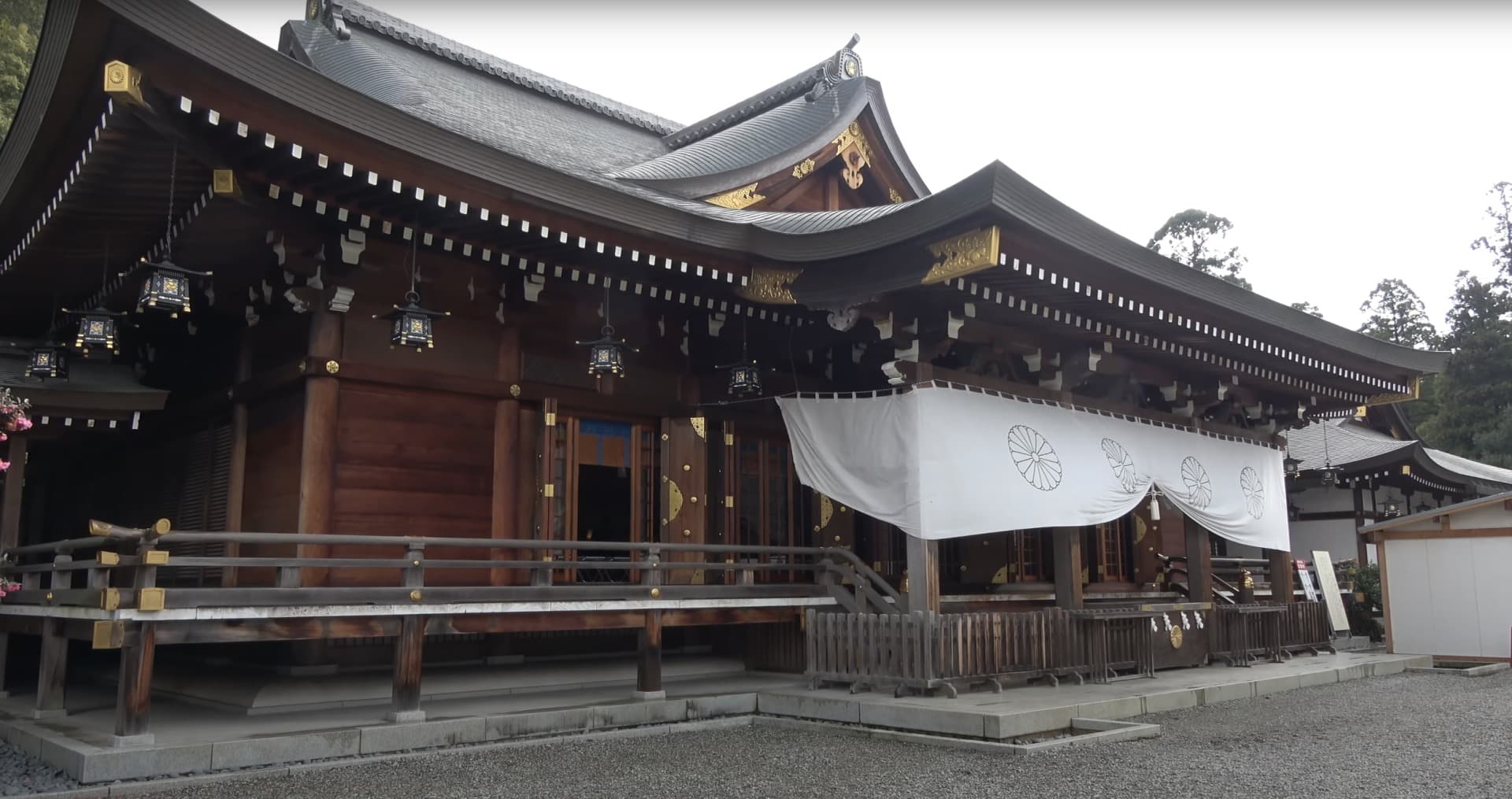
Omiwa Shrine has no main hall, and instead worships Mount Miwa, which rises behind it, as its sacred mountain — a unique form of faith. Therefore, the worship hall serves as the central place of worship. The current worship hall was rebuilt in 1664 (Kanbun 4) and is designated as a national Important Cultural Property.
Featuring an elegant cypress bark roof and detailed carvings throughout, visitors can appreciate the beauty of traditional Japanese architecture. From the front of the worship hall, one can view Mount Miwa, and it is here that worshippers offer their prayers toward the mountain. Inside the hall, votive tablets and treasures donated by successive emperors and members of the imperial family are stored, adding to its considerable historical value.
■ Mitsu Torii (Triple Torii Gate)
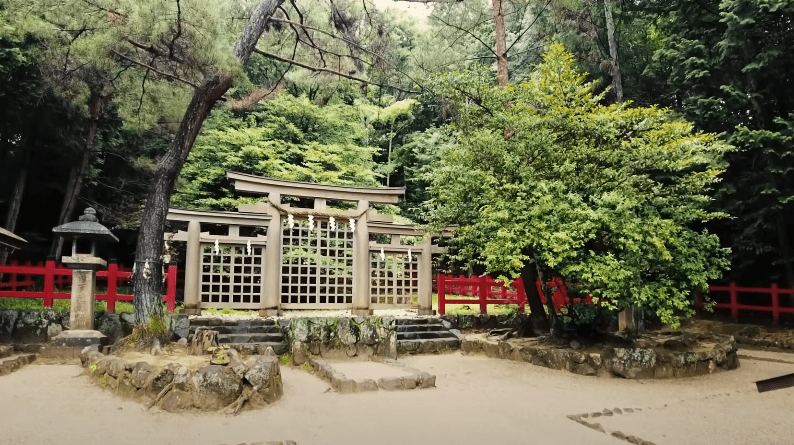
Located behind the worship hall, the “Mitsu Torii” is one of the most sacred places at Omiwa Shrine, marking the entrance to the divine realm of Mount Miwa. This gate has a distinctive structure in which smaller torii gates are attached on either side of a larger central torii — a rare form found at only a few places in Japan.
Beyond the Mitsu Torii lies the sacred domain, which is off-limits to general visitors. For this reason, it is normally covered with a white curtain, but during special rituals the curtain is removed, revealing its mystical form.
■ Mount Miwa (Miwayama)
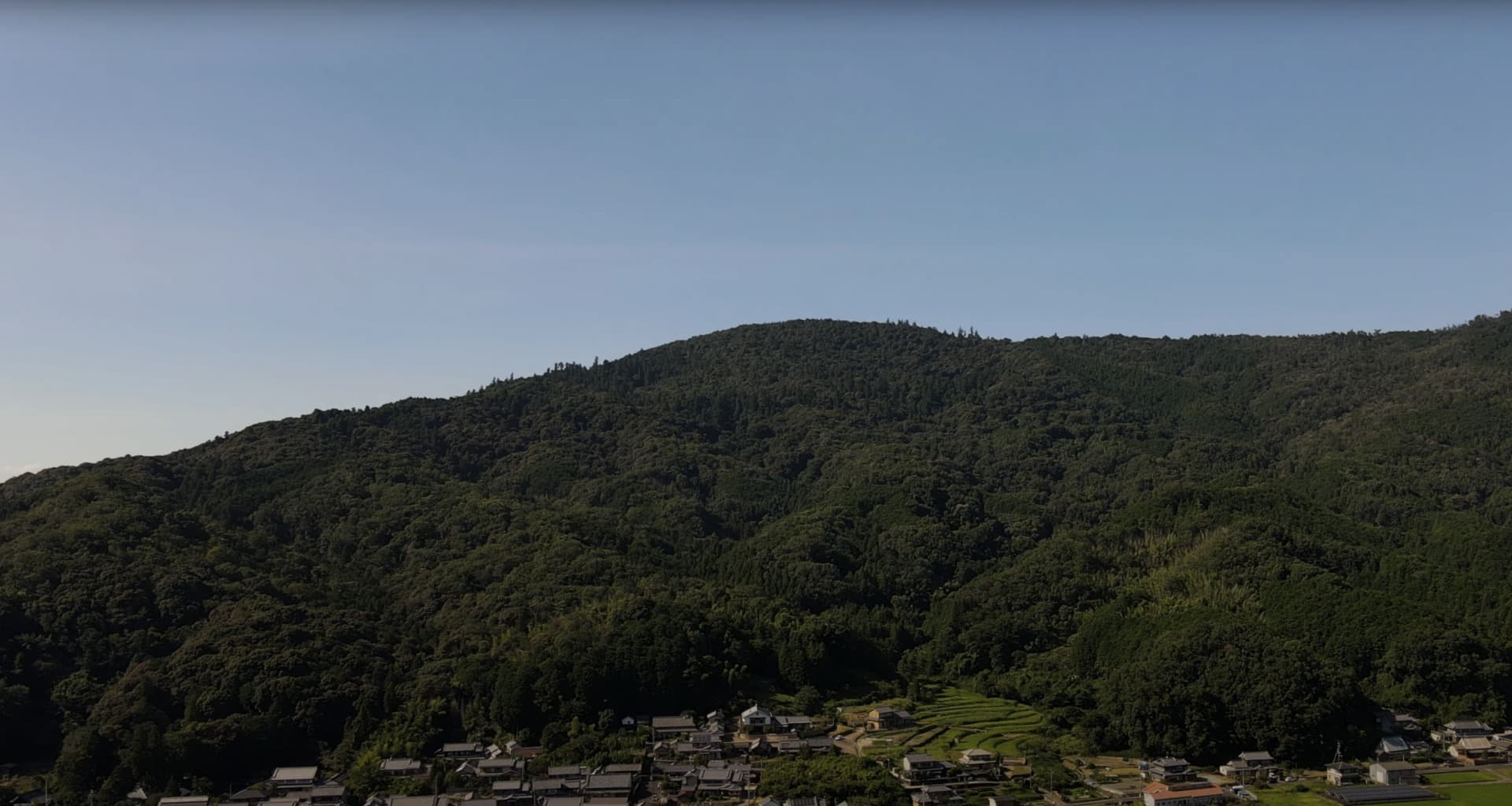
Mount Miwa is a sacred mountain standing 467 meters tall, worshipped since ancient times as the divine body of Omiwa Shrine. To make the pilgrimage climb, you must register in advance at Sai Shrine. Photography and eating or drinking are prohibited on the mountain, and climbers are required to ascend in silence.
Along the trail there are three “iwakura” (sacred rock formations), and at the summit, the Okutsu Iwakura enshrines Omononushi no Okami. From the summit, one can take in a panoramic view of the Nara Basin, offering a mystical experience amidst nature that has been preserved since ancient times.
■ Sai Shrine (Sai Jinja)

Sai Shrine is widely revered as a deity of healing from illness. The water that springs from the “Kusuri-ido” (Medicine Well) within the shrine is called “kusuri-mizu” (medicine water) and is said to cure all ailments. Many worshippers visit seeking this water, and while visitors may take a modest amount home, they are asked not to take large quantities.
For those without their own bottle, the shrine office sells sacred water — 500ml for 100 yen and 2 liters for 300 yen.
■ Meoto Iwa (Wedded Rocks)
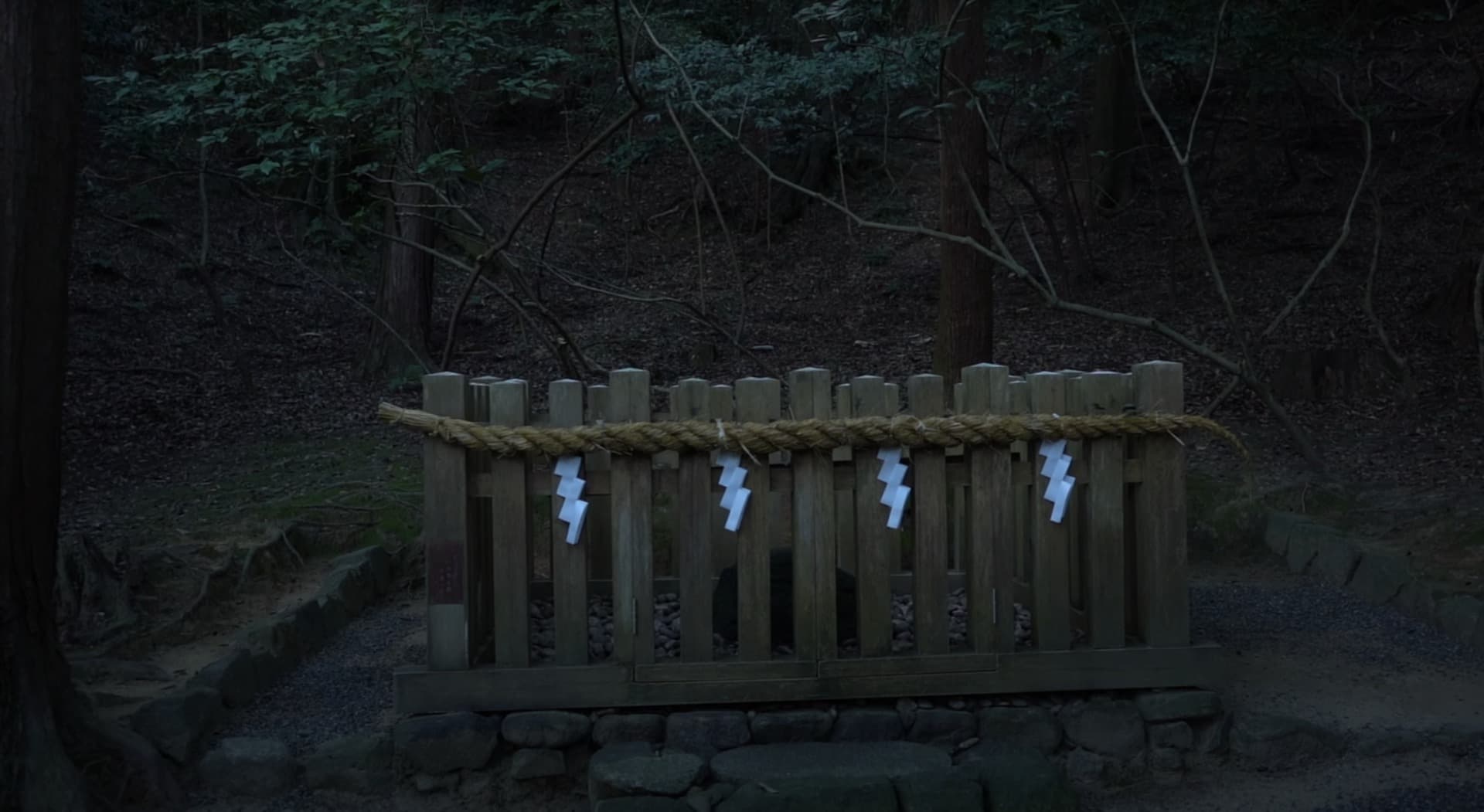
Located at the foot of Mount Miwa, the Meoto Iwa (Wedded Rocks) are known as a symbol of romantic matchmaking and marital harmony. These two rocks are bound together by a shimenawa (sacred rope), and their appearance conveys the mythological love story between the deity of Miwa and a human woman. Many visitors come to pray for good romantic connections.
■ Kuehiko Shrine (Kuehiko Jinja)
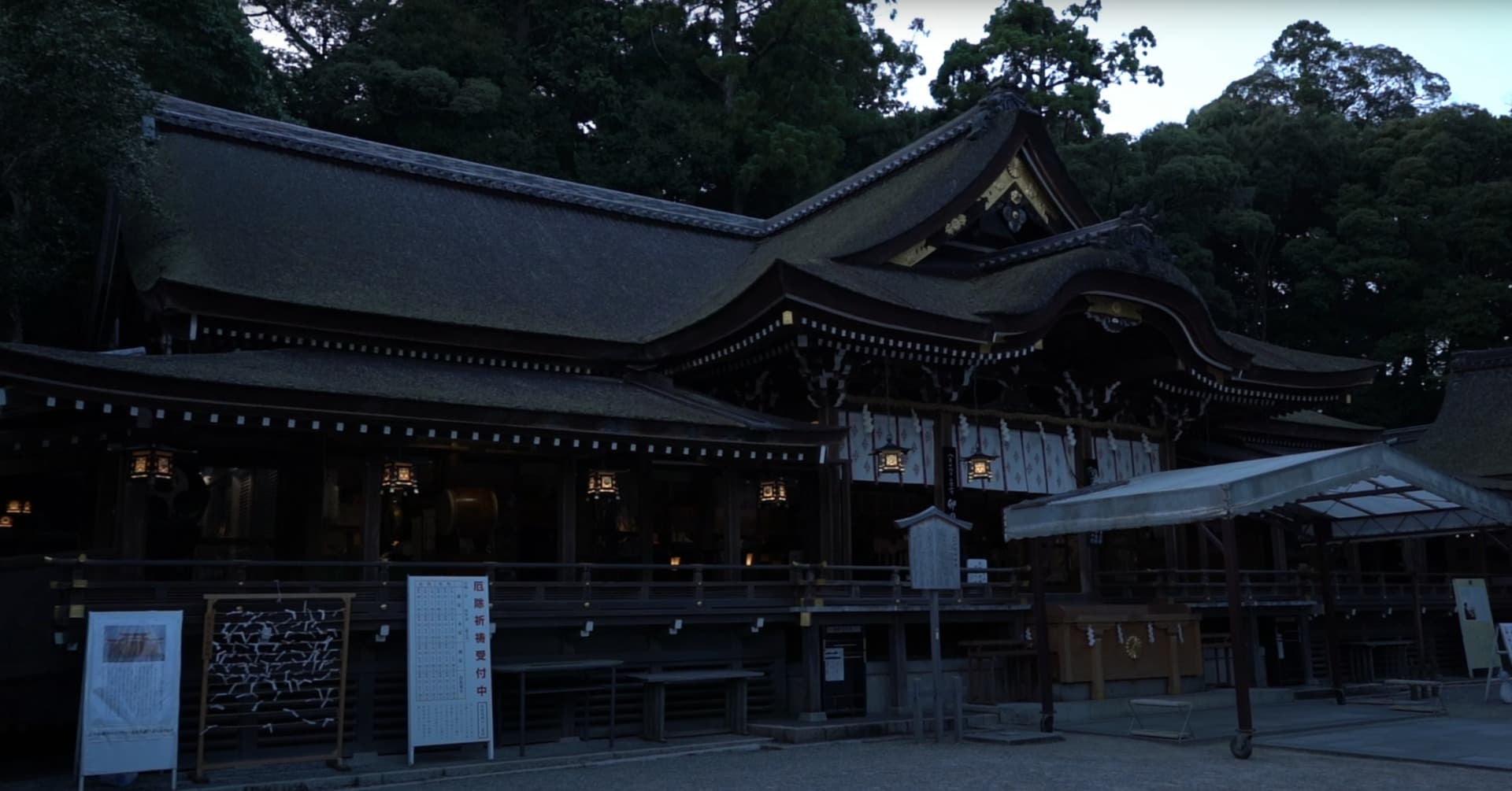
Kuehiko Shrine enshrines Kuebiko no Mikoto, revered as the deity of learning. In the Kojiki, this deity is described as “a god of wisdom who knows everything about the world,” and many people visit to pray for success in entrance exams and academic achievement. Numerous votive tablets are dedicated within the grounds, and visitors can offer their prayers in a tranquil environment.
■ Omiwa Shrine Treasure Repository
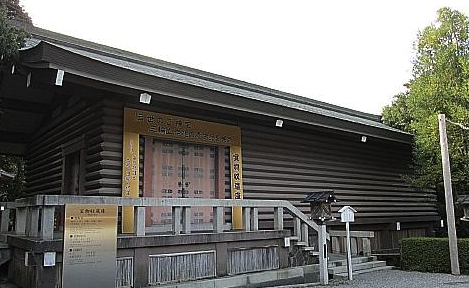
This facility displays valuable materials that provide insight into the history and culture of Omiwa Shrine. Swords, implements used in Shinto rituals, and ancient documents are on display, offering a glimpse into the deep history of the shrine. While visiting hours and open days should be confirmed in advance, it is a precious place to appreciate cultural properties related to the shrine.
★ Introducing Our Tourism Website ★
We introduce carefully selected tourist destinations in Japan, just like in this article.
By bookmarking this site, you can access essential tourism information at any time. We are continuously updating and providing even more exciting experiences for discovering tourist destinations.
Click the image below for more details
Summary
In conclusion, Omiwa Shrine preserves its long history and sacred faith to this day, serving as a spiritual pillar of Japanese culture. Its unique form of worshipping nature, with the mountain itself as the divine body, continues to inspire many worshippers even in modern times. While preserving its rich cultural properties and traditional events, it will undoubtedly continue to serve as a symbol of Japanese history and culture for years to come.
We invite you to visit this sacred place and experience the faith and natural mystery that have endured since ancient times.