🕓 2026/1/23
#tourist spot
Highlights of Japan’s cherry blossomsDetailed explanation
more
table of contents
- Introduction
- 3 carefully selected cherry blossom highlights
- Types and characteristics of cherry blossoms
- Tips for finding hidden cherry blossom spots
- Best season to enjoy cherry blossoms and bloom forecast
- 1. Introduction
- 2. 3 carefully selected cherry blossom highlights
- >Click here for Arashiyama cherry blossom viewing spots
- 3. Tips for finding hidden cherry blossom spots
- 4. Tips for finding hidden cherry blossom spots
- 5. Best season to enjoy cherry blossoms and bloom forecast
- What’s New in 2026
- Finally
1. Introduction
Cherry blossoms are the very soul of spring in Japan. Each year, delicate pink petals drifting on the breeze create scenes that have inspired poetry, paintings, and music for centuries. For the 2026 season, long-range forecasts point to blooming dates close to the historical average, promising ideal conditions at Japan’s most celebrated sakura spots. In this guide, we introduce three must-visit cherry blossom destinations — places so stunning they deserve a spot on every traveler’s lifetime bucket list — along with the latest 2026 bloom forecasts and access tips.
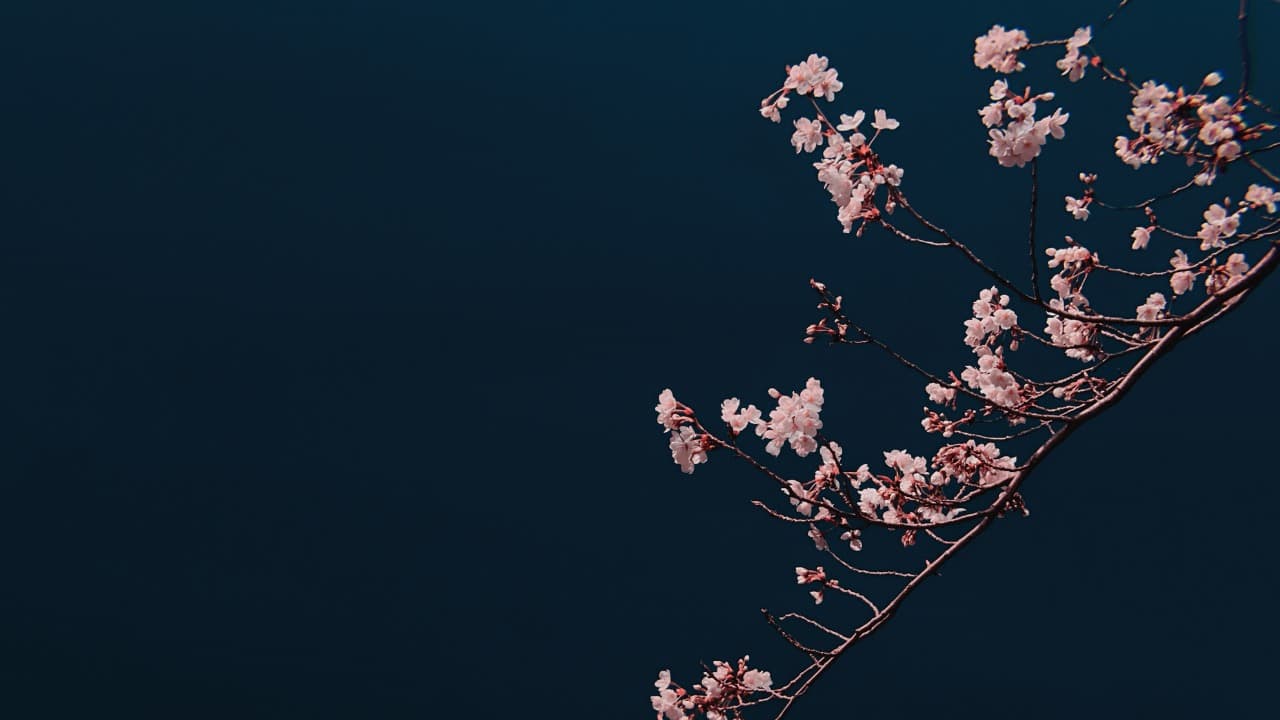
The charm of cherry blossoms also lies in their diversity. You can enjoy cherry blossoms that have different expressions depending on the region, including Yoshino cherry trees that can be seen all over the country, double cherry blossoms, and weeping cherry blossoms. Furthermore, the ephemerality and fleeting beauty of cherry blossoms is deeply connected to the Japanese sense of “awareness” of things, and is one of the reasons why so many people are drawn to them.
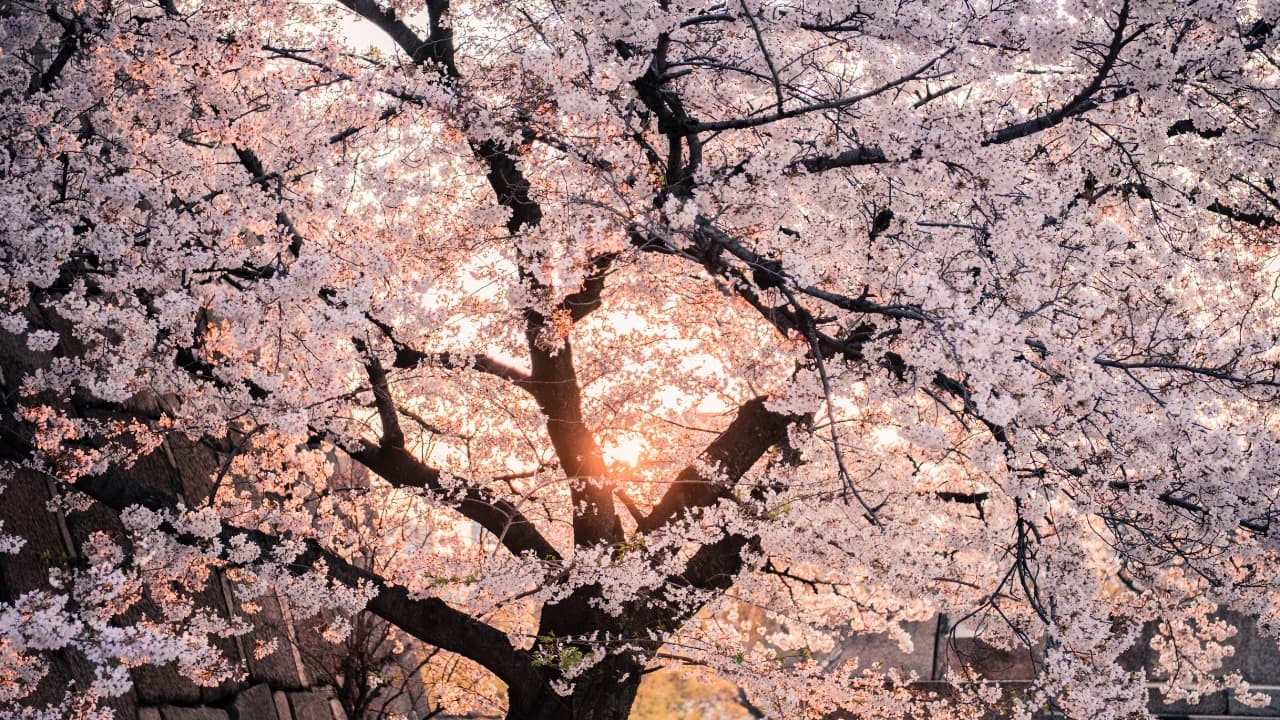
In this special feature, we will introduce in detail the famous cherry blossom viewing spots across Japan, as well as provide information on the types of cherry blossoms, hidden spots, and how to enjoy cherry blossoms to the fullest. This spring, why not visit the spectacular view of cherry blossoms and experience their charm?
2. 3 carefully selected cherry blossom highlights
We will introduce the “best 3” carefully selected from among the famous cherry blossom viewing spots all over Japan. We focused not only on the history and beauty of the landscape, but also on the special charm that can be felt at each spot.
1. Hirosaki Park (Aomori Prefecture)
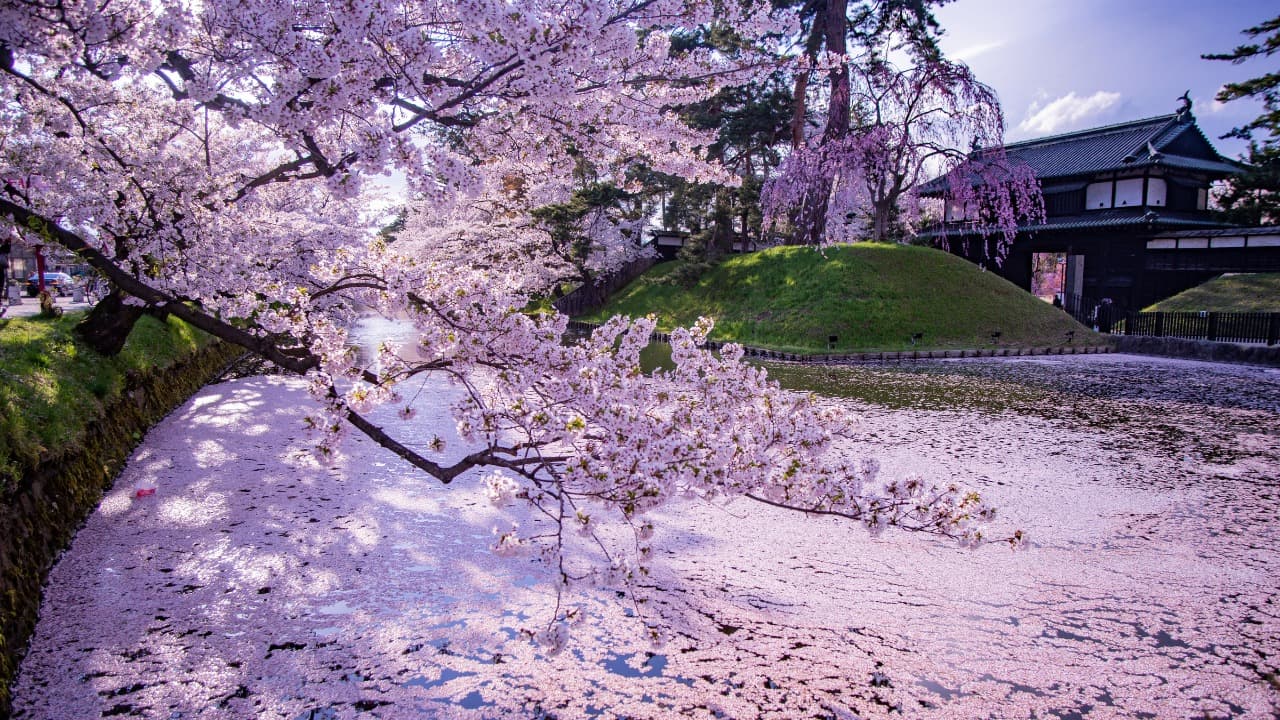
Hirosaki Park (Aomori Prefecture) is home to more than 2,600 cherry blossoms of about 50 varieties, so beautiful that they are said to be “Japan’s best cherry blossoms.” The contrast between the castle tower and castle gate of Hirosaki Castle in the park and the cherry blossoms in full bloom is a spectacular view that is popular among photography enthusiasts.
It is also known that there are many Yoshino cherry trees that are over 100 years old, and while it is generally said that “Somei Yoshino cherry trees” have a lifespan of about 60 years, it is said that the long life of the cherry blossoms in this area is supported by the advanced pruning techniques passed down from generation to generation by local craftsmen.
The Hirosaki Cherry Blossom Festival is held every spring, and there is an opportunity to enjoy the cherry blossoms illuminated at night. It is also famous for the way the outer moat is covered with flower petals, and the water surface is dyed pink, making it look like a raft of flowers and attracting not only locals but also tourists from all over the country.
2. Mt. Yoshino (Nara Prefecture)
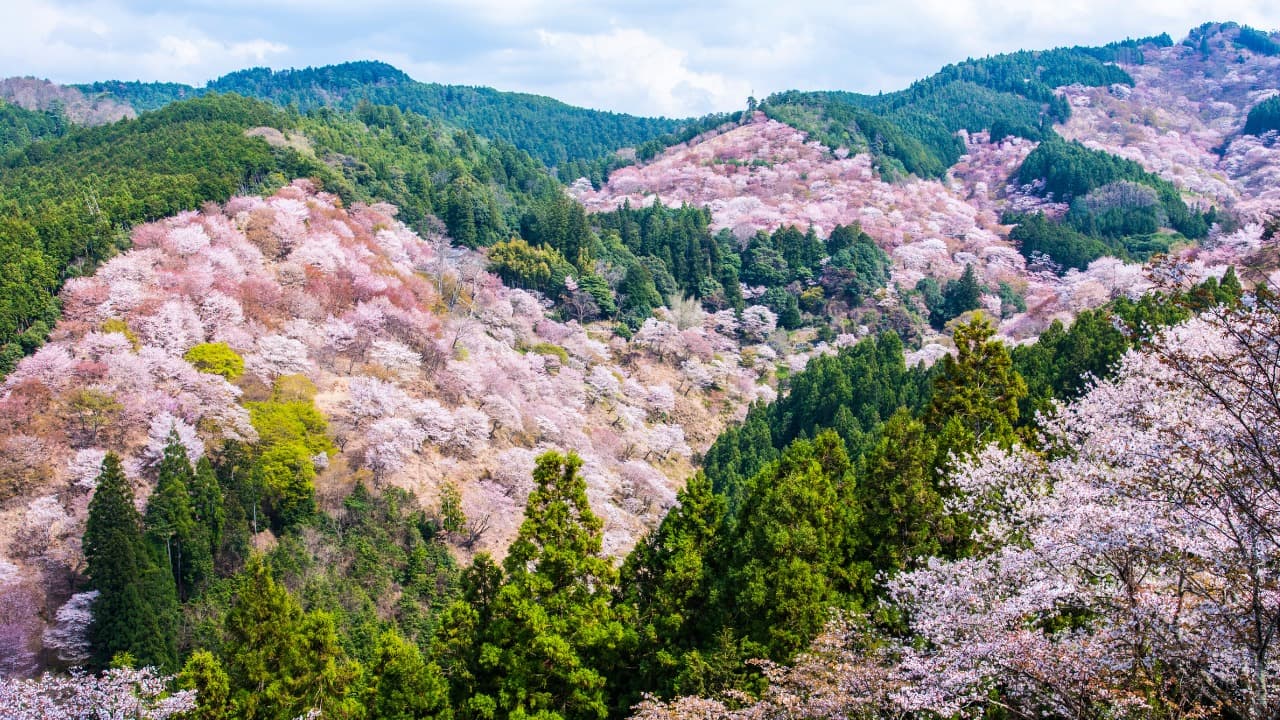
Mount Yoshino in Nara Prefecture is famous as a place where you can enjoy cherry blossom viewing for a long period of time, with approximately 30,000 cherry blossoms covering the slopes of the mountain and blooming at different times in four areas (Shimosenbon, Nakasenbon, Kamisenbon, and Okusenbon). Particularly at the peak of the season, the entire mountain is dyed a faint cherry blossom color, and many people are moved by the spectacular sight.
This place is registered as part of the World Heritage Site “Sacred Sites and Pilgrimage Routes in the Kii Mountain Range,” and you can think about the ancient beliefs and historical background while walking through the flowery scenery of Mt. Yoshino. In the spring, the Yoshino Mountain Cherry Blossom Festival is held, and it is a great way to enjoy cherry blossom viewing while tasting local specialties and cuisine.
3. Arashiyama (Kyoto Prefecture)
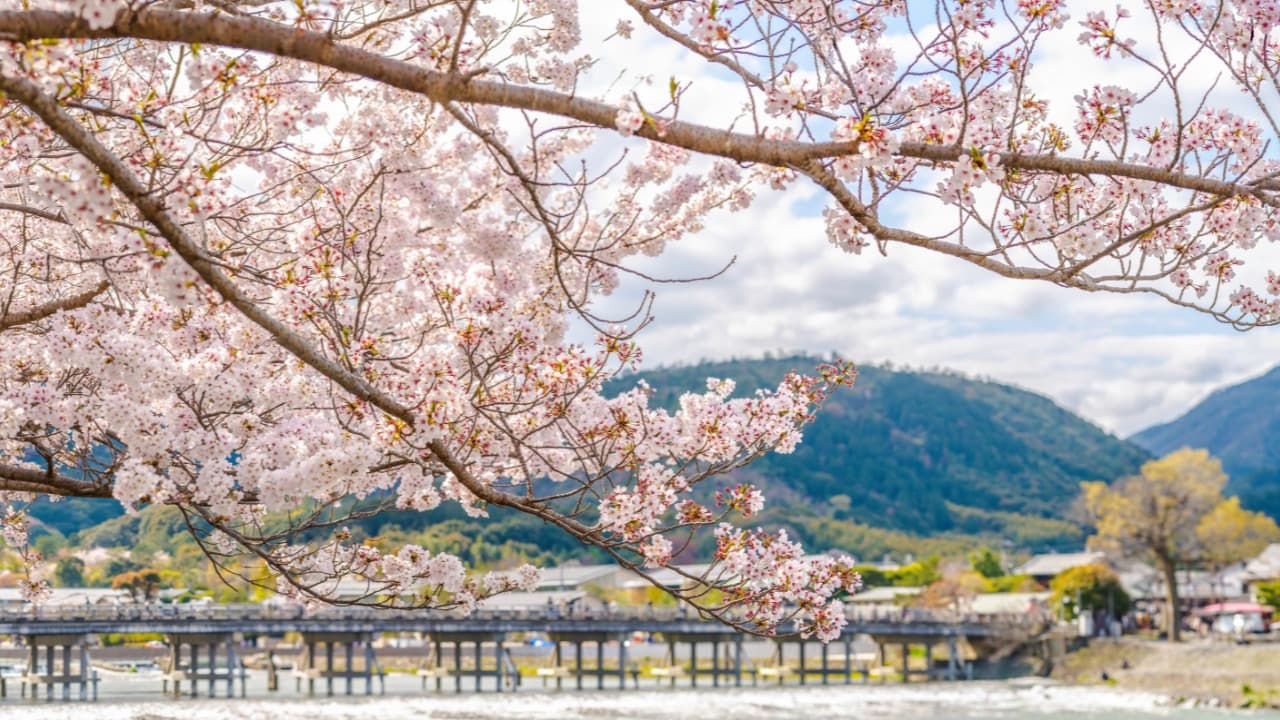
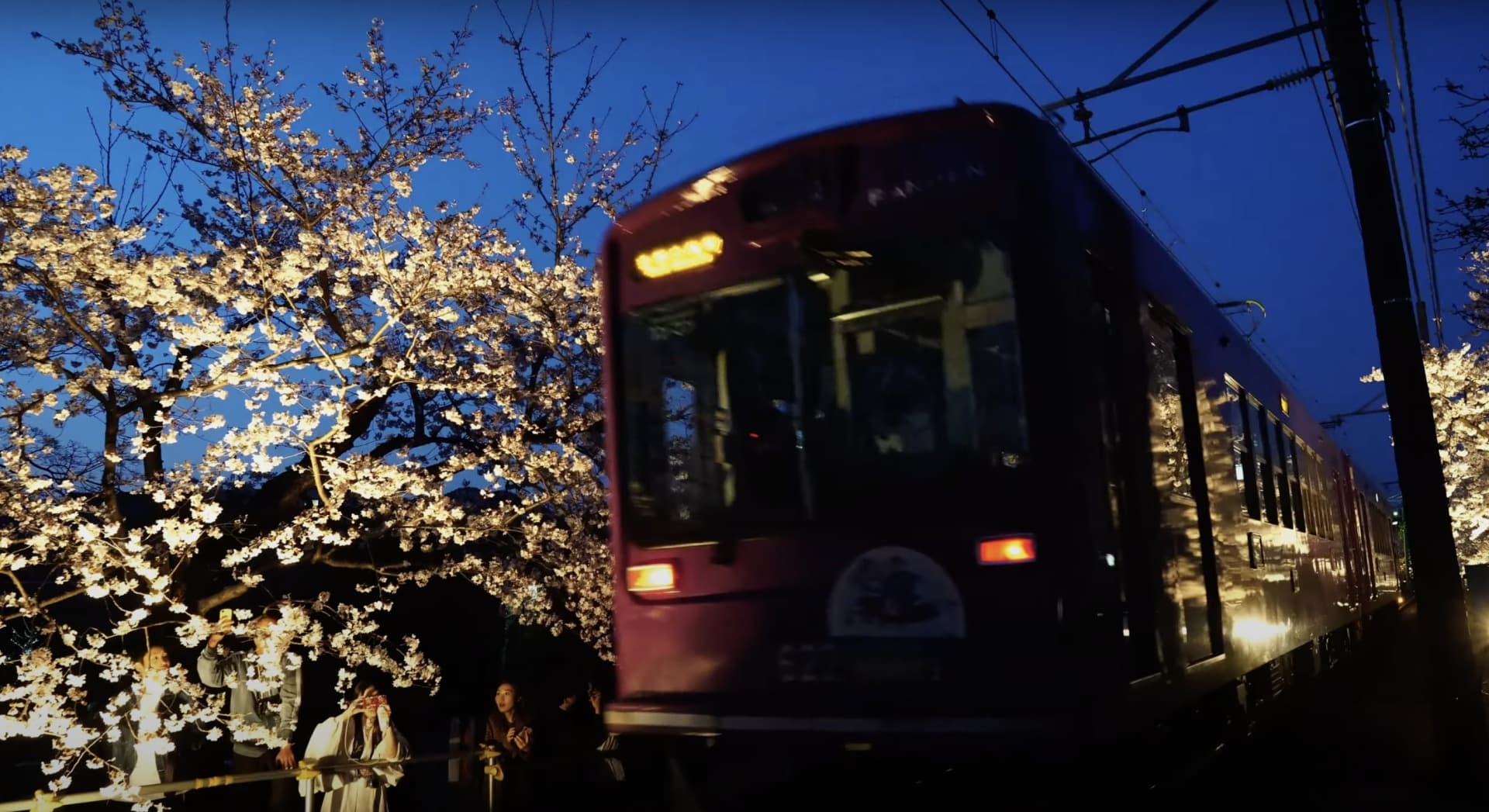
Arashiyama in Kyoto is widely known as a cherry blossom viewing spot surrounded by the atmosphere of the ancient capital. In spring, Yoshino cherry trees and wild cherry trees bloom around Togetsukyo Bridge and along the Oi River, and the sight of the cherry blossoms reflected on the river surface and the historic bridge attracts many people.
The Arashiyama area is dotted with tourist attractions that are popular throughout the year, such as the bamboo forest path and the Sagano Trolley train, but the area becomes particularly colorful during the cherry blossom season. It is sometimes illuminated at night to coincide with the cherry blossoms, and one of the attractions is that you can enjoy a fantastic view that is different from the daytime.
>Click here for Arashiyama cherry blossom viewing spots
3. Tips for finding hidden cherry blossom spots
Japan has a wide variety of cherry blossoms, each with their own unique charm. Below we introduce the typical types of cherry blossoms and their characteristics.
1. Somei Yoshino (Somei Yoshino)
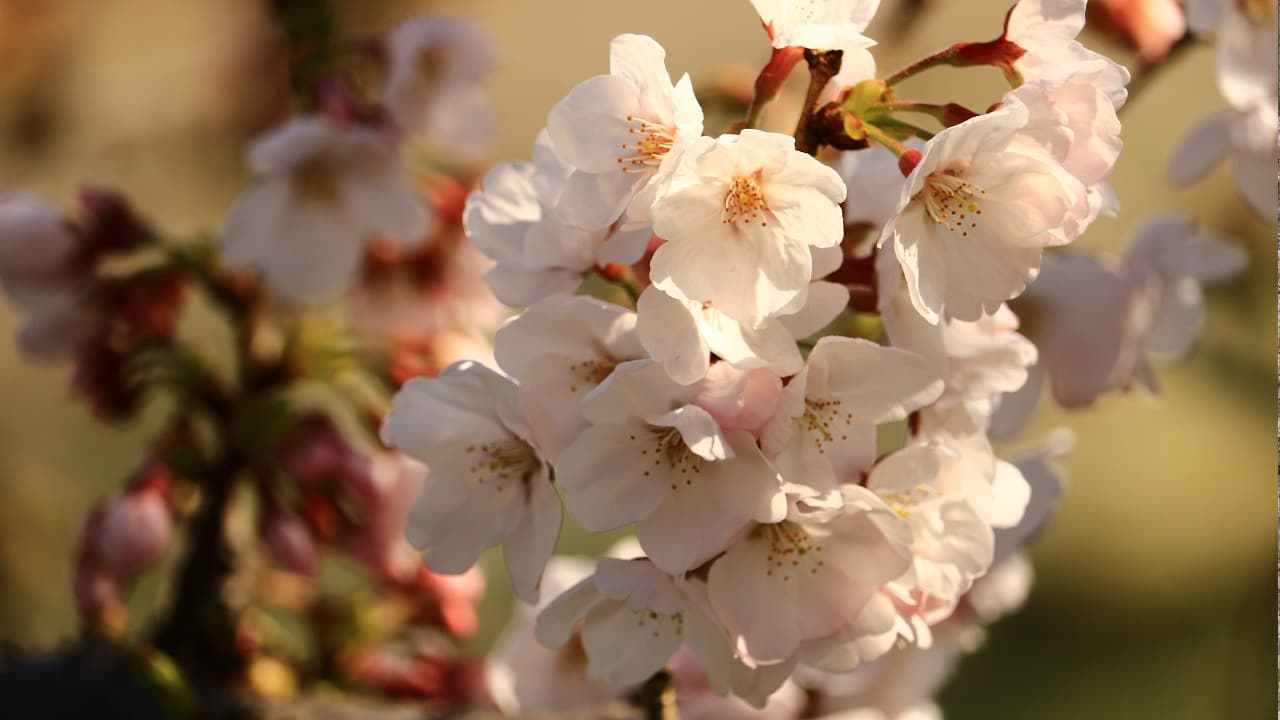
It is the most common cherry blossom in Japan and can be seen all over the country. This garden variety was created by crossing Oshimazakura and Edohigan from the late Edo period to the early Meiji period. The flowers are pale pink, turning almost white when in full bloom. The flowers bloom before the leaves appear, so when the tree is in full bloom, you can enjoy a spectacular view where the entire tree is covered with flowers. Additionally, because of clonal propagation, Yoshino cherry trees in the same area have the characteristic of blooming all at once.
2. Yamazakura (wild cherry tree)
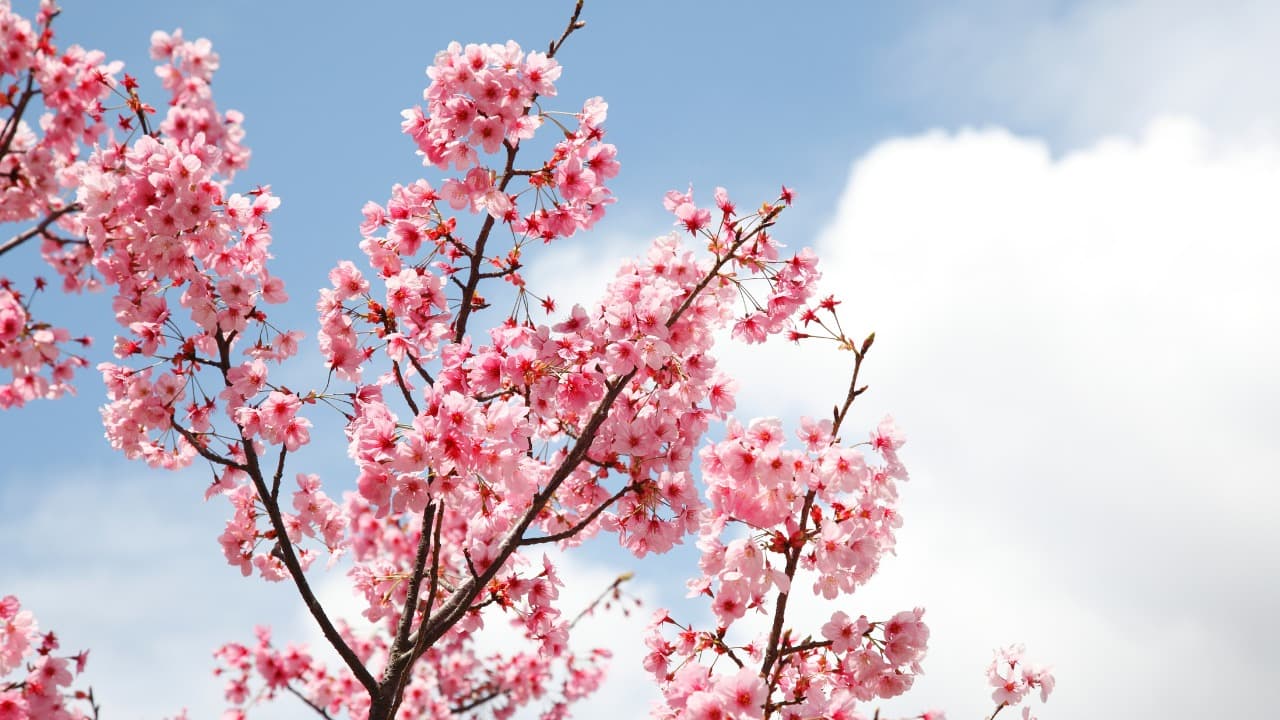
This cherry tree is a wild species that grows widely in the mountains of Japan, and has been featured in Japanese poetry and literature since ancient times. It is characterized by the reddish young leaves that develop at the same time as the flowers, and the flower color varies from white to pale pink among individuals. There is a variety of tree shapes, flower colors, and leaf colors, giving a sense of nature. The cherry blossoms of Mt. Yoshino (Nara Prefecture) are mainly said to be Yamazakura.
3. Edohigan (Edo Higan)
It is a wild species that grows wild in the mountains of Honshu, Shikoku, and Kyushu, and is also known as the parent of Someiyoshino. The flowers are small, pale pink to white, and have 5 single petals. They are extremely long-lived, with some trees over 1,000 years old. One of Japan’s three major cherry blossoms, Yamatakajindaizakura (Yamanashi Prefecture) is famous as an old Edohigan tree.
4. Oshimazakura (Oshimazakura)
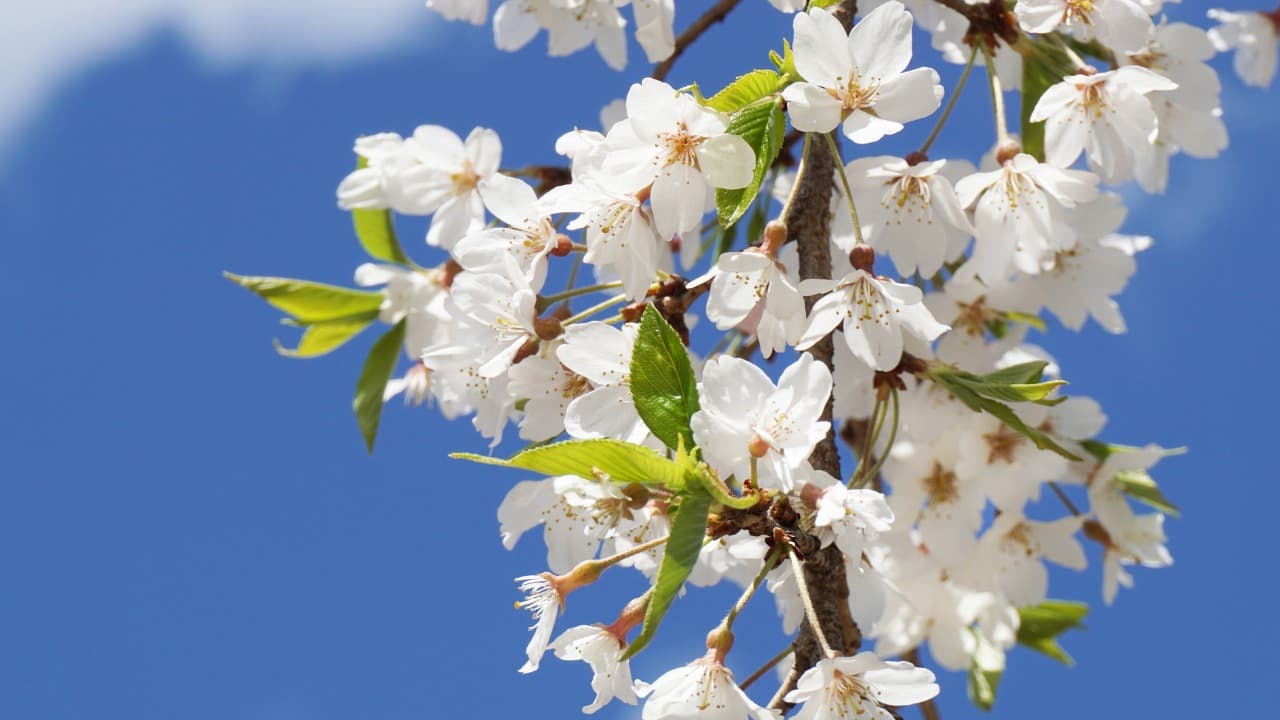
This cherry tree grows naturally in the Izu Islands and Izu Peninsula, and is characterized by its white flowers and aroma. Large young leaves develop at the same time as the flowers, and these leaves are used as material for wrapping sakuramochi. It grows quickly and is the parent of many garden varieties such as Someiyoshino and Kawazuzakura.
5. Kanhizakura (Kanhizakura)
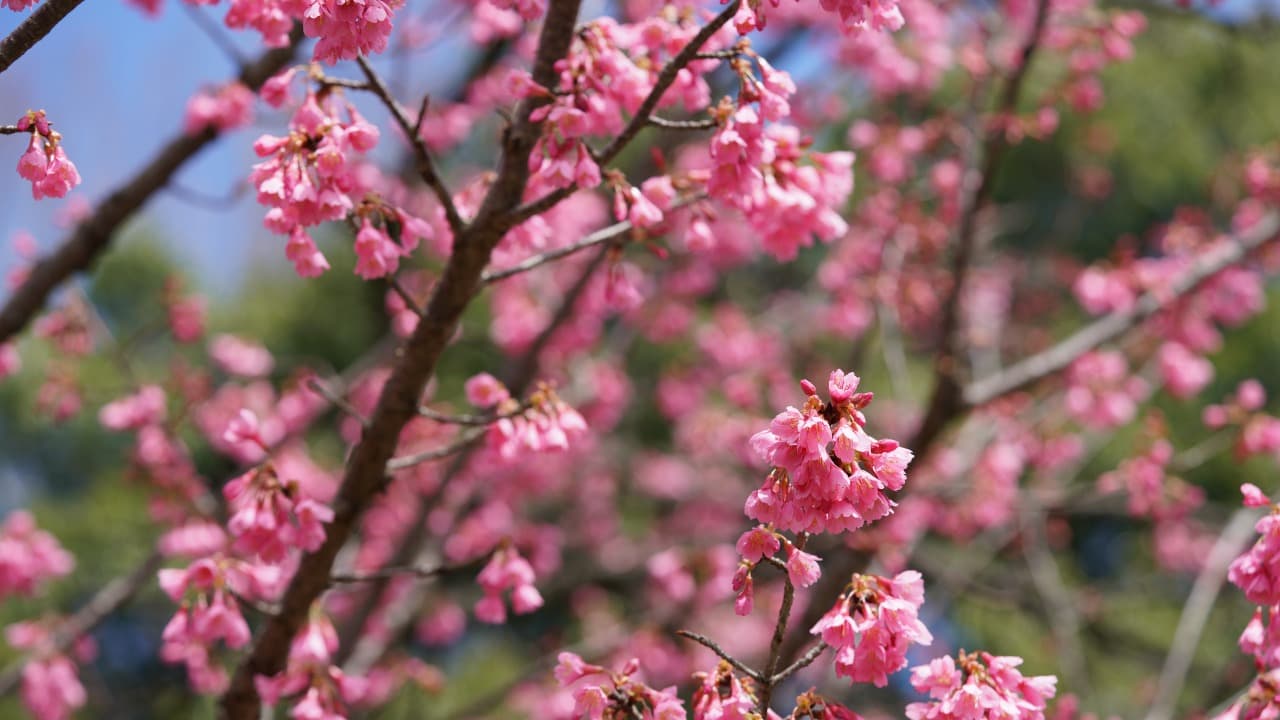
This is an early-blooming cherry tree that can be seen in Okinawa and southern Kyushu, and blooms from late January to February. It is characterized by dark pink to red flowers that bloom downward, and the petals are single blooms with 5 petals. It is sensitive to cold and is mainly found in warm regions. Kawazuzakura (Kawazuzakura) is said to be a natural hybrid of Kanhizakura and Oshimazakura.
6. Weeping cherry tree
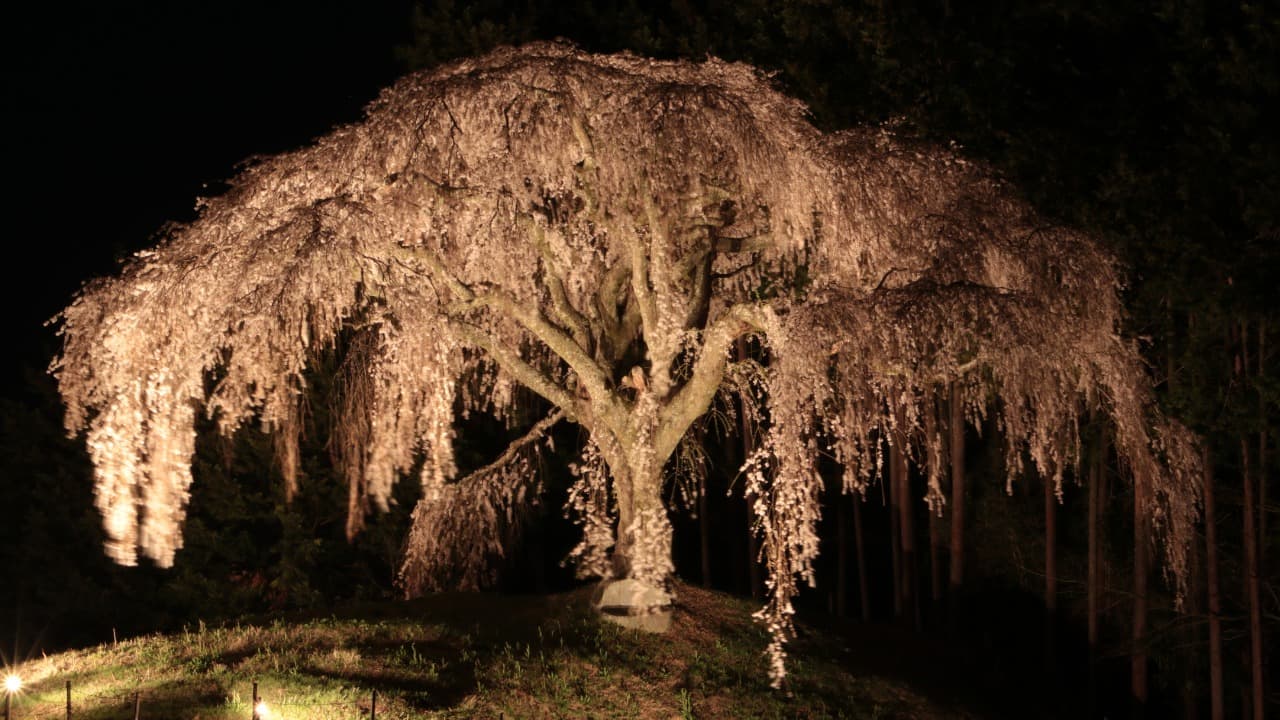
This cherry tree has a distinctive tree shape with drooping branches, and is considered to be a variety of Edohigan. The flowers are pale pink to white and are popular for their elegant appearance. The weeping cherry tree in Maruyama Park in Kyoto is especially famous and attracts many tourists.
4. Tips for finding hidden cherry blossom spots
During the cherry blossom season, many people visit famous places, but many people want to avoid the crowds and enjoy the cherry blossom viewing in peace. Below, we have summarized the key points for finding hidden cherry blossom spots.
■ Utilize information from local people

Locals are often knowledgeable about spots that are not listed in tourist guides. Check local community sites, social media, and local tourism association websites. For example, searching for hashtags such as “#cherry blossom spot” on local blogs and social media can yield useful information.
■ Explore around famous spots

There are often hidden spots near famous cherry blossom viewing spots that are relatively less crowded. For example, many tourists visit the area around Arashiyama in Kyoto, but if you go a little further you may find quiet rows of cherry blossom trees. Use a map app to find nearby parks and riverbeds.
■ Visit at different times
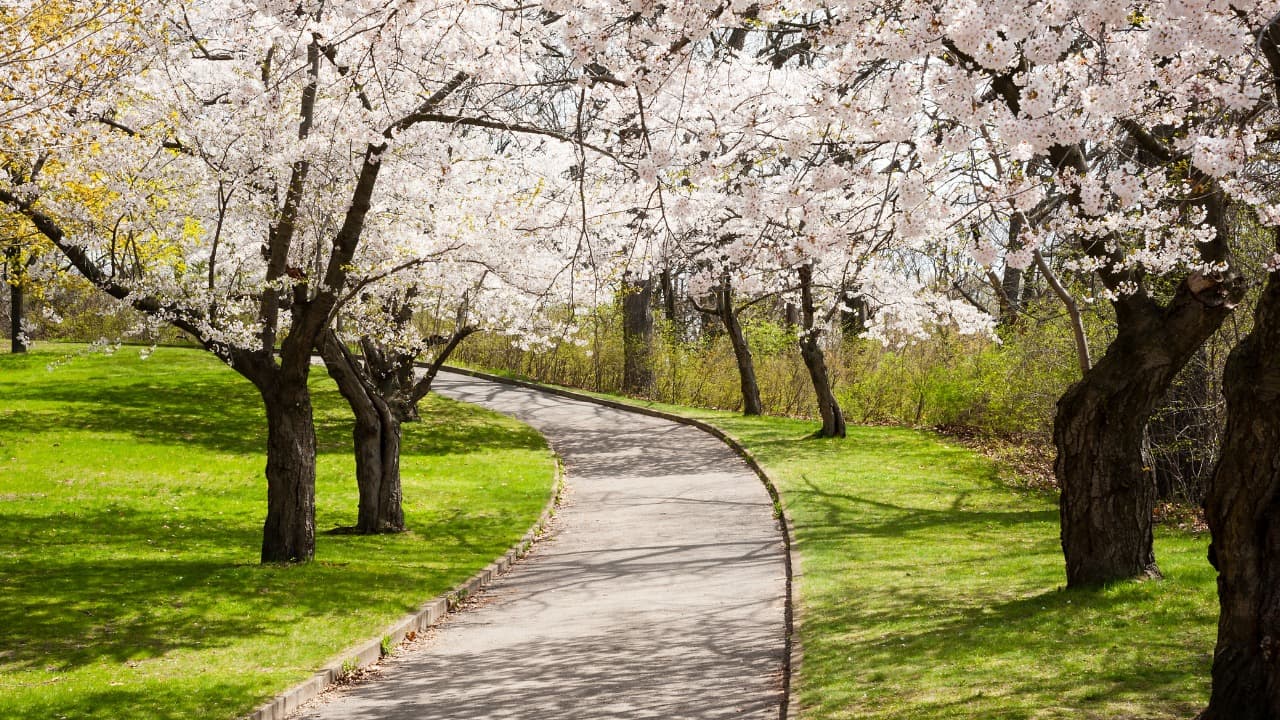
The blooming time of cherry blossoms varies depending on the region and variety. You may be able to avoid the crowds if you visit for early or late blooming cherry blossoms. For example, Okinawa’s Kanhizakura blooms from late January to February, and Hokkaido’s cherry blossoms reach their peak in May. Check the flowering forecast in each area and make a plan.
■ Aim for weekdays, early mornings, and evenings
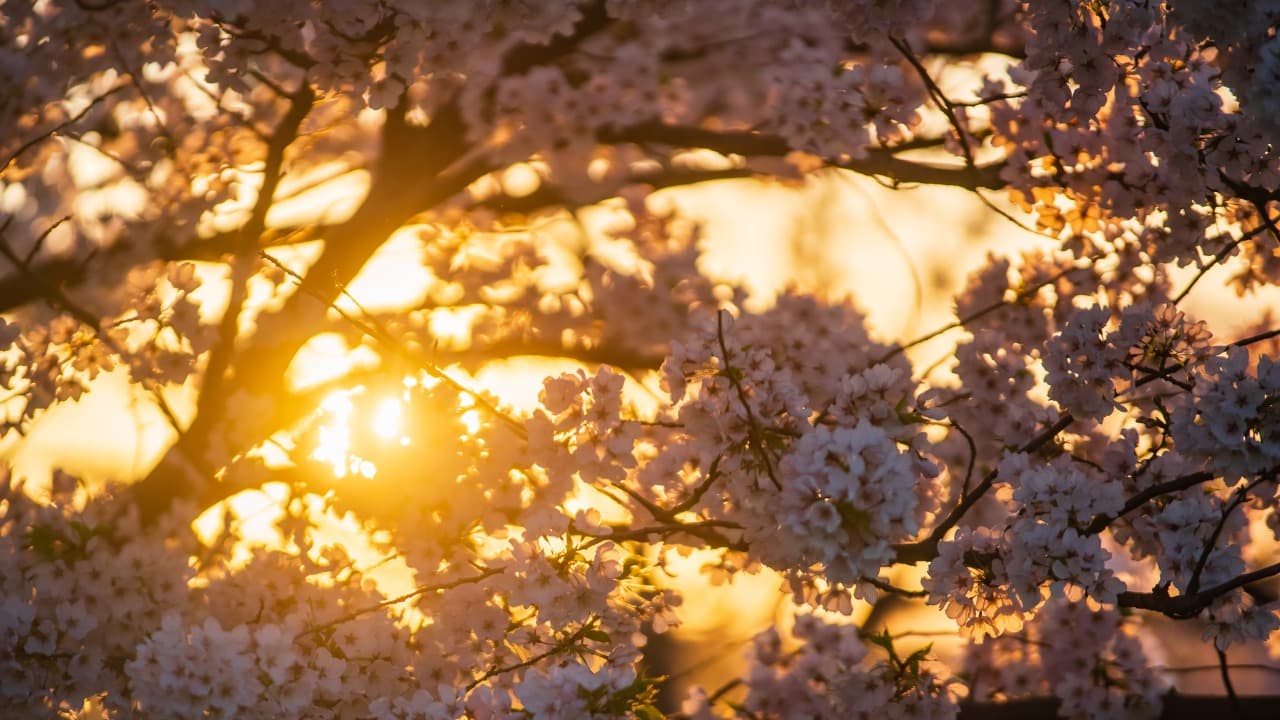
It is crowded with people on weekends and holidays, but it is often relatively empty on weekdays, early mornings, and evenings. The cherry blossoms are especially beautiful in the soft light of the morning and at dusk, making them ideal for photography. For example, there are fewer people in parks in Tokyo early on weekdays, so you can have a quiet time.
5. Best season to enjoy cherry blossoms and bloom forecast
The blooming time of cherry blossoms in Japan varies depending on the region and climate conditions. The flowering forecast for 2026 is as follows.
1. Kyushu region
・Blooming forecast: Around March 22nd
・Expected full bloom: Approximately 1 week after flowering
・Main attractions: Maizuru Park in Fukuoka City, Kumamoto Castle in Kumamoto City
2. Chugoku/Shikoku region
・Expected flowering: around March 22nd
・Expected full bloom: Approximately 1 week after flowering
・Main attractions: Peace Memorial Park in Hiroshima City, Kochi Park in Kochi City
3. Kinki region
・Expected flowering: around March 25th
・Expected full bloom: Approximately 1 week after flowering
・Main attractions: Arashiyama in Kyoto City, Osaka Castle Park in Osaka City
4. Tokai region
・Expected flowering: around March 24th
・Expected full bloom: Approximately 1 week after flowering
・Main attractions: Tsurumai Park in Nagoya City, Kawazu cherry blossom trees in Shizuoka Prefecture
5. Kanto-Koshin region
・Expected flowering: around March 26th
・Expected full bloom: Approximately 1 week after flowering
・Main attractions: Ueno Park in Tokyo, Takato Castle Ruins Park in Nagano Prefecture
6. Hokuriku region
・Expected flowering: around March 30th
・Expected full bloom: Approximately 1 week after flowering
・Main attractions: Matsukawa Park in Toyama City, Kenrokuen Garden in Kanazawa City
7. Tohoku region
・Expected flowering: around April 10th
・Expected full bloom: Approximately 1 week after flowering
・Main attractions: HirosakiHirosaki Park in the city, Shiroishi River Embankment Hitome Senbonzakura in Miyagi Prefecture
8. Hokkaido region
・Expected flowering: around April 25th
・Expected full bloom: Approximately 1 week after flowering
・Main attractions: Maruyama Park in Sapporo, Goryokaku Park in Hakodate
What’s New in 2026
According to the 2026 cherry blossom forecast, Tokyo’s blooming is expected around March 21 with full bloom around March 27, Kyoto (Arashiyama) around March 28, and Hirosaki Park around April 16. Northern Japan (Hokkaido and Tohoku) is expected to see earlier-than-usual blooming, while other regions are forecast to bloom close to average years.
The Hirosaki Cherry Blossom Festival is scheduled from April 17 to May 5, and Hirosaki Castle’s main tower will begin its return relocation in July 2026. For the latest real-time blooming updates, check WeatherNews or the official websites of each local municipality before your visit.
Finally
Cherry blossoms are spring itself in Japan — from the first buds to the final flurry of petals, nature stages its most breathtaking performance in just a few fleeting weeks. The castle-framed blossoms of Hirosaki, the mountainside sea of pink at Yoshino, and the soft sakura canopy along Kyoto’s Philosopher’s Path each offer an experience found nowhere else on earth. Make 2026 the year you witness these legendary spring landscapes in person — with this guide in hand, you’re all set for an unforgettable hanami adventure.