
🕓 2024/10/22
#温泉
A Detailed Guide to the History and Overview of Arima Onsen
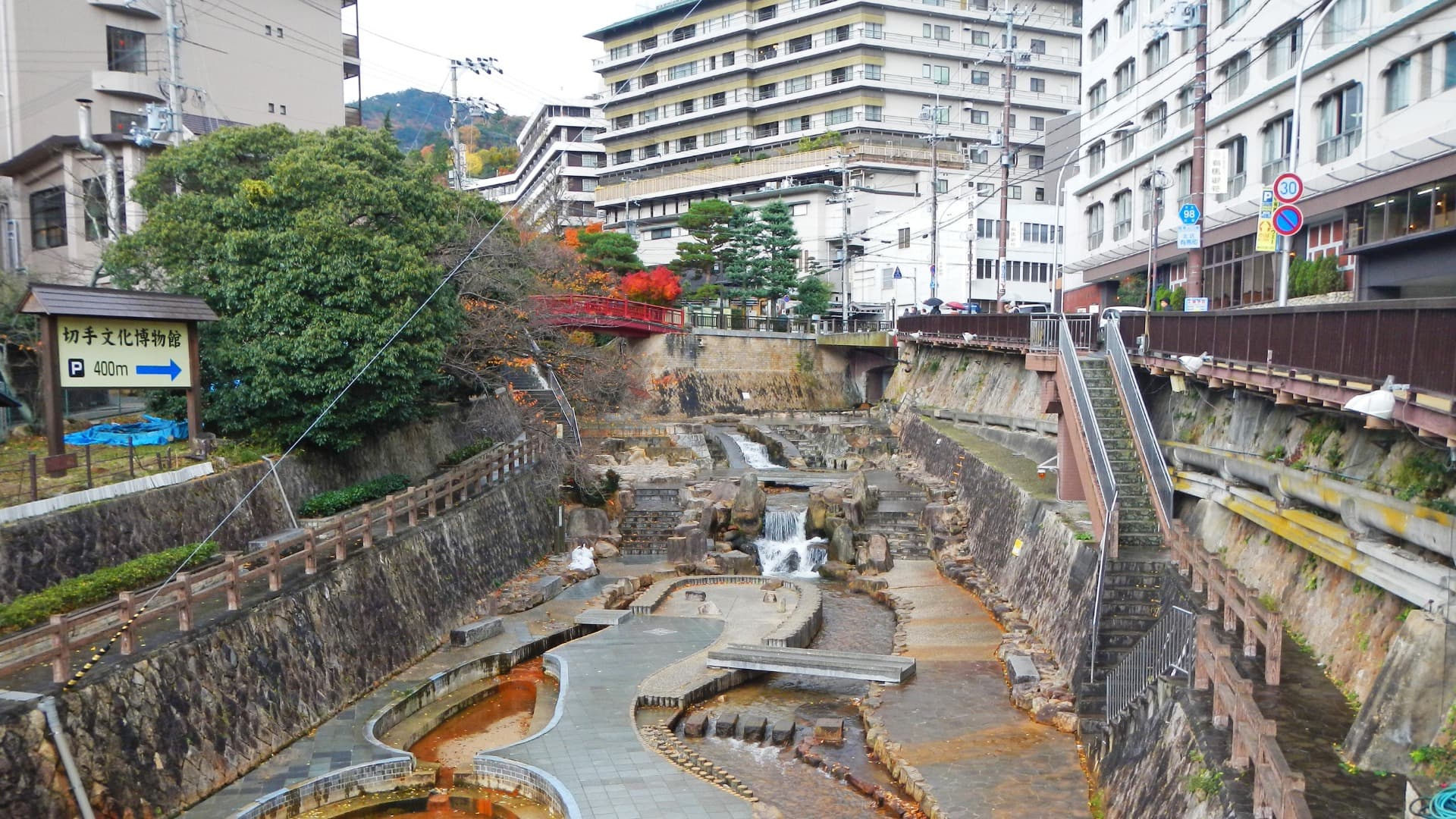
Table of Contents
Introduction
Arima Onsen is one of Japan’s Three Ancient Hot Springs (Sanko-sen), boasting a long history and beloved by many since ancient times. This area features abundant hot spring waters and historical landmarks throughout, making it a special place where visitors can not only enjoy the hot springs but also experience its rich history and culture.
In this article, we will provide a detailed introduction to the characteristics, history, and major attractions of Arima Onsen that you should visit.
Overview of Arima Onsen
Arima Onsen is famous as one of Japan’s Three Ancient Hot Springs (Sanko-sen) and is a historically rich hot spring resort nestled in the mountains of Kobe City, Hyogo Prefecture. Its history dates back to the Asuka period, with records in the Nihon Shoki (Chronicles of Japan) stating that Emperor Jomei visited Arima Onsen in 631. Thanks to its abundant hot spring waters and long history, this onsen is beloved by tourists from both Japan and abroad.
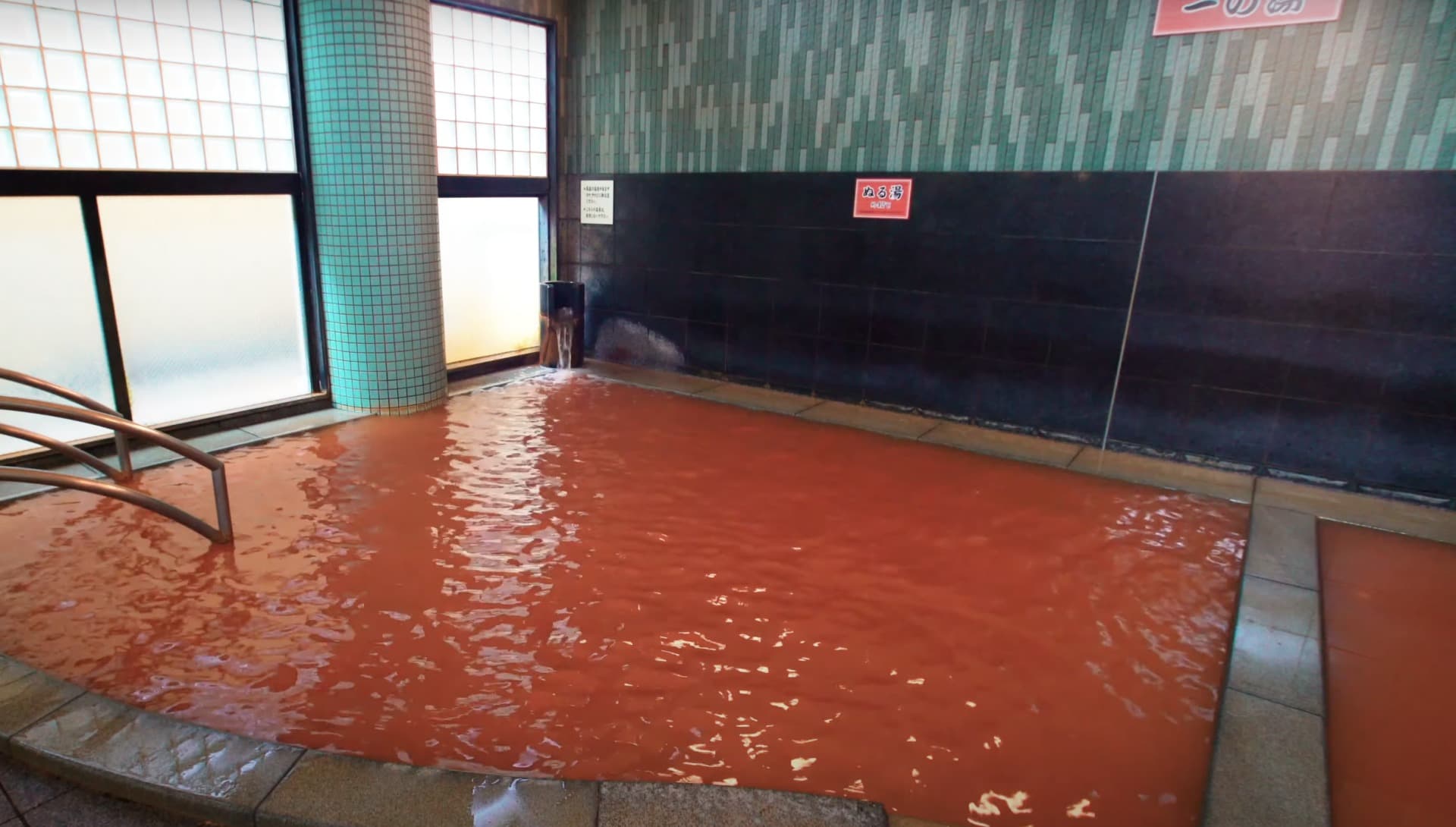
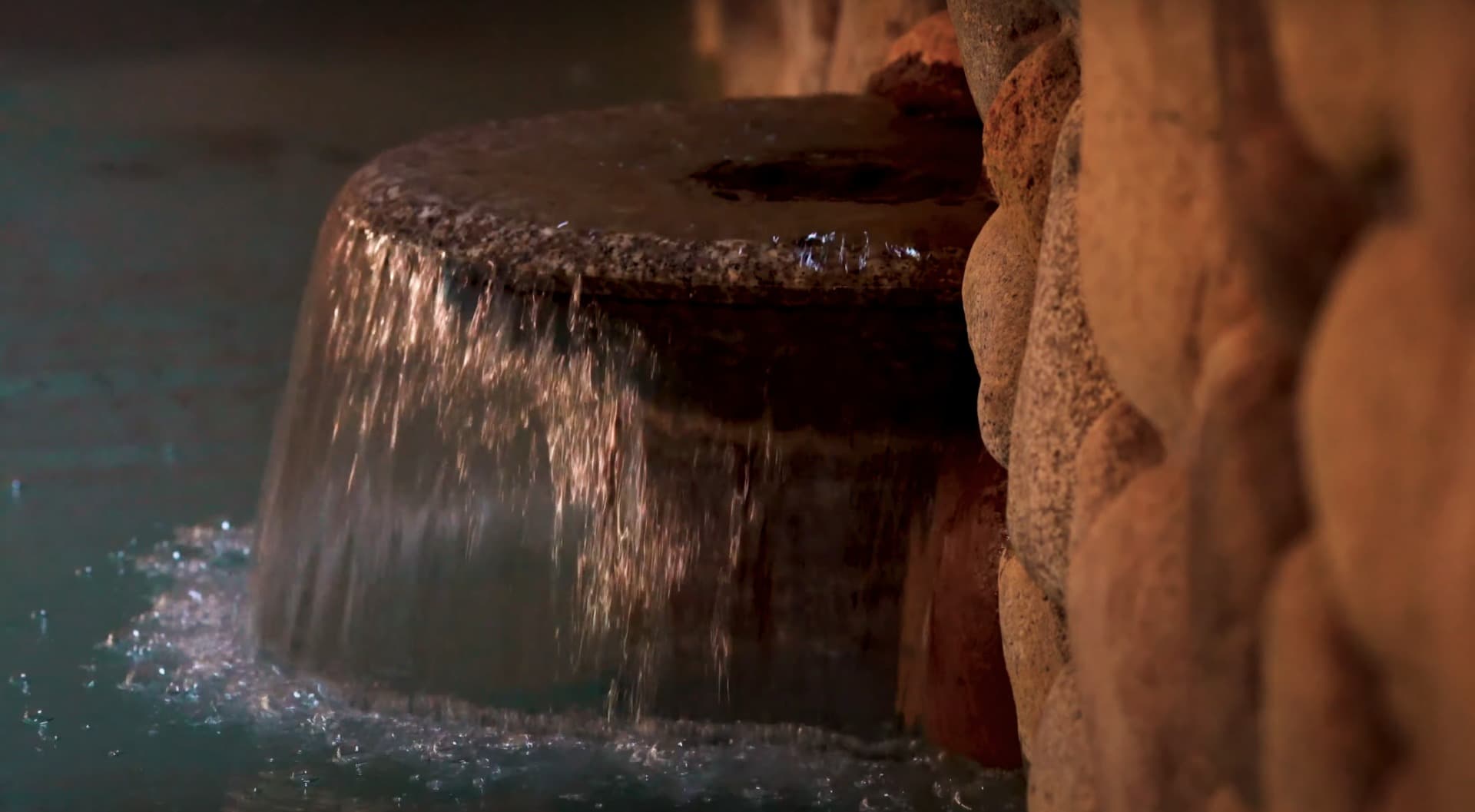
The most distinctive feature of Arima Onsen is its two types of hot spring waters: “Kinsen (Gold Spring)” and “Ginsen (Silver Spring).” Kinsen is a reddish-brown chloride spring rich in iron, known for its excellent warming and moisturizing effects that are particularly beneficial for the skin. In contrast, Ginsen is a colorless and transparent carbonated and radium spring expected to provide refreshing effects. These spring waters are supplied from deep within the earth and contain extremely rare mineral components.
Looking back to the Warring States period, Arima Onsen was greatly developed by Toyotomi Hideyoshi. When the hot spring temperature surged dramatically due to the 1596 Keicho Fushimi earthquake, Hideyoshi directed large-scale renovation work, leading to the renewed prosperity of Arima Onsen. Hideyoshi is said to have built the “Yuyama Goten” (hot spring palace) and personally used the onsen for therapeutic purposes. This construction laid the foundation for Arima Onsen and contributed to over 350 years of continued prosperity.
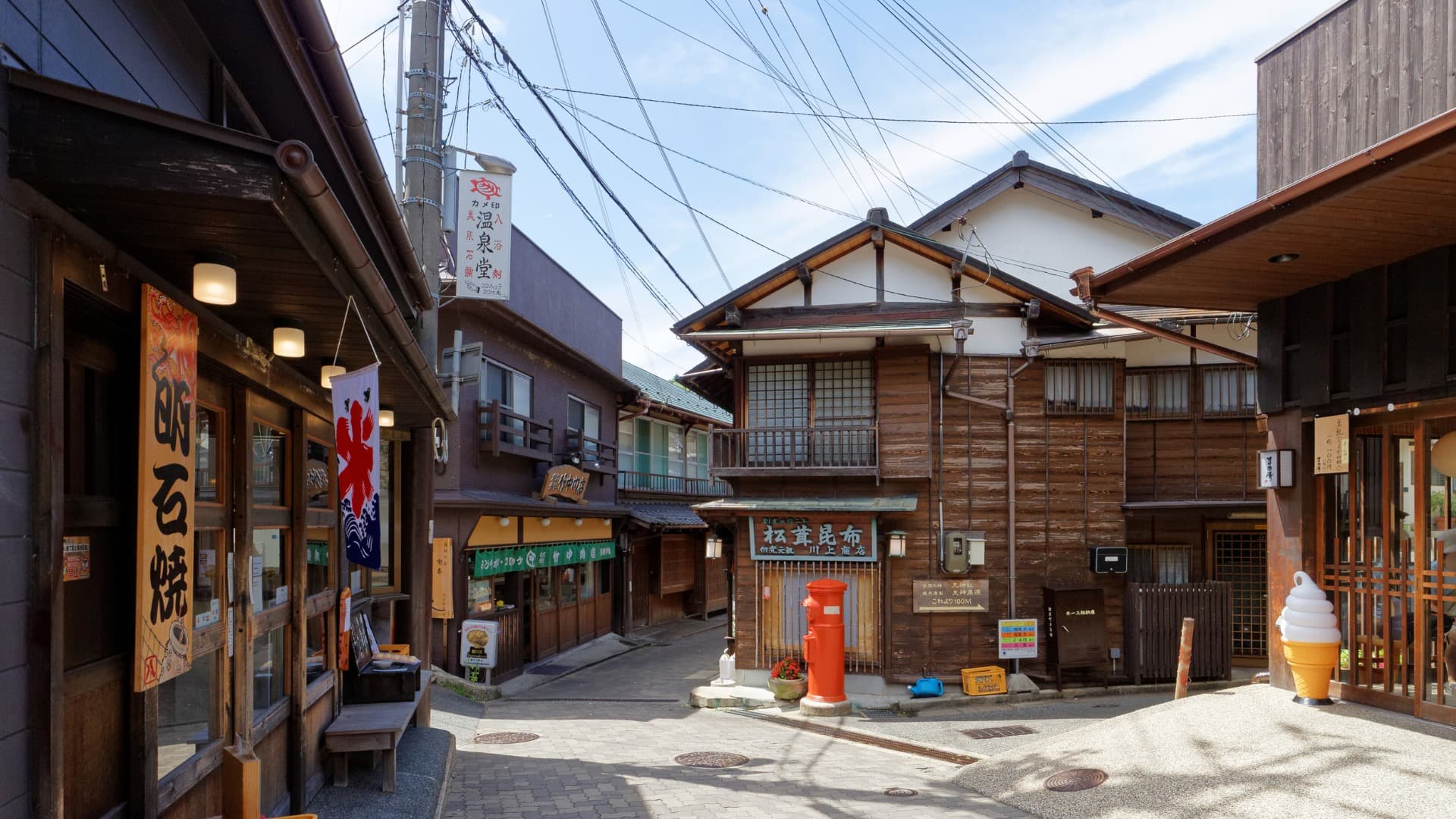
The hot spring town is lined with traditional ryokan (Japanese inns) and hot spring facilities, with the serene atmosphere surrounded by the Rokko Mountains being one of its greatest charms. Visitors can not only enjoy the hot springs but also take leisurely walks while exploring historical landmarks, making it a place that offers both comfort and extraordinary experiences.
History of Arima Onsen
History of Arima Onsen를 서기별로 정확하게 정리했습니다. 이를 통해 아리마 온천의 중요한 사건들을 더 자세히 이해할 수 있을 것입니다.
1. 631년 – 쇼메이 천황의 방문
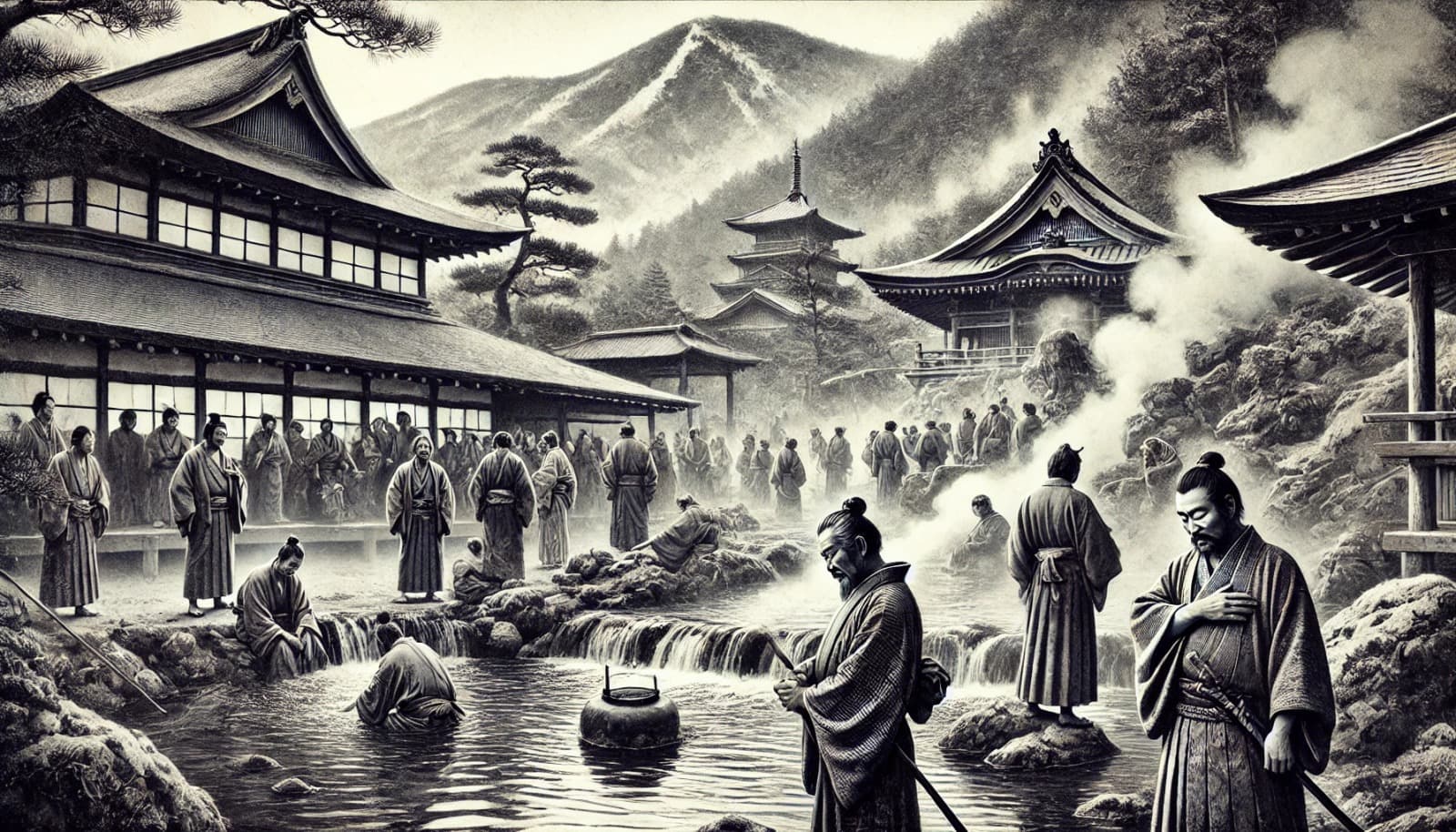 *Photo is for illustrative purposes
The oldest records of Arima Onsen date back to the Asuka period. According to the Nihon Shoki, Emperor Jomei visited Arima Onsen in 631 and stayed for approximately three months to enjoy the hot springs. This event led to Arima Onsen becoming known among subsequent emperors and aristocrats, and its fame spread widely.
2. 724년 – 교키에 의한 재건
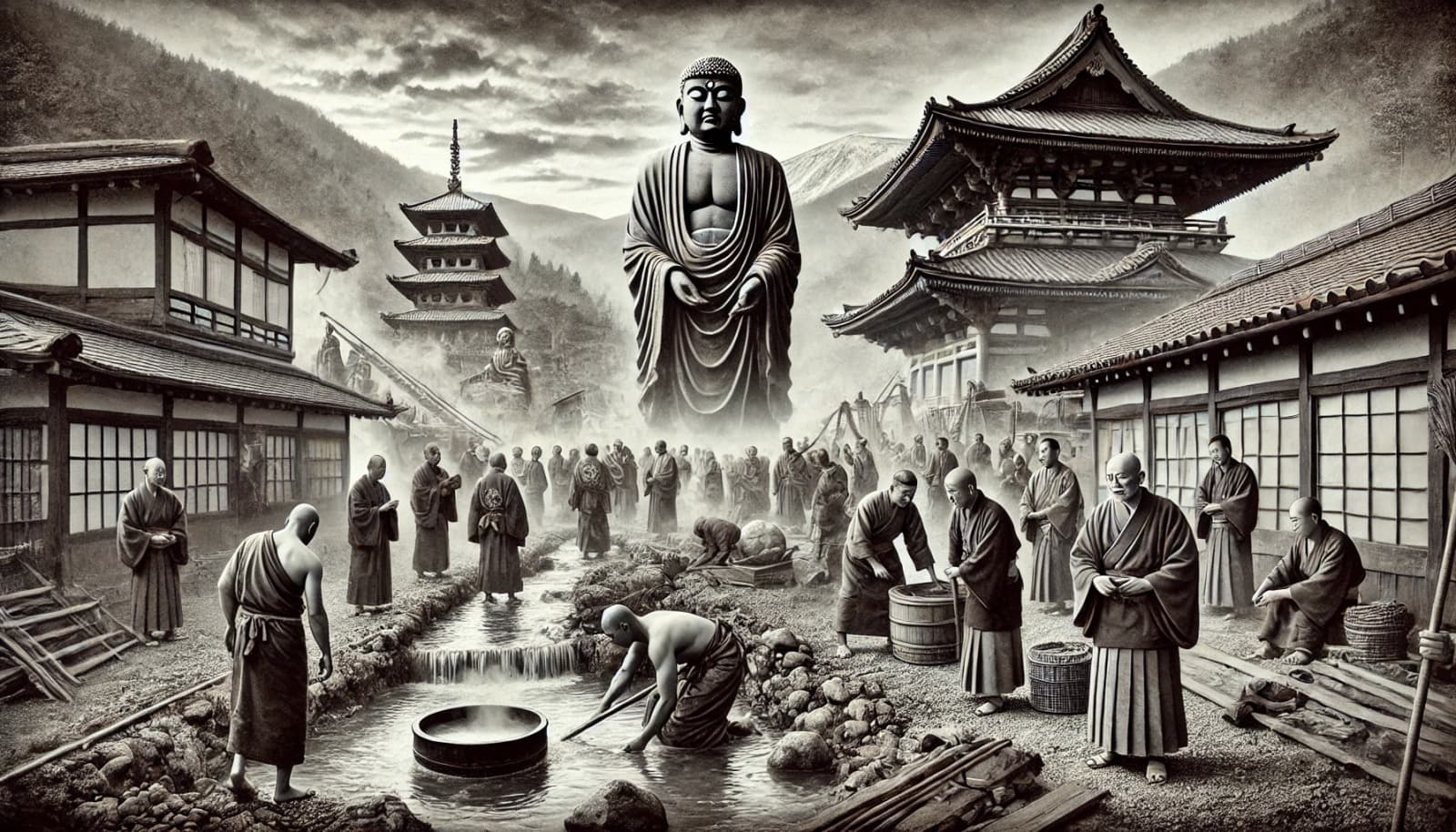 *Photo is for illustrative purposes
교키는 나라 시대의 저명한 승려로, 사회 사업에도 적극적으로 참여한 것으로 알려져 있습니다. 724년, 교키는 약사여래의 인도로 아리마를 방문하여 온천지가 황폐해진 것을 보고 재건을 시작했습니다. 그는 이곳에 “Onsenji Temple”를 세우고, 아리마 온천의 부흥을 이끌었습니다. 이 Onsenji Temple에는 교키가 직접 만든 것으로 전해지는 약사여래상이 모셔져 있으며, 이는 Onsenji Temple의 상징이 되었습니다.
With the reconstruction of Onsenji, Arima began to prosper once again and thrived as a hot spring destination for 370 years.
3. 1097년 – 닌세이에 의한 재건
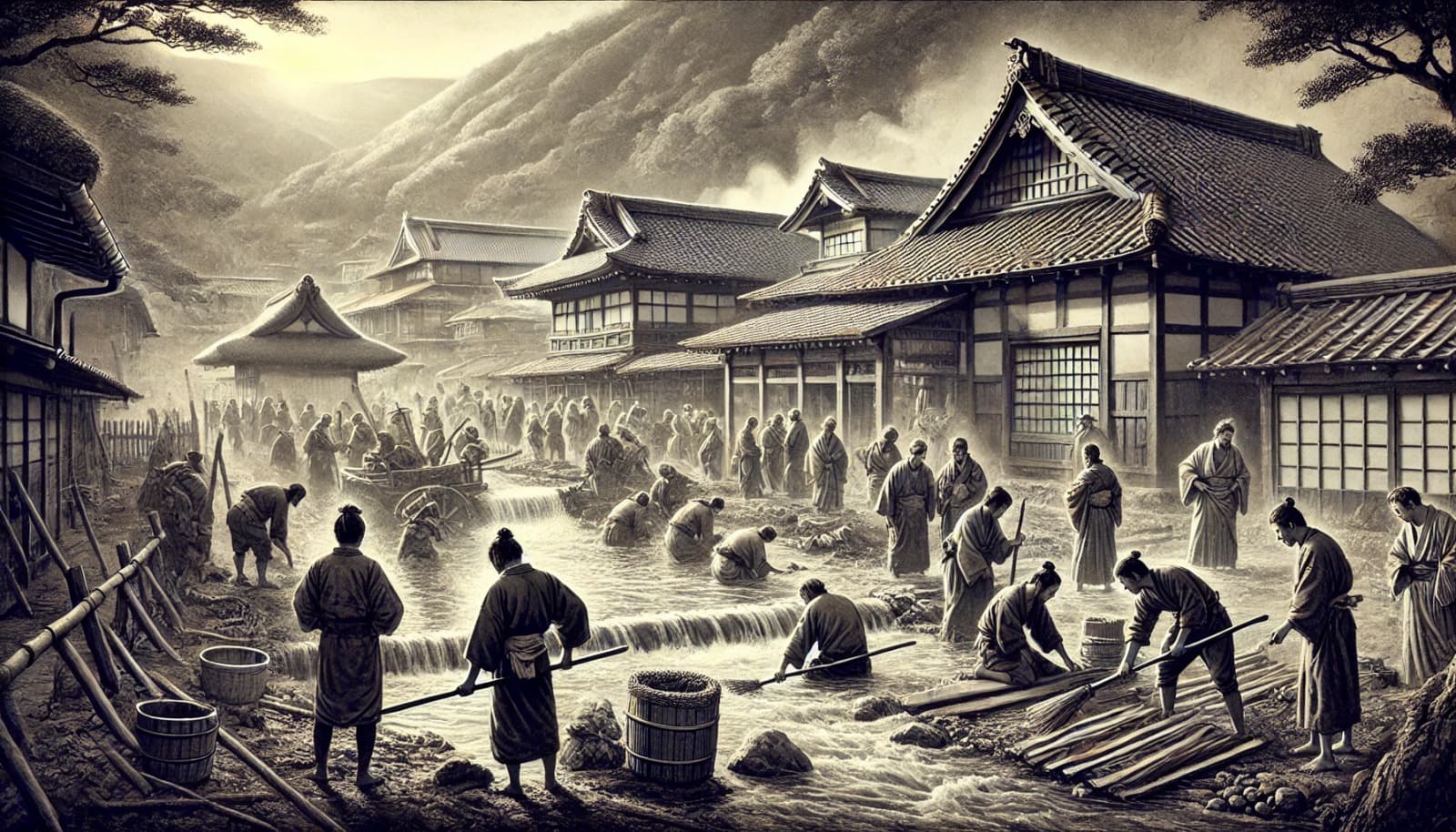 *Photo is for illustrative purposes
At the end of the 11th century, Arima Onsen suffered severe damage from a major flood. The person who rebuilt Arima Onsen at this time was the monk Ninsei from Mount Yoshino in Nara Prefecture. He restored the flood-ravaged Arima Onsen and devoted himself to reconstructing Onsenji Temple. Ninsei also established 12 new lodging facilities, greatly contributing to the revival of Arima.
닌세이는 평가의 몰락한 사람들과 함께 활동하면서 Onsenji Temple의 복원뿐만 아니라, 아리마 온천 전체의 재건을 성공적으로 이끌었습니다. From this period onward, Arima Onsen’s role as a “therapeutic hot spring resort” was strengthened, and it began gaining popularity among both commoners and aristocrats.
4. 1597년 – 도요토미 히데요시의 대대적인 개보수
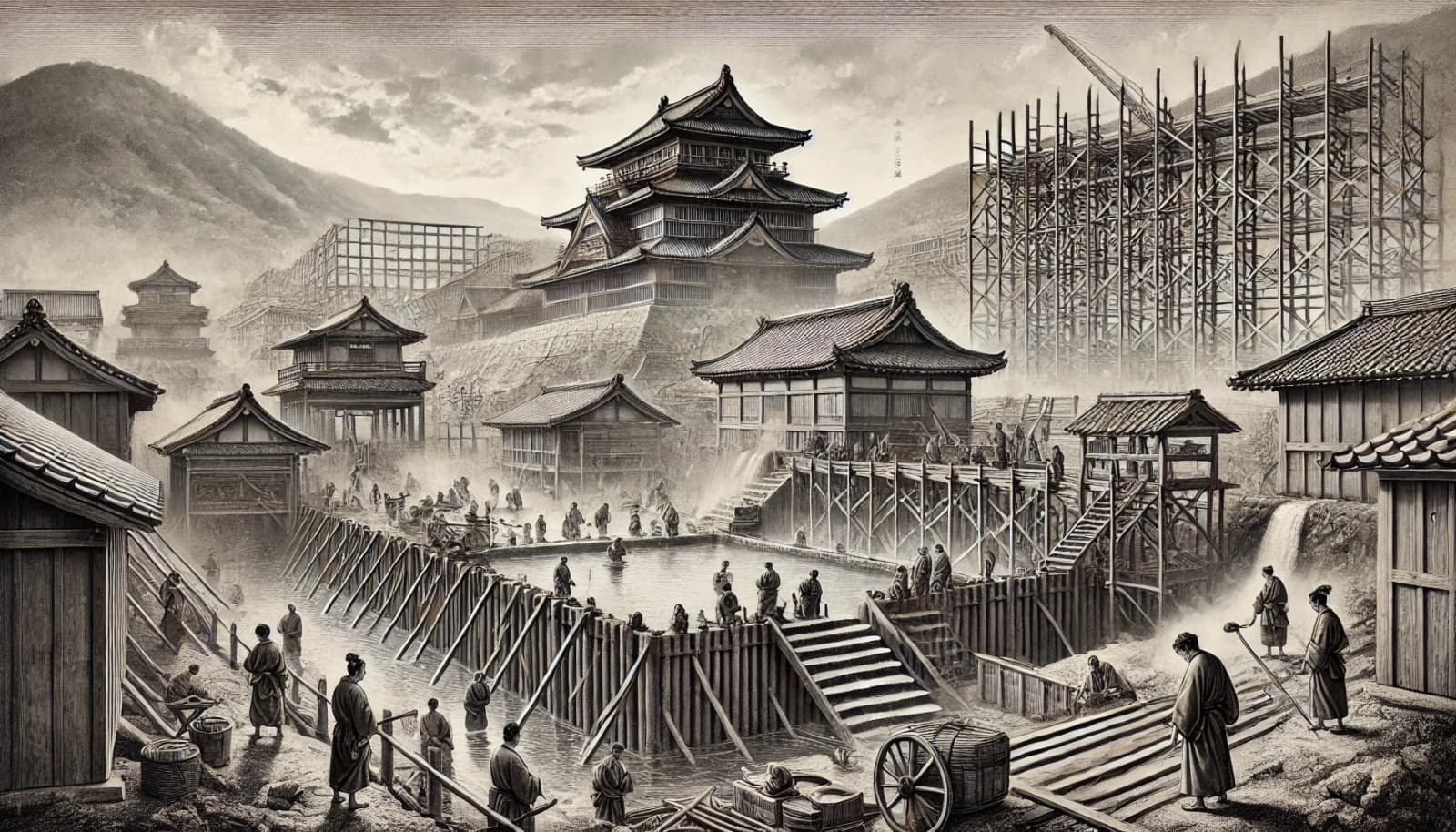 *Photo is for illustrative purposes
Toyotomi Hideyoshi had a significant impact on the modern development of Arima Onsen. He directed large-scale renovation work to address the dramatic temperature surge of the hot springs caused by the 1596 Keicho Fushimi earthquake, further strengthening its foundation as a hot spring resort.
Hideyoshi was well aware of the therapeutic benefits of the hot springs and built a palace called “Yuyama Goten” at Arima Onsen, frequently visiting for treatment purposes. Thanks to these renovation efforts, Arima Onsen began its development that continues to the present day.
5. 에도 시대 – 온천지로서의 확립
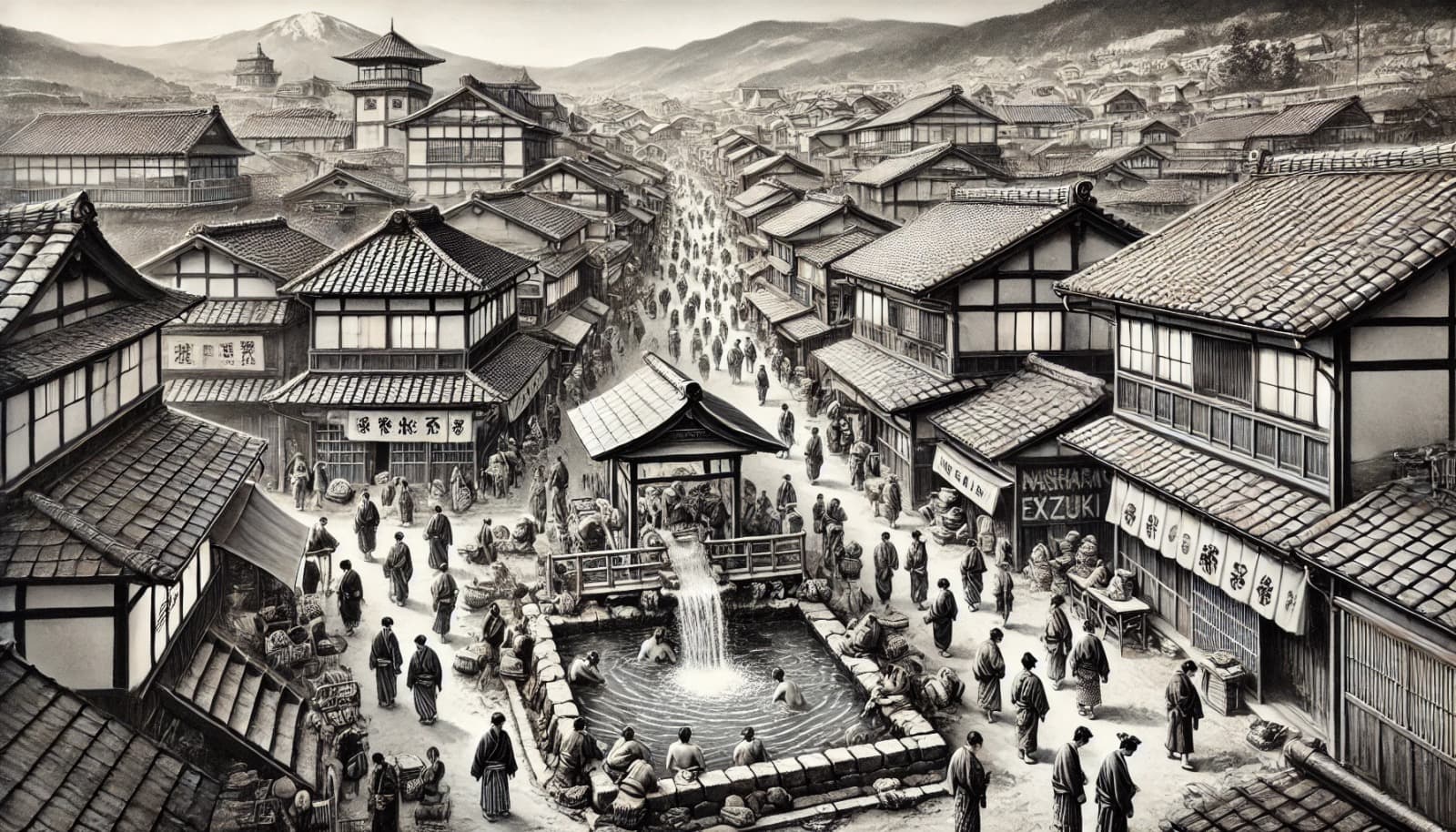 *Photo is for illustrative purposes
During the Edo period, Arima Onsen became widely used even by common people. The number of visitors coming to Arima for pilgrimages and therapeutic purposes increased, and the hot spring town flourished further. In particular, the Arima Yuyamaki written by Kaibara Ekiken records how Arima Onsen prospered as a therapeutic hot spring destination.
Additionally, during this period, the “Onsen Ranking Chart” was created, and Arima Onsen gained such great renown that it was ranked as the “Ozeki of the West” (the highest ranking for western Japan).
6. Arima Onsen in the Modern Era
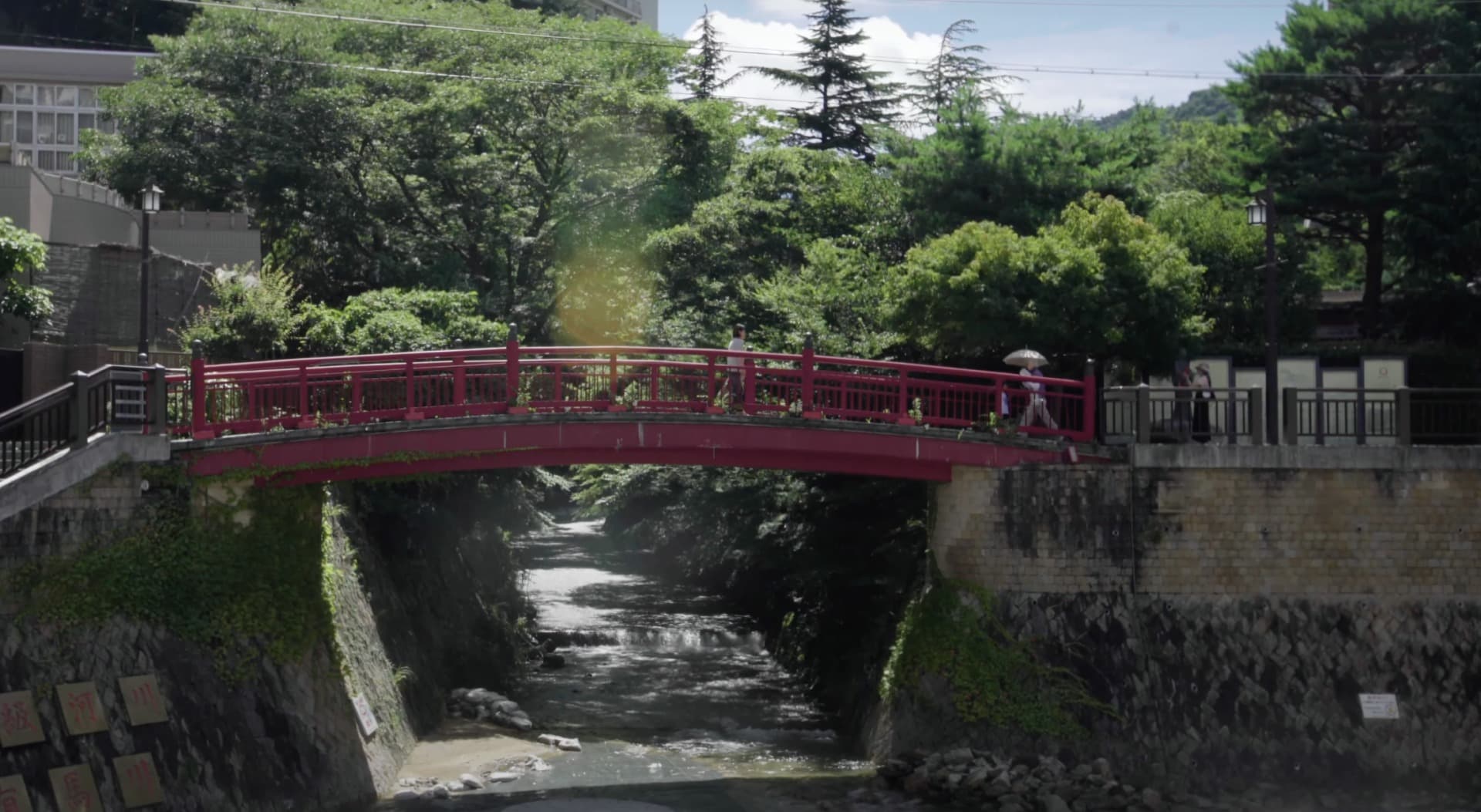
Even today, Arima Onsen welcomes many tourists from Japan and abroad, and visitors can experience traditional hot spring culture at various facilities including the public bathhouses “Kin no Yu” and “Gin no Yu.” The “Taiko no Yu,” beloved by Toyotomi Hideyoshi, remains famous, and Arima Onsen continues to thrive as a hot spring destination to this day.
Major Attractions of Arima Onsen
Arima Onsen is home to various attractions where you can experience history and culture, not just enjoy the hot springs. The following are the major attractions you should visit when coming to Arima Onsen.
■ Kin no Yu & Gin no Yu
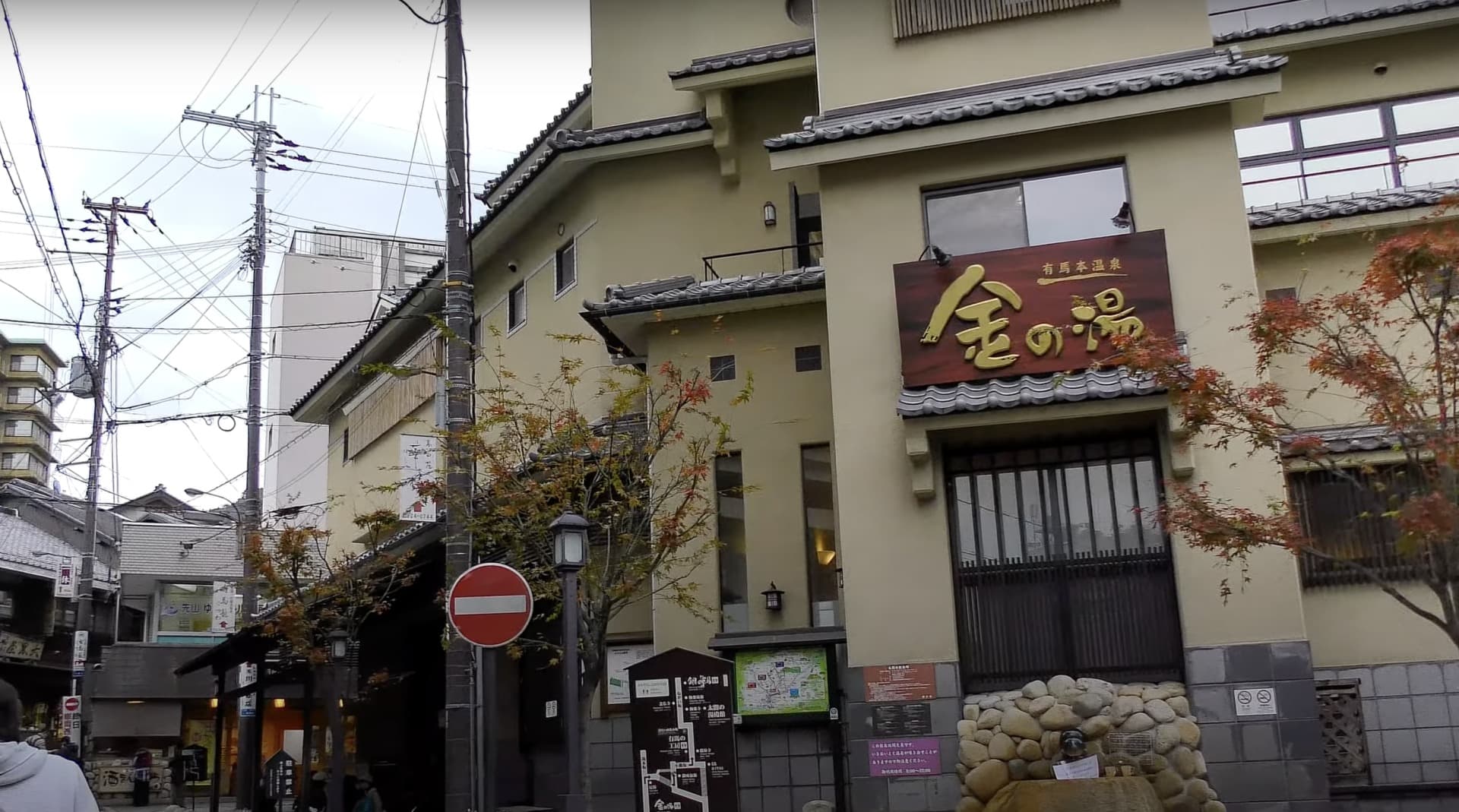
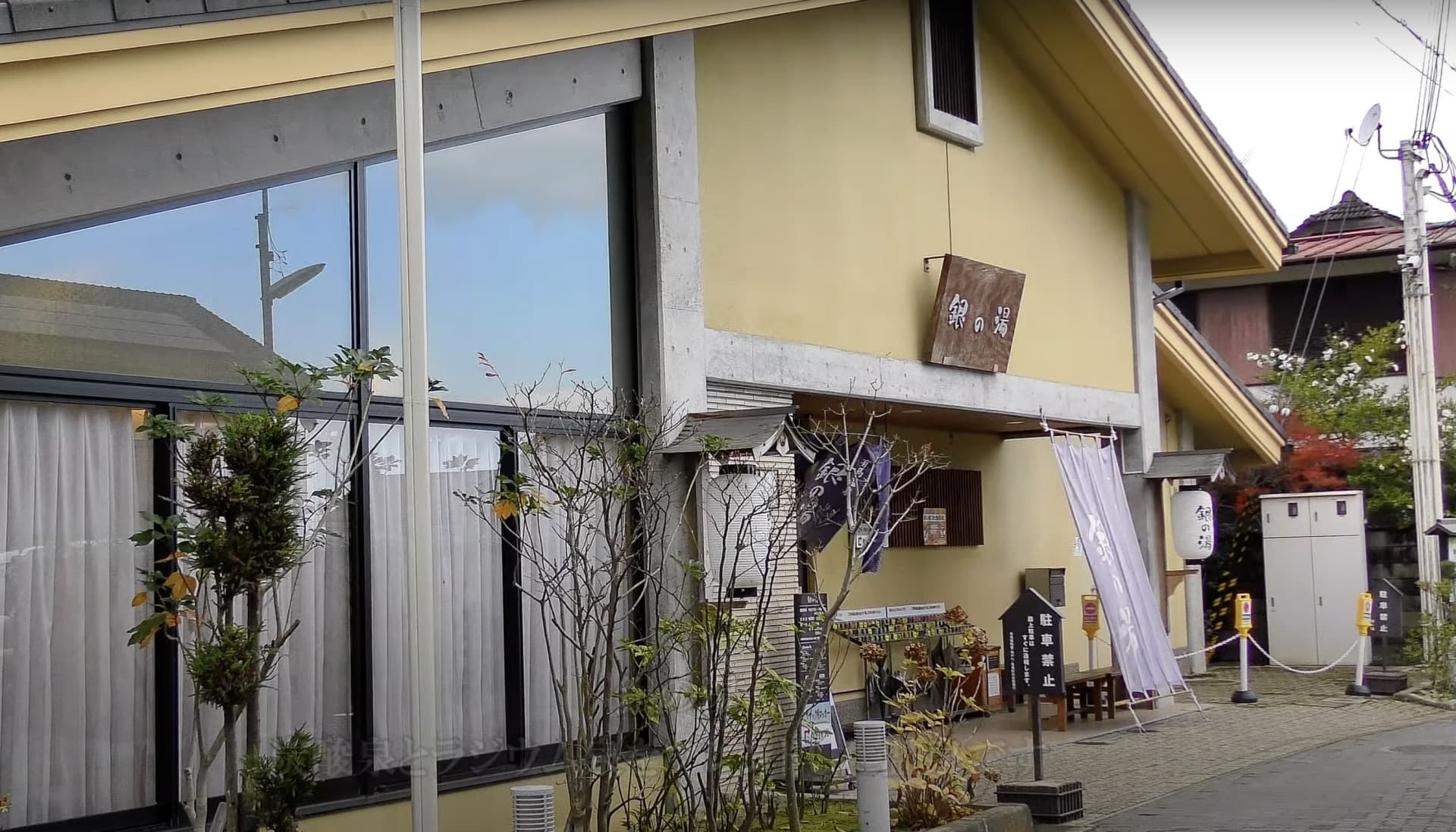
These are public bathhouses where you can enjoy two different types of hot spring waters: “Kinsen (Gold Spring)” and “Ginsen (Silver Spring).” At Kin no Yu, you can savor the “Kinsen,” a reddish-brown hot spring water rich in iron. Its high temperature warms the body deeply and is said to be particularly effective for neuralgia, muscle pain, and sensitivity to cold. At Gin no Yu, you can enjoy the colorless and transparent “Ginsen,” a blend of carbonated and radium spring waters that smooths the skin and provides excellent refreshment. Near Gin no Yu, there is “Tansan Sengen Park” where you can taste natural carbonated water.
■ Nene Bridge & Taiko Bridge
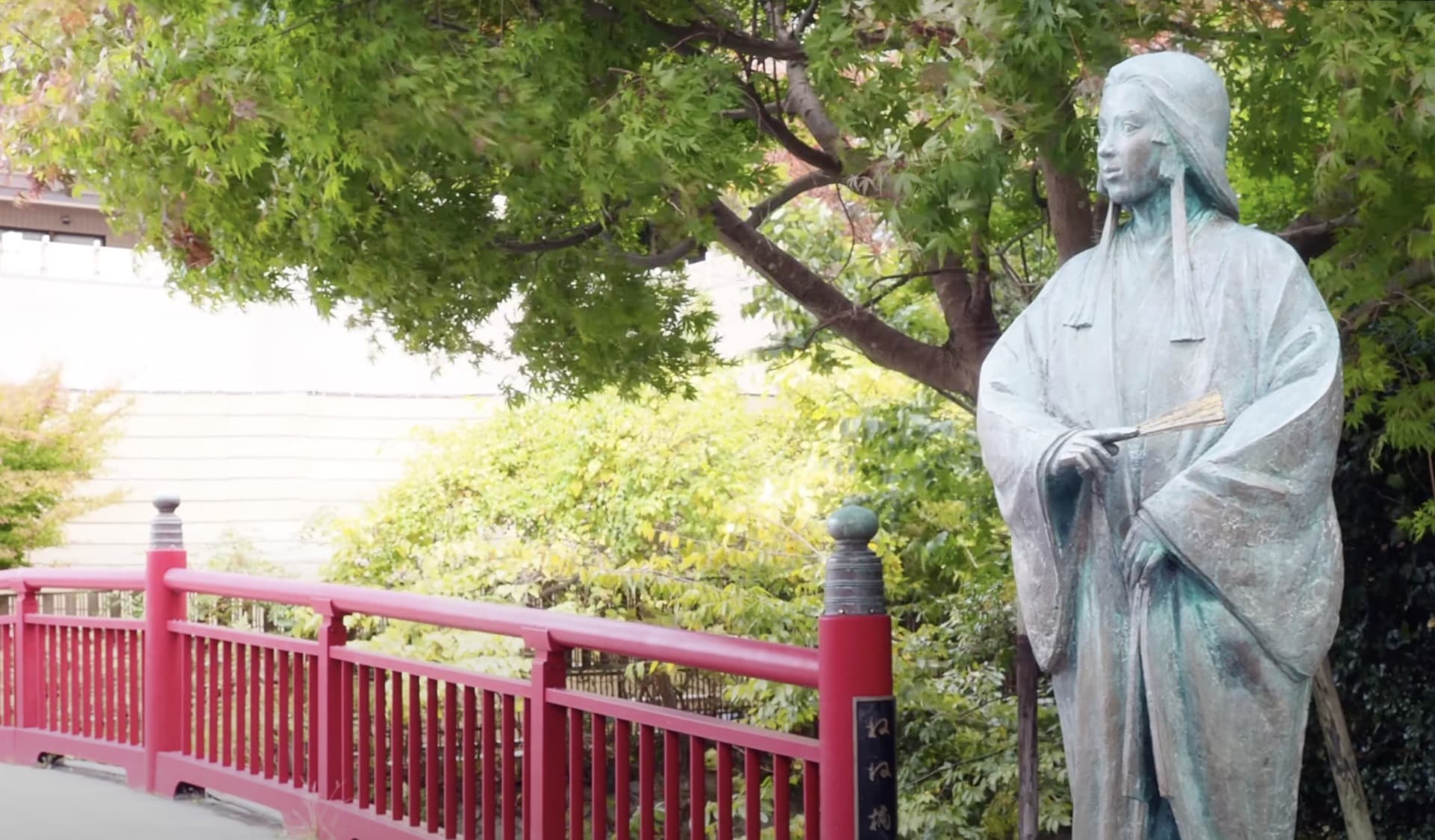
Nene Bridge is a beautiful red bridge located in the center of Arima Onsen, named in honor of Nene (Kitano Mandokoro), the wife of Toyotomi Hideyoshi. It is said that Hideyoshi and Nene visited Arima Onsen numerous times to enjoy the therapeutic benefits of the hot springs. This bridge is a historically important site commemorating Nene’s crossing of the river when she visited Arima.
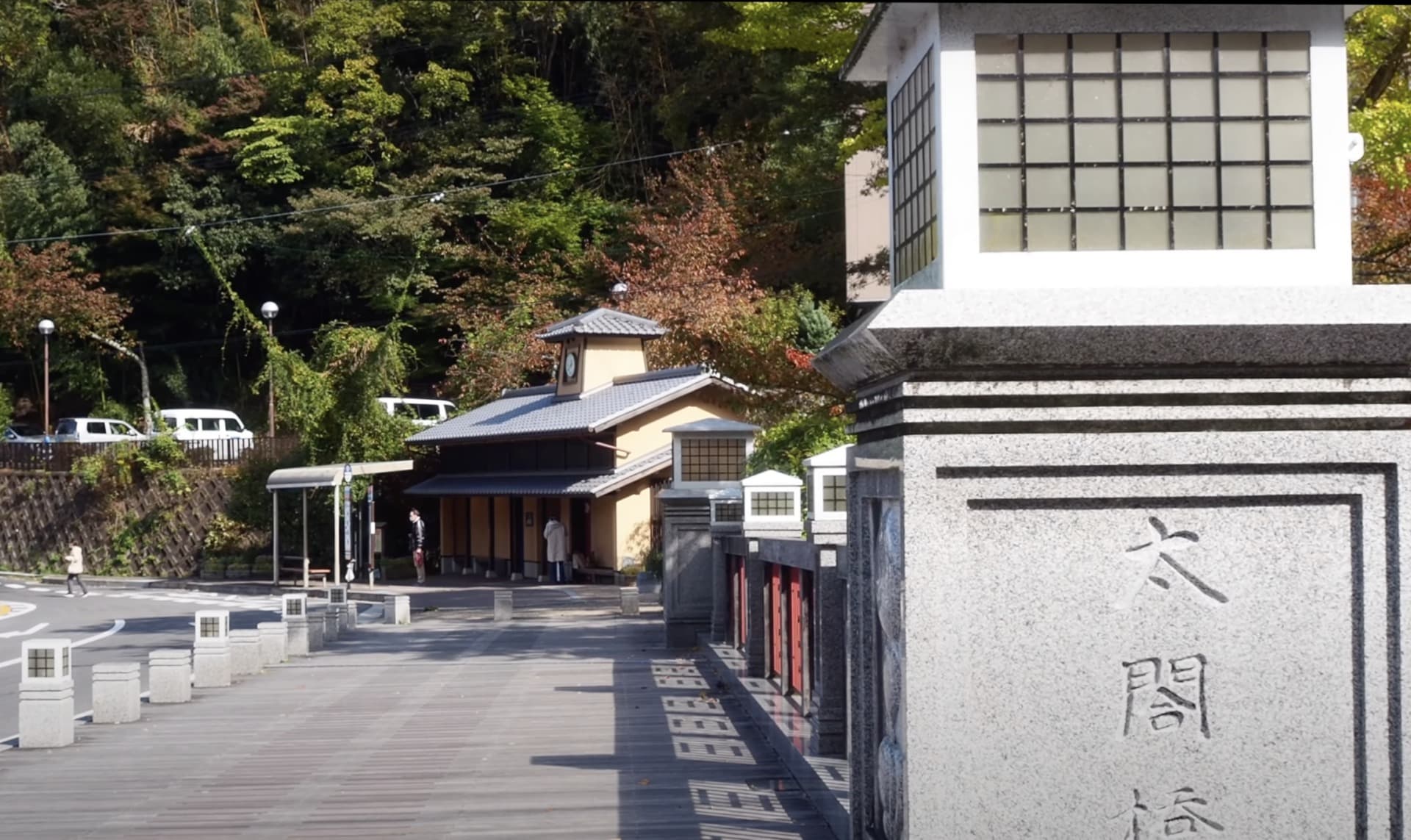
Taiko Bridge is another bridge symbolizing the history of Toyotomi Hideyoshi in connection with Arima Onsen. Hideyoshi particularly loved Arima Onsen and visited many times for therapeutic purposes. Taiko Bridge is located on the path that Hideyoshi is said to have traveled, and as its name suggests, it is a place associated with Hideyoshi (Taiko).
■ Tansan Senbei
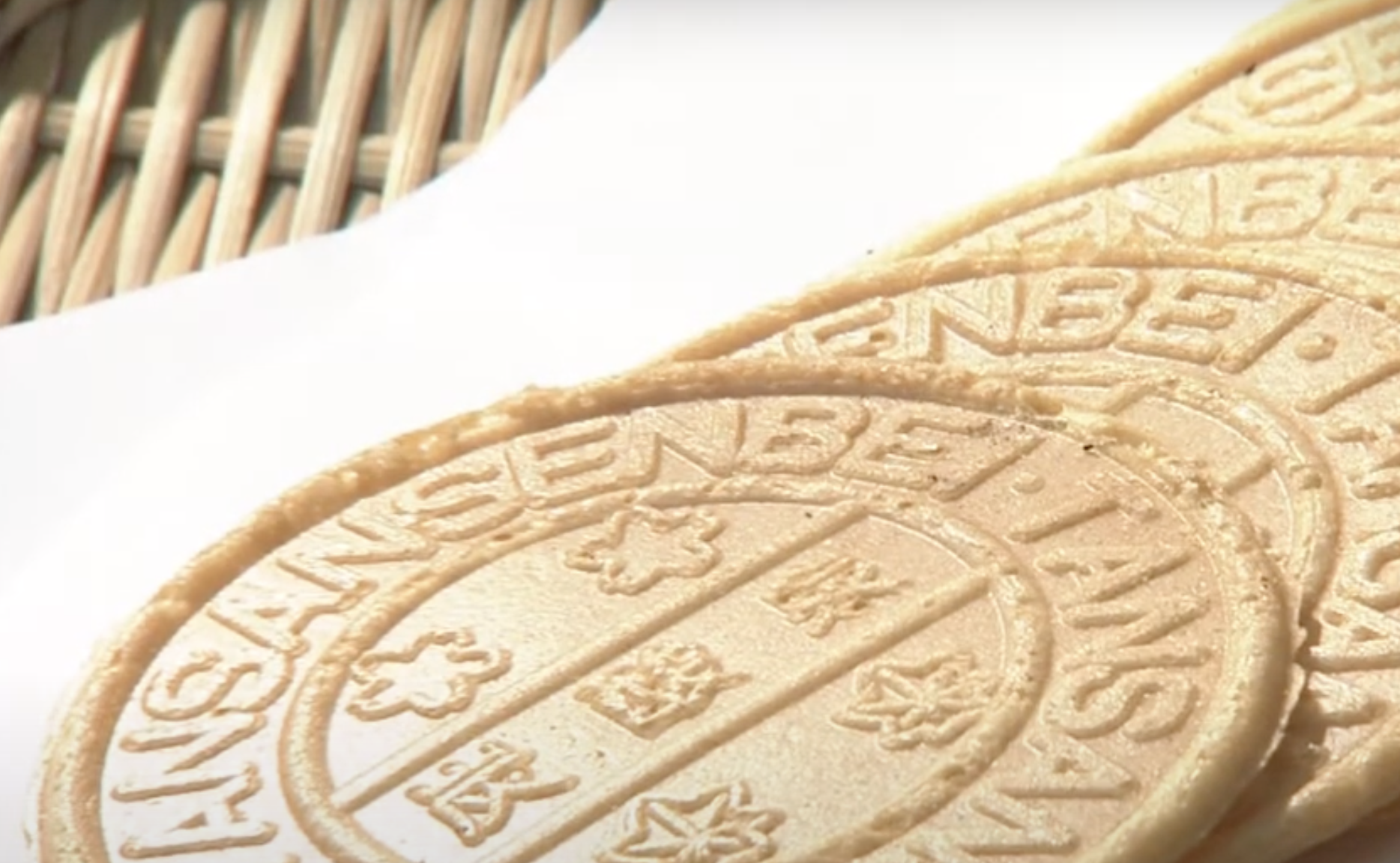
아리마 온천의 명물인 Tansan Senbei는 탄산 온천수를 사용한 가볍고 바삭한 식감이 특징인 과자입니다. 메이지 시대에 탄생하여 오랜 역사를 가진 이 센베이는 현지의 탄산수를 사용하여 만들어지며, 산뜻한 맛과 바삭한 식감 덕분에 인기 있는 기념품입니다.
아리마 온천 마을의 여러 가게에서 Tansan Senbei를 구입할 수 있으며, 특히 추천하는 가게는 미쓰모리 혼포와 유노하나도 혼포입니다. 이 가게들은 전통적인 방식으로 구운 센베이를 제공하며, 일부 가게에서는 갓 구운 센베이를 맛볼 수도 있습니다.
■ Onsenji Temple
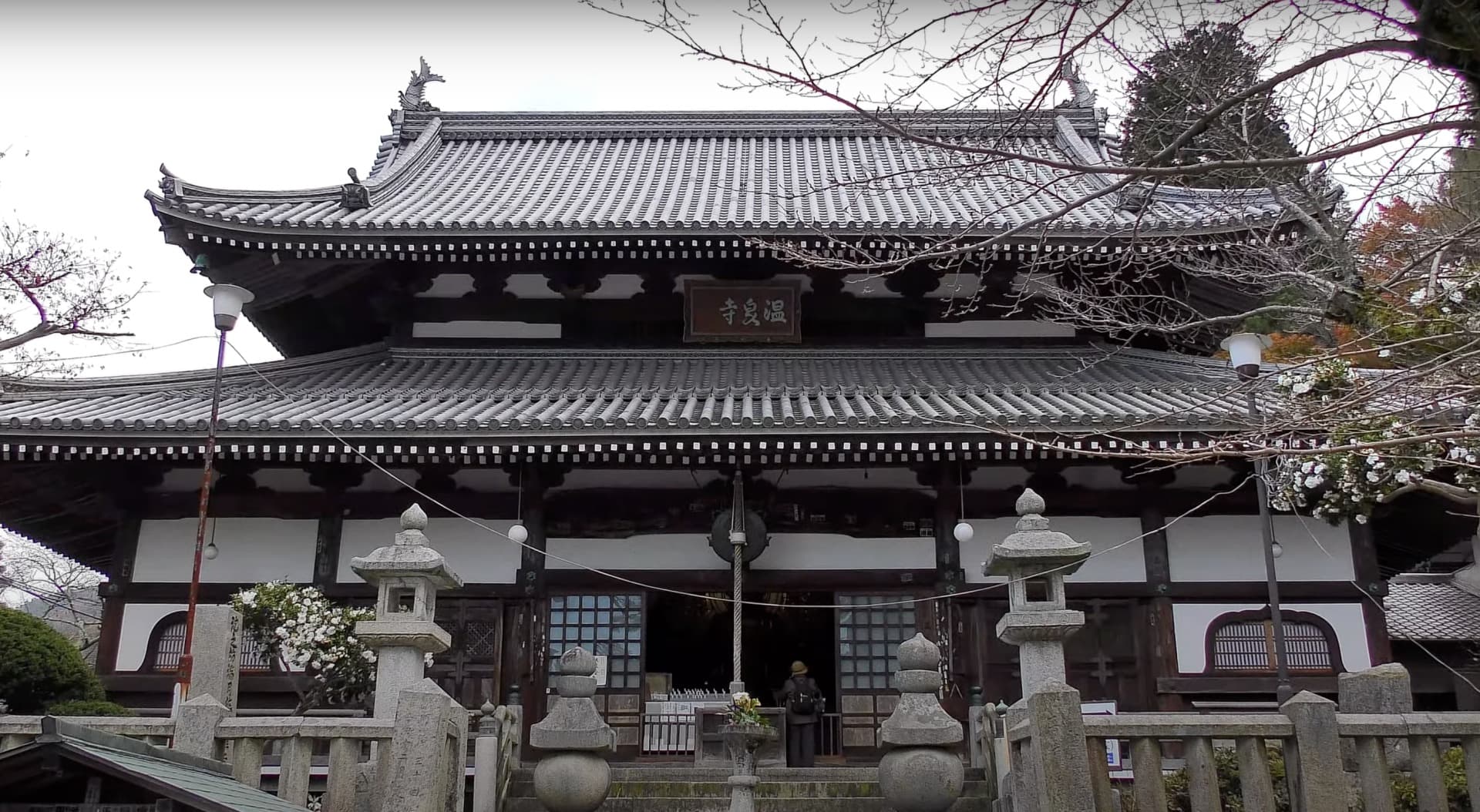
나라 시대 교키에 의해 창건된 Onsenji Temple는 History of Arima Onsen와 깊은 관련이 있는 사찰입니다. 본존에는 약사여래가 모셔져 있으며, 아리마 온천의 수호 사찰로서 신앙을 받고 있습니다. Onsenji Temple 경내에는 “고소시안”이라는 자료관이 있어 History of Arima Onsen와 문화를 배울 수 있어 방문 시 그 역사적 가치를 함께 체험하는 것이 좋습니다.
■ Taiko no Yudonokan
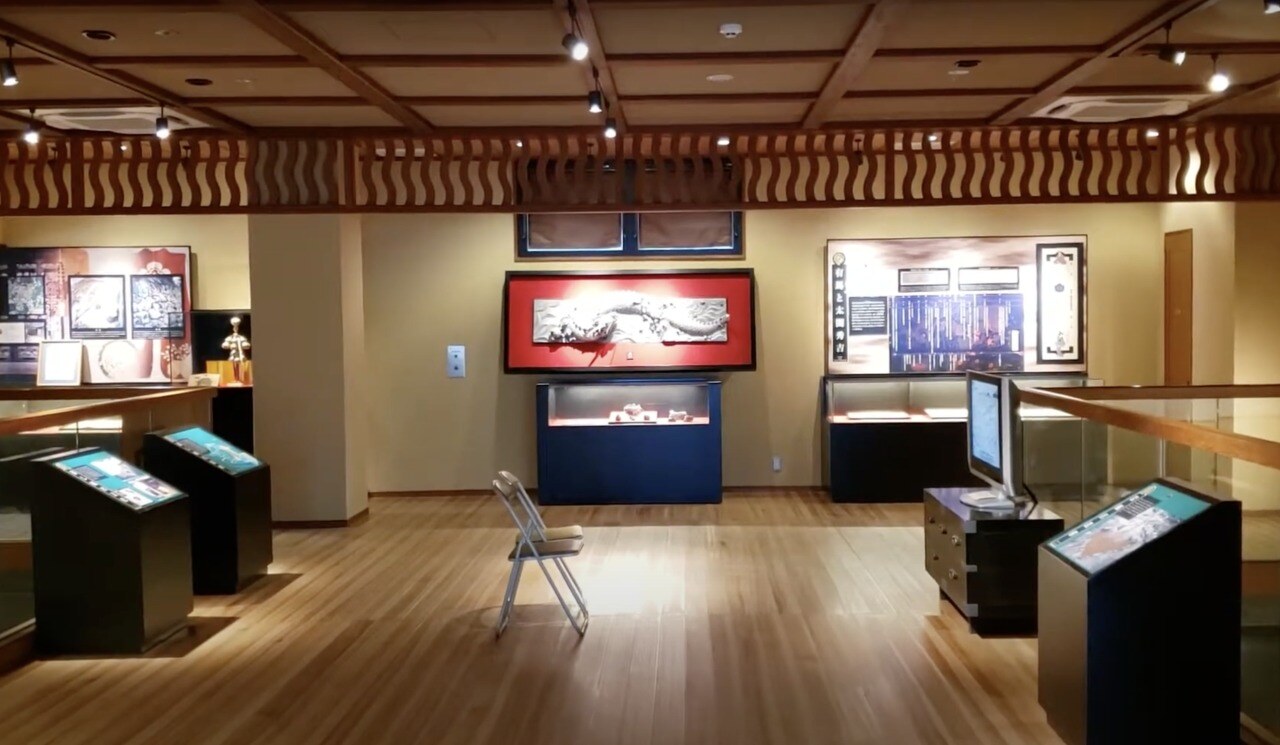
Taiko no Yudonokan은 효고현 고베시 아리마 온천에 위치한 박물관으로, 1995년 한신 아와지 대지진 이후 발견된 도요토미 히데요시의 “유야마 고텐” 유적을 보존 및 전시하고 있습니다. 이 궁전은 히데요시가 아리마 온천을 깊이 사랑했다는 상징이며, 박물관 내에서는 그가 입욕했던 욕조 유적과 정원, 증기탕, 암반탕 유적을 볼 수 있습니다. 또한, 기와나 다기 등 출토된 유물도 전시되어 있어, 히데요시와 History of Arima Onsen를 배울 수 있는 장소로 관광객들에게 인기가 많습니다.
Conclusion
In conclusion, Arima Onsen has brought healing and inspiration to visitors through its long history and rich culture. Beyond the charm of the hot springs themselves, the area is filled with historical architecture, shrines, museums, and many other attractions that everyone can enjoy. We highly recommend visiting Arima Onsen to fully experience its unique culture and atmosphere, and to spend time recharging both mind and body.