
🕓 2024/11/19
#Hot Springs
A Detailed Guide to the History and Overview of Gero Onsen
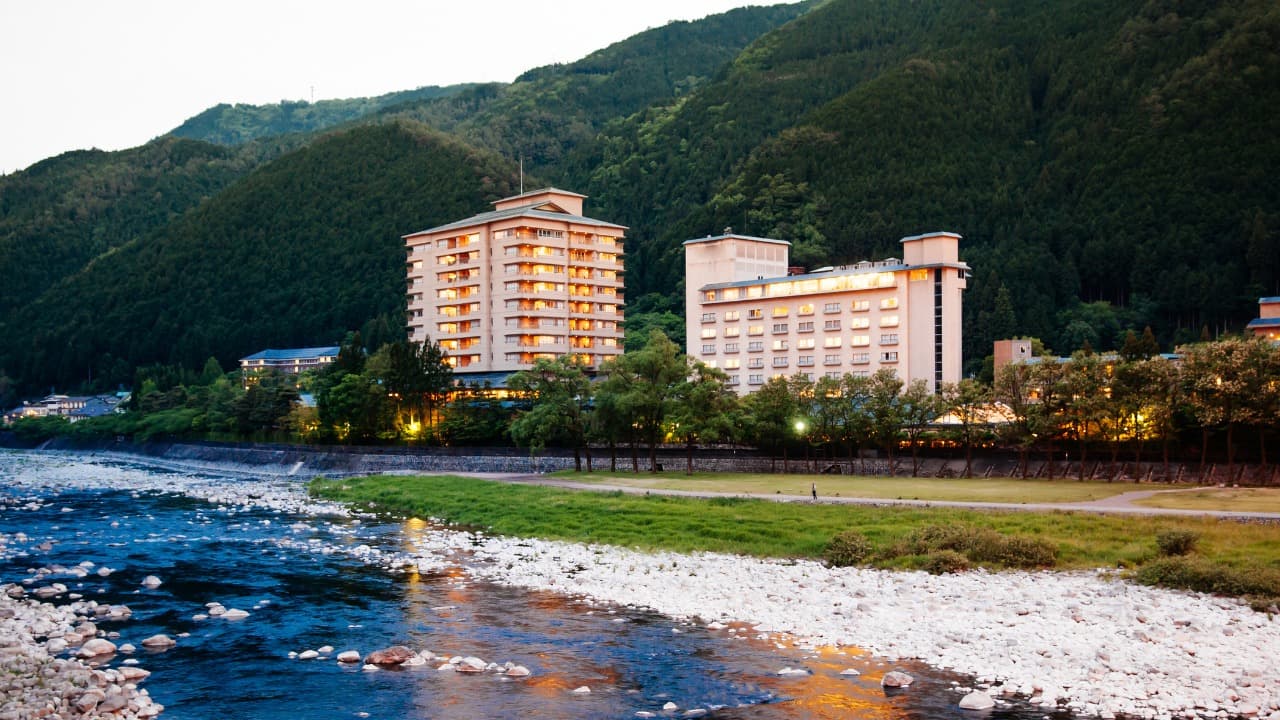
Table of Contents
Introduction
Gero Onsen, located in Gero City, Gifu Prefecture, is known as one of “Japan’s Three Great Hot Springs” and has been beloved by many people as a historic hot spring resort. The hot spring town, surrounded by beautiful nature, boasts an abundant supply of hot water and highly alkaline water quality, and is affectionately known to visitors as the “Beauty Bath.” Beyond the hot springs themselves, the area also features attractive cultural sightseeing spots and seasonal events.
In this article, we will provide a detailed introduction to the overview, history, and highlights of Gero Onsen, along with useful information for planning your visit. Please enjoy a special trip where you can immerse yourself in history, culture, and gourmet food while savoring the hot springs.
Overview of Gero Onsen
Gero Onsen is one of Japan’s leading hot spring resorts, located in Gero City, Gifu Prefecture. Together with Arima Onsen in Hyogo Prefecture and Kusatsu Onsen in Gunma Prefecture, it is recognized as one of “Japan’s Three Great Hot Springs.”
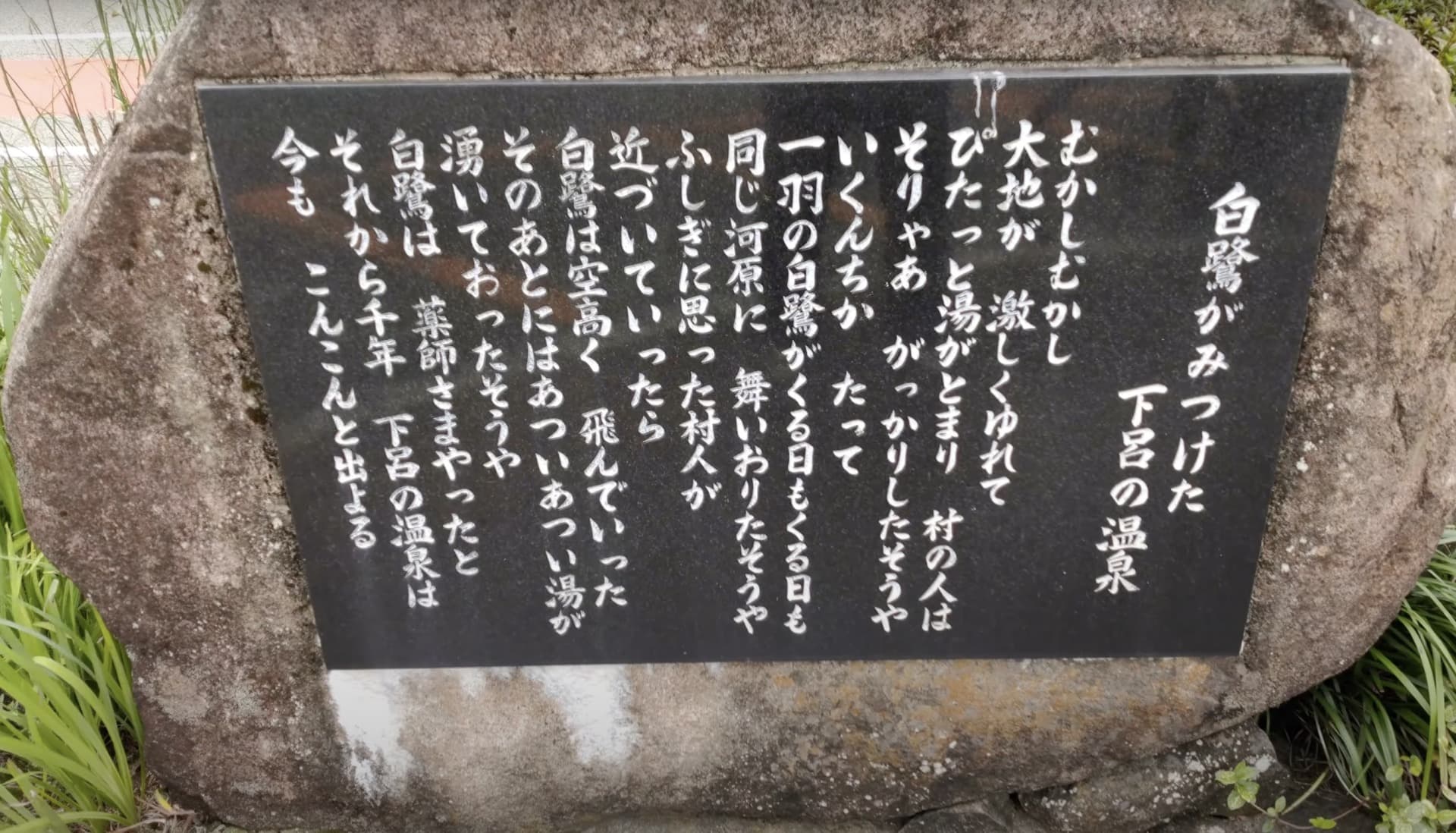
Its origins date back to the mid-Heian period (947-957 AD). Originally, hot spring water gushed near the summit of Yugamine (elevation 1,067 meters), but in 1265 (Bun’ei 2), the flow suddenly stopped. The hot spring was later rediscovered along the riverbed of the Hida River. This rediscovery is associated with the “Legend of the White Heron,” which tells of the Buddha of Healing (Yakushi Nyorai) transforming into a white heron to show villagers the location of the hot spring source.
The water quality is alkaline simple thermal water with a high pH value of 9.2. It is colorless and transparent with a faint hot spring aroma. Due to its high alkalinity, it has a natural soap-like effect that makes the skin smooth, earning it the nickname “Beauty Bath.” Additionally, bathing warms the body and improves blood circulation, making it effective for fatigue recovery and health promotion.
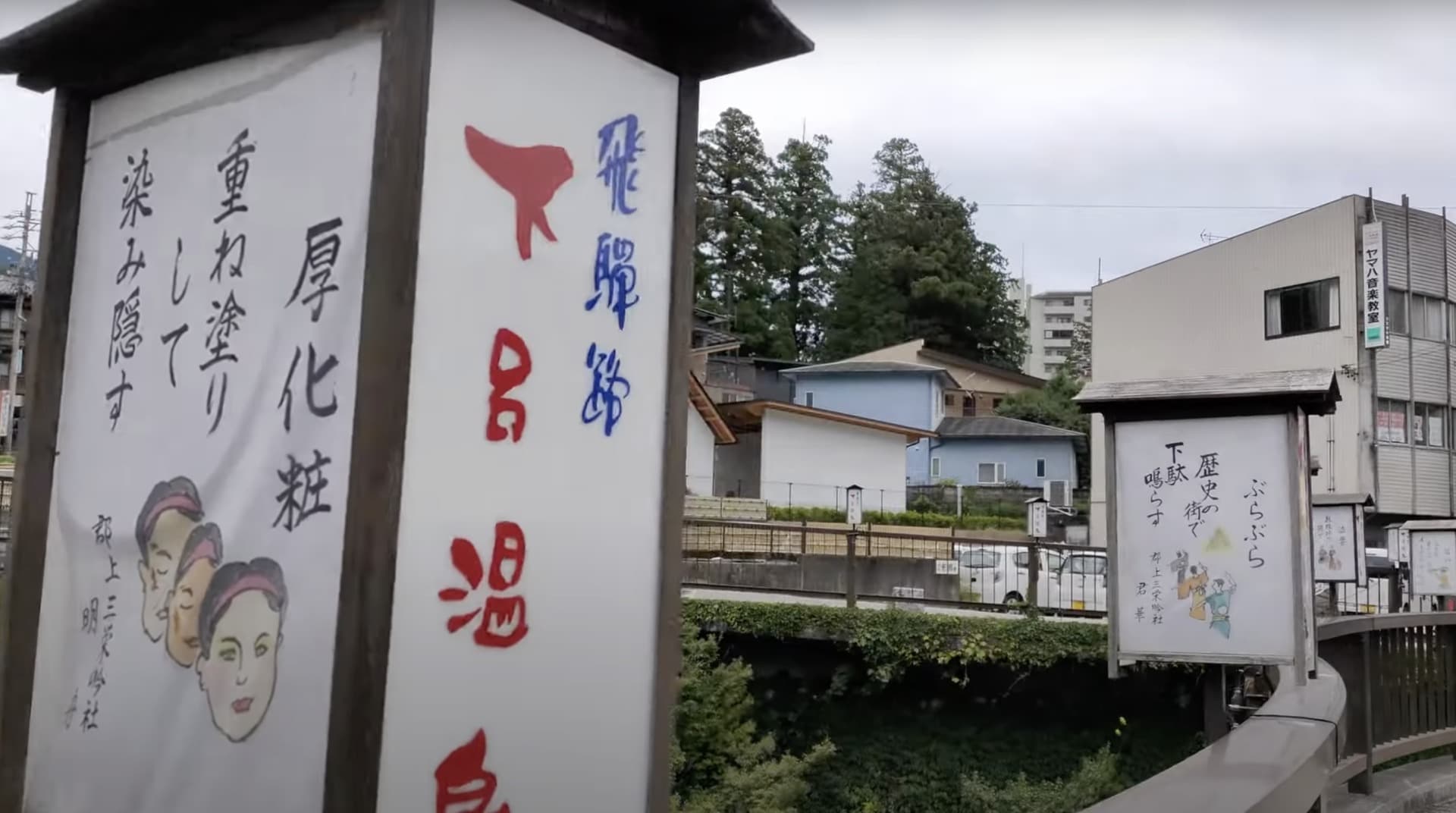
The hot spring town of Gero Onsen stretches along the Hida River, lined with ryokan (traditional Japanese inns) and hotels. Free foot baths are scattered throughout the hot spring town, allowing visitors to casually enjoy the hot springs even during a stroll. Additionally, by using the “Yu-meguri Tegata” (hot spring hopping pass), visitors can bathe at three of the participating ryokan, fully experiencing the waters of Gero Onsen.
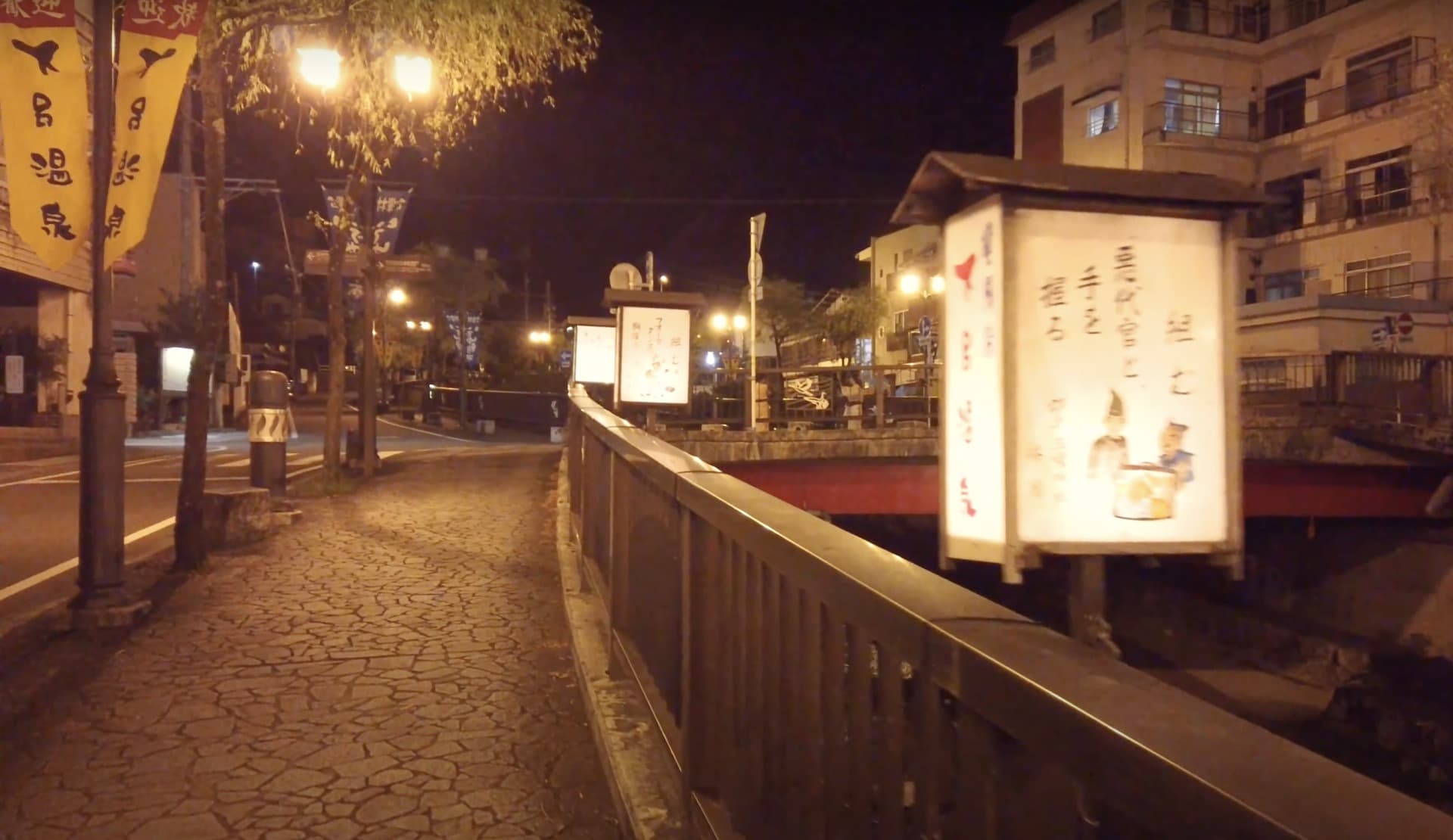
With its long history and rich natural surroundings, this renowned hot spring features highly alkaline water quality with excellent benefits for beauty and health. Thanks to the charm of the hot spring town, diverse bathing facilities, and convenient access, it continues to be cherished by many visitors.
History of Gero Onsen
Gero Onsen, located in Gero City, Gifu Prefecture, is a historic hot spring resort known as one of Japan’s Three Great Hot Springs. Below is a detailed account of its history, organized by major events with corresponding years.
1. 10th Century: Hot Spring Emergence at Yugamine
 *Illustrative image
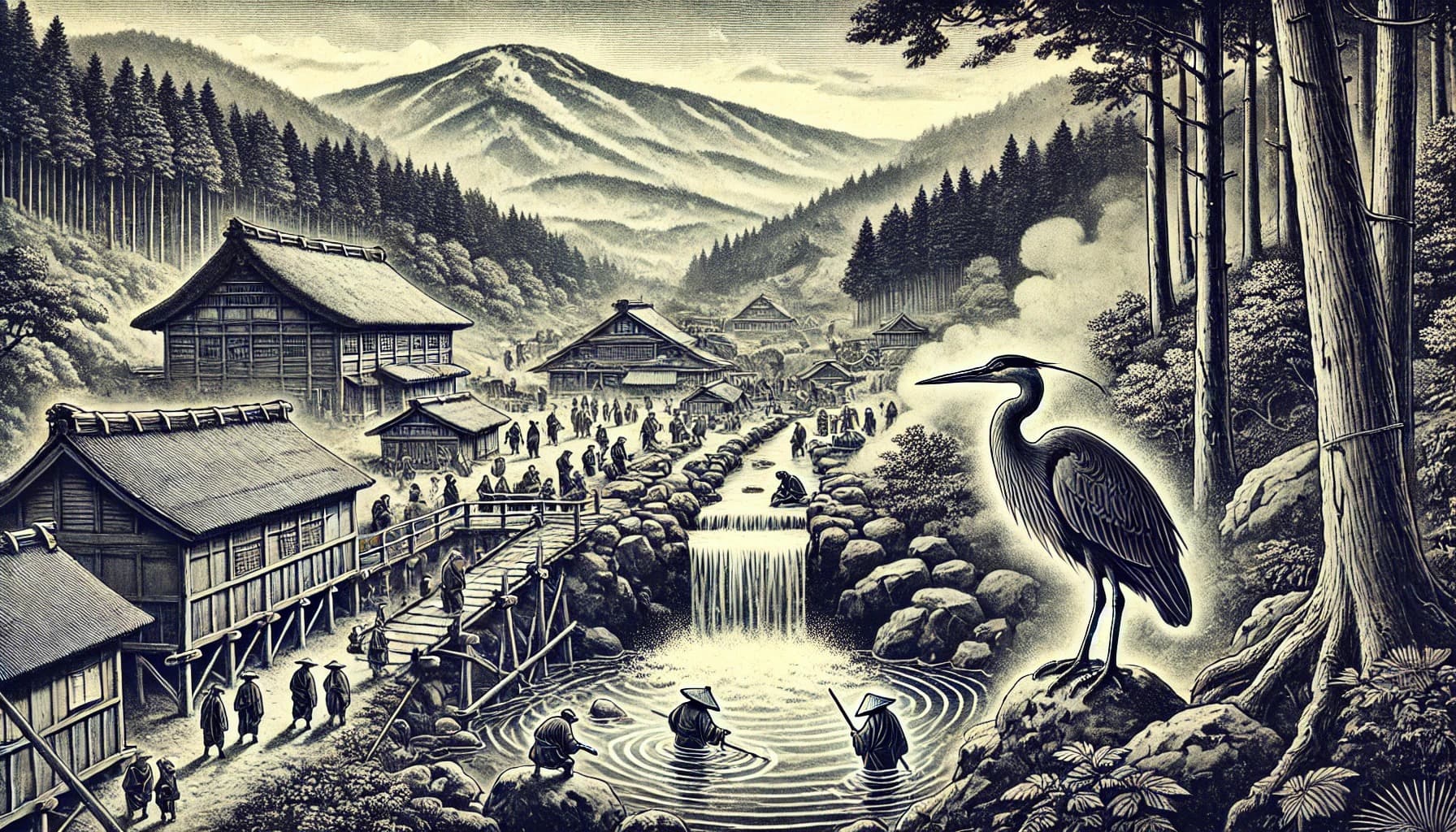
During the mid-Heian period, from the Engi era (901-923 AD) to the Tenryaku era (947-957 AD), hot spring water emerged near the summit of Yugamine (elevation 1,067 meters), located to the east of present-day Gero Onsen. This hot spring was used as a therapeutic bathing place from that time and is said to have been cherished by many people.
In 1265 (Bun’ei 2), the hot spring flow at Yugamine suddenly stopped, but in the same year, a new hot spring source was discovered along the riverbed of the Hida River. This rediscovery is associated with the “Legend of the White Heron,” which tells that “Yakushi Nyorai (the Buddha of Healing) transformed into a white heron to show the villagers the location of the hot spring source.” This gave the hot spring resort a new lease on life.
2. Around 1480: Introduction of Three Great Hot Springs by Banri Shuku
 *Illustrative image
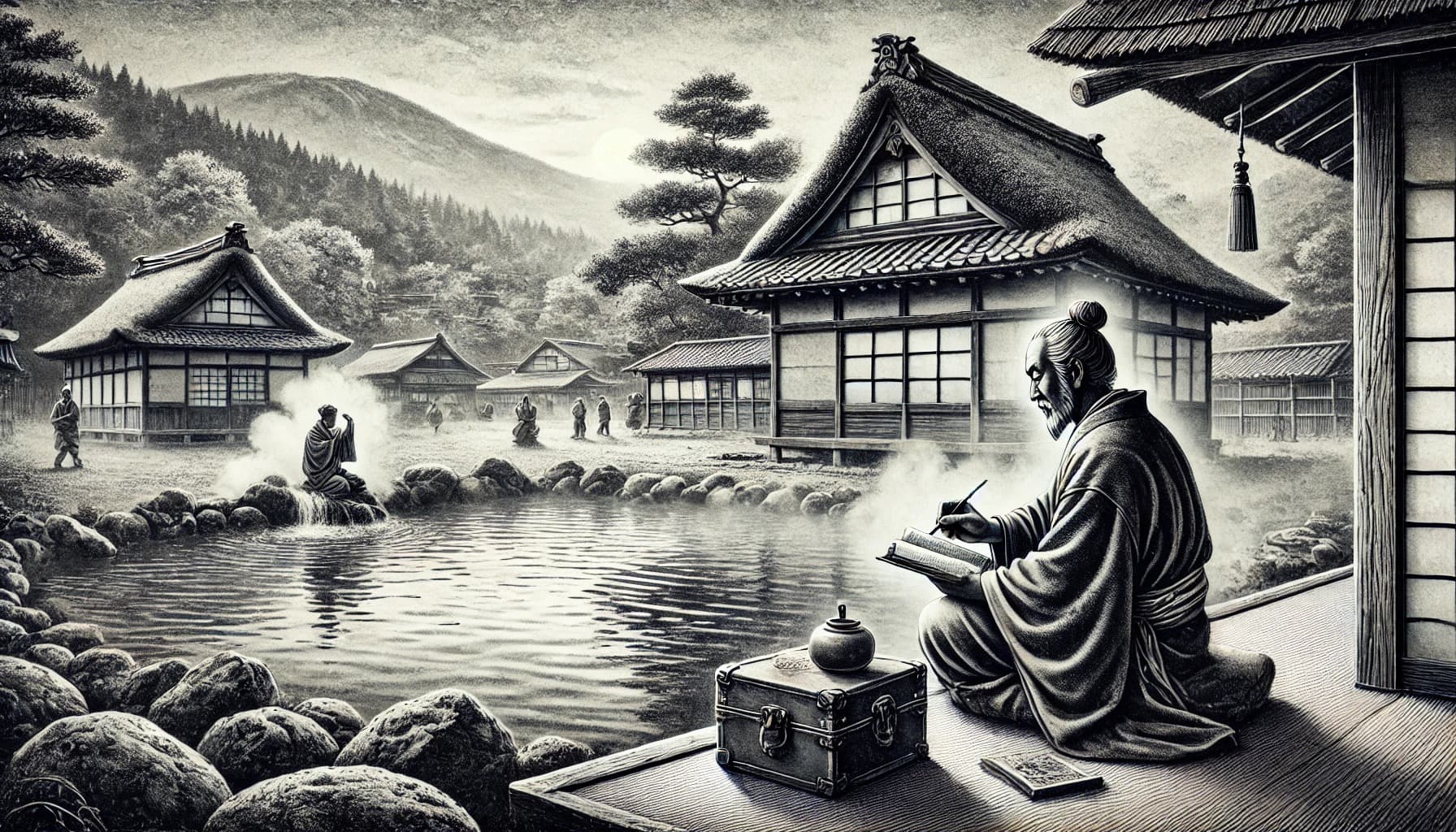
During the Muromachi period, Banri Shuku, a monk and poet from one of Kyoto’s Five Great Zen Temples, visited Gero Onsen around 1480. He recorded the splendor of the hot springs in his poetry collection “Baika Mujinzo,” praising Gero Onsen alongside Arima Onsen and Kusatsu Onsen as the “Three Great Hot Springs Under Heaven.”
This introduction spread the name of Gero Onsen throughout the country and served as an important catalyst for elevating its reputation as a hot spring resort.
3. 1600s: Hayashi Razan’s Account of the Three Great Hot Springs
 *Illustrative image
In 1621, during the early Edo period, the Confucian scholar Hayashi Razan described Gero Onsen as one of the “Three Great Hot Springs Under Heaven” in his writings. This reaffirmed the account by Banri Shuku from the Muromachi period and once again spread the fame of Gero Onsen.
Additionally, in 1671 (Kanbun 11), Onsenji Temple was established at the foot of Mount Nakane to enshrine the statue of Yakushi Nyorai that had been relocated from Yugamine. This temple became a center of local faith and a spiritual symbol of Gero Onsen.
4. 1900s-2000s: Hida River Flooding and Damage to the Hot Spring Resort
 *Illustrative image
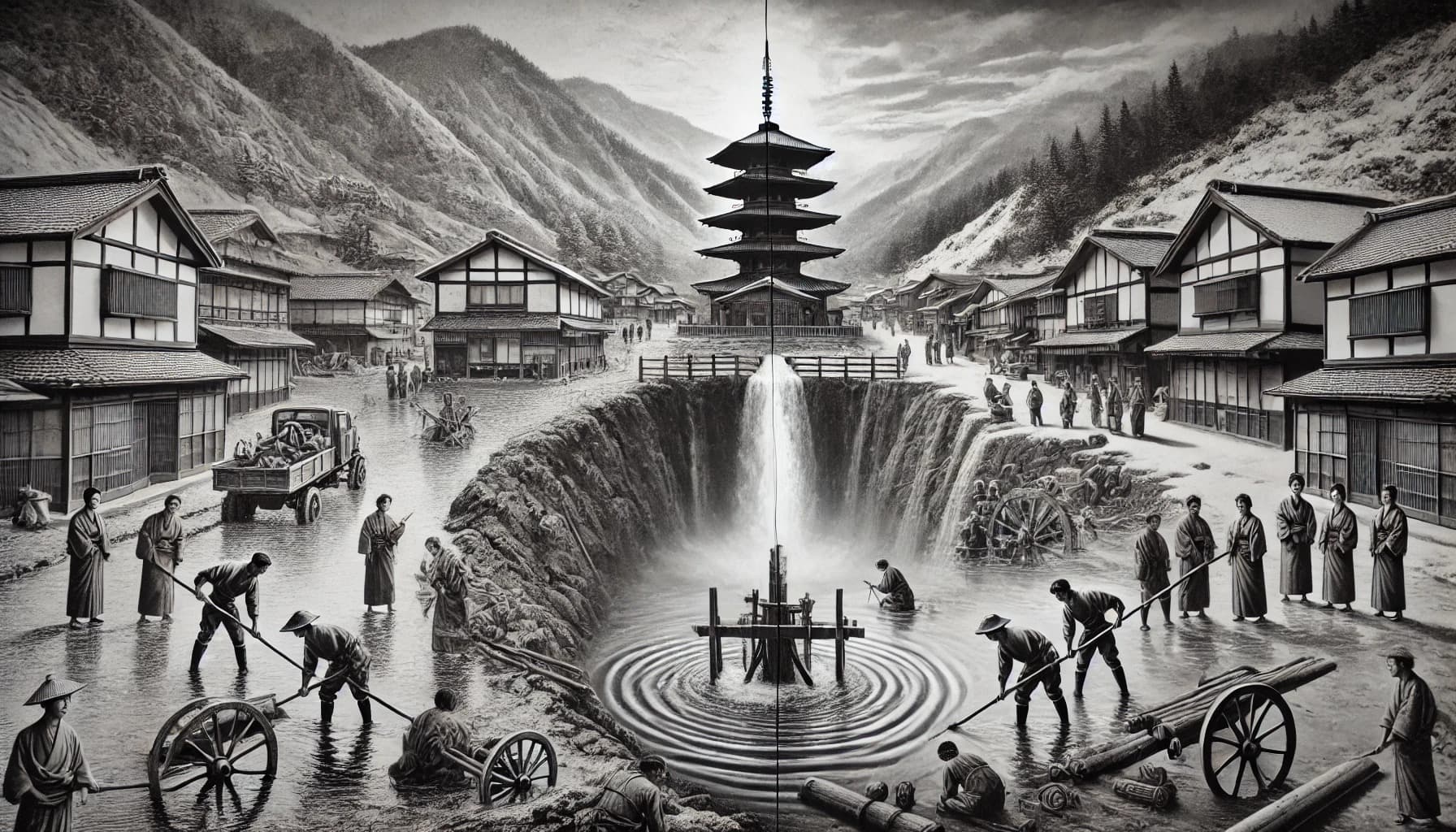
From the Edo period through the Meiji era, repeated flooding of the Hida River caused devastating damage to Gero Onsen. In particular, the great flood of 1859 (Ansei 6) destroyed the underground hot water veins, cutting off the hot spring’s outlet.
Subsequently, from the late Meiji to Taisho periods, local residents worked to restore the hot springs, and drilling efforts were successful. Furthermore, in the early Showa period, Nagoya businessman Iwata Takeshichi entered the drilling business and opened Yunoshimakan in 1931 (Showa 6). This building is currently designated as a National Registered Tangible Cultural Property and has become a symbol of Gero Onsen.
5. Modern Era: Development as a Tourist Destination
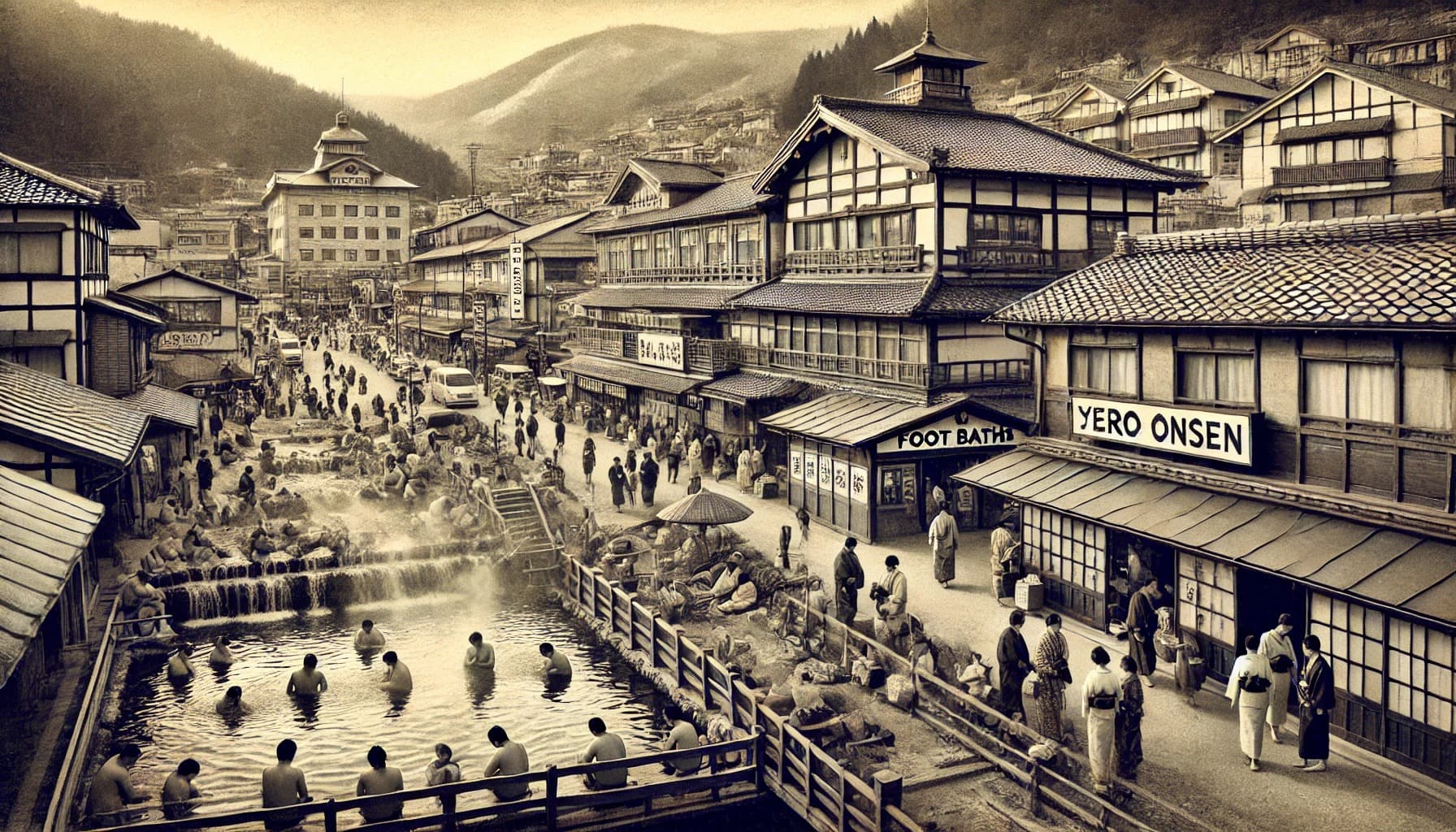 *Illustrative image
Today, Gero Onsen has developed as one of Gifu Prefecture’s premier tourist destinations, with numerous ryokan and hotels lining the streets. The hot spring town features free foot baths and public bathing facilities scattered throughout, creating an environment where tourists can easily enjoy the hot springs.
Additionally, the “Yu-meguri Tegata” (hot spring hopping pass) allows visitors to enjoy the hot springs of multiple ryokan, making it popular among tourists. Throughout the year, visitors can enjoy not only the hot springs but also the local food culture and harmony with nature, making it a beloved tourist destination for many people.
Highlights of Gero Onsen
Gero Onsen, known as one of Japan’s Three Great Hot Springs, is a hot spring resort in Gero City, Gifu Prefecture, blessed with beautiful nature and abundant hot spring resources. Below is a detailed introduction to the major sightseeing spots you should visit.
■ Gero Onsen Gassho Village
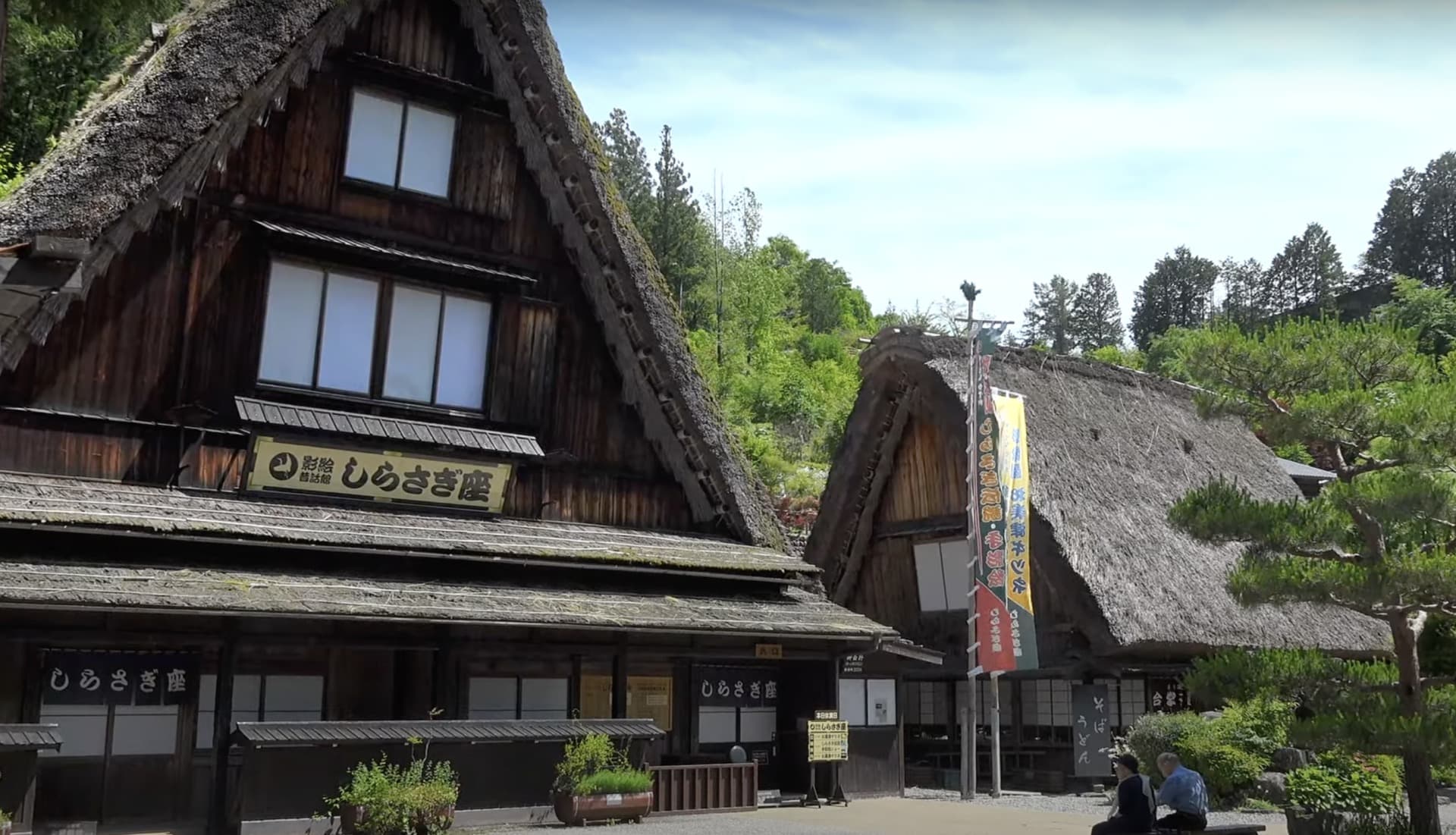
Gero Onsen Gassho Village is an open-air museum consisting of 10 gassho-zukuri (steeply thatched-roof) farmhouses relocated from Shirakawa-go and Gokayama. The village features facilities centered around the “Former Oto Family Residence,” a nationally designated Important Cultural Property, where visitors can experience the traditional lifestyle and culture of the Hida region.
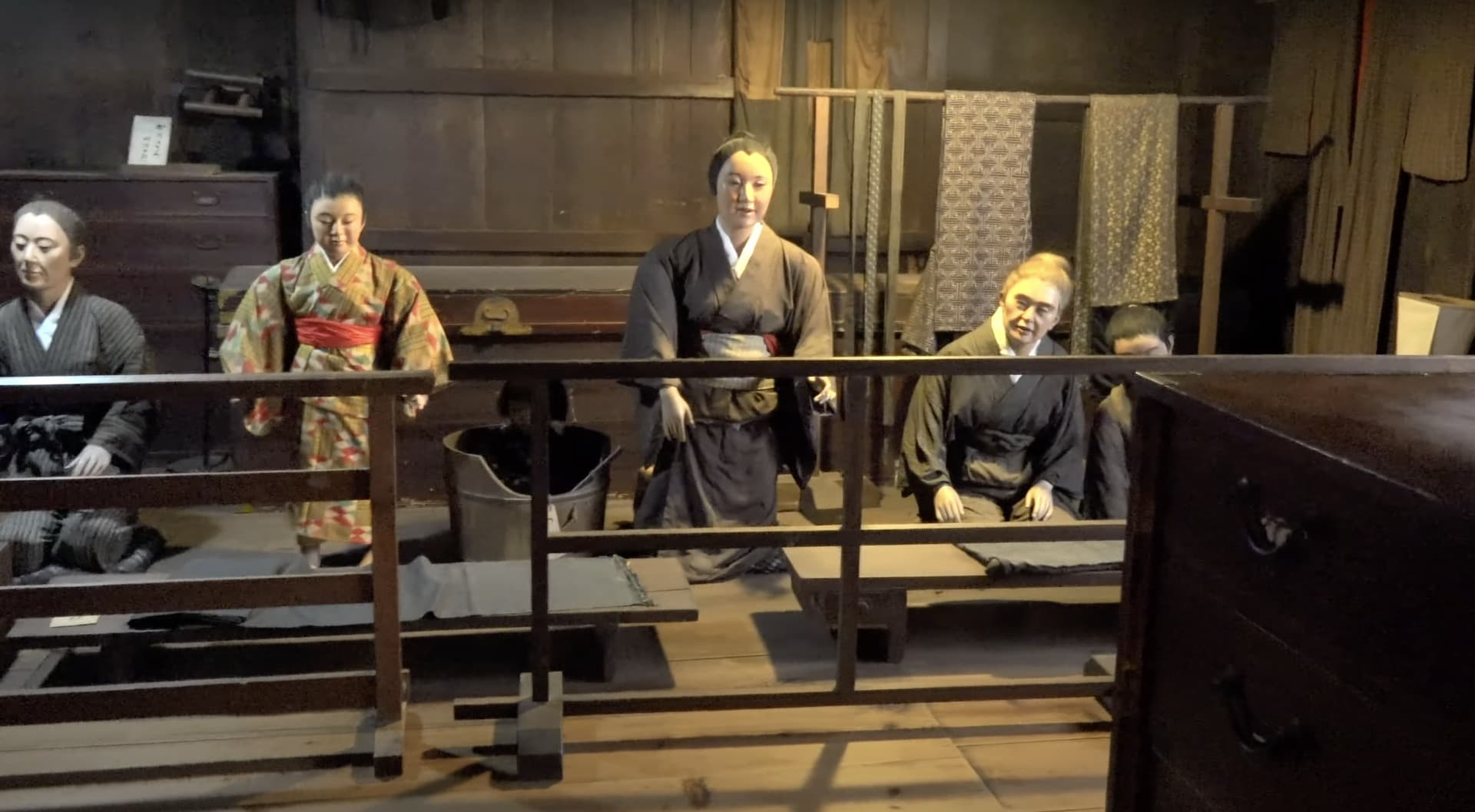
The Folk Museum displays farming tools and everyday implements, allowing visitors to learn about the lifestyles of the past. Additionally, there are craft experience facilities offering activities such as Japanese paper painting, ceramic painting, and pottery making, providing visitors with opportunities to enjoy Japan’s original landscapes and culture.
■ Onsenji Temple
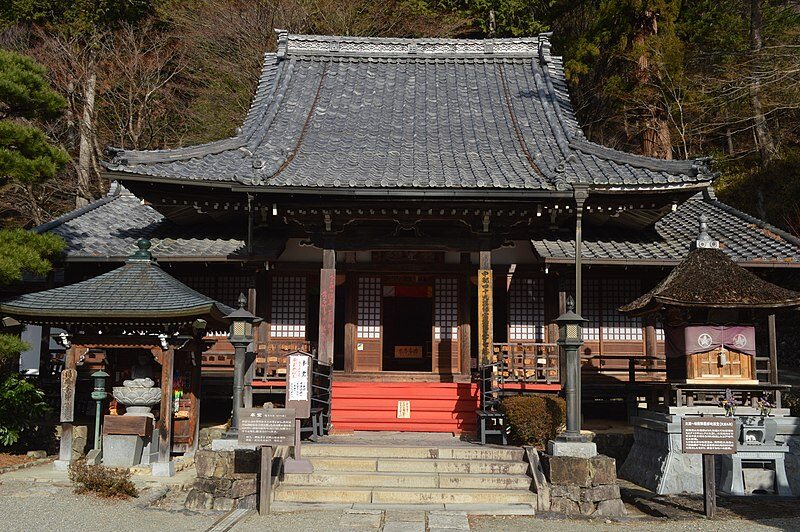
Onsenji Temple is a Rinzai sect Myoshinji school temple founded in 1671. Its principal image is the statue of Yakushi Nyorai, said to have transformed into the white heron that revealed the location of Gero Onsen’s hot spring source. The temple grounds are situated halfway up Mount Nakane and are known as a scenic viewpoint overlooking the entire Gero Onsen hot spring town. The autumn foliage is particularly beautiful, attracting many worshippers and tourists. Additionally, there is a sacred spring on the grounds, and visitors can draw the water.
■ Gero Onsen Museum
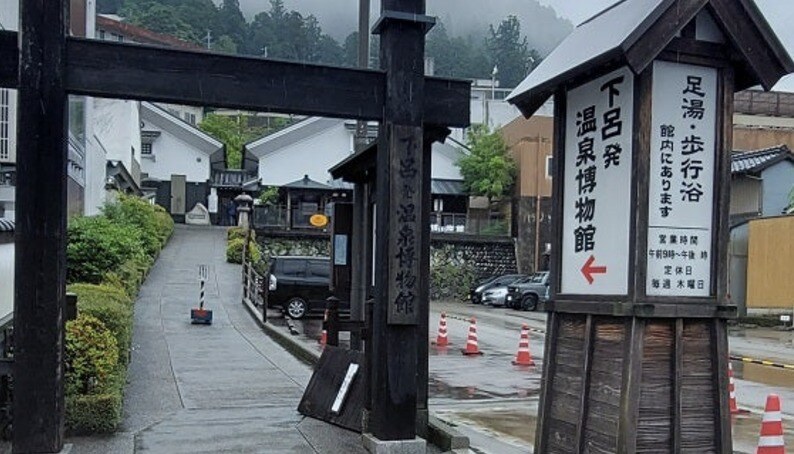
The Gero Onsen Museum is a museum where visitors can learn about the formation and benefits of hot springs, as well as hot spring cultures from around the world. The museum features exhibits on hot spring component analysis, the history of hot springs, and hot spring cultures from various countries. Visitors can also experience analyzing hot spring components hands-on and enjoy a foot bath, deepening their knowledge about hot springs while also experiencing relaxation.
■ Gero Onsen Town
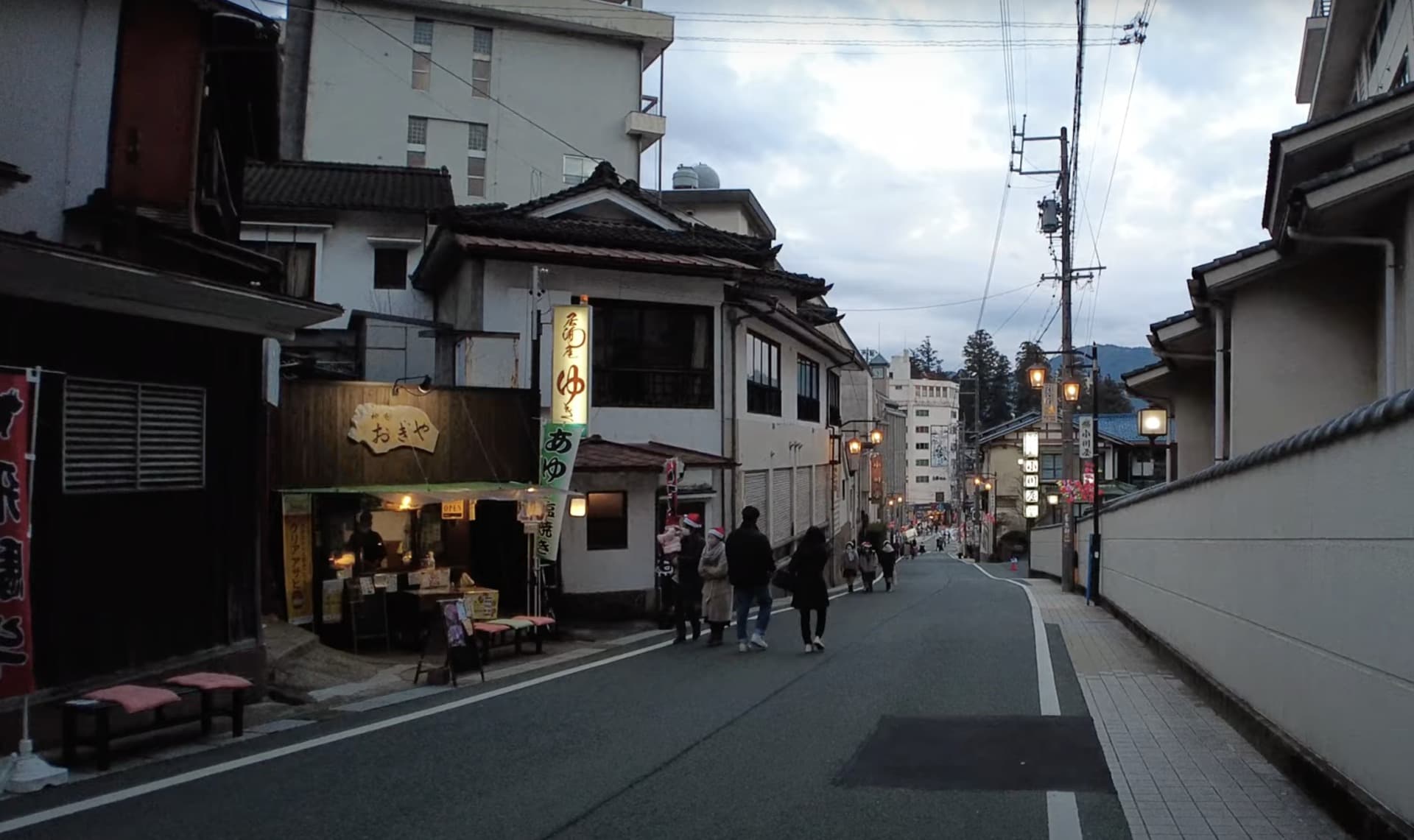
Gero Onsen Town features free foot bath spots scattered throughout. Notable foot baths include “Sagi no Ashiyu” (available 24 hours), “Venus no Ashiyu” (set around a Venus statue), and “Miyabi no Ashiyu” (in front of Miyabi-tei ryokan). These can be enjoyed during a leisurely stroll through the town.
Additionally, restaurants serving Hida Beef dishes, onsen tamago (hot spring eggs), and local sweets line the streets, allowing visitors to enjoy the atmosphere of the town while sampling various treats.
■ Gero Onsen Fireworks Musical Winter Performance
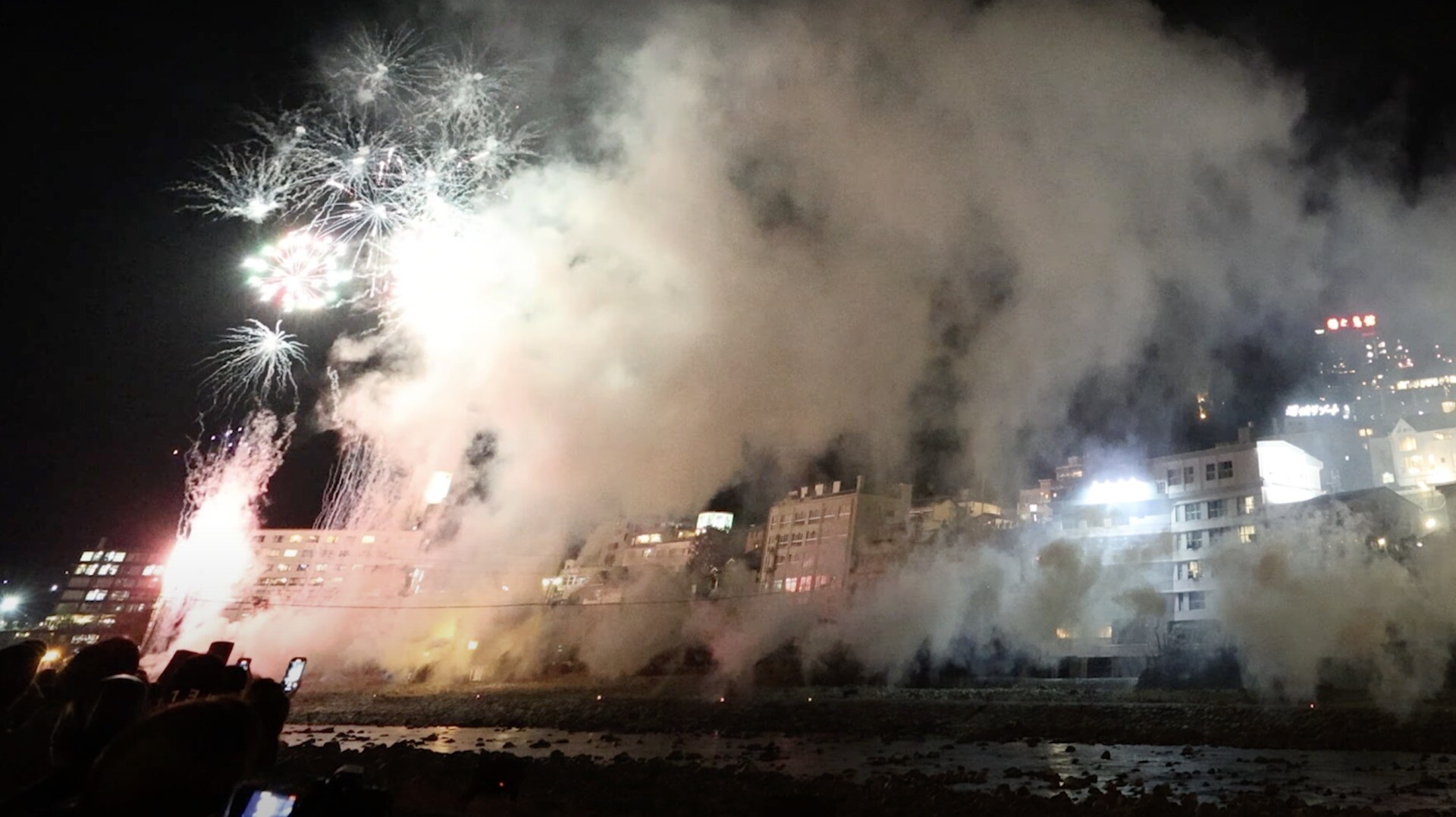
The Gero Onsen Fireworks Musical Winter Performance is an annual fireworks event held every December, where fireworks synchronized with music light up the winter night sky. The event takes place on a wide stage that utilizes the shape of the Hida River flowing north-south through the Gero Onsen town, featuring masterful performances by world-class pyrotechnicians.
This fireworks musical is characterized by the enchanting fusion of fireworks illuminating the crisp winter night sky and music, allowing visitors to spend a magical time together with the night view of the hot spring town.
Summary
Gero Onsen is a charming tourist destination where its long history, rich nature, and the unique atmosphere of a hot spring town all harmonize beautifully. The water quality, renowned as one of “Japan’s Three Great Hot Springs,” soothes visitors and offers benefits for beauty and health. Beyond the hot springs, there are plenty of attractions, including historical and cultural spots like Gassho Village and Onsenji Temple, street food, and the fireworks musical.
With scenery and events that inspire new discoveries with each seasonal visit, Gero Onsen is a destination that never ceases to impress. Why not set off on a journey to forget your busy daily life and refresh both mind and body? We hope this article will be of some help in planning your trip.