
🕓 2024/5/15
#Culture
A Detailed Guide to the History and Overview of Ginza

Table of Contents
- Overview of Ginza
- History of Ginza
- Recommended Gourmet Spots in Ginza
- Nightlife in Ginza
Introduction
Ginza is one of Japan’s most famous upscale shopping, dining, and entertainment districts, located in Chuo Ward, Tokyo. This district captivates visitors with its dense concentration of internationally renowned department stores, boutiques, art galleries, restaurants, nightclubs, and cafes, and is also known as one of Tokyo’s premier tourist destinations.
The history of Ginza dates back to the Edo period, beginning with the silver mint from which it derives its name. It has evolved through the Taisho era when modern Western architecture was introduced, the early Showa period when it flourished as a center of culture and fashion, and postwar reconstruction to the glamorous cityscape of today. In this article, we will introduce the allure of Ginza from the perspectives of history, gourmet dining, and nightlife. We hope to convey the unique charm and rich culture of this wonderful district to our readers.
Overview of Ginza
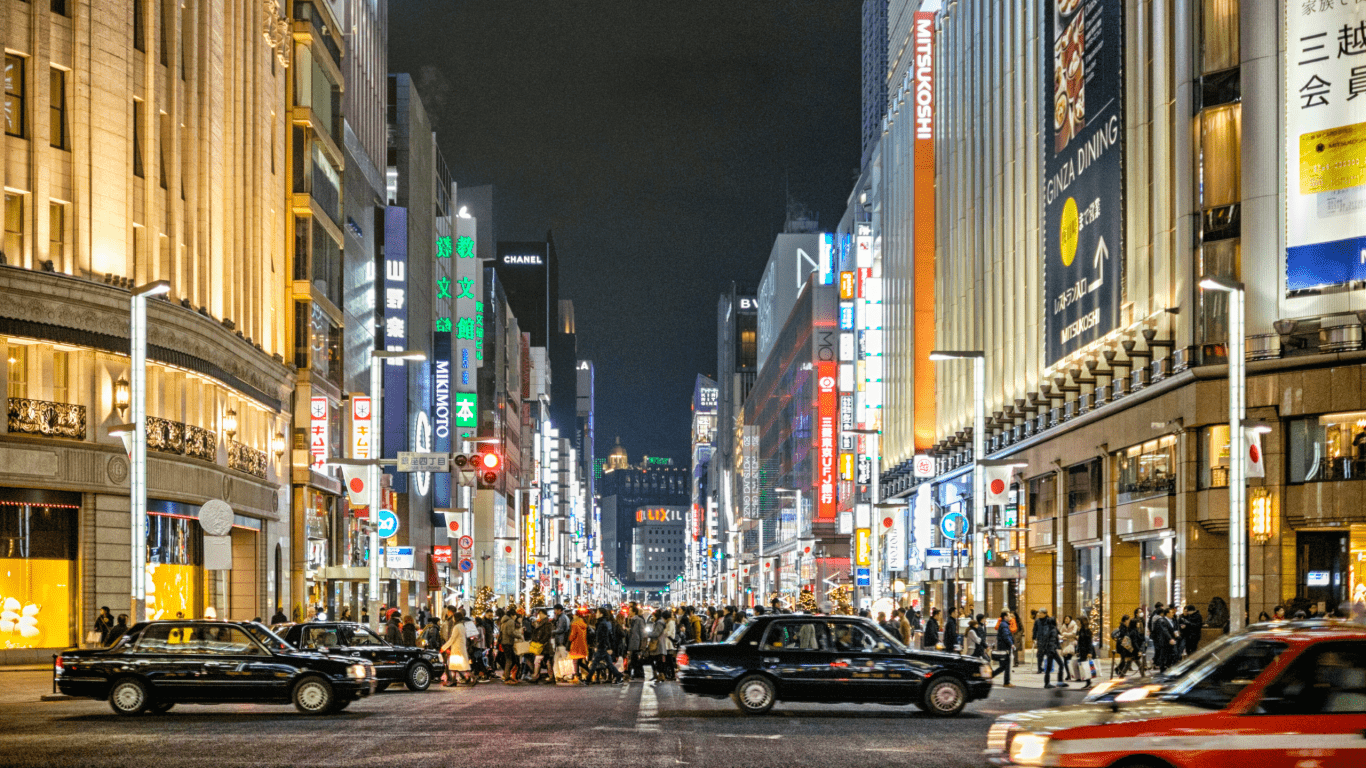
Ginza is located in Chuo Ward, Tokyo, and is one of Japan’s most famous upscale shopping, dining, and entertainment districts. This area is densely packed with internationally renowned department stores, boutiques, art galleries, restaurants, nightclubs, and cafes, and is also known as one of Tokyo’s premier tourist destinations. Land prices in Ginza are extremely high, making it one of the most expensive real estate areas in Japan.
Its history is long, as a mint for Edo-period silver coins was once established here. This mint is the origin of the name, and “Ginza” literally means “the place where silver is made.” During the Taisho era, modern Western architecture was introduced to Ginza, and it developed as Tokyo’s first Western-style commercial district. Particularly after the reconstruction following the Great Kanto Earthquake of 1923, wide streets were systematically built, forming the beautiful cityscape of Ginza that continues to this day.
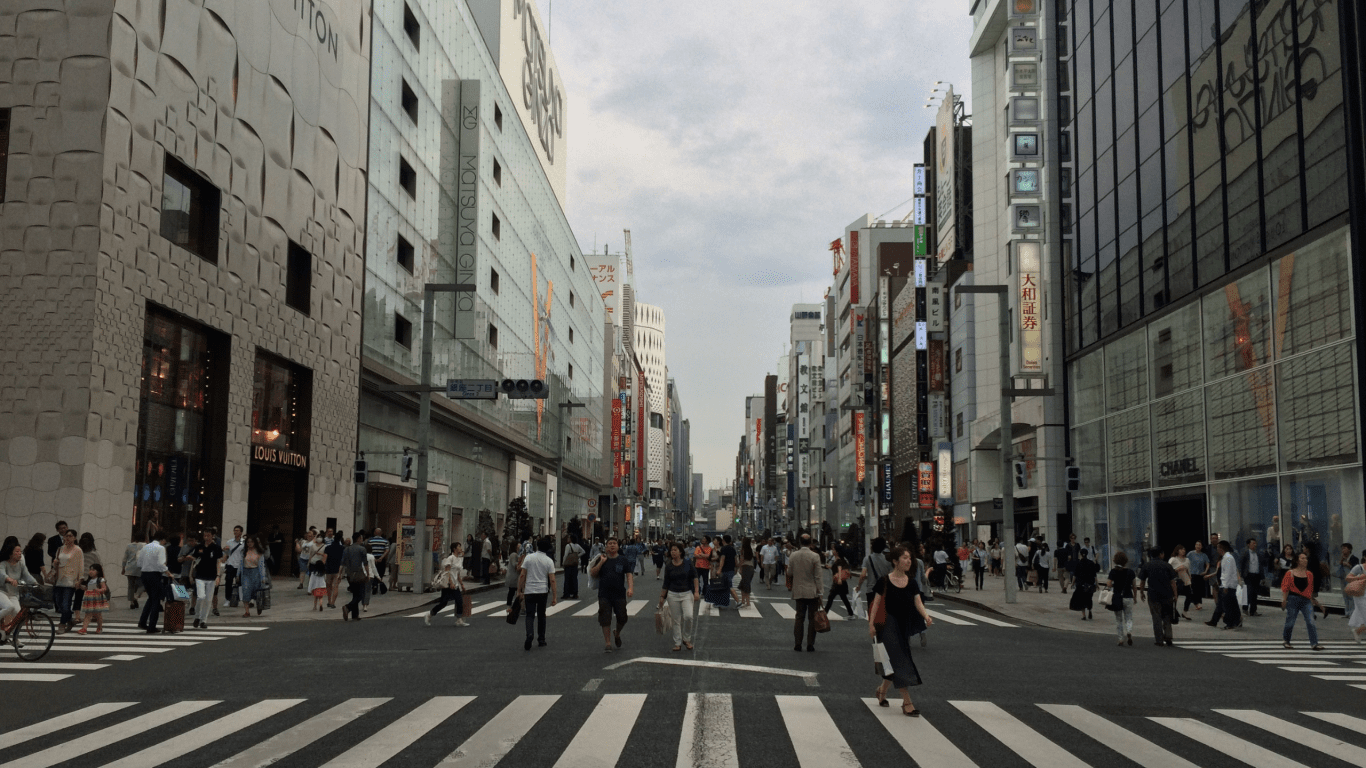
Today’s Ginza transforms its main streets into a pedestrian paradise on weekends, bustling with many visitors. It is also renowned as a gourmet destination, featuring restaurants that offer everything from cutting-edge fashion trends to traditional Japanese cuisine and international dishes from around the world.
At night, Ginza becomes known for its glamorous nightlife. Numerous upscale clubs, bars, and jazz cafes are concentrated in this district, offering domestic and international visitors a refined evening experience. For jazz fans in particular, there are many long-established jazz clubs where live music can be enjoyed, forming an integral part of Ginza’s nighttime culture.
Ginza is also famous as a culinary destination, with renowned Edomae sushi restaurants lining its streets. At these sushi establishments, skilled chefs prepare fresh sushi right before your eyes, offering visitors an authentic Japanese dining experience. Edomae sushi is characterized by its simple yet delicate flavors using fresh seafood, and it is a cultural experience not to be missed when visiting Ginza.
History of Ginza
■ Edo Period
Ginza was established during the Edo period and was originally known as the center of Japan’s currency production. The name “Ginza” literally translates to “the place where silver is manufactured.” This name derives from the silver coin minting operations that took place here during the Edo period. The mint made significant contributions to the stability and development of Japan’s monetary system. Its advanced minting techniques played a crucial role in supporting the foundation of the Japanese economy throughout the Edo period. Additionally, the area surrounding Ginza thrived as a commercial district, becoming a gathering place for many merchants and artisans, and laying the groundwork for future commercial development.
■ Meiji Period
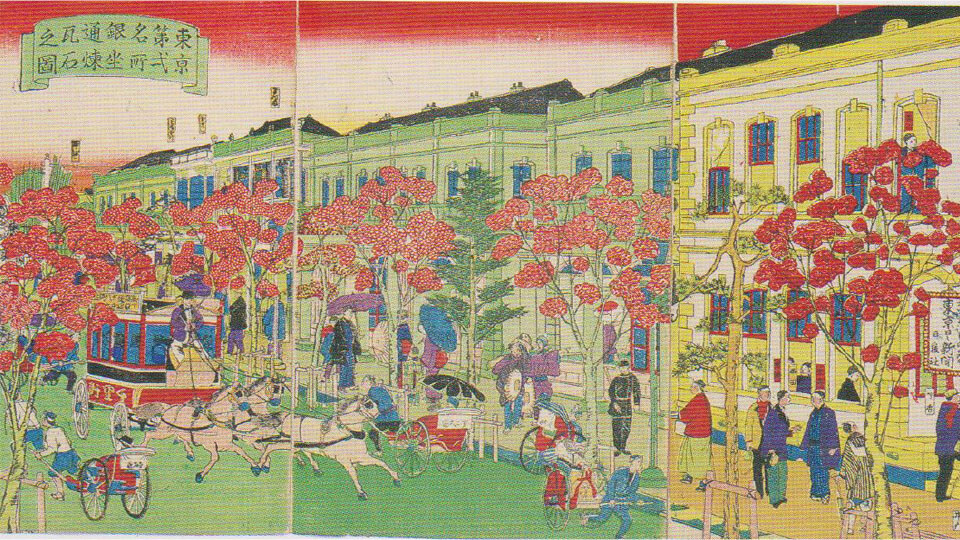
Following the great fire of the Meiji period, Ginza rode the wave of modernization and was redeveloped with an architectural style strongly influenced by the West. The great fire of 1872 served as a catalyst, leading the government to designate Ginza as a model district and introduce brick Western-style buildings. The reconstruction plan was carried out with the aim of creating a fire-resistant city, and wide streets and modern infrastructure were developed. As a result, the cityscape of Ginza was dramatically transformed, developing into a modern city influenced by the West. Consequently, Ginza became a symbol of Japan’s modernization and Westernization, and to this day retains a cityscape that evokes its historical background.
■ Taisho to Early Showa Period
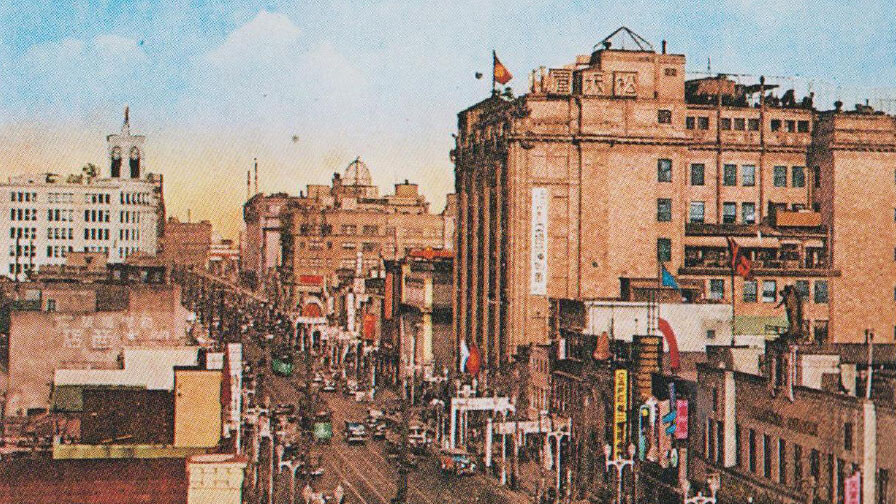
From the Taisho to early Showa period, Ginza flourished as a center of modern art and fashion. During this era, Ginza became internationally recognized as the cultural face of Tokyo. Lined with numerous cafes, galleries, and boutiques, it was particularly symbolized by the “Modern Girls” (Moga) who embraced a new lifestyle. These women adopted the latest fashion and makeup trends and led independent lives.
Ginza also functioned as a cultural salon, becoming a gathering place for many artists and intellectuals. Jazz, cinema, and contemporary art gained particular popularity, and new cultural movements blossomed. During the early Showa period, many restaurants and cafes incorporating Western architectural styles opened, making Ginza’s cityscape even more attractive.
■ World War II and the Postwar Era
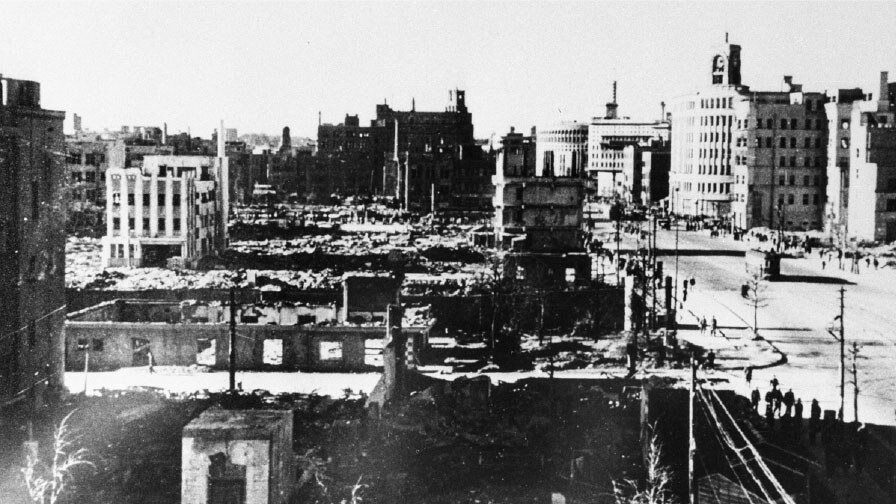
During World War II, Ginza suffered devastating damage from the Tokyo air raids. In particular, the “Great Tokyo Air Raid” of March 10, 1945, saw approximately 100,000 square meters of the area destroyed by fire, with many civilian lives lost. Under the leadership of GHQ (General Headquarters of the Supreme Commander for the Allied Powers), a reconstruction plan for all of Tokyo was formulated. In the early stages of recovery, barracks were erected on the scorched land, and modern buildings were gradually constructed thereafter. Many shops, galleries, and cafes reopened in an effort to reclaim its status as a center of commerce and culture as it had been before the war, once again drawing attention from both domestic and international visitors as a hub for shopping and culture. From the 1950s to the 1960s, a modern and sophisticated cityscape was formed.
■ Modern Era
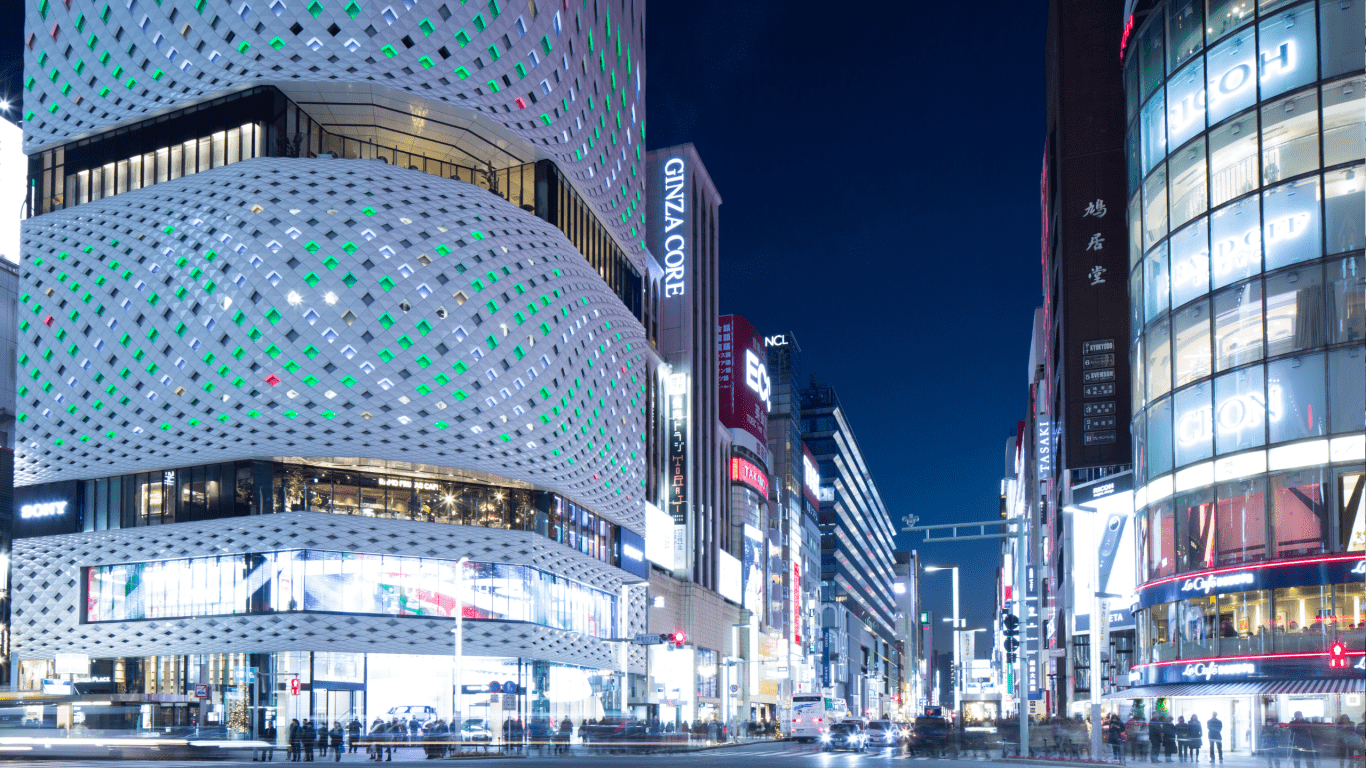
Modern-day Ginza has further elevated its reputation as an international destination for fashion and gourmet dining, with flagship stores of luxury brands and world-renowned restaurants establishing their presence. Ginza is lined with flagship stores of brands such as Prada, Dior, and Bulgari, whose architecture itself expresses the allure of their brands. Furthermore, Ginza is known as a culinary epicenter, offering diverse dining options including Michelin-starred sushi restaurants like Sukiyabashi Jiro and other high-end sushi establishments, ramen shops, and tonkatsu restaurants. The weekend pedestrian paradise is also one of Ginza’s iconic events, where Chuo-dori is closed to vehicle traffic, allowing shoppers and tourists to stroll freely.
Recommended Gourmet Spots in Ginza
■ Sukiyabashi Jiro
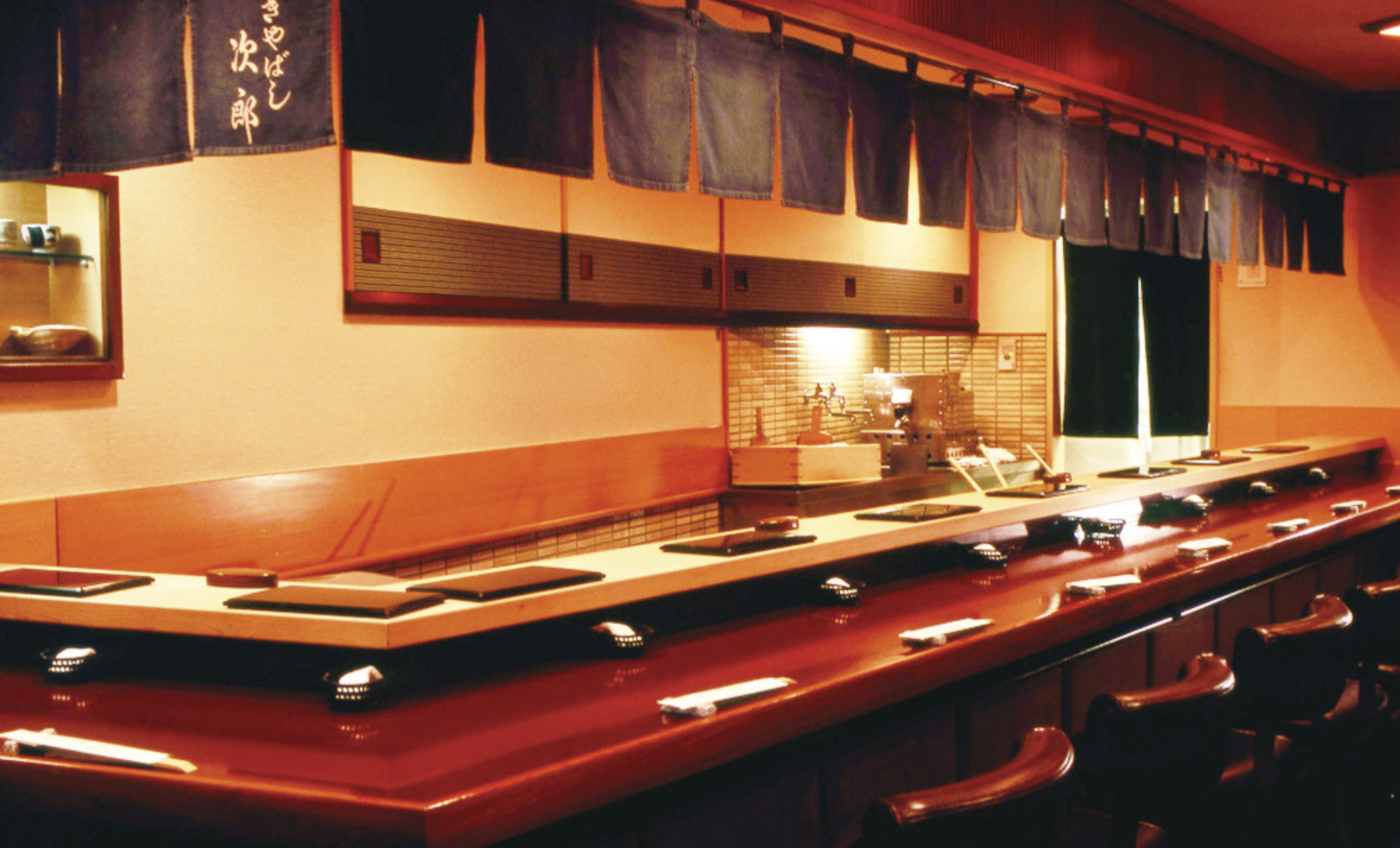
This is one of Japan’s most iconic sushi restaurants, frequently featured in the Michelin Guide. Run by Takashi Ono, the second son of the legendary sushi master Jiro Ono, the restaurant is known for its omakase sushi course featuring the finest seasonal ingredients. The meal begins with hirame (flounder) and sumi-ika (cuttlefish), followed by three pieces of tuna: akami (lean), chutoro (medium-fatty), and otoro (fatty). The sequence concludes with uni (sea urchin) and ikura (salmon roe) gunkan rolls, simmered hamaguri clam, simmered anago (conger eel), and tamagoyaki (egg omelet) — a culinary treasure of Japan.
Although the restaurant had been continuously listed in the Michelin Guide since 2007, it was removed from the 2020 edition because it stopped accepting reservations from the general public. Currently, reservations are only available through regular patrons, special connections, or first-class hotels.
■ Nihon Ryori RyuGin
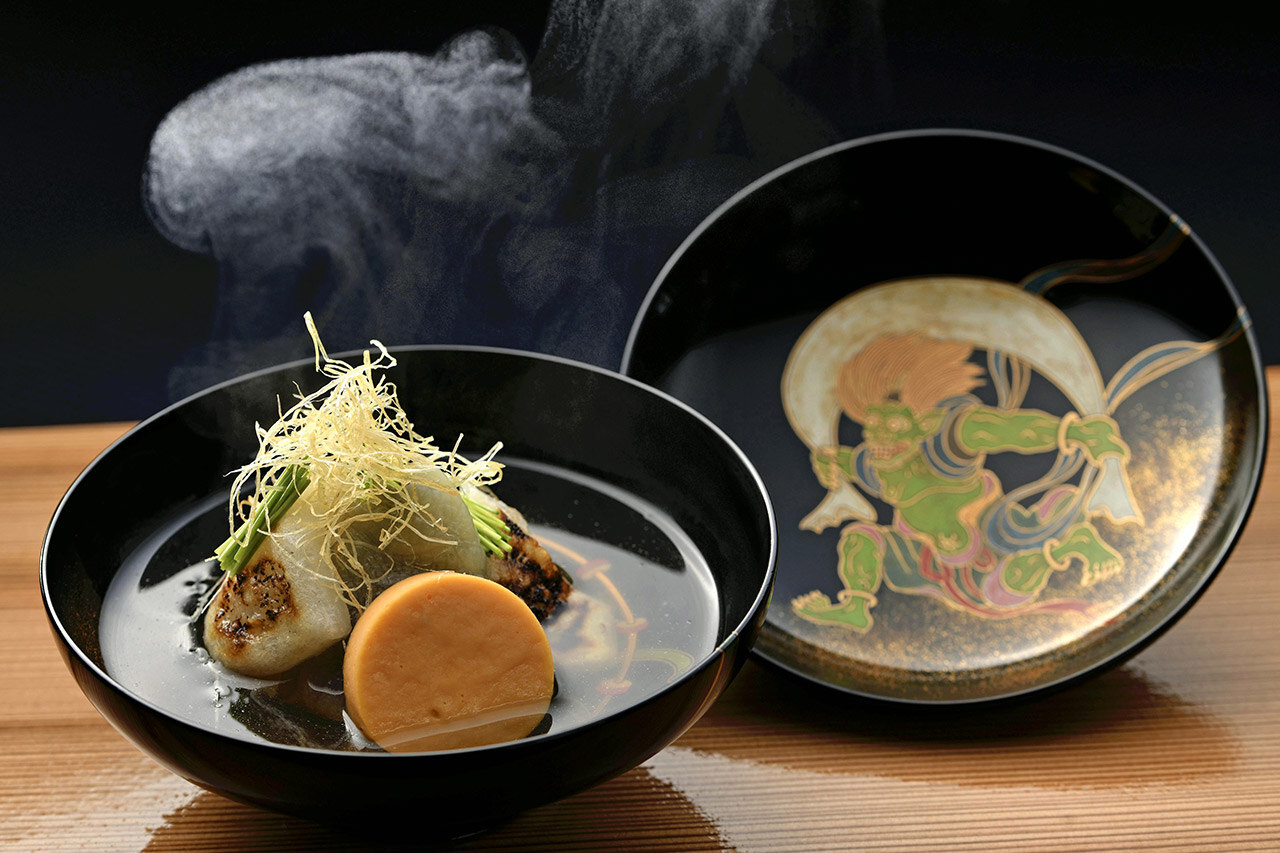
Originally opened in Roppongi in 2003, this restaurant has earned three Michelin stars for eight consecutive years and gained worldwide acclaim, including being the first Japanese restaurant to rank on “The World’s 50 Best Restaurants” list in 2010. In 2018, it relocated to Tokyo Midtown Hibiya, where it continues to reach new heights.
Chef Seiji Yamamoto uses carefully selected natural ingredients from across Japan, combining culinary techniques with tableware worthy of being called works of art to serve “authentic Japanese cuisine.” The restaurant’s name, RyuGin, is derived from the Zen phrase “Ryugin Unki” (When the dragon roars, clouds rise), symbolizing Chef Yamamoto’s culinary philosophy. Only an omakase course is offered, featuring dishes that capture the essence of Japan’s four seasons.
■ Tempura Fukamachi
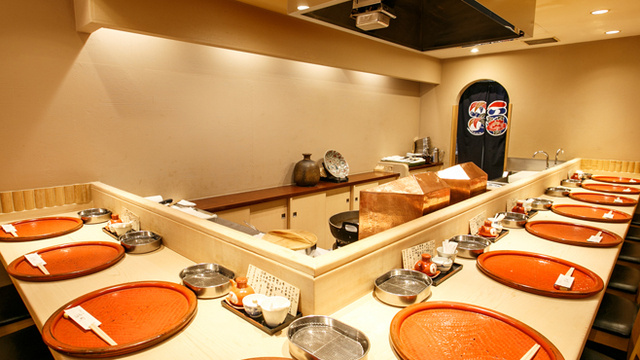
This renowned Edomae tempura restaurant is located in Kyobashi, Tokyo. Founder Masao Fukamachi served as head chef at the Japanese restaurant of the prestigious Hilltop Hotel (Yama no Ue Hotel) for 34 years before opening this establishment independently in 2002. The tempura crafted by Fukamachi uses carefully selected seasonal ingredients prepared with traditional techniques.
The restaurant’s serene interior features a hinoki cypress counter where guests can watch Fukamachi skillfully fry tempura up close. The oil used for the tempura is a blend of high-quality unrefined sesame oil, which maximizes the natural flavors of the ingredients. The signature dish is the “fresh sea urchin” — uni wrapped in shiso leaf and fried to a crisp exterior while remaining rare and juicy inside.
■ Ginza Kappou Ukai
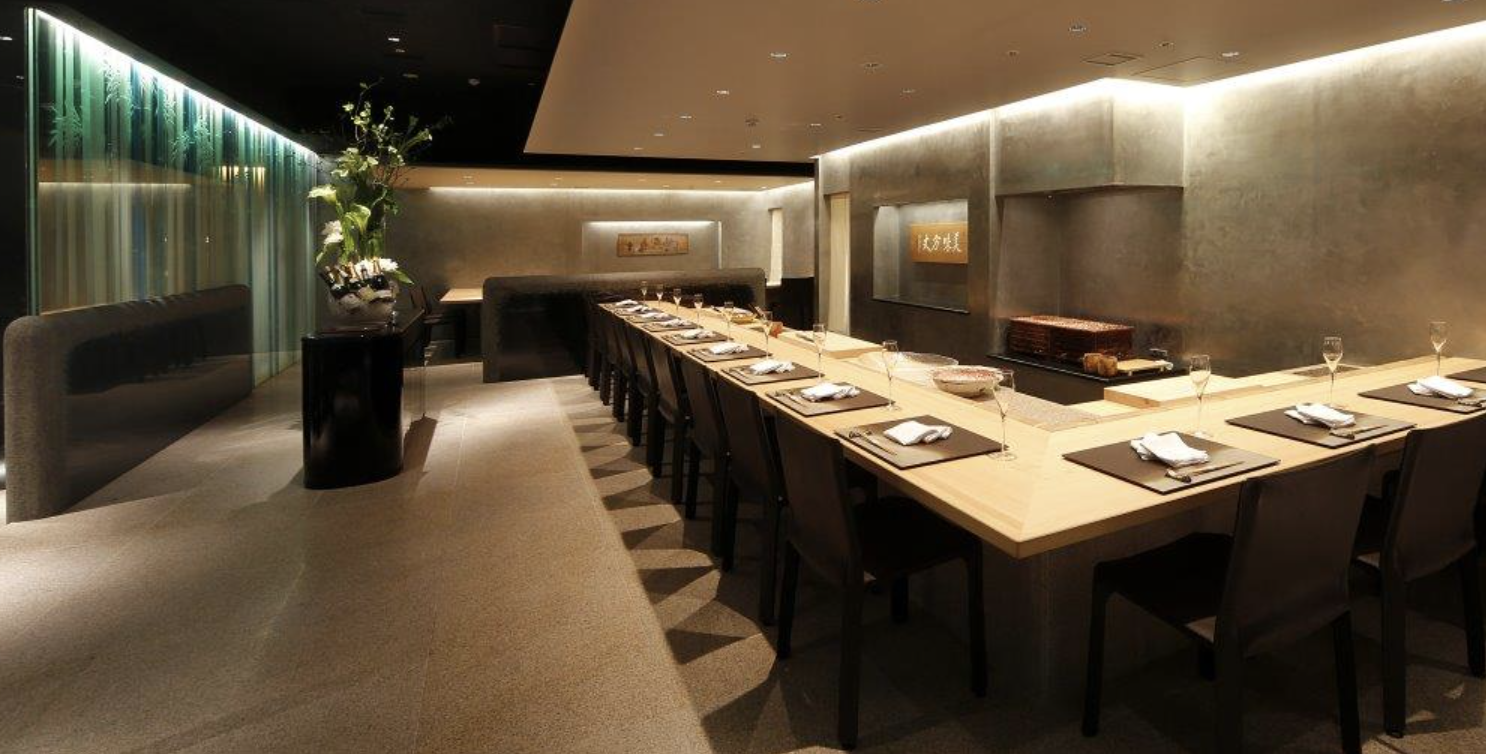
This kappo-style (chef’s counter) restaurant has locations in Ginza and Roppongi, Tokyo, and is known for its distinctive culinary style and spirit of hospitality. This spring, the Ginza location underwent a grand reopening, adding new charm. The cuisine, overseen by Yudai Hanno, the supervising maestro of the Ukai Group, draws on techniques and expertise cultivated at the teppanyaki restaurant “Ginza Ukai-tei” and is served as a single-course menu that changes with each season. Both lunch and dinner are offered in three seatings, allowing guests to enjoy new flavors with each visit.
From the counter seats, guests can watch the chefs prepare their dishes up close, creating a sense of excitement reminiscent of a theater.
Nightlife in Ginza
■ Nightclubs
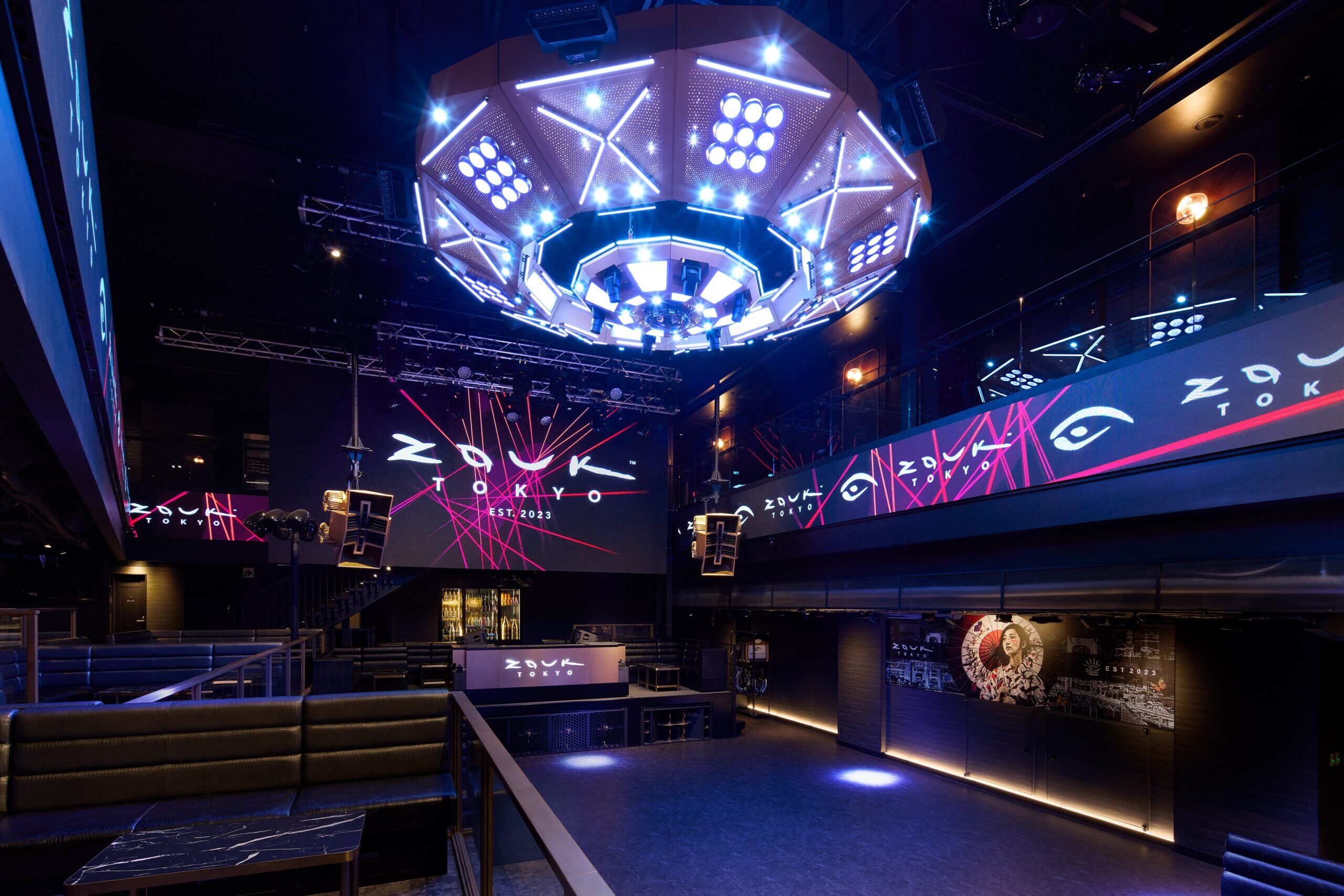
Ginza’s nightlife is diverse, and one standout that has been drawing attention in recent years is large-scale nightclubs. A prime example is “Zouk Tokyo,” a Singapore-born nightclub that opened in October 2023. With a history spanning over 30 years, Zouk is known as a pioneer of dance music. Located in “GRANBELL SQUARE” in Ginza, it has garnered attention as a highly entertaining nightlife destination. The venue features spectacular confetti cascading from its 27-meter-high ceiling, along with RAISE, equipped with state-of-the-art sound systems, adding even more glamour to Ginza’s nightlife scene.
■ High-End Hostess Clubs
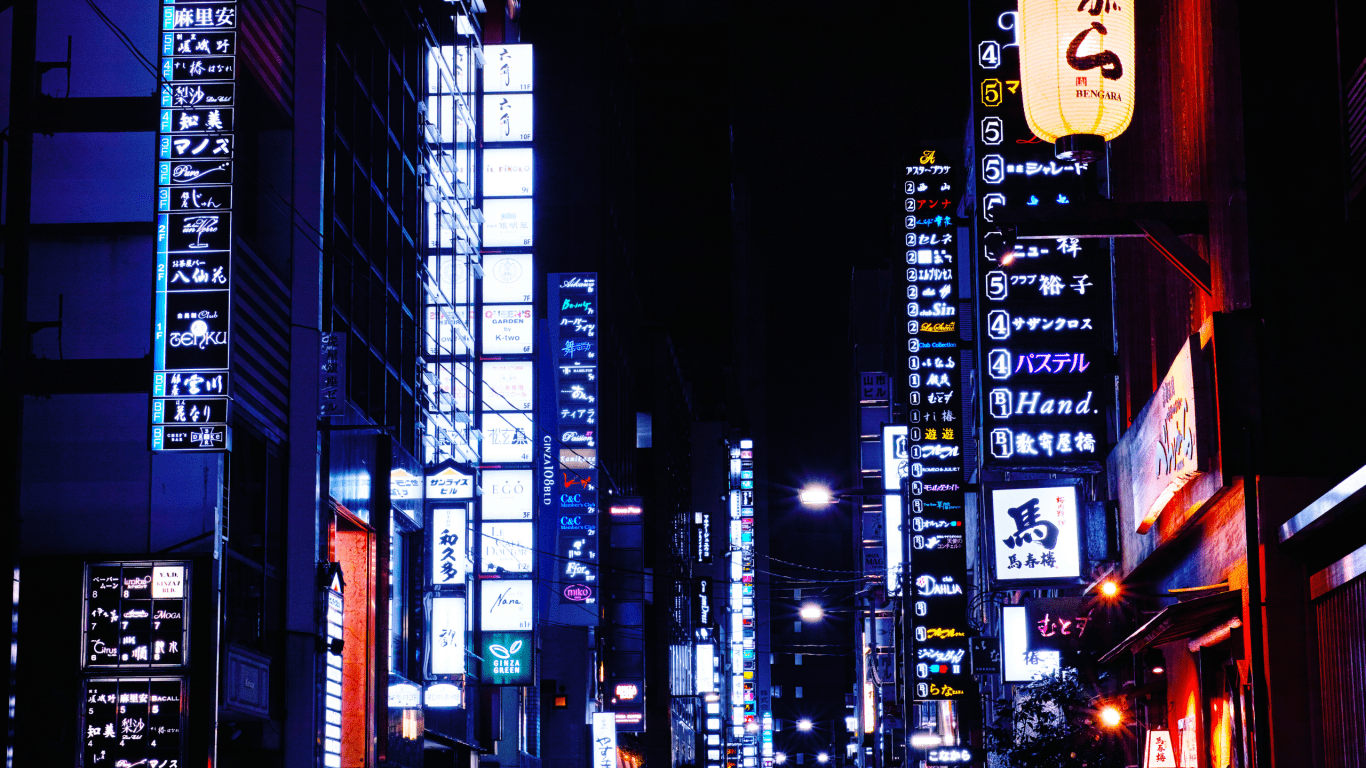
Ginza’s high-end hostess clubs have a long history as symbols of Japan’s nightlife culture. Developing from the postwar reconstruction period, Ginza’s club scene flourished as a social gathering place for business elites, cultural figures, and prominent politicians. These clubs transcend mere nightlife venues, playing an important role as places for business negotiations and networking.
The club interiors are lavish, with a dedicated hostess assigned to each table, providing service tailored to customers’ needs. Champagne towers and special event productions offer new surprises and enjoyment with each visit. The pricing system is generally based on set rates. Charges are set per hour, with additional fees for hostess accompaniment and drinks.
【Notable High-End Clubs】
・Club Inaba
“Club Inaba” is one of the most prestigious among Ginza’s high-end clubs. Known for its refined interior and meticulous service, it enjoys strong support from many celebrities and business elites.
・Ginza Club Takashima
“Ginza Club Takashima” is known for its lavish productions and premium service. The owner, who has a hobby of visiting power spots, has set up a shrine inside the club, attracting customers with this unique approach.
・Piropo
“Piropo” is a club known for its sophisticated service and luxurious interior. It is particularly popular for its special VIP-oriented productions and is frequented by many business elites.
Summary
Ginza is a unique area where history, culture, gourmet dining, and nightlife converge, making it one of Tokyo’s most captivating districts. From its origins in Edo-period silver coin minting to its development riding the wave of modernization, Ginza continues to fascinate people from Japan and around the world to this day.
In this article, we have explored Ginza’s historical background and modern allure in detail, with a particular focus on its high-end gourmet spots and nightclubs. The cityscape of Ginza is a place where tradition and innovation coexist, allowing visitors to fully experience the charm of each era. From flagship stores of luxury brands and Michelin-starred restaurants to glamorous nightclubs, Ginza offers a wide variety of ways to enjoy your visit.
By visiting Ginza, you can experience a sophisticated urban culture while feeling the footprints of history. We hope this article serves as a helpful guide for your exploration of Ginza.