
🕓 2026/2/24
#Tourist Destination

Table of Contents
- Kusatsu Onsen | Ultimate Healing with Japan’s Largest Hot Spring Output
- Ikaho Onsen | A Charming Hot Spring Town with Stone Steps
- Haruna Shrine | A Mystical Spot with 1,300 Years of History
- 3 Must-Visit Tourist Spots in Gunma Prefecture
- – What Is Gunma Prefecture? –
- Kusatsu Onsen | Ultimate Healing with Japan’s Largest Hot Spring Output
3 Must-Visit Tourist Spots in Gunma Prefecture
– What Is Gunma Prefecture? –
Gunma Prefecture is located in the Kanto region of Japan, where rich nature and history are deeply intertwined. Its history stretches back to the Kofun period, with many ancient burial mounds scattered throughout the prefecture. During the Sengoku (Warring States) period, warlords such as Uesugi Kenshin and Takeda Shingen were active in this area, and their historical legacy continues to be passed down to this day.
The prefecture is also famous for its hot springs, with Kusatsu Onsen and Ikaho Onsen attracting many tourists from Japan and abroad. These hot spring areas are known for the high quality of their source waters and the beauty of their surrounding natural environments, bustling with visitors seeking relaxation and health benefits.
Kusatsu Onsen | Ultimate Healing with Japan’s Largest Hot Spring Output


● Appeal of Kusatsu Onsen
Kusatsu Onsen is located in Kusatsu Town, Agatsuma District, Gunma Prefecture, and is widely known as one of Japan’s Three Great Hot Springs. The greatest appeal of this hot spring area lies in its abundant water volume, distinctive water quality, and the atmosphere of the historic hot spring town. It boasts the highest natural spring output in Japan, with approximately 32,300 liters of hot spring water gushing out per minute.
In particular, at the iconic spot called “Yubatake” (hot water field), approximately 4,000 liters of hot water per minute gushes forth, sending steam rising in the center of the hot spring town. The water quality is strongly acidic with a pH of 2.1, and its high bactericidal properties are said to be effective for neuralgia, muscle pain, joint pain, sensitivity to cold, and chronic skin conditions.
Additionally, because the hot spring temperature is extremely high, the traditional method of “Yumomi” is practiced. This involves using large wooden paddles to stir the water and lower its temperature. Yumomi demonstrations have become a popular event for tourists.
● Kusatsu Onsenの歴史
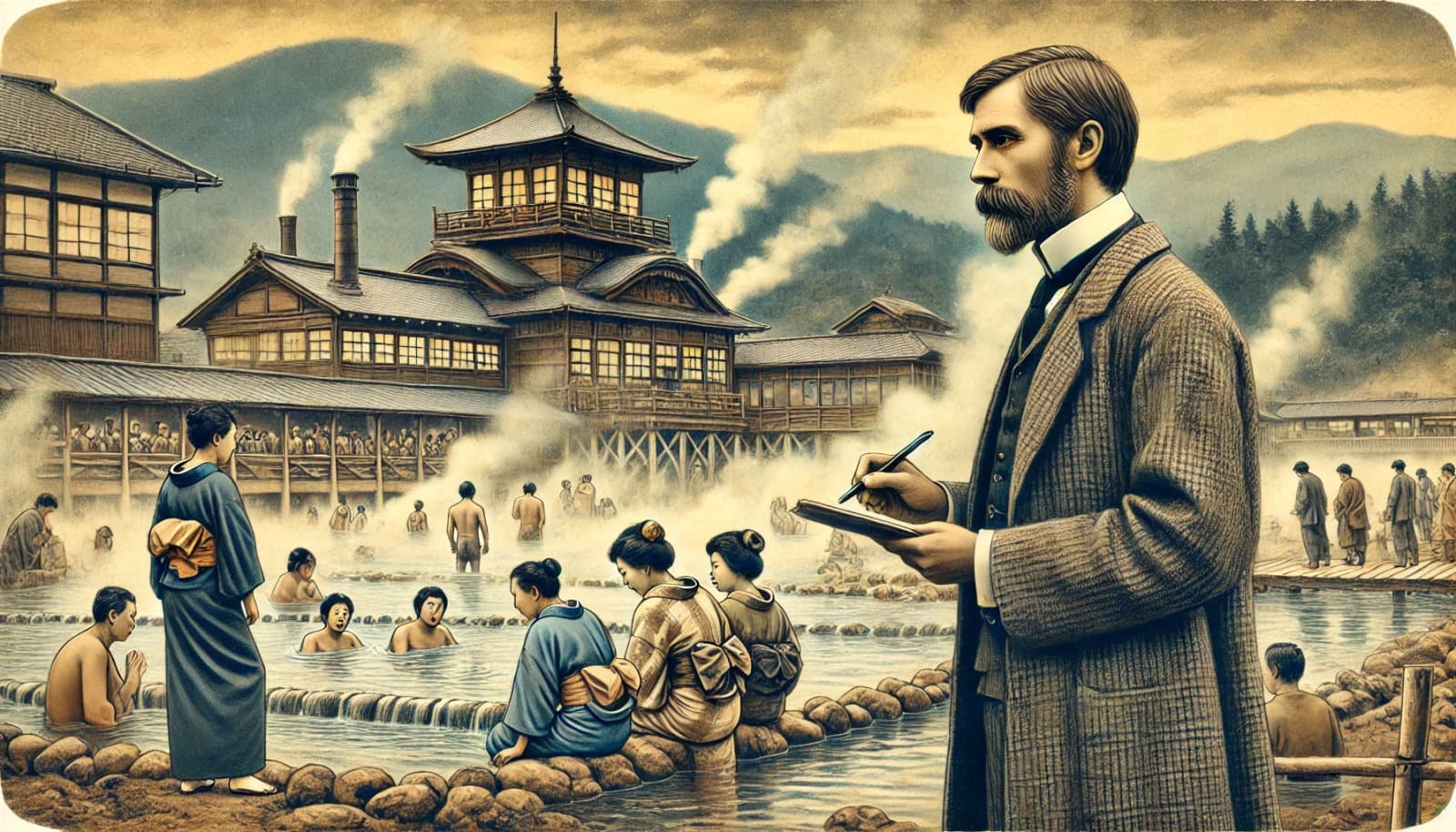
Kusatsu Onsen, located in Kusatsu Town, Agatsuma District, Gunma Prefecture, is one of Japan’s most representative hot spring areas, colored by many legends and records. There are various theories about its origins, including one that says it was discovered by Yamato Takeru approximately 1,800 years ago on his return from an eastern expedition, and another attributing its discovery to the eminent monk Gyoki during the Nara period. A tradition from the Kamakura period also states that Minamoto no Yoritomo discovered Kusatsu’s hot springs during a hunting expedition.
During the Edo period, it was ranked at the highest position of Ozeki in the hot spring rankings, and records show that the eighth Shogun Tokugawa Yoshimune had the hot spring water transported to Edo. In the Meiji era, German physician Dr. Erwin von Baelz visited Kusatsu and highly praised its water quality and environment. He called Kusatsu an “incomparable highland hot spring in the world” and introduced its therapeutic benefits to the German Medical Association.
The current Yubatake was developed in 1975 under the design and supervision of artist Taro Okamoto, becoming the iconic symbol of Kusatsu Onsen.
● Access to Kusatsu Onsen
- Location: Kusatsu, Kusatsu-machi, Agatsuma-gun, Gunma
- Google Maps Link: Kusatsu Onsen
- Transportation: Take JR Bus Kanto or Kusakaru Kotsu bus from JR East Agatsuma Line Naganohara-Kusatsuguchi Station. Express buses run directly from Tokyo Station, Busta Shinjuku, and Shibuya Station via the Joshu Yumeguri-go. By car, access is available from the Kan-Etsu Expressway Shibukawa-Ikaho IC, Joshinetsu Expressway Ueda-Sugadaira IC, or Shinshu-Nakano IC.


● 伊香保温泉の魅力
Ikaho Onsen, located in Shibukawa City, Gunma Prefecture, is a famous hot spring with approximately 400 years of history. It was celebrated in ancient poetry collections such as the Man’yoshu and Kokin Wakashu, and has been beloved by many literary figures. The 365 stone steps that serve as the symbol of the hot spring town form a charming streetscape dating back to the Edo period, with ryokan, souvenir shops, and tea houses lining both sides. These steps were built with the wish that “the hot spring town would be lively 365 days a year.”
There are two types of hot spring sources: the brownish “Kogane no Yu” (Golden Spring), rich in iron, warms the body from its core and has long been known as the “Spring of Fertility.” On the other hand, the colorless and transparent “Shirogane no Yu” (Silver Spring), with its soft water quality, is said to be good for fatigue recovery and health promotion.
The area also features abundant tourist spots in harmony with nature, including the Kajika Bridge known as a famous autumn foliage spot, and the Ikaho Ropeway offering panoramic views of the hot spring town.
● 伊香保温泉の歴史
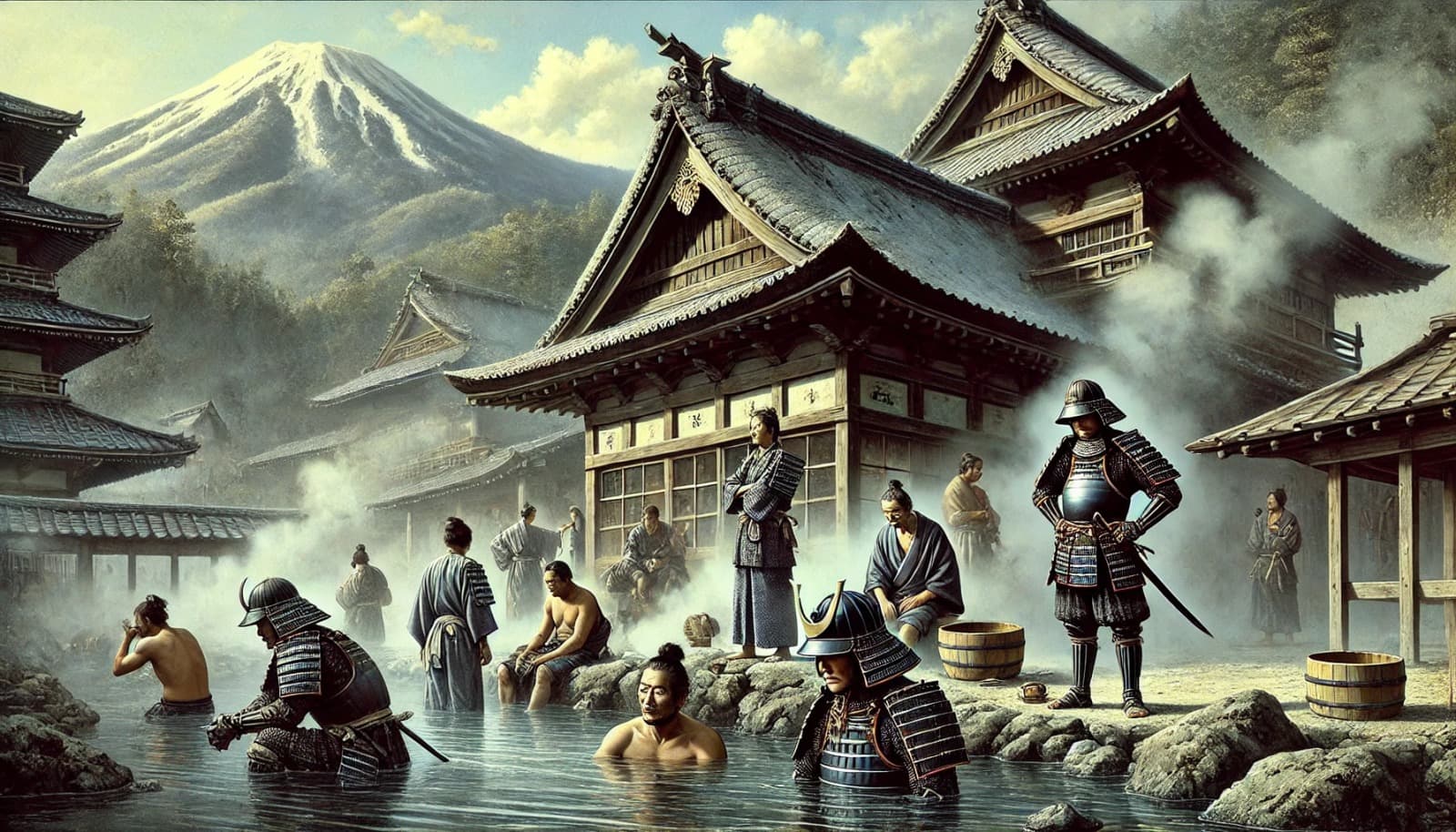
Ikaho Onsen is a historic hot spring area located in Shibukawa City, Gunma Prefecture, with origins said to date back to the era of Emperor Suinin, the 11th emperor (approximately 1,900 years ago). Japan’s oldest poetry anthology, the “Man’yoshu,” contains nine poems about Ikaho, indicating that it has been familiar to people since ancient times.
During the Sengoku period, it was known as Takeda Shingen’s secret hot spring, used as a recuperation site for soldiers wounded in the Battle of Nagashino (1575). In the Edo period, hot spring therapy at Ikaho became popular alongside pilgrimages to Haruna Shrine, attracting many visitors. In 1890, the Ikaho Imperial Villa was established, and it was also used as a summer retreat for the Imperial family.
The stone step street, the symbol of Ikaho Onsen, is said to have been formed around 1576, and today 365 stone steps adorn the center of the hot spring town.
● 伊香保温泉へのアクセス
- Address: Ikaho, Ikaho-machi, Shibukawa City, Gunma 377-0102
- Transportation: Approximately 20 minutes by taxi from Shibukawa Station
- Google Maps: https://maps.app.goo.gl/UsuGxGRdGLhSnZFAA
Haruna Shrine | A Mystical Spot with 1,300 Years of History


● Haruna Shrineの魅力
Haruna Shrine is a historic shrine located in Takasaki City, Gunma Prefecture, said to have been founded approximately 1,400 years ago. Situated on the slopes of Mount Haruna, it has long been revered as an object of mountain worship. The shrine grounds are surrounded by massive rocks, unusual stones, and abundant nature, creating a mystical atmosphere.
The “Misugata-iwa” (Sacred Rock) towering behind the main hall is particularly impressive, and the beauty of the shrine buildings in harmony with nature captivates visitors. The grounds also contain a sacred tree said to be over 1,000 years old, creating a sacred space where history and nature merge. Furthermore, the “Haruna Shrine Grand Festival” is held every spring and autumn, attracting many worshippers. Traditional Shinto rituals and dedicatory performing arts are held at this festival, deeply reflecting the culture and faith of the region.
With its scenery that changes with each season and deep history, Haruna Shrine is recommended as a spot that heals both body and mind.
● Haruna Shrineの歴史
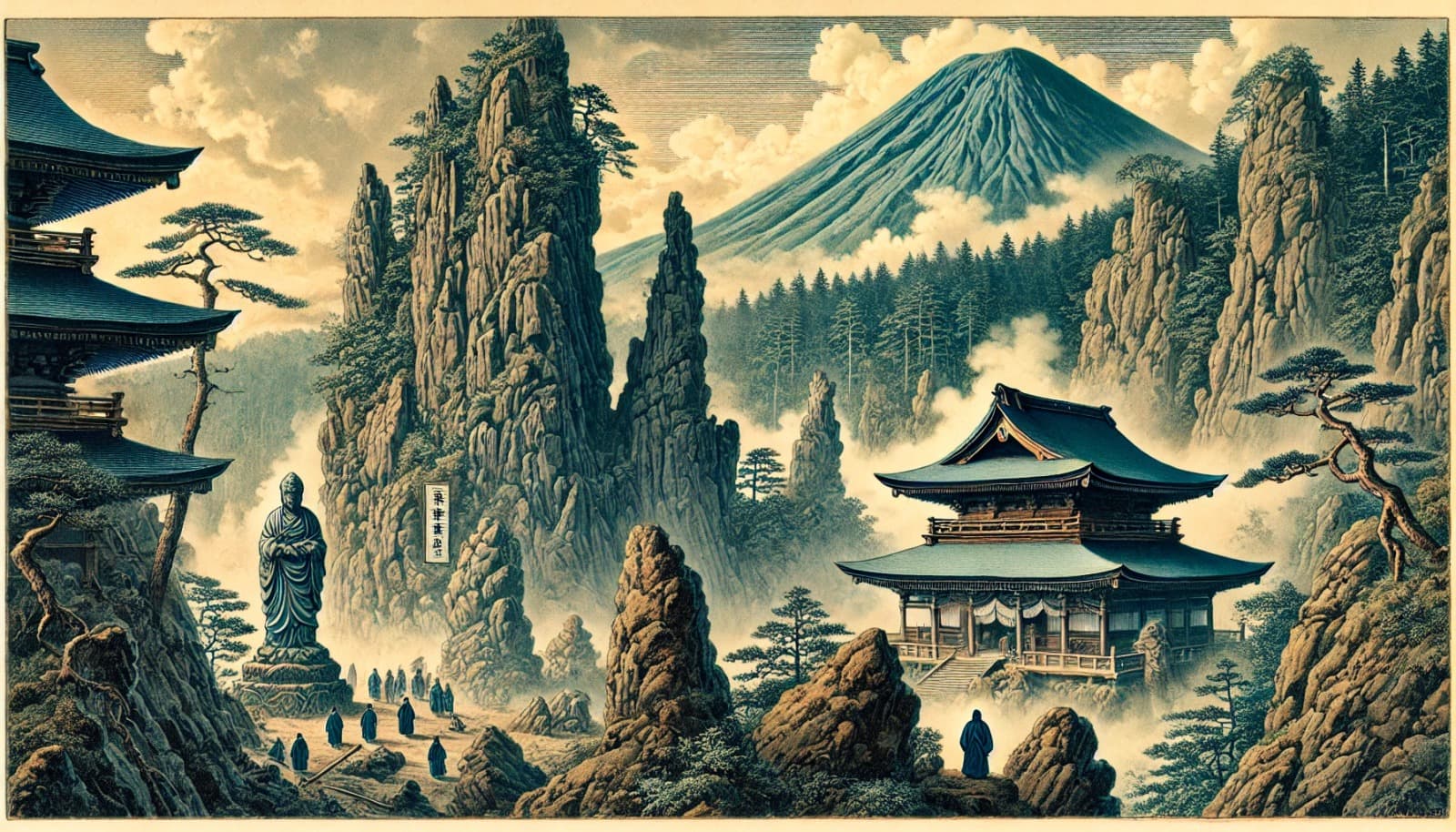
Haruna Shrine is a historic shrine located in Takasaki City, Gunma Prefecture, with its founding said to date back approximately 1,400 years. Since ancient times, it has been an object of worship alongside Mount Haruna, flourishing as a shrine based on mountain worship. According to literature, the name of Haruna Shrine appears in the “Shoku Nihongi” (797) from the Nara period, and records show it received reverence from the Imperial court during the Heian period.
Mount Haruna has been revered since ancient times as a sacred land shaped by volcanic activity, regarded as a place where gods dwell. Haruna Shrine is deeply connected to this mountain worship and also developed as a training ground for Shugendo (mountain asceticism).
From the Kamakura to the Sengoku period, the shrine attracted the devotion of samurai warriors and was also used as a place for prayers for victory in battle. It is particularly known that Sengoku warlord Takeda Shingen prayed for certain victory at Haruna Shrine before going to war.
● Haruna Shrineへのアクセス
- Address: 849 Harunasan-machi, Takasaki City, Gunma
- Google Maps Link: Haruna Shrine
- By Car: Approximately 60 minutes from Kan-Etsu Expressway Maebashi IC or Takasaki IC, approximately 20 minutes from Ikaho Onsen
- Train/Bus: Take the Gunma Bus bound for Lake Haruna from the west exit of JR Takasaki Line “Takasaki Station” and arrive in approximately 70 minutes. Buses run approximately once per hour, with a one-way adult fare of 1,100 yen.