About Gunma
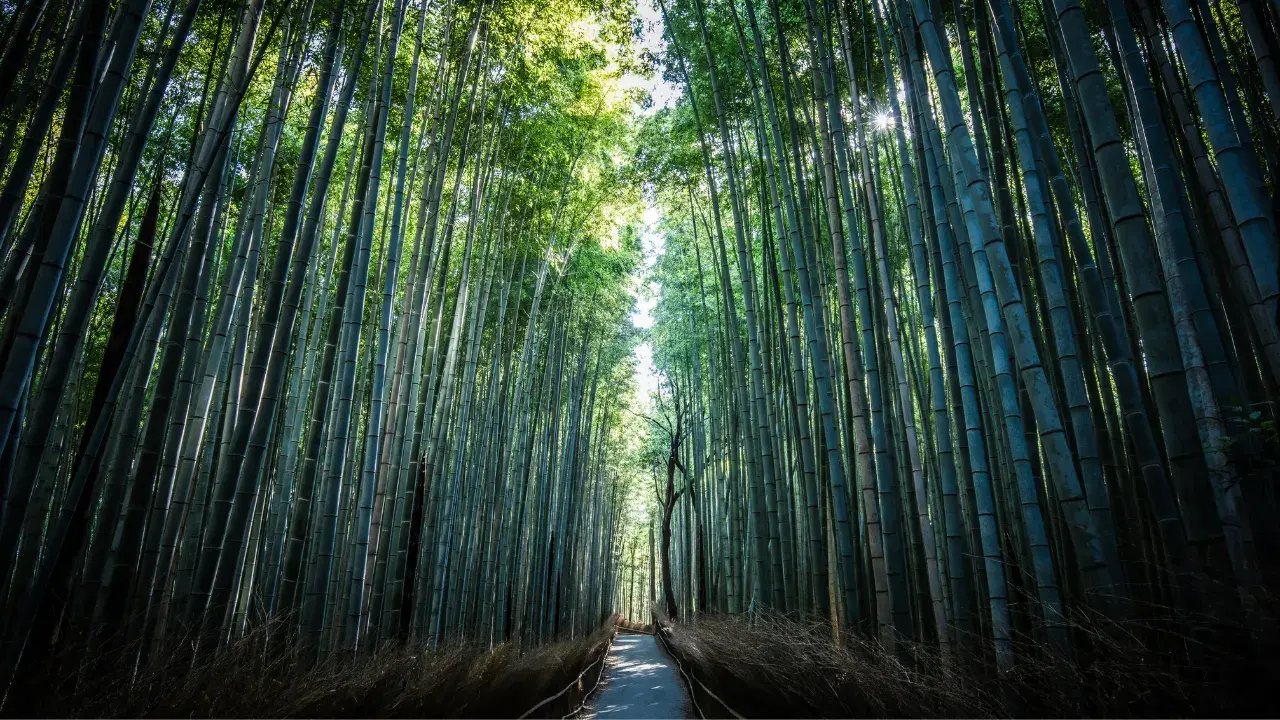
Gunma Prefecture is known as a region where beautiful nature and rich culture harmonize. Located in the inland area of the Kanto region, Gunma Prefecture attracts many tourists from Japan and abroad with its scenery that changes with each season. In particular, famous hot springs such as Kusatsu Onsen and Shima Onsen, as well as Mount Tanigawa, which is listed among Japan’s 100 Famous Mountains, are popular tourist spots.
Additionally, local cultural events such as the Takasaki Festival and Tatebayashi Festival are abundant. Furthermore, Gunma is known as a “treasure trove of food,” with famous local products including Joshu beef, konnyaku, and yaki-manju (grilled steamed buns).
Below, we introduce a selection of 4 premium luxury hotels for those visiting Gunma.
4 Carefully Selected Luxury Hotels in Gunma Prefecture
Sekizenkan
The Appeal of Sekizenkan
Sekizenkan is a historic hot spring inn located in Shima Onsen, Gunma Prefecture, founded in 1694 (the 7th year of Genroku). Known as the oldest wooden hot spring inn in Japan, it has been designated as an Important Cultural Property of Gunma Prefecture. Throughout its long history, it has provided the rich charm that comes from the interweaving of hot springs and culture.
1. Architectural Charm and Historical Background 
The “Genroku no Yu” bathhouse at Sekizenkan was built in 1930 in the Taisho Romanesque style, featuring distinctive arched windows. This style implies “Roman-style,” and the luxurious design from its construction era has been preserved to this day. The Genroku no Yu also features a steam bath (the precursor to modern saunas), with two rooms side by side where you can relax in a dark, quiet atmosphere. Hot spring water naturally overflows across the floor, offering a unique bathing experience.
2. Room Features and Accommodation Styles 
The inn consists of three wings. The “Main Building” in particular is Japan’s oldest wooden hot spring inn, where guests can enjoy the traditional toji (hot spring therapy) style. Rooms for toji guests are simple, with self-service futon setup, recreating the toji culture that has continued since the Edo period. On the other hand, the “Kashoutei” and “Sanso” wings offer more modern, luxurious rooms. The “Ichibankan” building next to the Main Building also has rooms with “natural underfloor heating” where hot spring water flows beneath the floor.
3. Appeal as a Movie Location
It is said to be one of the models for Studio Ghibli’s film “Spirited Away.” The “Tunnel of Romance” in particular evokes the tunnel leading to the otherworld in the film with its fantastical atmosphere, making it a popular photo spot that attracts many fans. Beyond the tunnel is an elevator, where you can experience the sensation of wandering into another world. This spot is especially popular among Ghibli fans who want to connect with the world of “Aburaya” and the film.
4. Activities and History Tours
History tours of the inn are offered for overnight guests. On these tours, a member of staff serves as guide, sharing the rich history of Sekizenkan dating back to the Genroku era. The commentary, which includes detailed information about Sekizenkan’s architecture along with historical photographs presented in slides, is a fascinating experience for visitors.
5. Culinary Appeal 
Sekizenkan is also particular about its cuisine. Breakfast is served in a healthy shokado bento style, featuring gentle dishes made with local ingredients including porridge and various side dishes. For dinner, seasonal plans such as the “Shiki Gozen” (Four Seasons Meal) are available, offering beautifully presented kaiseki cuisine using Gunma Prefecture’s specialty ingredients. Guests can also enjoy luxurious courses featuring Joshu beef and matsutake mushrooms.
Access Information for Sekizenkan

- Official Website: https://www.sekizenkan.co.jp/
- Access: 40 minutes by Kanetsu Kotsu bus from Nakanojo Station
- Address: Shima Onsen, Nakanojo-machi, Agatsuma-gun, Gunma 377-0601
- Google Maps:https://maps.app.goo.gl/T9P7SkG8KChbssjg6
Kusatsu Onsen Naraya
The Appeal of Kusatsu Onsen Naraya
Kusatsu Onsen “Naraya” is a long-established ryokan founded in 1877 (Meiji 10), and its greatest charm is the use of the “Shirahata” hot spring source, one of Kusatsu’s finest. While treasuring its history and tradition, it provides comfortable stays for modern guests, allowing them to enjoy a rich time immersed in the atmosphere of Kusatsu Onsen.
1. History and Hot Spring Source
Kusatsu Onsen “Naraya” is a historic ryokan established in 1877 (Meiji 10). It draws from the “Shirahata” source, the oldest hot spring source in Kusatsu. This source is strongly acidic, known for its high bactericidal properties and effectiveness for skin conditions. At Naraya, a dedicated “Yumori” (hot spring keeper) carefully manages the temperature and cleanliness, maintaining the traditional practice of preserving the quality of the source water. The water feels soft on the skin and is particularly well-regarded among all of Kusatsu’s hot springs.
2. Hot Spring Facilities and Yumomi
The inn features multiple bathing facilities including a large communal bath and private baths, allowing guests to fully enjoy the Shirahata source water that flows from the Yubatake (hot spring field). The “Yumomi” culture is also cherished here, with the traditional practice of using large wooden paddles to stir the water and lower its temperature. The hot spring has a distinctive acidic quality that produces a tingling sensation on the skin, but through the Yumori’s careful stirring, the water becomes softer to the touch — one of Naraya’s unique charms.
3. Cuisine with Fresh Ingredients
Kaiseki cuisine is served using an abundance of fresh local ingredients from Gunma Prefecture. The menus feature seasonal ingredients, allowing guests to enjoy different flavors depending on the time of their visit. Local specialties such as Joshu beef, mountain vegetables, and river fish can be savored, with each dish crafted using traditional Japanese culinary techniques that enrich the dining experience during your journey.
4. Guest Rooms for Privacy
A variety of room types are available, from quiet purely Japanese-style rooms to a room with a private semi-open-air bath overlooking the Yubatake, allowing guests to choose according to their preferences. In the room with a semi-open-air bath, guests can enjoy hot springs at their leisure in a private space. Some rooms also offer views of the Yubatake.
Access Information for Kusatsu Onsen Naraya

- Official Website: https://www.kusatsu-naraya.co.jp/
- Access: 5-minute walk from Kusatsu Onsen Bus Terminal
- Address: 396 Kusatsu, Kusatsu-machi, Agatsuma-gun, Gunma 377-1711
- Google Maps: https://maps.app.goo.gl/5WKE5c7FBVdAdCAY7
Shima Onsen Shima Tamura
The Appeal of Shima Onsen Shima Tamura
Shima Onsen “Shima Tamura” is a historic hot spring inn founded in 1563, located in the Shima Onsen area of Gunma Prefecture. It has several private hot spring sources, all offering the luxury of free-flowing natural hot spring water. The hot spring culture nurtured alongside this long history, in harmony with nature, has provided exceptional healing to all who visit.
1. History and Tradition
This is a long-established ryokan in Shima Onsen, Gunma Prefecture, with a history of more than 460 years dating back to the Muromachi period. The ryokan has prospered as a toji (hot spring therapy) inn for generations. Shima Onsen itself was designated as one of Japan’s first National Health Resorts in 1954, and “Shima Tamura” is particularly well-known as a traditional hot spring inn within the area. The hot springs can be enjoyed as free-flowing source water in a nature-rich environment, allowing guests to heal body and mind in the tranquility away from the bustle of the city.
2. Private Hot Spring Sources and Free-Flowing Water 

The inn has several of its own hot spring sources, with baths each offering a bathing experience with its own unique ambiance. All hot springs flow directly from the inn’s own sources in a generous volume. The therapeutic benefits of Shima Onsen, long known for toji purposes, are particularly valued for beauty and relaxation effects, soothing all who visit. Private baths are also available for those seeking a more intimate experience.
3. Seasonal Kaiseki Cuisine 
The cuisine features seasonal kaiseki dishes made generously with local ingredients. The dishes using Joshu beef and local mountain vegetables are especially acclaimed for allowing guests to taste the changing seasons. The kaiseki menu changes with the seasons, with menus that prioritize seasonal flavors. This makes dining one of the key highlights of a stay at Shima Tamura.
4. Harmony of Tradition and Modernity 

The interior design retains the charm of traditional Japanese architecture while blending in modern comfort. The spacious guest rooms offer views of Shima Onsen’s natural beauty, making it ideal for a peaceful retreat. Room types include the purely Japanese-style “Suiyukan,” the historically rich “Kinyukan,” and the premium “Kiyukan,” all of which allow guests to fully enjoy the beautiful nature of Shima.
Guests can also enjoy strolling within the ryokan grounds and visiting nearby tourist spots, where the long-standing history of the facilities harmonizes with the abundant nature.
Access Information for Shima Onsen Shima Tamura

- Official Website: https://shima-tamura.co.jp/
- Access: Approximately 25 minutes by taxi from JR Nakanojo Station
- Address: 4180 Oaza Shima, Nakanojo-machi, Agatsuma-gun, Gunma 377-0601
- Google Maps: https://maps.app.goo.gl/bgdBKPwCZP6Mydku8
Bettei Senjuan
The Appeal of Bettei Senjuan
Bettei Senjuan is a secluded hot spring retreat located in Tanigawa Onsen, Gunma Prefecture, surrounded by beautiful nature that changes with each season. Every room comes equipped with a private open-air bath, offering the luxury of enjoying hot springs in a completely private setting. Additionally, as a member of the world-renowned luxury accommodation group “Relais & Chateaux,” it has received high acclaim both domestically and internationally.
1. Breathtaking Scenery and Serene Location 
Located in Tanigawa Onsen, Gunma Prefecture, the inn’s greatest appeal is its location offering magnificent views of the famous Mount Tanigawa and Tanigawa Gorge. Surrounded by beautiful nature that changes with each season, guests can relax both body and mind in the quietude. This inn has also received high international acclaim, being selected as a member of the prestigious French luxury accommodation group “Relais & Chateaux.”
2. All Rooms with Private Open-Air Baths
All 18 guest rooms come with private open-air baths fed by free-flowing source water from Tanigawa Onsen. The hot spring water is a calcium-sodium-sulfate-chloride spring with a mildly alkaline quality, making it gentle on the skin and unlikely to cause fatigue even after long soaks. Guests can also enjoy the beautiful scenery of Mount Tanigawa while bathing, allowing for a fully relaxing experience for both body and mind.
3. Dining Experience with Gunma’s Local Ingredients 
Creative Japanese cuisine is prepared using seasonal local ingredients nurtured by Gunma’s abundant nature. The dishes feature carefully selected ingredients including mountain and river delicacies and Joshu beef, blending traditional techniques with contemporary methods. The cuisine is as beautiful to look at as it is to taste, with delicate plating that highlights the quality of the ingredients. Meals are served in private dining rooms, allowing guests to enjoy a relaxed dining experience while maintaining their privacy.
4. Relaxation and Hospitality
Beyond the guest rooms and hot springs, the staff’s warm hospitality is also highly regarded. From check-in to check-out, attentive care and meticulous service are provided, allowing guests to spend truly special moments. The grounds also feature a relaxation room and gardens for strolling, offering the luxury of doing nothing at all.
Access Information for Bettei Senjuan

- Official Website: https://www.senjyuan.jp/
- Access: Approximately 25 minutes by bus from Jomo-Kogen Station (Shinkansen)
- Address: 614 Tanigawa, Minakami-machi, Tone-gun, Gunma 379-1619
- Google Maps: https://maps.app.goo.gl/YuVPuGAEwTRZJTWo8

✔ In Short — Our Top Picks
- Sekizenkan — Sekizenkan is a historic hot spring inn located in Shima Onsen, Gunma Prefecture, founded in 1694 (the 7th year of Genroku).
- Kusatsu Onsen Naraya — Kusatsu Onsen “Naraya” is a long-established ryokan founded in 1877 (Meiji 10)
- Shima Onsen Shima Tamura — Shima Onsen “Shima Tamura” is a historic hot spring inn founded in 1563, located in the Shima Onsen area of Gunma Prefecture.
- Bettei Senjuan — Bettei Senjuan is a secluded hot spring retreat located in Tanigawa Onsen, Gunma Prefecture, surrounded by beautiful nature that changes with each season.
Read on for the appeal, history, and access details of each spot.