A Detailed Guide to the History and Overview of Hakone Onsen
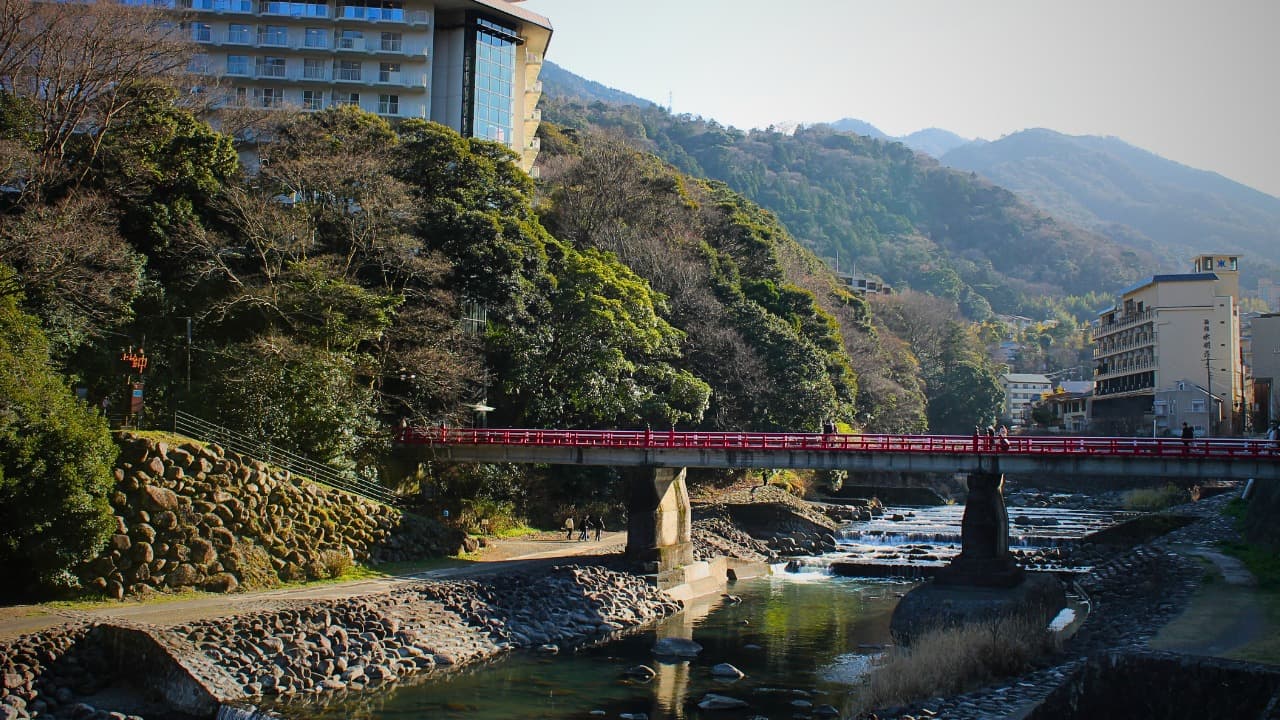
Table of Contents
- What Is Hakone Onsen?
- History of Hakone Onsen
- Highlights of Hakone Onsen
- Recommended Hot Springs & Hot Spring Hotels in Hakone
Introduction
Hakone Onsen, one of Japan’s most iconic hot spring destinations, is a captivating place where rich nature, beautiful scenery, and history and culture come together. This article conveys the full appeal of Hakone Onsen. First, we introduce the basics of what Hakone Onsen is. Next, we trace its history from the Nara Period to the present day and explore how Hakone Onsen has developed.
Learn about the diverse charms of Hakone Onsen and use this guide to plan your next trip.
What Is Hakone Onsen?
Hakone Onsen is one of Japan’s premier hot spring destinations, located in Hakone Town, Ashigarashimo District, Kanagawa Prefecture, and forms part of the Fuji-Hakone-Izu National Park. It has been known since ancient times, and tradition dates its first spring to the Nara Period. In addition to naturally flowing springs, it includes springs newly developed by drilling in the modern era, offering a wide variety of hot spring experiences.
Hakone Onsen comprises 17 hot spring areas known as the “Seventeen Hot Springs of Hakone,” each with its own unique spring type and atmosphere. For example, Hakone Yumoto Onsen is the gateway to Hakone with the oldest history, while Tonosawa Onsen is located along a mountain stream and is known for its quiet surroundings. Miyanoshita Onsen has been popular with foreigners since the Meiji era and is famous for the Fujiya Hotel. Kowakudani Onsen is set in a lush natural environment surrounded by forest, and Gora Onsen is known for its Daimonji-yaki bonfire festival and a thriving arts and culture scene.
Historically, Hakone Onsen has flourished as a therapeutic bathing destination since the Nara Period, visited by many members of the imperial family, aristocrats, and literary figures. During the Edo Period, it played an important role as a post town on the Tokaido road, and the Hakone Checkpoint was established. As a result, many travelers and merchants came and went, and it also became a place of cultural exchange. From the Meiji era onward, influenced by Western culture, it became popular with foreign tourists as well. In particular, the Fujiya Hotel in Miyanoshita opened in 1878 (Meiji 11) and is known as Japan’s first full-scale resort hotel.
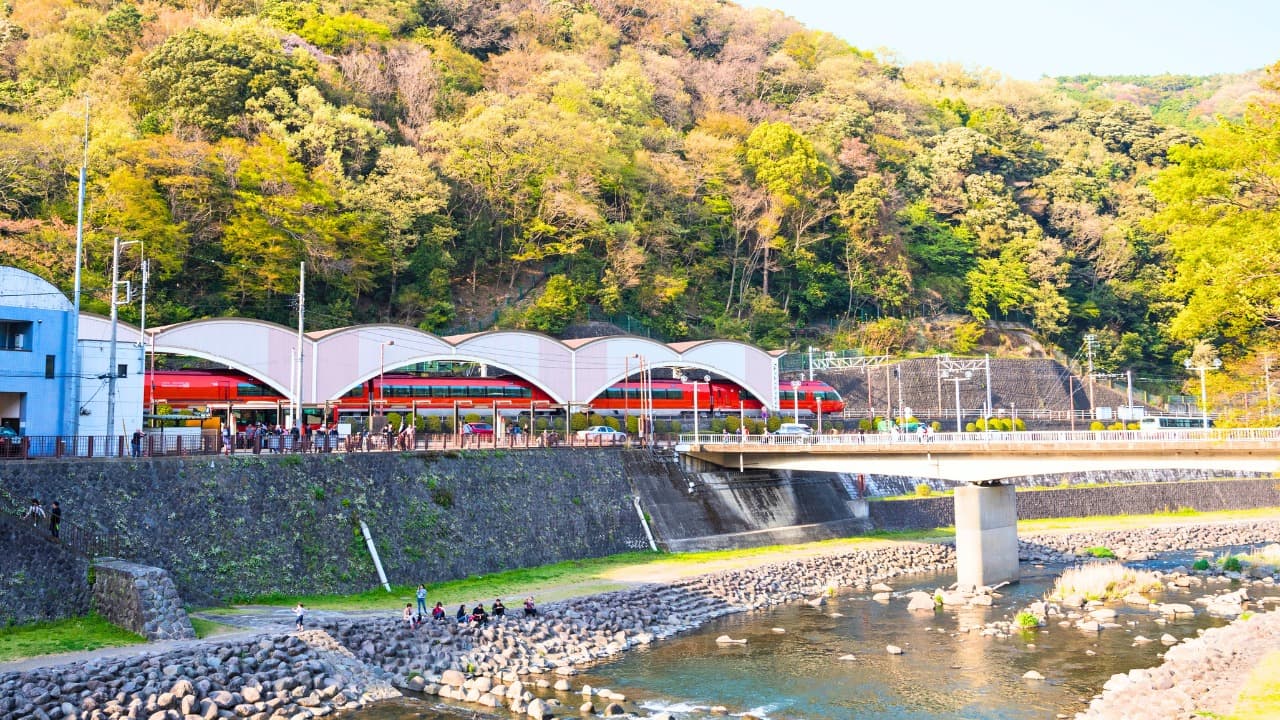
With excellent access from the Tokyo metropolitan area via the Odakyu Romancecar, JR Tokaido Shinkansen, and the Odawara-Atsugi Road, it is easy to visit. Beyond hot springs, there are diverse sightseeing spots, and on Lake Ashi you can enjoy cruises on sightseeing boats and pirate ships. Hakone Shrine, located on the shore of Lake Ashi, is famous as a shrine for matchmaking and good fortune. At Owakudani, volcanic activity can be observed, and black eggs are a local specialty.
The spring types of Hakone Onsen are diverse, including simple hot springs, sulfur springs, chloride springs, and sulfate springs. This allows visitors to enjoy hot springs for various purposes such as health improvement, relaxation, and beauty. For example, simple hot springs are mild and gentle on the skin, while sulfur springs are expected to have skin-beautifying and antibacterial effects. Chloride springs retain heat well and are effective for poor circulation, and sulfate springs help promote blood flow and metabolism.
History of Hakone Onsen
Hakone Onsen is deeply connected to Japanese history, with origins dating back to the Nara Period. Beginning as a place of religious worship, it served as a transportation hub during the Edo Period and, from the Meiji era onward, developed into an international resort. Below are six major events that symbolize the history of Hakone Onsen.
1. 757: Founding of Hakone Gongen by Mangan Shonin
 *Illustrative image
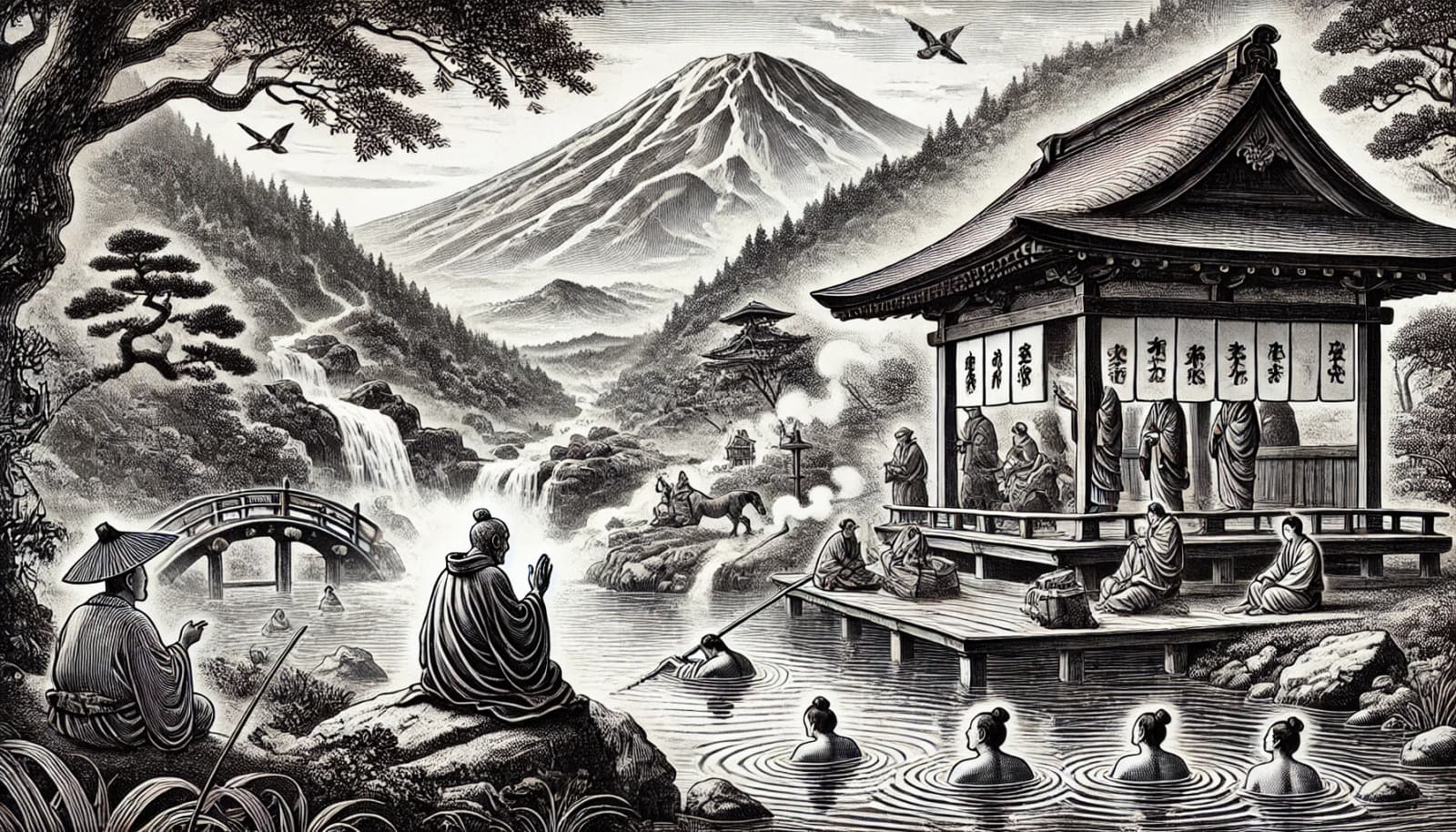
In 757, it is said that the Nara Period monk Mangan Shonin visited Hakone and founded Hakone Gongen (present-day Hakone Shrine). Mangan Shonin felt spiritual power in this land and established the temple as a center of mountain worship. According to tradition, however, the hot springs of Hakone were first opened in 738, when the monk Jojo-bo brought forth a sacred spring at Yumoto.
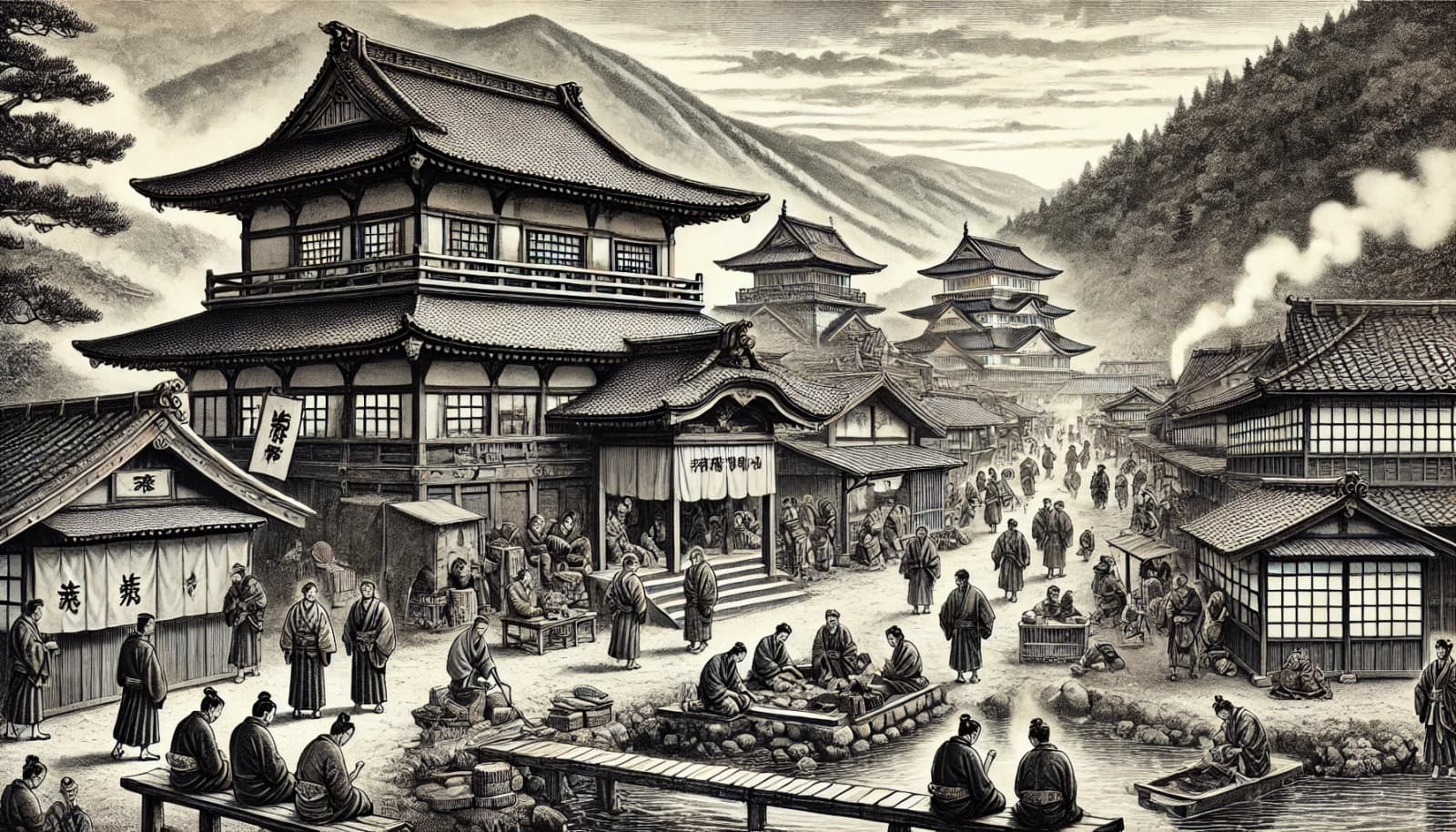
2. 1619: Establishment of the Hakone Checkpoint and Development of the Hot Spring Town
 *Illustrative image
In 1619, the Edo Shogunate officially established the Hakone Checkpoint at this key point on the Tokaido road. The checkpoint further elevated Hakone’s importance as a transportation hub connecting Edo and Kyoto. As many feudal lords, merchants, and travelers passed through Hakone, the hot springs were widely used as a place to relieve the fatigue of travel. Hot spring inns and teahouses lined the streets, and Hakone developed into a hot spring town.
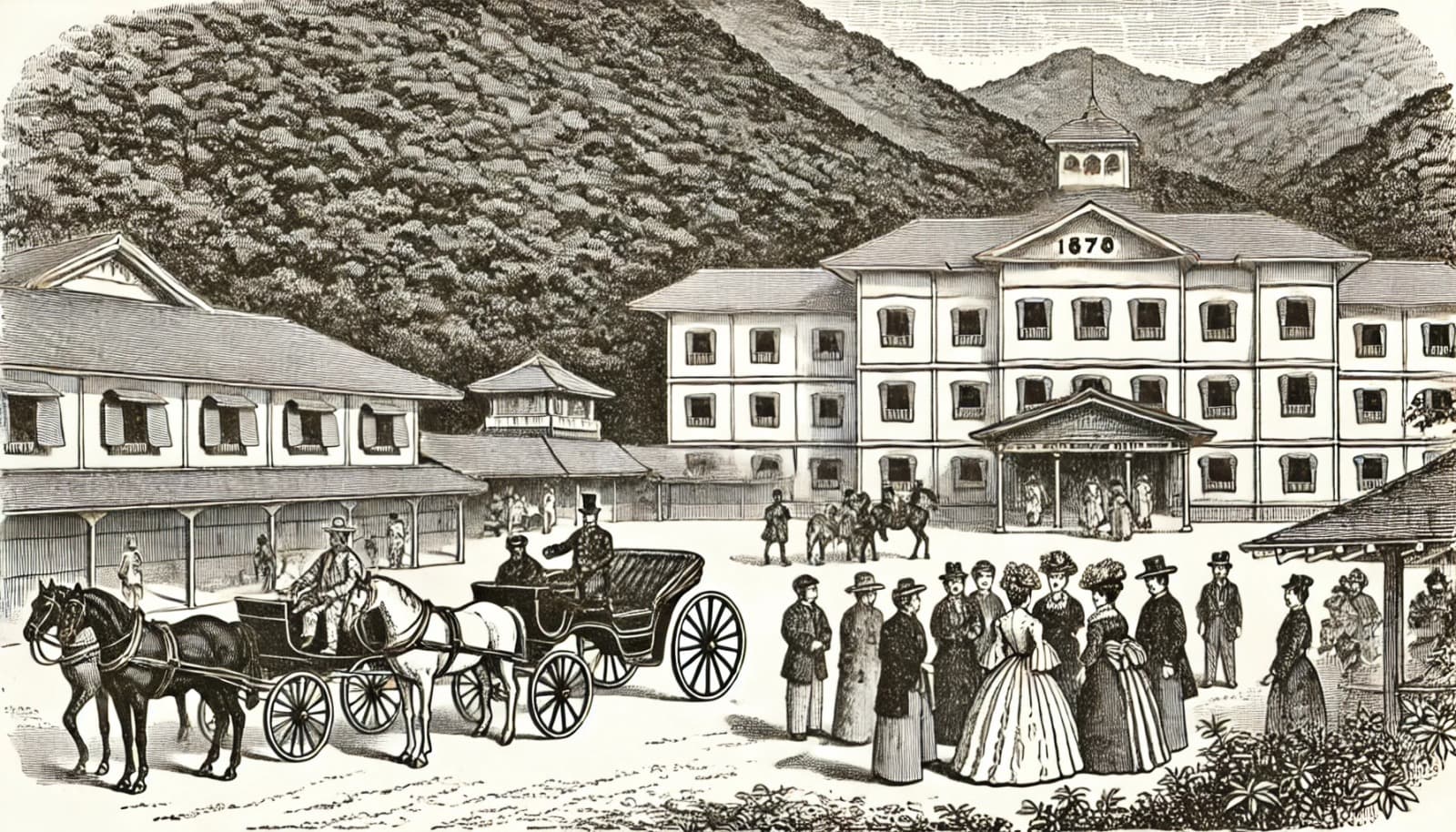
3. 1878: Opening of the Fujiya Hotel and Development into an International Resort
 *Illustrative image
In 1878 (Meiji 11), the Fujiya Hotel opened in Miyanoshita. This was Japan’s first full-scale Western-style resort hotel, designed to accommodate foreign tourists. The Fujiya Hotel blended Western architecture with traditional Japanese beauty, and many prominent figures and diplomats from Europe and the United States stayed there. The hotel’s success established Hakone as an international hot spring resort and made it a pioneer of modern tourism.
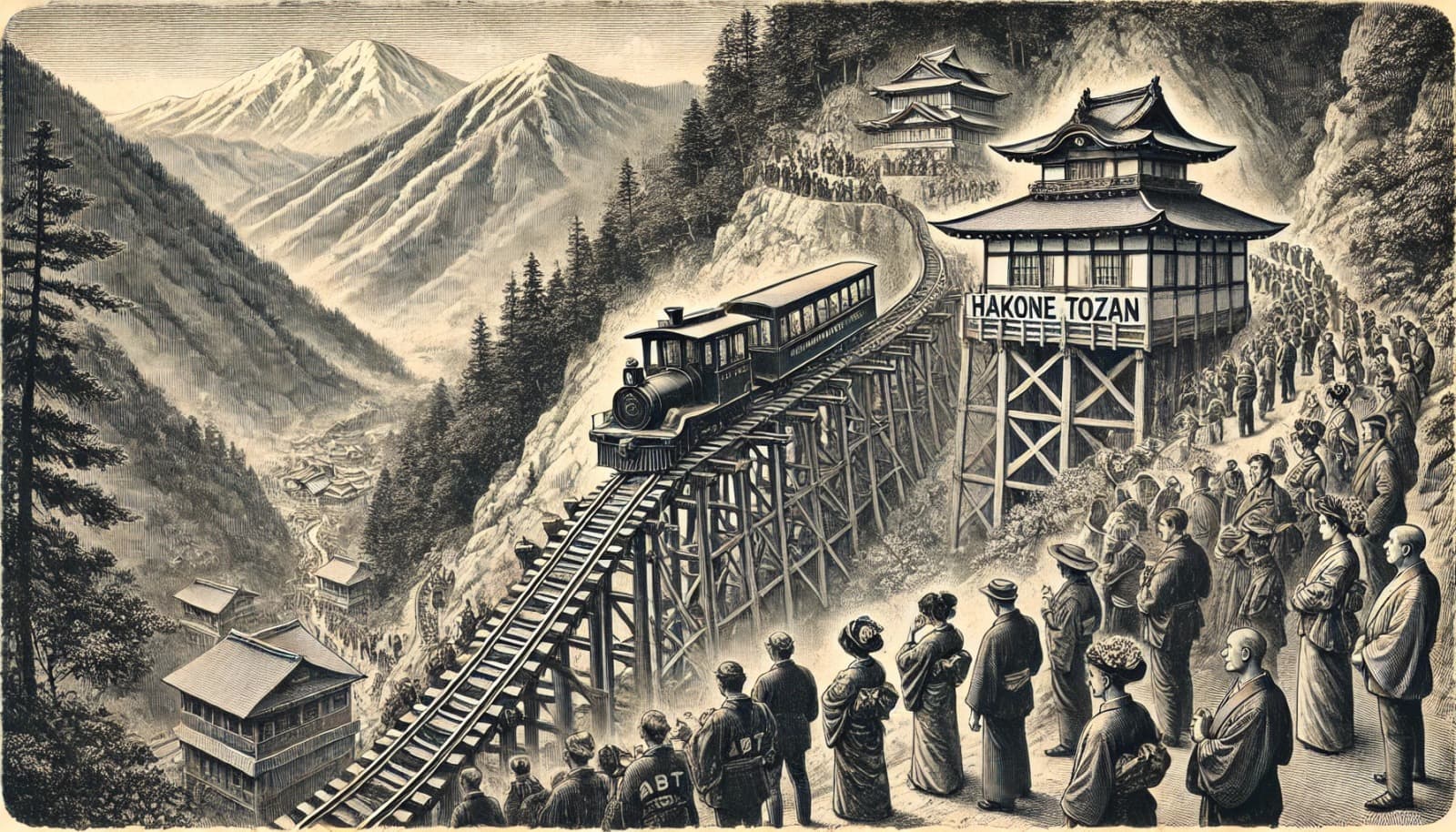
4. 1919: Opening of the Hakone Tozan Railway and Expansion of Tourism
 *Illustrative image
In 1919, the Hakone Tozan Railway opened from Hakone-Yumoto to Gora. It is a full-scale mountain railway that climbs some of Japan’s steepest adhesion gradients (up to 80 per mille) without rack rails, using switchbacks. With the opening of the railway, access to Hakone improved dramatically, making day trips and extended stays from the Tokyo metropolitan area easy. Along with this, hot spring inns and tourist facilities increased, and Hakone developed further as a popular tourist destination.
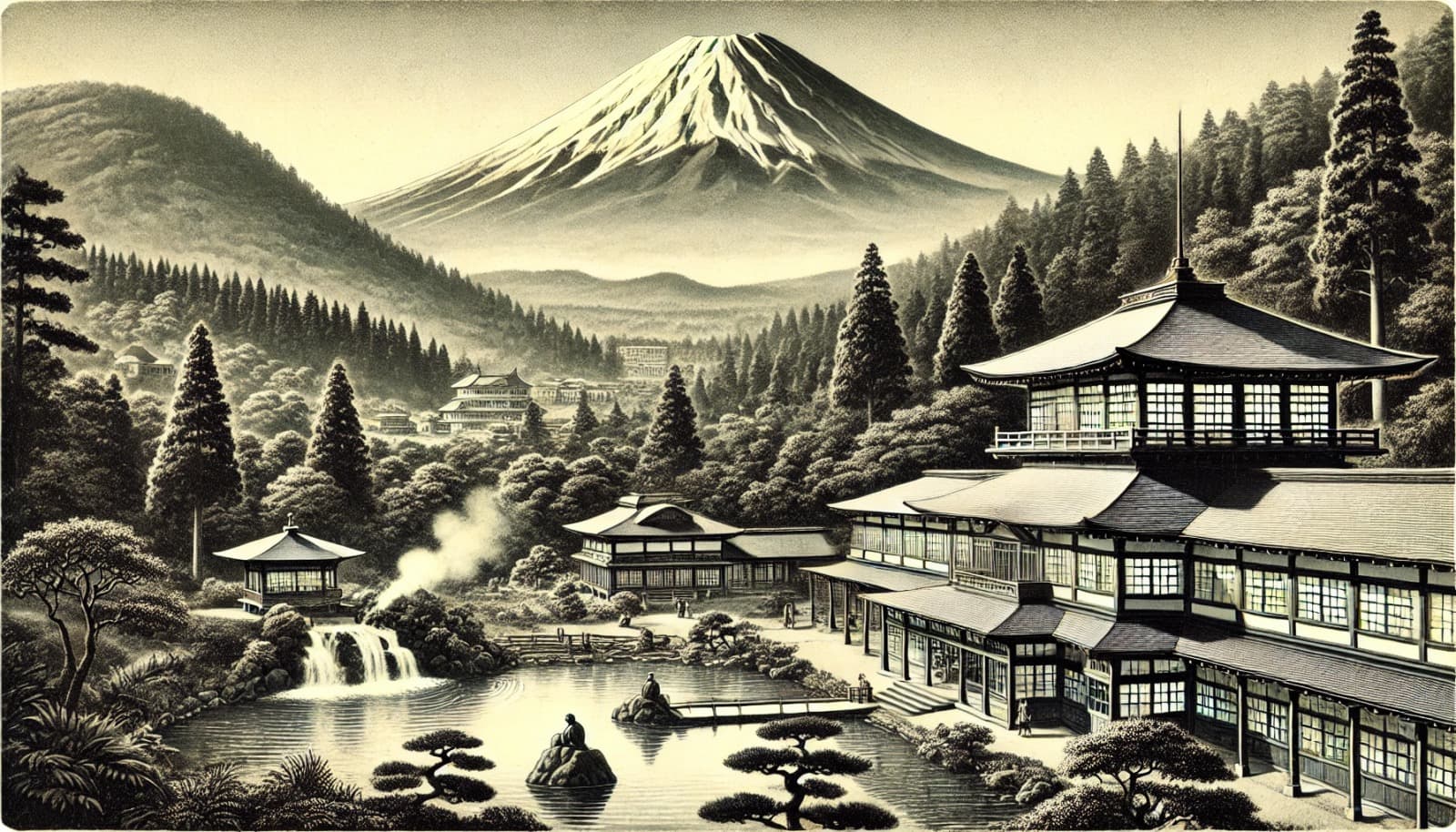
5. 1936: Designation of Fuji-Hakone National Park and Promotion of Nature Conservation
 *Illustrative image
In 1936, the Hakone area was designated as the Fuji-Hakone National Park (now Fuji-Hakone-Izu National Park). This was one of the first designated national parks in Japan, with the purpose of protecting its rich natural environment and landscape. The national park designation advanced environmental protection efforts and curbed uncontrolled development. At the same time, its brand power as a national park grew, and many tourists came to visit from Japan and abroad. As a result, Hakone Onsen established its position as a sustainable tourist destination that harmonizes nature and culture.
6. 2015: Volcanic Activity of Mt. Hakone and Its Impact on Tourism
 *Illustrative image
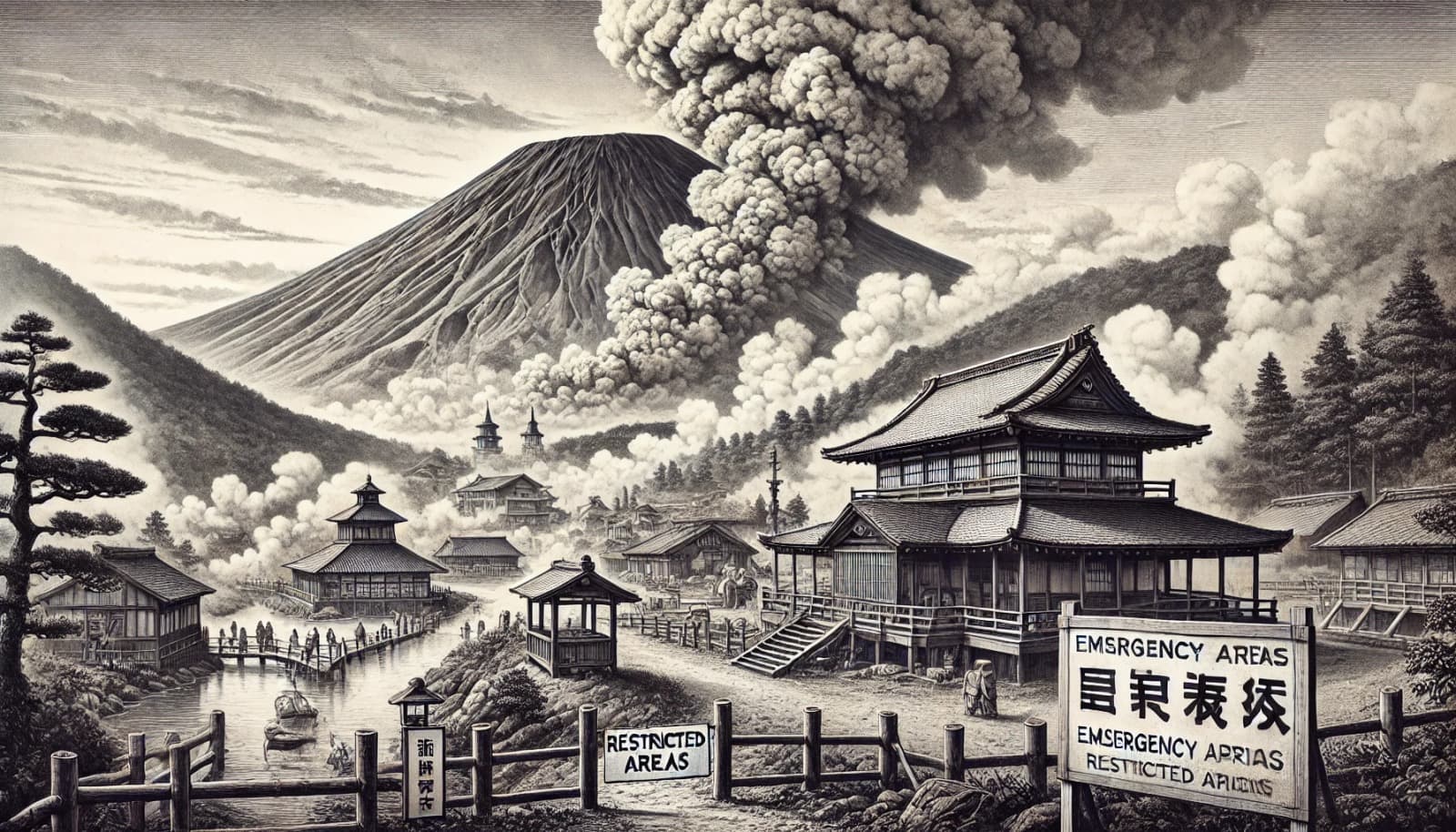
In 2015, volcanic activity intensified around Owakudani on Mt. Hakone, with increased volcanic earthquakes and stronger fumarolic activity observed. The Japan Meteorological Agency raised the eruption alert level and implemented access restrictions around Owakudani. There were concerns about the impact on tourism, but local governments and tourism businesses thoroughly provided prompt information and safety measures. As a result, they worked to maintain the appeal of Hakone Onsen and recover visitor numbers while ensuring the safety of tourists.
Highlights of Hakone Onsen
Hakone Onsen features not only abundant hot springs but also many beautiful natural, historical, and cultural landmarks. Below, we introduce the main highlights you should visit when traveling to Hakone Onsen.
Hakone Yumoto Onsen Town
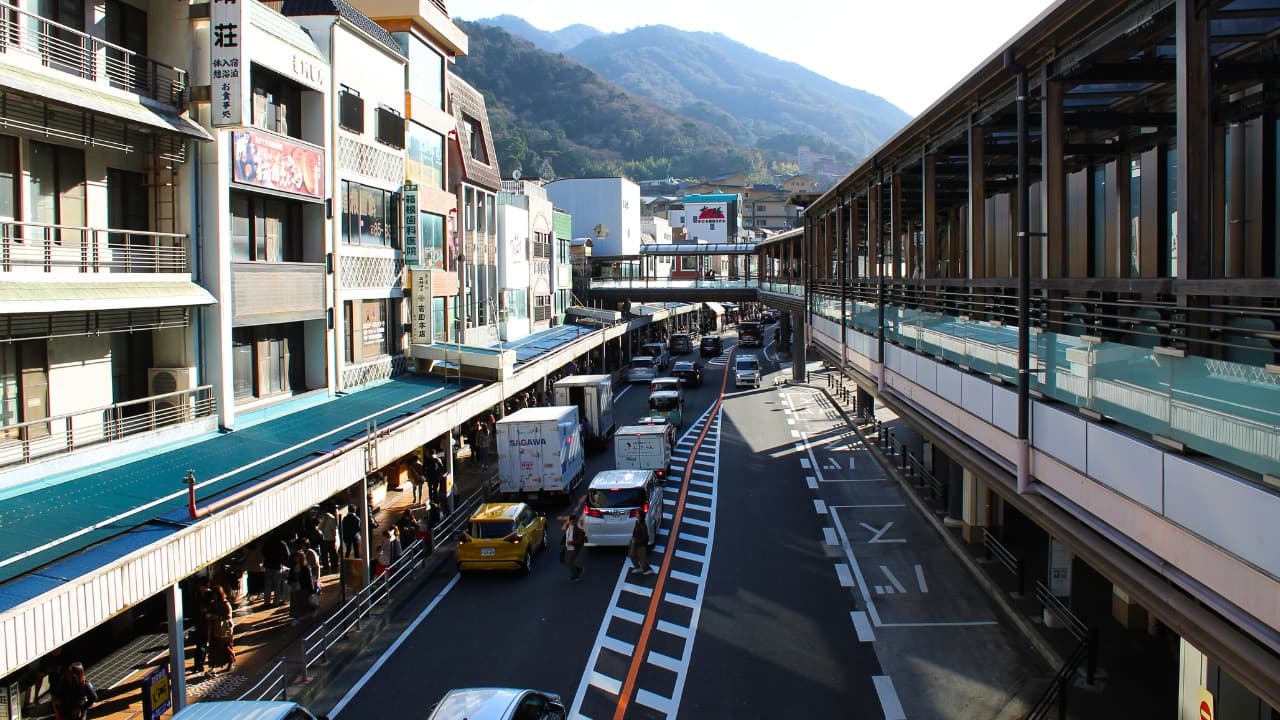
Hakone Yumoto Onsen Town is a historic hot spring town known as the gateway to Hakone. Said to have been first opened during the Nara Period, it is Hakone’s oldest hot spring area with approximately 1,200 years of history. Long-established ryokan and hotels line the streets around Hakone Yumoto Station, and with plenty of day-trip hot spring facilities, you can easily enjoy the hot springs.
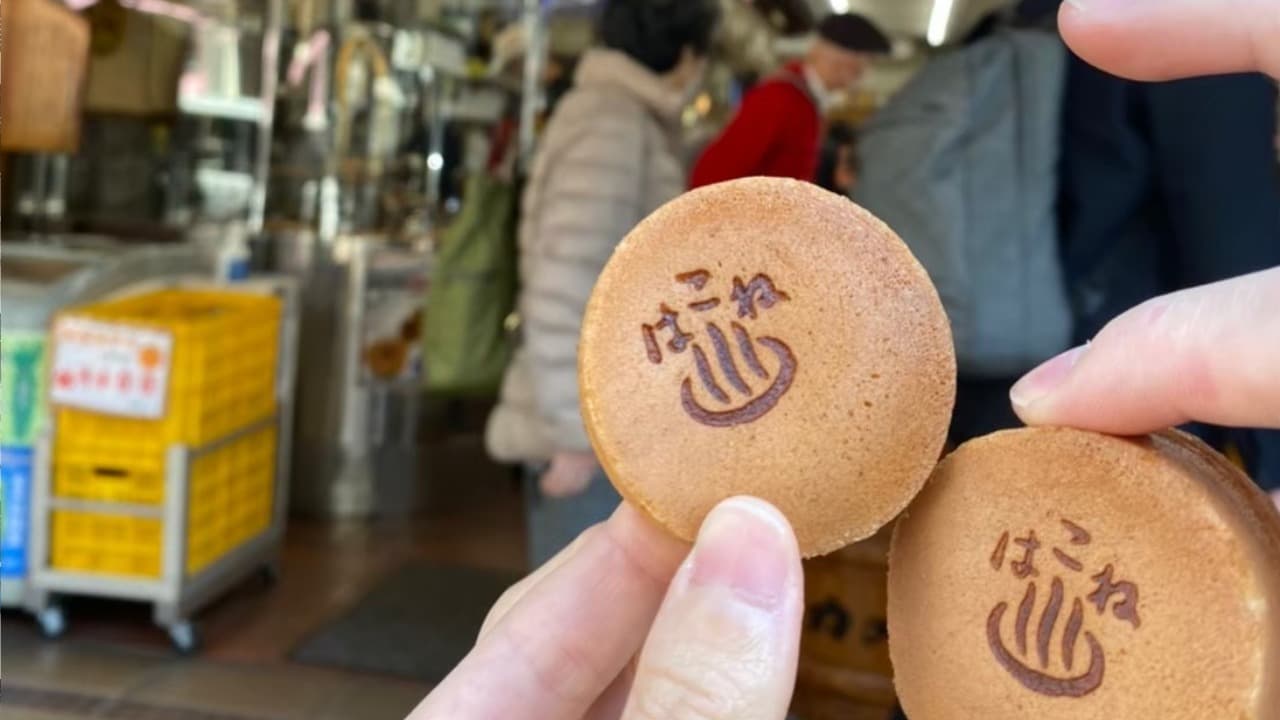
Along the main street “Yumoto Onsen Dori,” souvenir shops selling local specialties such as hot spring manju and Yosegi-zaiku (marquetry woodwork), as well as restaurants, line the street. Yosegi-zaiku in particular is a traditional Hakone craft, and its intricate woodwork is highly regarded both in Japan and abroad.
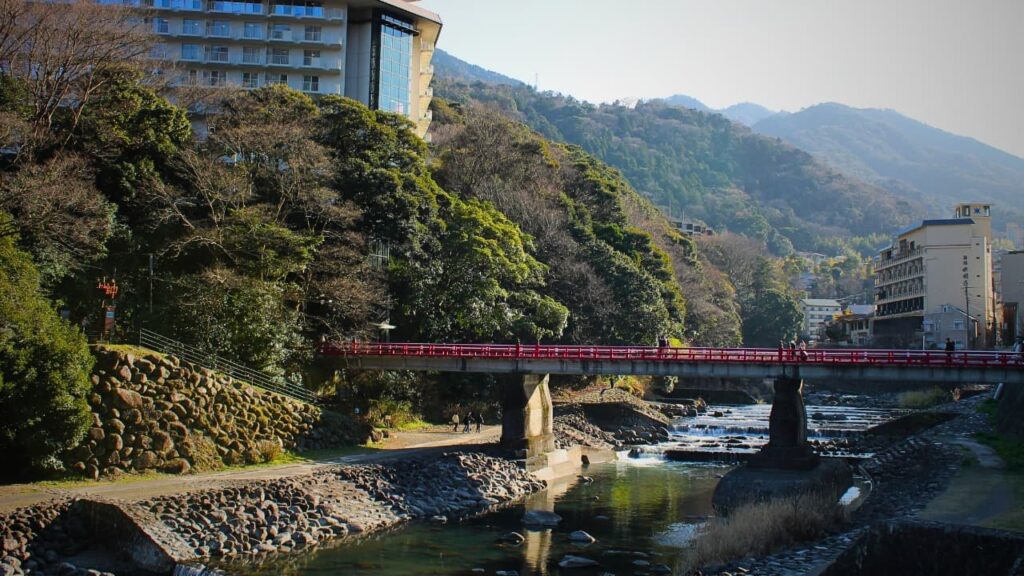
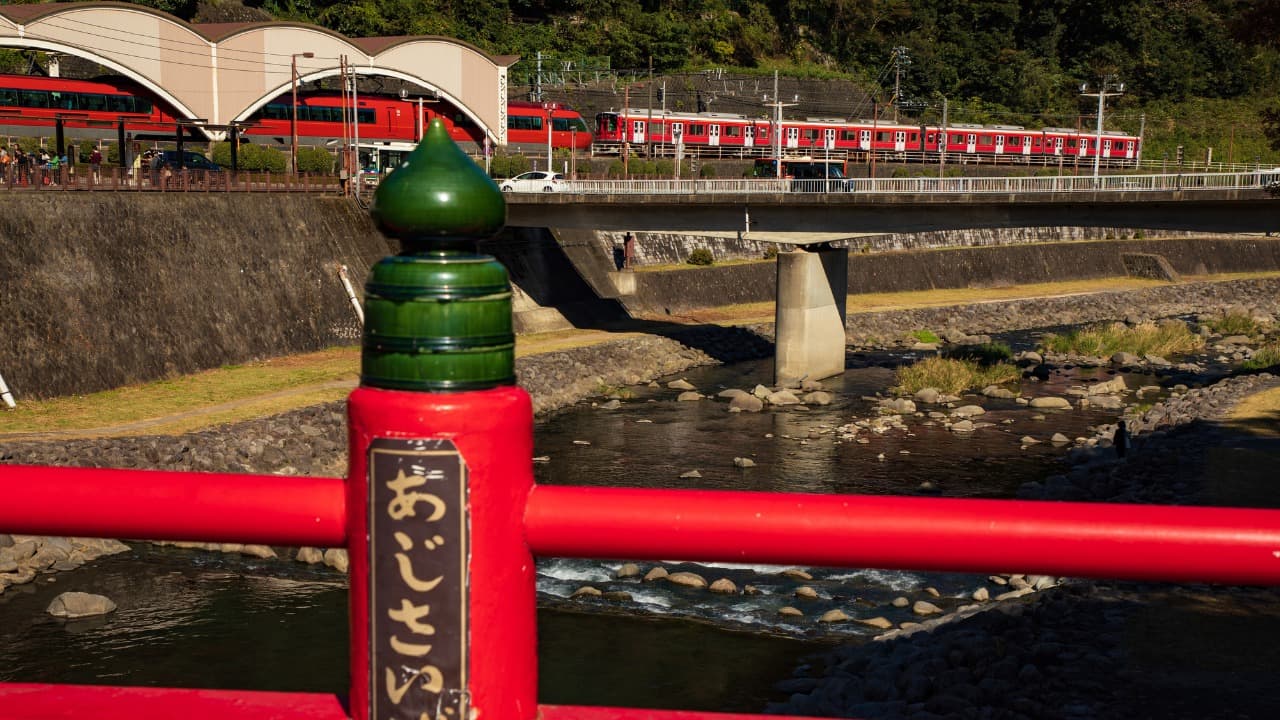
There are also many historical buildings, with ryokan and bridges built during the Meiji era scattered throughout the area. The scenery of the “Ajisai Bridge” over the Hayakawa River and views of Mt. Yuzakayama are atmospheric, and the area is popular as a photo spot. Various events are held throughout the year, including the “Hakone Daimyo Procession” held every November 3 (Culture Day), offering plenty of opportunities to experience local culture.
Owakudani
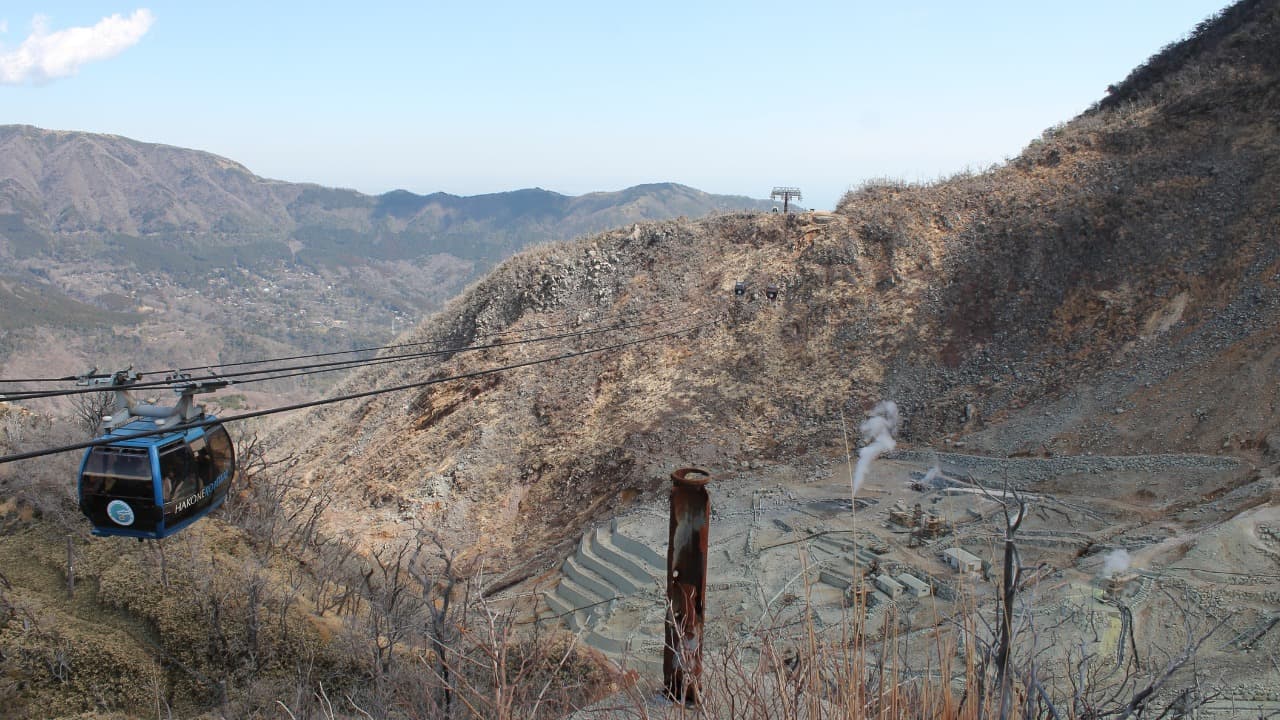
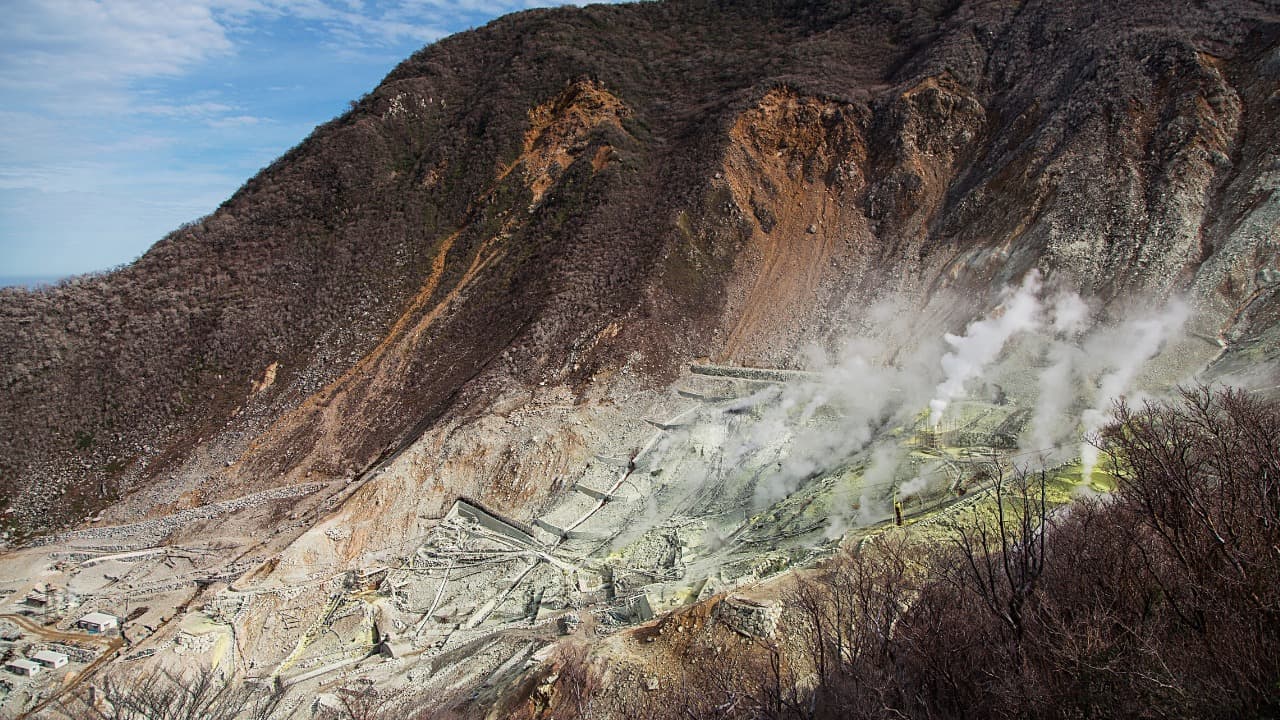
Owakudani is a crater site formed by the eruption of the Hakone volcano approximately 3,000 years ago, and it remains a precious geological spot where active volcanic activity can still be observed. The sight of white volcanic steam rising from the mountain slopes is spectacular, and the geothermal heat and sulfur scent create a unique atmosphere.
The famous “black eggs” (kuro-tamago) of Owakudani are boiled eggs whose shells turn black when boiled in the hot spring pools. This blackening is caused by the reaction between the sulfur and iron in the hot spring water, and legend has it that eating one extends your life by 7 years. These black eggs are very popular with tourists and are also appreciated as souvenirs. Besides black eggs, the shops also sell related goods and sweets.
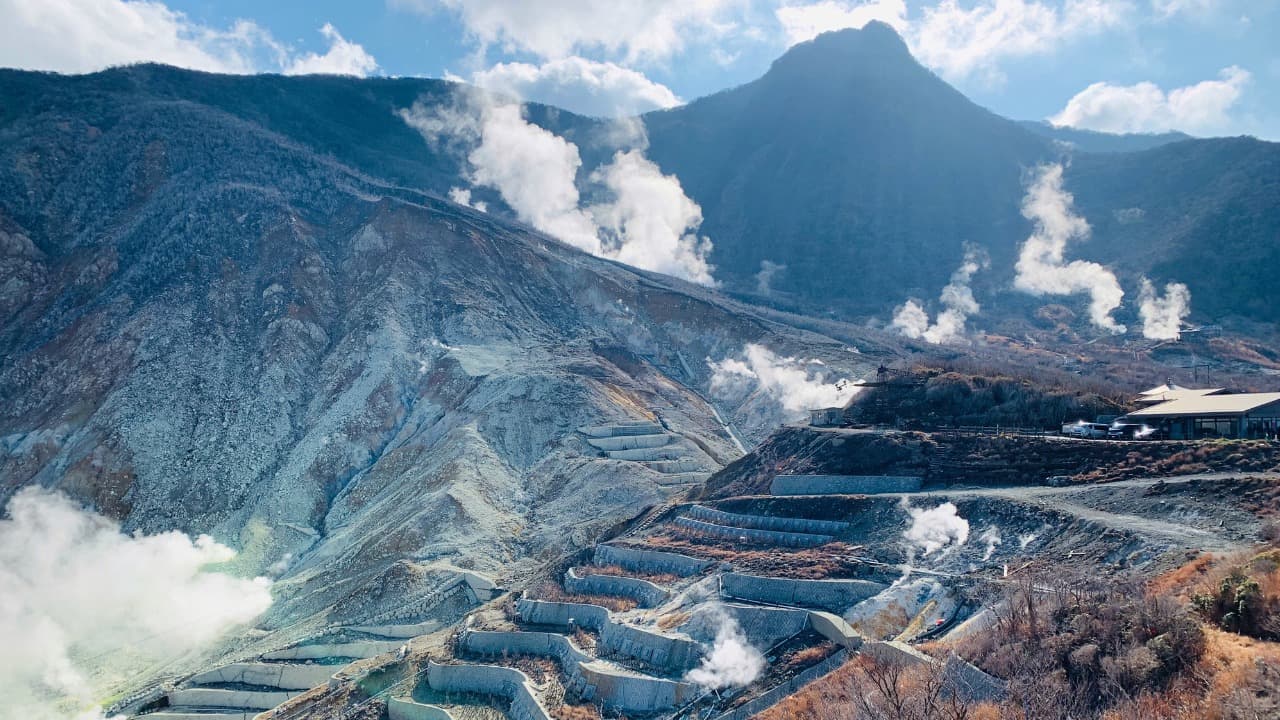
From the observation deck, you can see Mt. Fuji on clear days, and the spectacular view captivates many visitors. The Owakudani Nature Trail (about 700 m per loop) can currently be walked on guided tours by advance reservation (4 times a day, 30 people per tour, 800 yen contribution fee, as of September 2026), where you can observe fumaroles and geothermal activity up close. However, access may be restricted depending on volcanic gas levels and volcanic activity, so we recommend checking the latest information before your visit.
>> Learn more about Owakudani here
Lake Ashi (Ashinoko)
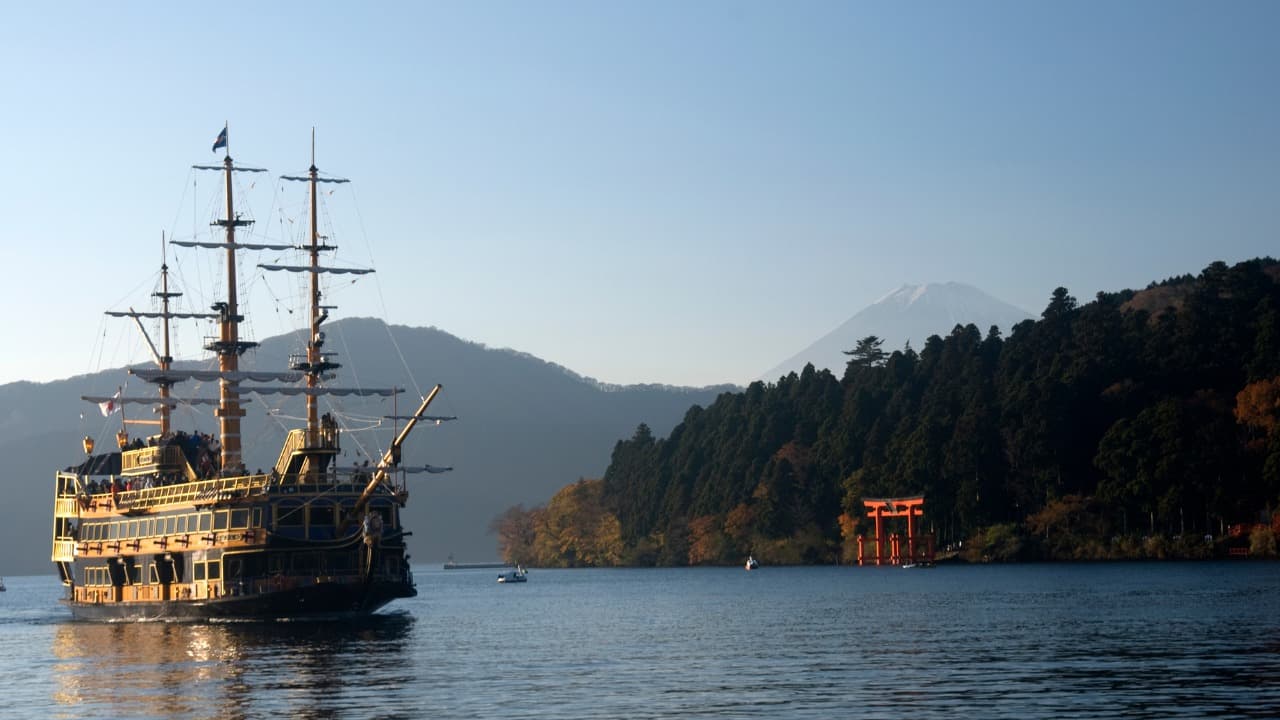
Lake Ashi is a caldera lake formed by volcanic activity about 3,000 years ago and is one of Hakone’s most representative scenic spots. The water is highly transparent, and the scenery of the surrounding mountains and sky reflected on its calm surface is truly spectacular. On clear days, you can see Mt. Fuji across the lake, and its beauty captivates many tourists.
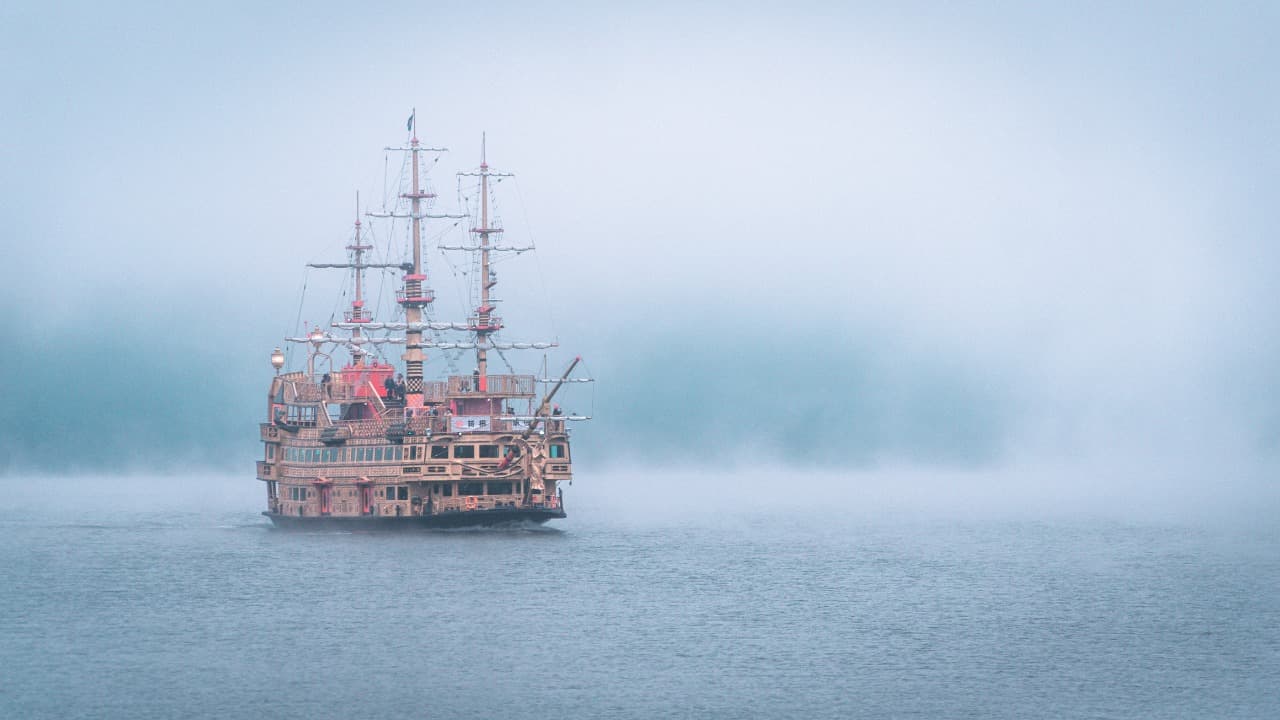
Sightseeing boats cruising the lake include the “Hakone Sightseeing Cruise” pirate ships and the catamaran “Hakone Yusen.” There are three lavishly decorated pirate ships, from which you can leisurely enjoy Lake Ashi and the surrounding nature. The route connects Moto-Hakone Port, Hakone-machi Port, and Togendai Port, with travel times of about 30 to 40 minutes.
Hakone Shrine
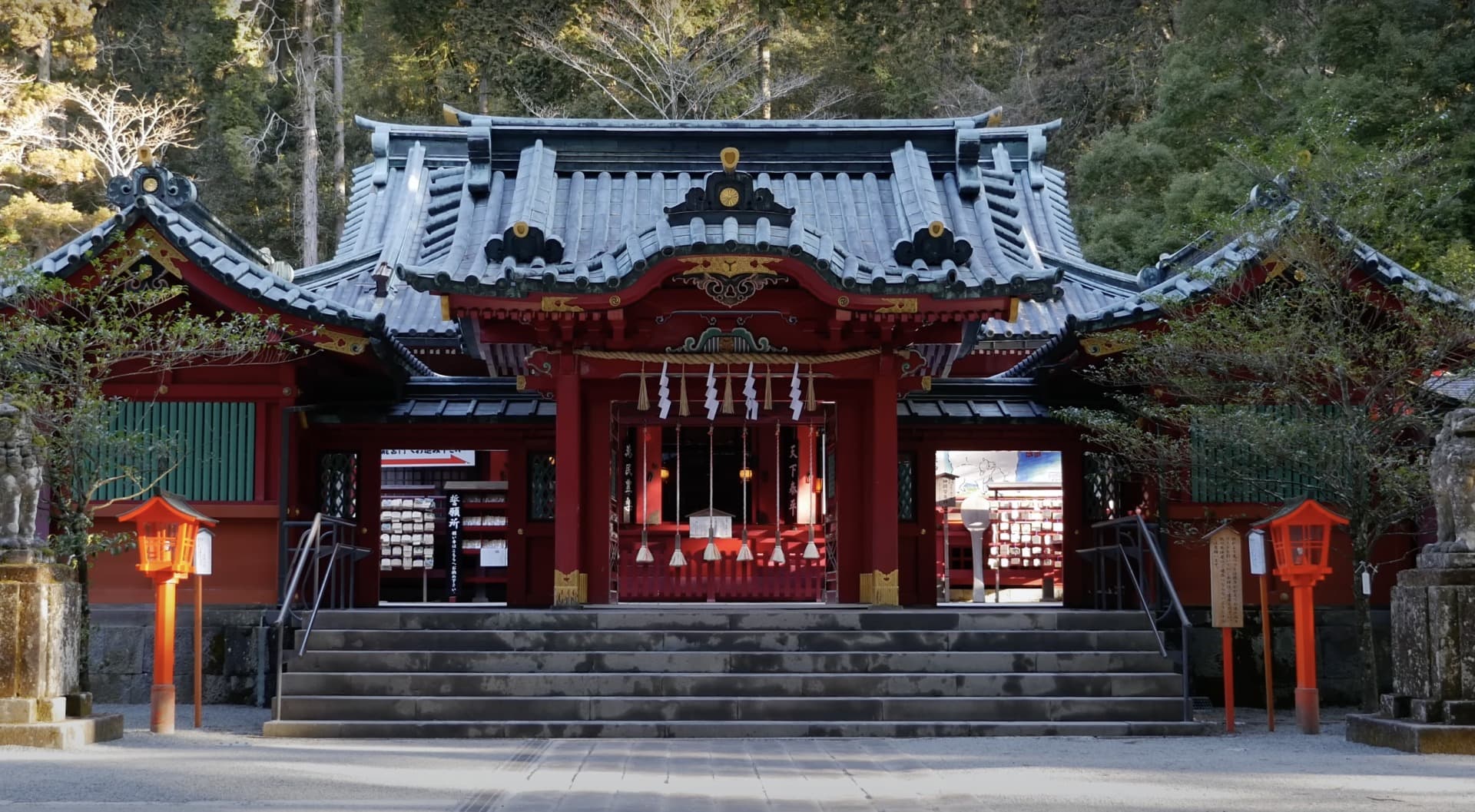
Hakone Shrine is a historic shrine located on the shore of Lake Ashi in Hakone Town, Kanagawa Prefecture, and is said to have been founded in 757 (the first year of Tenpyo-hoji). Its object of worship is Mt. Hakone (Mt. Kami, Mt. Komagatake, and Mt. Kanmuri), a focus of mountain worship, and it has long been revered as the chief guardian shrine of Hakone.
The shrine has been revered by many warlords and notable figures, including Minamoto no Yoritomo and Tokugawa Ieyasu. From the Sengoku Period through the Edo Period in particular, it was regarded as an important place to pray for victory in battle and for the peace of the nation. In the Edo Period, travelers on the Tokaido stopped by to pray for a safe journey, and even today it is said to bring blessings for traffic safety and the fulfillment of wishes.
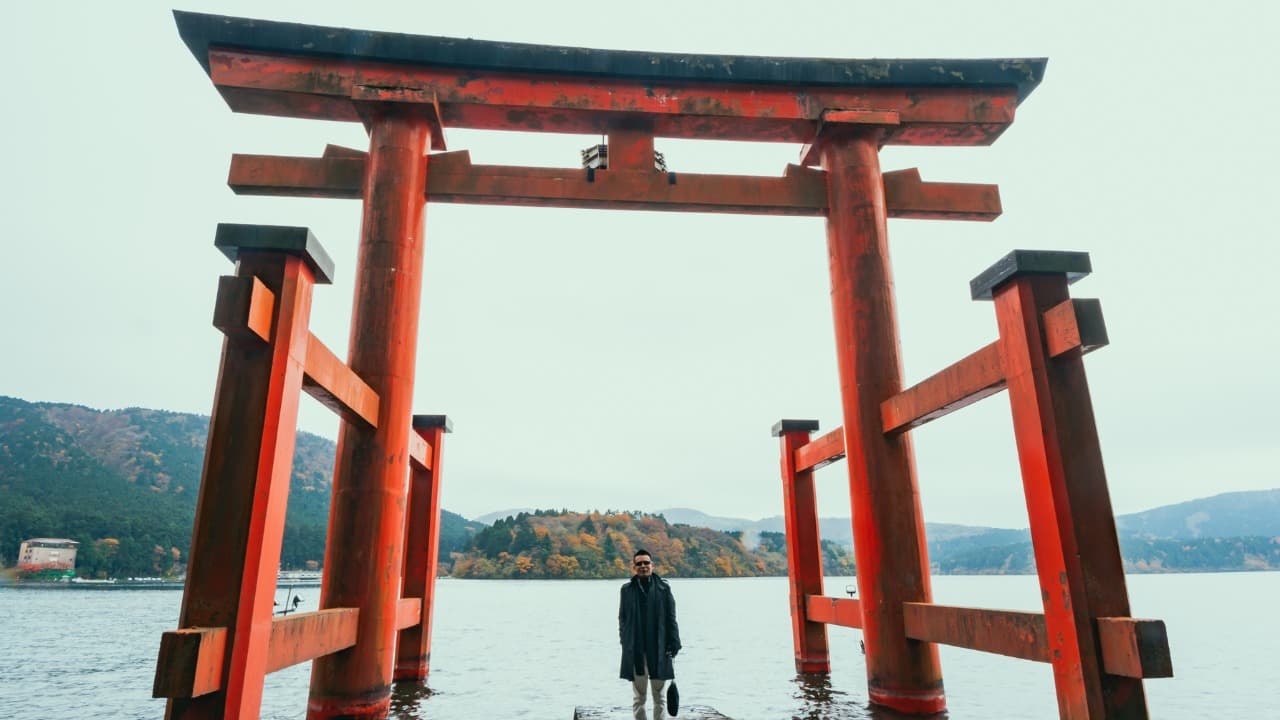
The vermilion “Peace Torii” (lake torii) standing on the shore of Lake Ashi is known for its beautiful appearance reflected on the water. The torii standing in the water is magical and very popular as a photo spot. The torii is especially mystical in the morning mist or at sunset. The grounds are surrounded by giant cedar trees several hundred years old, creating a sacred and solemn atmosphere. Climbing the long stone steps leads to the main hall, and along the way stands Kuzuryu Shrine Shingu. Kuzuryu Shrine is famous as a deity of matchmaking and love, and many worshippers visit.
The Hakone Open-Air Museum
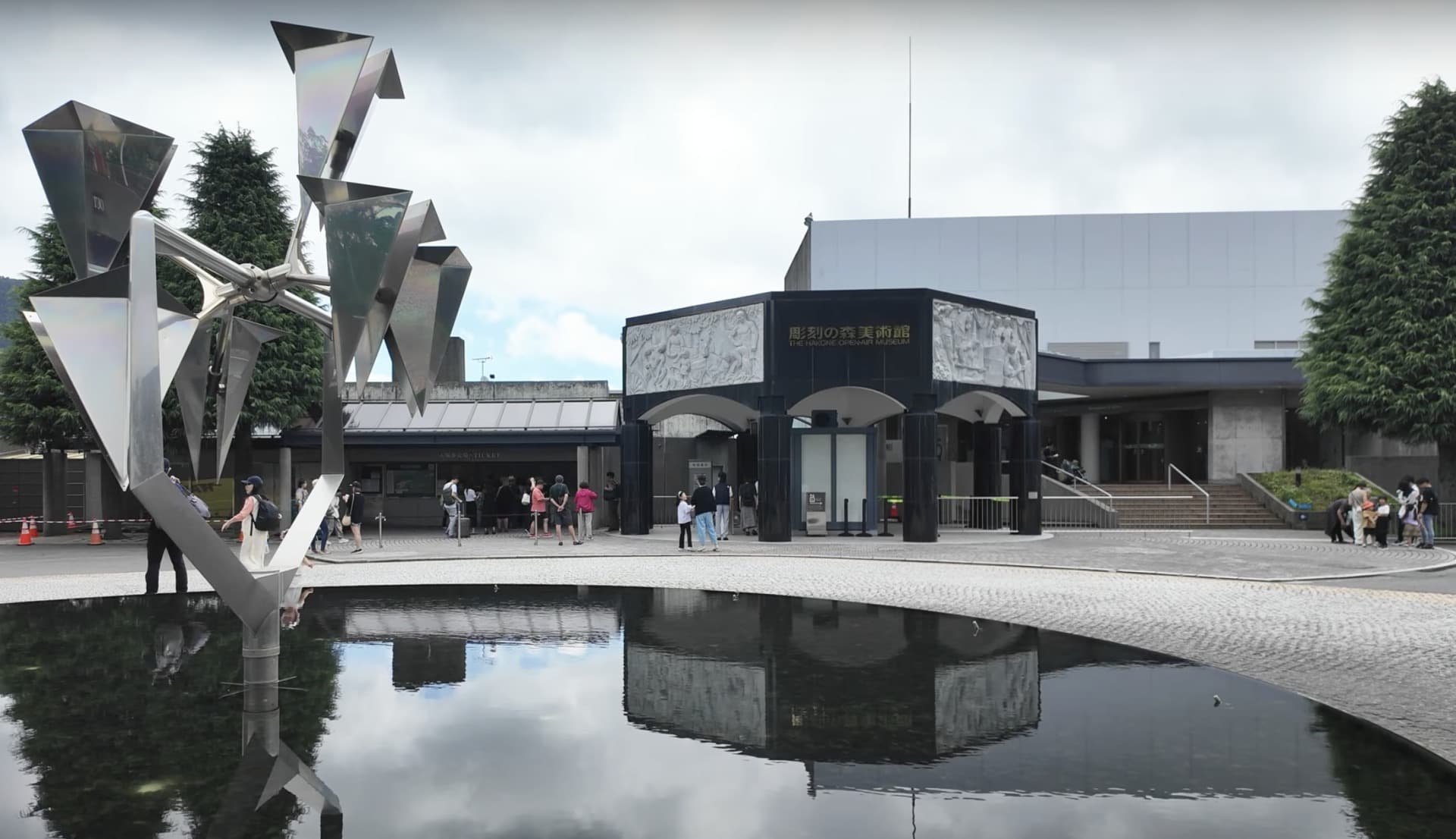
The Hakone Open-Air Museum, opened in 1969, is Japan’s first open-air museum, located in Ninotaira, Hakone Town, Kanagawa Prefecture. About 120 sculptures by renowned artists from Japan and abroad are on permanent display on its vast grounds (approximately 70,000 square meters). With the theme of fusing nature and art, you can view sculptures amid the scenery of each season. The outdoor exhibits include works by world-renowned artists such as Henry Moore and Auguste Rodin, and you can encounter a wide variety of sculptures as you stroll.
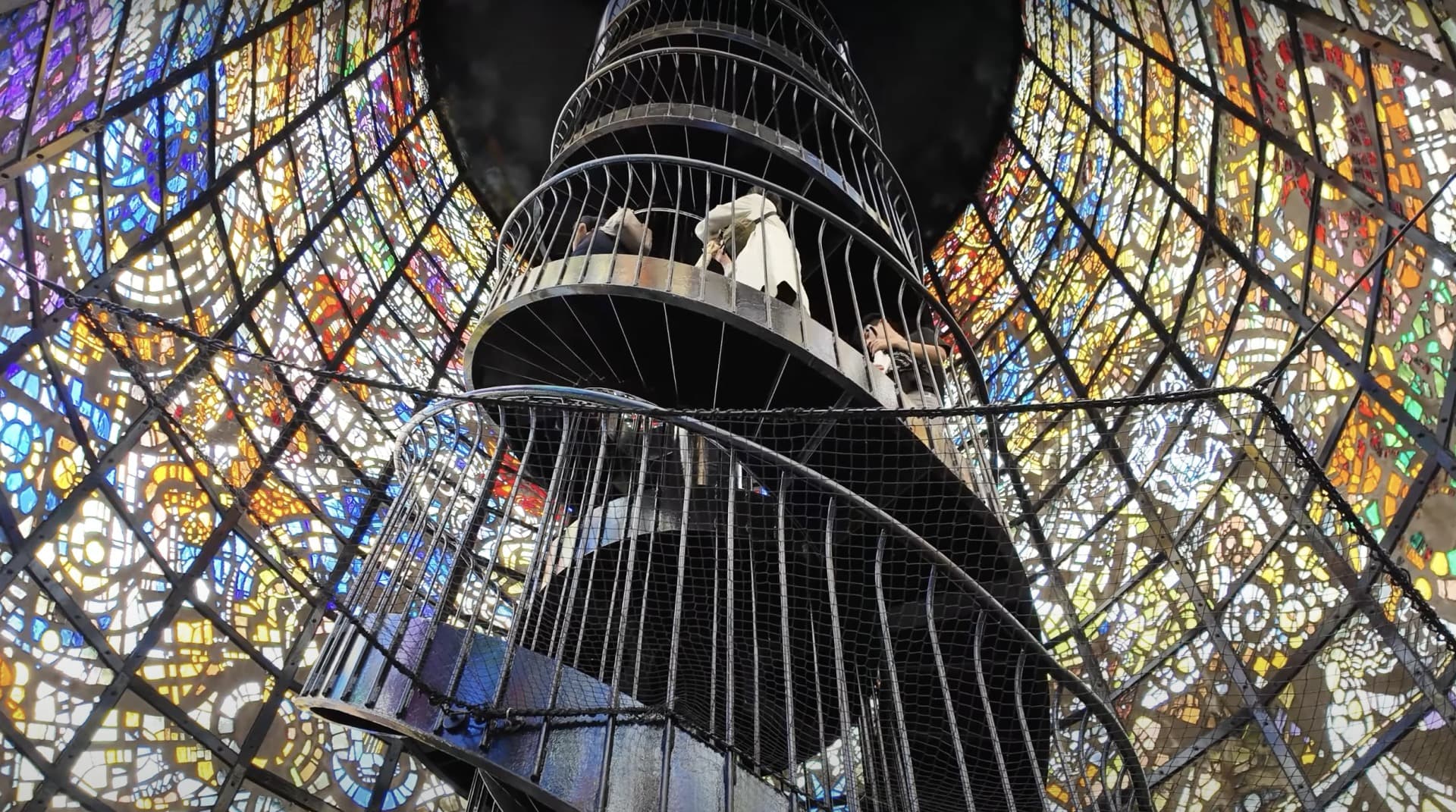
The “Picasso Pavilion” houses and exhibits about 300 works by Pablo Picasso, including paintings, prints, ceramics, and glass works. The core of the collection is ceramics purchased from Picasso’s daughter, Maya Picasso, and the works offer a deep understanding of his diverse creative activities.
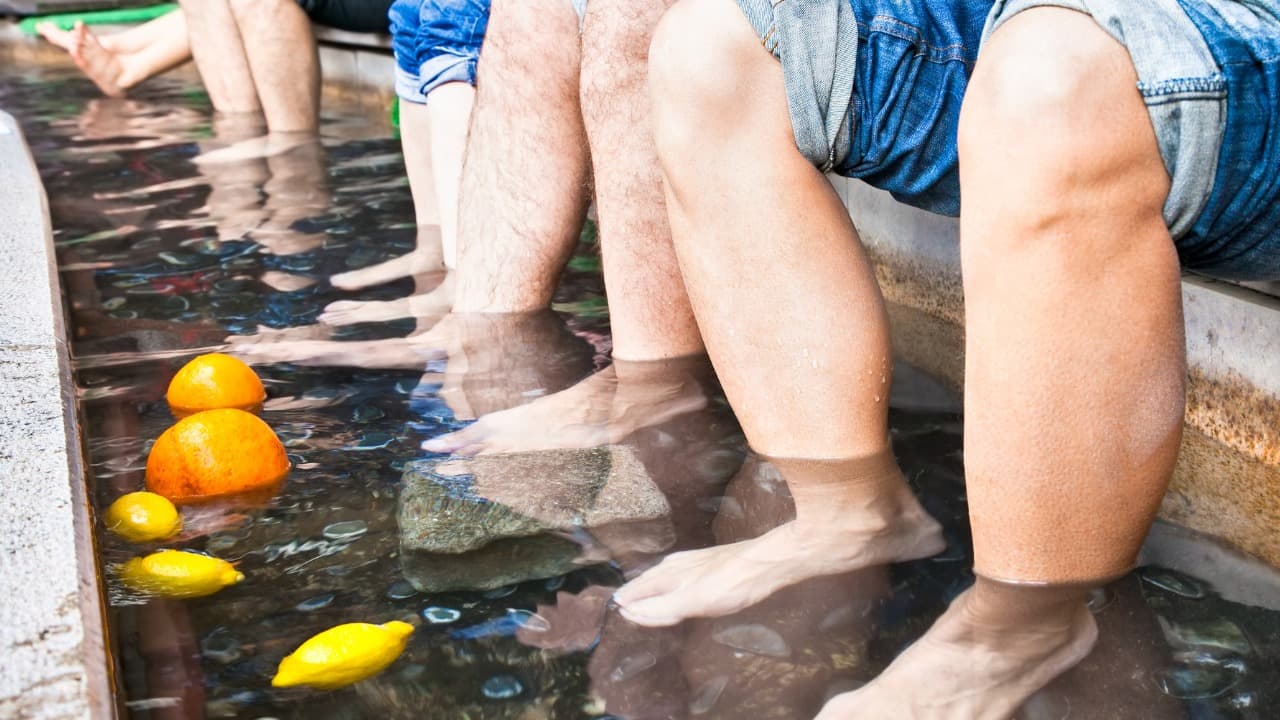
The “Woods of Net,” popular with families, is a space where children can play freely on giant net play structures. There is also a hot spring “footbath,” where you can soothe tired feet while enjoying the art.
Hakone Glass no Mori Museum
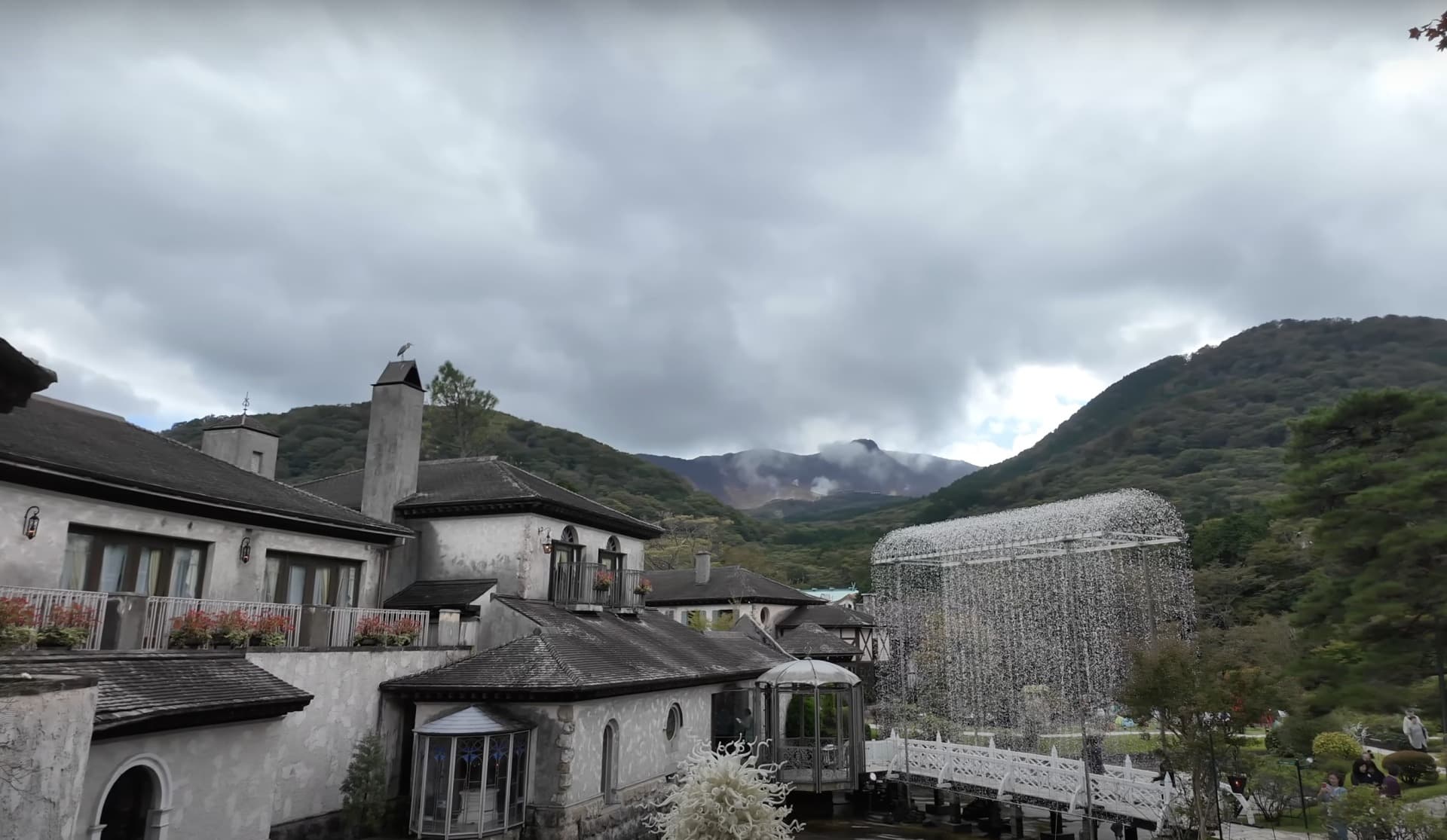
Hakone Glass no Mori Museum, opened in 1996, is a museum specializing in glass art, located in Sengokuhara, Hakone Town, Kanagawa Prefecture. It features gardens and buildings recreating medieval Venice, creating an exotic atmosphere.
Inside, masterpieces of Venetian glass from the 15th to 19th centuries and works by contemporary glass artists are on display. The delicate and splendid glasswork conveys a high level of skill and artistry, captivating many visitors.
Glass artworks are scattered throughout the garden, and the crystal glass arch “Corridor of Light,” made of about 160,000 crystal glass beads, sparkles in the sunlight.
Hakone Tozan Railway
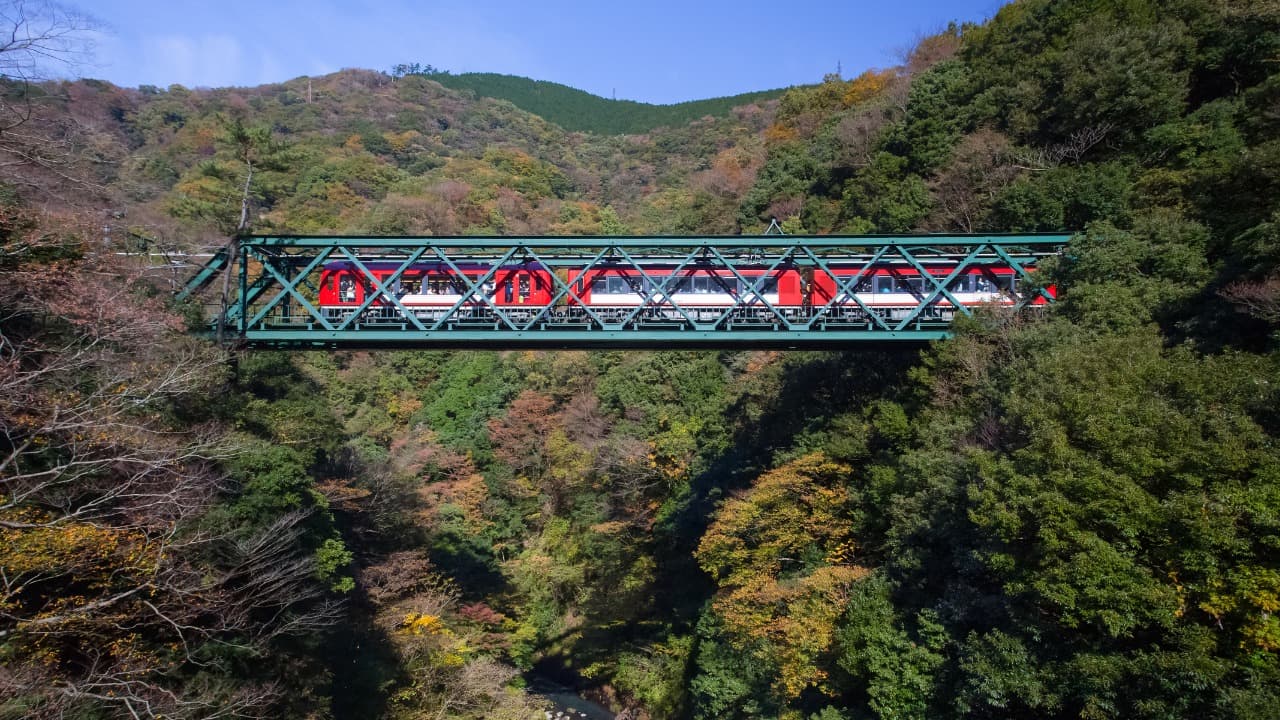
The Hakone Tozan Railway is a railway line about 8.9 kilometers long connecting Hakone-Yumoto Station and Gora Station in Hakone Town, Ashigarashimo District, Kanagawa Prefecture, and is one of Japan’s leading full-scale mountain railways. It opened in 1919 and has more than 100 years of history. The railway is characterized by its steep gradients and switchbacks. To climb gradients of up to 80 per mille (rising 80 meters over 1,000 meters), three switchbacks are installed along the way, so the train climbs the mountain by alternating between moving forward and backward. The switchbacks are located at “Deyama Signal Station,” “Ohiradai Station,” and “Kami-Ohiradai Signal Station.”
The beautiful natural scenery is another major attraction. From the train windows, you can enjoy beautiful views of the Hayakawa Valley and nature through the four seasons: fresh greenery in spring, deep green in summer, autumn leaves in fall, and snowy landscapes in winter. Especially from mid-June to mid-July, about 10,000 hydrangeas bloom along the tracks, and the “Hydrangea Train” attracts many tourists.
NARAYA CAFE
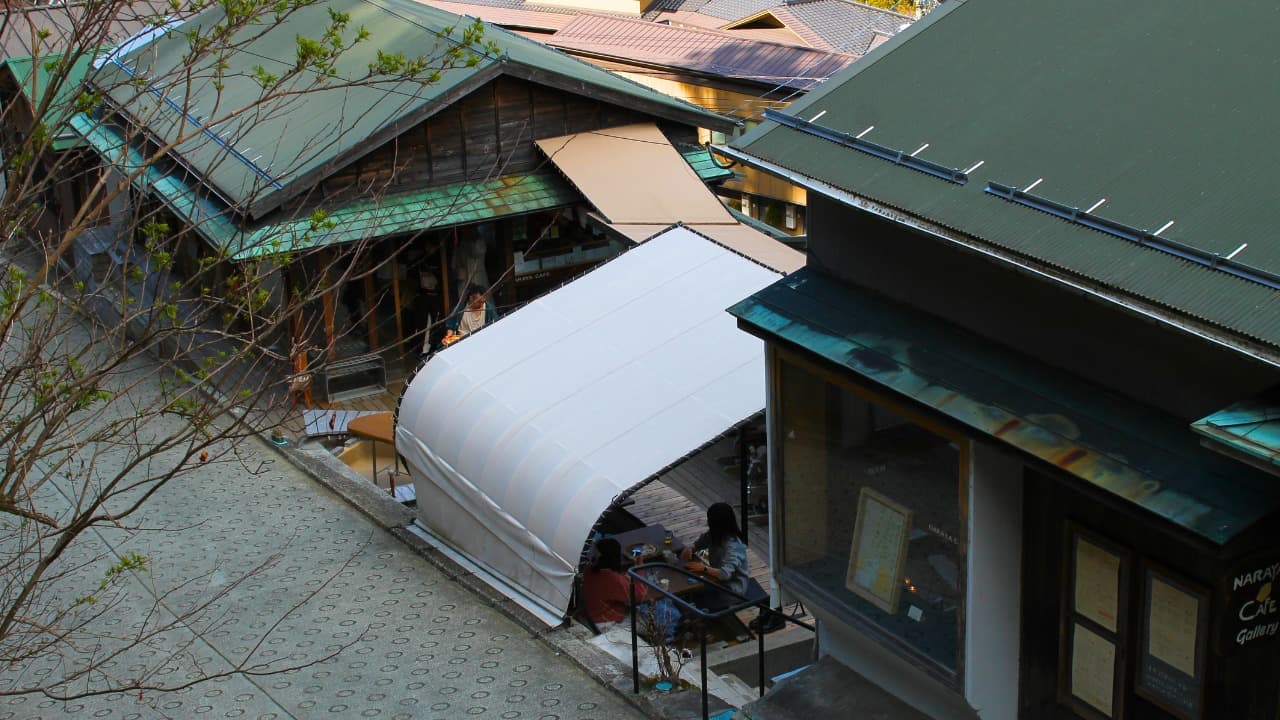
NARAYA CAFE is a charming café in Miyanoshita, Hakone Town, built on the site of the former long-established ryokan “Naraya.” The historic building has been renovated, and its unique atmosphere blending Japanese elegance with modern design is part of its appeal.
The café terrace has a free footbath where you can relax while gazing at Hakone’s beautiful nature. The menu includes coffee, sweets, and light meals.
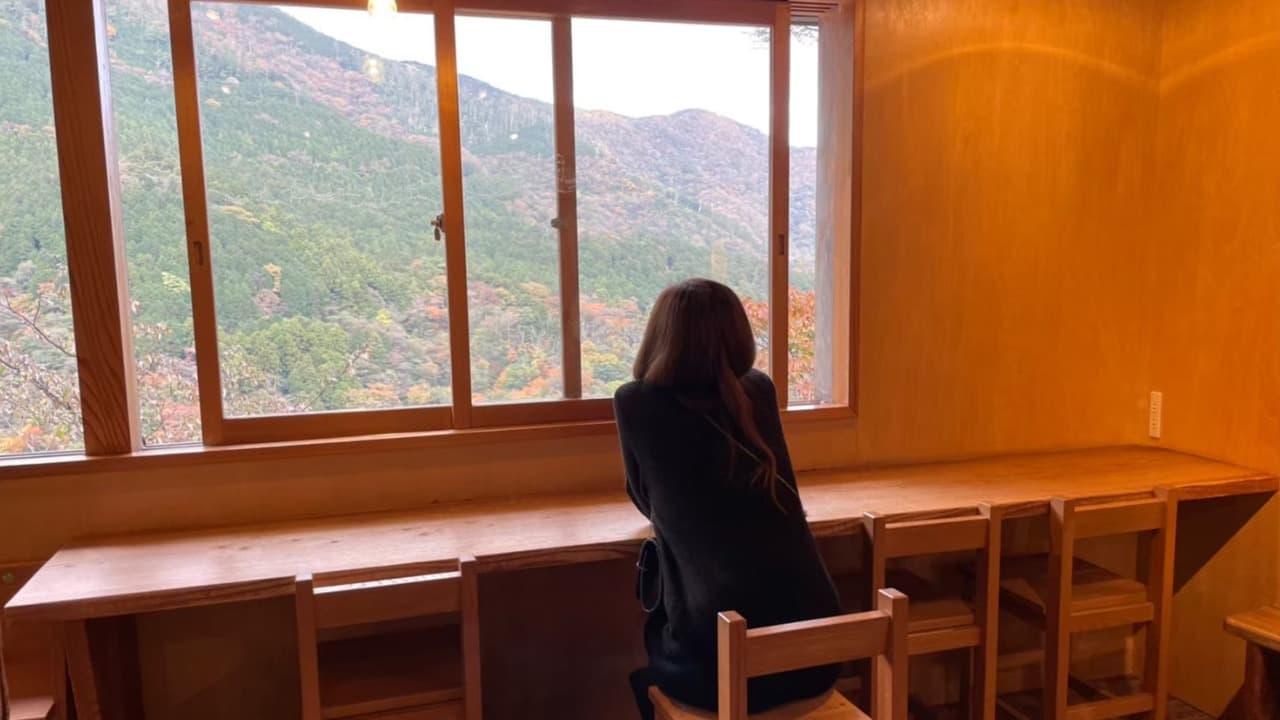
There is also a gallery space where works and craft products by local artists are exhibited and sold. You may find a lovely item as a memento of your trip.
4. Recommended Hot Springs & Hot Spring Hotels in Hakone
Hakone is dotted with a wide variety of hot spring facilities, each with its own unique appeal. Here we introduce six particularly recommended hot spring facilities.
Tenseien
Located in Hakone Yumoto, “Tenseien” is a large hot spring facility that can be used for both day trips and overnight stays. Its beautiful views of a historic garden and waterfall are appealing, creating a space full of charm. From the “Tenku Dai-Rotenburo” (sky-high open-air bath) on the rooftop, you can take in a panoramic view of the Hakone mountains, and at night you can enjoy the hot spring while gazing at the starry sky.
The spring type is alkaline simple hot spring, which is gentle on the skin and expected to have skin-beautifying effects. It is well equipped with saunas, bedrock baths, spa treatments, and restaurants, combining relaxation and entertainment. Access is convenient, about a 12-minute walk from Hakone-Yumoto Station on the Hakone Tozan Railway, and a ryokan shuttle bus (fee required) is also available.
Tenzan Tohji-kyo
Tenzan Tohji-kyo is a day-trip hot spring facility in the Hakone Yumoto area where you can spend a relaxing time surrounded by rich nature. Its buildings, which incorporate traditional Japanese architectural styles, blend harmoniously with beautiful gardens.
There is a wide variety of open-air baths, indoor baths, and saunas, each bath designed with its own style. There are two spring types: alkaline simple hot spring and sodium chloride spring. The facility also has rest areas and a restaurant.
Hakone Kowakien Yunessun
Hakone Kowakien Yunessun is a large hot spring theme park in the Kowakudani area of Hakone. It has two areas: “Yunessun,” enjoyed in swimsuits, and “Mori no Yu,” where you can relax in the hot springs without swimsuits.
The “Yunessun” area offers a variety of unique baths such as wine, coffee, green tea, and sake baths, which families and couples can enjoy all day. There are also indoor and outdoor pools and water slides, so you can have fun regardless of the weather.
The “Mori no Yu” area, on the other hand, is a space where you can enjoy traditional Japanese hot springs in a calm atmosphere. With open-air baths, saunas, and bedrock baths, you can spend a leisurely time relaxing.
Gora Kadan
“Gora Kadan,” a luxury ryokan in Gora Onsen, is a prestigious inn that makes use of the former villa of the Kan’in-no-miya imperial family from the Taisho era. Traditional Japanese architecture and a beautiful Japanese garden harmonize, allowing you to spend an elegant time. Some guest rooms have open-air baths with free-flowing hot spring water, so you can enjoy the hot springs in a private space.
The spring type is weakly alkaline simple hot spring. The kaiseki cuisine made with seasonal ingredients is also highly regarded, letting you enjoy the season with both your eyes and your palate. Its convenient access, about a 3-minute walk from Gora Station on the Hakone Tozan Railway, is another attraction.
Hakone Kowakien Tenyu
Opened in 2017, “Hakone Kowakien Tenyu” is a hot spring resort hotel featuring modern design. Every guest room has an open-air bath, so you can relax while taking in Hakone’s rich nature. The large public baths offer two types of hot spring water, and from the infinity bath you can enjoy beautiful scenery through the seasons.
There are two spring types, alkaline simple hot spring and sodium chloride-sulfate spring, so you can enjoy a variety of benefits. With a spa, lounge, and footbath café, you can fully enjoy a resort stay. It is about 10 minutes by shuttle bus from Gora Station on the Hakone Tozan Railway.
Kinnotake Tonosawa
“Kinnotake Tonosawa” is a luxury ryokan located in Tonosawa Onsen. With the concept of a resort for adults, you can spend a luxurious time in a tranquil setting. Every room has an open-air bath with free-flowing hot spring water, so you can enjoy the hot springs in a private space surrounded by nature.
The spring type is alkaline simple hot spring, said to be highly effective for beautiful skin. Its refined spaces with Japanese-modern interiors and natural materials are appealing, and creative kaiseki cuisine using local ingredients is also served. A hired car from Hakone-Yumoto Station on the Hakone Tozan Railway can be arranged (reservation required).
Summary
Hakone Onsen is one of Japan’s leading hot spring destinations, where history, nature, and culture come together in harmony. It has been loved by many people from ancient times to the present, and its charm never fades with time. With hot springs of abundant spring types, beautiful scenery through the four seasons, and many historical and cultural highlights, it brings new discoveries and inspiration to its visitors.
Please use the history, sightseeing spots, and recommended hot spring facilities introduced in this article as a reference and be sure to visit Hakone Onsen. You are sure to spend a rich time woven from tradition and nature and create wonderful, lasting memories.