Harmonica Alley: History and Overview Explained in Detail
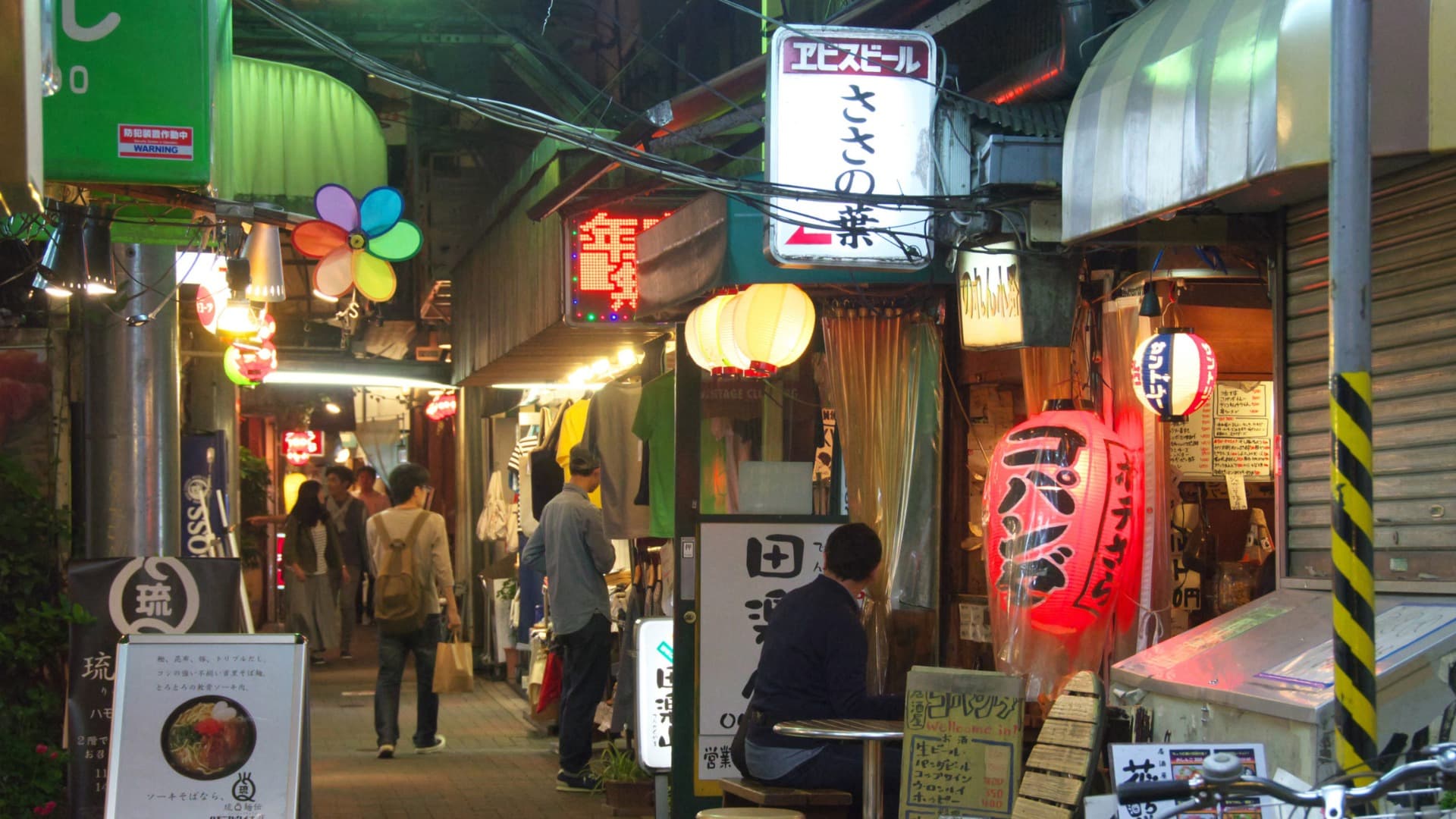
Table of Contents
- Overview of Harmonica Alley
- History of Harmonica Alley
- Recommended Gourmet Spots in Harmonica Alley
- Other Spots in Harmonica Alley
Introduction
Harmonica Alley developed from a postwar black market and remains an iconic spot in Kichijoji that strongly preserves the atmosphere of the Showa era. This alley features retro-ambiance secondhand bookshops, beauty salons, vintage record shops, and more, making it a place where you can enjoy not only food and drinks but also various cultural experiences. With approximately 100 shops gathered together and different faces by day and night, Harmonica Alley is a beloved spot for both locals and tourists.
In this article, we introduce the overview and history of Harmonica Alley, along with recommended gourmet spots and attractive non-food spots worth stopping by when you visit.
Overview of Harmonica Alley
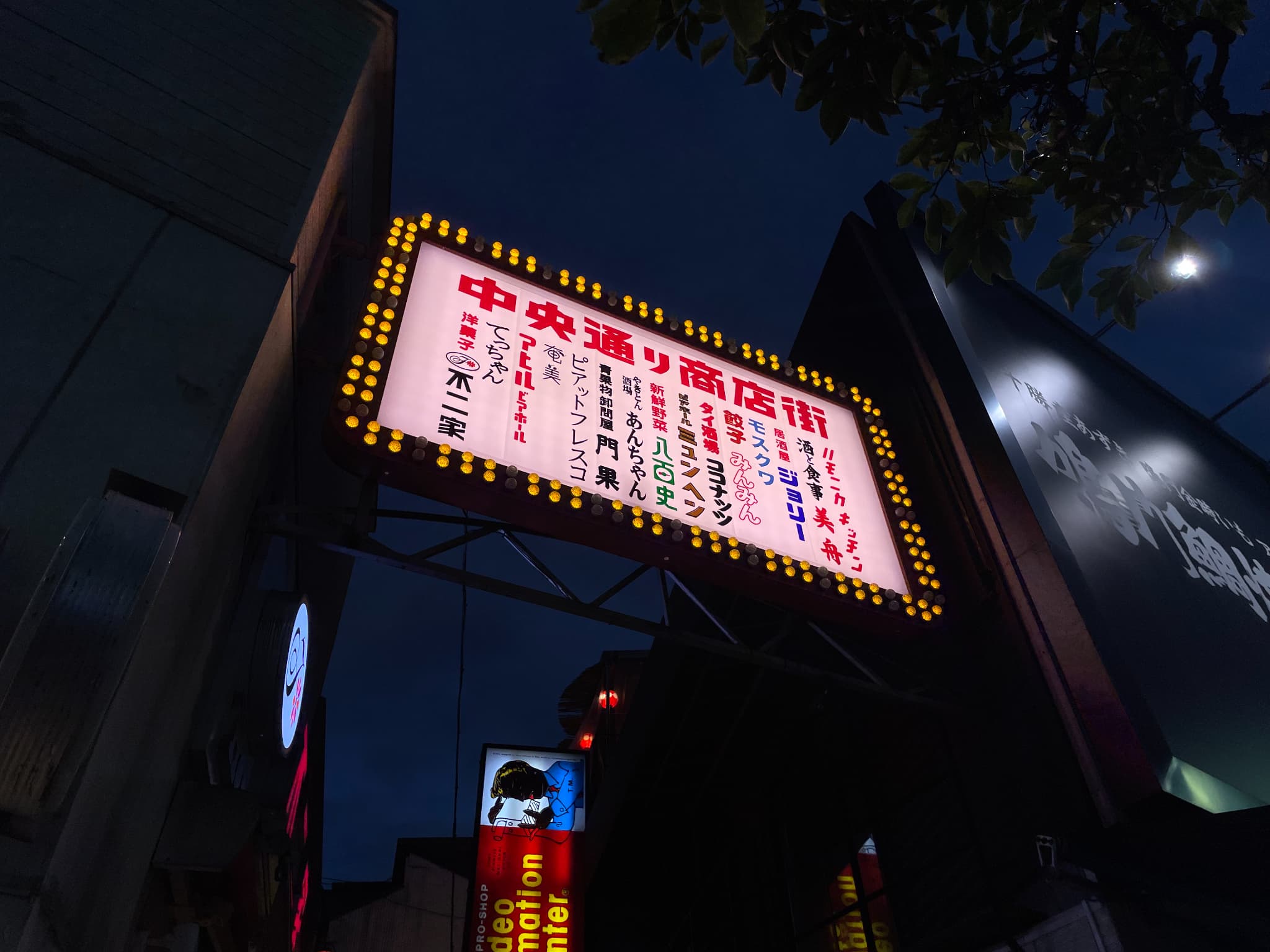
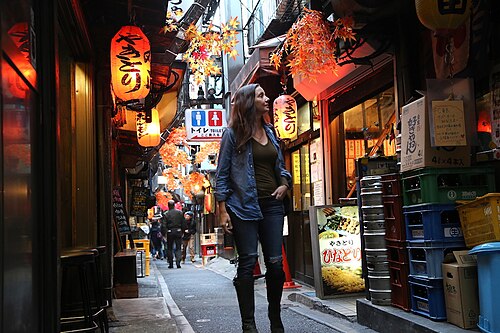
Harmonica Alley is a small shopping street located in front of Kichijoji Station in Tokyo, strongly retaining traces of the postwar black market. The alley gets its name from its distinctive shape, with narrow, elongated plots packed together like the reeds of a harmonica. Born shortly after the war, it is characterized by retro streetscapes that still evoke the atmosphere of that era.
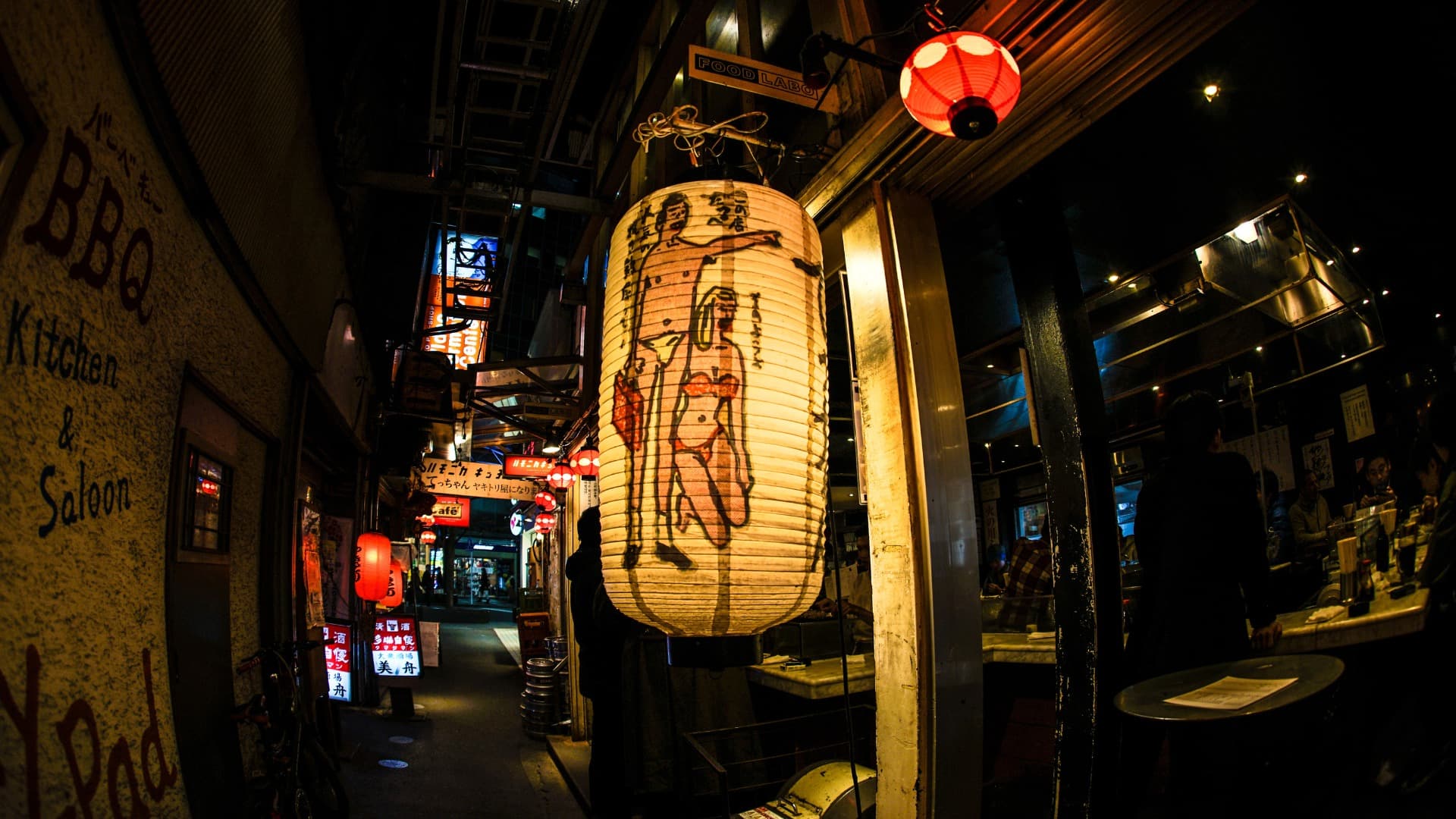
About 100 shops line the alley. During the day, fish shops, handmade confectionery stores, and casual clothing shops that have continued since the Showa era are open, and a morning market is held once a month on Sundays. However, at night, red lanterns light up, standing bars and small eateries come alive, presenting a completely different atmosphere。
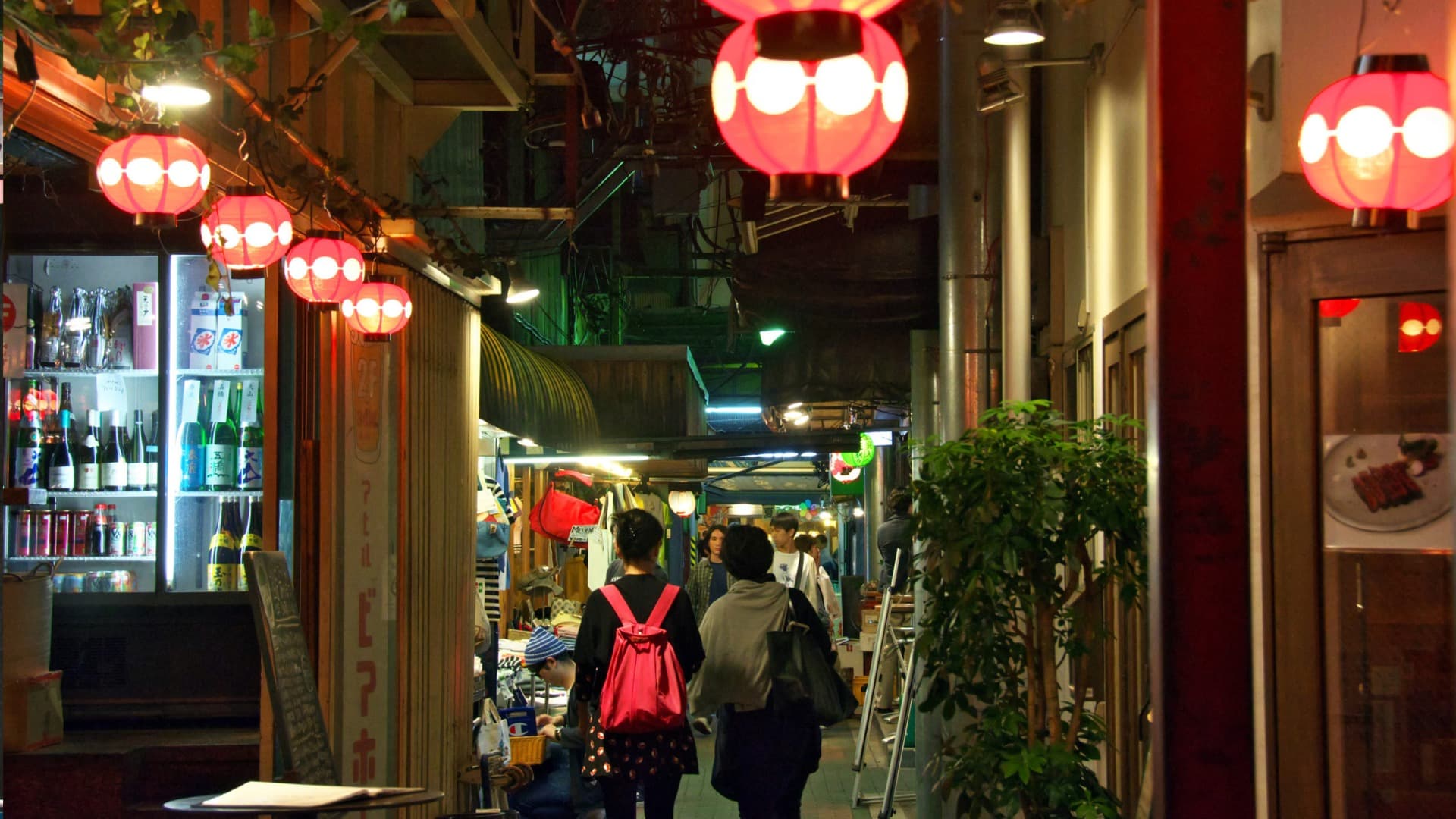
Conveniently located just a 1-minute walk from the north exit of Kichijoji Station, it is loved by both tourists and locals. August 24th has been designated “Harmonica Alley Day,” and revitalization events have been held in connection with it.
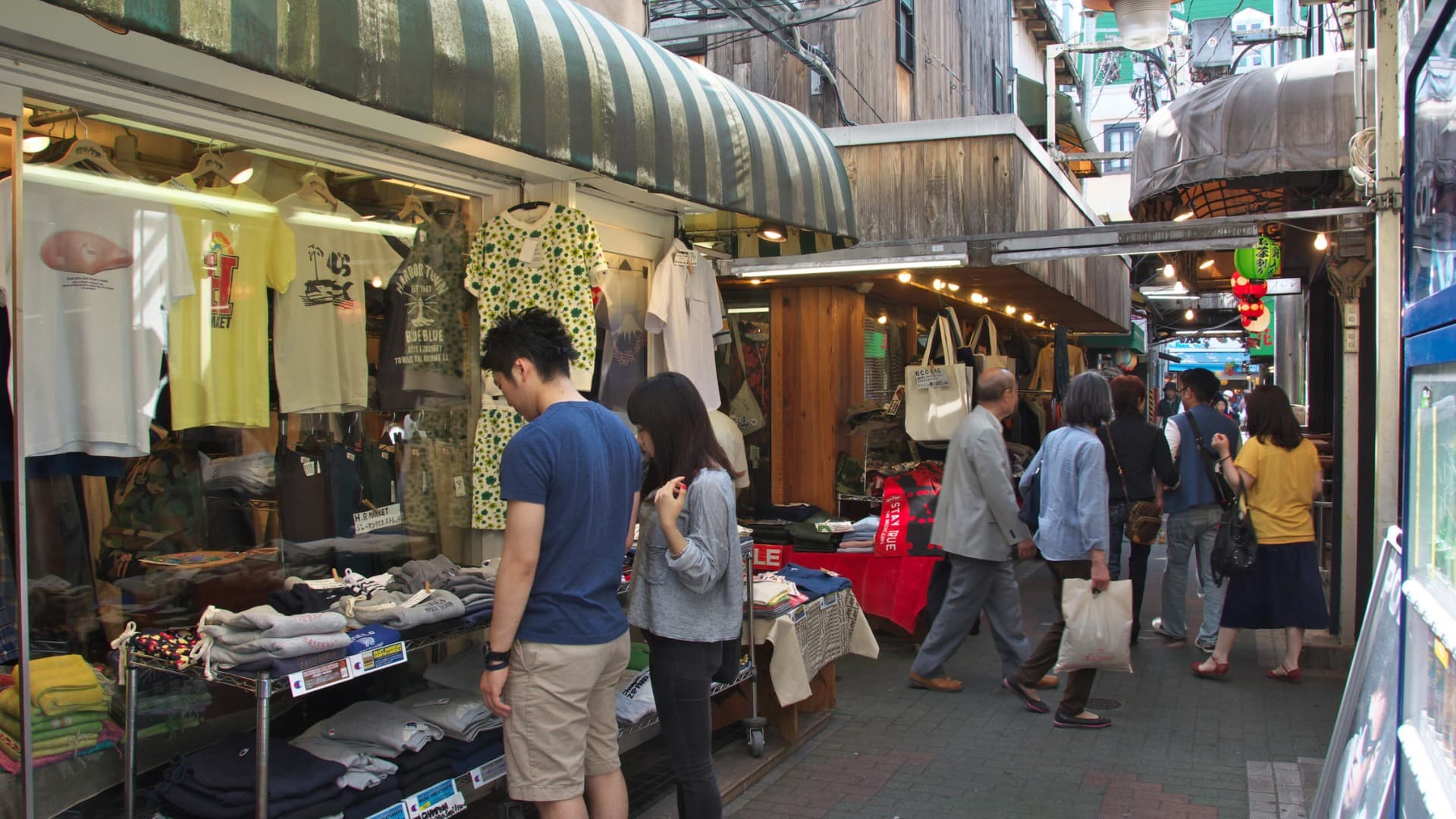
In recent years, new shops have been added, blending modern elements while preserving the traditional atmosphere. This alley, filled with Kichijoji’s culture and history, has become a beloved spot for tourists as well as locals.
History of Harmonica Alley
Harmonica Alley is a historic market in Kichijoji, Musashino City, Tokyo, whose history began as a postwar black market. Below, we present its history organized by major events.
1. Birth and Formation of the Black Market (1945-1950s)
The origins of Harmonica Alley trace back to the chaotic period after World War II. At the time, although the area around Kichijoji Station escaped war damage, material shortages were becoming severe. As a result, street stalls naturally sprang up around the station, developing into the black market that would become the foundation of Harmonica Alley. The stalls were simple setups with ropes strung across vacant lots near the station and newspaper spread out, but eventually many merchants gathered, establishing it as a place selling daily necessities and food.
2. Establishment as a Legitimate Market (1950s-1960s)
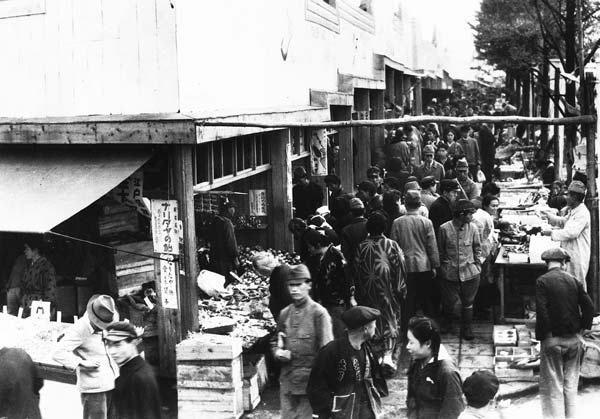
By the 1950s, the black market began serving as the commercial center of Kichijoji, and improvements as a shopping street progressed. Officially licensed shops started lining up, forming the current dense concentration of small stores. It is said that during this period, the alley came to be called “Harmonica Yokocho” because the shape of its passageways resembled the mouthpiece of a harmonica.
3. From Showa to Heisei, and Into the Modern Era (1970s-Present)
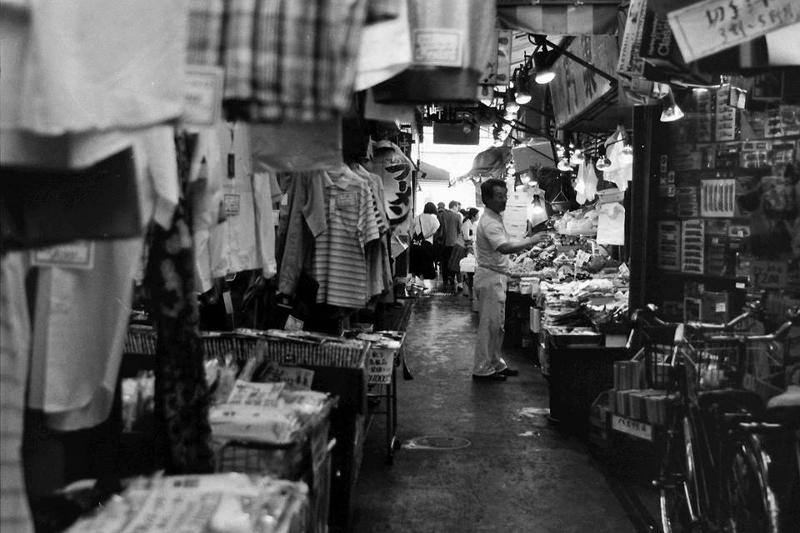
From the 1970s onward, Harmonica Alley continued to develop as a vibrant shopping area in Kichijoji with diverse shops. However, it faced a crisis of decline due to the bubble economy and the arrival of large commercial facilities. Nevertheless, through the efforts of local residents and shop owners, the alley regained its vitality. Today, it is cherished by tourists and local residents as a unique space that incorporates new culture and lifestyles while preserving Showa-era charm.
4. Reevaluation of Cultural Value and Development as a Tourist Spot (2000s-)
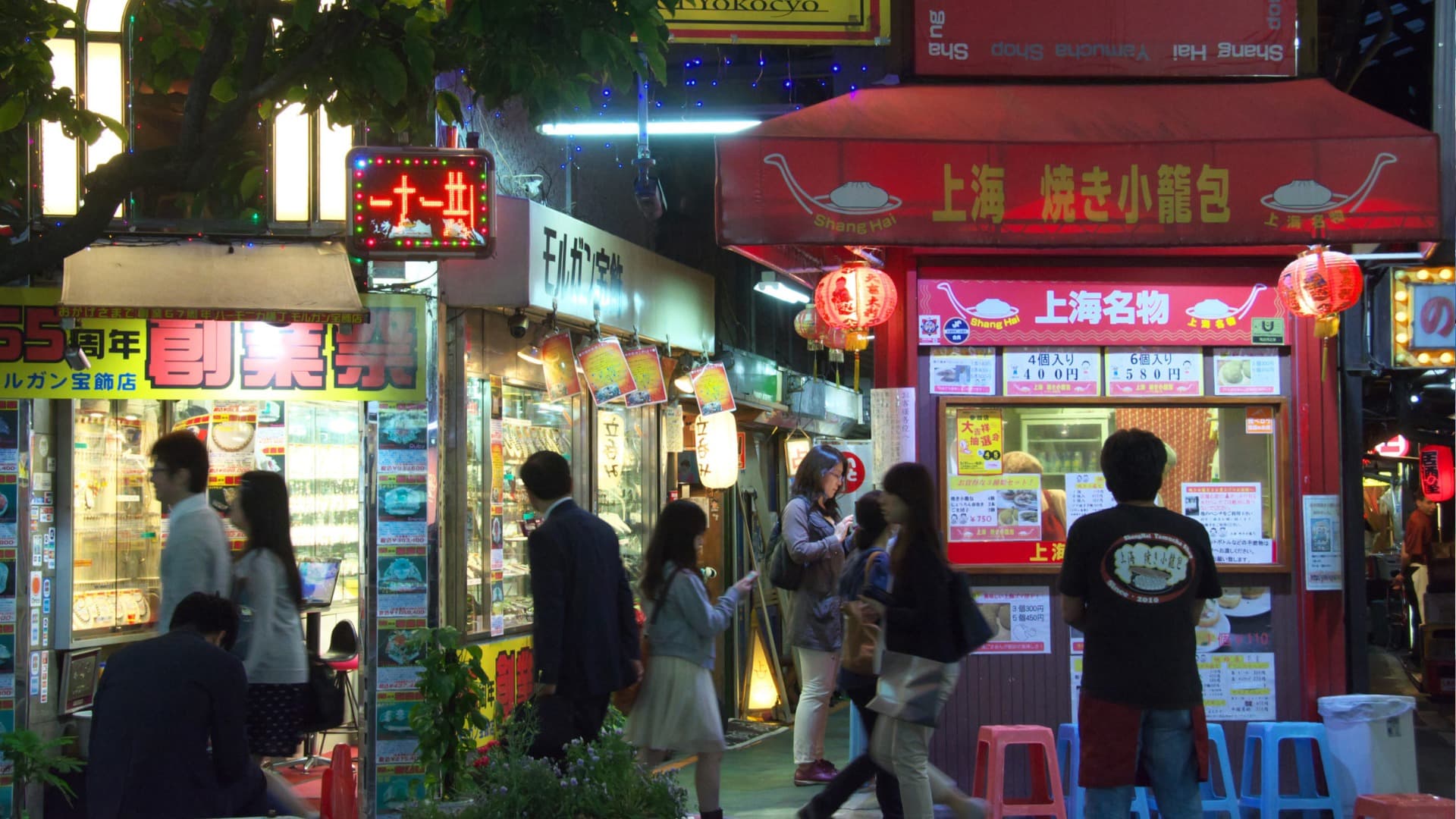
Entering the 2000s, Harmonica Alley became an attractive spot for young people and tourists seeking Showa-era nostalgia, gaining renewed attention. In recent years, the alley’s history and cultural value have been reevaluated, with increasing media coverage. Lined with restaurants, general stores, and bars, it has established its position as a place symbolizing Kichijoji’s “retro-modern” charm.
Recommended Gourmet Spots in Harmonica Alley
Harmonica Alley has various attractive spots. Below we introduce some particularly recommended places.
1. Tachizushi Yokocho (Standing Sushi Alley)
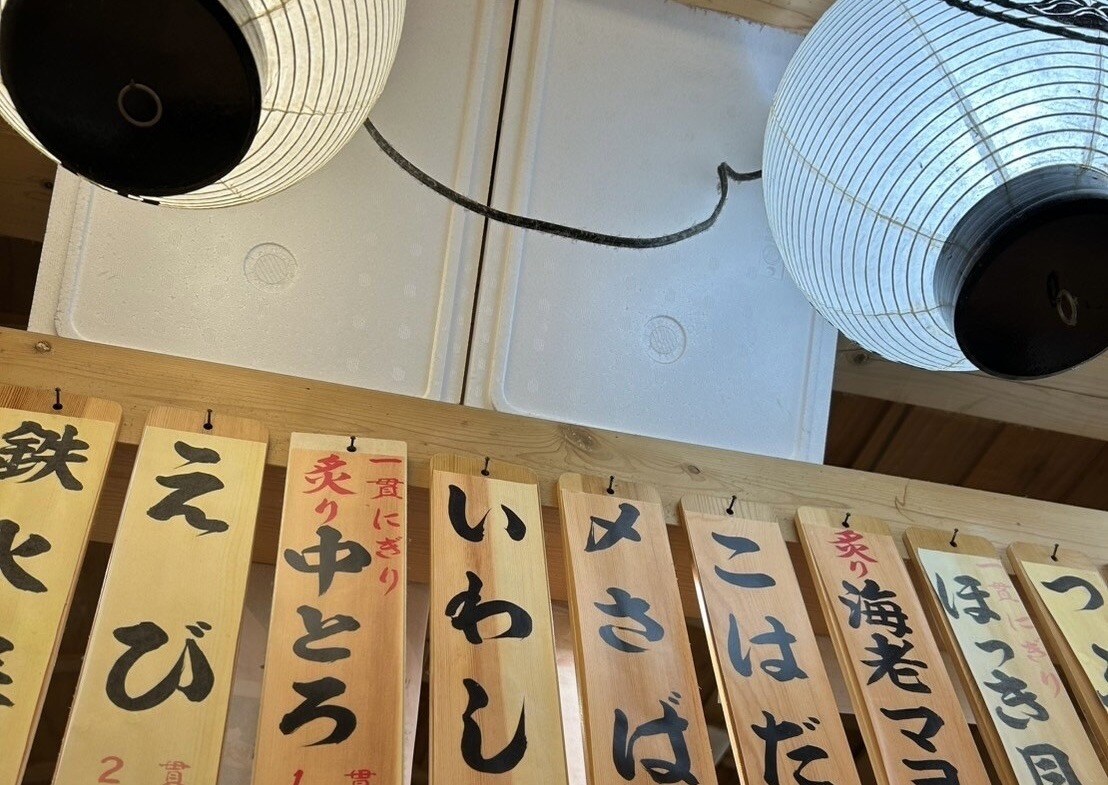
“Tachizushi Yokocho” is a standing-style sushi restaurant located right near the north exit of Kichijoji Station. Opened in 2020, it is popular with locals and tourists. Here you can enjoy Edomae sushi at reasonable prices. The lunch sets are particularly good value, with standing eating priced even lower than seated dining.
In addition to easily enjoying sushi made with fresh ingredients, there are also half-price sour and highball drink specials. Seating is available on the second floor for those who prefer a more relaxed dining atmosphere.
2. Trattoria Piatto Fresco
“Trattoria Piatto Fresco” on the central street of Harmonica Alley is a hidden-gem Italian restaurant with counter seating only. Run single-handedly by the chef, it serves authentic Italian cuisine using carefully selected ingredients. Recommended menu items include pasta with fresh seafood, pizza with homemade sauce, and bagna cauda with seasonal vegetables. The interior has a refined atmosphere where you can enjoy a relaxed meal.
3. Asian Dining Coconuts
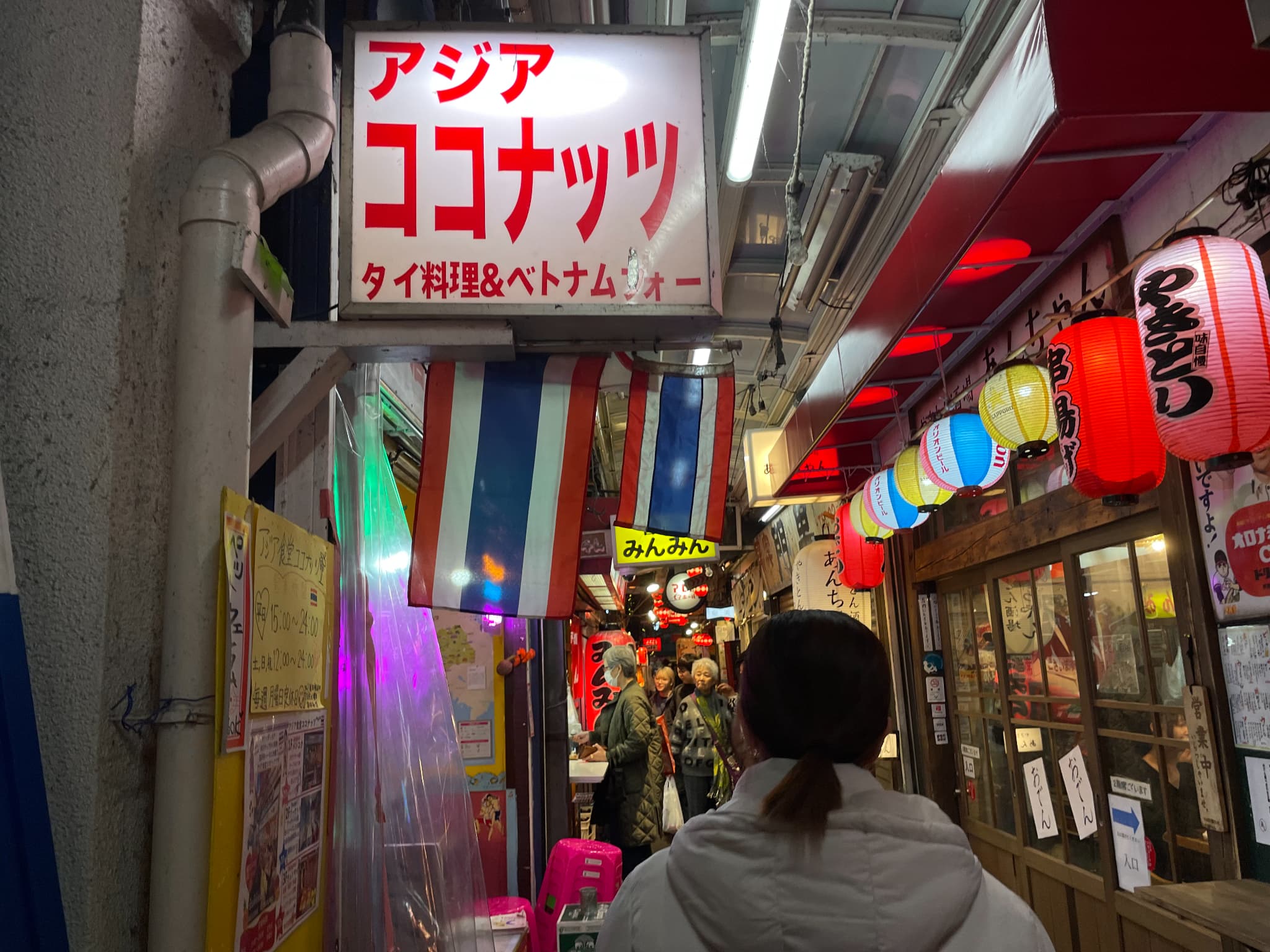
“Asian Dining Coconuts” is an Asian restaurant where you can enjoy authentic Thai cuisine and Vietnamese pho. Founded in 2010 by a Thai couple, it is currently run by their daughter “Nacchan.” The interior is unified with decor imported from Thailand, allowing you to enjoy an authentic atmosphere. Recommended menu items include khao man gai and pho, perfect for lunch or daytime drinking. The second and third floors have different themes, letting you enjoy meals while feeling the atmosphere of Bangkok, Phuket, or Chiang Mai.
4. Yushoku Taigashi Honpo Amane
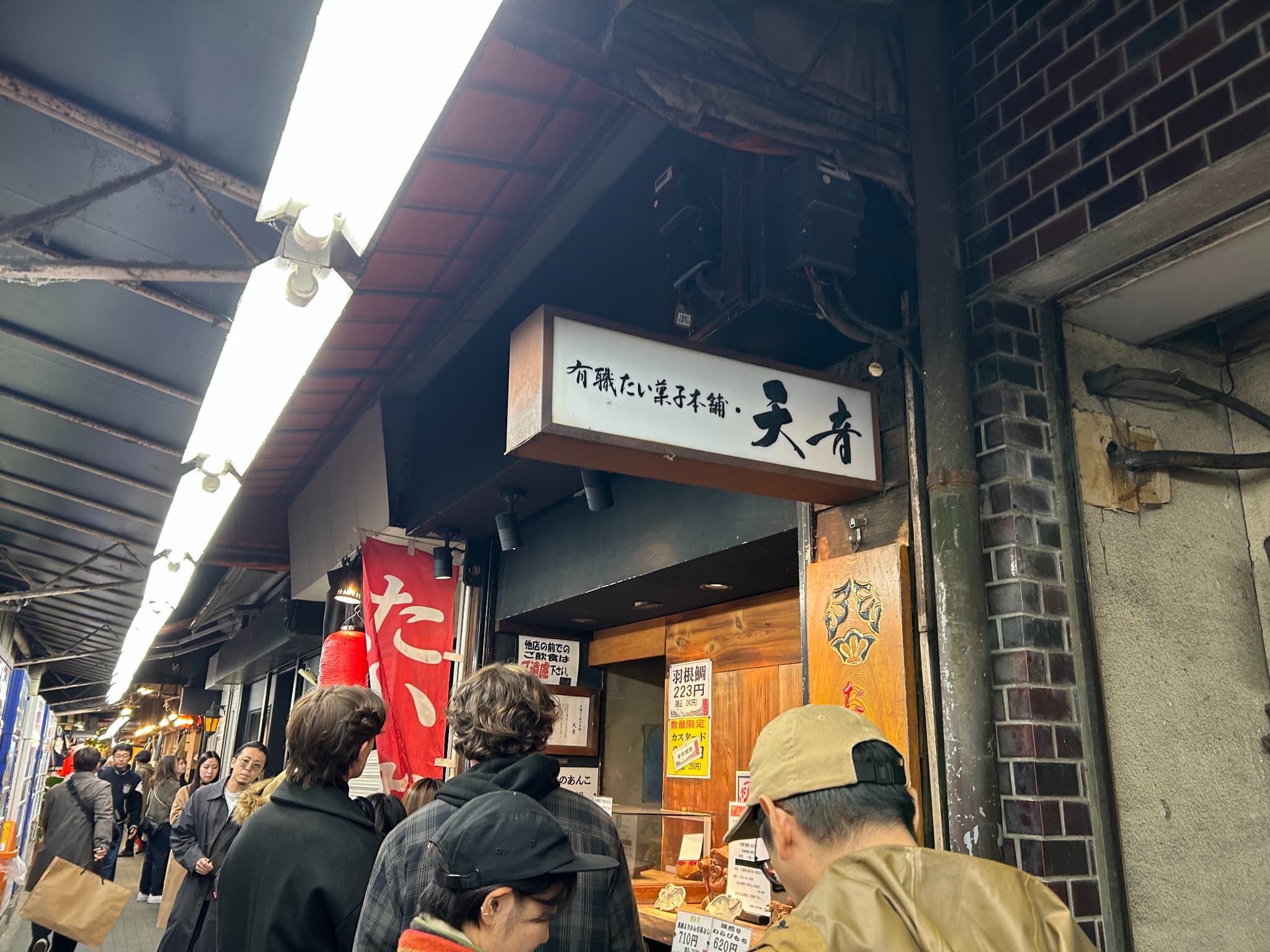
Famous as a Japanese confectionery shop perfect for eating while walking in Harmonica Alley. Its specialty is hanetsuki taiyaki (taiyaki with crispy wings), characterized by a crispy, fragrant exterior and chewy interior. The taiyaki skin uses brown sugar and is crafted to remain delicious even when cooled. Among their Japanese sweets, dango and warabi mochi are also popular and make excellent souvenirs.
5. POLLO
A roast chicken specialty shop at the entrance of Harmonica Alley. The authentic roast chicken, with the scent of rosemary wafting from the storefront, is slowly cooked on a rotisserie grill, resulting in a crispy exterior and juicy interior. The shop operates in a standing-bar style, and during lunchtime you can easily enjoy roast chicken as a “Pollo Lunch.” It becomes especially popular during the Christmas season, with whole chicken takeout available for enjoying at home.
6. Harmonica Kitchen
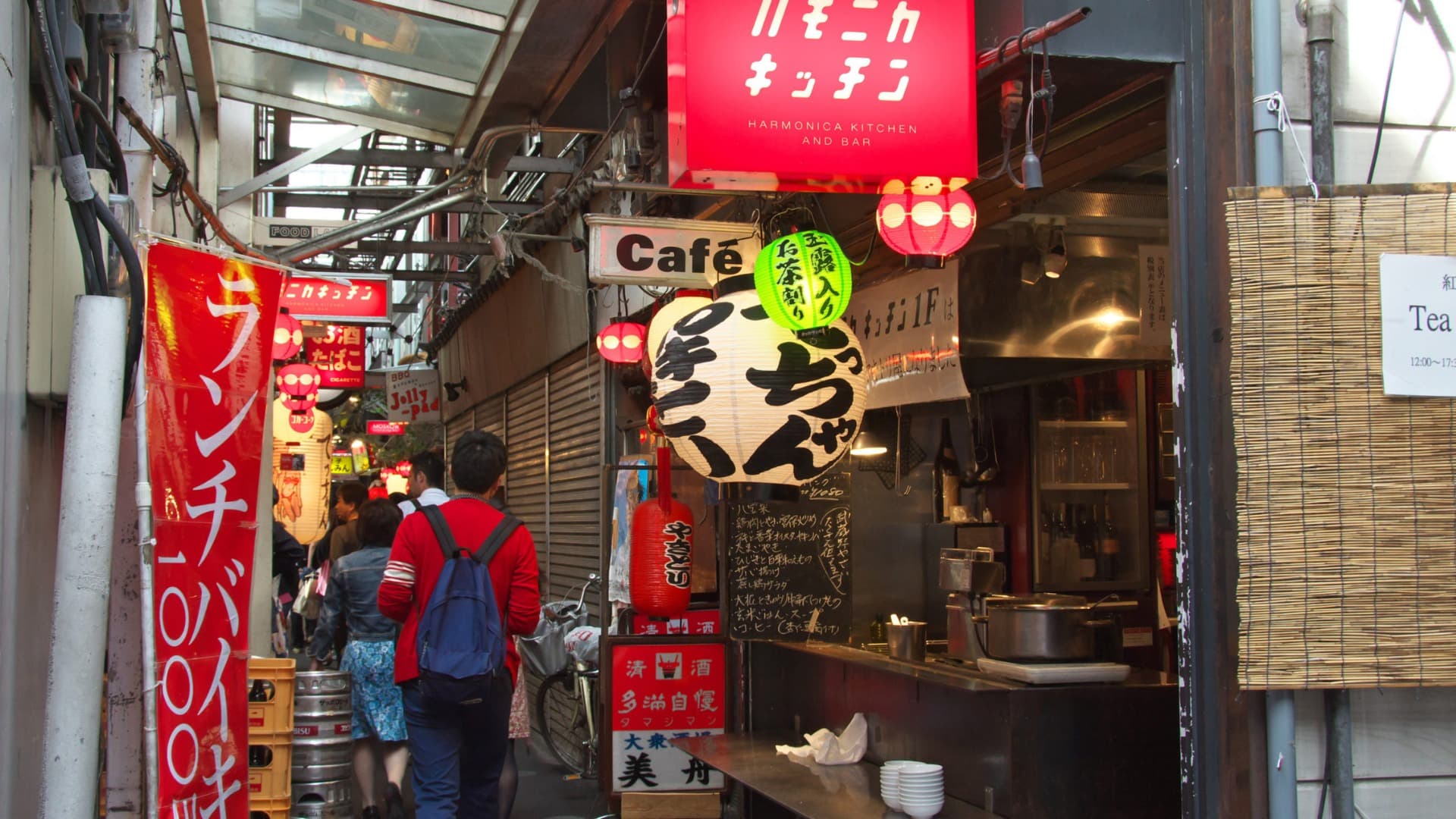
A multi-floor izakaya (Japanese pub) located in the center of Harmonica Alley. This restaurant spans 3 floors, each with a different atmosphere. The first floor is a casual standing bar, the second floor is a chic bar, and the third floor has a street-food-stall atmosphere, usable according to your mood or occasion. The menu is very diverse, with Chinese cuisine being particularly popular. You can casually enjoy classic Chinese dishes like shrimp in chili sauce, Shanghai fried noodles, and mapo tofu.
Other Spots in Harmonica Alley
Harmonica Alley has several spots to enjoy beyond food.
・Secondhand Bookshops
Harmonica Alley has secondhand bookshops scattered about that deal in Showa-era books and records. The narrow interiors have a nostalgic atmosphere, with the joy of finding hidden treasures. Especially recommended for those who love retro atmospheres.
・Beauty Salons
The alley also has unique beauty salons. These salons are popular not only with locals but also with tourists, offering hair and skin care in a relaxed atmosphere. Receiving beauty services while enjoying the charm of Harmonica Alley makes for a special experience.
・Record Shops
There are also several record shops that music lovers cannot resist, where you can find vintage records and rare albums. Inside the shops, you can enjoy conversations with knowledgeable staff and share your passion for music.
Summary
In conclusion, Harmonica Alley is not just a shopping street but a special place packed with Kichijoji’s history and culture. Starting from a postwar black market, this alley has evolved by incorporating modern elements while preserving Showa-era charm, offering visitors a variety of experiences.
By visiting the gourmet spots and cultural shops introduced in this article, you can feel the charm of Kichijoji more deeply. Please visit Harmonica Alley and experience its unique atmosphere and rich history.