A Journey Exploring Himeji’s Charm, Where History and Flavor Intersect

Table of Contents
- Recommended Sake Breweries Around Himeji
- History and Highlights of Himeji Castle
- Recommended Sake Selection from Himeji
- Model Courses for Himeji Castle and Sake Brewery Tours
Introduction
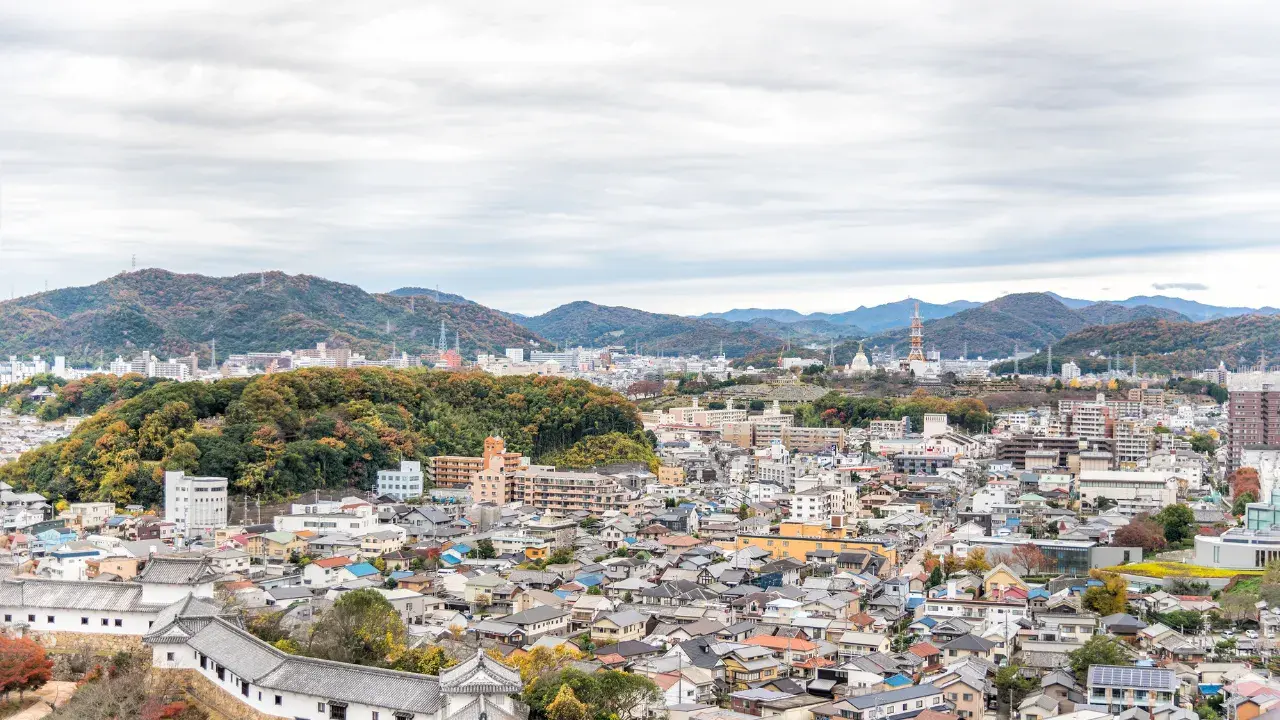
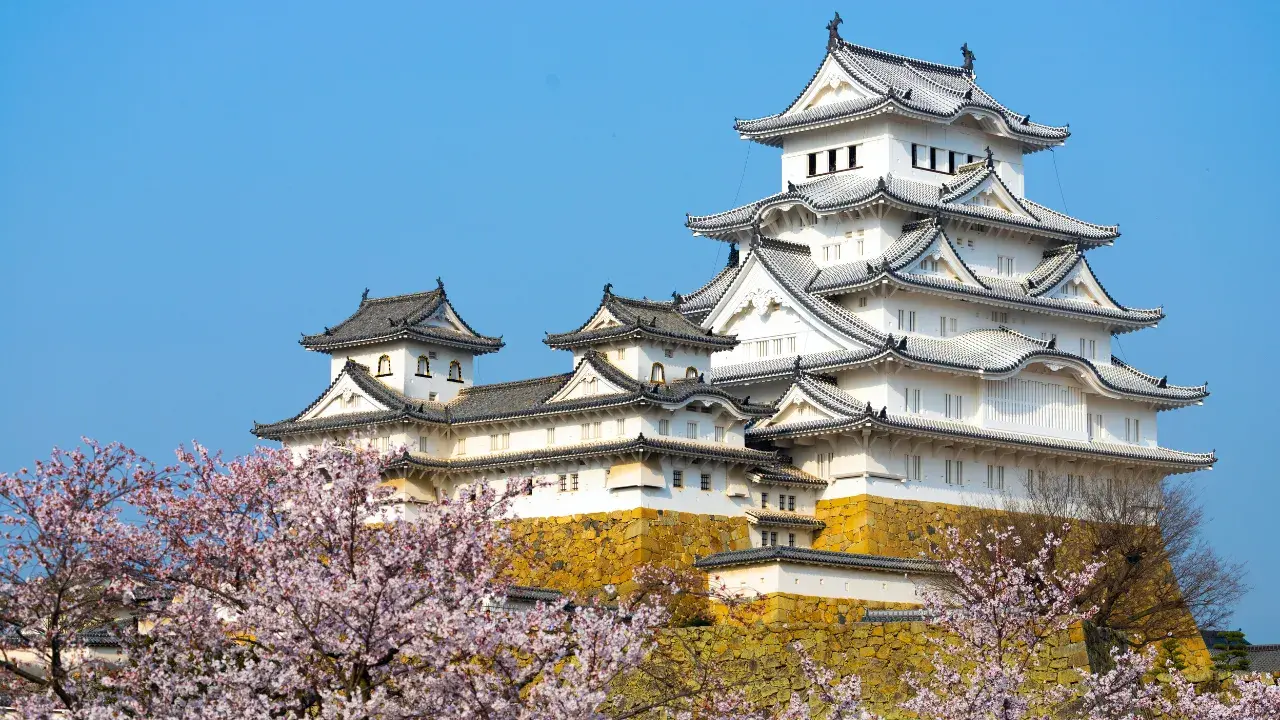
Himeji Castle, affectionately called “Shirasagi-jo” (White Heron Castle), is a World Heritage castle visited by many travelers from Japan and abroad. Alongside its history as a castle town, Himeji also has a sake culture rooted in the Harima region.
In this article, we introduce the history and highlights of Himeji Castle, nearby sake breweries and their local sake, and model courses that combine the castle with brewery visits.
Recommended Sake Breweries Around Himeji
The Harima region is a sake-producing area whose brewing history is recorded in the Harima no Kuni Fudoki, compiled about 1,300 years ago, which mentions sake made with rice koji. Hyogo Prefecture is a major producer of the sake rice Yamada Nishiki, and Harima breweries make a wide range of sake, from dry to aromatic. In 2020, “Harima” was also designated as a geographical indication (GI) for sake.
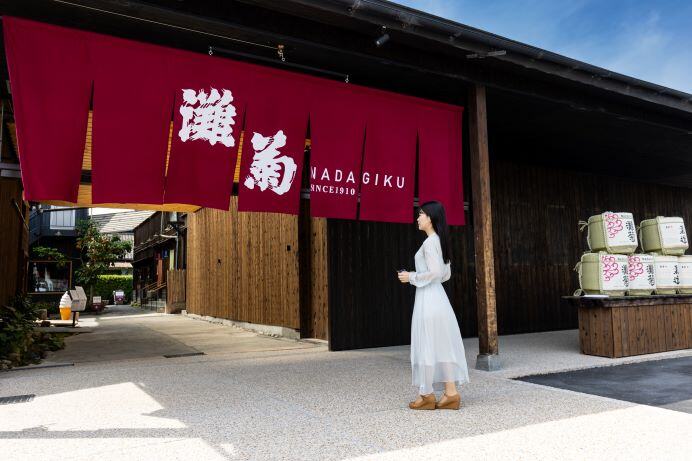
Nadagiku Sake Brewing
Founded in 1910, Nadagiku Sake Brewing is a long-established brewery located about 5 minutes by car from JR Himeji Station and about a 5-minute walk from Tegara Station on the Sanyo Electric Railway. The company name combines “Nada” from the Harima-nada Sea with “kiku” (chrysanthemum), a symbol of Japan. A woman serves as toji (master brewer), and the appeal of this brewery lies in sake making where tradition and innovation coexist.
Representative brands include “Nadagiku” and the “MISA” series, with a diverse range from dry types with a crisp finish to aromatic, fruity Flavor Profiles. In particular, the brewery preserves the traditional method called “fune-shibori” (pressing in a wooden fune tank), carefully handcrafting its sake in small quantities.
On the premises there is a restaurant, “Maegura,” and near Himeji Station the brewery runs “Shusentei Nadagiku Kappatei,” so you can enjoy the brewery’s own sake with local cuisine. Groups of 9 or fewer can tour the brewery freely without a reservation (groups of 10 or more must book by the previous day), and tastings are available (mostly paid, some free), so it is easy to fit into a day of sightseeing in Himeji.
| Item | Details |
|---|---|
| Location | 1-121 Tegara, Himeji City, Hyogo Prefecture |
| Access | About 5 minutes by car from JR Himeji Station; about a 5-minute walk from Sanyo Electric Railway Tegara Station |
| Year Founded | Meiji 43 (1910) |
| Features | Female toji, handmade “fune-shibori” pressing, a wide range of sake styles (dry to fruity) |
| Tours Information | Self-guided tours without reservation for groups of 9 or fewer (groups of 10+ must book by the previous day). Tastings (mostly paid, some free) and direct sales available. On-site restaurant “Maegura”; the brewery-run “Shusentei Nadagiku Kappatei” is near Himeji Station |
Meijo Sake Brewing
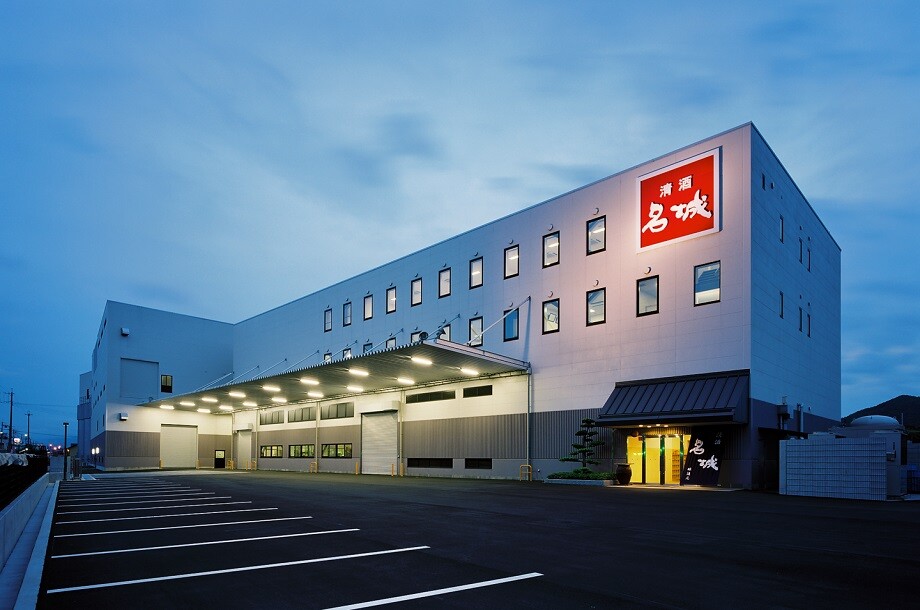
Meijo Sake Brewing was born in 1966 from the merger of six local sake breweries. Its roots lie in Imai Shuzo, founded in 1864, and the company name “Meijo” (famous castle) was chosen as a tribute to Himeji Castle.
Its main brands, such as the “Meijo” series, “Kanbei,” and “Senhime,” mostly bear names connected to Himeji. While its modern “shiki jozo gura” (four-season brewery) allows year-round production, it also carries on traditional techniques such as “hako-koji” (koji making in boxes).
There is a shop, but it is closed on weekends and public holidays. Whether tours or tastings are available must be confirmed in advance.
| Item | Details |
|---|---|
| Location | 2222-5 Toyotomi, Toyotomi-cho, Himeji City, Hyogo Prefecture |
| Access | About 20 to 30 minutes by car from JR Himeji Station |
| Year Founded | Founded: Genji 1 (1864, as Imai Shuzo) / Incorporated: Showa 41 (1966) |
| Features | Four-season brewery, hako-koji making, brands such as “Meijo,” “Kanbei,” and “Senhime” |
| Tours Information | Inquiry required (confirm by phone in advance whether tours and tastings are available). Shop on site (closed weekends and public holidays) |
Tsubosaka Sake Brewing
Tsubosaka Sake Brewing in Yumesaki-cho, Himeji City, has been brewing sake since 1629 (Kan’ei 6). After moving to its current site in 1805, it has continued a traditional “natural fermentation” method: no temperature-control equipment is used inside the brewery, and temperature and humidity are adjusted simply by opening and closing the doors.
Representative brands include “Seppikosan” and “Kinko,” made with underground water from the local mountains. Its Flavor Profile, with a pleasant harmony of sweetness and acidity, is its charm, and its well-balanced character can be enjoyed both chilled and warmed.
Tours are by advance reservation. The brewery is about 30 minutes by car from Himeji Station, a little out of the way, but it can be combined with a visit to Himeji Castle in one day.
| Item | Details |
|---|---|
| Location | 1418-1 Maenosho, Yumesaki-cho, Himeji City, Hyogo Prefecture |
| Access | About 30 minutes by car from JR Himeji Station / Shinki Bus available |
| Year Founded | Founded about 400 years ago (early Edo period) in the former Kanzaki District; relocated to the current site in 1805 |
| Features | Natural fermentation, use of underground water, brands such as “Seppikosan” and “Kinko” |
| Tours Information | Reservation only. Brewery Tours and Tastings experiences available |
History and Highlights of Himeji Castle
Origins and Development of Himeji Castle
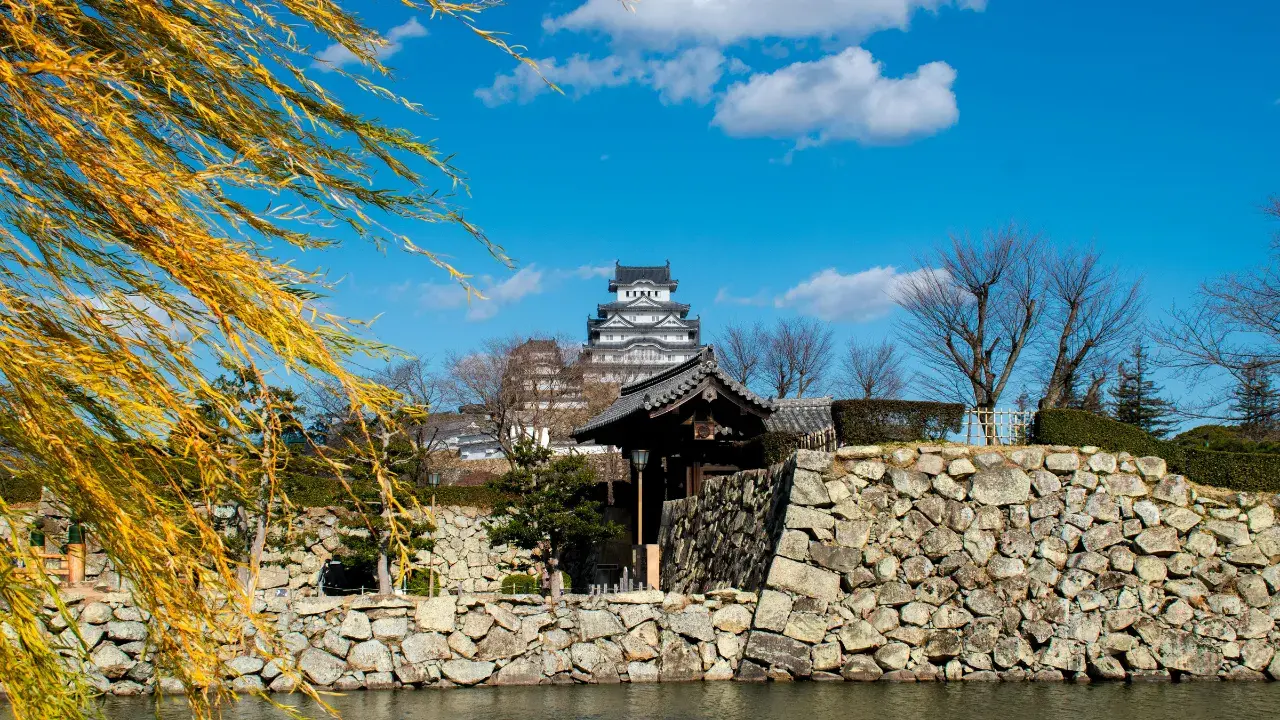
The history of Himeji Castle began in 1333, when Akamatsu Norimura, the shugo (military governor) of Harima Province, built a fort on the hill of Himeyama. Then in 1346, his son Akamatsu Sadanori developed it into a full-fledged castle, and it took shape as “Himeyama Castle.” In the Sengoku (Warring States) period, it was repeatedly renovated by Kuroda Shigetaka and Toyotomi Hideyoshi, and in 1581 Hideyoshi built a three-story castle keep, making Himeji an important military stronghold.
Then, from 1601 to 1609, Ikeda Terumasa, son-in-law of Tokugawa Ieyasu, built the main keep with five tiers on the outside and six floors plus one basement level inside along with vast moats and defensive facilities that form the prototype of today’s Himeji Castle. Because of its beautiful white-plastered exterior, it came to be called “Shirasagi-jo” (White Heron Castle) and became known as one of Japan’s most representative famous castles.
Throughout the Edo period, Himeji Castle functioned as the political and military center of the Himeji Domain. Although its lords changed many times, the main keep and other buildings escaped destruction by war and major disasters and survive today. Recognized for this state of preservation, it was registered as a UNESCO World Cultural Heritage Site in 1993.
Architectural Highlights and Defensive Ingenuity
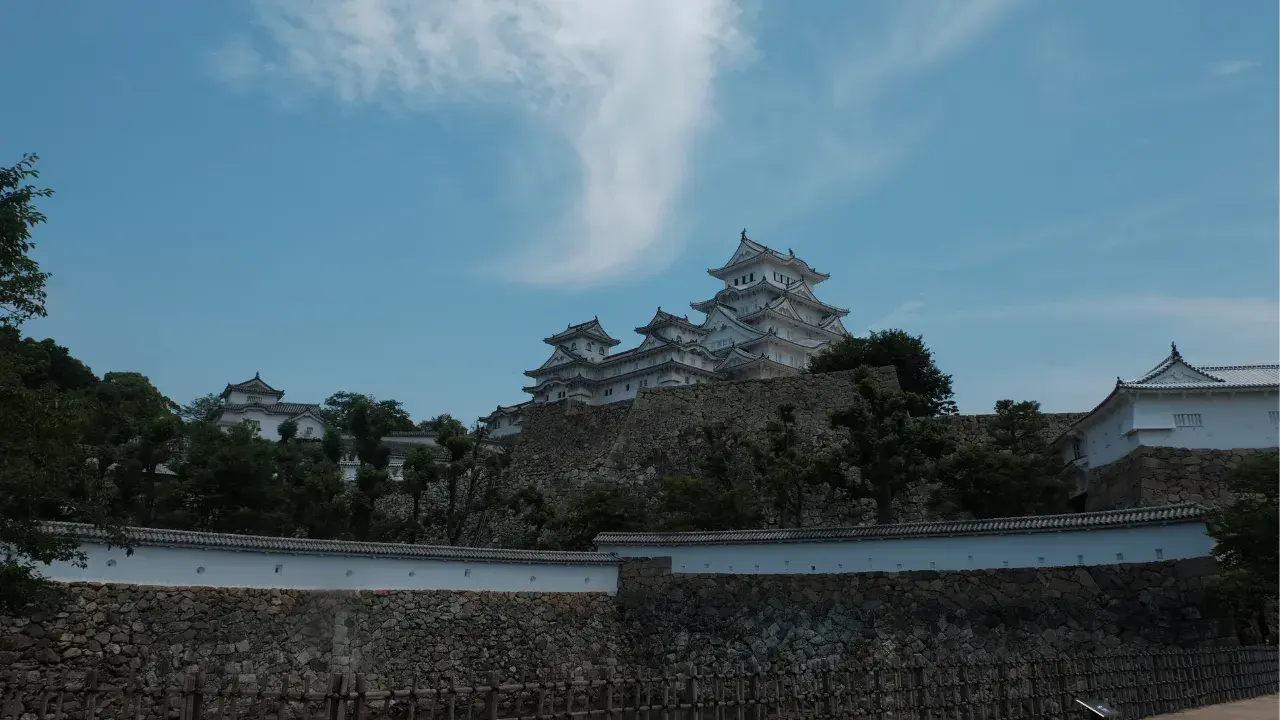
The greatest feature of Himeji Castle is its complex structure known as a “renritsu-shiki tenshu” (connected-style castle keep). The central five-tiered main keep is connected to three smaller keeps by covered corridors, forming a unified castle complex. Its white-plastered exterior walls, catching the sunlight, look like a white heron spreading its wings, enchanting all who visit.
Ingenuity is also evident in its defenses. Maze-like passages that hinder enemy advance, strategically placed yagura (turrets), defensive features such as ishi-otoshi (stone-dropping openings) and hazama (loopholes), and the beautiful yet functional stone walls known as “ogi no kobai” (fan-shaped slope) can be seen throughout, showing the high defensive capability of the age of warfare.
The Story of Princess Sen and Himeji Castle
Himeji Castle also has stories associated with Princess Sen (Senhime), granddaughter of Tokugawa Ieyasu. Princess Sen married Toyotomi Hideyori at a young age, but lost her husband in the Summer Siege of Osaka in 1615. She later remarried Honda Tadatoki and began a new life in Himeji.
The Nishi-no-Maru (West Bailey), associated with Princess Sen, preserves the Nagatsubone (Hyakken Roka corridor), where her ladies-in-waiting lived, and the “Kesho Yagura” (Cosmetic Tower). According to tradition, Princess Sen prayed toward Mt. Otokoyama from the corridor every morning and used the Kesho Yagura as her resting place.
Access and Sightseeing Guide
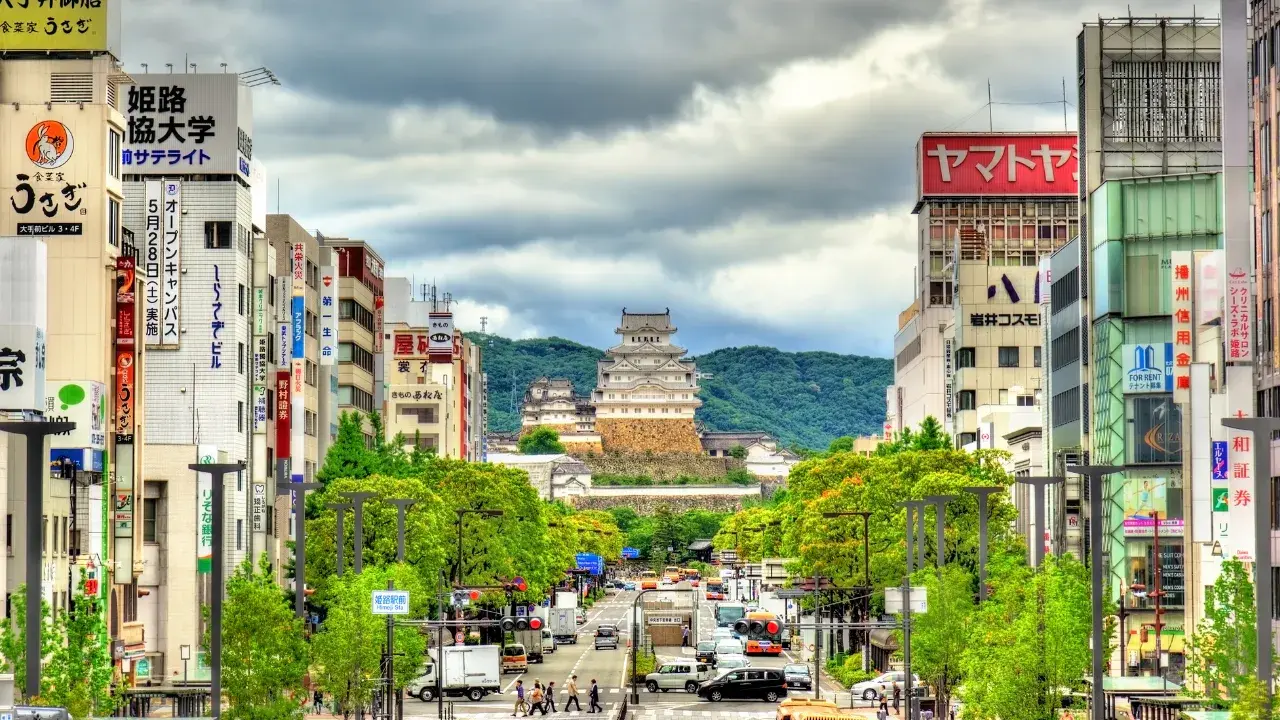
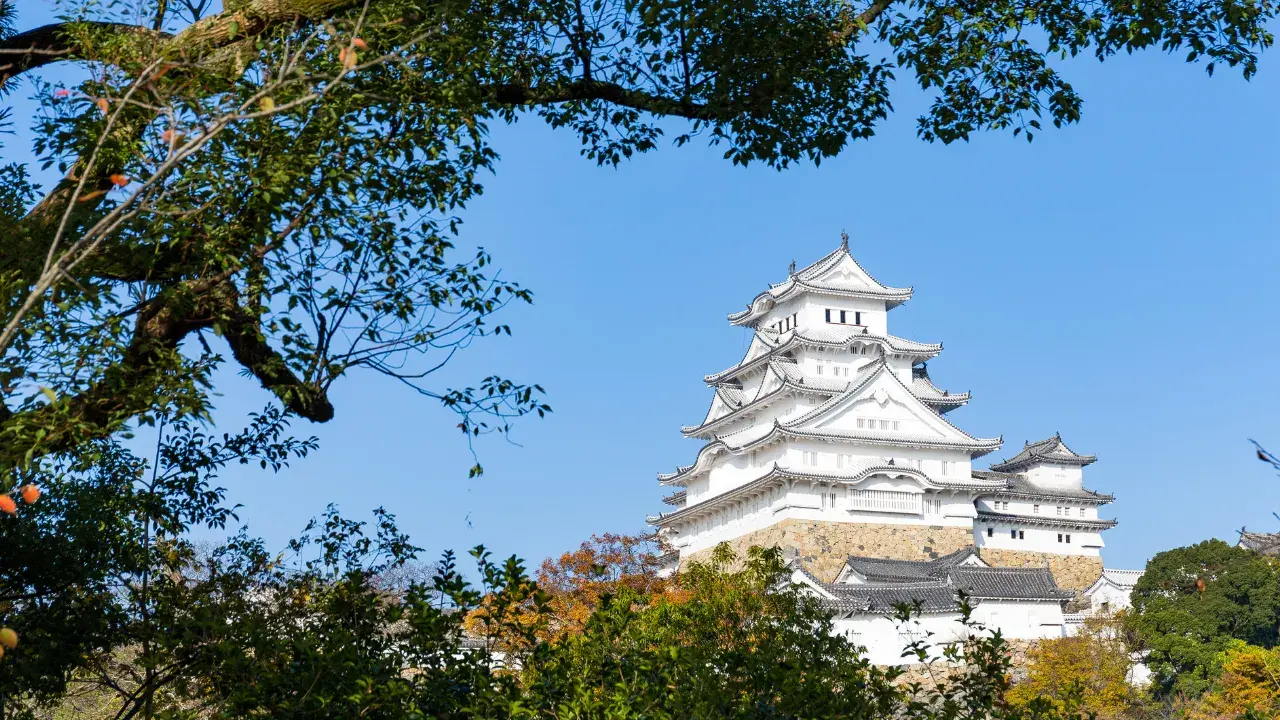
Himeji Castle is about a 15 to 20-minute walk north along Otemae-dori Street from JR Himeji Station, or about 5 minutes by bus.
For your tour, we recommend the route that enters through the Otemon Gate, passes through the Hishi-no-Mon Gate, and heads for the main keep. Along the way there are many turrets, gates, and gardens, each with its own historical meaning and function. The Nishi-no-Maru is the area associated with Princess Sen. Allow 2 to 3 hours to see the whole castle.
In addition, the surrounding area is dotted with Kokoen (a Japanese garden), the Himeji City Museum of Art, the Hyogo Prefectural Museum of History, and more, making it an area where you can enjoy history and culture all at once.
Recommended Sake Selection from Himeji
The sake breweries of the Harima region produce many distinctive local sakes. Here we introduce six brands from breweries in and around Himeji.
Nadagiku | Nadagiku Sake Brewing
A long-established brewery that has been making sake in central Himeji for over 100 years. The “MISA” series, crafted by female toji Misa Kawaishi, is known for its soft mouthfeel and aromatic bouquet. Meanwhile, “Ikkara” is a dry junmai sake that suits the everyday dining table.
| Item | Details |
|---|---|
| Brewery | Nadagiku Sake Brewing (Himeji City) |
| Category | Ikkara (super-dry junmai), MISA series (junmai ginjo, junmai daiginjo), and more |
| Flavor Profile | Wide variety (dry, rich, aromatic) |
| Features | Small-batch brewing by a female toji. Crafted with food pairing in mind |
| Food Pairing Examples | Can be chosen to match dishes such as appetizers, sashimi, tempura, simmered dishes, and hot pot |
Senhime Daiginjo | Meijo Sake Brewing
A daiginjo bearing the name of “Senhime” (Princess Sen), who is associated with Himeji Castle. Brewed to daiginjo standards (rice polished to 50% or less), it has a pure aroma and a clean aftertaste.
| Item | Details |
|---|---|
| Brewery | Meijo Sake Brewing (Himeji City, Hyogo Prefecture) |
| Category | Daiginjo |
| Flavor Profile | Slightly dry, fruity aroma, refreshing, clean finish |
| Features | A “Senhime” brand associated with Himeji Castle. A daiginjo with rice polished to 50% or less, giving it an elegant and delicate Flavor Profile |
| Food Pairing Examples | As an aperitif, or with white fish, tofu dishes, and simple Japanese cuisine that brings out the flavor of the ingredients |
Seppikosan | Tsubosaka Sake Brewing
A local sake from Tsubosaka Sake Brewing, made with underground water from the Mt. Seppiko range and natural fermentation without temperature-control equipment. Balanced in sweetness and acidity, it has a soft flavor that can be enjoyed both chilled and warmed.
| Item | Details |
|---|---|
| Brewery | Tsubosaka Sake Brewing (Yumesaki-cho, Himeji City) |
| Category | Ginjo, junmai |
| Flavor Profile | Slightly dry, refreshing, fruity |
| Features | Underground water of Mt. Seppiko and natural fermentation. A gentle, well-balanced bottle |
| Food Pairing Examples | Pairs with a wide range of dishes, including Japanese cuisine in general, grilled fish, and cold dishes |
Banshu Ikkon | Sanyohai Sake Brewing
As the name suggests, “please enjoy a cup of Banshu sake,” this series pursues “shokuchu-shu” (sake to drink with meals) to be enjoyed with everyday food. Using different sake rice varieties such as Yamada Nishiki and Hyogo Yumenishiki, it spans a wide range from super dry to rich types. The “Super Dry” in particular stands out for its sharp, crisp finish and refreshing aftertaste, bringing out the best in food.
| Item | Details |
|---|---|
| Brewery | Sanyohai Sake Brewing (Shiso City) |
| Category | A wide variety, including junmai, junmai ginjo, and super dry |
| Flavor Profile | Dry, clean, fruity aroma |
| Features | Diverse styles. Crisp finish, suited to drinking with meals |
| Food Pairing Examples | Sushi, grilled fish, tempura, salads, and more |
Tatsuriki Kome no Sasayaki | Honda Shoten
Honda Shoten’s flagship daiginjo (a junmai daiginjo version was also added in 2023). Made from highly polished Yamada Nishiki, it aims for a balance of aroma and flavor, with fruity aromas like melon and pear and a long aftertaste.
| Item | Details |
|---|---|
| Brewery | Honda Shoten (Aboshi Ward, Himeji City) |
| Category | Daiginjo (junmai daiginjo version also available) |
| Flavor Profile | Aromatic, delicate, fruit-like aroma (melon, pear, apple) |
| Features | A long-seller launched in 1979. A flagship with numerous awards |
| Food Pairing Examples | Pairs well with white fish sashimi, tempura with salt, and Western cuisine |
Oku Harima | Shimomura Sake Brewery
A sake from Shimomura Shuzoten, which follows its family motto “no skill surpasses handcrafting” and brews by hand only junmai sake made from rice, rice koji, and water. Deep aromas reminiscent of earth and grain come with firm acidity and umami, and the flavor opens up when warmed. It goes well with rich dishes and fermented foods.
| Item | Details |
|---|---|
| Brewery | Shimomura Sake Brewery (Yasutomi-cho, Himeji City) |
| Category | Junmai, yamahai junmai |
| Flavor Profile | Rich, full-bodied, umami, toasty |
| Features | Traditional yamahai brewing. A robust Flavor Profile suited to warmed sake |
| Food Pairing Examples | Hot pot, yakiniku, cheese, fermented foods, and more |
Model Courses for Himeji Castle and Sake Brewery Tours
Combining Himeji Castle with sake brewery visits lets you enjoy history and local sake in a single day. You can choose according to your travel style, from a half-day plan around central Himeji to a full-day plan that extends to the suburbs.
[Plan A | Half-Day Course Enjoying Central Himeji]
This is “a simple sake brewery tour plan centered on Himeji Castle that easily covers breweries in the city.” It is perfect for those with limited time or those who want to experience history and local sake without much travel. It is a compact course visiting Himeji Castle, Nadagiku Sake Brewing, and Meijo Sake Brewing.
9:00〜12:00
Tour Himeji Castle
→ Leisurely visit famous spots such as the main keep, Nishi-no-Maru, and Kesho Yagura (time required: about 2 to 3 hours)
*Going early in the morning is relatively less crowded and smoother12:00〜12:15
Move to Nadagiku Sake Brewing (about 10 minutes by taxi)
12:15〜13:30
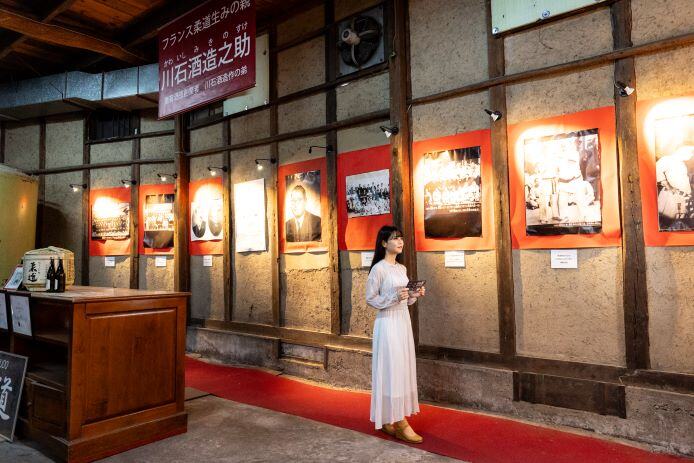
Brewery Tours & Tastings at Nadagiku Sake Brewing → Walk through the Meiji-era wooden storehouses; current sake-making is introduced on panels
→ Lunch at the on-site restaurant “Maegura” is also an option13:30〜13:55
Move to Meijo Sake Brewing (about 20 to 30 minutes by car or taxi)
14:00〜15:00
Visit the Meijo Sake Brewing shop (weekdays only)
→ Encounter brands typical of Himeji, such as “Kanbei” and “Senhime”
*Confirm by phone in advance whether tours, tastings, and purchases are availableAfter 15:00
Free exploration or return to Himeji Station
→ Relaxing at a museum or cafe is also recommended
[Plan B | Full-Day Course to Experience Suburban Nature and Tradition]
This is “a full-day plan that combines a visit to Himeji Castle with a brewery tour in nature-rich Yumesaki-cho.” It is recommended for those who want a leisurely trip or who are interested in natural fermentation without temperature-control equipment.
9:00〜12:00
Take an extensive tour of Himeji Castle → Take your time exploring the inside of the main keep, Nishi-no-Maru, and even Kokoen Garden
12:00〜12:30
Move to Tsubosaka Sake Brewing (by car or Shinki Bus)12:30〜14:30
Tours & Tastings experience at Tsubosaka Sake Brewing
→ Learn about sake brewing with Mt. Seppiko underground water and natural fermentation
→ The historic buildings and tools are also highlights
*Reservation only, so advance contact is essential (also confirm available tour times when booking)14:30〜15:30
Stroll around Yumesaki-cho / take a break at a cafe
→ Fully enjoy the local nature and a relaxed timeAround 16:00
Return toward Himeji Station
→ Time to buy local sake as a souvenir or take a breather before dinner
Summary
Himeji’s appeal goes beyond Himeji Castle. The white-plastered keep carries the history of the Warring States and Edo periods and the story of Princess Sen, and sake brewing culture continues in the surrounding area.
Visiting breweries such as Nadagiku, Meijo, and Tsubosaka shows how closely Harima is tied to sake.
Plan a day of touring Himeji Castle and tasting local sake.