- Hirosaki Cherry Blossom Festival | Highlights, How to Enjoy, and History
- What is the Hirosaki Cherry Blossom Festival?
- Highlights of the Hirosaki Cherry Blossom Festival
- History of the Hirosaki Cherry Blossom Festival
- How to Enjoy the Hirosaki Cherry Blossom Festival
- 2026 Latest Information
- Summary
- Frequently Asked Questions
Hirosaki Cherry Blossom Festival | Highlights, How to Enjoy, and History

Table of Contents
- What is the Hirosaki Cherry Blossom Festival?
- Highlights of the Hirosaki Cherry Blossom Festival
- History of the Hirosaki Cherry Blossom Festival
- How to Enjoy the Hirosaki Cherry Blossom Festival
Introduction
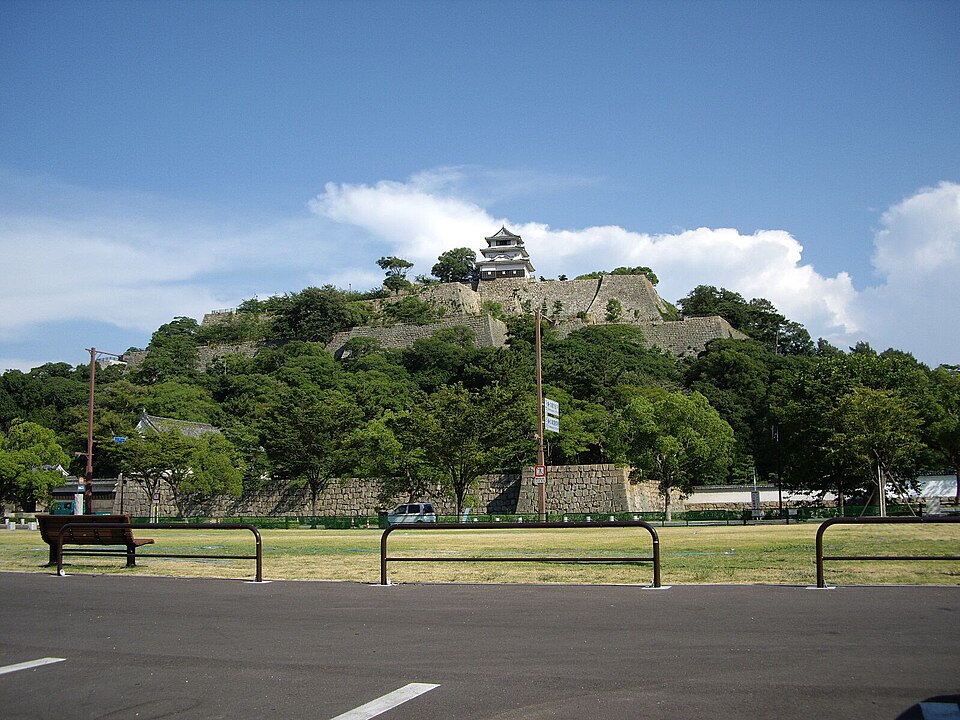
Hirosaki Park lets you take in about 2,600 cherry trees, Hirosaki Castle and, on a clear day, Mt. Iwaki all at once. 2026 is the last spring before the castle keep is moved back onto its original stone base, and the last year you can see the keep in its temporary position together with the blossoms and Mt. Iwaki.
The 2026 festival ran for 26 days, from April 10 (Friday) to May 5 (Tuesday, national holiday). Besides daytime viewing, there are evening illuminations and boats on the moats.
What is the Hirosaki Cherry Blossom Festival?
The Hirosaki Cherry Blossom Festival is held at Hirosaki Park (the grounds of Hirosaki Castle) in Hirosaki City, Aomori Prefecture. The park has about 2,600 cherry trees of some 52 varieties, and its Somei Yoshino trees bloom so densely that at full bloom the flowers fill the sky overhead.

The trees are managed with the “Hirosaki Method,” which adapts local apple-pruning techniques, and it is credited with keeping even trees over 100 years old in flower. The festival draws about 2 million visitors each year.

>> Cherry blossom highlights in Kyoto Arashiyama
Highlights of the Hirosaki Cherry Blossom Festival
The park’s main highlights are the Nishi-bori (West Moat), the castle keep with Gejo-bashi Bridge, and the “Cherry Blossom Heart.”
1. Nishi-bori (West Moat) Area
The West Moat is known for the rows of cherry trees reflected in the water and the cherry blossom tunnel along its banks.
Shunyo-bashi Bridge and the Cherry Blossom Tunnel

From Shunyo-bashi Bridge over the West Moat, you can look down the cherry blossom tunnel formed by branches arching over from both banks. It is a busy photo spot at full bloom.
Cherry Blossoms Reflected on Water and “Hanaikada” (Flower Rafts)

Old Somei Yoshino trees line the West Moat, and at full bloom they are reflected in the water. As the petals begin to fall, they cover the moat and turn the surface pink, a sight called “hanaikada” (flower rafts). Hanaikada can also be seen on the outer moat.
Boat Ride Experience

A rowboat rental dock on the West Moat lets you look up at the cherry trees from the water. Fees and hours are listed under “Moat Boat Tours” below.
2. Hirosaki Castle Keep and Gejo-bashi Bridge
Around the castle keep, the area near Gejo-bashi Bridge gives you the cherry blossoms, the keep and Mt. Iwaki in one view.
The Charm of Gejo-bashi Bridge

Gejo-bashi is a bridge with red railings, and a standard spot for photographing the bridge, the keep and the blossoms in one frame.
Special Highlights for 2026

2026 is the last spring before the castle keep is returned to its original position. The current view of the keep in its temporary spot with the blossoms and Mt. Iwaki ends with the 2026 festival. The move back began in July 2026, and the keep is scheduled to reach its original base around mid-November 2026 (as of October 2026).
Evening Illumination

After sunset, the keep and cherry trees are lit up, and around Gejo-bashi Bridge the red bridge and the keep’s white walls stand out under the lights. See the FAQ at the bottom of the page for lighting hours.
3. Cherry Blossom Heart — A Heart-Shaped Photo Spot

The park also has a photo spot known as the “Cherry Blossom Heart,” where, looking up from a particular point, the gap between the branches and the sky forms a heart shape. It became known through social media.
Its location is sometimes shown in the official park pamphlet and at tourist information centers, so checking in advance makes it easier to find.
History of the Hirosaki Cherry Blossom Festival
1. Origins and History of Cherry Tree Planting

Cherry trees were first planted at Hirosaki Castle in 1715 (Shotoku 5), when Kasumizakura saplings brought back from Arashiyama in Kyoto were planted in the grounds. At the time they covered only part of the castle, and it was not yet a cherry blossom spot.
When the Tsugaru domain was dissolved after the abolition of feudal domains in the Meiji era, the castle fell into disrepair, and former retainers of the domain began planting cherry trees. In 1880 (Meiji 13), Uchiyama Kakuya planted 20 trees at his own expense, and in 1882 (Meiji 15), Kikuchi Tatee donated 1,000 Somei Yoshino saplings.
Some objected that castle ruins should not become a place for cherry blossom parties, and saplings were broken. Even so, in 1895 (Meiji 28) the castle site opened to the public as “Hirosaki Park,” and it gradually became established as a place for hanami.
2. The Beginning and Development of the Cherry Viewing Festival
In 1916 (Taisho 5), a local youth group called the “Nonki Club” organized a hanami event called the “Kan-oukai” (cherry blossom viewing gathering). They invited a film technician from Tokyo to film the blossoms and put on parades, costume processions and food stalls, the prototype of today’s festival.
From 1918 (Taisho 7), the Hirosaki Chamber of Commerce (now the Hirosaki Chamber of Commerce and Industry) organized an official Kan-oukai with float parades, sumo tournaments and fireworks.
In 1921 (Taisho 10), the castle keep was lit with electric lights, and evening cherry blossom viewing continued late into the night.
3. War, Revival, and Becoming the “Hirosaki Cherry Blossom Festival”
The Kan-oukai was suspended in 1944 (Showa 19) as the war worsened, but it was revived in 1947 (Showa 22), and tree planting resumed. In 1956 (Showa 31), former city councilman Fukushi Tadayoshi donated 1,300 Somei Yoshino trees, creating the cherry-lined outer moat.
In 1961 (Showa 36), the Kan-oukai was renamed the “Hirosaki Cherry Blossom Festival,” and from 1962 its dates were fixed at April 22 to May 5.
4. The Modern “Hirosaki Cherry Blossom Festival”
The “Hirosaki Castle Miss Cherry Blossom Contest” began in the 1980s. In 1989, the city’s 100th anniversary was marked with the “National Cherry Blossom Symposium,” and from that year the Honmaru and Ninomaru charged admission during the festival, strengthening tree maintenance.

Hirosaki Park marked its 100th anniversary in 1995, and from 2003 the Honmaru and Kita-no-Kuruwa became paid areas from spring through autumn. In 2018, the Japan Air Self-Defense Force’s Blue Impulse team flew over the park to mark 100 years of the Kan-oukai.

In 2020, the festival was cancelled for the first time because of COVID-19.
5. 2026 is a Special Year

The 2026 festival falls in the last spring before the keep returns to its original position (see “Special Highlights for 2026” above).
How to Enjoy the Hirosaki Cherry Blossom Festival
Moat Boat Tours
On the moats, you can see the cherry blossoms from the water by rowboat or by boatman-rowed wasen.
1) Nishi-bori (West Moat) Area — Rowboats

- Fee: 1,500 yen per boat for 60 minutes
- Operating hours: 9:00-17:00 (2026)
- Features:
- Row beneath the old Somei Yoshino trees lining the banks.
- As the petals fall, you can see the hanaikada (flower rafts) up close.
- During peak times, waiting times may occur, so early visits are recommended.
2) Inner Moat (Naka-bori) Area — Boatman-Rowed Wasen “Nakabori Sightseeing Boat”
- Fee: Adults 1,500 yen / Junior high and high school students 1,000 yen / Elementary school students 500 yen (preschoolers free, one per adult)
- Operating hours: 9:00-17:00 (last boarding 16:30, departures throughout the day)
- Features:
- A boatman rows, so you can stay seated and watch the scenery.
- An approximately 20-minute cruise with views of the Hirosaki Castle keep and cherry blossoms from the water.
- For a limited period, a night cherry blossom boat (2,000 yen per person, reservation required) also cruises the illuminated inner moat.
Guided Tours
Guided tours run during the festival. The “Express Guide Tour” is led by Festival Ambassadors, who show visitors the park’s photo spots in English.
It takes about 45 minutes and requires at least 2 participants (Hirosaki Castle paid-area admission separate). The “Night Sakura Kanpai Tour” through the illuminated park takes about 75 minutes and cost 7,000 yen per adult in 2026 (paid-area admission separate). Both must be booked at least 2 days in advance. Check the official website for current fees.
Miss Cherry Blossom Contest
The winners of the “Hirosaki Castle Miss Cherry Blossom Contest” served as tourism ambassadors for Hirosaki City (the contest ended with its 40th edition in fiscal 2025).

Miss Cherry Blossom Contest
- Selection criteria: Unmarried women aged 18 and above who live in Hirosaki City or elsewhere in Aomori Prefecture and have an attachment to Hirosaki City are eligible to apply. However, high school students and those currently serving as “Miss” for other events are excluded.
- Activities:
- Winners participate in the city’s four major festivals — including the Hirosaki Cherry Blossom Festival, Hirosaki Neputa Festival, Hirosaki Castle Chrysanthemum and Autumn Foliage Festival, and Hirosaki Castle Snow Lantern Festival — as well as various events, promoting Hirosaki City’s tourism and local products.
- They also attend official events outside the prefecture (such as in Hakodate and Tokyo).
2026 Latest Information
The 2026 Hirosaki Cherry Blossom Festival was held for 26 days from April 10 (Friday) to May 5 (Tuesday, national holiday). In response to early blooming, the start date was moved seven days earlier than originally planned. The Hirosaki Castle keep began its hikiya (relocation back to the original foundation) in July 2026 and is scheduled to return to its original base around mid-November 2026 (as of October 2026). Interior viewing of the keep will not be available during the cherry blossom festival period (it entered an approximately 7-year closure on November 23, 2025).
For the latest blooming information and schedule changes, please check the Hirosaki City Tourism Information website.
Summary
The tunnel of blossoms and hanaikada on the West Moat, the keep seen from Gejo-bashi Bridge, the evening illuminations and the moat boats are all within Hirosaki Park and easy to cover on foot. 2026 is the last spring before the keep returns to its original position, and the last year to see the keep in its temporary spot with the blossoms and Mt. Iwaki.