
🕓 2023/4/12
#Gourmet
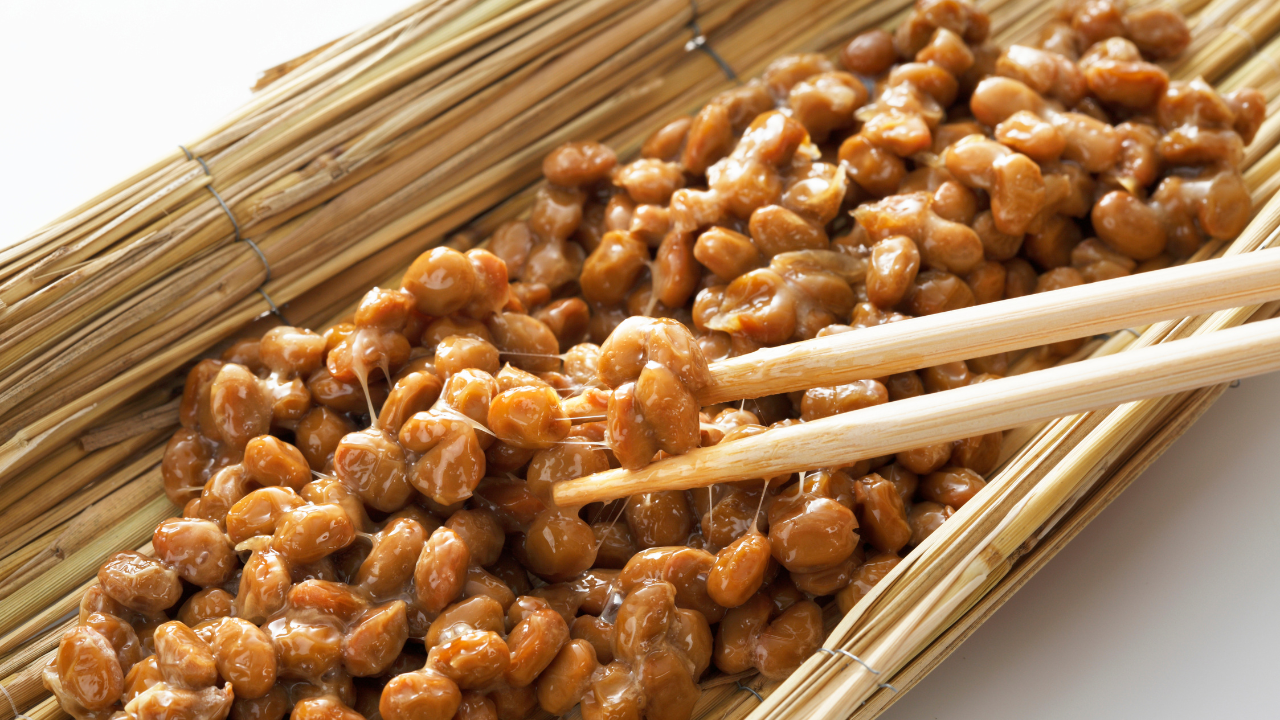
About the Food of Ibaraki Prefecture
Ibaraki Prefecture is blessed with abundant natural environments and fertile land, producing a rich variety of agricultural products throughout the four seasons. Cuisine using the region’s distinctive seasonal ingredients is one of Ibaraki Prefecture’s greatest attractions. In spring, there are vibrant broad beans; in early summer, fresh vegetables; in summer, sweet and juicy melons and peaches; and in autumn, pears and sweet potatoes – each season offers its own unique flavors.
Ibaraki Prefecture possesses a unique food culture that draws upon its historical background and natural environment. A prime example of this is “natto” (fermented soybeans). Backed by abundant soybean production, natto has been deeply rooted in the dietary habits of Ibaraki Prefecture’s residents since ancient times. In particular, Ibaraki’s natto is beloved by many people throughout all four seasons, not just in the cold months, thanks to its rich production methods and flavor.
Top 3 Selected Foods of Ibaraki Prefecture
Stamina Ramen
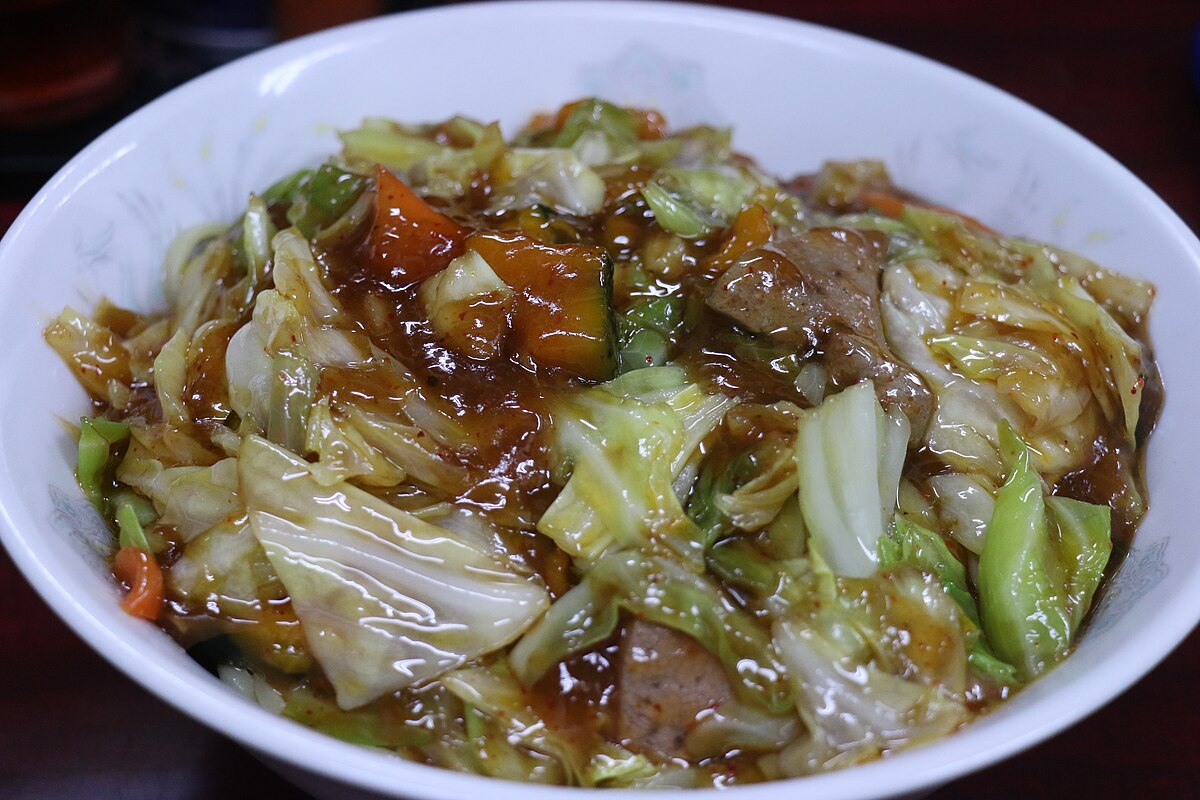
The Appeal of Stamina Ramen
Ibaraki Prefecture’s Stamina Ramen is a regional soul food centered around Hitachinaka City. This ramen is characterized by a sweet and spicy thick sauce made with ingredients such as cabbage, liver, and kabocha (Japanese pumpkin). When this sauce is poured over thick, chewy noodles served cold, it creates a unique flavor experience that cannot be found in any other ramen.
There are over 40 establishments serving Stamina Ramen, each offering their own original sauce, noodles, and soup. Among them, there are variations with added curry flavor, as well as third-generation and evolved versions. Ibaraki’s Stamina Ramen is characterized by its rich nutrition and deep flavor, boasting such high popularity that fans come from outside the prefecture to try it.
The History of Stamina Ramen in Ibaraki Prefecture
Stamina Ramen was born in Ibaraki Prefecture in the 1970s, with a very unique origin story. Its birthplace was a ramen shop called “Daijin” located in front of Katsuta Station in Hitachinaka City, Ibaraki Prefecture. At the time, liver was not widely valued and was often discarded, but the owner of Daijin decided to create a new menu item using this liver. The result was a highly nutritious “ankake ramen” (thick sauce ramen) packed with liver and vegetables. This idea was refined by the manager at the time, Nagai Junichi, who created the prototype of what is now known as Stamina Ramen.
Where to Eat Stamina Ramen! The Best Place for Stamina Ramen!
- Restaurant Name: Stamina Ramen Matsugoro, Hakamazuka Branch
- Appeal:
“Stamina Ramen Matsugoro” is a pioneer of Ibaraki’s Stamina Ramen, known for its continuously evolving flavors. Using fresh cabbage and kabocha, along with tender, odor-free liver, the carefully balanced soy sauce-based broth is rich yet refreshingly clean on the finish. The dedication to ingredients and constant improvement are the reasons this restaurant continues to be loved by its visitors. Be sure to experience the unique texture created by the combination of cold noodles and hot toppings at this local gem. - Access: 3,207m from Jokurikutsuda Station
- Address: 1-4-14 Hakamazuka, Mito City, Ibaraki Prefecture
- Google Maps: https://maps.app.goo.gl/PgRTYGAHqa75QF8eA
Natto Cuisine
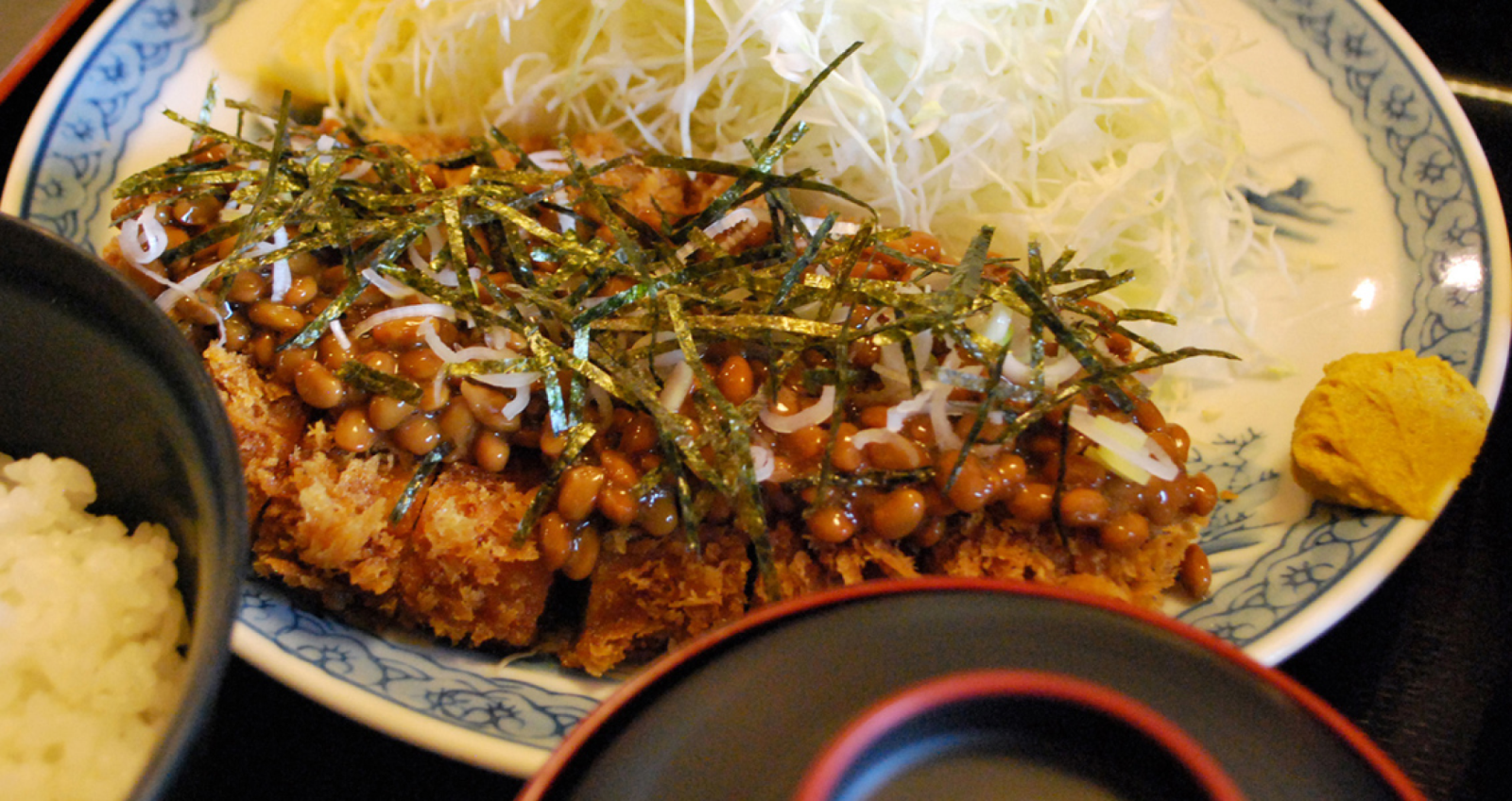
The Appeal of Natto Cuisine
The appeal of Ibaraki Prefecture’s natto cuisine lies in its diversity and the flavors that make use of local ingredients. Mito natto, made with small-grain soybeans, is characterized by its stickiness and flavor. You can enjoy a wide range of dishes, from traditional natto rice to creative dishes using natto. Discovering new flavors through dishes that harness natto’s health benefits or through combinations with local vegetables is another way to enjoy Ibaraki’s unique natto cuisine.
Ibaraki Prefecture boasts the highest natto production volume in Japan, and Mito natto in particular has high national recognition. Additionally, fusion menus incorporating natto into Western dishes such as pasta and pizza are also gaining popularity. These dishes provide new flavors through combinations with various ingredients while preserving natto’s distinctive taste.
The History of Natto Cuisine
The history of natto cuisine is deeply connected to Japan’s food culture. Natto production in Ibaraki Prefecture, in particular, is famous for its use of small-grain soybeans and its production methods. During the Edo period, the Mito Domain was already promoting the cultivation of early-maturing small-grain soybeans. This had the advantage of allowing harvest before the autumn typhoon season. In the Meiji era, Mito Tengu Natto was sold as a souvenir, and natto spread throughout the country as a specialty of Mito. Natto cuisine has continued to diversify since then, and in modern times, it has gained even more popularity with growing interest in health.
Where to Enjoy Natto Cuisine!
- Restaurant Name: Tonkatsu Hakkai
- Appeal:
At “Tonkatsu Hakkai,” the signature dish is natto tonkatsu made with premium Rose Pork from Ibaraki Prefecture. A thick-cut tonkatsu made with carefully selected Rose Pork is topped with Ibaraki’s specialty natto. This unexpected combination enhances both the rich flavor of the natto and the juiciness of the pork. Additionally, the ability to enjoy flavor variations with different seasonings is another part of the appeal. We highly recommend experiencing the natto tonkatsu at Tonkatsu Hakkai, which draws fans from both within and outside the prefecture. - Address: 600-54 Kasaharamachi, Mito City, Ibaraki Prefecture
- Access: 3,891m from Mito Station
- Google Maps: https://maps.app.goo.gl/yyvXfRE2af7sATAfA
Anko Nabe (Monkfish Hot Pot)
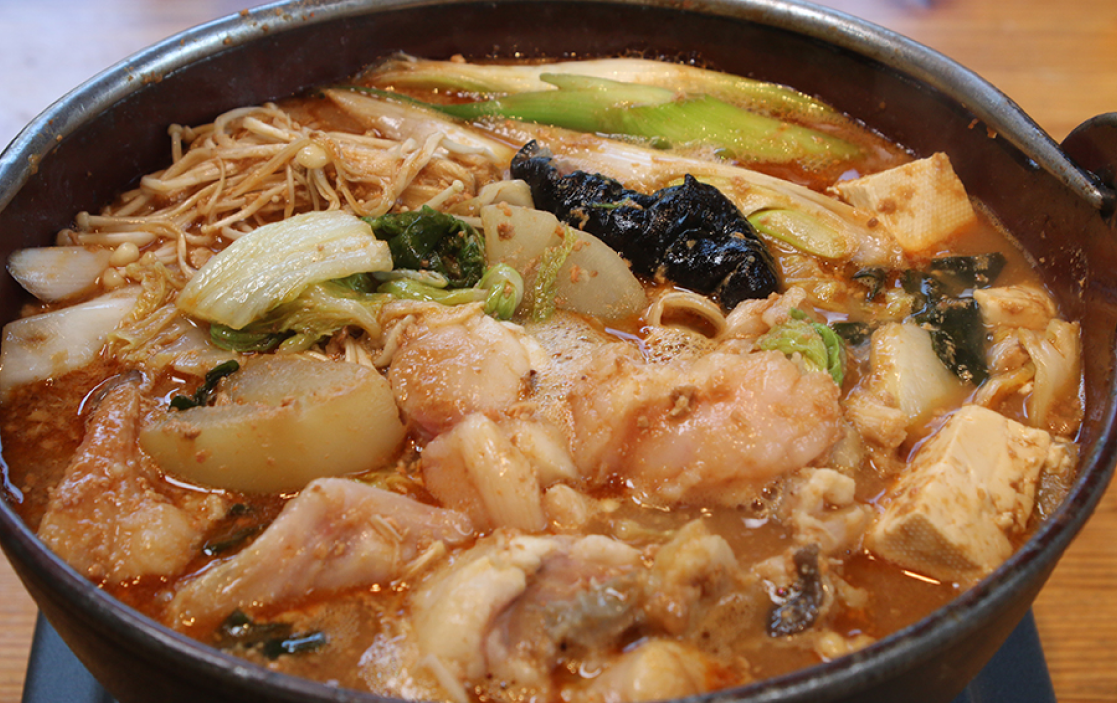
The Appeal of Anko Nabe
Ibaraki Prefecture’s monkfish hot pot uses “Ki-anko” caught particularly off the coast of Kita-Ibaraki, characterized by its yellow body color and absence of white spots. Ki-anko has high-quality liver fat, and its rich flavor adds depth to hot pot dishes. Other popular dishes include “dobu-jiru” (a stew that brings out the rich flavor of the liver), “an-gimo” (monkfish liver served with ponzu sauce), and “tomo-zu ae” (a vinegared dish that allows you to enjoy the textures of various parts). The “Seven Tools,” which utilize all parts except the bones, offer different flavors and textures to enjoy, and are available at many restaurants in Kita-Ibaraki City during the peak season from October to March.
The History of Anko Nabe
The anko nabe of Kita-Ibaraki City, Ibaraki Prefecture, is said to have originated from fishermen cooking monkfish on their boats to warm themselves during cold winters. Originally, monkfish had little commercial value and was boiled and eaten on boats, eventually developing into a local specialty dish. This tradition continues to this day, and anko nabe, with its rich flavor and high nutritional value, is beloved not only by locals but also by tourists.
Where to Eat Anko Nabe!
- Restaurant Name: Ohamamaru Uoriki
- Appeal:
“Ohamamaru Uoriki” is a restaurant in Otsu, Ibaraki Prefecture, serving fresh seafood dishes against the backdrop of a stunning Pacific Ocean view. The winter delicacy, monkfish dishes, are a must-try menu item. The restaurant’s signature dobu-jiru-style anko nabe is characterized by its distinctive savory miso aroma and rich flavor. You can enjoy a hot pot brimming with ocean aromas alongside generous ingredients. We highly recommend this restaurant for anyone who wants to fully savor Ibaraki’s seafood along with fresh marine delicacies. - Address: 1-131 Koura, Otsumachi, Kita-Ibaraki City
- Access: 5 minutes by taxi from JR Otsu-Ko Station
- Google Maps: https://maps.app.goo.gl/gkrtQ3AXxaNigEvq6