
🕓 2026/2/1
#Gourmet
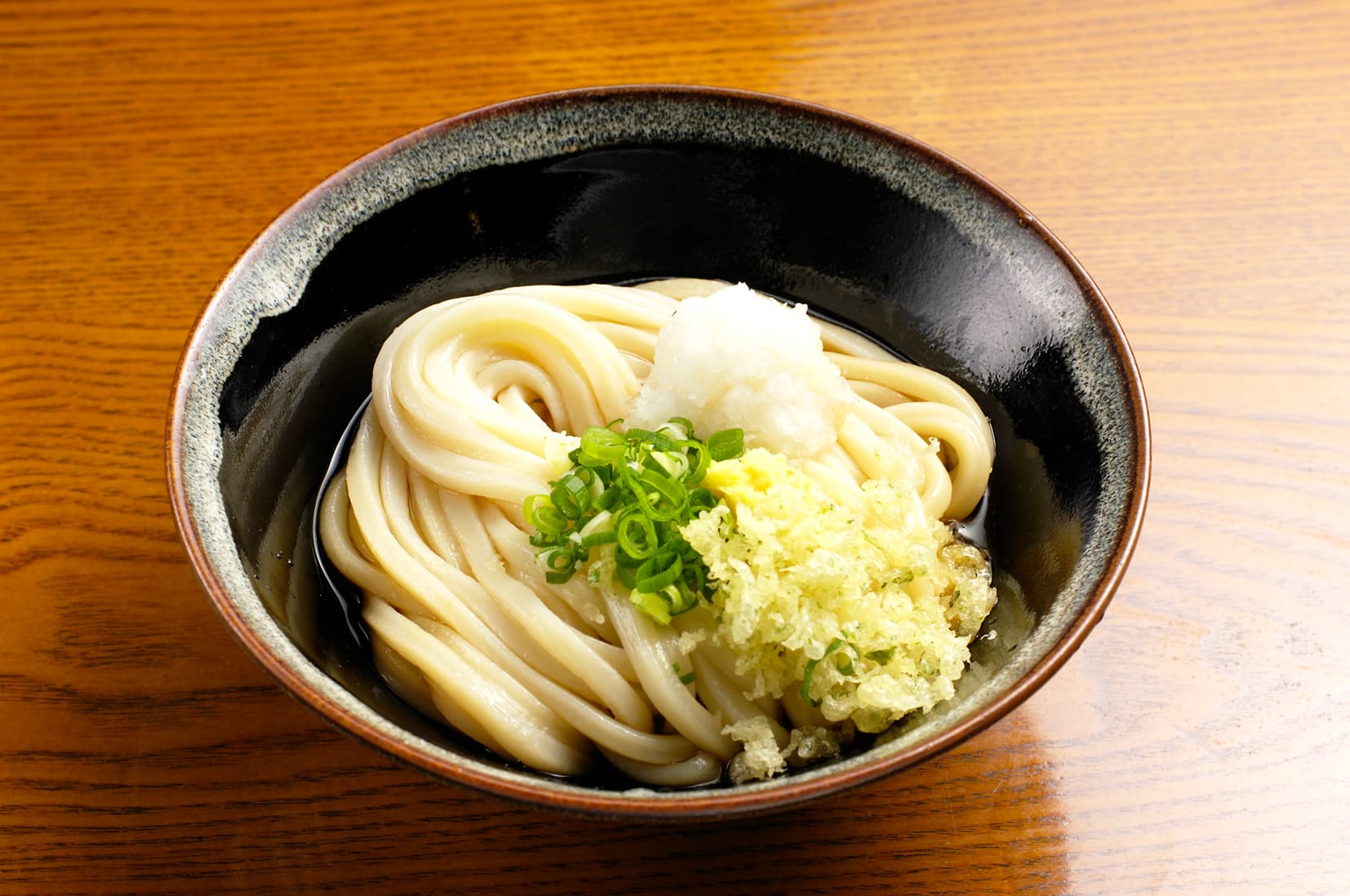
Table of Contents
What Is Kagawa’s Gourmet Scene Like?
Kagawa Prefecture is blessed with the calm climate and rich natural environment of the Seto Inland Sea. Its diverse landscape, including Shodoshima Island and the Sanuki Mountains, provides an abundance of fresh ingredients that have given rise to a distinctive food culture. The prefecture proudly calls itself “Udon Prefecture,” and visitors can enjoy a wide variety of gourmet delights featuring premium wheat, seafood from the Seto Inland Sea, and an array of fresh vegetables.
In particular, “Sanuki Udon,” “Honetsuki-dori (Bone-in Chicken),” and “An-mochi Zoni” are beloved specialties that represent Kagawa Prefecture. When visiting Kagawa, be sure to savor these dishes and experience the region’s unique food culture.
Top 3 Must-Try Foods in Kagawa Prefecture
Sanuki Udon: The Ultimate Firm Noodle Experience in Kagawa

● The Appeal of Sanuki Udon
Sanuki Udon from Kagawa Prefecture is a simple noodle dish made from wheat flour, salt, and water, prized for its firm, chewy texture and smooth, silky feel as it slides down your throat. Locals frequently enjoy it for breakfast or as a light snack, and the noodles are so deeply woven into daily life that the prefecture truly deserves its title of “Udon Prefecture.”
The secret behind the satisfying chewiness lies in the high-salt water used during preparation and the traditional kneading technique done by foot. Additionally, more shops are now using “Sanuki no Yume,” a locally developed wheat variety, offering an even more distinctively regional flavor.
The ways to enjoy Sanuki Udon are remarkably varied, including kake (in hot broth), bukkake (with cold dashi poured over), kamatama (with raw egg), and shoyu (with soy sauce). Each shop has its own character thanks to differences in broth and toppings, which is why “hashigo udon” (udon-hopping from shop to shop) is a popular pastime.
● The History of Sanuki Udon
While there is no single definitive theory about the origins of Sanuki Udon, it is clear that these noodles have been deeply rooted in Kagawa’s food culture since ancient times. Some legends attribute the introduction of noodle-making techniques to Kukai (Kobo Daishi), who is said to have brought them back from China, while other theories point to the spread of wheat cultivation during the Edo period as the catalyst for the region’s noodle-making tradition.
“Sanuki” was the old provincial name for the area where Kagawa Prefecture is located, and the coastal environment along the Seto Inland Sea, known for its salt production, played a key role in creating the distinctively firm noodles. The long history of farming and salt-making laid the foundation for producing deeply satisfying flavors from the simplest of ingredients.
● Where to Eat Sanuki Udon!
- Restaurant: Yamagoeudon
- Highlights:
Yamagoeudon is a long-established udon restaurant in Ayagawa Town, Ayauta District, Kagawa Prefecture, founded in the mid-Showa era and widely recognized as one of the quintessential Sanuki Udon establishments. It is said to be the birthplace of “kamatama udon” (freshly boiled noodles tossed with raw egg), and this simple yet deeply flavorful dish is its greatest attraction.
The kamatama lets you enjoy the noodle’s firm texture and the wheat’s aroma directly, pairing perfectly with dashi soy sauce for a taste that is said to be unforgettable. The shop also operates on a self-service system, with an extensive selection of side dishes including tempura and rice balls. On weekends and holidays, long queues are a common sight.
- Access: Approximately 10 minutes by car from Takinomiya Station on the Kotoden line
- Address: 602-2 Hayuka-kami, Ayagawa Town, Ayauta District, Kagawa Prefecture
- Google Maps: https://maps.app.goo.gl/thJRt8AHGKa5wz629
The Perfect Beer Companion: Juicy Honetsuki-dori (Bone-in Chicken)
Source: Tabelog
● The Appeal of Juicy Honetsuki-dori
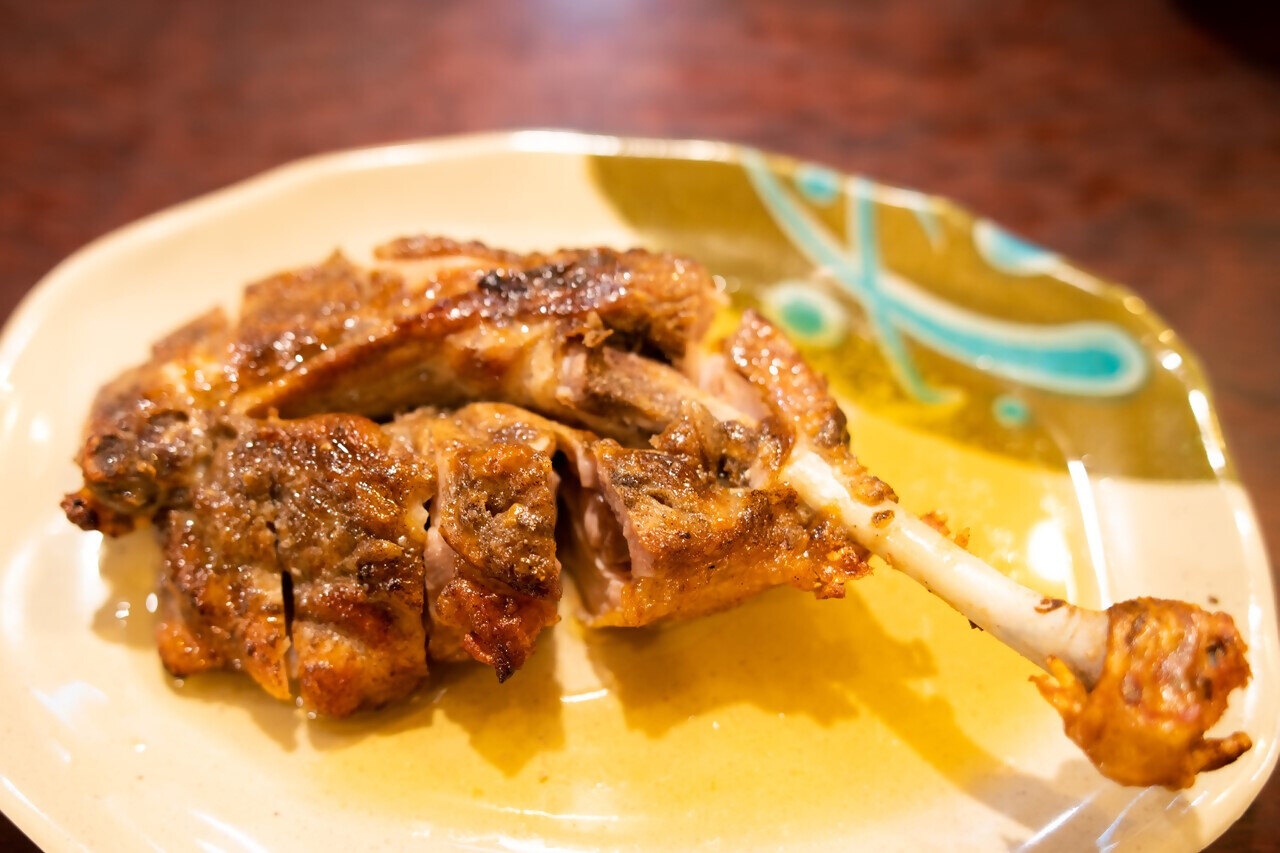
Honetsuki-dori, a beloved specialty of Kagawa Prefecture, features a whole chicken thigh roasted boldly on the bone. Its appeal lies in the addictively juicy meat that bursts with flavor with every bite. The seasoning is typically simple, with salt and spices bringing out the rich umami of the fat and creating an exquisite harmony with the fragrant, crispy exterior.
Some restaurants use high-temperature ovens or iron griddles, while others cook over charcoal, producing a crispy outside and tender, juicy inside that keeps diners coming back. It pairs exceptionally well with beer and highballs, and is cherished locally as the ultimate soul food for evening meals and drinking gatherings.
● The History of Juicy Honetsuki-dori
Juicy Honetsuki-dori is said to have originated around the mid-Showa era (1950s) in the Marugame City area of Kagawa Prefecture. At the time, the simple cooking method of roasting whole bone-in chicken thighs was novel and quickly gained popularity among locals. Over the years, individual shops developed their own distinctive approaches using charcoal, iron griddles, and unique spice blends, establishing the bone-in chicken with its fragrant exterior and overflowing juices that we know today.
As its recognition grew as “Kagawa’s soul food,” it began attracting the attention of tourists as well. Today, it has become a popular specialty available not only at dedicated restaurants but also at izakaya pubs and casual eateries throughout the prefecture.
● Where to Eat Juicy Honetsuki-dori!
- Restaurant: Ikkaku – Bone-in Chicken Specialty Restaurant
- Highlights:
- Founded in the 1950s in Marugame City, Kagawa Prefecture, Ikkaku has been devoted exclusively to bone-in chicken for over sixty years. The chicken thighs are generously coated with a signature spice blend and roasted boldly at high temperatures in ovens or on iron griddles, so that each bite releases a flood of juices alongside a deeply savory, fragrant flavor.
They offer two varieties: “Oyadori” (parent chicken) with a firmer, chewier texture, and “Hinadori” (young chicken) that is soft and juicy. Both pair perfectly with beer and highballs. Popular with locals and tourists alike, Ikkaku is so widely recognized that “if you want bone-in chicken in Kagawa, go to Ikkaku” has become a well-known saying, and this legendary restaurant continues to be loved year after year.
- Address: 317 Hama-cho, Marugame City, Kagawa Prefecture
- Access: 2-minute walk from the North Exit of Marugame Station on the JR Yosan Line
- Google Maps: https://maps.app.goo.gl/e9ESus2qFhZ6WFhGA
A Winter Comfort: An-mochi Zoni (Sweet Bean Paste Mochi Soup)

Source: LOVE Sanuki-san
● The Appeal of An-mochi Zoni
Kagawa Prefecture’s an-mochi zoni features the unusual combination of white miso-based broth with mochi (rice cakes) filled with sweet red bean paste, making it a truly distinctive dish. It has been enjoyed as a traditional New Year’s dish since ancient times, and the exquisite balance of sweetness and saltiness warms the body on cold winter days.
The type of miso and the choice of ingredients vary subtly from region to region and from household to household, so discovering these differences is one of the great pleasures of this dish. The harmony between the gentle sweetness of the red bean paste and the aromatic miso captures the essence of Kagawa’s local flavors.
● The History of An-mochi Zoni
The origins of an-mochi zoni are closely tied to Kagawa’s historical identity as part of the “Sanuki Sanpaku” (Three Whites of Sanuki) – salt, cotton, and sugar – which flourished during the Edo period. While sugar was a luxury item that commoners could not openly display, they found a way to enjoy it by hiding sweet bean paste inside their New Year’s mochi, a tradition that has been passed down through the generations.
For locals, it remains an everyday taste, and for tourists, it holds a special place as the distinctive “flavor of Kagawa.” Local shops continue to preserve the traditional taste handed down from their founding, while incorporating modern innovations, firmly establishing it as part of the region’s food culture.
● Where to Eat An-mochi Zoni!
- Restaurant: Momotaro Chaya
- Highlights:
Momotaro Chaya is a long-established tea house known for serving Kagawa Prefecture’s traditional an-mochi zoni year-round. The addictive sweet-and-savory flavor of white miso-based broth mingling with mochi filled with sweet red bean paste has earned high praise from both locals and travelers. The shop retains the nostalgic atmosphere of a traditional tea house, and stopping by during sightseeing offers a relaxing setting where you can easily enjoy Kagawa’s authentic traditional flavors.
- Address: 1821 Yashima Higashimachi, Takamatsu City, Kagawa Prefecture, Yashima no Yado
- Access: 5 km from JR Yashima Station
- Google Maps: https://maps.app.goo.gl/3Z1cekss6hC7VDJx8