
🕓 2025/6/8
#Gourmet
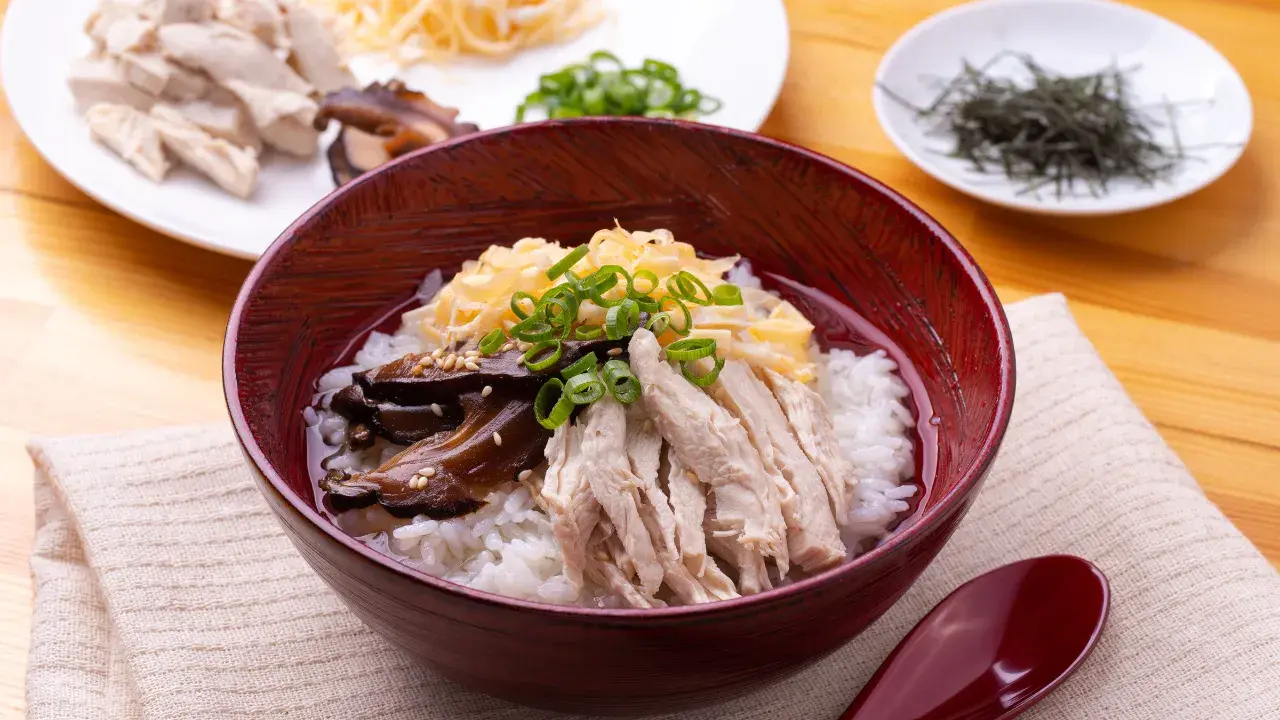
Table of Contents
About Kagoshima Prefecture’s Cuisine
Kagoshima Prefecture is located at the southern tip of Kyushu, facing the East China Sea and the Pacific Ocean, and blessed with rich natural surroundings including the majestic Sakurajima rising from Kinko Bay, the Kirishima Mountain Range, and island groups such as Yakushima. Its warm climate and volcanic ash soil have nurtured agriculture including sweet potatoes and tea, as well as the nationally renowned Kurobuta (black pork) and Wagyu beef livestock industry.
Among these, “Kurobuta pork dishes,” “Satsuma-age,” and “Keihan” are beloved by the people of Kagoshima as the prefecture’s representative cuisine, and they captivate the palates of visitors as well. When visiting Kagoshima, please savor these dishes and experience the unique and delicious food culture born from its warm climate, rich nature, and distinctive history.
3 Handpicked Gourmet Selections of Kagoshima
Kurobuta (Black Pork) – Kagoshima’s Finest Treasure

● The Appeal of Kurobuta
Kagoshima Kurobuta is renowned as one of Japan’s highest-quality pork varieties. It features finely textured, tender meat with a juicy umami flavor that deepens with every bite, particularly notable for the refined sweetness of its fat. Scientific analysis has proven that its umami components are approximately 3.7 times greater than white pork, and its sweetness components about 6.7 times greater.
The secret to its deliciousness lies in a special feed blended with sweet potatoes, which gives the fat a higher melting point and a clean aftertaste. The signature dish “Kurobuta Shabu-shabu” allows diners to simply enjoy its sweetness and umami. The local dish “Tonkotsu” (braised pork) is also popular.
It is also highly nutritious and, together with its beautiful appearance, adds a special touch to travel memories. Be sure to taste Kurobuta, raised in the warm natural environment of Kagoshima, right at its source.
● History of Kurobuta
The origins of Kagoshima Kurobuta date back approximately 400 years, when Satsuma domain lord Shimazu Iehisa brought pigs from Ryukyu (Okinawa). Another theory suggests they arrived from China via Ryukyu and Amami, and records confirm pig farming in Kagoshima as early as 1546.
The Shimazu clan positioned Kurobuta as a specialty of their domain early on, and there are records from the late Edo period of Satsuma domain lord Shimazu Nariakira gifting pork to great acclaim. There are also anecdotes of Saigo Takamori’s fondness for it.

After the Meiji era, Berkshire pigs from England were introduced and crossbred with native breeds, laying the foundation for today’s “Kagoshima Kurobuta.” During the Showa and Heisei eras, bloodlines such as “Satsuma” and “New Satsuma” were also developed.
Essential to improving Kurobuta’s quality was the sweet potato. Also originally from Ryukyu and brought to Satsuma, sweet potatoes proved ideal as feed for Kurobuta, playing a major role in improving meat quality. In this way, Kurobuta and sweet potatoes have become important pillars shaping Kagoshima’s rich food culture.
● Where to Eat Kurobuta!
- Restaurant: Kurobuta Ryori Ajimori
- Highlights:
Founded in 1978, **”Kurobuta Ryori Ajimori”** is a long-established restaurant in the Tenmonkan area of Kagoshima, known as the birthplace of Kurobuta shabu-shabu. Its most distinctive feature is a unique style where, rather than using ponzu or sesame sauce, the Kurobuta is swirled in a special Japanese-style broth and then dipped in raw egg. This eating style combines the best of sukiyaki and shabu-shabu, and is the result of the owner’s years of research.
The interior features a refined Japanese atmosphere reminiscent of a traditional restaurant, with counter seats, tables, private rooms, and a banquet hall for up to 70 guests. It accommodates everything from business entertaining to family dining and large groups.
For lunch, the Kurobuta tonkatsu is also popular, and the “Kurobuta Special Mixed Cutlet Set” lets you enjoy loin, fillet, and belly all at once. Beloved by locals for many years, it has also been selected for the “Tonkatsu Top 100.” While preserving tradition, it offers flexible service that appeals to a diverse clientele. - Address: 13-21 Sennichi-cho, Kagoshima City, Kagoshima Prefecture
- Access: About 5 minutes on foot after alighting at the “Tenmonkan-dori” tram stop
- Google Maps: https://maps.app.goo.gl/dxmBtCuxB7pUgg4K7
Satsuma-age – Kagoshima’s Soul Food

● The Appeal of Satsuma-age
Satsuma-age is a soul food beloved by Kagoshima locals, who affectionately call it “tsuke-age.” Made primarily from fish paste, it features a sweet flavor and diverse textures. Double-fried at low and high temperatures, the outside becomes crispy while the inside stays moist. The sweetness from sugar reflects the spirit of “omotenashi” (hospitality), and together with local sake and mirin, it enhances the umami of the fish. Fish varieties used include golden threadfin bream, lizardfish, horse mackerel, and mackerel, blended according to the season.
There are soft types with added tofu and springy types that showcase the elasticity of fish meat, with diverse ingredients including burdock root, carrots, wood ear mushrooms, sweet potato, octopus, squid, and cheese. Shapes also vary from stick to square to oval, and freshly fried ones are exceptionally delicious. Vacuum-packed versions are popular as souvenirs, allowing you to enjoy Kagoshima’s flavors at home.
● History of Satsuma-age
There are several theories about the origins of Satsuma-age, but the most prominent is that the Ryukyuan dish “Chiki-agi” was brought to Satsuma. It is also said that Satsuma domain lord Shimazu Nariakira tasted it in Ryukyu and ordered it to be reproduced in Satsuma.

The Kagoshima version evolved into a distinct flavor by adding shochu, local sake, mirin, and sugar for its unique sweetness and aroma. There is also a theory that Nariakira encouraged the development of preserved fried foods, and another that it originated from the practical wisdom of common people in port towns like Ichiki-Kushikino, who found ways to use abundant fish catches without waste.
These influences merged together — Ryukyuan culture, the forward-thinking vision of the domain lord, and the ingenuity of common people — to create the Satsuma-age we know today. After the Meiji era, it spread nationwide under the name “Satsuma-age” through transportation networks and regional product exhibitions, becoming one of Kagoshima’s most representative specialty products.
● Where to Eat Satsuma-age!
- Restaurant: Agetateya Tenmonkan Branch
- Highlights:
“Agetateya” takes pride in using phosphate-free fish paste for its Satsuma-age, bringing out the natural umami of the ingredients with a subtly sweet, clean aftertaste. It is a masterpiece that harmonizes traditional methods with modern health-consciousness, earning the support of many customers.
The greatest charm of the Tenmonkan branch is being able to enjoy freshly fried Satsuma-age on the spot. The outside is crispy, the inside is either fluffy or springy with elastic texture, and the umami of the fish spreads throughout. Beyond plain, there are cheese, sweet potato, and corn varieties, plus seasonal limited editions, making the selection itself a delight. Located inside the Tenmonkan-dori Arcade in the tourist center, with benches for visitors to eat while walking, it is considerate of tourists. Balancing tradition and innovation, this is a must-visit stop during your Kagoshima trip. - Address: 13-16 Higashi-Sengoku-cho, Kagoshima City, Kagoshima Prefecture
- Access: About 1 minute on foot from the Kagoshima City Tram “Tenmonkan-dori” stop
- Google Maps: https://maps.app.goo.gl/gnpFVx55VdSH8nmZ8
Keihan – Amami’s Heartwarming Hospitality Dish

● The Appeal of Keihan
Keihan is a representative local dish from Amami Oshima. Warm rice is colorfully topped with chicken, shredded egg omelet, sweetly simmered shiitake mushrooms, pickled papaya, and more, then generously doused with chicken broth.
The broth, which could be called the soul of the dish, is a concentrated essence of chicken umami with a light yet deeply nourishing flavor. The textures and flavors of the various toppings come together as one, offering a different deliciousness with every bite.
Locally enjoyed as a light meal, breakfast, or finishing dish, it also has the interactive appeal of diners arranging their own toppings. With excellent nutritional balance, this bowl that warms both body and soul is a masterpiece filled with the nature and culture of Amami. It is definitely one dish you should try when visiting.
● History of Keihan
Keihan was born during the Edo period in the Akakina district of Amami Oshima, which was under the rule of the Satsuma domain. Under heavy taxation and harsh living conditions, islanders created this dish with limited ingredients to entertain visiting Satsuma officials, putting their heart into it. The colorful toppings and chicken broth embodied both the spirit of hospitality and a quiet resolve of resistance.

In 1968, when the Crown Prince and Princess (now the Emperor Emeritus and Empress Emerita) visited Amami and enjoyed Keihan, the anecdote spread nationwide.
Today, Keihan is cherished as Amami’s signature local cuisine by both locals and tourists alike, a special dish that captures history, culture, and the blessings of nature in every bowl.
● Where to Eat Keihan!
- Restaurant: Ganso Keihan Minatoya
- Highlights:
Founded in 1946, “Ganso Keihan Minatoya” is a famous Amami restaurant known as the birthplace of Keihan. Its golden, crystal-clear broth, brimming with rich chicken umami and free of any unpleasant flavors, has earned a reputation that draws many visitors for this one bowl alone.
The Keihan set offers an interactive experience where you arrange chicken, shredded egg omelet, sweetly simmered shiitake, pickled papaya, and other toppings to your liking, then pour piping hot broth to finish.
The Crown Prince and Princess (now the Emperor Emeritus and Empress Emerita) famously asked for seconds when they visited the island. Just 10-15 minutes by car from Amami Airport, it is perfectly situated for the start or end of an Amami trip. Lines are inevitable during lunch hours, but the bowl waiting for you here is worth the wait. - Address: 81 Oaza Sotokane-ku, Kasari-cho, Amami City, Kagoshima Prefecture
- Access: About 10-15 minutes by car from Amami Airport
- Google Maps: https://maps.app.goo.gl/PMRZEcvGVM2ewBfx5