Introduction
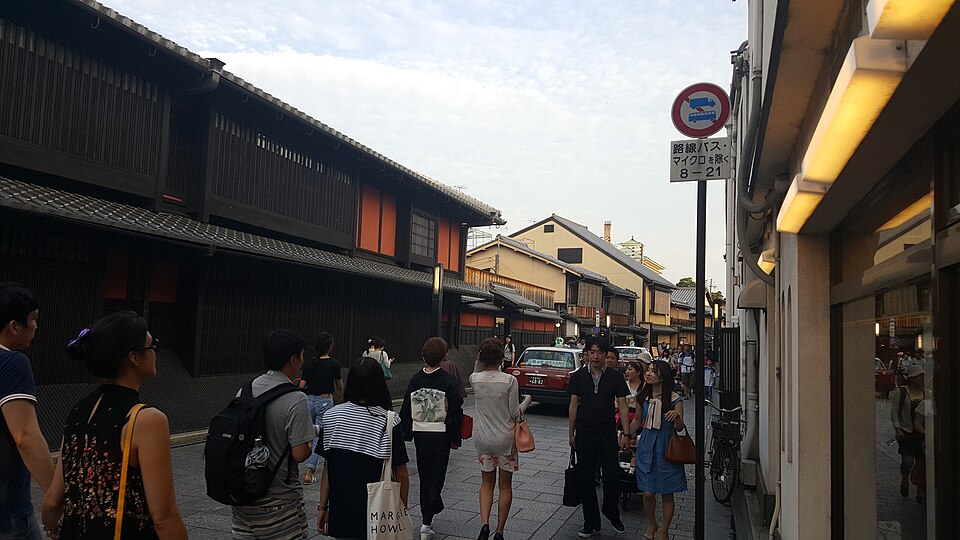
Walking south along Hanamikoji Street through the bustling Gion district of Kyoto, you suddenly encounter a space of profound tranquility. This is Kennin-ji Temple. As Kyoto’s oldest Zen temple with over 800 years of history, it is an indispensable part of Japanese cultural heritage.
When most people hear “Kennin-ji,” the first thing that comes to mind is the National Treasure “Wind God and Thunder God” folding screens. Painted by Tawaraya Sōtatsu with bold brushstrokes on gold leaf, these iconic depictions of the Wind God and Thunder God have become symbols of Japanese art that everyone has encountered at least once in textbooks or media. But Kennin-ji’s appeal extends far beyond this masterpiece. The “Twin Dragons” painting covering the entire ceiling of the Dharma Hall, the exquisite karesansui garden “Chōon-tei” that looks beautiful from every angle, and the “Circle Triangle Square Garden” that expresses Zen philosophy through geometry—this is a temple where every visit brings new discoveries.
What’s more, unlike most famous Kyoto temples, Kennin-ji fully permits photography throughout the grounds and inside the buildings. The rare opportunity to photograph the Wind God and Thunder God screens up close is an irresistible attraction for photography enthusiasts. This article provides a comprehensive guide to Kennin-ji, tracing its history from founding to the present day, covering must-see highlights, nearby attractions, and access information.
Kiyomizu-dera
Heading east from Kennin-ji and climbing the atmospheric slopes of Ninenzaka and Sannenzaka for about 15 minutes brings you to Kiyomizu-dera, one of Kyoto’s most iconic temples. The view from the main hall, known as the “Stage of Kiyomizu,” is unmatched in Kyoto—especially during autumn when gradations of red, orange, and yellow fill the valley in a breathtaking panorama.
The Higashiyama walking path connecting Kennin-ji and Kiyomizu-dera is one of Kyoto’s golden sightseeing routes. Along the way, landmarks like Yasaka Pagoda (Hokan-ji five-story pagoda) and Kodai-ji Temple are scattered throughout, allowing you to experience the essence of Kyoto simply by walking. A recommended plan is to visit Kennin-ji in the morning, stroll through Higashiyama, and arrive at Kiyomizu-dera for sunset.
Yasaka Shrine
About a 5-minute walk northeast of Kennin-ji, Yasaka Shrine is a prestigious shrine that hosts the Gion Matsuri, one of Japan’s three great festivals. The vermilion West Tower Gate is beloved as a symbol of Gion, and its illuminated appearance from evening into night is truly magical. Within the grounds is the “Utsukushi-gozen-sha,” known for blessings of beauty, making it a popular power spot for matchmaking and beauty.
Yasaka Shrine’s grounds are open for worship 24 hours, so you can enjoy an evening visit after touring Kennin-ji. Maruyama Park, spreading east of the shrine, is also Kyoto’s premier cherry blossom viewing spot, where the famous weeping cherry known as “Gion’s Night Cherry” blooms magnificently each spring.
Access
By Train
- Keihan Railway “Gion-Shijō Station”: About 7-minute walk southeast from Exit 6. The easiest route is to walk east along Shijō-dōri and then south along Hanamikoji-dōri.
- Hankyu Railway “Kyoto-Kawaramachi Station”: About 10-minute walk east from Exit 1B. Walk east on Shijō-dōri and south on Hanamikoji-dōri.
- Kyoto Municipal Subway “Shijō Station”: About 15-minute walk. It’s convenient to go via Hankyu Kyoto-Kawaramachi Station.
By Bus
- From JR Kyoto Station: Take City Bus Route 206, get off at “Higashiyama-Yasui,” about 5-minute walk west. Travel time is approximately 20 minutes.
- City Bus “Minami-za Mae”: About 7-minute walk south along Hanamikoji-dōri after getting off.
- City Bus “Kiyomizu-michi”: About 10-minute walk west. Convenient when visiting together with Kiyomizu-dera.
By Car
Kennin-ji has a paid parking lot for visitors (approximately 20 spaces), but capacity is limited and it often fills up during tourist seasons. We recommend using nearby coin parking lots (approximately ¥200-400 per 30 minutes) or public transportation. The Gion-Higashiyama area has narrow streets and many one-way roads, so trains and buses are the safer choice for those unfamiliar with the area.
Recommended Access Route
The most recommended route is walking from Keihan Railway’s “Gion-Shijō Station”. You can enjoy the atmosphere of Gion while walking along Hanamikoji-dōri toward Kennin-ji, making the Kyoto experience begin from the moment you start walking.
Summary
Kennin-ji is a one-of-a-kind temple that has overcome numerous hardships throughout its 800-year history while continuing to preserve the pinnacle of Zen teachings and Japanese art. The Zen training hall that Eisai Zenji envisioned continues to deeply move visitors through artistic masterpieces such as the Wind God and Thunder God screens, the Twin Dragons painting, and the Chōon-tei garden.
Located just steps from Gion, yet offering another world of tranquility once you step inside, this temple is the perfect place to find peace of mind during your Kyoto sightseeing. Along with Kinkaku-ji and Kiyomizu-dera, be sure to visit Kennin-ji as well. A world of Zen and beauty, passed down for over 800 years, awaits you.