
🕓 2024/12/10
#Hotels
Recommended Hotels Near Arashiyama
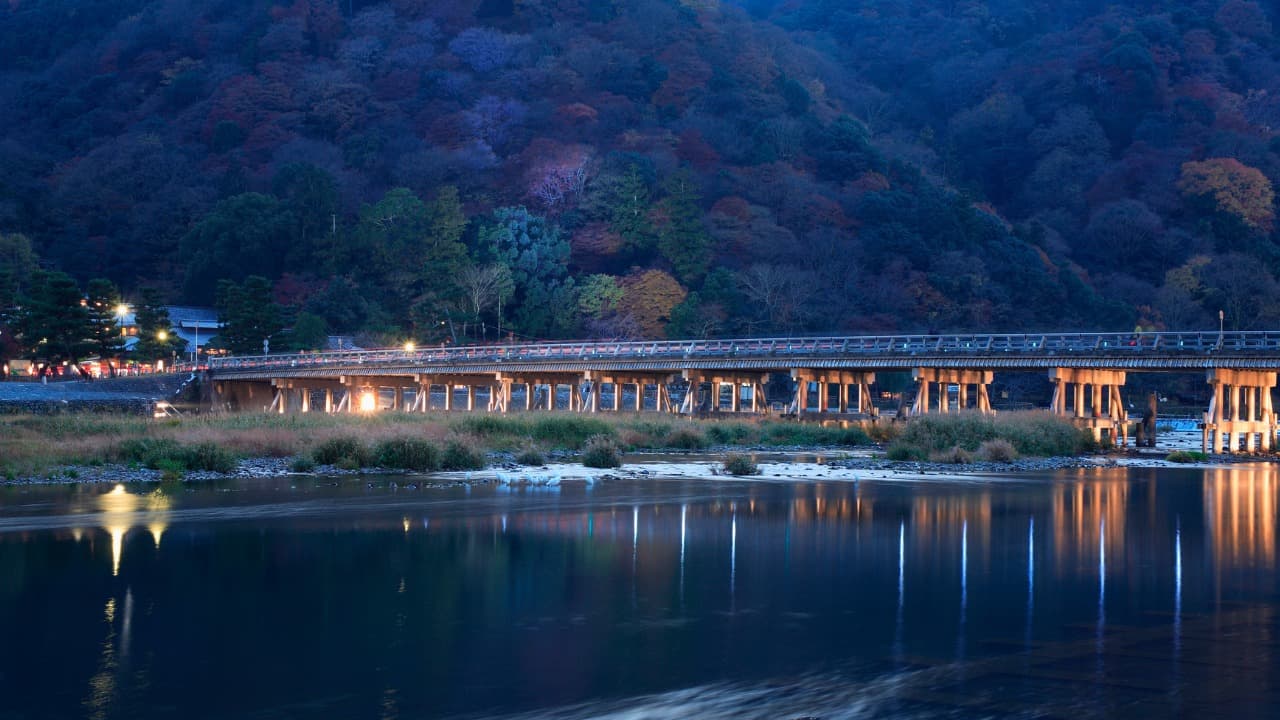
Table of Contents
- What Makes the Arashiyama Area Special?
- Top 3 Recommended Hotels (1)
- Top 3 Recommended Hotels (2)
- Top 3 Recommended Hotels (3)
- Introduction
- What Makes the Arashiyama Area Special?
- (1) MUNI KYOTO by Onko Chishin
- ■ The Appeal of MUNI KYOTO by Onko Chishin
- ■ Access Information for MUNI KYOTO by Onko Chishin
Introduction
Kyoto is loved by travelers from around the world as a place where Japanese tradition and culture live and breathe. Among its many areas, Arashiyama is a captivating destination where the natural beauty of the four seasons harmonizes with historical landmarks. When visiting Arashiyama, luxury hotels that make the stay itself an unforgettable memory can elevate your trip to another level.
In this article, we introduce three premium hotels where you can fully savor the charm of Arashiyama. Discover the exceptional spaces and services each hotel offers, and make your Kyoto journey even more enjoyable.
What Makes the Arashiyama Area Special?
Arashiyama is located in the western part of Kyoto City and has captivated visitors since ancient times as a sightseeing destination where history and nature blend together. Its iconic landmark, the Togetsukyo Bridge, is the perfect spot for enjoying seasonal scenery — cherry blossoms in spring, lush greenery in summer, vibrant autumn foliage, and snow-covered winter landscapes make it worth visiting in any season.
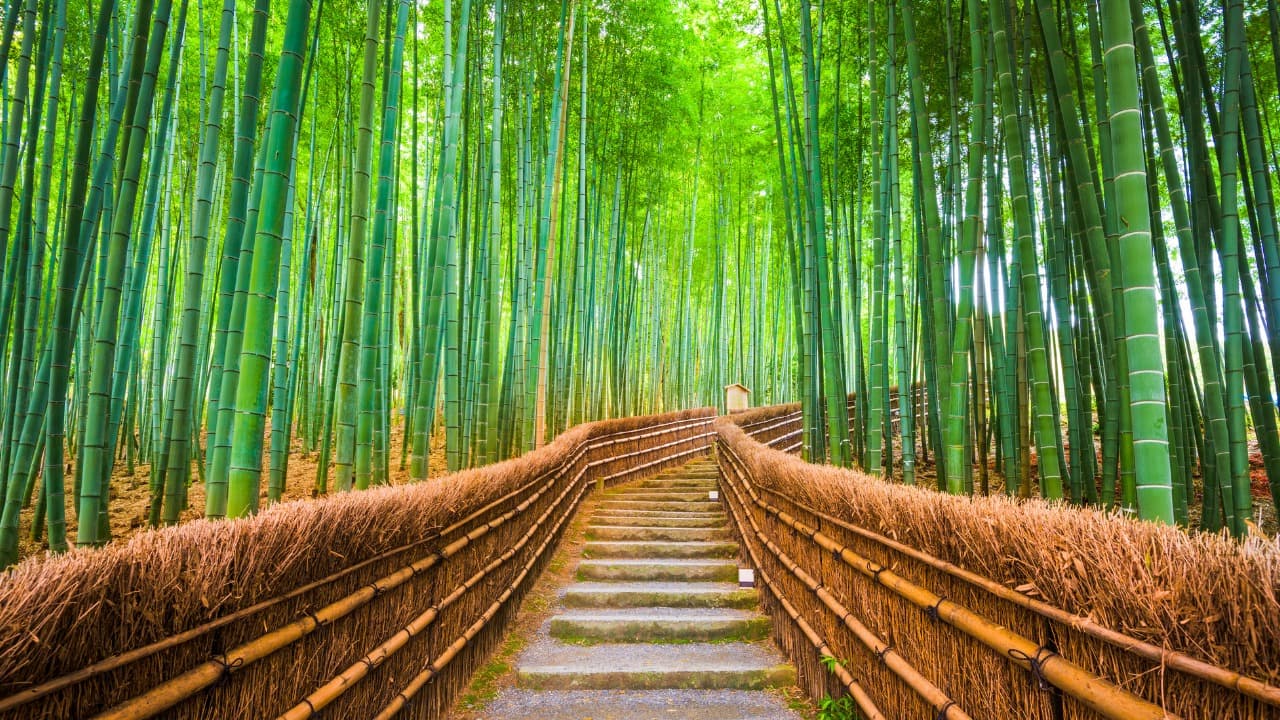
Beyond its rich natural beauty, Arashiyama is also dotted with numerous historical sites. World Heritage-class temples such as Tenryu-ji and Daikaku-ji, along with the serene Bamboo Grove path, immerse visitors in the traditional beauty of Japan. During your strolls, you can also enjoy the old-fashioned townscape and a moment of relaxation at a teahouse, offering a special time away from the hustle and bustle of daily life.
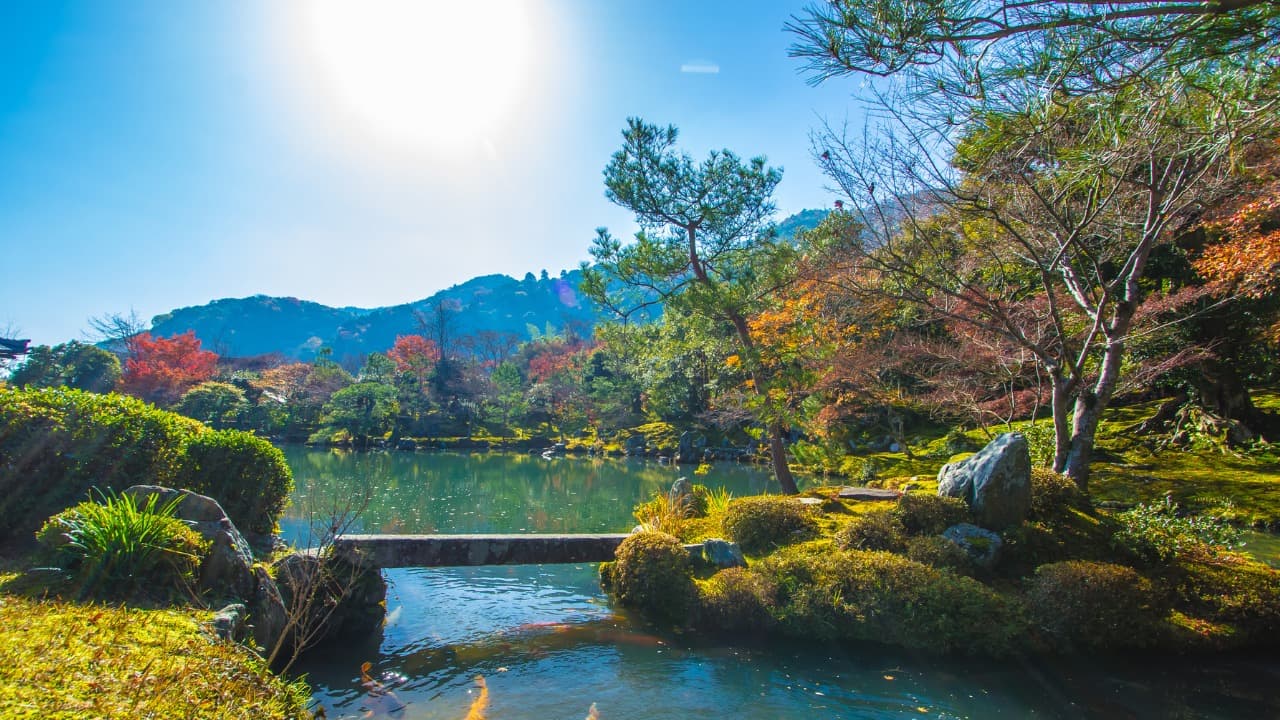
Furthermore, another charm of Arashiyama is its excellent accessibility. It can be easily reached by train from central Kyoto, making it popular as a day-trip destination. The surrounding area also offers activities such as river cruises and rickshaw rides, providing diverse experiences for couples, families, and groups of friends alike.
(1) MUNI KYOTO by Onko Chishin
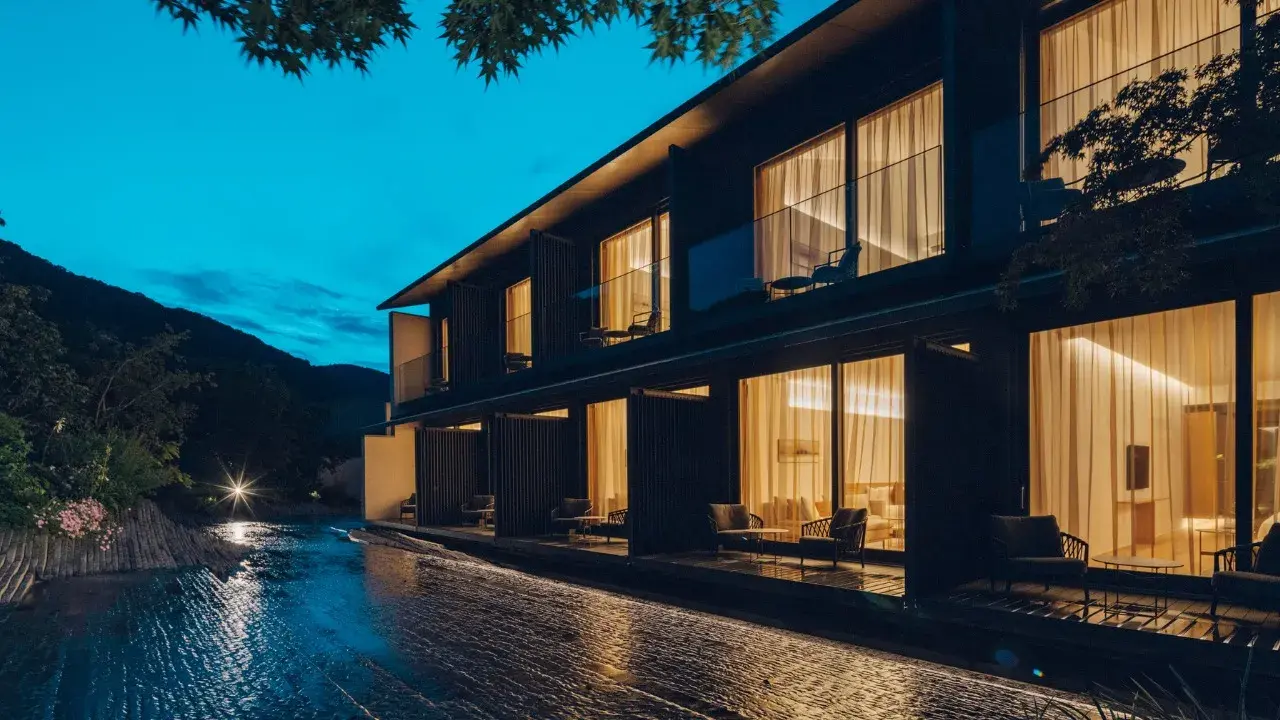
Source: MUNI KYOTO by Onko Chishin Official Website
■ The Appeal of MUNI KYOTO by Onko Chishin
MUNI KYOTO by Onko Chishin is a refined luxury hotel that stands quietly beside Arashiyama’s iconic Togetsukyo Bridge. The space, where Japanese traditional beauty and modern design are exquisitely harmonized, becomes one with the rich nature of Arashiyama, offering every visitor an unforgettable, one-of-a-kind stay.
1. An Unparalleled View
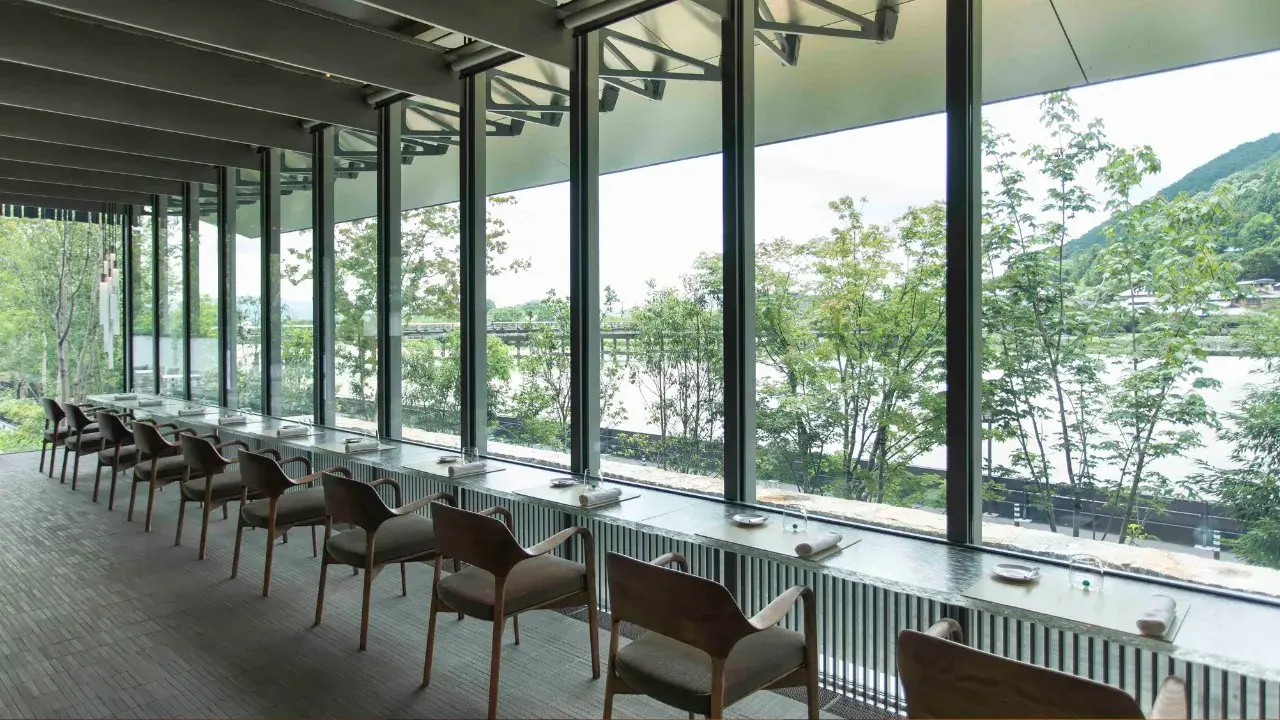
Located in a luxurious setting right in front of Arashiyama’s iconic Togetsukyo Bridge, the hotel offers a special space where you can fully take in the natural beauty of Arashiyama as it transforms through the four seasons.
Simply standing by the window, you can enjoy the luxury of being enveloped in nature’s art. Terrace-equipped rooms allow guests to savor the crisp stillness of morning and the enchanting twilight scenery, accompanied by the gentle murmur of the Katsura River and the whisper of the wind, creating healing and unforgettable moments.
2. Refined Guest Rooms
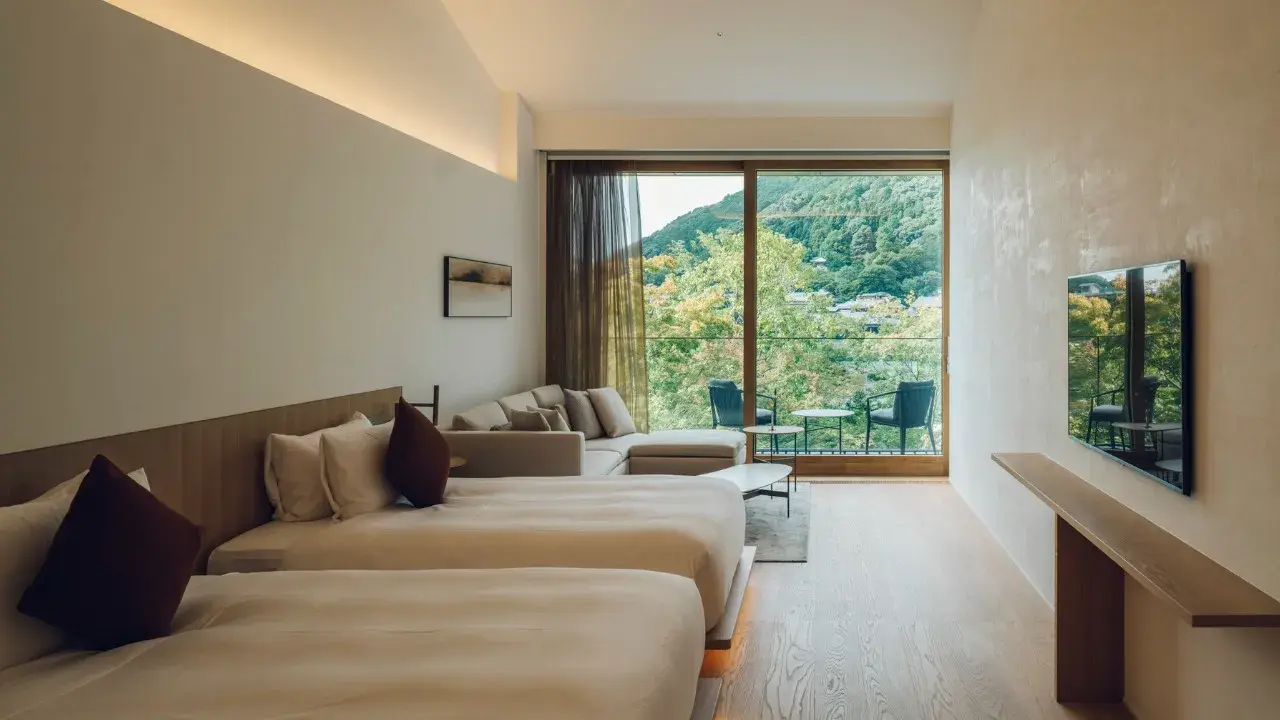
All 21 guest rooms are comfortable spaces where the majestic nature of Arashiyama harmonizes with gentle color tones. The design, which incorporates the beauty of “space and negative space,” masterfully fuses “West and East,” “tradition and modernity,” and is finished with natural materials and delicate, minimal symmetry. All custom furniture in the rooms is crafted from wood, creating a warm atmosphere.
The rooms feature large windows or balconies, allowing guests to fully enjoy the natural beauty of Arashiyama and the beautiful gardens. You can also relax to the sound of the river, experiencing a luxurious time that balances openness with privacy.
3. Supreme French Restaurants
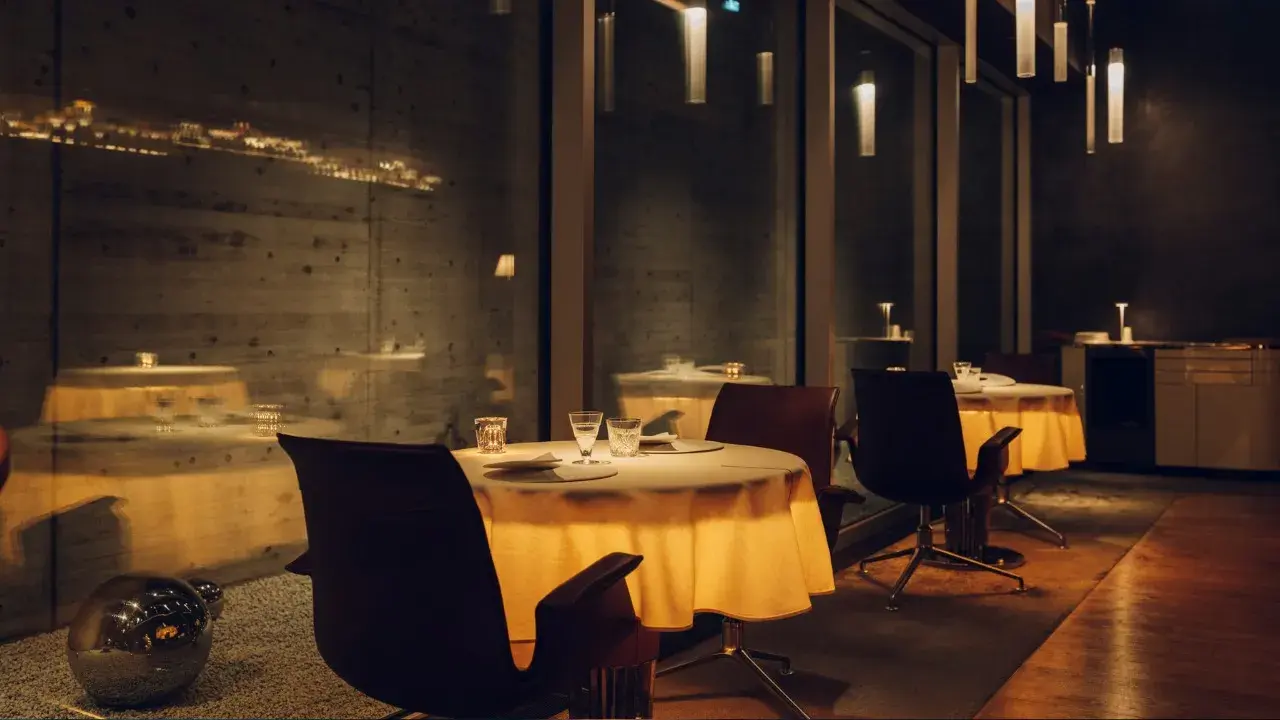
Two French restaurants by world-renowned chef Alain Ducasse are located within the hotel, offering special moments of culinary artistry.
MUNI ALAIN DUCASSE
The Michelin one-star “MUNI ALAIN DUCASSE” offers French cuisine that lavishly showcases Kyoto’s seasonal ingredients at dinnertime. The course menus, which incorporate local vegetables and fresh seafood from the Sea of Japan, are presented with the refined artistry of each dish being a work of beauty.
MUNI LA TERRASSE
“MUNI LA TERRASSE” is a casual restaurant in a prime location overlooking the Katsura River, available for breakfast through lunch and tea time. Breakfast features healthy and nourishing menus using fresh local ingredients, with freshly baked croissants and brioche that are exquisite. At lunchtime, light dishes and seasonal cuisine are served, making it an ideal spot for a break during sightseeing.
4. Excellent On-Site Facilities
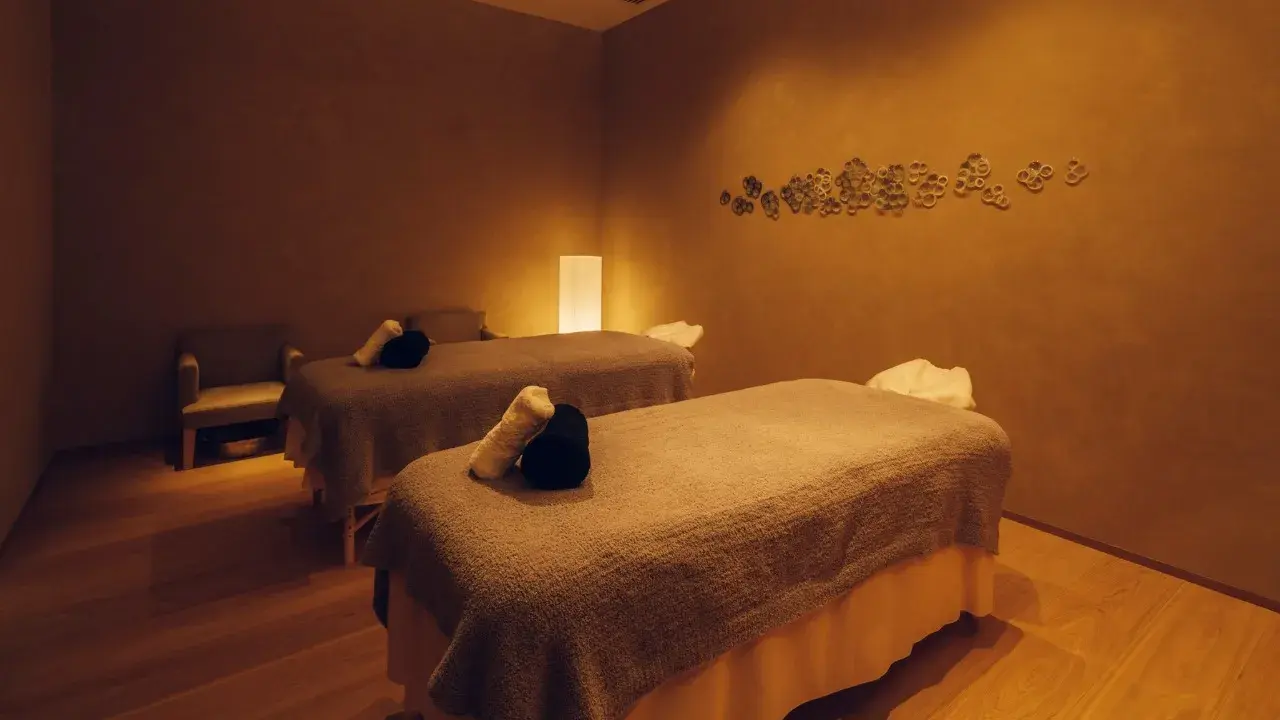
To provide each guest with a special stay experience, the hotel features refined on-site facilities with attention to every detail.
The spa facility “MUNI SPA” offers treatments that lavishly incorporate the blessings of Kyoto’s nature. Custom aromatic oils made from local yuzu citrus, Kitayama cedar, and tea seed oil balance mind and body, guiding you to deep relaxation. You can enjoy luxurious time in private treatment rooms designed to prioritize an intimate atmosphere.
5. Diverse Experience Programs
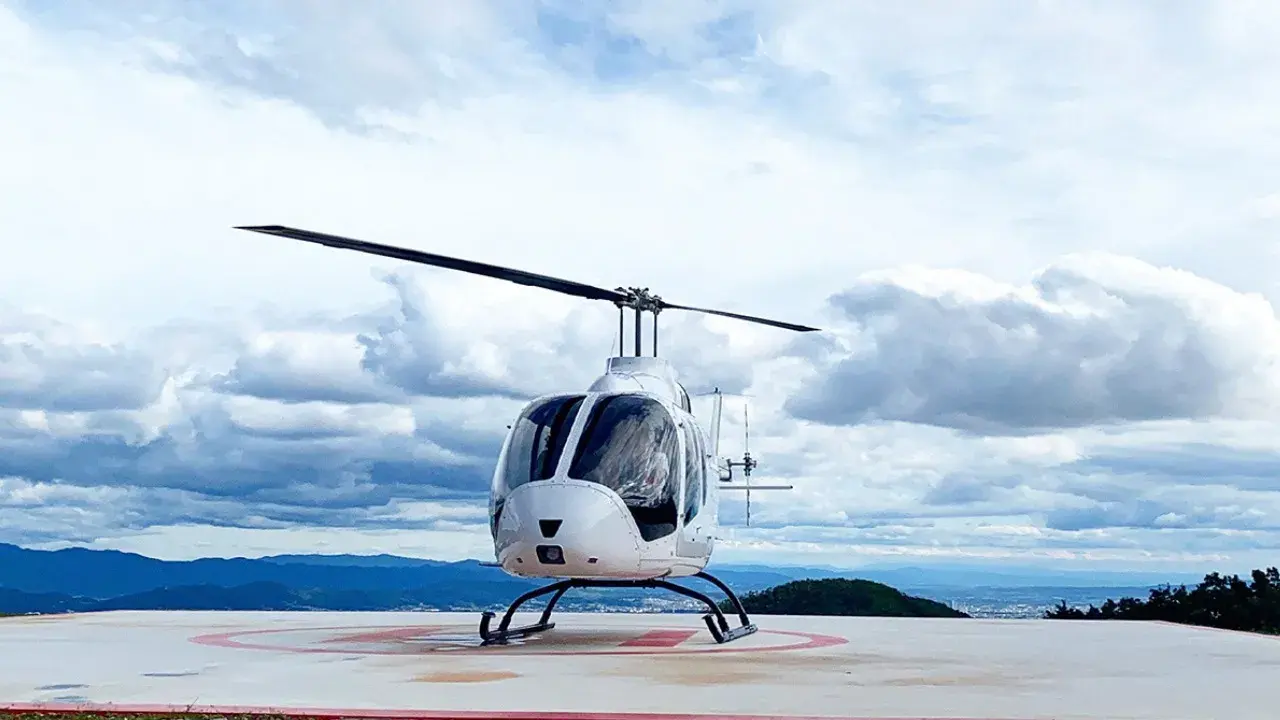
MUNI KYOTO by Onko Chishin offers a variety of experience programs to enrich your stay. These programs provide opportunities not only to enjoy Kyoto’s traditional culture and nature but also to create special memories.
The contemporary ikebana program lets you learn techniques for giving a modern twist to traditional Japanese flower arrangement. Led by professional instructors, this program is designed for beginners to enjoy while rediscovering the beauty of flowers and experiencing Japanese culture.
The sushi-making experience held within the hotel allows you to create your own sushi using fresh local ingredients under the guidance of a professional chef. During the experience, you can also learn about Japanese food culture and the history of sushi, making it a program with value beyond just a cooking class.
The classic car rental program offers a unique experience for enjoying Kyoto’s streets and nature from a special perspective. Driving a classic car around the Arashiyama area lets you spend luxurious time that differs from ordinary sightseeing.
■ Access Information for MUNI KYOTO by Onko Chishin
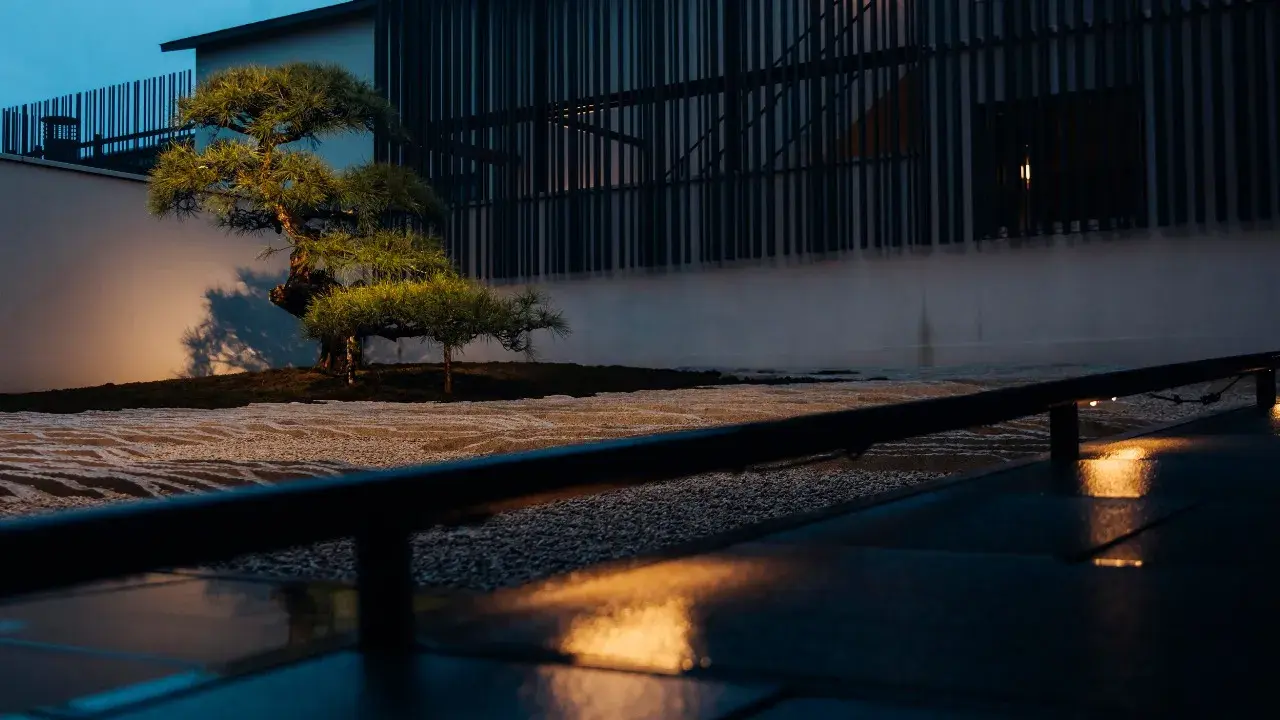
- Official Website: https://muni.by-onko-chishin.com/
- Access: 12-minute walk from JR San-in Line (Sagano Line) “Saga-Arashiyama Station”
- Address: 3 Susuki-no-baba-cho, Saga Tenryu-ji, Ukyo-ku, Kyoto
- Google Maps: https://maps.app.goo.gl/TKoK4Z6JUpCovBbE9
(2) Kyoto Arashiyama Onsen Kadensho
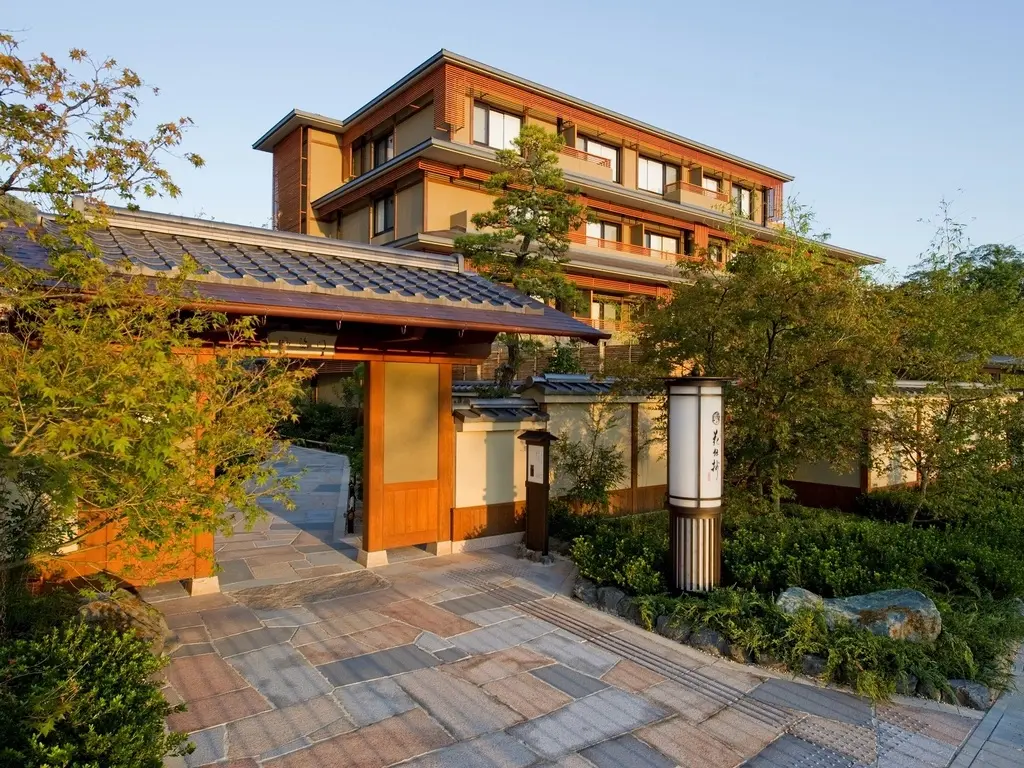 Source: Kyoto Arashiyama Onsen Kadensho Official Website
■ The Appeal of Kyoto Arashiyama Onsen Kadensho
“Kyoto Arashiyama Onsen Kadensho” is a hot spring ryokan (Japanese inn) located in Arashiyama, Nishikyo-ku, Kyoto, conveniently situated just a 1-minute walk from Hankyu Arashiyama Station. This inn uniquely blends the elegance of Kyoto with modern comfort, providing guests with a special experience.
1. Diverse Room Types
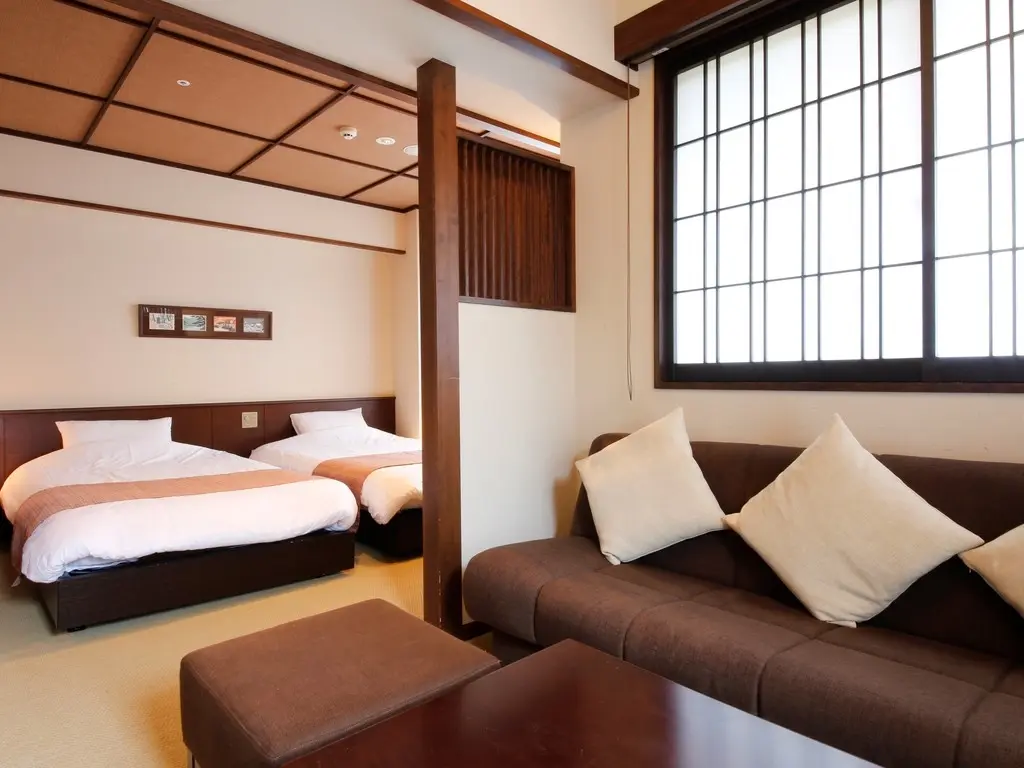
Kadensho offers nine types of guest rooms based on three design concepts: “Kyo-Machiya,” “Kyo-Wafu,” and “Kyo-Modern.” Each room is adorned with furnishings and accessories that incorporate the traditional beauty of Kyoto, such as Nishijin-ori textiles and tsuzumi (drum) motifs. The tatami-matted corridors and rooms allow guests to relax barefoot, fully savoring the Kyoto ambiance.
2. Excellent Hot Spring Facilities
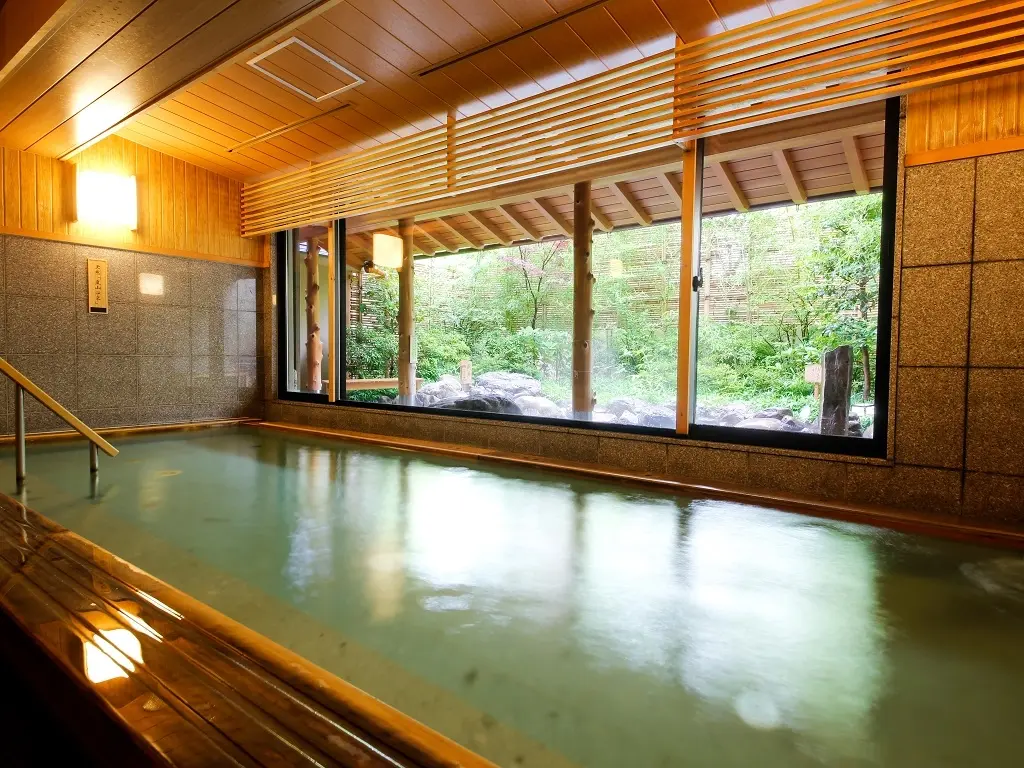
The inn features the main bath “Heian-no-Yu” and five private baths with different atmospheres, all available free of charge for guests. Three of the private baths are open-air, allowing you to enjoy seasonal scenery while bathing. These facilities boast an unparalleled level of completeness in Kyoto, making hot spring hopping a delightful experience.
3. Kyo-Ryori-Based Cuisine
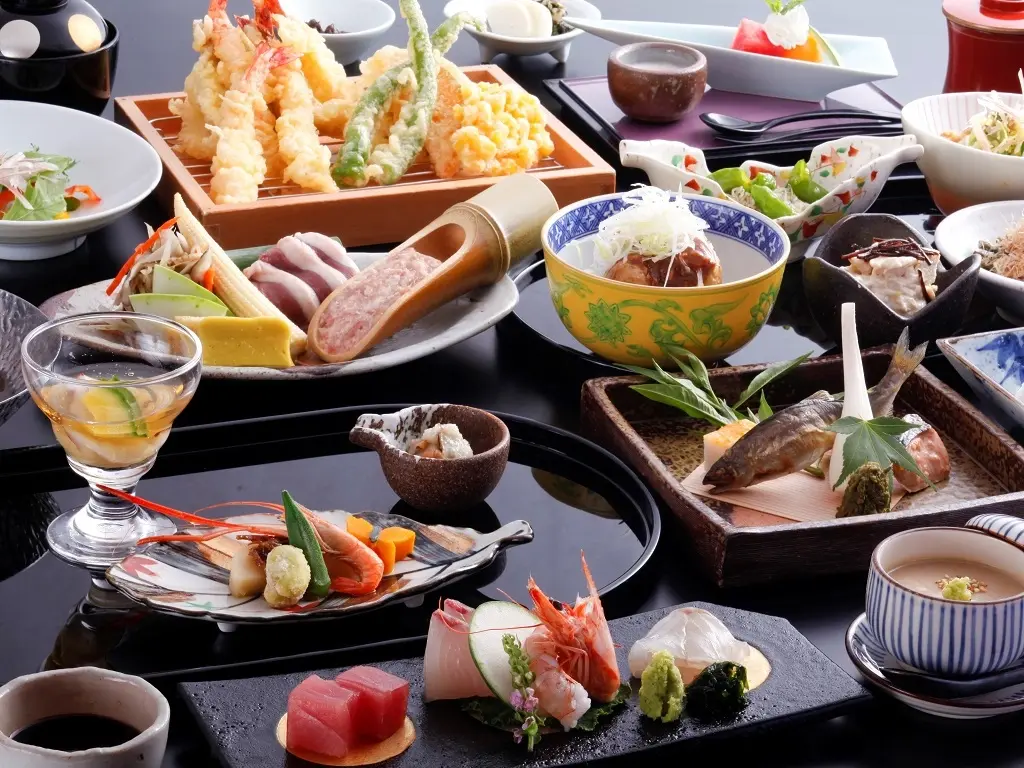
Dinner features “Shiki Yuzen,” a seasonal kaiseki course based on the ichiju-gosai (one soup, five dishes) concept. Guests can also enjoy an order buffet of “selectable obanzai” (Kyoto-style home cooking) and “piping hot tempura,” fully savoring Kyoto’s food culture.
4. Diverse On-Site Facilities
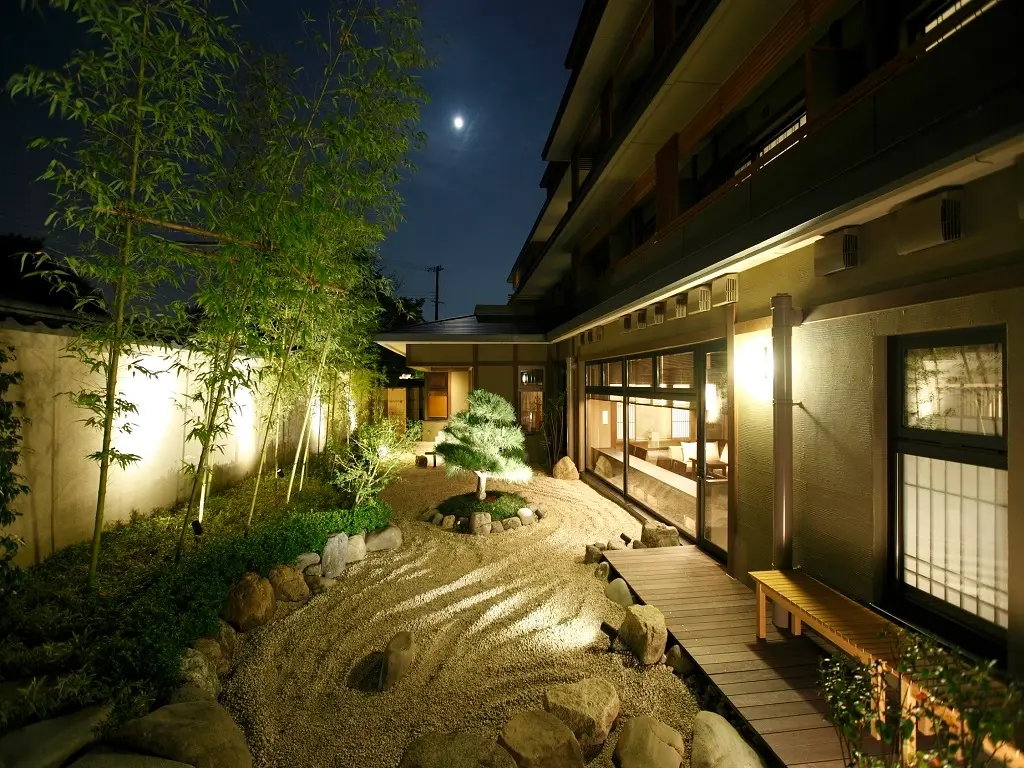
The inn features spaces where guests can freely enjoy Kyoto culture, including the tea room “Josui-an” and the reading lounge “Kaden.” These facilities offer matcha tea and handmade warabi-mochi, available for guests to use at their leisure.
5. Ideal Location for Arashiyama Sightseeing
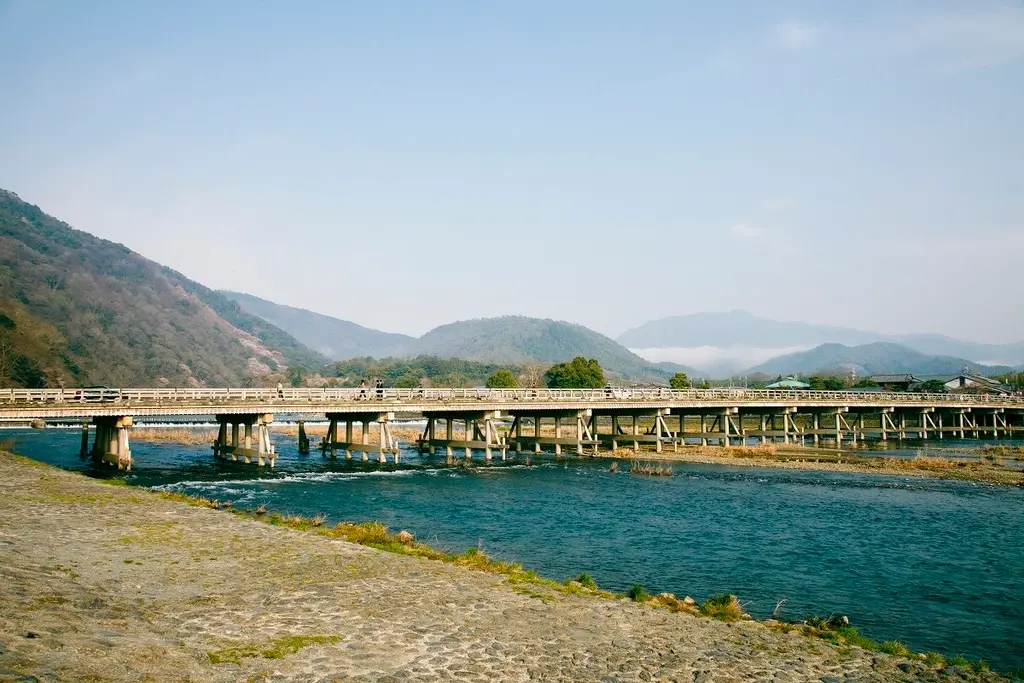
Kadensho offers excellent access to Arashiyama’s major attractions, including Togetsukyo Bridge, Tenryu-ji Temple, and the Bamboo Grove. Its location just a 1-minute walk from Hankyu Arashiyama Station makes it an ideal base for sightseeing and fully enjoying Kyoto’s charm.
■ Access Information for Kyoto Arashiyama Onsen Kadensho
- Official Website: https://dormy-hotels.com/resort/hotels/kadensho/
- Access: 1-minute walk from Hankyu “Arashiyama” Station
- Address: 5-4 Arashiyama Nishi-Ichikawa-cho, Nishikyo-ku, Kyoto 616-0003
- Google Maps: https://maps.app.goo.gl/cFxCrhvG7Uwf3DUK8
(3) Suiran, a Luxury Collection Hotel, Kyoto
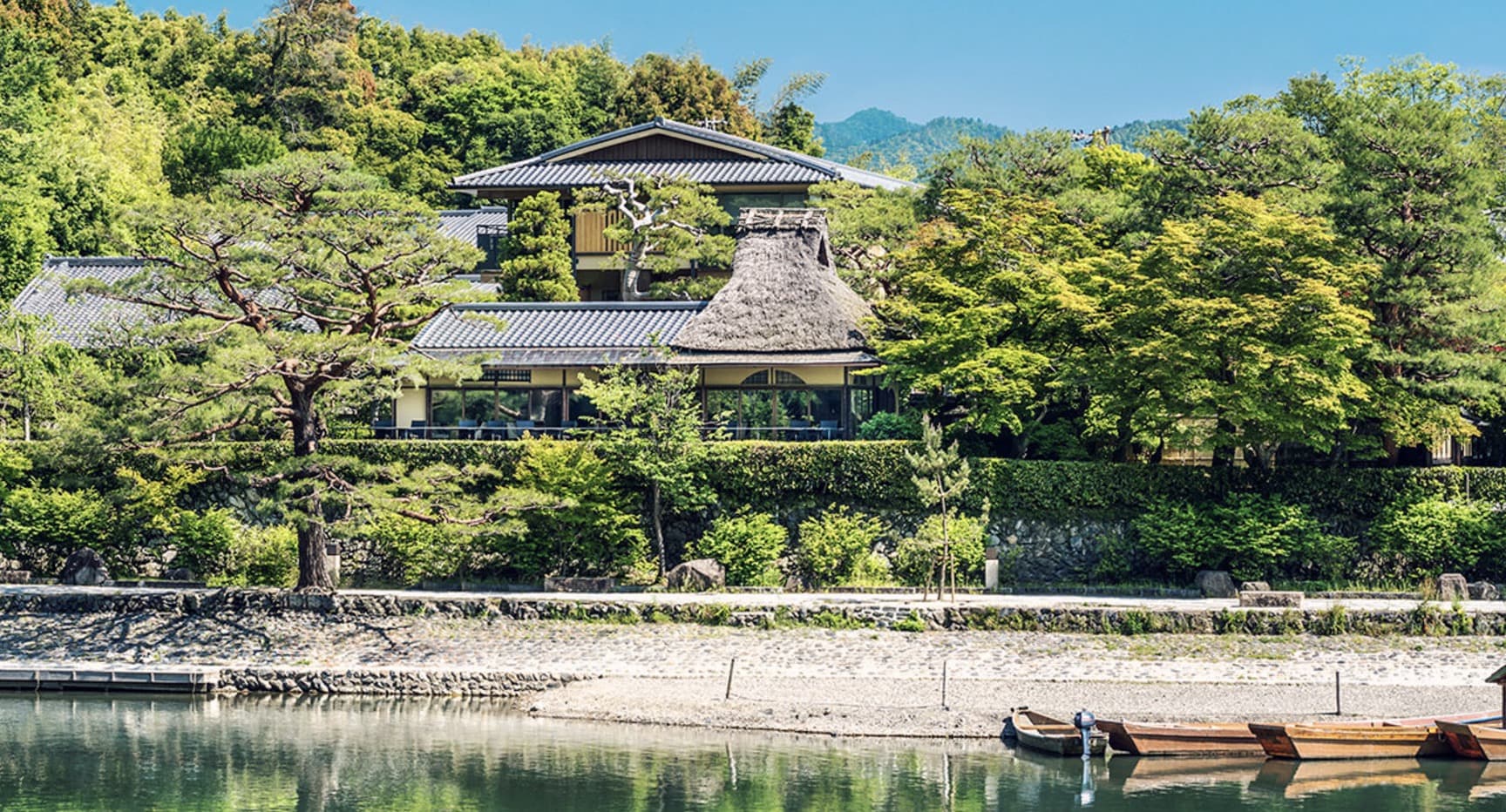 Source: Suiran, a Luxury Collection Hotel, Kyoto Official Website
■ The Appeal of Suiran, a Luxury Collection Hotel, Kyoto
“Suiran, a Luxury Collection Hotel, Kyoto” is a luxury hotel nestled in the scenic beauty of Arashiyama, Kyoto. Here is a detailed look at its appeal.
1. A Design Fusing History and Modernity
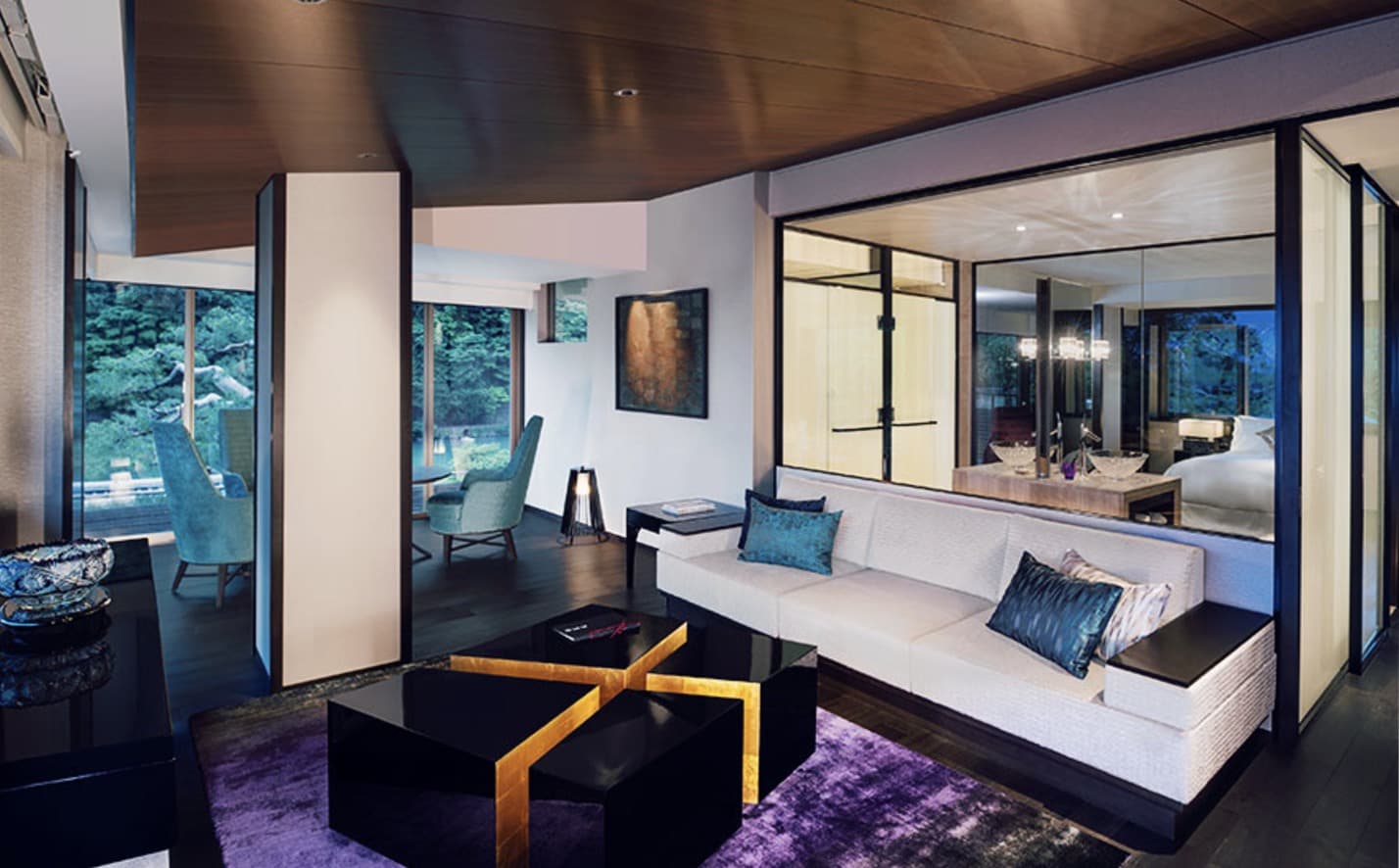
The hotel inherits the history and culture of Arashiyama dating back to the Heian period while incorporating contemporary design. All 39 guest rooms feature elegant interiors based on traditional Japanese colors, and 17 rooms come with private outdoor baths where you can enjoy natural hot springs.
2. A Location to Savor Arashiyama’s Natural Beauty
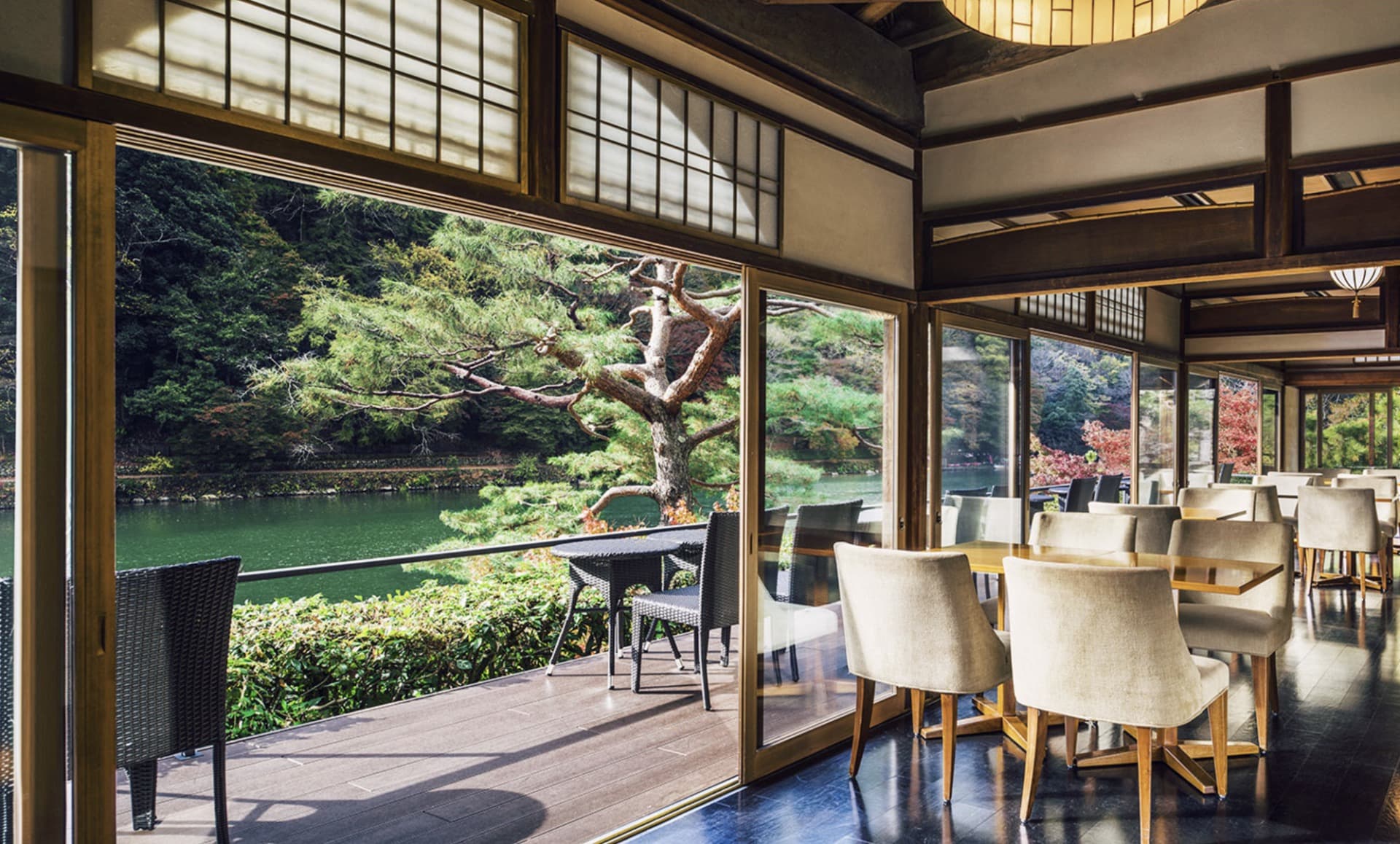
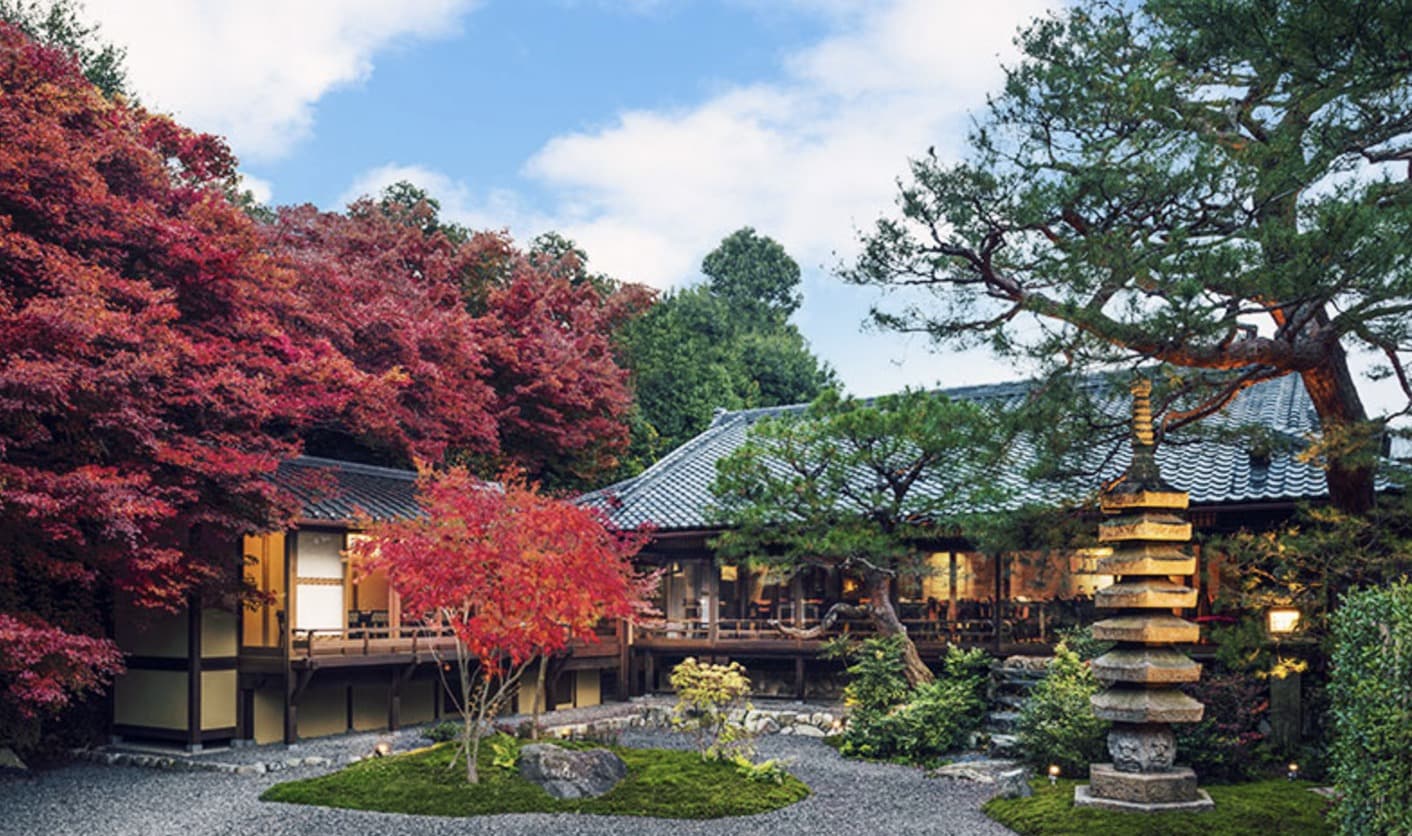
Located in a prime spot overlooking the natural beauty of Arashiyama, where the clear flow of the Hozu River meets the timeless mountain ridgeline. Close to renowned sites and historic landmarks such as the World Heritage “Tenryu-ji Temple” and “Togetsukyo Bridge,” you can enjoy seasonal scenery throughout the year.
3. Excellent On-Site Facilities
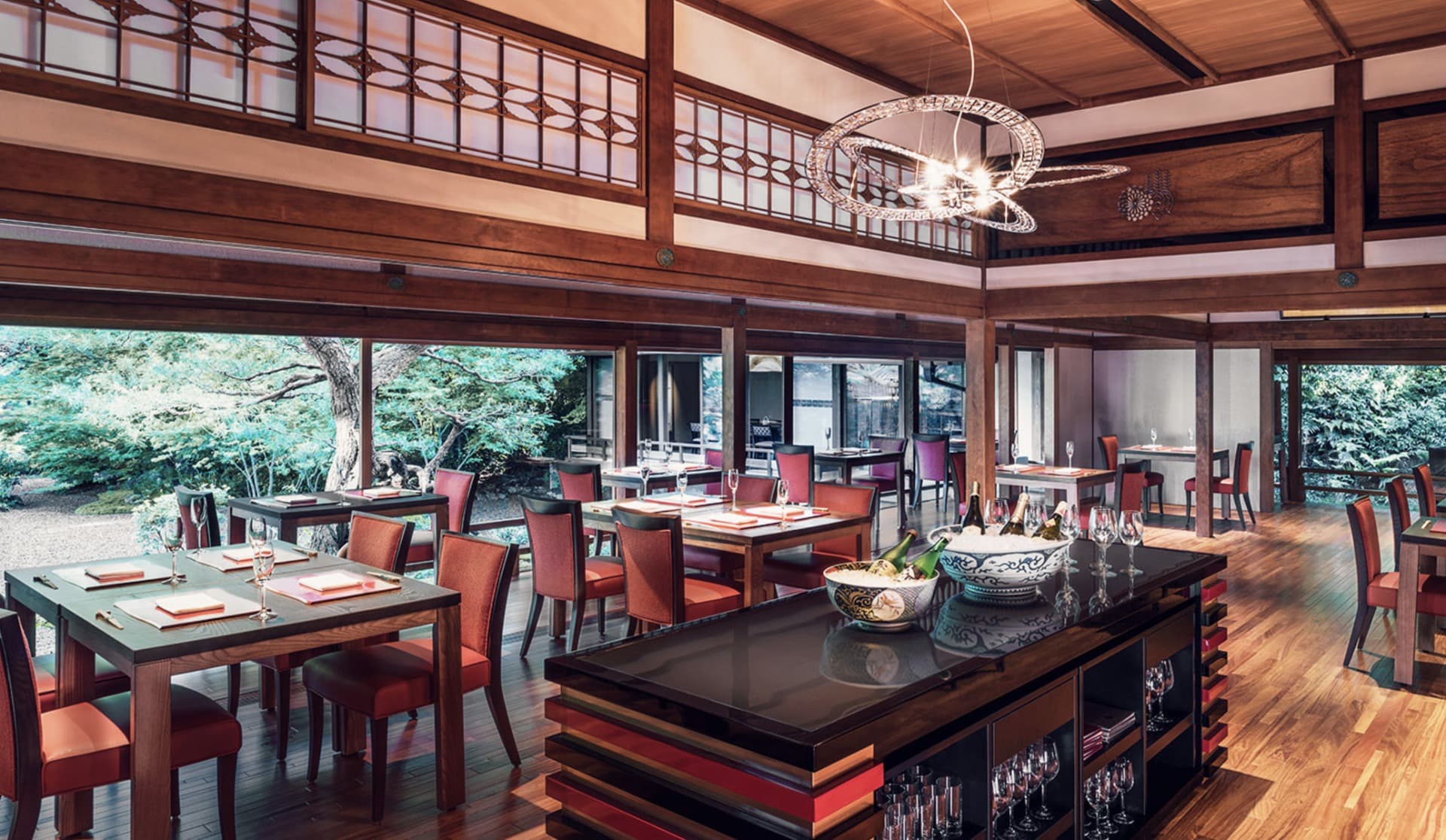
The hotel features the restaurant “Kyo Suiran,” housed in a historic Meiji-era building, and the cafe “Saryo Hassui,” offering panoramic views of Arashiyama. Guest-exclusive private outdoor hot spring baths and a private spa are also available, providing an environment for complete relaxation of body and mind.
4. Cuisine Featuring Kyoto’s Seasonal Ingredients
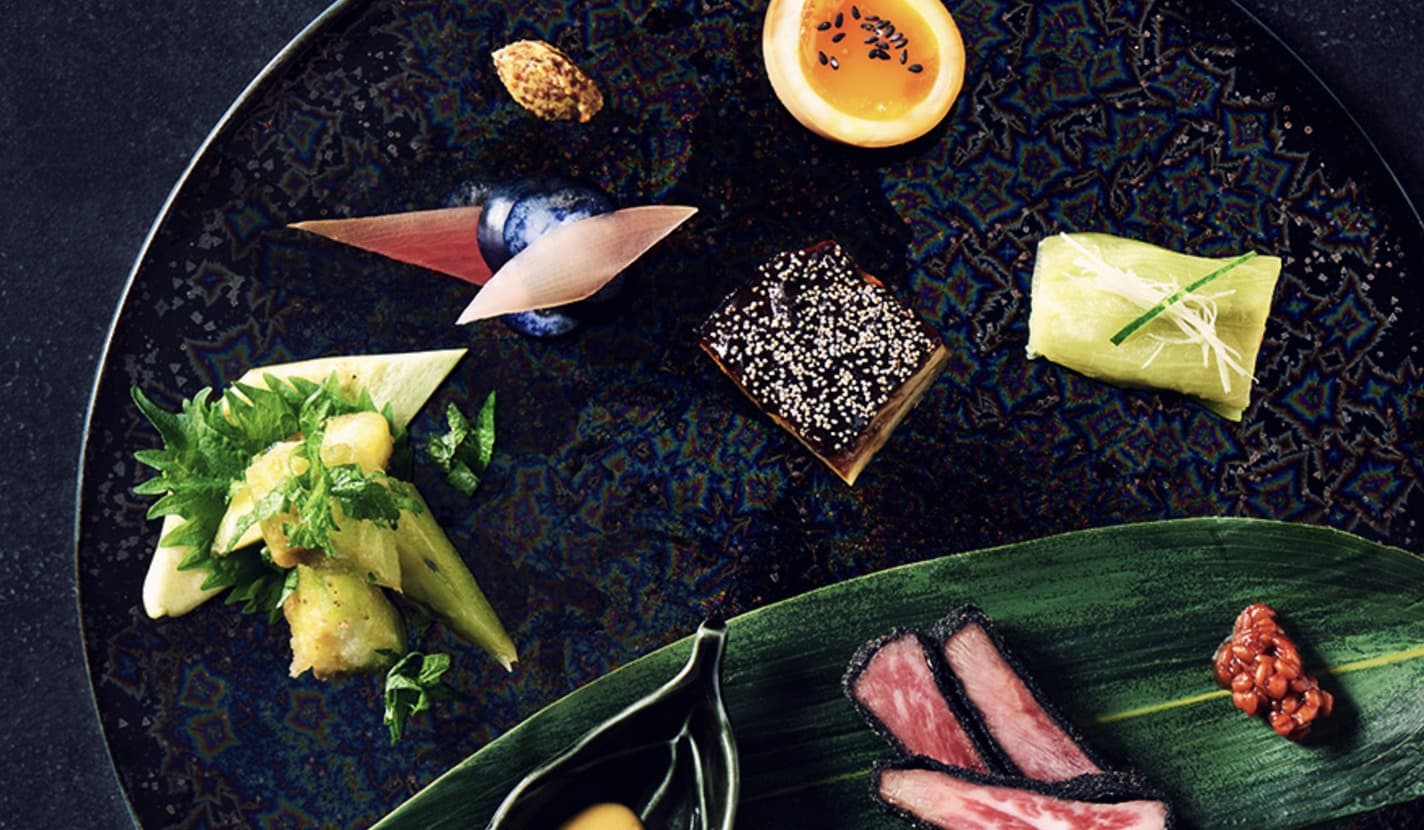
Restaurant “Kyo Suiran” serves kaiseki cuisine that showcases Kyoto’s seasonal ingredients. The teppanyaki restaurant “Kanzan” offers teppanyaki prepared with carefully selected ingredients. You can savor the seasonal flavors while admiring the scenery of Arashiyama.
5. Diverse Activities and Services
The hotel offers experience programs unique to Arashiyama, such as zazen (Zen meditation) sessions and early morning bamboo grove walks. Additionally, a 24-hour dedicated concierge, shuttle services, and various other services are available to enrich guests’ stays.
■ Access Information for Suiran, a Luxury Collection Hotel, Kyoto
- Official Website: https://www.suihotels.com/suiran-kyoto/
- Access: 6-minute walk from Keifuku Railway Arashiyama Main Line, Arashiyama Station
- Address: 12 Susuki-no-baba-cho, Saga Tenryu-ji, Ukyo-ku, Kyoto 616-8385
- Google Maps: https://maps.app.goo.gl/cc97eTRDX41xMePg6