A Detailed Guide to the History and Overview of Lake Kawaguchi
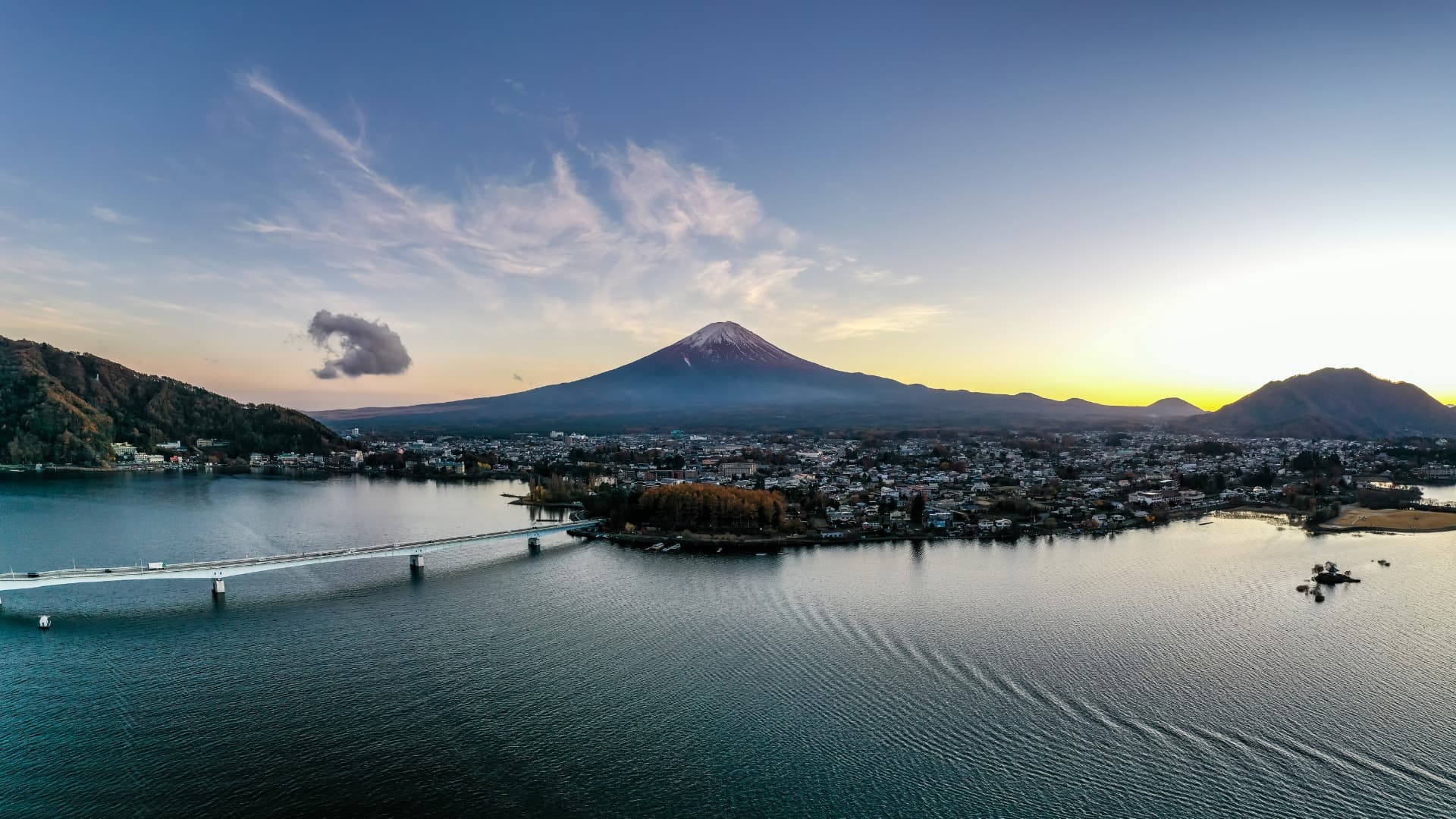
Table of Contents
Introduction
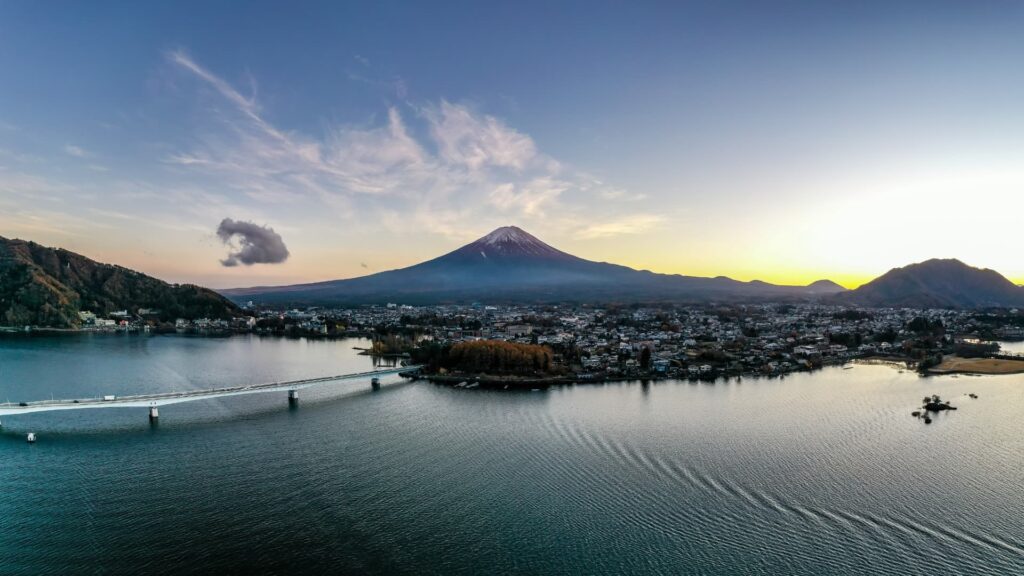
Lake Kawaguchi is one of the Fuji Five Lakes, renowned as a scenic spot offering magnificent views of Mount Fuji, and is a tourist destination brimming with charm. In this article, we provide a comprehensive introduction to everything from the overview and history of Lake Kawaguchi to the must-visit highlights when touring the area.
The beautiful scenery that changes with the four seasons and the abundant tourist spots delight visitors, making it beloved by tourists from both Japan and abroad.
Overview of Lake Kawaguchi
Lake Kawaguchi is a lake located in Fujikawaguchiko Town, Minamitsuru District, Yamanashi Prefecture, on the north side of Mount Fuji, and is one of the Fuji Five Lakes. At an elevation of approximately 830 meters and with an area of 5.7 square kilometers, it is the second largest of the Fuji Five Lakes. It is also known as a scenic spot for viewing Mount Fuji and is registered as part of the UNESCO World Cultural Heritage site “Fujisan, Sacred Place and Source of Artistic Inspiration.”
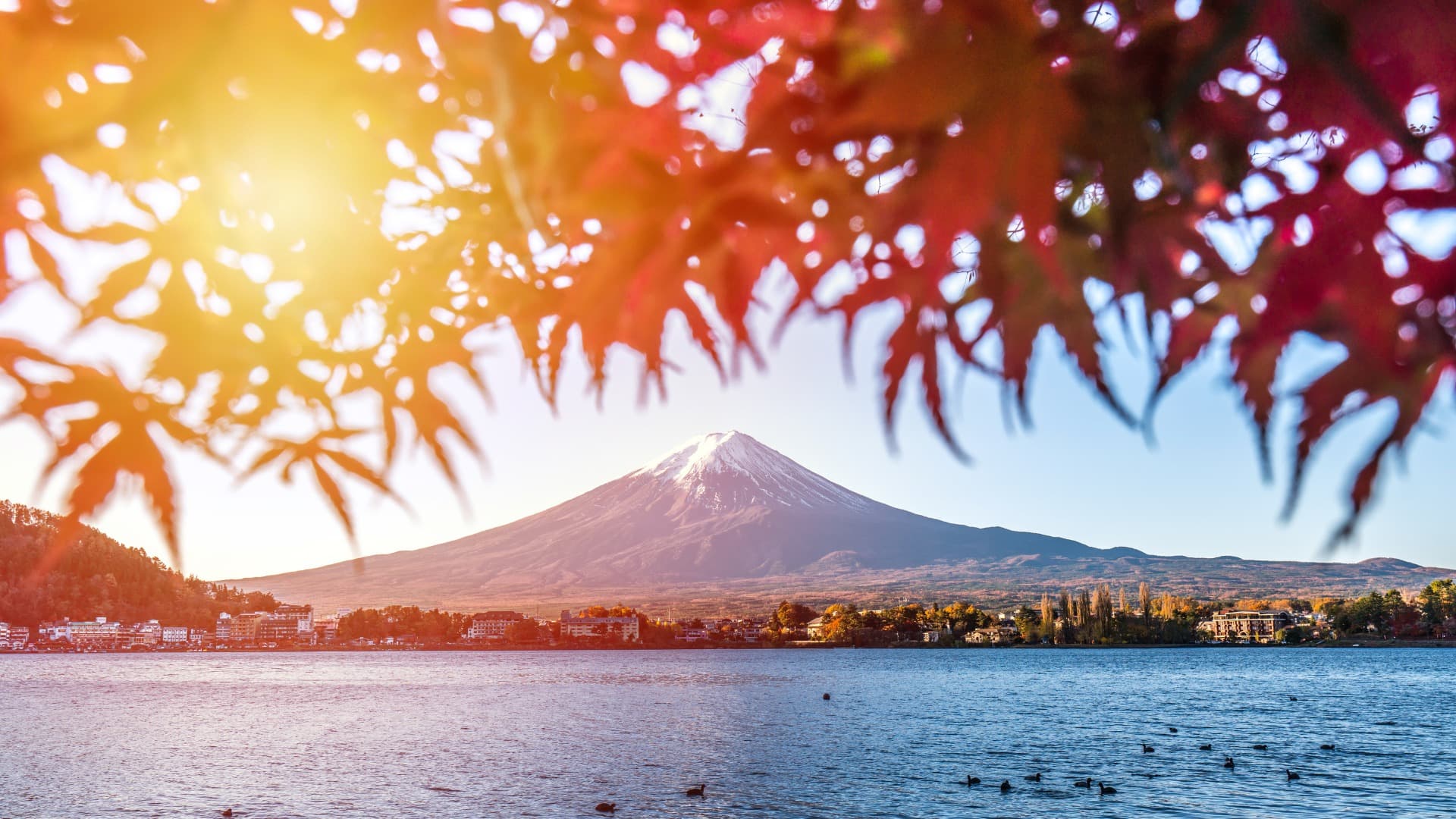
Formed as a lava-dammed lake when lava flows from Mount Fuji’s eruptions blocked rivers, the lake’s natural beauty that changes with the four seasons captivates visitors. The scenery of Lake Kawaguchi with Mount Fuji as a backdrop is particularly popular with tourists from both Japan and abroad. Cherry blossoms are beautiful in spring, autumn foliage in fall, and in winter, the snow-capped Mount Fuji creates a magical landscape.
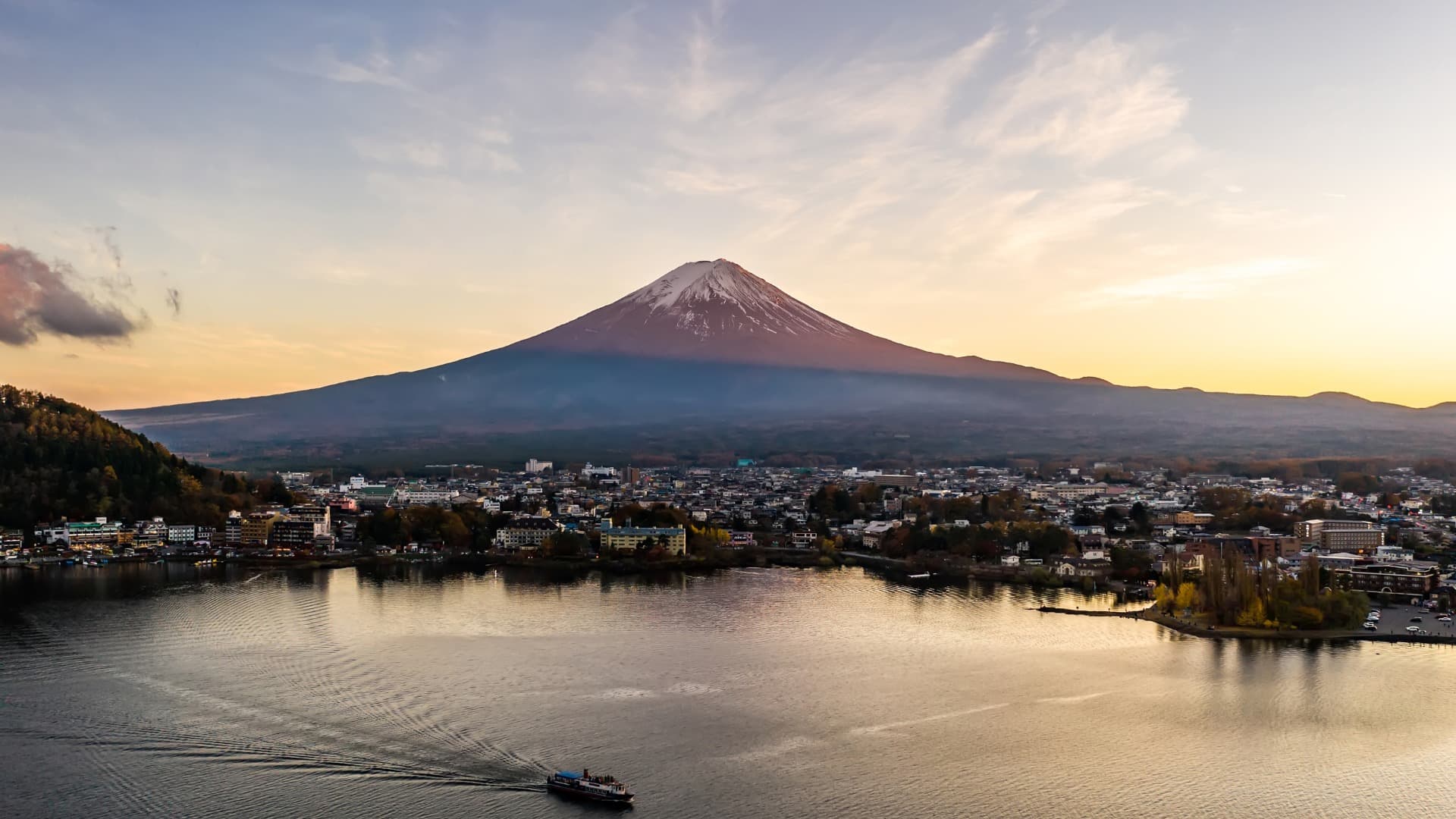
As a famous tourist destination, the lakeside is lined with numerous hot spring facilities, hotels, and ryokan (traditional Japanese inns), having developed as a resort area. Furthermore, around Lake Kawaguchi, there are diverse tourist spots including the “Kawaguchiko Music Forest Museum” (formerly the Kawaguchiko Music Box Forest Museum) and “Kubota Itchiku Art Museum” where visitors can enjoy music and art, as well as campgrounds and hiking courses for outdoor activities.
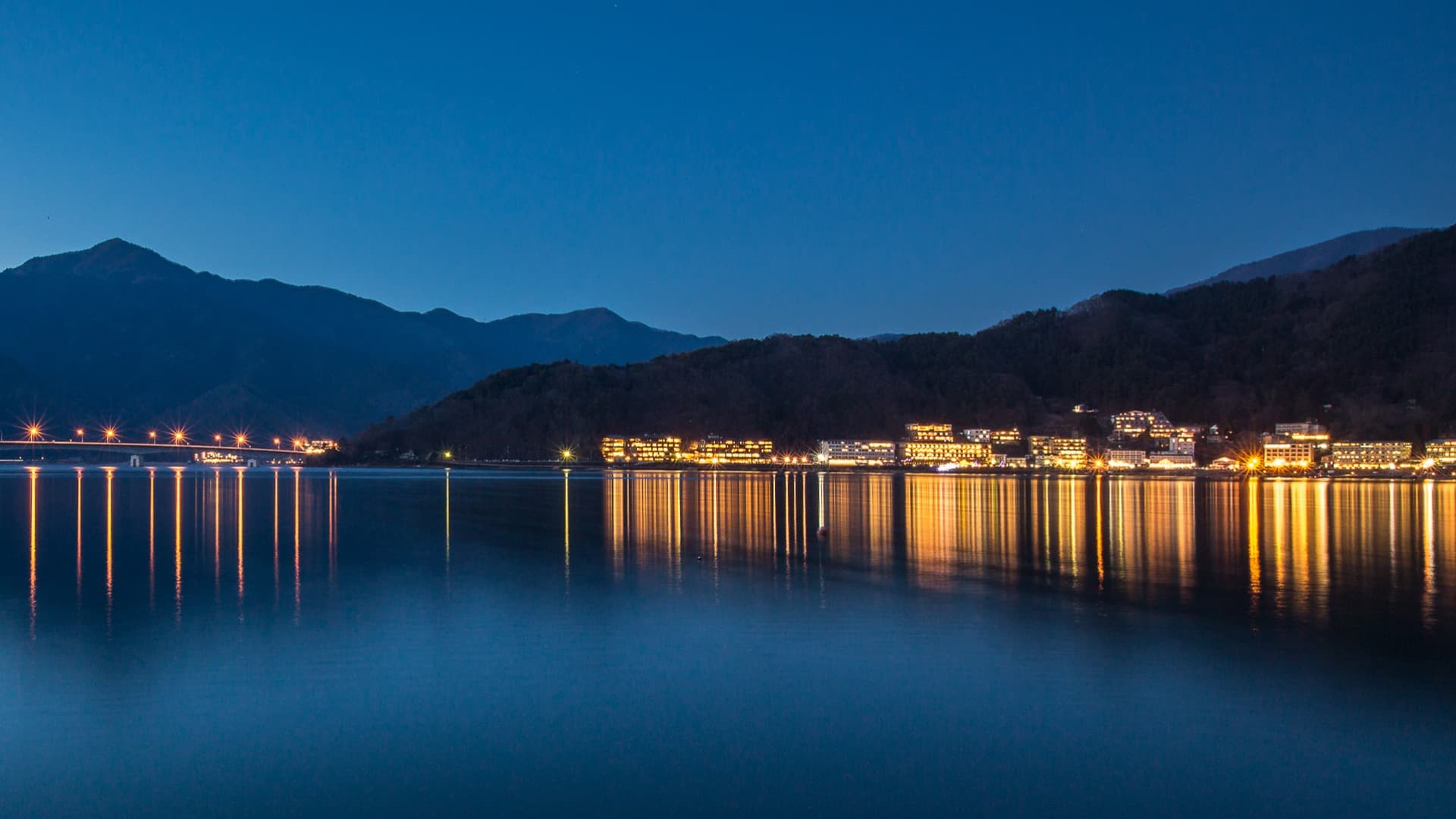
Lake Kawaguchi also hosts many events throughout the year, with the “Kawaguchiko Kojo-sai” lake festival and its fireworks in summer and the “Mt. Fuji Marathon” in winter being particularly popular with tourists. Additionally, Lake Kawaguchi offers leisure activities such as boating and fishing, making it an attractive destination for outdoor enthusiasts as well.
History of Lake Kawaguchi
Lake Kawaguchi is located in Fujikawaguchiko Town, Minamitsuru District, Yamanashi Prefecture, stretching across the north side of Mount Fuji. It is one of the Fuji Five Lakes, known for its beautiful setting. Its history has been shaped by volcanic activity and the development of the surrounding region. Historically, the following major events have been recorded.
1. The Eruption of Mount Fuji and the Birth of Lake Kawaguchi
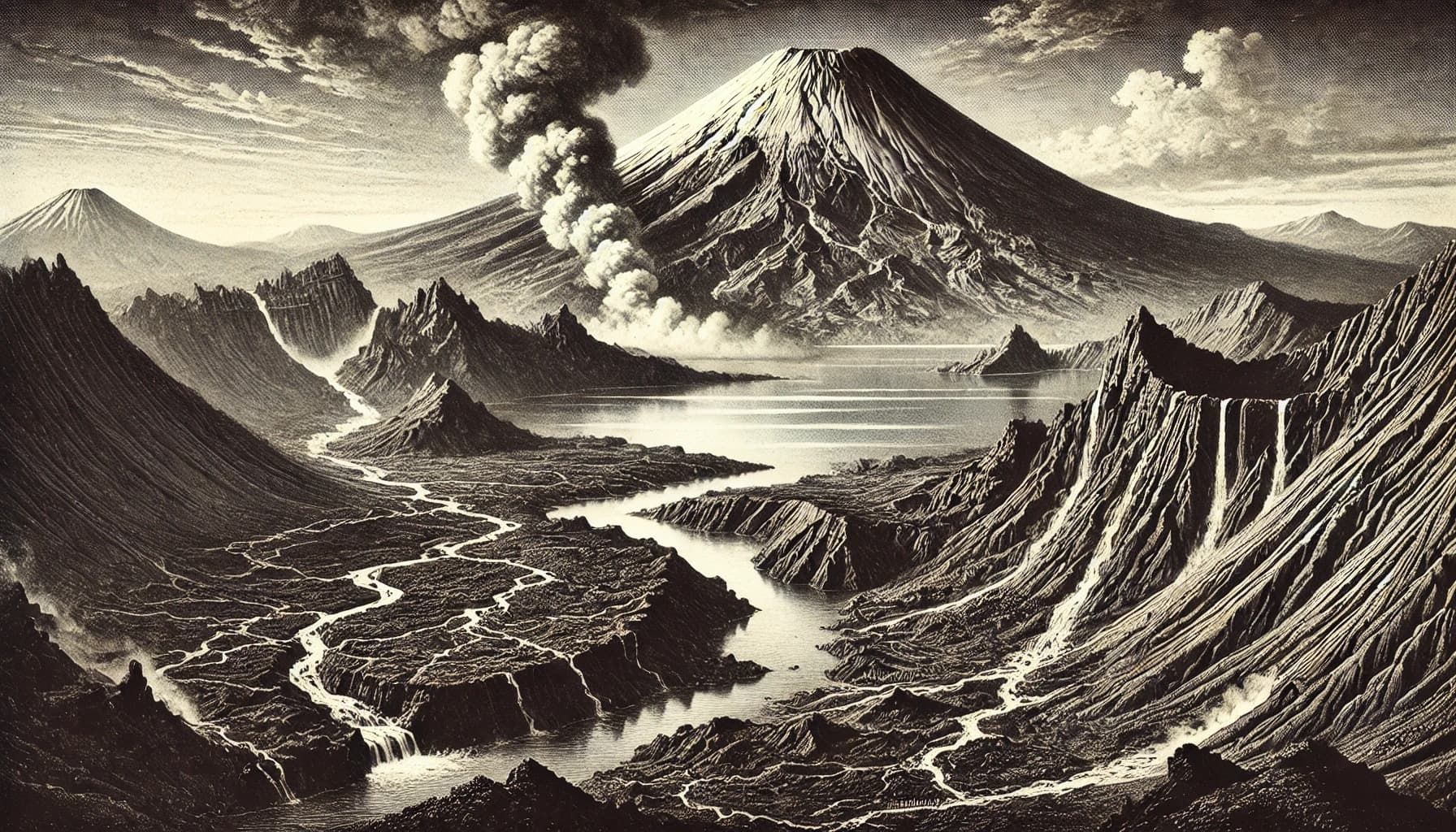
Lake Kawaguchi is said to have formed naturally when lava flows from Mount Fuji’s eruptions dammed rivers. The Jogan Great Eruption of 864 greatly reshaped the Fuji Five Lakes, with lava splitting the former “Senoumi” lake into Lake Saiko and Lake Shoji. During this period, the area around Lake Kawaguchi was a largely untouched natural environment, and the lake was formed into a unique terrain shaped by Mount Fuji’s activity.
2. 1600s: Agricultural Development Around Lake Kawaguchi

During the Edo period, the land surrounding Lake Kawaguchi developed as an agricultural area. Fertile land spread around the lake, and farming began to flourish. In particular, the volcanic ash from Mount Fuji created soil well-suited for agriculture. During this era, the lake’s water also came to be used for agricultural irrigation, expanding agricultural production in the surrounding area. Fishing also thrived around the lake, influencing the local food culture.
3. 1900s: Development as a Tourist Destination
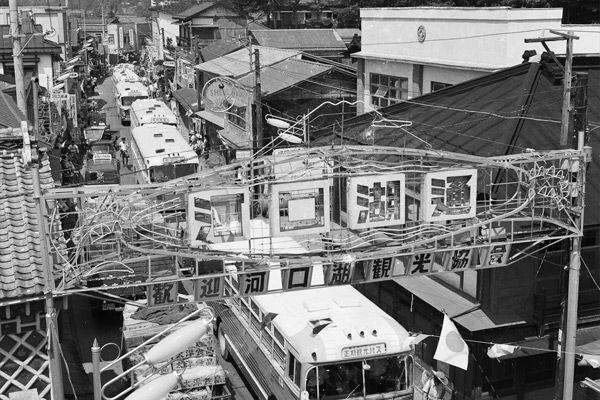
In the early 20th century, Lake Kawaguchi gained prominence as a tourist destination. The beautiful scenery with Mount Fuji as a backdrop attracted attention both domestically and internationally, leading to an increase in tourists. During this period, inns and tourist facilities opened one after another, and Lake Kawaguchi became a base for Mount Fuji tourism. From the 1950s onward, tourism infrastructure was further developed and transportation access improved, attracting many visitors from Tokyo.
4. 2013: Lake Kawaguchi as Part of the World Heritage Registration
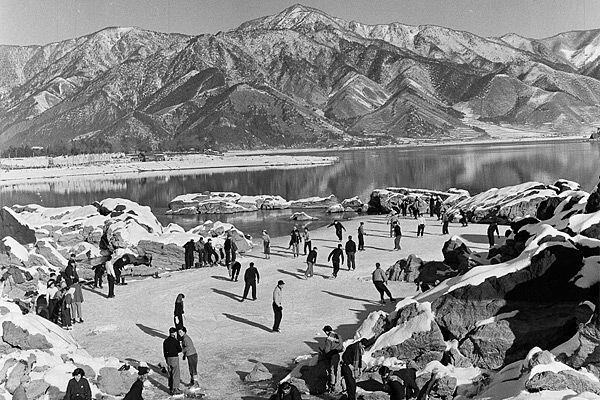
In 2013, Lake Kawaguchi was registered as a UNESCO World Heritage site as part of the cultural landscape of Mount Fuji and its surrounding area. This registration demonstrates that Mount Fuji is an important object of faith in Japanese culture and a source of artistic inspiration. Lake Kawaguchi was also internationally recognized for its value as one of the component parts of the World Heritage property “Fujisan.” This further strengthened Lake Kawaguchi’s status as a tourist destination, attracting many visitors throughout the year.
5. 2000s: Promoting Sustainable Tourism
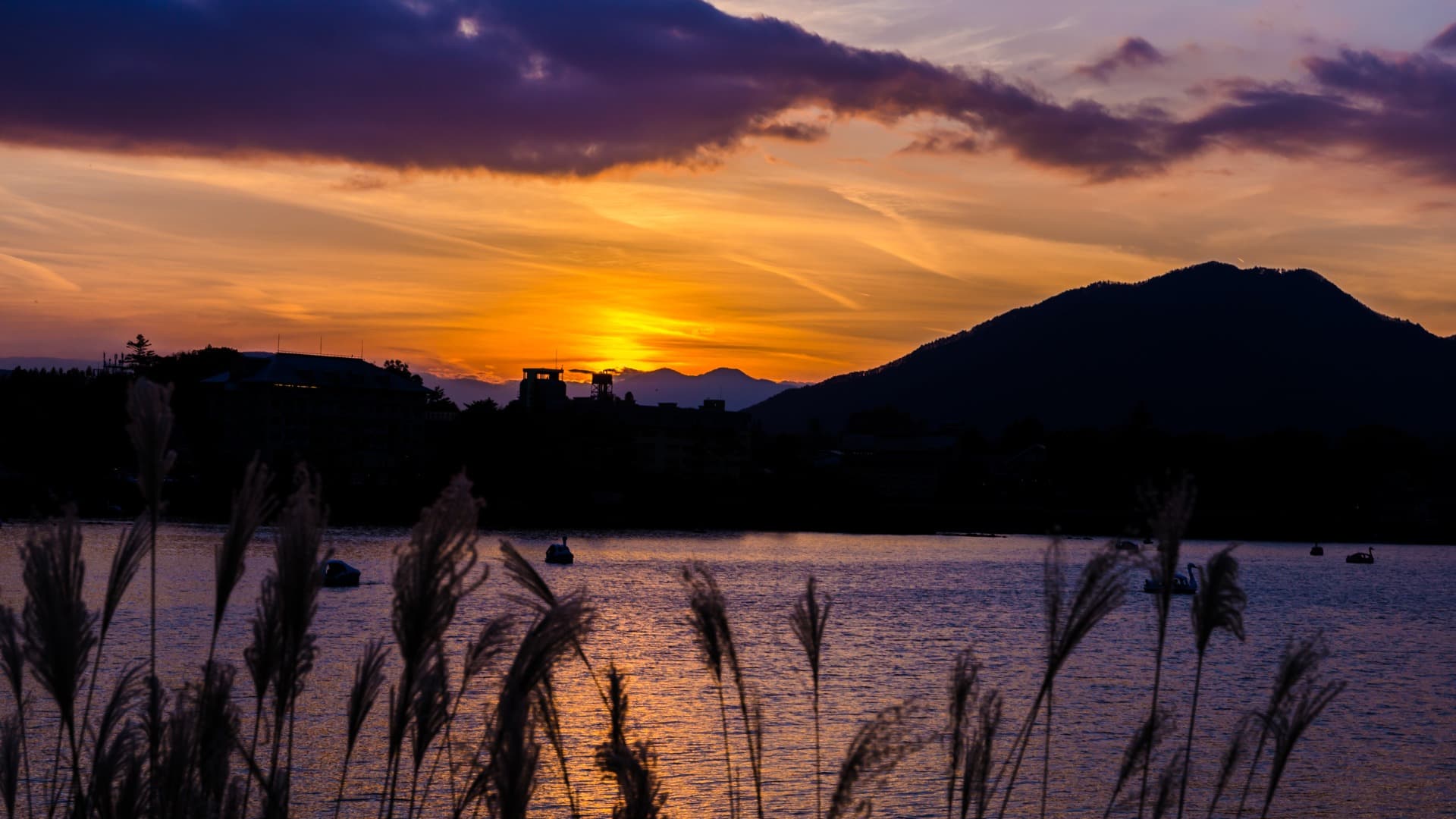
Entering the 2000s, efforts to promote sustainable tourism began around Lake Kawaguchi, seeking to harmonize tourism with the natural environment. Landscape conservation activities protecting the views of Mount Fuji and water quality improvement projects for the lake have been implemented, and efforts continue to preserve the regional environment while maintaining the area’s appeal as a tourist destination. As a result, Lake Kawaguchi continues to welcome many tourists while maintaining its beautiful natural surroundings.
Highlights of Lake Kawaguchi
Lake Kawaguchi is a tourist destination blessed with breathtaking views of Mount Fuji and abundant nature, offering beautiful scenery throughout the four seasons. Below are the major spots you should visit when exploring Lake Kawaguchi.
Kawaguchiko Music Forest Museum

This is one of Lake Kawaguchi’s most iconic tourist attractions, a charming spot where music and art converge. The museum displays antique music boxes and automatic musical instruments, with regular performances held. It also features beautiful gardens and a cafe overlooking the lake, where visitors can spend a leisurely time. The garden scenery is especially beautiful throughout the four seasons, making it an excellent spot for photographing Mount Fuji in the background.
Momiji Corridor (Maple Corridor)
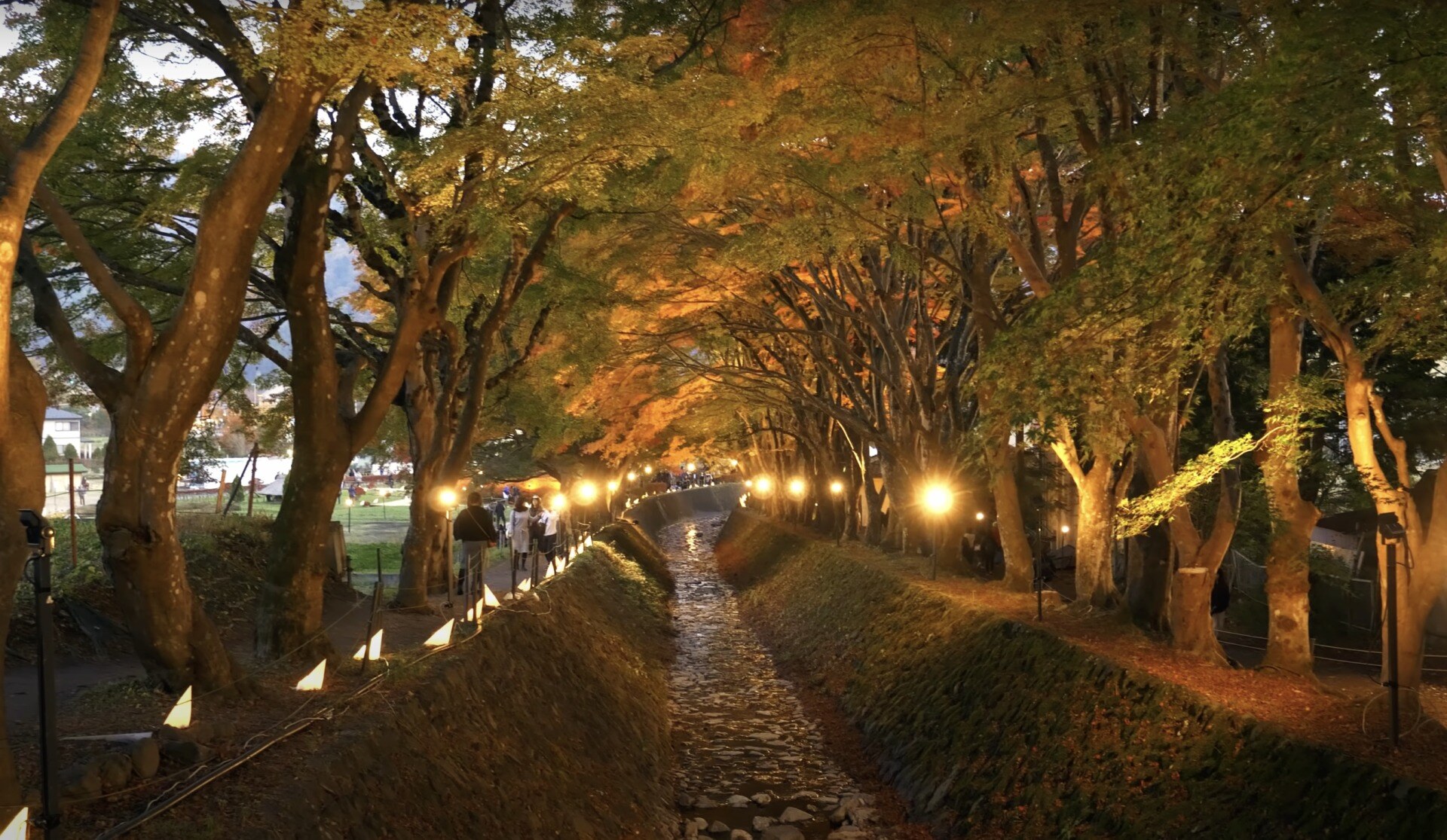
The Momiji Corridor is a renowned autumn foliage spot located on the north shore of Lake Kawaguchi, a must-see for tourists visiting in autumn. True to its name, approximately 150 meters of maple trees line the path in a tunnel-like formation, creating a beautiful autumn landscape. The peak season for autumn foliage is from early to mid-November, and the illumination held during the autumn leaves festival from sunset until 21:00 (2026) is also a highlight. Visitors can enjoy the deep red maples in a magical atmosphere different from daytime.
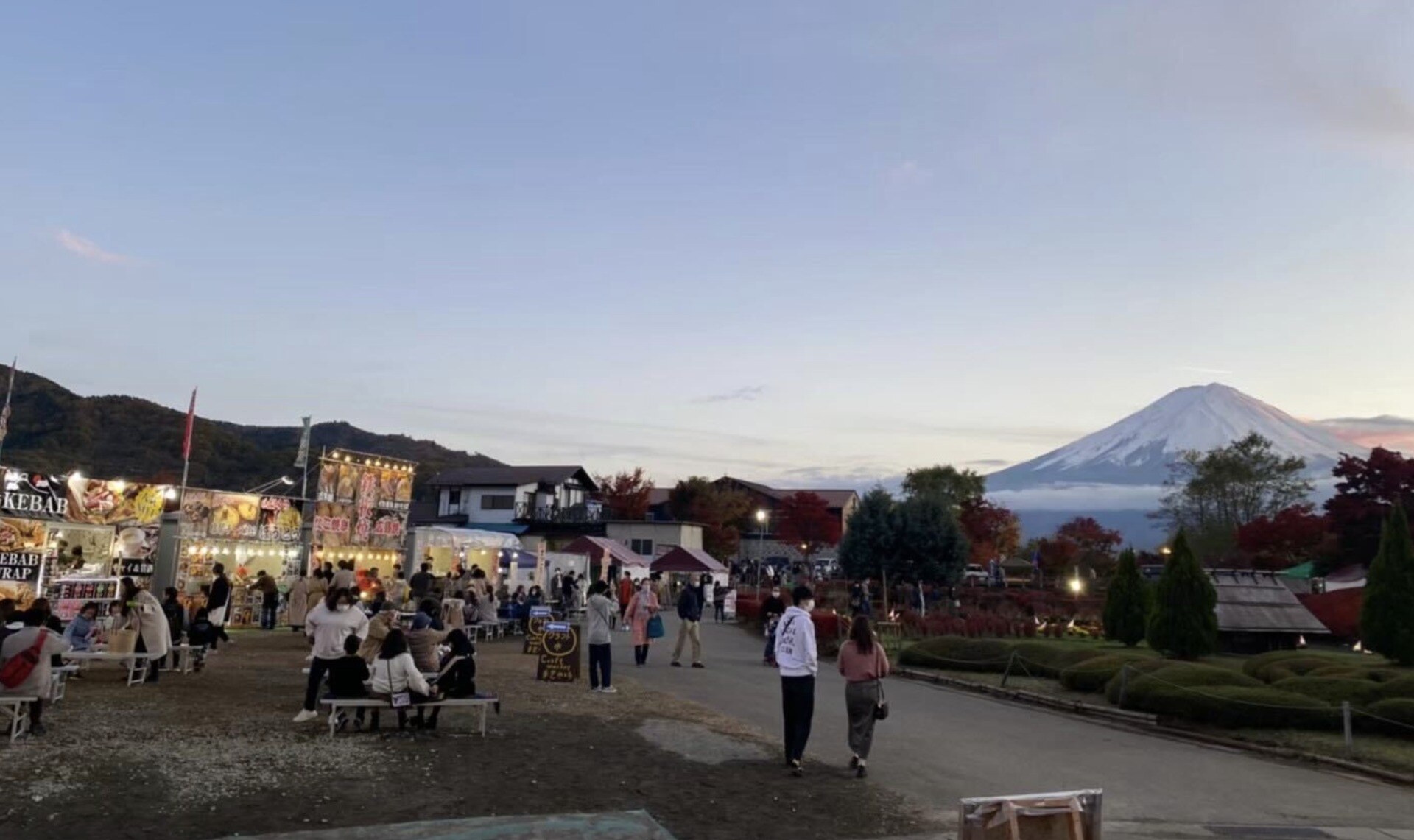
Additionally, the annual “Fujikawaguchiko Autumn Leaves Festival” is held here, featuring local food stalls, craft markets, and music events that attract many tourists.
■ Lake Kawaguchi Sightseeing Boat “Appare”
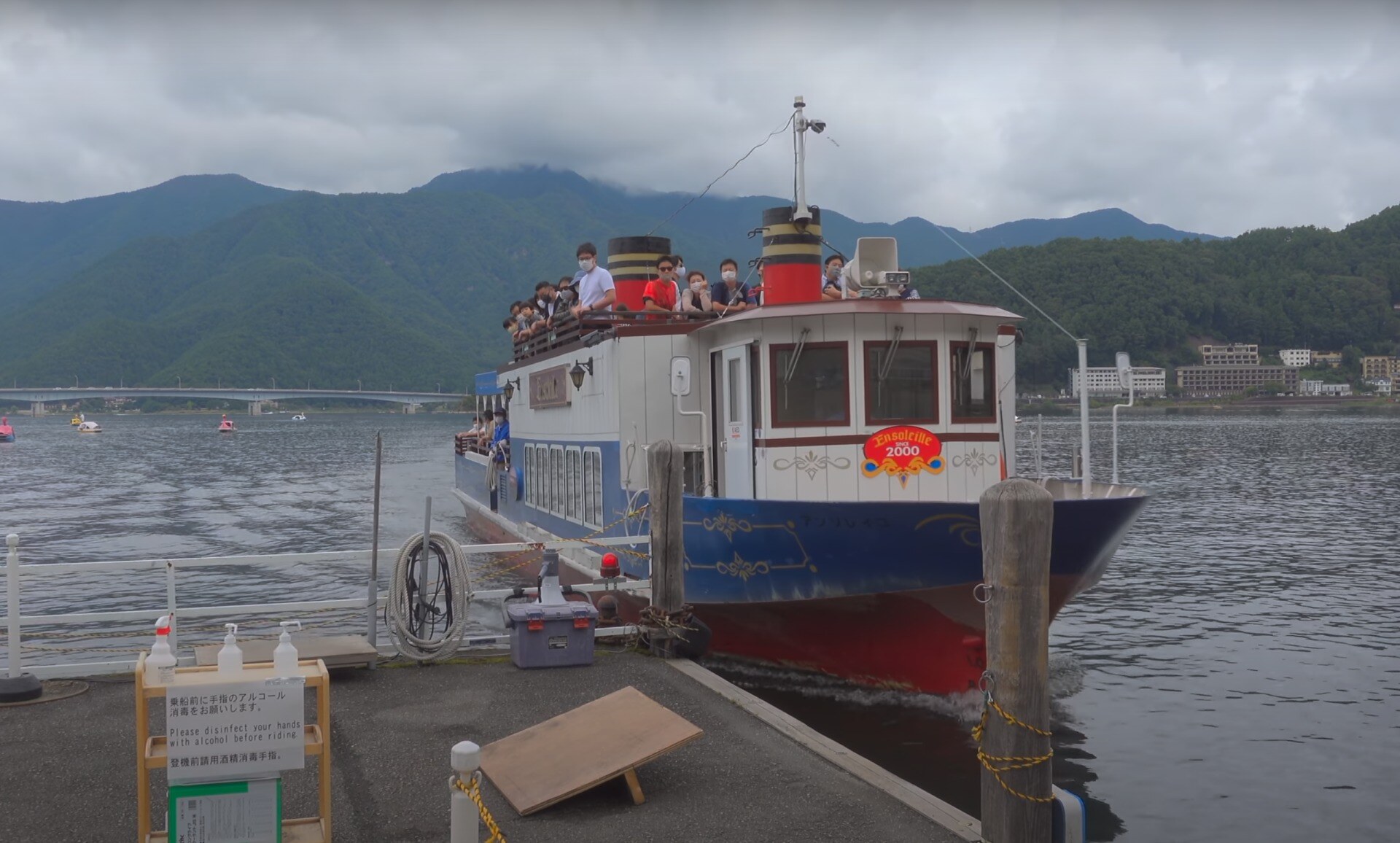
This sightseeing boat cruises around Lake Kawaguchi, allowing passengers to enjoy breathtaking views of Mount Fuji from the water. On clear days, visitors can enjoy magnificent views with Mount Fuji reflected on the lake surface. The ride takes approximately 20 minutes and costs 1,000 yen for adults (as of September 2026), and it is a popular activity among tourists for fully experiencing the expanse and beautiful nature of Lake Kawaguchi.
Kubota Itchiku Art Museum
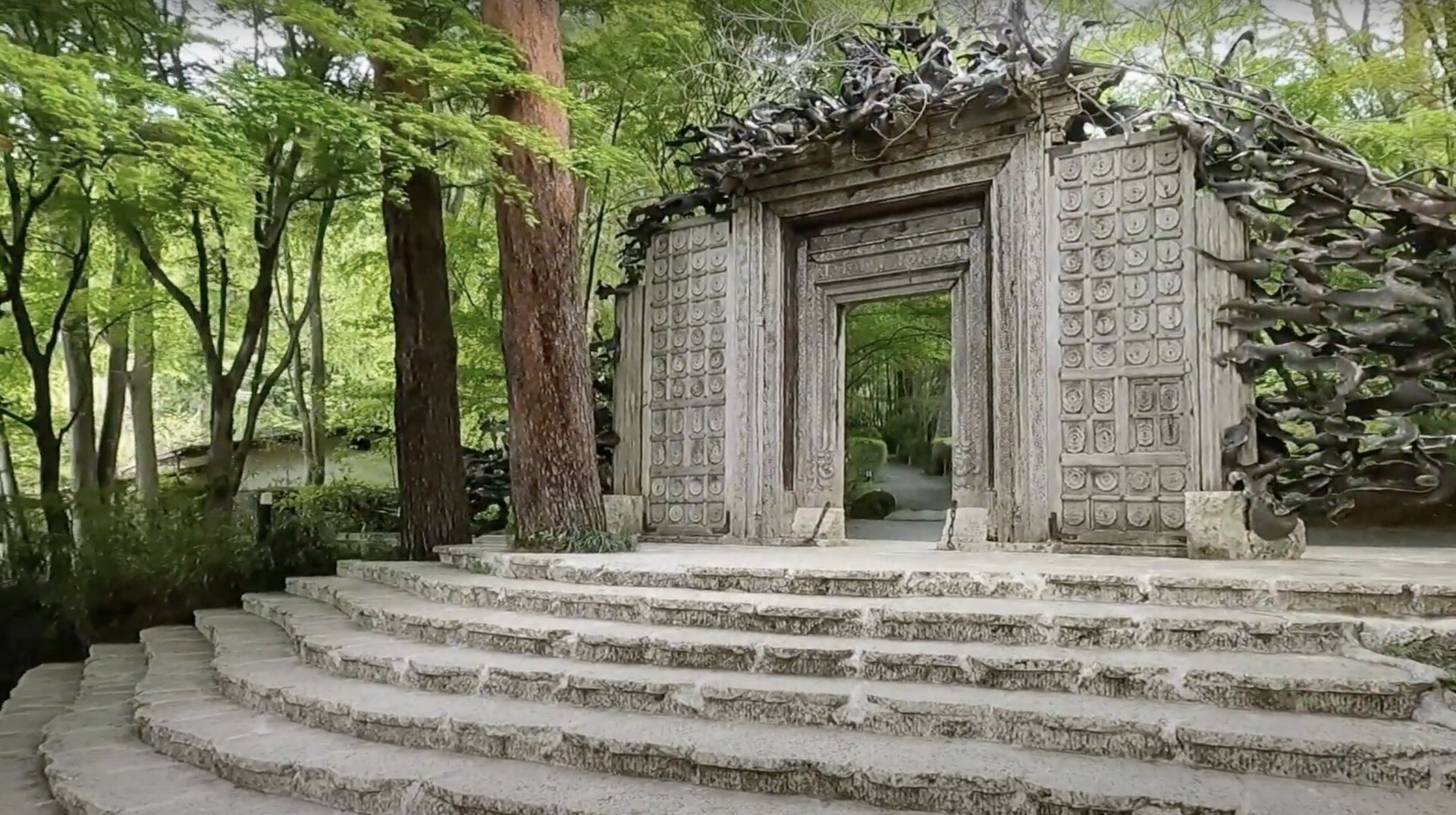
Kubota Itchiku was an artist who created his own “Itchiku Tsujigahana” based on the lost dyeing technique “tsujigahana,” and his art museum is located near Lake Kawaguchi. The museum showcases not only his works but also the building itself, which is regarded as a work of art. Designed to blend seamlessly into nature, the building offers beautiful views of Mount Fuji and Lake Kawaguchi, allowing visitors to experience a luxurious space where art and nature merge.
Oishi Park
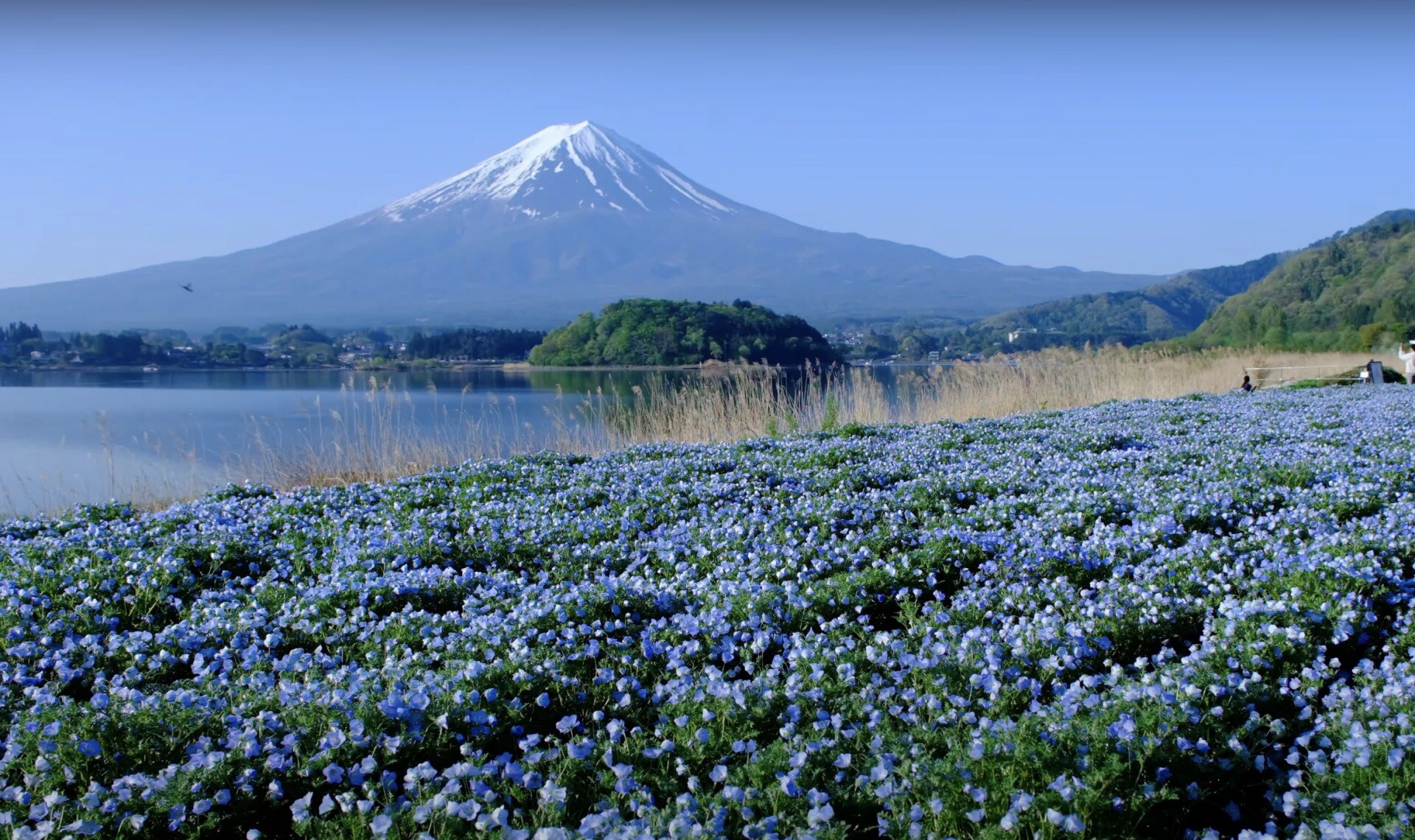
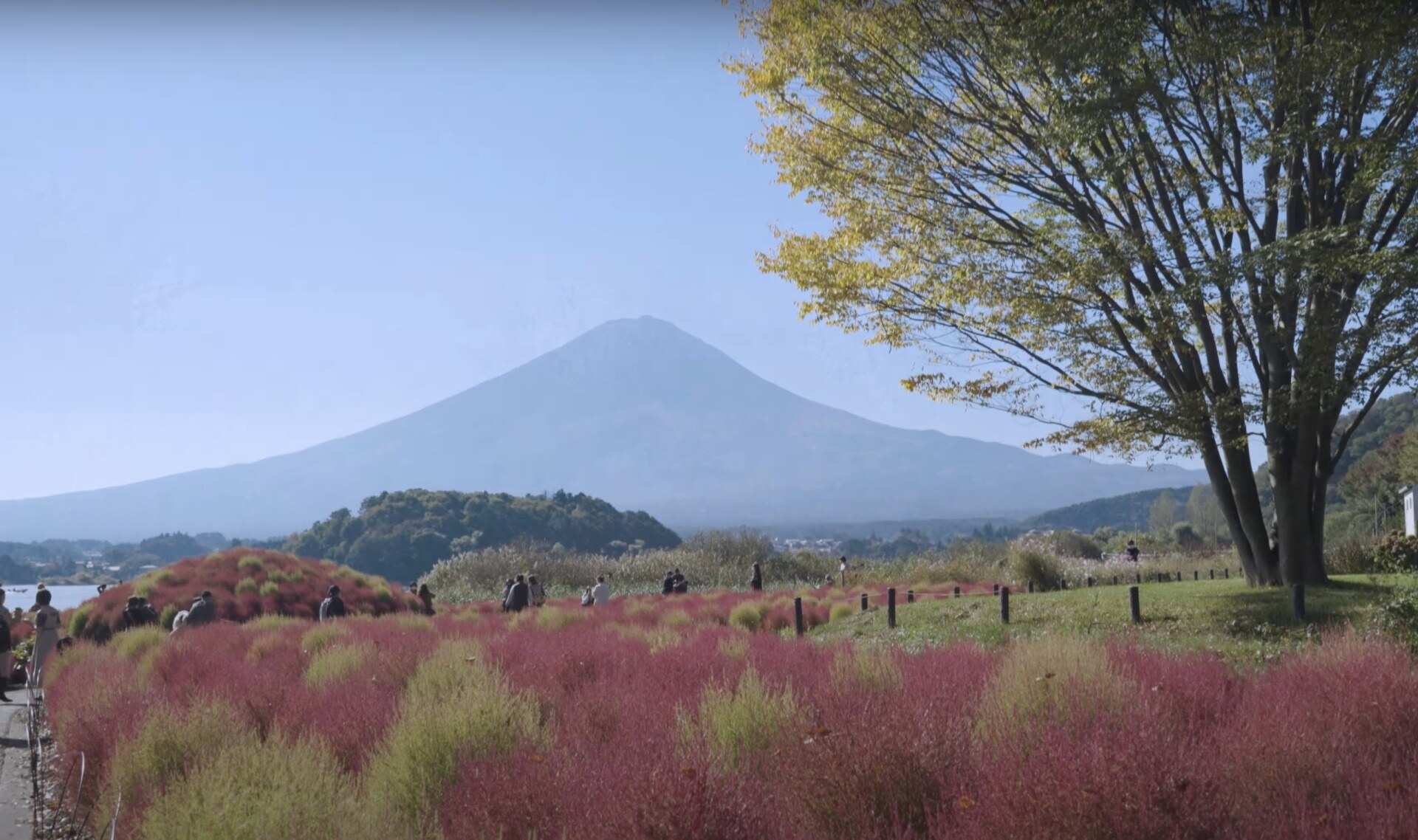
Oishi Park is located on the north shore of Lake Kawaguchi, offering beautiful flower-filled scenery with Mount Fuji in the background. In summer, lavender blooms profusely, painting the entire area in purple. In spring, cherry blossoms, and in autumn, cosmos and other seasonal flowers welcome visitors. The park also has a cafe and souvenir shops, making it an ideal place for a leisurely stroll.
Kawaguchiko Natural Living Center
The Kawaguchiko Natural Living Center is a hands-on experience facility on the shores of Lake Kawaguchi, offering activity programs centered on blueberry jam-making and other experiences. The facility also sells locally grown produce and processed goods, allowing visitors to purchase unique Lake Kawaguchi souvenirs. With a cafe space offering views of Mount Fuji, it is a perfect spot for a relaxing moment.
Mt. Fuji Panoramic Ropeway (formerly Kachi Kachi Ropeway)
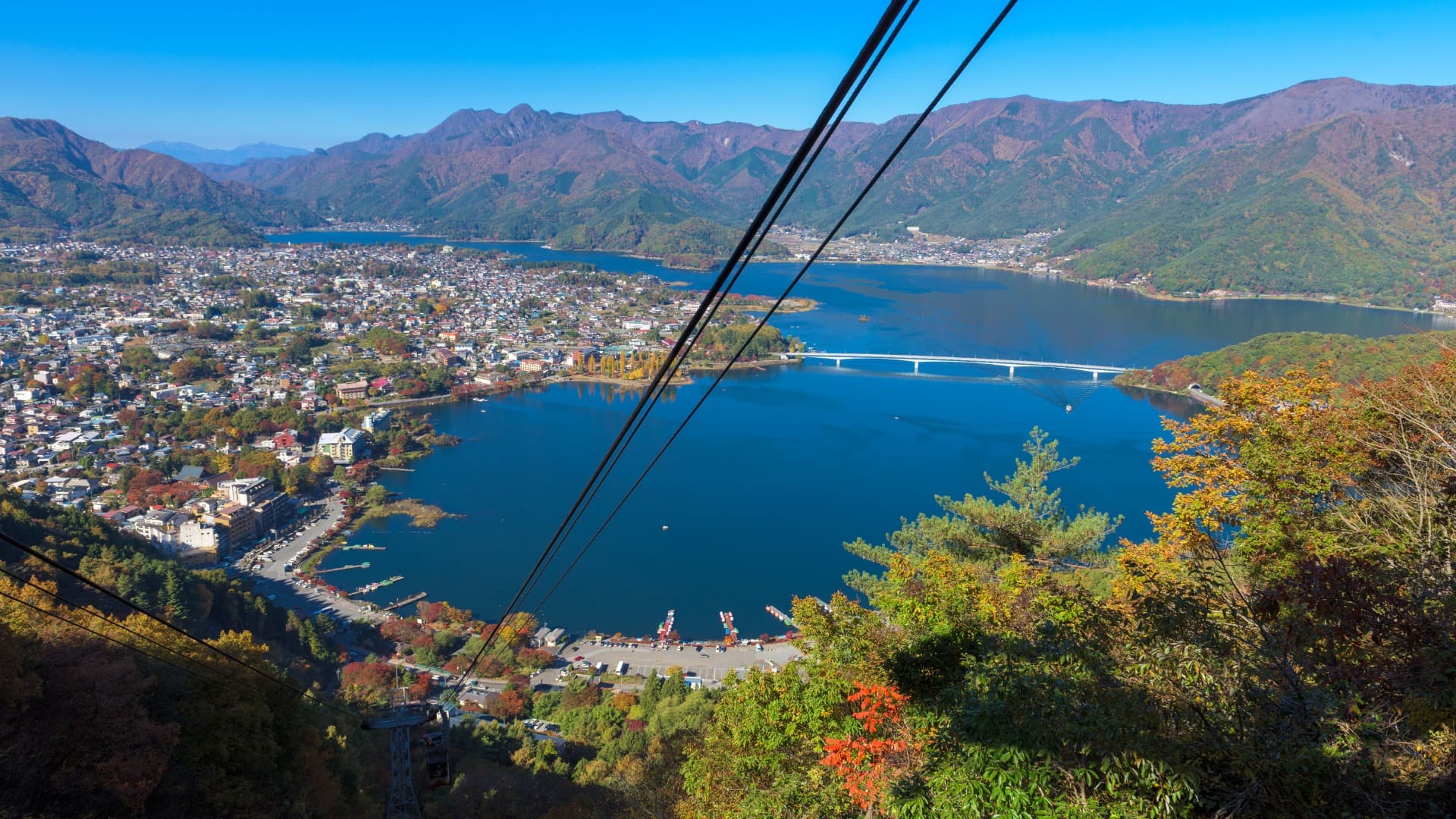
The “Mt. Fuji Panoramic Ropeway” (formerly the “Kachi Kachi Ropeway”) leading to Mount Tenjo Park is a tourist spot offering panoramic views of Lake Kawaguchi and Mount Fuji. Its name derives from the Japanese folktale “Kachi Kachi Yama,” and from the observation deck at the summit, visitors can enjoy a magnificent panoramic view of Mount Fuji and Lake Kawaguchi. At the mountaintop, there are statues of a rabbit and a raccoon dog, making it a popular photography spot.
Lake Kawaguchi Fireworks Festival
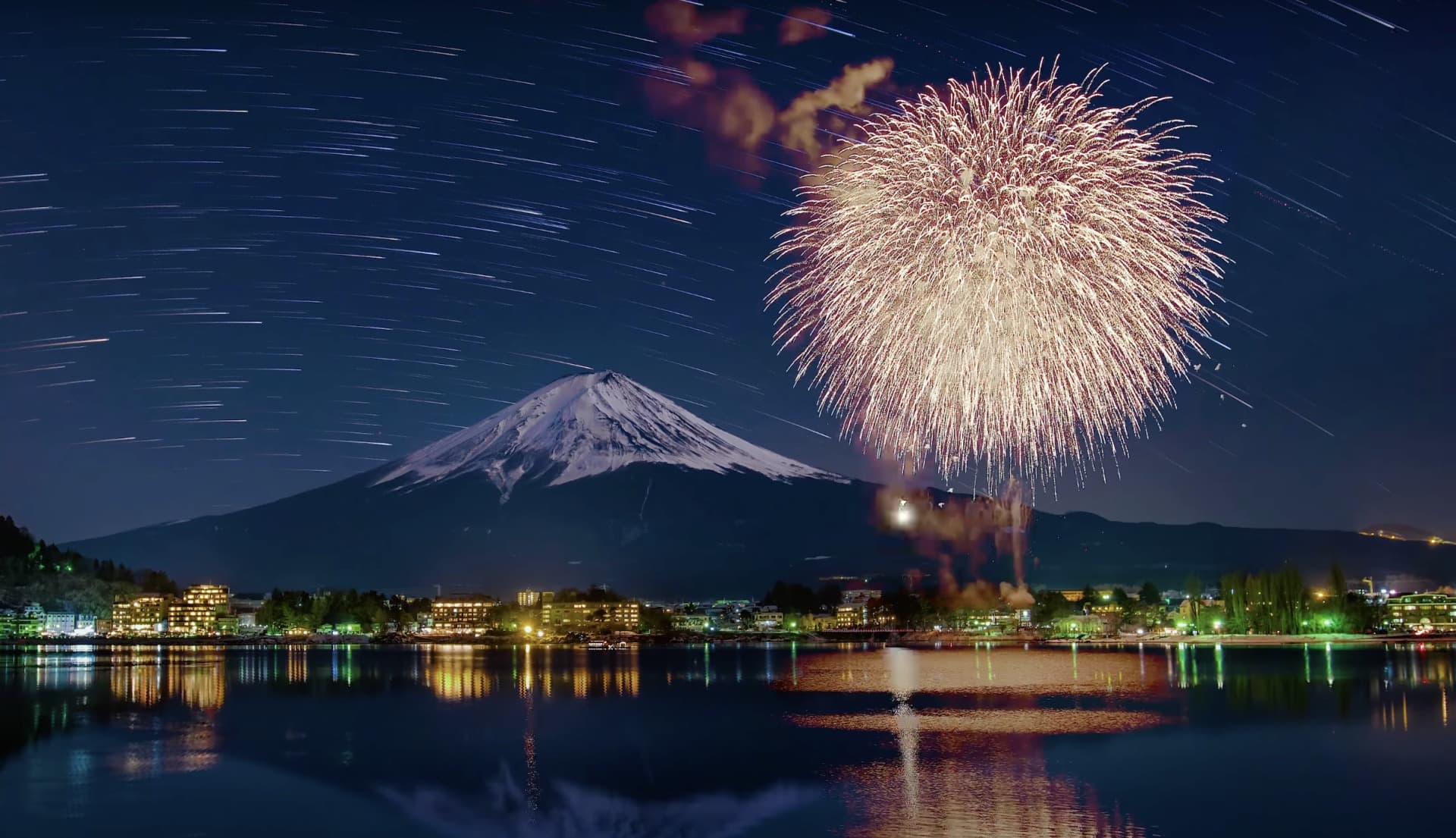
Lake Kawaguchi hosts an annual fireworks festival as a summer tradition. The beautiful fireworks launched into the night sky, combined with the silhouette of Mount Fuji reflected on the lake surface, create a magical spectacle that attracts many tourists. Since the fireworks festival is held on the lakeshore, visitors can enjoy the powerful fireworks launched at close range.
Summary
In conclusion, Lake Kawaguchi is a place where visitors can enjoy the natural beauty and diverse tourism experiences with breathtaking views of Mount Fuji. Whether strolling along the lakeside, enjoying culture and art, or participating in seasonal events, Lake Kawaguchi offers a variety of pleasures for all who visit.
Additionally, as a tourist destination that combines historical charm with modern resort appeal, Lake Kawaguchi continues to be beloved by many people. Please experience the charm of Lake Kawaguchi together with Mount Fuji for yourself.