
🕓 2025/1/3
#Sightseeing
A Detailed Guide to Nonomiya Shrine: History and Overview
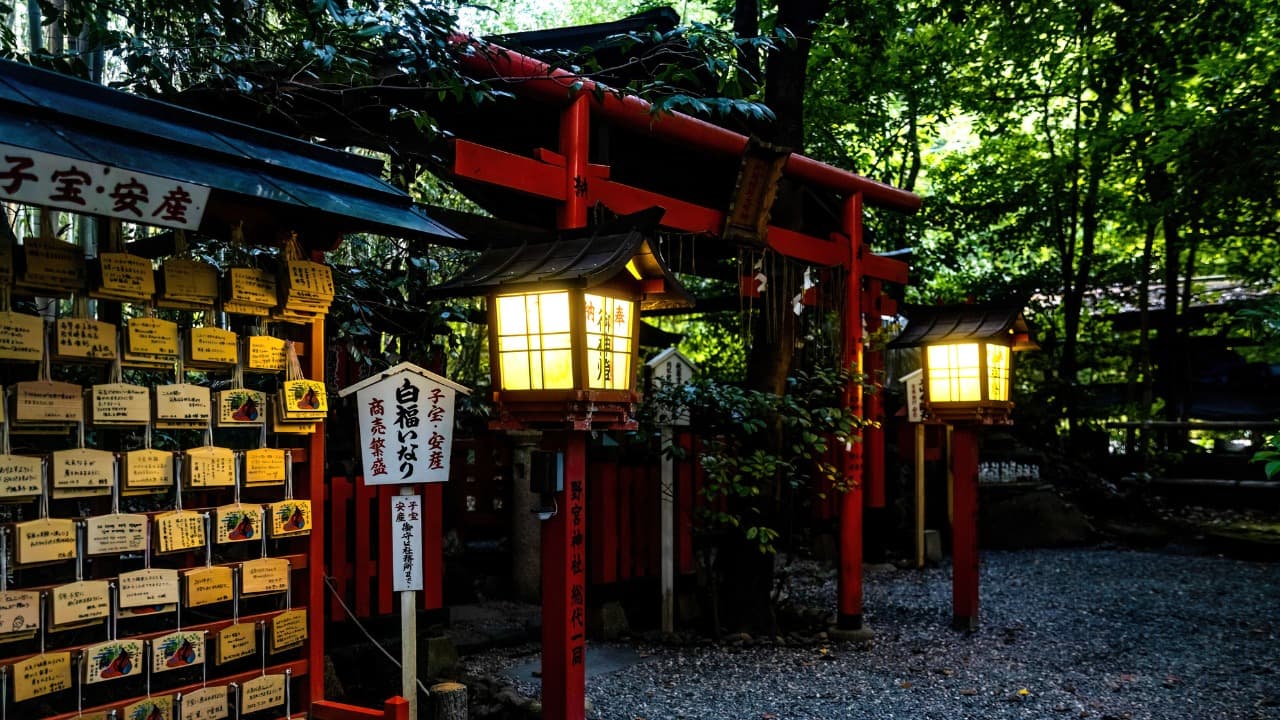
Table of Contents
Introduction
Nestled in the Sagano area of Kyoto, Nonomiya Shrine is a mystical shrine that conveys the history of the Heian period directly to the present day. Known as the place where the Saio (imperial priestess), serving as the emperor’s representative, purified herself before departing for Ise Grand Shrine, it possesses not only a distinguished historical background but also literary value, having been depicted in “The Tale of Genji.”
In this article, we will provide a detailed explanation of Nonomiya Shrine’s overview, history, and highlights, conveying all of its charms. Be sure to learn the essential information before your visit and use it as a reference for your Kyoto sightseeing.
What Is Nonomiya Shrine?
Nonomiya Shrine is a shrine located in Sagano, Ukyo Ward, Kyoto City, enshrining Amaterasu Omikami (Nonomiya Okami) as its principal deity. This shrine originates from the site of the “Nonomiya,” a place used for purification by the Saio (imperial priestess who served at Ise Grand Shrine on behalf of the emperor) before departing for Ise. It also appears in the “Sakaki” chapter of the Heian-period literary work “The Tale of Genji.”
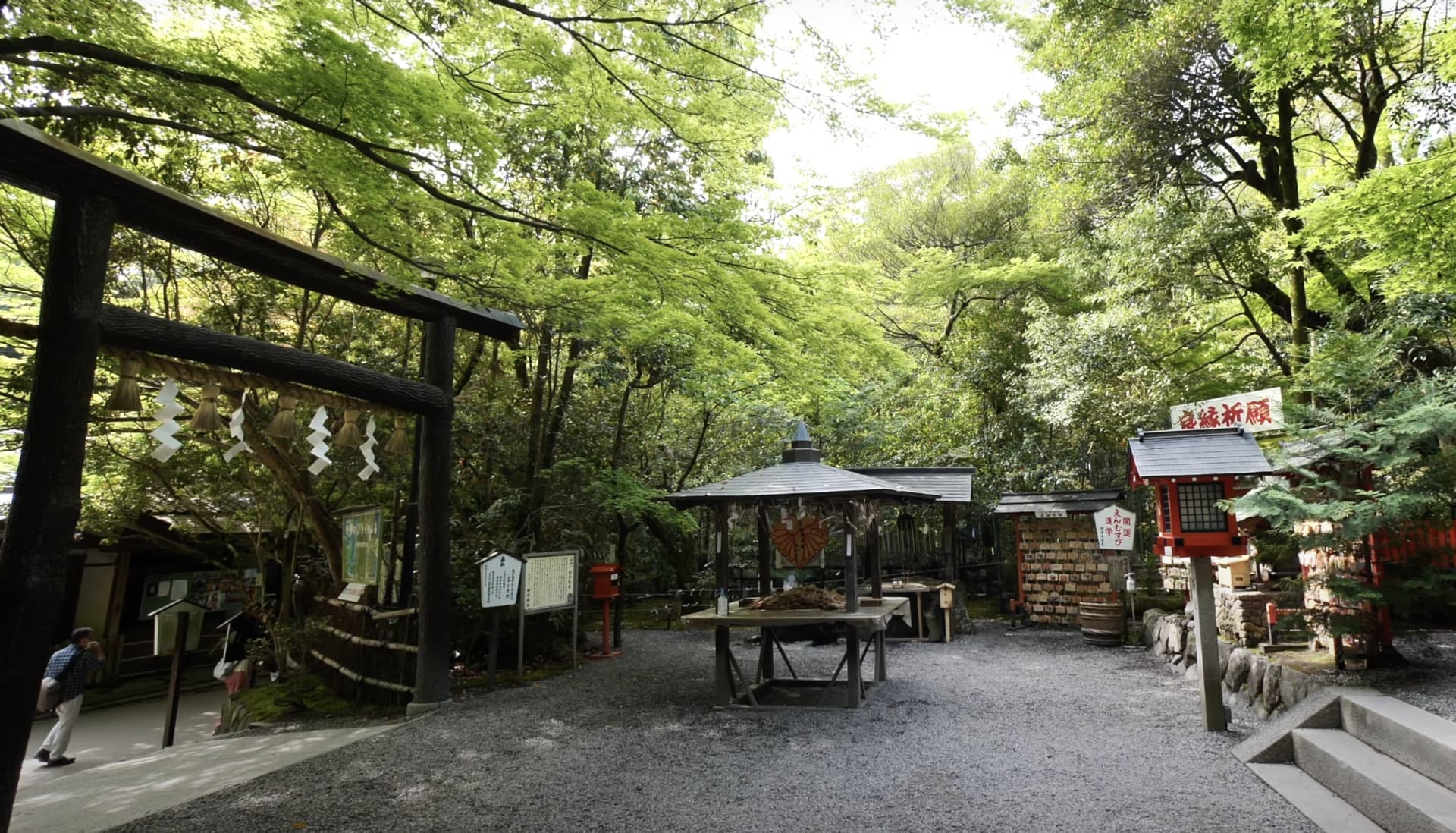
Within the grounds, visitors can find the “Kuroki Torii” (black wood torii gate) made from unstripped sawtooth oak logs and the “Koshibagaki” (small brushwood fence) made from spicebush, preserving the sacred atmosphere of ancient times to this day. Additionally, Nonomiya Daikokuten is known as a god of matchmaking, and it is said that rubbing the “Okame-ishi” (turtle stone) beside it will make your wishes come true.
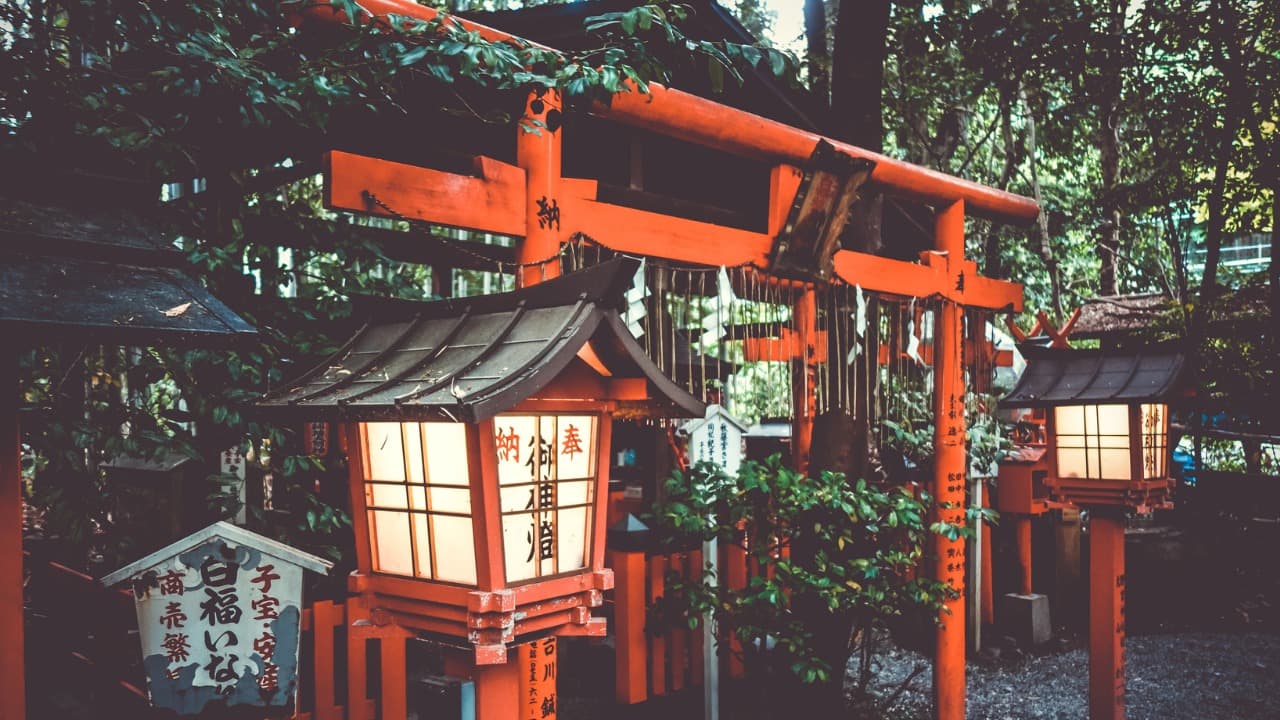
Nonomiya Shrine is believed to bestow blessings of good relationships, romantic fulfillment, safe childbirth, fertility, and academic success, attracting many worshippers. In particular, the sub-shrine Shirafuku Inari Daimyojin is worshipped as a deity of fertility, safe childbirth, and business prosperity. The grounds are also adorned with a beautiful moss garden and seasonal flowers throughout the year, soothing the hearts of visitors.

Access is approximately 10 minutes on foot from Arashiyama Station on the Keifuku Electric Railroad Arashiyama Main Line, or about 10 minutes on foot from Saga-Arashiyama Station on the JR Sagano Line. The surrounding area has many tourist attractions including the Arashiyama Bamboo Grove path and Tenryu-ji Temple, and many visitors include it as part of their sightseeing route.
History of Nonomiya Shrine
Here, we provide a detailed chronological account of Nonomiya Shrine’s historical background, from its role as a “Nonomiya” in the Heian period to its revival as a place of worship in modern times.
1. 794: Transfer of Capital to Heian-kyo and Establishment of the Nonomiya
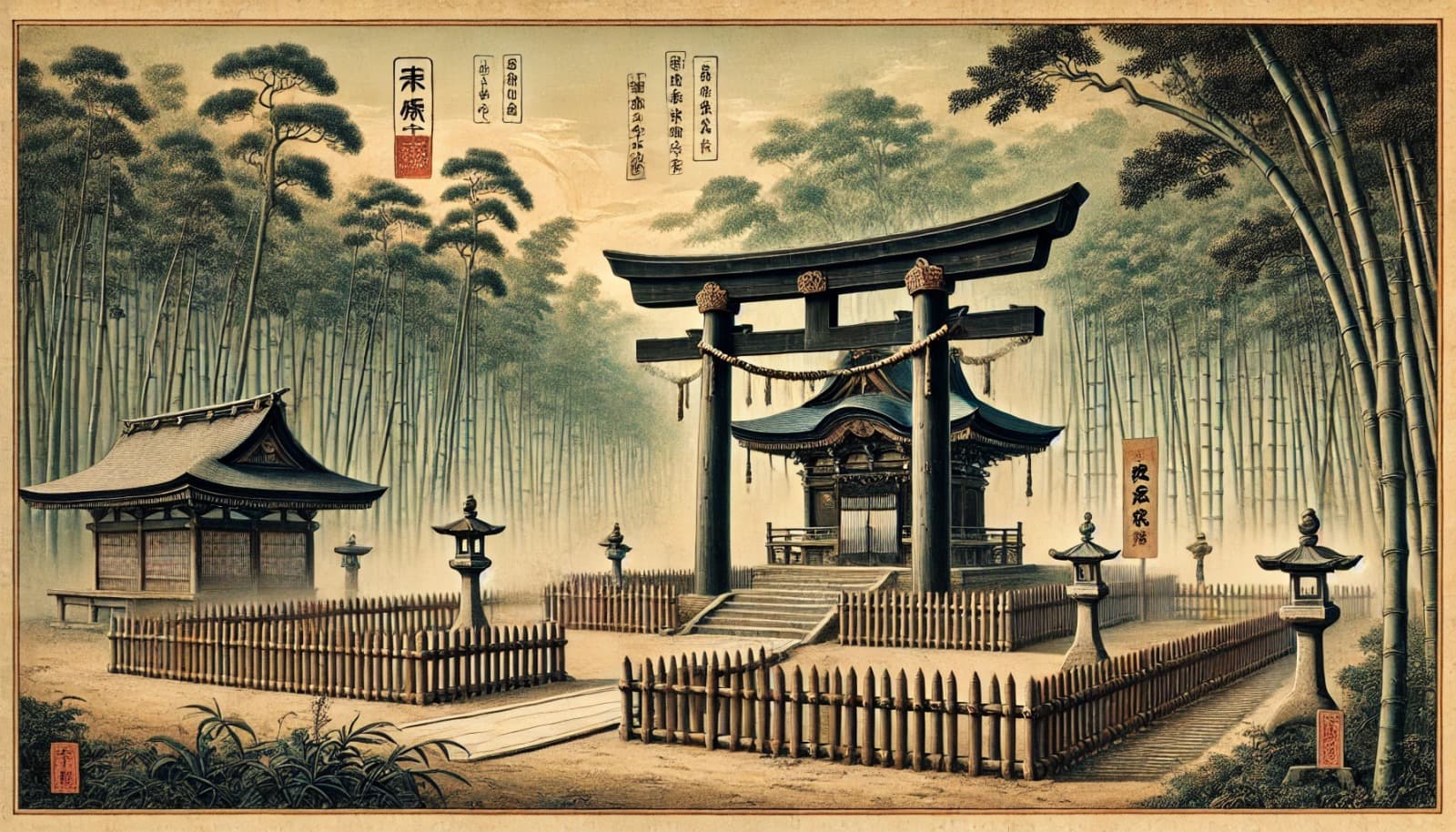 *Illustrative image
With the transfer of the capital to Heian-kyo, “Saio” (imperial priestesses) began to be selected to serve at Ise Grand Shrine as the emperor’s representative. The Nonomiya was established as a “purification hall” where the Saio would purify herself before departing for Ise, and the present-day Nonomiya Shrine is believed to be that location. During this period, the Nonomiya featured ancient ritual structures such as the Kuroki Torii (black wood torii gate) and Koshibagaki (small brushwood fence).
2. Around 1000: Depiction of “Nonomiya” in The Tale of Genji
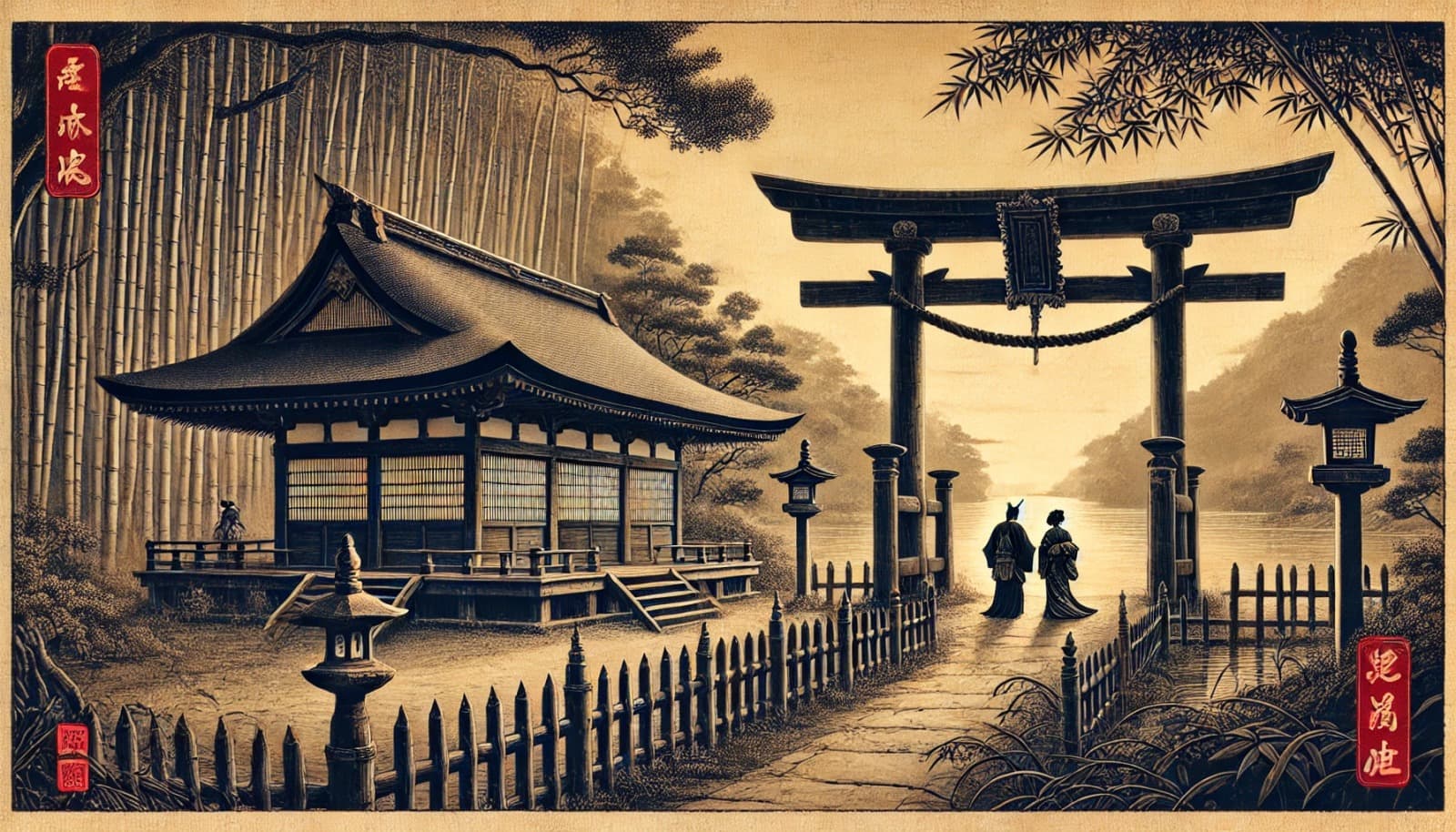 *Illustrative image
The Nonomiya appears in the “Sakaki” chapter of the Heian-period literary masterpiece “The Tale of Genji.” The parting scene between the protagonist Hikaru Genji and Lady Rokujo is set at the Nonomiya, expressing both the sacredness of the place and the narrative’s pathos. This literary depiction has made the existence of Nonomiya Shrine widely known to posterity.
3. 1333: Abolition of the Saio System
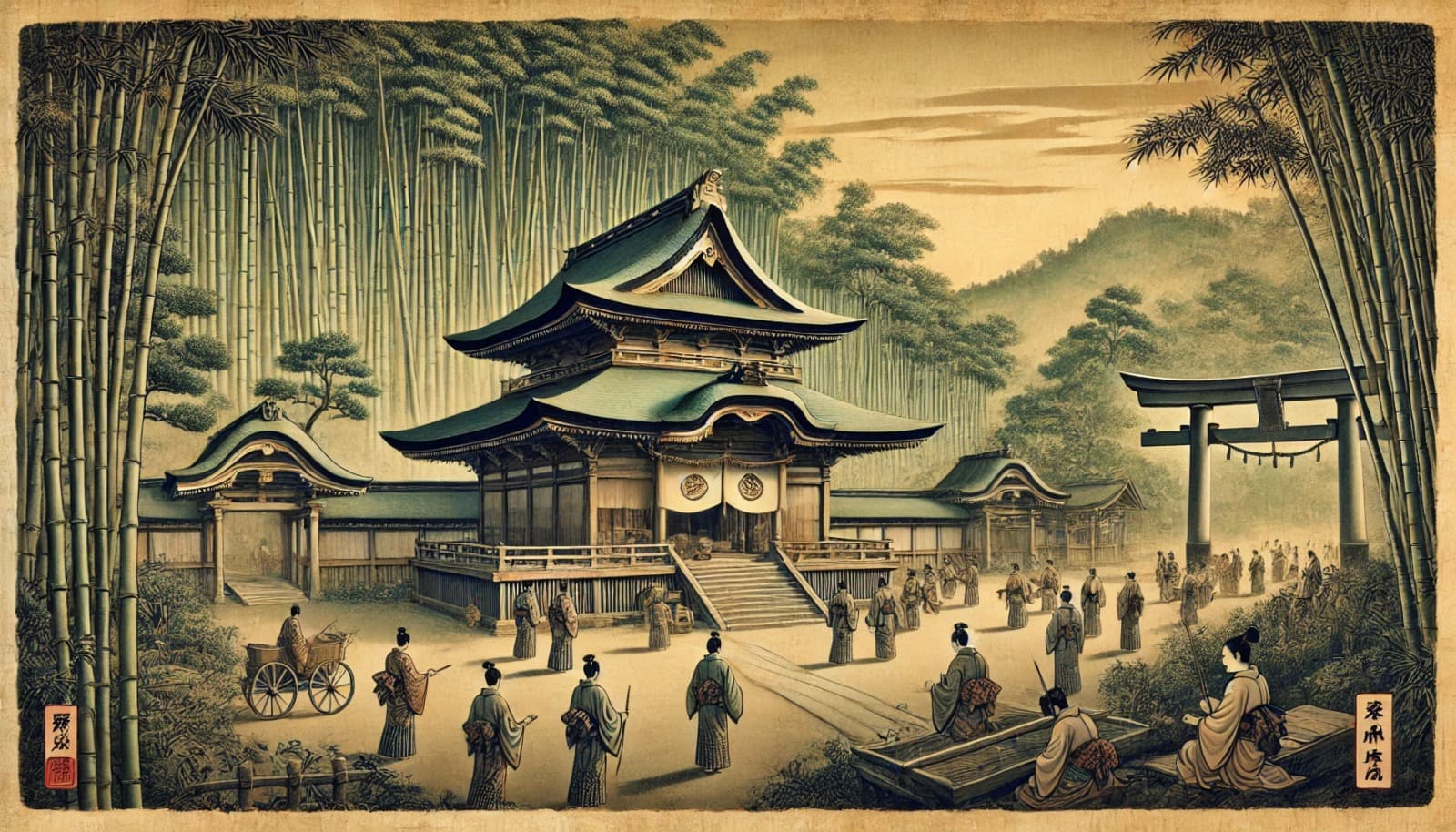 *Illustrative image
Entering the Nanbokucho period, Princess Shoshi is recorded as the last Saio in 1333 (Genko 3). Subsequently, due to changes in social conditions, the Saio system was abolished, and the function of the Nonomiya came to an end. However, this site continued to be regarded as sacred as a place enshrining Amaterasu Omikami, and local worship was carried on.
4. 1573: Decline Due to War and Restoration
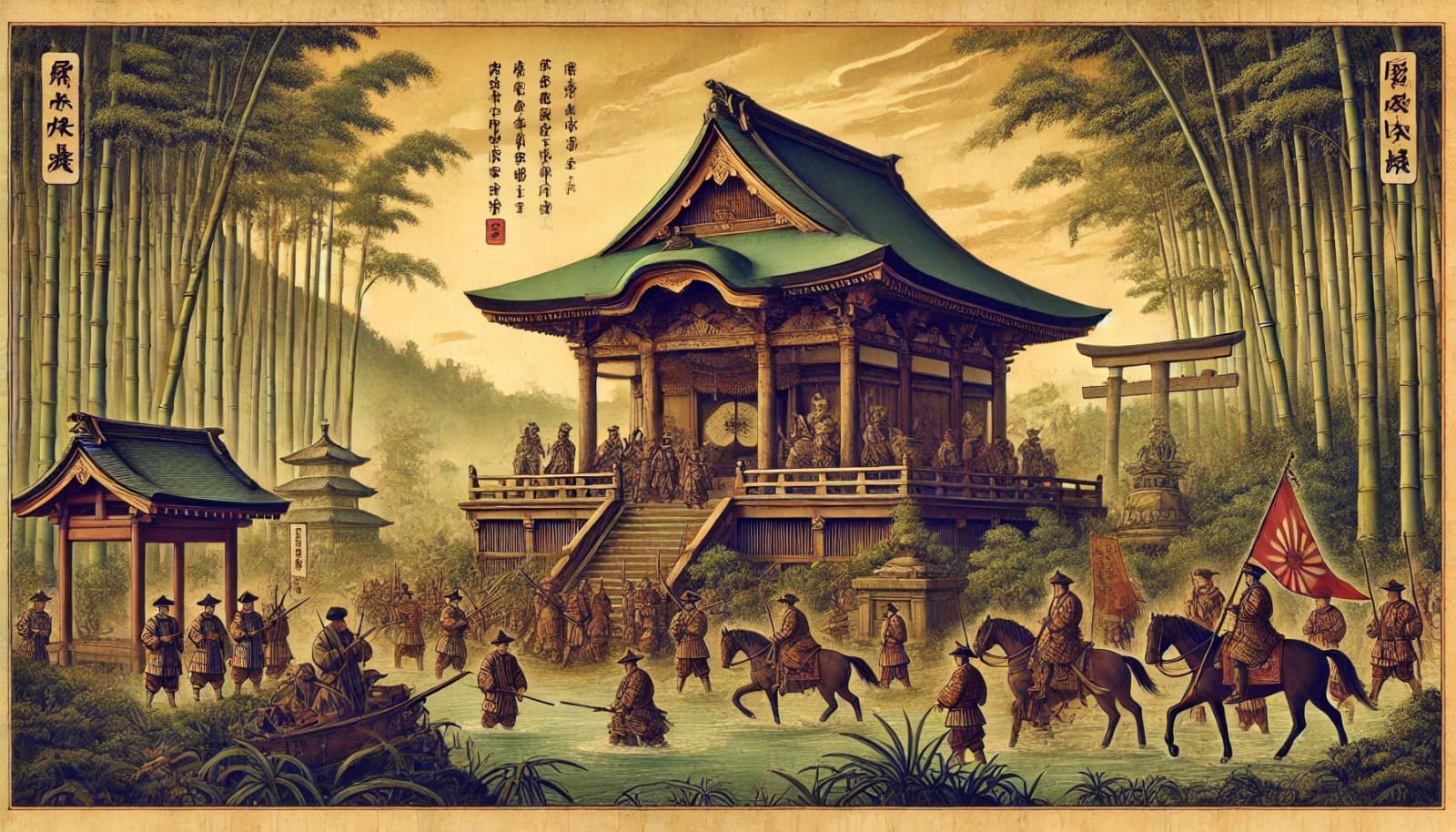 *Illustrative image
During the Azuchi-Momoyama period, Nonomiya Shrine fell into disrepair due to the ravages of war. However, restoration was subsequently carried out through imperial edicts from successive emperors including Emperor Go-Nara and Emperor Nakamikado. This reconstruction demonstrates that Nonomiya Shrine is a shrine with deep ties to the Imperial Family.
5. 1907: Development as a Modern Shrine
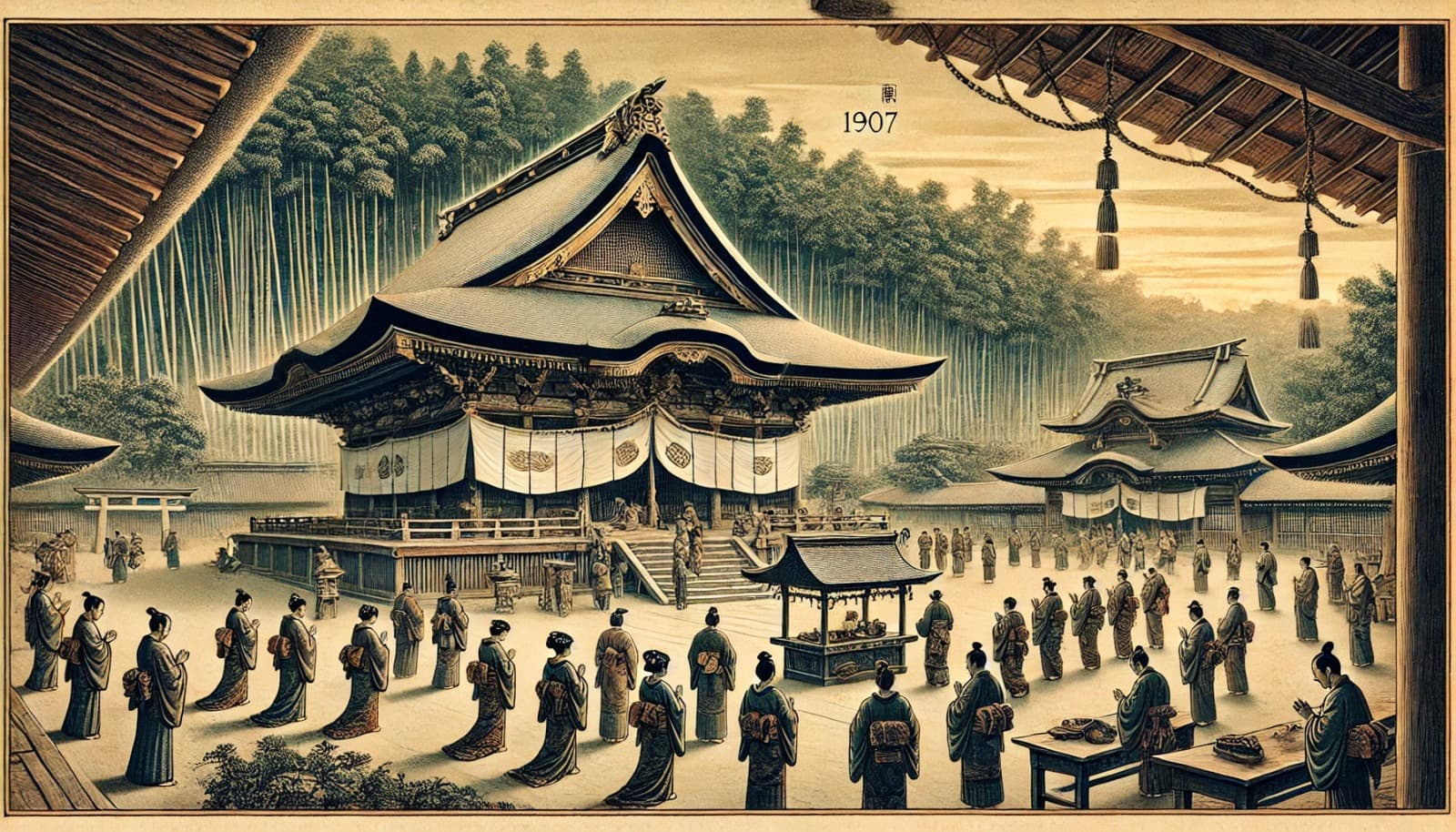 *Illustrative image
During the Meiji era, shrine consolidation was promoted nationwide, but Nonomiya Shrine was maintained as an independent shrine while preserving local worship. Particularly in 1907 (Meiji 40), the grounds were improved and developed into a form close to its present appearance. From this period onward, it became widely known as a shrine for matchmaking, fertility, and academic success, and the number of worshippers increased.
Highlights of Nonomiya Shrine
Nonomiya Shrine is a shrine located in Sagano, Ukyo Ward, Kyoto City, known for its blessings of matchmaking, fertility, and safe childbirth, attracting many worshippers. The grounds feature the following highlights.
■ Kuroki Torii (Black Wood Torii Gate)
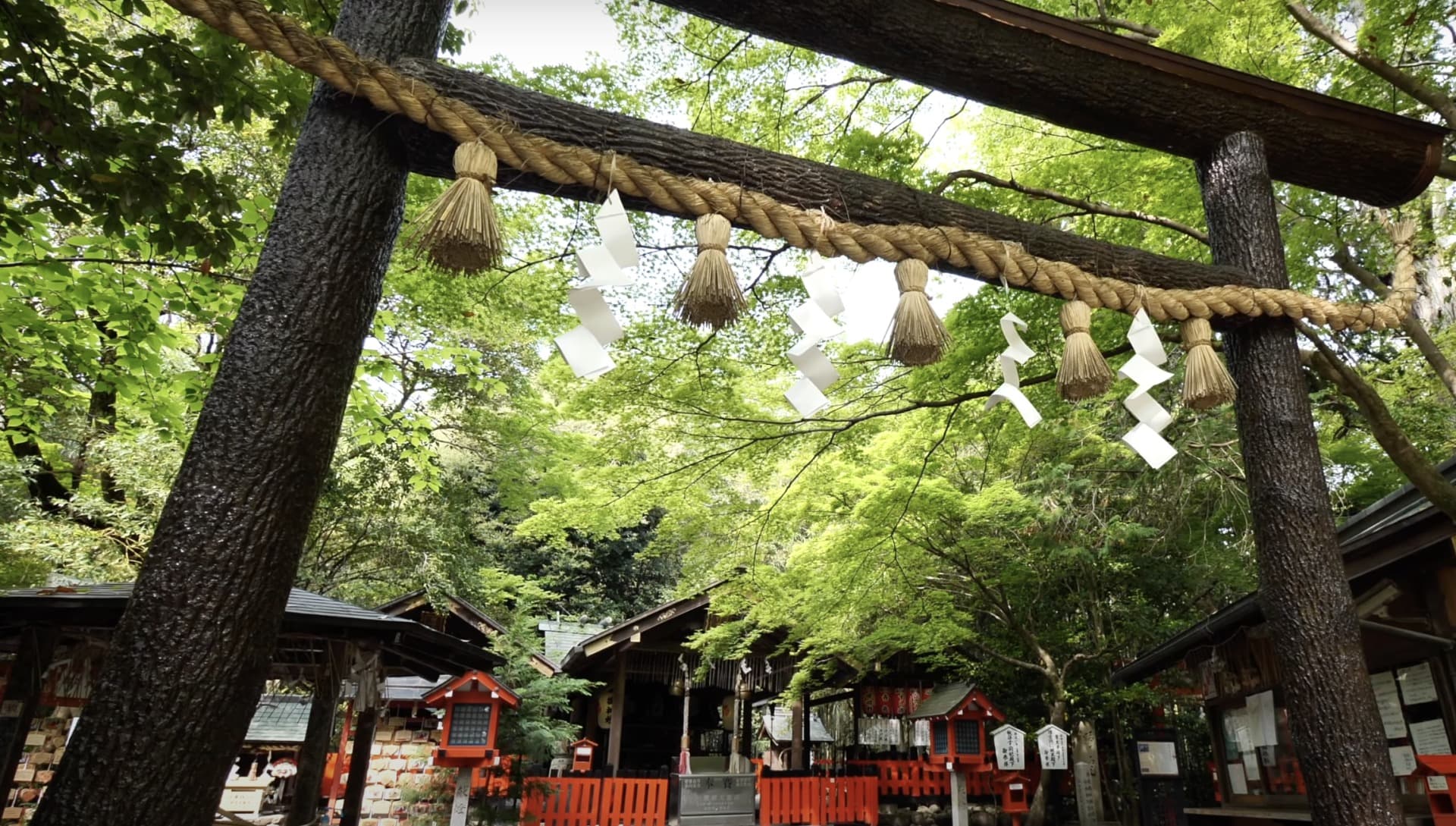
The “Kuroki Torii,” made from unstripped sawtooth oak logs, is said to be the oldest style of torii gate in Japan. Due to the difficulty of preservation and scarcity of raw materials, it is now known as the only remaining torii of its kind in Japan. Unlike the vermilion torii gates seen elsewhere, it exudes a solemn atmosphere, creating an ethereal beauty in harmony with the surrounding greenery.
■ Carpet Moss Garden

The grounds feature a beautiful moss garden known as the “Carpet Moss” garden. Covering approximately 20 tsubo (about 66 square meters), the moss spreads across the entire area like a green carpet. The garden includes a river depicted in white sand and small bridges, symbolizing the landscape of Arashiyama. In summer especially, combined with the surrounding bamboo groves, it creates a refreshing scene that captivates visitors.
■ Okame-ishi (Turtle Stone)
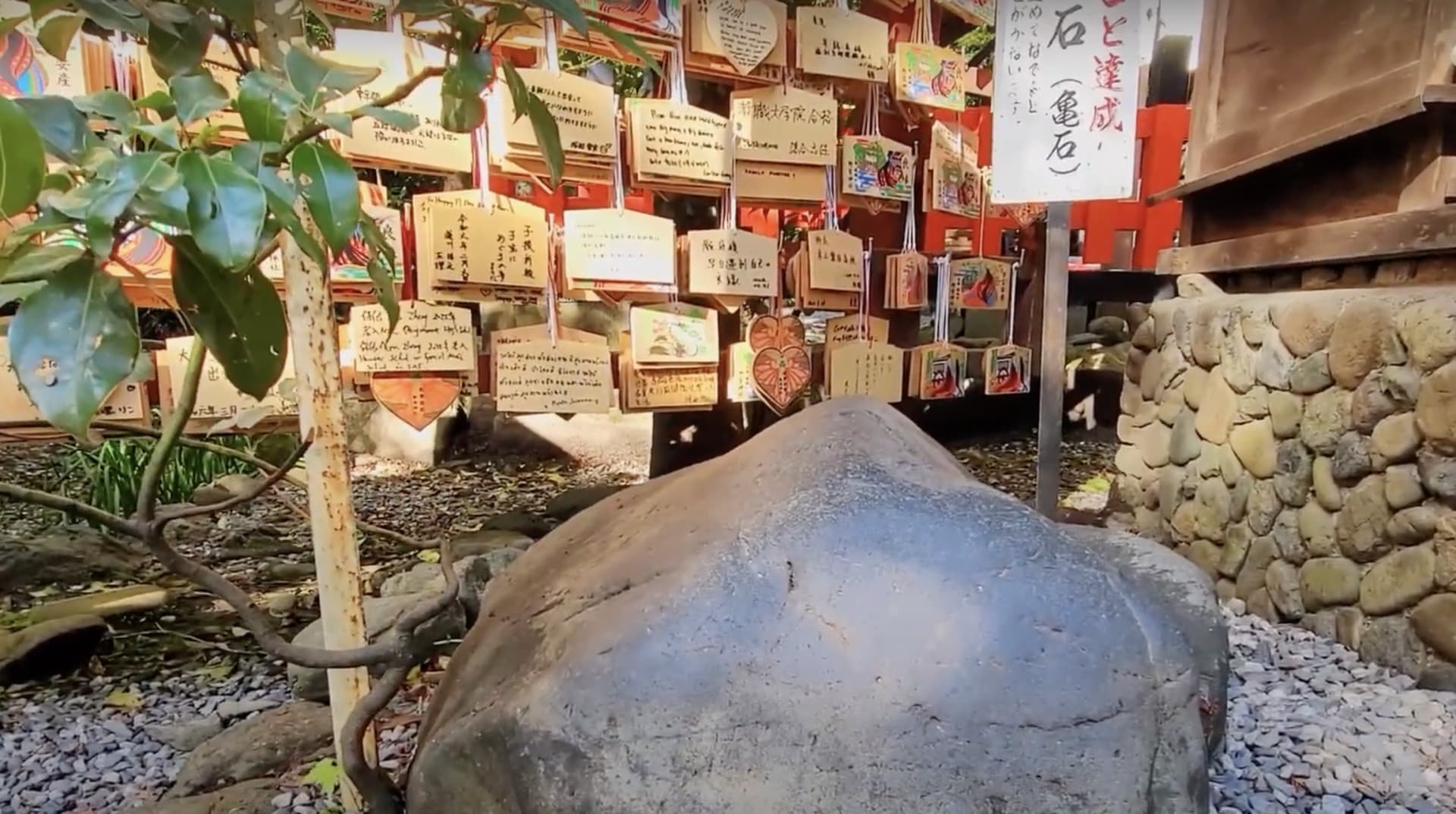
Located in front of Nonomiya Daikokuten, the “Okame-ishi” is known as the greatest power spot of Nonomiya Shrine. It is said that rubbing this stone while making a wish will cause the wish to come true within one year. It is particularly believed to have strong blessings for romantic fulfillment, attracting many worshippers. As a result of being rubbed by countless people, the stone has become so smooth that it has a black sheen.
■ Shirafuku Inari Daimyojin
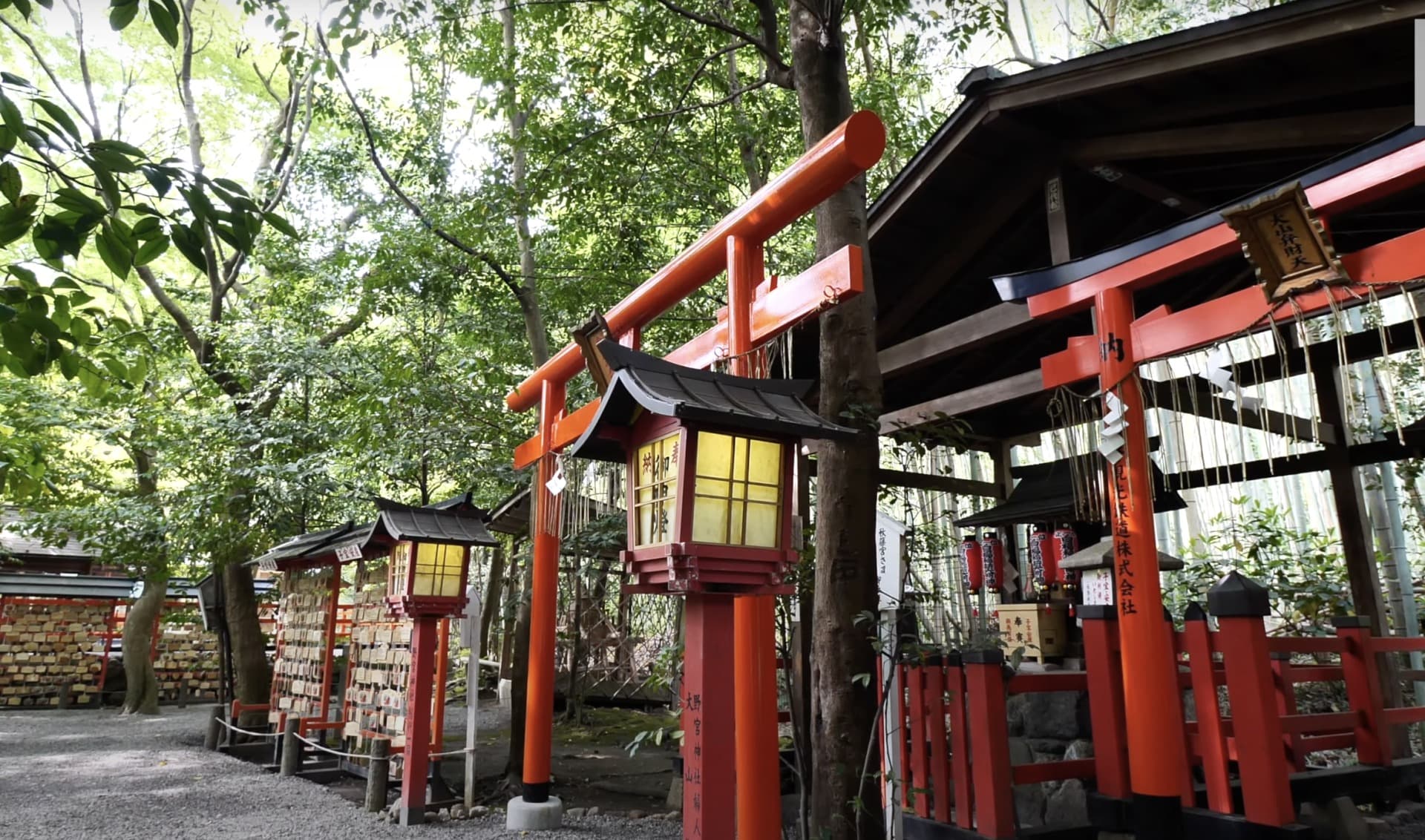
“Shirafuku Inari Daimyojin,” one of the sub-shrines within the grounds, is believed to bestow blessings of fertility, safe childbirth, and business prosperity. It is particularly revered by women, with many worshippers visiting to pray for their family’s health and safe childbirth. Its blessings became widely known after Prince and Princess Akishino visited the shrine and subsequently conceived.
Summary
Nonomiya Shrine is one of Kyoto’s most representative shrines, where visitors can experience the history and culture of the Heian period and the harmony with nature. The Kuroki Torii gate and Okame-ishi stone offer a sacred and special atmosphere that can only be experienced here. Worshippers from all over Japan visit seeking blessings of matchmaking, fertility, and safe childbirth.
By combining your visit with a stroll through the beautiful bamboo groves of Sagano and sightseeing in the Arashiyama area, you can make your trip even more fulfilling. We invite you to visit Nonomiya Shrine, touch the history of the ancient capital, and spend a special time praying for your wishes in quiet contemplation.