🕓 2024/9/20
#Shrine

A Detailed Guide to the History and Overview of Omiwa Shrine
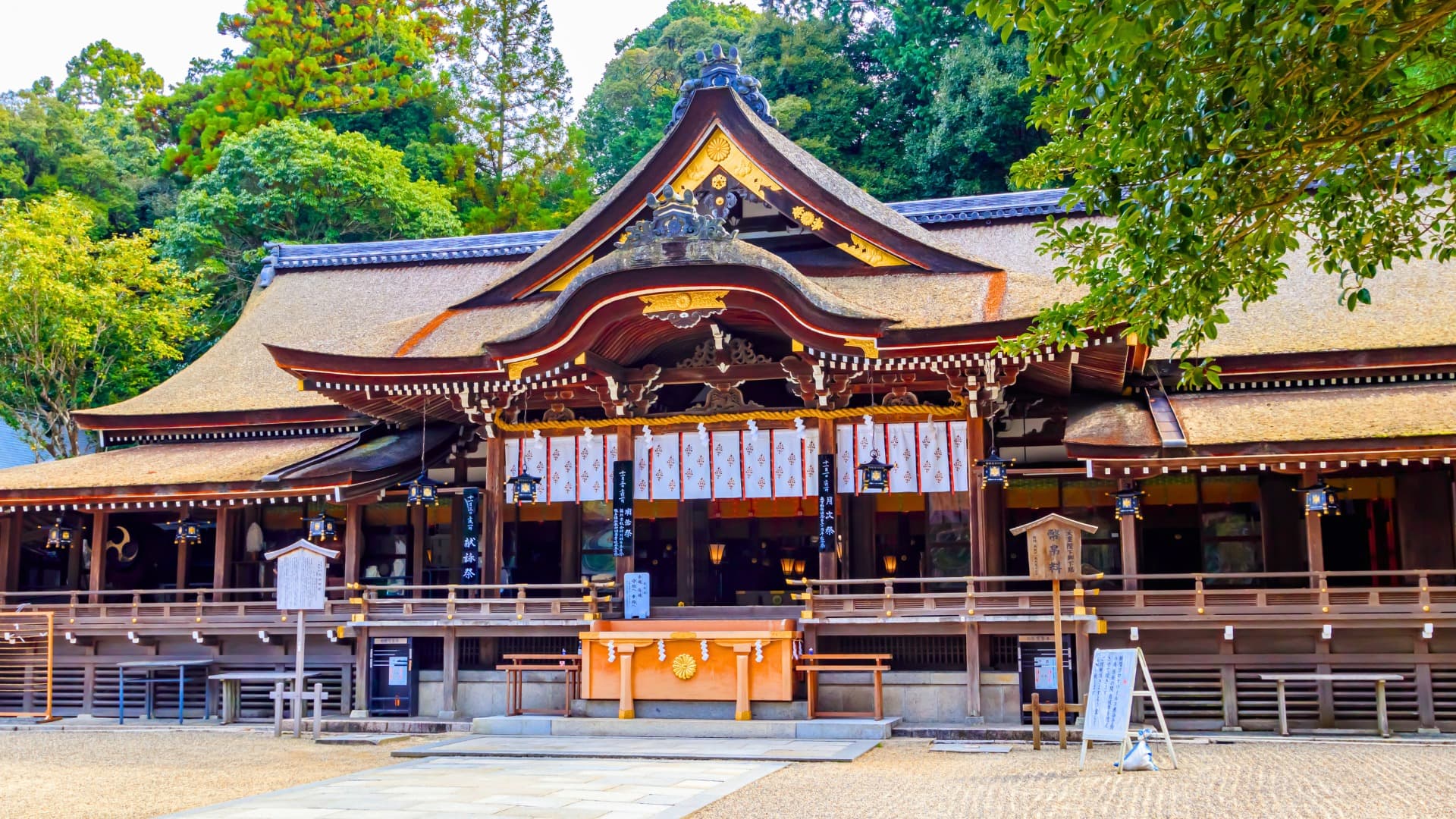
Table of Contents
- Overview of Omiwa Shrine
- History of Omiwa Shrine
- Highlights of Omiwa Shrine
Introduction
Omiwa Shrine (Omiwa Jinja) in Sakurai, Nara Prefecture, has no main sanctuary: worshippers pray through the Mitsu Torii behind the worship hall to Mount Miwa itself. This article covers its history, from the founding legend in the ancient chronicles to the Meiji-era separation of Shinto and Buddhism, and the main sights in the grounds and on the mountain.
Overview of Omiwa Shrine
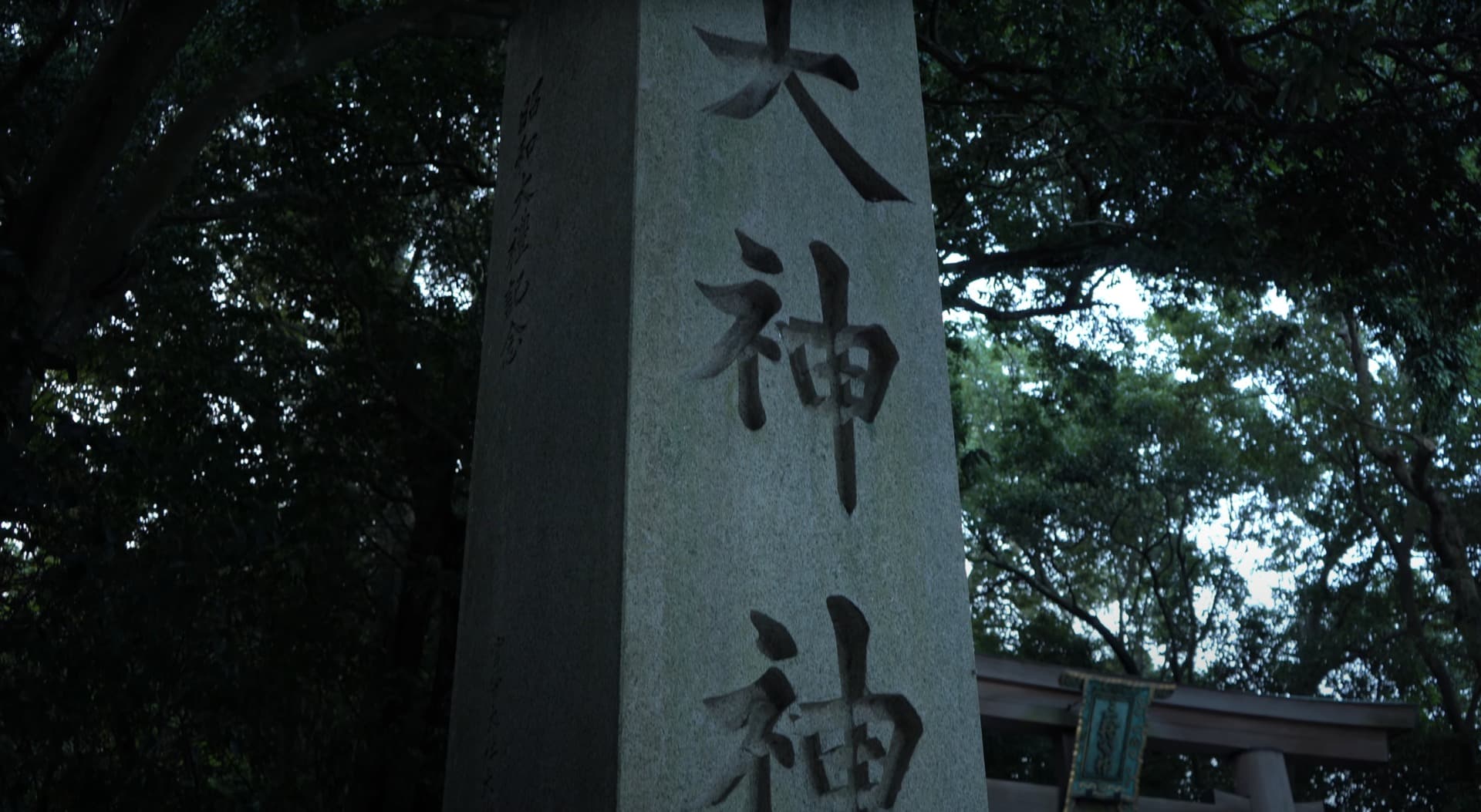
Also called “Miwa Myojin,” Omiwa Shrine is dedicated to Omononushi no Okami. According to the Kojiki, Omononushi appeared before Okuninushi and, to bring the building of the land to completion, asked to be enshrined “on the eastern mountain of the green fence of Yamato.” This is regarded as the origin of his enshrinement on Mount Miwa.
The shrine has no main hall because its deity is believed to dwell in the mountain. Because it preserves a form of worship that predates shrine buildings, Omiwa Shrine is called the oldest shrine in Japan.
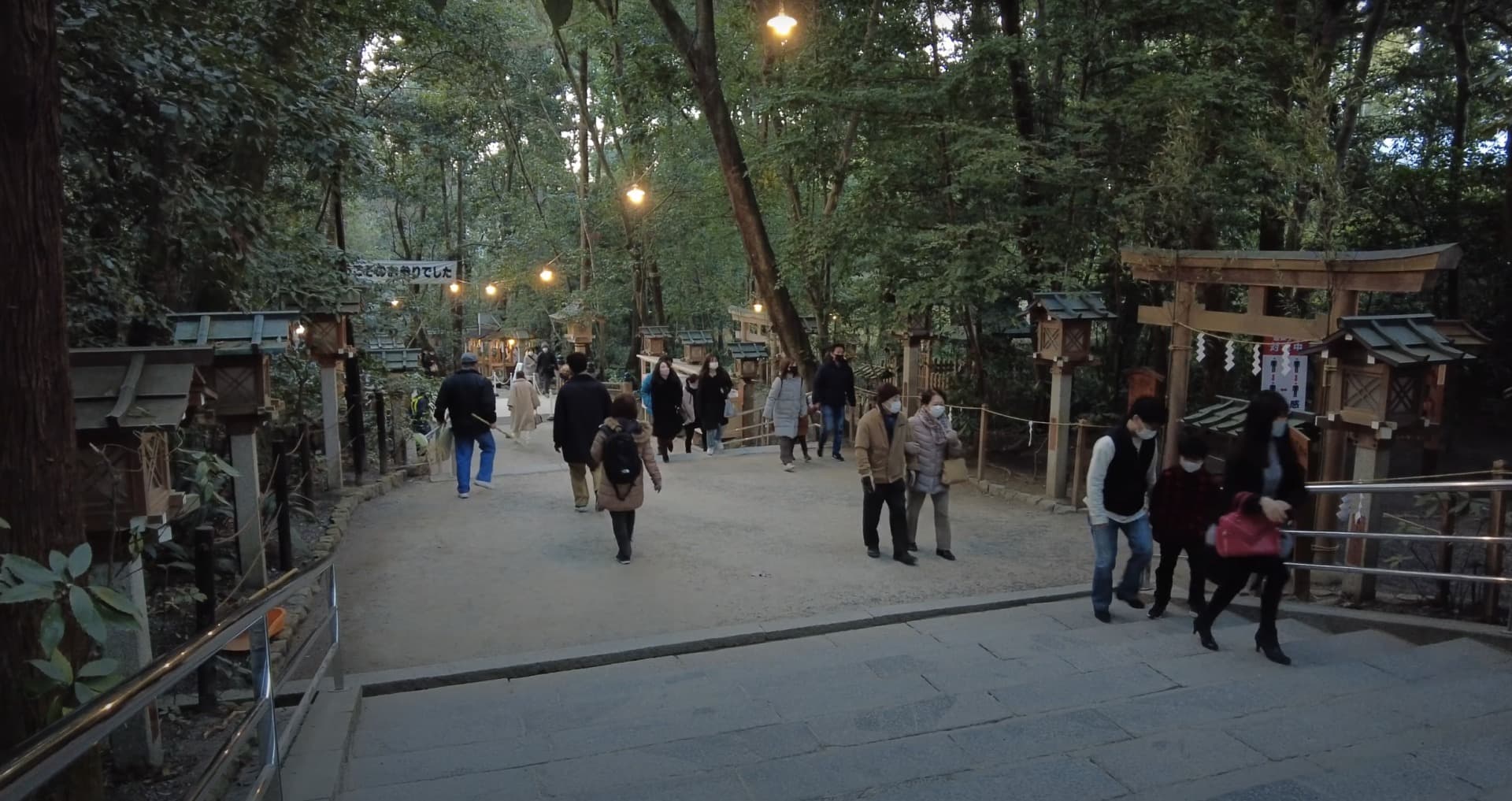
Major festivals include the Spring Grand Festival on April 9, the Hanashizume Festival (“Medicine Festival”) on April 18, the Onpara Festival, a summer purification rite held on July 31 at the auxiliary Tsunakoshi Shrine, and the Autumn Grand Festival on October 24. Climbing Mount Miwa requires registration at the auxiliary Sai Shrine, and the mountain is closed on festival days and certain other days.
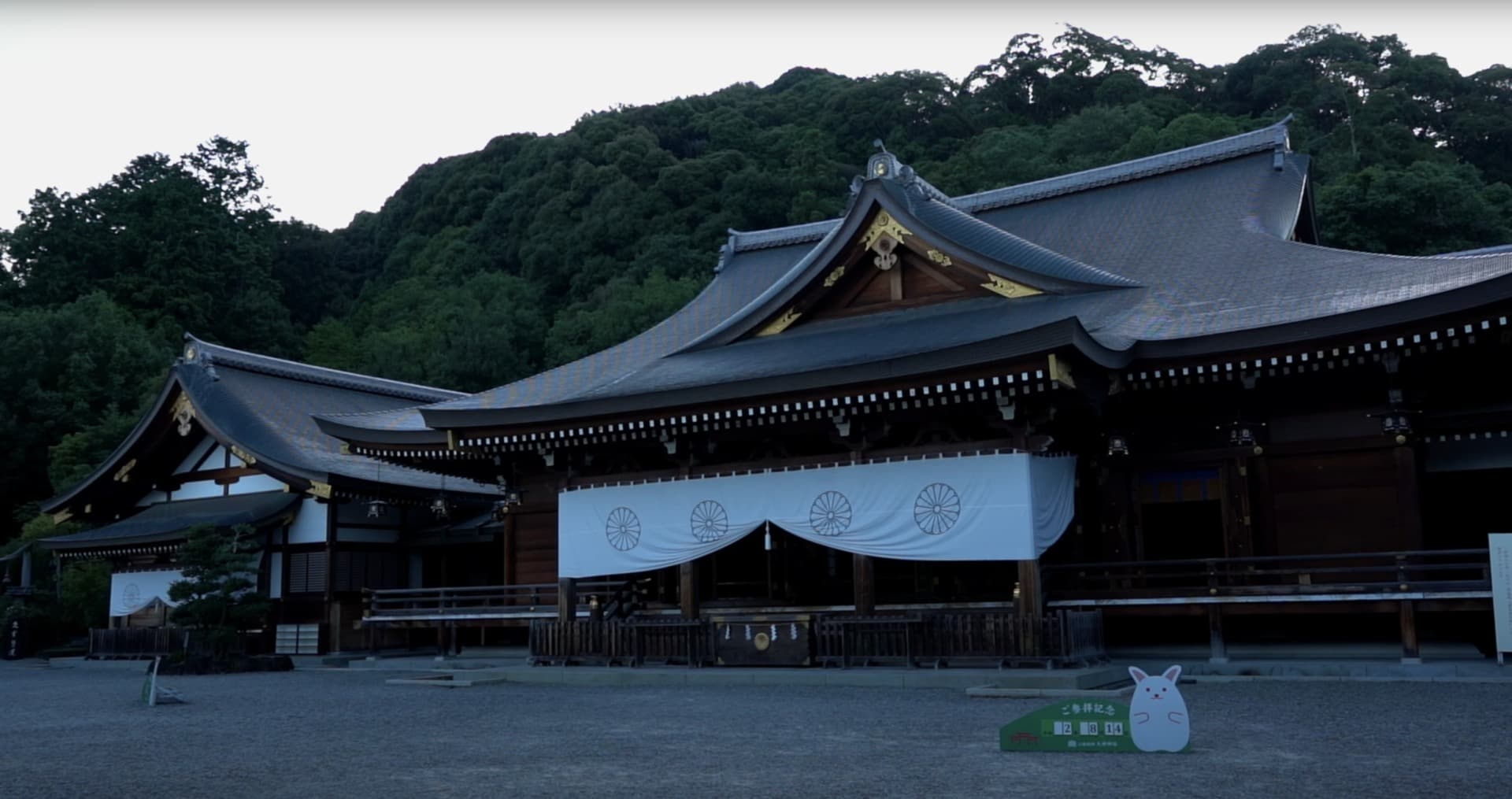
The worship hall and the Mitsu Torii are national Important Cultural Properties. The shrine’s Treasure Repository displays ritual objects excavated at the foot of Mount Miwa and sacred treasures handed down at the shrine.
History of Omiwa Shrine
1. Founding and Origins of Sacred Mountain Worship (Age of the Gods)
The date of founding is unknown; tradition places it in the Age of the Gods. The Kojiki (712) and the Nihon Shoki (720) both record Omononushi’s wish to be enshrined on Mount Miwa, and in the Nihon Shoki he identifies himself as the sakimitama and kushimitama (the blessing and wondrous spirits) of Okuninushi.
2. Imperial Reverence (Nara to Heian Periods)
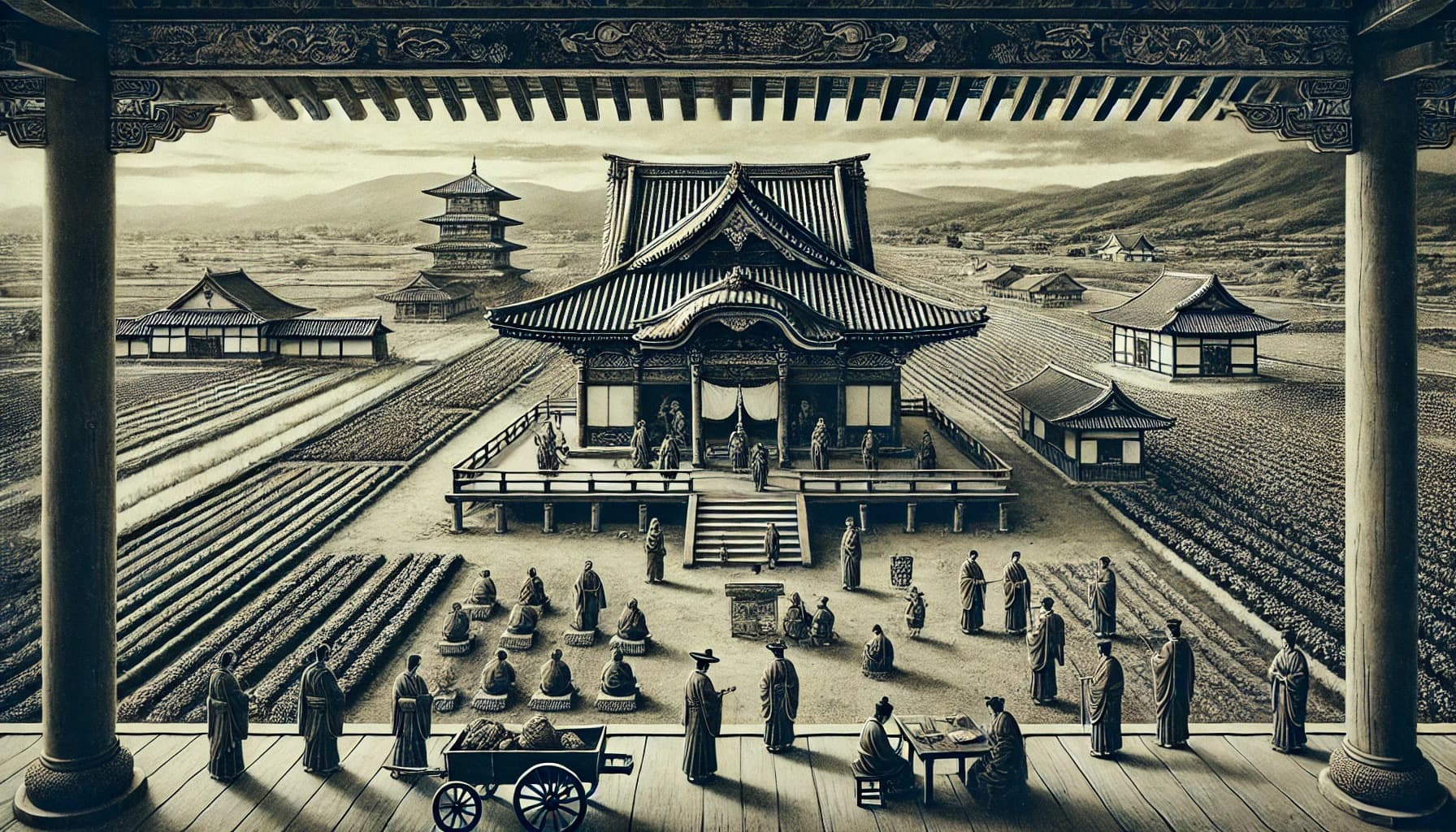 *Conceptual image
The name “Omiwa” is written with the characters for “great deity,” a sign of how highly the shrine was revered. In the reign of Emperor Sujin, the tenth emperor, its deity was worshipped as a guardian of the state. In the Heian period the Omiwa, Hanashizume and Saikusa festivals continued as imperial court rites, and in 859 the deity received Senior First Rank, the highest divine rank. The Engishiki (completed 927) lists it as a Kanpei Taisha, and it later became Ichinomiya (first shrine) of Yamato Province and one of the Twenty-Two Shrines.
3. Shinto-Buddhist Syncretism in the Middle Ages (12th-16th Centuries)
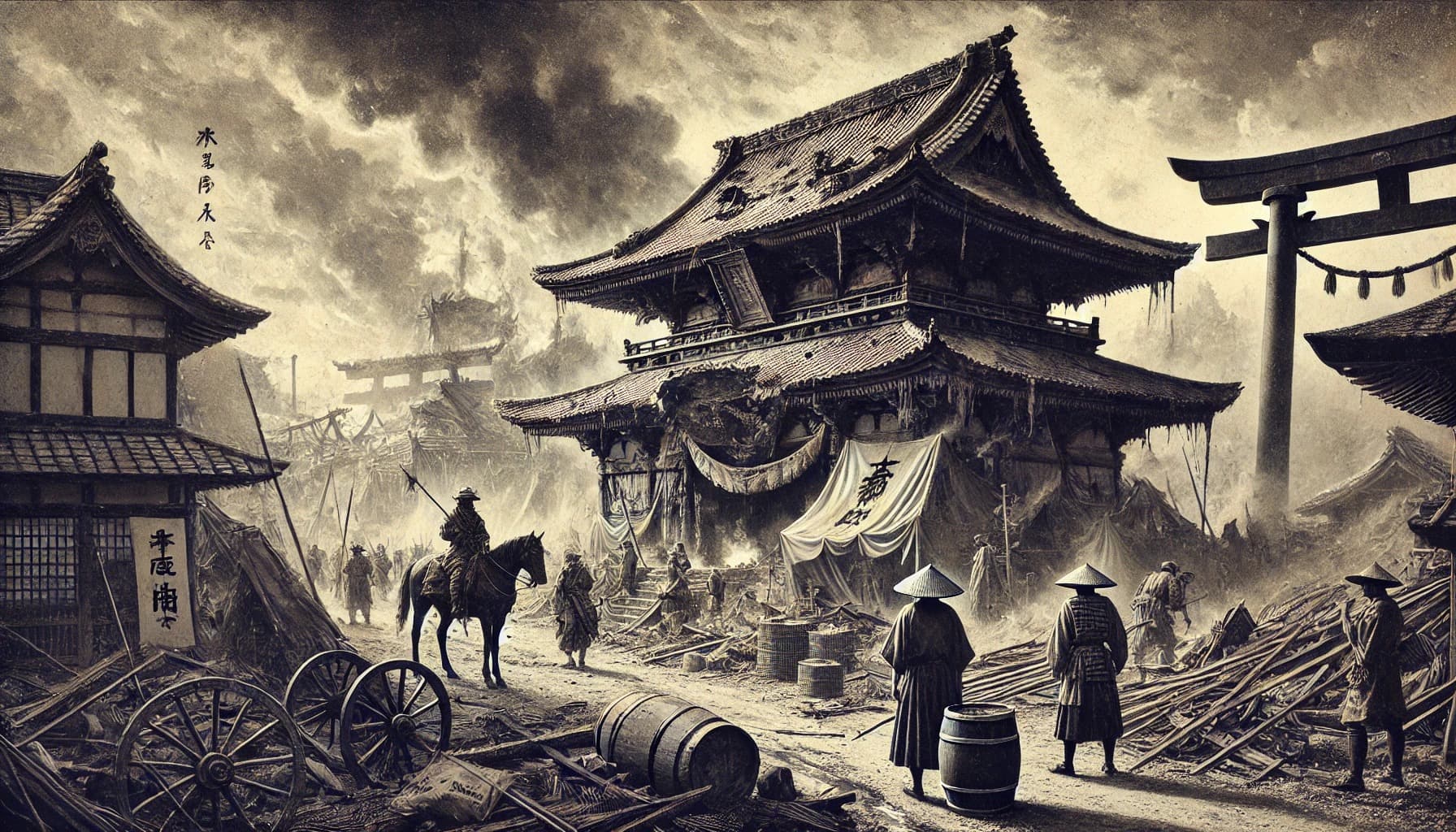 *Conceptual image
In the Middle Ages, Miwa-ryu Shinto, a Shinto-Buddhist tradition centered on the shrine temples Daigorin-ji and Byodo-ji, spread and influenced religious practice across Japan.
Records also show that a worship hall was first built in the Kamakura period.
4. Protection and the Rebuilding of the Worship Hall in the Edo Period (1603-1868)
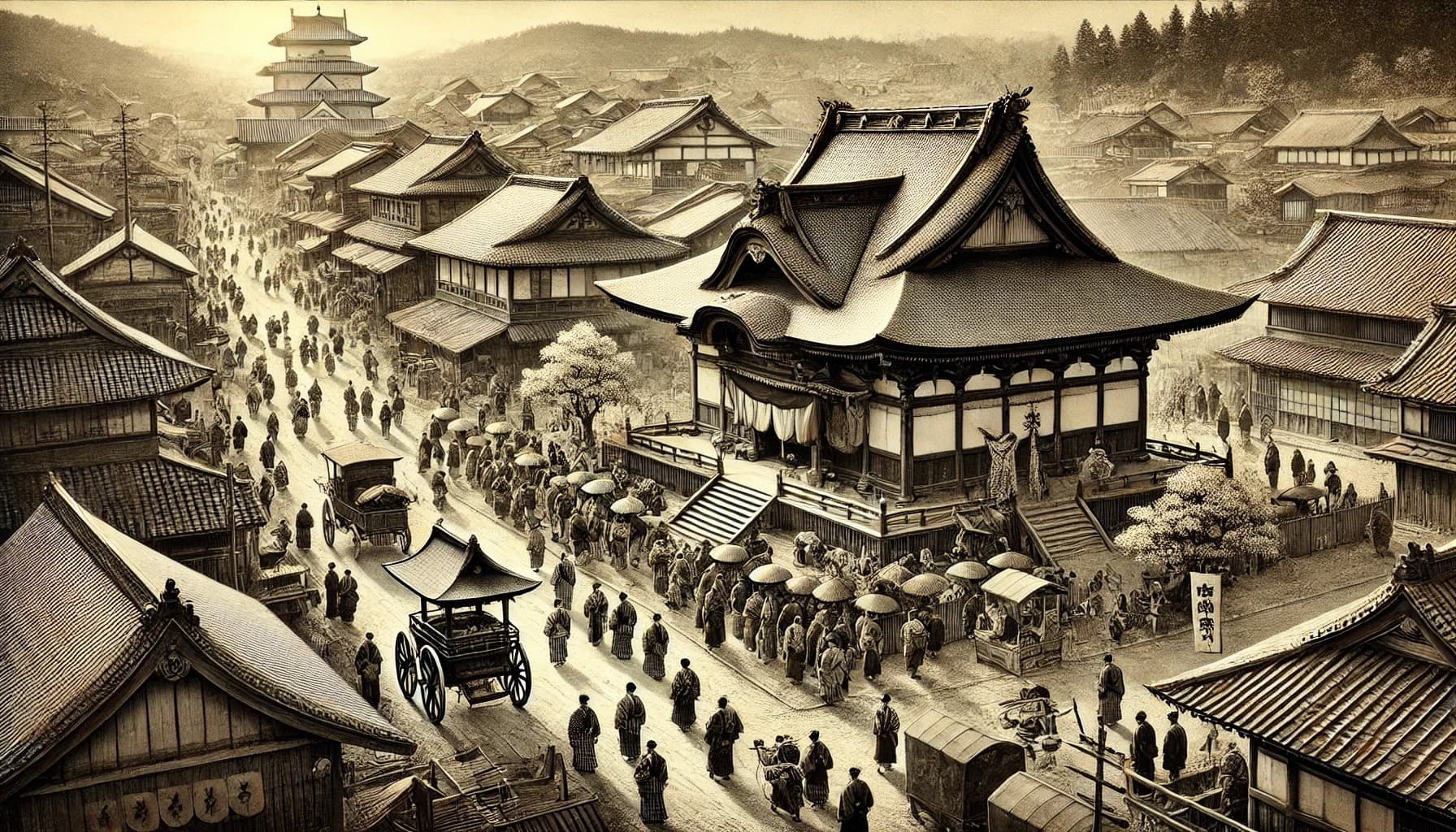 *Conceptual image
In the Edo period the shogunate confirmed the shrine’s landholdings, and Mount Miwa received special protection. The present worship hall was rebuilt in 1664 by Tokugawa Ietsuna, the fourth shogun.
5. The Meiji Restoration and Separation of Shinto and Buddhism (1868 – Meiji Era)
*Conceptual image
With the Meiji-era separation of Shinto and Buddhism, the shrine temples were abolished, and Daigorin-ji became Otataneko Shrine (the Wakamiya). Its Eleven-faced Kannon statue, now a National Treasure, is kept today at Shorin-ji Temple.
In the Meiji era, the shrine was ranked as a Kanpei Taisha (major imperial shrine) in recognition of its history.
6. The Path to the Modern Era and Preservation of Cultural Properties (20th Century – Present)

In the Heisei-era rebuilding, the prayer hall, ceremony hall and assembly hall were completed in 1997, and in November 2019 the Miwayama Kaikan, with a banquet hall and a Noh theater, was finished.
Besides the worship hall and the Mitsu Torii, the building of Otataneko Shrine (the Wakamiya) is also a national Important Cultural Property.
7. Climbing Mount Miwa Today
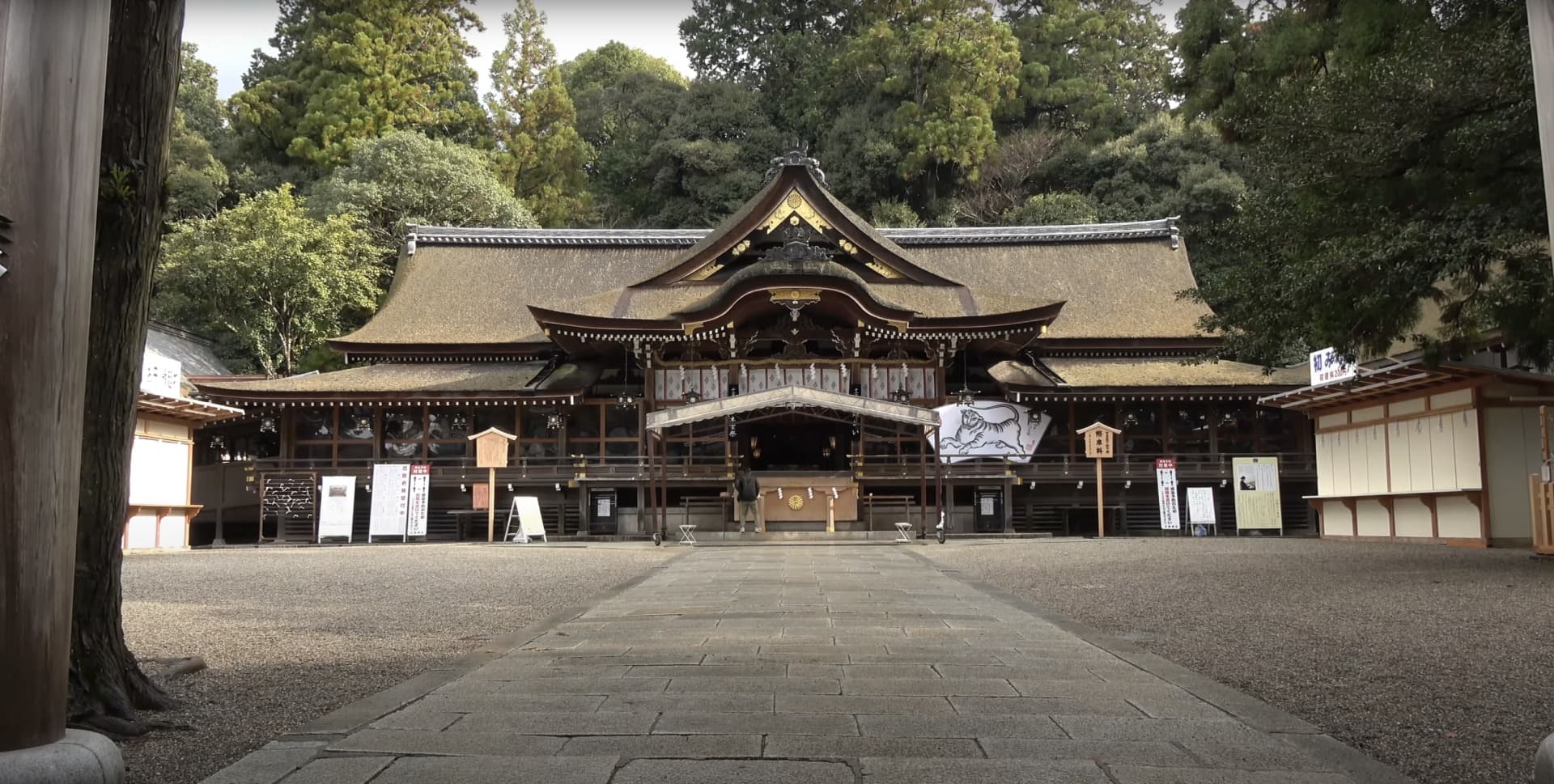
The shrine stresses that climbing Mount Miwa is an act of worship, not sightseeing, general mountain climbing or hiking. Tours may not include the climb, and groups of more than about ten people are asked to refrain. Foreign visitors may climb only if they understand Shinto and climb with a devout heart, fully understand the Japanese explanations (on their own or with an interpreter), and have at least one phone in the group with a Japanese (+81) number.
Highlights of Omiwa Shrine
The main sights in the grounds and on Mount Miwa:
■ Great Torii Gate (Otorii)
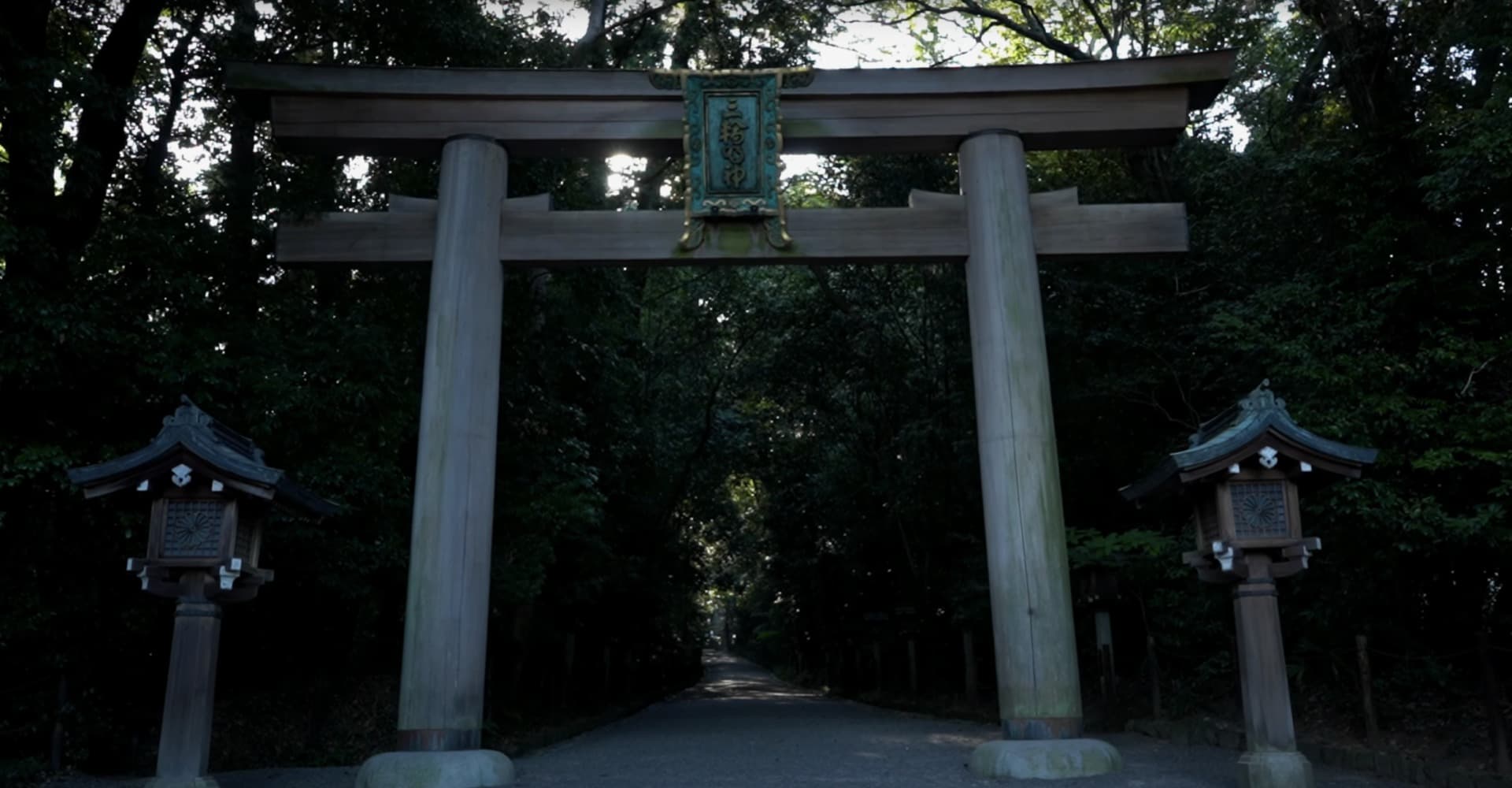
Built in 1986 (Showa 61) to commemorate Emperor Showa’s visit to the shrine in 1984, the Great Torii is 32.2 meters tall with 23 meters between its pillars. The shrine describes it as the largest torii in Japan that spans a road. It is made of weathering steel.
■ Worship Hall (Haiden)
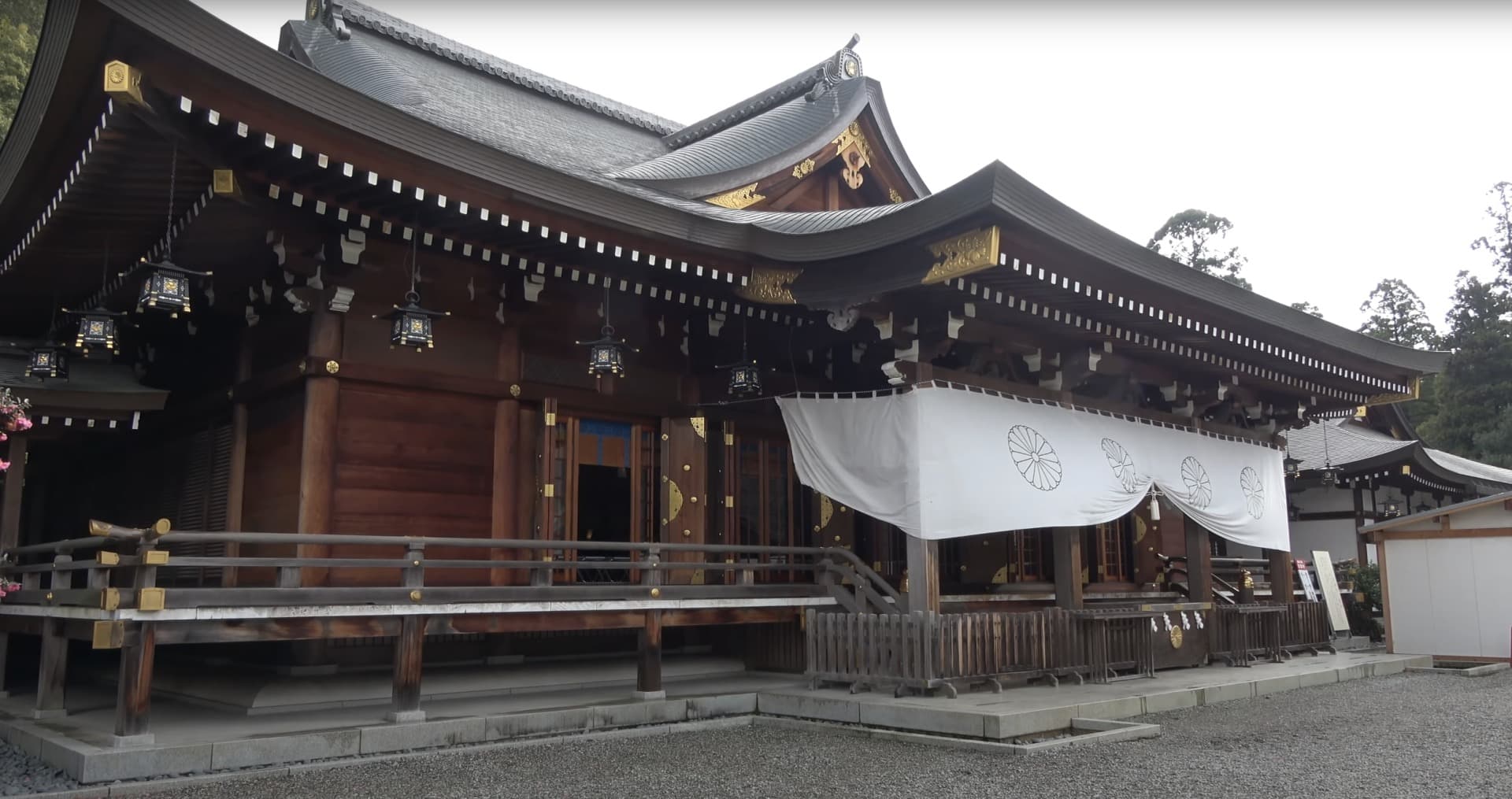
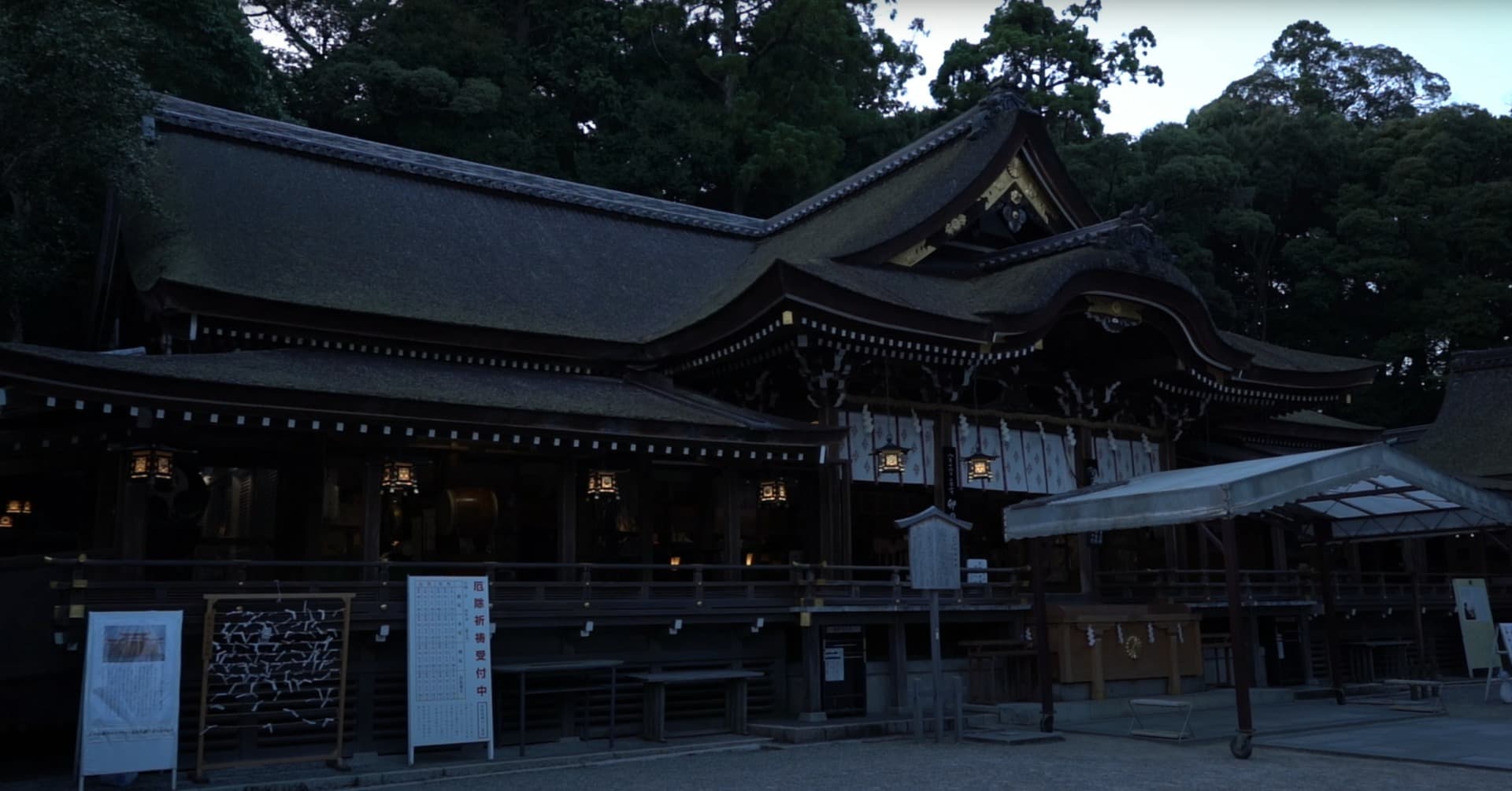
With no main hall, the worship hall is the center of worship at Omiwa Shrine. The present hall, rebuilt in 1664 (Kanbun 4), is a national Important Cultural Property.
The unpainted wooden building has a gabled roof of cypress bark and a large karahafu (curved gable) porch at the front. It measures about 17 meters across (nine bays) and about 8 meters deep (four bays).
■ Mitsu Torii (Triple Torii Gate)
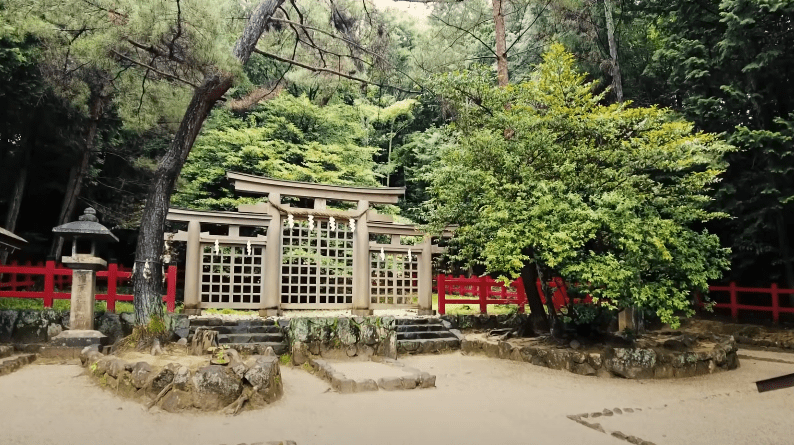
Behind the worship hall, the Mitsu Torii and a fence mark the boundary with the forbidden sacred ground. Three myojin-style torii are joined side by side, a form also called “Miwa torii,” and the central torii has doors. Its origin is unknown; it has long been revered in place of a main hall. Like the worship hall, it is a national Important Cultural Property.
The forbidden ground beyond it is normally not entered even by the priests.
■ Mount Miwa (Miwayama)
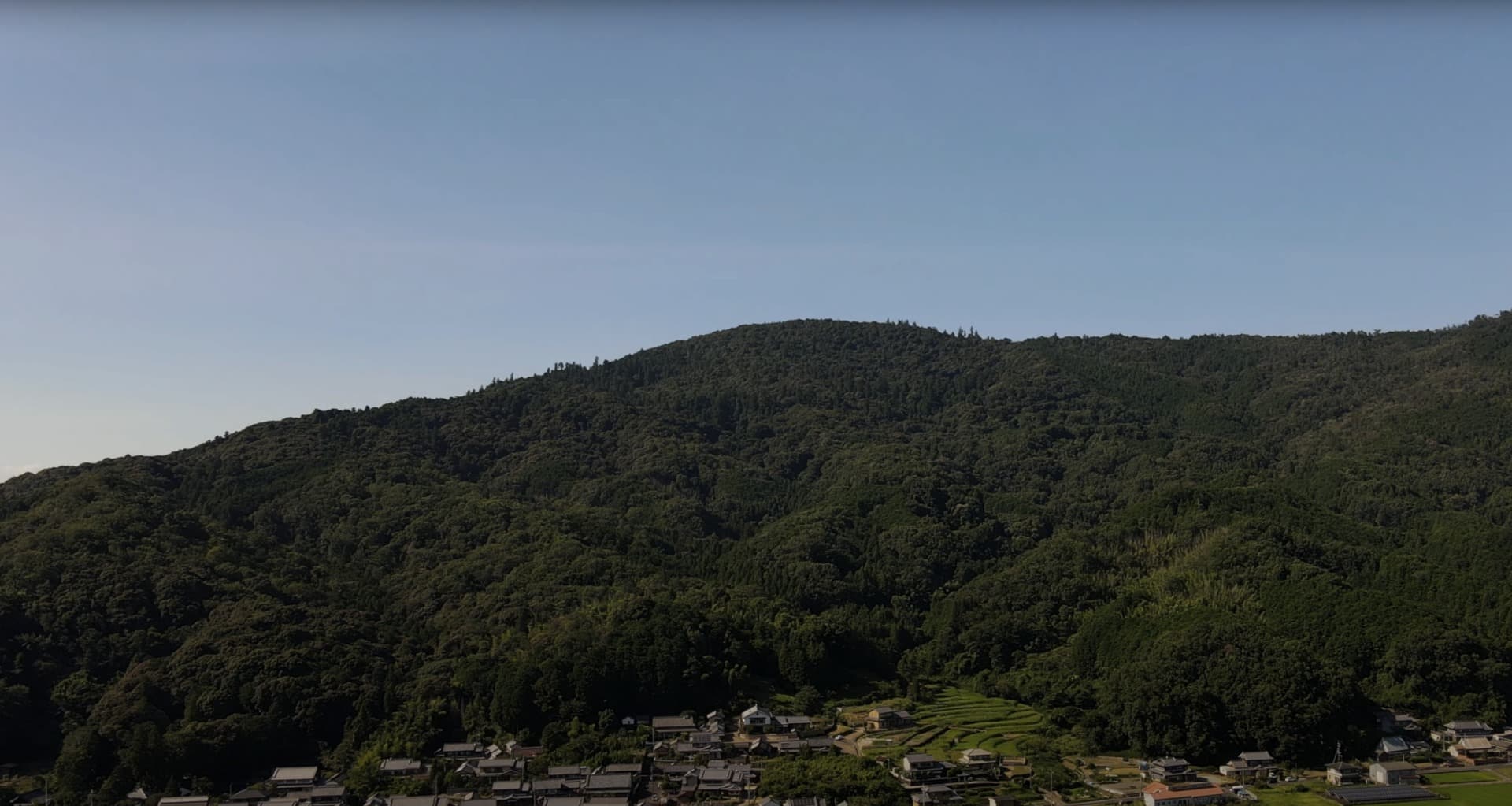
Mount Miwa is a conical mountain 467 meters high and about 16 km around, recorded in the Kojiki and Nihon Shoki as Mimoroyama and other names. It is covered with pine, cedar and cypress; its cedars, the “sacred cedars of Miwa,” appear in many poems, and cedar balls (sugidama) made from its cedar leaves became the symbol hung outside sake breweries. Climbing requires registration at the auxiliary Sai Shrine, and photography and eating are prohibited on the mountain.
According to the shrine’s old records, Omononushi dwells in the iwakura (sacred rock) at the summit, Onamuchi in the one halfway up, and Sukunahikona in the one at the foot. The slopes are steep for the mountain’s height, and the shrine asks climbers to take care with equipment and physical condition.
■ Sai Shrine (Sai Jinja)

This auxiliary shrine enshrines the aramitama (vigorous spirit) of Omononushi and is worshipped for recovery from illness and good health. Water from the “Kusuri-ido” (Medicine Well) beside its hall is said to cure all ailments, and people come constantly to draw it. The approach, the “Kusuri-michi,” is planted with medicinal trees and herbs donated by the pharmaceutical trade, and many pharmaceutical businesses attend the Hanashizume Festival on April 18.
Drawing large amounts of the sacred water in containers, and drawing it at night (6 p.m. to 6 a.m.), is currently suspended (as of October 2026). Please check the official website for the latest information.
■ Meoto Iwa (Wedded Rocks)
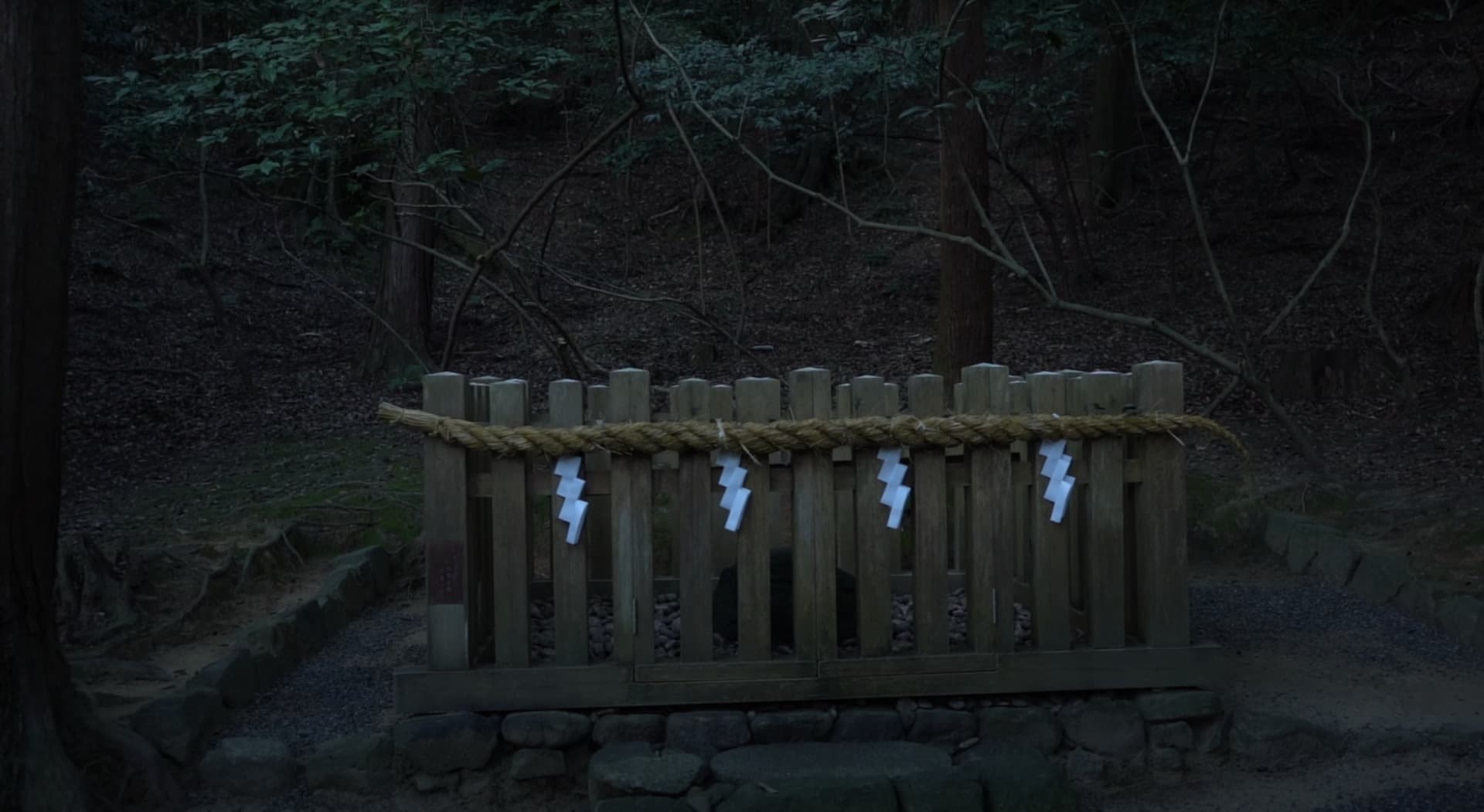
One of the iwakura where the deity dwells, these two rocks sit close together like a married couple and are linked to the love story of the Miwa deity and a human woman. They are said to bring good matches and marital harmony.
■ Kuehiko Shrine (Kuehiko Jinja)
Kuehiko Shrine enshrines Kuebiko no Mikoto, described in the Kojiki as a god of wisdom who knows everything in the world. People visit to pray for success in exams and studies.
■ Omiwa Shrine Treasure Repository
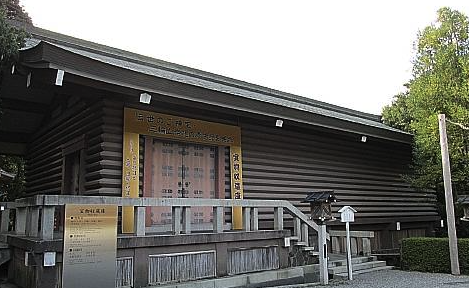
This facility stores and exhibits ritual artifacts excavated at the foot of Mount Miwa, sacred statues and treasures handed down at the shrine, and votive offerings. The shrine’s grounds guide lists it as open on the 1st of each month and on Saturdays, Sundays and holidays; check before visiting.
Summary
Worship of the mountain itself without a main hall, a founding legend recorded in the ancient chronicles, and the Edo-period worship hall and Mitsu Torii are what define Omiwa Shrine. If you plan to climb Mount Miwa, check the registration hours and closed days on the official website before you go.