🕓 2024/7/10
#Culture
Otaru Canal: A Detailed Guide to Its History and Overview
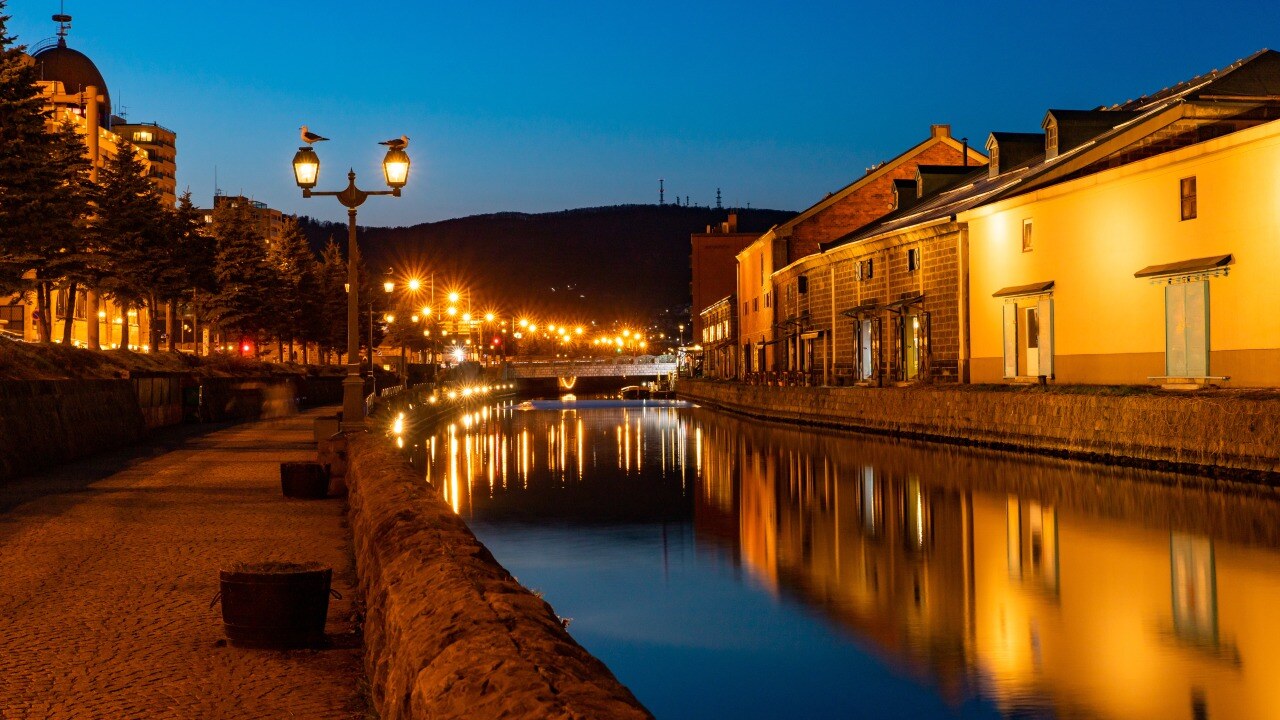
Table of Contents
- Otaru Canal Overview
- Otaru Canal History
- Otaru Canal Highlights
Introduction
Otaru Canal is a historic canal located in the center of Otaru City, Hokkaido, and is one of Otaru’s most representative tourist attractions. Its beautiful scenery and historical value attract many tourists, making it a worthwhile destination to visit throughout the year.
In this article, we introduce in detail the overview, history, highlights, and seasonal charms of Otaru Canal. To help you gain a deeper understanding of Otaru Canal’s appeal, each section provides detailed information along with tips for your visit. Please visit Otaru Canal to enjoy the wonderful scenery woven by Japan’s history and nature.
Otaru Canal Overview
Otaru Canal is a historic canal located in the center of Otaru City, Hokkaido, and is one of Otaru’s most representative tourist attractions. The promenade along the canal features artists displaying their works during the day, while gas lamps create a romantic atmosphere at night. Rickshaws also operate here, offering guided tours around the canal area. Canal cruises are also available, allowing visitors to enjoy the canal scenery from the water.
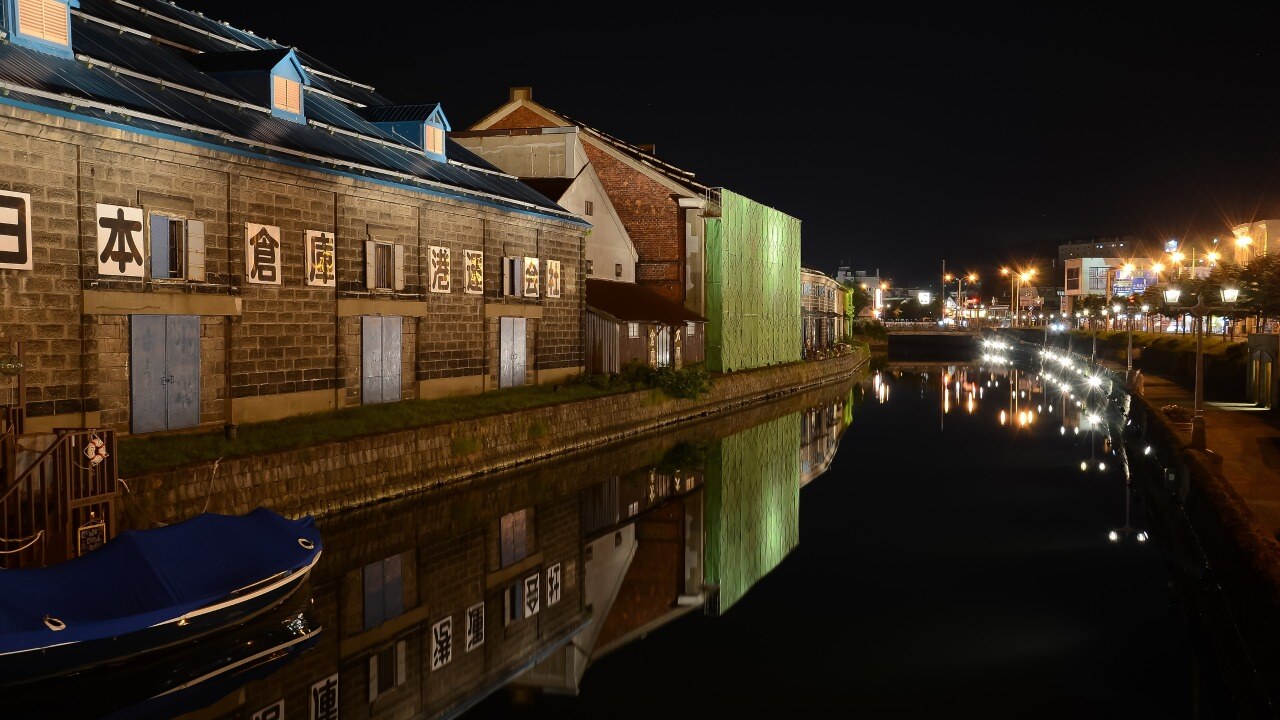
The canal stretches approximately 1,140 meters in length and 20 to 40 meters in width, and was completed in 1923. Originally, it served as an important logistics route for Otaru Port, with small boats transporting cargo from large ships to warehouses along the canal.In the 1980s, a citizen-led movement led to the decision to preserve the canal, and part of it was beautifully restored. The restored stone warehouses along the canal were converted into restaurants and shops, breathing new life into them as tourist attractions.
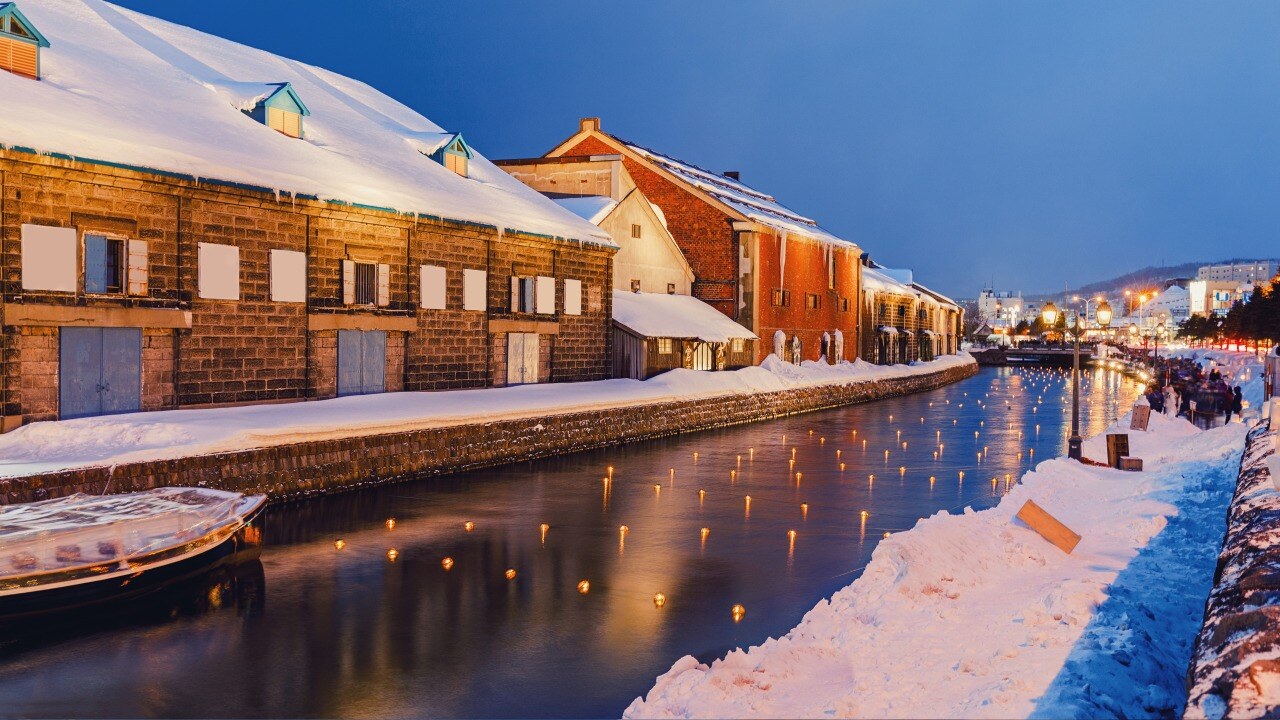
The canal area has been designated as the “Otaru Historic Landscape District,” where newly constructed buildings with designs harmonizing with the historic structures line the streets alongside glassware and music box workshops, restaurants, seafood shops, confectionery stores, and souvenir shops.It is also a place where you can enjoy beautiful scenery throughout all four seasons. In winter, the “Otaru Snow Light Path” event is held, where countless candles illuminate the canal area, creating an enchanting atmosphere. In spring and summer, flowers bloom in abundance, and in autumn, colorful foliage adorns the canal.
2. Otaru Canal History
■ 1923 – Completion of Otaru Canal
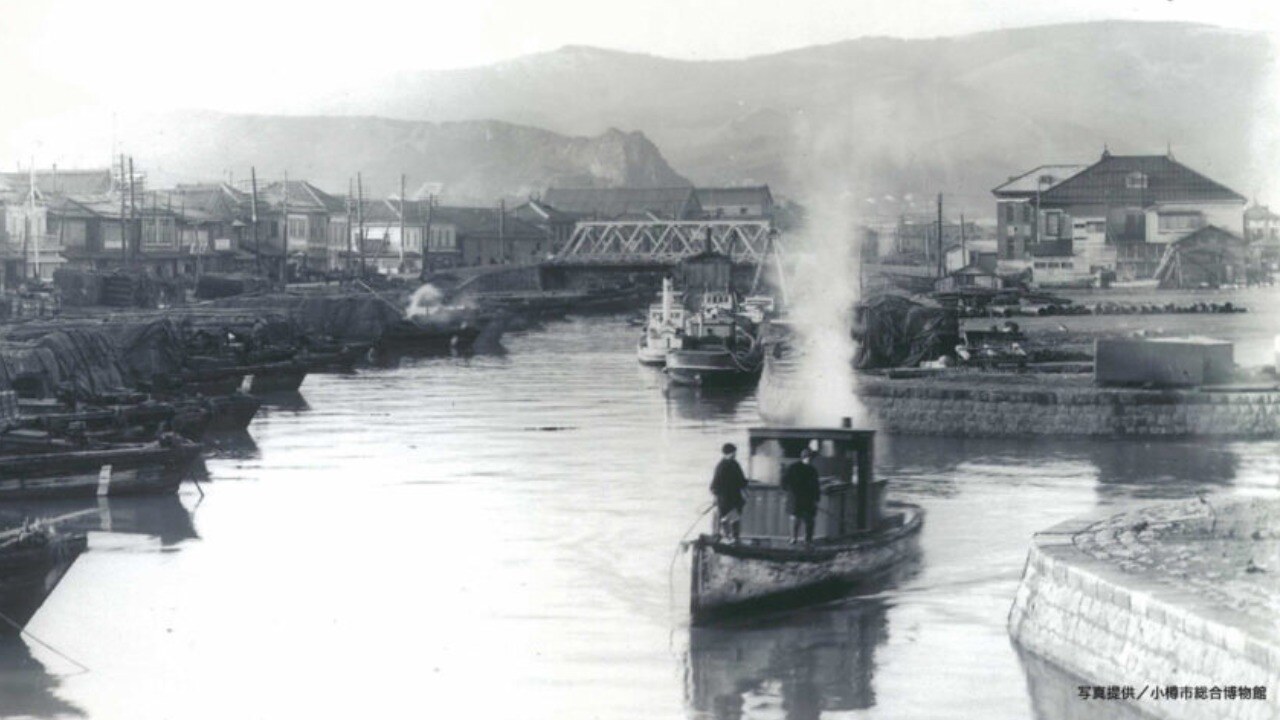
Otaru Canal was completed in 1923 and originally functioned as an important logistics route for Otaru Port. The canal stretches approximately 1,140 meters in length and 20 to 40 meters in width, designed to streamline port operations. By transferring cargo from large ships to small boats and transporting them to warehouses along the canal, rapid logistics became possible, and Otaru Port rapidly developed as a major trading port in Hokkaido.
At that time, Otaru Port was a center of trade within and beyond Hokkaido, with major products such as coal, timber, and seafood being shipped out. Stone warehouses lined the canal, serving as temporary storage facilities for transported goods.
■ 1950s – Decline as a Logistics Route

In the 1950s, port modernization progressed rapidly. With the introduction of new technologies and facilities, larger ships could dock directly at the port. At Otaru Port in particular, dock facilities were established that allowed large ships to load and unload cargo directly, eliminating the need to transport goods via small boats through the canal. With this modernization, the role of Otaru Canal as a logistics route gradually diminished. Many of the stone warehouses along the canal also lost their purpose and gradually fell into disuse. Some of these warehouses were left abandoned for a time, and some deteriorated, affecting the urban landscape.
■ 1980s – Citizens’ Movement and Preservation

In the 1980s, plans to fill in Otaru Canal materialized. Many of the canal and surrounding warehouse buildings had deteriorated after ending their role as a logistics center, and redevelopment was being considered. However, citizens strongly opposed this plan. Citizens actively campaigned to preserve the historical value and beautiful scenery of Otaru Canal, using various means such as signature drives and demonstrations to advocate for preservation. As a result of this citizens’ movement, the decision to preserve the canal was made in the mid-1980s. Part of the canal was beautifully restored, and the stone warehouse district was renovated.
■ 1990s – Development as a Tourist Destination
The restored Otaru Canal area increased in value as a tourist resource, attracting significant investment. During this period, stone warehouses along the canal were converted into restaurants, cafes, galleries, and other establishments, becoming attractive spots that drew many tourists. As a result, Otaru Canal transformed from simply a historic canal into a tourist destination offering diverse experiences. In the 1990s, canal cruises also began. Tourists can board boats that cruise the canal, enjoying the beautiful scenery of Otaru from the water.
■ Present – Seasonal Scenery and Events
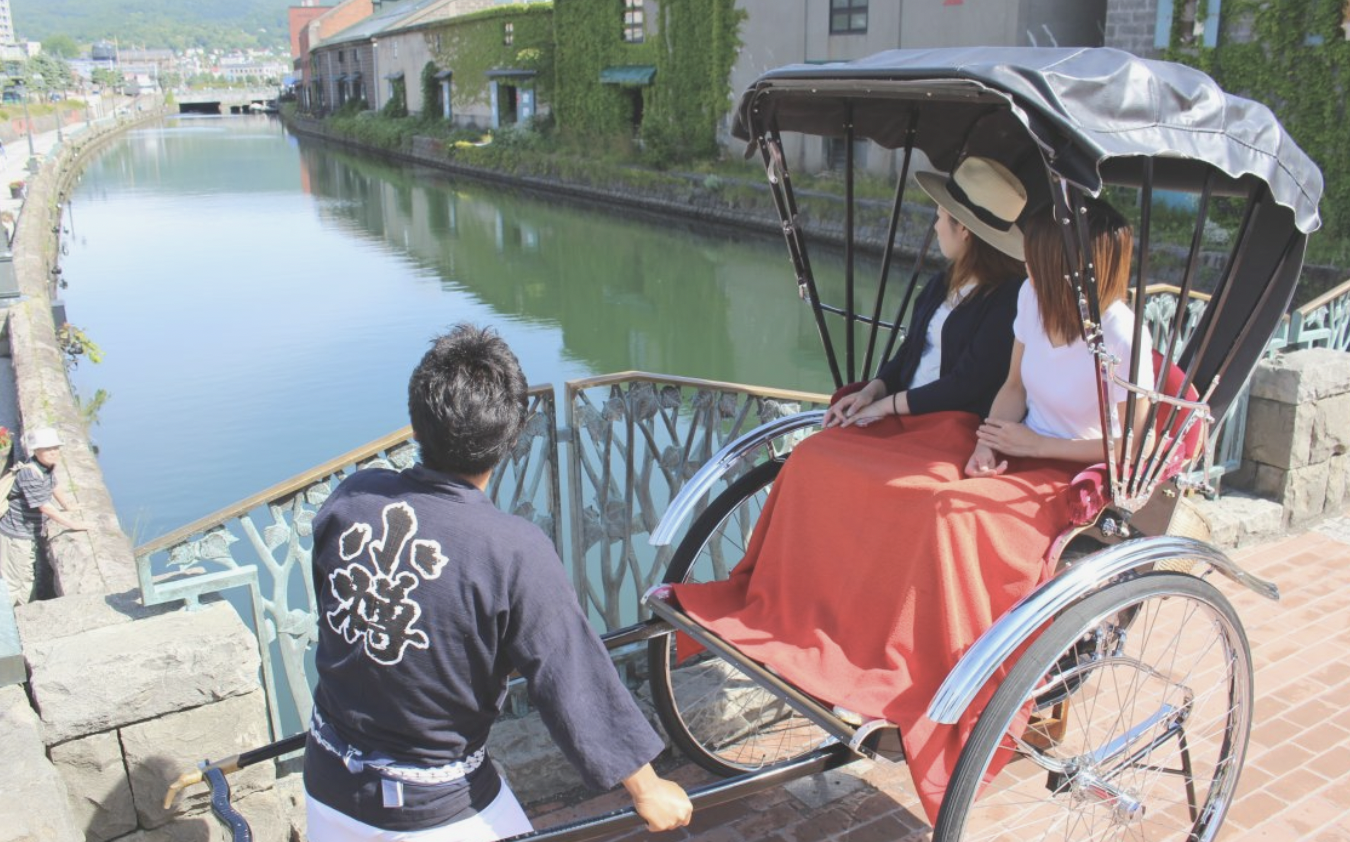
Today, Otaru Canal is beloved by many tourists as a place to enjoy beautiful seasonal scenery. Rickshaws now run along the canal, allowing tourists to take guided tours of the canal area. In winter especially, the “Otaru Snow Light Path” event is held, where countless candles illuminate the canal area, creating an enchanting atmosphere. In spring and summer, flowers bloom in profusion, and in autumn, colorful foliage adorns the canal.
Otaru Canal, combining historical value with beautiful scenery, continues to provide visitors with many charms as a tourist spot.
Otaru Canal Highlights
Otaru Canal is a spot that attracts many tourists with its beautiful scenery and historical value. Below is a detailed description of the main highlights of Otaru Canal.
■ Chuo Bridge
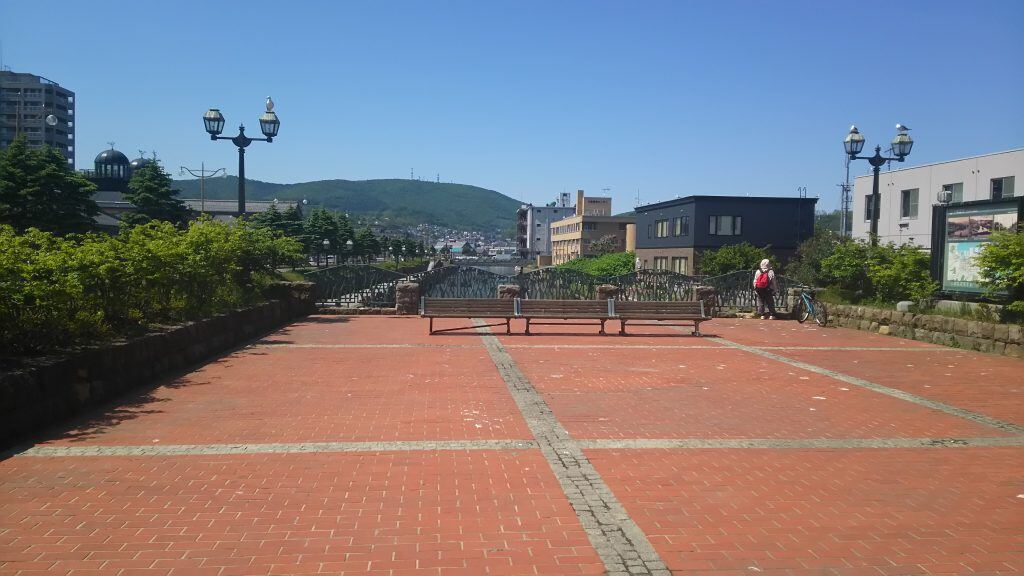
Chuo Bridge is located at the center of Otaru Canal and also serves as the departure point for canal cruises. From here, you can overlook the entire canal, making it an ideal starting point for your stroll. A tourist information center is also located nearby, where you can obtain sightseeing information about Otaru. At dusk in particular, gas lamps illuminate the canal, creating a romantic atmosphere.
■ Asakusa Bridge
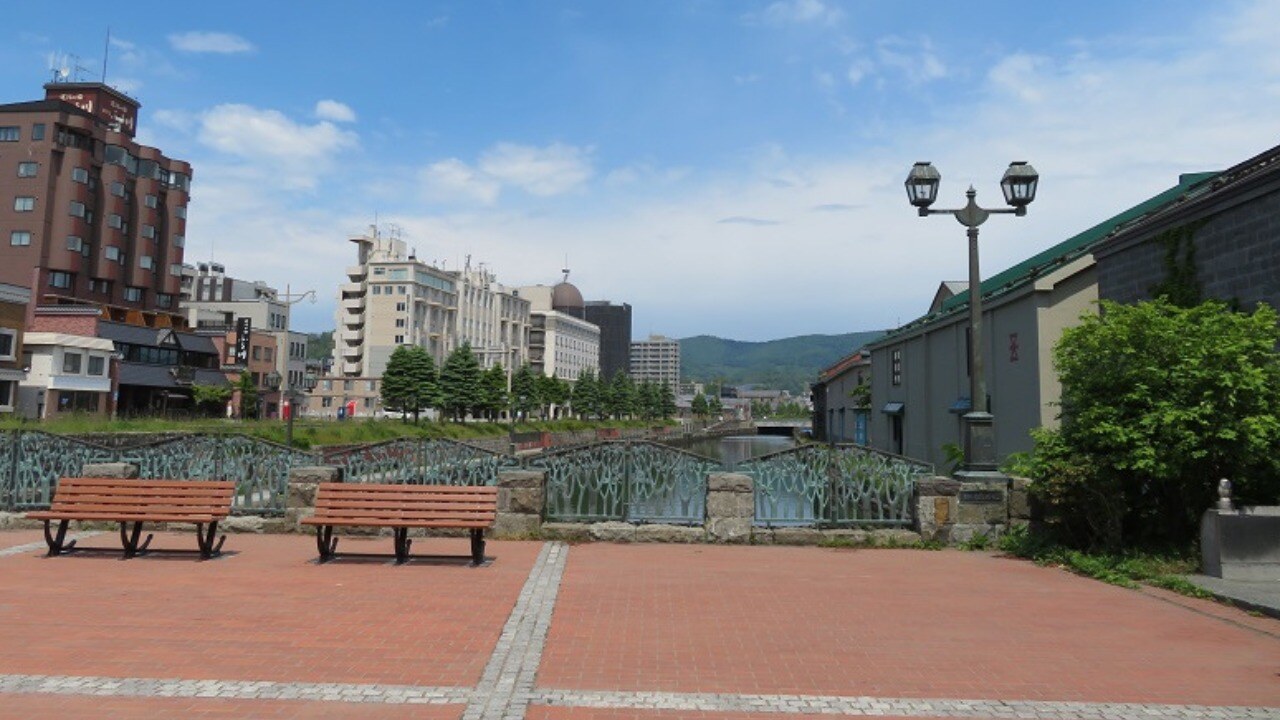
Asakusa Bridge is about a 4-5 minute walk along the promenade from Chuo Bridge. There is a plaza on the bridge where it is customary to take commemorative photos with Otaru Canal in the background. A tourist information center is also attached, where you can obtain sightseeing information and purchase souvenirs. The combination of the stone warehouses along the canal and the waterway makes for a very photogenic scene.
■ Otaru Canal Plaza
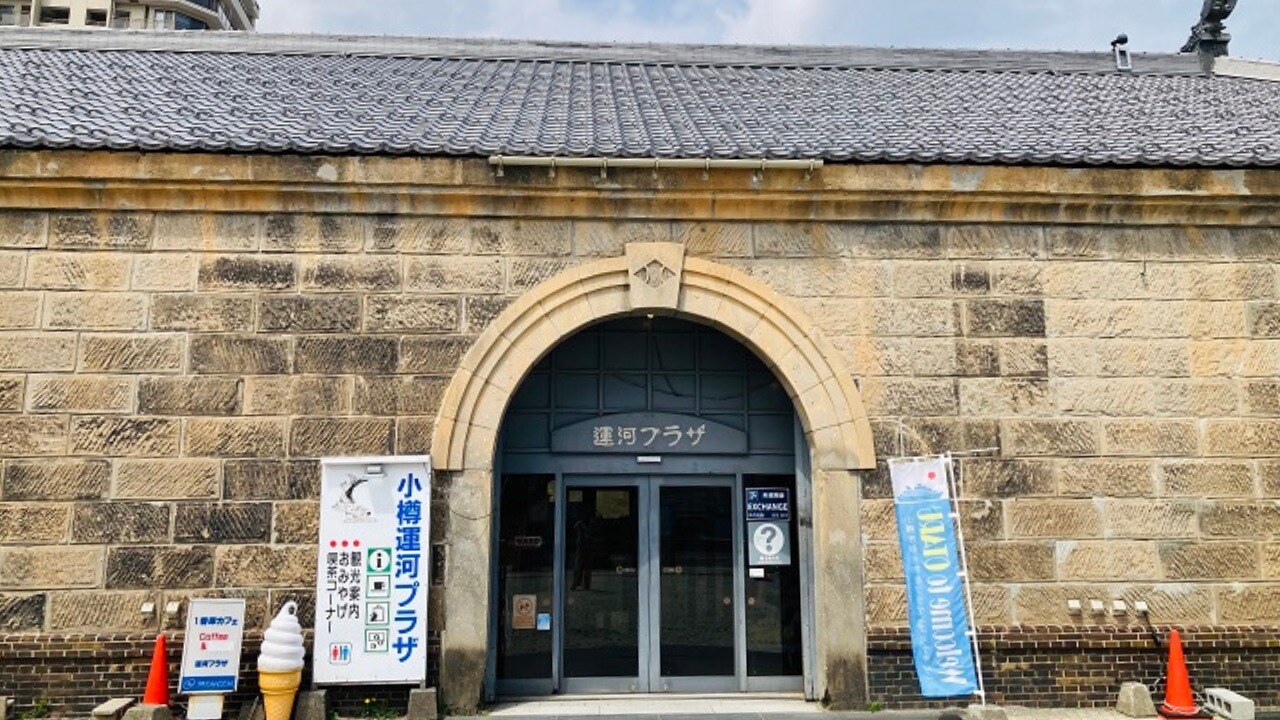
Otaru Canal Plaza is located near Chuo Bridge and houses a tourist information center, local specialty shop, and cafe. It is a spot where you can enjoy local specialties while feeling the atmosphere of the stone warehouses along the canal. Even for a short visit, stopping here allows you to experience the charm of Otaru Canal.
■ Otaru Canal Cruise
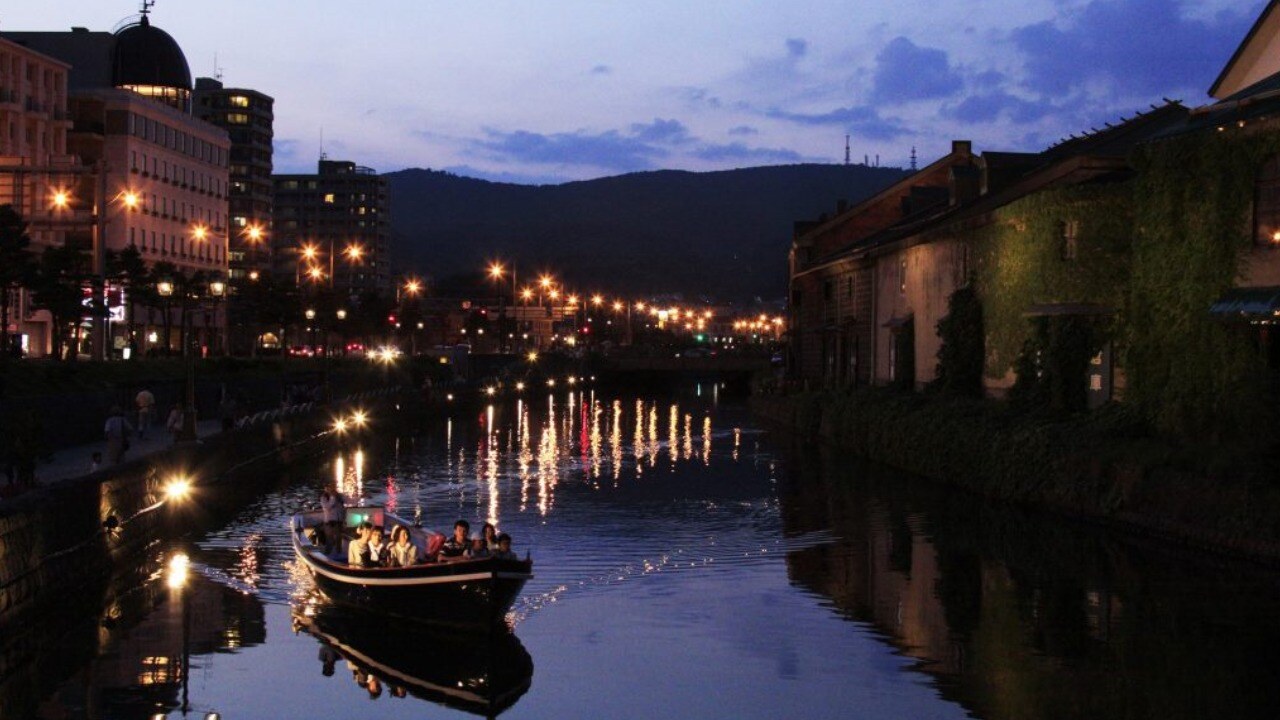
The Otaru Canal Cruise is a popular activity that allows you to enjoy the scenery while cruising the canal by boat. Both day cruises and night cruises are available, each offering different views. Night cruises in particular feature the canal illuminated by gas lamps, creating an enchanting atmosphere. Day cruises allow you to see the historic buildings and warehouse district along the canal up close, providing a deeper understanding of Otaru’s history. Guides also provide commentary about the history and tourist spots, so you can learn about the canal’s background and attractions while enjoying the experience.
■ Seasonal Charms
Otaru Canal shows a different face throughout the year, and its beauty can be enjoyed in every season. Please enjoy the unique charms of each season at this place of beautiful seasonal scenery.
– Spring 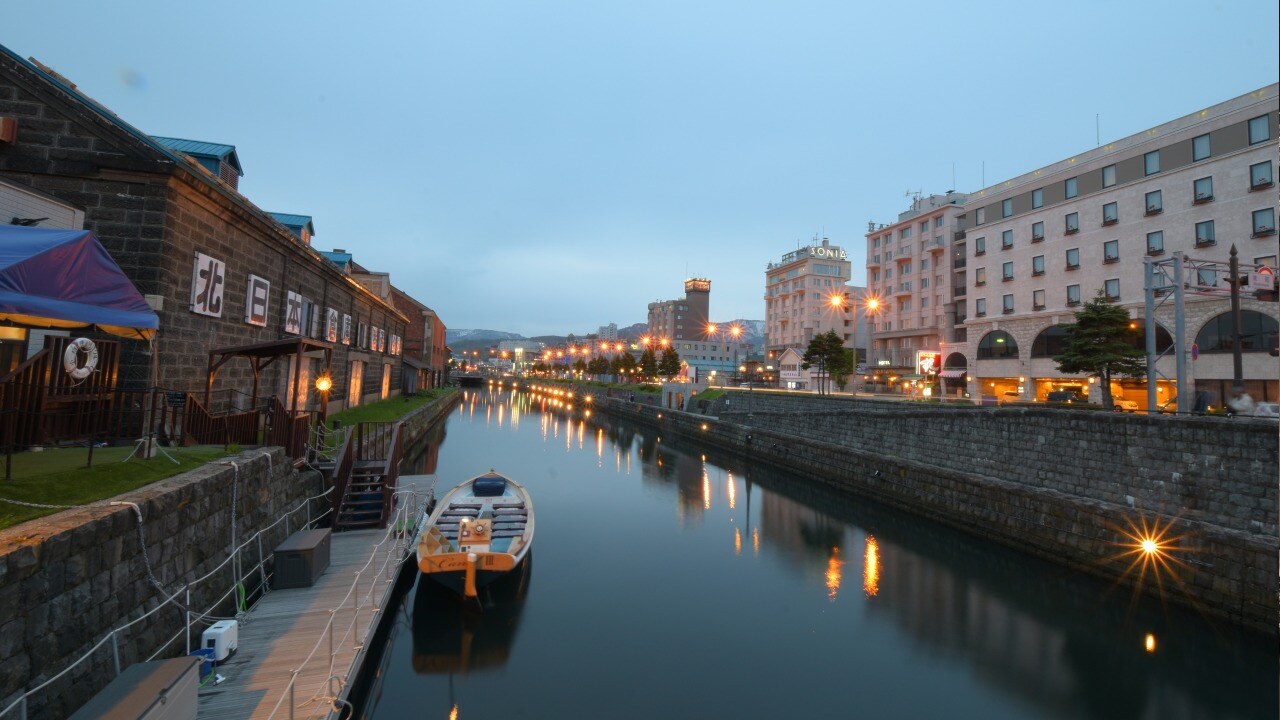
In spring, fresh greenery sprouts, creating a beautiful contrast with the stone warehouses along the canal. Strolling under the soft spring sunlight provides a pleasant and refreshing experience.
– Summer 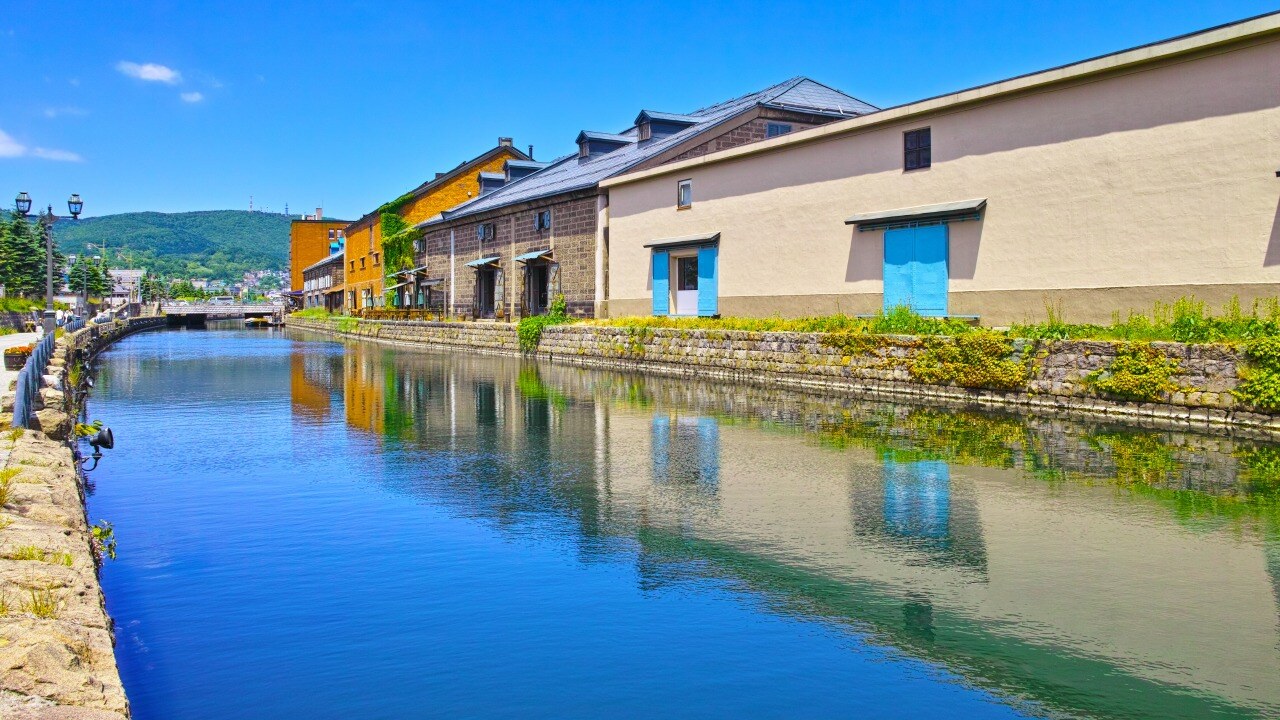
In summer, lush green landscapes spread across the area, with trees and flowers along the canal growing abundantly. The blue summer sky and the canal’s water surface create a beautiful contrast, leaving visitors with a refreshing impression. Canal cruises are also a popular summer activity, allowing you to enjoy cool scenery from the water.
– Autumn 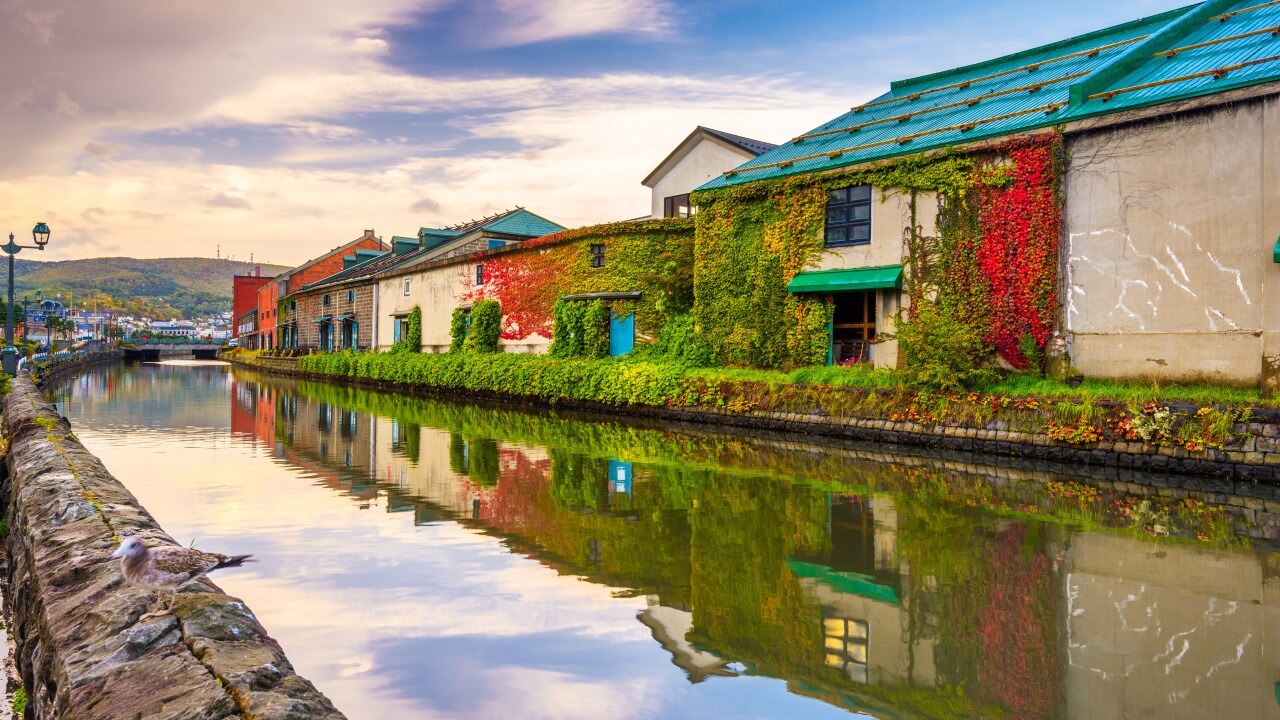
In autumn, the trees along the canal turn to brilliant autumn colors, offering beautiful fall scenery. Red and golden leaves reflected in the canal create an enchanting atmosphere. The crisp autumn air and beautiful foliage make it an excellent season for photography.
– Winter 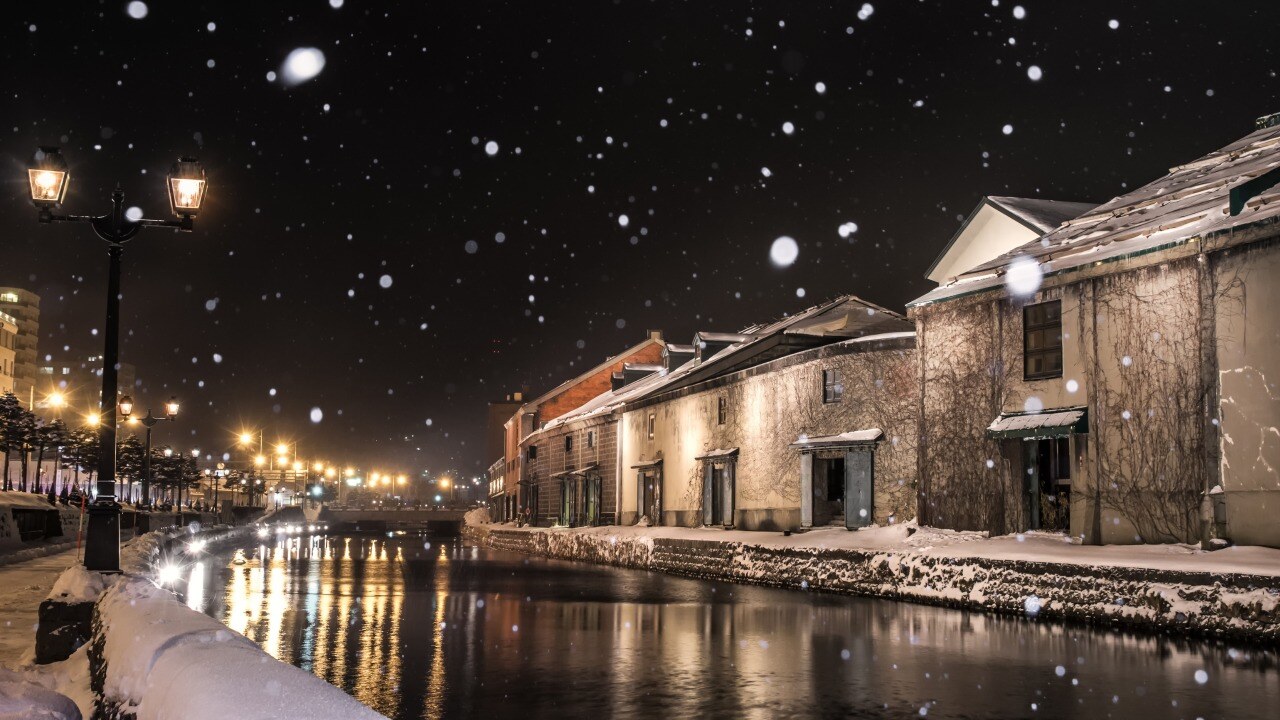
In winter, the “Otaru Snow Light Path” event is held, where countless candles illuminate the canal to create an enchanting spectacle. The snow-covered canal and stone warehouses are lit up, creating a romantic atmosphere. The nighttime illumination is particularly worth seeing, attracting many tourists as a popular event.
Summary
Otaru Canal, with its historical value and beautiful scenery, is one of Japan’s premier tourist destinations. This canal, completed in 1923, originally functioned as an important logistics route for Otaru Port, but over time its role came to an end, and it has since been revitalized as a tourist attraction. The diverse activities available, including the promenade along the canal, rickshaw rides, and canal cruises, continue to captivate visitors.
Through this article, we have introduced in detail the overview, history, highlights, and seasonal charms of Otaru Canal. We hope you will use this information as a reference to visit Otaru Canal and fully enjoy its beauty and history. With new discoveries to be made each time you visit, Otaru Canal is a place that will make you want to return again and again — please experience its charm for yourself.