
🕓 2023/4/12
#Gourmet
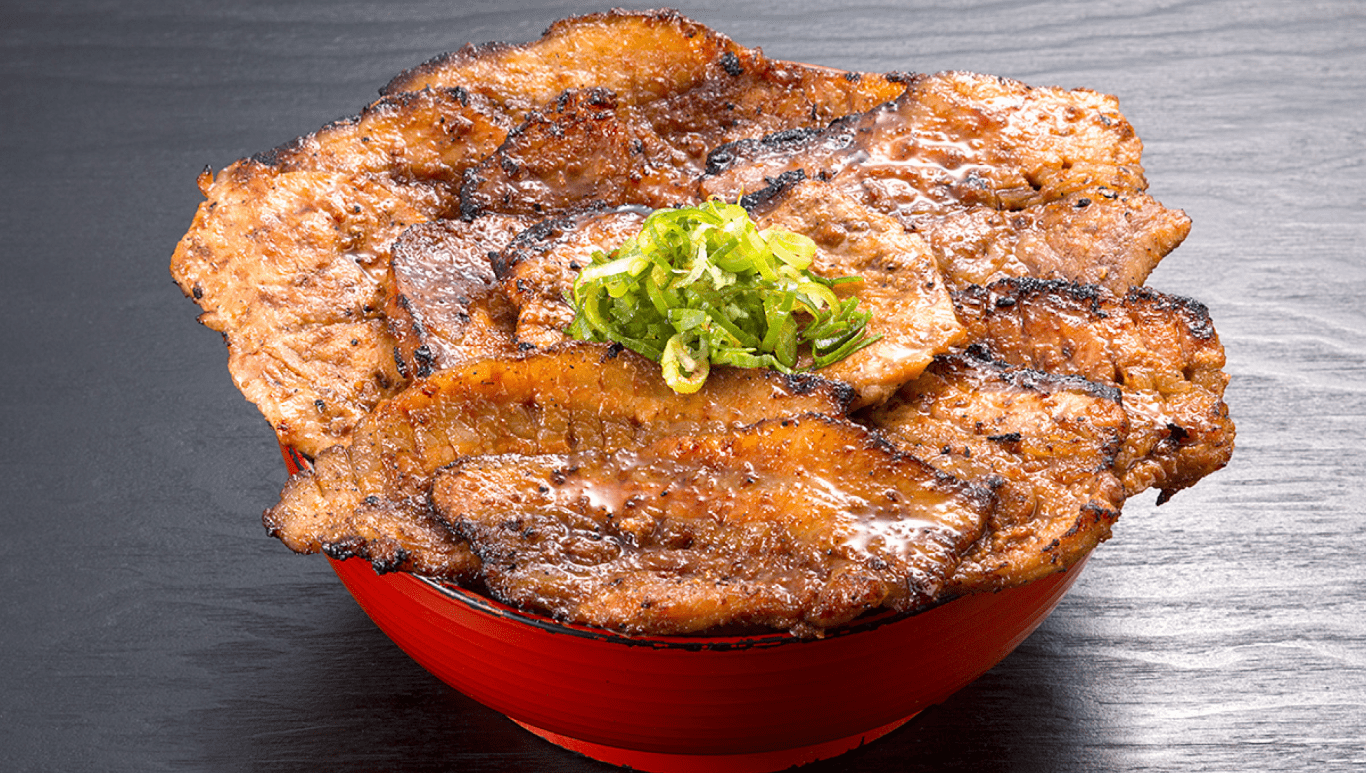
About Saitama Prefecture’s Gourmet
Saitama Prefecture is blessed with fertile land and a rich natural environment, yielding abundant seasonal produce throughout the year. Dishes that make the most of these region-specific seasonal ingredients are one of Saitama’s great charms. Spring brings fresh mountain vegetables, early summer offers seasonal vegetables at their peak, summer delivers sweet corn and edamame, and autumn features sweet potatoes and pears, allowing you to savor different flavors in every season.
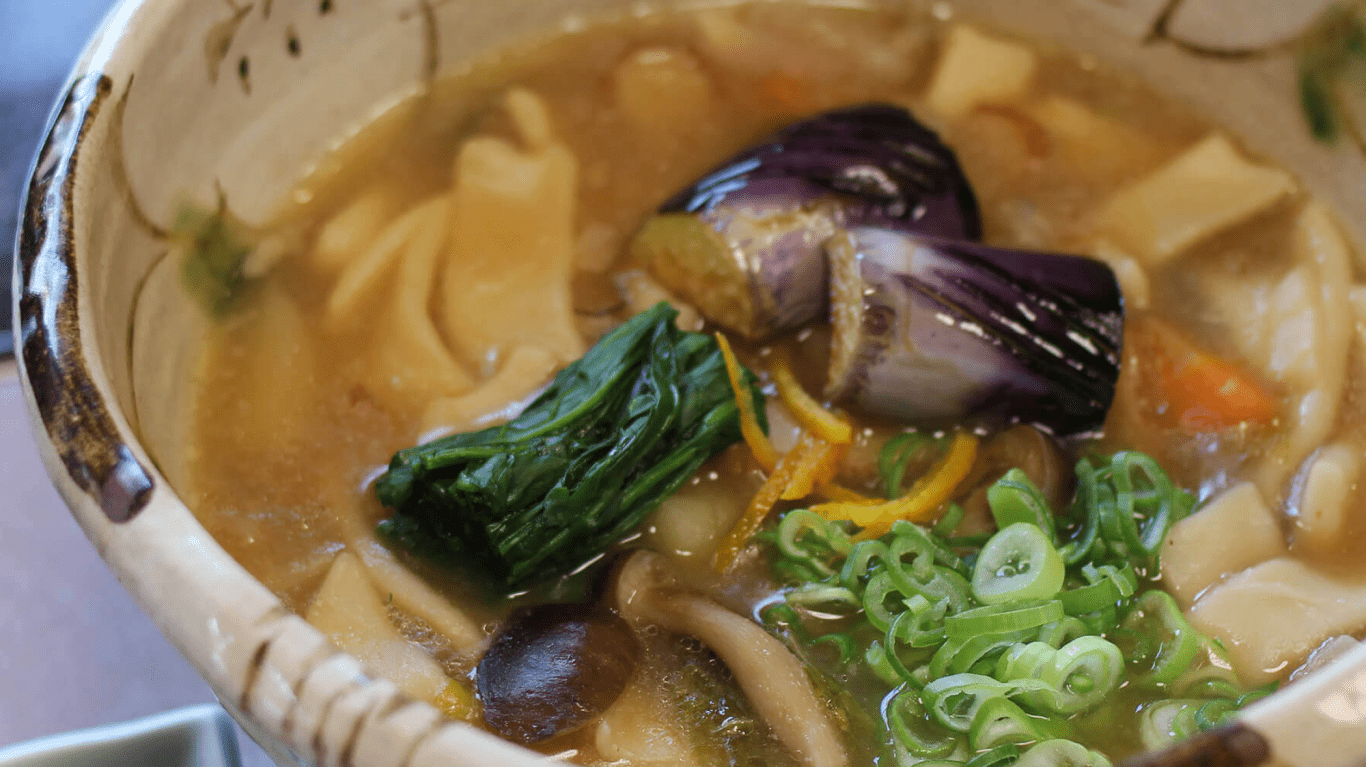
One of the most representative dishes is “niboto” (simmered flat noodles). Made with fresh local vegetables and handmade wide noodles simmered in a sweet and savory miso-based broth, this dish reflects the agricultural abundance of the Chichibu region and embodies the tradition of generously using local ingredients.
3 Handpicked Gourmet Dishes of Saitama Prefecture
Niboto (Simmered Flat Noodles)
● The Appeal of Niboto
Saitama Prefecture’s “niboto” is a hearty local dish made with fresh locally grown vegetables and handmade wide noodles. It is a signature dish of Fukaya City in particular, deeply connected to the region’s history and agriculture. Fukaya is an area known for its thriving wheat and vegetable production, and niboto, which generously uses these local ingredients, is a winter staple for locals.
Though simple, this dish brings out the full flavor of local ingredients, offering a taste that is homely yet nostalgic. The vegetables and noodles simmered in soy sauce-based broth warm not just the body but also the soul.
● History of Niboto
Niboto is a traditional local dish from Fukaya City in Saitama Prefecture, featuring wide raw noodles and locally grown vegetables in a warm, comforting preparation. This dish is closely linked to the history of agriculture in Saitama Prefecture. Wheat was widely grown as a secondary crop alongside rice, which naturally led to the development of wheat-based noodle dishes. Niboto is flavored with soy sauce and simmered with local root vegetables and the famous Fukaya green onions.
Notably, Eiichi Shibusawa, a great figure from this region who made enormous contributions to Japan’s modernization, was known to have loved niboto. He cherished it as a “taste of home” and is said to have always enjoyed this dish whenever he returned to his hometown.
● Where to Eat Niboto!
- Restaurant: Kappo Kaede
- Highlights:
This restaurant serves niboto made with 100% locally milled flour noodles and 10 varieties of fresh morning-harvested vegetables from Fukaya, simmered in a soy sauce-based broth for just 750 yen. The niboto has a rich yet refreshing flavor, with the soft, well-simmered noodles absorbing the broth beautifully.
Additionally, the restaurant’s “Green Onion Spring Rolls” are highly recommended, featuring generous amounts of Fukaya green onions. Priced at 380 yen for two pieces, the sweetness of the onions shines when eaten piping hot. With a variety of seasonings and homemade ramen broth, udon and soba dipping sauce, you can experience the essence of various Japanese dishes. - Access: 3,762m from Fukaya Station
- Address: 334 Otsuka, Fukaya City, Saitama
- Official Website: https://www.kappo-kaede.jp/
- Google Maps: https://maps.app.goo.gl/kfTAfyadgRW3Rfz27
Waraji Katsudon (Straw Sandal-Sized Pork Cutlet Rice Bowl)
● The Appeal of Waraji Katsudon
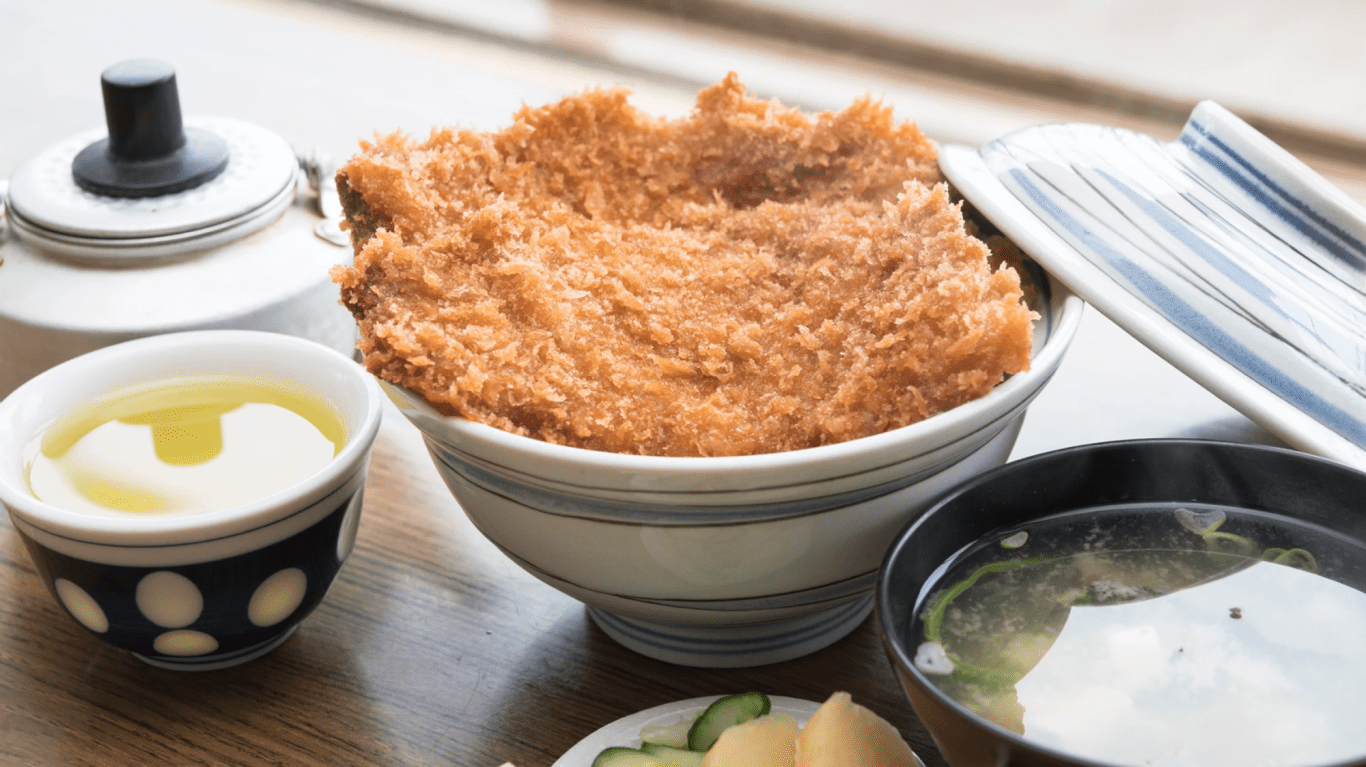
Waraji Katsudon is a signature dish of Saitama Prefecture, characterized by its extra-large pork cutlets. The crispy coating and juicy meat, combined with a sweet and savory sauce, create a unique deliciousness. It is particularly popular in the Chichibu area, and the enormous size often earns it the name “waraji” (straw sandal). This dish is beloved by visitors as a symbol of Saitama Prefecture’s rich food culture.
Furthermore, this katsudon is typically served with rice, miso soup, and pickles as a set, making it a highly satisfying meal. When visiting the Chichibu area, many restaurants offer waraji katsudon, and each establishment serves its own slightly different version for you to enjoy.
● History of Waraji Katsudon
The history of waraji katsudon originated from the unique food culture of the Chichibu area in Saitama Prefecture. Its extra-large size is said to have been devised as a way to increase pork consumption in the old days. Using the abundant local pork, it became known for its particularly large cutlets designed to satisfy as many people as possible. This dish attracted many people with its size and flavor, establishing itself as an iconic local gourmet.
● Where to Eat Waraji Katsudon!
- Restaurant: Oshimaya
- Highlights:
Oshimaya boasts 140 years of history since its founding and is currently located directly in front of Mitsumine Shrine. About 50 years ago, they relocated to their current location, and their signature “waraji katsudon” is known for its enormous cutlets that overflow from the rice bowl. They also serve “walnut hand-cut soba” featuring local Chichibu flavors. On clear days, you can enjoy your meal on the terrace while taking in the surrounding nature. The restaurant has been featured in many media outlets and is a popular spot among tourists. - Address: 297-2 Mitsumine, Chichibu City, Saitama
- Access: 90-minute express bus ride from Seibu-Chichibu Station to Mitsumine Mountain Parking
- Official Website: https://www.ohshimaya.net/
- Google Maps: https://maps.app.goo.gl/VHKrxnBUaHzUJYCD7
Buta Miso Don (Miso-Marinated Pork Rice Bowl)
● The Appeal of Buta Miso Don
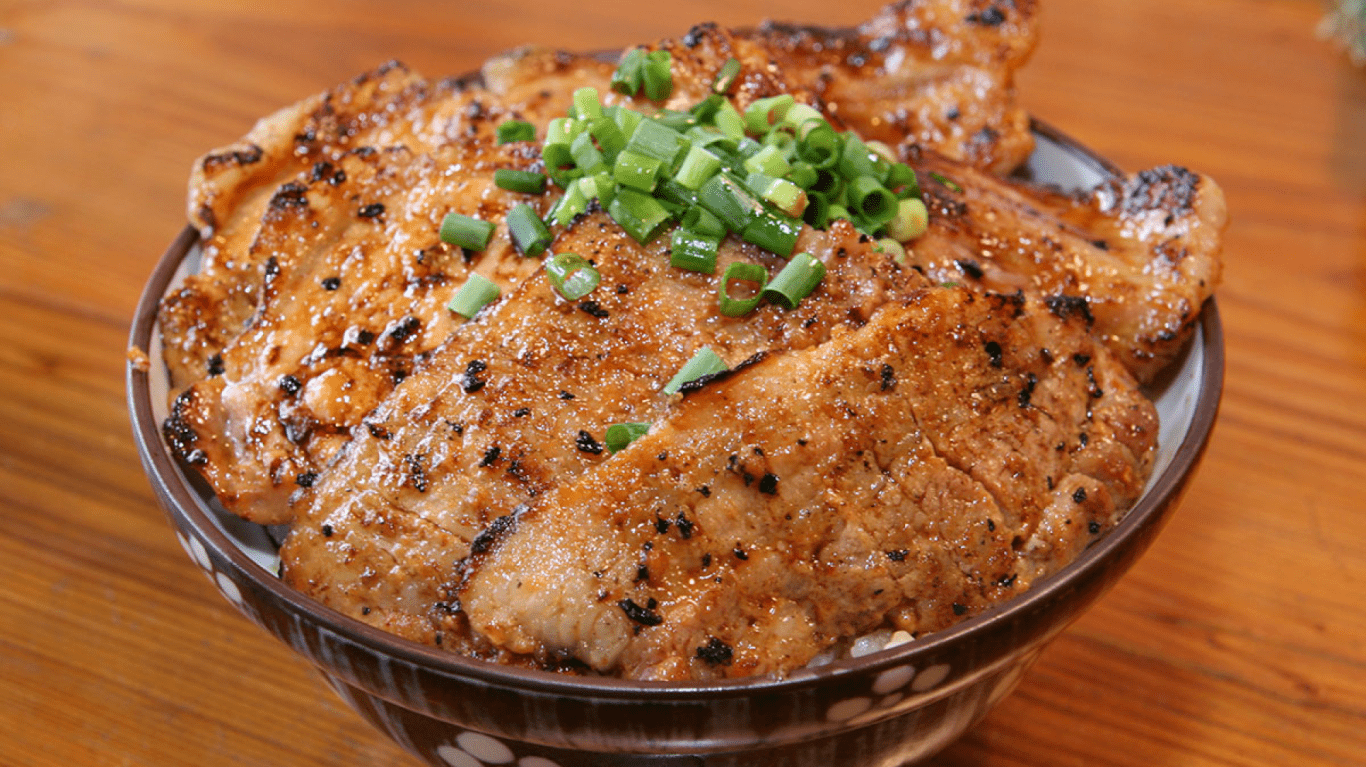
Buta Miso Don is characterized by its simple yet deep flavor, a gourmet dish beloved as a fusion of local tradition and innovation. It is particularly popular in the Chichibu area, where pork marinated in homemade miso sauce is grilled over charcoal to enhance its savory aroma, then generously piled atop rice cooked with Chichibu’s pristine water. The juiciness of the pork and the flavor of the miso complement each other perfectly, creating a taste that never gets old.
It has become established as a Chichibu specialty thanks to its distinctive flavor and its appeal as a dish that makes the most of local ingredients.
● History of Buta Miso Don
The history of buta miso don began with traditional preservation techniques from the Chichibu area of Saitama Prefecture. In the old days, locals would preserve wild boar meat by marinating it in miso, and this technique was later applied to pork, giving birth to miso-marinated pork. The modern buta miso don is an arrangement of this traditional miso-marinated preparation. In particular, “Buta Miso Don Honpo Nosaka” reopened as a buta miso don specialty restaurant in 2008, greatly contributing to popularizing this dish.
● Where to Eat Buta Miso Don!
- Restaurant: Nosaka
- Highlights:
Nosaka, which carries on Chichibu’s traditions to the present day, is the original birthplace of buta miso don. Here, pork is miso-marinated using the age-old Chichibu method and grilled over binchotan (white charcoal), then finished with an original miso sauce and generously heaped onto the bowl. The large serving features 1.5 times the usual amount of meat, served atop rice cooked with Chichibu’s pristine water, dressed with a special soy sauce-based sauce.The loin is thick with sweet, melting fat, and the charred miso flavor is exquisite. The pork belly has a gentle flavor without being too heavy, and both cuts are tender enough to bite through with your front teeth.
- Address: 13-11 Nosaka 1-chome, Chichibu City, Saitama
- Access: 3-minute walk from Seibu-Chichibu Station (Seibu Railway)
- Google Maps: https://maps.app.goo.gl/gkrtQ3AXxaNigEvq6