A Detailed Guide to the History and Overview of Nonbei Yokocho
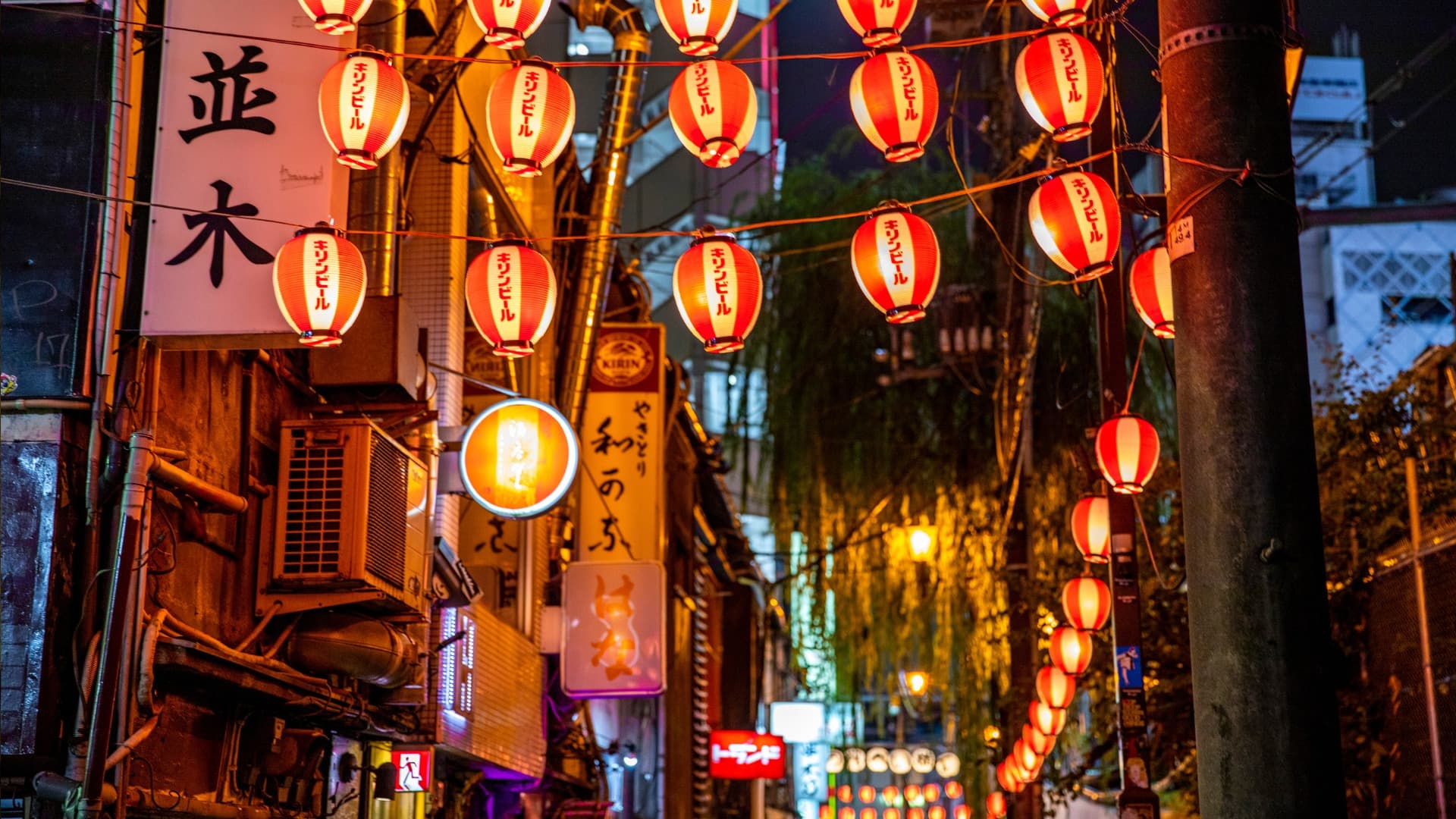
Table of Contents
- Overview of Nonbei Yokocho
- History of Nonbei Yokocho
- Recommended Gourmet Spots in Nonbei Yokocho
- Other Spots in Nonbei Yokocho
Introduction
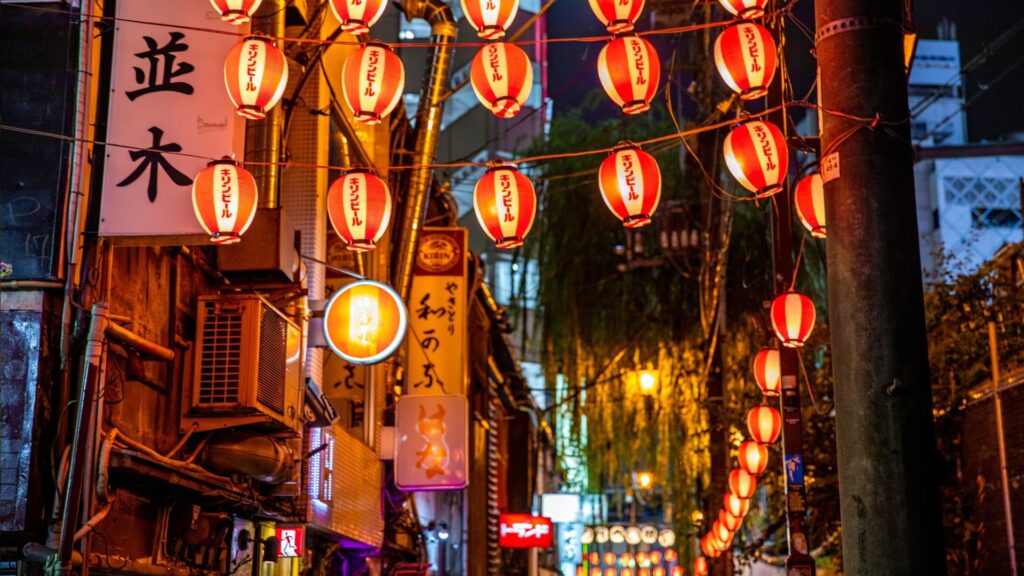
Nonbei Yokocho is a historic dining street located in Shibuya Ward, Tokyo, a precious area that retains the strong ambiance of the Showa era. Born in 1950, when postwar black-market stalls were relocated here, this alley has maintained its distinctive charm for over 70 years, unswayed by the passage of time. As the word “nonbei” (meaning “drinker”) suggests, it is a gathering place for sake lovers, where small izakaya and bars are packed tightly along narrow alleys.
This article introduces the overview and history of Nonbei Yokocho, as well as recommended gourmet spots to visit.
Overview of Nonbei Yokocho
Nonbei Yokocho is a dining street in Shibuya Ward, Tokyo that retains the strong atmosphere of the Showa era, with a history spanning over 70 years. “Nonbei” means a drinker, and “yokocho” refers to a back alley. True to its name, it is a gathering place for sake lovers, with small drinking establishments, izakaya, yakitori shops, and bars densely packed along narrow alleyways.
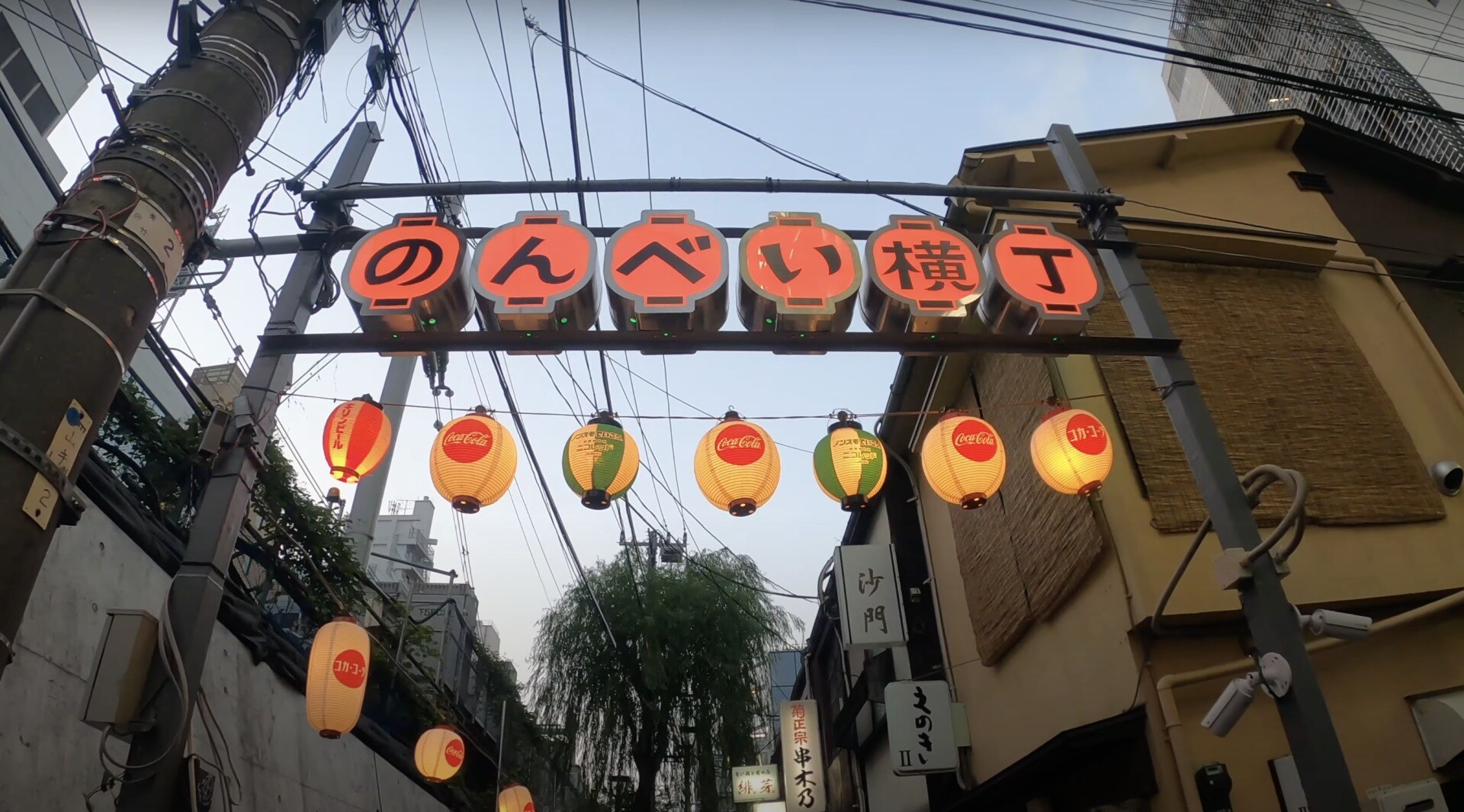
It was born in 1950, when postwar black-market stalls were relocated to this site. Despite waves of redevelopment, this area has maintained its distinctive Showa-retro atmosphere, and its charm remains undiminished, continuing to be loved by many. Currently, approximately 38 establishments line the alley, most of which are tiny shops of just 2-3 tsubo (approximately 6.6-10 square meters) with seating for only 5-10 people.
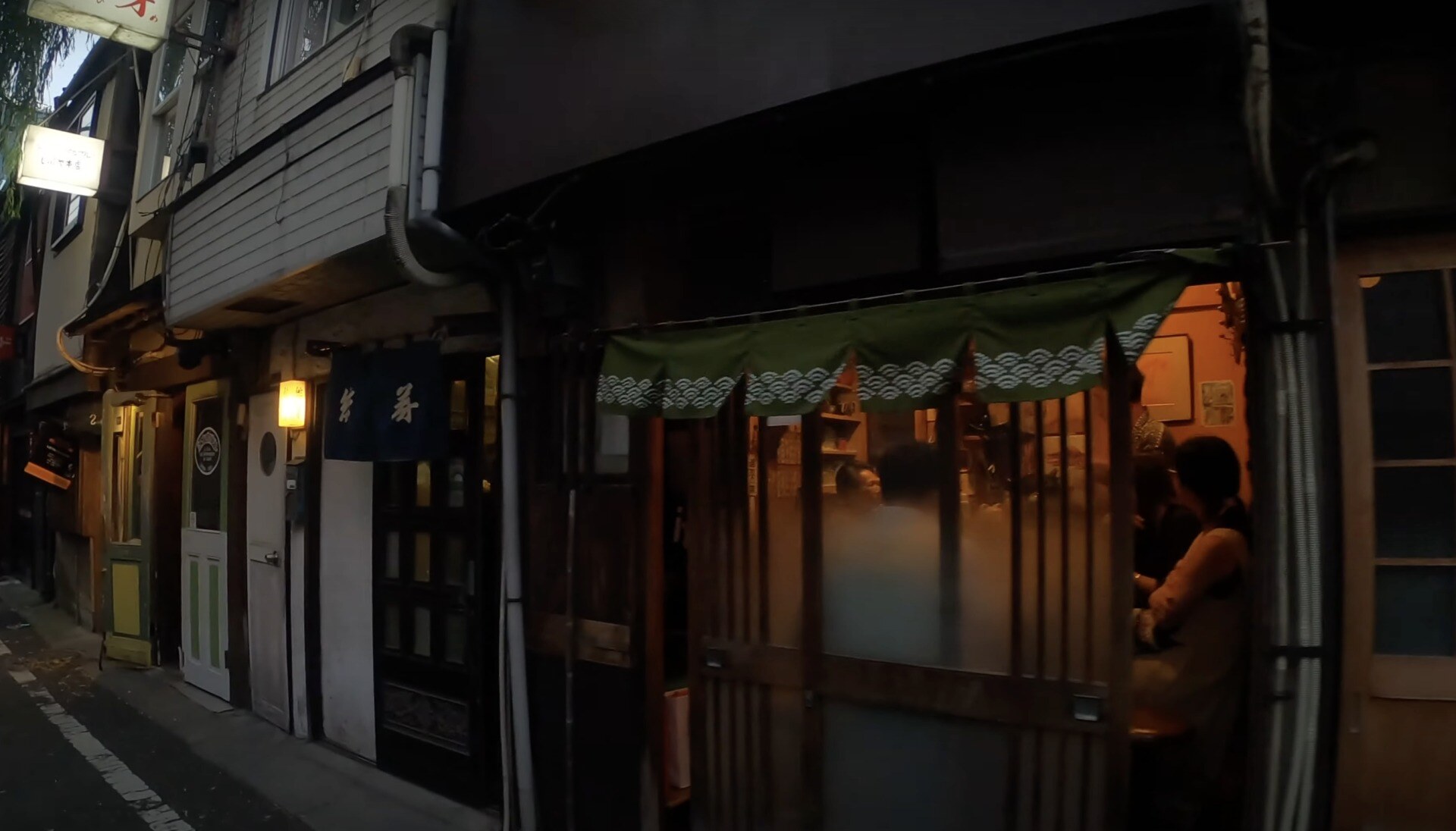
The shops are so small that drinking shoulder-to-shoulder is the norm, and with each visit, conversations naturally arise with the shop owner and fellow customers sitting next to you, making it a place where you can directly experience traditional bar culture. When a bar is full, moving on to the next one – known as “hashigo-zake” (bar-hopping) – has become a standard practice in this area.
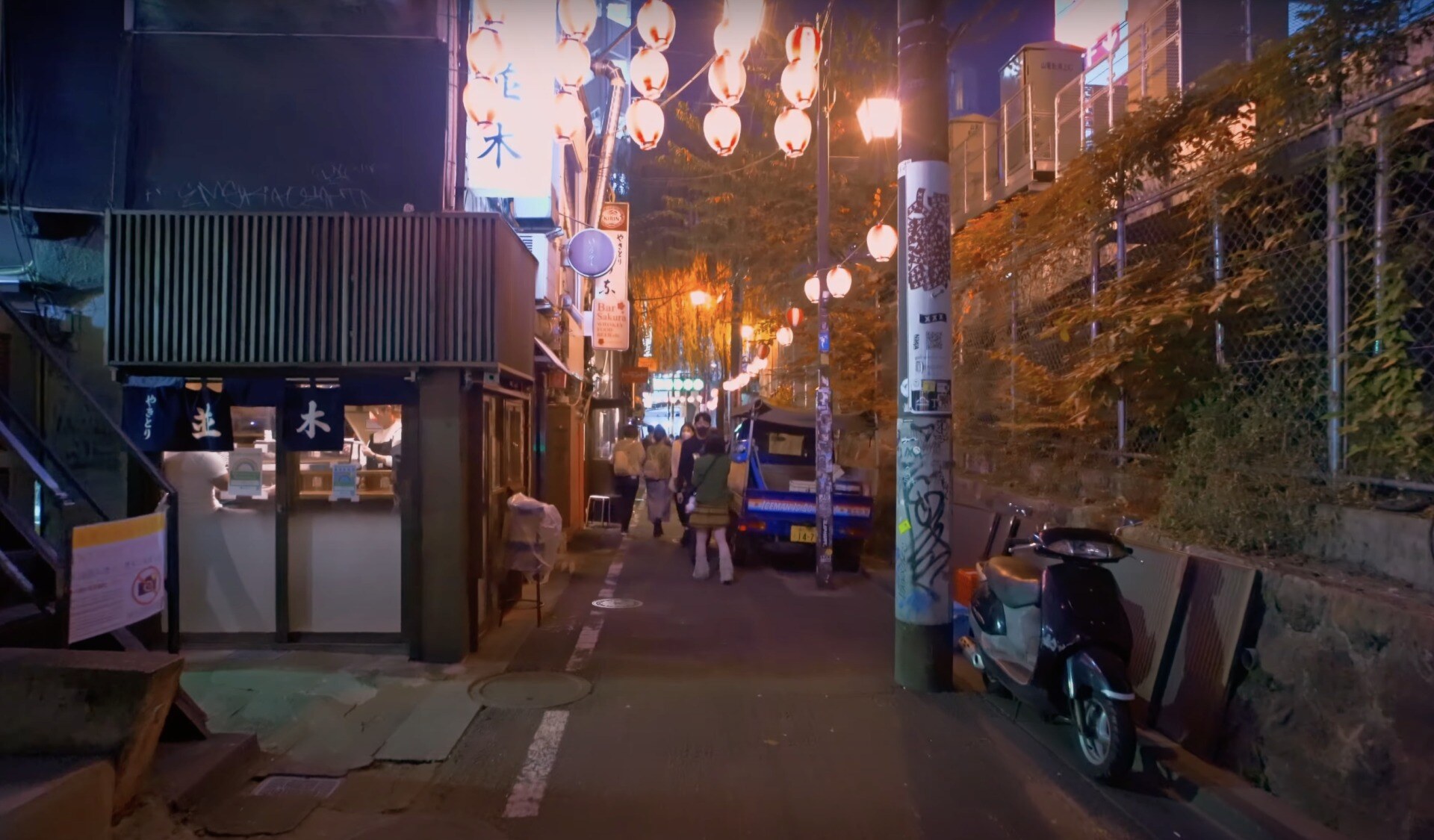
At night, when red lanterns are lit, Nonbei Yokocho emanates a unique nostalgic atmosphere, offering a feeling of having traveled back in time, away from the hustle and bustle of the city. While new establishments have joined over time, many long-standing shops remain, and people continue to visit in great numbers, whether locals or tourists.
History of Nonbei Yokocho
Nonbei Yokocho is a historic drinking district located in the heart of Shibuya, Tokyo, with origins dating back to immediately after World War II. Born during the chaotic postwar period, this alley has a long history and still retains the atmosphere of that era. Below is an overview of its history organized by key events.
1. Postwar Birth and Development (1945-1950s)
The origins of Nonbei Yokocho lie in the black-market stalls that sprang up around Dogenzaka in Shibuya after World War II. In 1950, after GHQ ordered street stalls to be cleared, the stalls were relocated to the present site, which the Tokyo Metropolitan Government had prepared. In postwar Japan, the shortage of goods was severe, and people sought affordable and convenient places to eat and drink. This became the starting point of Nonbei Yokocho.
Initially, simple stalls and temporary shops lined the area, eventually becoming established permanent stores that laid the foundation for today’s Nonbei Yokocho.
2. The Period of High Economic Growth and Maturation (1950s-1970s)
From the 1950s to the 1970s, as Japan experienced rapid economic growth, Nonbei Yokocho was influenced by this wave and gradually matured as a dining and drinking destination. During this period, izakaya and small bars opened one after another, becoming a place of relaxation for local office workers and laborers. Despite their small size, the establishments were rich in individuality, with each offering its own unique style and menu.
3. Transition to the Modern Era and Becoming a Tourist Destination (1980s-Present)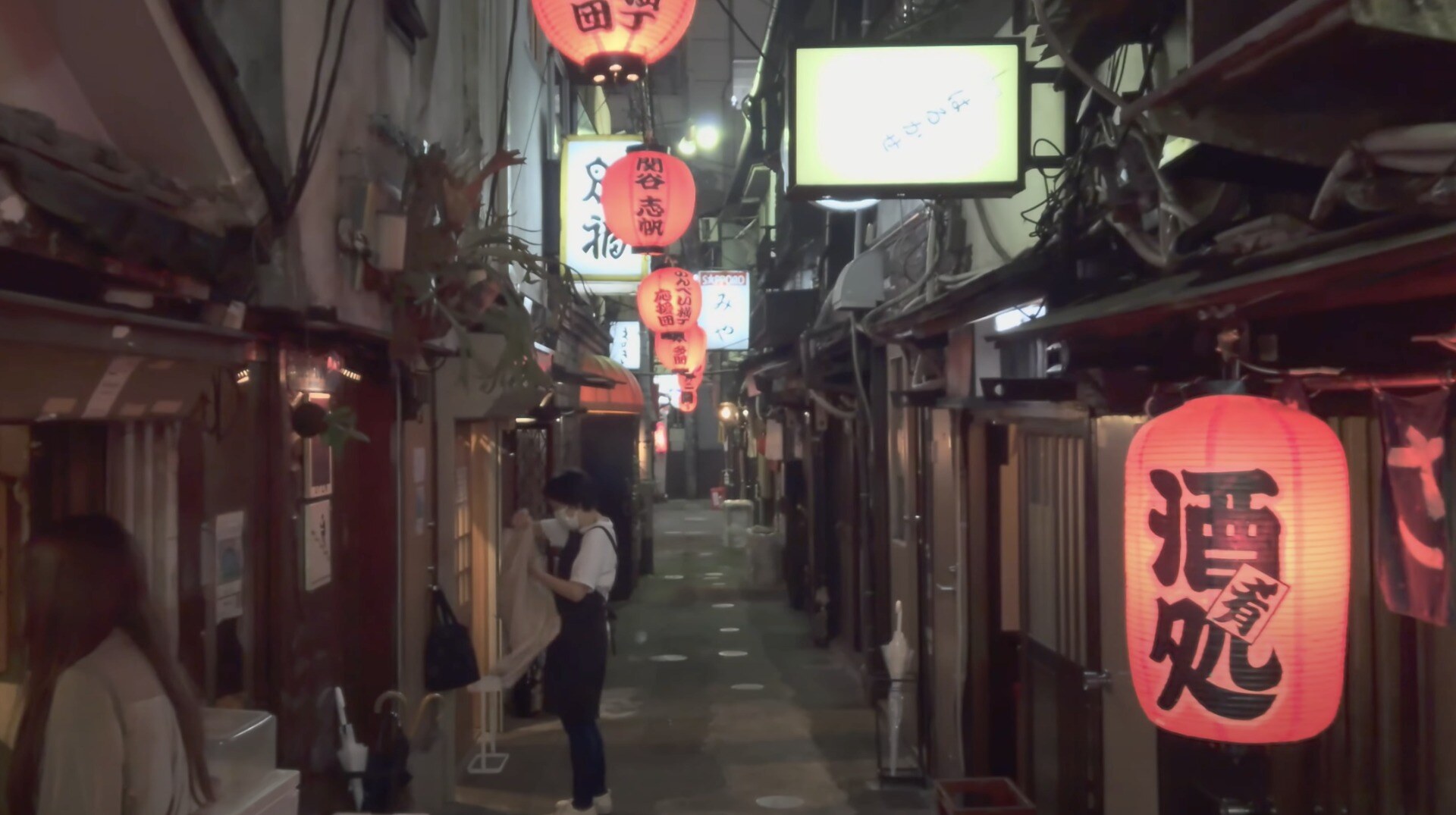
From the 1980s onward, the burst of the bubble economy and the entry of large commercial facilities temporarily put Nonbei Yokocho at risk of decline. However, the alley’s retro atmosphere was reevaluated, and its popularity as a tourist destination grew. Especially from the 2000s onward, it became known as a place where foreign tourists and young people could experience “the real Tokyo,” and many people began visiting once again.
Even today, it continues to be cherished as a place where you can enjoy Tokyo’s nightlife while still feeling the charm of the old days.
Recommended Gourmet Spots in Nonbei Yokocho
Nonbei Yokocho is a retro-atmosphere alley in Shibuya, a spot where many distinctive restaurants and bars are gathered. Here are some recommended gourmet spots.
■ Kibi
“Kibi” is a particularly refined dining bar within Nonbei Yokocho, where the charm of Showa-retro atmosphere fused with modern sophistication stands out. The female owner showcases her skills with daily changing menus, and the winter-only “Buri Shabu” (yellowtail hot pot) is renowned as an exquisite dish. The yellowtail, swished through dashi broth infused with pickled plum, is richly fatty and the umami melts in your mouth. Reservations are recommended at this popular spot.
■ Fujima-sanchi
“Fujima-sanchi” is a cozy izakaya in Nonbei Yokocho, identifiable by its red lantern. With only 8 counter seats, this intimate establishment offers a friendly atmosphere where you feel close to the owner. Their signature dish is “Nira-tama” (chive and egg), made with a secret recipe passed down from the owner’s father. It pairs perfectly with beer and is a taste you won’t forget once you try it.
■ Bistro d’Arbre Shibuya Main Branch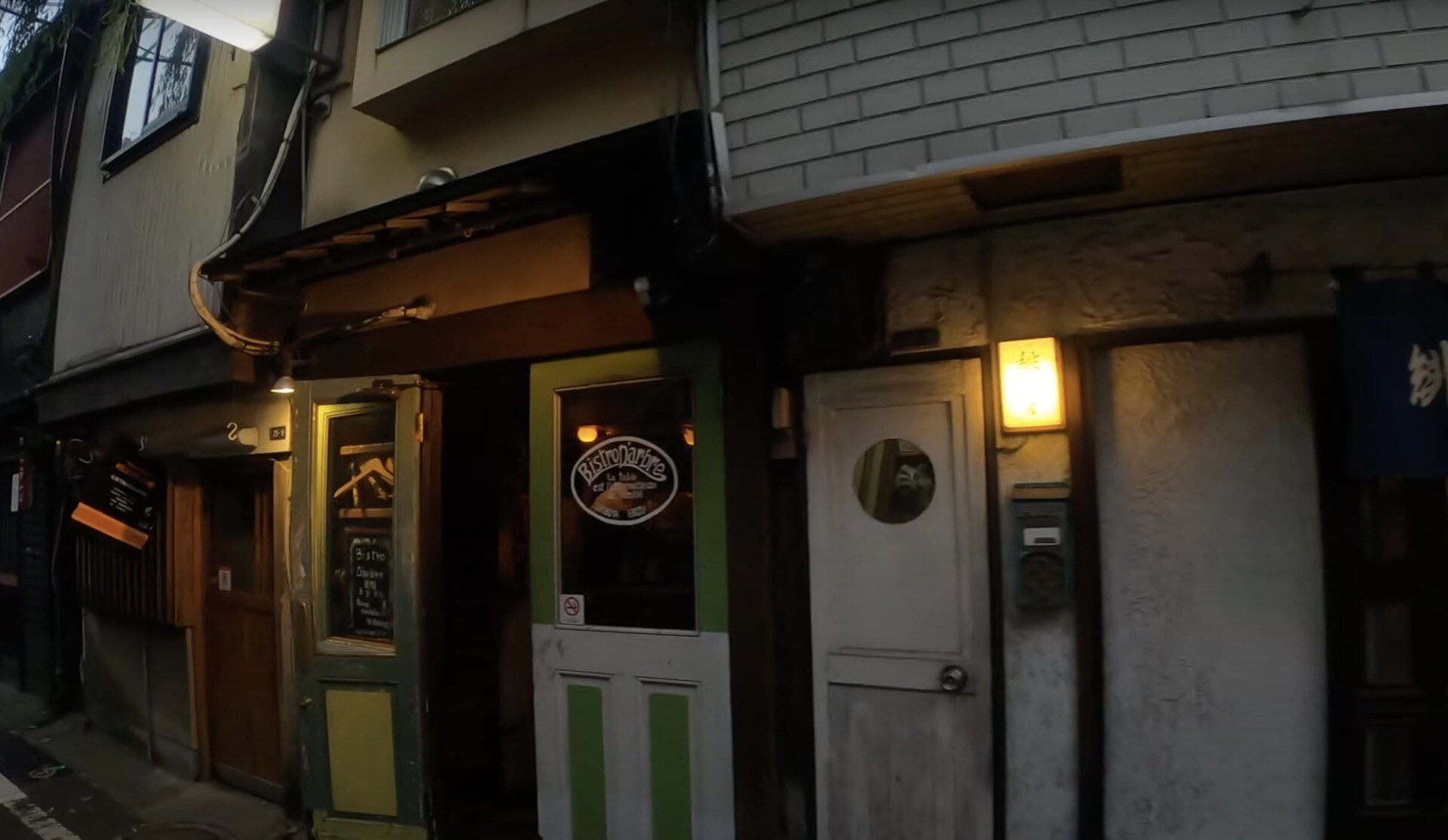
“Bistro d’Arbre” is a bistro where you can casually enjoy French cuisine. Their particularly recommended dish is the “pate,” which regulars typically savor slowly paired with wine. The charm of this restaurant lies in its ability to let you enjoy French cuisine in a relaxed, homey atmosphere.
■ Curva
“Curva” is a small bar particularly beloved by soccer fans, also popular with foreign tourists. Despite its tiny space, with about 5 counter seats on the first floor, it is known as a place where you can passionately discuss soccer with the friendly master. Here you can also enjoy cocktails like mojitos and ginger highballs, and lively exchanges among regular customers are another feature of this establishment.
Conclusion
In closing, Nonbei Yokocho is not merely a drinking district, but a special place where the history and culture of Shibuya are condensed. Beginning in the chaotic era after World War II, it has changed its appearance with the times while still preserving the nostalgic atmosphere of the Showa era to this day. Here, the taste of sake shared shoulder-to-shoulder becomes something truly special that cannot be experienced elsewhere.
With each visit, new discoveries await, and as a place where you can forget the hustle and bustle of daily life and reset your mind, it continues to be loved by many. When visiting Shibuya, be sure to stop by at least once.