
🕓 2024/11/20
#Culture
A Detailed Guide to the History and Overview of Tsukiji
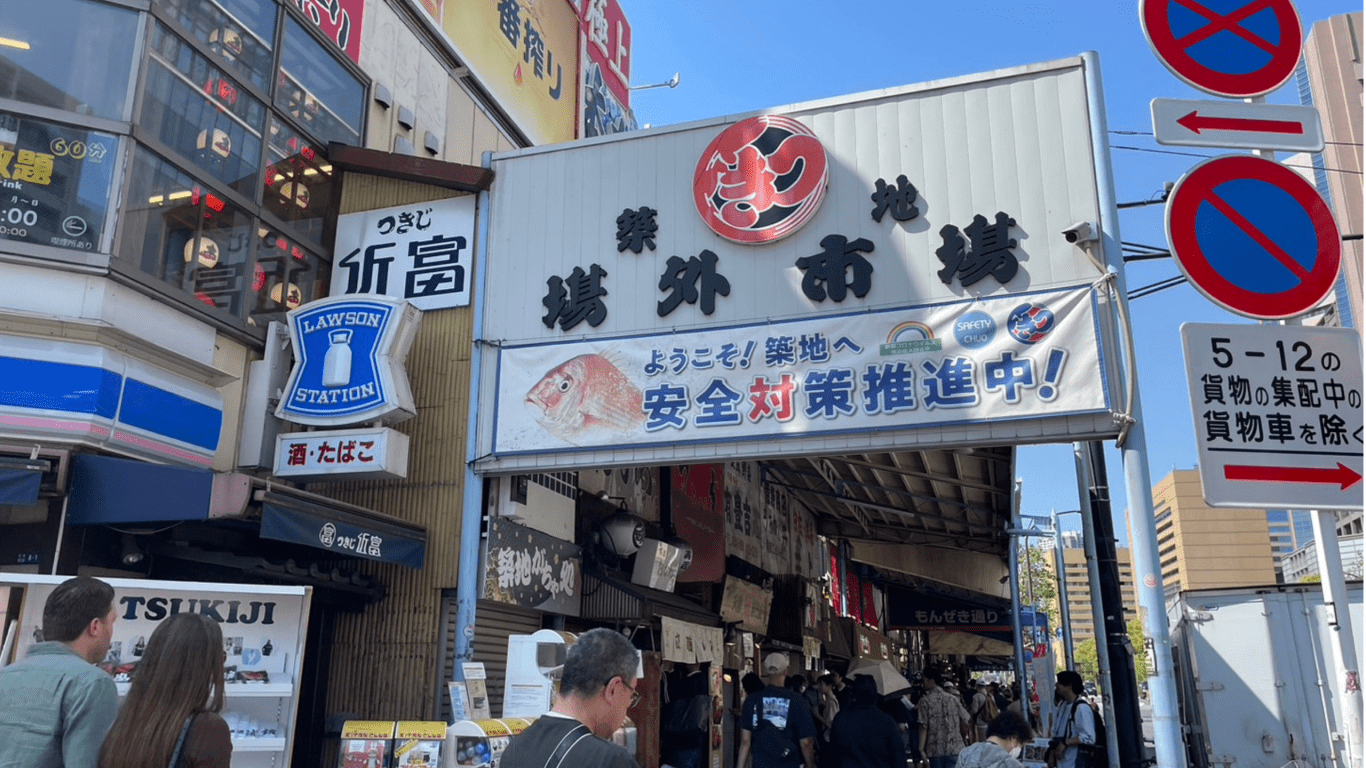
Table of Contents
- Overview of Tsukiji
- History of Tsukiji
- Must-Visit Shops in Tsukiji
- Events and Festivals in Tsukiji
- Access to Tsukiji
Introduction
Tsukiji is an iconic district of Tokyo known for its long history and vibrant food culture. Once home to the world’s largest fish market, the area still retains much of that legacy today.
This article introduces the charm of Tsukiji across five sections. First, “Overview of Tsukiji” covers the geographic location and historical background. Next, “History of Tsukiji” traces the evolution from the founding of Tsukiji Market to the present day. “Must-Visit Shops in Tsukiji” highlights representative stores and their specialties. “Events and Festivals in Tsukiji” introduces major local events and festivals, exploring Tsukiji’s cultural side. Finally, “Access to Tsukiji” explains transportation options and convenient ways to get there. We hope this article helps you understand Tsukiji’s deep history and rich food culture, and serves as a useful guide for your visit.
Overview of Tsukiji
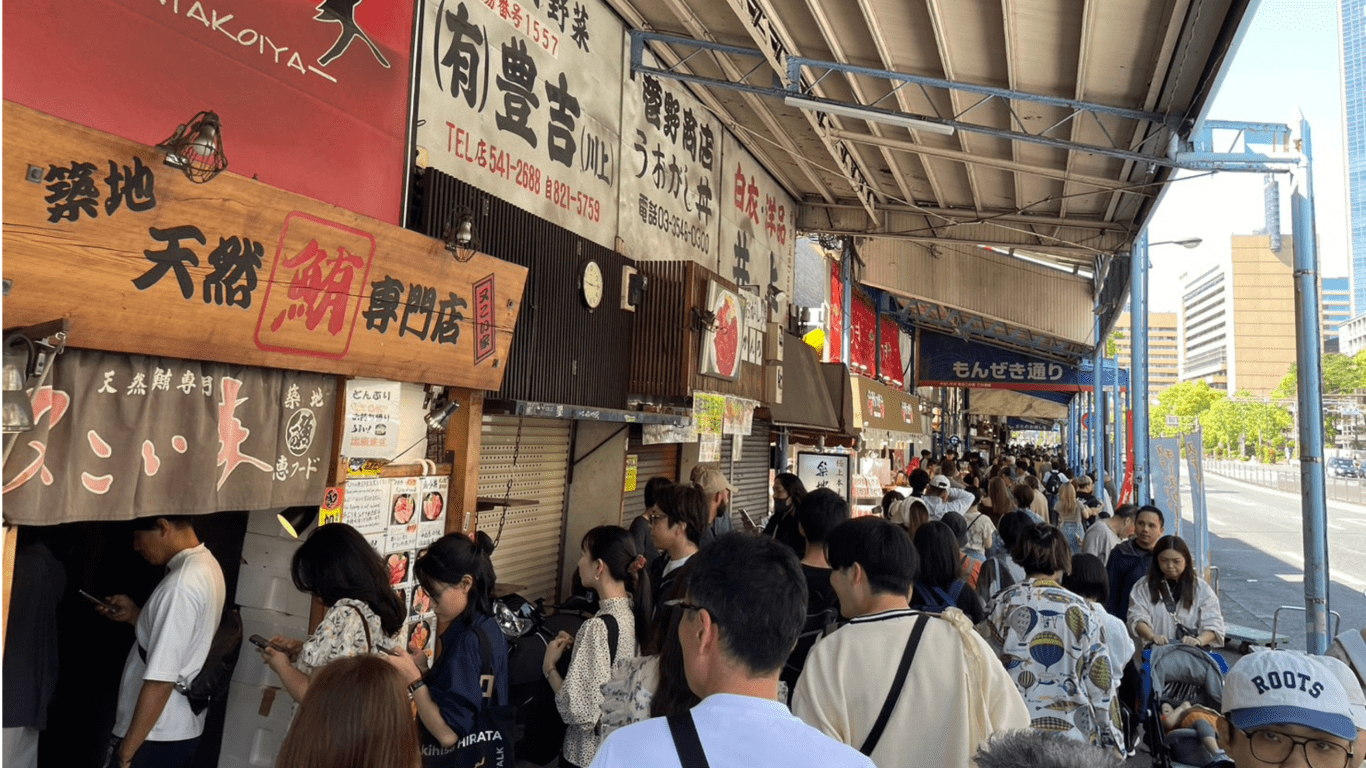
Tsukiji is a district located in Chuo Ward, Tokyo, attracting attention both domestically and internationally for its market and food culture. Once known as “Tokyo’s Kitchen” when it housed the Tsukiji Market, it served a vital role as a supply hub for fresh seafood and ingredients. Although Tsukiji Market relocated to Toyosu Market in 2018, the Tsukiji Outer Market and surrounding restaurants continue to attract throngs of visitors.
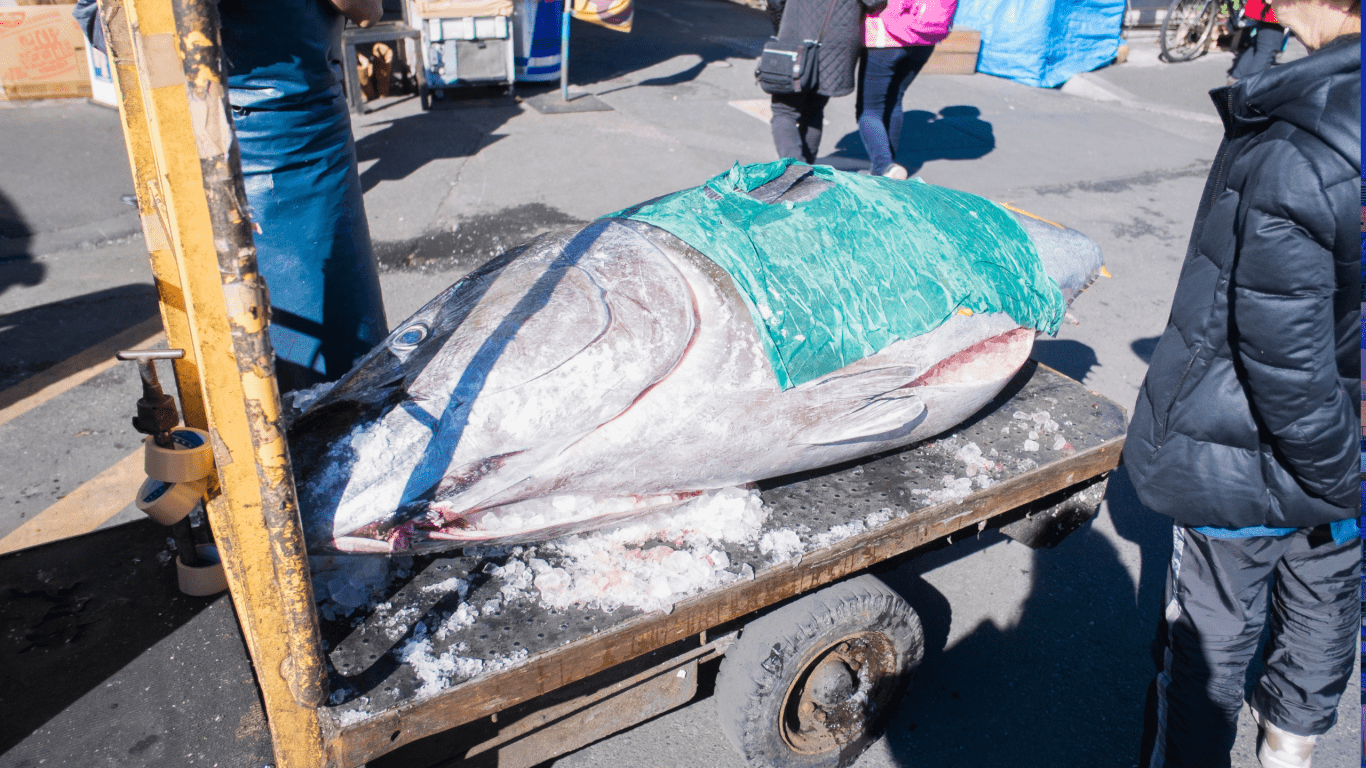
The name Tsukiji originates from the area being reclaimed land during the Edo period. After the Great Fire of Meireki in 1657, Tsukiji was developed as a replacement site for Nishi-Honganji Temple (now Tsukiji Honganji), which had been located south of Asakusa-gomon Gate. Subsequently, many merchants and artisans gathered here, and Tsukiji developed into one of the economic and cultural centers of Edo (old Tokyo).
Today, Tsukiji is not just a gourmet destination but also home to many cultural landmarks. Historical buildings such as Tsukiji Honganji Temple and its gardens remain, serving as highlights for visitors.
History of Tsukiji
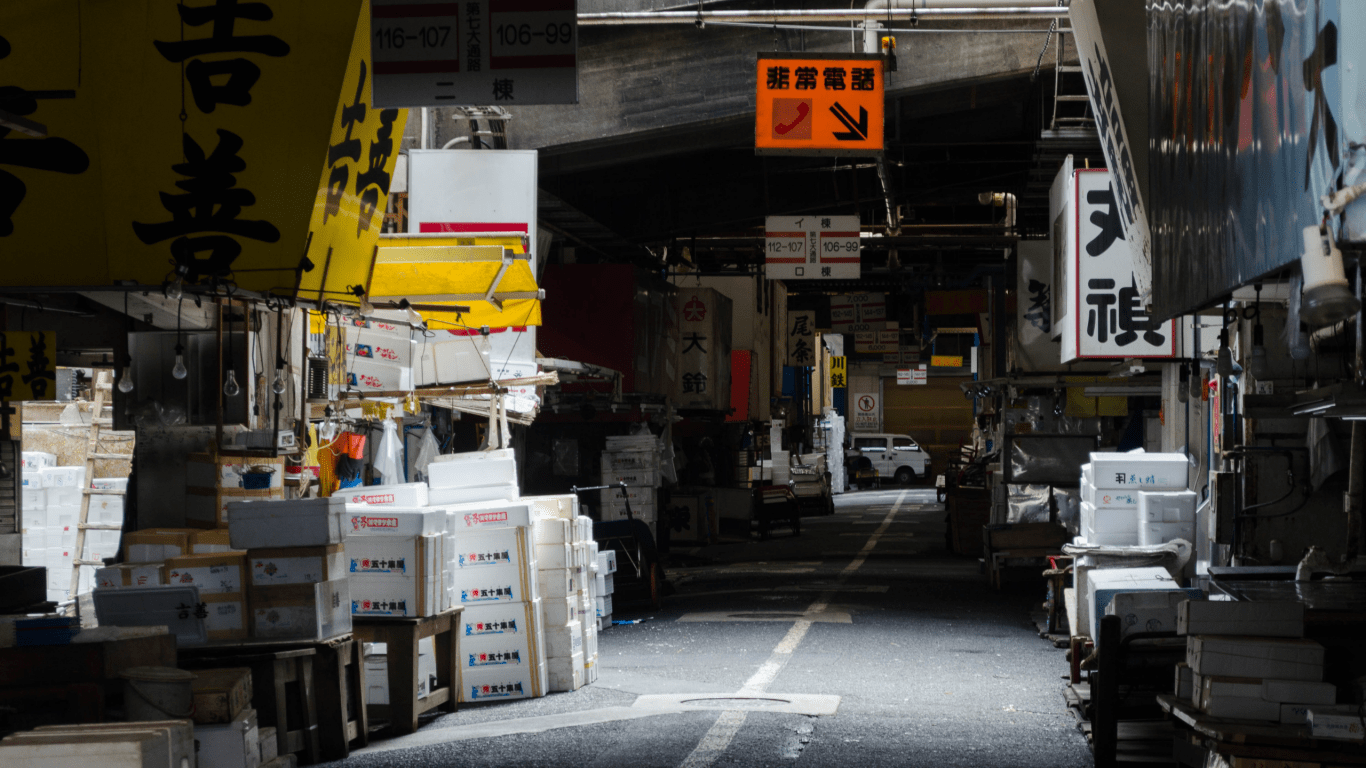
As the name suggests (“tsukiji” means “built land”), the history of Tsukiji begins with reclaimed land from the Edo period. After the Great Fire of Meireki in 1657, this area was chosen as a replacement site for the destroyed Nishi-Honganji Temple and was reclaimed by residents of Tsukudajima. Subsequently, Tsukiji became a commercially important area as Edo and Tokyo developed, attracting numerous merchants and artisans.

Particularly noteworthy is Tsukiji Market, which opened in 1935. Established as part of the Tokyo Central Wholesale Market, it became a source of fresh seafood and agricultural products, and attracted attention both nationally and internationally as a center of food culture. After 83 years of history, Tsukiji Market relocated to Toyosu Market in 2018, but its historical value and cultural influence remain undiminished.
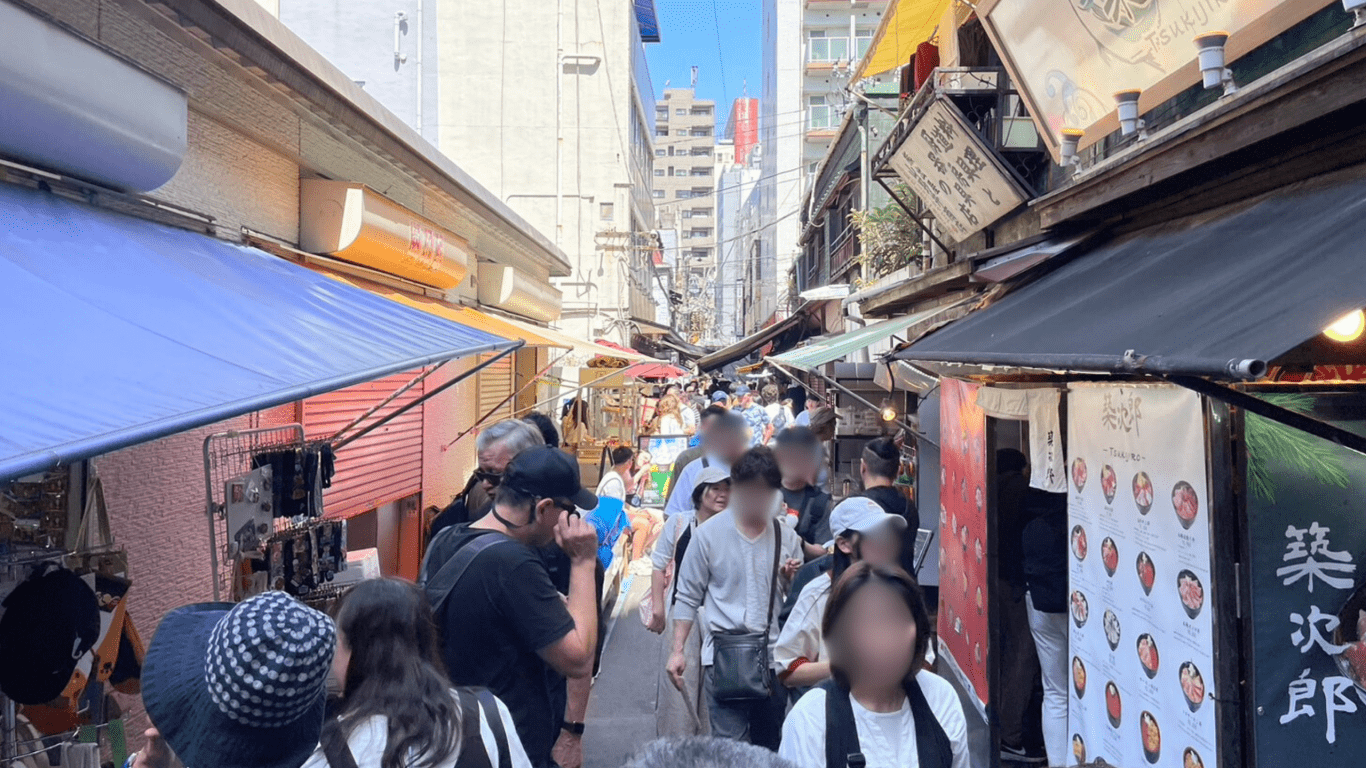
Tsukiji Honganji Temple has also played a significant role in the history of this area. The temple is known as a beautiful example of Japanese architecture and attracts many visitors. Tsukiji, through not just its market but also its historic buildings and cultural events, remains a beloved and fascinating district.
Must-Visit Shops in Tsukiji
■ Tsukiji Saito Suisan

A long-established shop in Tsukiji Market offering fresh seafood. Their star product is “fresh oysters,” carefully selected and prized for their freshness. Beyond oysters, you can enjoy a variety of seasonal ocean delicacies.
■ Suga Shoten
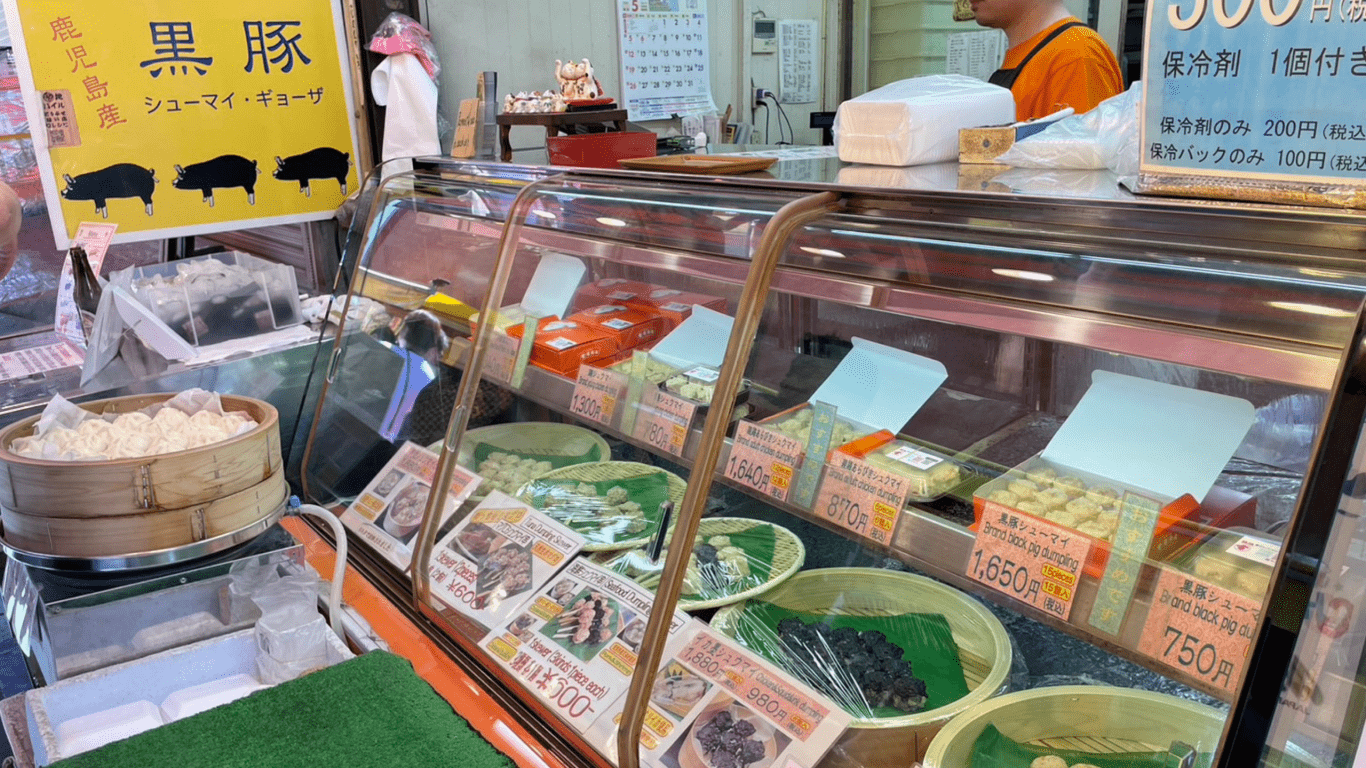
Suga Shoten is a popular dim sum specialty shop located in the Tsukiji Outer Market, particularly known for its “Kurobuta Shumai” (black pork dumplings) and “Petit Nikuman” (mini pork buns). Their kurobuta shumai uses Kagoshima black pork, known for its sweet and savory richness. The petit nikuman are the perfect bite-size for snacking while exploring, with fluffy wrapping and a rich, flavorful filling.
The shop is a 5-minute walk from Tsukiji Station on the Tokyo Metro Hibiya Line. Business hours are from 6:00 AM to 3:00 PM, and it is closed on Sundays and holidays. All items on the menu are priced under 999 yen, making it very affordable.
■ Marutake
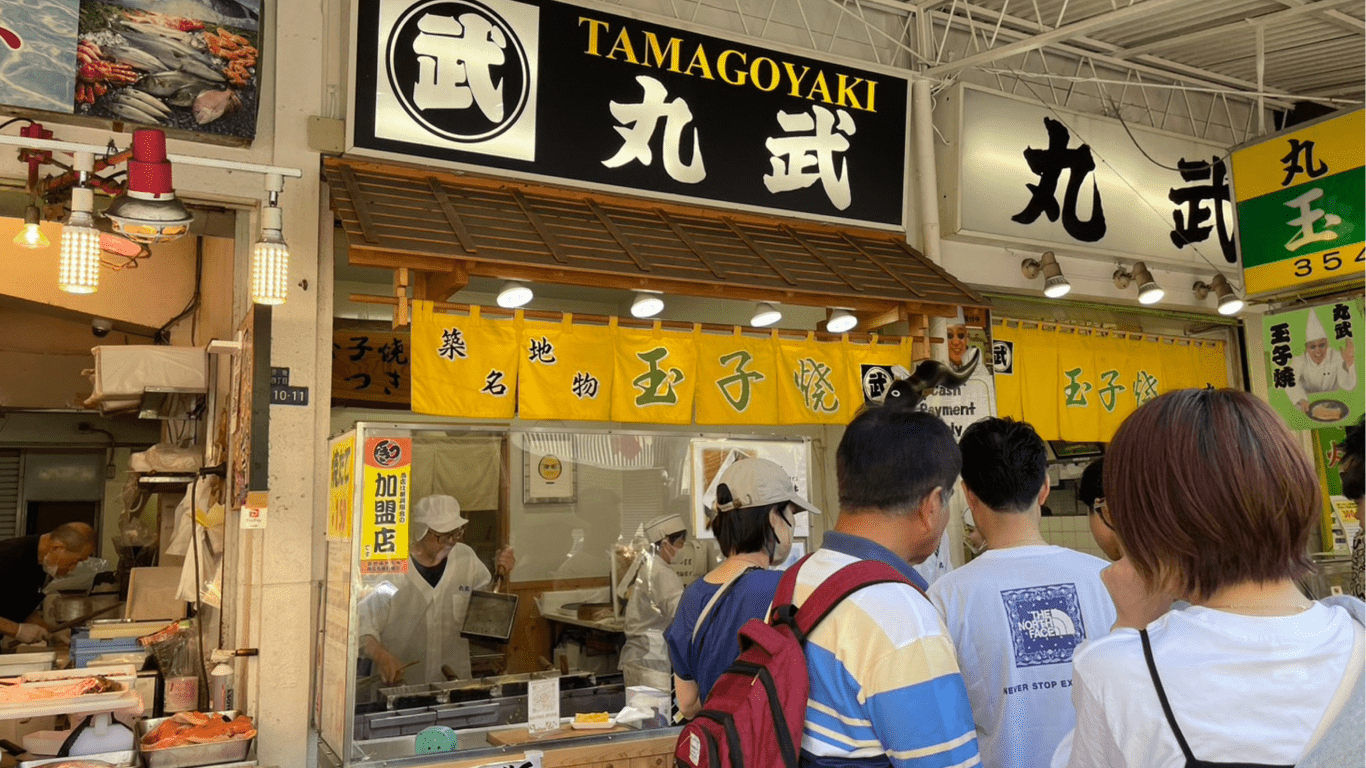

Marutake is a Tsukiji thick-rolled egg (atsuyaki tamago) specialty shop founded in the late Taisho era. When Tsukiji Market relocated to Toyosu, they opened a new storefront. Mitsuo Ito serves as the third-generation proprietor, and his younger brother is the famous television personality and director Terry Ito. Marutake is committed to traditional methods, using fresh domestic eggs to prepare their egg rolls.
Their standout item is the “Ebitama (Medium),” which features boiled sakura shrimp and mitsuba herb, offering a fluffy texture and gentle sweetness. The flavor of sakura shrimp pairs exquisitely with the fragrance of mitsuba, making it a beloved favorite. While their classic plain tamago-yaki is also popular, the ebitama is a must-try when visiting Tsukiji.
■ Yoshizawa Shoten Tsukiji Processing Center
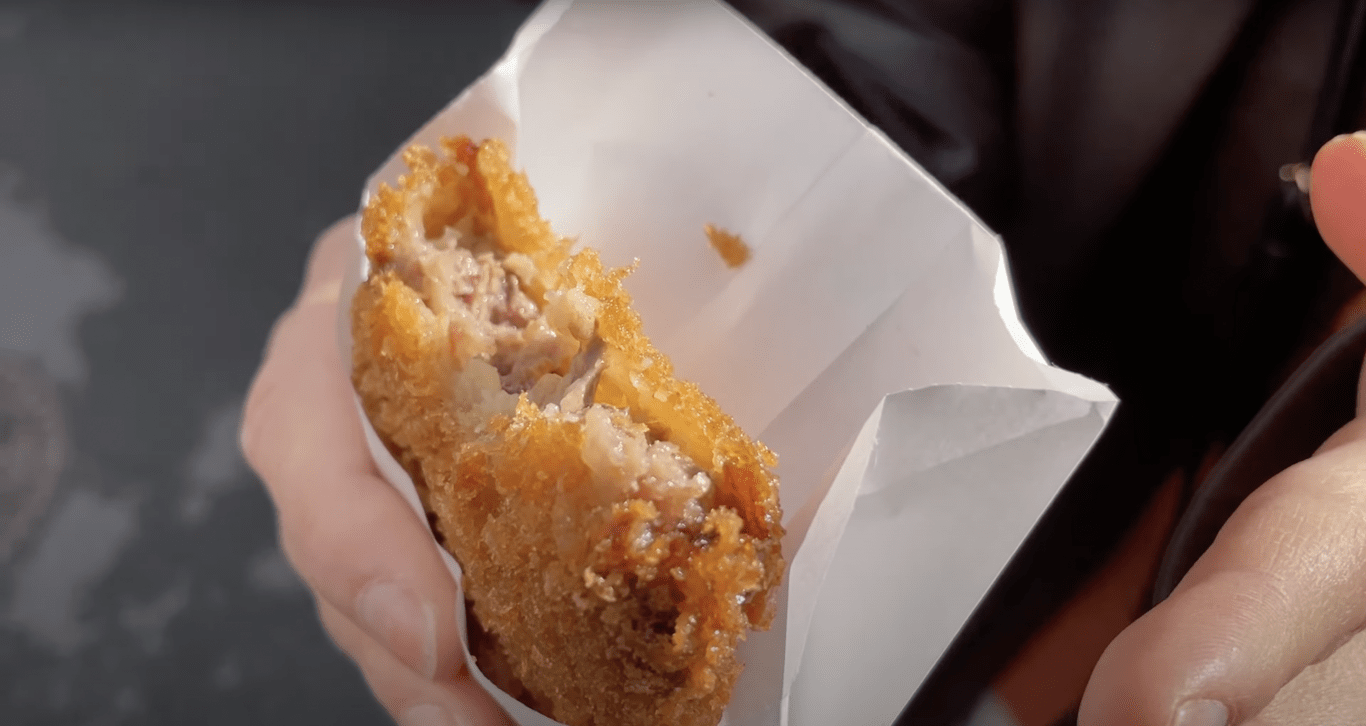
Yoshizawa Shoten is known as a meat products shop at the Tsukiji Processing Center, particularly famous for their “Kuroge Wagyu Croquette” (Japanese black beef croquette). Juicy and richly flavored, this is a must-try when visiting Tsukiji. The shop is located in Tsukiji, Chuo Ward, Tokyo, just a 4-minute walk from Tsukiji-shijo Station. Parking is available nearby, but note that the shop is closed on Thursdays.
The Kuroge Wagyu croquette is offered at a very affordable 150 yen, making it a popular street food spot in the Tsukiji Market area. There are many other gourmet spots for food-walking around the market, so you can enjoy a variety of flavors during your visit.
■ Marutama Suisan
Marutama Suisan specializes in satsuma-age (fried fish cake) and other processed seafood products, with their “squid and octopus” and “shrimp and onion” satsuma-age being particularly popular. These are served freshly fried on the spot, offering visitors a deliciously fresh taste. The squid and octopus version delivers an ocean-fresh flavor, while the shrimp and onion variety offers a delightful combination of shrimp sweetness and crispy onion texture.
■ Maguroya Kurogin Tsukiji Main Branch
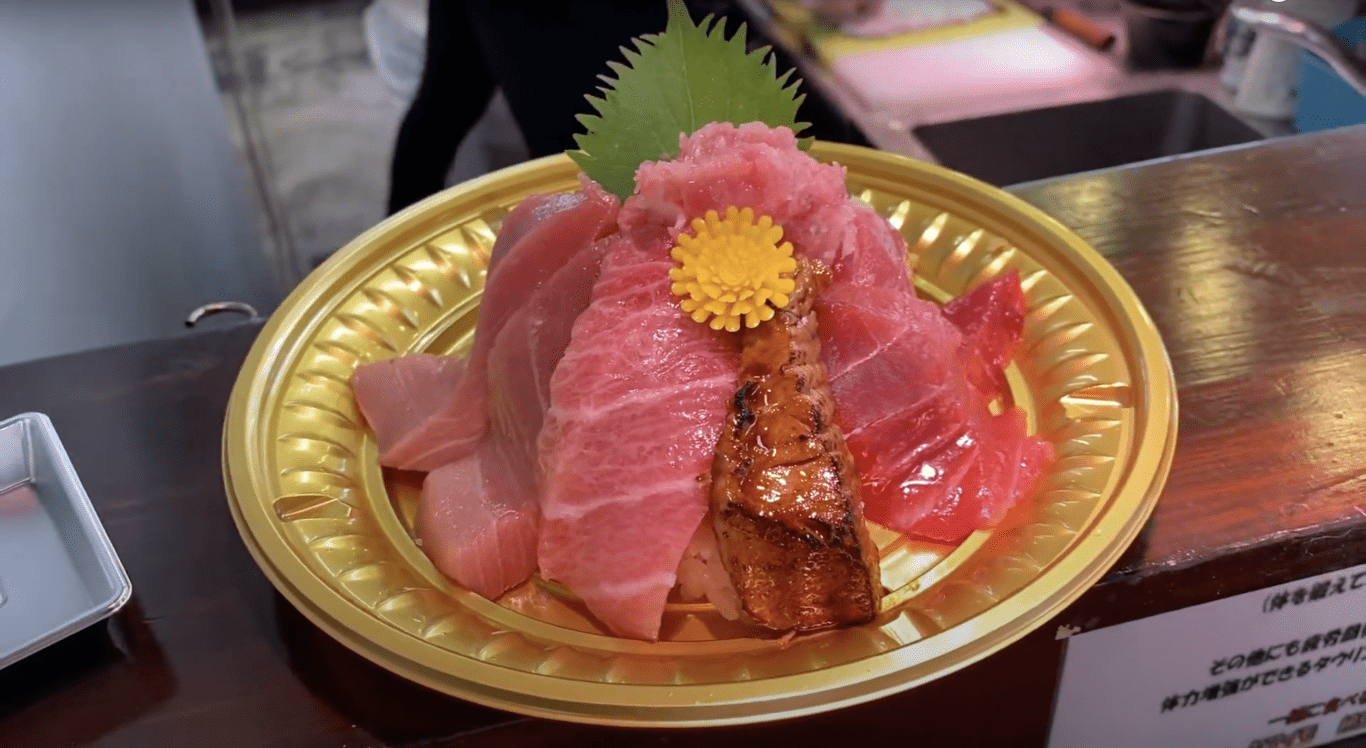
Maguroya Kurogin Tsukiji Main Branch is located in Tsukiji Market and is known for offering fresh tuna at reasonable prices. You can enjoy tuna sashimi, sushi, and rice bowls prepared right before your eyes. They handle tuna from various regions, including premium hon-maguro (bluefin tuna) from Oma, and their hallmark is exceptional freshness.
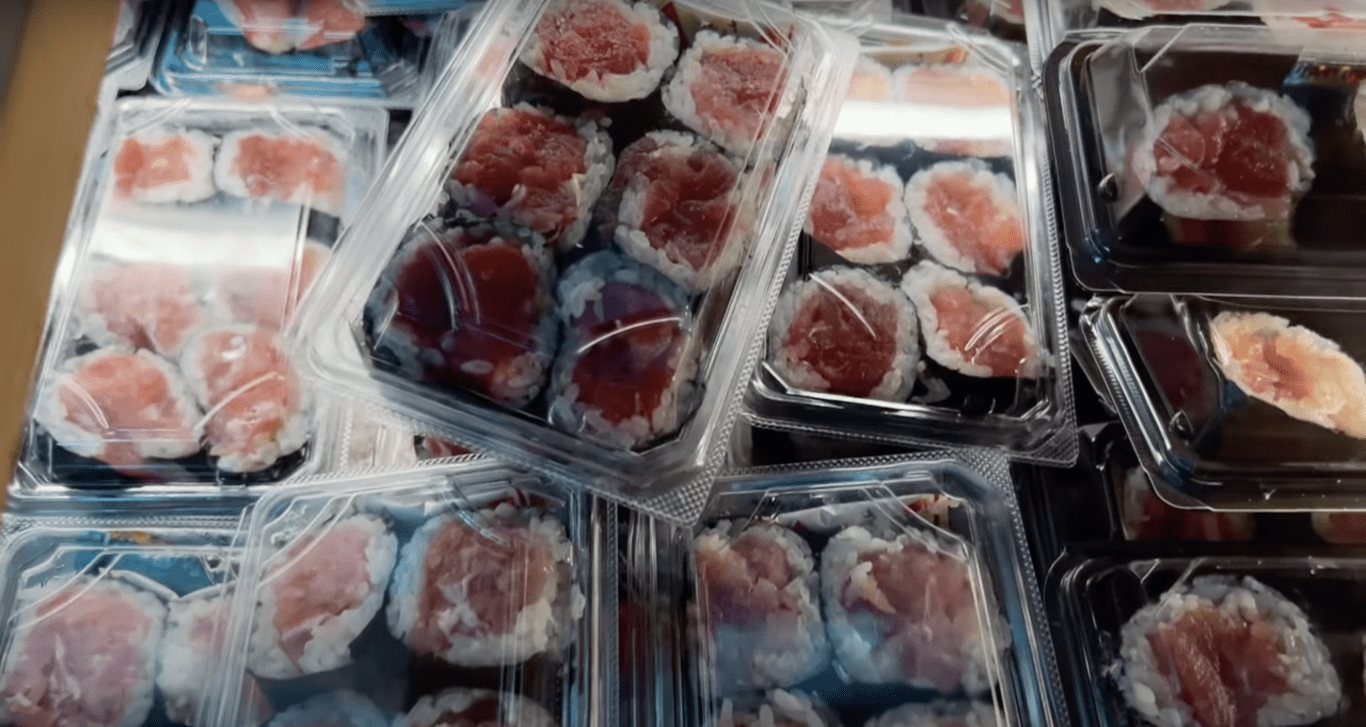
At the shop, you can savor different cuts of tuna including lean sushi and sashimi platters. Their signature “Maguro Roll” — a sushi roll generously filled with tuna — is beloved by many visitors. Other options include three-color rice bowls and otoro (fatty tuna) bowls, with every item on the menu delivering the rich umami of the fish.
One of the greatest charms of Maguroya Kurogin is being able to watch the tuna being prepared right before your eyes while dining in the lively atmosphere of Tsukiji Market.
■ Tsukiji Unagi Shokudo

Tsukiji Unagi Shokudo is a popular eatery where you can casually enjoy eel in the Tsukiji Market area. Their affordable “unagi skewers” are especially famous, with the enticing aroma of kabayaki sauce drawing in many visitors. Starting from just 200 yen per skewer, the eel skewers are perfect for eating while strolling. Inside the restaurant, you can also enjoy various eel dishes including kabayaki (grilled with sweet sauce) and shirayaki (plain grilled), savoring the traditional flavors.
■ Onigiri-ya Maruho
Onigiri-ya Maruho is a rice ball specialty shop in Tsukiji Market, known for using locally sourced ingredients such as grilled mackerel and salmon belly. Each onigiri is generously large and known for being satisfying. The shop display features over 40 varieties, including unique options like grilled cheese. They are praised for being delicious both freshly made and warm, as well as at room temperature, making them ideal for takeaway.
Events and Festivals in Tsukiji
Here are some of the major festivals and events held in and around Tsukiji.
■ Tsukiji Outer Market Spring Festival
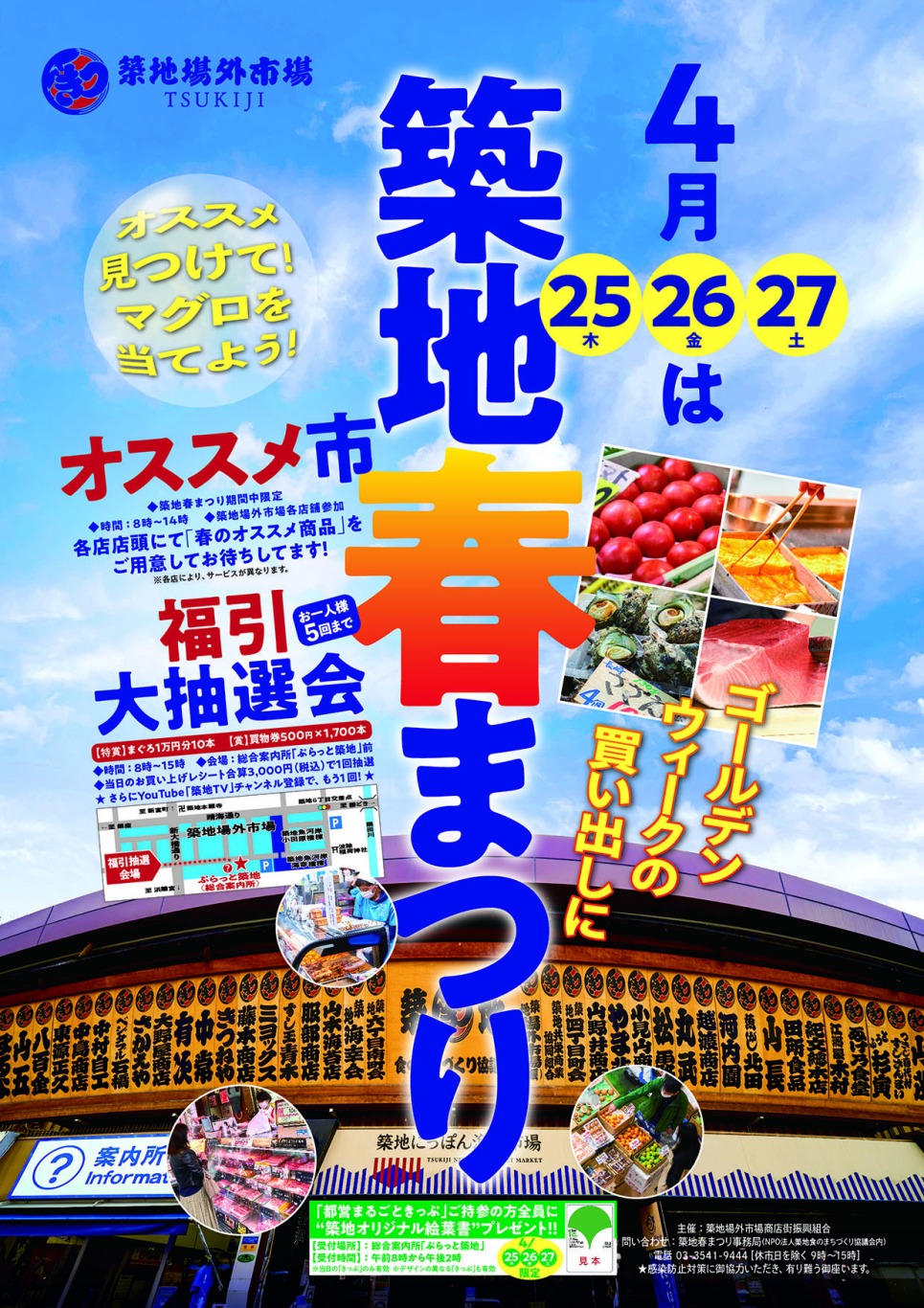
The Tsukiji Outer Market Spring Festival is an annual spring event known for offering local ingredients and fresh seafood at special prices. The festival features the “Hanne-ichi” (Half-Price Market), where approximately 300 shops in the Tsukiji Outer Market participate and sell their finest products at half price. Fresh seafood, vegetables, dried goods, processed foods, and daily necessities are all available at bargain prices.
This event draws large crowds every year, and popular items sell out quickly, so it is recommended to gather information in advance and plan your visit accordingly.
■ Tsukiji Honganji Hana Matsuri (Flower Festival)

The Tsukiji Honganji Hana Matsuri is a festival celebrating the birth of Buddha, held annually in April. The festival features a children’s procession (chigo gyoretsu) and the serving of amacha (sweet tea), providing visitors with a special opportunity to experience traditional Japanese culture. In the children’s procession, youngsters don Heian-period costumes and parade through the streets pulling a flower-adorned palanquin. The amacha, brewed from the leaves of a hydrangea variety, is poured over a small Buddha statue and symbolizes the sweet rain said to have fallen at the time of Buddha’s birth.
Through this Hana Matsuri, Tsukiji Honganji celebrates Buddha’s birthday with wishes for good health and growth for all participants. Food stalls are also set up during the festival, offering various food and drinks that are enjoyed by tourists and locals alike.
Access to Tsukiji
Located in central Tokyo, Tsukiji is easily accessible by various public transportation options.
■ By Train
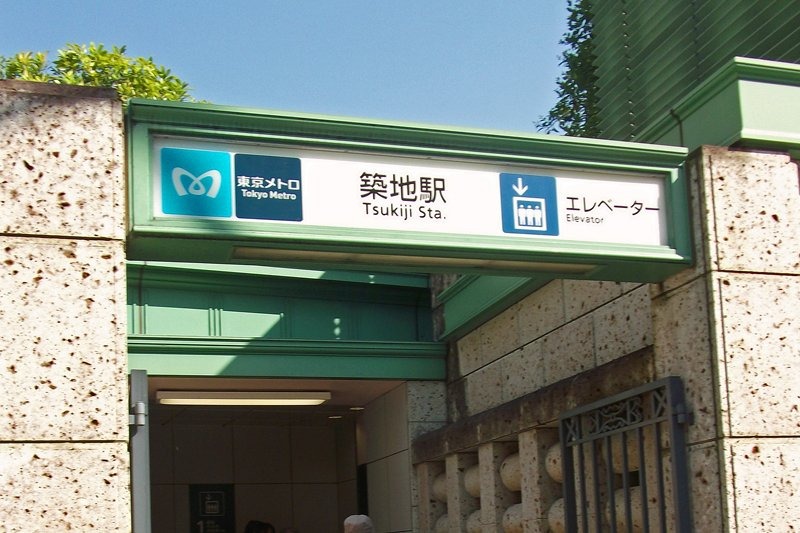
The most convenient way to reach Tsukiji is by train. The nearest station is Tsukiji Station on the Tokyo Metro Hibiya Line, just about a 5-minute walk away. Tsukiji-shijo Station on the Toei Oedo Line is also about a 5-minute walk, making Tsukiji accessible from multiple lines.
■ By Car
Visiting by car is also possible, but since the Tsukiji area tends to be congested, using public transportation is recommended. If you do drive, parking at nearby coin-operated lots is common, but expect heavy traffic especially on weekends and during festivals, so it is advisable to allow extra time.
■ Other Information
For bicycles and motorbikes, there are parking areas nearby, though they can get quite crowded, so please be aware. Also, the Tsukiji area is often designated as a pedestrian zone, which is worth considering when planning your visit.
Summary
Tsukiji is an iconic district of Tokyo with a long history and rich food culture. Once home to the world’s largest fish market, it continues to attract tourists and food enthusiasts alike.
Even after the market’s relocation, the Tsukiji Outer Market and surrounding restaurants have not lost their vibrancy, continuing to offer fresh ingredients and traditional food experiences to all who visit. A trip to Tsukiji promises a precious experience where Tokyo’s history and modernity intersect.