
🕓 2025/1/7
#Gourmet
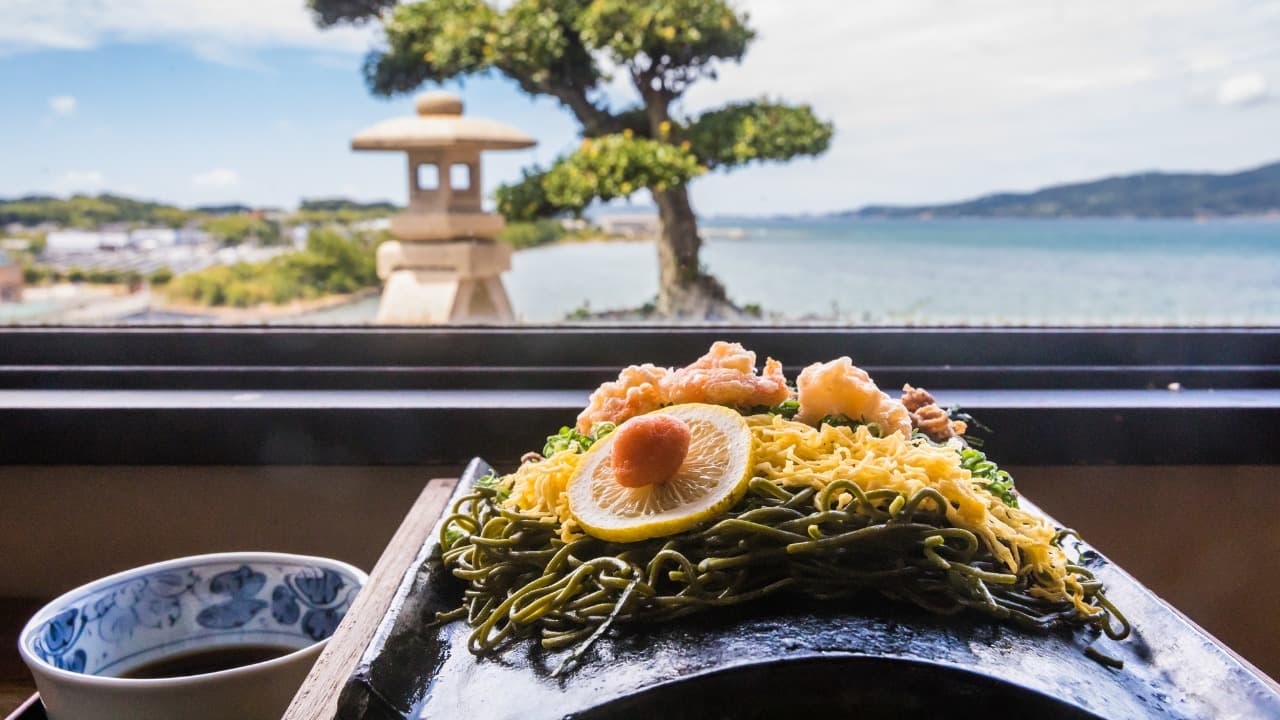
Table of Contents
Yamaguchi Prefecture Gourmet Guide
Yamaguchi Prefecture is a region blessed with rich natural surroundings and beautiful scenery. Fresh ingredients sourced from the Seto Inland Sea, the Sea of Japan, and the Chugoku Mountains have fostered a unique food culture. Thanks to its mild climate and the bounty of both sea and mountains, visitors can enjoy a diverse range of gourmet dishes centered on seafood and mountain delicacies.
In particular, “Kawara Soba,” “Tako Soba,” and “Ube Ramen” are popular dishes that represent Yamaguchi Prefecture’s cuisine. When visiting Yamaguchi, be sure to savor these dishes and experience the region’s distinctive food culture.
Top 3 Gourmet Picks in Yamaguchi
Kawara Soba
● The Appeal of Kawara Soba
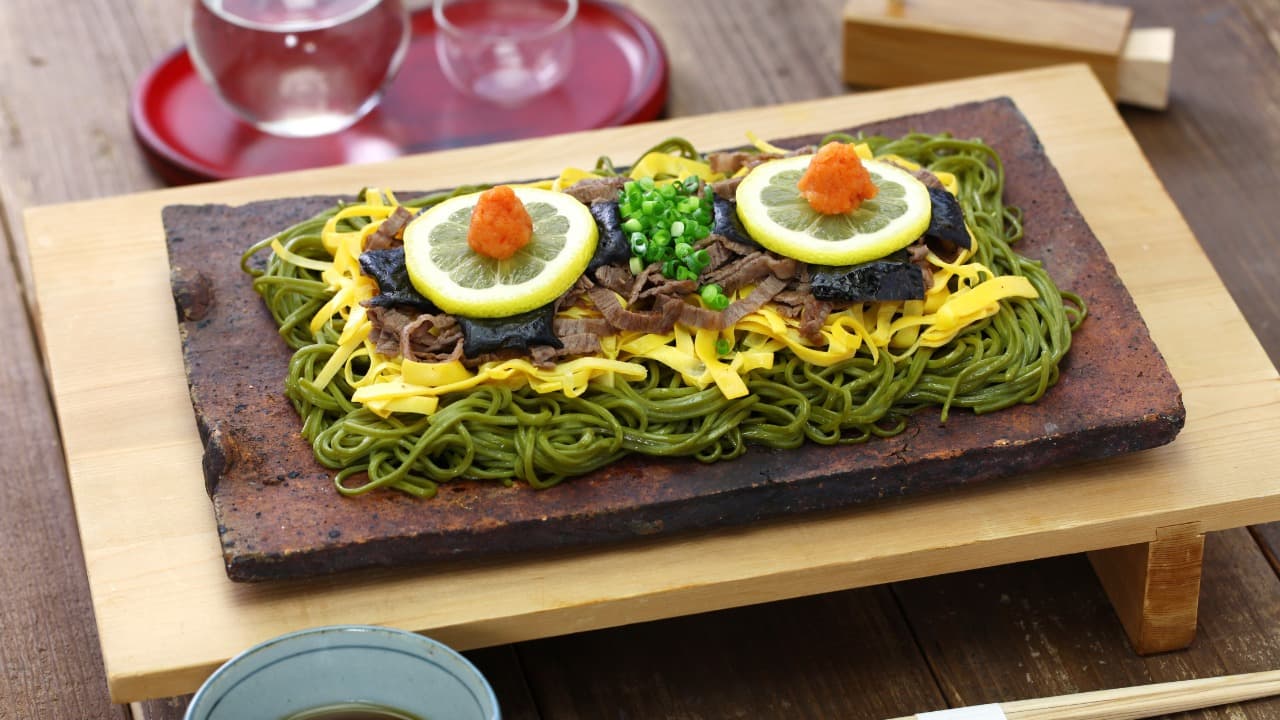
Kawara Soba is a local specialty originating from Toyoura-cho (formerly Kawatana-cho, Toyoura-gun) in Shimonoseki City, Yamaguchi Prefecture. As the name suggests, it features a unique cooking method where green tea soba noodles and toppings are placed on a heated roof tile (kawara) and grilled. The sight of noodles sizzling on a piping-hot tile is a visual delight, and the crispy texture of the grilled noodles combined with the refreshing aroma of green tea makes for an irresistible dish.
Sweet and savory beef, shredded egg crepe, lemon, and grated daikon with chili pepper add variety, and the fact that each household and restaurant has its own variation makes this dish even more fascinating. The idea of cooking on a roof tile is connected to a historical episode, making it a dish that evokes the region’s traditional culture.
● The History of Kawara Soba
The origins of Kawara Soba are said to date back to the Meiji Restoration period, based on an anecdote about Satsuma clan samurai who cooked their meals on roof tiles during the Seinan War (Satsuma Rebellion). The story goes that soldiers grilled leftover ingredients on heated tiles in the field, and years later, this episode inspired the creation of the dish.
The dish as we know it today – served under the name “Kawara Soba” – was actually conceived at a ryokan in Kawatana Onsen, Toyoura-cho, Yamaguchi Prefecture, around the mid-Showa period.
● Where to Try Kawara Soba!
- Restaurant: Ganso Kawara Soba Takase
- Highlights:
Located in Kawatana Onsen, Shimonoseki City, Yamaguchi Prefecture, this restaurant is known as the birthplace of Kawara Soba. Its appeal lies in its unique cooking method, historical atmosphere, commitment to local ingredients, and diverse restaurant locations.
In 1961, Shinichi Takase, who was running a ryokan at the time, was inspired by the story of soldiers using roof tiles to cook during the Seinan War, and created “Kawara Soba” – grilling green tea soba on a heated roof tile. This distinctive cooking method produces a fragrant, crispy texture in the noodles, offering a flavor unlike anything else. - Access: 20-minute walk from Kawatana Onsen Station
- Address: 5437 Oaza Kawatana-cho, Toyoura-cho, Shimonoseki City, Yamaguchi
- Google Maps: https://maps.app.goo.gl/vbXQEXMMFx7HFNf77
Tako Soba
Source: Tabelog
● The Appeal of Tako Soba
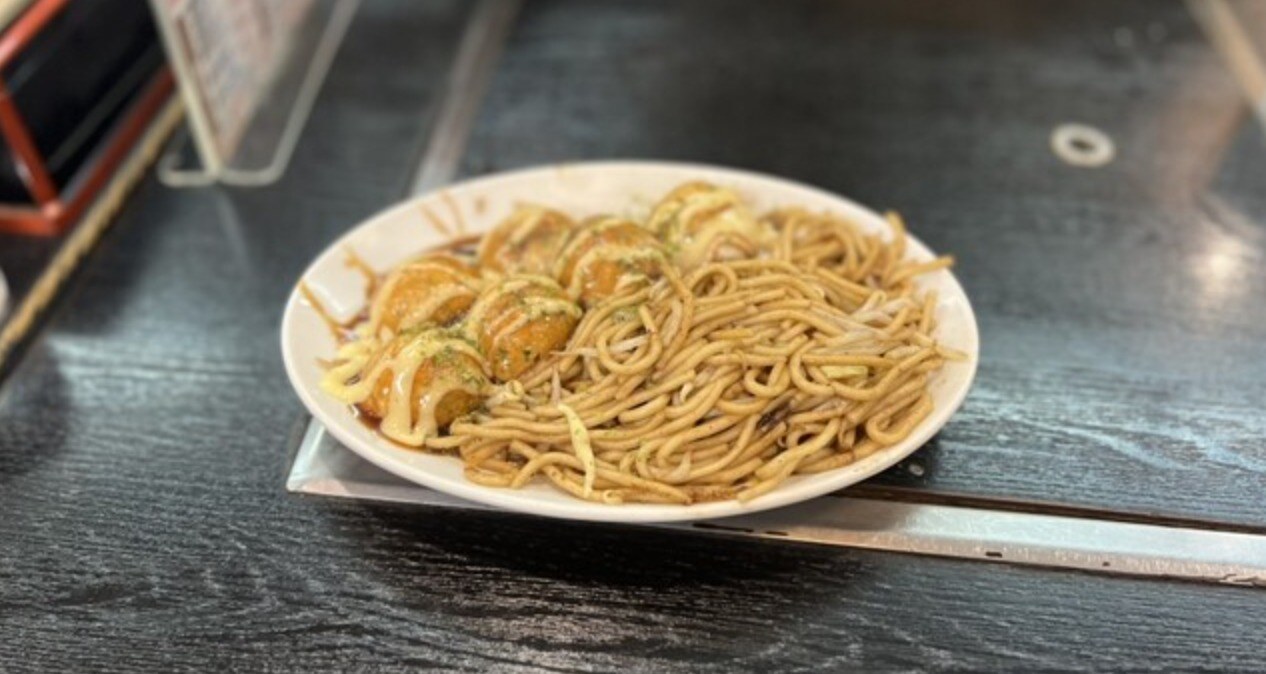
Yamaguchi Prefecture’s “Tako Soba” is a unique local specialty that combines fresh octopus – a regional delicacy – with yakisoba noodles. Born primarily in the Shimonoseki area, where the fishing industry thrives, this dish has gained popularity as a creative way to feature local ingredients. It pairs boiled octopus or octopus tempura with noodles, allowing you to fully savor the flavors of the sea. The dish is beloved by locals and tourists alike for its use of freshly caught local octopus.
From warm soba noodles in an octopus-flavored broth to refreshing cold soba popular in summer, there are seasonal ways to enjoy this dish.
● The History of Tako Soba
In Yamaguchi Prefecture, seafood and noodle dishes have long been established as part of the regional food culture. Octopus in particular has been cherished by locals as a fresh ingredient caught in the Seto Inland Sea. Tako Soba was born from the combination of this locally consumed octopus with the soba noodles that have been eaten in the region.
● Where to Try Tako Soba!
- Restaurant: Kameya
- Highlights:
This restaurant’s signature “Tako Soba” is a unique dish that combines takoyaki (octopus balls) with yakisoba, featuring a sweet sauce and spicy mayonnaise that intertwine perfectly, with a pleasantly piquant adult flavor in the finish. The fluffy takoyaki paired with sauce-coated yakisoba noodles has won over many repeat customers.
The interior has a homey atmosphere, and watching the staff prepare dishes at lightning speed on the large iron griddle is a show in itself. Its convenient location just a 3-minute walk from Shimonoseki Station makes it easy to stop by while shopping or sightseeing. - Address: Sea Mall Shimonoseki B1F, 4-4-8 Takezaki-cho, Shimonoseki City, Yamaguchi
- Access: Approx. 3-minute walk from JR Shimonoseki Station East Exit
- Google Maps: https://maps.app.goo.gl/BFqiggae25PptsK76
Ube Ramen
Source: Ikkyu Official Website
● The Appeal of Ube Ramen
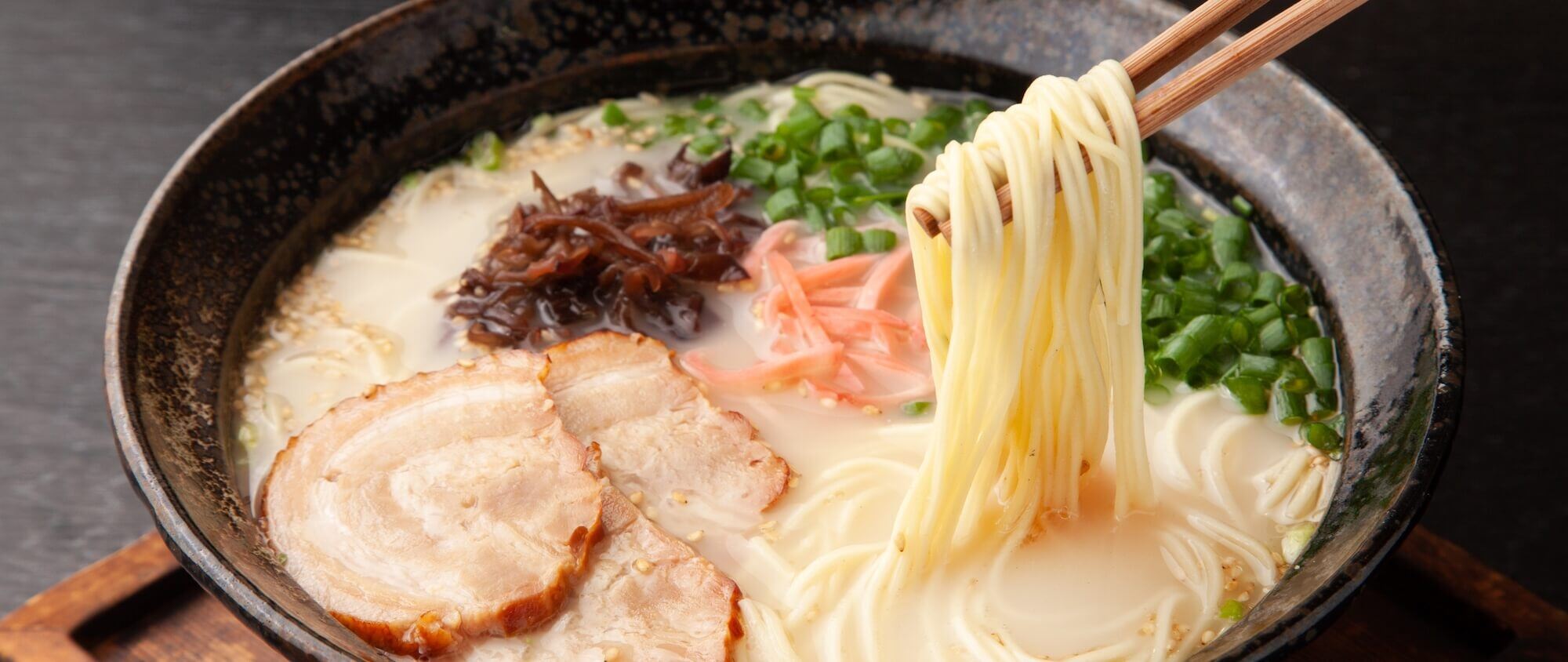
Ube Ramen is a regional ramen style centered around Ube City in Yamaguchi Prefecture, characterized by its rich tonkotsu (pork bone) broth and medium-thick, soft noodles. The soup, with its deep flavor and murky brown appearance created by long-simmering pork bones, is visually striking and appetizingly aromatic. This flavor, sometimes described as “kusa-uma” (stinky but delicious), maximizes the distinctive aroma and umami of pork bones.
The medium-thick noodles have a chewy, springy texture and cling to the rich broth perfectly. These noodles hold their own against the intense soup, delivering satisfaction right down to the last bite. Toppings of chashu pork, green onions, bamboo shoots, and pickled ginger add color and flavorful accents to the bowl.
● The History of Ube Ramen
The origins of Ube Ramen trace back to 1949, when Ichiro Ikada founded “Osaka-ya” in Ube City. He had trained in ramen making in Kurume City, Fukuoka Prefecture, and brought those techniques back to Ube. As a result, Ube Ramen evolved into its own unique style while being influenced by Kurume ramen.
For locals, it is an everyday comfort food, while for tourists, it holds a special place as “the taste of Ube City.” Local restaurants continue to preserve the traditional flavors that have endured since their founding, while incorporating modern innovations, making it a deeply rooted part of the regional food culture.
● Where to Try Ube Ramen!
- Restaurant: Ikkyu
- Highlights:
Ikkyu is a long-established ramen restaurant with over 50 years of history, headquartered in Ube City, Yamaguchi Prefecture, and boasts high name recognition among locals.
Its appeal lies in its 100% pork bone-based rich broth and firm, springy fresh thin straight noodles. Each restaurant location carefully simmers its pork bone broth, resulting in a slightly dark-colored soup infused with dissolved bone particles – a flavor that Ube residents find utterly addictive.
The menu features standard ramen, chashu-men, fried rice, gyoza, and more. Their signature “Bikkuri Ramen” (Surprise Ramen) is a popular choice featuring 1.5 times the regular amount of noodles, topped with chashu, bamboo shoots, bean sprouts, and 5 pieces of gyoza for a truly hearty meal. - Address: 1-9-14 Chuo-cho, Ube City, Yamaguchi
- Access: 157m from Ube-Shinkawa Station
- Google Maps: https://maps.app.goo.gl/W6WtXFb3rHDazR9u9