
🕓 2025/2/2
#Culture
A Detailed Guide to the History and Overview of Kimono
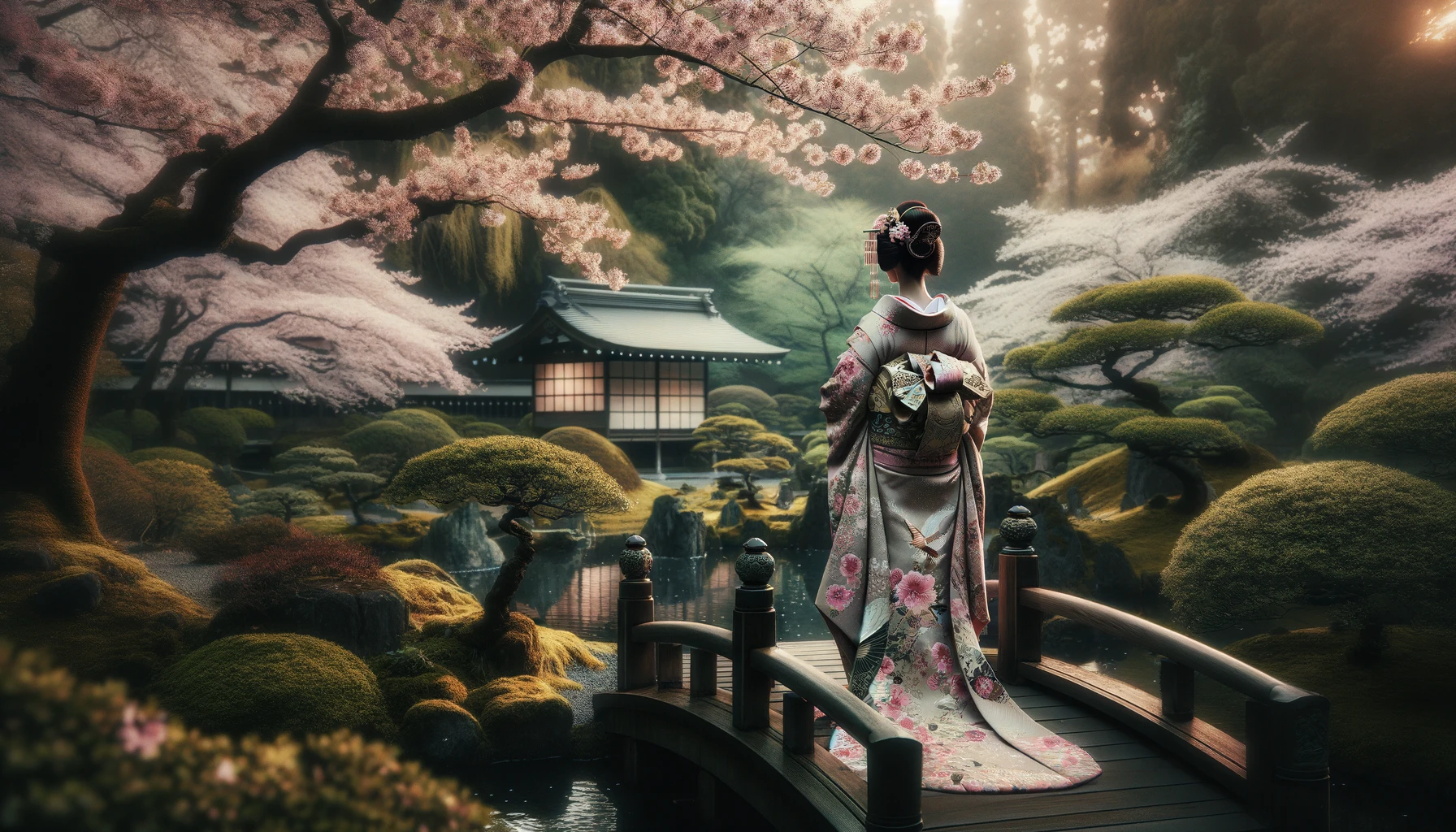
Table of Contents
- What Is Kimono?
- History of Kimono
- Types of Kimono
- How Kimono Are Made
- Where to Experience Kimono
- Conclusion
Introduction
The kimono, Japan’s traditional garment, attracts attention from around the world for its beauty, delicacy, and cultural value. As an item that symbolizes Japan’s history, culture, and art, the kimono has been passed down through the ages. In this article, we explore the boundless charm of the kimono. From its origins to its role in modern times, types and characteristics, delicate craftsmanship, and places where you can experience wearing kimono both in Japan and abroad — we delve deeply into all aspects.
By deepening your knowledge of kimono, let us embark on a journey to understand their beauty more profoundly and rediscover the allure of Japanese culture.
What Is Kimono?
The kimono is Japan’s representative traditional garment and a cultural symbol with a long history. This distinctive attire, which involves wrapping a single piece of fabric around the body, conceals a profound aesthetic sensibility and exquisite craftsmanship within its simplicity. Kimono come in various types depending on the material, color, pattern, the wearer’s age, the season, and the occasion, each expressing Japanese traditions, culture, and the beauty of the four seasons.
■ Materials and Their Characteristics:
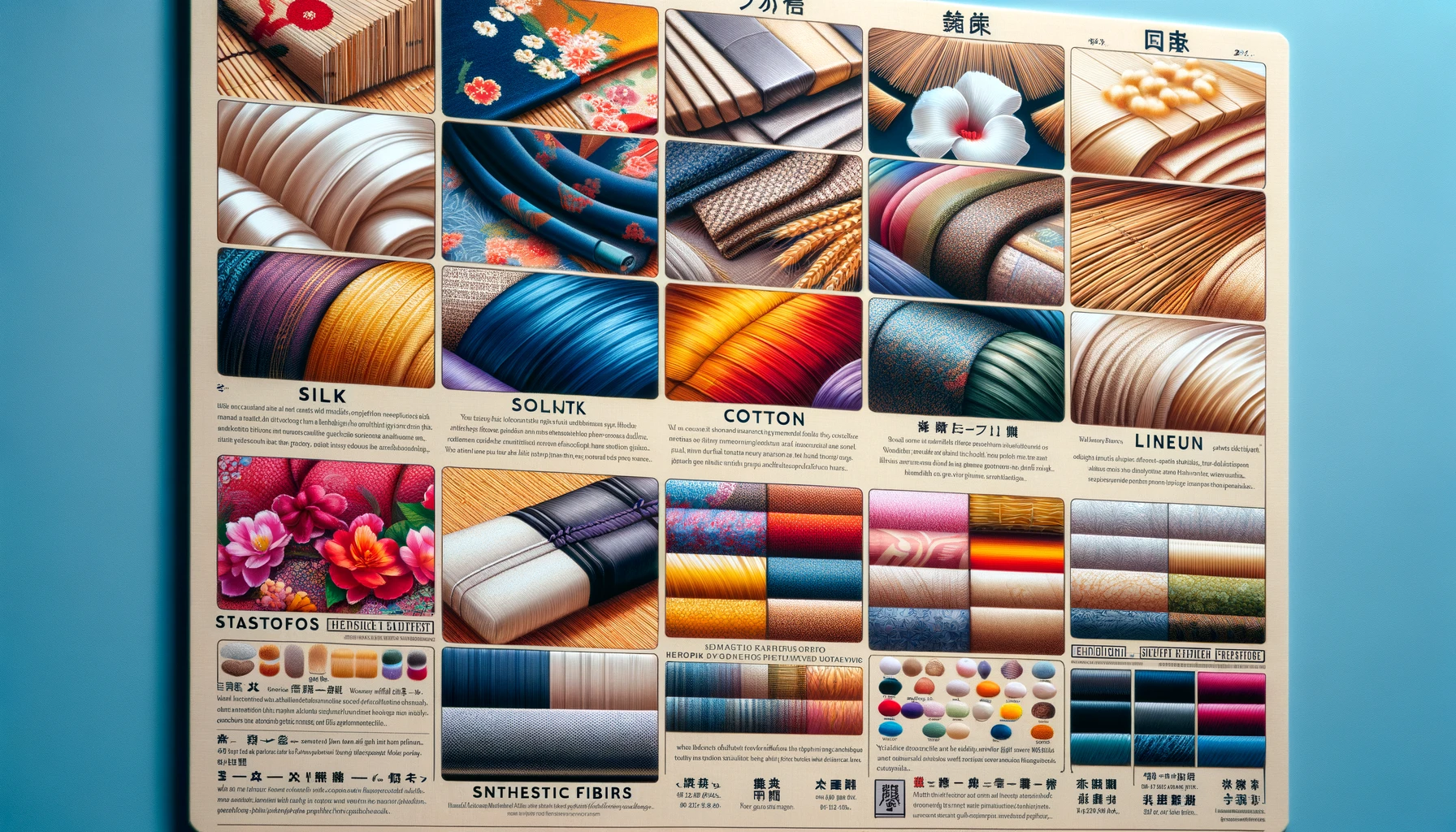
Kimono materials include silk, cotton, and linen. Silk is considered the most traditional and prestigious material, while cotton and linen are suitable for casual wear. Recently, kimono made from synthetic fibers, which are easy to care for and practical for everyday use, have also gained popularity.
■ Meaning of Colors and Patterns:
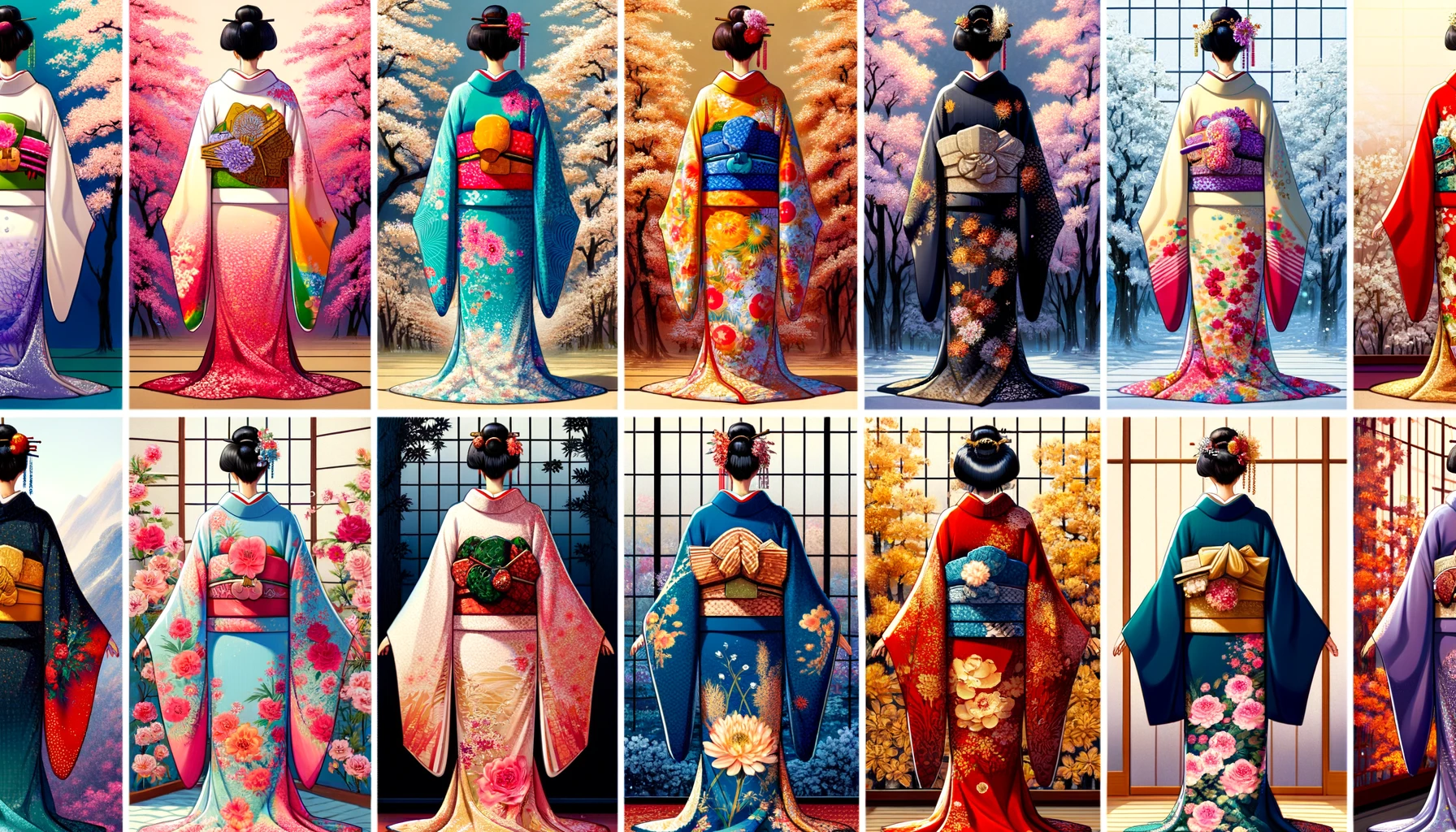
Each color and pattern on a kimono carries specific meaning and is chosen according to the season, occasion, and the wearer’s age and status. In spring, bright-colored kimono featuring cherry blossom or plum blossom motifs are preferred, while in autumn, maple leaf and chrysanthemum patterns are favored. For special occasions such as weddings, kimono with luxurious gold-painted decorations may be selected.
■ Styling Kimono:
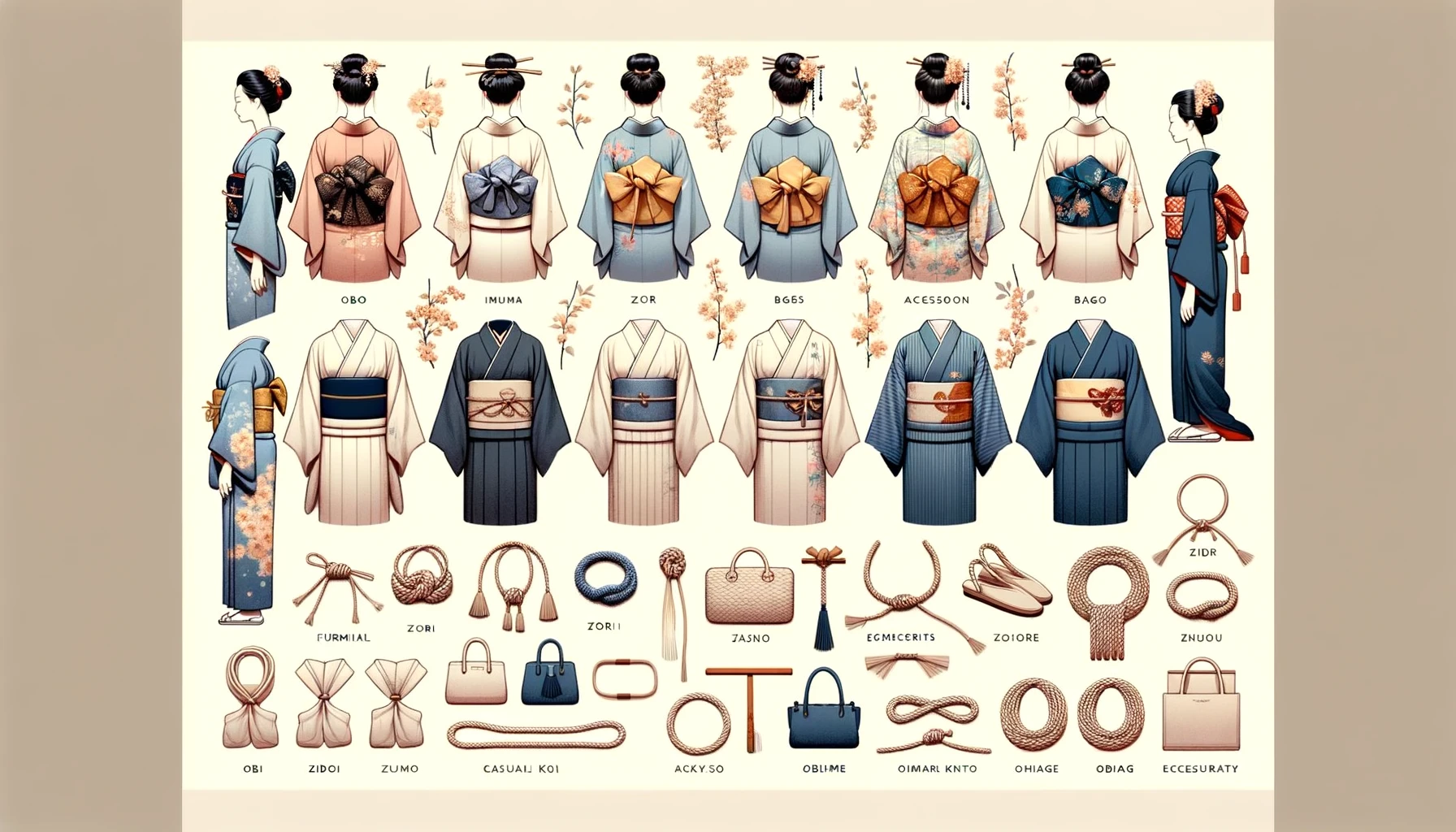
When wearing a kimono, even the way the obi (sash) is tied offers diverse variations that can be changed according to the mood of the day or the place being visited. Selecting accessories is also important — choosing the right zori (sandals), bag, obijime (sash cord), and obiage (sash bustle) can greatly change the overall impression of the outfit.
■ Kimono in Modern Times:
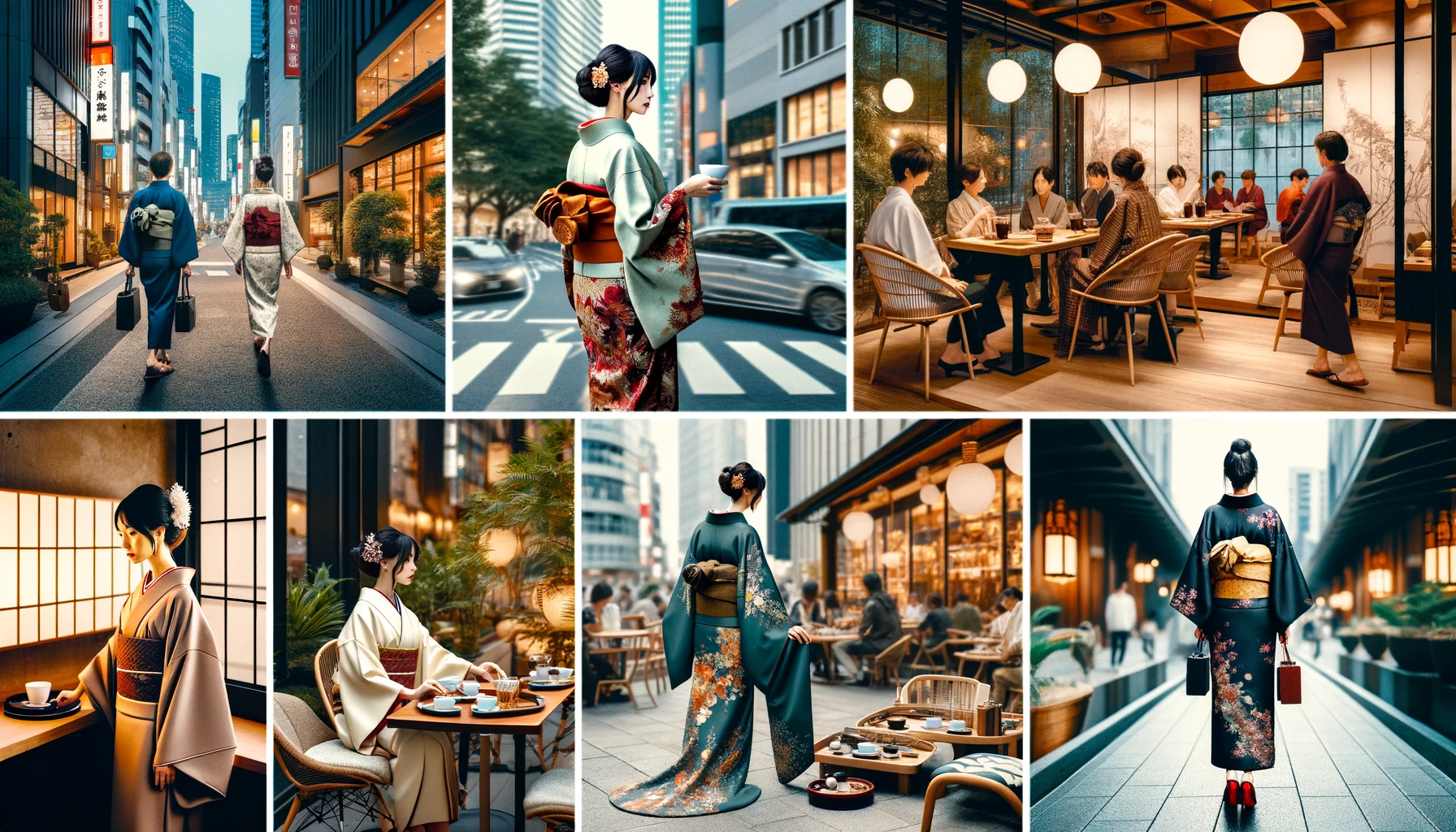
In modern times, more and more people are enjoying kimono not only for special days and formal occasions but also in everyday life. While respecting classical beauty, modern kimono incorporating new designs and materials have also appeared, and the fusion of tradition and modernity is progressing.
History of Kimono
The history of kimono is deeply intertwined with the history of Japan. Its origins date back to the Nara period, and during the Heian period, garments that can be considered prototypes of today’s kimono appeared. At that time, kimono developed within aristocratic society, giving rise to diverse garments adorned with luxurious colors and decorations.
■ Heian Period:
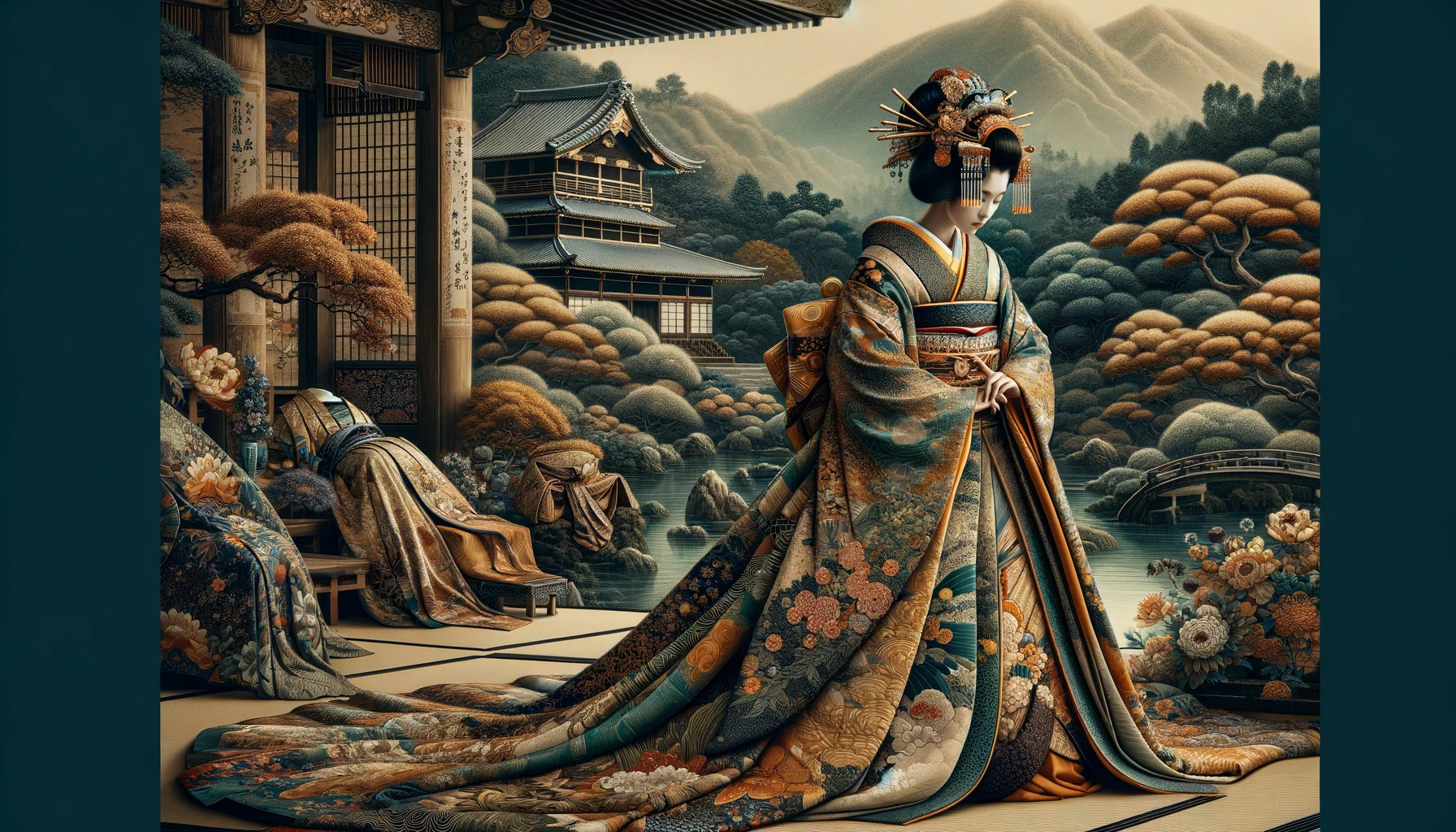
The “junihitoe” (twelve-layered ceremonial robe) established during this era is characterized by its rich colors achieved through layering. This attire, which reflected the aesthetic sensibility of aristocratic women, had a profound influence on kimono aesthetics.
■ Edo Period:
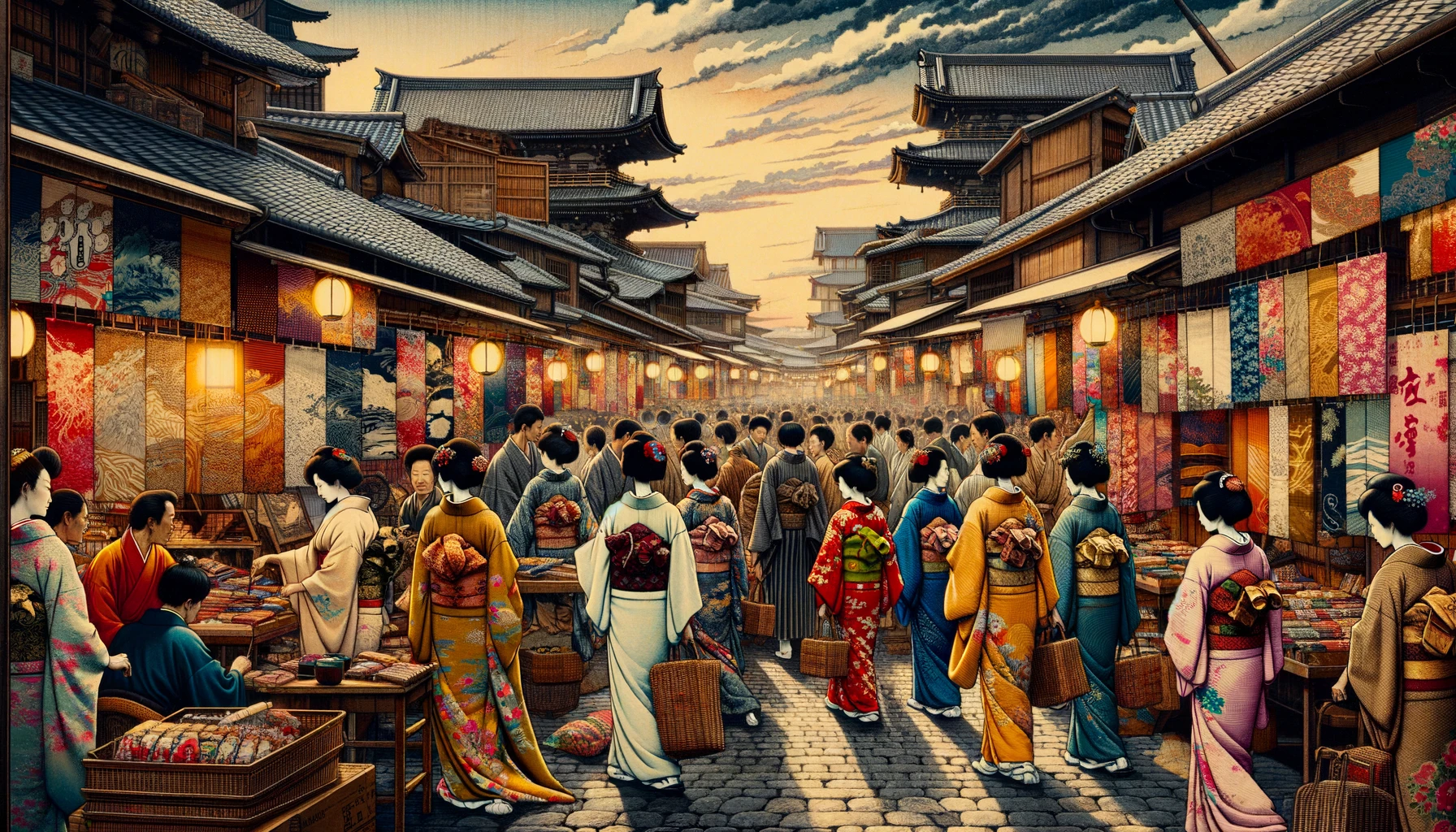
During the Edo period, kimono underwent significant changes alongside the development of commoner culture. In particular, the rise of townspeople culture led to the development of more affordable yet beautiful dyeing and weaving techniques. This made it possible for a broad range of people to enjoy kimono, giving birth to diverse designs and styles.
■ Meiji Period Onward:
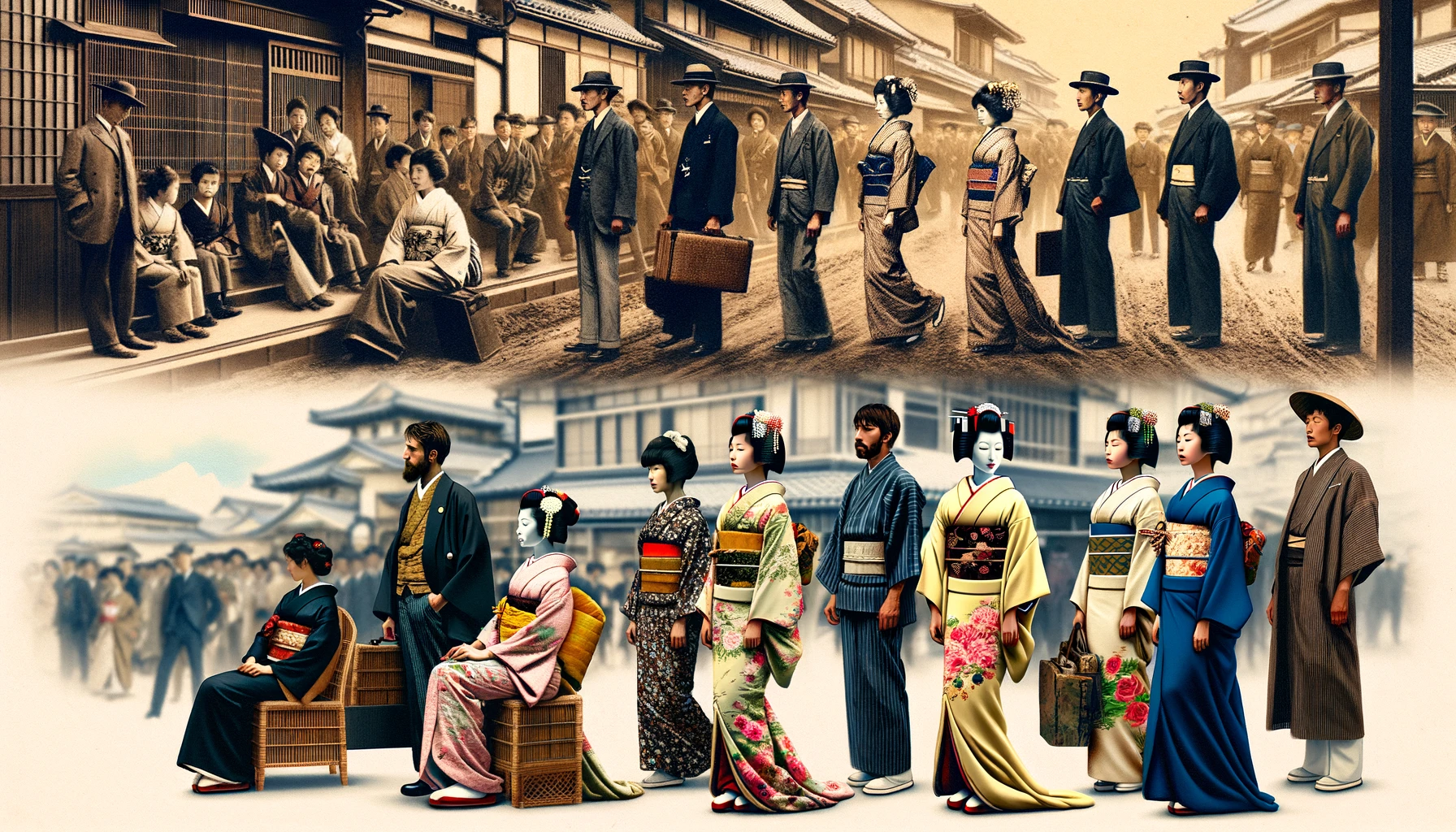
With the Meiji period came the influence of Western culture, and fashion transitioned between kimono and Western clothing. However, kimono continued to hold an important place in Japanese life, and to this day, they are cherished by many people.
■ Modern Era:
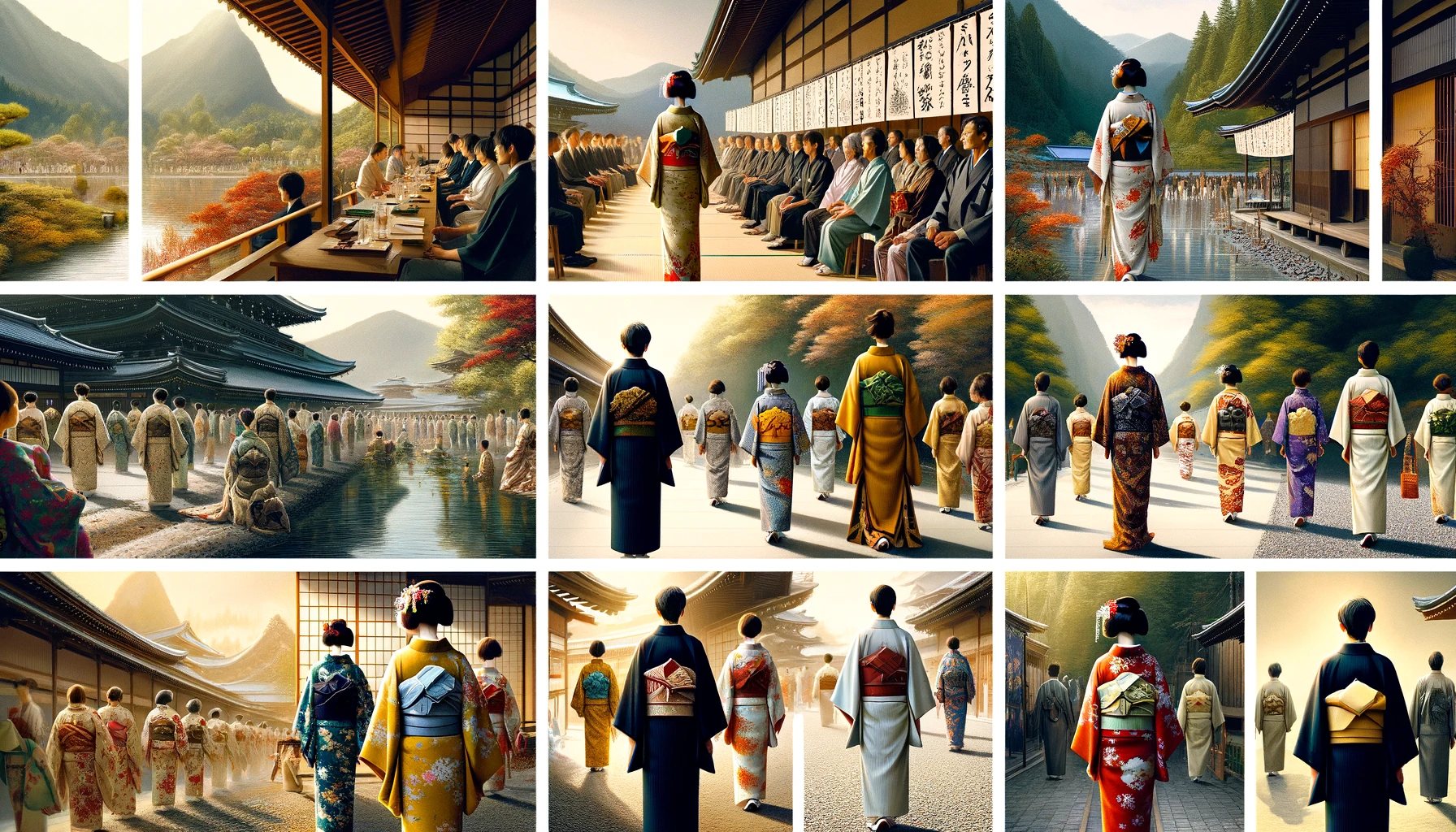
In modern times, while opportunities to wear kimono in everyday life have decreased, they are enjoyed at special events such as weddings, coming-of-age ceremonies, and tea ceremonies, as well as through kimono dressing experiences at tourist destinations. Furthermore, kimono that incorporate new materials and contemporary designs while preserving traditional techniques have emerged, attracting attention as fashion that merges old and new culture.
Types of Kimono
There are various types of kimono depending on the purpose and occasion for wearing them. By understanding these types, you can learn which kimono to choose for different situations and enjoy the charm of kimono even more deeply.
■ Furisode:
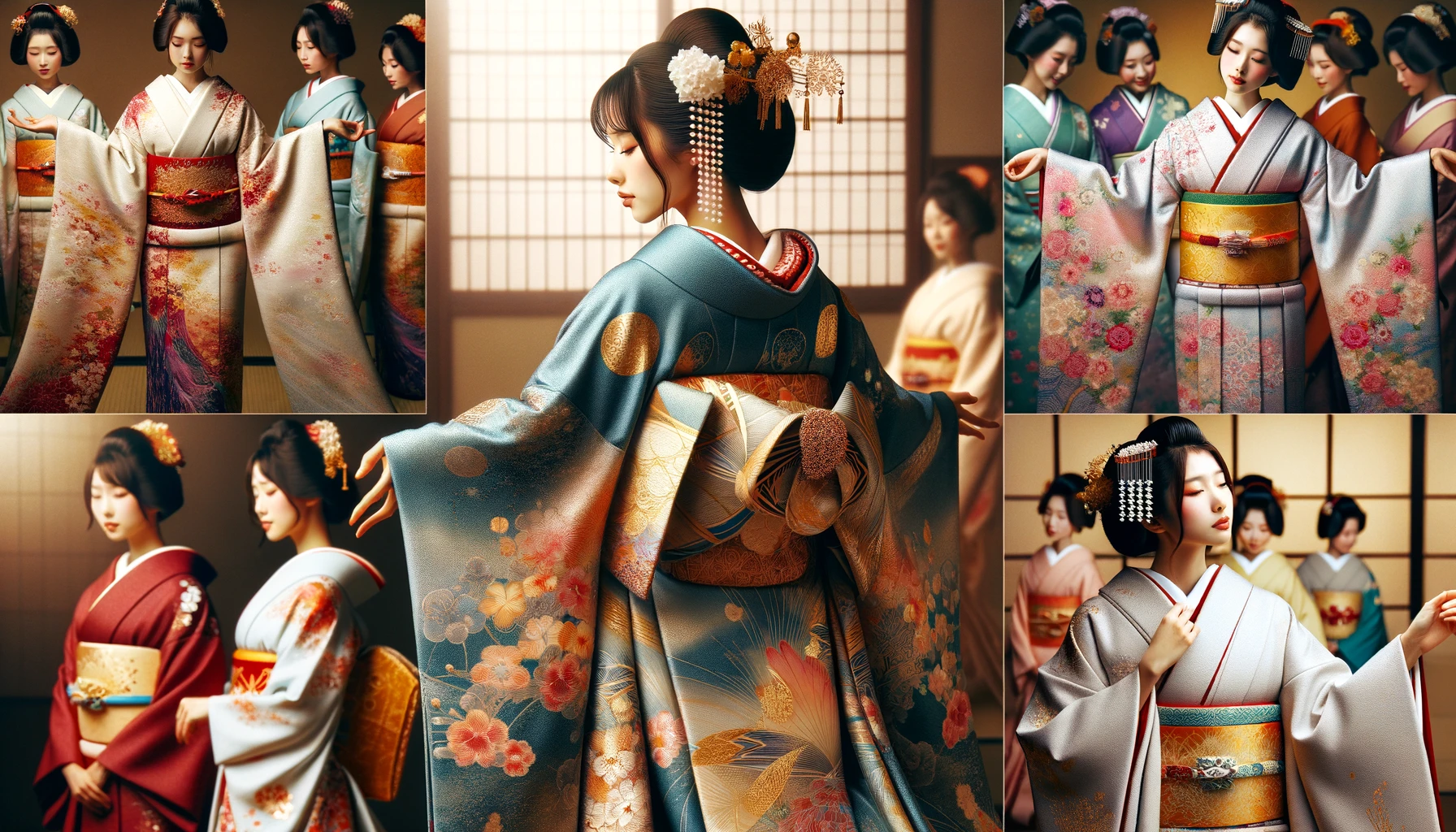
This is a kimono worn by young unmarried women at special celebratory occasions such as coming-of-age ceremonies and weddings. It is characterized by long sleeves and luxurious patterns. The furisode, which symbolizes traditional beauty, is considered the perfect kimono for once-in-a-lifetime special occasions.
■ Tomesode:
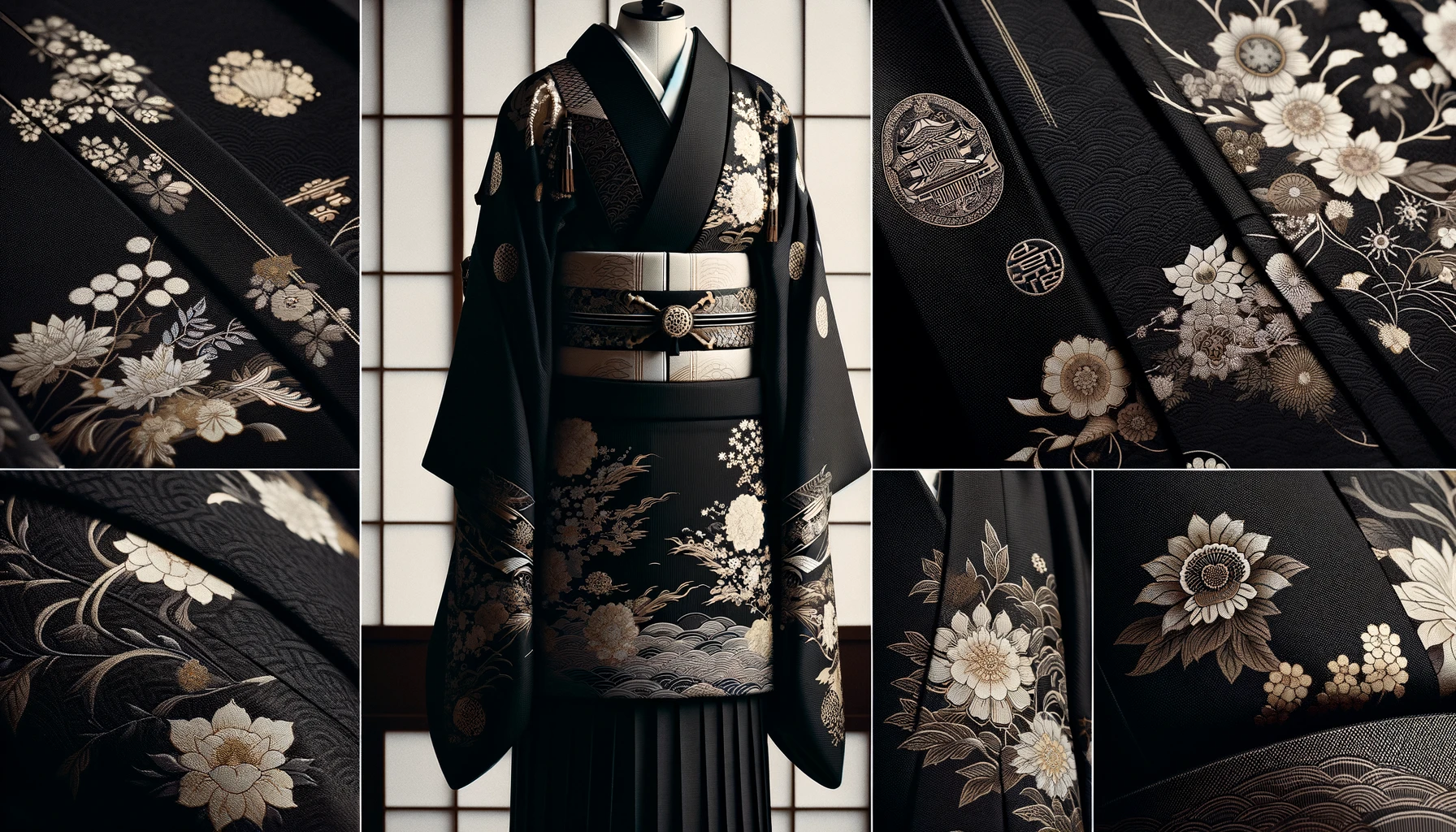
This is a kimono worn by married women at formal occasions such as weddings. It typically features a family crest on the back and luxurious patterns on a black background. It is valued as attire for occasions of high formality.
■ Komon:
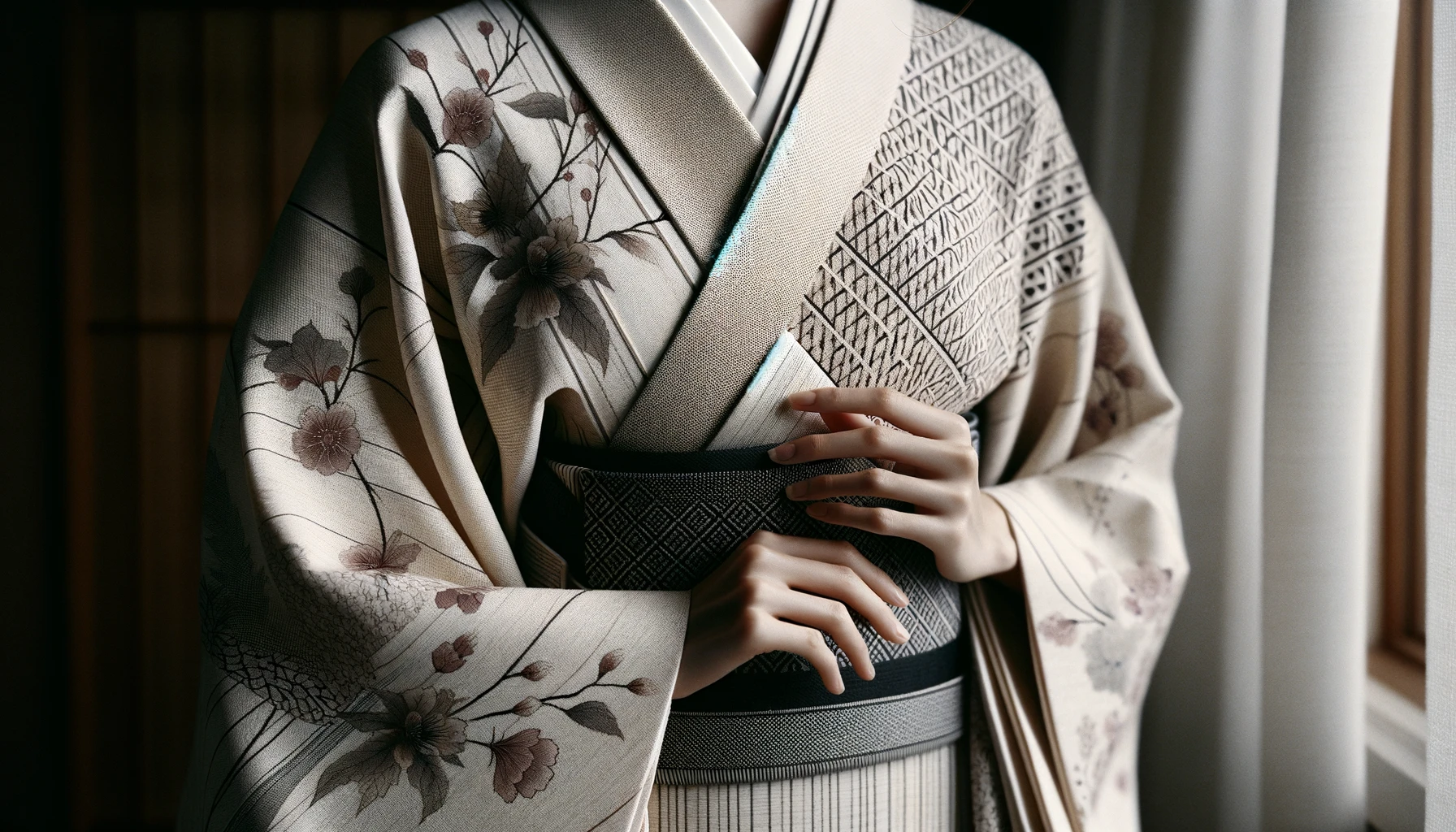
This is a kimono for everyday wear, with small patterns applied throughout. It is a highly versatile kimono that can be used for everything from casual to slightly formal occasions. With a rich variety of colors and patterns, it is popular among a wide range of age groups.
■ Iromuji:
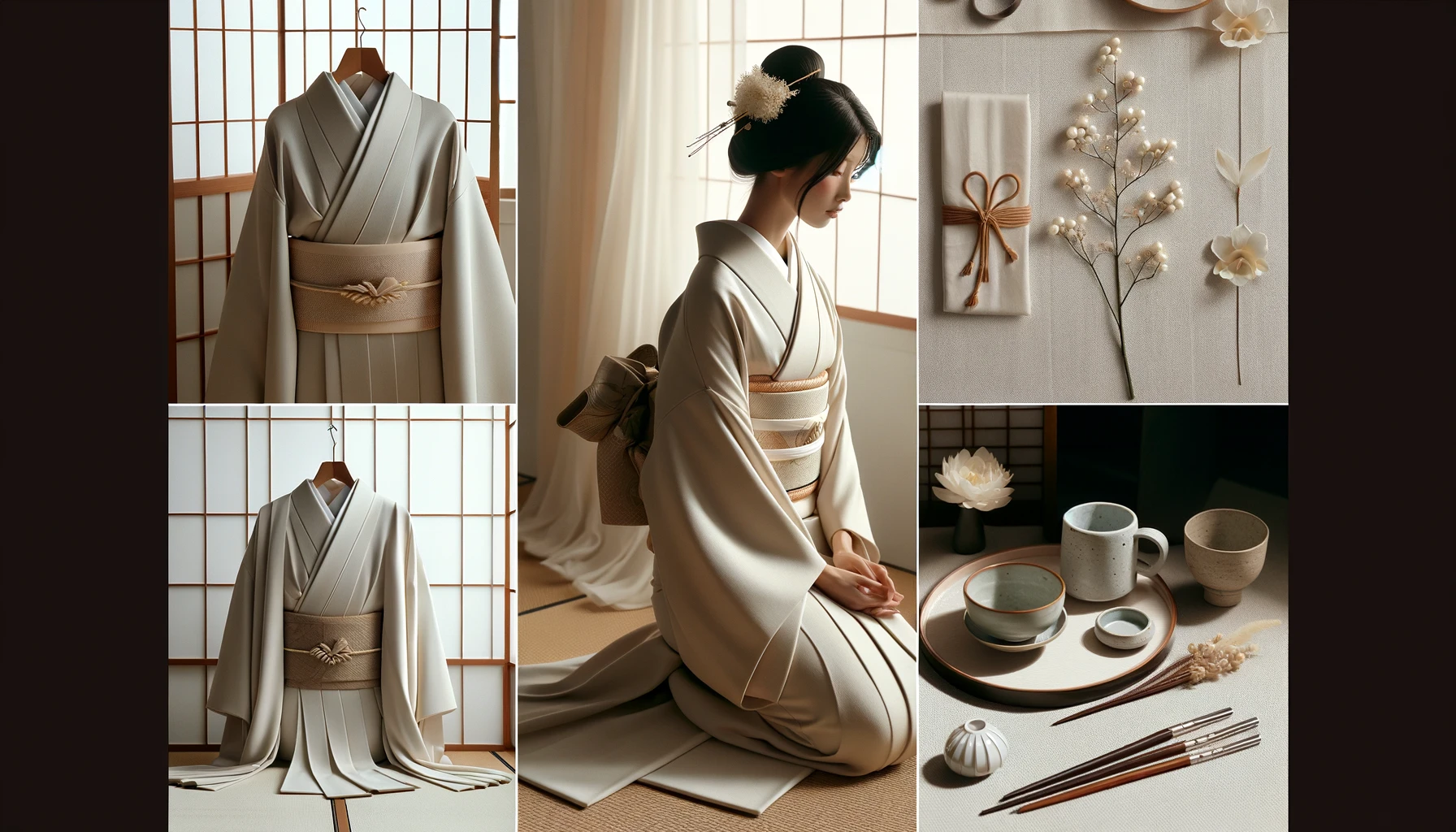
A kimono dyed in a single color, whose charm lies in its simple beauty that allows one to play with the obi and accessories. It is worn at relatively formal occasions such as tea ceremonies and theater visits, offering a more understated and elegant impression compared to patterned kimono.
■ Yukata:
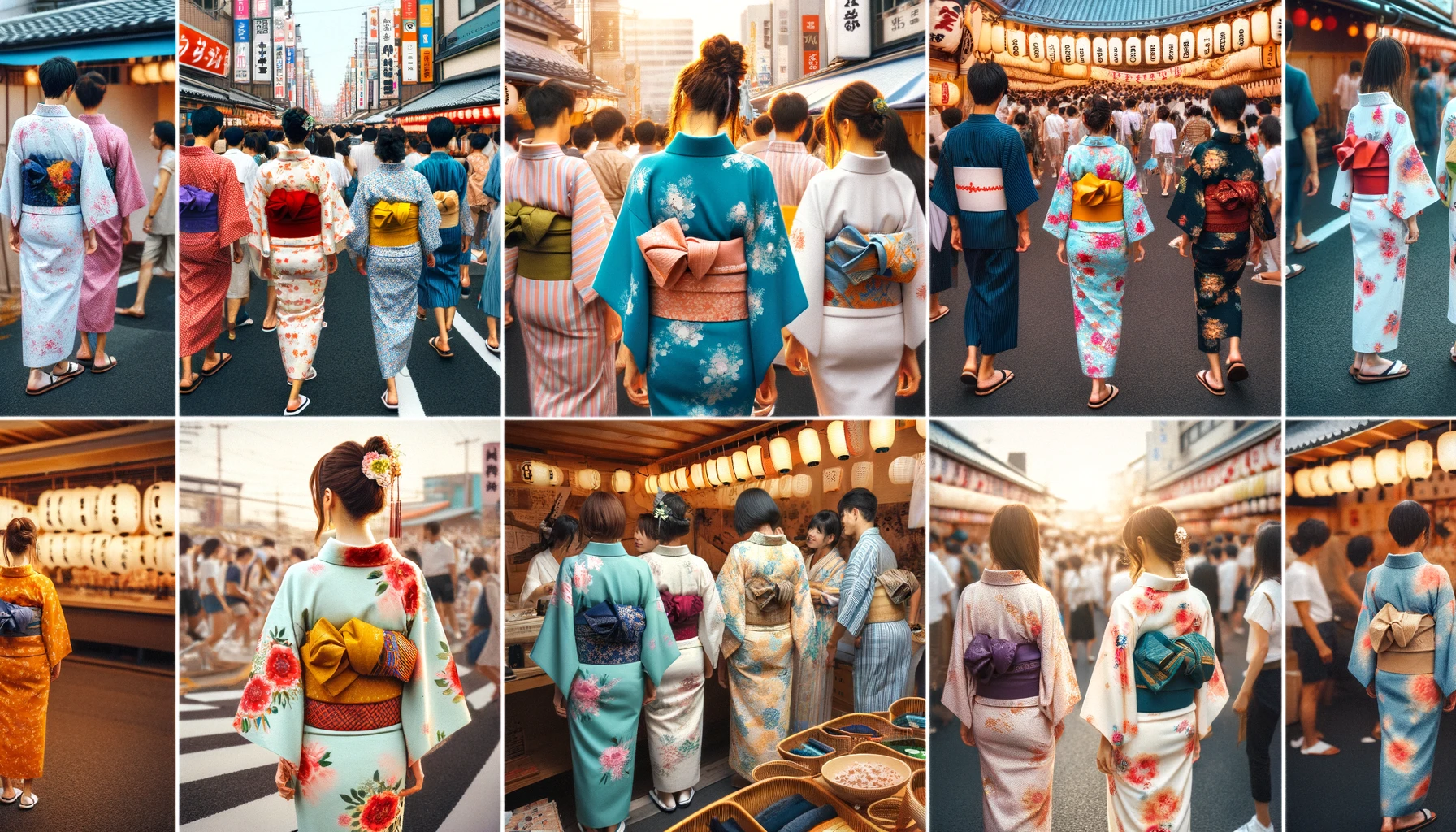
A casual summer kimono beloved by many. Made from cool materials such as cotton and linen, it can be easily enjoyed at summer festivals and fireworks events. The dressing process is relatively simple, making it recommended even for those trying kimono for the first time.
■ Tsumugi:
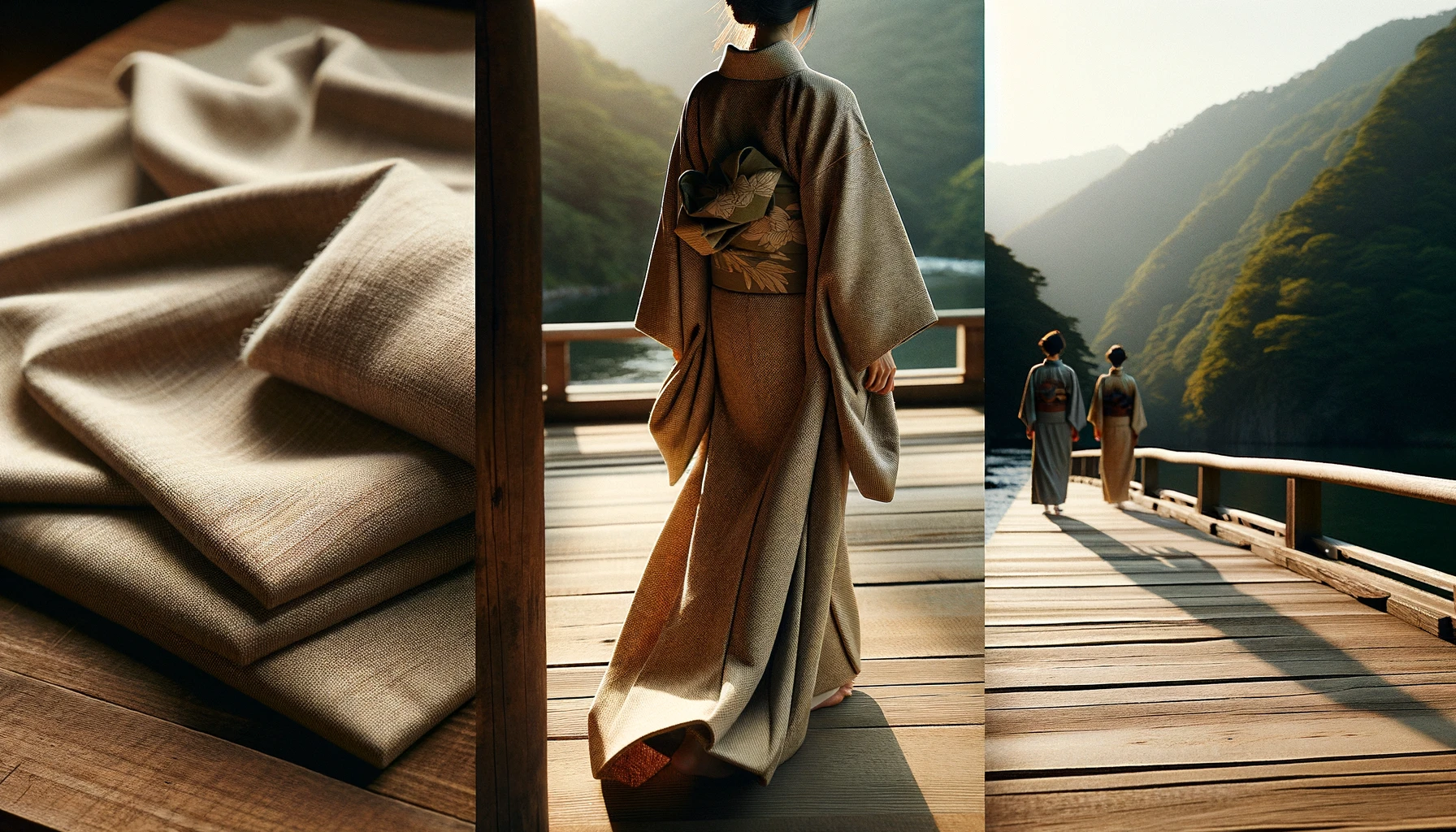
A hand-woven kimono made from silk threads, characterized by its texture and durability. It is worn for a wide range of occasions from everyday use to casual outings. While simple, it possesses a profound beauty.
How Kimono Are Made
The process of making a kimono is extremely meticulous and labor-intensive. Using traditional techniques, a beautiful kimono is created from a single piece of fabric. In this chapter, we introduce the basic flow of how kimono are made.
1. Fabric Selection:
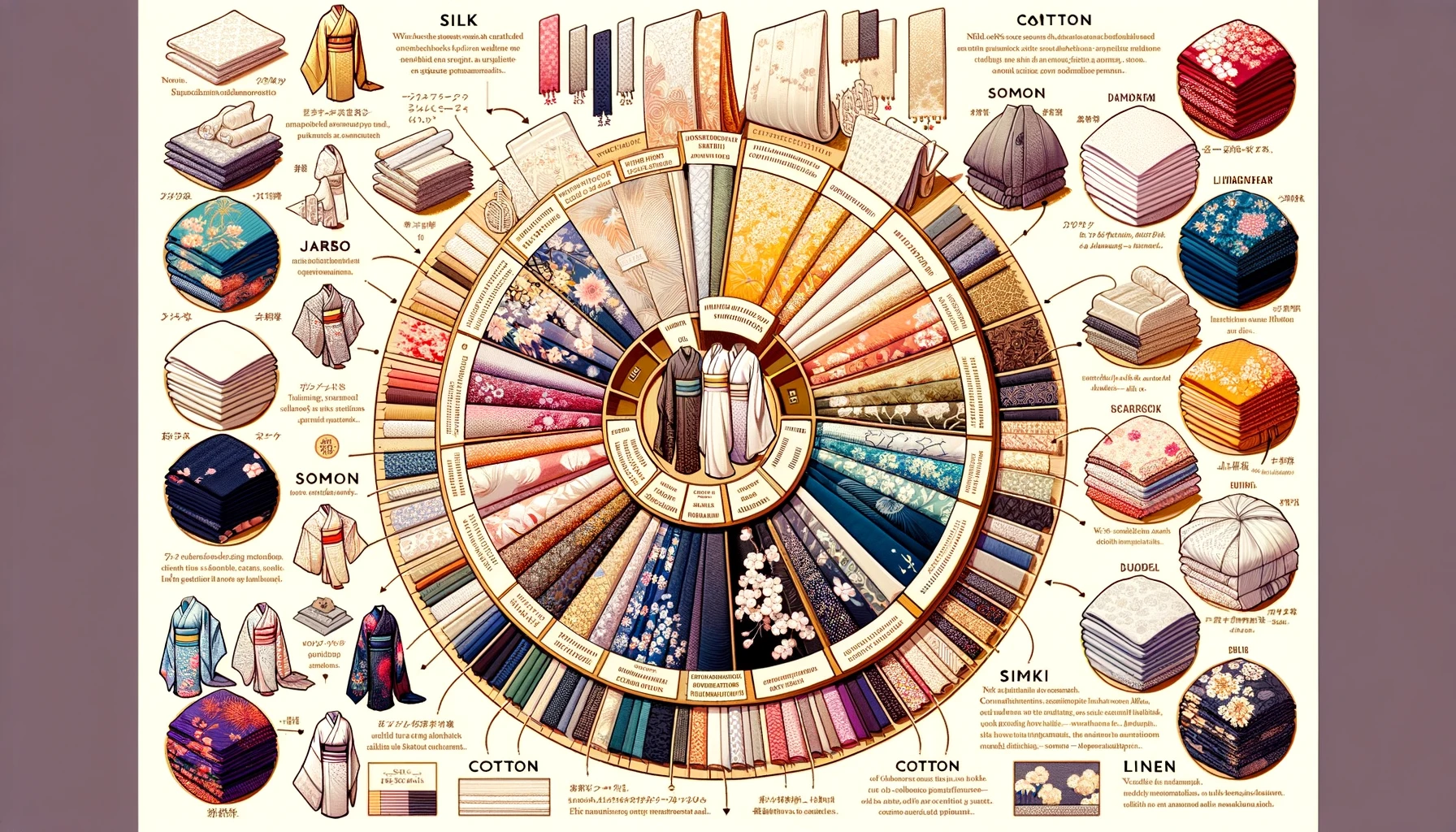
The first step in making a kimono is selecting the fabric. Materials include silk, cotton, and linen, and the optimal fabric is chosen based on the purpose, season, and the wearer’s preference. The most traditional and expensive kimono use silk fabric.
2. Dyeing:
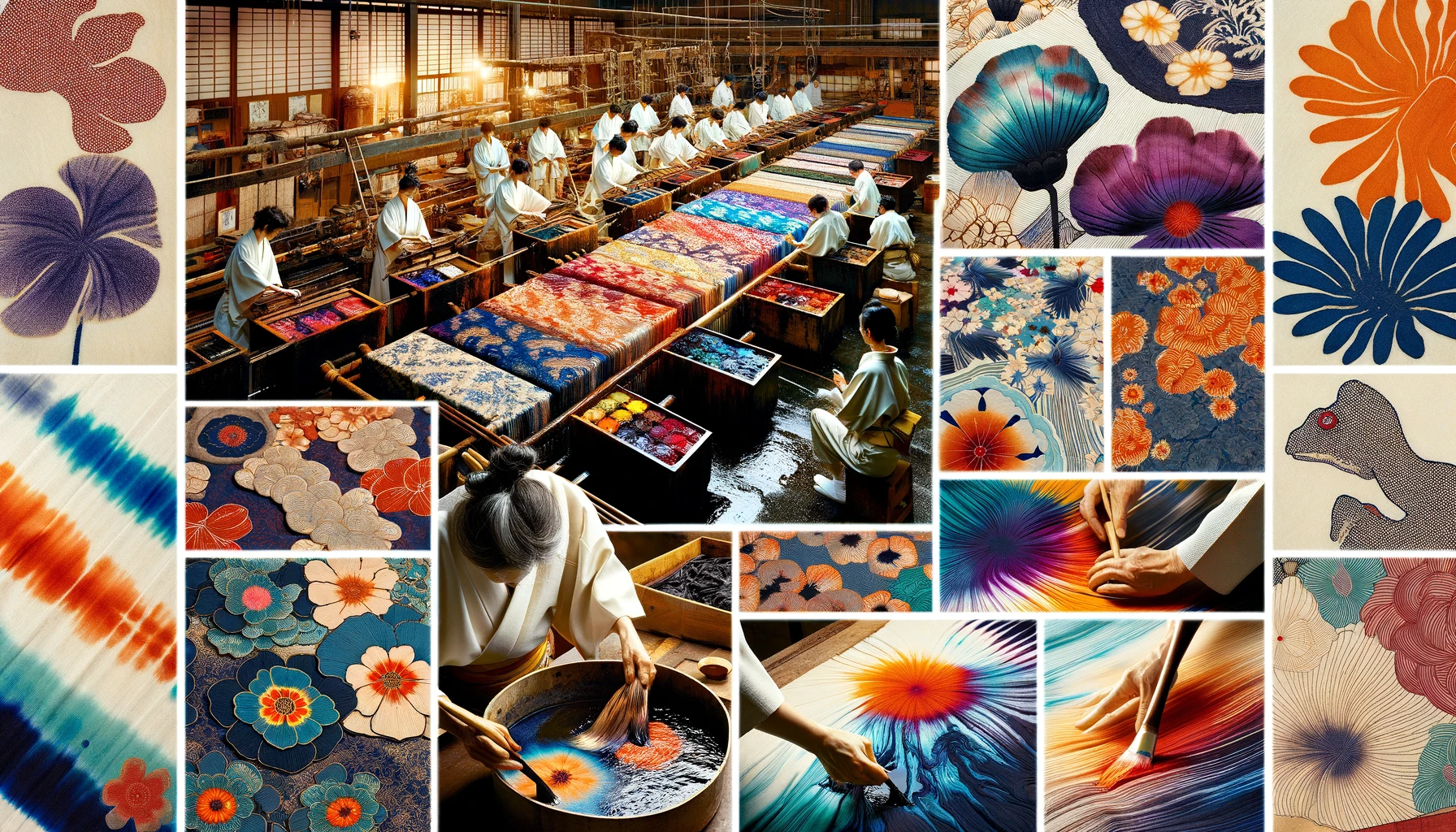
Once the fabric is selected, the next step is dyeing. Various dyeing techniques are used for kimono, including shibori (tie-dyeing), yuzen (paste-resist dyeing), and kata-zome (stencil dyeing). These techniques are employed to create delicate patterns and colors. Dyeing is a crucial process that greatly influences the beauty of the kimono.
3. Cutting the Fabric:
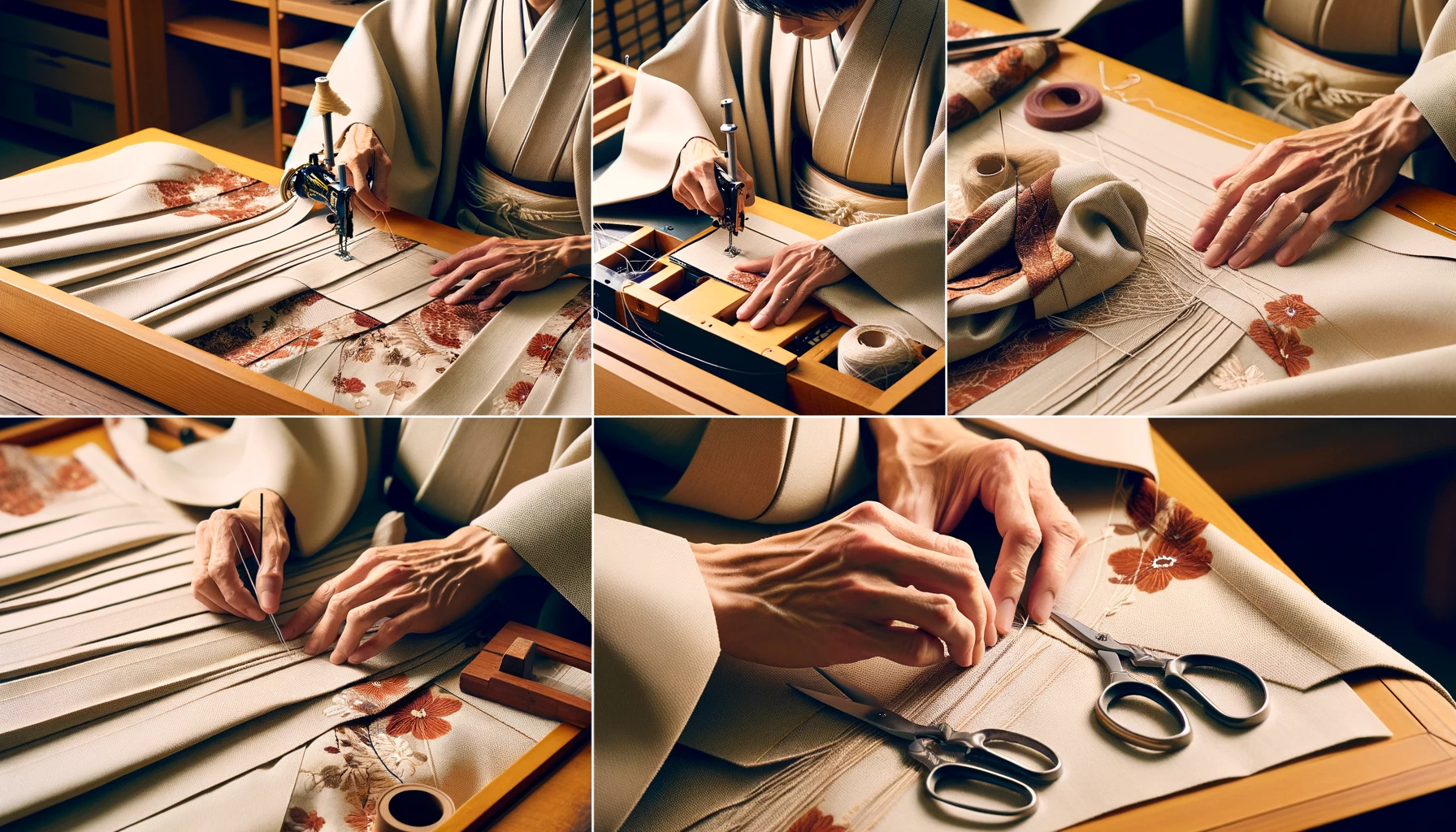
After dyeing is complete, the fabric is cut to fit the shape of the kimono. Kimono are essentially composed of straight-line parts, embodying the wisdom of using fabric without waste. During this cutting process, special care is taken to match the patterns on the fabric.
4. Sewing:
The cut fabric is carefully sewn together by skilled artisans. Kimono sewing involves specialized techniques, and it is often tailored so that the seams are invisible from the outside. This process requires skills to maintain the beautiful form of the kimono.
5. Finishing:
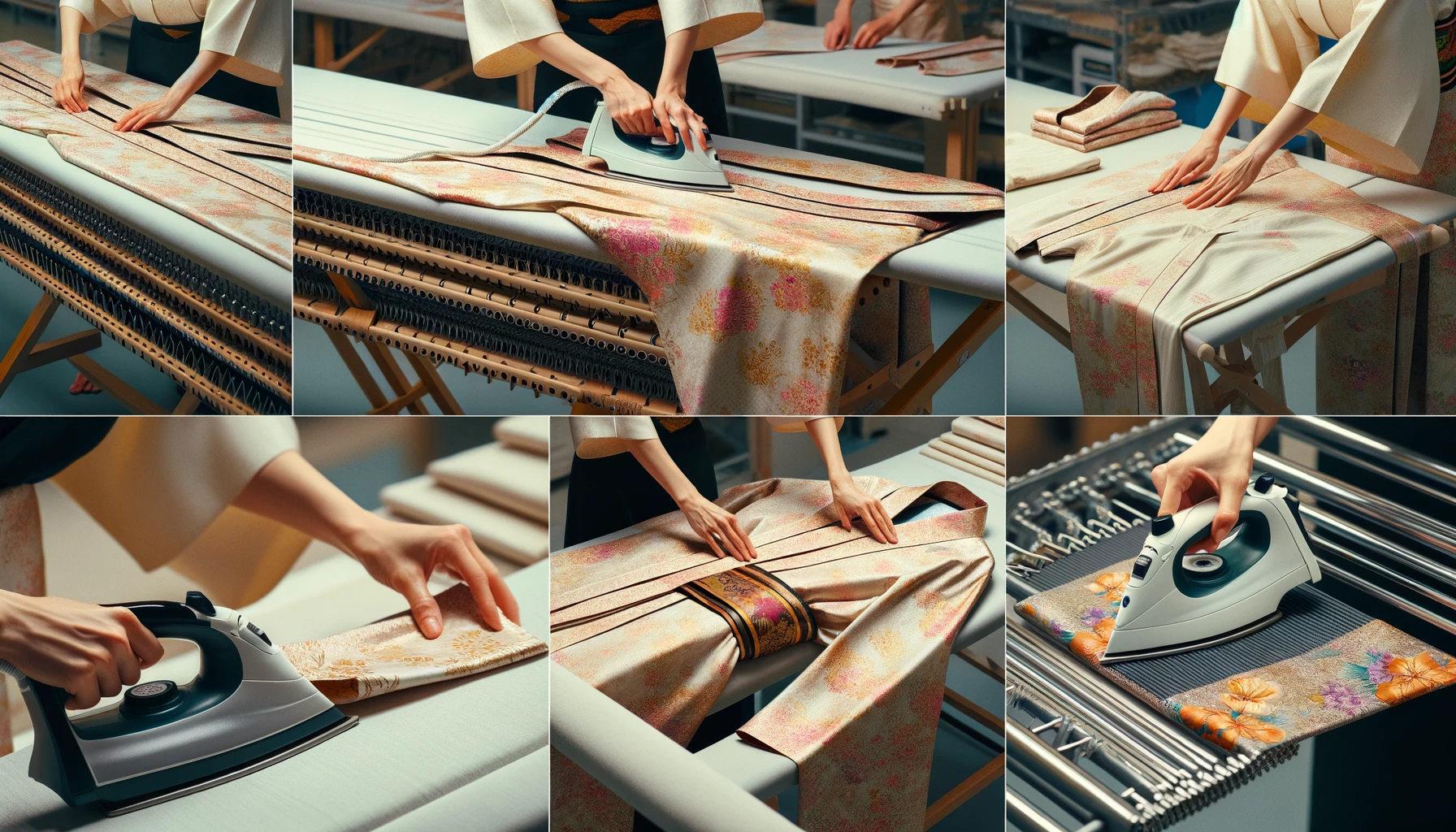
After sewing is complete, the kimono goes through final ironing and finishing processes. At this stage, the condition of the fabric is adjusted with meticulous care to ensure it looks beautiful when worn.
The quality of a kimono is greatly influenced by the chosen fabric and the artisan’s skill. While it takes a great deal of time and effort to complete a single kimono, the beauty of the finished product is truly exceptional.
Where to Experience Kimono
Here we introduce shops in Kyoto where you can experience wearing kimono. These shops offer complete looks, including rental of various kimono styles, accessories, and hair styling services, allowing you to deeply immerse yourself in Japanese culture.
■ Rika Wafu Kiyomizu-dera Branch:
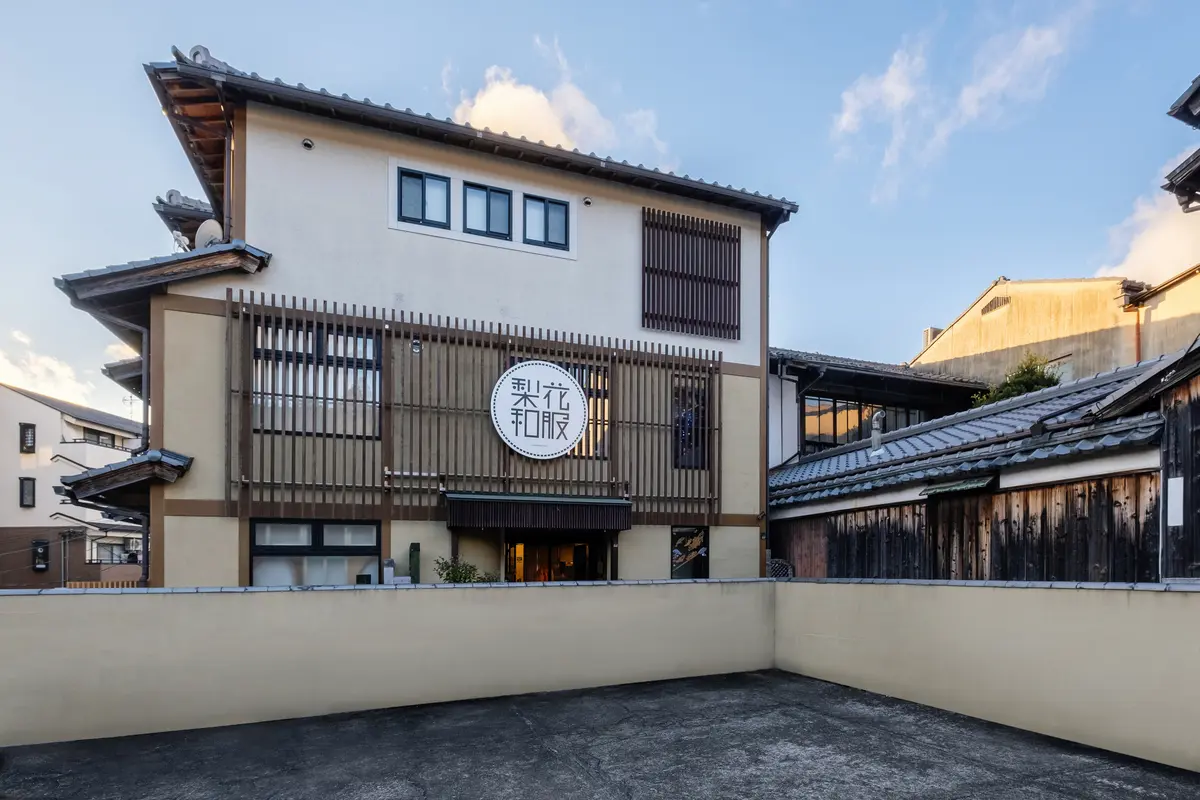
Located just a 4-minute walk from Kiyomizu-dera Temple, this shop offers over 300 unique kimono. From antique kimono to modern designs, you can create your own style with original accessories. Some plans include hair styling.
URL: https://ewha-yifu.com/shops/kyoto-area/kiyomizudera/
■ Kyoetsu Kawaramachi Branch:
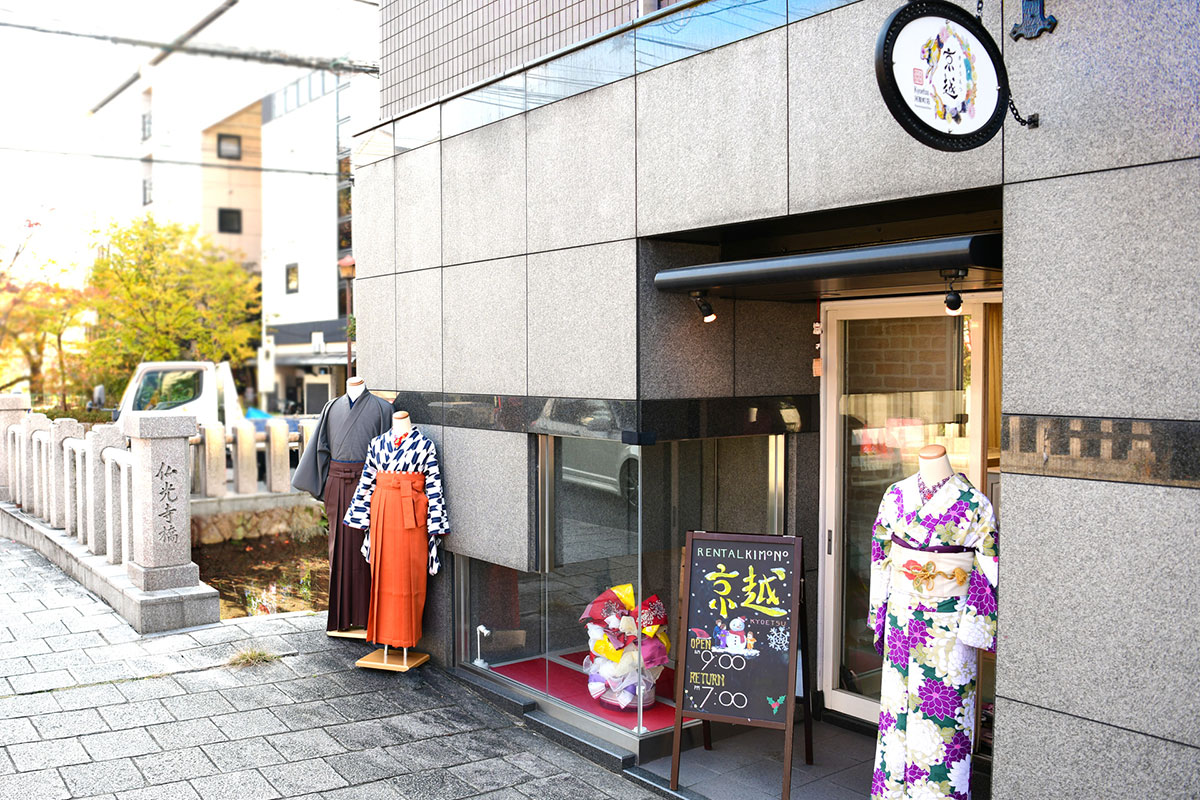
Located just a 3-minute walk from Shijo Kawaramachi, this spacious shop allows you to choose from various types of kimono, obi, and bags. They provide everything you need to create your original look, and also offer a free luggage storage service.
URL: https://kyoetsu-gion.com/shop/kawaramachi/
■ Kimono Rental Waraku:
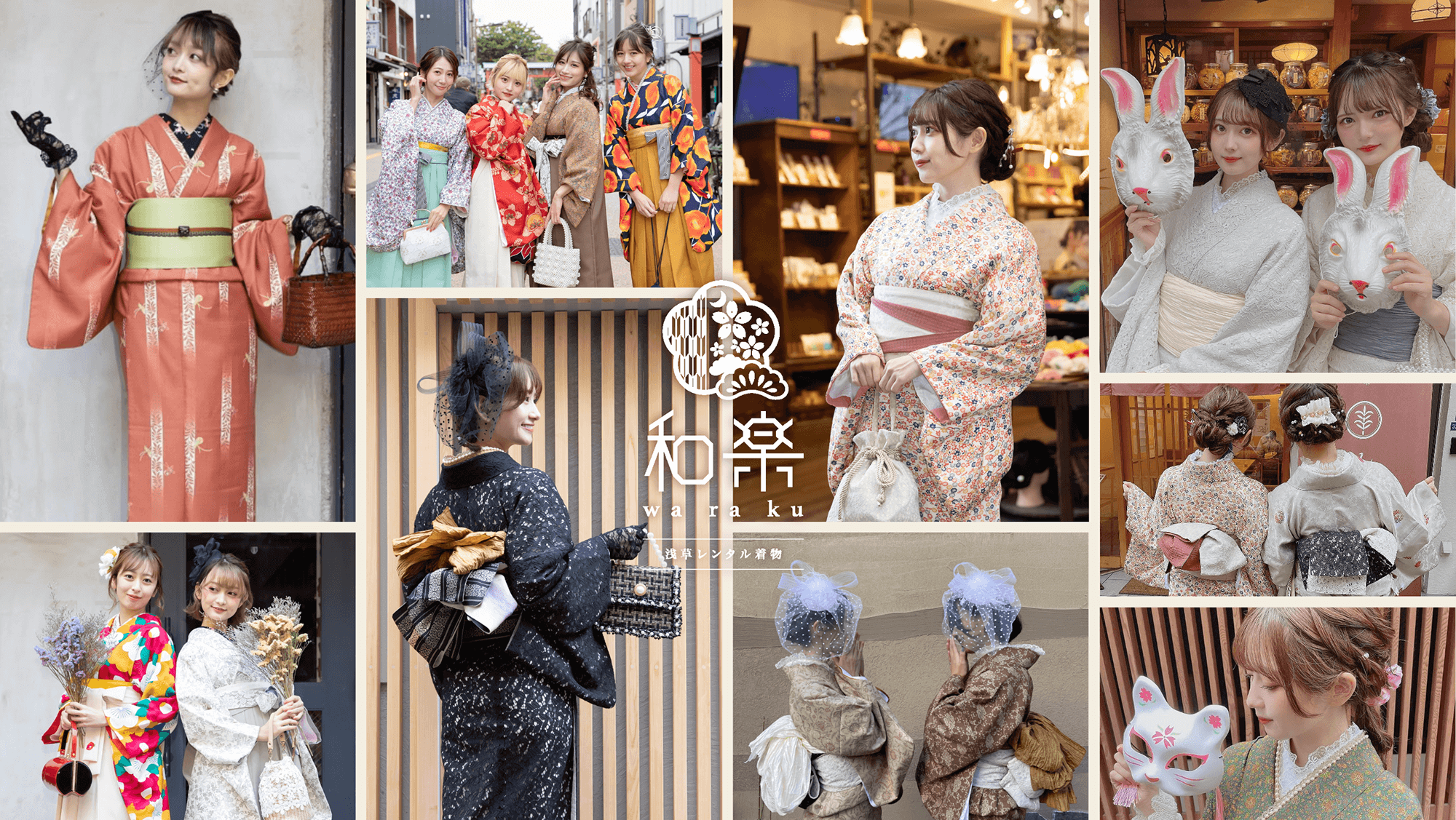
Japan’s largest kimono rental chain, offering everything from the latest kimono styles to traditional Japanese accessories. With over 20 years of experience, they provide an unforgettable Kyoto experience that blends tradition and elegance.
URL: https://waraku-kimono.jp/
■ Antique Kimono Rental Yumeya:
“Yumeya” is a kimono rental service boasting one of Japan’s largest selections of antique kimono.
URL: https://www.yumeyakimono.jp/
Summary
In this article about kimono, we have shed light on the beauty, delicacy, and cultural value of Japan’s traditional garment, providing a detailed explanation of its history from past to present, its various types and characteristics, the delicate craftsmanship involved in its creation, and places where you can experience wearing kimono.
Kimono is not just clothing but a work of art that reflects Japan’s rich culture and history, and its unique charm is highly regarded worldwide. If you visit Japan, please be sure to experience wearing a kimono.