
🕓 2025/1/22
#Temples
Tenryu-ji Zen Temple: A Detailed Guide to Its History and Heritage
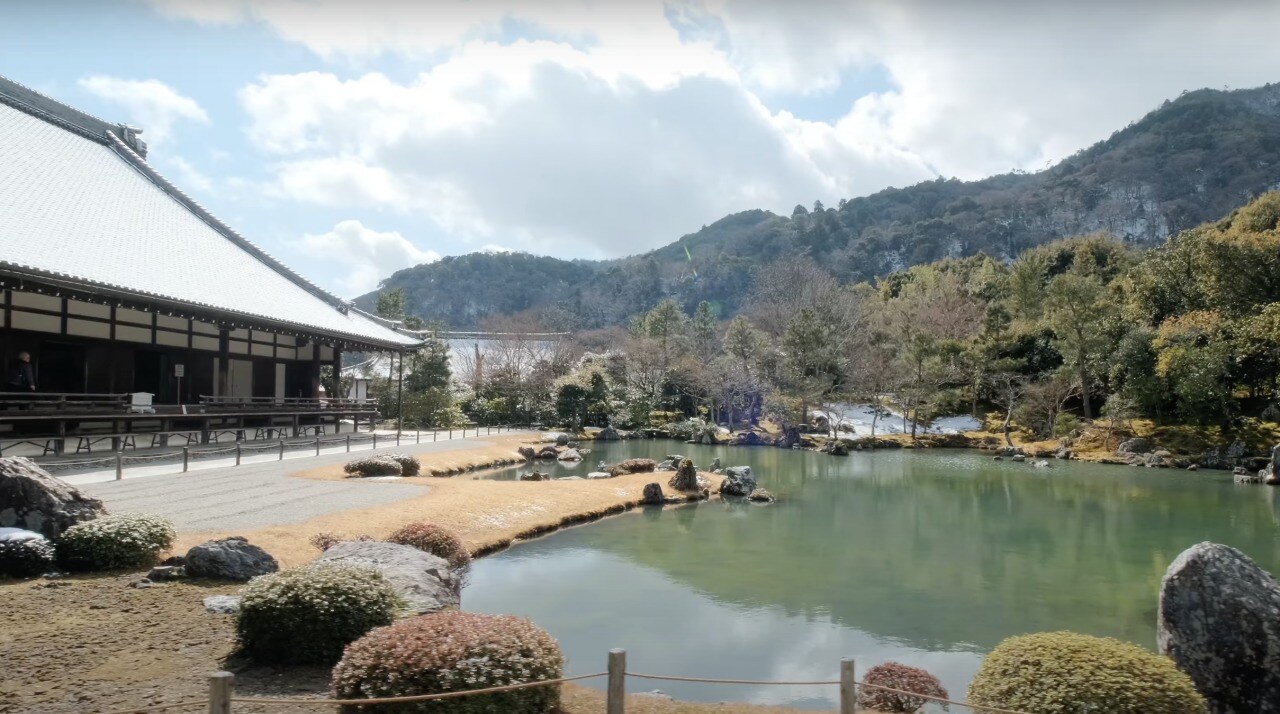
Table of Contents
- Overview of Tenryu-ji
- Religious Background and History of Tenryu-ji
- Meditation and Zen Experience Programs
Introduction
Arashiyama in spring is one of Kyoto’s premier sightseeing destinations, adorned with beautiful cherry blossom scenery and steeped in deep history. At its heart, Tenryu-ji is known as a special place where visitors can experience the spirit of Zen and the beauty of Japanese gardens.
This article provides a detailed introduction to Tenryu-ji’s history, culture, and the experience programs available to visitors. Use this as your guide to fully enjoy the serene moments of connecting with Zen teachings and the breathtaking cherry blossom scenery unique to spring.
Overview of Tenryu-ji
Tenryu-ji is the head temple of the Rinzai school’s Tenryu-ji branch, located in Saga Tenryuji, Ukyo-ku, Kyoto. Its mountain name is Reikizan. The principal image enshrined is the Shaka Sanzon (Shakyamuni Triad).
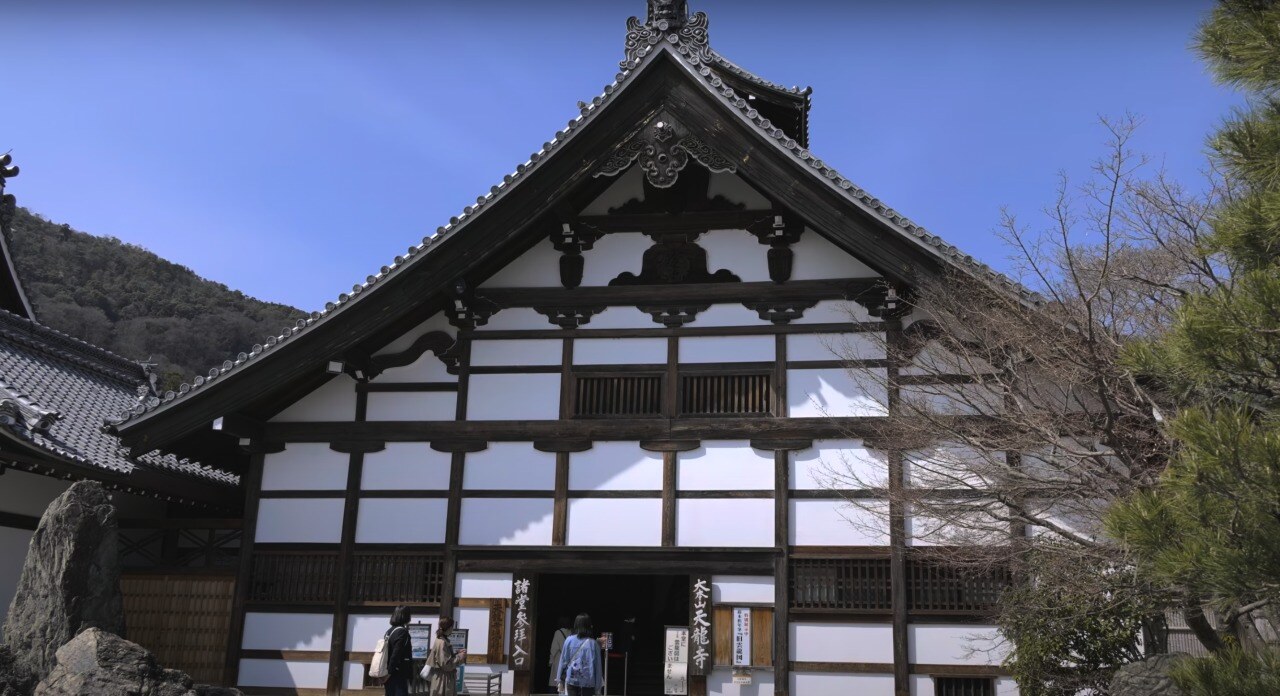
Its history dates back to 1339. Ashikaga Takauji, the first shogun of the Muromachi Shogunate, converted the Kameyama Palace into a temple to pray for the repose of Emperor Go-Daigo, with Muso Soseki as the founding priest. Originally intended to be called “Rekio Shisho Zenji,” the temple was renamed “Tenryu Shisho Zenji” after Ashikaga Tadayoshi dreamed of a golden dragon dancing.
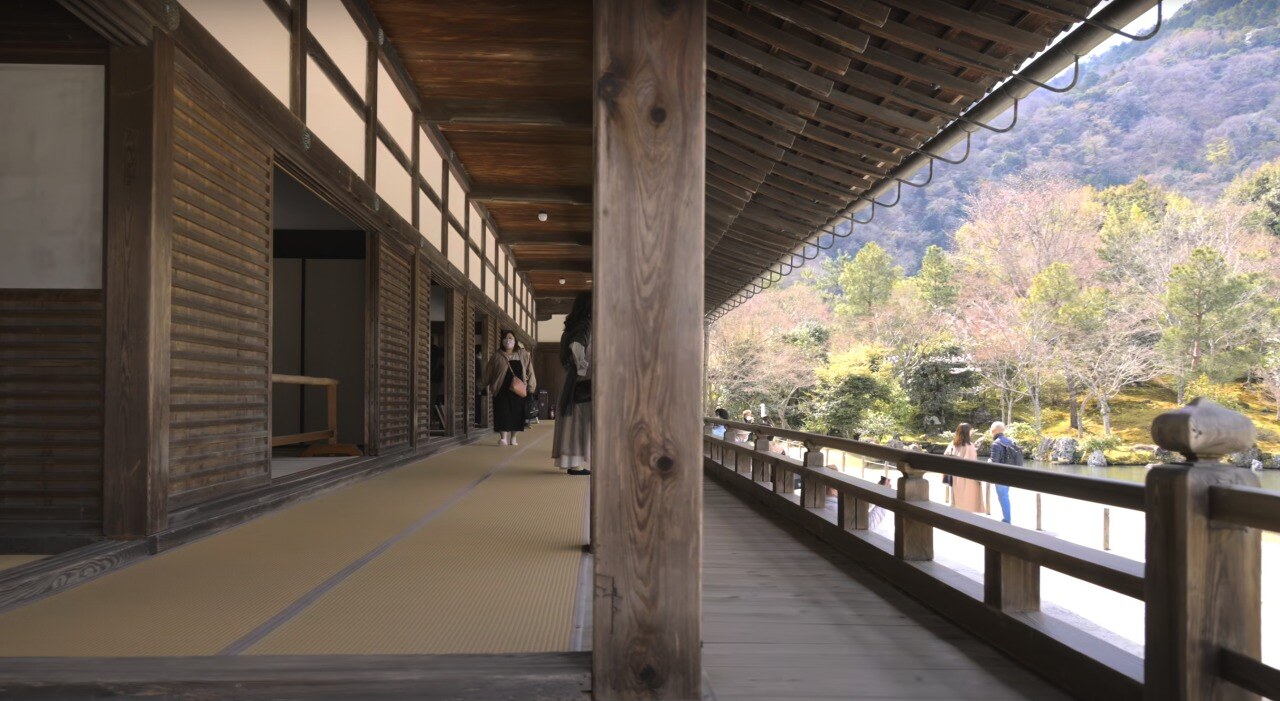
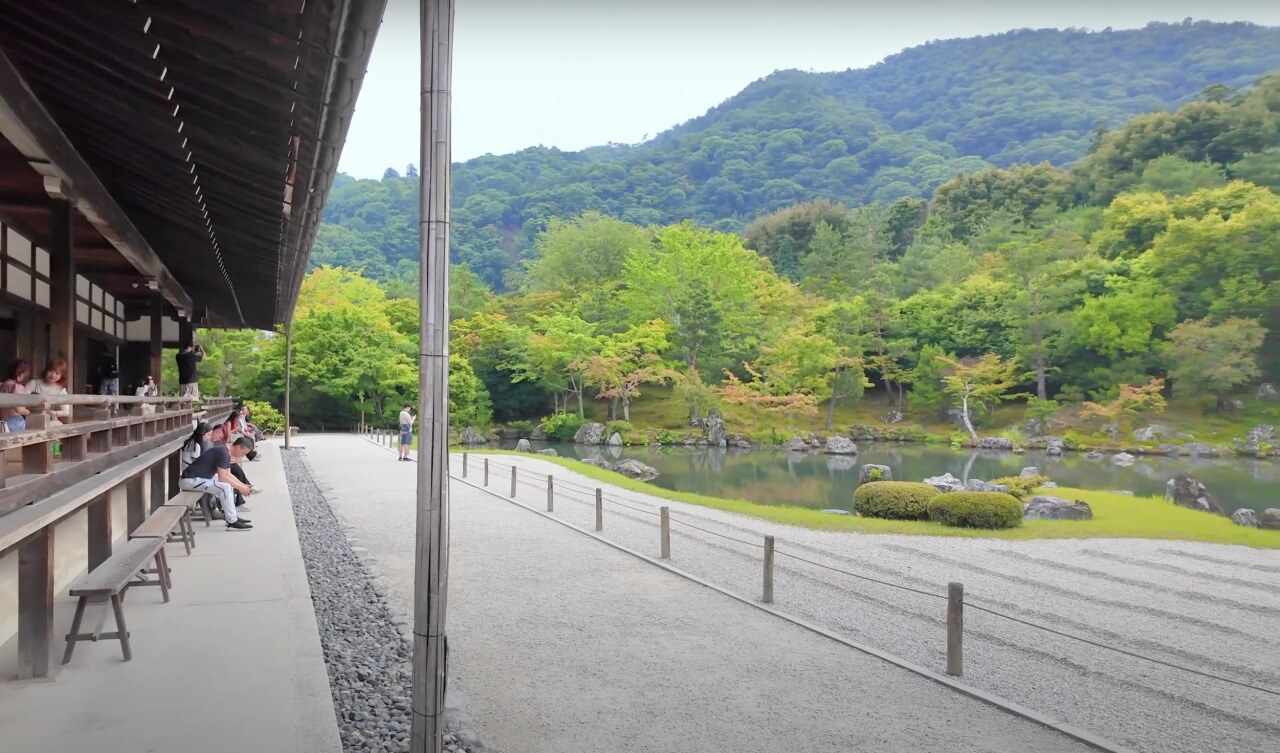
As a Rinzai Zen temple, Tenryu-ji holds the rank of first among the Five Great Zen Temples of Kyoto (Kyoto Gozan) and has played an important role in Japan’s Zen Buddhist culture. In 1994, it was registered as a UNESCO World Heritage Site as part of the “Historic Monuments of Ancient Kyoto.” Within the temple grounds is the pond-strolling garden “Sogenchi Garden,” designed by Muso Soseki, featuring the beautiful scenery of Arashiyama and Kameyama as borrowed landscapes. This garden was the first in Japan to be designated as a Historic Site and Special Place of Scenic Beauty, offering seasonal natural beauty throughout the year.
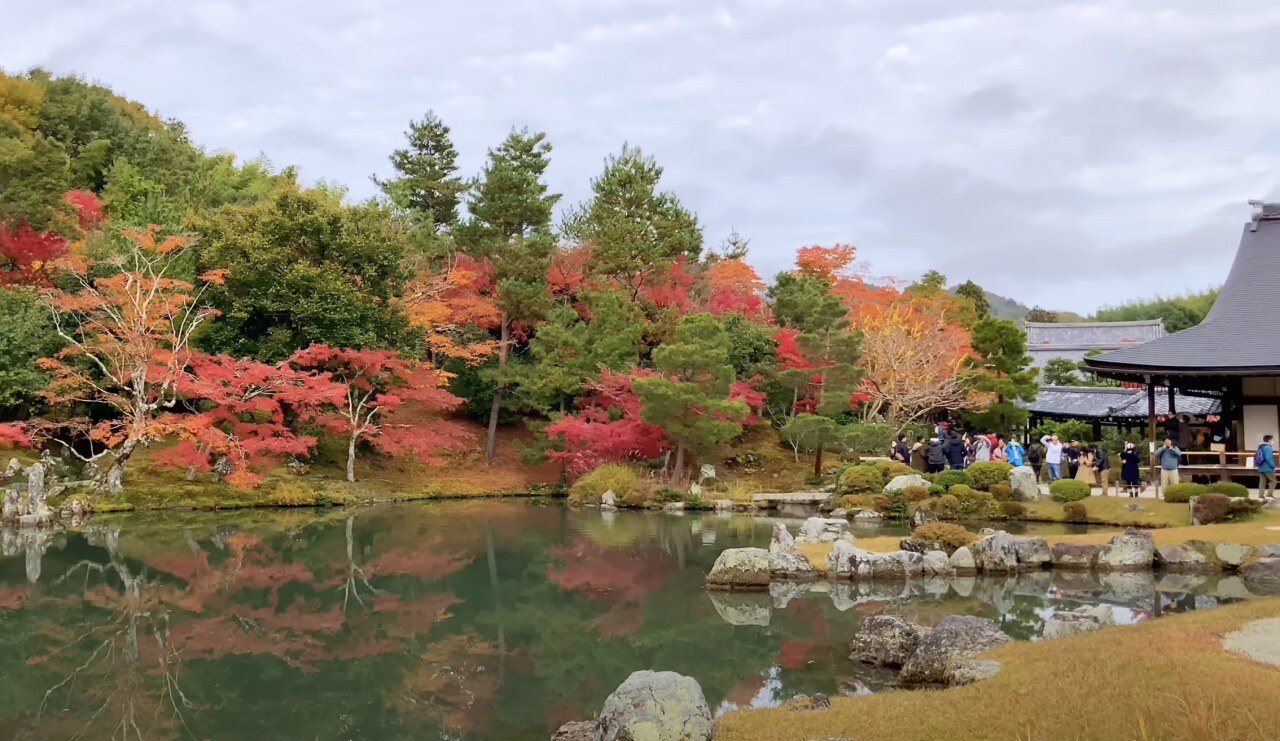
Although Tenryu-ji has suffered repeated fires and its original buildings have been lost, the garden has been preserved in its original 14th-century form, making its historical value exceptionally high. Meditation and practice based on Zen Buddhist teachings continue today, and visitors can experience the spirit of Zen firsthand.
History of Tenryu-ji
Located in Arashiyama, Kyoto, Tenryu-ji has played a vital role in the development of Japan’s Zen Buddhist culture as the head temple of the Rinzai school’s Tenryu-ji branch. Here we present the religious background and history from its founding to the present day, organized chronologically. Let us trace how Tenryu-ji became a symbol of Japan’s Zen culture.
1. Muso Soseki’s Achievements and the Founding of Tenryu-ji (1339)
 *Illustrative image
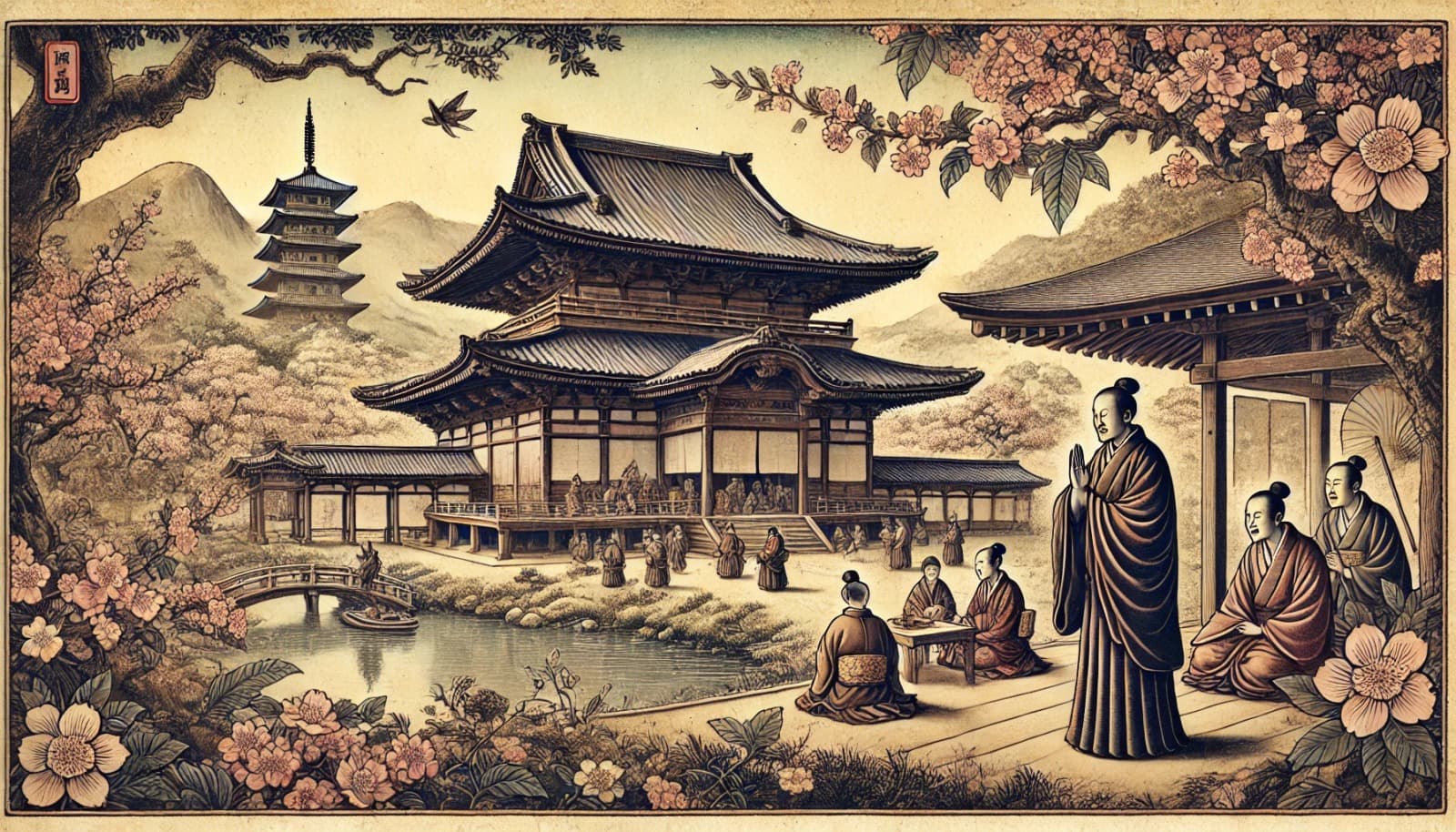
In 1339, Ashikaga Takauji, the first shogun of the Muromachi Shogunate, founded Tenryu-ji with Muso Soseki as the founding priest, to pray for the repose of Emperor Go-Daigo. Muso Soseki was a monk who advanced the development of Zen Buddhism in Japan and was also renowned as a master garden designer. The founding of Tenryu-ji carried both Buddhist significance and the purpose of consoling the spirit of Emperor Go-Daigo while praying for national peace and stability.
2. Muso Soseki’s Contribution to the “Gozan Jissetsu” System (Mid-14th Century)
 *Illustrative image
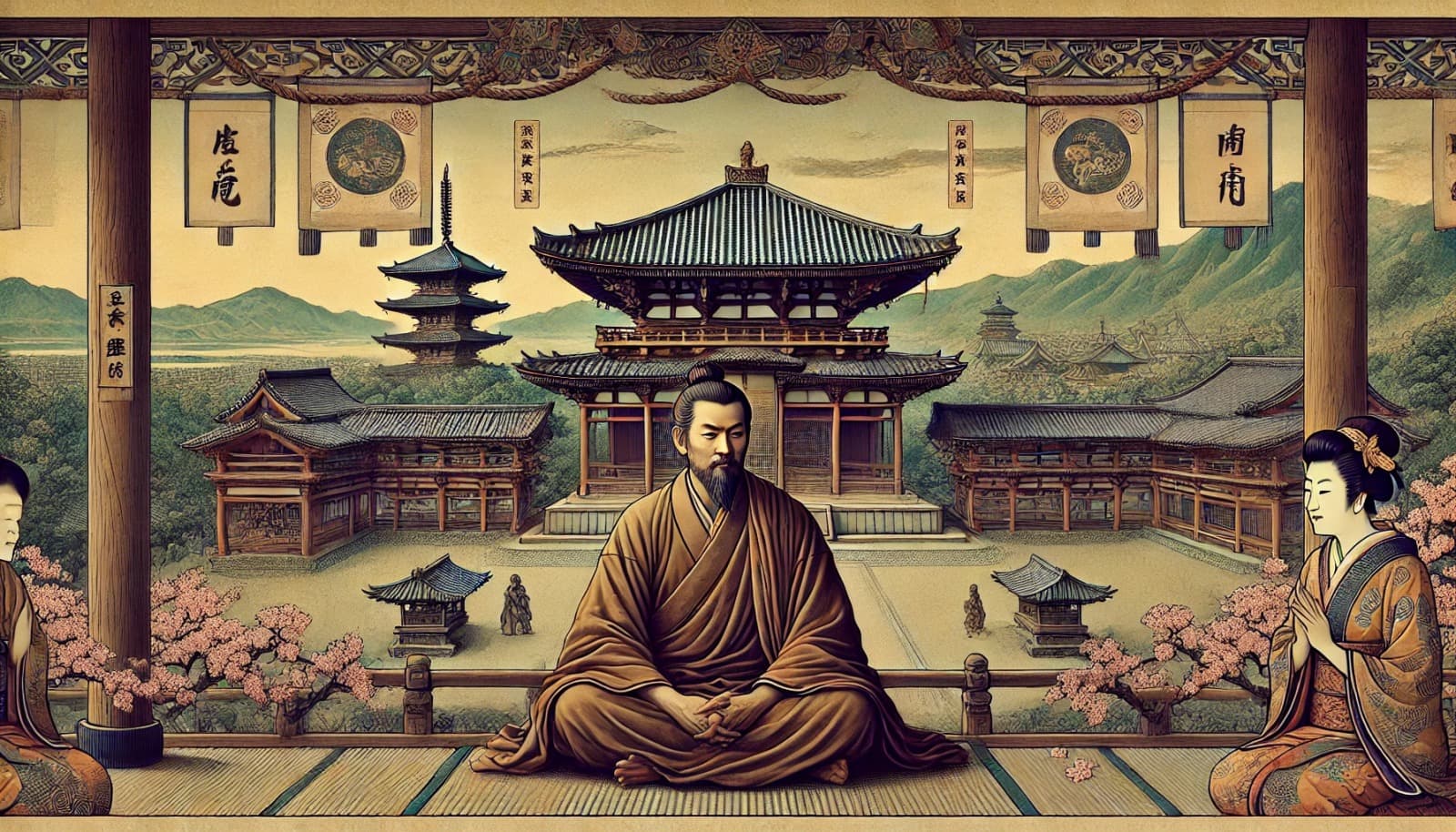
Muso Soseki played a crucial role in establishing the “Gozan Jissetsu” (Five Mountains and Ten Temples) system, which organized Rinzai Zen temples into a hierarchy. Under this system, Tenryu-ji was ranked first among the Five Great Zen Temples of Kyoto, functioning as the core of Zen Buddhism. The Gozan system was established to achieve both national stability and the advancement of Buddhism, and Tenryu-ji stood as its symbolic temple.
3. Role as a Temple for National Protection
 *Illustrative image
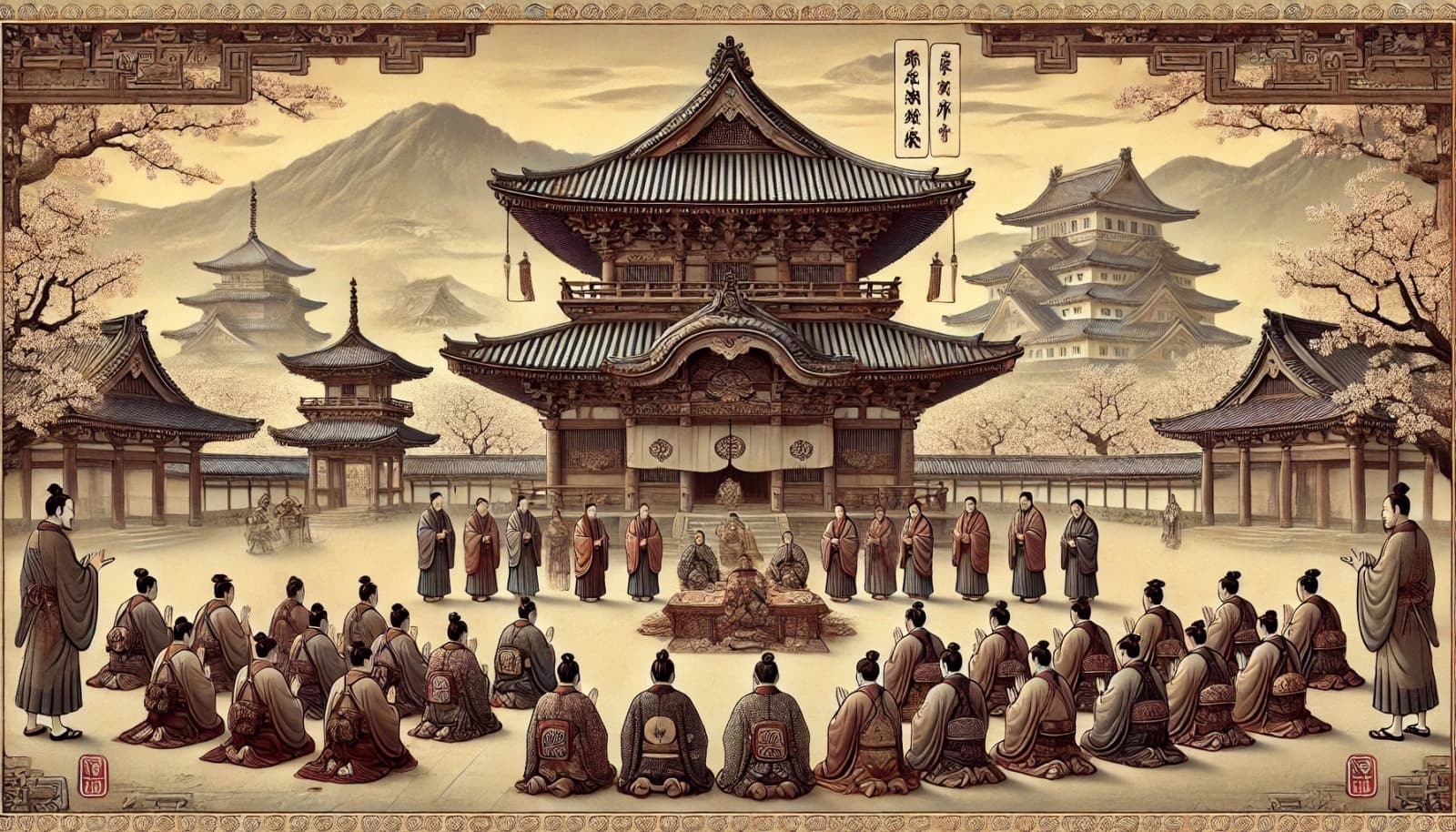
From its founding, Tenryu-ji served as a prayer temple dedicated to “Chingo Kokka” (protection of the nation). Based on Zen Buddhist teachings, the Ashikaga Shogunate positioned Tenryu-ji as a nationally important temple to ensure political stability. Prayers and Buddhist ceremonies conducted at Tenryu-ji under the patronage of the shogunate served to deepen the relationship between the state and Buddhism.
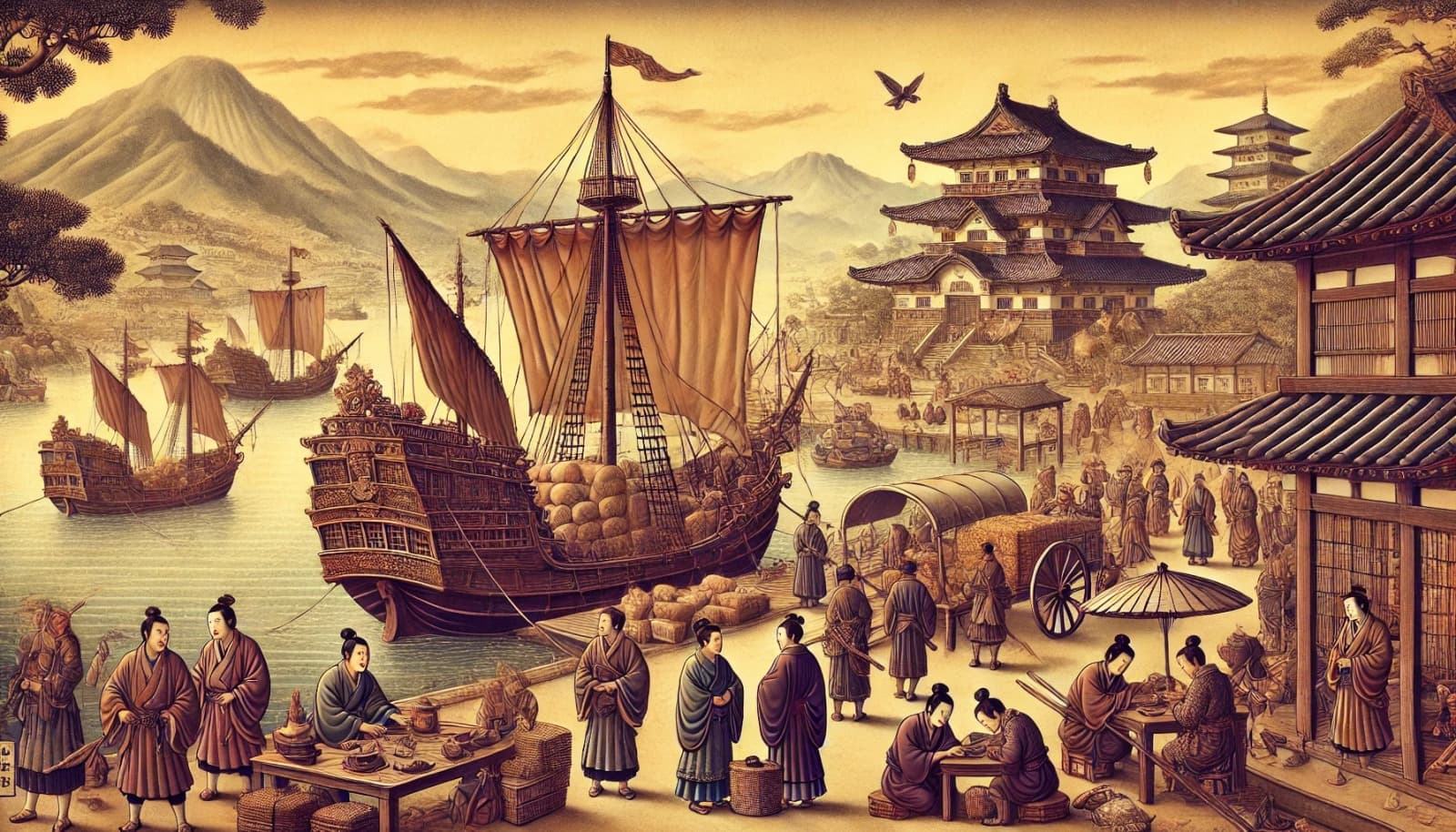
4. Trade Through the Tenryu-ji Ships and the Development of Buddhist Culture (From 1342)
 *Illustrative image
To fund the construction of Tenryu-ji, Ashikaga Takauji dispatched the Tenryu-ji Ships to conduct trade with China (the Yuan dynasty). These ships not only provided the economic foundation for building the temple but also contributed to the transmission of Zen Buddhist culture from China. Buddhist implements and sutras imported through this trade had a profound influence on Japanese Zen culture centered around Tenryu-ji.
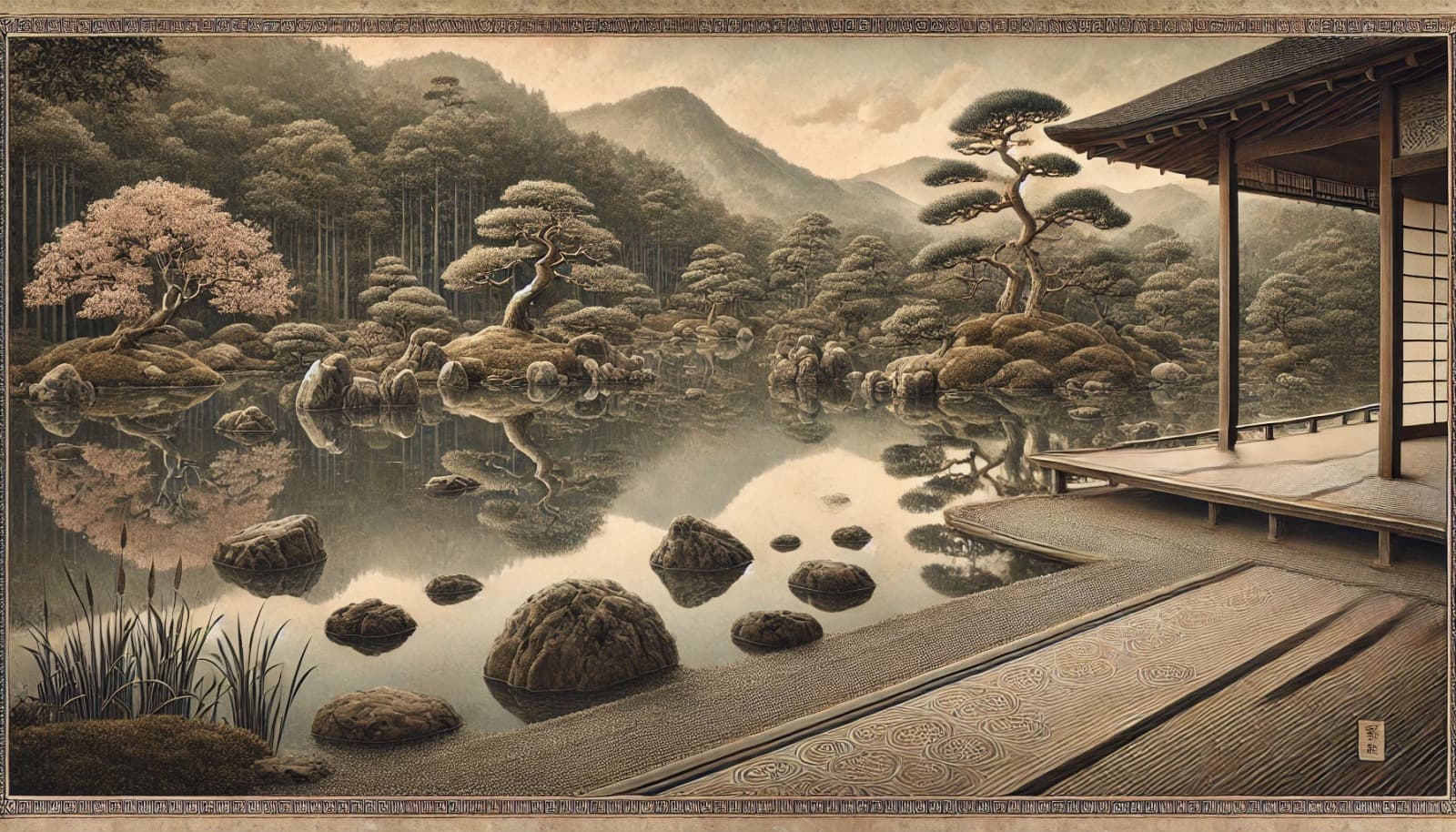
5. A Garden Symbolizing the Spirit of Zen (Mid-14th Century)
 *Illustrative image
The Sogenchi Garden, created by Muso Soseki, is a quintessential example of a Japanese garden reflecting Zen teachings. The garden’s composition expresses a Buddhist cosmological worldview and the simplicity that symbolizes “Mu” (nothingness). It played a vital role in visually conveying the spiritual teachings of Zen Buddhism.
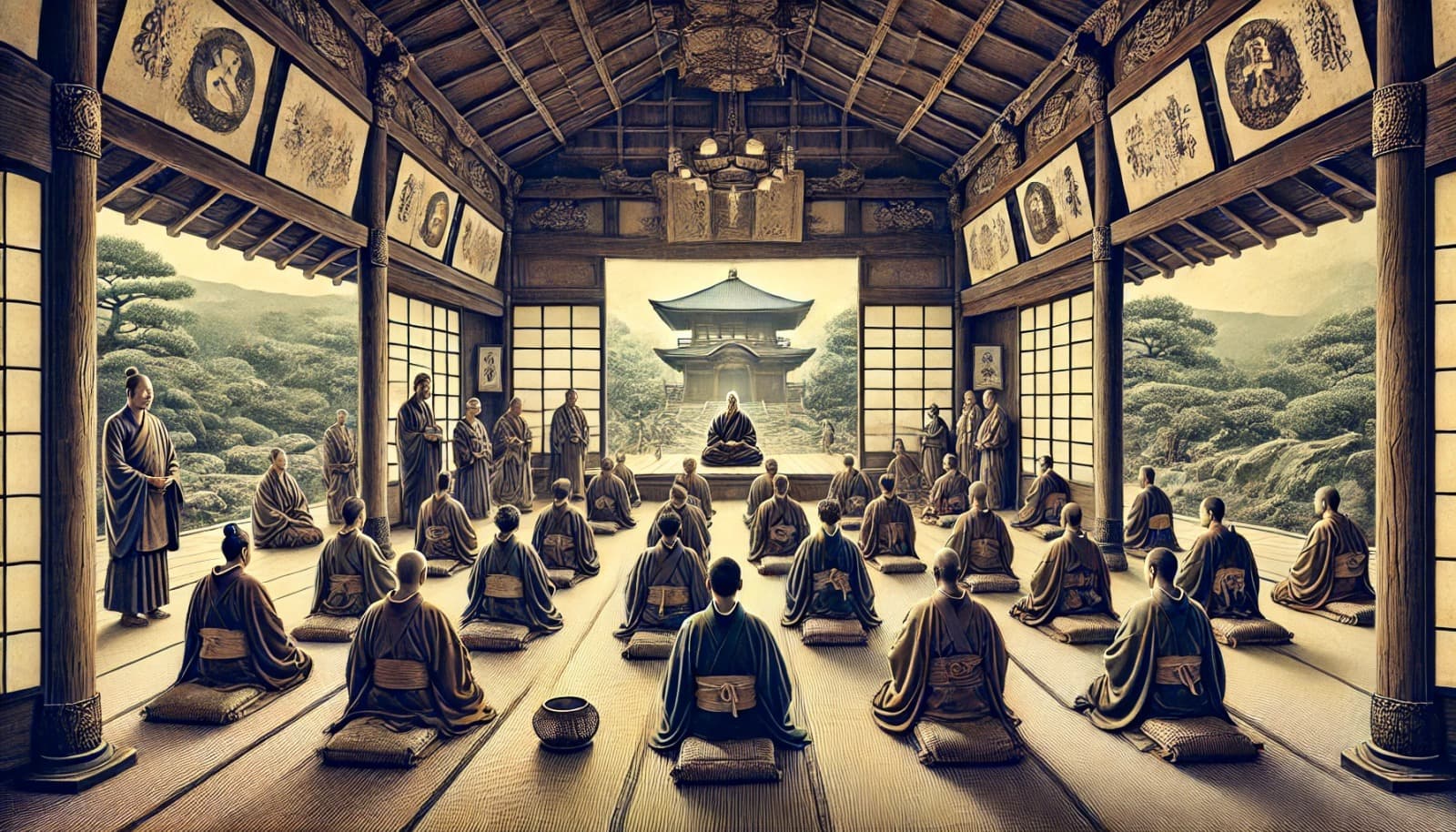
6. Spreading Zen Through Ceremonies and Practice
 *Illustrative image
At Tenryu-ji, monk training and public Buddhist ceremonies were conducted, contributing to the spread of Zen Buddhism. Centered on zazen (seated meditation), the temple served as a place for practicing Buddhist teachings. Even today, zazen and practice experiences are offered, and many visitors come to connect with the spirit of Zen.
Meditation and Zen Experience Programs
Tenryu-ji offers various experience programs for visitors to connect with the spirit of Zen and quiet the mind. Below are the main programs available.

1. Tenryu-ji Zazen Meditation Session
Tenryu-ji holds a “Tenryu Zazen-kai” (Zazen Meditation Session) on the second Sunday of every month from 9:00 to 10:00 AM. This session requires no reservation and is free of charge, making it accessible for anyone to participate casually–it is also recommended for first-time practitioners. Note that sessions are not held in February, July, and August, so we recommend checking the schedule in advance.
How the Session Works
The session begins with approximately 15 minutes of instruction by a monk, guiding participants so that even beginners can feel at ease. This introduction is approachable rather than formal, reflecting the temple’s experience welcoming visitors from around the world.
This is followed by approximately 45 minutes of zazen meditation. During the session, participants quiet the mind in silence, focus on breathing, and experience the precious time of self-reflection. The sessions draw not only Japanese participants but also international visitors, creating an international atmosphere where Zen culture is shared.
The Dharma Talk (Teisho)
After zazen, the head of the Tenryu-ji school delivers an approximately one-hour Dharma talk (teisho). This talk covers Zen teachings and practical wisdom applicable to daily life, providing participants with a deeply enriching learning experience.
2. Sutra Copying (Shakyo) Experience
With advance reservation, visitors can participate in a “Shakyo (Sutra Copying) Experience” at Tenryu-ji. This experience offers a precious opportunity to calm the mind, spend quiet time, and reflect on oneself.
What Is Shakyo?
Shakyo is a traditional Buddhist practice of copying sutras by hand. Its purpose is to imprint Buddhist teachings on the heart through the act of writing and to clear away distracting thoughts and bring order to the mind. By concentrating on each character, the mind naturally settles, allowing you to forget the rush of everyday life and find moments of peace.
Experience Details
Participation Fee: The shakyo experience costs 1,000 yen, with a separate temple admission fee required. The experience is by reservation, and participants should book in advance for their preferred date and time. Please check the official website or call to confirm.
Summary
Tenryu-ji is not only a symbol of Arashiyama’s spring beauty, but also a special place where visitors can experience the teachings of Zen and the charm of Japanese gardens. By visiting this historic temple and its beautiful gardens, you can feel the culture and spirit that have endured across the centuries while enjoying peaceful, contemplative moments.
This article has provided a detailed introduction to Tenryu-ji’s overview, history, and experience programs including meditation and sutra copying. When visiting Arashiyama in spring, we encourage you to experience the healing power of Tenryu-ji for yourself.
Arashiyama in full cherry blossom bloom offers some of the most enchanting moments of the year. We hope this guide helps you plan a special trip to step away from the everyday and create unforgettable memories.