
🕓 2023/1/28
#Sightseeing
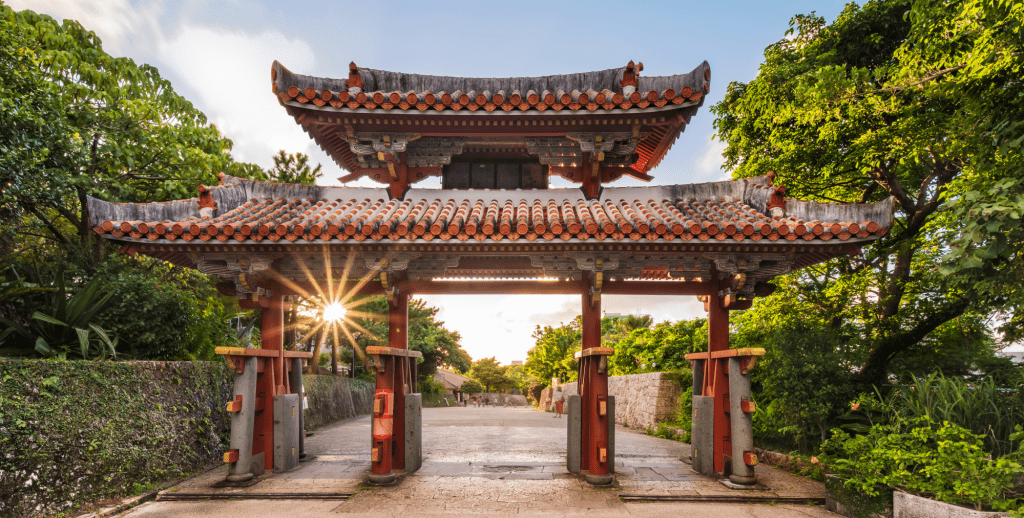
- About Okinawa Prefecture
- 3 Handpicked Tourist Destinations in Okinawa Prefecture
- Tamaudun Royal Mausoleum
About Okinawa Prefecture
Okinawa Prefecture, located at the southernmost tip of Japan, is known for its rich cultural heritage, deep historical background, and breathtaking natural landscapes, attracting tourists from around the world. The region is surrounded by crystal-blue seas, white sandy beaches, and abundant coral reefs, providing the perfect environment for enjoying marine sports such as snorkeling, diving, and kayaking, as well as relaxing vacations at beach resorts.
Okinawa’s unique language, traditions, and cuisine form the core of the region’s cultural identity, offering visitors a distinctive experience.
Okinawa’s culture is deeply influenced by the legacy of the Ryukyu Kingdom, which was once an independent kingdom. Its historical heritage, such as Shuri Castle, traditional Ryukyu dance, and sanshin music, remains rooted in local life to this day. Local dishes like Goya Champuru and Okinawa Soba are beloved by visitors for their healthy and unique flavors.
Okinawa Prefecture is an archipelago consisting of more than 160 islands, each with its own unique charm. For travelers seeking tranquility and a sense of unity with nature, exploring the remote islands is highly recommended. In particular, Ishigaki Island and Miyako Island are popular tourist destinations known for their beautiful beaches as well as opportunities to experience rich nature and culture.
3 Handpicked Tourist Destinations in Okinawa Prefecture
Tamaudun Royal Mausoleum

● Appeal
The appeal of Tamaudun lies not only in its excellent state of preservation and the valuable historical evidence it provides about the Ryukyu royal family, but also in how visitors can experience its history. This tomb is a magnificent structure made of Ryukyu limestone, serving as the final resting place of the royalty of the Ryukyu Kingdom. Visitors can experience the culture and traditions of the Ryukyu through the tomb’s structure, carvings, and its historical significance.
In particular, the stone lion statues guarding the entrance serve as traditional Ryukyu guardian figures, leaving a strong impression on viewers. Guided tours are available, allowing visitors to walk through the grounds while receiving detailed explanations, enabling a deeper understanding. Additionally, special exhibitions and events may be held on certain days, providing opportunities to experience the history and culture of Tamaudun in an even richer form.
● History
Tamaudun holds a special position as the most important royal tomb during the Ryukyu Kingdom era. This historical site was constructed in 1501 by King Sho Shin of the Second Sho Dynasty of the Ryukyu Kingdom. King Sho Shin is known for his great contributions to the unification of the Ryukyu Kingdom, and the creation of Tamaudun also became a symbol of the kingdom’s prosperity and stability.
Tamaudun was used for several hundred years as the burial place for royalty of the Sho dynasty. This mausoleum houses the remains of successive kings and their families, including King Sho Shin, making it an important heritage that conveys the history of the kingdom to the present day. Notably, Tamaudun consists of three sections — the main tomb, the south tomb, and the north tomb — each housing royal remains in different formats.
During World War II, Tamaudun also suffered damage from the war. However, during the postwar reconstruction period, this historical mausoleum was designated as a national historic site, and efforts have been made for its restoration and preservation. In 2000, its worldwide value was recognized when it was inscribed on the UNESCO World Heritage List as part of the “Gusuku Sites and Related Properties of the Kingdom of Ryukyu.”
● Access
- Address: 1-3 Shuri Kinjocho, Naha City, Okinawa 903-0815
- Official Website: Naha City Official Website
- Google Maps Link: Access to Tamaudun
- Access:
On foot: Located near Shuri Castle Park, approximately a 10-minute walk from Shuri Castle.
By train and bus:
Take the Yui Rail (Okinawa Urban Monorail) from Naha Airport to Shuri Station.
Okinawa World
● Appeal
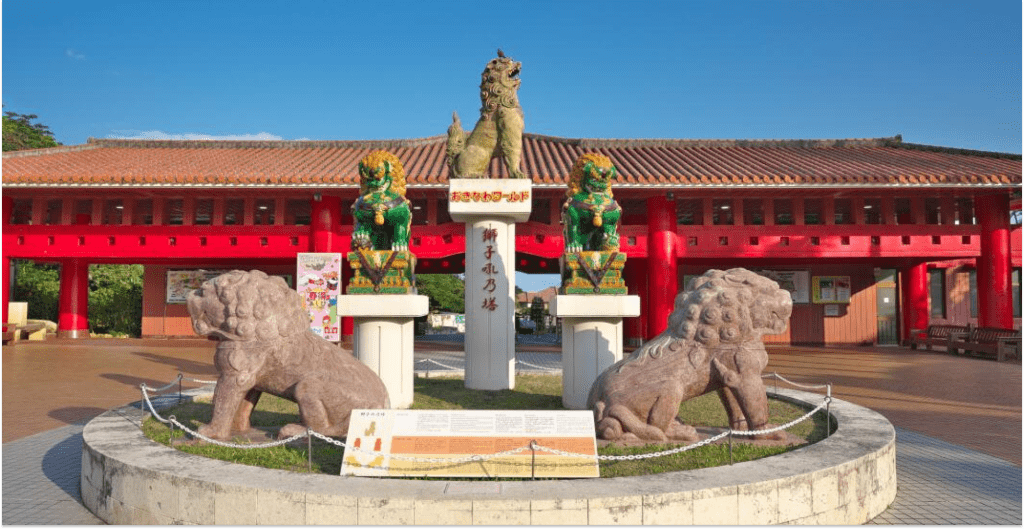
Okinawa World is a facility where visitors can experience Okinawa’s rich nature and traditional culture. Its main attractions include exploring Gyokusendo, a stunning limestone cave; cultural experiences at the traditional Ryukyu Village; and a deep understanding of Okinawan culture through traditional dance and crafts.
Gyokusendo is particularly renowned for its stalactites, which nature sculpted over countless centuries into works of art. The cave’s lighting creates a mystical atmosphere that captivates all who visit. Meanwhile, at the Ryukyu Village, visitors can experience the old Okinawan way of life, dress in traditional costumes for photos, and participate in workshops making traditional Okinawan crafts.
Furthermore, Okinawa World offers attractions that take advantage of Okinawa’s natural environment. At the tropical botanical garden, visitors can admire plants and flowers unique to Okinawa, while at the Habu Park, they can learn about the habu snakes native to Okinawa and their ecology. Through these experiences, visitors can gain a deep understanding of both Okinawa’s nature and culture.
● History
Gyokusendo, the centerpiece of Okinawa World, is said to have been formed over approximately 300,000 years. Known as Okinawa’s largest limestone cave, it extends approximately 5 km in length. Since being opened to the public in 1972, its magnificent natural beauty and mystical atmosphere have continued to captivate many tourists.
The Ryukyu Village was established to convey Okinawa’s traditional lifestyle and culture. Here, traditional Ryukyu houses have been recreated, providing knowledge about Okinawa’s history and culture. Visitors can experience the lives and culture of people from the Ryukyu era up close, and touch upon Okinawa’s history.
● Access
- Address: 1336 Maekawa, Tamagusuku, Nanjo City, Okinawa 901-0616
- Official Website: Okinawa World Official Website
- Google Maps Link: Access to Okinawa World
Shuri Castle
● Appeal
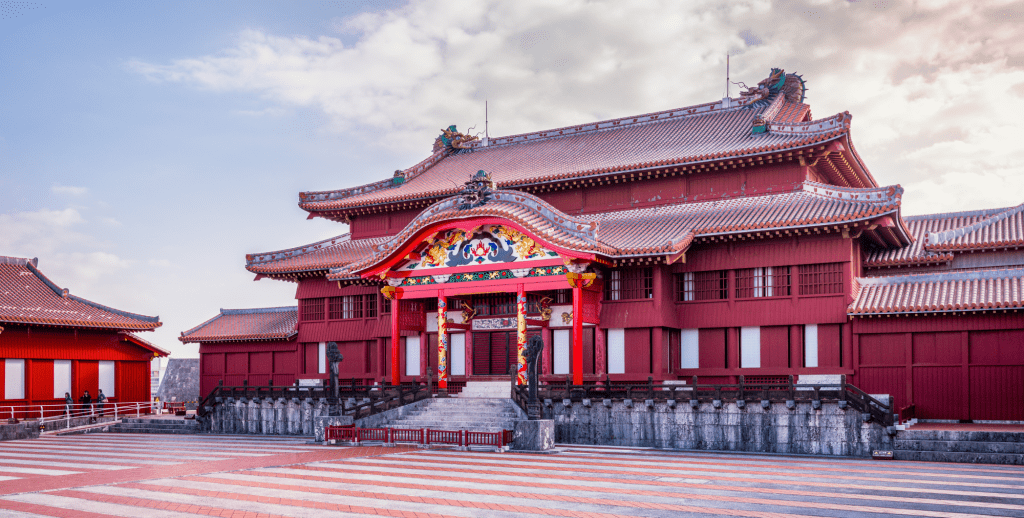
The appeal of Shuri Castle lies in its complex and exquisite architectural style. The castle incorporates influences from both Chinese and Japanese architectural styles while possessing its own unique Ryukyu characteristics. Particularly notable are the red-tiled roofs, beautiful stone staircases, and vividly colorful decorations. Within the castle grounds are various structures including the Seiden (Main Hall), North Hall, and South Hall, each of which served as stages for the daily lives and politics of the Ryukyu kings.
Within Shuri Castle Park, visitors can find beautiful gardens and abundant exhibits offering glimpses into the lifestyle of the Ryukyu Kingdom era. At the Seiden, traditional performances such as Ryukyu dance are regularly held, providing visitors with opportunities to experience Ryukyu culture.
It was inscribed on the UNESCO World Heritage List in 2000, but suffered significant damage in a fire that occurred in 2019. Restoration work is currently underway, and it continues to serve as an important place for sharing its history and culture with the people of Okinawa and visiting tourists.
● History
The history of Shuri Castle dates back to the 14th century, and since then it has prospered as the political and cultural center of Okinawa. The castle served as the residence of the Ryukyu Kingdom’s kings and was a symbol of their rule. Over the subsequent centuries, Shuri Castle was repeatedly renovated and expanded, yet it has maintained its fundamental structure and beauty.
However, it suffered extensive damage during the Battle of Okinawa in 1945. After postwar restoration work, it was fully restored in 1992, and in 2000 it was inscribed as a UNESCO World Cultural Heritage Site, attracting attention from around the world. However, a fire in October 2019 caused significant damage, and restoration work is currently ongoing.
● Access
- Address: 1-2 Shuri Kinjocho, Naha City, Okinawa 903-0814
- Official Website: Shuri Castle Official Website
- Google Maps Link: Access to Shuri Castle
- By train: Take the Yui Rail (Okinawa Urban Monorail) from Naha Airport and get off at “Shuri Station”