🕓 2025/2/28
#Culture
Detailed explanation of the history and experience of tea ceremony
more
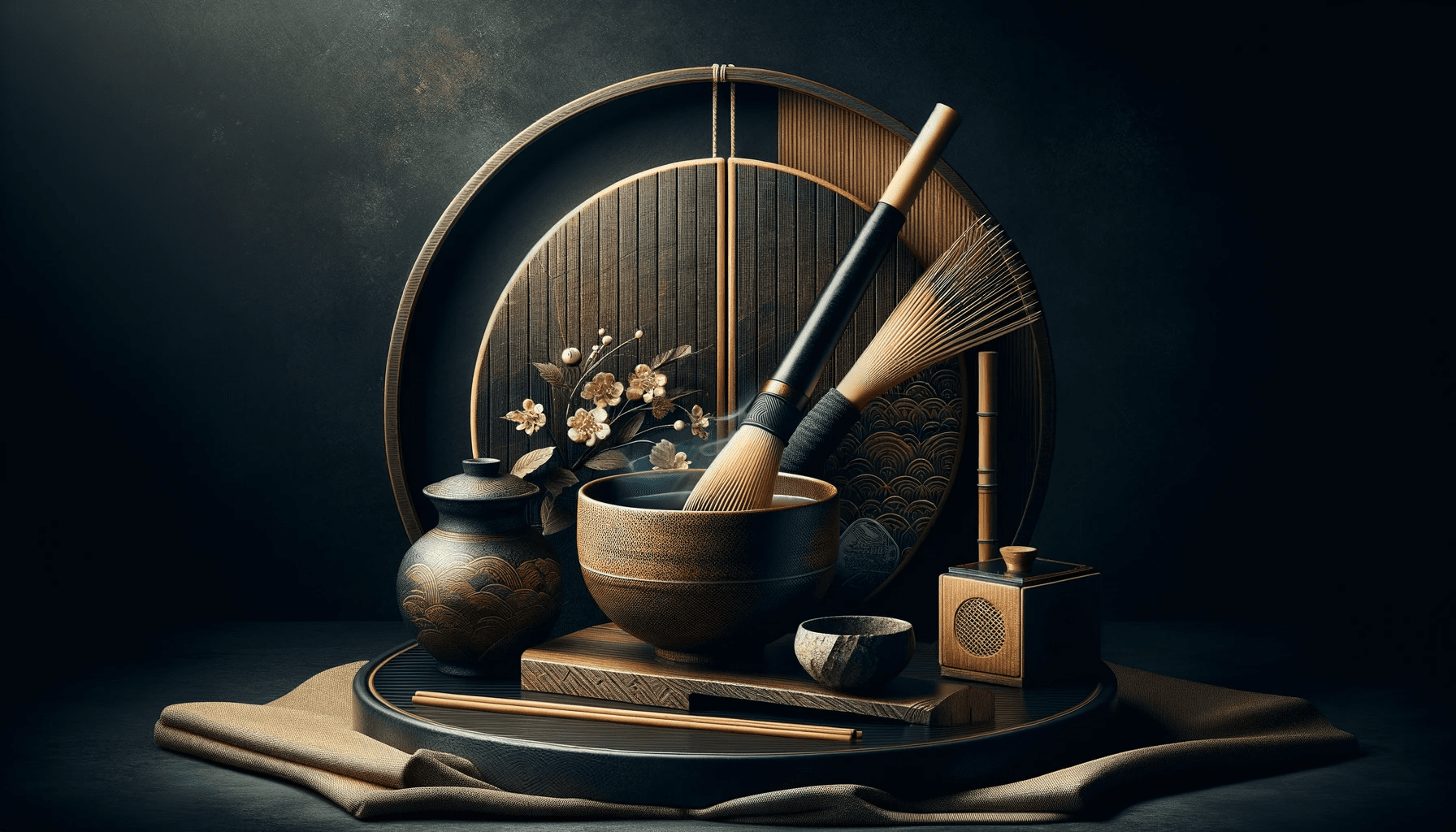
Table of contents
- 1. What is tea ceremony?
- 2. History of tea ceremony
- 3. Tea ceremony tools
- 4. Types of tea ceremony
- 5. Places where you can experience the tea ceremony
Introduction
The tea ceremony is an art that symbolizes Japan’s traditional culture and spirituality. In this article, we will introduce the basics, history, tools, styles, and places where you can experience the tea ceremony. This provides an opportunity to experience Japanese beauty and tradition.
1. What is tea ceremony?
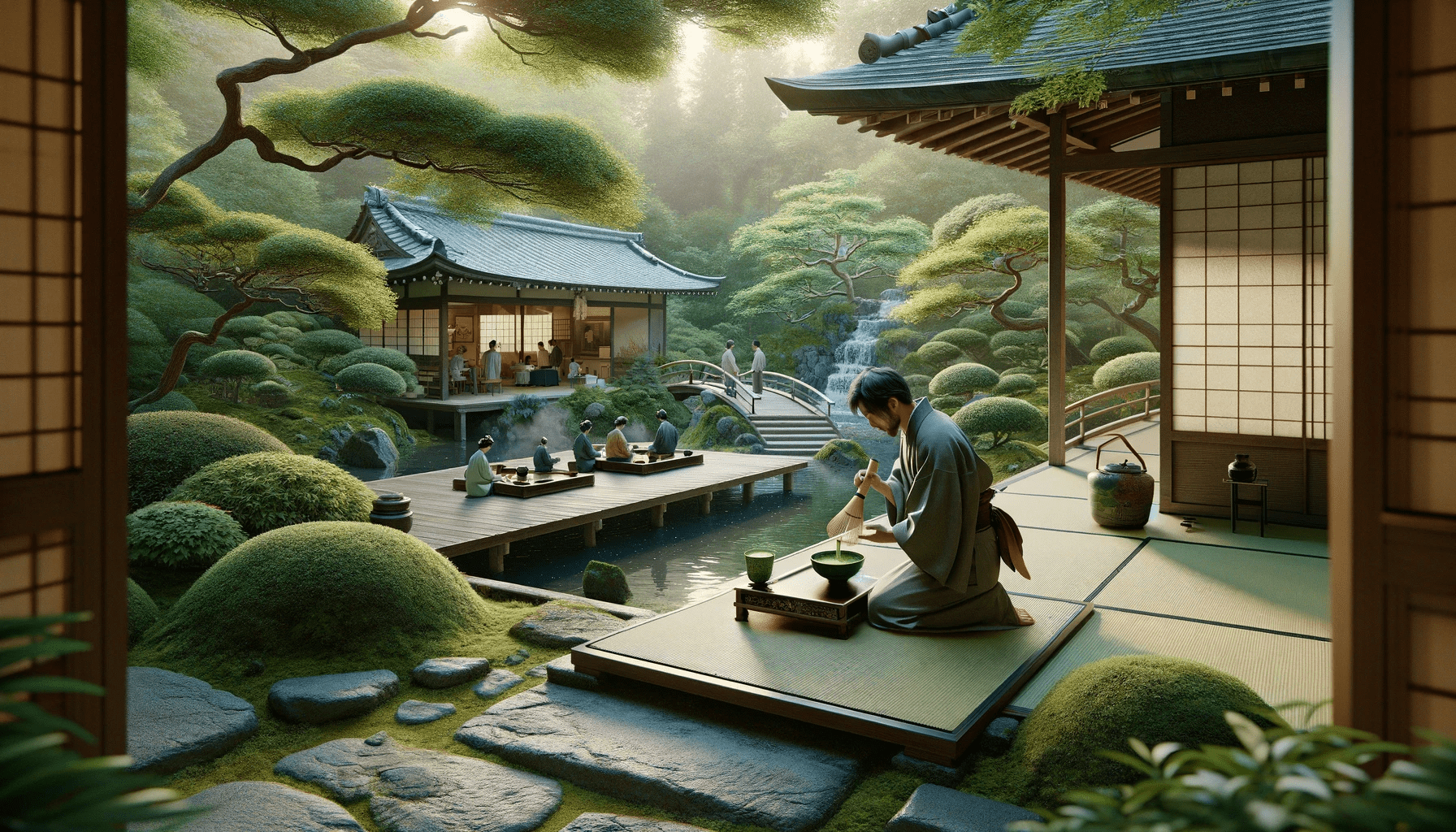
The Japanese tea ceremony, or “chanoyu”, “sado”, or “tea”, is a traditional Japanese cultural activity that involves the ritual preparation and serving of matcha, or powdered green tea.
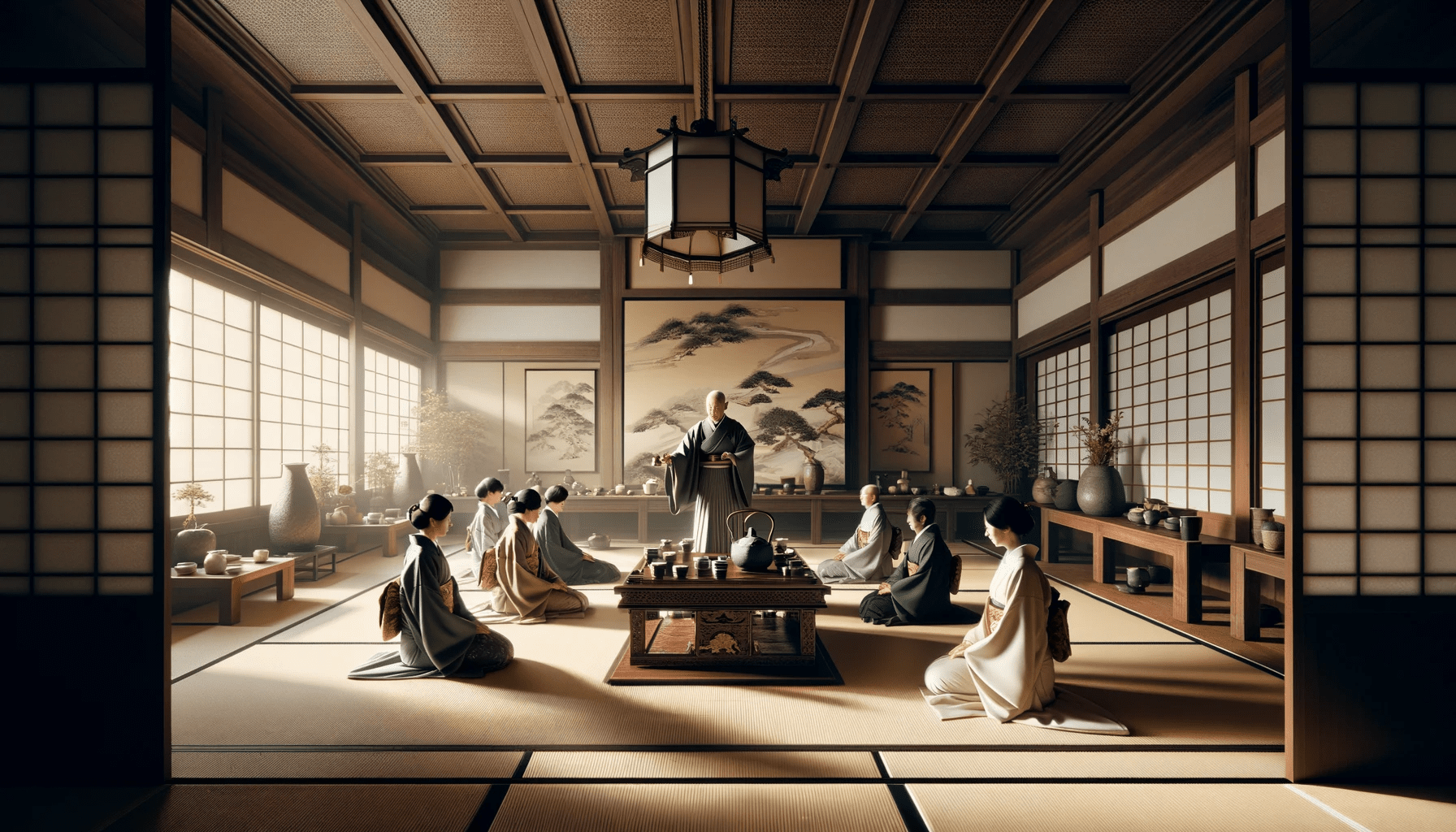
The tea ceremony embodies the principles of Nagomi, Kei, Kiyo, and Sei, and is much more than just drinking tea.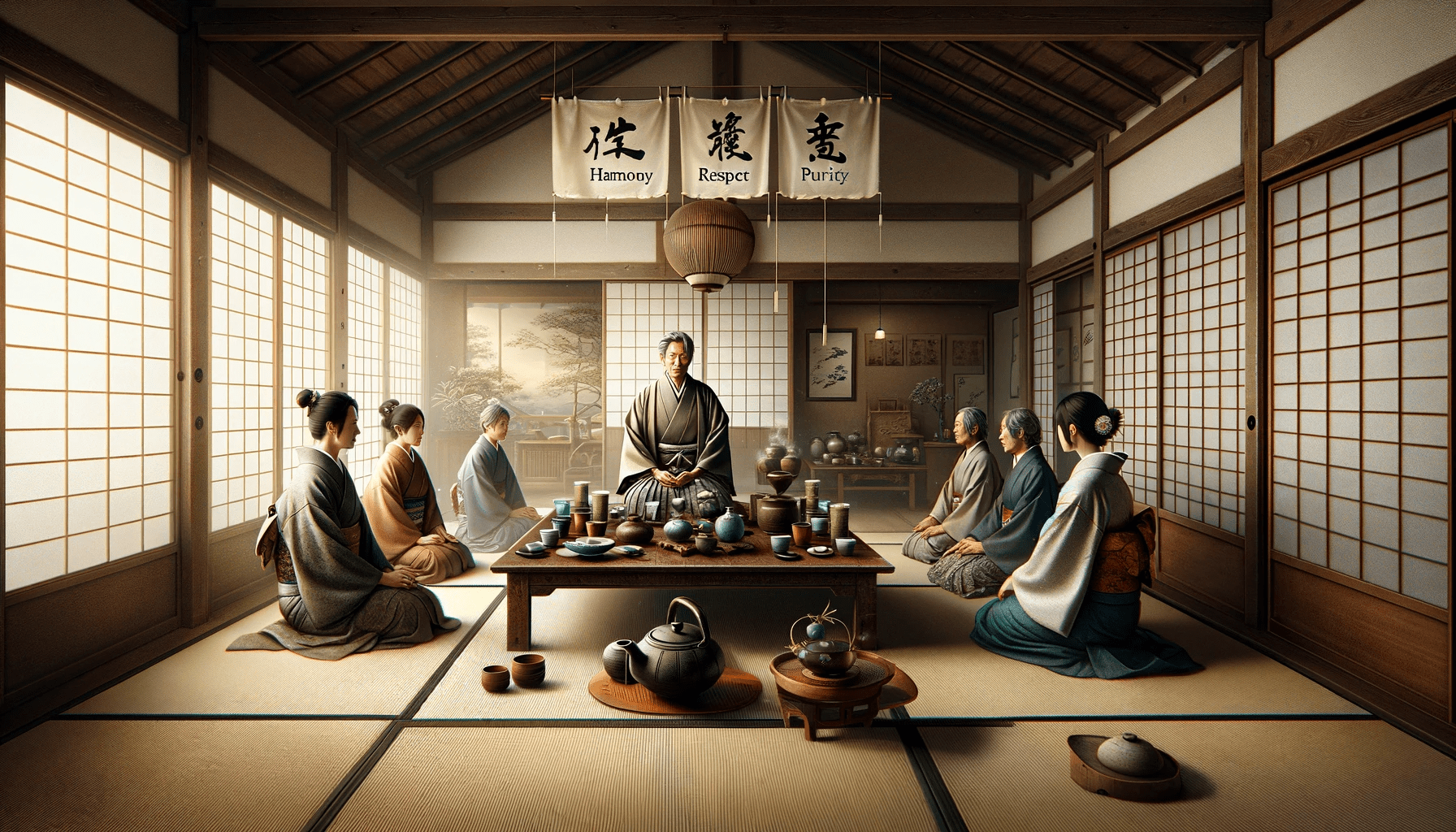
This is a spiritual and aesthetic experience that emphasizes the importance of the moment and the sense of beauty.
2. History of tea ceremony
Although brought to Japan from China in the 9th century, the tea ceremony as we know it today began to take shape in the 16th century under the influence of Zen Buddhism.

Influential tea masters like Sen no Rikyu shaped the tea ceremony, emphasizing simplicity and natural beauty.
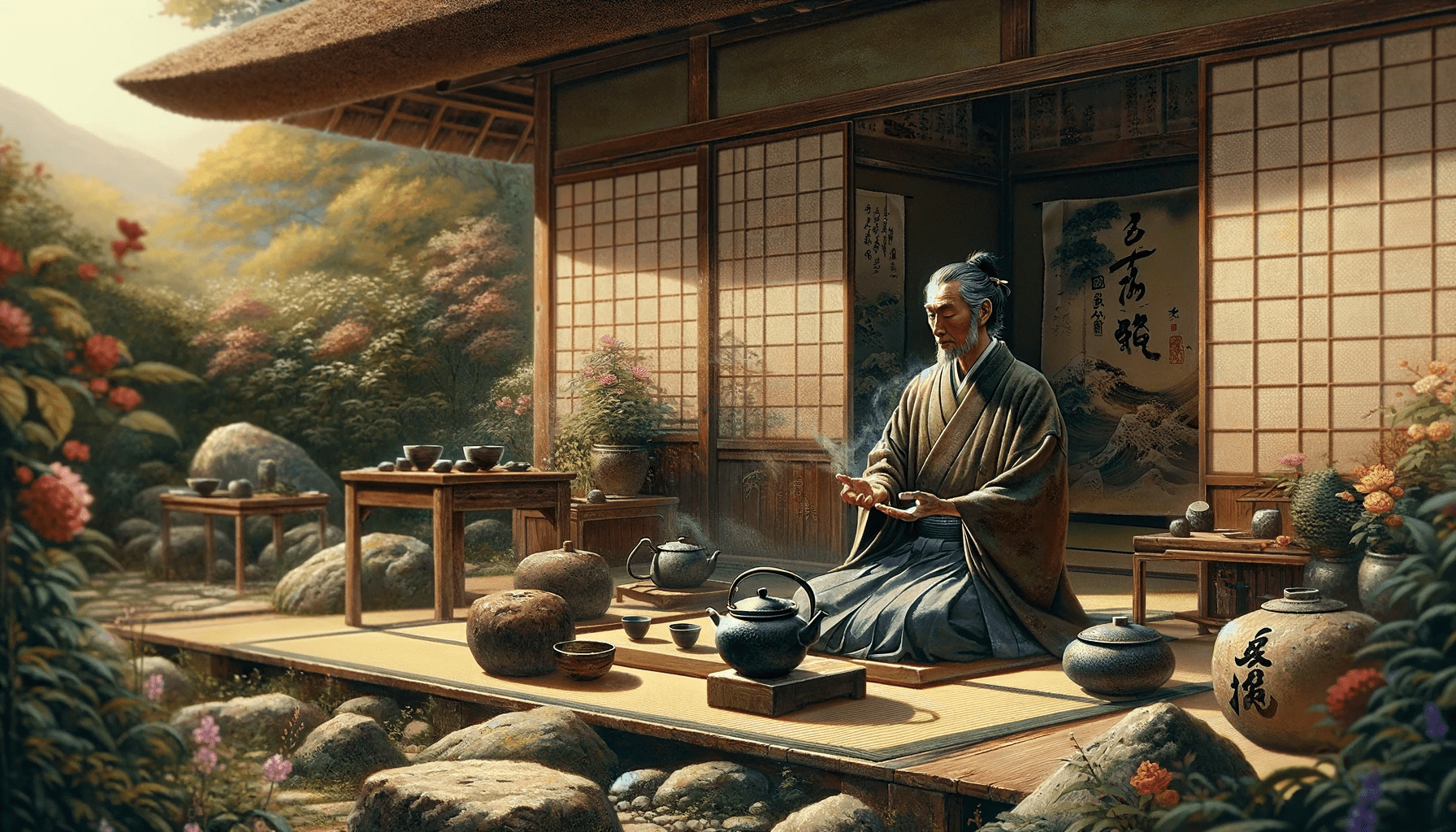
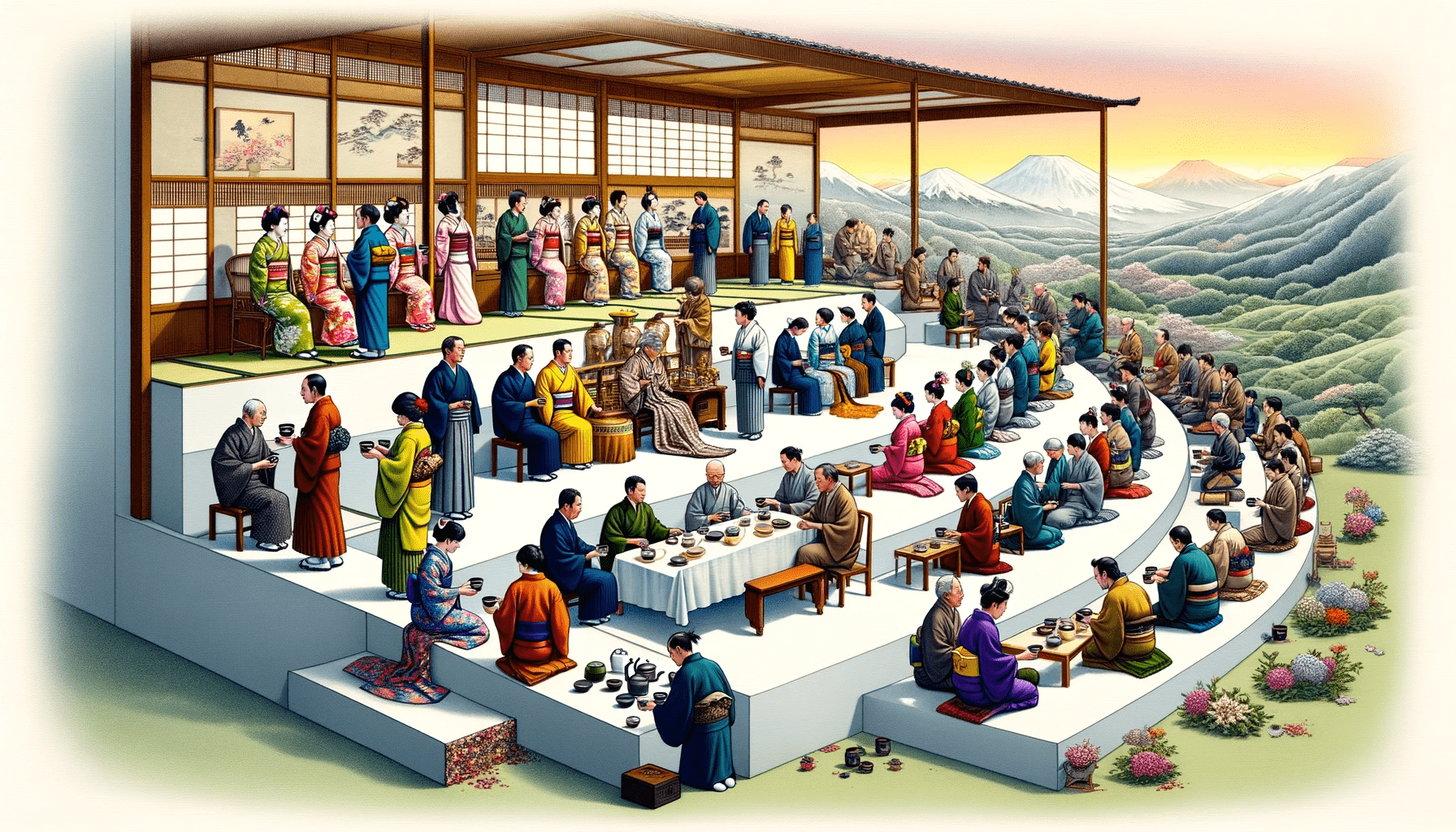
The tea ceremony was initially practiced among the upper classes, but gradually spread to all strata of society.
3. Tea ceremony tools
• Chawan:
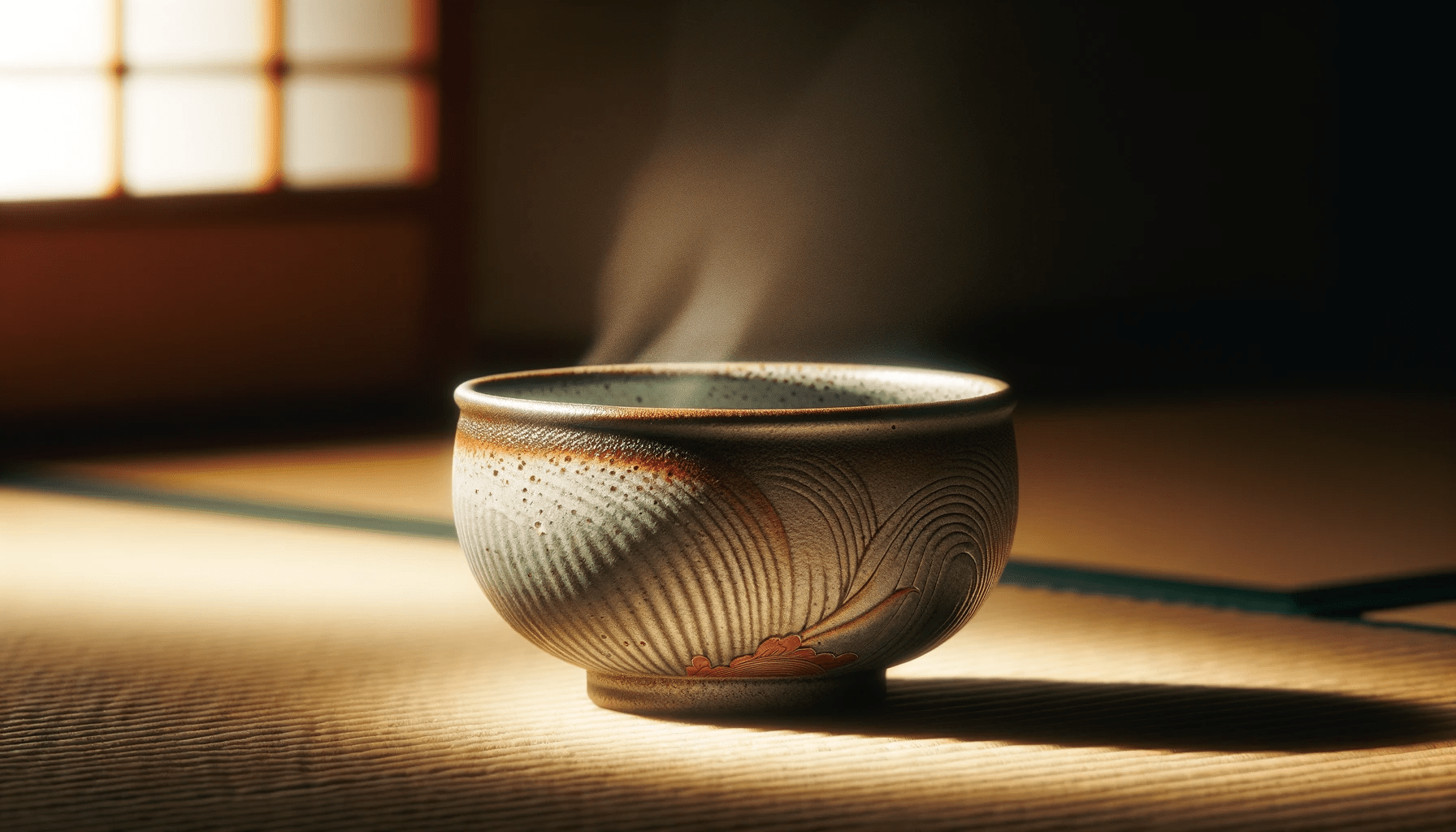
A vessel for making and drinking tea. They come in a variety of shapes, sizes, colors, and patterns, and are used depending on the season or event.
• Chasen:
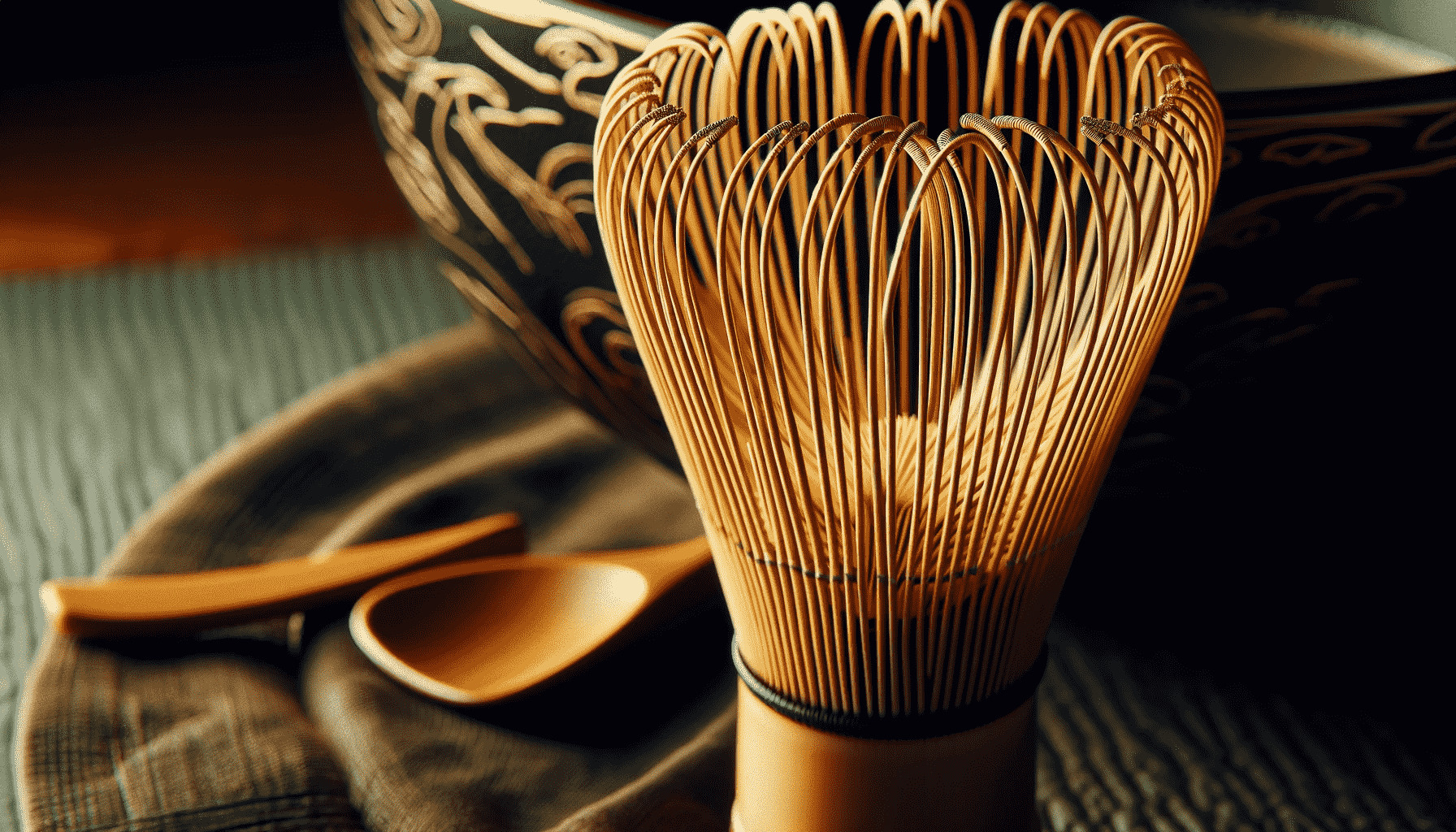
A tool made of bamboo that is used to whisk matcha when brewing tea.
• Tea scoop:
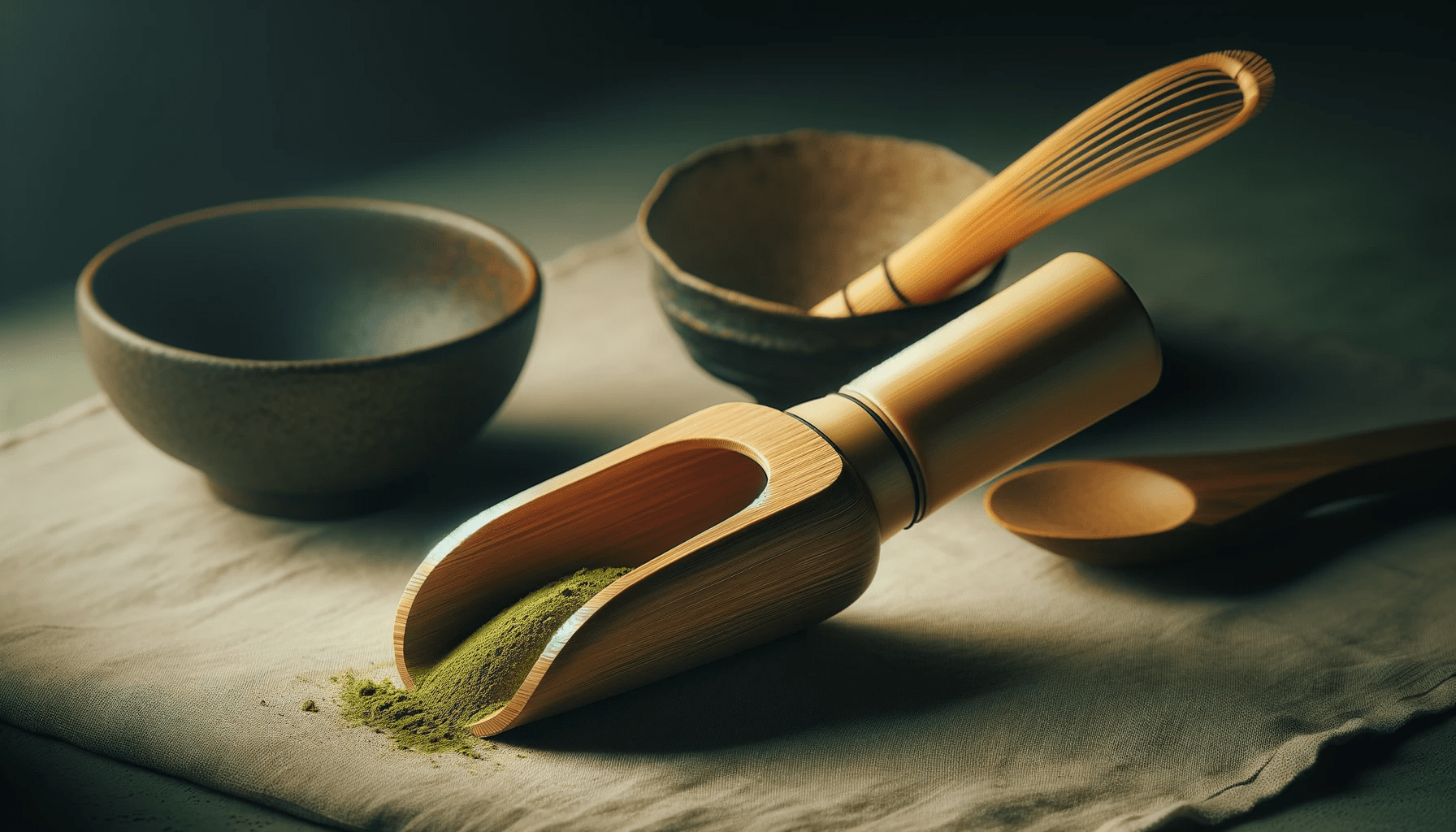
A bamboo spoon for pouring matcha into a bowl.
• Natsume:
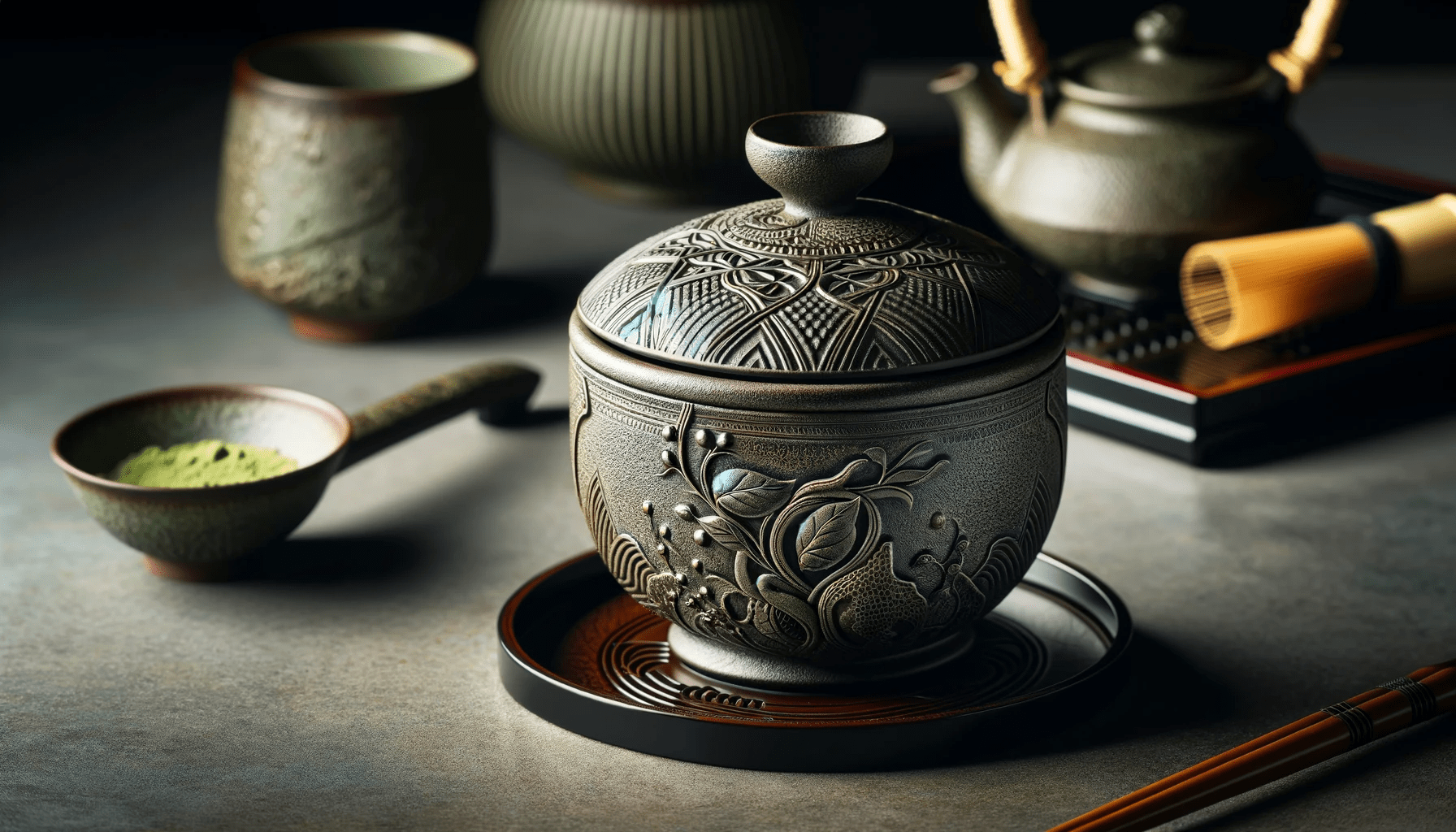
A tea container for light tea. Store matcha and use it during tea ceremonies.
• Chaire:
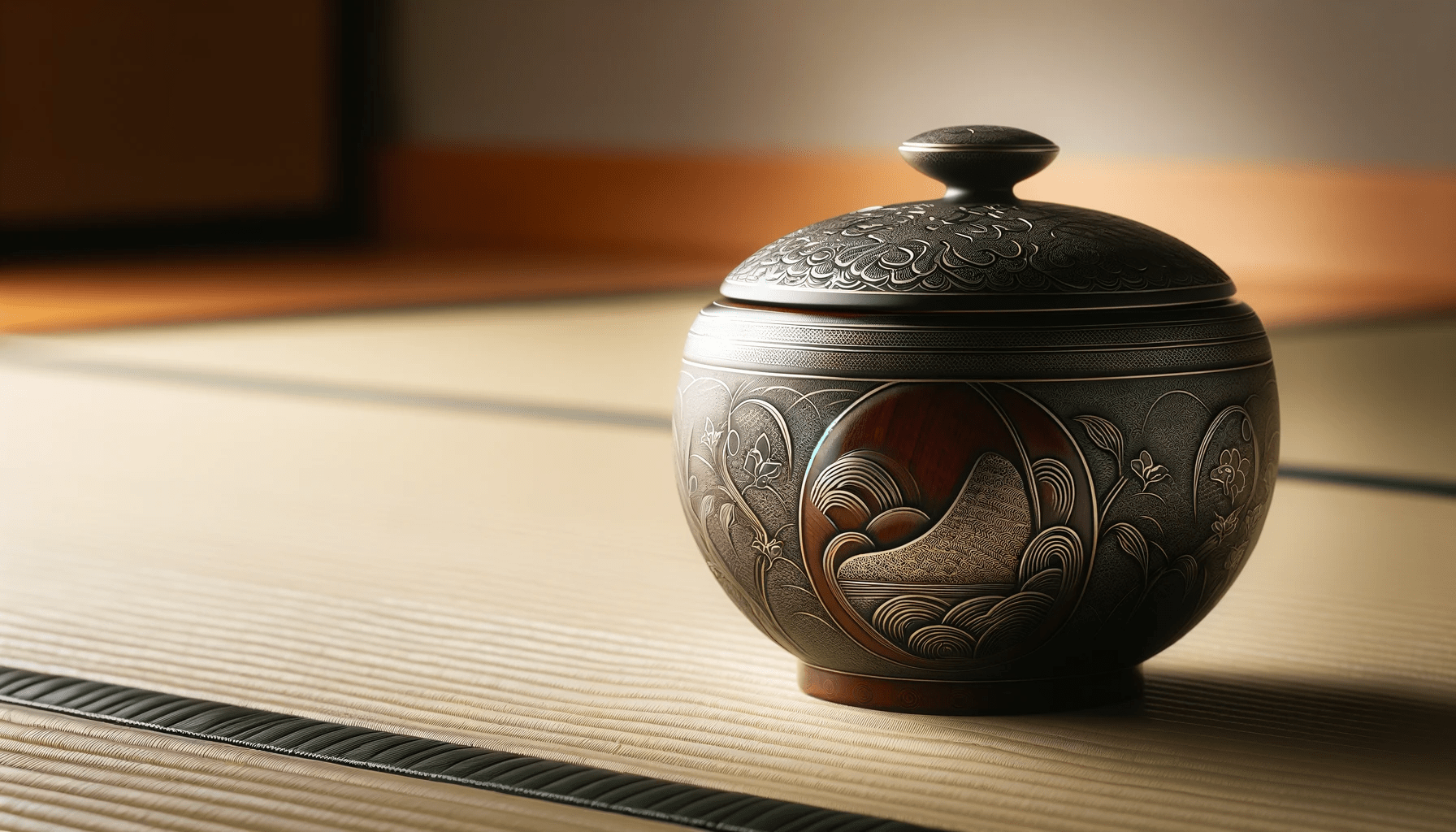
A tea container for strong tea. It is characterized by being smaller than a jujube and having better sealing properties.
• Tea towel:
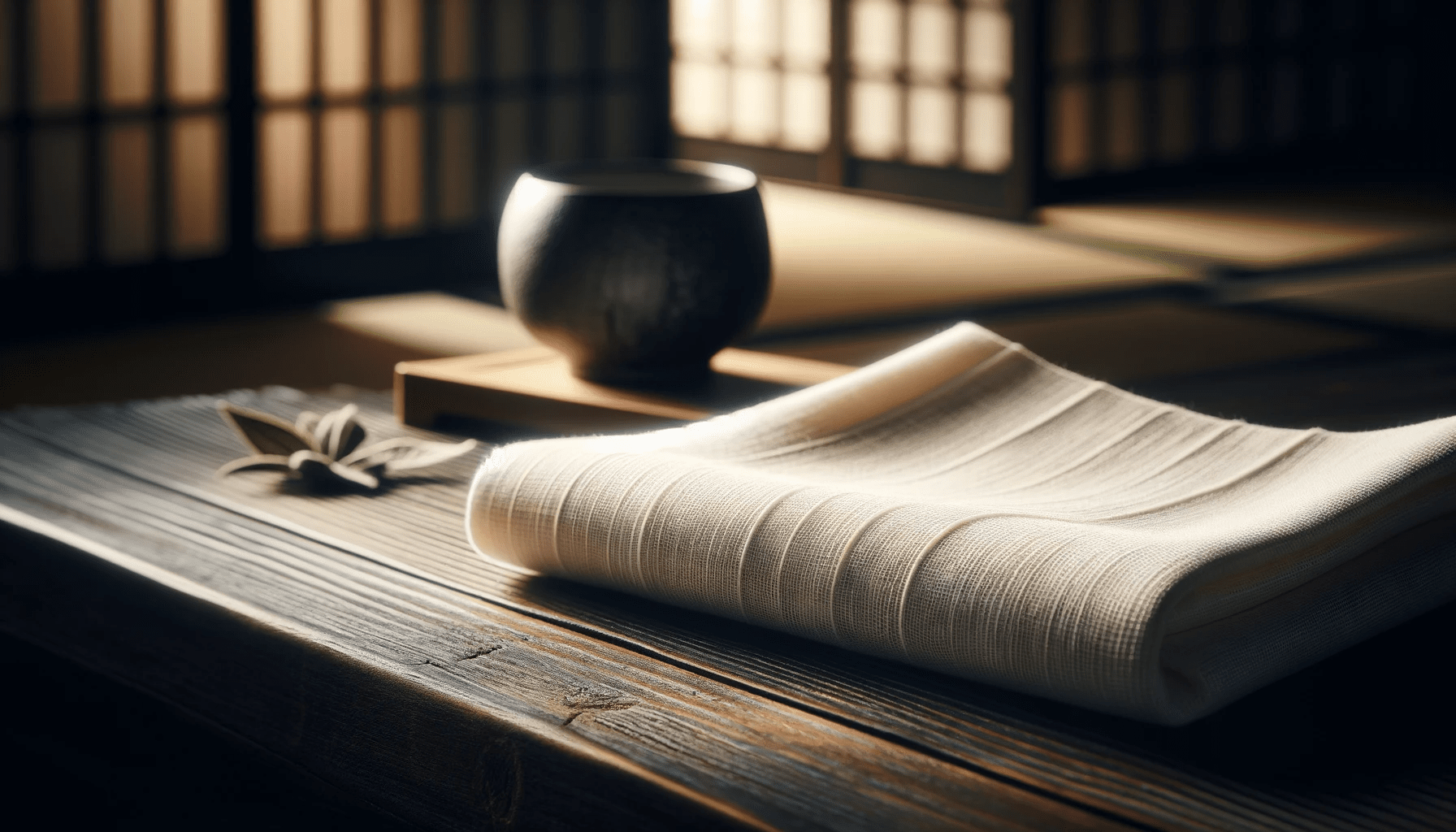
A cloth for wiping the bowl. It plays an important role in maintaining cleanliness during the tea ceremony.
• Mizusashi:
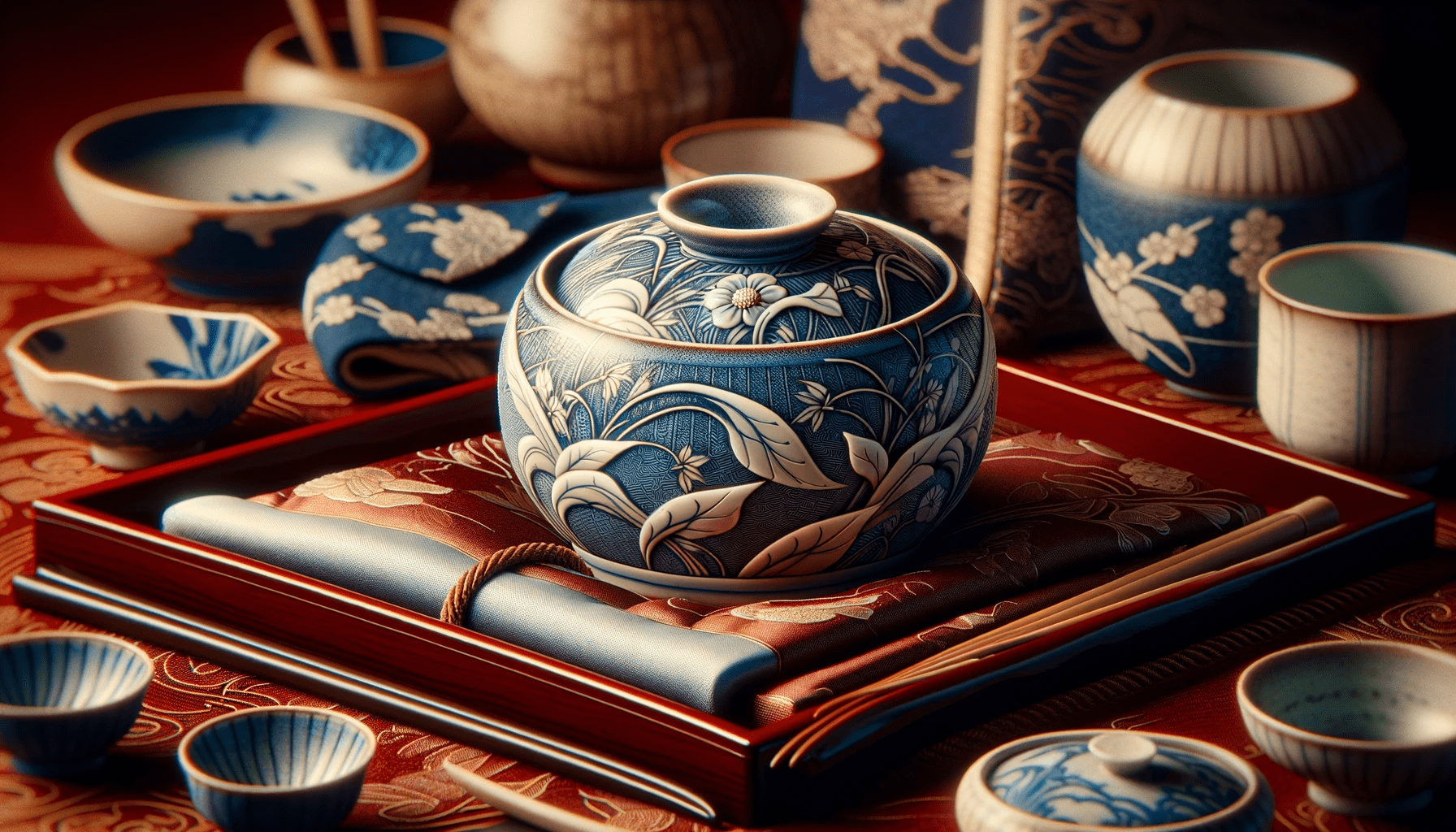
A container for holding fresh water. In the tea ceremony, it is used to wash the tea bowl.
• Kensui:
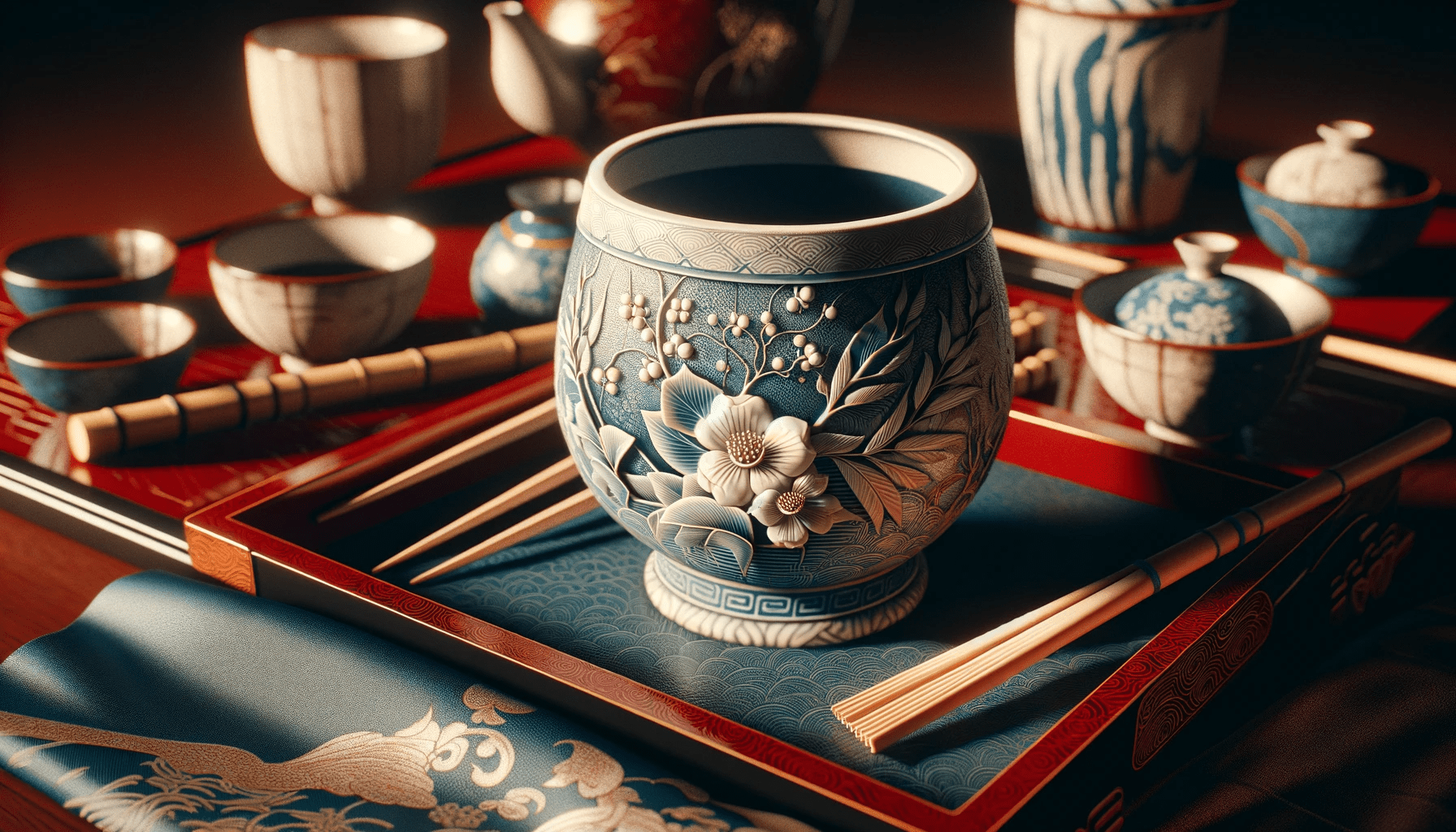
A container for disposing of used water and tea leaves. It plays an important role in maintaining cleanliness.
4. Types/types of tea ceremony
• Koicha: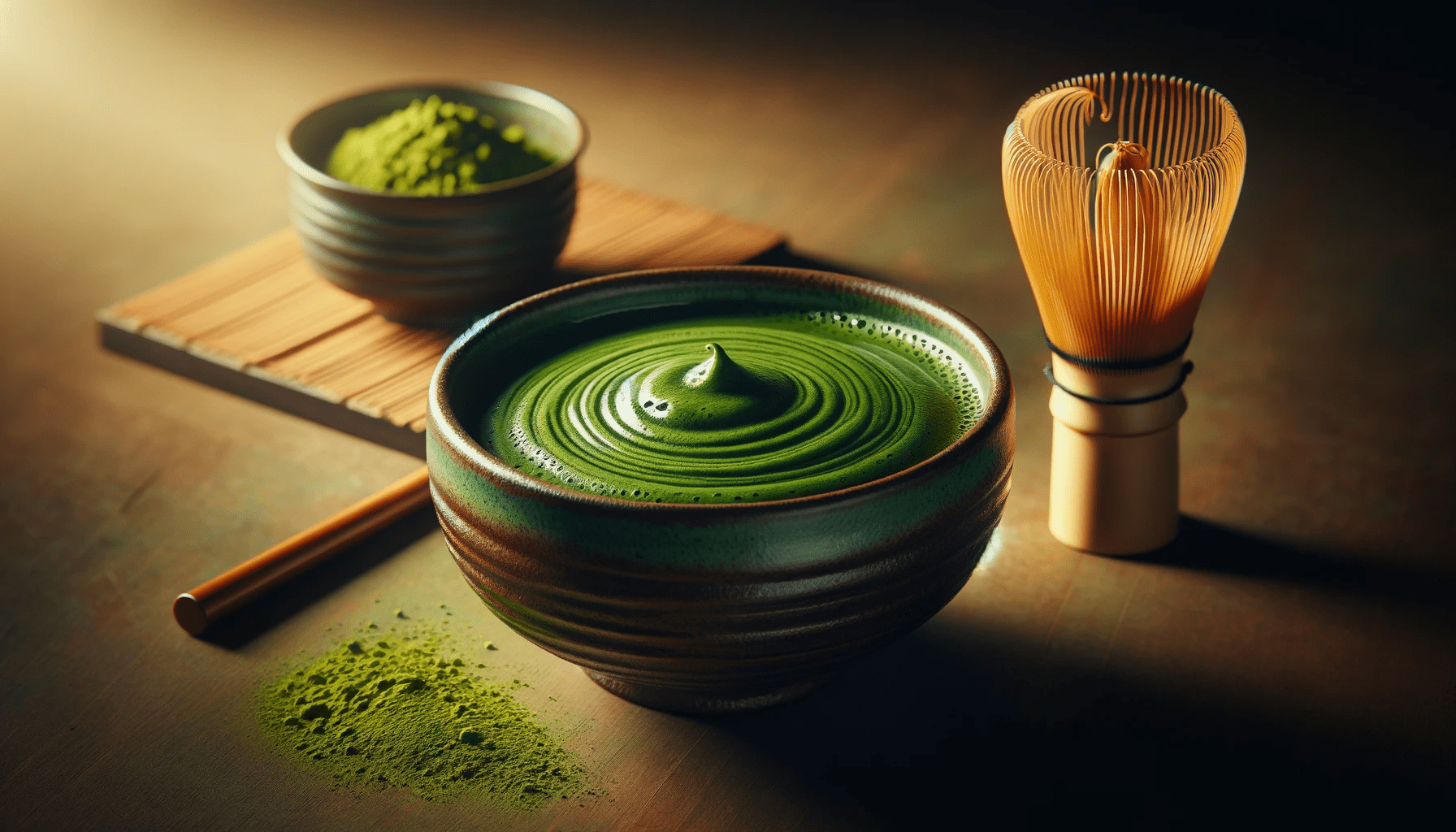
A strong matcha tea. A large amount of matcha is used per bowl, and a small amount of boiling water is used to create a rich flavor.
• Uscha: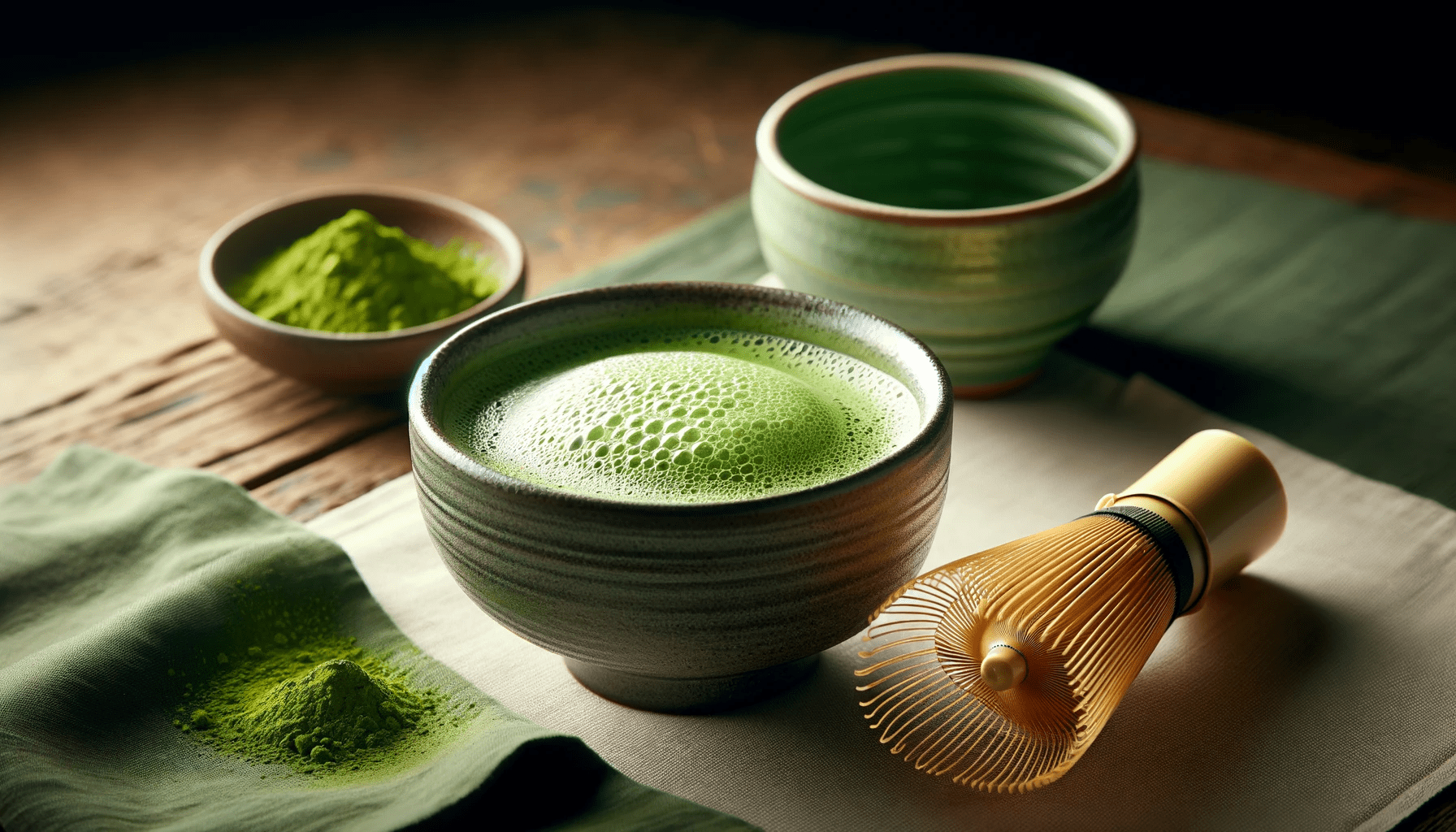
Matcha that can be lightly brewed. Use less matcha than usual and add more hot water for a smoother taste.
• Ryureishiki: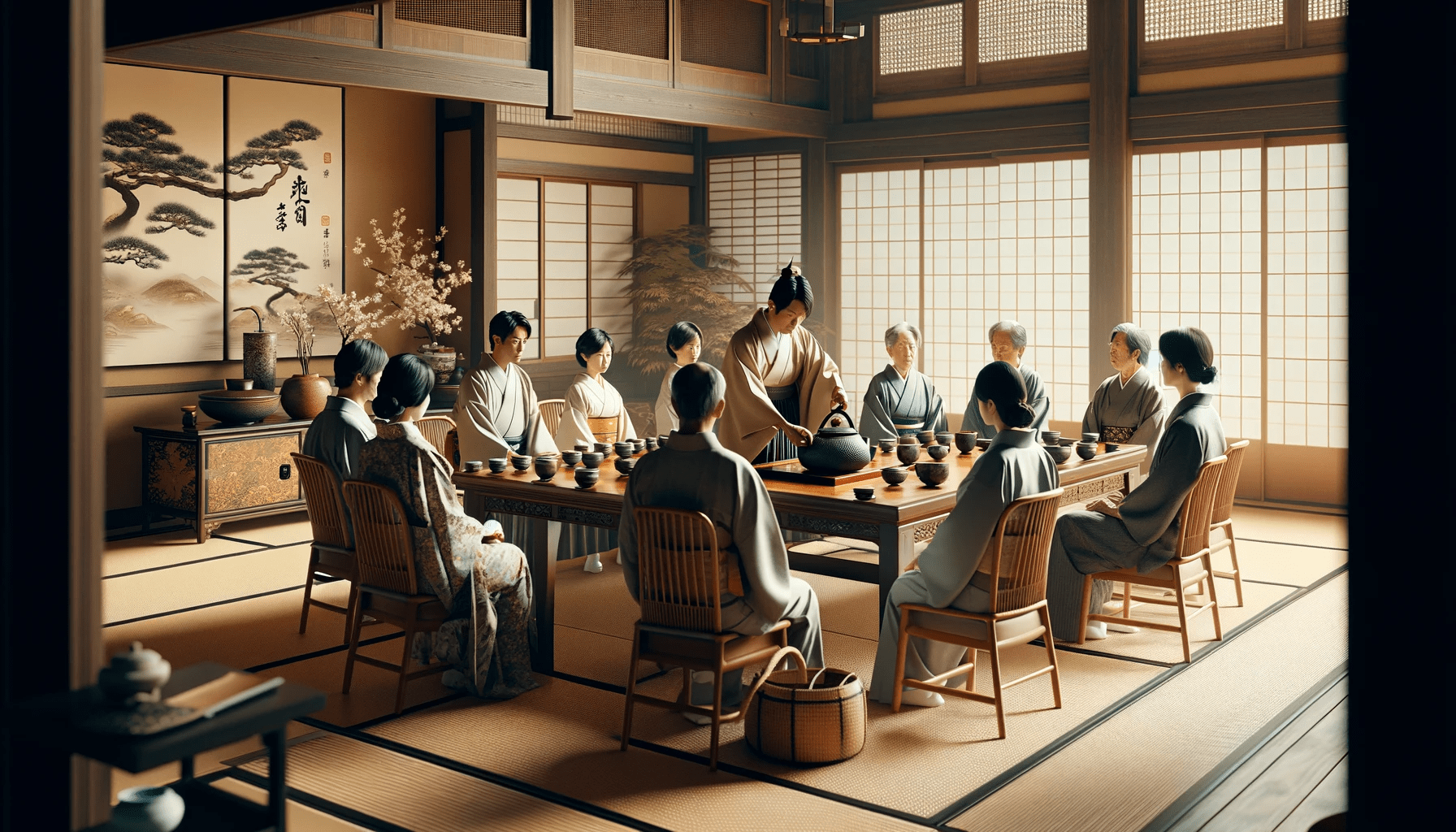
A style of tea ceremony that is performed seated using chairs and tables. It is held in a more casual setting than a formal tea ceremony.
• Determinant: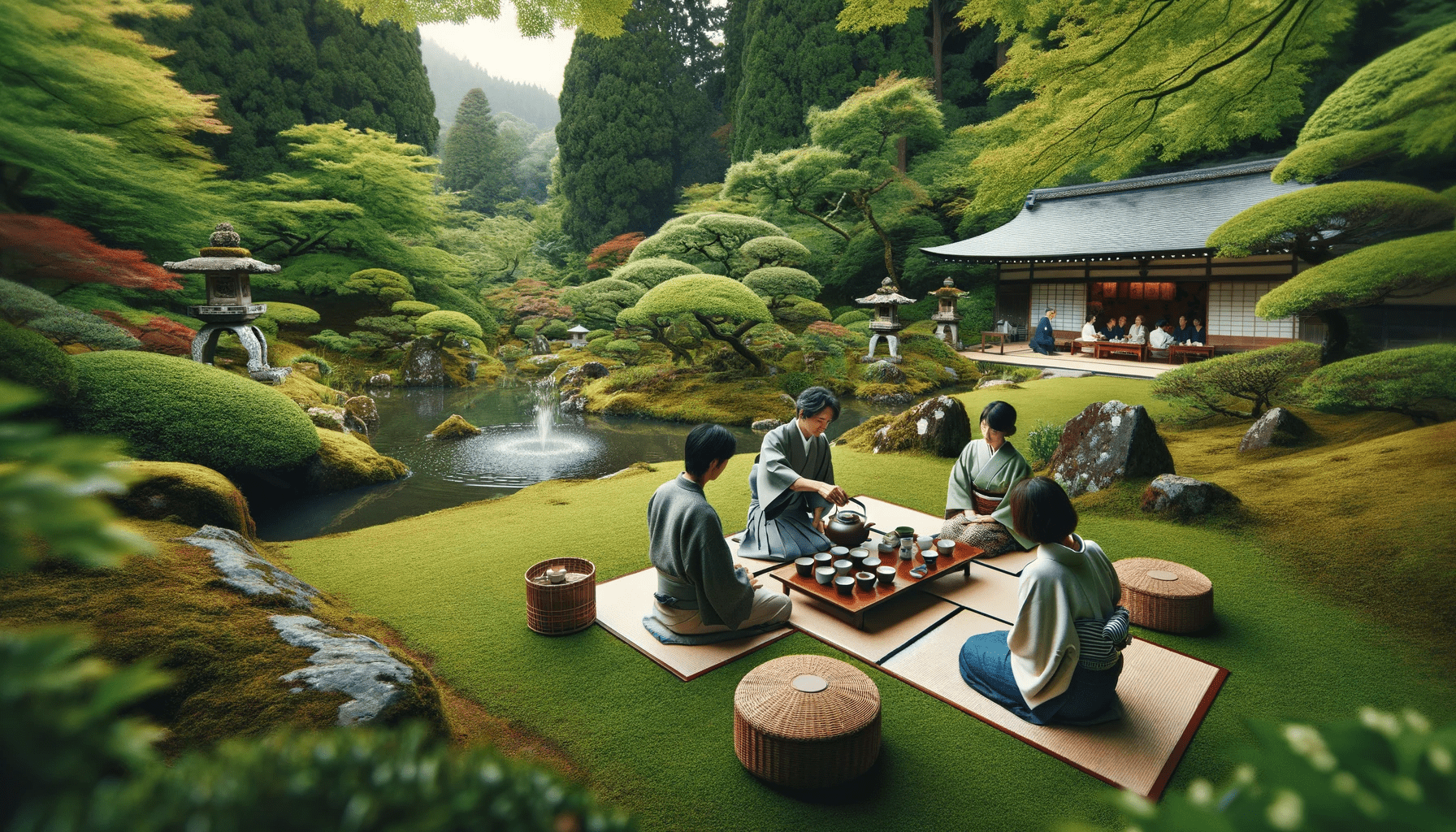
A tea ceremony held outdoors or in a garden. This style allows you to enjoy a tea ceremony in nature.
• Style by school: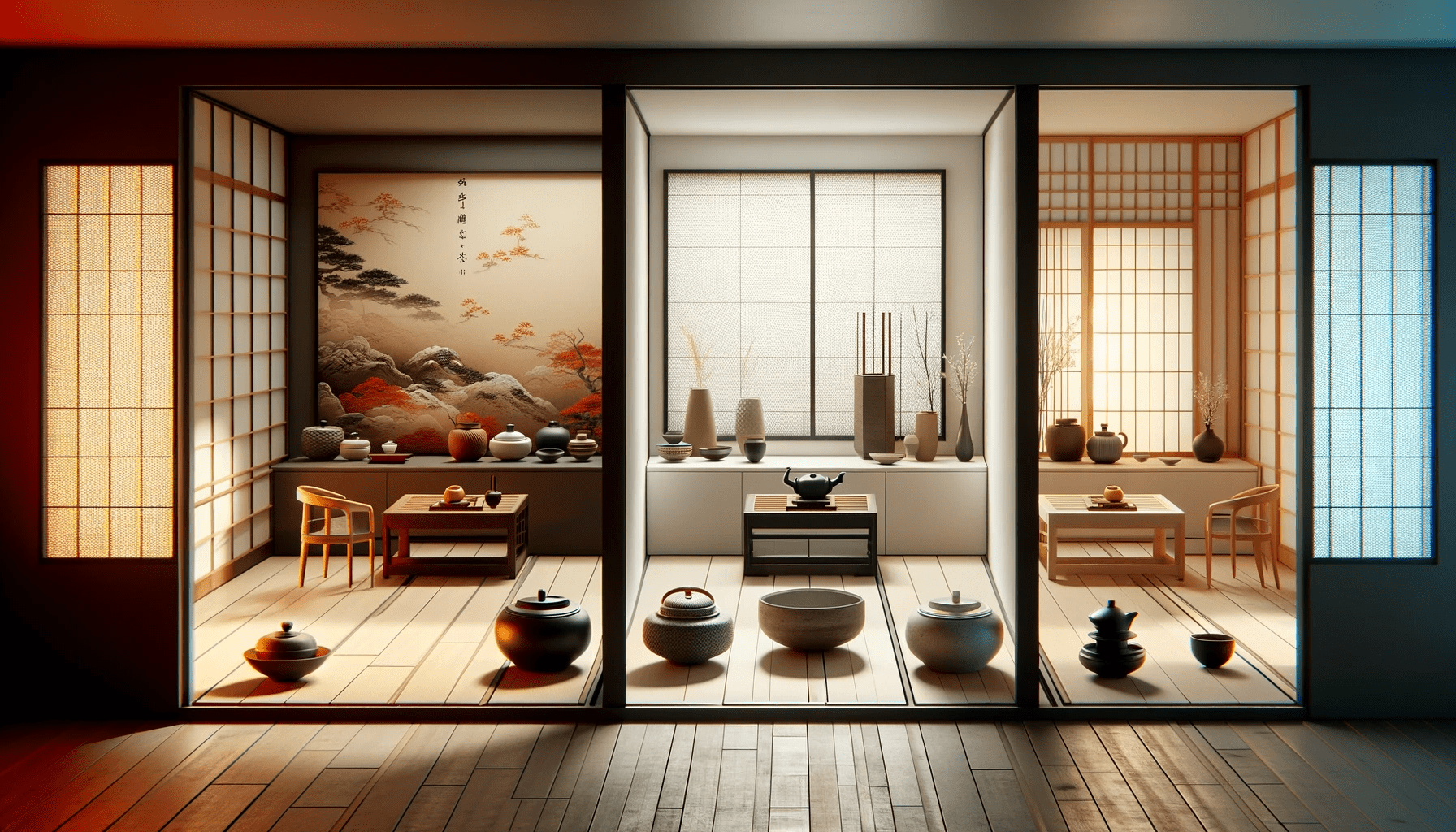
There are various schools of tea ceremony, such as Urasenke, Omotesenke, and Mushakojisenke, each with their own unique etiquette and philosophy.
These tea ceremony types and styles demonstrate the diversity and depth in traditional Japanese culture.
5. Places where you can experience the tea ceremony
Here are some recommended places to enjoy a tea ceremony experience in Tokyo. These facilities are especially popular with foreign tourists and offer an authentic experience.
1. Shizu-Kokoro in Asakusa:
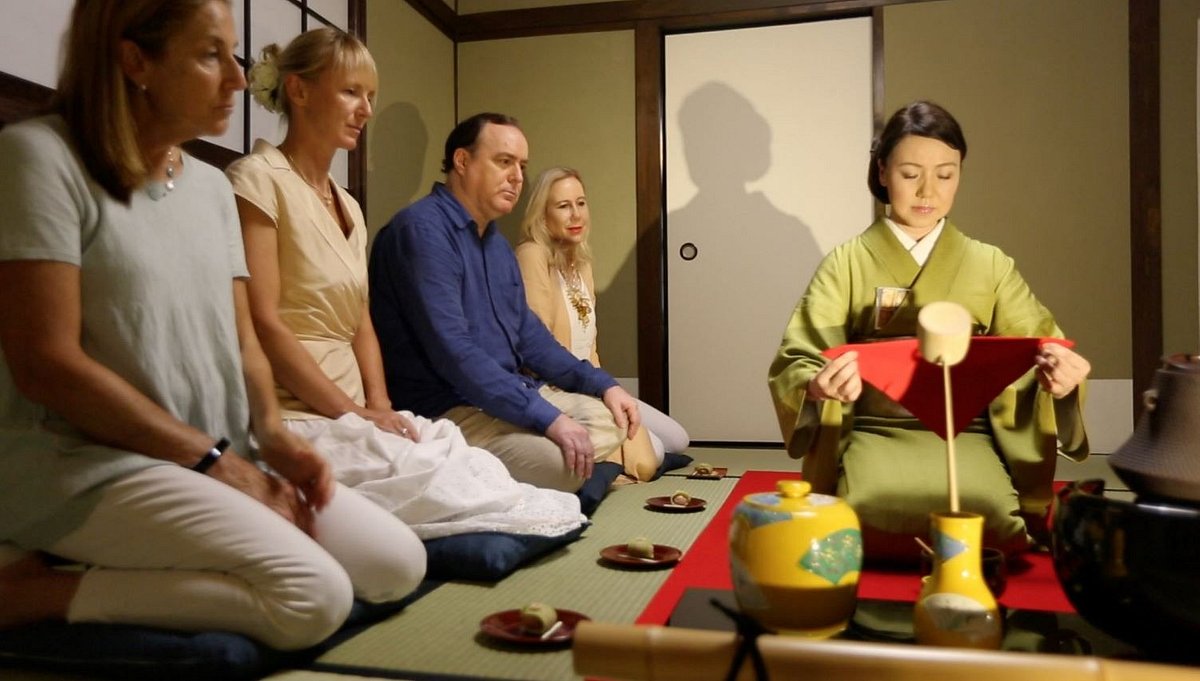
The 90-minute tea ceremony experience is conducted in English, and each month offers a unique experience with a different theme. Participation fee starts from 4,620 yen per person. Details can be found on the official website.
2. Kimono tea ceremony experience MAIKOYA Kyoto: 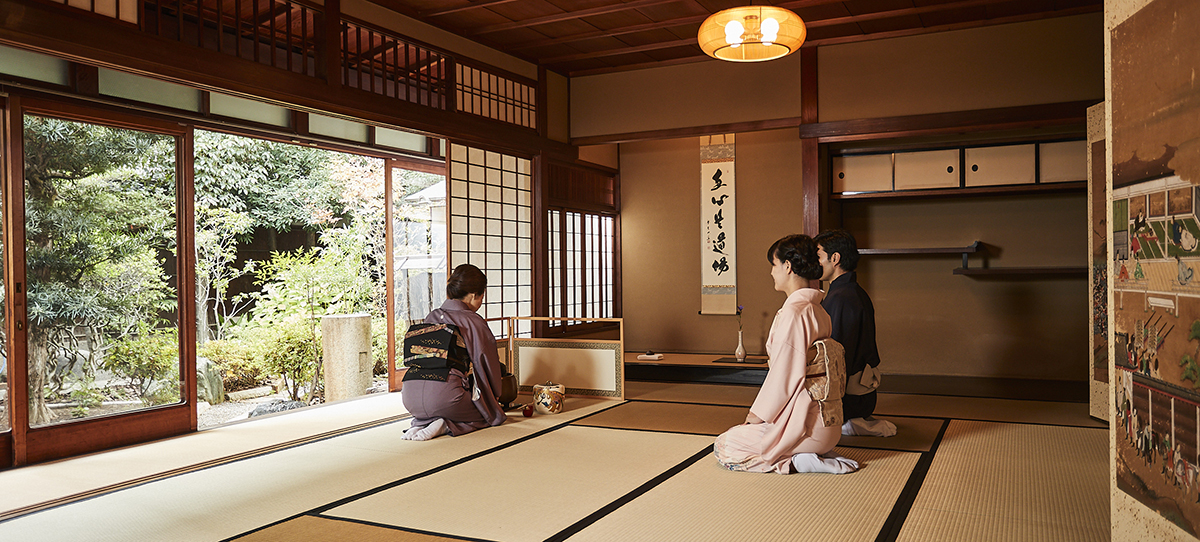
It is a place where you can experience almost all of Japan’s representative cultures, such as kimono, tea ceremony, calligraphy, and flower arranging. All experiences are available in English so that people from overseas can also experience the culture. Please see the official website for details.
3. Chazen Tea Ceremony in Ginza:
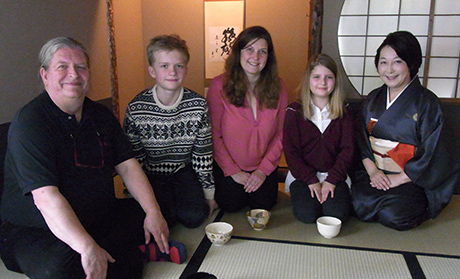
The facility is run by a professor with over 30 years of tea ceremony experience, and tea ceremony experiences start at 3,500 yen per person. Advance reservations are required. Please refer to the official website for details.
4. Osaka tea ceremony experience “The Osaka”:
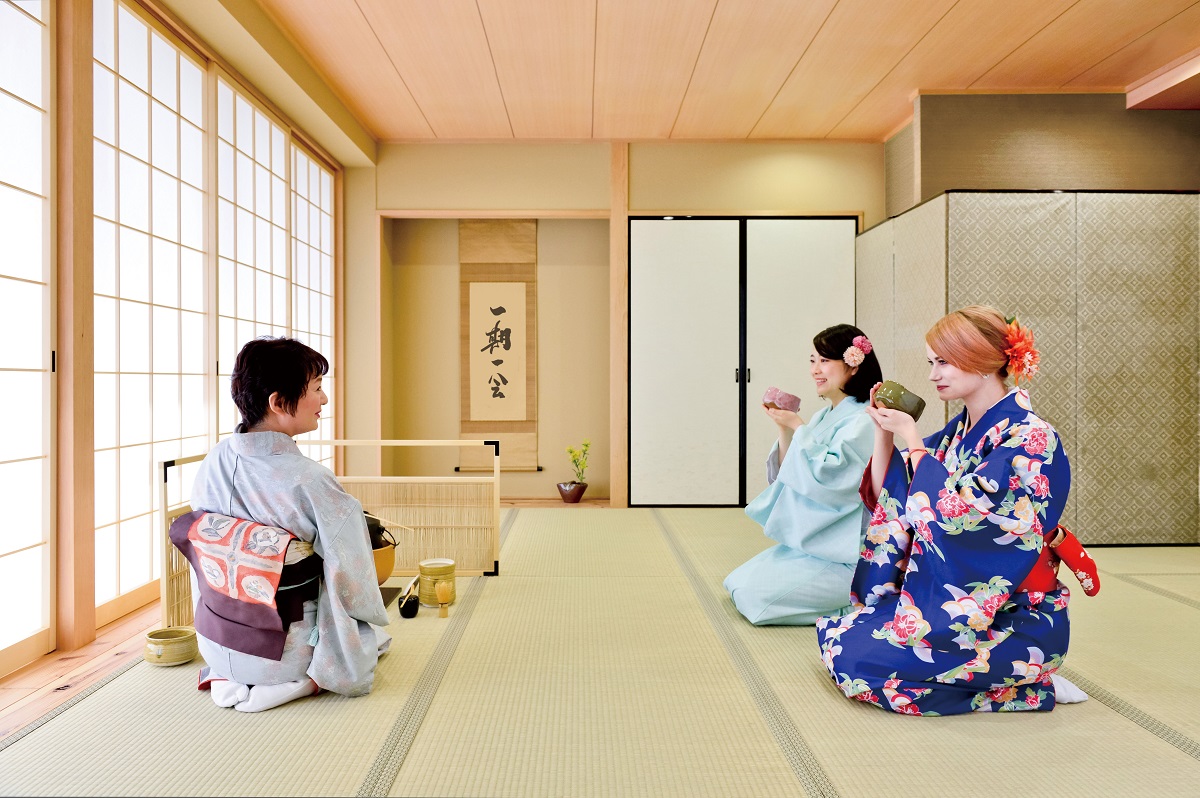
Located in Dotonbori, Osaka, near Shinsaibashi Station and Namba Station, this experience facility is used by many foreign tourists and Japanese travelers. During the tea ceremony, you can experience the deep tradition of making matcha tea and serving it to guests in a traditional tea room.
At these locations, you can deeply experience the traditional Japanese culture of tea ceremony.