
🕓 2026/1/23
#Tourist Destination
Arashiyama Sightseeing Plan: A Detailed Guide
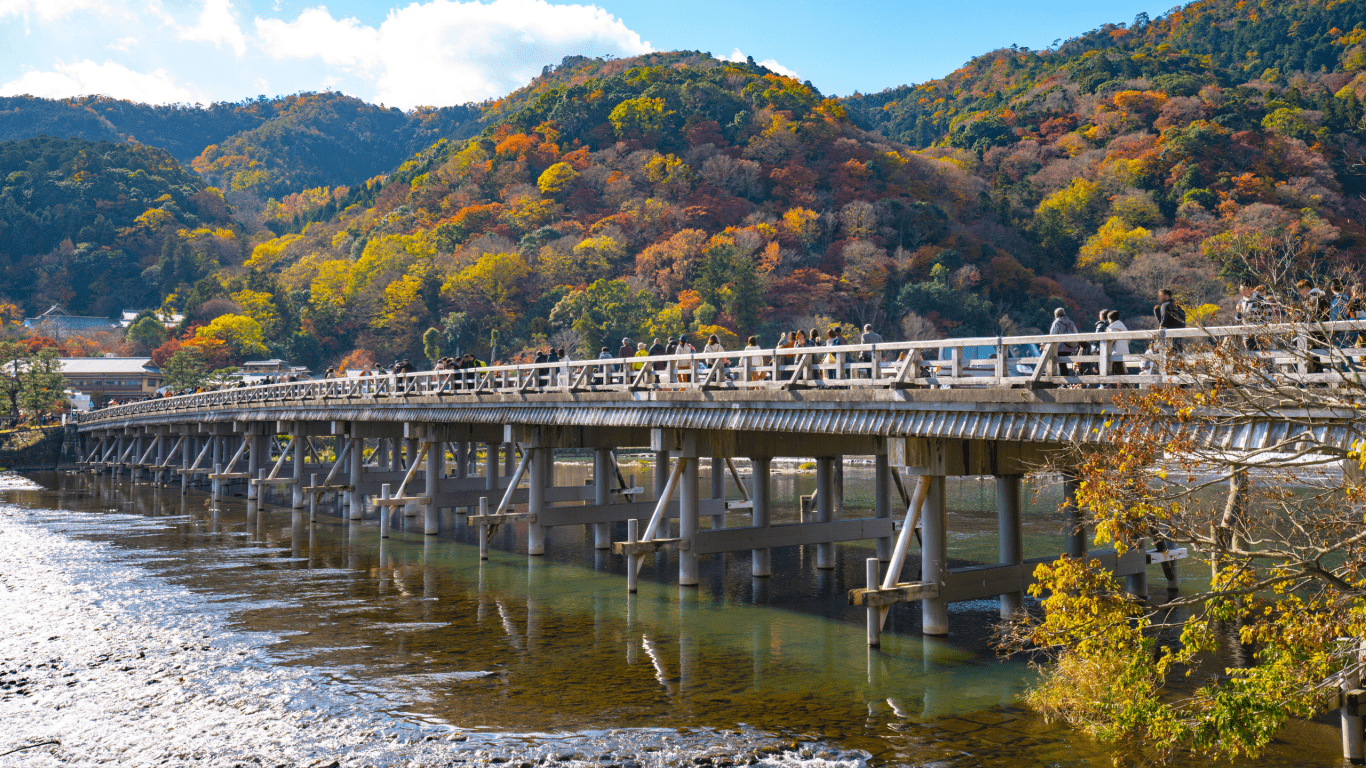
Table of Contents
- Introduction: The Charm of Arashiyama Sightseeing
- Classic Sightseeing Route Guide
- Gourmet & Sweets Spots
- Seasonal Enjoyment Guide
- Arrangement Ideas from Short-Time Sightseeing
Introduction: The Charm of Arashiyama Sightseeing
Are you planning to visit Arashiyama in 2026? This scenic area in western Kyoto delivers new excitement with every visit, from the breathtaking views of Togetsukyo Bridge to the fantastical spaces of the Bamboo Grove Path. In 2026, walking paths have been further developed, with new photo spots and experiential activities now abundant. In this article, we deliver a complete guide to enjoying Arashiyama to the fullest 120%, from classic sightseeing routes to seasonal recommended plans and the latest information unique to 2026.
The Charm of Arashiyama Where History and Nature Interweave
Arashiyama is not only known for its natural beauty but also as a city with a long history. Since Emperor Saga built his detached palace here, it flourished as a retreat for aristocrats during the Heian period and became a stage for literature and art. These traces can still be seen in the famous temples and gardens scattered throughout the area. Tenryuji Temple, in particular, is registered as a UNESCO World Heritage Site and is known as a place where you can experience beautiful gardens and Zen Buddhist culture. The nature of Arashiyama, loved since ancient times, features landscapes woven by rivers, mountains, and bamboo groves, offering new discoveries with every visit.
Characteristics as One of Kyoto’s Top Tourist Destinations
Arashiyama also boasts excellent convenience as a tourist destination. Access from central Kyoto is excellent, and you can easily visit via multiple railway lines including Hankyu, JR, and Keifuku Electric Railway (Randen). The area is home to concentrated spots ideal for strolling, and the ability to efficiently explore on foot or by rental bicycle is another welcome point. Furthermore, tea ceremony experiences and kimono rentals that let you experience local traditional culture are popular, providing visitors with quintessentially Japanese memories.
Arashiyama is a place that can be called the highlight of Kyoto sightseeing, where you can experience nature, culture, history, and gourmet all at once.In this article, we provide a detailed explanation of “Arashiyama Sightseeing Plans” to make your visit even more fulfilling. Whether you are visiting for the first time or are a repeat visitor, you are sure to discover new ways to enjoy it.
Classic Sightseeing Route Guide
With famous sites such as Togetsukyo Bridge, Bamboo Grove Path, and Tenryuji Temple scattered throughout, this area offers seasonal scenery and has attracted many visitors from Japan and abroad since the Heian period. Arashiyama is a representative tourist destination of Kyoto with diverse attractions. Below, we introduce the classic sightseeing route recommended even for first-time visitors.
Togetsukyo Bridge
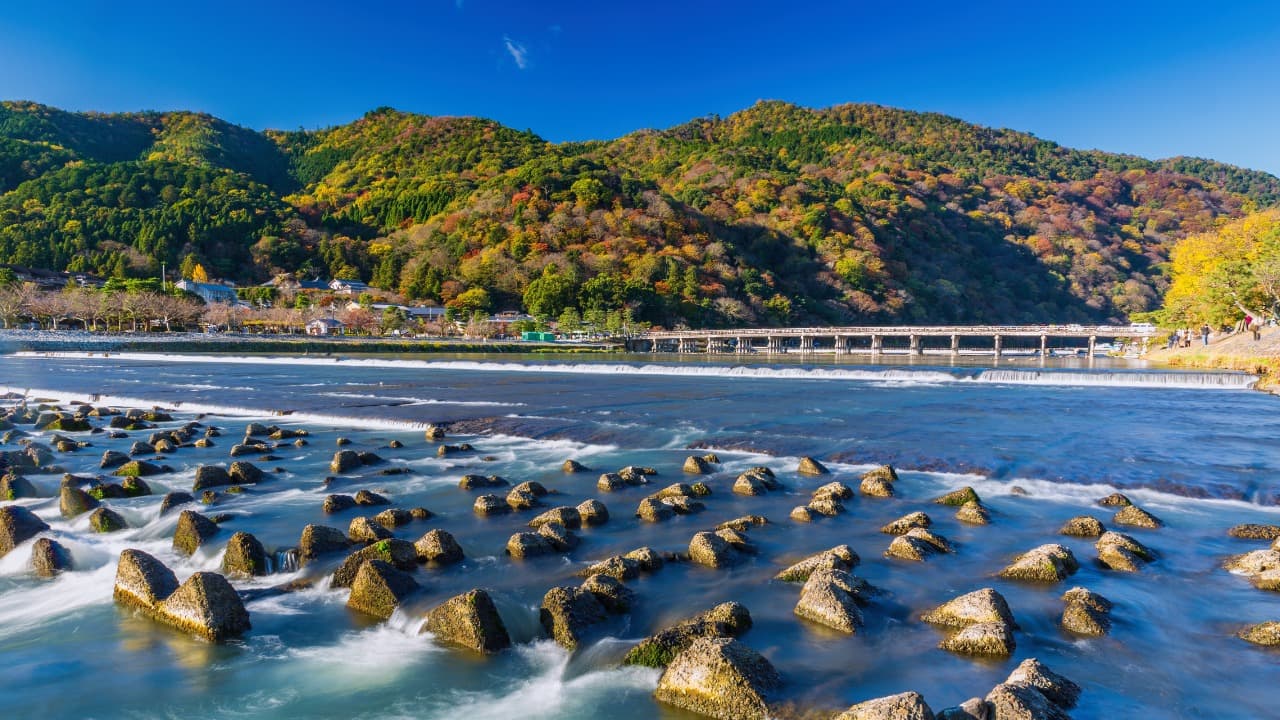
Togetsukyo Bridge is an approximately 155-meter-long bridge connecting Ukyo-ku and Nishikyo-ku in Kyoto, serving as the iconic symbol of Arashiyama. First built in the early Heian period by the monk Dosho, it was rebuilt in its current location during the early Edo period by the wealthy merchant Suminokura Ryoi. The name “Togetsukyo” (Moon Crossing Bridge) originates from Emperor Kameyama of the Kamakura period, who composed a poem likening the full moon crossing the sky to “crossing the bridge.” Harmonizing with seasonal scenery, it is particularly crowded with tourists during cherry blossom and autumn foliage seasons.
Tenryuji Temple
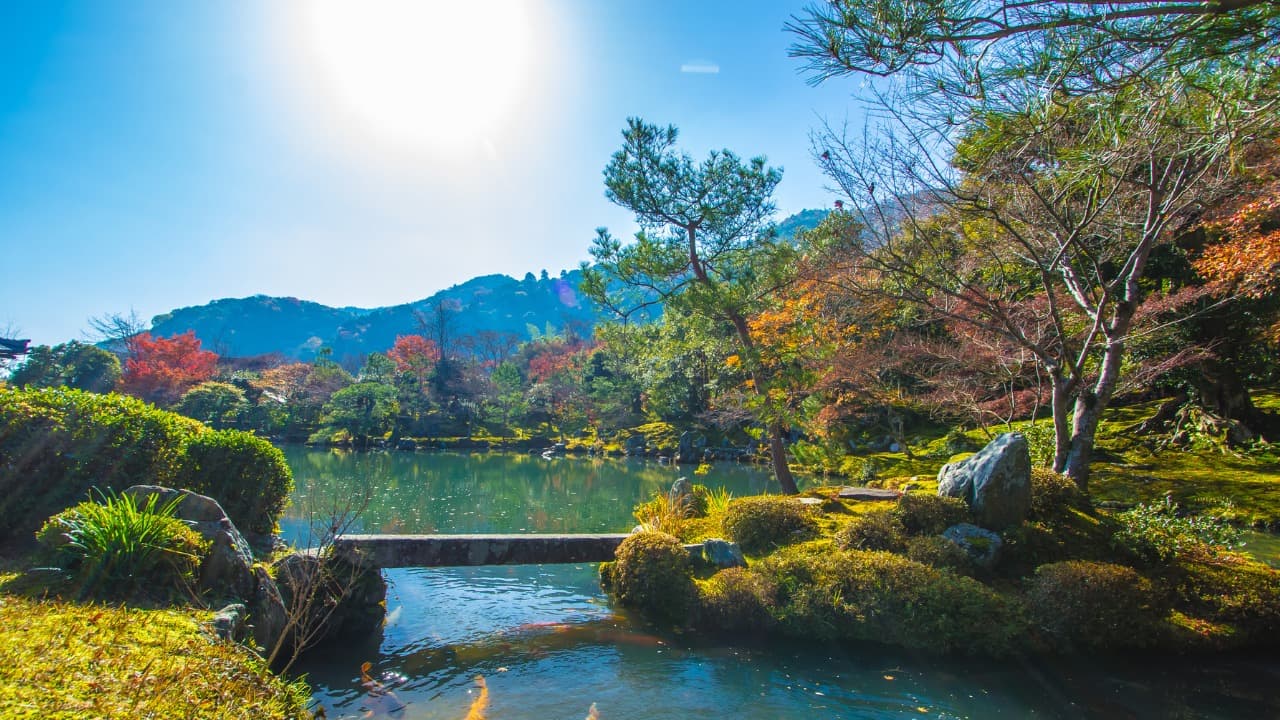
Tenryuji Temple is the head temple of the Rinzai Tenryuji school located in Saga, Ukyo-ku, Kyoto, and is registered as a UNESCO World Cultural Heritage Site. Founded in 1339 by Ashikaga Takauji to pray for the repose of Emperor Go-Daigo, with Muso Soseki as its founding priest. The Sogenchi Garden, designated as a Special Place of Scenic Beauty, is a beautiful pond strolling garden that borrows the scenery of Arashiyama and Kameyama, offering enjoyment of seasonal landscapes. The ceiling of the Hatto (Dharma Hall) features the “Dragon Glaring in All Directions,” which captivates visitors.
Bamboo Grove Path

The Bamboo Grove Path (Chikurin no Komichi) is an approximately 300-meter path leading from the north gate of Tenryuji Temple to Nonomiya Shrine, a fantastical spot with bamboo groves on both sides. You can stroll while enjoying the sound of bamboo leaves swaying in the wind amid the tranquil atmosphere. On sunny days, dappled sunlight filters through, providing healing to visitors.
Nonomiya Shrine
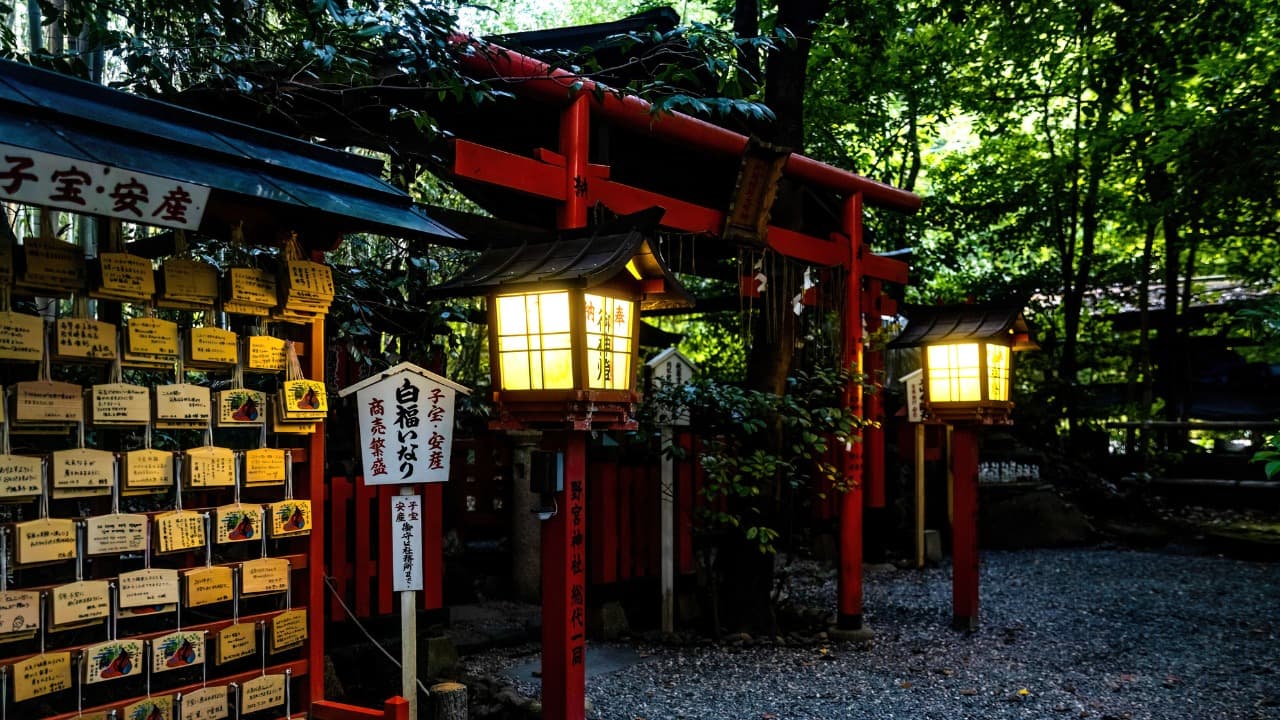
Nonomiya Shrine is located near the eastern end of the Bamboo Grove Path and is known for its blessings of matchmaking and safe childbirth. It is a historic site that also appears in “The Tale of Genji,” distinguished by its distinctive black wooden torii gate. It is also said that if you visit Nonomiya Daikokuten and make a wish while stroking the Okame-ishi stone, your wish will come true within one year.
Sagano Romantic Train

The Sagano Romantic Train is a sightseeing train connecting Torokko Saga Station to Torokko Kameoka Station over approximately 7.3 kilometers in about 25 minutes. You can enjoy the beautiful scenery of the Hozu River Gorge, with spectacular views especially during the autumn foliage season. Each station has many attractions nearby, and you can get off along the way to explore.
Jojakko-ji Temple

Jojakko-ji Temple is a Nichiren Buddhist temple located on Mt. Ogura in Saga, Ukyo-ku, Kyoto, founded in 1596 by the priest Nicchin. The temple name derives from the “Jojakkodo” (Land of Eternally Tranquil Light) in the Lotus Sutra, meaning a world of eternal peace and light. The temple grounds harmonize with the nature of Mt. Ogura and are particularly known as a famous autumn foliage spot. Passing through the thatched Nio Gate, you will find moss-covered stone steps and a multi-storied pagoda, allowing you to enjoy beautiful seasonal scenery. A stone monument stands at the former site of the Shigure-tei, where Fujiwara no Teika compiled the Ogura Hyakunin Isshu (One Hundred Poems by One Hundred Poets).
Nison-in Temple
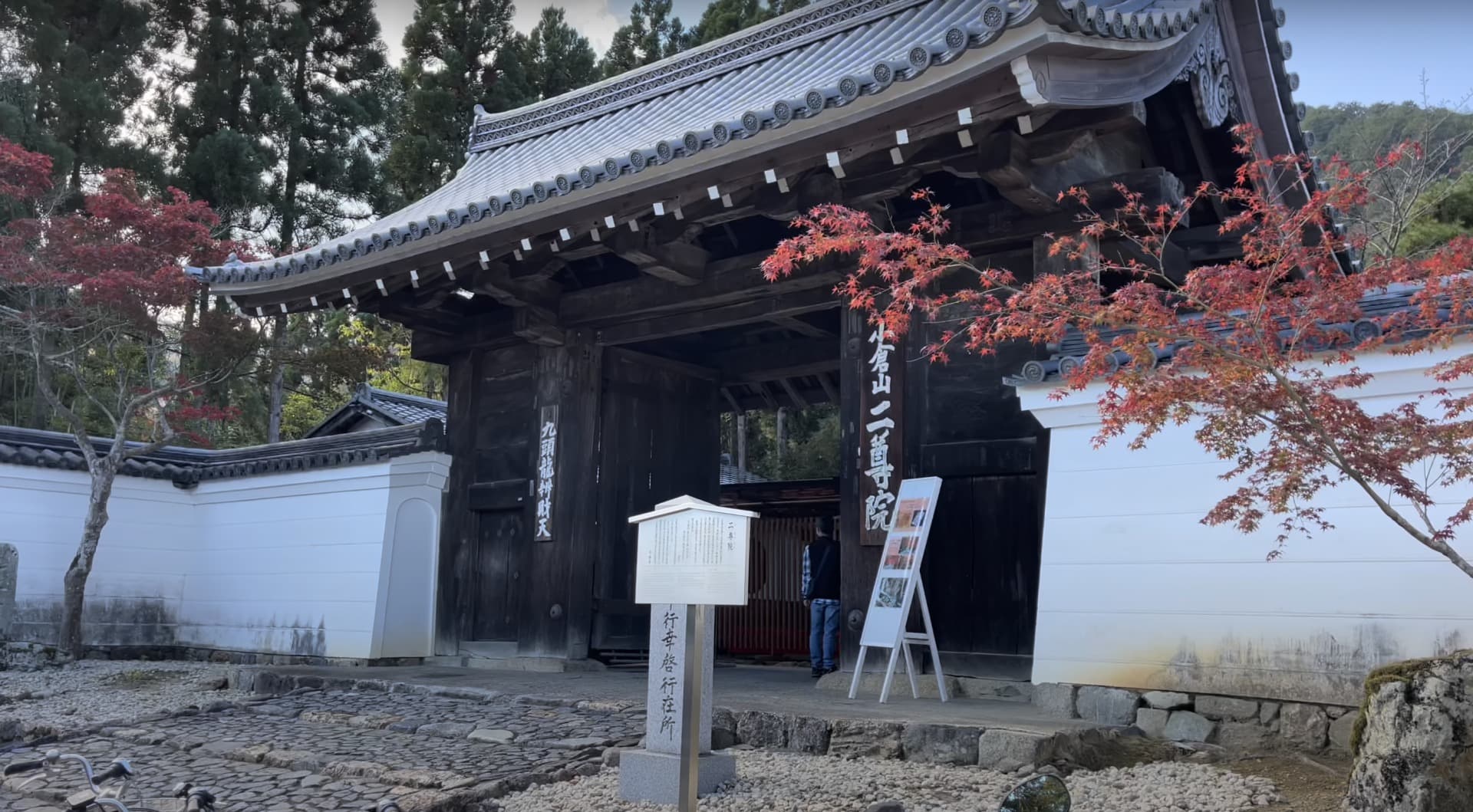
Nison-in Temple is a Tendai Buddhist temple located in Saga Nison-in Monzen Chojin-cho, Ukyo-ku, Kyoto, with the official name “Ogurayama Nisonkyoin Kadaiji.” It was founded at the beginning of the 9th century by imperial decree of Emperor Saga. It is called “Nison-in” (Two Buddha Temple) because it enshrines two principal images: Shakyamuni Buddha and Amida Buddha. It is particularly famous as an autumn foliage spot, and the approach called “Momiji no Baba” (Autumn Leaves Avenue) is beautifully colored in autumn, attracting many worshippers. The temple grounds also contain the former site of the Shigure-tei of Fujiwara no Teika, who compiled the Ogura Hyakunin Isshu, marked by a stone monument.
Rakushi-sha
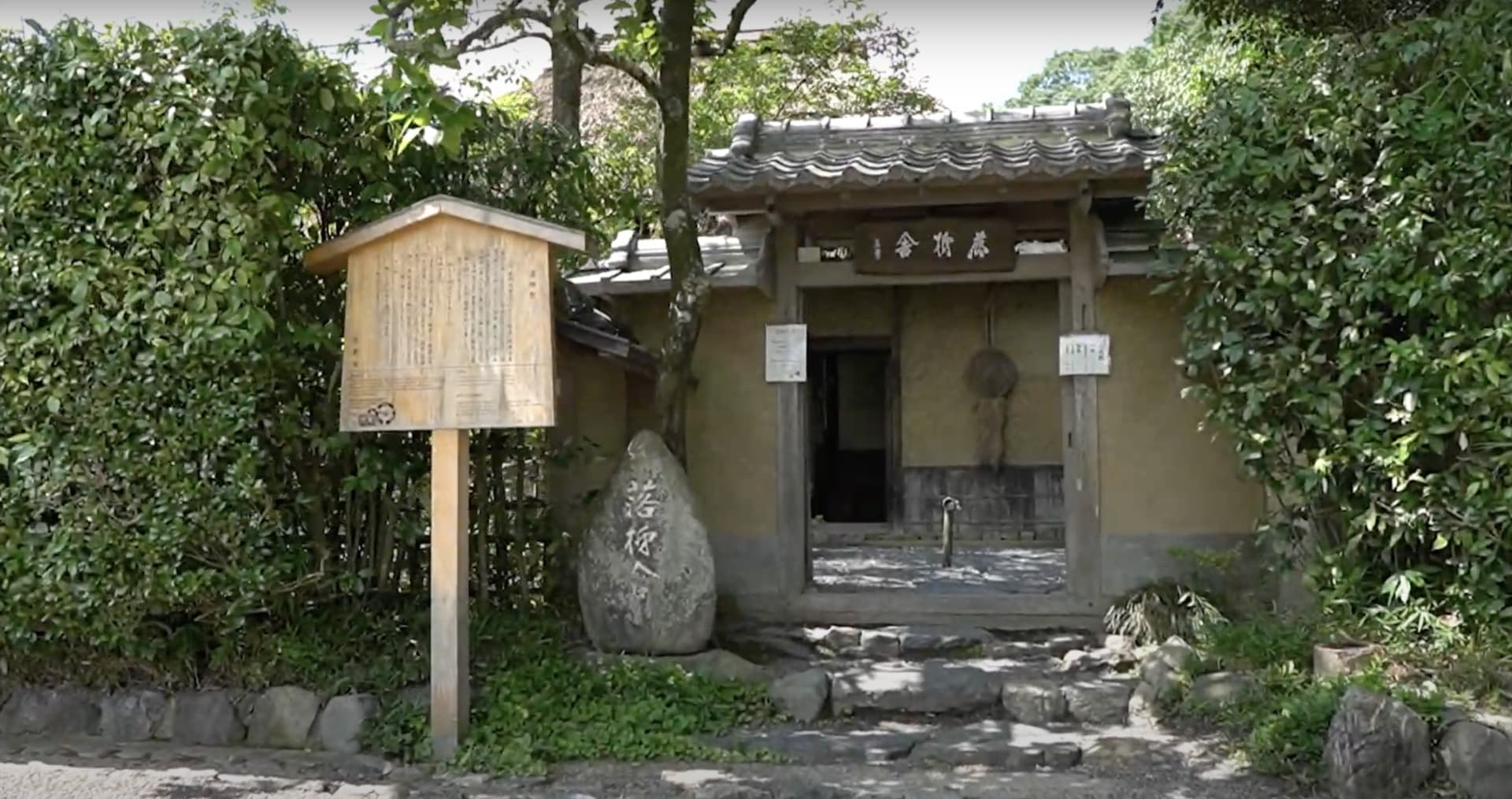
Rakushi-sha is a rustic hermitage located on Mt. Ogura in Saga, Ukyo-ku, Kyoto, known as the villa of haiku poet Mukai Kyorai. The name originates from an anecdote about all the persimmons on a tree in the garden falling off during a single night’s storm. Its charming thatched-roof appearance is appealing, harmonizing with the surrounding rural landscape. The garden features poetry stones of Kyorai and Matsuo Basho, making it an interesting spot for haiku enthusiasts. The famous episode of hanging a straw raincoat and hat at the gate to indicate being at home is also well known.
This route can be efficiently explored on foot or by public transportation. Especially during cherry blossom and autumn foliage seasons, crowding is expected, so starting sightseeing early in the morning is recommended. Also, it is advisable to check the opening hours and closing days of each spot in advance and plan your visit accordingly。
Gourmet & Sweets Spots
Arashiyama is known not only for its beautiful scenery but also as an area where diverse gourmet and sweets establishments gather. Below, we introduce carefully selected and especially recommended spots.
1. Oimatsu Arashiyama
A long-established Japanese sweets shop with over 140 years of history, its signature “Hon Warabi Mochi” features a chewy texture made with 100% bracken starch. The seasonal limited “Natsukanto” is also popular, offering a refreshing flavor combining summer orange juice and agar.
2. Nakamuraken
A Japanese sweets shop founded in Meiji 16 (1883), its signature “Mugite Mochi” features a perfect balance of chewy mochi and light kinako (roasted soybean powder). It also offers a variety of Japanese sweets including “Sanshoku Dango” (three-color dango) with kuromitsu (black sugar syrup) and matcha flavors.
3. Arashiyama Sakura Mochi Ine
A sweets shop located just a 1-minute walk from Arashiyama Station, popular for its “Hon Warabi Mochi Parfait” made with rare genuine bracken. It is a hearty treat served in a bamboo tube, topped with matcha warabi mochi, shiratama (rice flour balls), ice cream, and more.
4. Kyo Sagano Chikuji-an Main Store
A warabi mochi specialty shop where the signature “Nama Warabi Mochi” with its jiggly texture is the star product. Available in three varieties – plain, brown sugar, and matcha – with the brown sugar flavor made from Okinawan brown sugar offering a particularly rich taste.
5. Kotokiki Chaya
A sweets shop 5 minutes on foot from Arashiyama Station, with its signature “Sakura Mochi” available in two types: domyoji mochi wrapped in koshi-an (smooth red bean paste) and bean paste-free mochi sandwiched between salt-preserved cherry leaves. The set with matcha is also popular.
6. Saryo Hassui
A cafe inside the “Suiran, a Luxury Collection Hotel, Kyoto,” offering the original sweet “Hisui Mochi” with an alluring jiggly texture made from matcha and kuzu (arrowroot). You can spend an elegant time amid spectacular views overlooking the Katsura River.
7. eX cafe Kyoto Arashiyama Main Store
A charming cafe renovated from a former residence, popular for its “Tenryuji Parfait Set” decorated with Japanese umbrellas and the “Hokuhoku Dango Set” where you grill your own dango. Enjoy sweets while savoring the Japanese atmosphere.
8. Kumonocha Cafe Arashiyama
A modern cafe inspired by bamboo, clouds, and Arashiyama, popular for its “Kumo no Set” combining the cloud-shaped “Kumo no Matcha Mousse” with matcha latte or hojicha latte. From the terrace seats, you can enjoy the Arashiyama scenery.
9. Fukushichi
A pudding specialty shop across Togetsukyo Bridge, offering 7 types of pudding named after the Seven Lucky Gods. Features include a smooth pudding with white bean paste and “Matcha Yuzu” combining matcha and yuzu, characterized by an elegant sweetness.
10. zarame Saga-Arashiyama
A Kyoto cotton candy specialty shop where you can enjoy handmade cotton candy using proprietary zarame (coarse sugar) and domestic ingredients. With gorgeous-looking options like “Matcha Kintoki” combining matcha and kintoki, the cotton candy is perfect for street snacking or as souvenirs.
These spots are perfect for stopping by during Arashiyama sightseeing. Please enjoy the full ambiance of Arashiyama while indulging in diverse sweets from Japanese wagashi to Western confections.
Seasonal Enjoyment Guide
Arashiyama is one of Kyoto’s premier tourist destinations where you can enjoy beautiful seasonal scenery and diverse events. Below is a summary of each season’s characteristics and recommended ways to enjoy them.
Spring (March-May)
– Cherry Blossom Viewing
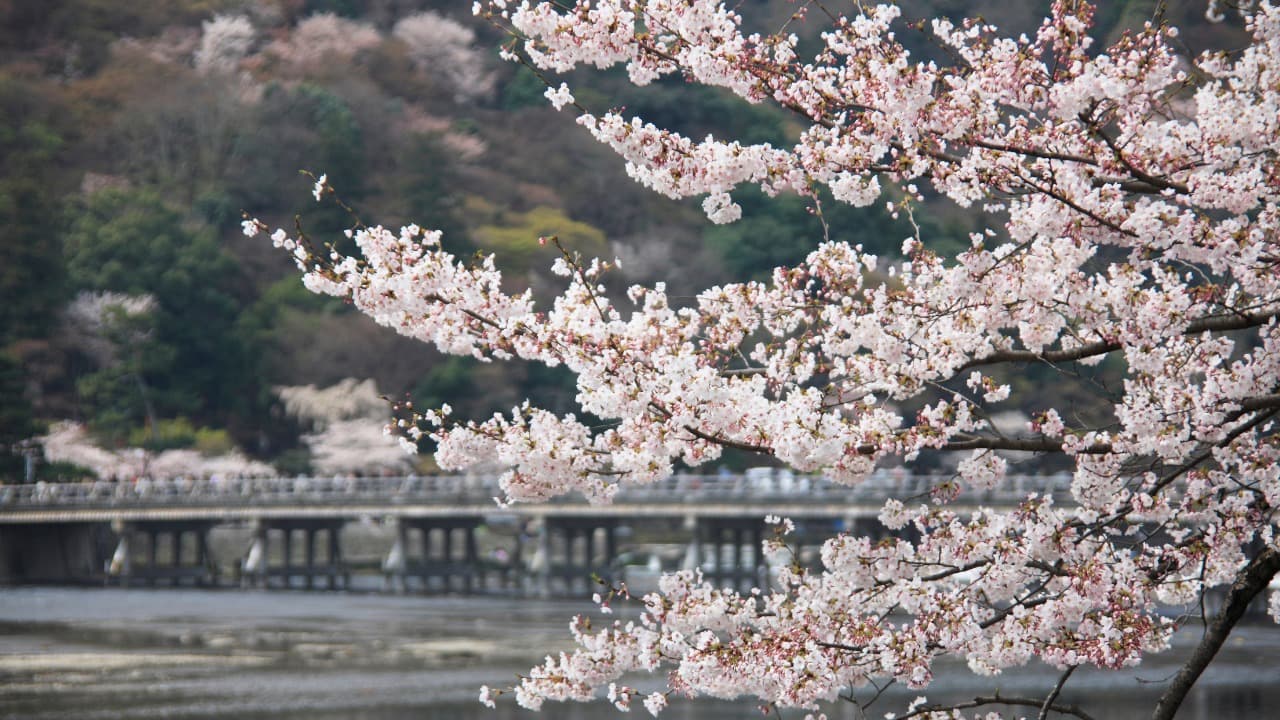
Arashiyama is known as a famous cherry blossom viewing spot, with particularly impressive views around Togetsukyo Bridge and the gardens of Tenryuji Temple. Cherry blossoms typically reach full bloom from late March to early April, attracting many cherry blossom viewers.
[ Event Information ]
– Kogenji Temple Spring Special Viewing
From mid-March to mid-May, a special viewing is held at Kogenji Temple. You can enjoy the beautiful fresh green garden.
– Daikakuji Temple Spring Treasure Exhibition
From late March to early May, a treasure exhibition is held at Daikakuji Temple. You can appreciate valuable cultural properties.
Summer (June-August)
– River Fun and Fresh Greenery
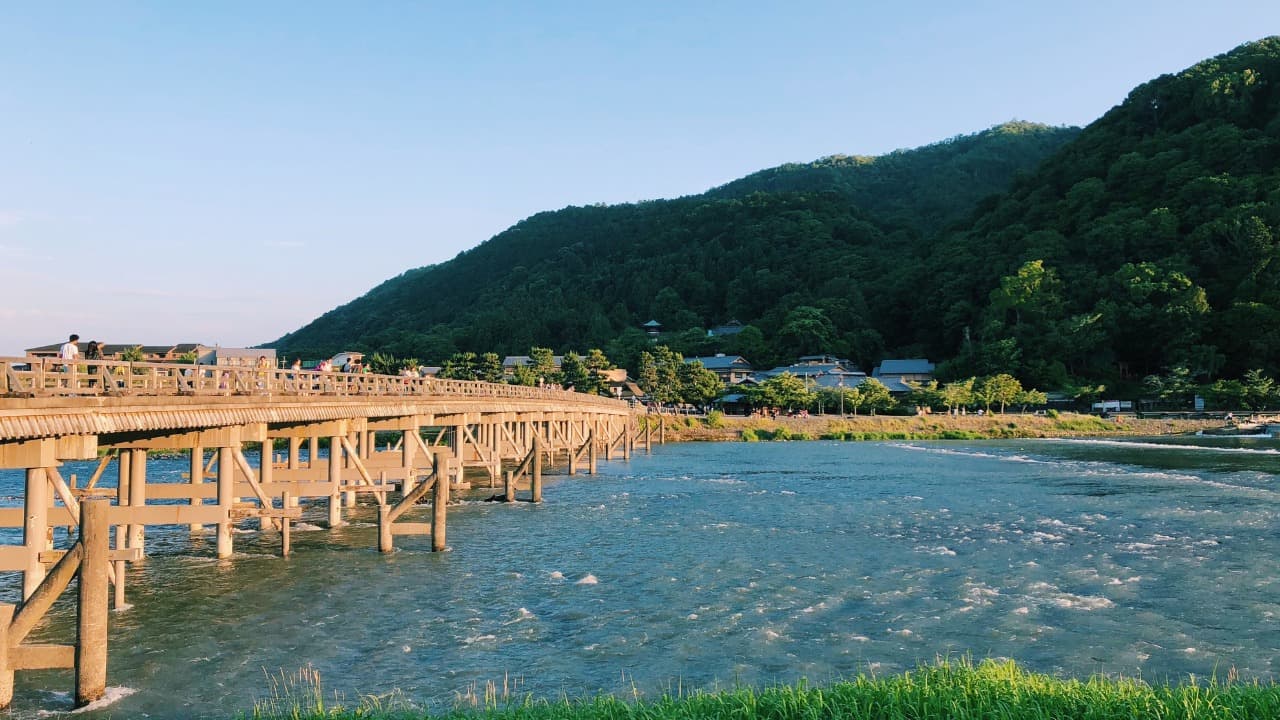
Summer Arashiyama is beautiful with fresh greenery, and you can enjoy river cruises on the Hozu River or cool off on a yakata-bune (traditional houseboat). The Bamboo Grove Path is also popular with walkers seeking a cool atmosphere.
[ Event Information ]
– Arashiyama Cormorant Fishing:
From July 1 to September 23, cormorant fishing takes place in Arashiyama. The bonfire reflected on the river surface at night and the skills of the cormorant master create a fantastical atmosphere.
– Arashiyama Toro Nagashi (Lantern Floating):
The lantern floating held on August 16 is a summer tradition that attracts many people. The sight of lanterns flowing down the river surface is extremely beautiful.
Autumn (September-November)
– Autumn Foliage Viewing
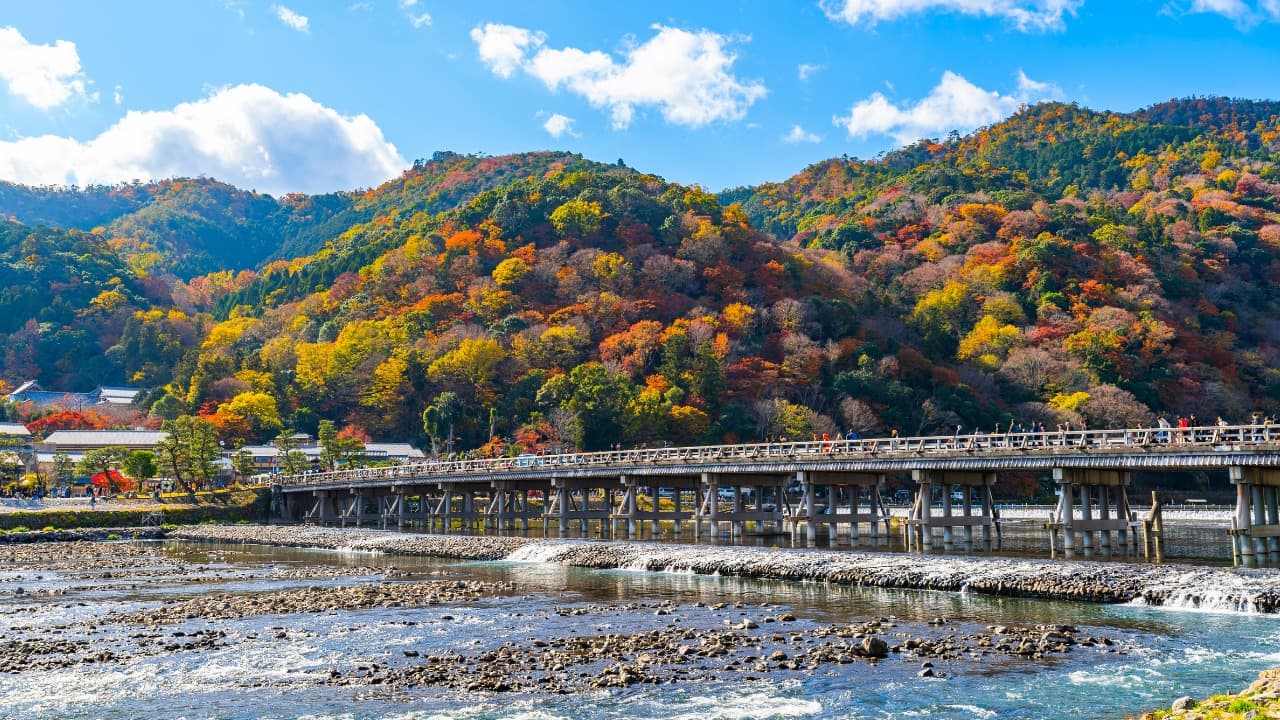
Arashiyama’s autumn foliage is famous nationwide, with the best viewing typically from mid-November to early December. Tenryuji Temple, Jojakko-ji Temple, and the area around Togetsukyo Bridge are popular spots.
[ Event Information ]
– Hogen-in Autumn Nighttime Special Viewing:
From mid-November to early December, a nighttime special viewing is held at Hogen-in Temple. The illuminated garden is fantastical.
– Arashiyama Momiji Festival:
At the Momiji Festival held on the second Sunday of November, gagaku (court music) and bugaku (court dance) are performed, allowing you to enjoy Japanese traditional culture alongside the autumn foliage.
Winter (December-February)
– Tranquil Snow Scenery
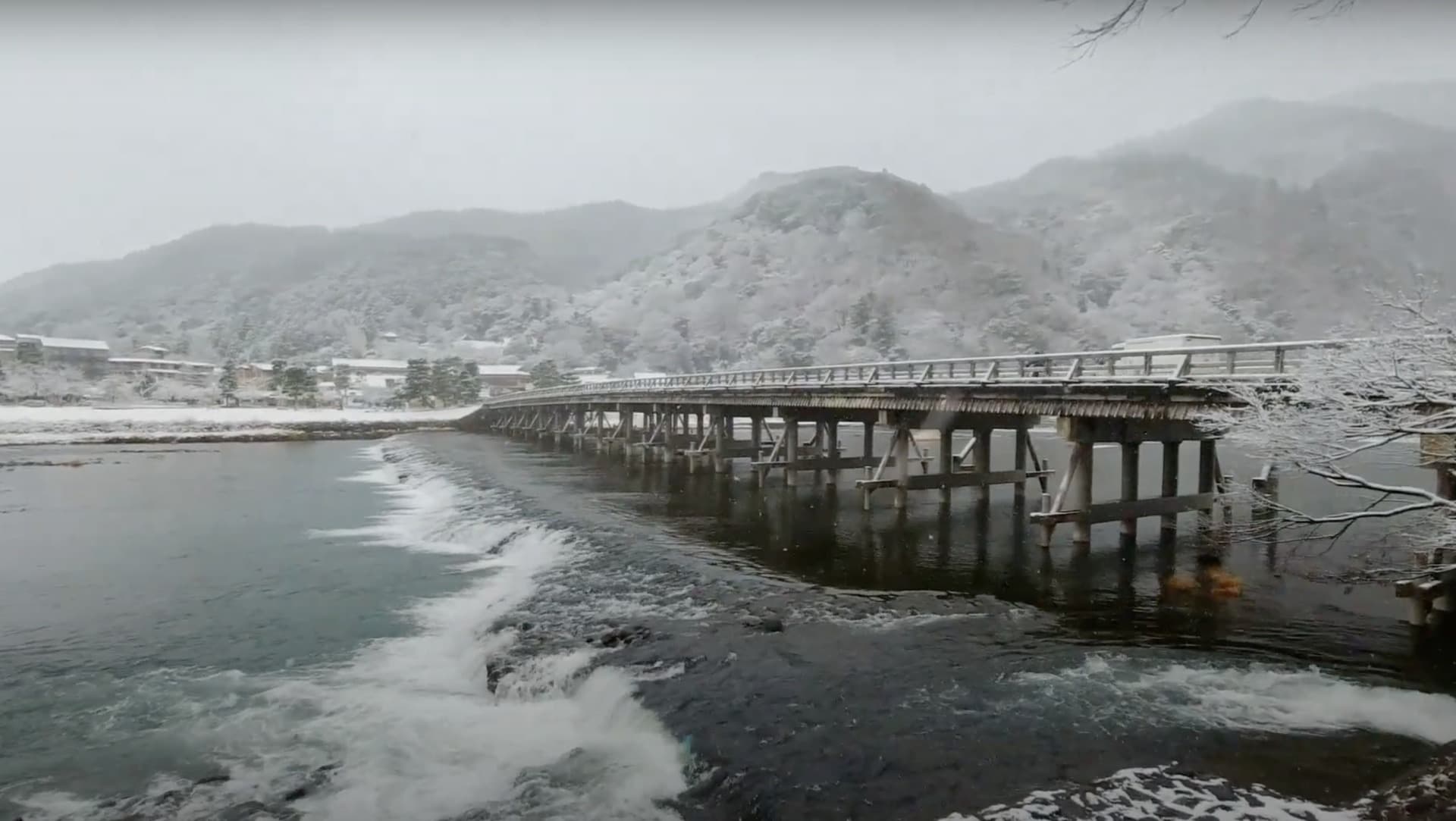
Winter Arashiyama has fewer tourists, allowing you to leisurely enjoy the tranquil scenery of snow-covered temples and bamboo groves. Early morning walks are particularly recommended.
[ Event Information ]
– Arashiyama Hanatouro:
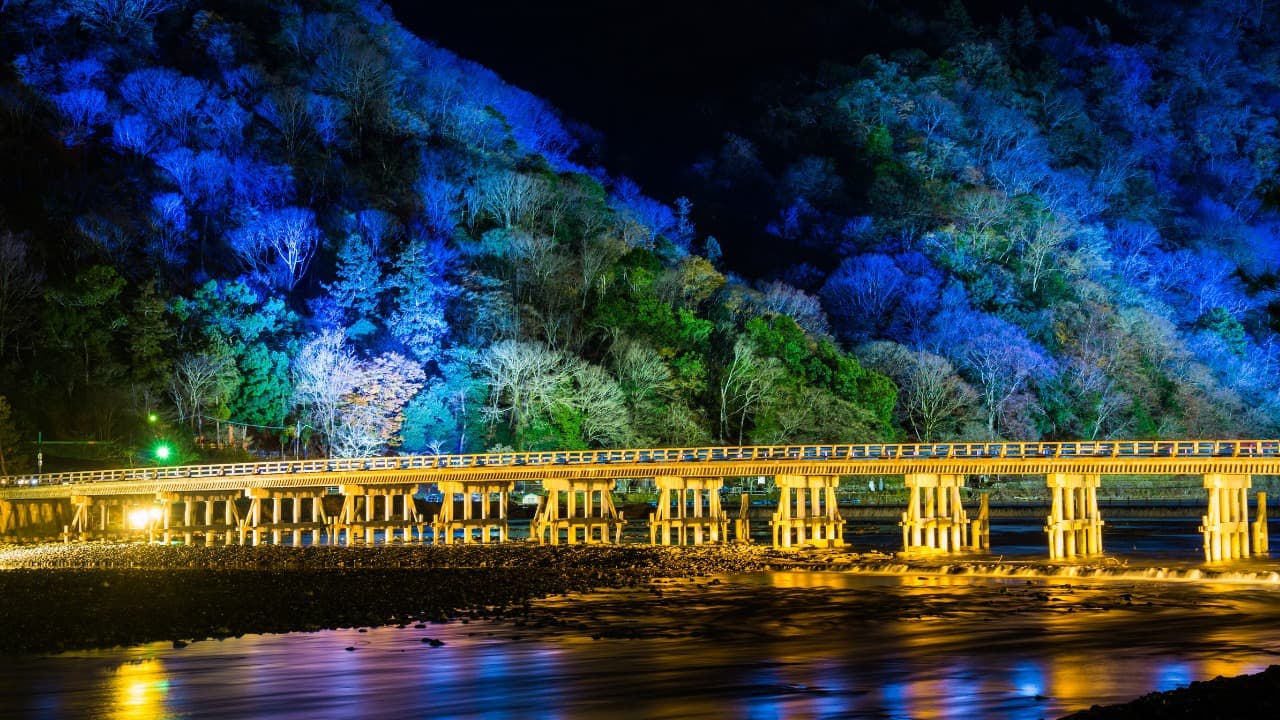
At the Hanatouro event held annually in mid-December, the entire Arashiyama area is decorated with lanterns and illuminations, allowing you to enjoy nighttime strolling. The Bamboo Grove Path and area around Togetsukyo Bridge are particularly beautiful.
– Tenryuji Temple Setsubun-e:
At the Setsubun-e held at Tenryuji Temple on February 3, events including the bean-throwing ceremony for warding off evil are held, attracting many worshippers.
Arrangement Ideas from Short-Time Sightseeing
Arashiyama has many spots where you can fully enjoy its charm even with limited time. Below, we introduce sightseeing plans and arrangement ideas for short visits.
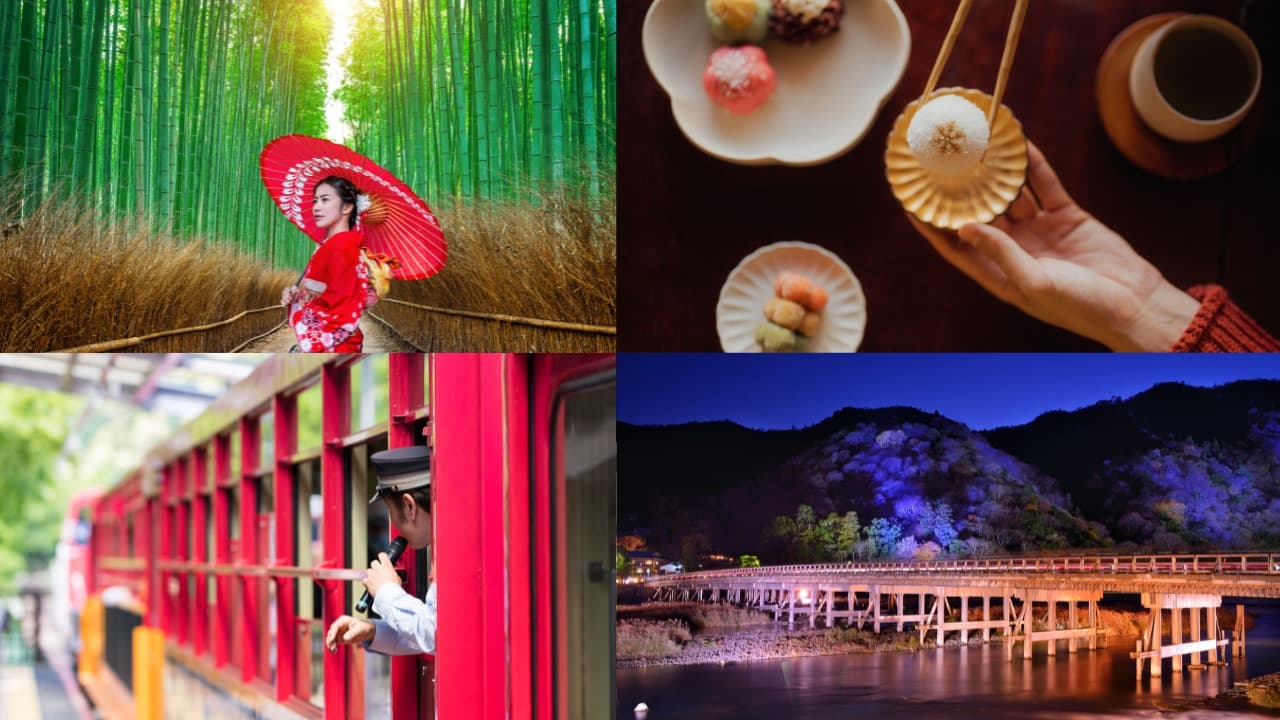
1. Classic Spots in 2 Hours
If you want to visit Arashiyama’s main spots in a short time, the following course is recommended.
- Togetsukyo Bridge (Duration: approx. 10 min)
An iconic bridge of Arashiyama where you can enjoy seasonal scenery. - Tenryuji Temple (Duration: approx. 30 min)
A UNESCO World Heritage Zen temple with beautiful gardens. - Bamboo Grove Path (Duration: approx. 30 min)
Stroll through the tranquil bamboo grove for a healing moment. - Nonomiya Shrine (Duration: approx. 15 min)
A shrine famous for matchmaking, located near the bamboo grove.
This course can be efficiently covered on foot, allowing you to fully enjoy Arashiyama’s charm in a short time.
2. Model Course for 3 Hours
If you have a bit more time, why not add the following spots?
- Togetsukyo Bridge (Duration: approx. 15 min)
Enjoy seasonal scenery from this beautiful bridge, the symbol of Arashiyama. - Tenryuji Temple (Duration: approx. 40 min)
Stroll through the World Heritage garden for a moment of contact with history. - Bamboo Path (Duration: approx. 20 min)
Refresh your mind while walking through the fantastical bamboo grove. - Nonomiya Shrine (Duration: approx. 20 min)
Stop by this power spot famous for matchmaking and safe childbirth prayers. - eXcafe Kyoto Arashiyama Main Store (Break time: as you like)
Enjoy a quintessentially Kyoto moment with matcha sweets and matcha fondue. - SNOOPY CHA-YA (Souvenir shopping: as you like)
A wide variety of Japanese-style designed products featuring Snoopy motifs. - Kimono Forest (Duration: approx. 15 min)
Enjoy the last moments at this fantastical spot lined with pillars featuring beautiful kimono designs.
With this course, you can efficiently visit Arashiyama’s popular spots with plenty of time to relax and savor the lingering impressions.
3. Sightseeing from Evening to Night
If daytime sightseeing is difficult, Arashiyama from evening to night is also recommended.
- Togetsukyo Bridge at Dusk
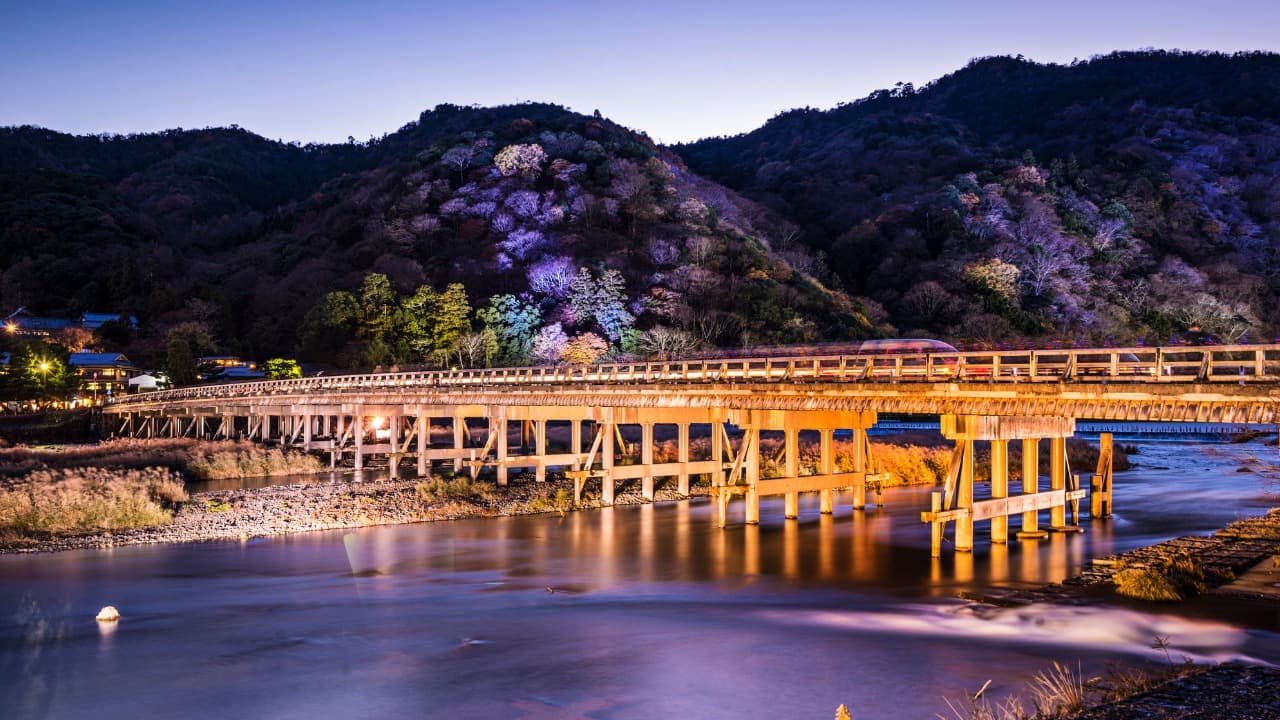
The silhouette of Togetsukyo Bridge and Arashiyama dyed in the setting sun is exceptional. - Illuminated Bamboo Grove
Depending on the season and events, the bamboo grove may be illuminated. Arashiyama Hanatouro (mid-December)
The entire Arashiyama area is decorated with lanterns and illuminations for enjoyable nighttime strolling.
4. Combining with Surrounding Areas
If you have extra time, visiting in combination with the following areas is also recommended.
- Sagano Area
Rich in activities to fully enjoy nature, including the Romantic Train and Hozu River cruise. Daikakuji Temple
A temple associated with Emperor Saga, with beautiful gardens and Osawa Pond as highlights.
Even with a short time, you can fully enjoy Arashiyama’s charm with a bit of creativity. Please plan the optimal itinerary according to the time of day and season of your visit.
2026 Arashiyama: Latest Topics
Here is the latest information you should know for Arashiyama sightseeing in 2026. The Sagano Romantic Train, running through the spectacular Hozukyo Gorge, is scheduled to retire its current rolling stock at the end of 2026. 2026 is the last chance to ride these beloved trains. The 2026 season runs from March 1 to December 29, with new rolling stock to be introduced from 2027. If you include the Romantic Train in your Arashiyama sightseeing plan, this year will make for a particularly special memory.
Additionally, Arashiyama Onsen Kadensho (a popular hot spring facility in the Arashiyama area) is closed for renovation from January 6 to April 30, 2026. Please be aware if you plan to enjoy hot springs in early spring.
Summary
Arashiyama is one of Kyoto’s premier tourist destinations that greets visitors with a different expression each time.From the mystical sight of the bamboo grove wrapped in morning mist to the gradient of the setting sun reflected on Togetsukyo Bridge, memorable scenery unfolds throughout the day.In 2026, new walking courses and experience menus have been added, ensuring fresh surprises no matter how many times you visit.
Using this 2026 edition guide as a reference, please try assembling your own Arashiyama sightseeing plan. Visiting classic spots is great, but extending your walk a bit to discover hidden gems is also recommended. The true charm of Arashiyama is found in the moment you pause and listen to the sound of the wind.