
🕓 2026/1/23
#Sightseeing
A Detailed Guide to Autumn Foliage Highlights in Japan
Table of Contents
Introduction
Autumn in Japan is adorned with vivid autumn foliage unmatched anywhere in the world. In 2026, the peak season is approaching across various regions, and expectations are rising for scenic spots painted in red and gold. This time, we have carefully selected three of the most popular autumn foliage destinations in Japan, delivering the highlights and latest information for 2026.
There are numerous autumn foliage spots throughout Japan, each offering a different charm and atmosphere. In this article, we will explain the mechanisms and characteristics of autumn foliage in detail, while also covering selected famous spots and the types of trees that change color.
What is Autumn Foliage?
Autumn foliage refers to the natural phenomenon primarily seen in autumn, where tree leaves change color from green to red, yellow, orange, and brown. This phenomenon occurs as plants prepare for winter. The green color of leaves is due to chlorophyll, a pigment necessary for photosynthesis, but in autumn when temperatures drop and daylight hours shorten, chlorophyll is broken down and lost. As a result, the yellow and orange pigments called carotenoids, which had been hidden by chlorophyll, become visible and the leaves begin to change color.
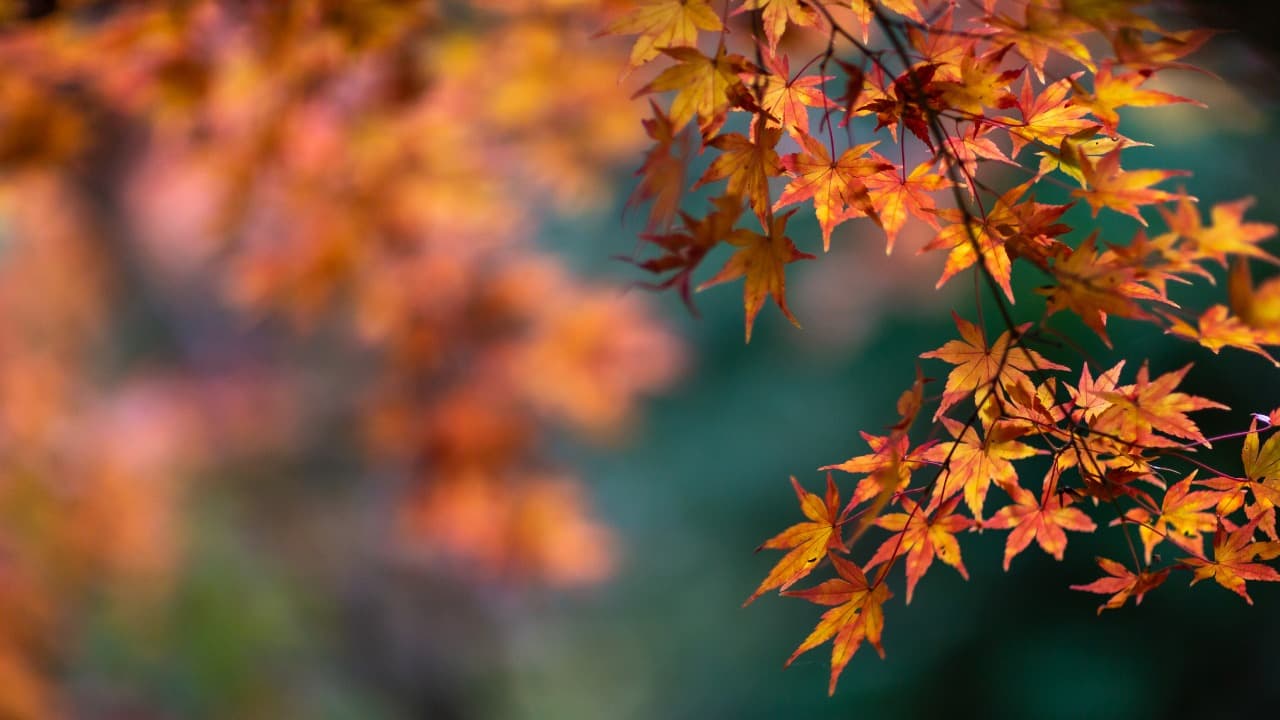
On the other hand, the expression of red color is due to the newly generated pigment called anthocyanin. This anthocyanin is produced when sugars accumulated in the leaves are affected by photosynthesis and temperature changes, and it is believed to play a role in protecting leaves by blocking harmful light for the plant. The vividness of autumn foliage is greatly influenced by environmental conditions such as the temperature difference between day and night, sufficient sunlight, and moderate humidity. In particular, a climate that is warm during the day and cool at night is ideal, as it causes sugars to accumulate in the leaves, producing vivid reds and yellows.
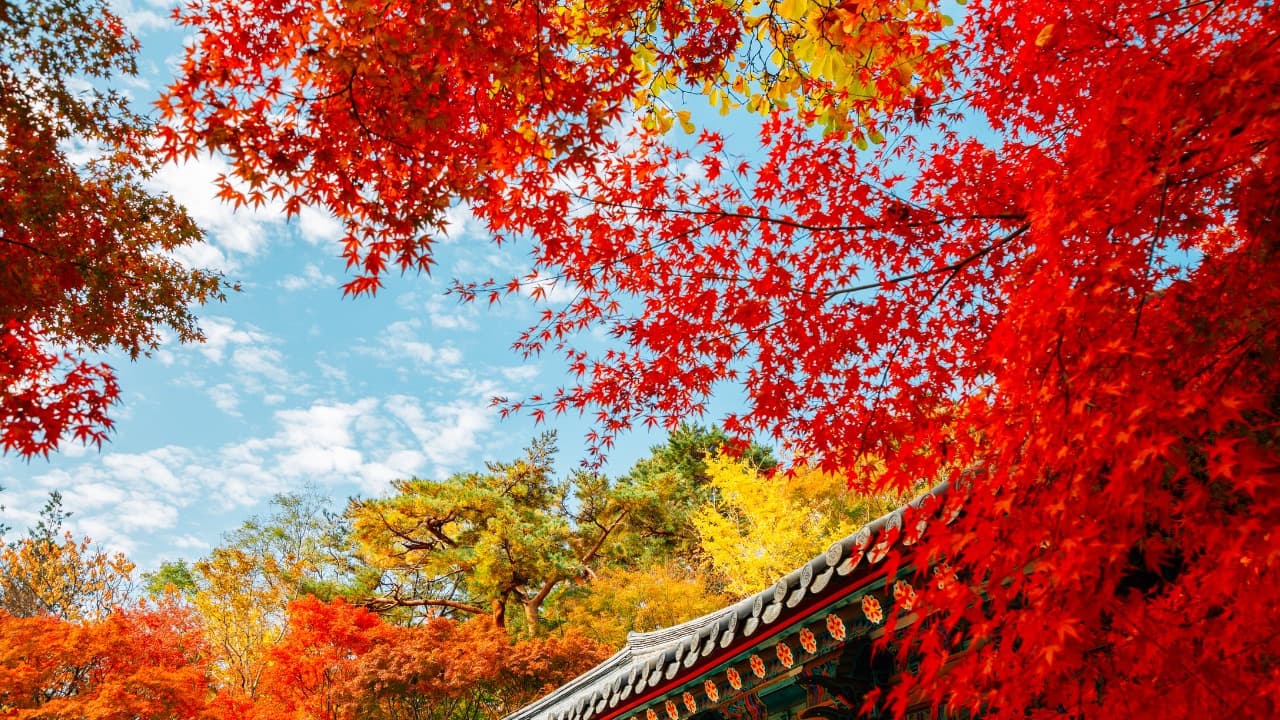
Autumn foliage not only marks the changing of the seasons but is also a beloved seasonal tradition symbolizing Japan’s autumn, cherished by many for its beauty. The foliage that colors mountains and gardens creates landscapes that can be called natural art, offering visitors inspiration and healing. Behind this beautiful phenomenon lies the physiological ingenuity of plants overcoming winter, and autumn foliage can be said to be the result of the fusion of nature’s wisdom and beauty.
Top 3 Selected Autumn Foliage Spots
Autumn in Japan is a season when beautiful autumn foliage can be enjoyed throughout the country. Below, we introduce three carefully selected autumn foliage destinations. When visiting, please check the latest foliage information and visit at the optimal time.
1. Eikando (Zenrin-ji Temple)
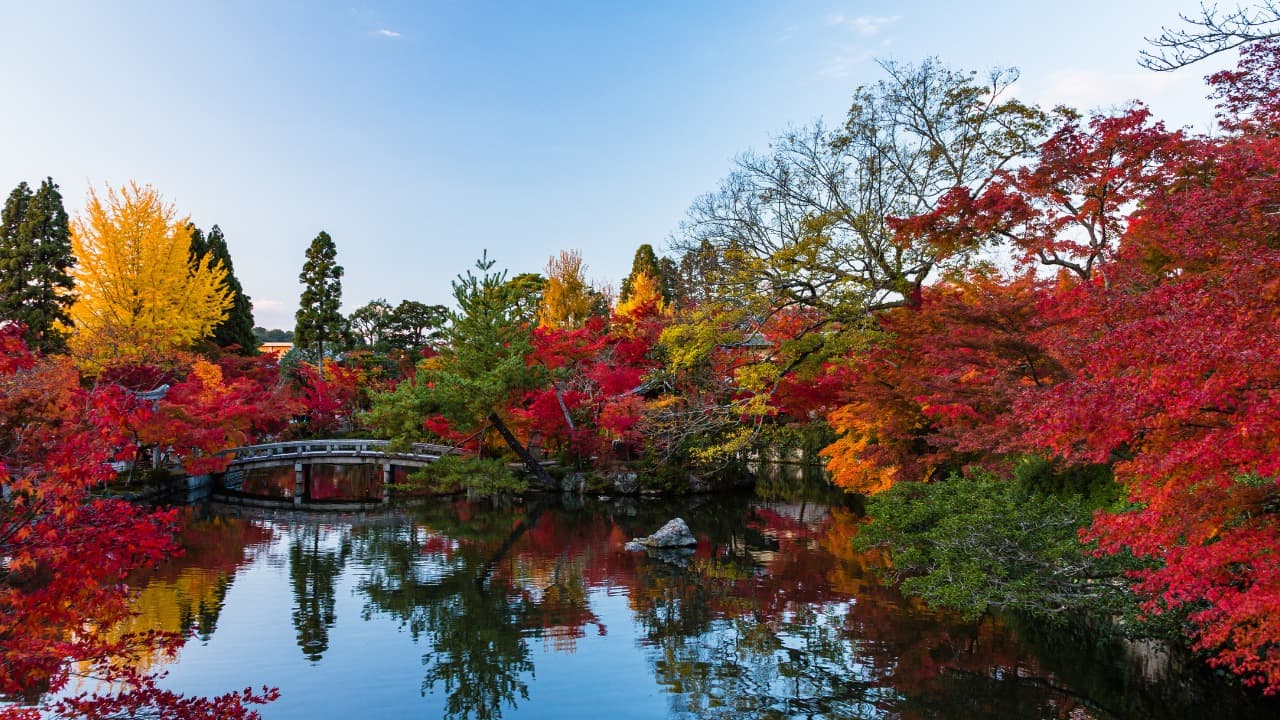
Eikando (Zenrin-ji Temple) is the head temple of the Jodo sect Seizan Zenrinji school, located in Sakyo Ward, Kyoto. It was founded in the early Heian period. Long known as “Momiji no Eikando” (Eikando of Maple Leaves), approximately 3,000 maple trees are planted on the grounds. In autumn, the entire temple grounds are enveloped in vivid autumn colors, and the autumn foliage surrounding the Tahoto pagoda on the hillside is particularly spectacular.
The typical peak season is from mid to late November, during which the “Autumn Special Temple Treasure Exhibition” is held, allowing visitors to view precious temple treasures. Additionally, nighttime illumination events are held, with Hojo-ike Pond and the autumn foliage fantastically lit up, creating a mysterious atmosphere different from daytime.
2. Metasequoia Avenue

The Metasequoia Avenue, located in Makino-cho, Takashima City, Shiga Prefecture, is a magnificent tree-lined road with approximately 500 metasequoia trees planted along approximately 2.4 km. This avenue has been selected as one of the “New 100 Best Japanese Street Tree Landscapes” and the “100 Best Autumn Foliage Spots in Japan,” offering beautiful scenery throughout the four seasons.
In autumn especially, the metasequoia leaves turn red and orange, creating a landscape that resembles a painting. The typical peak foliage season is from late November to early December, when many tourists visit.
3. Arashiyama
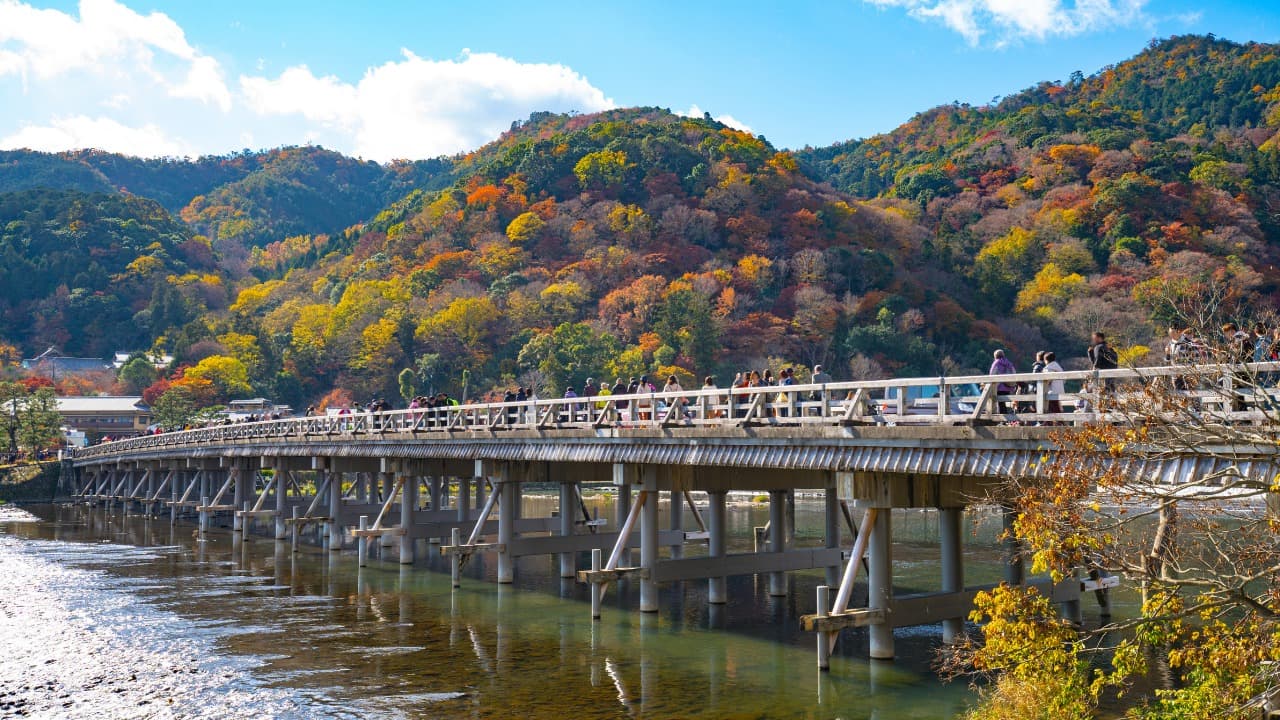
Arashiyama, located in Ukyo Ward, Kyoto, is a historic tourist destination dating back to the Heian period, and many people visit particularly during the autumn foliage season. Maple trees and other species change color throughout the Arashiyama area, and the sight of the entire mountain dyed in red and yellow is spectacular, with the view from Togetsukyo Bridge being especially popular.
The typical peak season is from mid-November to early December, during which autumn foliage can also be enjoyed at surrounding temples and gardens. Additionally, some spots offer nighttime illumination, allowing visitors to experience a fantastical atmosphere different from daytime.
Types and Characteristics of Autumn Foliage Trees
The autumn foliage that colors Japan’s autumn is produced by a wide variety of trees. Below, we introduce the representative types of autumn foliage trees and their characteristics.
1. Iroha Momiji (Japanese Maple)
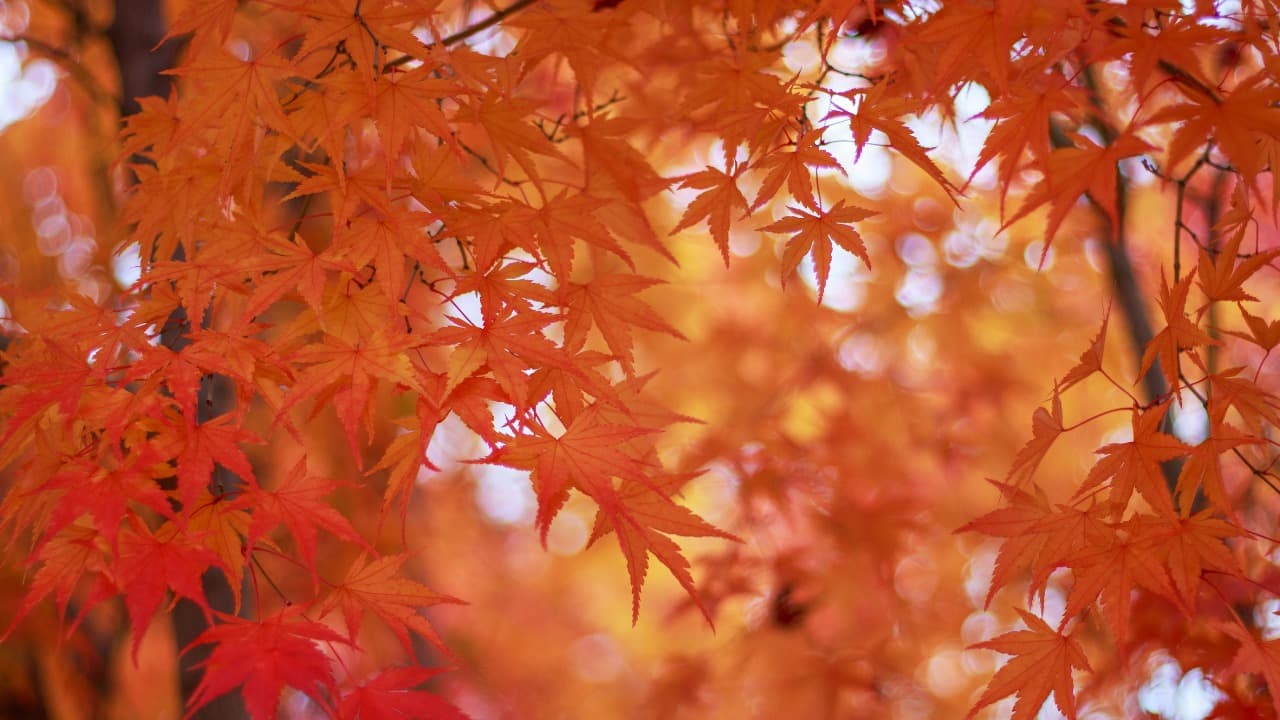
Iroha Momiji is a species of the maple genus widely found throughout Japan, named after the resemblance of its leaf shape to the Japanese “iroha” characters. The leaves are characterized by 5 to 7 deep lobes with elongated, pointed tips. The leaves are relatively small at about 5 cm and turn vivid red in autumn.
It is commonly planted in gardens and parks, and its beautiful autumn foliage is beloved by many. Additionally, Iroha Momiji grows naturally on the Pacific Ocean side, and a distinguishing characteristic is the absence of grooves on the upper surface of the petiole.
2. Yama Momiji (Mountain Maple)
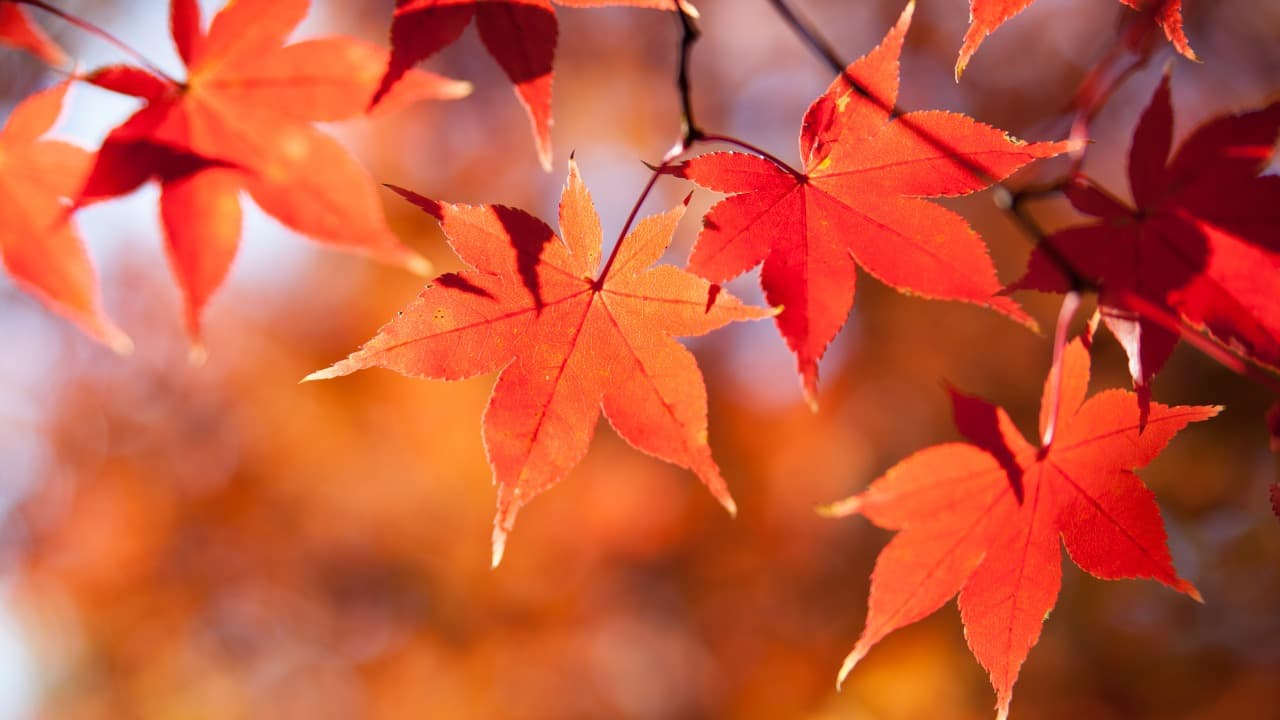
Yama Momiji is a species of the maple genus that grows naturally from Hokkaido to the Sea of Japan side of Honshu. The leaves have 7 to 9 lobes, with lobes that are wider than those of Iroha Momiji and slightly blunter tips. The leaves are medium-sized at 5 to 10 cm and turn deep crimson or orange in autumn.
Its beauty can be enjoyed in natural forests and gardens, and the autumn foliage in mountainous areas is particularly magnificent. The petioles of Yama Momiji are characteristically long at 4 to 6 cm, and many have grooves on the upper surface.
3. Sugar Maple
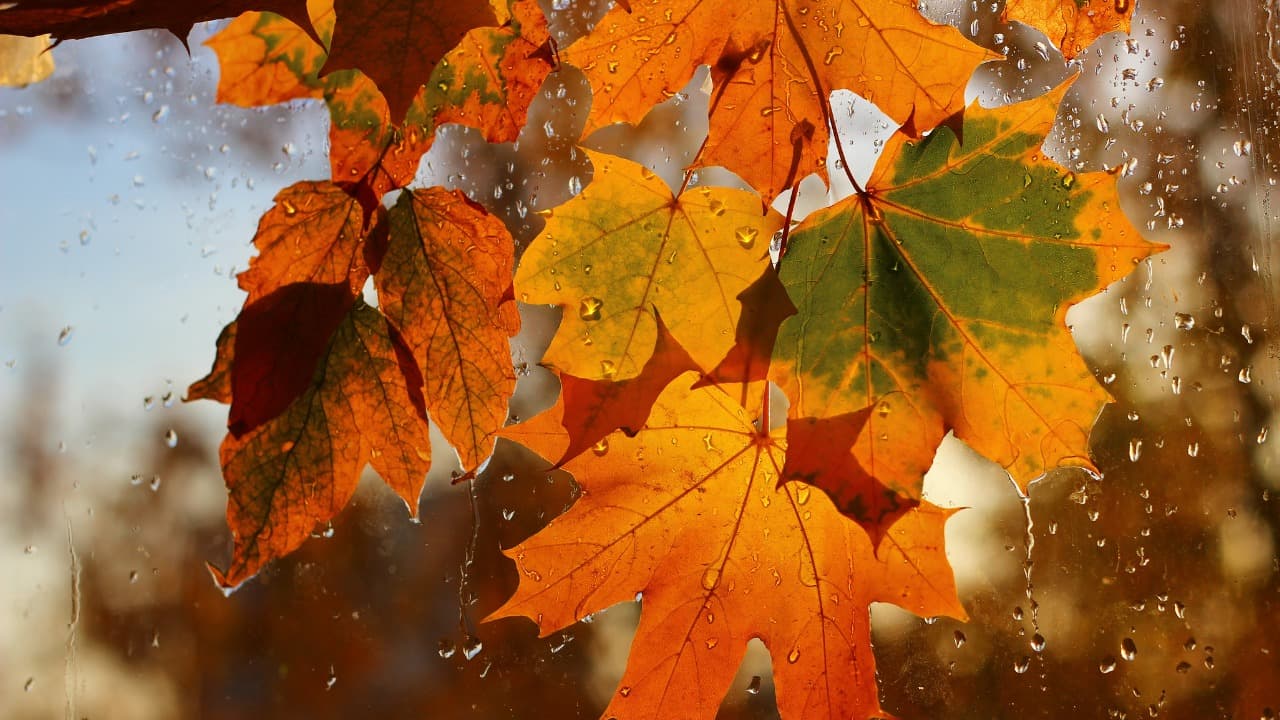
The Sugar Maple is a species of the maple genus native to North America, famously depicted on the Canadian flag. It can reach a height of 20 to 30 meters, with leaves having 5 lobes and an overall rounded shape.
In autumn, it turns vivid red, orange, and yellow, creating spectacular scenery in the vast forests of North America. Additionally, maple syrup is harvested from the sap of the Sugar Maple, and its production is thriving in Canada and the northern United States.
4. Hauchiwa Kaede (Fullmoon Maple)
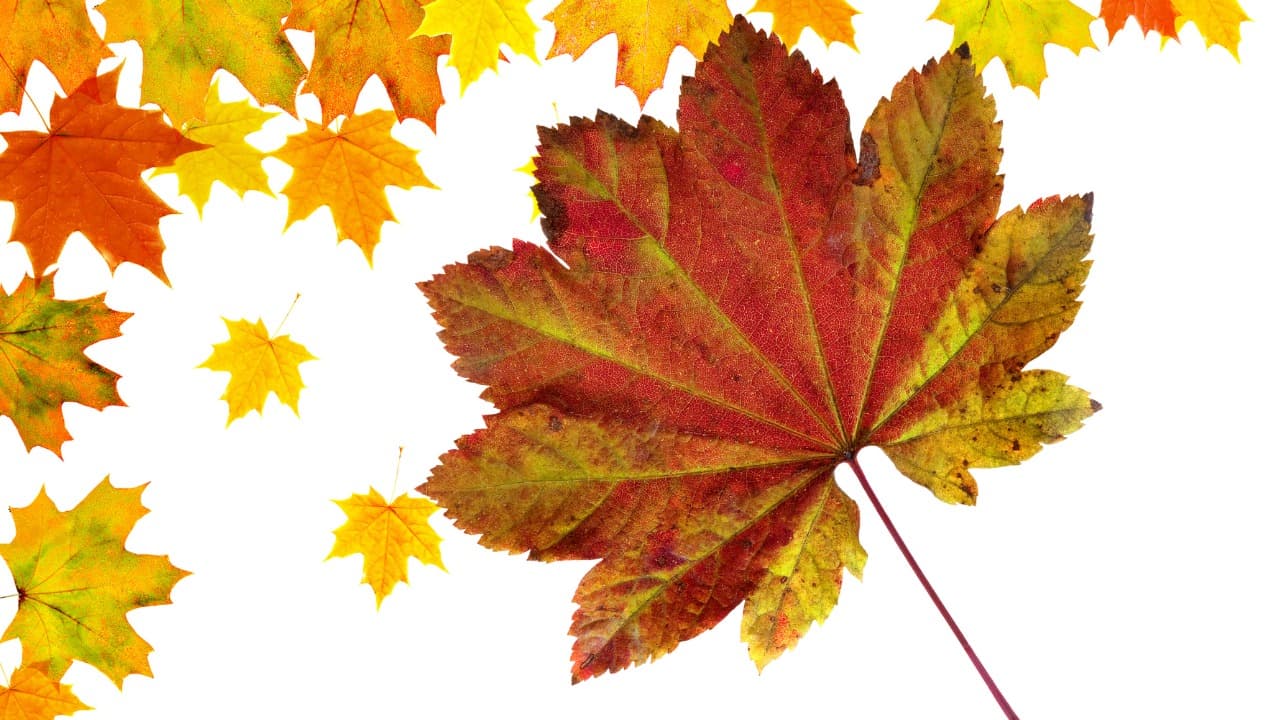
Hauchiwa Kaede is a deciduous tree of the maple genus endemic to Japan, distributed from Hokkaido to the central and northern parts of Honshu. It grows naturally in mountain valleys and slopes, adapting to cold climates. It can reach a height of 5 to 10 meters, with grayish-white smooth bark. The leaves are large at 10 to 15 cm in diameter, shallowly divided into 9 to 11 lobes, and were named “Hauchiwa Kaede” (Fan Maple) because of their resemblance to the feather fan held by tengu.
In autumn, the gradient from yellow to red is beautiful, and since the color of the foliage varies depending on sun exposure and growing conditions, visitors can enjoy colorful scenery.
5. Tou Kaede (Trident Maple)
Tou Kaede is a deciduous tree of the maple genus native to China, introduced to Japan during the Meiji period. It can reach a height of 10 to 15 meters, with grayish-brown bark that peels in scale-like patterns as the tree ages. The leaves are triangular, 3 to 8 cm long, three-lobed, leathery, and glossy.
In autumn, it turns beautiful shades of yellow and red, and its beauty can be enjoyed even in urban areas. Due to its high durability and resistance to drought and air pollution, it is widely planted as street trees and park trees.
6. Nanakamado (Japanese Rowan)
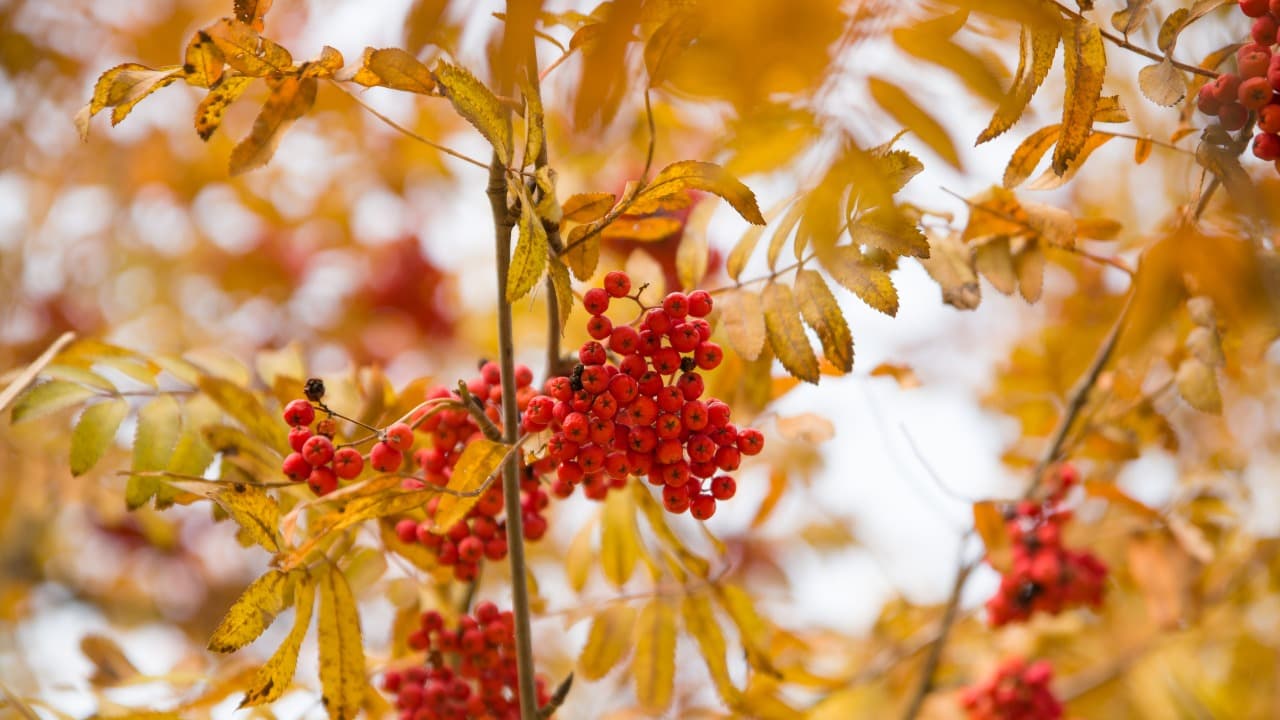
Nanakamado is a deciduous tree of the Rosaceae family, widely distributed from Hokkaido to Kyushu. It is particularly common in cold regions, growing naturally in mountains and highlands. It reaches a height of 5 to 10 meters, with grayish-white smooth bark. The leaves are odd-pinnate compound leaves, 15 to 25 cm long, composed of 7 to 15 leaflets.
In autumn, the leaves turn vivid red and orange, and at the same time, the red berries stand out beautifully. These berries remain on the branches until winter and serve as a valuable food source for wild birds. The name Nanakamado is said to come from the meaning “it does not turn to ash even if burned seven times,” and it is known as a highly fire-resistant wood.
2026 Latest Autumn Foliage Information
The 2026 autumn foliage peak season forecast is typically announced around autumn each year. As a general guide, mountainous areas in Hokkaido and Tohoku peak from late September to early October, the Kansai region including Kyoto and Nara from mid-November to early December, and central Tokyo from late November to early December.
Since the peak foliage season varies each year depending on climate conditions, we recommend checking the latest coloring status on Weather News, the Japan Meteorological Agency’s autumn foliage information, and each facility’s official website before heading out.
Summary
Japan’s autumn foliage offers new inspiration with every visit. In the autumn of 2026, please experience the overwhelming autumn foliage landscapes woven by nature. We hope this article will be useful in planning your autumn foliage trip.