
🕓 2024/10/27
#Hot Springs
A Detailed Guide to the History and Overview of Beppu Onsen
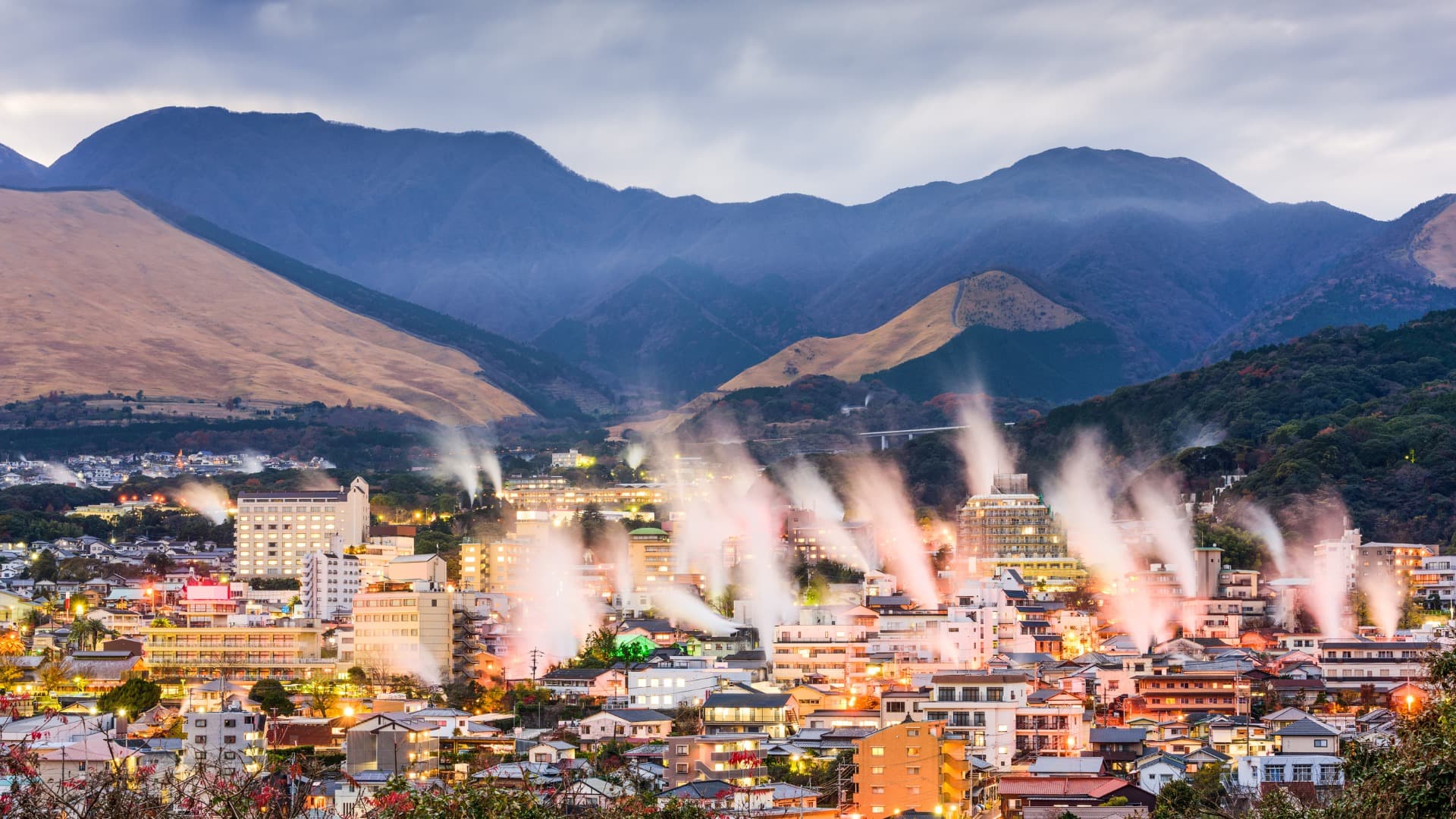
Table of Contents
- Overview of Beppu Onsen
- History of Beppu Onsen
- Recommended Hot Springs in Beppu
- Highlights of Beppu Onsen
Introduction
Beppu Onsen is one of the most highly regarded hot spring areas both in Japan and internationally, located in Beppu City, Oita Prefecture. This hot spring area boasts abundant hot spring sources, and its diverse water qualities, rich natural surroundings, and unique tourist attractions have captivated many visitors. The charm of Beppu Onsen lies not only in soaking in the hot springs but also in the long history and culture of the area itself, as well as its scenic beauty.
In this article, we will introduce the overview, history, and highlights of Beppu Onsen in detail.
Overview of Beppu Onsen
Beppu Onsen is an extremely popular hot spring area both in Japan and abroad, located in Oita Prefecture. This region is a treasure trove of hot springs with approximately 2,000 hot spring sources throughout Beppu City, and with approximately 130,000 kiloliters of hot water gushing out per minute, it is known as one of the world’s premier hot spring resorts.
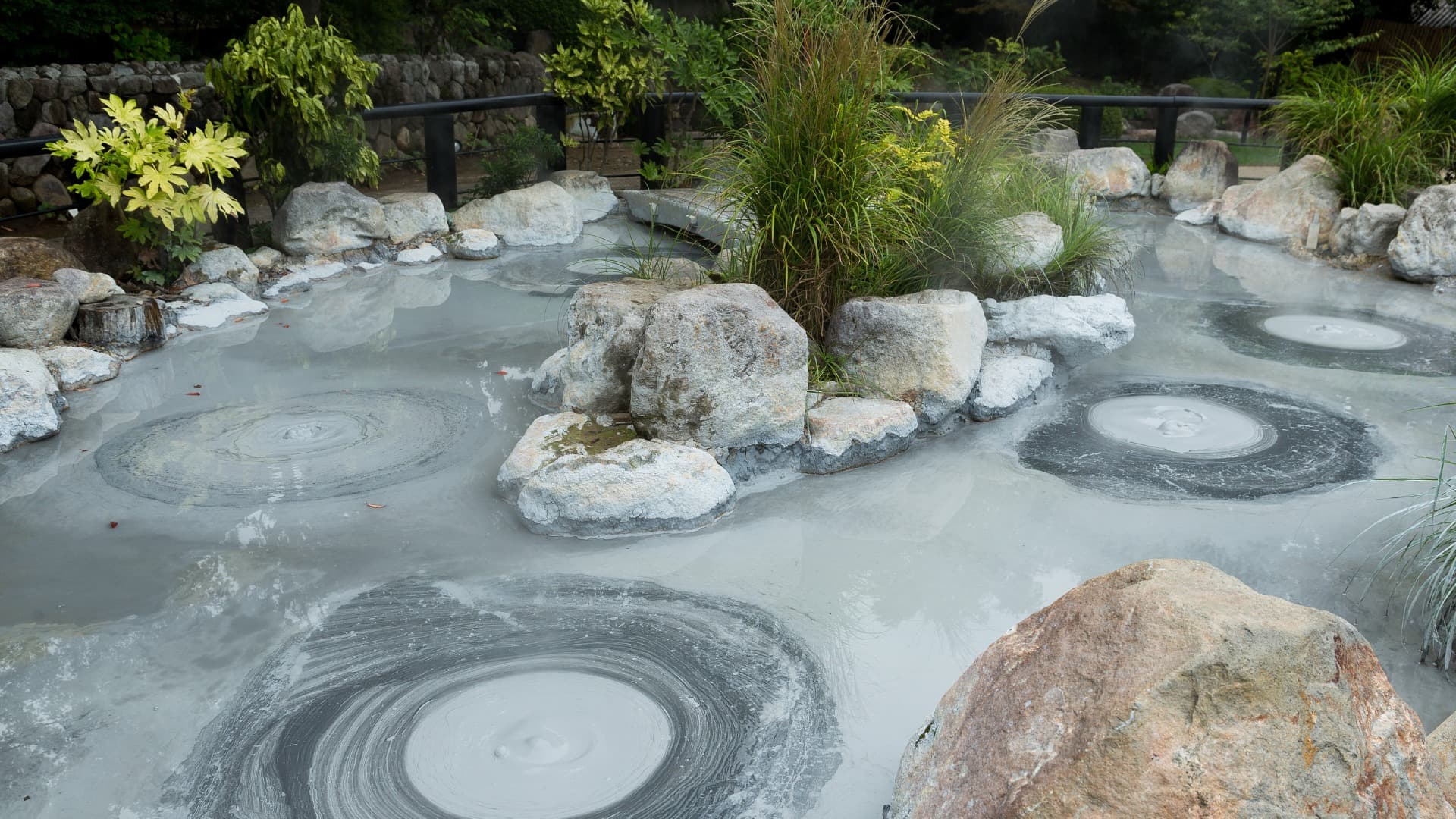
Beppu Onsen boasts a rich variety of hot spring types, with the “Jigoku Meguri” (Hell Tour) being the main tourist attraction. On the Hell Tour, you can visit seven hells with unique landscapes and names, including Umi Jigoku (Sea Hell), Oniishibozu Jigoku, Kamado Jigoku, Oniyama Jigoku, Shiraike Jigoku, Chinoike Jigoku (Blood Pond Hell), and Tatsumaki Jigoku. Each hell features hot springs of different colors and shapes, and the steam and vapor create fantastical landscapes. For example, Umi Jigoku is a beautiful cobalt blue hot spring, characterized by its sea-like blue color, true to its name.
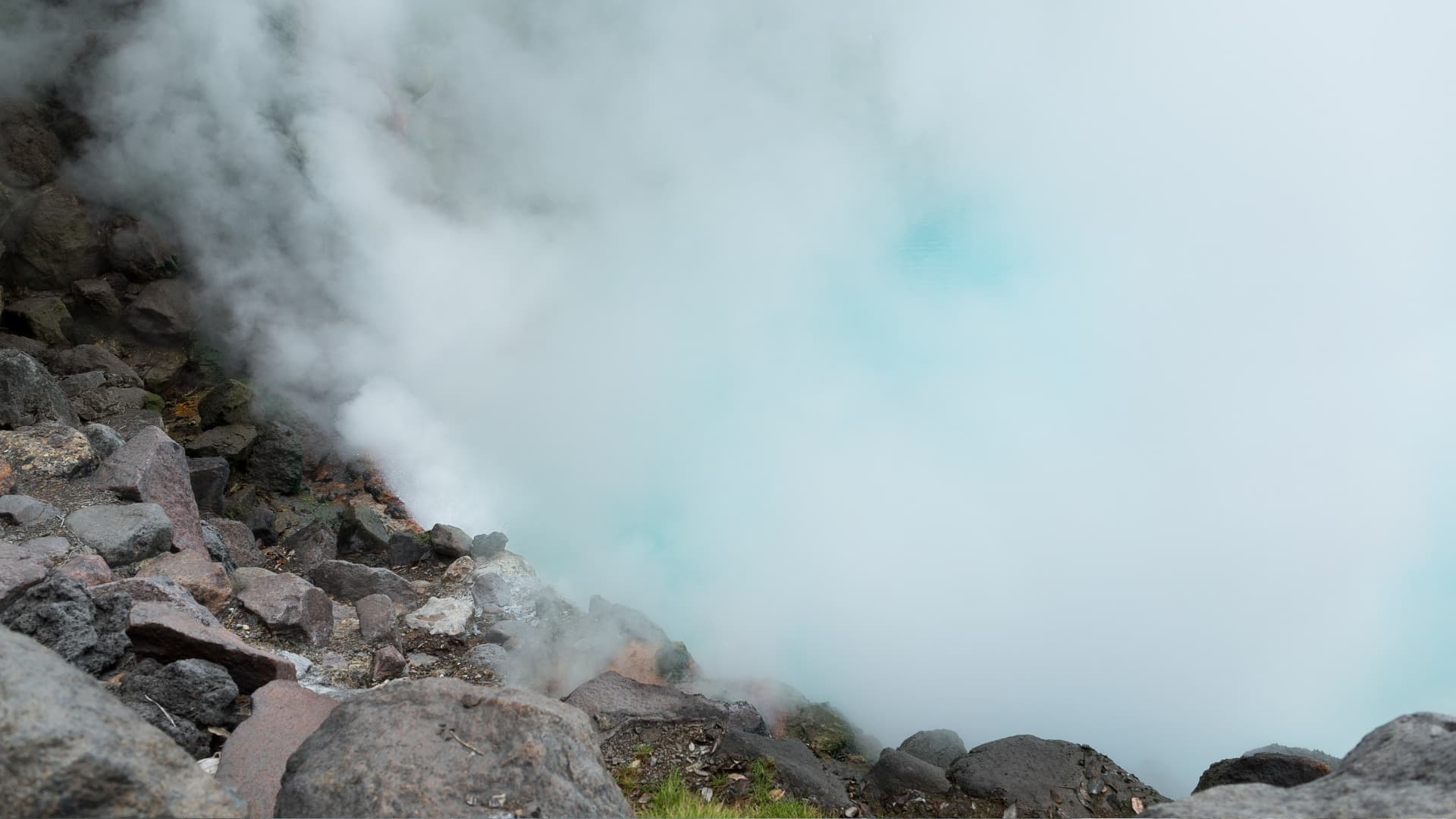
Furthermore, Beppu Onsen is known not only for relaxation but also as a hot spring with high therapeutic effects, and it has been used as a therapeutic bathing spot since ancient times. The water qualities are diverse, including acidic springs, sulfur springs, and chloride springs, offering various health benefits and physical rejuvenation.
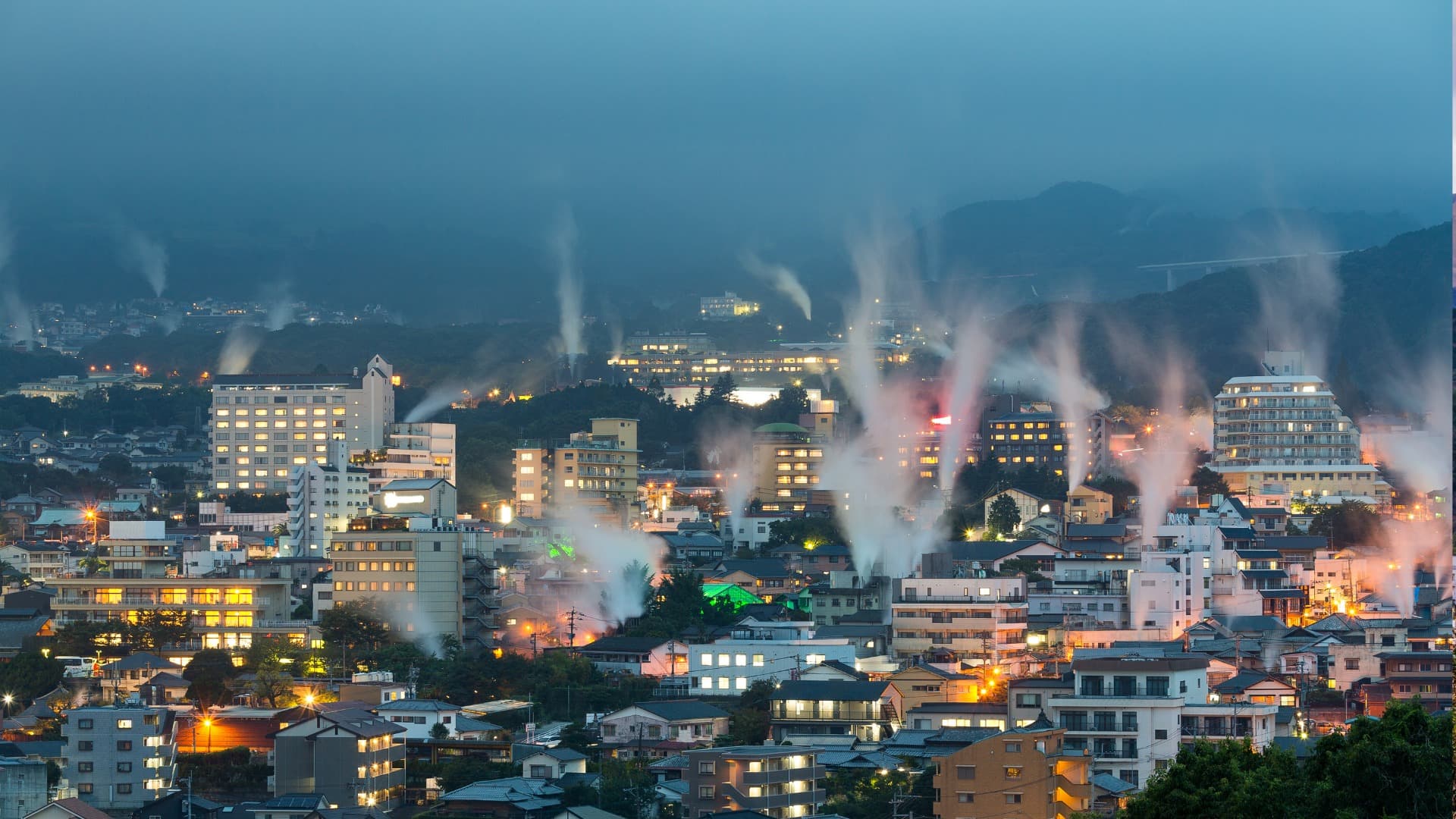
For tourists, the hot spring town offers gourmet food and local specialties, with unique culinary experiences such as Jigoku Mushi (Hell-Steamed Cuisine) using hot spring steam. Additionally, the sightseeing train “Botchan Ressha” operates nearby, allowing visitors to enjoy city sightseeing while soaking in a nostalgic atmosphere.
History of Beppu Onsen
Beppu Onsen is known as one of Japan’s premier hot spring areas, attracting many tourists from both Japan and abroad with its long history and abundant hot spring resources.
1. Ancient Times – Origins of Beppu Onsen
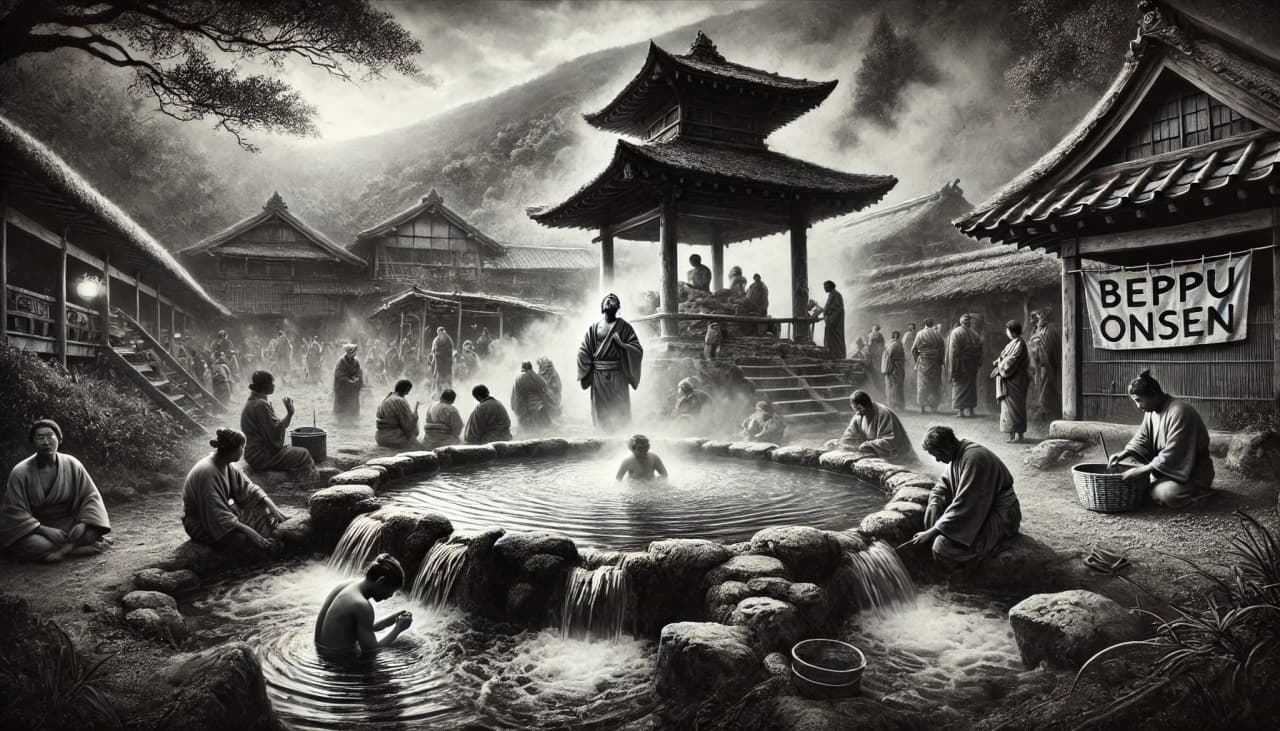 *Illustration image
The use of Beppu Onsen is said to date back to ancient times, with local people believed to have used the naturally occurring hot springs for health maintenance and healing. As a hot spring area, it has been revered as a “sacred spring” since ancient times and regarded as a holy place.
2. 12th Century – Records from the Heian Period
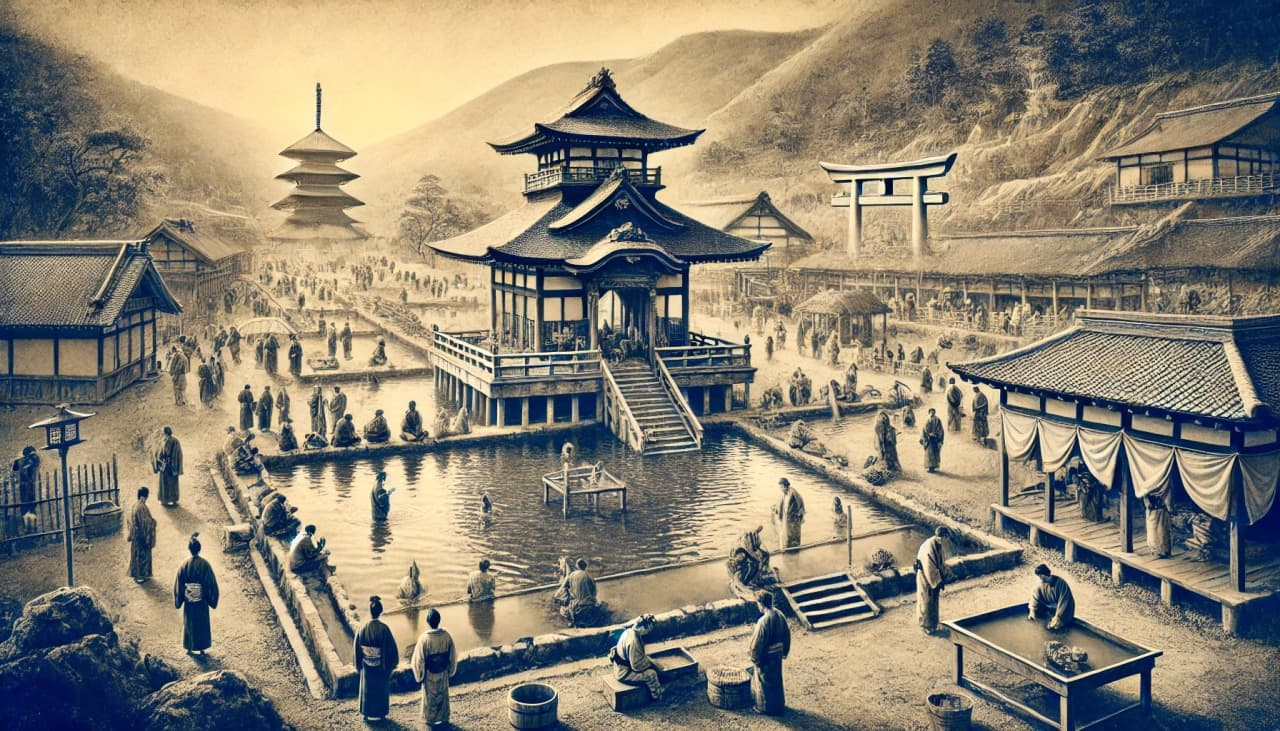 *Illustration image
Documents from the Heian period (794-1185) contain descriptions of Beppu Onsen, indicating that the hot springs were already widely known during this period and had become a destination for visitors from both within and outside Japan. Hot spring therapy became widespread, and Beppu Onsen became established as a renowned therapeutic bathing destination.
3. Edo Period (1603-1868) – Development as a Therapeutic Bathing Destination
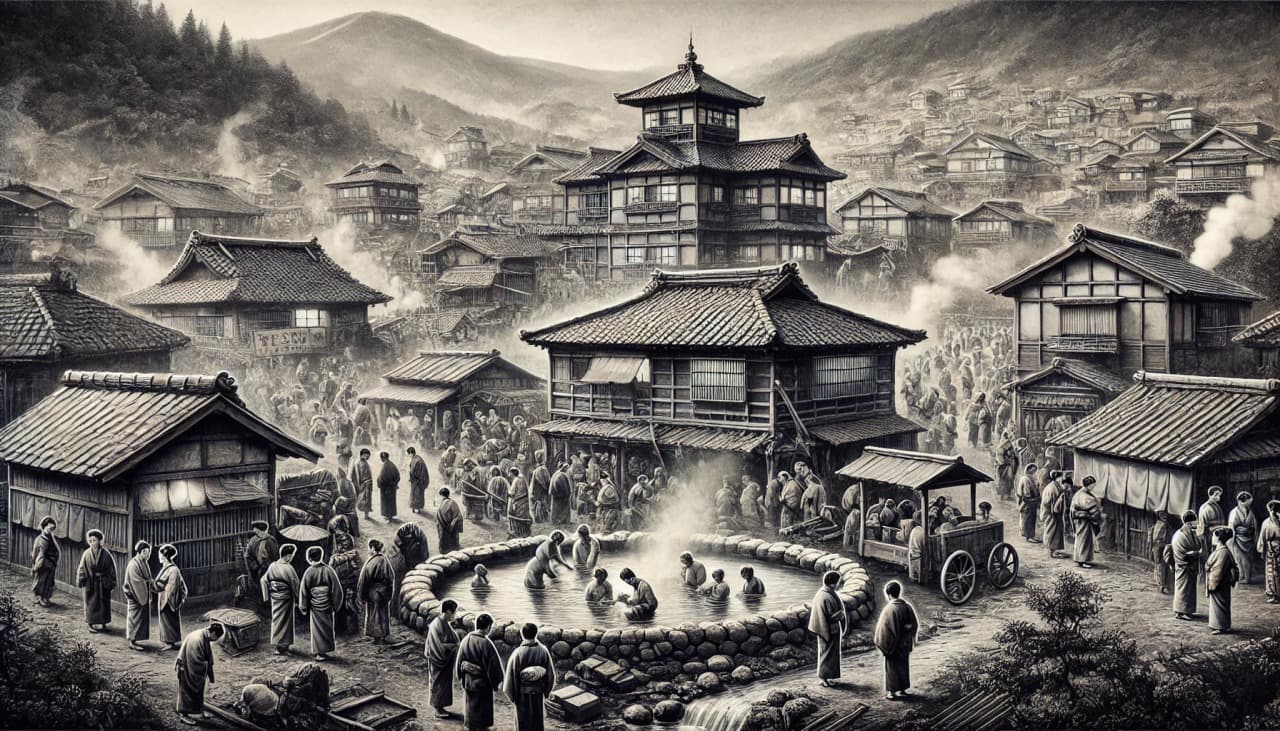 *Illustration image
During the Edo period, Beppu Onsen underwent further development as a “toji-ba” (therapeutic bathing destination). During this period, many people gathered at the hot springs for therapeutic purposes, greatly influencing the local economy and culture. Tourist spots such as the “Jigoku Onsen” (Hell Hot Springs), which remain famous to this day, were also developed during this period.
4. 1870s – Modernization in the Meiji Period
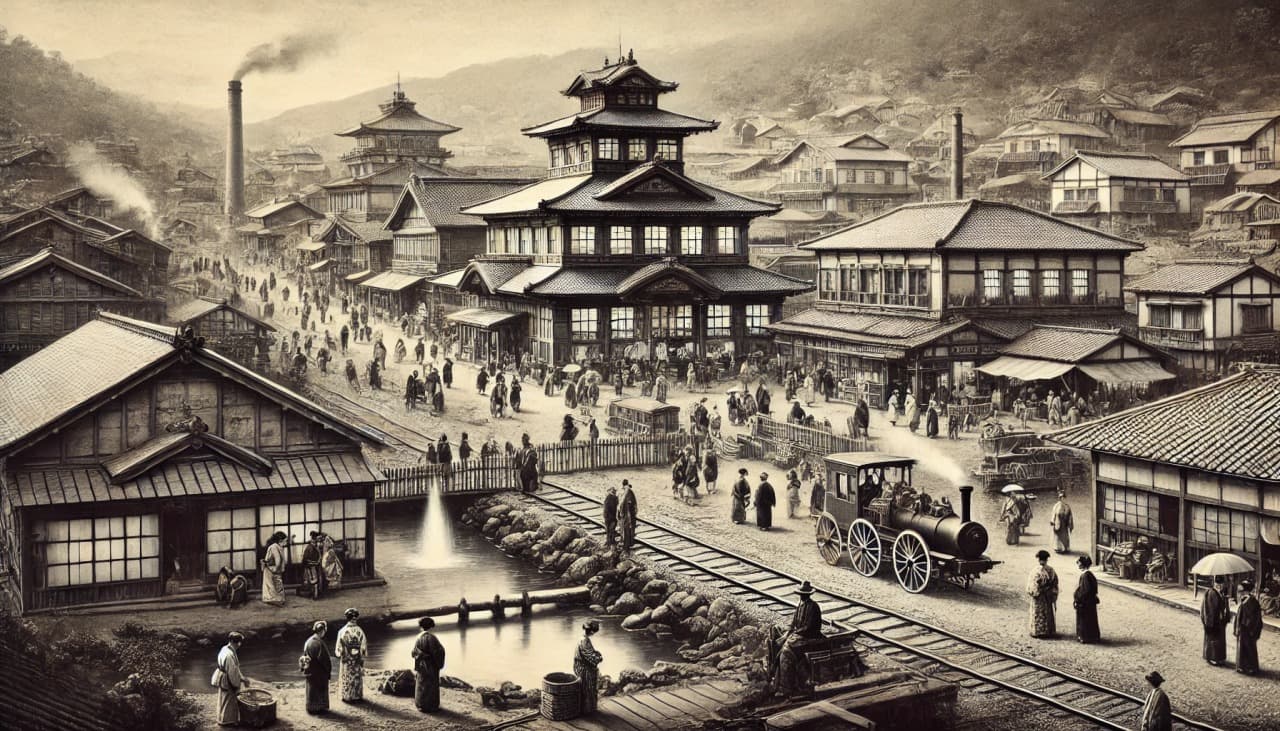 *Illustration image
With the advancement of the railway network in the Meiji period, access to Beppu Onsen became easier, accelerating its growth as a tourist destination. Hot spring facilities were constructed one after another, and Beppu established itself as a hot spring resort destination attracting tourists from both Japan and abroad. During this period, Beppu Onsen developed into a major tourist destination.
5. 1924 – Commercialization of Beppu Hell Tour
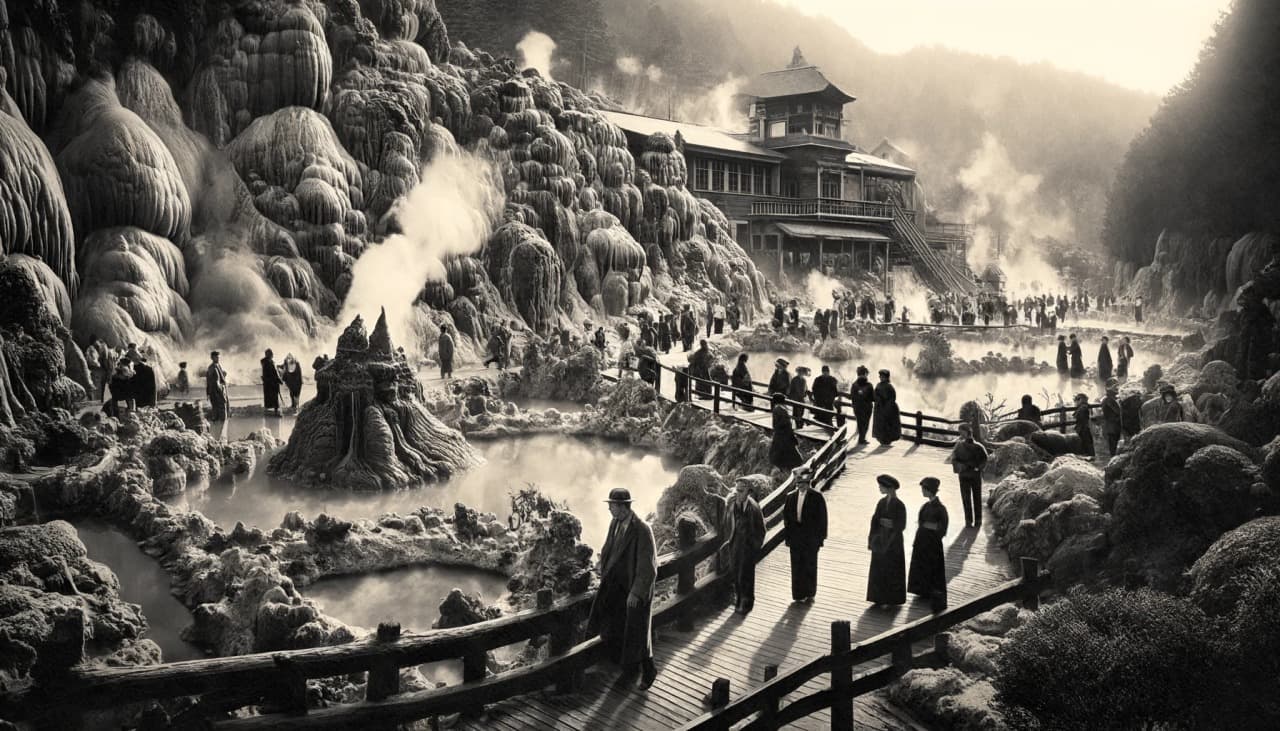 *Illustration image
In 1924, the famous “Jigoku Meguri” (Hell Tour) of Beppu Onsen was officially established as a tourist course. The Hell Tour is a tour visiting groups of hot springs with hell-like landscapes featuring different colors and mineral compositions, and it has attracted many tourists as a sightseeing attraction to this day. This further enhanced Beppu Onsen’s appeal as a tourism city.
Recommended Hot Springs in Beppu
Here is a summary of the highlights of Beppu Onsen. These are famous spots that you should definitely visit when coming to Beppu Onsen.
■ Kannawa Onsen
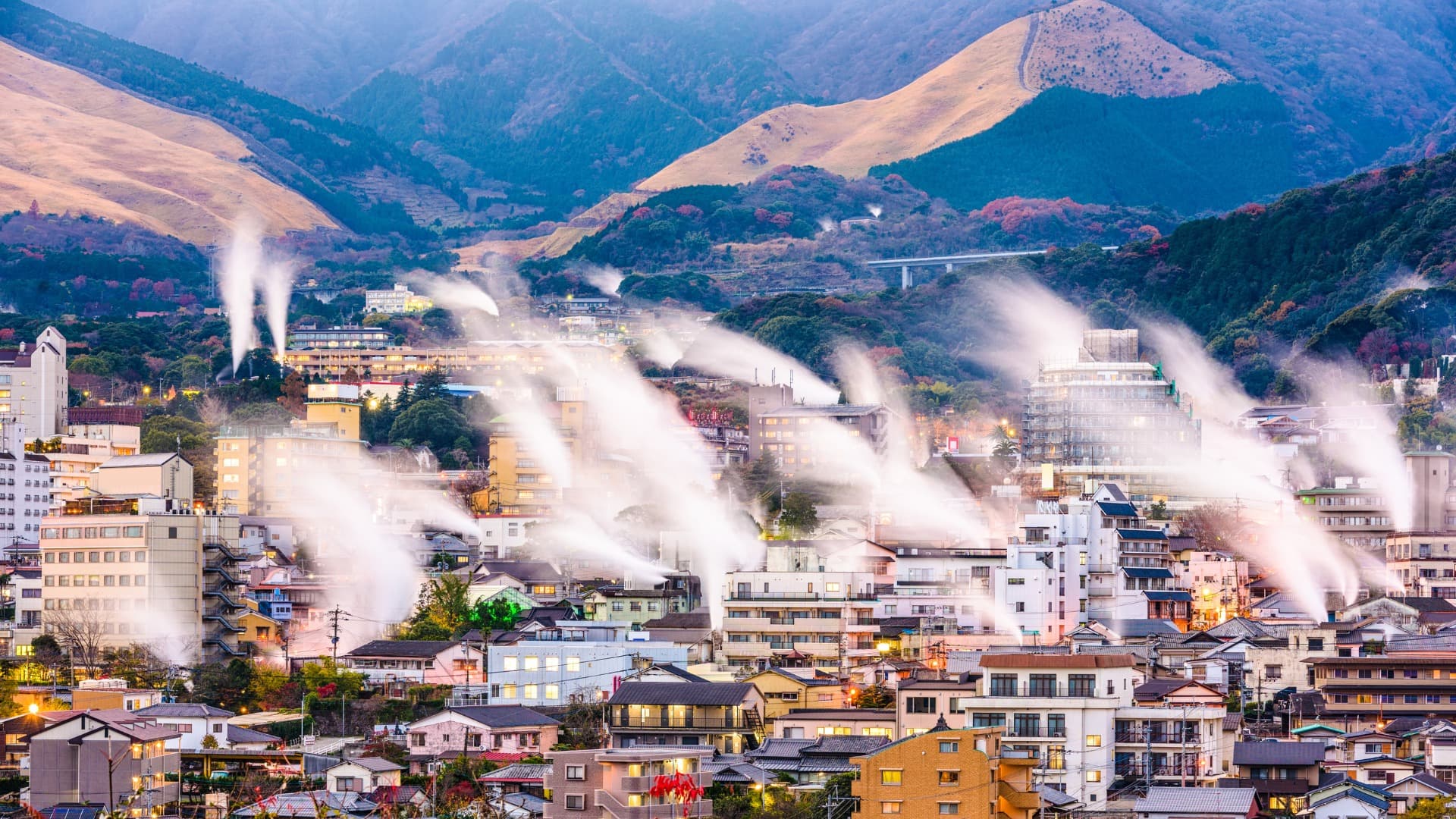
Kannawa Onsen is an area where the sight of rising steam has been recognized as a cultural property, and it is one of the “Beppu Hatto” (Eight Hot Springs of Beppu). The Kannawa hot spring town has a retro atmosphere, and popular day-trip bathing facilities such as “Hyotan Onsen” offer private baths and open-air baths where you can relax at your leisure.
There are also facilities where you can experience “Jigoku Mushi” (Hell-Steamed Cuisine), enjoying unique dishes prepared using hot spring steam.
■ Myoban Onsen
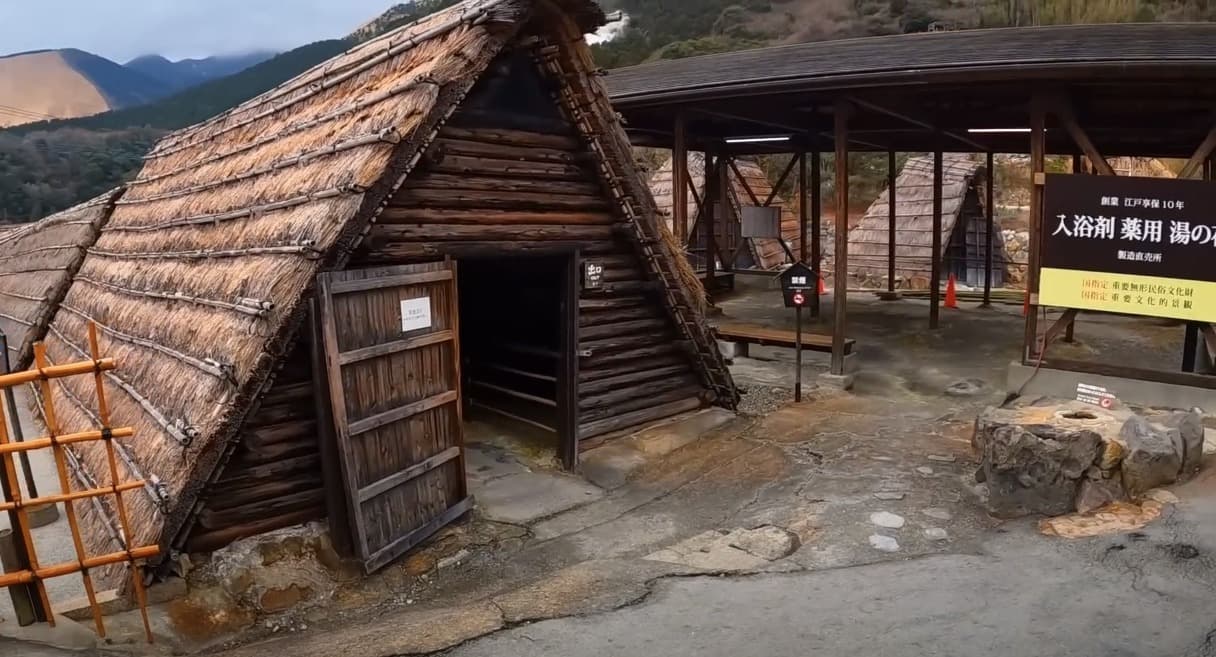
Myoban Onsen is situated on a hilltop within the Beppu Onsen area, offering beautiful scenic views. In particular, the “Yunohana Goya” (Bath Flower Huts) allow visitors to observe the traditional technique of harvesting yunohana (sulfur), while enjoying the charming hot spring town atmosphere.The springs have benefits unique to sulfur springs and are also popular for their excellent skin-beautifying effects.
■ Hyotan Onsen
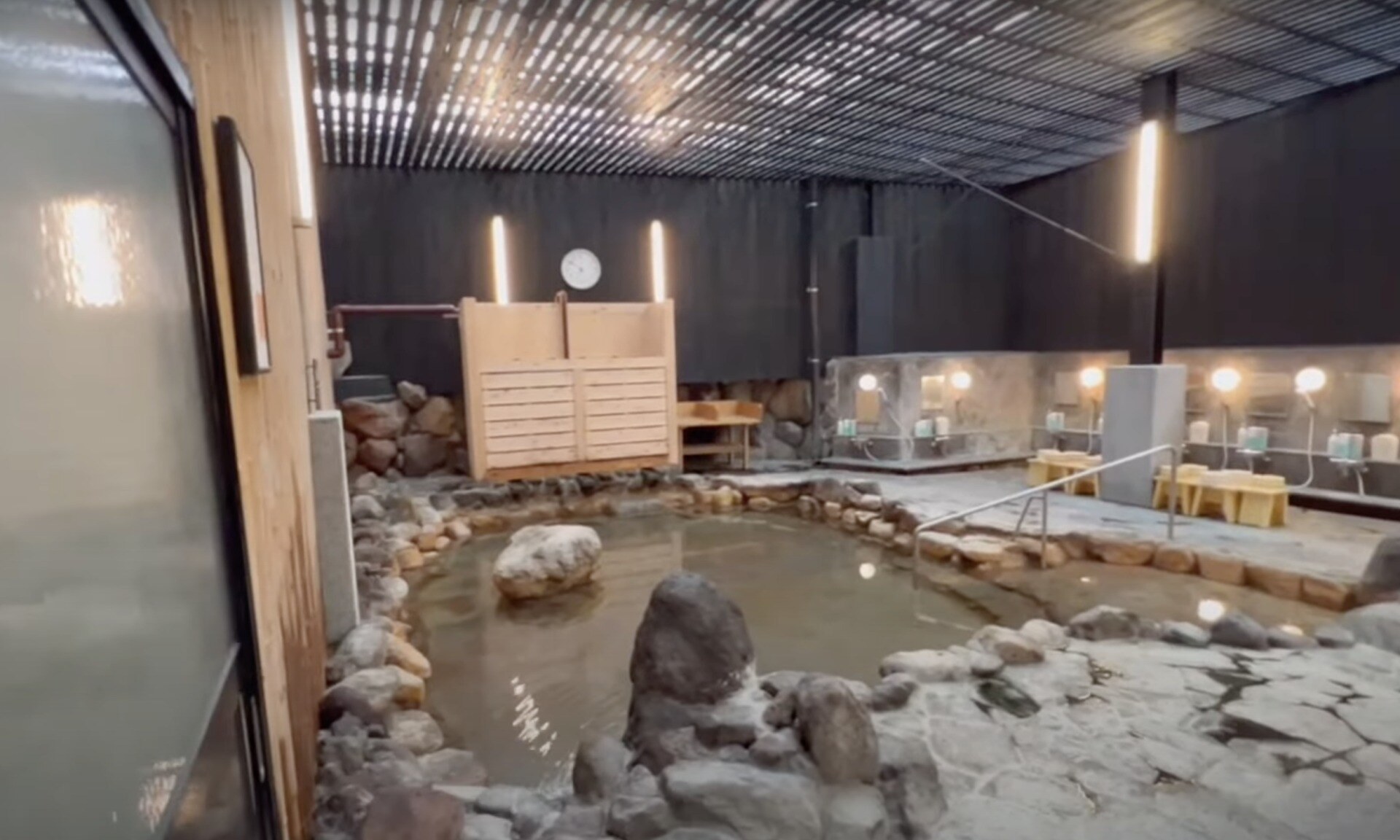
“Hyotan Onsen” in the Beppu Onsen area is a traditional day-trip bathing facility established in 1922, where visitors can enjoy 100% free-flowing natural hot spring water. A distinctive feature is its unique cooling system using a bamboo device called “Yumetake” (Dream Bamboo). Thanks to this system, even the cold bath uses natural spring water without any added water.
Additionally, there are various types of baths including sand baths, steam baths, and waterfall baths, and visitors can relax at their leisure in the self-service sand bath. It has received three stars in the Michelin Guide for four consecutive years, making it a highlight of Beppu tourism.
■ Takegawara Onsen
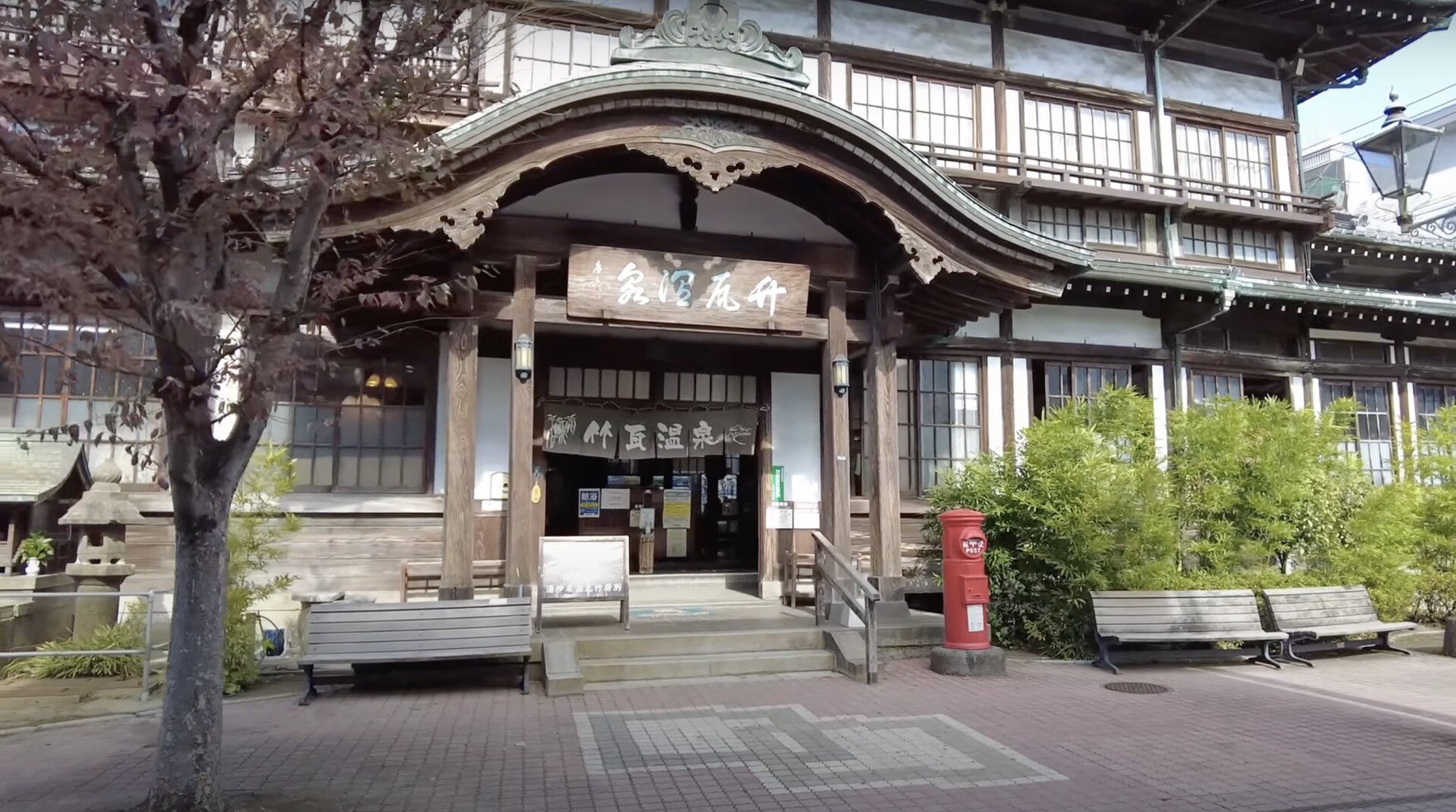
Takegawara Onsen is one of Beppu’s most iconic hot spring facilities, boasting a history dating back to its establishment in 1879 (Meiji 12). Originally named “Takegawara” (Bamboo Tiles) because the roof was covered with bamboo, the current building was reconstructed in 1938 (Showa 13) and features an impressive architectural style with a karahafu (cusped gable) design.
In addition to the regular large bath, this facility’s signature offering is the “Sunayu” (sand bath), where you can experience detoxifying effects by burying your body in sand heated by hot spring steam. The sand bath does not require reservations, and since it is very popular, you may need to wait during busy times.
■ Beppu Onsen Hoyo Land
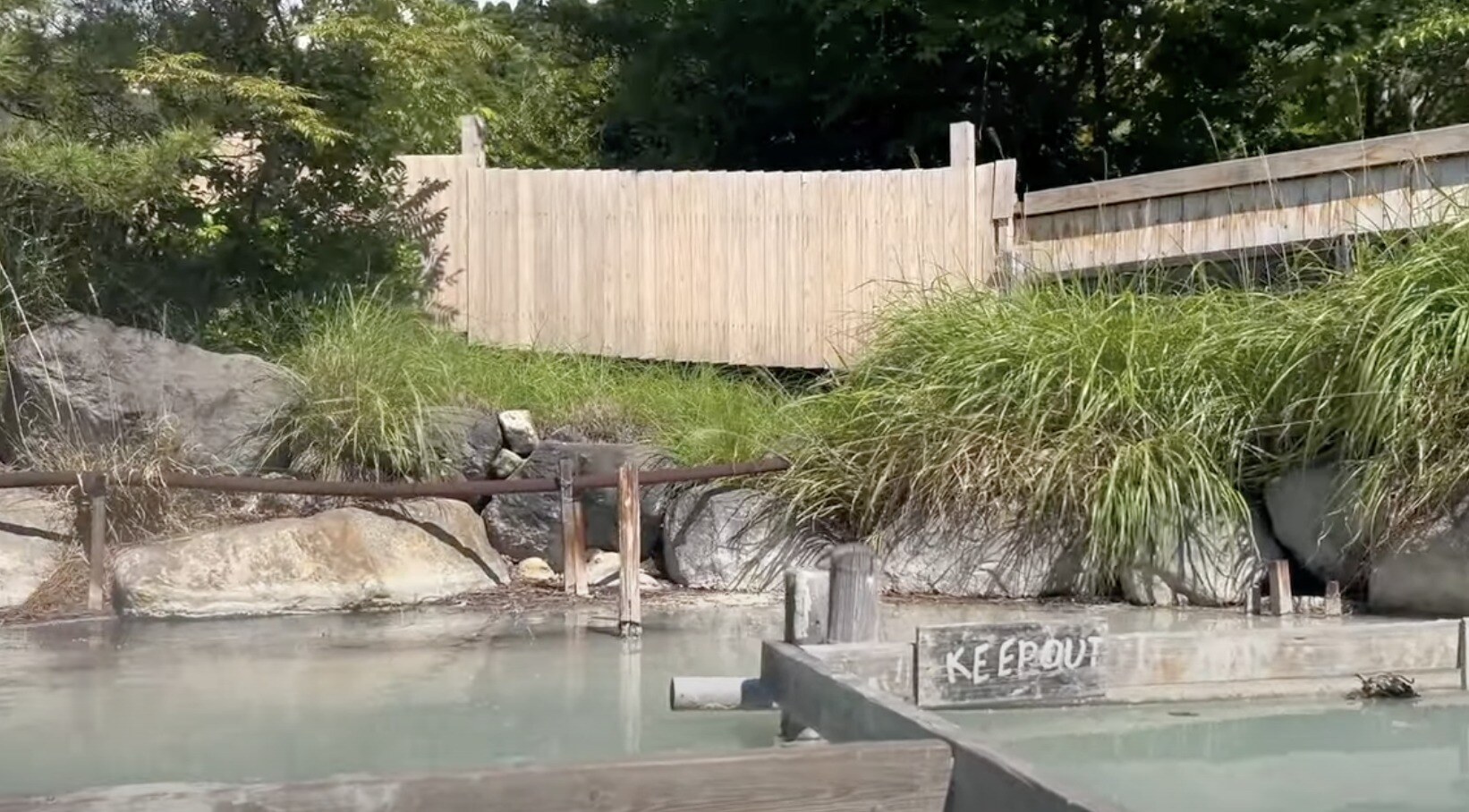
“Beppu Onsen Hoyo Land” is a hot spring facility particularly famous for its mud baths. The mineral-rich mud generated from volcanic ash dissolves into the bath water, not only gently warming the body but also offering expected skin-beautifying effects.
The facility offers various types of baths, including open-air mud baths and high-temperature steam baths. The skin texture after bathing is also well-regarded, and many visitors come for therapeutic and relaxation purposes.
■ Shibu no Yu
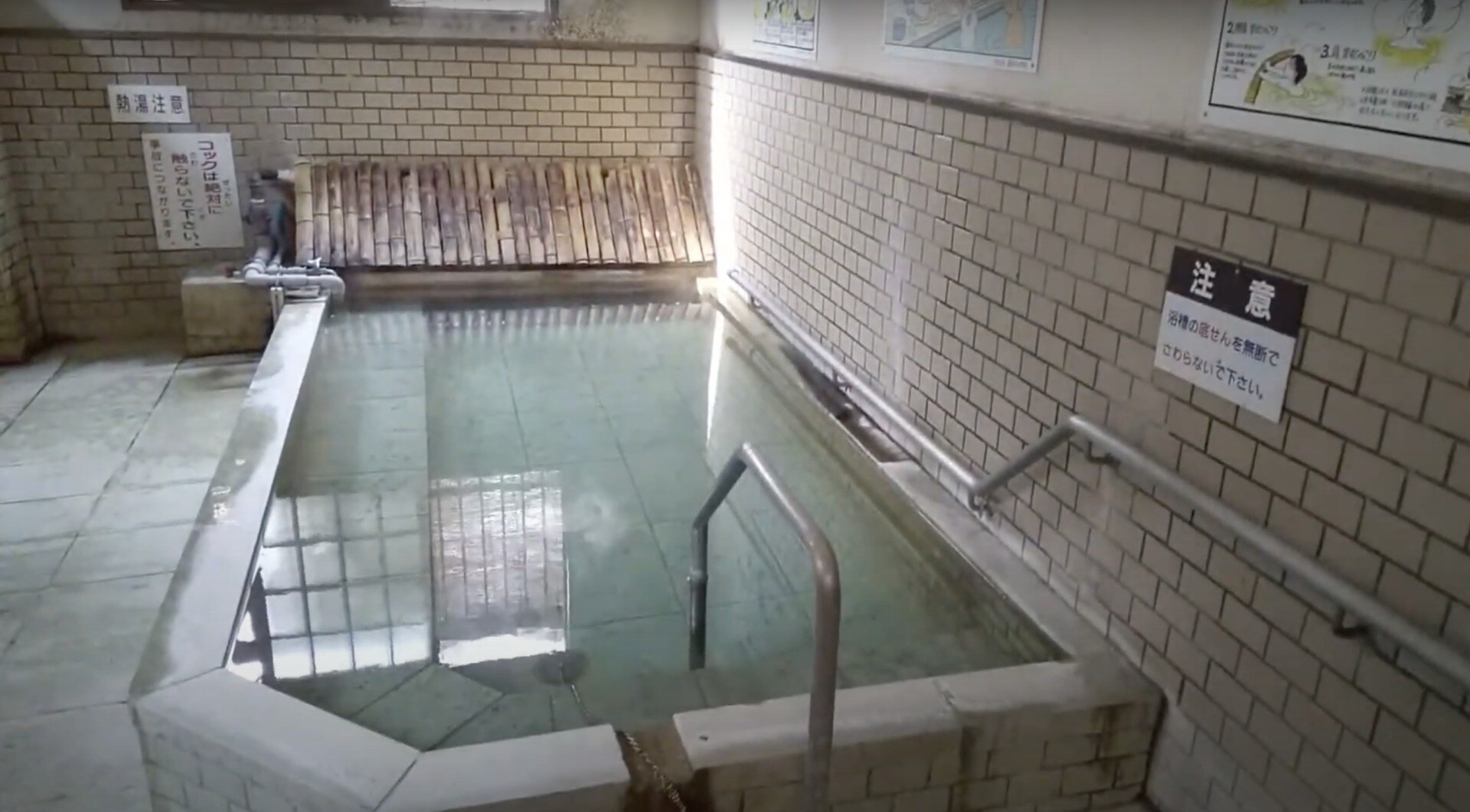
Shibu no Yu is a historic communal bathhouse located in the Kannawa area of Beppu Onsen, beloved by both local residents and tourists alike. The water quality is a chloride spring that smooths the skin, and it is known for offering the moist bathing sensation unique to hot springs. The bathhouse has a simple wooden construction with an atmospheric charm, characterized by its tranquil space.
The facility is located at the center of the hot spring town on “Ideyu-zaka” slope, and is popular as a place where visitors can experience local hot spring culture despite being a tourist area. The bathhouse uses a bamboo cooling device called “Yumetake” to adjust the spring water to an appropriate temperature.
■ Suginoi Hotel Tanaya Bath
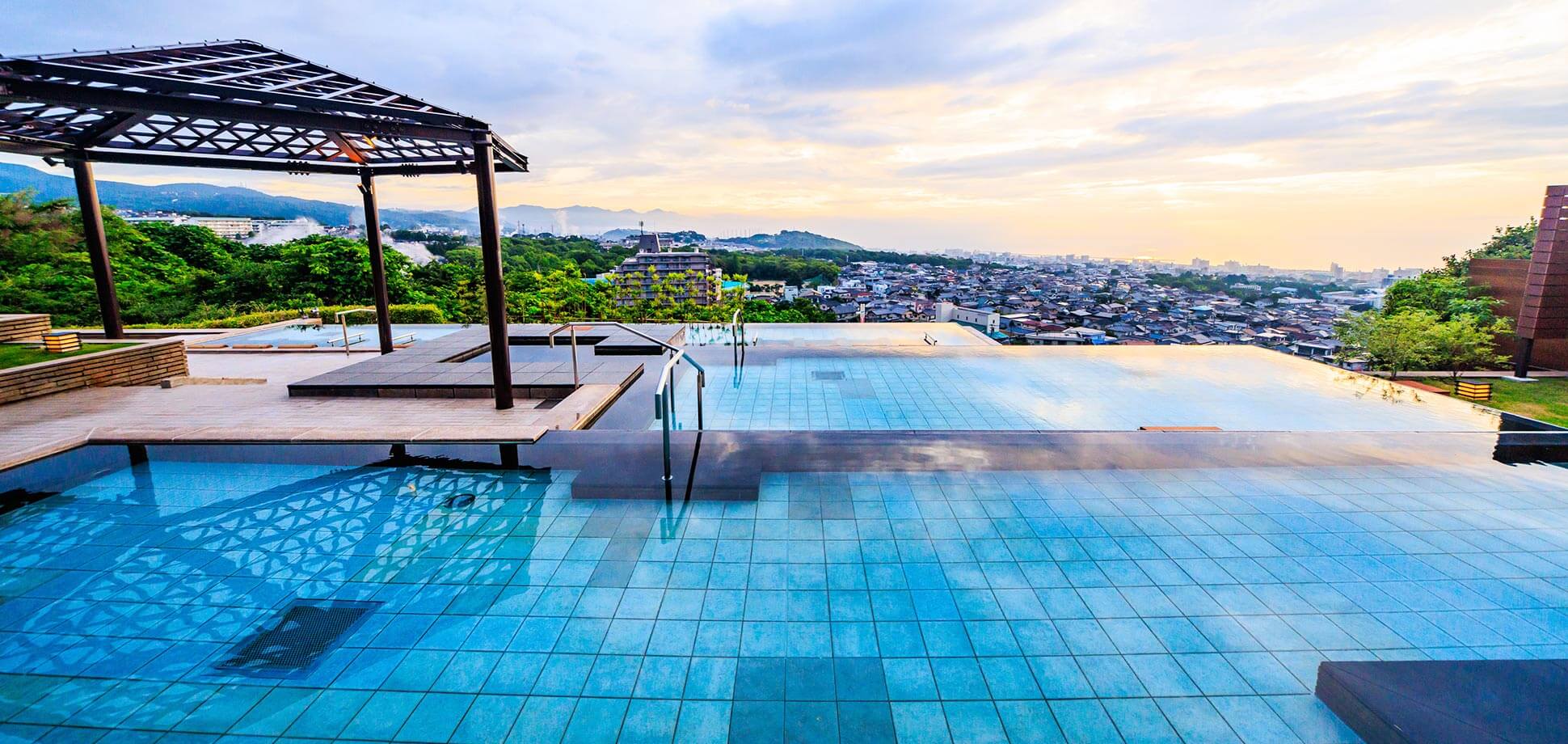 *Source: Suginoi Hotel Official Website
The Tanaya bath at “Suginoi Hotel,” one of the most notable facilities in Beppu Onsen, is an open-air bath that attracts visitors with its infinity pool-like panoramic views. Overlooking the sea, during the day the blue waters of Beppu Bay and at night the city lights are reflected in the hot spring water, creating a fantastical atmosphere.
As a hot spring resort popular with families, the facility also includes a water park, offering a diverse range of entertainment beyond hot springs.
Highlights of Beppu Onsen
Here is a summary of the highlights of Beppu Onsen. These are famous spots that you should definitely visit when coming to Beppu Onsen.
■ Beppu Jigoku Meguri (Hell Tour)
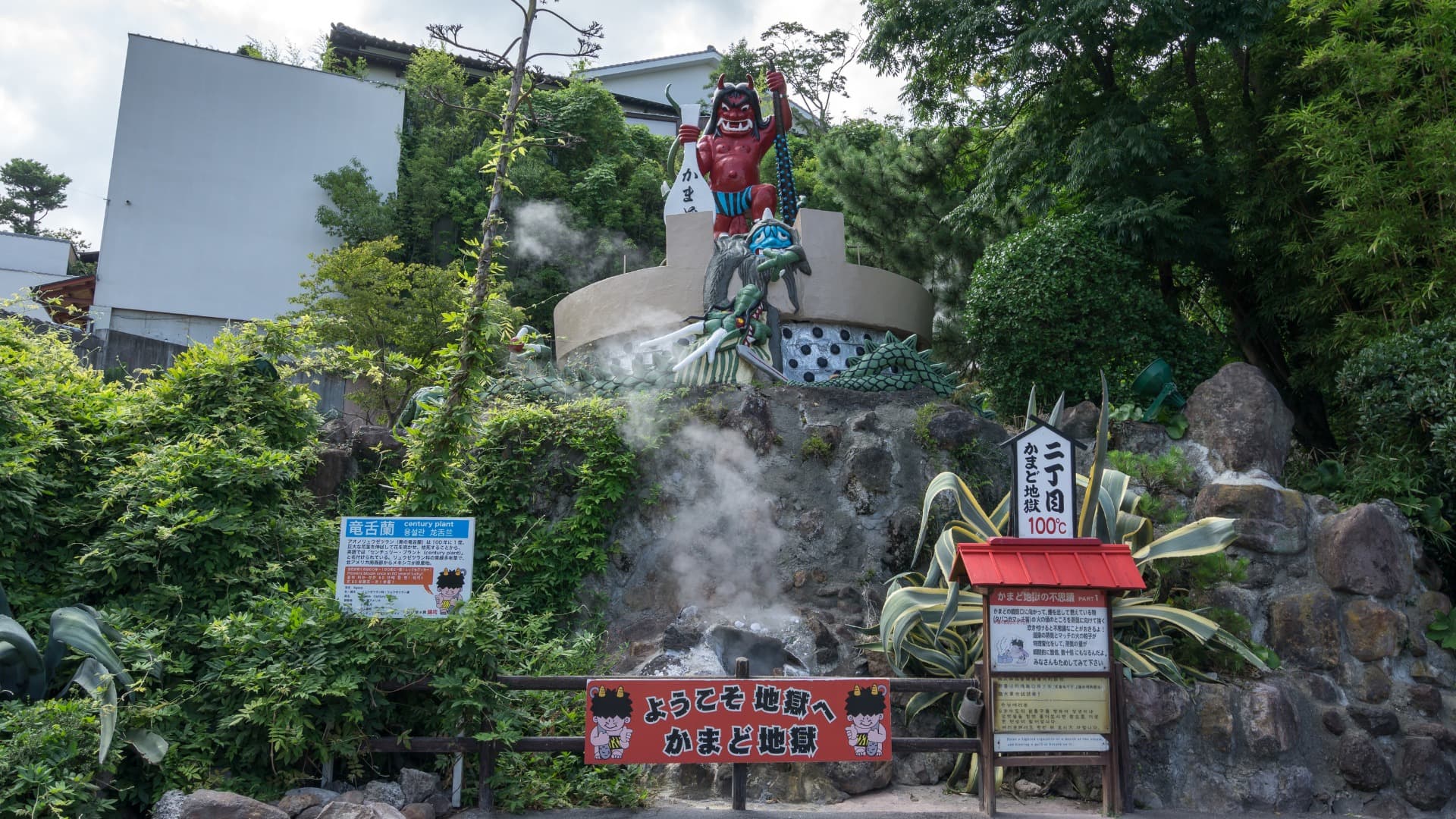
The “Jigoku Meguri” (Hell Tour) is the signature sightseeing course of Beppu Onsen. There are seven different hells (groups of hot springs), each featuring hot springs of different colors and properties that captivate tourists. “Umi Jigoku” (Sea Hell) is a beautifully blue hot spring, with a color reminiscent of the sea.
“Chinoike Jigoku” (Blood Pond Hell) is red in color, evoking a hellish scene true to its name. “Oniishibozu Jigoku” and “Kamado Jigoku” also display unique colors, steam emissions, and hot spring formations, and since each hell has its own distinct characteristics, they delight all visitors.
■ Jigoku Mushi Kobo Kannawa
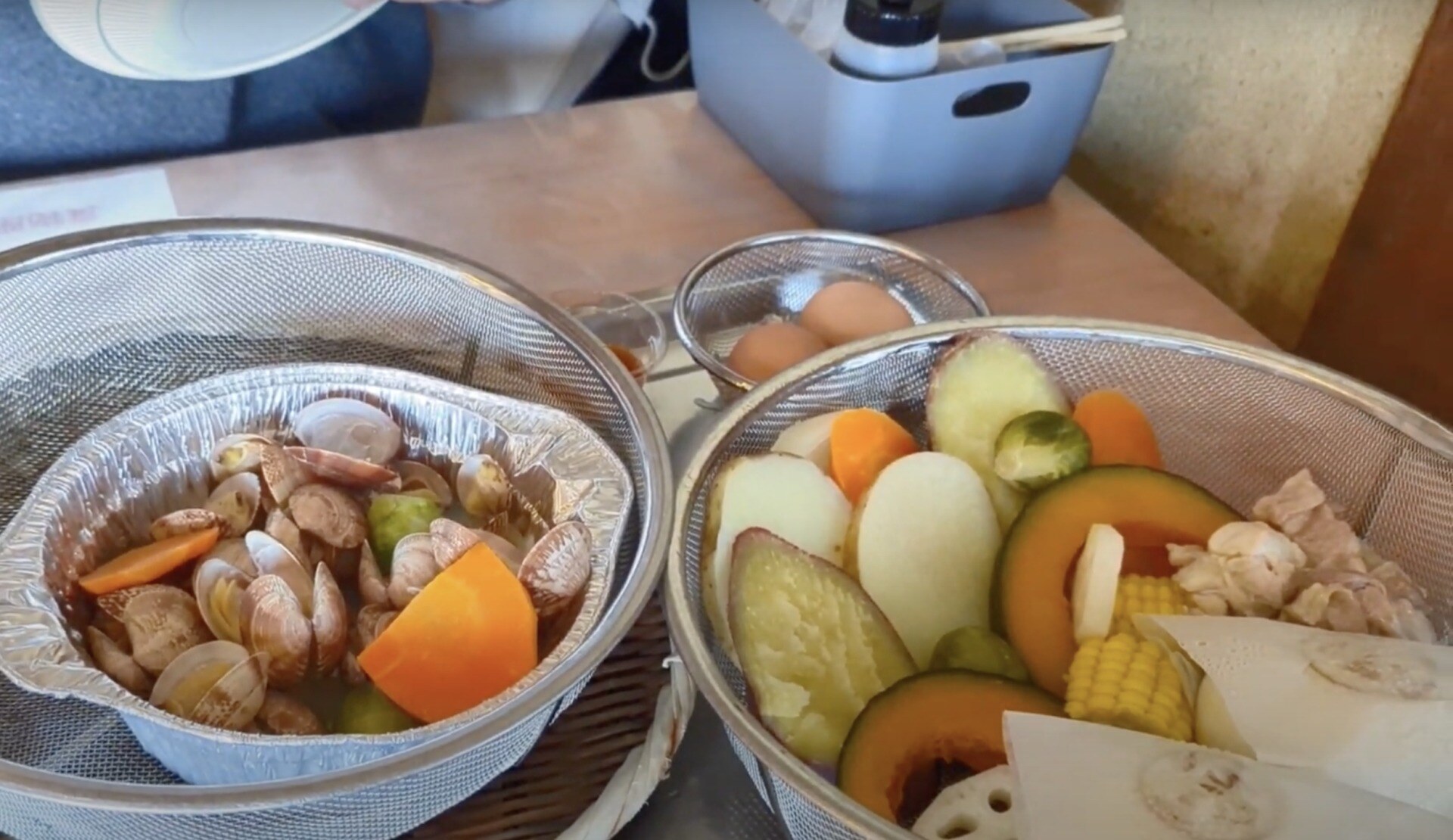
Jigoku Mushi Kobo is a facility where you can experience “Jigoku Mushi” (Hell-Steamed Cuisine), a Beppu specialty. This cooking method is a traditional technique that steams ingredients using hot spring steam, bringing out the natural flavors of the ingredients. You can bring in local vegetables, seafood, eggs, and other ingredients to cook, and the cooking with steam infused with local hot spring minerals is healthy and flavorful. Since tourists can freely use the facility, it is popular as part of the Beppu hot spring culture experience.
■ Yukemuri Observatory
Yukemuri Observatory is a scenic viewpoint overlooking the Kannawa hot spring town, offering a panoramic view of the Beppu hot spring district covered in steam. Particularly during morning and evening hours, the steam rising across the entire hot spring town creates a fantastical landscape, and many tourists visit to take photographs. The observatory is open to the public free of charge and is famous as a spot where you can enjoy the “Yukemuri Landscape” of Beppu Onsen.
■ Beppu Station Market
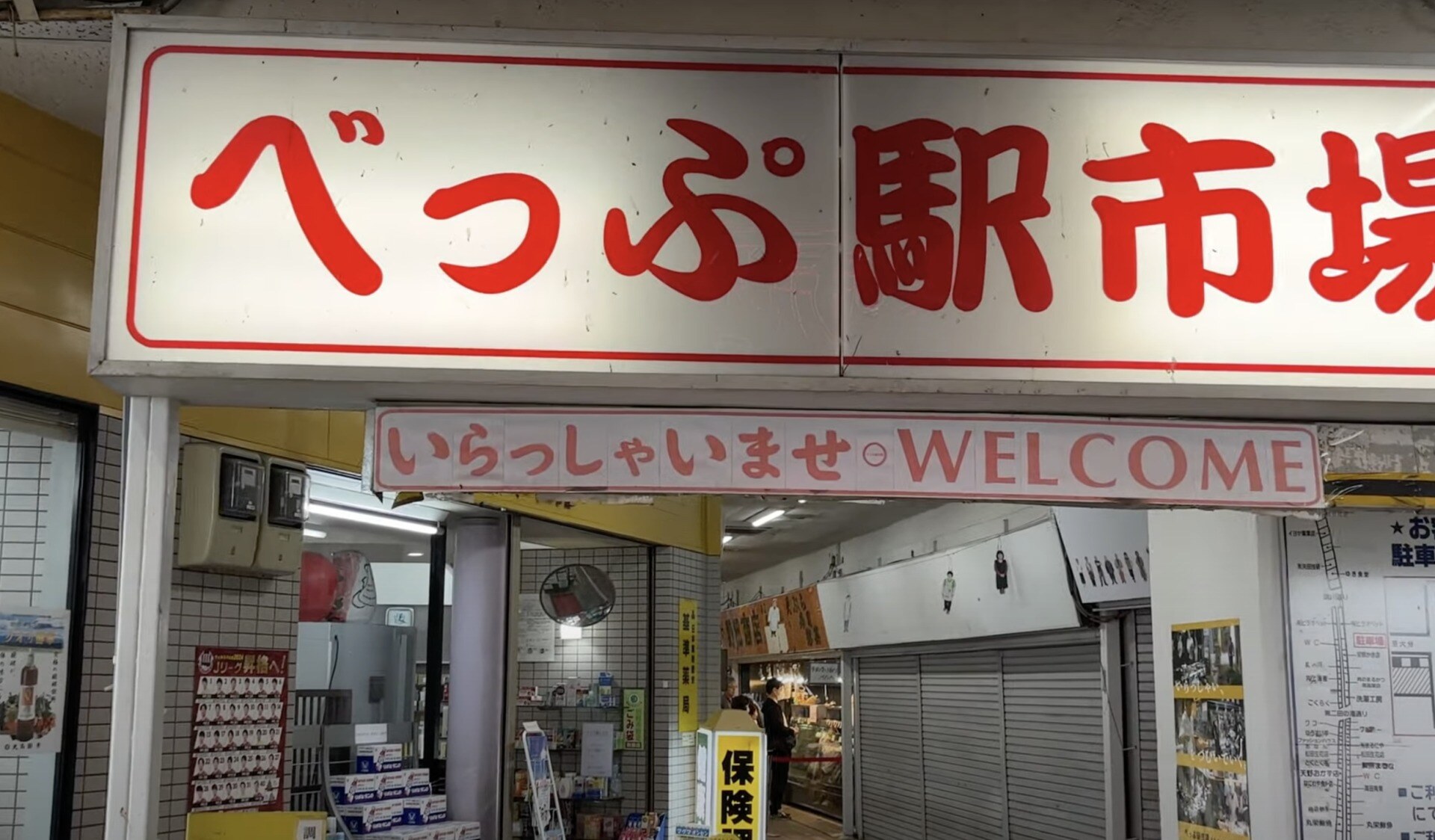
Beppu Station Market is a market offering fresh local seafood, vegetables, and daily necessities. It is also open to tourists and is the perfect place to find local ingredients and souvenirs. Within the market, you can purchase seafood shipped directly from local fishing ports and Oita’s specialty citrus fruit “kabosu,” allowing you to experience the local atmosphere. It is an easy spot to visit between sightseeing activities and a place where you can enjoy interacting with local people.
■ Beppu Onsen Station and Botchan Ressha
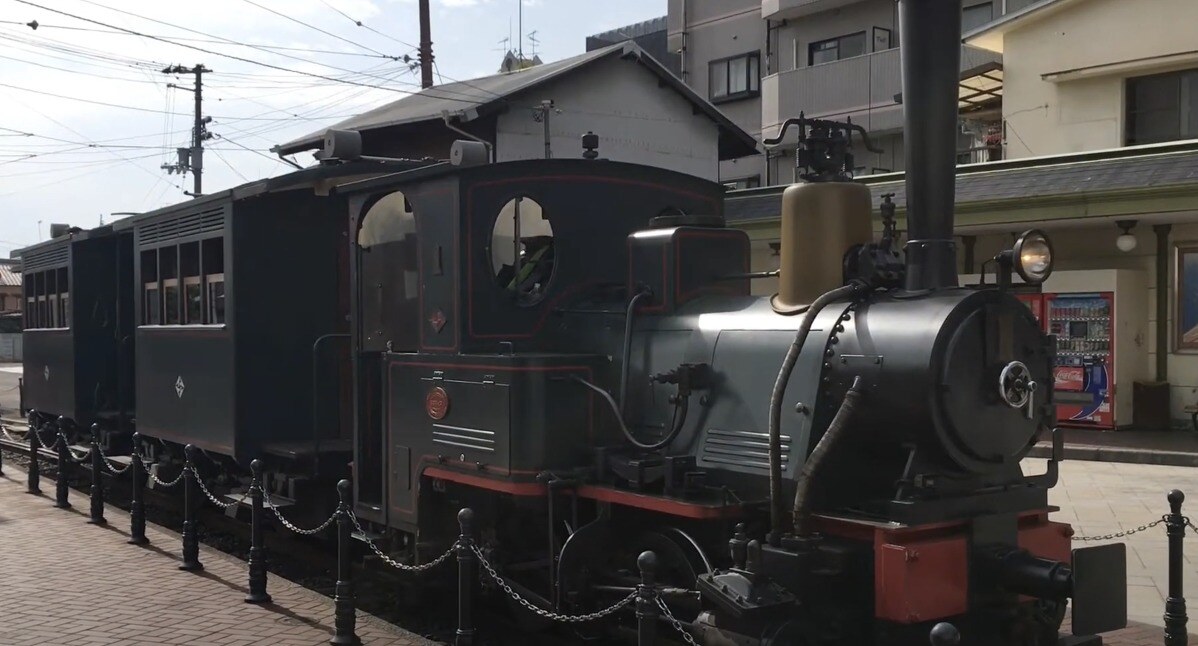
Beppu Onsen Station is a convenient spot as the center of tourism. From here, you can ride the sightseeing train called “Botchan Ressha.” This train, which recreates a Meiji-era steam locomotive, tours around Matsuyama City, allowing you to enjoy the townscape and hot spring culture of Beppu Onsen while traveling. You can experience the journey through the hot spring area in a nostalgic atmosphere.
■ Beppu Ropeway and Mount Tsurumi
The Beppu Ropeway, which ascends Mount Tsurumi — a symbol of Beppu — allows visitors to enjoy magnificent views. From the summit, you can see a panoramic view of Beppu Bay and all of Kyushu, and enjoy nature throughout the four seasons.The cherry blossoms in spring and autumn foliage are particularly noteworthy. You can enjoy the connection with nature along with the stunning views from the ropeway。
Summary
In conclusion, Beppu Onsen is a hot spring destination that offers visitors a special experience through its rich hot spring resources, long history, and diverse tourist spots. Not only can you relax while soaking in the hot springs, but you can also enjoy the Hell Tour and the atmosphere of the traditional hot spring town, fully savoring the unique charm that only Beppu can offer。
The reason visitors never cease to come for tourism and therapeutic bathing lies in its diverse attractions and hot spring benefits.