
🕓 2025/7/14
#Tourist Spot
Over Four Hundred Years Since the White Heron Castle Donned the Dawn Light
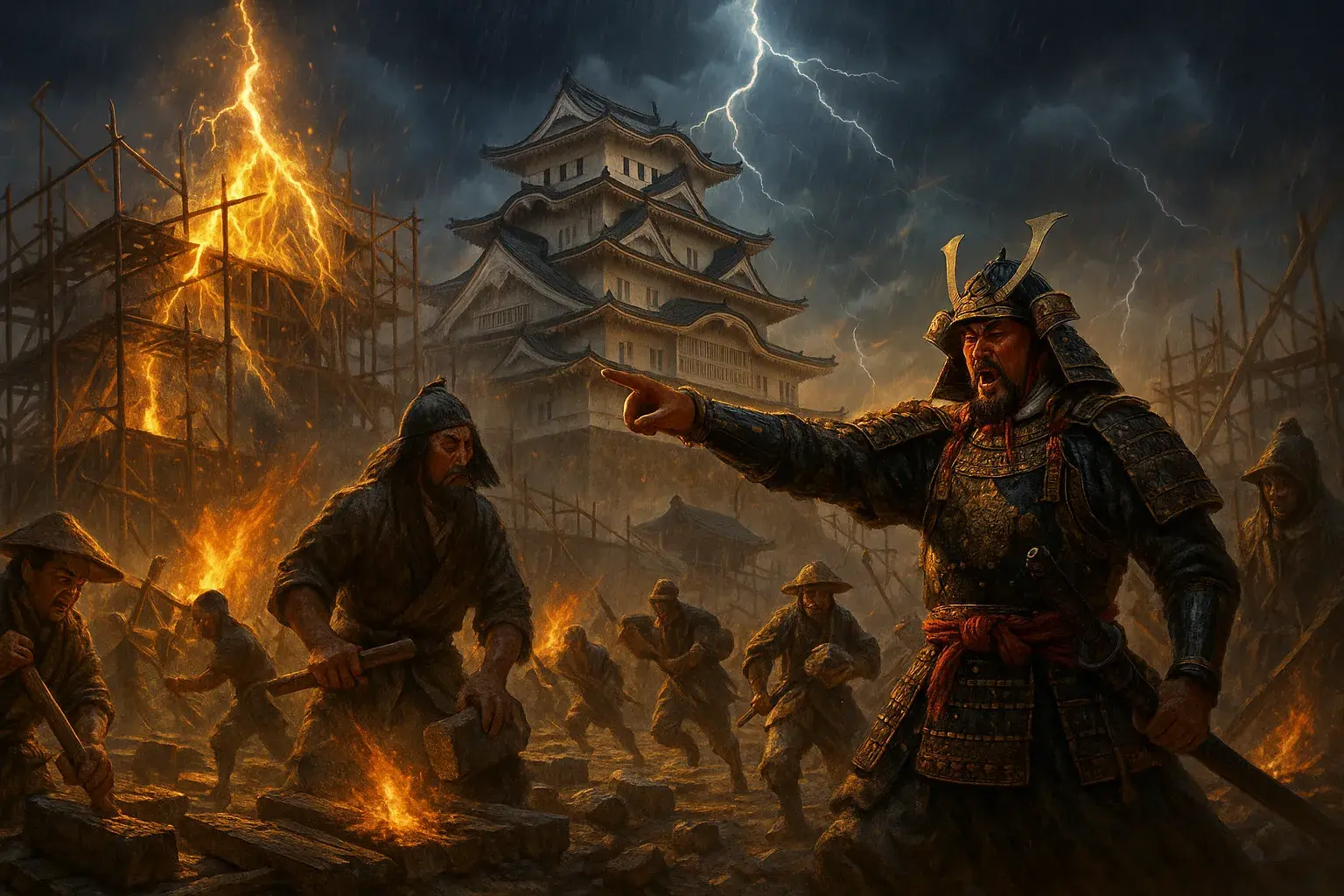
Table of Contents
Introduction
“Who built Himeji Castle?” — With that question as our starting point, a journey unraveling 700 years of the White Heron Castle begins now. The torch lit at the Akamatsu clan’s fortress blazed with Hideyoshi’s ambition and spread its dazzling wings under Ikeda Terumasa’s hand. We guide you through the drama of this castle — which survived the storm of the Abolition of Castles decree and soared to become a World Heritage Site — in a three-layered structure of narrative, timeline, and experience spots. First, lend your ear to the “will to build” entrusted across three generations.
Please note that the visuals in each chapter use AI-generated images to help readers envision the scenes more vividly. They may differ from actual landscapes, so please enjoy them as supplementary references.
- The Himeji Castle Story: Unraveling “Who Built It”
- Chapter 1: Himeyama Flickering by Torchlight — The Fortress of Akamatsu Norimura and Sadanori
- Chapter 2: The Three-Story Keep of the Black Horo — Hashiba Hideyoshi’s Drawbridge to National Conquest
- Chapter 3: The White Heron’s Metamorphosis — Ikeda Terumasa’s Nine-Year Grand Reconstruction
- Chapter 4: The White Walls Spared from the Powder Magazine — The Meiji Preservation Drama
- “This castle is the greatest textbook that Japanese castle-building has left behind. We must pass it on to future generations.”
- Chapter 5: The White Heron Still Dances — The Heisei Grand Restoration and the Future Inheritors
- Timeline Digest
- Experience Spots Where You Can Feel Himeji Castle’s History
- 1. Inside the Main Keep — Listening to the Heartbeat of 17th-Century Woodwork
- 2. Hishi Gate and Masugata Bailey — Momoyama Design and Intimidation
- 3. Nishinomaru Long Gallery (Hyakken Corridor) and Kesho-yagura — The Corridor Where Princess Sen Walked
- 4. 狭間と石落とし ― 壁に残る“射線”のデザイン
- 5. Fan-Shaped Gradient and Mason’s Mark Tour — The Signatures Craftsmen Left on the Stone Walls
- 6. Okiku Well — The Ghost Story Spot Where the Sarayashiki Legend Lives
The Himeji Castle Story: Unraveling “Who Built It”
White wings descend upon the hazy Harima Plain —
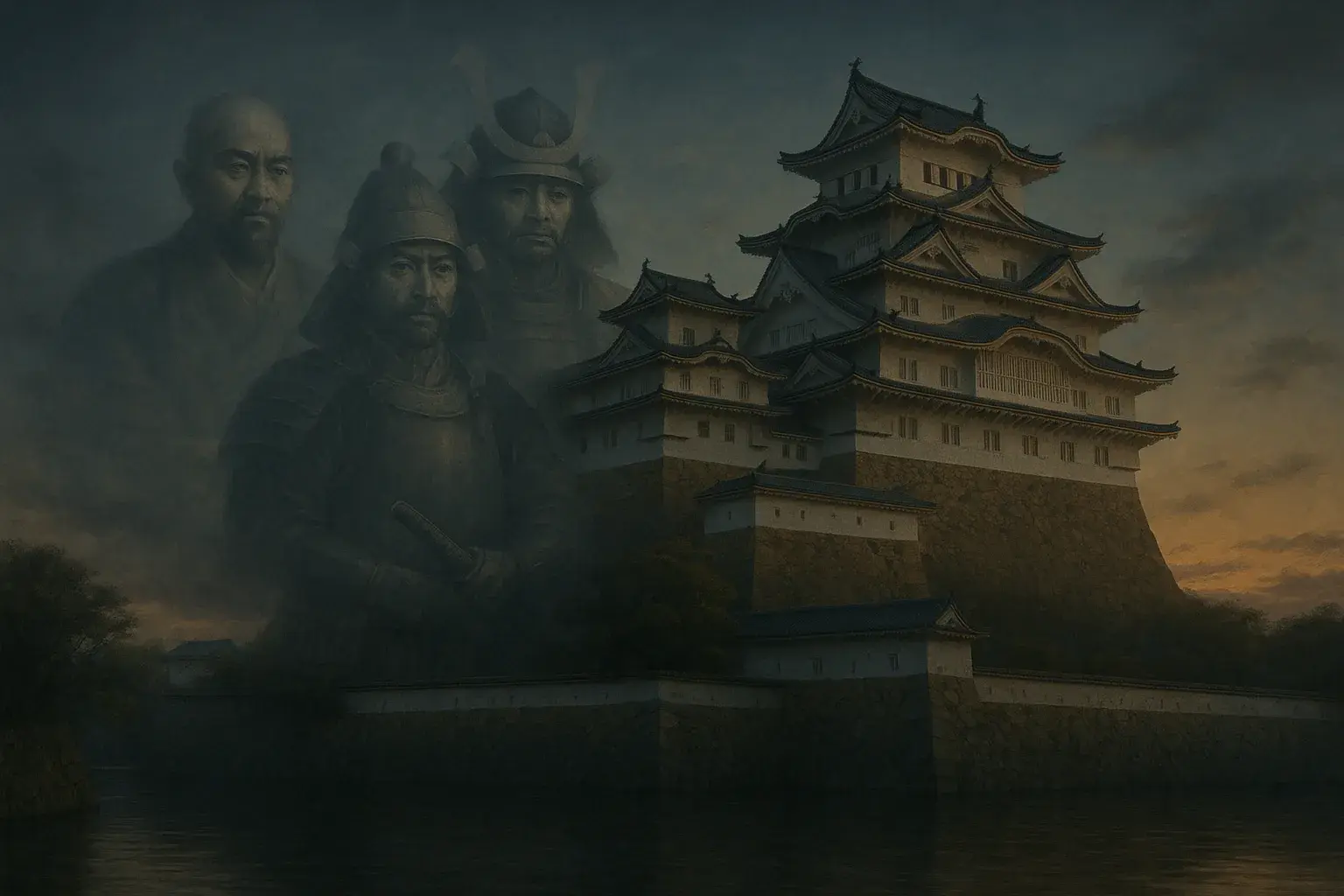
Himeji Castle stands quietly, nestled against the gentle ridgeline of Himeyama. Built four hundred years ago, its white walls are faintly tinged by the morning light, earning it the name “Shirasagi-jo” (White Heron Castle). Here, the thoughts poured in by three generations overlap and breathe like layers of deep indigo.
When you casually wonder “who built this,” time slips back effortlessly, and you can almost hear the sound of wind crossing the fortress and the echo of war drums.
The Akamatsu’s mission, Hideyoshi’s ambition, and Terumasa’s responsibility — three wills overlapped, and the White Heron shaped the castle’s form as if spreading its wings.
Why did they place a castle on Himeyama, stack stones, and reflect the gleam of swords on white walls? The small journey seeking that answer leads into a tale of castle-building spanning three generations.
Chapter 1: Himeyama Flickering by Torchlight — The Fortress of Akamatsu Norimura and Sadanori
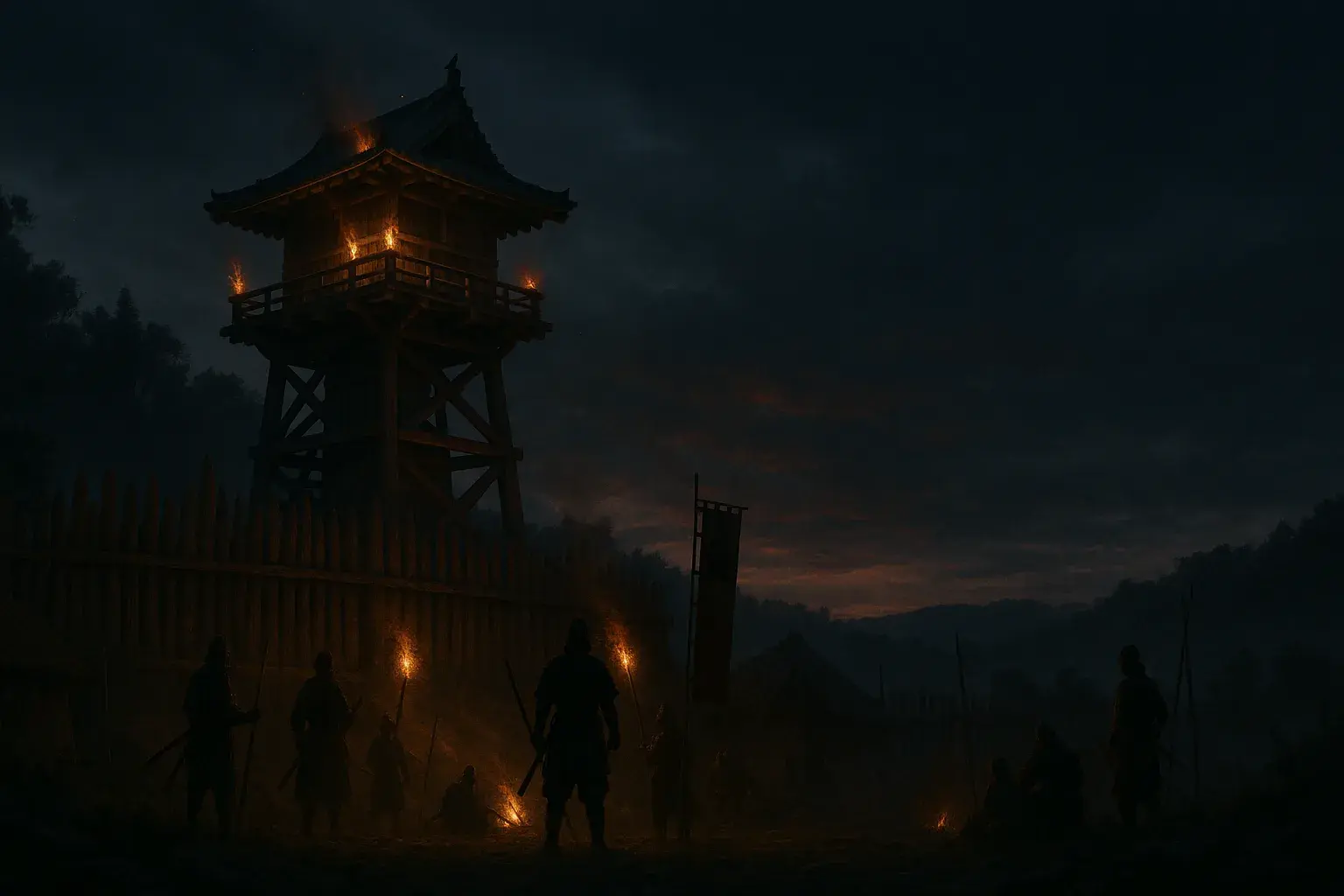
1333年、南北朝の抗争が火を噴き、世の中が東西に引き裂かれていた頃のことです。播磨の豪族、赤松則村は「京を奪い返す足掛かりが要る」と考え、姫山に小さな砦を据えました。荒く組んだ木の櫓(やぐら)には松明がともり、赤い光が夜雲に滲んではゆらゆら揺れていたと伝わります。砦といっても、実のところは周囲を見張る物見台のような造りで、守りよりも“旗を掲げる場所”としての色彩が濃かったようです。
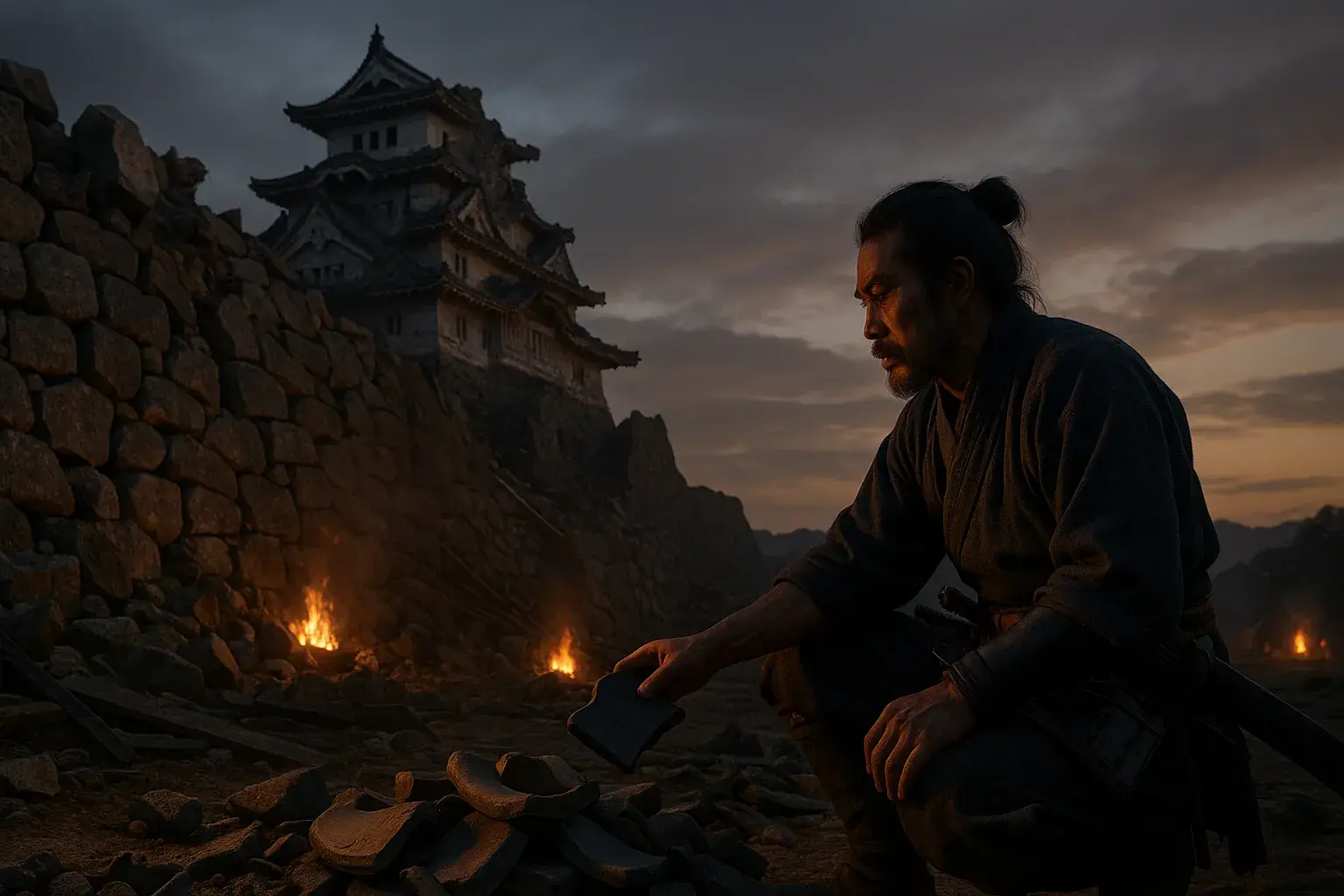
Eventually, his son Akamatsu Sadanori wished to “make his father’s fortress into a more reliable shield” and rebuilt the stone walls around 1346. These were rugged walls of riverbed stones and granite stacked in nozurazumi (rough stone) style. Even so, by gradually adding watchtowers and earthen walls and naming it “Himeyama Castle,” the site took on the appearance of a proper castle for the first time.
— “This fortress shall be the foremost shield protecting our family and Harima.”
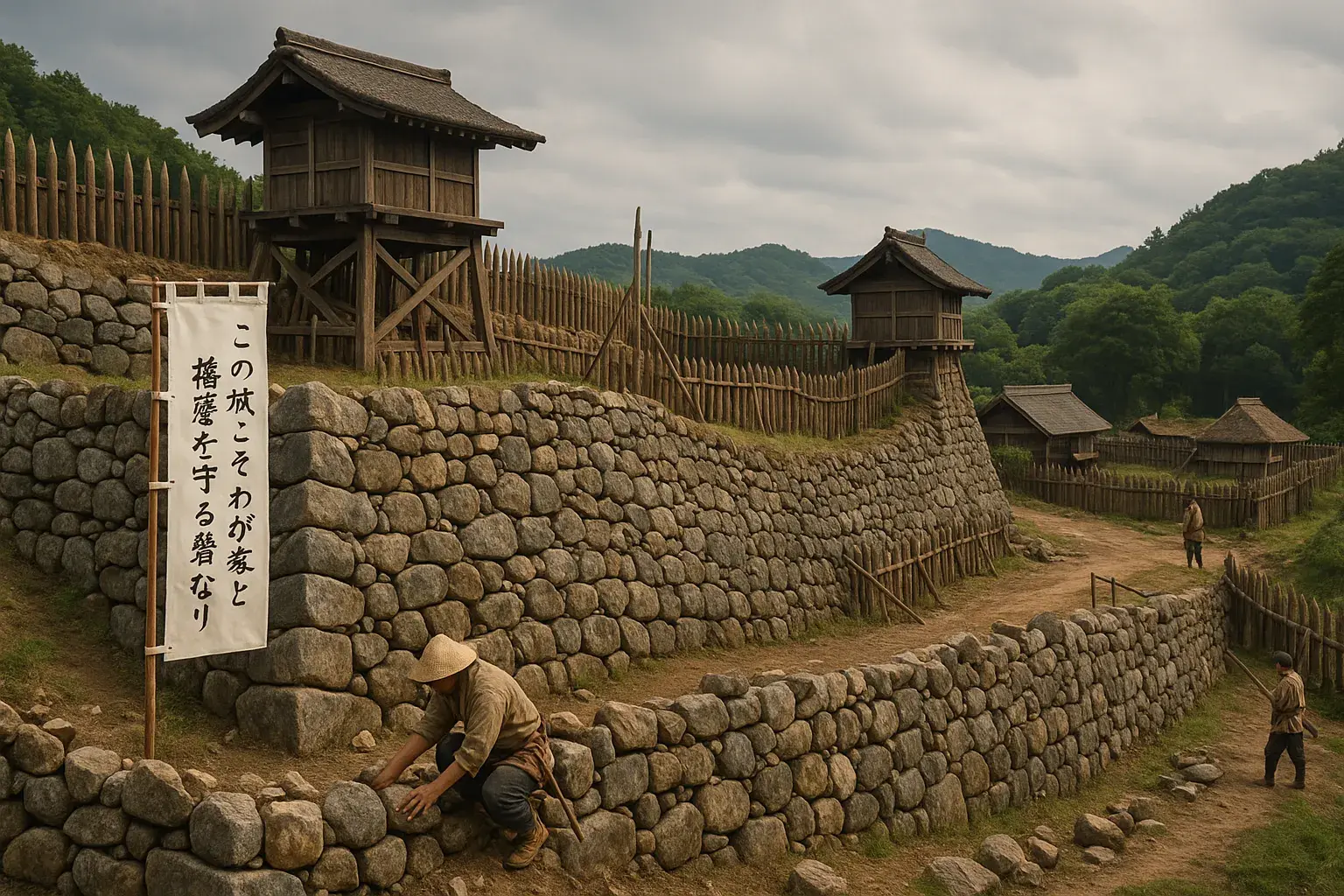
Sadanori declared this with certainty and kept watch so the flame residing in the castle would never be extinguished, it is said. However, the waves of turmoil surrounding the Shogunate (the Ashikaga clan) to which they had sworn loyalty ran high, and Himeyama Castle was fated to have its stone walls crumble and be rebuilt each time its lord changed.
Still, Sadanori kept adding to the defenses as if gathering broken tile fragments, continuing to engrave upon his heart: “This castle will surely become our shield someday.” As the chaos of the Sengoku period drew near, the ember left in the fortress quietly prepared to blaze mightily in the next generation.
Chapter 2: The Three-Story Keep of the Black Horo — Hashiba Hideyoshi’s Drawbridge to National Conquest

時は天正八年(一五八〇)。中国攻めをほぼ終え、天下統一が射程に入った羽柴(のち豊臣)秀吉は、播磨の中心地・姫路へ足を踏み入れました。彼が見上げた姫山は、まだ質素な小城のまま――けれど秀吉の目には、ここが西国へ渡る“跳ね橋”として映ったのです。
Hideyoshi first reinforced the stone walls forming the castle’s backbone and erected a three-story keep. He also recut the castle town’s streets into a grid pattern, adjusting road widths and waterways as if to say “everything beyond here is my army’s front yard.”
— “Let us envision Himeyama as a moat and make it a drawbridge spanning to the western provinces.”
At the worksite where he directed operations, there were hardly any armored warriors. Instead, carpenters wielding hammers and saws, tile craftsmen firing roof tiles, and plasterers applying white plaster walls crowded together, and the sound of wooden mallets — not war drums — echoed day and night without pause.
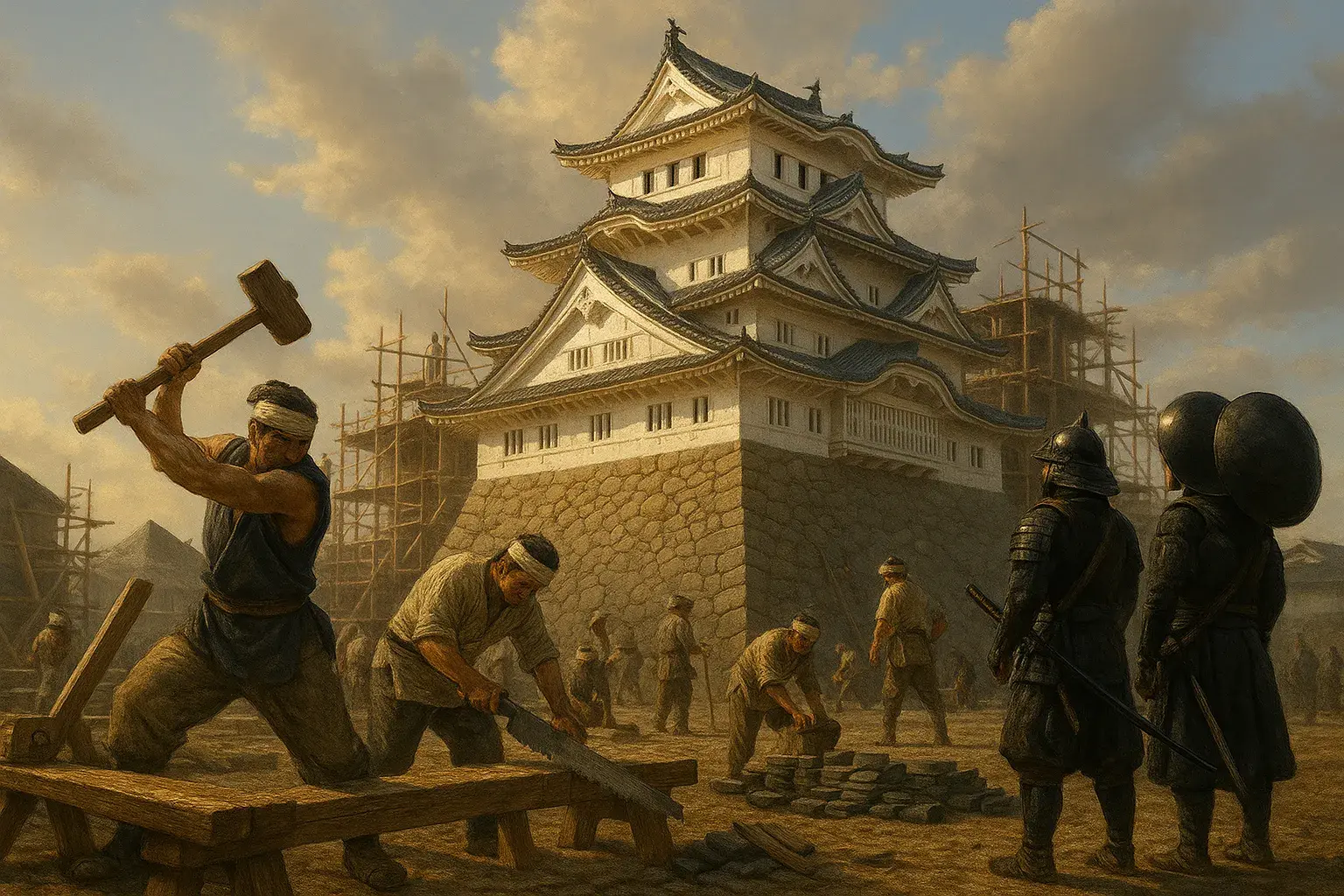
The completed three-story keep became a symbol reflecting the pride of Hideyoshi’s Black Horo troops — elite warriors who wore black horo (protective cloaks) on their backs. However, for Hideyoshi, Himeji was merely a relay point. When he decided “the capital shall be Osaka” and moved to Osaka Castle, silence returned to Himeyama once more.
The three-story keep remained, and only the memory of the Black Horo swayed in the wind, patiently waiting for the next castle builder.
Chapter 3: The White Heron’s Metamorphosis — Ikeda Terumasa’s Nine-Year Grand Reconstruction
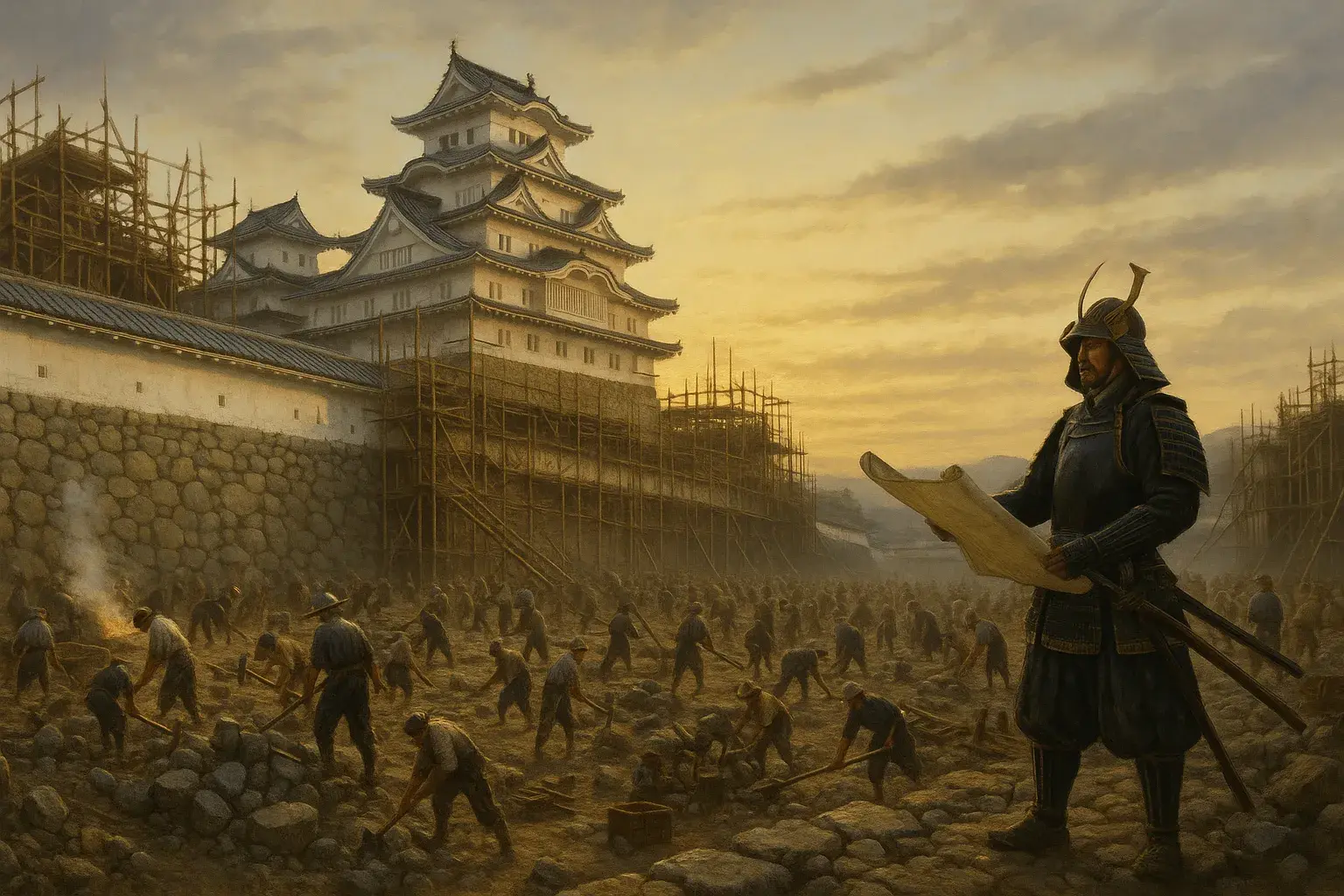
The year was Keicho 5 (1600). The victory cry that rang at the Battle of Sekigahara reached Harima, and Tokugawa Ieyasu chose Himeji as a strategic location to keep watch over the western provinces. The one selected for this task was his son-in-law, Ikeda Terumasa. Given a fief of 520,000 koku, he was entrusted with “making this a shield for monitoring the western provinces.”
Terumasa first deliberately removed the three-story keep that Hideyoshi had left behind, deciding “let us rebuild from scratch.” He gathered a total of 30,000 workers, carving Himeyama, filling valleys, and stacking stones — a mind-numbingly massive operation that continued for nine years. Winding hillside paths like a maze, seven-layered baileys, and long white plaster walls running atop the stone ramparts. Unlike Osaka, the design pursued “beauty for defense.”
— “Spread the white walls like the wings of a heron, and make this a castle no one can breach.”
It is said that Terumasa spoke these words.
Nine years later, a “linked tower keep complex” appeared — a five-story, six-level layered main keep connected to three smaller keeps. The white plaster glowed softly in the morning sun, and someone in the castle town murmured quietly:
“It looks like a heron spreading its wings.”
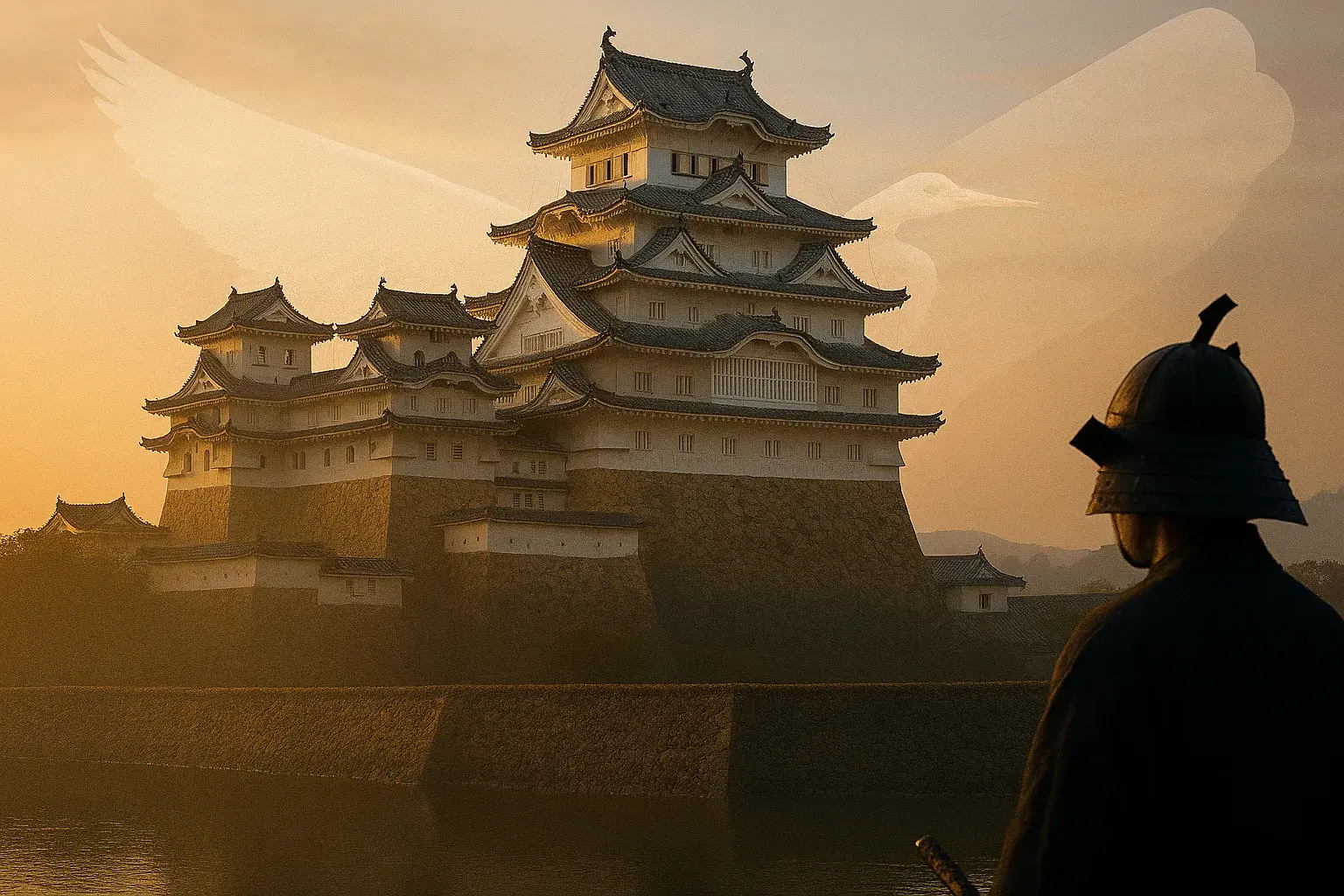
この一言から、姫路城はやがて 「白鷺城」 と呼ばれるように。池田輝政は“築城の名手”として名を残し、城は次の四百年へ向けて静かに羽ばたき始めました。
Chapter 4: The White Walls Spared from the Powder Magazine — The Meiji Preservation Drama
In Meiji 6 (1873), the new government issued the “Abolition of Castles” decree, forcing many castles to choose between “demolition or conversion to military training grounds.” Himeji Castle was no exception. Buildings in the third bailey were removed one after another, and it is said that some officers even whispered, “Why not blow those white walls away in artillery practice?”
— “Blow those white walls away in a single shot”
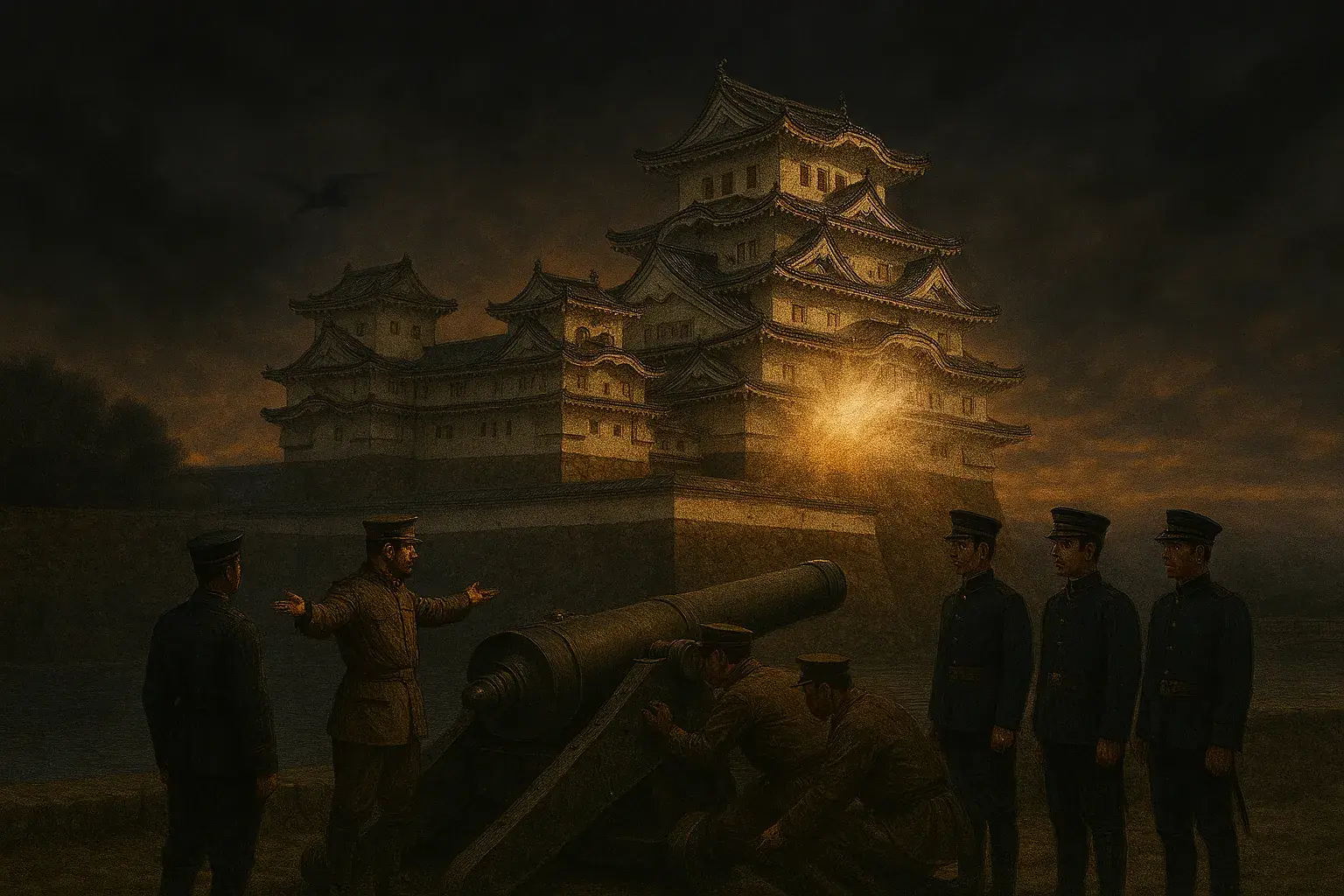
Such ominous voices drifted between the stone walls, casting cold shadows on the white plaster.
However, Army Lieutenant Colonel Nakamura Shigetoo shook his head.
“That is Harima’s landmark. It’s useful for surveying too. Leave it standing.”

This recommendation, using military practicality as a shield, removed the keep from the demolition list for the time being. However, the nation, disliking the maintenance costs, put the entire castle up for auction in 1871. The winning bidder was a nearby tool merchant named Kanbe Seijiro. The price was a mere 23 yen and 50 sen. He calculated that “demolishing it and selling the timber and tiles would turn a profit.”
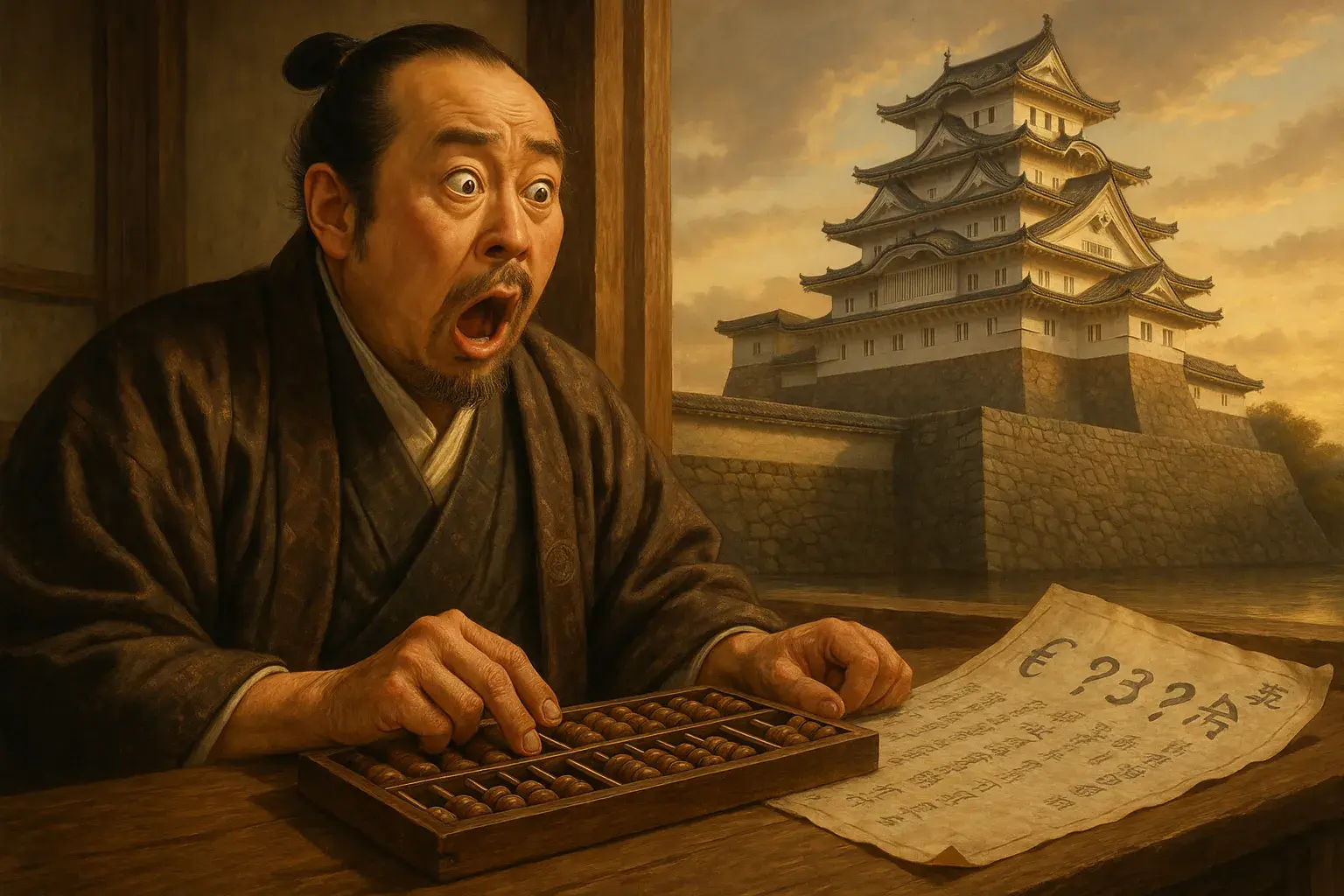
But when he obtained estimates, the cost of dismantling the stone walls and stripping the white plaster was eye-poppingly high. Kanbe gave up and left the castle as it was. As a result, the White Heron’s walls continued to bathe quietly in the evening sun without ever hearing the sound of cannons.
Having recalculated on his abacus, Kanbe frowned and ultimately left the castle untouched. The White Heron’s walls survived the winter and welcomed spring again without being demolished by anyone’s hand. Then, in Meiji 11 (1878), Army Colonel Nakamura Shigetoo looked up at the castle and slowly let out a sigh.
“This castle is the greatest textbook that Japanese castle-building has left behind. We must pass it on to future generations.”
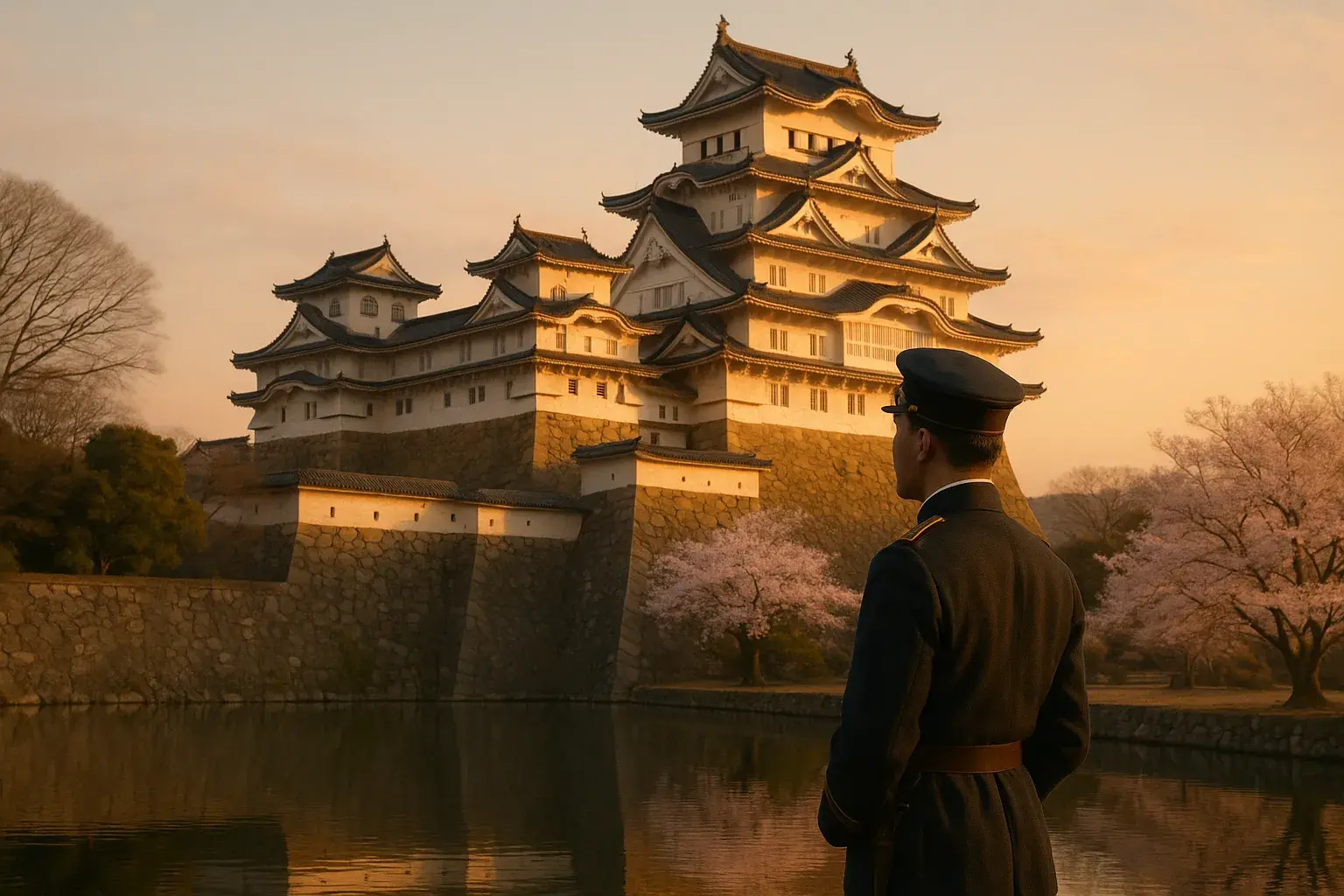
Nakamura’s petition was approved by the Dajokan (Grand Council of State) the following year, and the preservation of Himeji Castle was officially decided. The white walls were spared both cannon fire and demolition hammers, and quietly connected the ages while bathing in the evening sun.
Chapter 5: The White Heron Still Dances — The Heisei Grand Restoration and the Future Inheritors
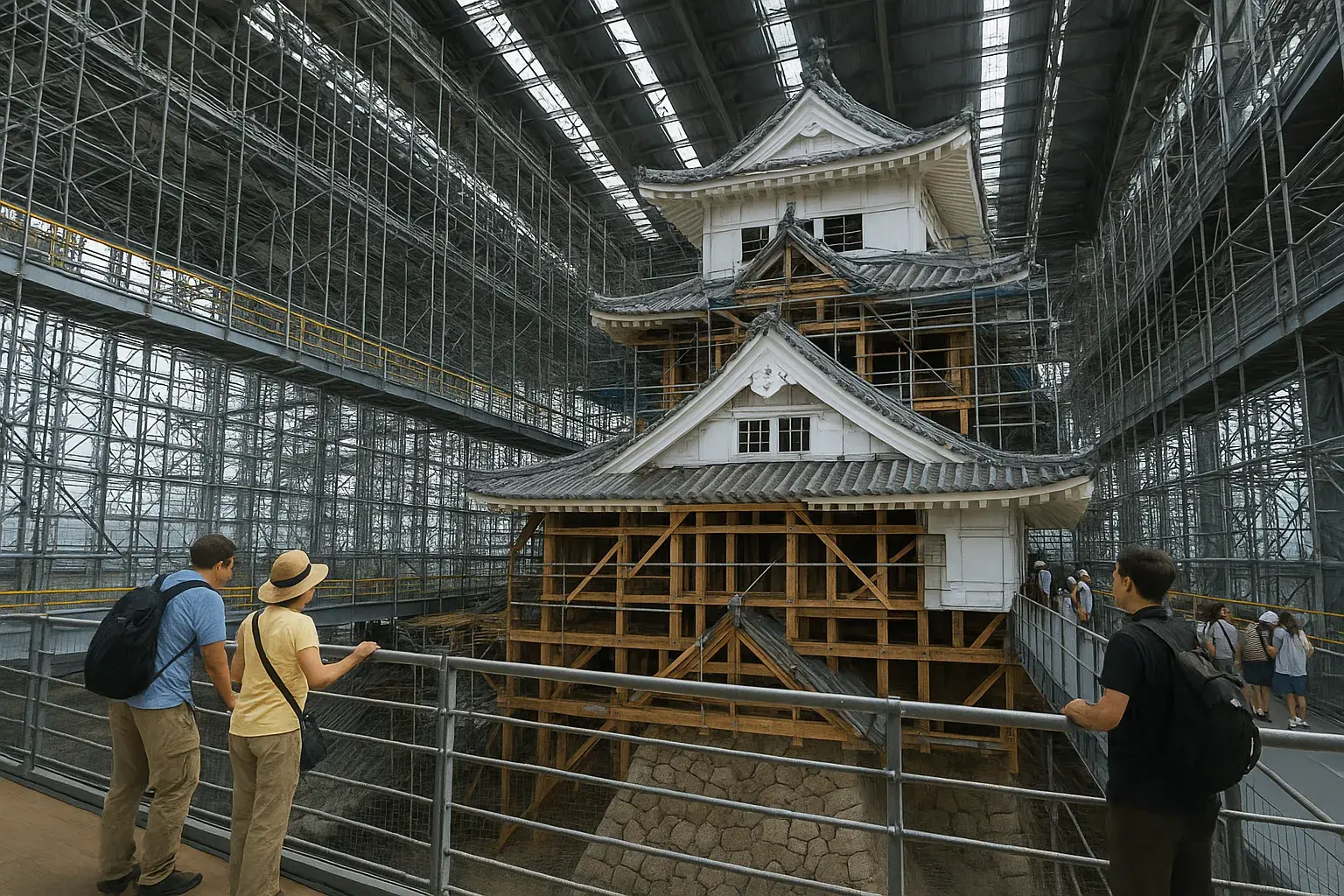
平成二十一年(二〇〇九)、姫路城は半世紀ぶりに大きく羽を休めることになりました。ここから六年、「平成の大修理」と呼ばれる工事が続きます。職人たちは屋根瓦を一枚ずつ外し、長年の風雨でくすんだ漆喰を丁寧にはがし取り、傷んだ梁や柱には檜の新材を静かに組み込みました。天守をすっぽり包んだ覆屋(おおいや)の高みに設けられた見学通路は “天空の白鷺” と名づけられ、訪れた人々は、まるで翼の裏側をのぞき込むように白い城の骨組みを見上げたものです。
Now that the restoration is complete, if you stand at the warrior’s window on the keep’s top floor, the light of the Seto Inland Sea twinkles to the south, and the wind crossing Himeyama brushes your cheek from the north. In that wind, the scent of the torches Akamatsu Norimura raised, the golden ambition Hideyoshi painted, and the breath of the white walls Ikeda Terumasa stacked all overlap, reaching your heart as a quiet heartbeat.
The White Heron quietly poses a question:
“Who will protect the next four hundred years — ?”
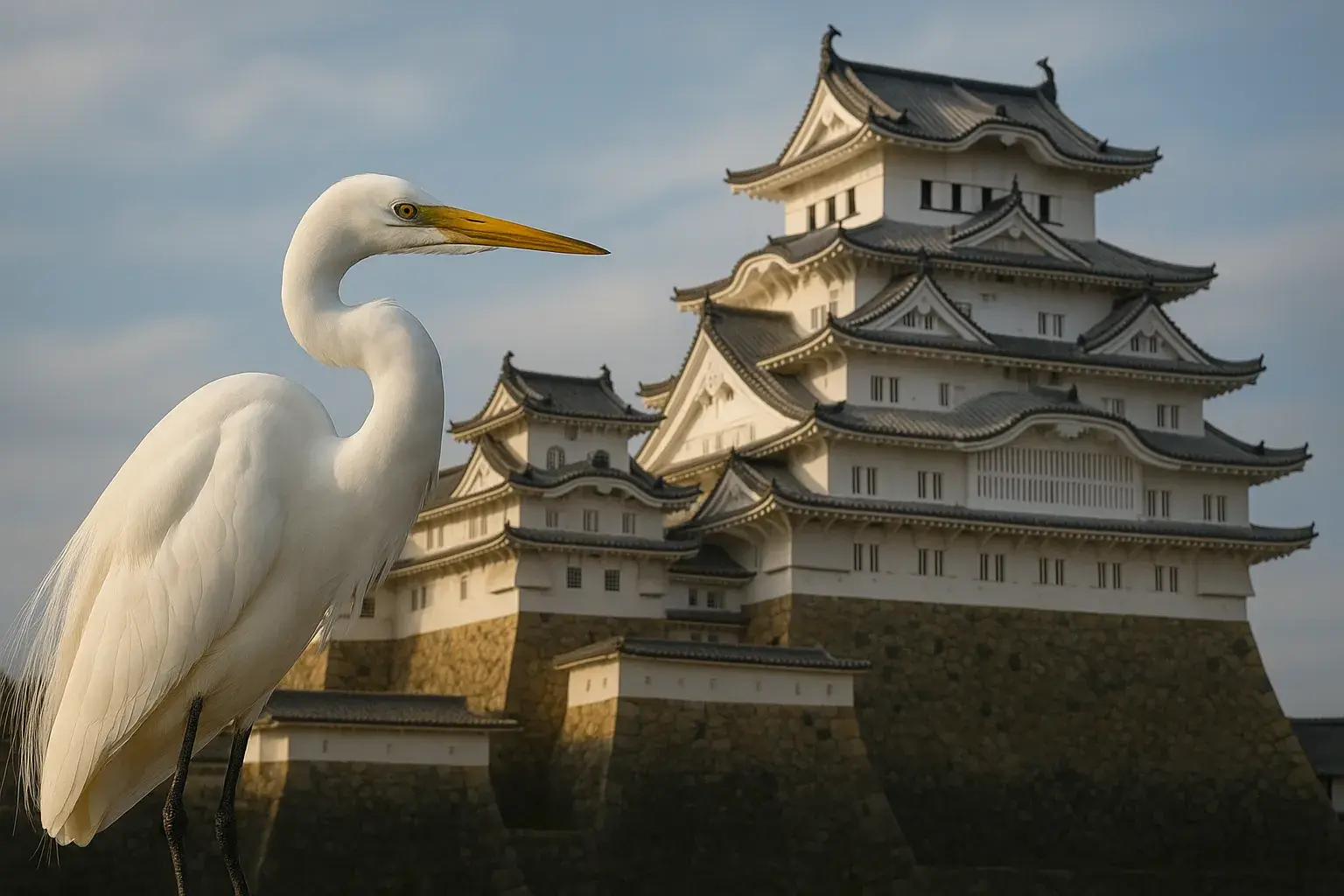
その声に耳を澄ませた人こそ、創城三代の遺志を継ぐ“未来の城主”なのかもしれません。
Timeline Digest
From fortress to National Treasure, and then to World Cultural Heritage — the 700 years of Himeji Castle are a microcosm of Japanese history, reflecting the turmoil of the Northern and Southern Courts through to the modern nation-state and the World Heritage era. The ember that resided in the Akamatsu clan’s small fortress blazed with Hideyoshi’s ambition and became the White Heron under Ikeda Terumasa’s hand. Having survived the Meiji-era Abolition of Castles decree and been revived through the Showa and Heisei Grand Restorations, the keep still shines its white walls while looking toward “the next 400 years.”
1. Inside the Main Keep — Listening to the Heartbeat of 17th-Century Woodwork
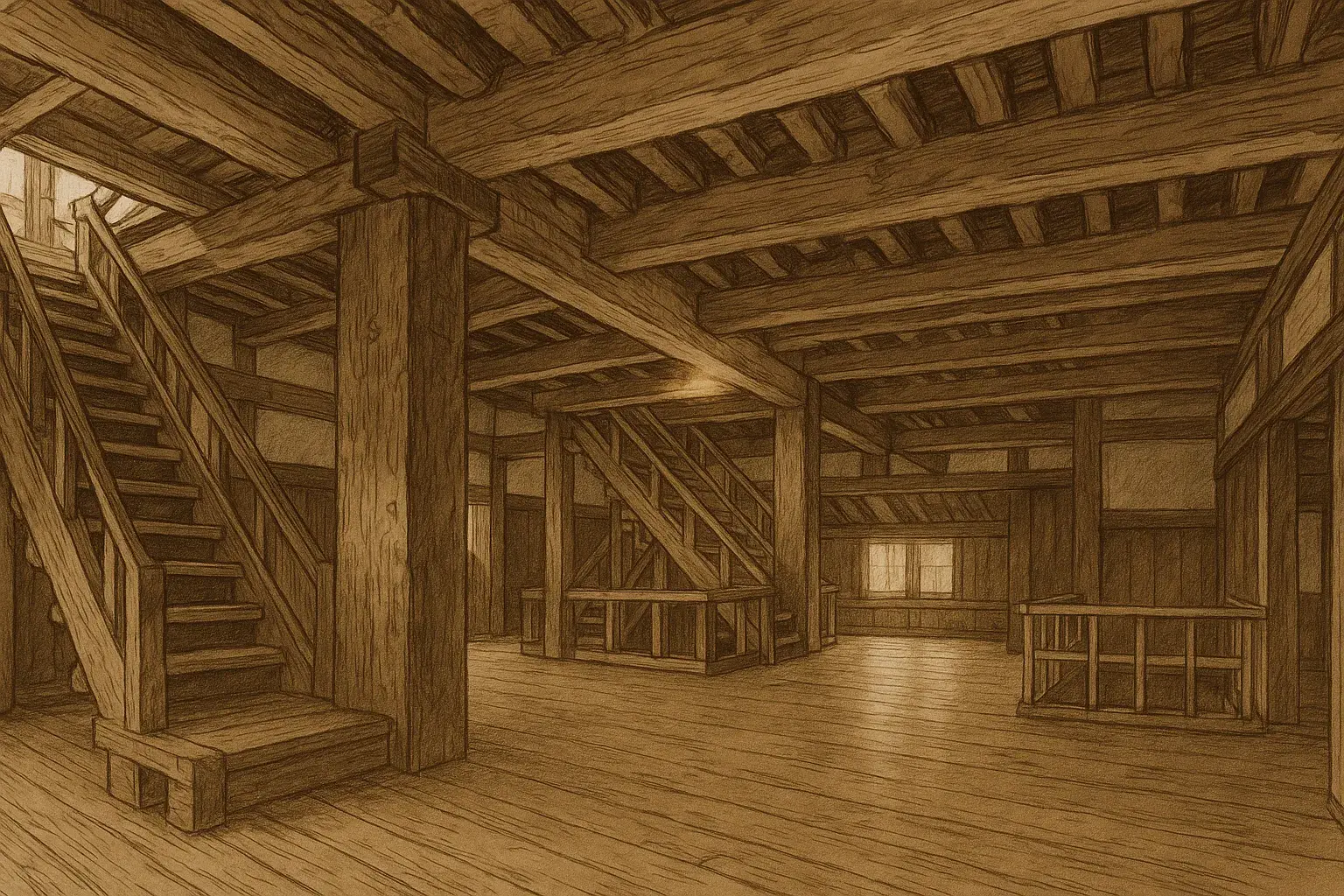
Steep wooden staircases attached to thick pillars, weapon racks mixing bamboo and iron, door panels that sealed stairway entrances — the interior of the six-level structure remains in its original combat-ready configuration. When you peer through windows designed with firing lines in mind from the dimly lit warrior’s corridor (mushazashiki), you can viscerally understand the defensive philosophy Ikeda Terumasa built. Joints remaining on floorboards and ink inscriptions on beams are also noteworthy.
2. Hishi Gate and Masugata Bailey — Momoyama Design and Intimidation
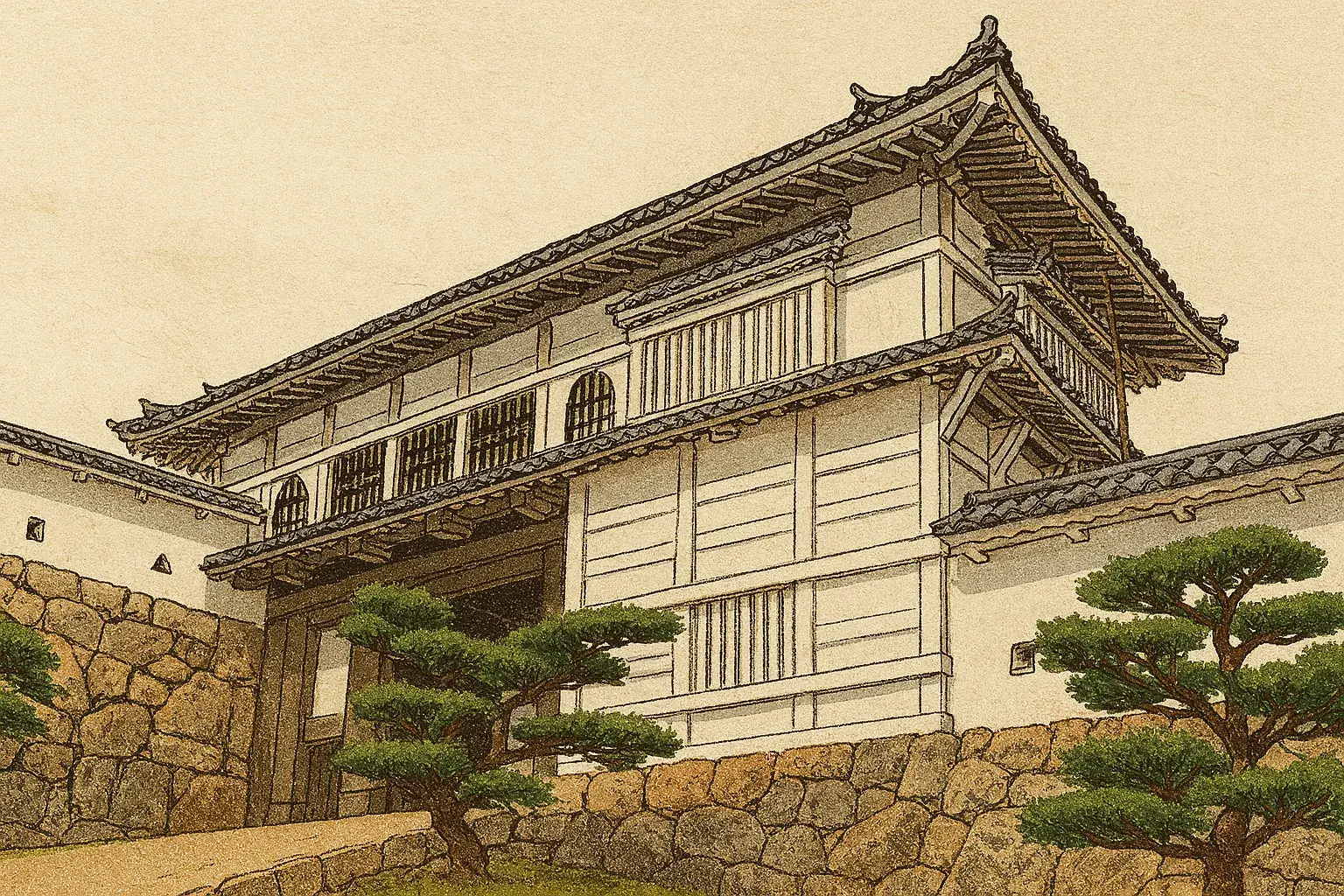
城内最大の櫓門で、冠木に木彫りの菱紋が輝くことから名が付きました。門をくぐると直角に折れ、石垣が壁のように迫る枡形(ますがた)。通路幅を絞って敵を翻弄する導線は、秀吉期の“攻めの美学”が色濃く残るエリアです。
3. Nishinomaru Long Gallery (Hyakken Corridor) and Kesho-yagura — The Corridor Where Princess Sen Walked
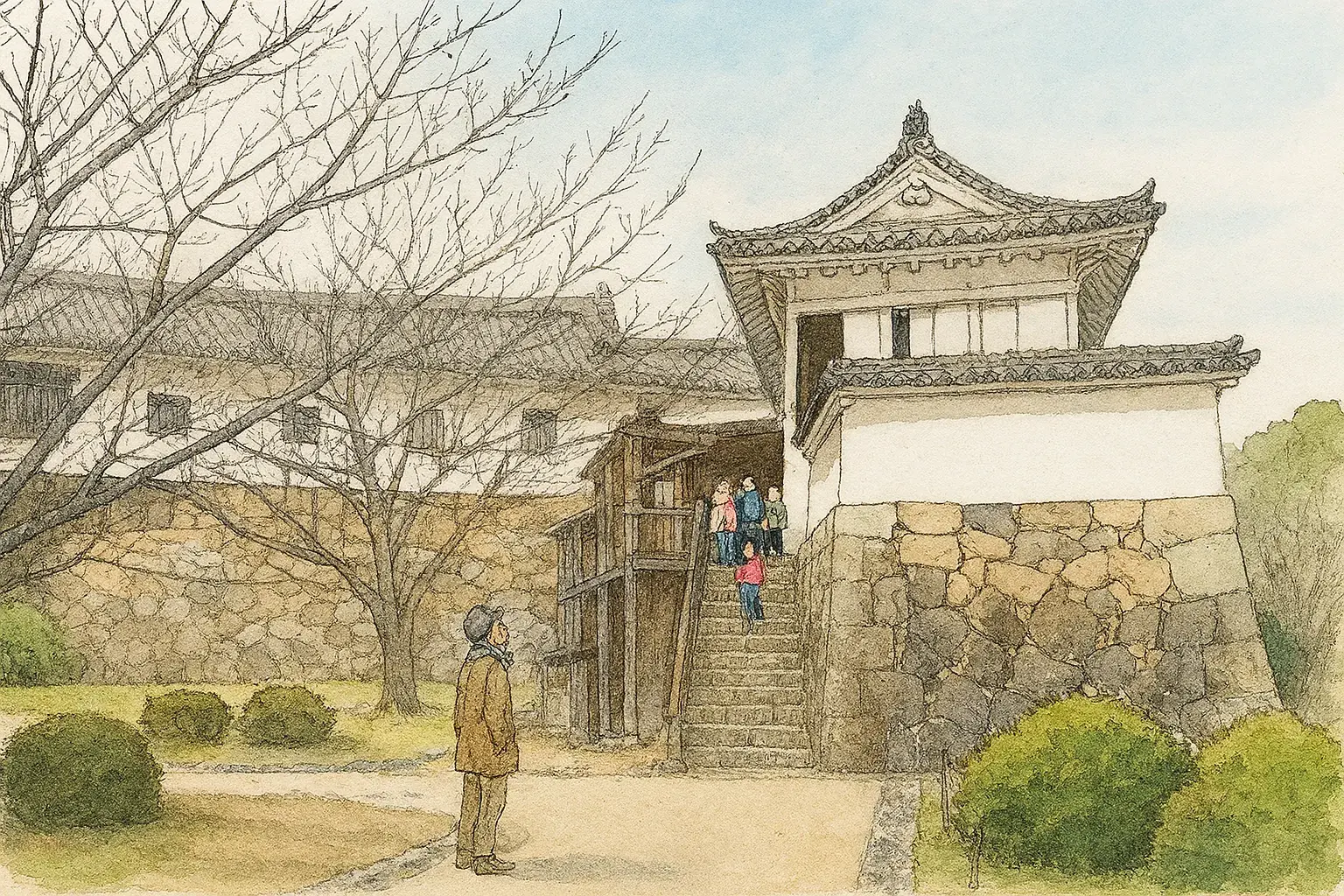
The approximately 240-meter-long gallery features a series of tatami-floored small rooms where more than 60 ladies-in-waiting attending Princess Sen lived. The corridor’s floorboards and light filtering through shoji screens reflect the female court culture of the early Edo period. The Kesho-yagura (Cosmetics Tower) at the end was Princess Sen’s resting place. Standing by the window, you can still see the ridgelines of Mt. Otoko and Mt. Shosha — which the princess worshipped every morning — in the same position.
4. 狭間と石落とし ― 壁に残る“射線”のデザイン
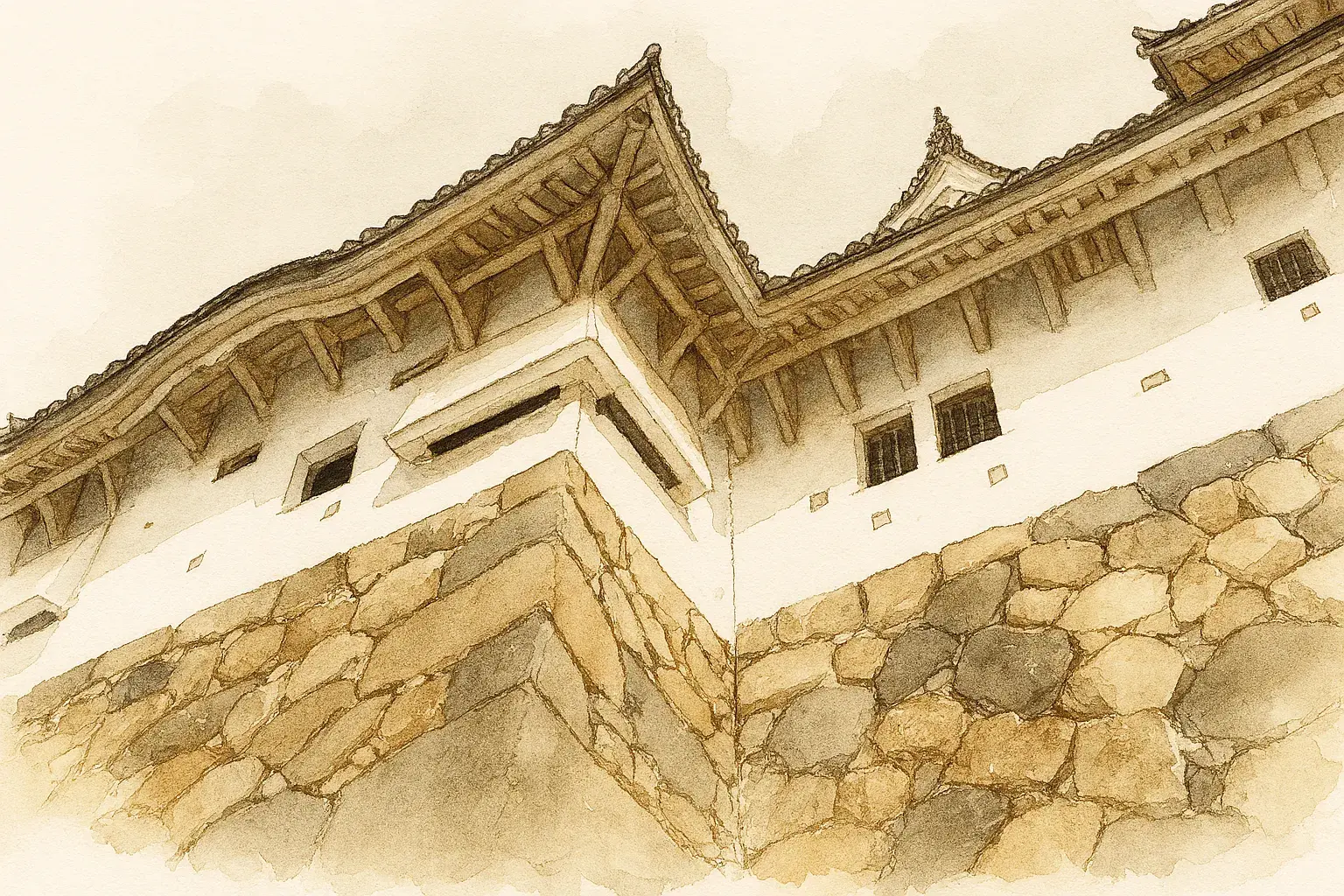
If you look closely at the earthen walls and turrets, you’ll see rows of circular, triangular, and square loopholes (sama). The angles differ subtly to match the caliber of matchlock guns, and the direction of attack is immediately apparent. The projecting stone-dropping holes (hakama-goshi type) are mechanisms for dropping stones and pouring boiling water directly below. It is a living textbook where you can touch the tactical engineering of the era.
5. Fan-Shaped Gradient and Mason’s Mark Tour — The Signatures Craftsmen Left on the Stone Walls
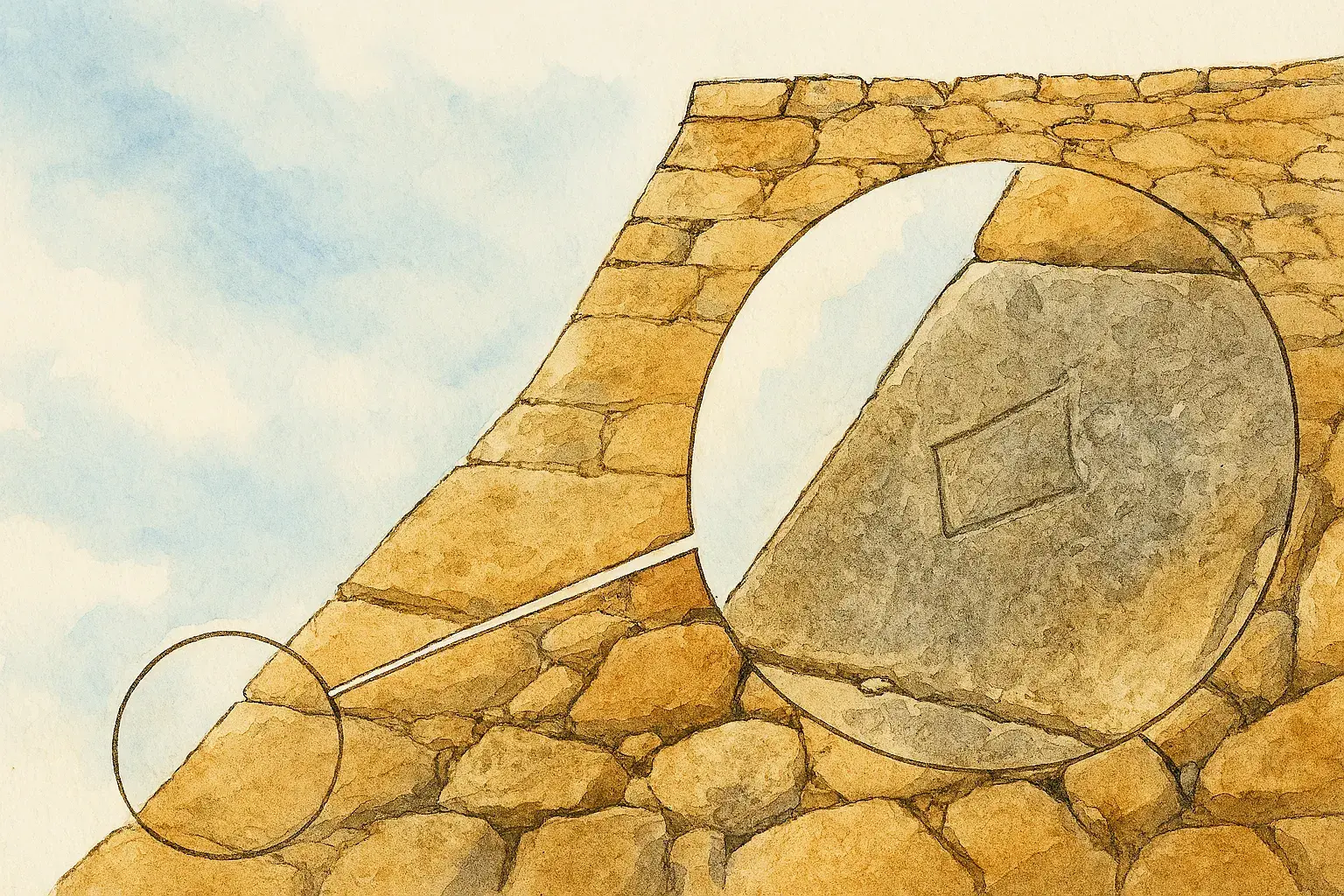
備前丸高石垣は下部を垂直に、上部を扇状に反らせた“扇の勾配”。登攀を阻む曲線美は姫路城石垣の白眉です。石表面には家紋・幾何紋など約50種の刻印が散在し、石工集団や石場を示す符号とされます。刻印を探し歩くと、築城現場の賑わいが立ち上がるよう。
6. Okiku Well — The Ghost Story Spot Where the Sarayashiki Legend Lives
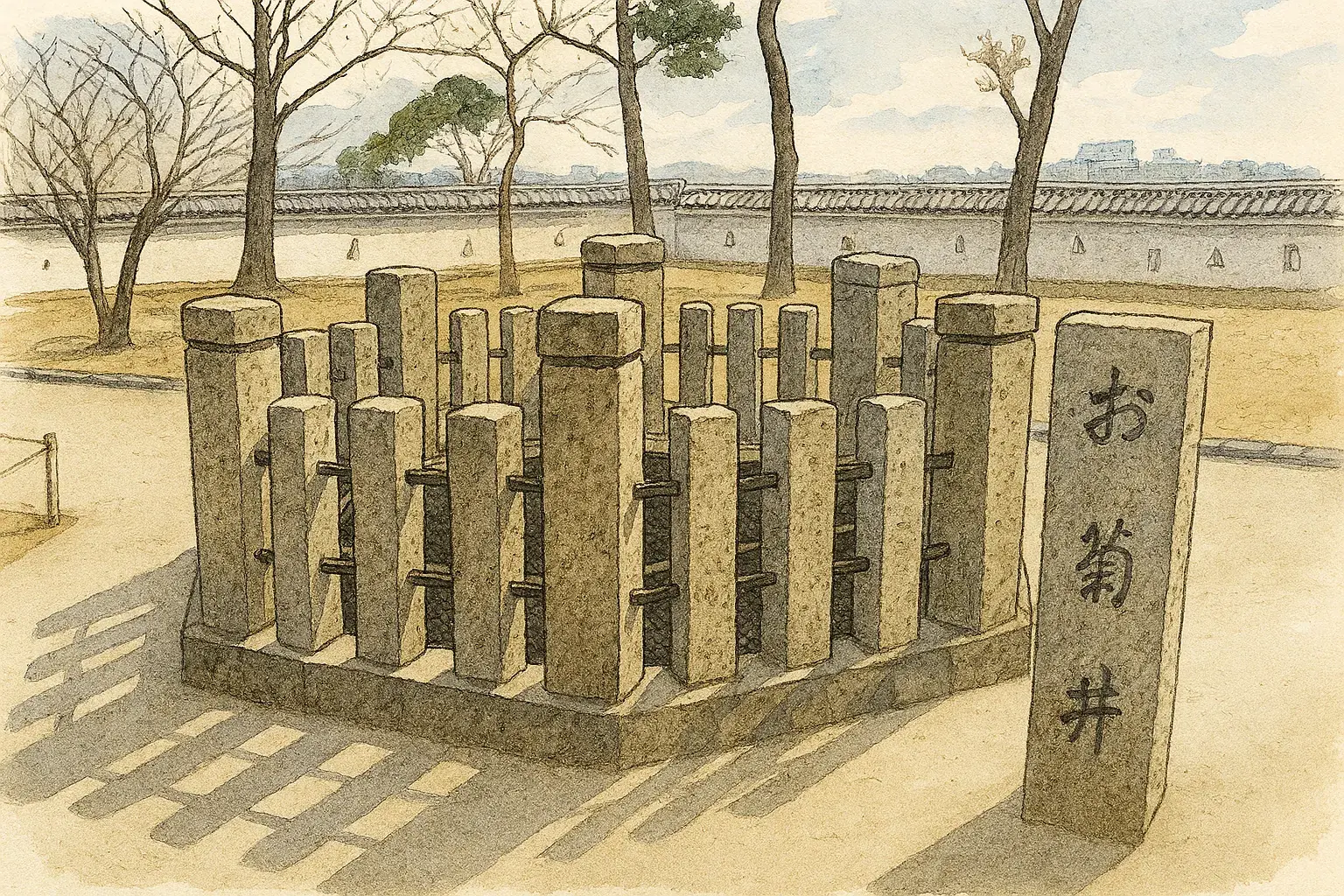
上山里に残る深さ約20 mの井戸は、『播州皿屋敷』で知られる“お菊”が身を投げたとされる場所。夜半に皿を数える幽霊話は江戸文学や歌舞伎で全国に広まり、城の名を庶民に刻みました。昼でも覗き込むと底が見えず、怪談が生まれた理由を実感できます。
Summary
Morning sunlight strikes the white plaster, and the heartbeat of distant ages reaches you through the stone walls — when you stand at Himeji Castle, the Akamatsu’s pride, Hideyoshi’s dynamism, and Terumasa’s far-reaching vision all converge in a single white heron that descends upon your heart.
This is not merely a place to learn “who built it,” but a stage where you can viscerally feel the dreams and responsibilities that people have inherited. The ink inscriptions remaining on the keep’s beams, the silence filling the long gallery, the mason’s marks on the stone walls, and the white walls revived through the Heisei Grand Restoration — all are bridges connecting past and future.
The next one to pass through the castle gate is you yourself, having finished reading this story. Won’t you listen carefully to the White Heron’s question and together witness where its wings lead?