
🕓 2023/3/20
#Gourmet
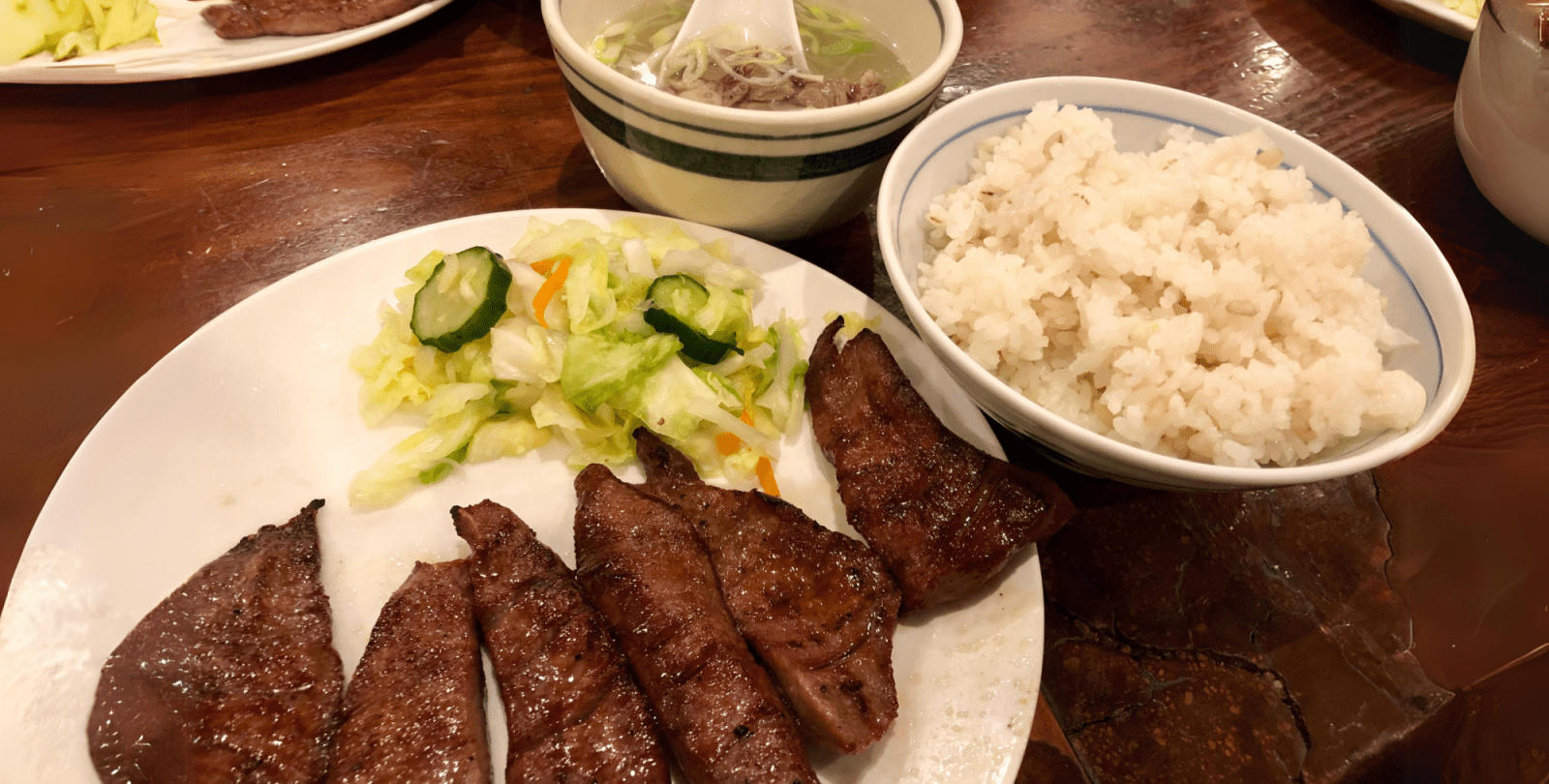
About Miyagi’s Gourmet
Miyagi Prefecture’s culinary scene is supported by an abundance of ingredients produced by its rich seas and fertile land. From fresh seafood such as oysters and Pacific saury brought about by the cold winters, to refreshing zunda mochi (edamame rice cakes) that cool the summer heat, visitors can enjoy different dishes depending on the season.
Miyagi Prefecture is blessed with abundant seafood including oysters, sea urchin, and salmon, and dishes using these ingredients captivate many food lovers. Miyagi is also famous as a production area for “gyutan” (beef tongue), with numerous restaurants serving beef tongue dishes centered around Sendai City. The tender and delicate flavor of gyutan has earned high praise from visitors both within and outside the prefecture.
Furthermore, Miyagi Prefecture is renowned as a major sake-producing region, where visitors can enjoy a wide variety of local sake made from locally grown rice. Around Sendai City, there are plenty of izakayas (Japanese pubs) and sake bars where you can enjoy local sake, serving as places for interaction between locals and visitors alike.
3 Select Gourmet Dishes of Miyagi
Harako Meshi
● The Appeal of Harako Meshi
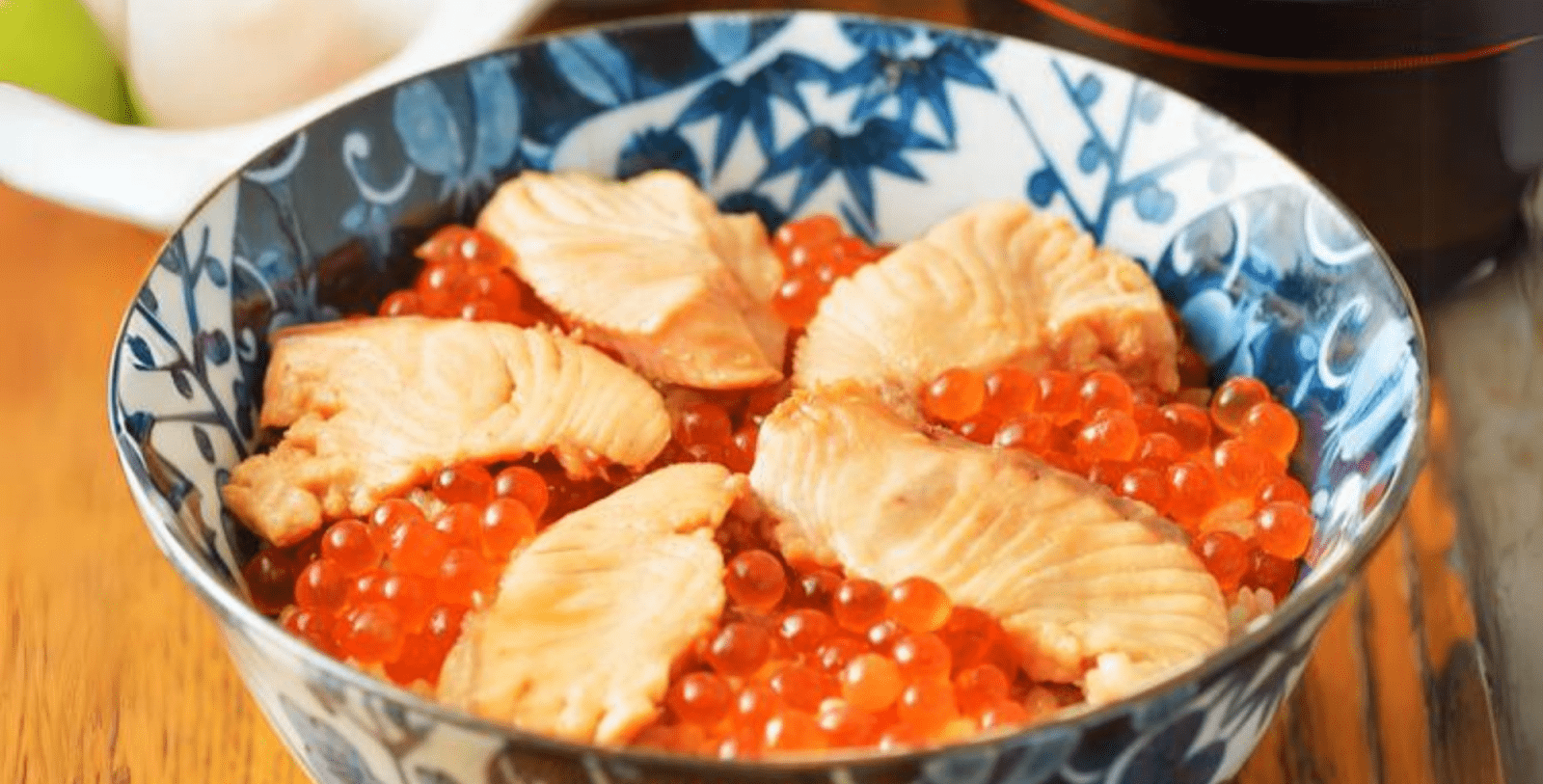
Harako meshi is a beloved local dish centered around Sendai City, Miyagi Prefecture, featuring an abundance of fresh salmon roe. The charm of this dish lies in its rich flavor and delicate texture. The foundation of harako meshi consists of high-quality rice and fresh pink salmon roe harvested in autumn. Since the roe is naturally salty, it is soaked to remove excess salt before use — this is the secret to harako meshi’s gentle flavor.
When the salted-to-perfection roe is mixed with freshly cooked rice, the sweetness of the rice and the umami of the salmon roe fuse beautifully. Additionally, the sensation of the roe popping in your mouth is a unique pleasure found in no other dish. The texture is like tasting the bounty of the sea directly.
Harako meshi is also visually stunning — the vivid orange of the salmon roe atop white rice is appetizing and eye-catching. This dish is often served on special occasions such as autumn harvest festivals and family gatherings, adding a festive touch to the table.
● The History of Harako Meshi
The exact origins of this dish are unclear, but records suggest it existed as early as the Edo period, when local fishermen would prepare it using fresh salmon roe during the salmon fishing season. This indicates that harako meshi has a history of at least several hundred years.
During the Sendai Domain era, particularly during the feudal period, salmon and salmon roe were prized among the lords and upper classes, as documented in historical texts, suggesting that harako meshi was recognized as a special meal. The Sendai Domain focused not only on agriculture but also on the utilization of seafood, and it is believed that dishes using salmon and salmon roe developed as part of this effort.
The name “harako” in harako meshi is a Miyagi dialect word for salmon roe. In Miyagi Prefecture, the culture of consuming salmon and its roe is deeply rooted, and harako meshi can be seen as one expression of this tradition. Over time, harako meshi has become a dish enjoyed regularly by locals, and it has also gained recognition as a representative local cuisine of Miyagi for tourists.
● Where to Eat Harako Meshi!
- Restaurant: Arahama – Asuto Nagamachi Branch
- Appeal:
The harako meshi at Arahama begins with meticulous preparation, including the delicate process of “polishing” — carefully removing the thin membrane from the roe. This step is crucial to the dish’s delicious taste. The restaurant insists on using only the finest premium-grade roe, which is heated in a secret house sauce. This process is essential for bringing out the maximum flavor of the roe, achieving a melt-in-your-mouth texture and a jewel-like luster. The technique of determining the precise moment when the roe has absorbed just the right amount of sauce before removing it from heat is a tradition and point of pride passed down exclusively to successive proprietors.Only fatty male autumn salmon is used, bringing deep flavor and rich aroma to the dish. Furthermore, the rice is cooked in salmon broth, resulting in fluffy, glossy grains with a texture and flavor that are truly impressive.
- Address: 1-4-30 Asuto Nagamachi, Taihaku-ku, Sendai
- Access: 3-minute walk from Nagamachi Station on the Subway Namboku Line
- Google Maps: https://maps.app.goo.gl/rAj6fhgY41bKW8Hd6
Sasa-Kamaboko
● The Appeal of Sasa-Kamaboko
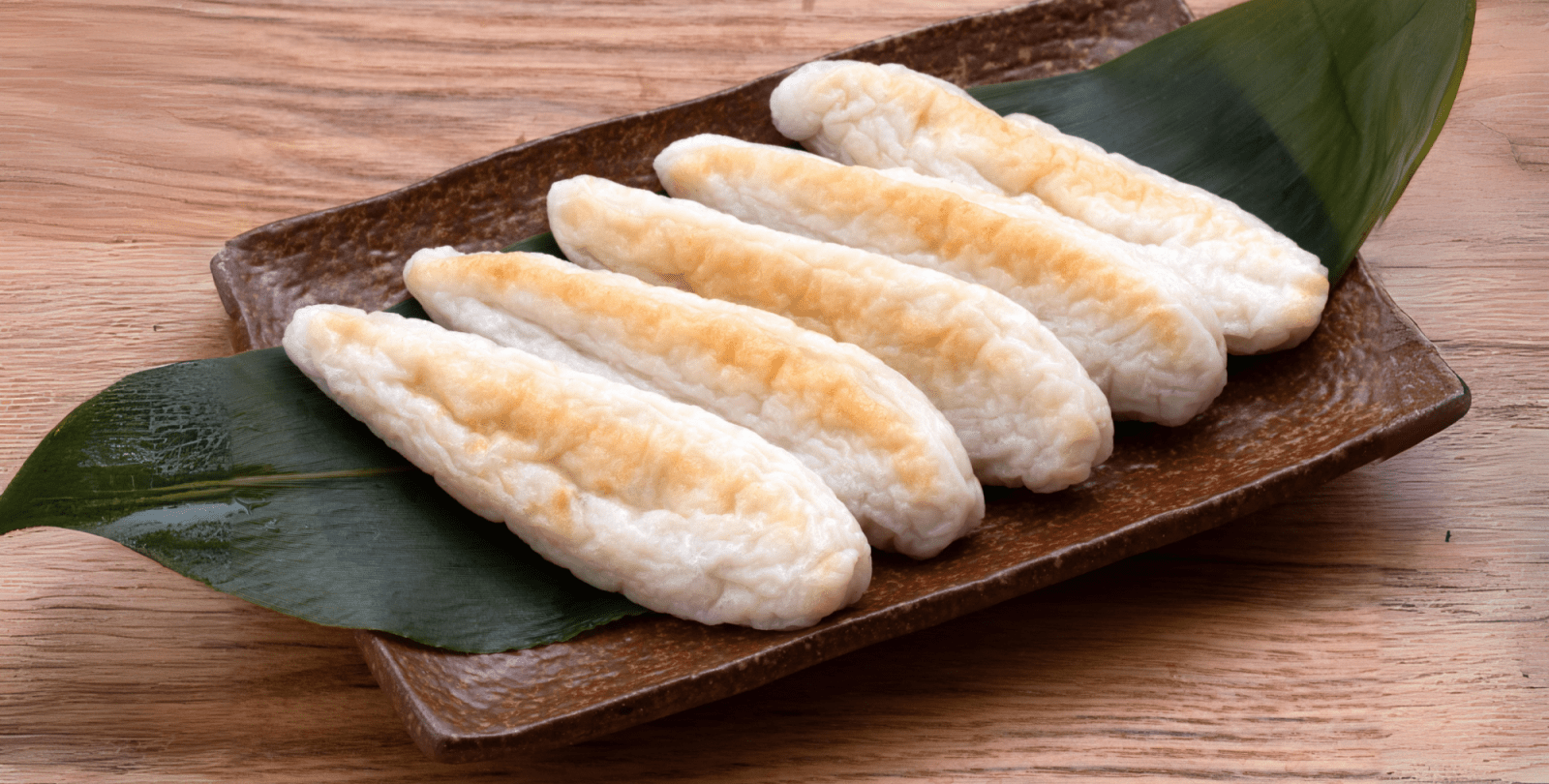
Sasa-kamaboko is one of the representative local delicacies of Miyagi Prefecture, particularly Sendai City. The greatest appeal of this food lies in its distinctive shape, fluffy texture, and refined flavor. Wrapped in bamboo leaves and grilled, the delicate flavor of sasa-kamaboko is enhanced, and its beautiful appearance adds elegance to any dining table.
The main ingredient of sasa-kamaboko is white fish surimi (fish paste). The surimi is seasoned with an appropriate amount of salt, sugar, and sometimes mirin and soy sauce, then wrapped in bamboo leaves on bamboo skewers and grilled. This simple yet delicate manufacturing process creates sasa-kamaboko’s gentle flavor and aroma.
Freshly grilled sasa-kamaboko has a lightly browned exterior with a savory fragrance, while the inside is soft and fluffy, with the flavor of fish spreading throughout the mouth.
● The History of Sasa-Kamaboko
During the Edo period, various types of kamaboko were made throughout Japan, but in the Sendai region, a unique style evolved — wrapping fish surimi in bamboo leaves and grilling it. This method was valued both for the natural bamboo leaf fragrance it imparted to the fish paste and for its preservative effect, making it a convenient portable food for travelers and pilgrims.
In the Meiji period, sasa-kamaboko manufacturing techniques continued to advance and production volumes increased. With the development of the railway network, the appeal of sasa-kamaboko spread not only throughout Miyagi Prefecture but across the entire country. Sendai City in particular became renowned as a major production center, and sasa-kamaboko became one of the most famous specialty products representing Sendai.
In recent years, sasa-kamaboko has maintained its traditional manufacturing methods while also developing products with new flavors and shapes, gaining acceptance among a broader range of consumers. Not only as a souvenir for tourists, but also as a food representing Japanese culinary culture, its appeal is being re-evaluated both domestically and internationally.
● Where to Eat Sasa-Kamaboko!
- Shop: Abe Kamaboko-ten Main Store
- Appeal:
For a special experience while strolling through central Sendai, don’t miss the chance to taste freshly grilled sasa-kamaboko you’ve grilled yourself. Established in 1935, the long-standing “Abe Kamaboko-ten” allows customers to grill their own plain sasa-kamaboko on in-store roasters, using fish paste made with an unwavering commitment to freshness and ingredients. This hands-on grilling experience requires no reservation and is a perfect stop while exploring downtown Sendai — please come visit.Abe Kamaboko-ten’s sasa-kamaboko is carefully crafted one by one by artisans holding the title of “Fishery Paste Product Manufacturing Level 1 and Level 2 Certified Technician.” These craftsmen use all five senses to assess the condition of the fish paste, achieving its signature softness and bouncy texture. Miyagi Prefecture’s own premium-grade naturally brewed soy sauce is used as a secret seasoning ingredient, maximizing the umami of the fish.
- Address: 2-3-18 Chuo, Aoba-ku, Sendai
- Access: Approximately 10-minute walk from JR Sendai Station
- Google Maps: https://maps.app.goo.gl/7PdiZobaUT4FKjrq5
Gyutan (Beef Tongue)
● The Appeal of Gyutan
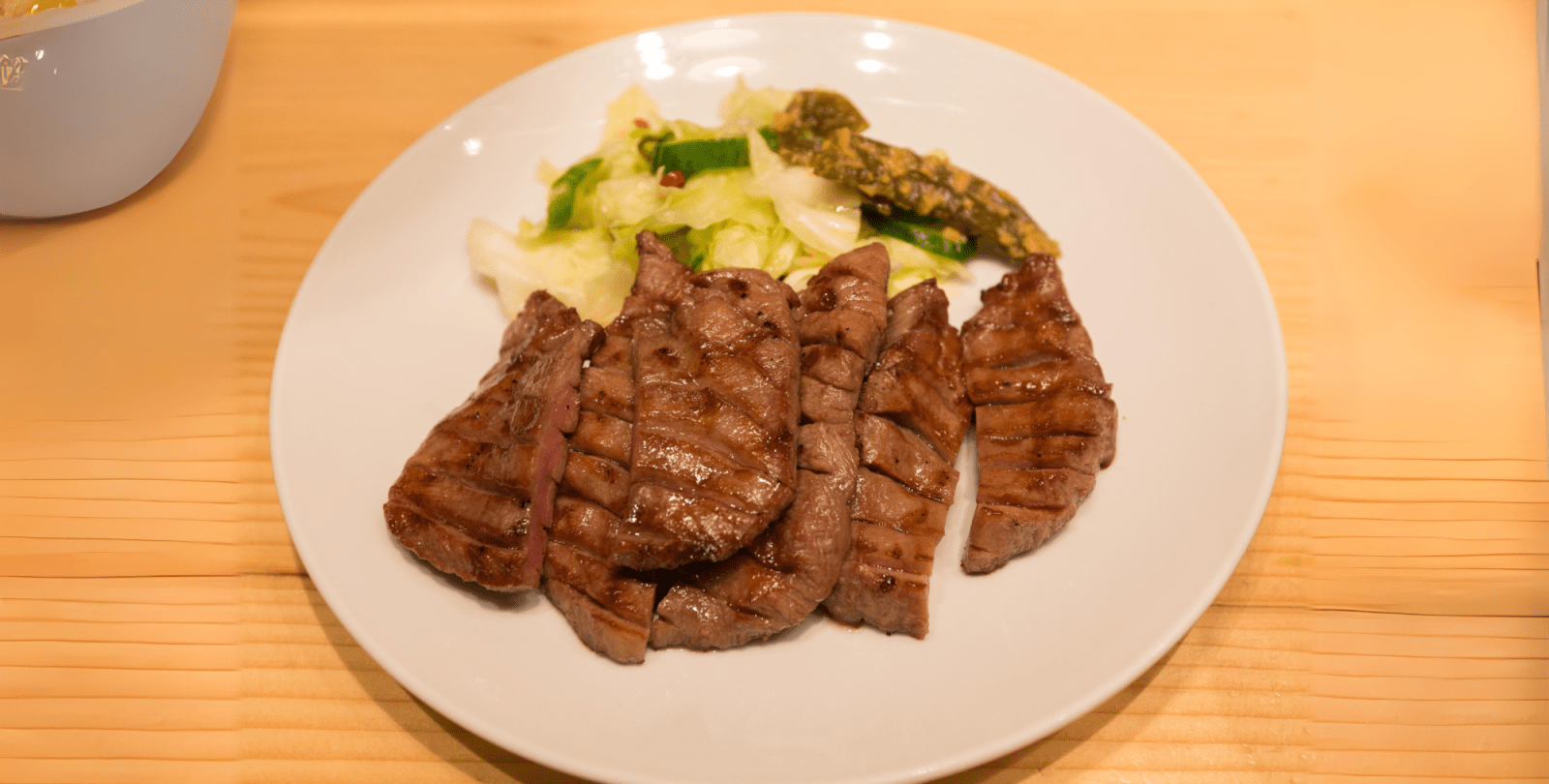
Gyutan (beef tongue) is a dish that captivates food lovers with its rich flavor and tender texture. The appeal of this cuisine lies in its simple yet profoundly layered taste, making it extremely popular in Japan, particularly in Sendai City, Miyagi Prefecture. One of the key attractions of gyutan is its unique texture. When properly prepared, the exterior has a light char and savory aroma, while the inside is surprisingly tender and juicy. This exquisite contrast in texture is one of the distinctive pleasures of gyutan cuisine.
The richness of flavor in gyutan is also noteworthy. It is further accentuated when combined with salt, spices, and sauces. In Sendai’s gyutan grilling tradition, simple salt seasoning is the standard, emphasizing the natural flavor of the meat. On the other hand, by using various sauces, garlic, herbs, and other flavorings, a wide range of taste variations can be enjoyed.
When savoring gyutan, the side dishes such as oxtail soup and pickles further enhance the experience. These accompaniments enrich the flavors of the beef tongue and make the dining experience all the more satisfying. At many gyutan specialty restaurants, particularly in Sendai, these items are often included as part of the set when ordering gyutan.
● The History of Gyutan
The role of the late Keishiro Sano is crucial in telling the history of Sendai gyutan. Mr. Sano is regarded as the father of Sendai gyutan, and its origins date back to the post-war period under GHQ occupation, when food shortages persisted. At the time, GHQ occupation forces were discarding beef tongue and oxtail, and Mr. Sano put these ingredients to use, creating what became Sendai gyutan.
During this era, when city gas was not yet widely available, beef tongue was cooked over charcoal. Against the backdrop of food shortages, barley rice was used as the staple, and since refrigeration was unavailable, pickled vegetables that could be preserved for long periods were chosen as side dishes. These circumstances hold great significance as the backdrop to the birth of Sendai gyutan.
Additionally, Mr. Sano added “miso nanban” (green chili peppers pickled in miso), a traditional dish from his hometown of Yamagata, as an accompaniment to the beef tongue — completing a dish that reflected his love for his hometown.
● Where to Eat Gyutan!
- Restaurant: Umami Tasuke
- Appeal:
The appeal of Sendai’s grilled beef tongue lies in the fact that for approximately 60 years, it has continued to captivate fans with its unchanging handcrafted quality and flavor. The beef tongue specialty restaurant, originally opened in 1948 in central Sendai by the late Keishiro Sano under the name “Tasuke,” later became known as “Umami Tasuke,” and its energy and nostalgic atmosphere transport every visitor on a journey beyond time.Upon stepping into Umami Tasuke, you are enveloped in an atmosphere that feels like a time slip back to the early Showa era, accompanied by the lively voices of the artisans. What this restaurant has preserved over the years is the founder’s philosophy: “The best way to bring out the flavor of beef tongue is with salt.” Simple yet masterful, the exquisite salt seasoning is a secret technique passed down through the generations. This singular devotion to salt creates a mysterious, never-tiring appeal that offers new discoveries with every visit.
- Address: Senmatsu-jima Bldg. 1F, 2-11-11 Kokubuncho, Aoba-ku, Sendai, Miyagi
- Access: 4-minute walk from Kotodai-koen Station on the Subway Namboku Line
- Google Maps: https://maps.app.goo.gl/PAJGUNeq58ZCCgD37