
🕓 2025/4/30
#Sake
A Nikko Journey to Refresh the Soul with Nature and Savor Local Sake
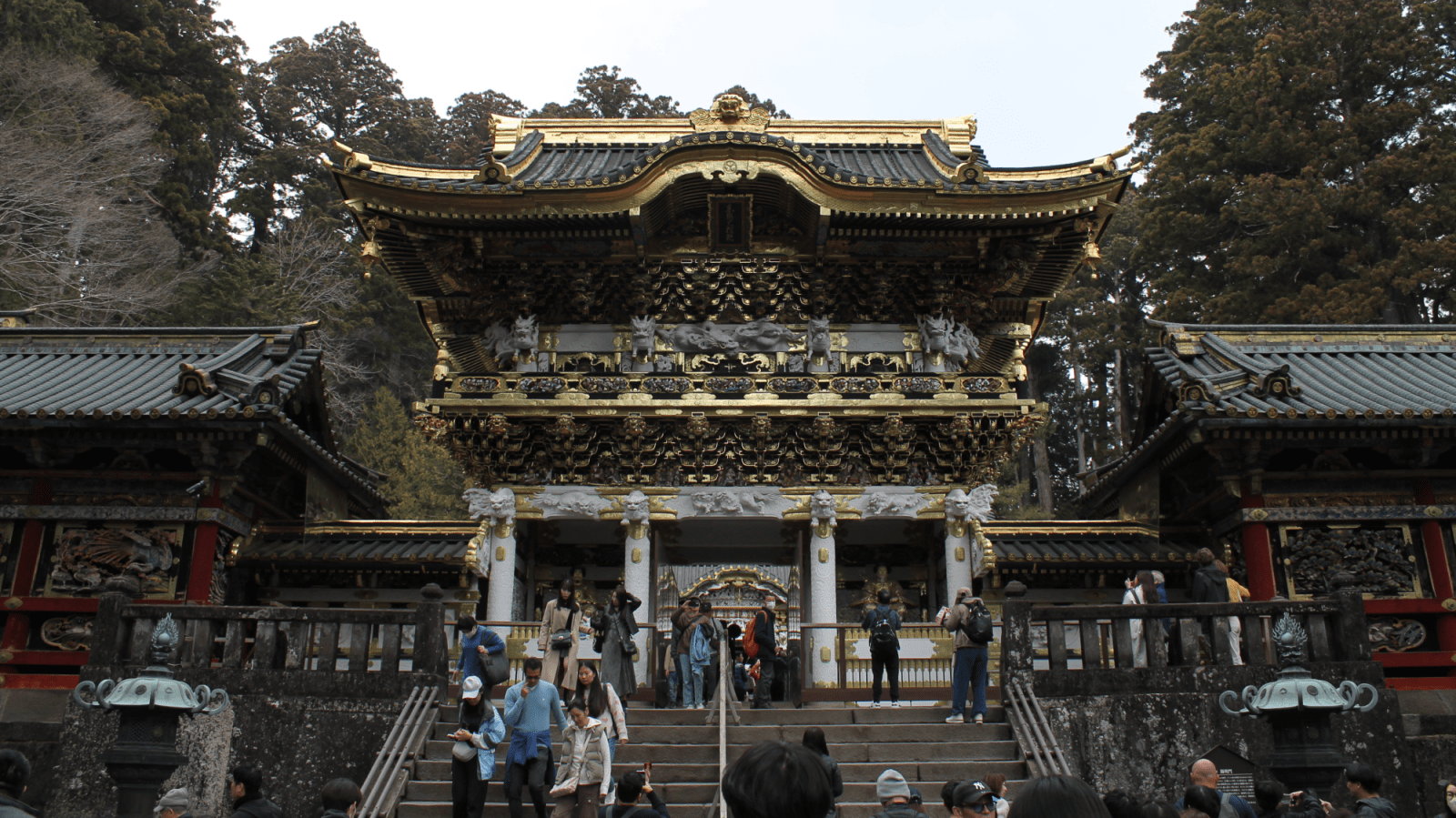
Table of Contents
- What is the Sake Made with Nikko Toshogu’s Water?
- Recommended Sake Breweries Near Nikko Toshogu
- Recommended Sake Selection Near Nikko Toshogu
- Model Courses for Touring Nikko Toshogu and Sake Breweries
Introduction
Nikko Toshogu, dazzling with vermilion lacquer and vivid polychrome colors.
The underground water from Mt. Nantai that has supported its grandeur flows into the breweries of the gateway town of Imaichi, becoming “rich-bodied local sake” that has refreshed the senses of pilgrims for centuries.
This article unravels the historical background of Toshogu while comprehensively covering two long-established breweries in the gateway district, an experiential brewing facility, and even a “sake-tasting mini-trip” extending to Kinugawa Onsen.
The contrast between the shrine’s tranquility and the white-walled breweries, and the once-in-a-lifetime flavors brought by seasonal limited-edition sake and hands-on brewing experiences —
- What is the Sake Made with Nikko Toshogu’s Water?
- - The Shogun’s Sacred Land and the Encounter with Pure Brewing Water
- - The Gateway Landscape Where Grand Shrine Buildings and White Brewery Walls Harmonize
- - The “Rich-Bodied” Local Sake Born from Harsh Winter Brewing
What is the Sake Made with Nikko Toshogu’s Water?
Nikko: A sacred land gazing upon the holy peak of Mt. Nantai.
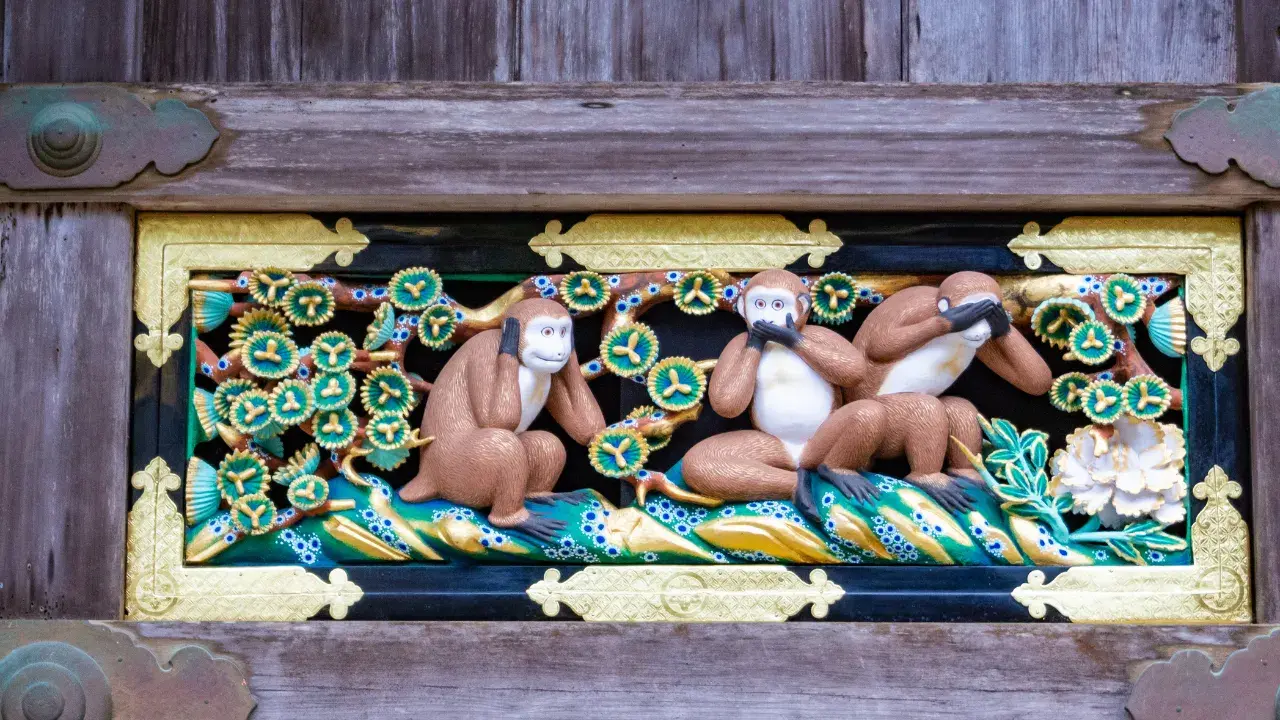
Built over 400 years ago to enshrine Tokugawa Ieyasu, Nikko Toshogu is one of Japan’s most renowned sites, comprising the UNESCO World Heritage “Shrines and Temples of Nikko” with its brilliantly colored shrine buildings and intricate carvings. The teachings embedded in motifs such as the Three Wise Monkeys and the Sleeping Cat embody Ieyasu’s will for peace and prosperity.
What supported this magnificence was the crystal-clear water from the Nikko mountain range and the harsh winter cold — and these very blessings were also the driving force that nurtured Nikko’s sake culture.
- The Shogun’s Sacred Land and the Encounter with Pure Brewing Water
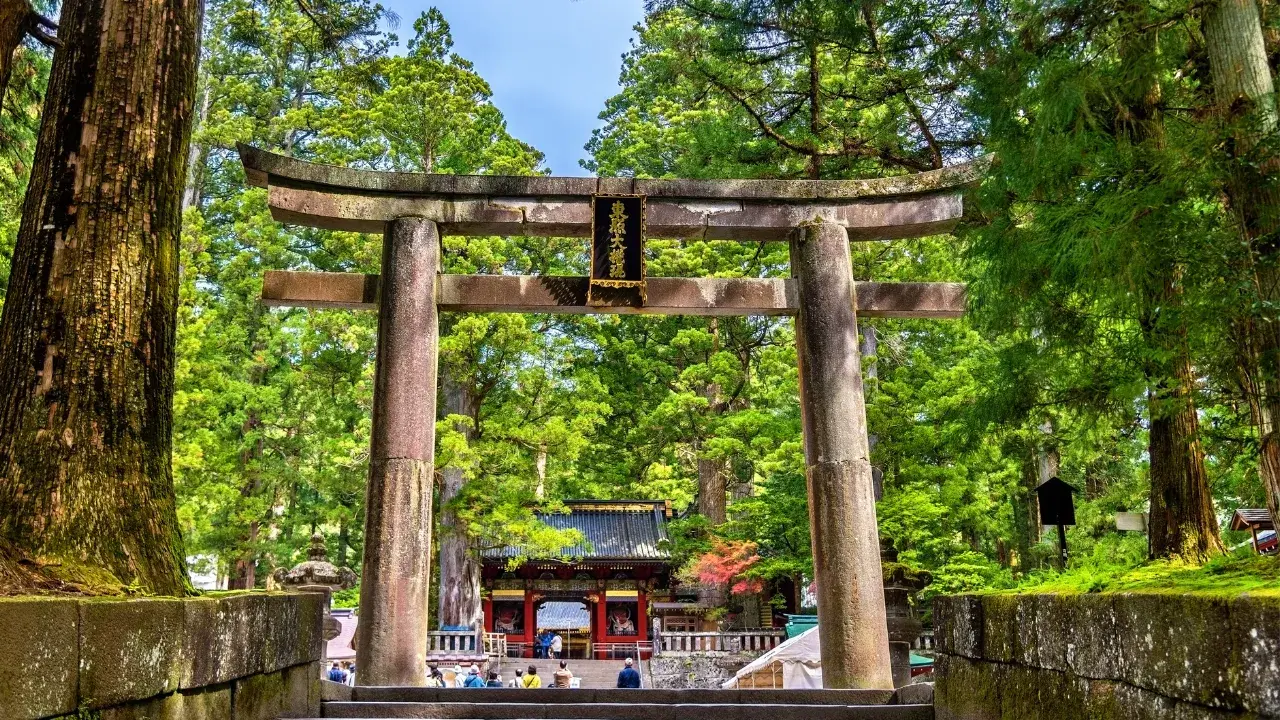
After the great reconstruction of 1636 (Kan’ei 13), Toshogu became a symbol of the Edo Shogunate’s authority. Meanwhile, in the gateway town of Imaichi, small sake breweries emerged from the mid-Edo period, taking advantage of the cold winds blowing through the Nikko Cedar Avenue and the underground spring water from the Mt. Nantai system. Today, Watanabe Sahei Shoten (founded 1842) and Katayama Sake Brewery (founded 1880) remain, both preserving traditional handcraft methods such as **”all junmai (pure rice) brewing”** and **”Sase-style fune pressing.”**
- The Gateway Landscape Where Grand Shrine Buildings and White Brewery Walls Harmonize
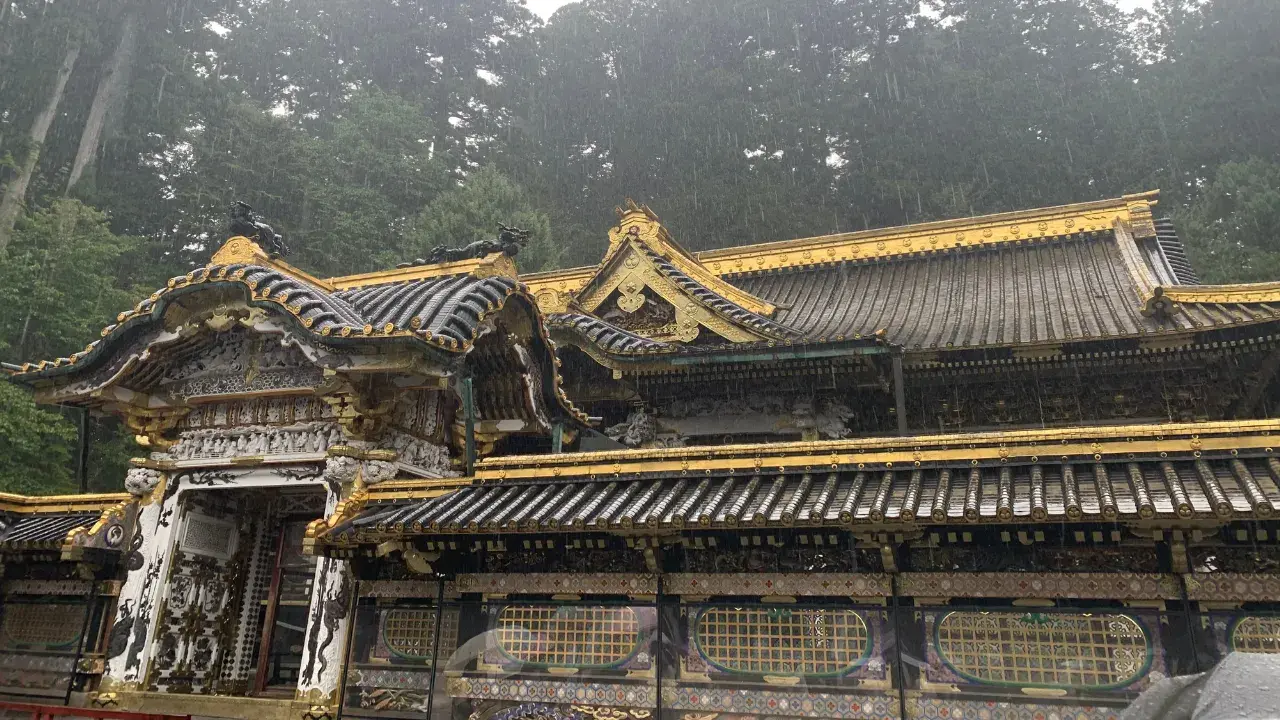
Driving about 20 minutes south from Toshogu, where the Cedar Avenue ends, white-walled storehouses dot the residential areas of Imaichi. After seeing the dazzling gold leaf and vivid polychrome shrine buildings, visiting the simple breweries where the scent of fresh wood lingers lets you experience the contrast of splendor and rustic simplicity unique to Nikko. Tours at both breweries are by reservation and include free tastings. During winter, you can watch the steaming rice and fune pressing processes up close, with the highlight being tasting freshly pressed sake drops on the spot.
- The “Rich-Bodied” Local Sake Born from Harsh Winter Brewing
Imaichi’s underground spring water, with moderate hardness and appropriate mineral content, attracts yeast with strong fermentation power, producing sake with both crispness and umami richness. Watanabe Sahei Shoten’s **Junmai Ginjo “Nikko Homare”** harmonizes rice sweetness with a clean acidity, while Katayama Sake Brewery’s undiluted **”Kashiwazakari”** features full-bodied rice umami from Sase-style pressing. Please experience the “Nikko rich body” that the cool climate and traditional techniques weave together.
[ Nikko Toshogu Area Overview ]
| Item | Details |
|---|---|
| Location | Sannai and Imaichi districts, Nikko City, Tochigi Prefecture |
| Access | Tobu Nikko Line Tobu-Nikko Station (bus to Toshogu approx. 10 min) / Tobu Nikko Line Shimo-Imaichi Station (10-min walk to breweries) / From Tokyo (Asakusa) to Shimo-Imaichi: approx. 1 hr 40 min by Limited Express Revaty or Spacia X |
| Main Attractions | Nikko Toshogu, Futarasan Shrine, Rinnoji Temple, Shinkyo Bridge, Kegon Falls, Irohazaka, Kinugawa Onsen, Nikko Cedar Avenue |
| Sake Spots | Imaichi Local Sake Road (Watanabe Sahei Shoten / Katayama Sake Brewery), Maenichiko Brewing (Kanuma City) |
| Events | Early March: Nikko Jizake Festival at Kinugawa Onsen Station square (new sake tastings) / Late May: Four-Brewery Joint Festival / Early September: Hiyaoroshi release — new autumn sake from each brewery |
Recommended Sake Breweries Near Nikko Toshogu
“Savor the Shogun’s shrine and famous water breweries in one trip”
Within just 20 minutes by car from Toshogu, sake breweries and experience facilities are clustered around Imaichi, known for its famous brewing water. The rich-bodied local sake born along the Cedar Avenue road offers a warm, rustic flavor in contrast to the dazzling shrine buildings. Here we introduce three carefully selected breweries that are easy to combine with Toshogu sightseeing.
1. Watanabe Sahei Shoten | “All Junmai” Brewery Using Famous Water from the Nikko Mountains
Founded in 1842 (Tenpo 13), now in its 6th generation. The Daiya River underground spring water (medium hardness) drawn from two private wells dug right beside the brewery passes through granite layers with extremely low iron content, at a hardness of about 50 mg/L — a “soft yet structured” famous water. While small-scale at approximately 700 koku, over 90% of production is junmai sake, boasting one of the highest “junmai ratios” in Tochigi Prefecture.
Brewery tours include the koji room, fermentation tanks, and cedar barrel aging cellar, ending with tastings of 3-5 varieties. The flagship Junmai Ginjo “Nikko Homare” won Gold at the 2023 Milano Sake Challenge, with international awards accumulating in recent years.
2. Katayama Sake Brewery | The Undiluted Sake Brewery Preserving “Sase-style Fune Pressing”
Founded in 1880 (Meiji 13). Uses ultra-soft water “Senryosui” (hardness 2) drawn from a 16-meter-deep well sourcing from the sacred water “Sake no Izumi” of the World Heritage Takio Shrine. To make the most of this soft water, they use the same wooden Sase-style fune press as in the Edo period, pressing slowly over 4 days at low pressure to produce the clean undiluted sake “Kashiwazakari.”
The brewery-exclusive “Junmai Ginjo Sugao” series won Silver at SAKE COMPETITION 2023. The shop also offers “sake cake” made with undiluted sake and free tastings of freshly drawn “Senryosui” water.
3. Maenichiko Brewing | “Custom-Made Sake” Experience in a Renovated Old School
Born in 2022 from a renovated former elementary school in Kanuma City. They accept **fully custom-made brewing orders from as few as 100 bottles**, where you can specify everything from rice polishing ratio, yeast, water, to pressing method. Wedding sake and restaurant private-brand sake have attracted attention.
For general visitors, **sake-making workshops** are held mainly on weekends (capacity 10), including a 30-minute lecture followed by hands-on rice washing, kai-ire stirring, and other brewing steps. Experience fee of 9,900 yen includes one bottle of finished sake and an original label.
Recommended Sake Selection Near Nikko Toshogu
Nikko’s local sake, nurtured by the underground water of sacred Mt. Nantai and a cold climate, combines fresh umami and crispness in a “rich-body type.” Here we have selected 5 labels to savor alongside your Toshogu visit, with tasting notes, serving suggestions, and food pairings.
1. Nikko Homare Junmai Ginjo | Watanabe Sahei Shoten
The flagship sake of this gateway brewery, brewed under an “All Tochigi” policy using Daiya River underground spring water, Tochigi-grown Gohyakumangoku rice, and the prefectural yeast T-F, fermented slowly at low temperatures. A gentle ginjo aroma reminiscent of melon combines with soft sweetness and light acidity — fresh when chilled, with expanded rice richness at lukewarm temperature. Consecutive awards at the 2023-2024 Milano Sake Challenge have boosted international recognition.
2. Oniwarai Junmai Nama-Chozo | Watanabe Sahei Shoten
Named after the Japanese saying “Talk about next year and the devil will laugh,” this is a summer-only sake. Made with local new rice variety “Tochigi Sake 14” polished to 65%, with only one pasteurization for a nama-chozo style. At 14% alcohol with a refreshing aroma like lemongrass and a sharp dry finish with subtle rice sweetness, it pairs well with light dishes like cold shabu-shabu or yuba salad.
3. Kashiwazakari Genshu M | Katayama Sake Brewery
A honjozo undiluted sake brewed with the ultra-soft water “Senryosui” sourced from World Heritage Takio Shrine, pressed slowly over 4 days using a wooden Sase-style fune. At 19% alcohol it is powerful yet mellow from the ultra-soft water, with a banana-like aroma, brown sugar-like richness, and a crisp finish in three stages. Enjoy on the rocks to tighten the sweet umami, or at about 45 degrees Celsius to bring out toasty notes.
4. Junmai Daiginjo “Sugao Yumesasara” Muroka Nama Genshu | Katayama Sake Brewery
Limited to 300 bottles annually, this flagship uses Tochigi’s proprietary rice “Yumesasara” polished to 40%, bottling only the “first pressing” from the fune spout. Gorgeous aromas of white peach and muscat with a smooth sweet umami, balanced by a mineral crispness on the finish. Pre-order required through the brewery shop or official online store.
5. “My Sake” Custom-Made Junmai | Maenichiko Brewing
A one-of-a-kind custom-made sake brewed at this experiential craft brewery in a renovated former school in Kanuma City. After a 30-minute lecture, participate in the final brewing step “tome,” freely designing polishing ratio (50-70%), choice of 7 yeasts, water, and pressing method. From 60 kg of total rice, approximately 100 yongobin (720 ml) bottles can be made. Experience fee of 9,900 yen includes one completed bottle and custom label, with finished sake delivered to your home in 2-3 months.
Model Courses for Touring Nikko Toshogu and Sake Breweries
Nikko’s local sake, nurtured by Mt. Nantai’s underground water and harsh cold. The gateway town of Imaichi has breweries dating from the Edo and Meiji periods, and extending a bit into the mountains offers “make-your-own sake” experiences. Combining Toshogu worship with brewery tours and tastings — here are 3 courses to match your travel style.
Course 1 | The Classic Brewery Tour of Nikko and Imaichi
Duration: approx. 5-6 hours | Difficulty: Easy | Tastings: 2-3 stops
For those wanting to discover Nikko’s representative breweries. Visit Toshogu first thing in the morning, then bus/train to Imaichi to efficiently visit both heritage breweries. Compare-taste “Nikko’s rich body” with free tastings.
- 8:00-10:00 — Nikko Toshogu (opens 8:00): Visit Yomeimon Gate, Three Wise Monkeys, Sleeping Cat
- 10:15-10:35 — Bus to Tobu-Nikko Stn, train to Shimo-Imaichi Stn
- 10:45-12:00 — Watanabe Sahei Shoten: Brewery tour (reservation required), tasting of 3 varieties including Nikko Homare
- 12:00-13:00 — Lunch (Imaichi soba or yuba cuisine)
- 13:00-14:30 — Katayama Sake Brewery: Sase-style fune pressing tour, tasting freshly pressed Kashiwazakari
- 14:30-15:00 — Souvenir shopping and strolling Imaichi, then depart from Shimo-Imaichi Stn
Course 2 | See, Touch, and Taste! Experience-Focused Brewery Workshop Course
Duration: approx. 7-8 hours | Difficulty: Moderate | Tastings: 3 stops + hands-on sake
For those wanting it all — history, experience, and tasting. Morning at Toshogu, afternoon at the renovated-school Maenichiko Brewing for “one-of-a-kind My Sake” brewing, then back to Imaichi’s breweries.
- 8:00-9:30 — Nikko Toshogu
- 9:30-10:15 — Drive/taxi to Kanuma
- 10:30-13:00 — Maenichiko Brewing workshop (9,900 yen, 720 ml original sake delivered later)
- 13:00-13:45 — Countryside lunch (Kanuma soba, konnyaku dengaku)
- 14:30-15:15 — Watanabe Sahei Shoten: Tour + tasting
- 15:30-16:15 — Katayama Sake Brewery: Tasting + souvenirs
- 16:30 — Train to Tobu-Nikko or Kinugawa Onsen for overnight
Course 3 | Sake Tasting at Kinugawa Onsen! Light Tasting Plan
Duration: approx. 4-5 hours | Difficulty: Easy | Tastings: 1 stop + tasting bar
For those who want diverse labels without brewery hopping. Head to Kinugawa in the afternoon and taste all Tochigi breweries at a local sake specialty shop’s standing bar, plus hot spring strolling.
- 12:00-13:00 — Lunch (Toshogu area / Tobu-Nikko Stn vicinity)
- 13:00-13:25 — Train to Kinugawa Onsen (limited express approx. 25 min)
- 13:30-14:15 — Noboruya Honten tasting bar: 45 ml x 3 comparison set (from 600 yen), 30+ varieties including Nikko Homare and Kashiwazakari
- 14:15-15:15 — Kinugawa Onsen town stroll (foot baths, ropeway)
- 15:30-16:30 — Tochigi Jizake-dokoro IKKON or hotel bar: 40+ Tochigi breweries at the irori hearth
- 16:30 — Relax at the hot spring / return via Tobu Line
Summary
Immerse yourself in the serene atmosphere of Nikko Toshogu, lose yourself in the fragrance of new sake at the gateway breweries, and find repose in the waters of Kinugawa — at the end of such a day, the “peace” that Ieyasu wished for and the “harmony” that the brewers craft will linger as a pleasant afterglow.
Nikko’s local sake, woven from clear underground spring water and harsh cold, changes expression with each season, promising a new flavor encounter with every visit. On your next trip, go beyond the Toshogu pilgrimage alone — wander among the white-walled breweries, tip your glass, and lend an ear to the story of “water’s blessing.”
And after tasting, please use public transportation or taxis for safe travel, and remember to show respect to the breweries and local people. May your single glass become a force that carries Nikko’s culture and nature into the future.