
🕓 2024/7/30
#Culture
A Detailed Guide to Noboribetsu Onsen: History and Overview
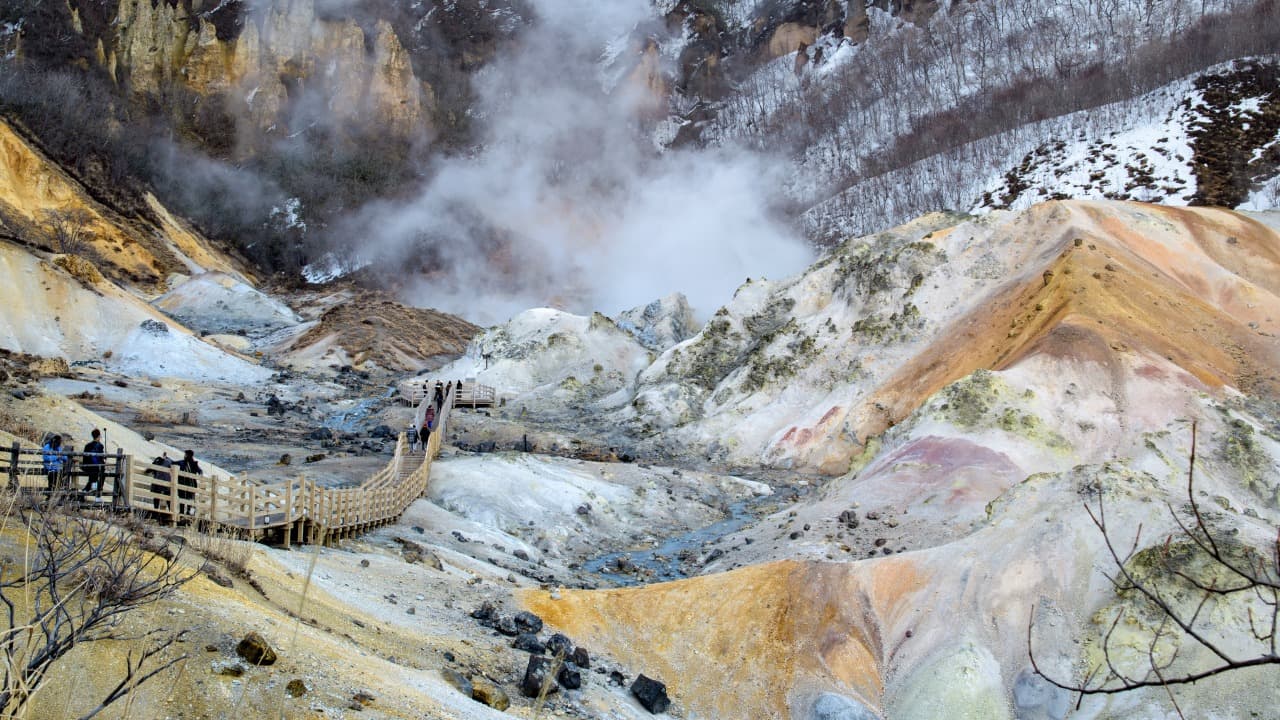
Table of Contents
- Overview of Noboribetsu Onsen
- History of Noboribetsu Onsen
- Hot Spring Water Types of Noboribetsu Onsen
- Things to Do at Noboribetsu Onsen
Introduction
Noboribetsu Onsen is one of the most representative hot spring destinations in Hokkaido, boasting a wide variety of water types and abundant tourism resources. This area has a long history of being used as “medicinal baths” by the Ainu people, and became more widely known from the Edo period onward.
Today, numerous tourist attractions such as Jigokudani (Hell Valley), the Oyunumagawa Natural Foot Bath, and Noboribetsu Marine Park Nixe captivate visitors. On this page, we will introduce the many charms of Noboribetsu Onsen in detail.
Overview of Noboribetsu Onsen

Noboribetsu Onsen is located in Noboribetsu City, Hokkaido, and is one of the most prominent hot spring destinations in the region. The terrain was formed by volcanic activity approximately 10,000 years ago, with Jigokudani (Hell Valley), an active volcanic zone, at its center. Jigokudani is sometimes described as “hell” due to the volcanic gases that erupt from the ground.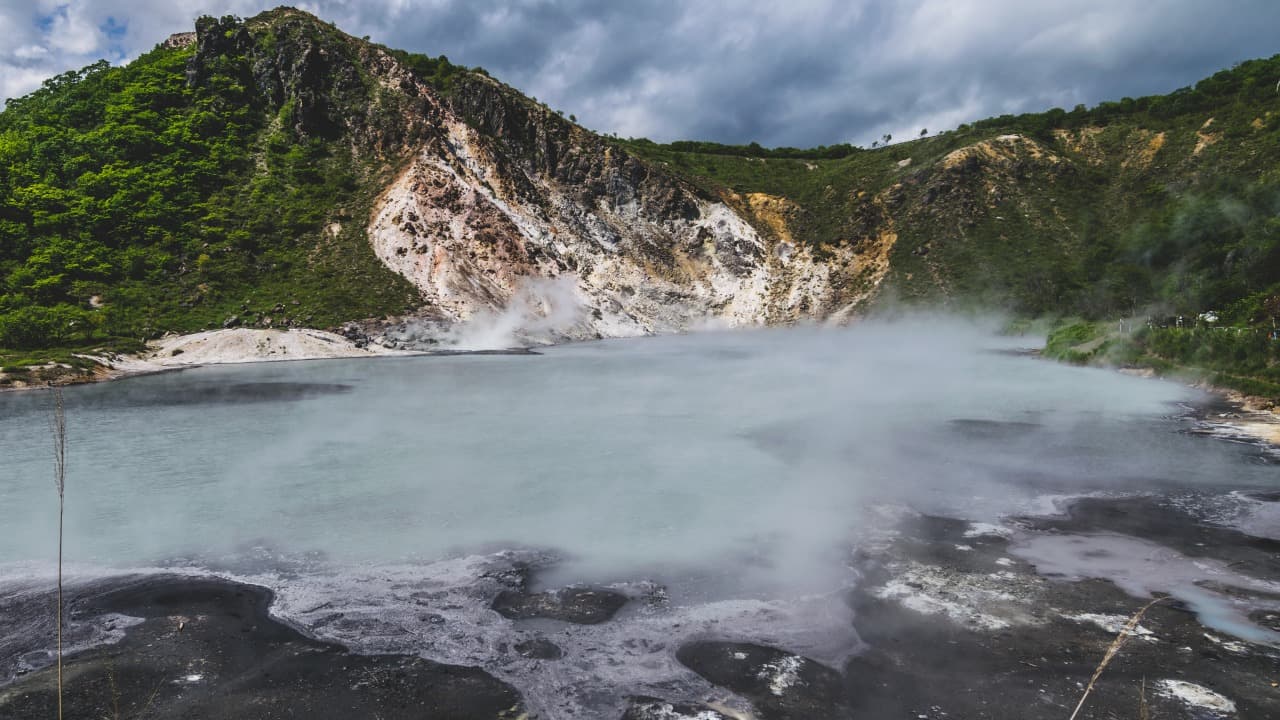
One of the greatest charms of Noboribetsu Onsen is its diverse range of hot spring water types. Nine different types of spring water exist here, each with different therapeutic properties, allowing visitors to enjoy a variety of healing benefits. Notable water types include sulfur springs, saline springs, mirabilite springs, acidic iron springs, and radium springs, all of which are believed to have restorative effects on the body.
Additionally, Noboribetsu Onsen has a rich historical background, with the Ainu people having used these hot springs as medicinal baths since ancient times. During the Edo period, hot spring inns were established, and from the Meiji era onward, the area became bustling with visitors seeking therapeutic treatments and sightseeing from all over Japan.
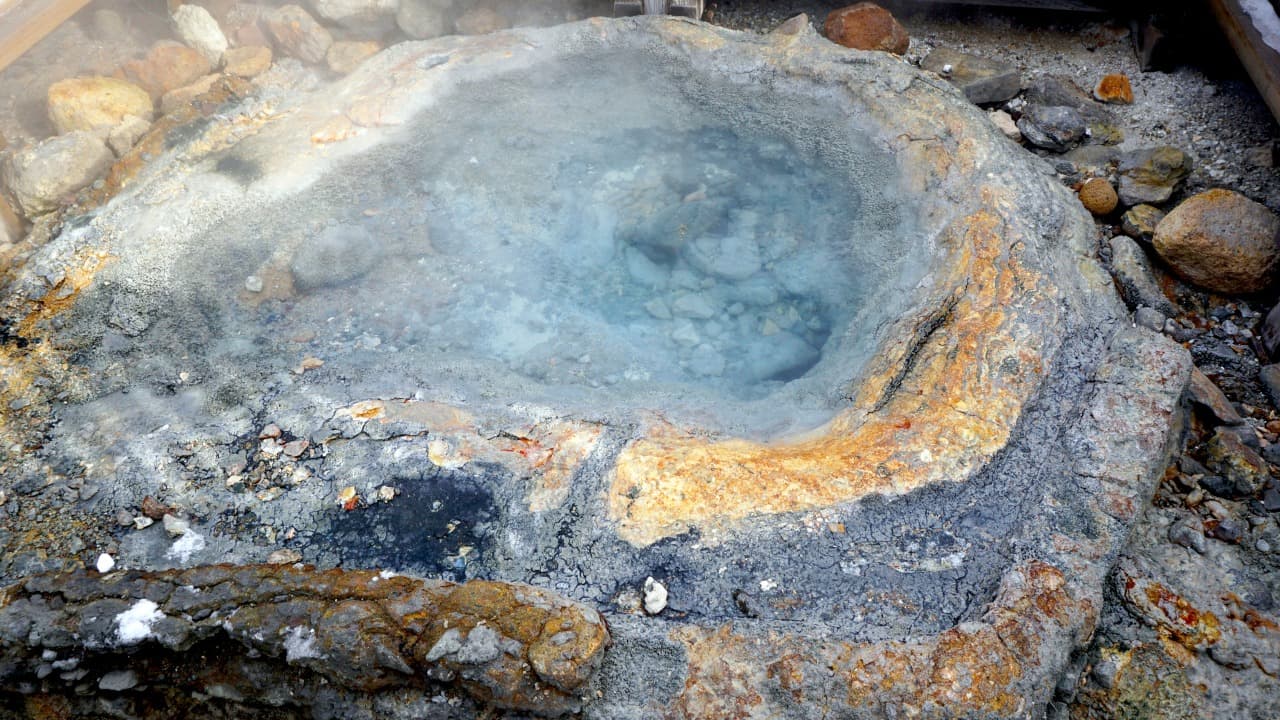
The surrounding area is also rich in tourist attractions, including Jigokudani, the Oyunumagawa Natural Foot Bath, and the Noboribetsu Bear Park, making it a destination where visitors can enjoy both hot springs and sightseeing. In addition, local specialties such as onsen tamago (hot spring eggs) and sweets made with locally produced dairy products are also popular.
2. History of Noboribetsu Onsen
Noboribetsu Onsen is a historically rich hot spring destination that has been beloved by many people from the Ainu era to the present day, attracting visitors with its abundant natural environment and diverse spring water types. Below, we introduce the major events in chronological order.
・Use Since the Ainu Era
Noboribetsu Onsen has been an important place for the Ainu people since ancient times. They used the hot springs in this area as “medicinal baths” to treat various illnesses and injuries. The hot springs were called “Nupuru-petsu” (meaning “dark-colored river” in Ainu), a name derived from the fact that the water of some rivers in the Noboribetsu Onsen area was clouded white by sulfur content.
The Ainu believed in the healing power of the hot springs and had a custom of soaking in them for therapeutic purposes and treating illnesses. This practice was connected to a ceremonial act called “Ipetamu” in Ainu culture. The Ainu culture is deeply rooted in coexistence with nature, and the use of hot springs was carried out as part of this tradition.
・Records from the Edo Period
In the history of Noboribetsu Onsen, the writings of Edo-period explorer Mogami Tokunai (1755-1836) are of great importance. Mogami Tokunai explored Ezo (present-day Hokkaido) in the late Edo period and compiled his findings in “Ezo Soushi” (1790). This record mentions the existence of Noboribetsu Onsen, indicating that the therapeutic properties of the hot springs were already being recognized at that time.
・Development in the Meiji Era
During the Meiji era, commercial use of Noboribetsu Onsen expanded. During this period, Okada Hanbei, a merchant from Omi, led the development of the area as a hot spring destination. In 1858 (Ansei 5), Okada established a therapeutic bathing inn in Noboribetsu, enabling visitors to undergo hot spring therapy. The establishment of this inn was a great boon for local residents and travelers alike, serving as a catalyst for increasing the fame and popularity of Noboribetsu Onsen.
・Modern Development
In 1888, Takimoto Kinzo made a significant contribution to the development of Noboribetsu Onsen. He traveled to Noboribetsu, a natural hot spring area, to treat his wife’s skin disease, and established “Yumoto no Takimoto” there. This inn later became known as “Dai-ichi Takimotokan.” When his wife recovered thanks to the effects of the hot springs, word spread, and the inn gradually began to welcome an increasing number of visitors.
・ From the Postwar Period to the Present 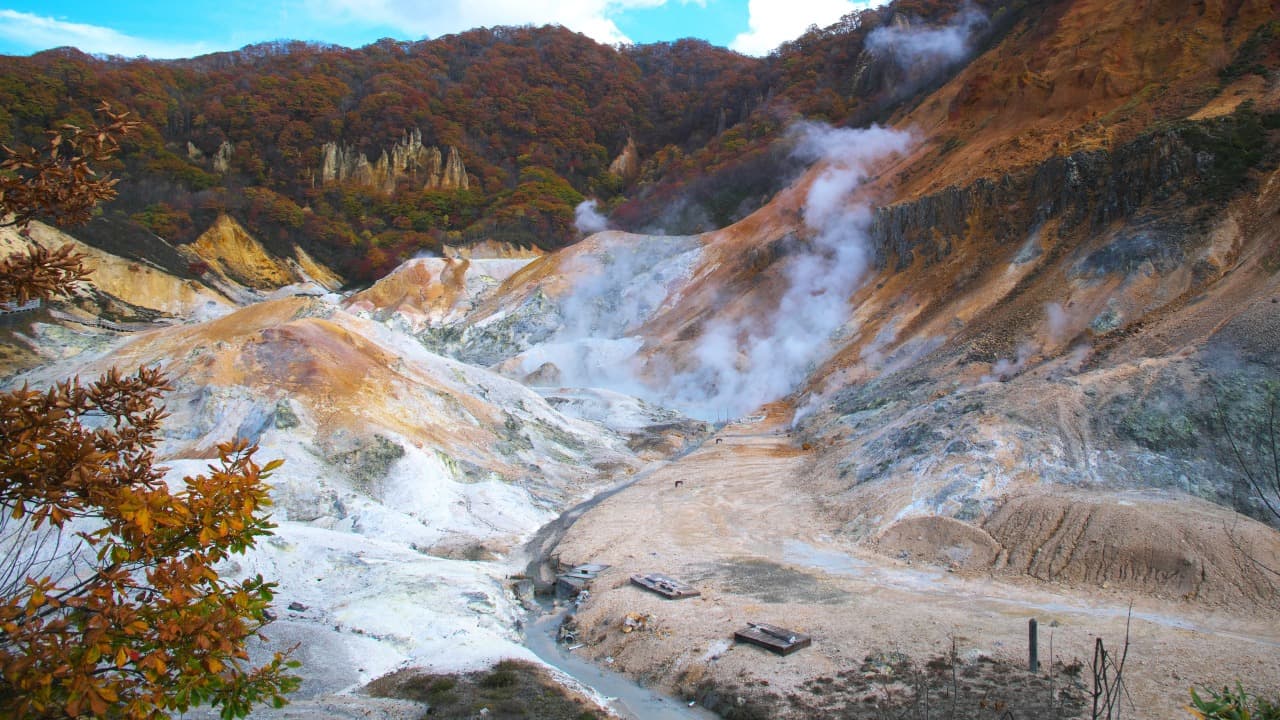
After the war, Noboribetsu Onsen established itself as a major tourist destination, attracting many visitors. In particular, Jigokudani and Oyunuma became the most well-known tourist spots representing Noboribetsu Onsen, and walking trails and observation decks were developed in these areas. Jigokudani is an explosion crater formed by the volcanic activity of Mount Hiyoriyama, and even today, the sight of high-temperature steam rising continues to captivate visitors.
Hot Spring Water Types of Noboribetsu Onsen
Noboribetsu Onsen is often called the “Department Store of Hot Springs” due to its remarkable variety of spring water types. Below, we introduce eight representative types and their characteristics.
・Sulfur Springs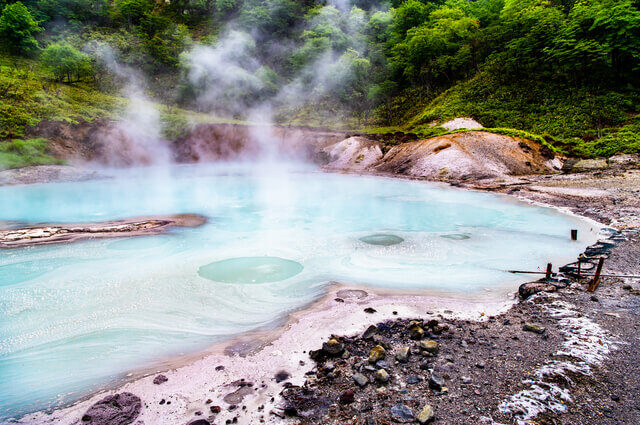
Sulfur springs are one of the main water types at Noboribetsu Onsen, characterized by their distinctive egg-like sulfurous smell. While the water is colorless and transparent when it emerges, it often turns milky white when exposed to air due to oxidation, and this milky appearance is one of its hallmarks.
・Saline Springs (Chloride Springs)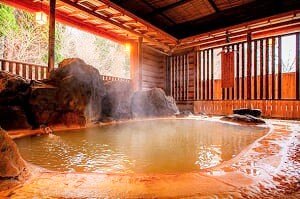
Saline springs (chloride springs) are characterized by their colorless, transparent water with a salty taste. This water type contains a high concentration of sodium chloride, similar to seawater, and is known for its excellent heat-retention properties, earning it the nickname “Hot Bath.” The most notable feature of saline springs is their superior heat retention. After bathing, the body maintains its warmth for a long time, making it resistant to post-bath chill. This is achieved by the salt adhering to the skin and preventing sweat evaporation. It is particularly effective for those who suffer from cold sensitivity or during the cold winter months.
・Mirabilite Springs (Sulfate Springs)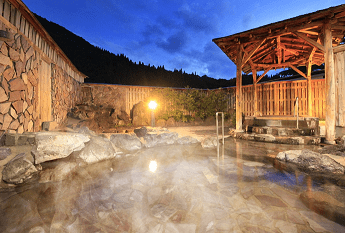
Mirabilite springs are colorless and transparent, rich in sulfate content. They promote blood circulation and help alleviate high blood pressure, as well as aid in the healing of external wounds. They are also considered effective for rheumatism, neuralgia, and joint and muscle pain. This water type also contributes to fatigue recovery and overall health improvement, and is beloved by many.
・Green Alum Springs (Aluminum Springs)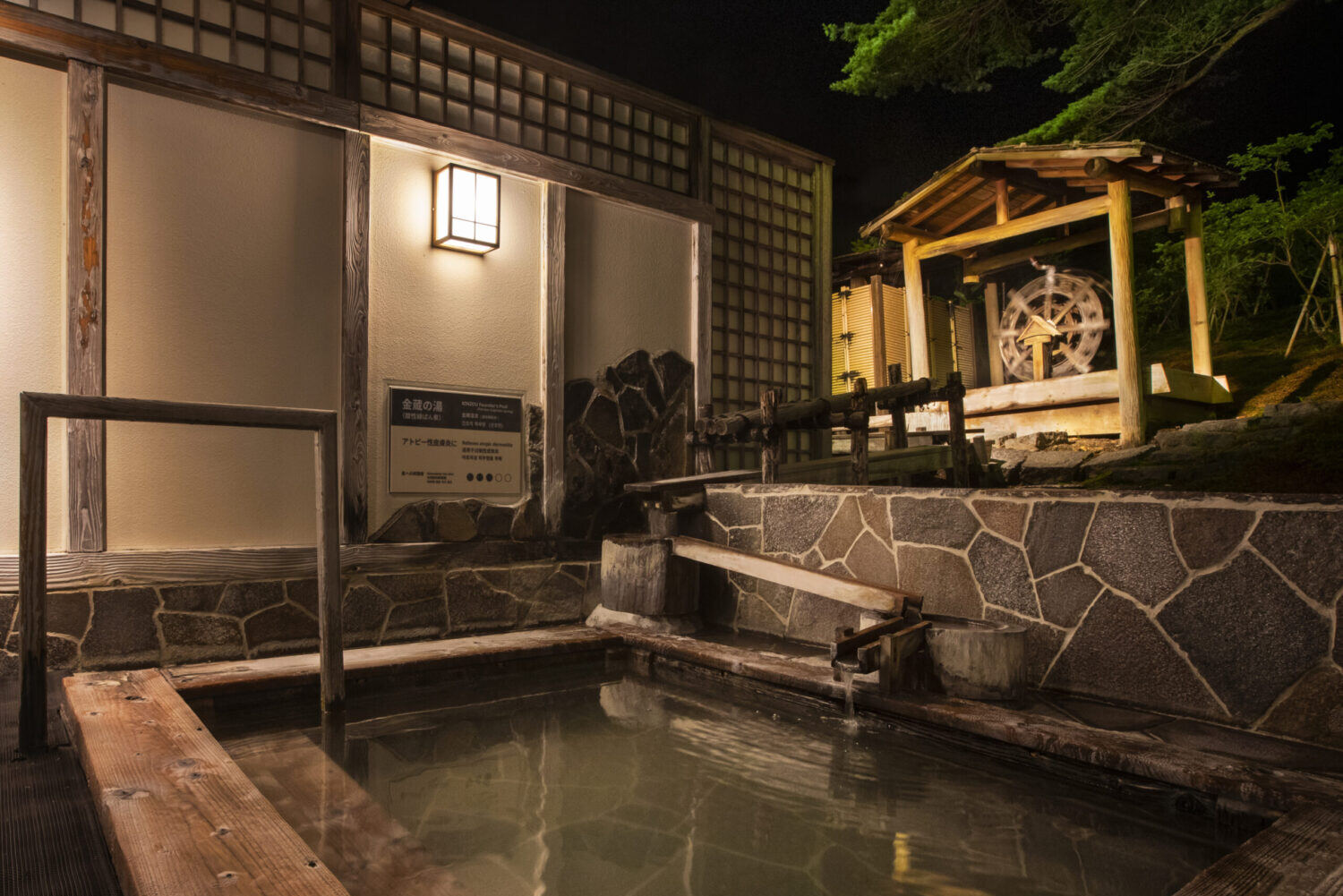
Green alum springs have a brownish color and are characterized by their aluminum ion content. This water type warms the body well and is effective for improving anemia and chronic eczema. With its high thermal effect, it is also recommended for those who suffer from cold sensitivity.
・Iron Springs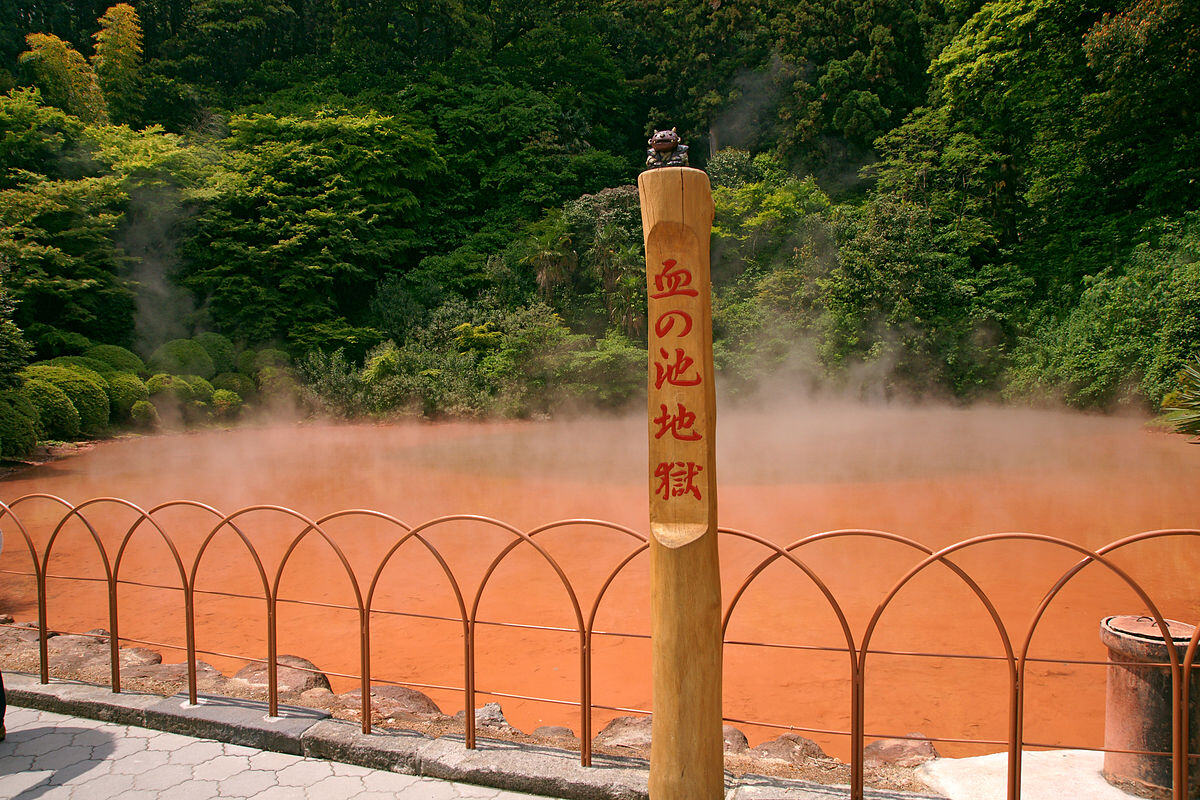
Iron springs are rich in iron content. While colorless and transparent when first emerging, they oxidize to a reddish-brown color when exposed to air. This water type is useful for improving anemia, as the iron is contained in a form that is easily absorbed by the body. It is also said to be effective for chronic eczema and skin inflammation. Iron springs have a distinctive metallic taste and are suitable for iron supplementation.
・Acidic Springs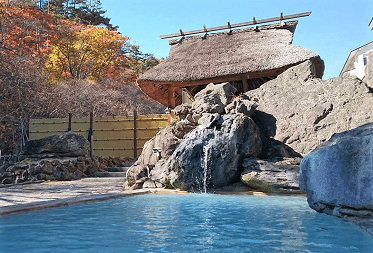
Acidic springs are colorless and transparent with strong antibacterial properties, making them one of the distinctive hot spring types found at Noboribetsu Onsen. This water type has a high skin-cleansing and disinfecting effect, and is said to be effective for skin conditions such as eczema, athlete’s foot, and atopic dermatitis. Soaking in the bath also helps keep the skin clean, and beautifying effects on the skin are also expected.
・Sodium Bicarbonate Springs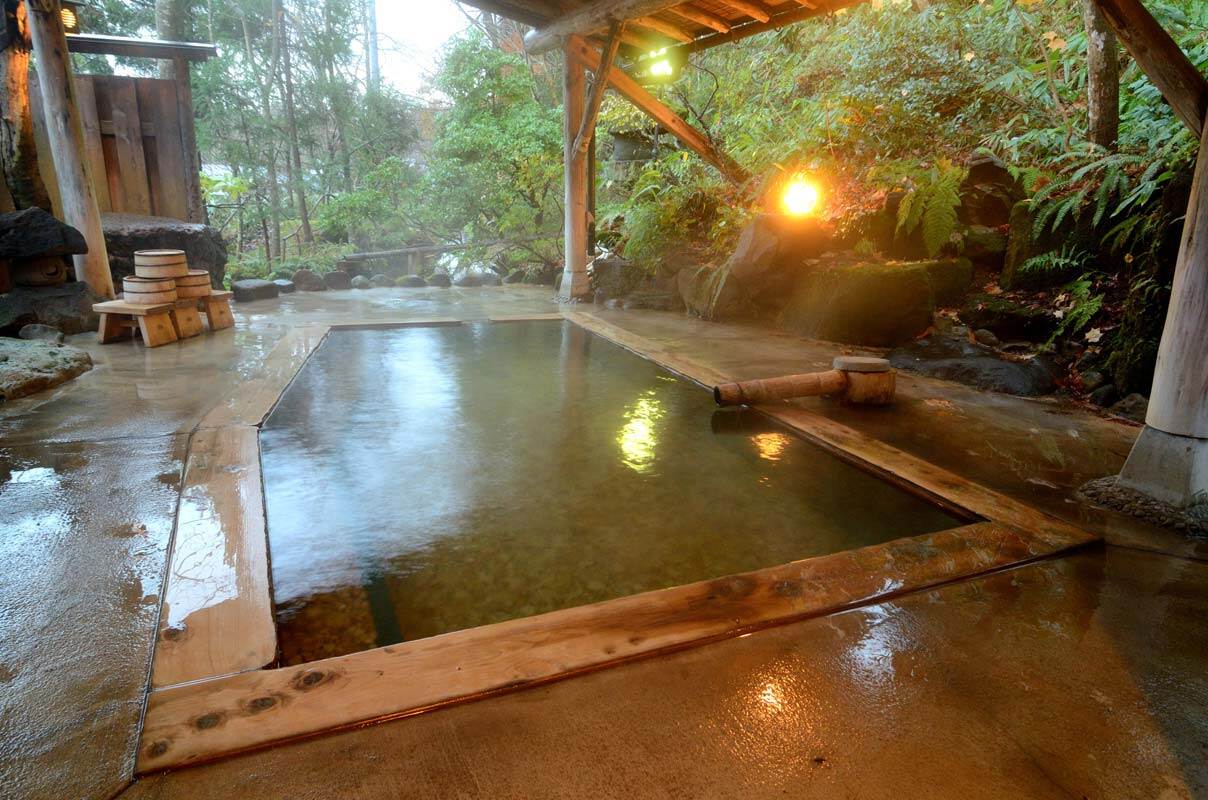
Due to their cleansing properties, sodium bicarbonate springs are also known as the “Beauty Bath.” They also help heal cuts, burns, and chronic skin conditions, and after bathing, the skin feels smooth and moisturized.
・Radium Springs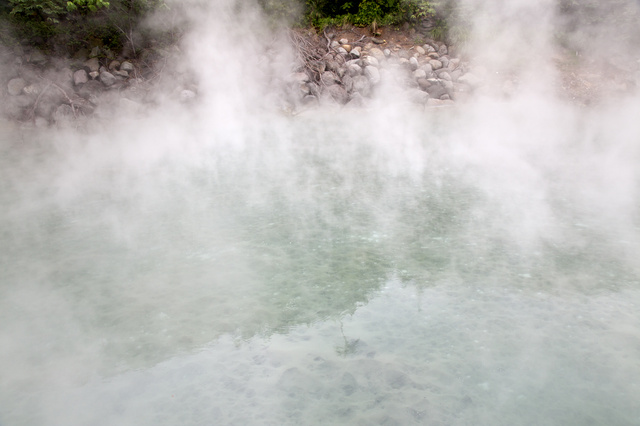
Radium springs are colorless and transparent, characterized by their trace amounts of radiation. This radiation is said to help alleviate symptoms such as neuralgia, rheumatism, and joint pain. The radioactive substance (radon) contained in radium springs is absorbed into the body through bathing or inhaling the steam, contributing to health promotion and immune system enhancement. When used appropriately, they are considered a highly effective therapeutic spring.
Things to Do at Noboribetsu Onsen
Noboribetsu Onsen is an area where visitors can enjoy not only hot springs but also a variety of tourist spots and activities. Below are some highlights of things to do at Noboribetsu Onsen.
・Jigokudani (Hell Valley)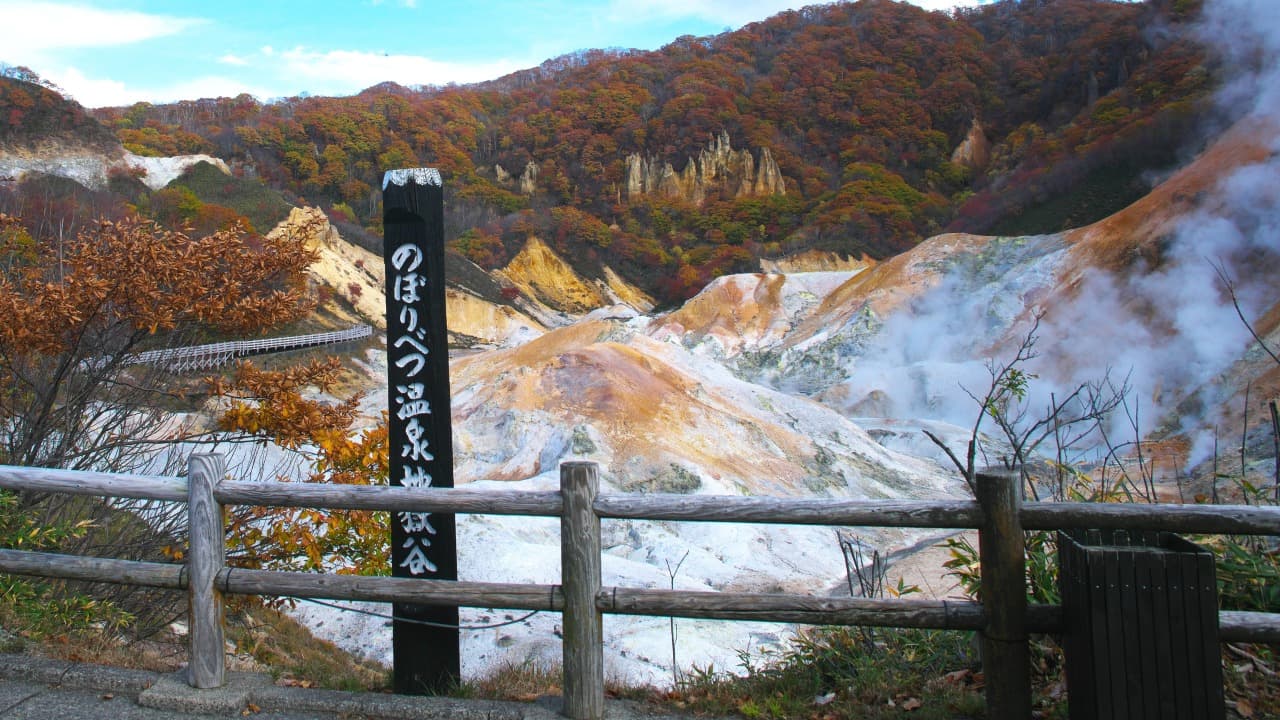
Jigokudani is the most famous tourist spot in Noboribetsu Onsen, an explosion crater formed by volcanic activity approximately 10,000 years ago. Spanning about 450 meters in diameter and covering an area of approximately 11 hectares, Jigokudani offers a dramatic landscape with steam rising from geysers and fumaroles. In particular, “Taisho Jigoku” features a phenomenon where the hot spring water oxidizes and changes to seven different colors, a sight that captivates all who visit.
・Oyunumagawa Natural Foot Bath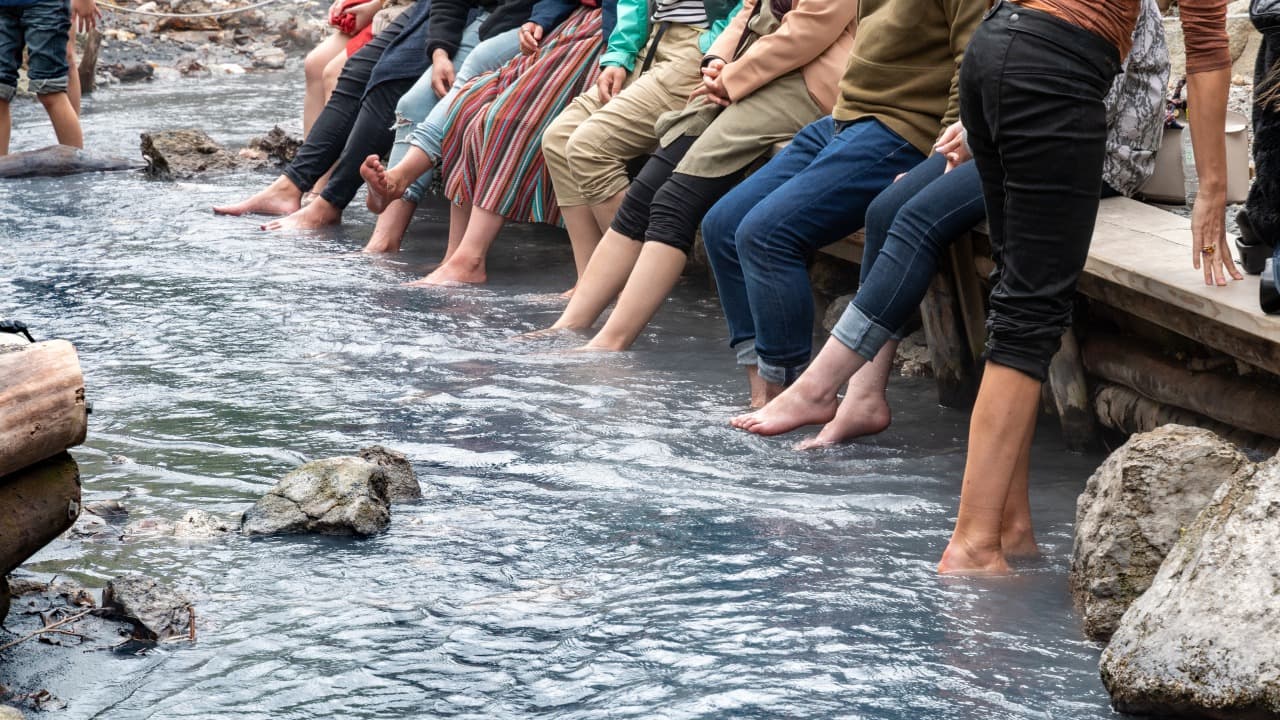
The Oyunumagawa Natural Foot Bath, accessible on foot from Jigokudani, is a spot where visitors can enjoy a foot bath in a lush natural forest setting. This foot bath features a river flowing with approximately 40-degree hot spring water, stretching about 1 kilometer in length. Visitors can experience this natural blessing while trekking, spending a relaxing time. The illuminated nighttime atmosphere is particularly enchanting.
・Noboribetsu Marine Park Nixe
Noboribetsu Marine Park Nixe is an aquarium centered around the Scandinavian-style “Nixe Castle,” and is particularly popular with families. The park offers a variety of performances including penguin parades, dolphin shows, and sea lion shows. It also features an 8-meter-tall Crystal Tower and an Aqua Tunnel that makes visitors feel as if they are walking on the ocean floor, providing diverse experiences for all who visit.
・Noboribetsu Date Jidaimura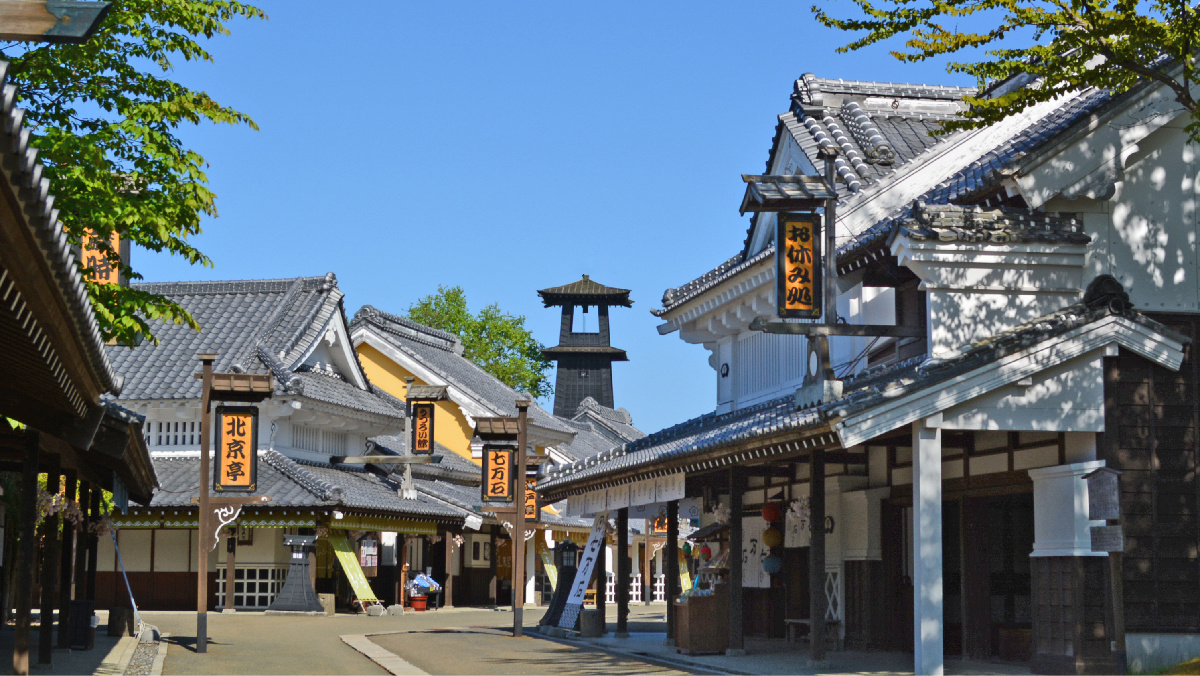
Noboribetsu Date Jidaimura is a theme park that recreates the atmosphere of the Edo period, offering visitors a historical experience. This theme park features a variety of activities that let visitors feel the culture and customs of the Edo period, including oiran (courtesan) shows, samurai performances, and ninja shows. Visitors can enjoy mazes, haunted house-style attractions, and Edo-period cuisine alongside staff dressed in period costumes, as if they have traveled back in time. The oiran show at the “Japanese Traditional Culture Theater” is particularly not to be missed.
★ Introducing Our Tourism Website ★
We introduce carefully selected tourist destinations in Japan, just like in this article.
By bookmarking this site, you will have access to essential tourism information you should know. We are constantly updating and will provide even more exciting experiences for discovering tourist destinations.
Click the image below if you are interested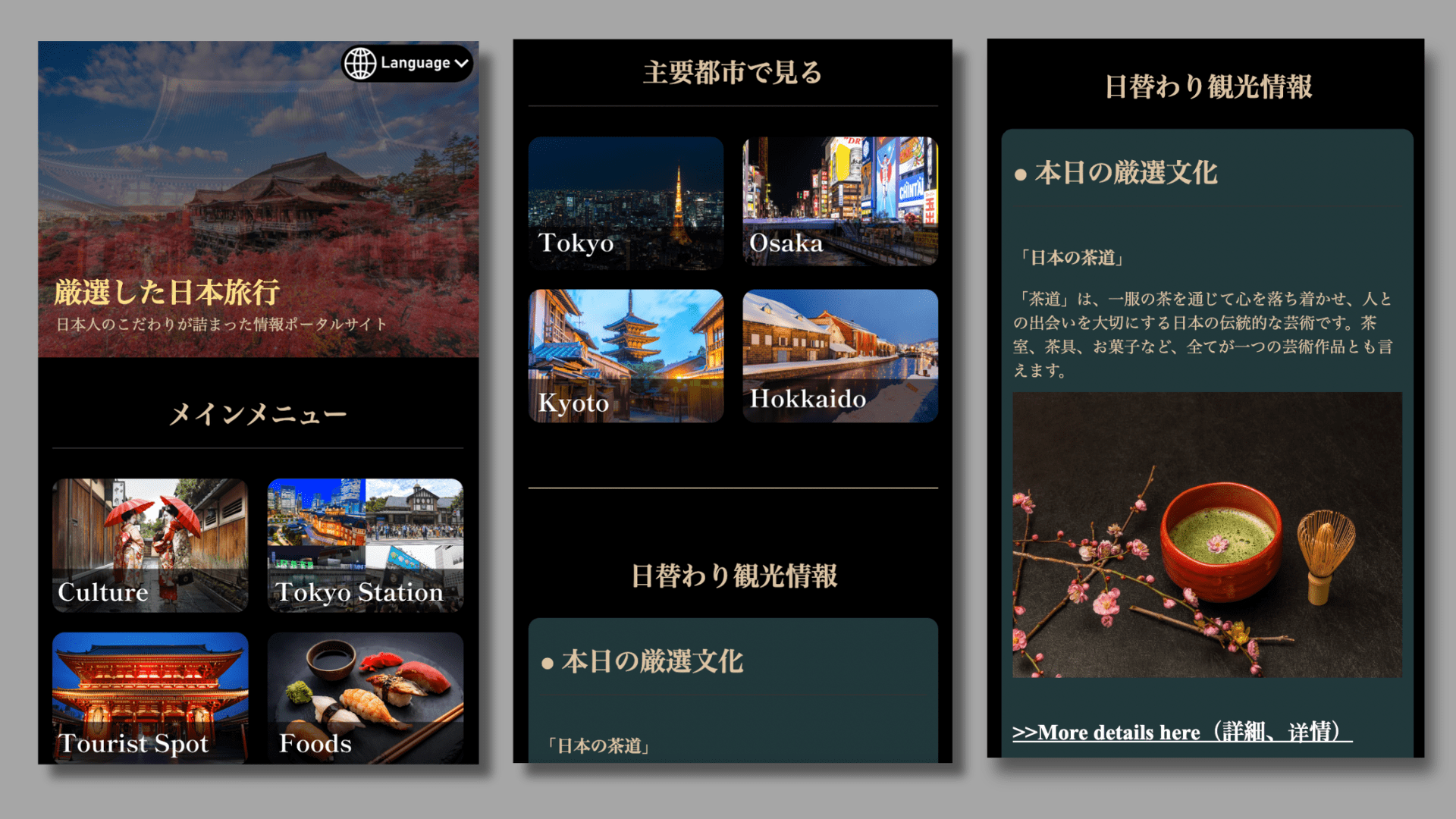
Summary
Noboribetsu Onsen is one of Japan’s premier hot spring destinations, boasting rich natural surroundings, a deep history, and a diverse range of spring water types. This beloved destination has provided healing and enjoyment to many people, from Ainu culture through to the present day.
With its fusion of hot springs and tourism, Noboribetsu Onsen is sure to become a place of special memories for every visitor. We hope this guide will be helpful in planning your next trip.