🕓 2025/3/16
#Sightseeing
A Detailed Guide to the History and Highlights of Owakudani
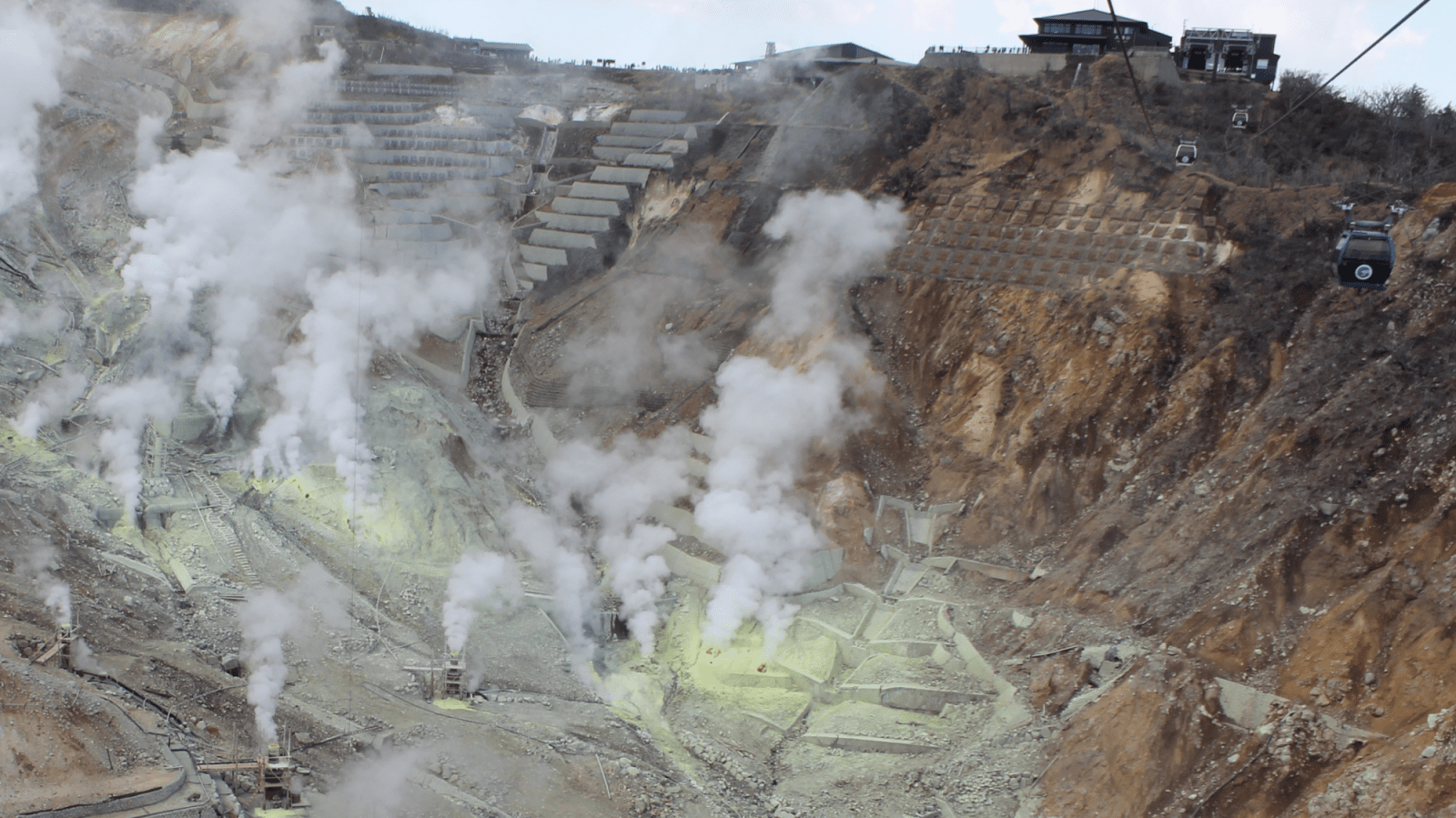
Table of Contents
- Overview of Owakudani
- History of Owakudani
- Geography of Owakudani
- Gourmet Food of Owakudani
- How to Enjoy Owakudani
- Sightseeing Around Owakudani
Introduction
Situated at the heart of Hakone, Owakudani is a place created by the mystical forces of nature that captivates all who visit. Known as part of the active volcano Mount Hakone, this area boasts rich natural beauty and a deep history.
In this article, we delve into the allure of Owakudani, introducing its history, geography, gourmet food, hot spring culture, and tips for enjoying the area. We hope you will enjoy our travel guide as you experience the rich nature and culture of Owakudani and its surroundings, creating unforgettable memories.
Overview of Owakudani
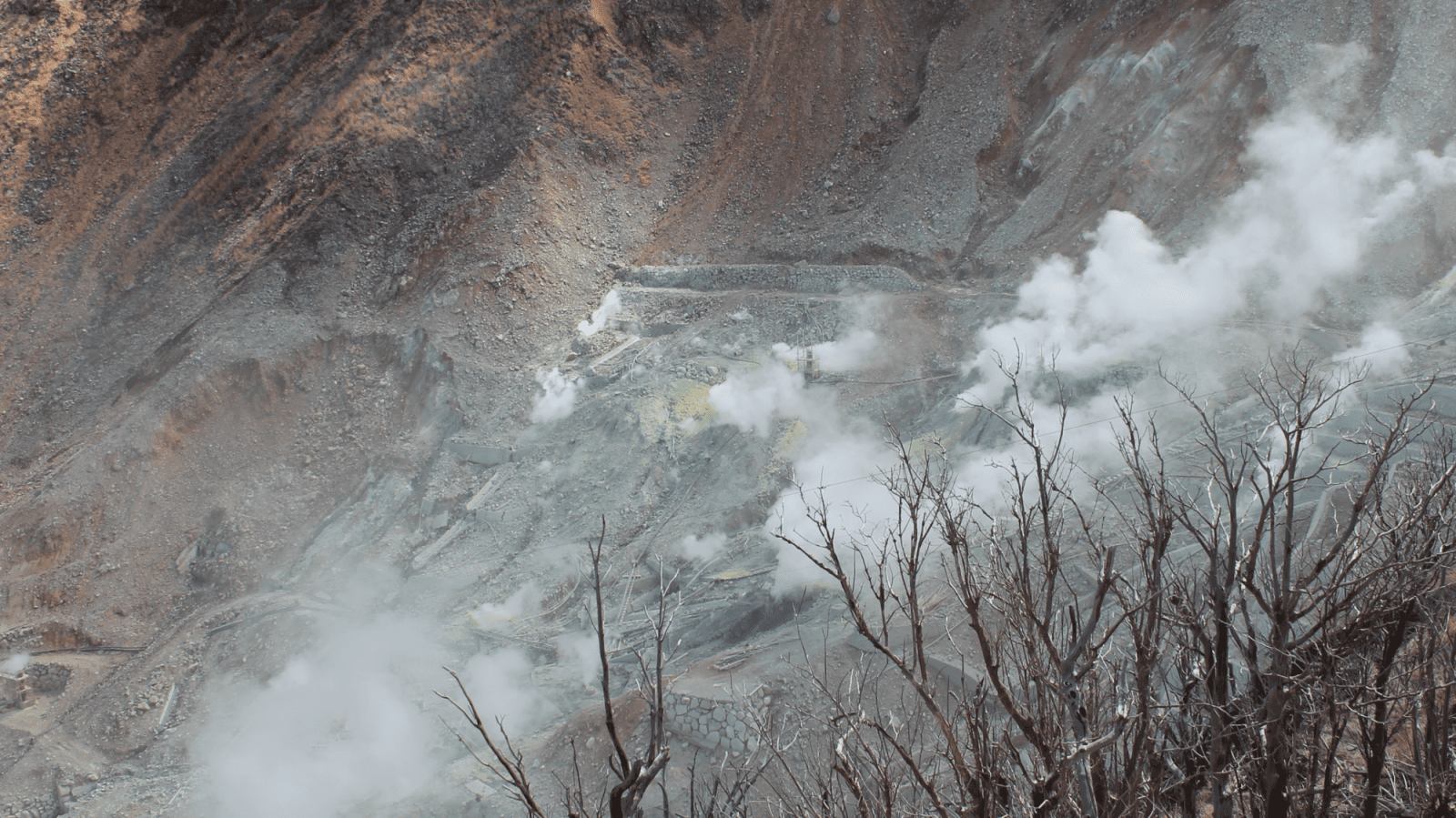
Owakudani is a particularly striking spot within Hakone’s abundant natural surroundings. Its formation is the result of thousands of years of volcanic activity from Mount Hakone. The rich nature and unique terrain created by this activity continue to fascinate visitors. The sulfuric aroma rising from Owakudani’s earth, hot springs, and the famous “black eggs” cooked using geothermal heat are all symbols of the volcanic power that defines this place.
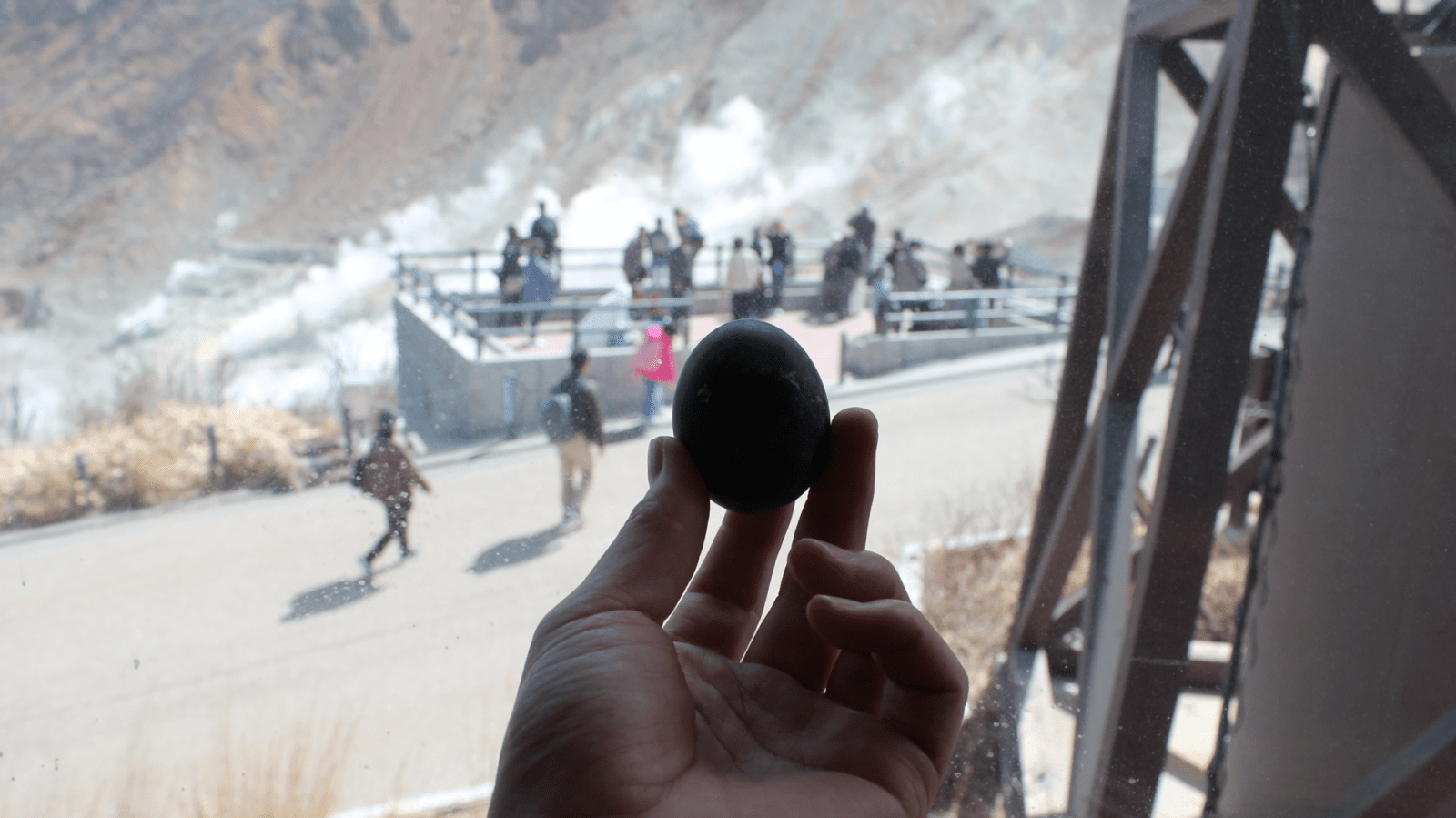
This scenic area is known not only for its beautiful natural landscapes, but also for its abundant hot spring resources brought about by volcanic activity, and for gourmet food using fresh local ingredients. With scenery that changes with each season, many tourists visit throughout the year. Fresh greenery in spring, cool breezes in summer, autumn foliage, and snow-covered landscapes in winter — Owakudani shows a different face with each season, leaving visitors with unforgettable memories.
Furthermore, Owakudani offers panoramic views of the magnificent scenery of Mount Hakone, and the majestic nature and terrain shaped by volcanic activity make it an excellent subject for photography enthusiasts and nature lovers alike. These multifaceted charms are what make Owakudani a popular spot for tourists from both Japan and abroad.
History of Owakudani
The history of Owakudani is deeply intertwined with the history of volcanic activity dating back to its origins. Mount Hakone’s volcanic activity, which has continued for tens of thousands of years, formed the magnificent natural scenery and terrain of Owakudani that we can see today. Below are the major events.
1. About 3,000 Years Ago: Formation of Owakudani
 *Illustration
About 3,000 years ago, a phreatic explosion occurred on the northwestern slope of Mount Kamiyama, the highest peak of the Hakone volcano, causing a large-scale sector collapse. This collapse released massive amounts of debris, contributing to the formation of Sengokuhara and Lake Ashi. Afterwards, new magma rose from underground, forming Kanmurigatake peak. As a result of this volcanic activity and topographical change, the current terrain of Owakudani was born.
2. 12th to 13th Century: Intensification of Volcanic Activity
 *Illustration
Between the 12th and 13th centuries, three instances of pyroclastic fallout were recorded at the Hakone volcano. These volcanic events had a significant impact on the geology and landscape around Owakudani.
3. 1873: Renaming from “Jigokudani” to “Owakudani”
 *Illustration
During the Edo period, Owakudani was known as “Jigokudani” (Hell Valley) or “Oojigoku” (Great Hell). However, on August 5, 1873 (Meiji 6), ahead of a visit by Emperor Meiji and Empress Shoken, it was renamed to “Owakudani” (Great Boiling Valley). This renaming was carried out by local residents to improve the image of the area.
4. 1983: Opening of the Hakone Ropeway
 *Illustration
In 1983, the Hakone Ropeway opened, greatly improving access to Owakudani. This led to a surge in tourists, and Owakudani established its position as one of Hakone’s premier tourist attractions.
5. 2015: Increase in Volcanic Earthquakes and Raised Alert Level
 *Illustration
From late April 2015, volcanic earthquakes originating from the Hakone volcano increased. On May 6, the Japan Meteorological Agency raised the eruption alert level for Mount Hakone from 1 to 2. On June 29, a new crater was confirmed on the north side of Owakudani, and the following day the alert level was raised to 3. Subsequently, as volcanic activity subsided, the alert level was lowered back to 1 on November 20.
Geography of Owakudani
Owakudani is located on the mid-slopes of Mount Hakone and is part of the caldera formed by the volcanic activity of this active volcano. The area is known as a geothermal zone where volcanic gases erupt from fumaroles and sulfur crystals can be observed. The terrain of Owakudani was shaped over tens of thousands of years of volcanic activity, producing a diverse range of landforms in the process.
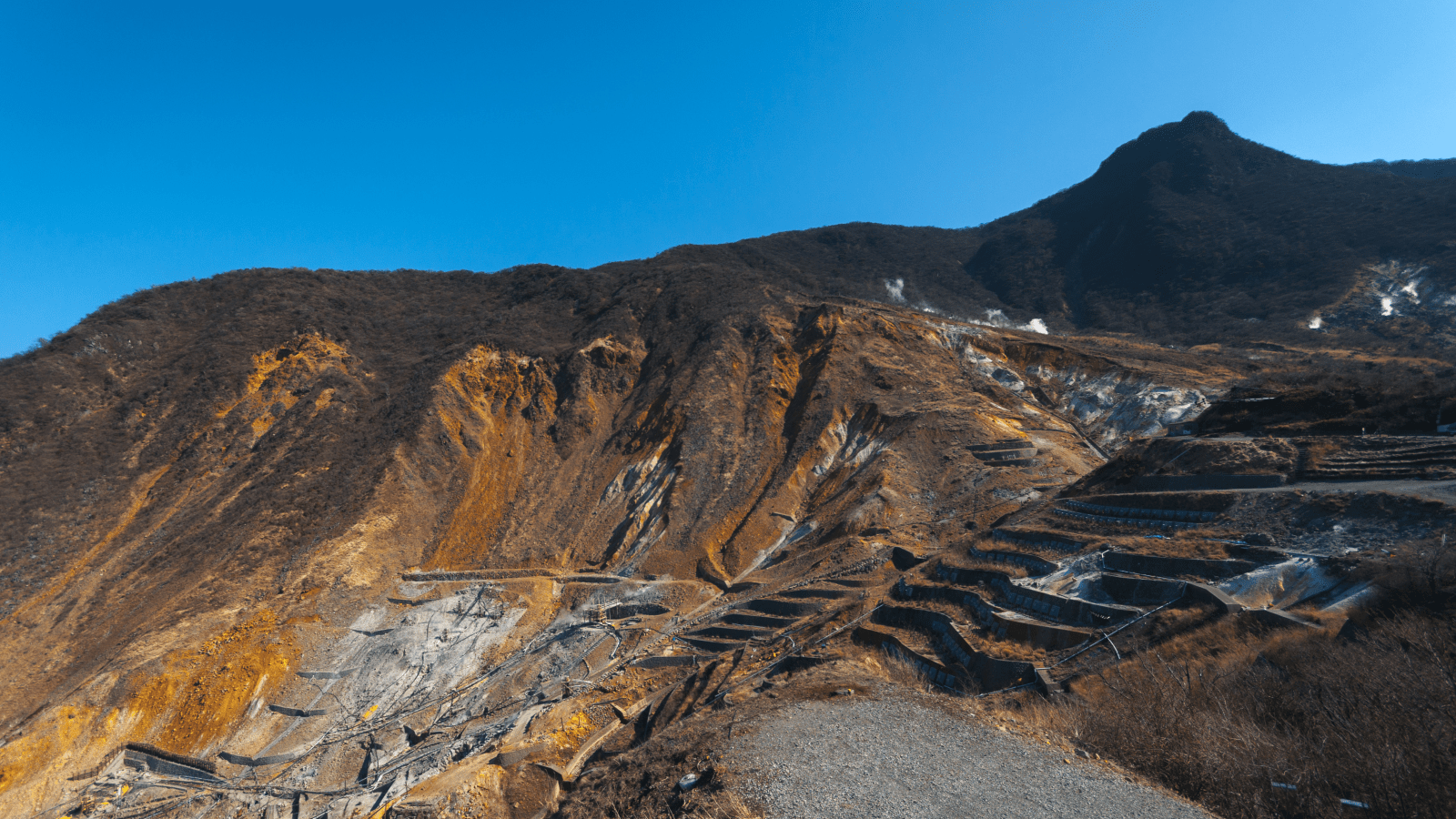
The most distinctive feature of Owakudani is its abundant geothermal resources. Deep underground, magma exists, and this heat warms the water near the surface, creating hot springs and fumaroles. This geothermal energy is also utilized in making Owakudani’s signature “black eggs,” giving visitors a tangible sense of nature’s power.
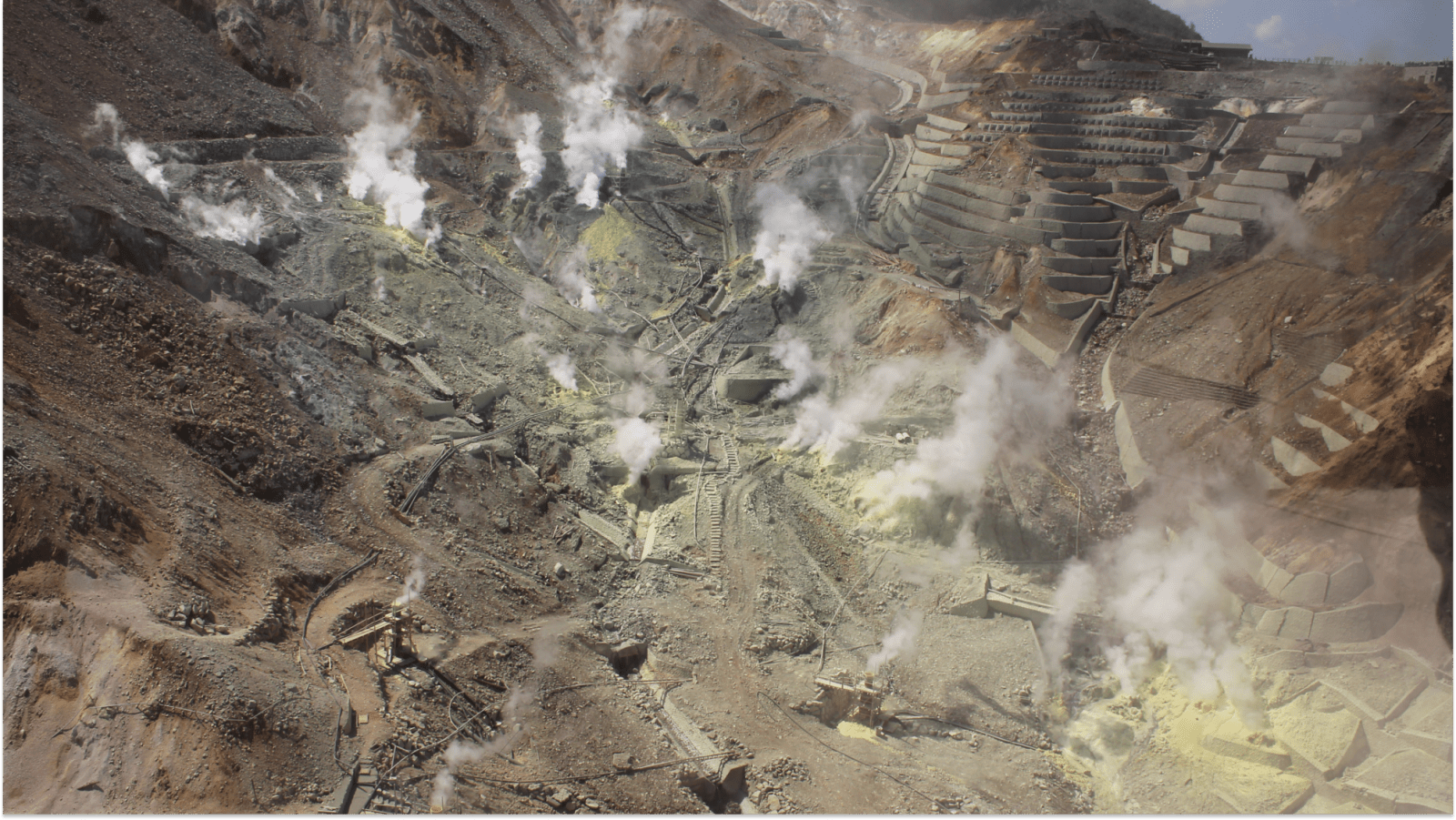
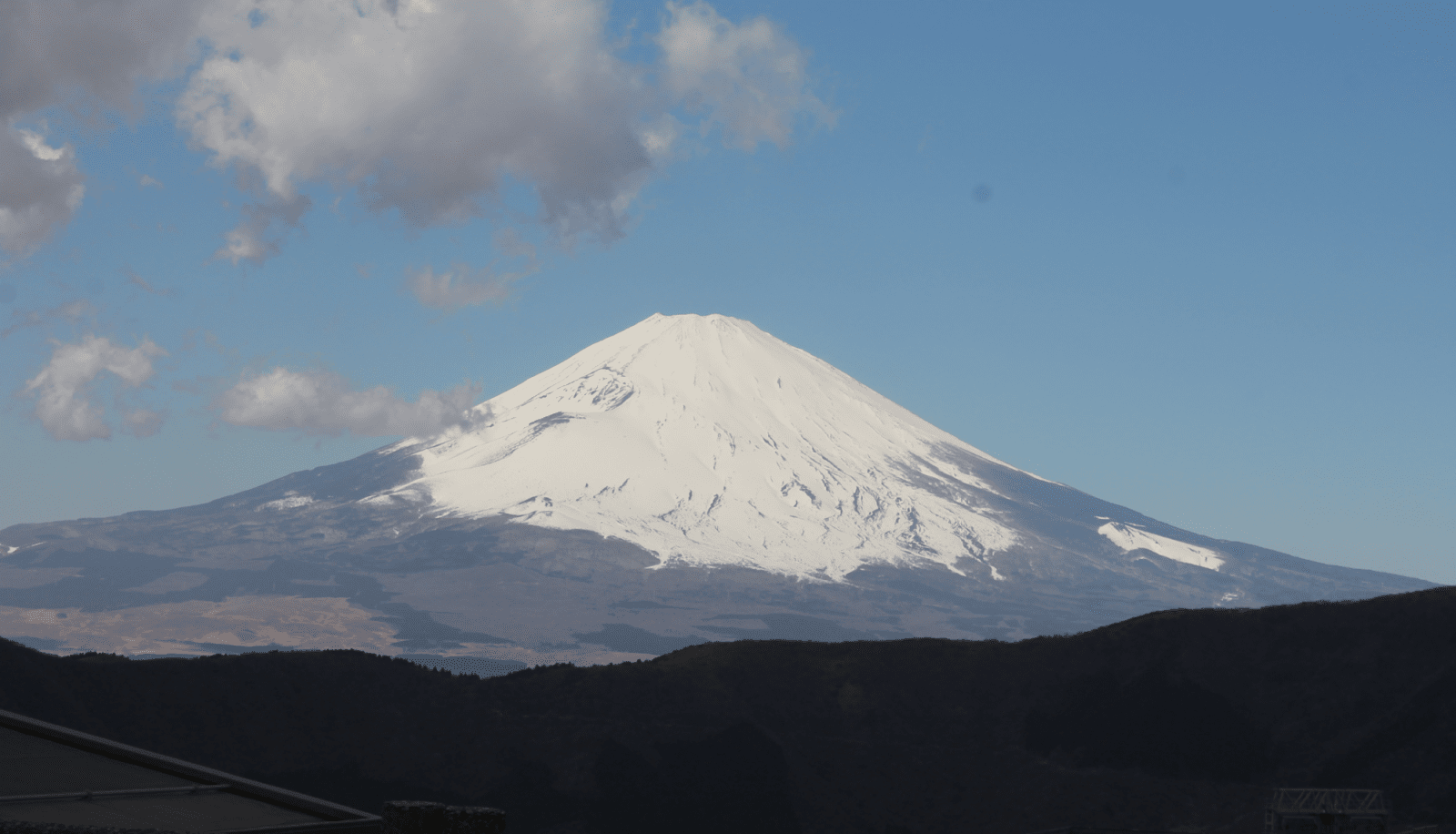
From Owakudani, you can enjoy a panoramic view of Mount Hakone’s magnificent scenery. On clear days, a stunning vista unfolds with Mount Fuji in the background, captivating all who see it. Due to its high altitude, depending on the season, visitors can enjoy various forms of natural beauty such as autumn foliage and snow-covered landscapes.
Another geographically important aspect is that Owakudani contributes significantly to Hakone’s hot spring region. Water heated by Owakudani’s geothermal energy serves as a hot spring source, supplying abundant hot springs throughout the entire Hakone area. This has established Hakone as one of Japan’s leading hot spring destinations.
Gourmet Food of Owakudani
When visiting Owakudani, you simply cannot miss its unique gourmet offerings. The cuisine of this area reflects a distinctive food culture born from the blessings of rich nature and volcanic activity. Among them, “kuro-tamago” (black eggs) are the most iconic specialty of Owakudani.
- Black Eggs (Kuro-tamago)
These special eggs are boiled in sulfur hot springs using Owakudani’s natural geothermal heat. The black color on the surface results from a chemical reaction between sulfur and iron on the eggshell. According to legend, eating one extends your life by seven years. Black eggs attract many tourists with their unique appearance, high nutritional value, and special flavor that can only be savored here.
-Kuro Monja-man (Black Monja Bun)
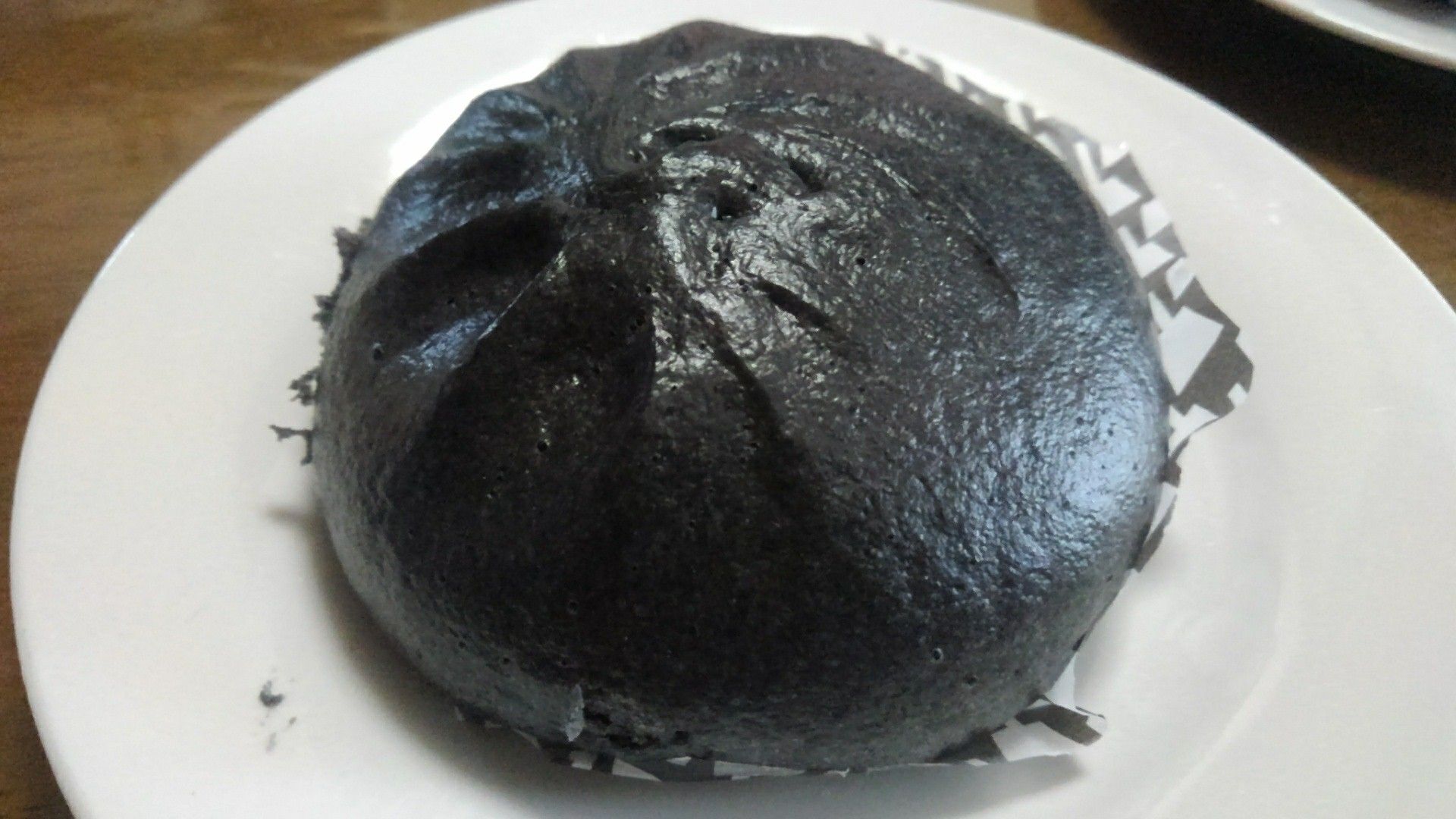
Sold next to “Gokurakuchaya” restaurant, the “Kuro Monja-man” (Black Monja Bun) is a must-try when visiting Owakudani. This monja bun wrapped in jet-black dough has a stunning visual impact. When you break open the fluffy dough, an orange-colored authentic monja-yaki filling appears. The vivid monja-yaki overflowing from the black dough, combined with the savory sauce flavor, is sure to stimulate your appetite.
-Special Owakudani Curry
At the “Owakudani Station Restaurant” located on the second floor of the Hakone Ropeway Owakudani Station, you can enjoy the spice-infused “Special” Owakudani Curry. This curry features a distinctive Japanese-style dashi broth base flavor and has been served with the same recipe since the restaurant opened. It is generously filled with ground pork from Hakone’s mountain-foot pigs, adding a pleasant accent to the texture. Mixing in the topping of onsen tamago (hot spring egg) transforms the flavor into something mild and creamy, making it even more delicious.
How to Enjoy Owakudani
Enjoying Owakudani begins with fully savoring its natural charm and unique local experiences. An aerial ride on the Hakone Ropeway is a truly breathtaking experience, offering views of the desolate “Hell Valley” landscape from above.
-Hakone Ropeway
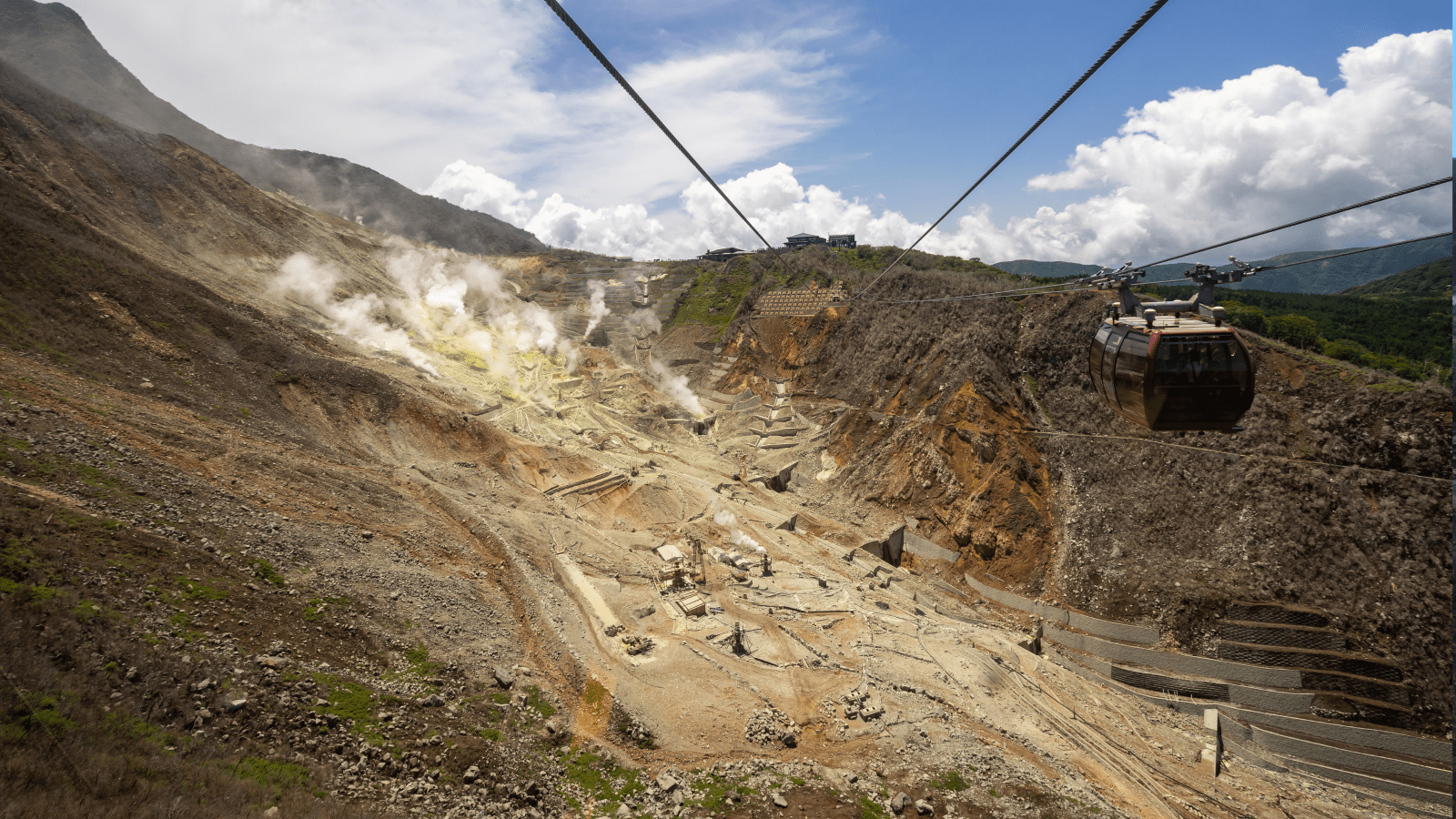
Riding the Hakone Ropeway allows you to enjoy various scenery from above Owakudani. The ride begins with lush green landscapes, and as you approach Owakudani, you can take in a panoramic view of the barren mountain surface with white steam rising from it. At the end of the journey, Lake Ashi and Mount Fuji come into view.
-Owakudani Station Restaurant
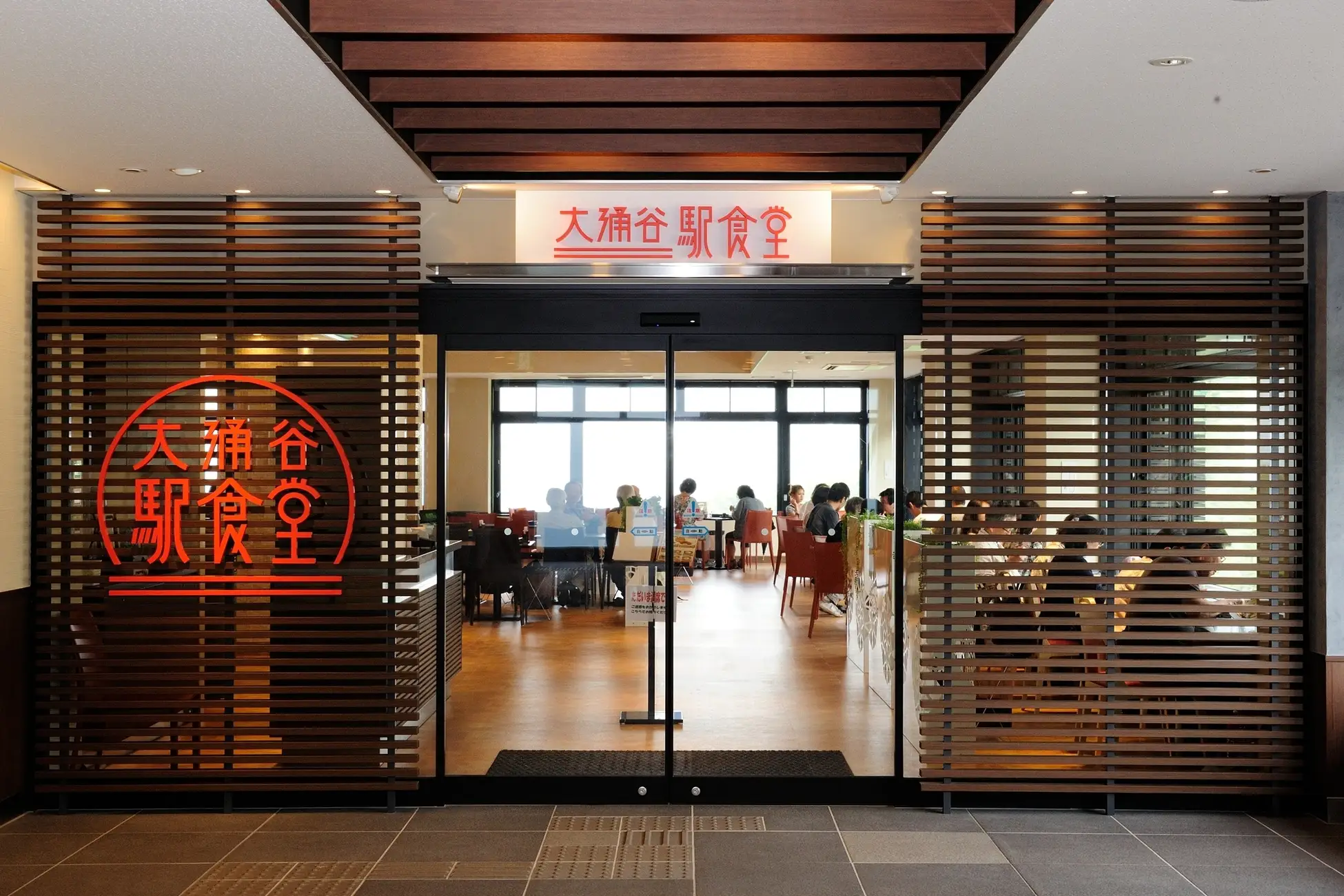
At the Owakudani Station Restaurant, you can savor the Special Owakudani Curry while enjoying a panoramic view of Owakudani. This restaurant is the only place where you can dine while gazing at the rising steam of Owakudani. You can also enjoy various gourmet offerings, starting with the famous “black eggs.”
-Nature Study Trail
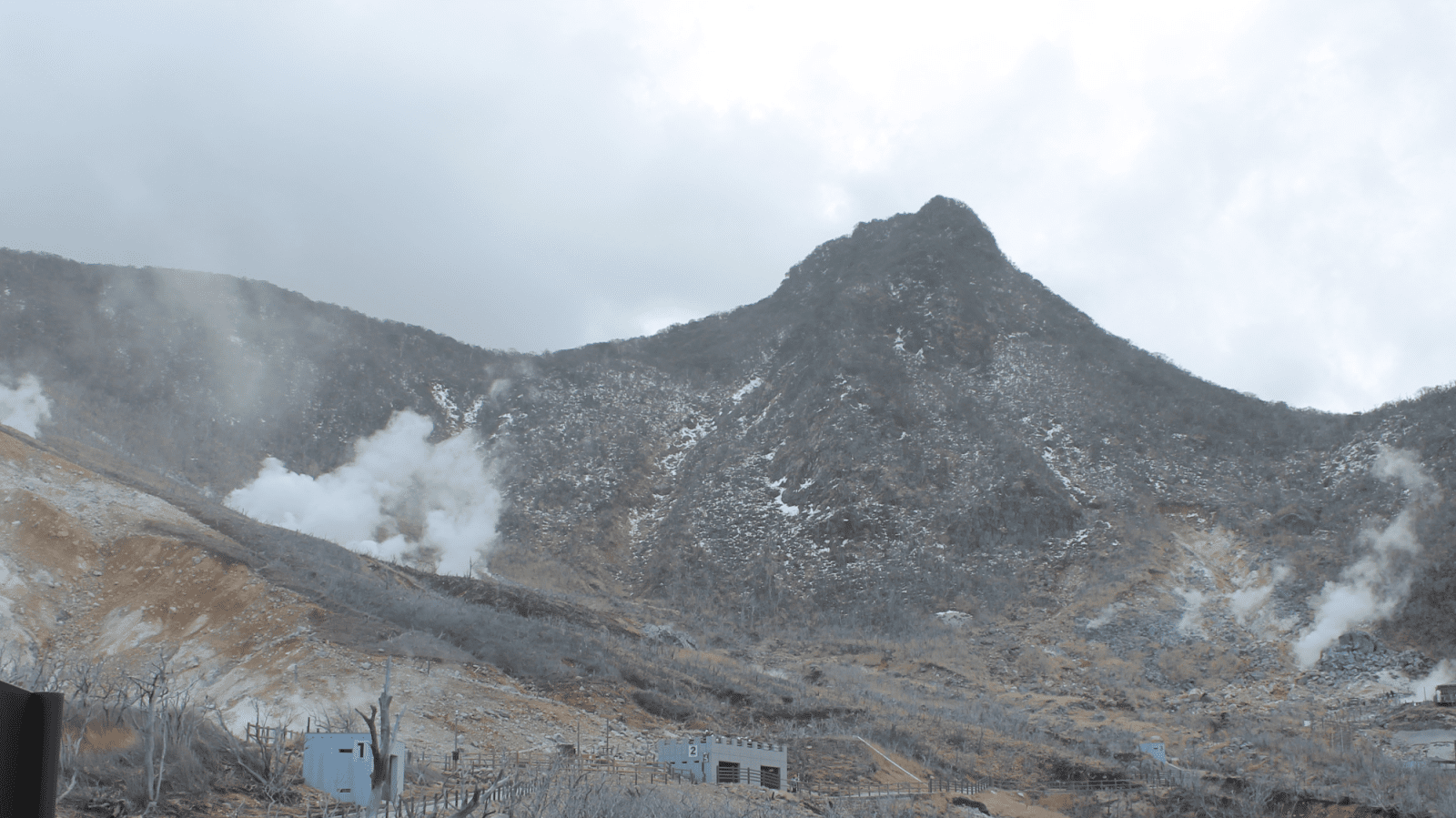
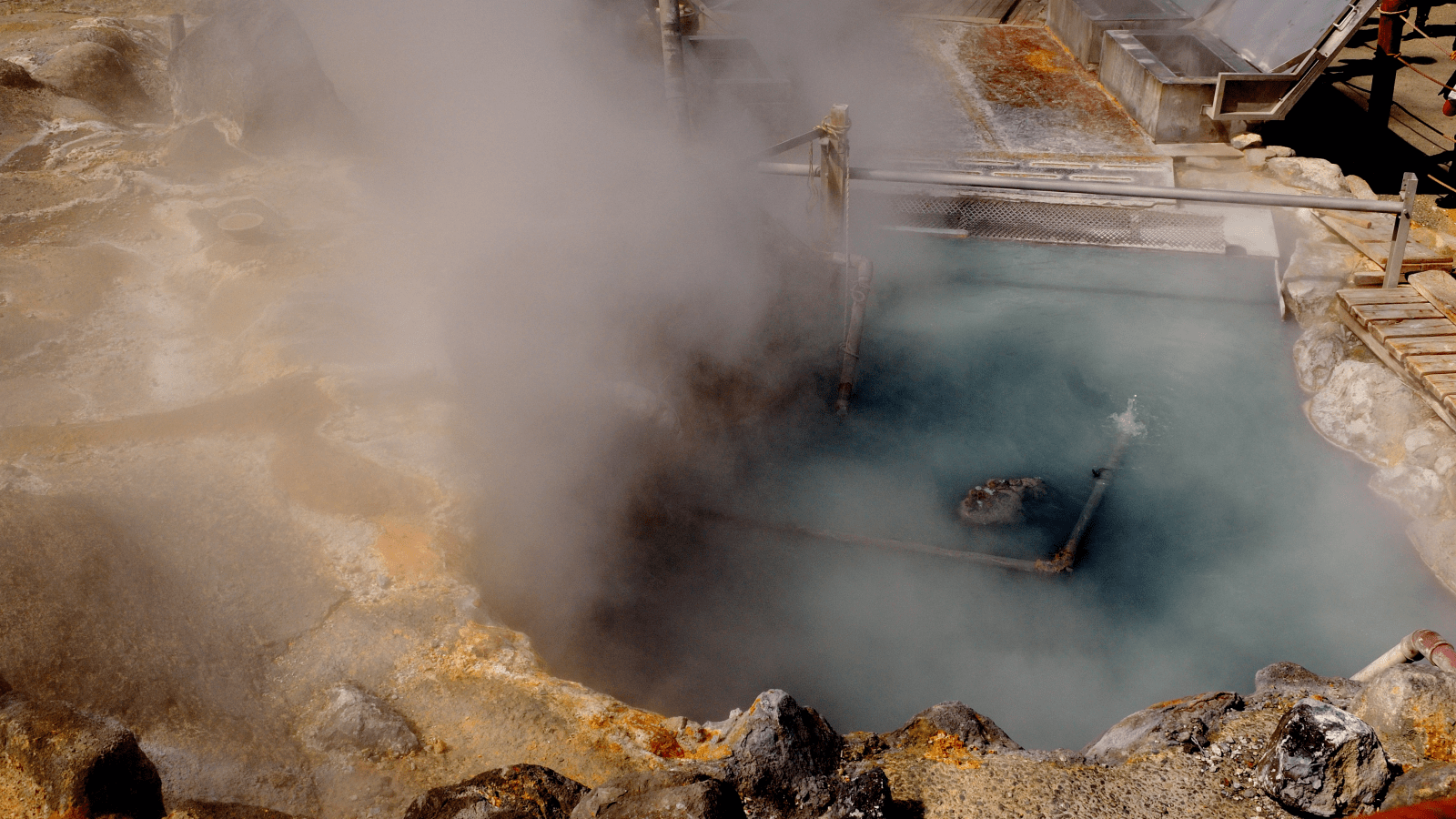
The Owakudani Nature Study Trail is a special course that allows you to experience the charm of Owakudani up close. The approximately 700-meter trail is designed to take you close to the steam vents, where you can observe the unique nature of the volcanic zone while learning about the formation of the volcano through information boards installed at various points. In particular, at the Enma-dai hot spring pool, a person called a “mushikata” (steamer) makes the famous black eggs of Owakudani every day, and you can observe this process.
-Enmei Jizo-son (Life-Extending Jizo Statue)
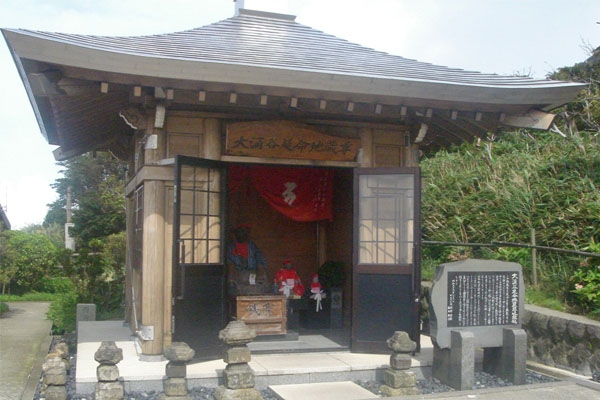
Along the Owakudani Nature Study Trail, you will find the Enmei Jizo-son (Life-Extending Jizo Statue). It is said that the Buddhist monk Kobo Daishi carved a Jizo Bodhisattva statue here to pray for the salvation of people suffering from the hellish appearance of this land. The Enmei Jizo-son is believed to date back more than 1,000 years, when Kobo Daishi (Kukai) visited this area and was moved by the desolate landscape of Owakudani — the rising volcanic fumes and boiling mud — and carved a Jizo Bodhisattva to pray for the salvation of those suffering. Today, it is also known as the “Enmei Kosodate no Jizo” (Life-Extending, Child-Rearing Jizo).
Sightseeing Around Owakudani
The area around Owakudani is one of the most popular tourist zones in Hakone, featuring a variety of spots packed with natural beauty and cultural charm. Using Owakudani as a starting point, you can enjoy an aerial ride on the Hakone Ropeway, admire flowers at Hakone Gora Park, or indulge in hot spring amusement at Hakone Kowakien Yunessun.
-Pirate Ship on Lake Ashi
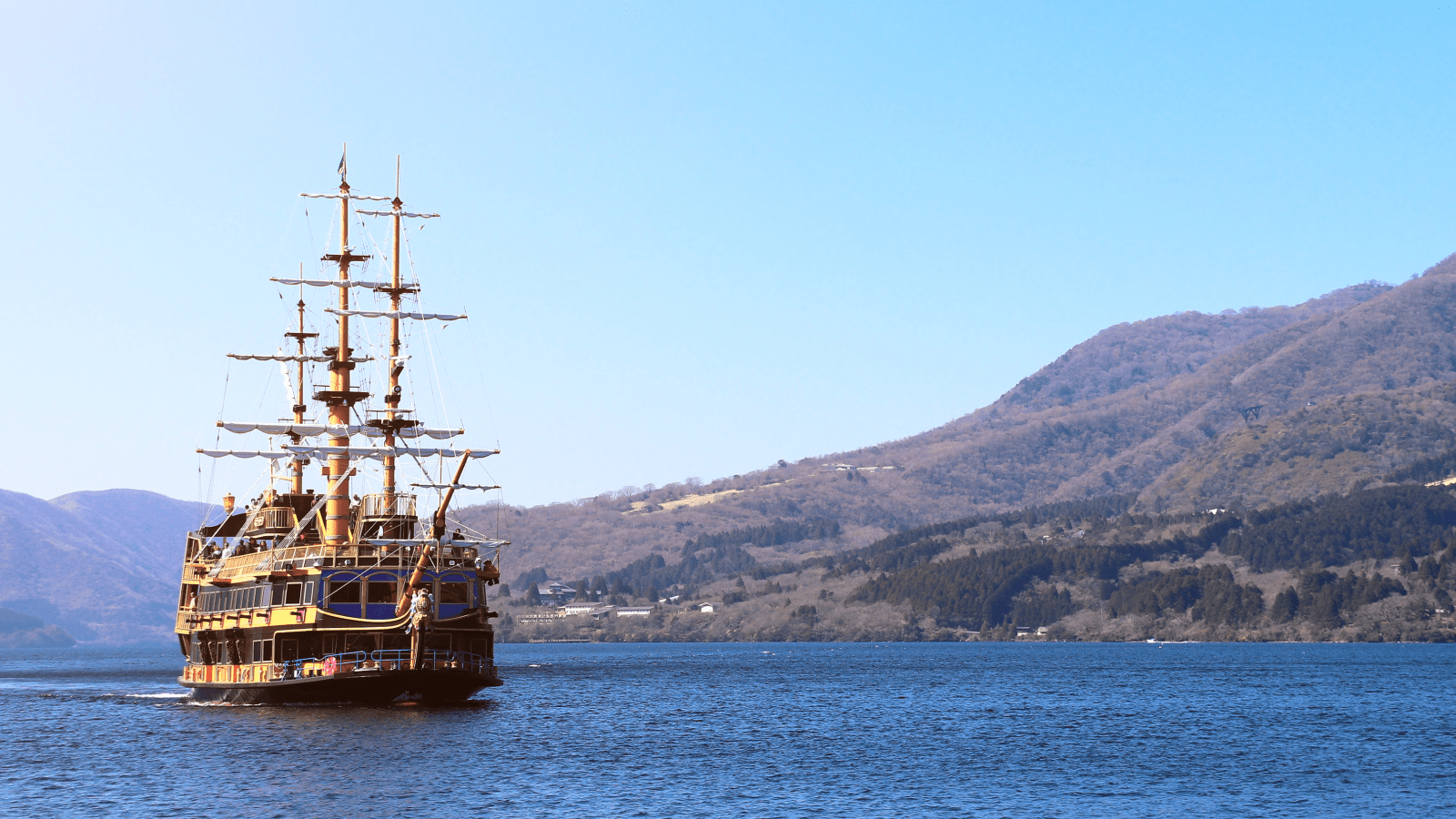
The pirate ship that cruises Lake Ashi departs from Moto-Hakone Port and offers stunning views of Mount Fuji, Lake Ashi, and the red torii gate. Modeled after an 18th-century warship, the ship’s interior will make you feel as if you have traveled back in time.
-Hakone Gora Park
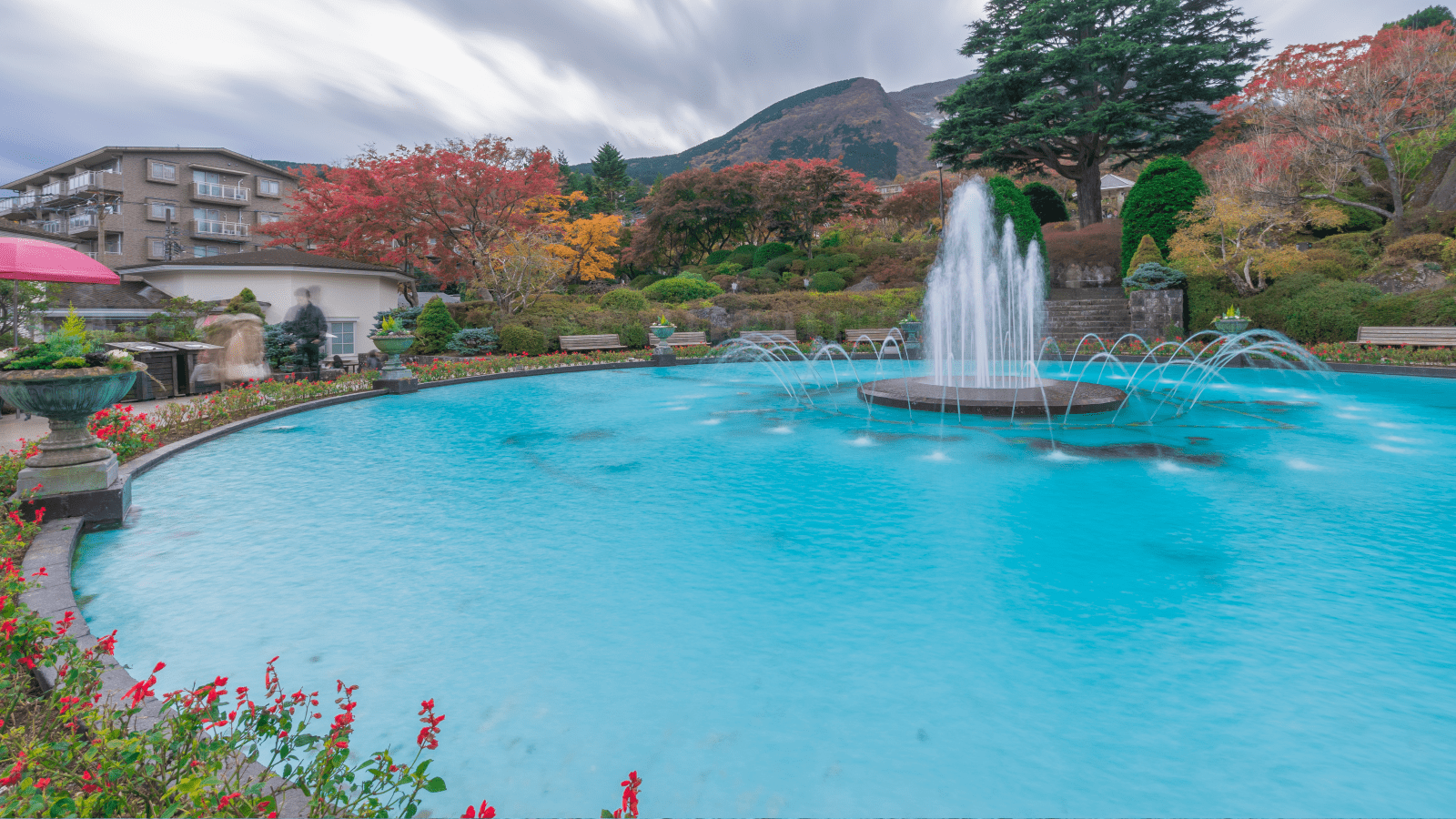
Hakone Gora Park, Japan’s first French-style formal garden, features an open park planted with numerous flowers, allowing visitors to enjoy various blooms throughout the year. At the “Hakone Craft House,” you can also experience hands-on craft activities such as beaded accessories, blown glass, and pottery.
-Hakone Kowakien Yunessun
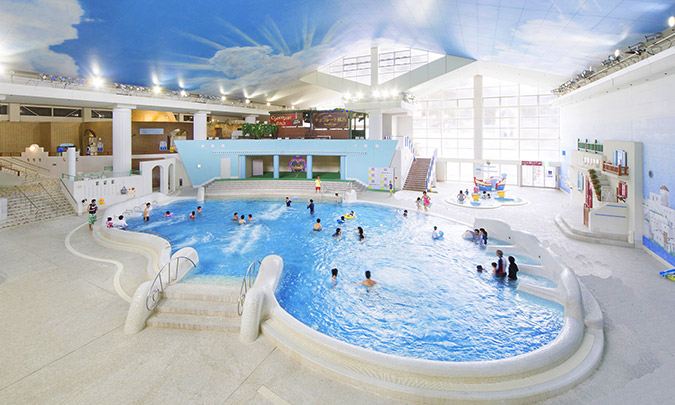
Hakone Kowakien Yunessun is a hot spring amusement spa where you can enjoy bathing in swimwear. It features large water slides, pools, and unique bath experiences like “Wine Bath” and “Coffee Bath,” along with many other playful hot spring facilities. The day-trip hot spring “Mori no Yu” offers relaxation while gazing at the wonderful scenery of Hakone’s outer mountain rim.
Summary
Hakone sightseeing centered around Owakudani is a truly special experience that allows you to encounter both the wonders of nature and the richness of culture simultaneously. From an overview of Owakudani to its history, geography, gourmet specialties, and ways to enjoy the area, the diverse attractions of this region are concentrated in one place.
This is a place where you can deeply experience the beauty of nature and Japanese culture, providing visitors with many discoveries and opportunities for relaxation. There is perhaps no better place to refresh both mind and body than amid the great natural landscape shaped by volcanic forces.