
🕓 2025/1/30
#Sightseeing
A Detailed Guide to Sensoji Temple: History and Must-See Spots
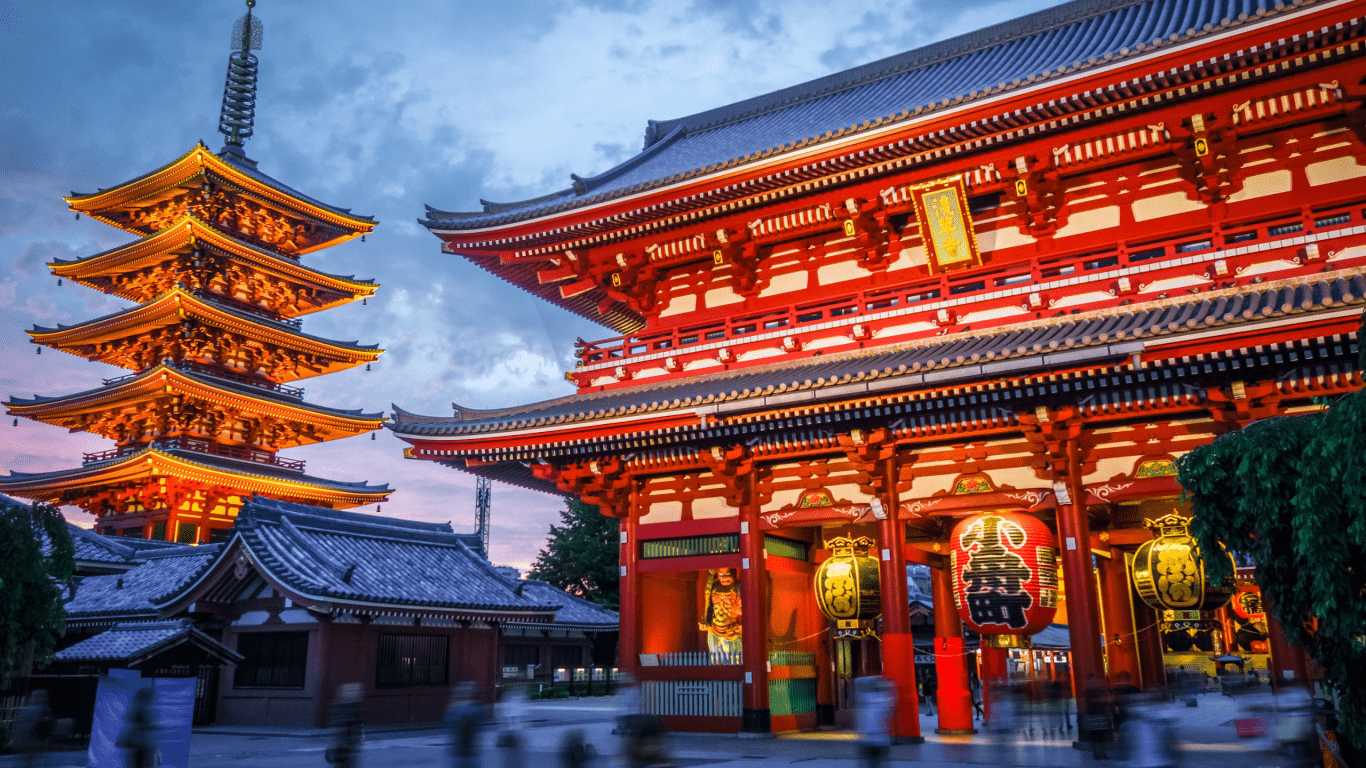
Table of Contents
- Overview of Sensoji Temple
- History of Sensoji Temple
- Must-See Spots at Sensoji Temple
- Festivals and Events at Sensoji Temple
- Access to Sensoji Temple
Introduction
Sensoji Temple is one of the oldest temples in Japan, located in Taito Ward, Tokyo. The temple is renowned for its rich history, magnificent architecture, and the colorful festivals and events held throughout the year. In this article, we trace the history of Sensoji Temple and explore the highlights of its beautiful grounds in detail. We also touch on the major festivals and events held at the temple, as well as how to get there.
This guide aims to capture the appeal of Sensoji Temple from multiple perspectives, helping visitors gain a deeper understanding and enjoyment of this historic site. Through this article, we hope to convey the cultural value and beauty that Sensoji Temple holds.
Overview of Sensoji Temple

Sensoji Temple is located in Asakusa, Taito Ward, Tokyo, and is also known as Kinryuzan Sensoji. Founded in 628, the temple enshrines Sho Kannon Bosatsu (the Sacred Goddess of Mercy) as its principal deity and is widely beloved as the “Asakusa Kannon.” The earliest historical records date back to the Asuka period, making Sensoji one of the oldest temples in Japan. It also has a history of becoming the head temple of the independent Sho Kannon sect.
The history of Sensoji Temple includes numerous reconstructions. During the Edo period, it was deeply patronized by Tokugawa Ieyasu. Despite suffering from multiple fires, it was rebuilt in 1642, and the current five-story pagoda and main hall were established. Since the Meiji era, the temple grounds have been well maintained, and today Sensoji is one of the most popular tourist destinations in all of Japan.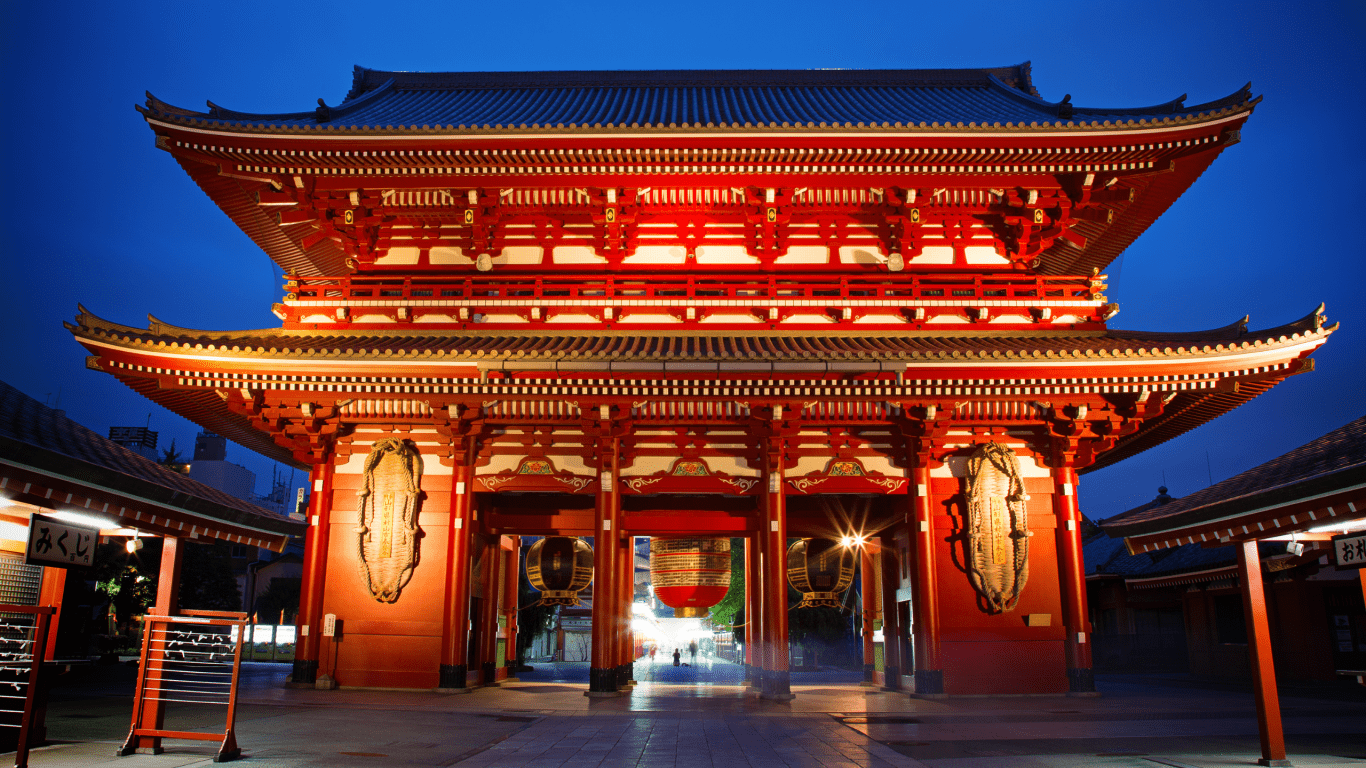
As a tourist destination, it attracts a vast number of worshippers each year. During the New Year’s hatsumode (first shrine visit), the number of visitors ranks among the top 10 in the country. There are many highlights to see, including Kaminarimon Gate and Hozomon Gate (Nio Gate), and the temple holds an abundance of cultural properties. Famous examples include the Lotus Sutra (a National Treasure) and the wooden statues at the Nitenmon Gate. The area surrounding Sensoji Temple is also well known as a vibrant district where visitors can enjoy lively shopping streets and traditional events.
History of Sensoji Temple
The history of Sensoji Temple dates back to 628 during the Asuka period, when brothers Hinokuma no Hamanari and Takenari pulled up a statue of Sho Kannon Bosatsu in their fishing net while fishing in the Miyato River (present-day Sumida River). This event prompted Haji no Nakatomo to convert his home into a temple, and from then on, Sensoji attracted the devotion of many worshippers.
In 645, the monk Shokai built a Kannon-do hall at this site and designated the principal image as a hidden Buddha. This became the foundation of what would later become Sensoji Temple. During the mid-Heian period, Taira no Kimasa contributed to the reconstruction and expansion of the temple, further enhancing its scale and prestige.
During the Kamakura period, Minamoto no Yoritomo visited Sensoji to pray for victory in battle. After the Genpei War, Sensoji also gained fame as one of the Bando Sanjusankasho (the 33 Kannon pilgrimage sites of the Kanto region). In the Edo period, Tokugawa Ieyasu placed Sensoji under his patronage, and numerous reconstructions and expansions were carried out, further elevating the temple’s status.
Particularly noteworthy is the postwar reconstruction. The main hall and many other buildings were destroyed during the Tokyo air raids of World War II, but they were rebuilt as reinforced concrete structures after the war and continue to be cherished by many people to this day.
Must-See Spots at Sensoji Temple
■ Kaminarimon Gate
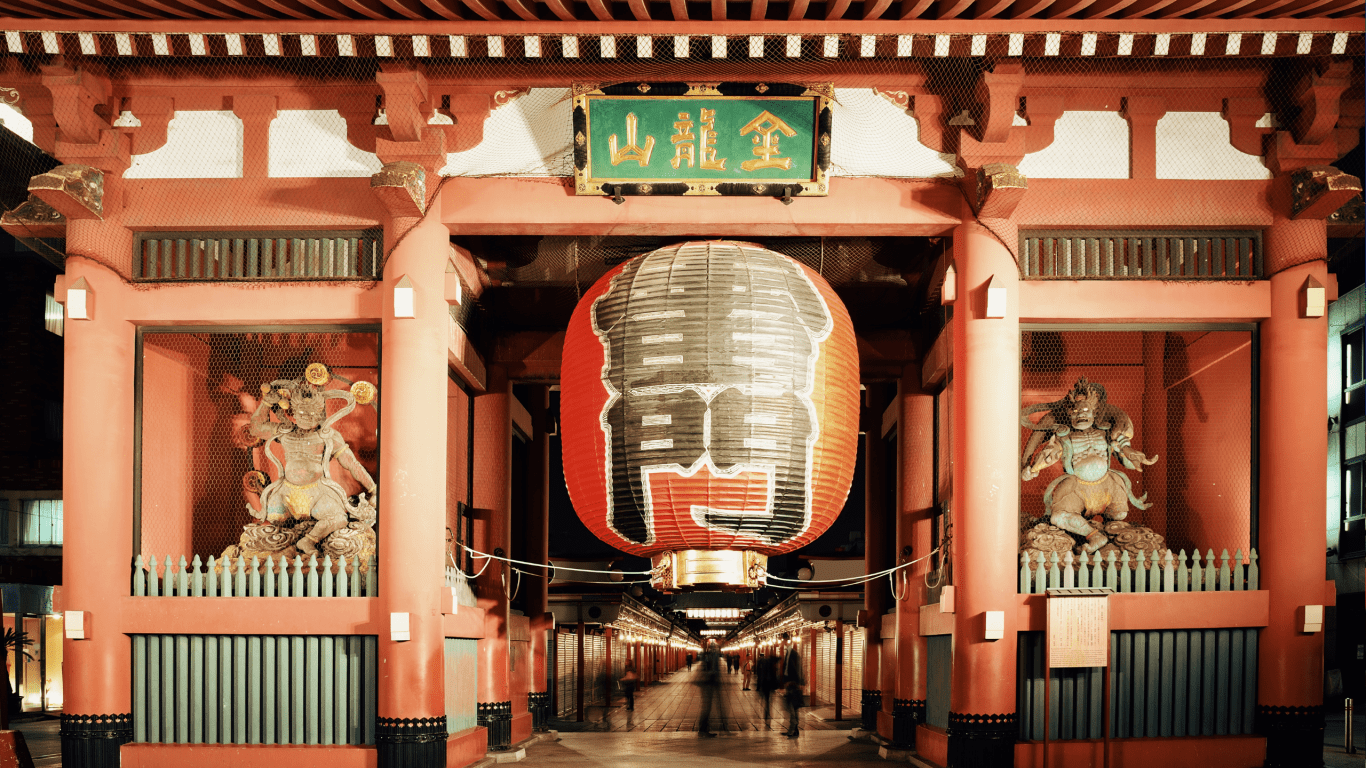
Kaminarimon Gate is the iconic entrance to Sensoji Temple, beloved by countless tourists for its history and beauty. Originally built in 941, the gate was destroyed by fire multiple times before being rebuilt in its current form in 1960 through a donation by Konosuke Matsushita (founder of Panasonic).
Another distinctive feature is its enormous lantern. This lantern stands 3.9 meters tall, measures 3.3 meters in diameter, and weighs approximately 700 kilograms.
■ Hozomon Gate
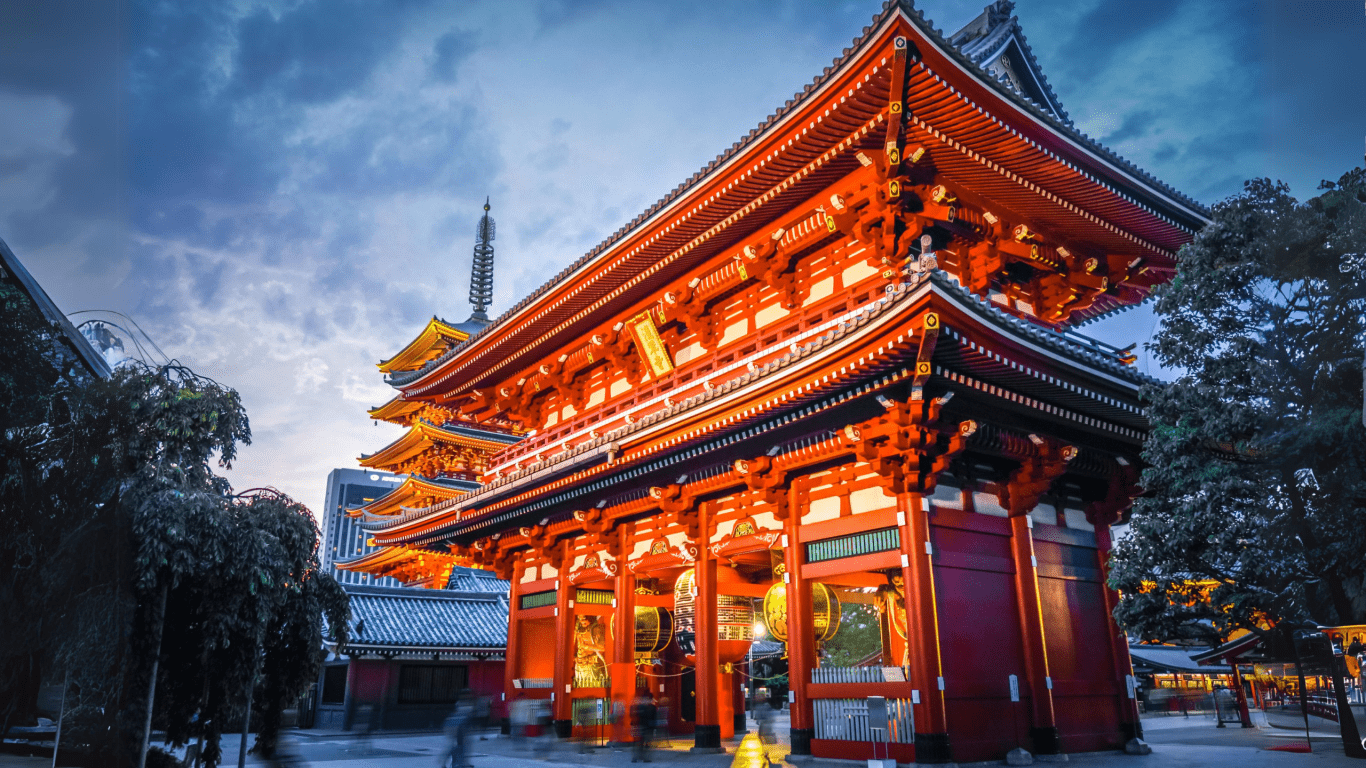
Hozomon Gate is the inner gate of Sensoji Temple and serves as a repository for important cultural properties. This gate was rebuilt in 1964 and stands approximately 21.7 meters tall.
The name Hozomon derives from the fact that when the gate was rebuilt in 1964, a storage room was added for Buddhist scriptures and temple treasures. Originally, the gate was called Niomon (Nio Gate).
■ Jokoro (Incense Burner)
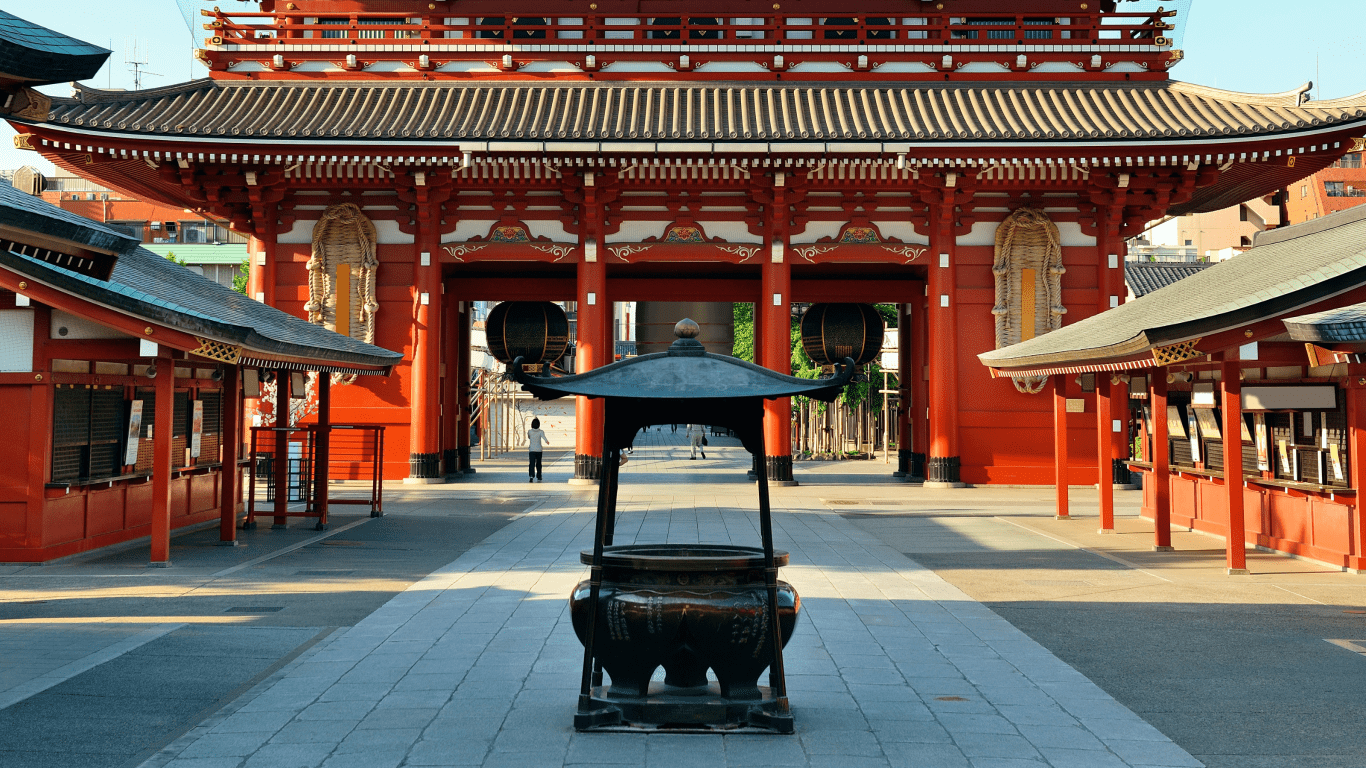
The Jokoro (large incense burner) is placed in front of the main hall of Sensoji Temple. Worshippers believe that wafting the rising smoke over their bodies purifies the mind and body.
■ Five-Story Pagoda
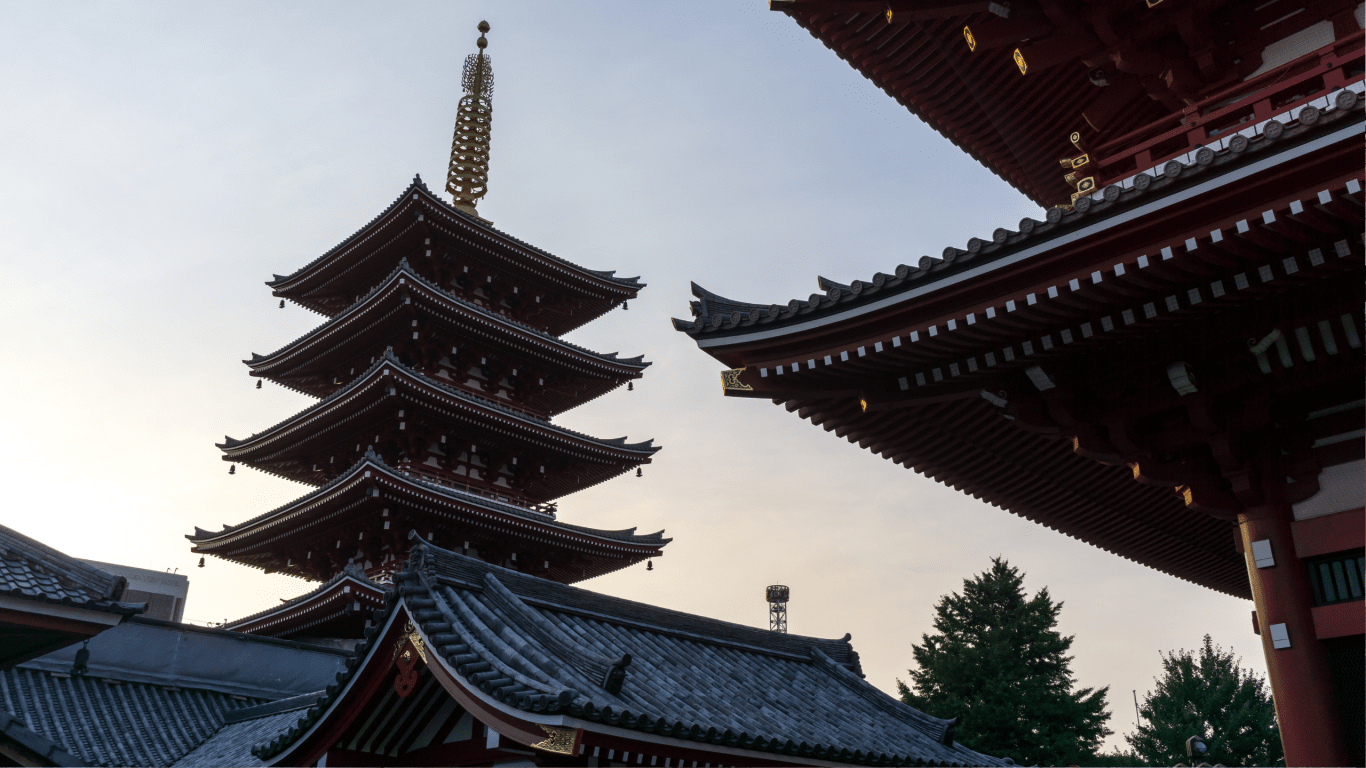
The Five-Story Pagoda is an iconic structure within the grounds of Sensoji Temple, standing approximately 53 meters tall. Located to the southwest of the main hall, its beautiful exterior makes it a popular subject for photography.
The current pagoda was reconstructed during the Showa era and features a steel and reinforced concrete structure. The pagoda compound is spacious, and multiple Buddhist statues including Sho Kannon Bosatsu are enshrined inside, though it is not open to the general public.
■ Main Hall
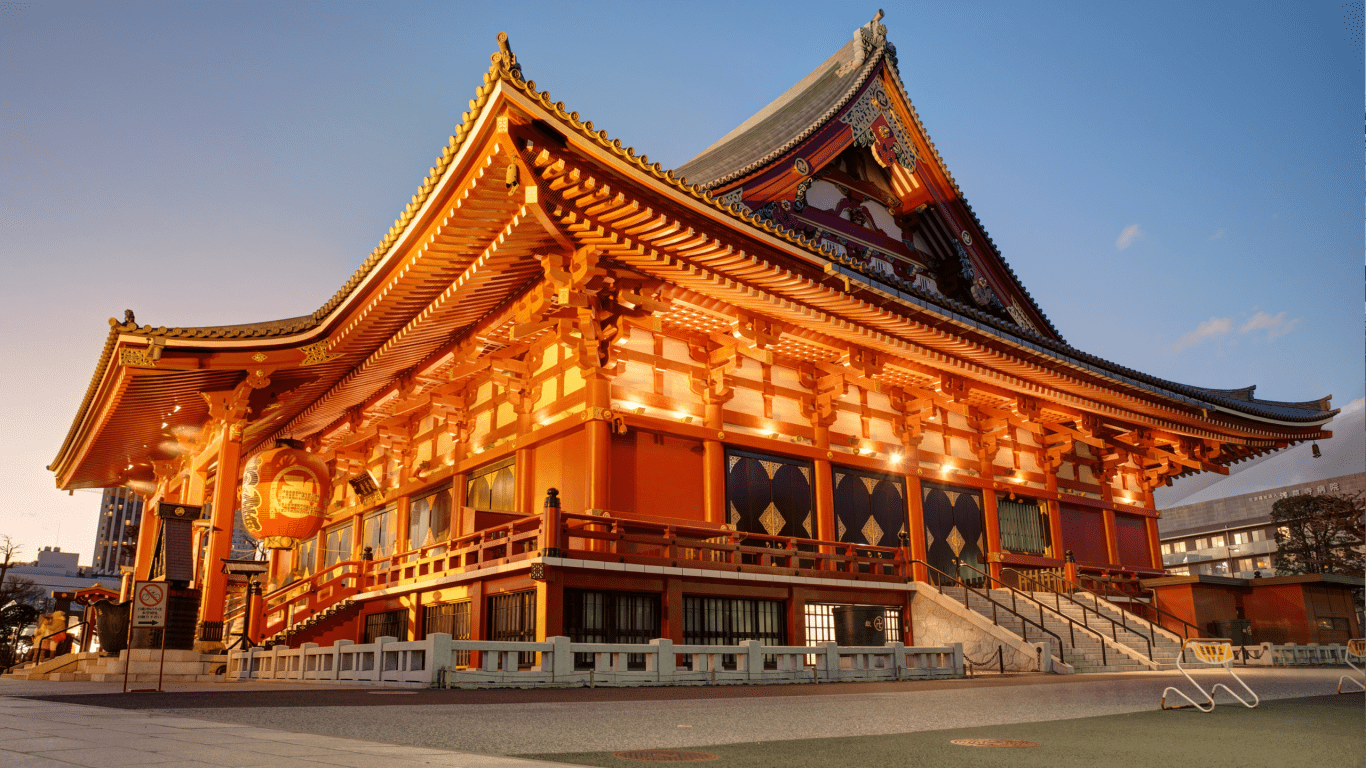
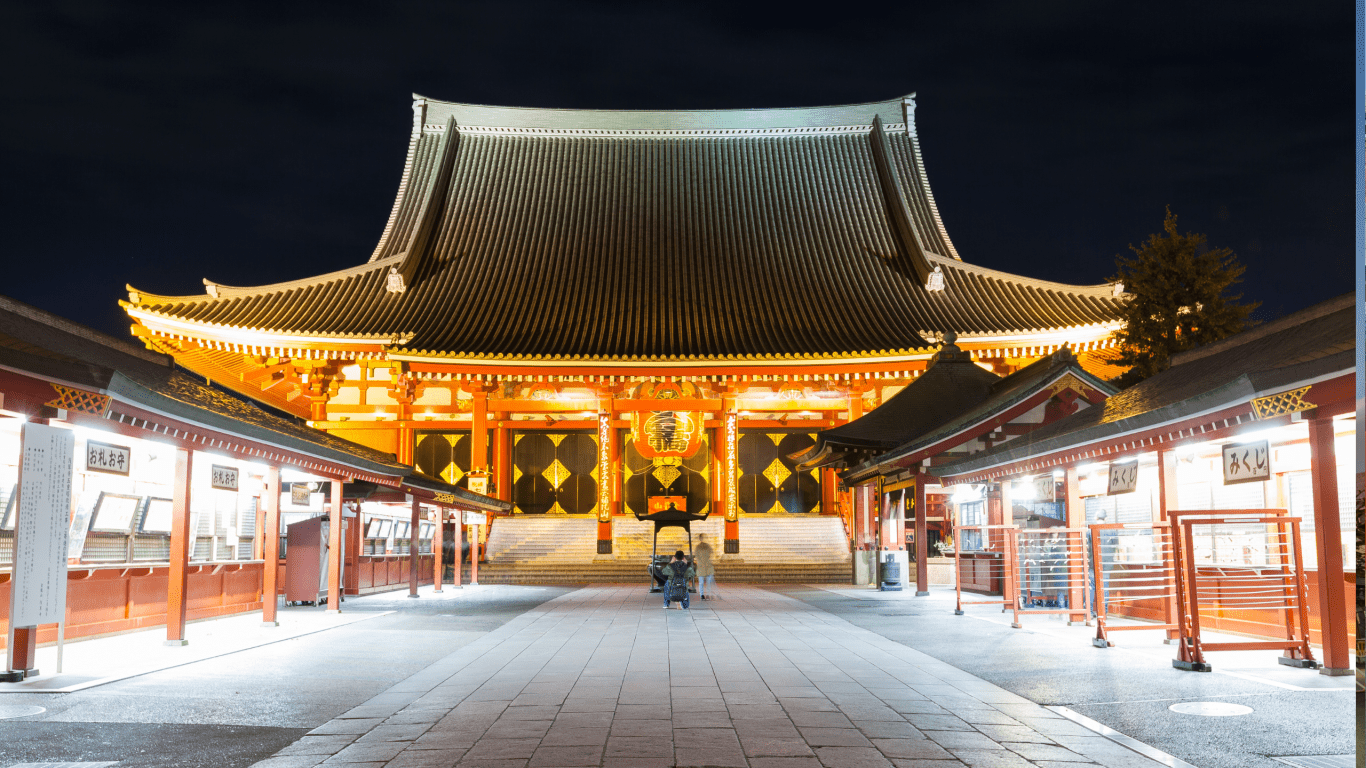
The main hall of Sensoji Temple is located in Asakusa, Taito Ward, Tokyo, and is a beloved place of worship for many visitors. The hall enshrines Sho Kannon Bosatsu as its principal deity and is also known as the “Asakusa Kannon.” In front of the main hall stands the Jokoro (incense burner), from which fragrant smoke rises; visitors traditionally waft this smoke over their bodies for spiritual purification.
The building is constructed of reinforced concrete and was completed in 1958 (Showa 33). The interior is divided into the naijin (inner sanctuary) and the gejin (outer hall).
The design follows traditional Japanese architectural styles, and its magnificent structure continues to impress many worshippers. In addition to daily religious services, annual events are actively held at the main hall.
■ Nitenmon Gate
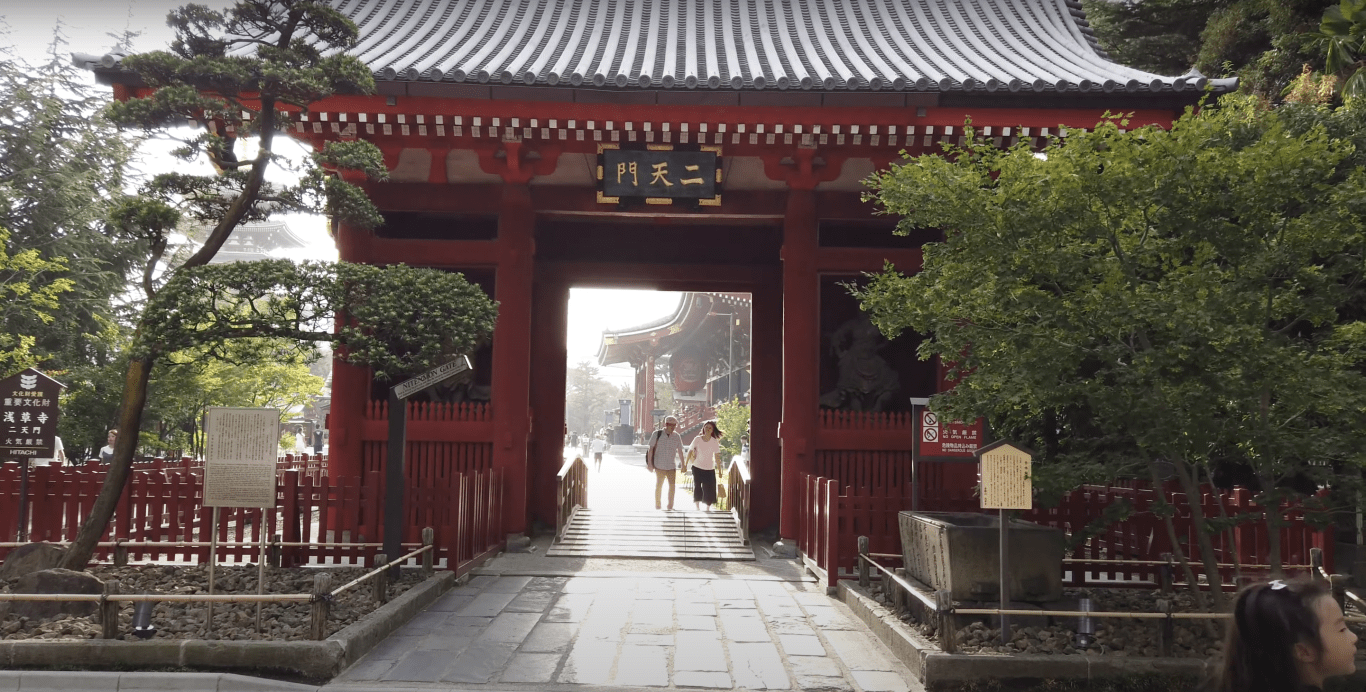
Nitenmon Gate, also known as Niomon Gate, is located at the entrance of Sensoji Temple and serves as an important structure guarding the path to the main hall. The gate takes its name from the two Nio statues (Kongo Rikishi) standing on either side.
■ Yogodo Hall
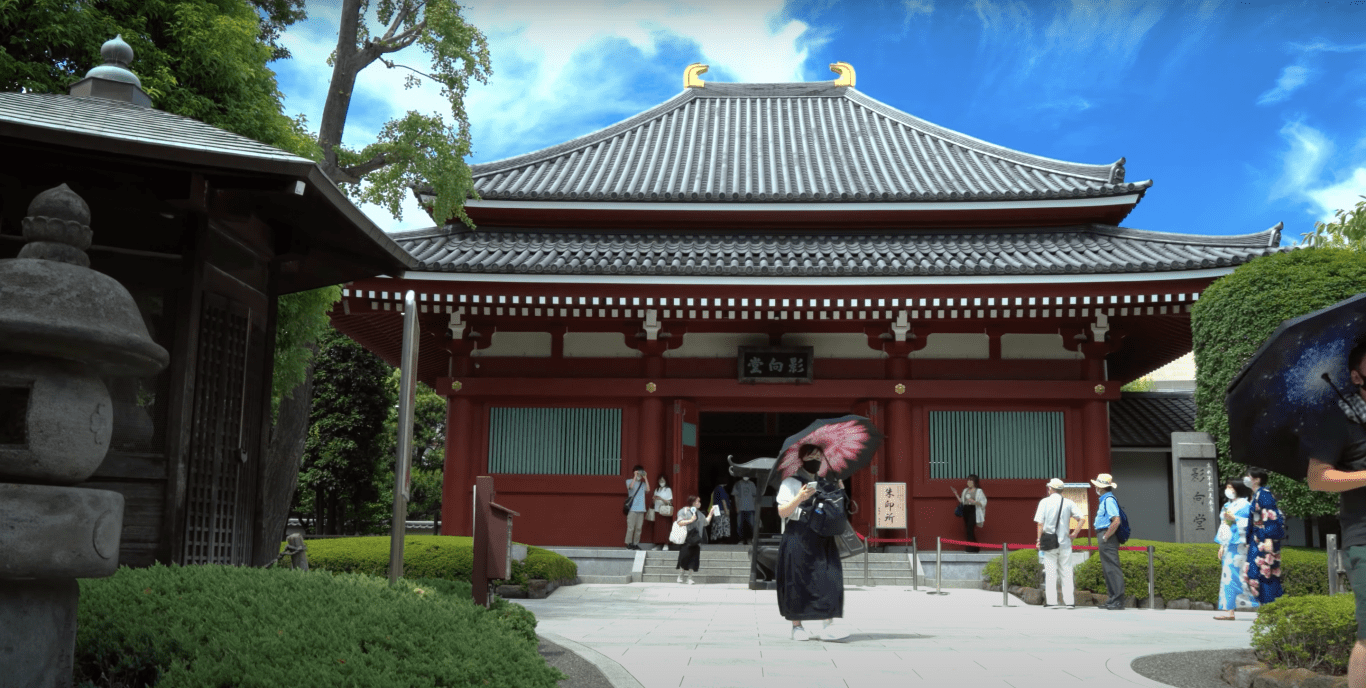
Yogodo Hall is one of the important halls within the grounds of Sensoji Temple, known as a place to pray for the repose of the deceased. Memorial services are held here several times a year, and many people come to offer prayers for departed souls.
■ Nakamise-dori Street
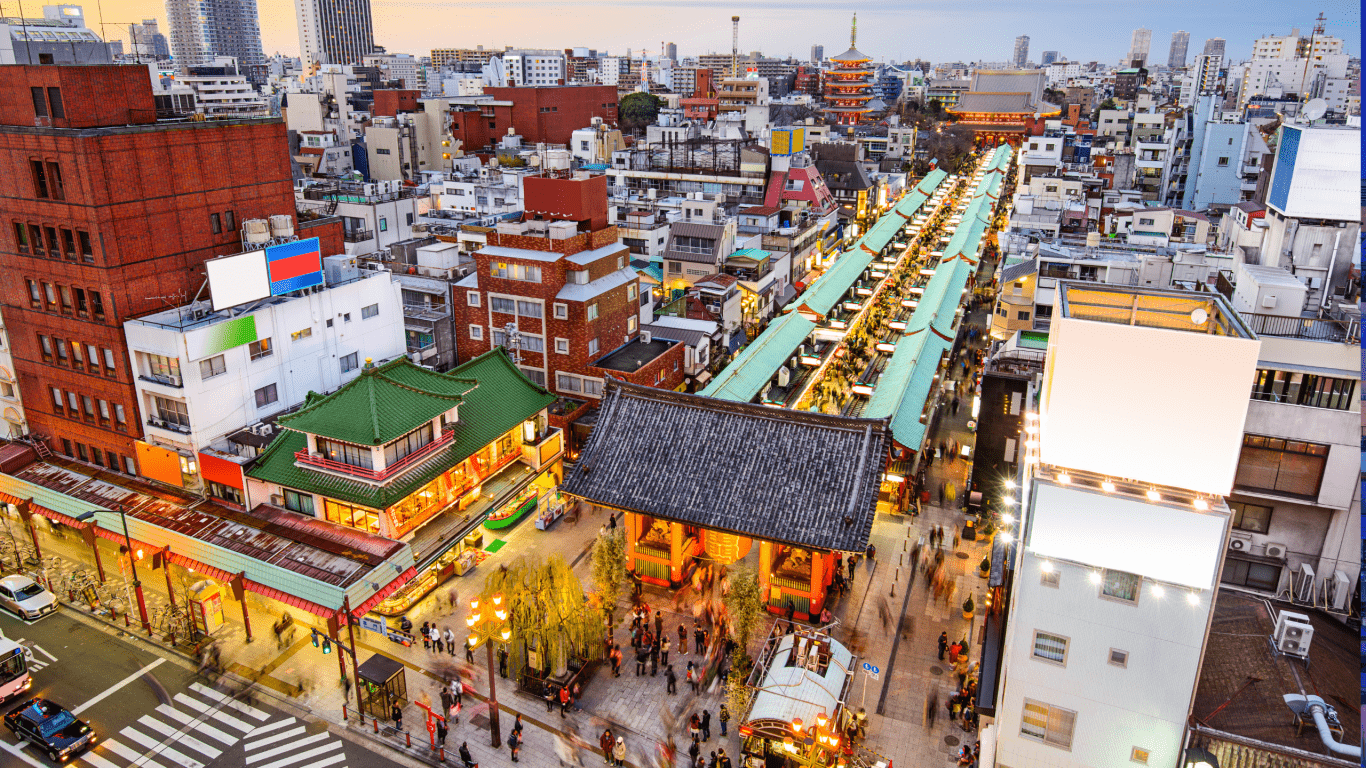
Nakamise-dori is a roughly 250-meter-long shopping street stretching from Kaminarimon Gate to Hozomon Gate of Sensoji Temple, and is considered one of the oldest shopping streets in Japan, dating back to the Edo period. The street developed as the number of worshippers at Sensoji increased, and today it is home to 89 shops.
This shopping street is extremely popular with tourists and bustles with crowds throughout the year. Along the street, there are many takeout food shops where you can enjoy eating while walking, which is a highly recommended way to experience the area.
Festivals and Events at Sensoji Temple
The following are some of the major festivals and events held at Sensoji Temple.
■ Setsubun-e (Bean-Throwing Ceremony)
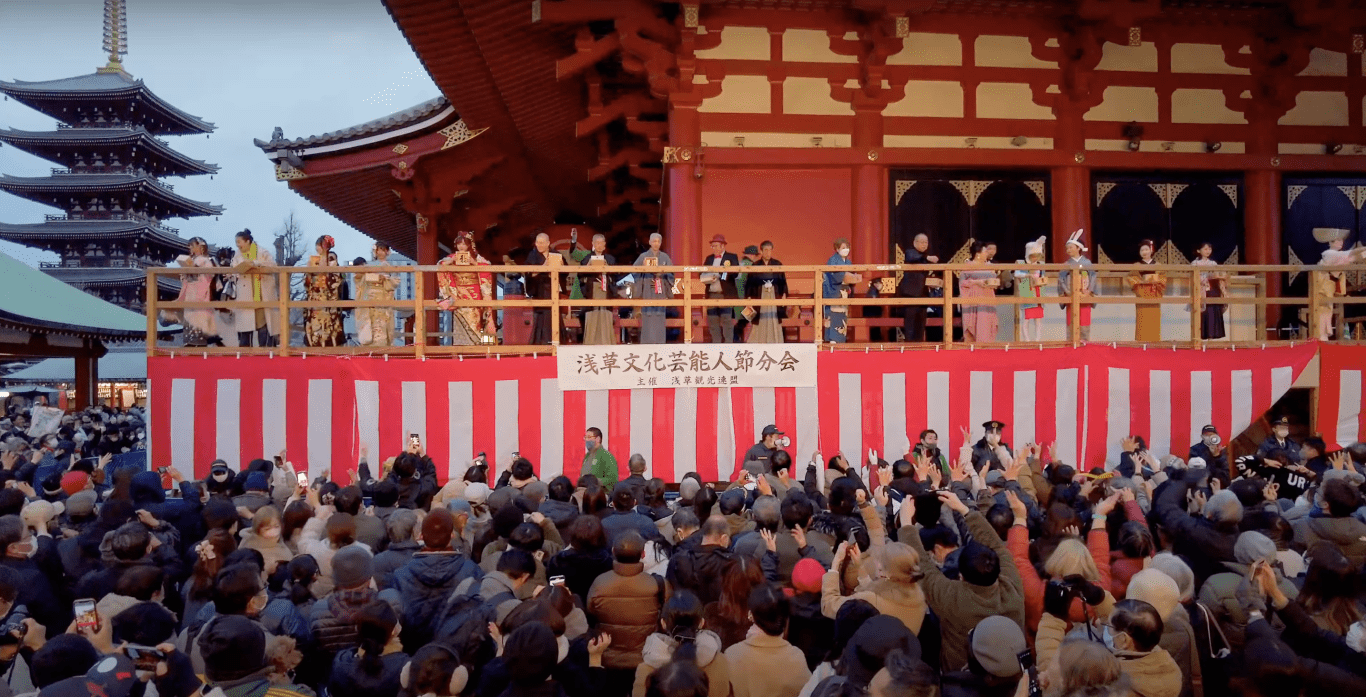
The Setsubun-e at Sensoji Temple is held every year on February 3rd and is particularly famous for its bean-throwing event. During this event, a procession takes place from the Denbo-in to the main hall, after which toshiotoko (men born in the current zodiac year) throw beans from a special stage set up on the east side of the main hall.
The Setsubun-e also features a performance of the “Fukuju no Mai” (Dance of the Seven Lucky Gods), one of Sensoji’s three great temple dances, providing visitors with a cultural treat. This event is also known for attracting many celebrities to participate in the bean-throwing, making it a truly festive occasion.
■ Kinryu no Mai (Golden Dragon Dance)
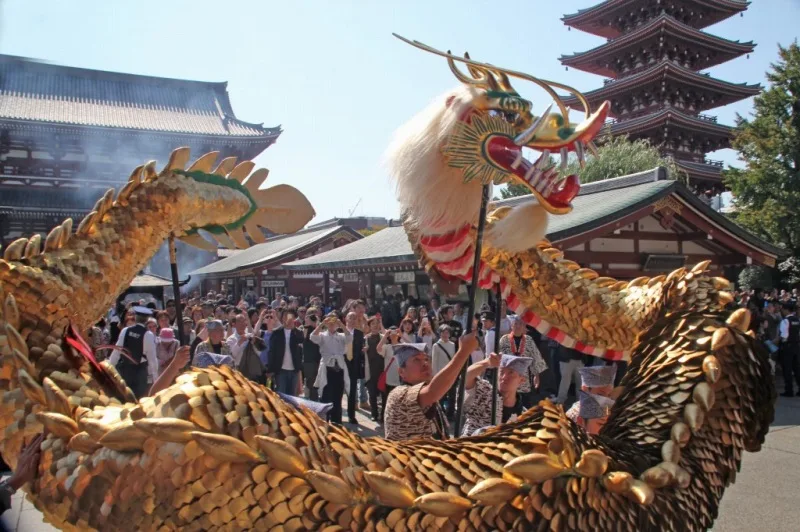
The Kinryu no Mai (Golden Dragon Dance) is a special event held annually on March 18th at Sensoji Temple, named after the temple’s mountain name, “Kinryuzan” (Golden Dragon Mountain). This dance was first performed in 1958 to commemorate the reconstruction of the main hall and is closely linked to the Kannon deity enshrined at Sensoji.
This ceremony commemorates the manifestation of Kannon and is known for deeply moving worshippers. Its grand performance receives high praise from many tourists and local residents alike.
■ Shirasagi no Mai (White Heron Dance)
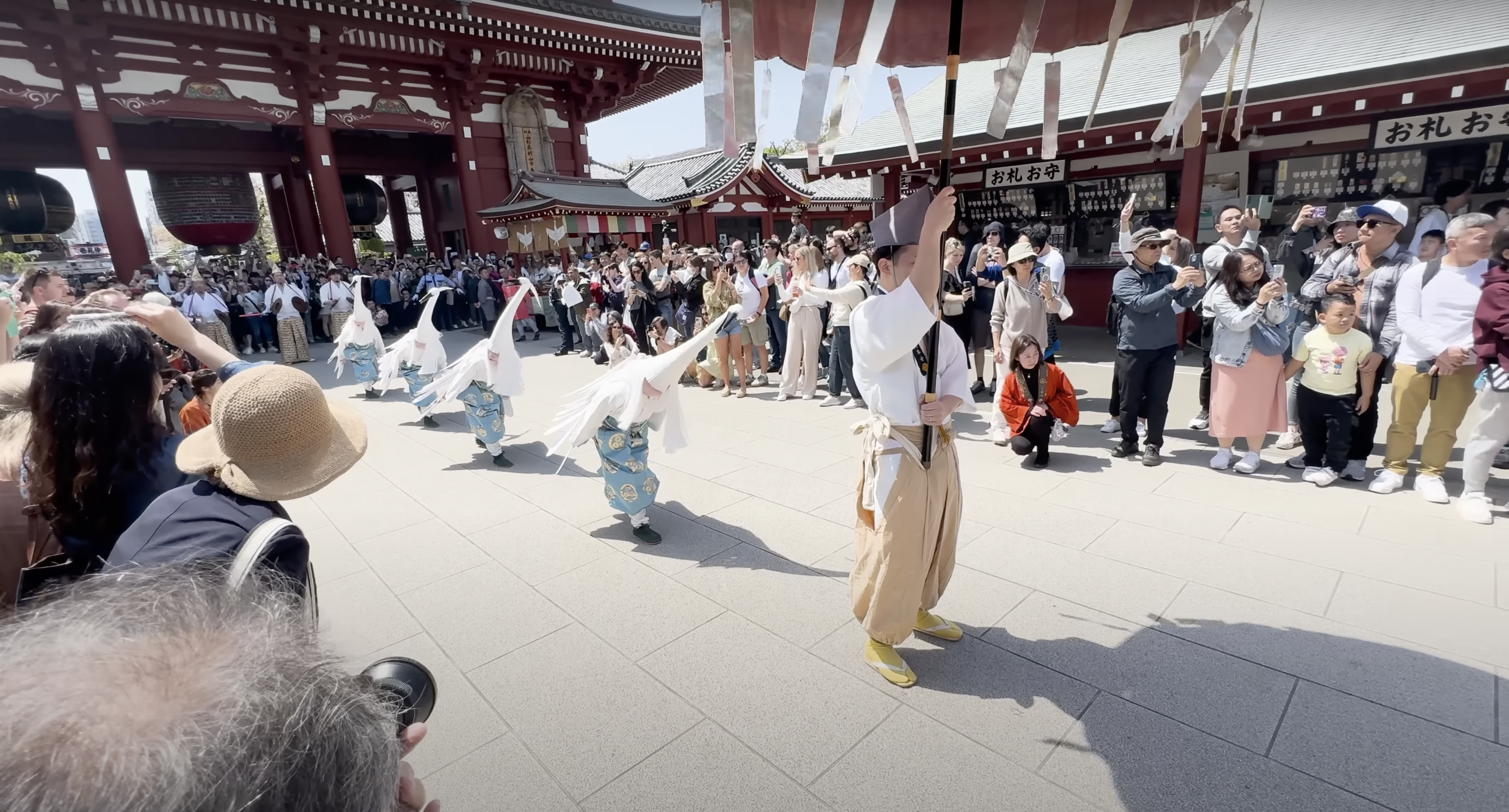
The Shirasagi no Mai (White Heron Dance) is a traditional ceremony held at Sensoji Temple in spring and autumn. This event was started in 1968 to commemorate the centennial of Tokyo and is based on the ceremonial procession depicted in Sensoji’s “Keian Engi Emaki” (illustrated scroll).
This dance is performed on the second Sunday of April, during the Sanja Festival in May, and on Culture Day (November 3rd), providing an excellent opportunity to experience the beautiful traditional culture of Sensoji Temple. The White Heron Dance is beloved by many tourists and local residents for its beauty and historical significance, making it one of the highlights of any visit to Sensoji Temple.
■ Sanja Matsuri (Sanja Festival)
The Sanja Matsuri is a large-scale festival held every year on the third weekend of May in the Asakusa district of Tokyo, centered around Sensoji Temple, Asakusa Shrine, and Kusakari Inari Shrine. The festival is known for its spectacular procession of ornate mikoshi (portable shrines) carried by local parishioners and is counted as one of the three great festivals of Tokyo.
The festival spans three days from Friday to Sunday, and the streets of Asakusa are enveloped in a traditional festive atmosphere. One of the main events is the “Chonaikai Mikoshi Rengo Togyo,” in which approximately 100 mikoshi from various neighborhood associations parade through the streets of Asakusa.
Access to Sensoji Temple
Sensoji Temple is located in central Tokyo and can be easily reached by various public transportation options.
■ Access by Train
The most convenient way to access Sensoji is by train. The nearest station is Asakusa Station on the Tokyo Metro Ginza Line, about a 5-minute walk to Kaminarimon Gate. Asakusa Station on the Toei Asakusa Line is also about a 5-minute walk, offering access from multiple lines. If using the Tobu Skytree Line’s Asakusa Station, you can similarly reach Kaminarimon Gate within just a few minutes on foot.
■ Access by Car
Visiting by car is also possible, but traffic in the Asakusa area tends to be congested, so public transportation is recommended. If driving, using nearby coin-operated parking lots is common. Be aware that parking can be especially crowded on weekends and during festivals, so it is advisable to allow extra time.
■ Other Information
For bicycles and motorcycles, there are parking areas nearby, but they can become very crowded. Also, the area around Sensoji Temple frequently becomes a pedestrian zone, which is worth keeping in mind when planning your visit.
Conclusion
Through this article, we have delved deeply into the rich history, beautiful architecture, and the various festivals and events held throughout the year at Sensoji Temple. We hope we have been able to convey the charm of this ancient temple and what makes it such a special place for all who visit.
When you visit Sensoji Temple, we hope this information will help make your trip richer and more meaningful. See this historic site with your own eyes, feel its atmosphere, and experience the unique culture and history that Sensoji Temple has to offer.