
🕓 2024/5/15
#Culture
A Detailed Guide to the History and Overview of Shinjuku

Table of Contents
- Overview of Shinjuku
- History of Shinjuku
- Must-Visit Spots in Shinjuku
- Restaurants and Nightlife
- Events and Festivals in Shinjuku
Introduction
Shinjuku is a major entertainment district located in western Tokyo, a vibrant area where business, shopping, and entertainment converge. Its charm lies in the fusion of remnants from the old era with new culture, attracting tourists from around the world. Shinjuku Station serves approximately 3.5 million passengers daily, making it one of the busiest stations in the world.
This district has many different faces, including the business area of Nishi-Shinjuku with its towering skyscrapers, Higashi-Shinjuku where shopping and entertainment are concentrated, and the area around Shinjuku Gyoen with its historic buildings. Additionally, multinational restaurants line the streets, offering a wide variety of cuisines from both Japan and abroad. Shinjuku provides endless possibilities and excitement to all who visit, from everyday experiences to extraordinary adventures.
Overview of Shinjuku
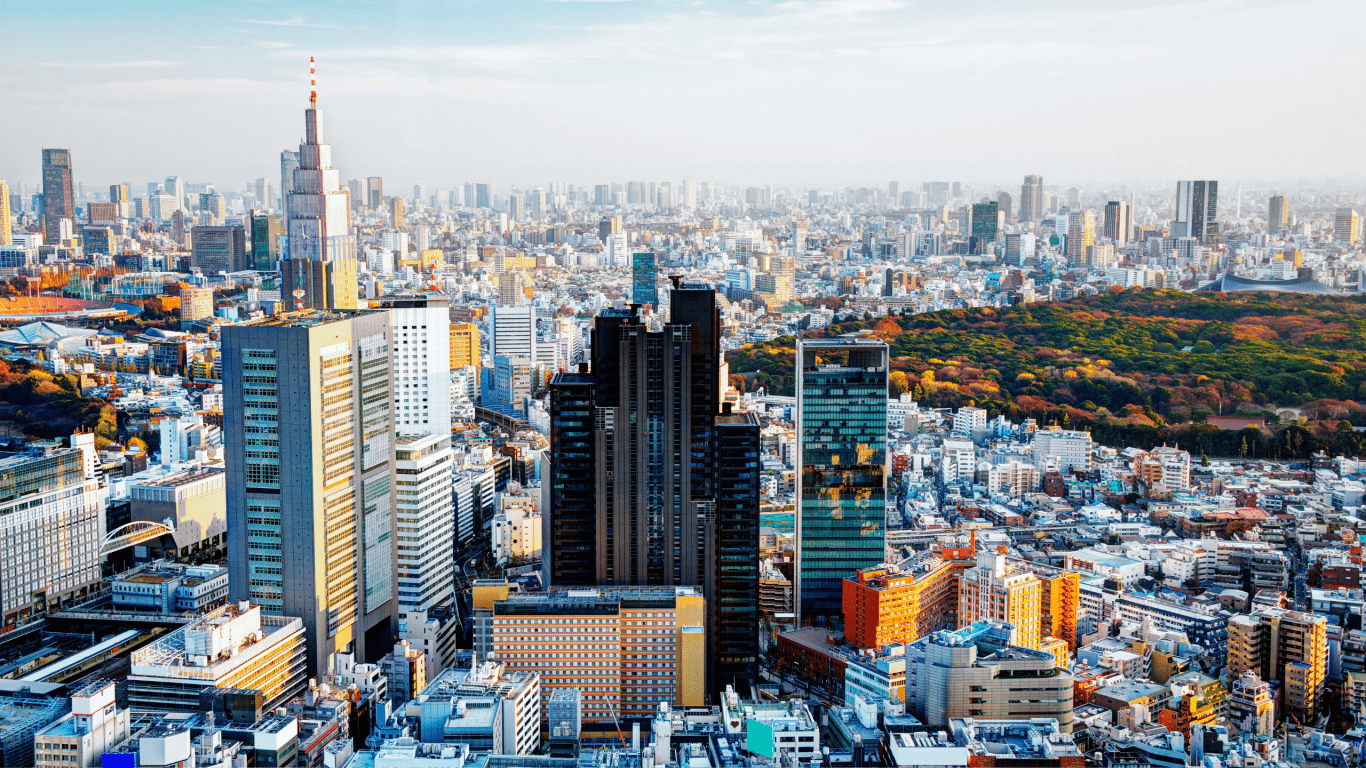
Shinjuku is a special ward located in central Tokyo and serves as a vibrant hub of commerce and government. It is home to Shinjuku Station, the world’s busiest station by passenger count, and is also known as the location of important government facilities such as the Tokyo Metropolitan Government Building. Shinjuku is a district with diverse appeal, from the skyscraper-lined business area of Nishi-Shinjuku, to Higashi-Shinjuku with its wealth of shopping and entertainment options, and the traditional Japanese garden of Shinjuku Gyoen.
Nishi-Shinjuku is known for its grand architecture, featuring landmarks such as the Tokyo Metropolitan Government Building and the Mode Gakuen Cocoon Tower. It is also home to large electronics stores carrying the latest Japanese gadgets, as well as a highway bus terminal that serves as an access point to Mount Fuji and the Japanese Alps.
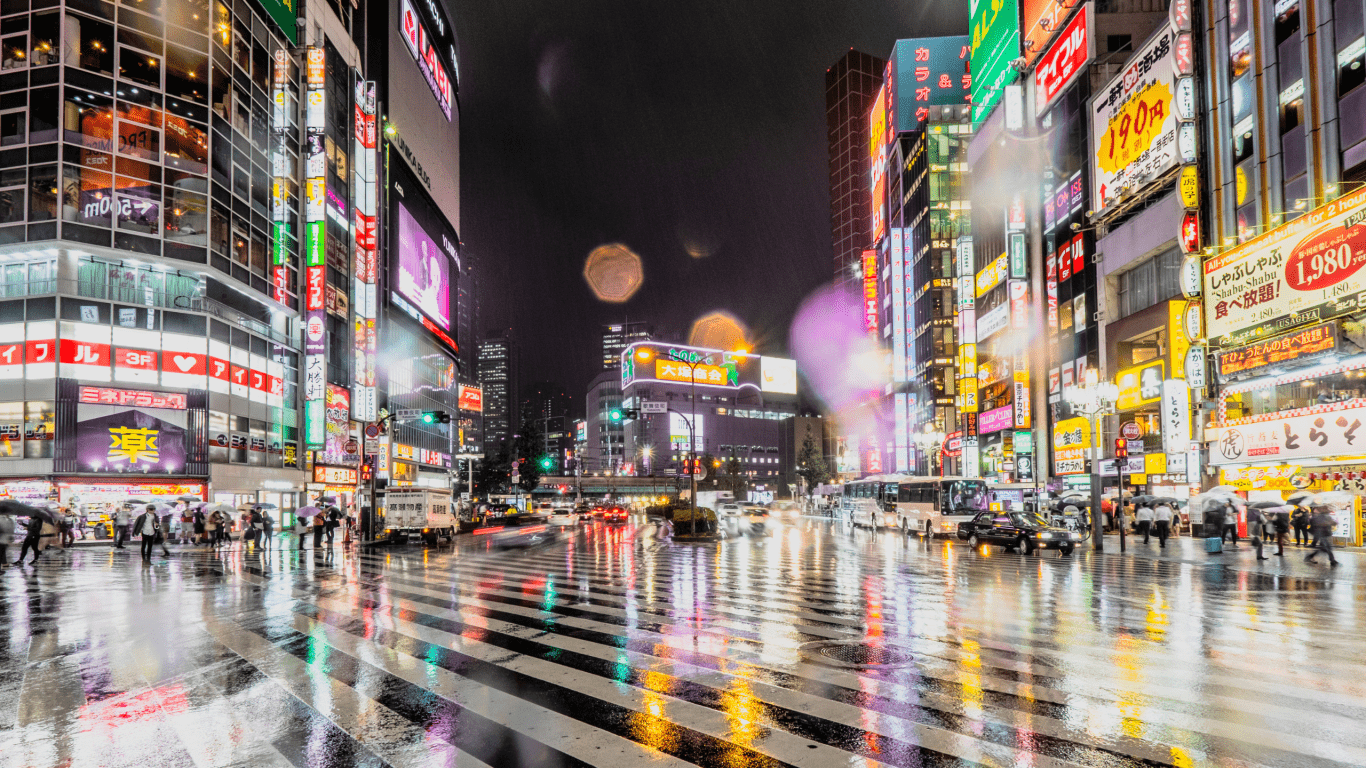
On the other hand, Higashi-Shinjuku has a more casual atmosphere, with a lively area packed with pachinko parlors, izakaya (Japanese pubs), and ramen shops. It is also home to historic department stores like Isetan Shinjuku, making it an ideal place for shopping.
Kabukicho is also famous as Shinjuku’s entertainment district, an area filled with hostess clubs, bars, and movie theaters. Additionally, Shinjuku’s Golden Gai is a unique dining district where over 300 small bars and distinctive drinking establishments are densely packed together, allowing visitors to enjoy an atmosphere reminiscent of old Japan.
History of Shinjuku
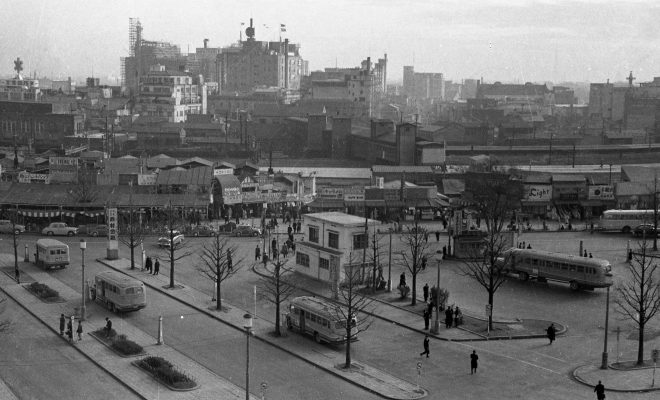
The history of Shinjuku is a dynamic story of transformation, from its beginnings as a post town during the Edo period to its evolution into one of Tokyo’s major commercial districts. In 1634, the first post town was established in the Shinjuku area, and the surrounding region began to flourish. Notably, in 1698, Naito-Shinjuku developed as a post town and continued to attract many travelers and merchants. This was because it served as a key point along the Koshu Kaido highway.
Having survived the Great Kanto Earthquake of 1923, Shinjuku established its status as a commercial district during the subsequent reconstruction. After the earthquake, many shops and businesses relocated to this area. Particularly during the 1920s and 1930s, Western-style buildings were constructed one after another, and Shinjuku transformed into a modern commercial district. After World War II, Shinjuku underwent great changes once again, becoming known for the black markets that formed during postwar reconstruction and the blossoming of various entertainment industries.
Postwar Shinjuku played a particularly significant role as a hub for diverse cultures and subcultures, becoming a beloved destination for many young people and artists. As a result, Shinjuku established itself as one of the most distinctive and vibrant districts in Tokyo. Even today, Shinjuku continues to captivate many people, set against the backdrop of its complex and diverse history.
Must-Visit Spots in Shinjuku
■ Shinjuku Gyoen
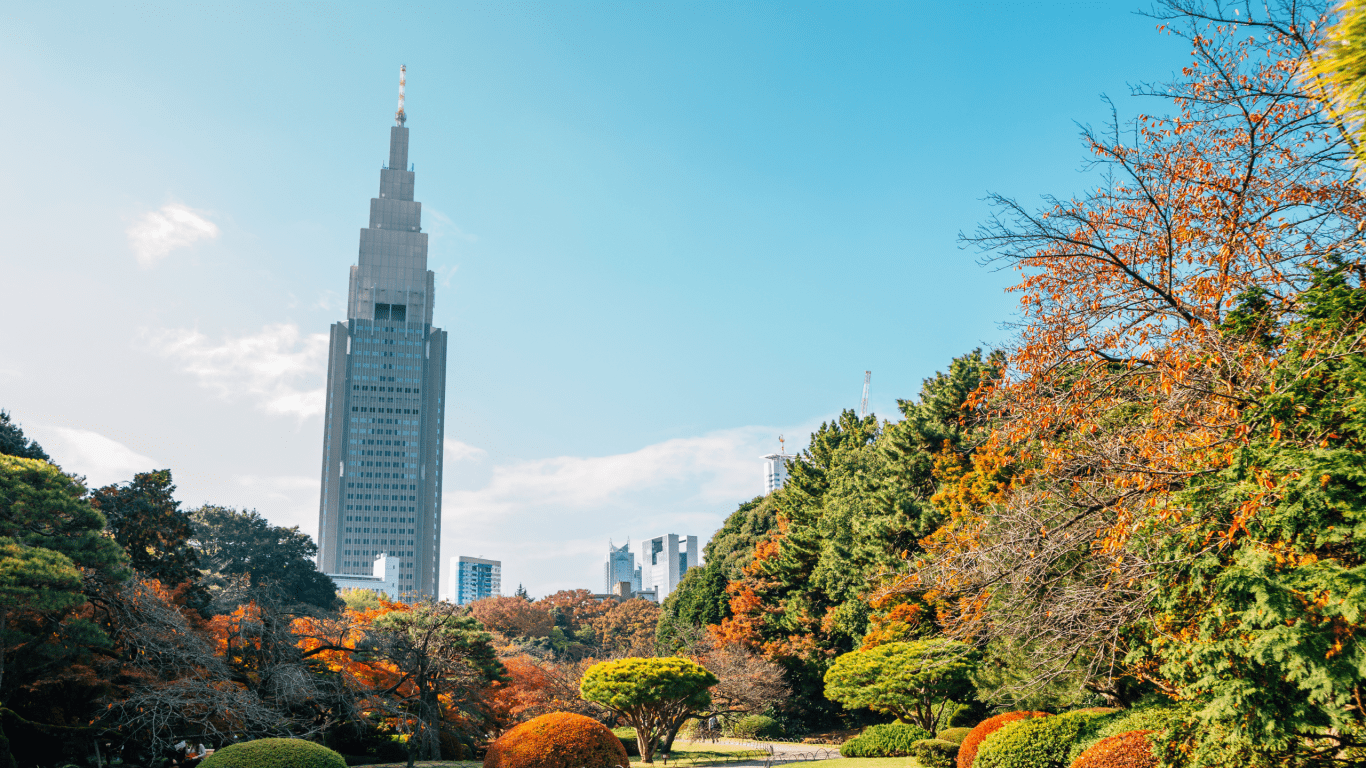
Shinjuku Gyoen is a vast park located in central Tokyo where visitors can enjoy diverse landscapes including a Japanese garden, an English landscape garden, and a French formal garden. Originally established during the Edo period, it was later used as an imperial garden.
Within the park, there are ponds and bridges of various sizes, and seasonal flowers captivate visitors throughout the year. The cherry blossoms in spring and autumn foliage are particularly spectacular, drawing many cherry blossom viewers and nature enthusiasts.
Shinjuku Gyoen is easily accessible, located within walking distance from Shinjuku Station. As an urban oasis that continues to be loved by many, Shinjuku Gyoen is a precious place where you can experience nature in the heart of Tokyo.
■ Tokyo Metropolitan Government Building
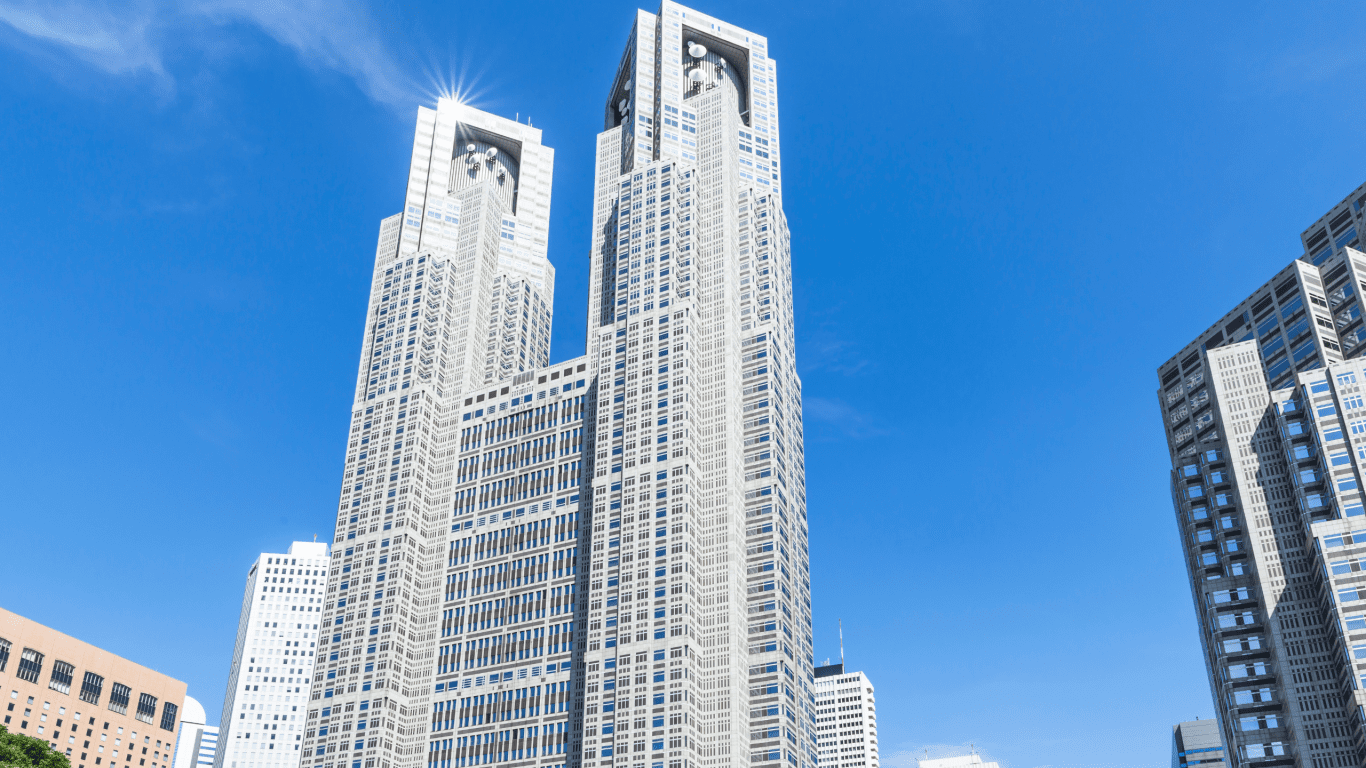
The Tokyo Metropolitan Government Building is the facility that houses the administrative functions of Tokyo, located in Nishi-Shinjuku. Officially called the “Tokyo Metropolitan Government Building,” it is famous for its distinctive twin-tower design.
From the observation decks, visitors can enjoy a magnificent panoramic view of Tokyo. On clear days, famous landmarks such as Mount Fuji, Tokyo Skytree, and Tokyo Tower can be seen, adding to the attraction.
■ Omoide Yokocho (Memory Lane)
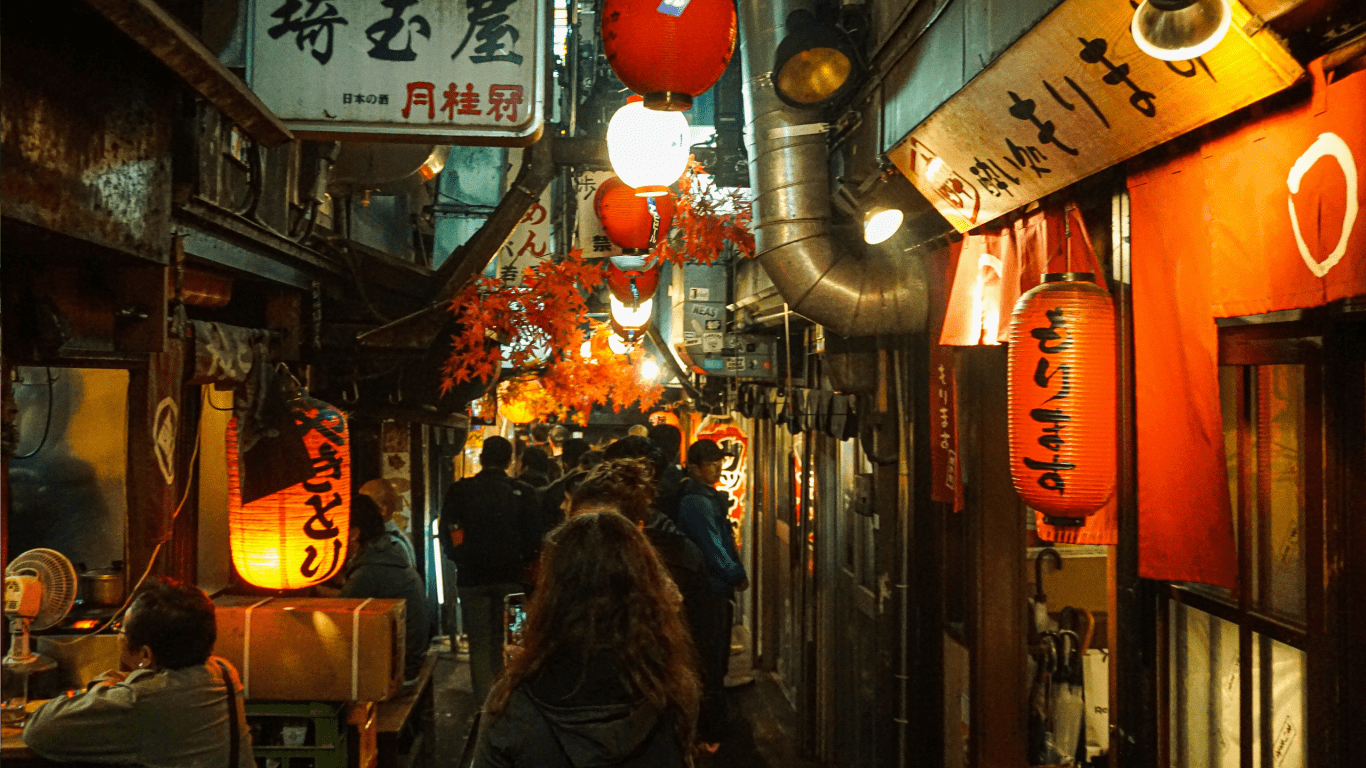
Omoide Yokocho, also affectionately known as “Piss Alley,” is a dining street near the west exit of Shinjuku Station that retains a strong Showa-era atmosphere. It originated shortly after World War II, initially functioning as a black market.
This district features approximately 60 bars and restaurants lining narrow alleyways, with charcoal-grilled dishes such as yakitori (grilled chicken skewers) and motsu-yaki (grilled offal) being particularly popular. At night, the area becomes especially lively, bustling with many visitors.
Click here to learn more about Omoide Yokocho >>
■ Isetan Shinjuku
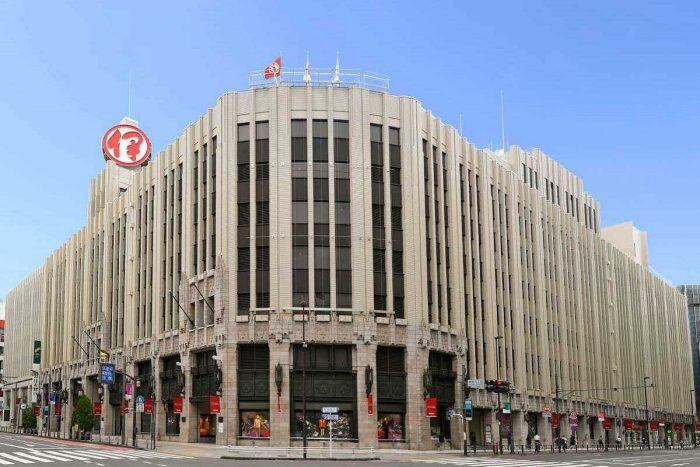
Isetan Shinjuku is one of Japan’s premier department stores, offering a wide range from luxury brands to casual wear. Founded in 1886, Isetan has a long history, and its flagship store in Shinjuku is particularly known as a trendsetter in fashion.
The basement food floor, known as “Depachika,” features shops offering high-quality gourmet items, sweets, and traditional Japanese food products, making it a popular spot to enjoy delicious cuisine from Japan and around the world. Located just a one-minute walk from Shinjuku-sanchome Station, access is extremely convenient.
■ Takashimaya Times Square Shinjuku
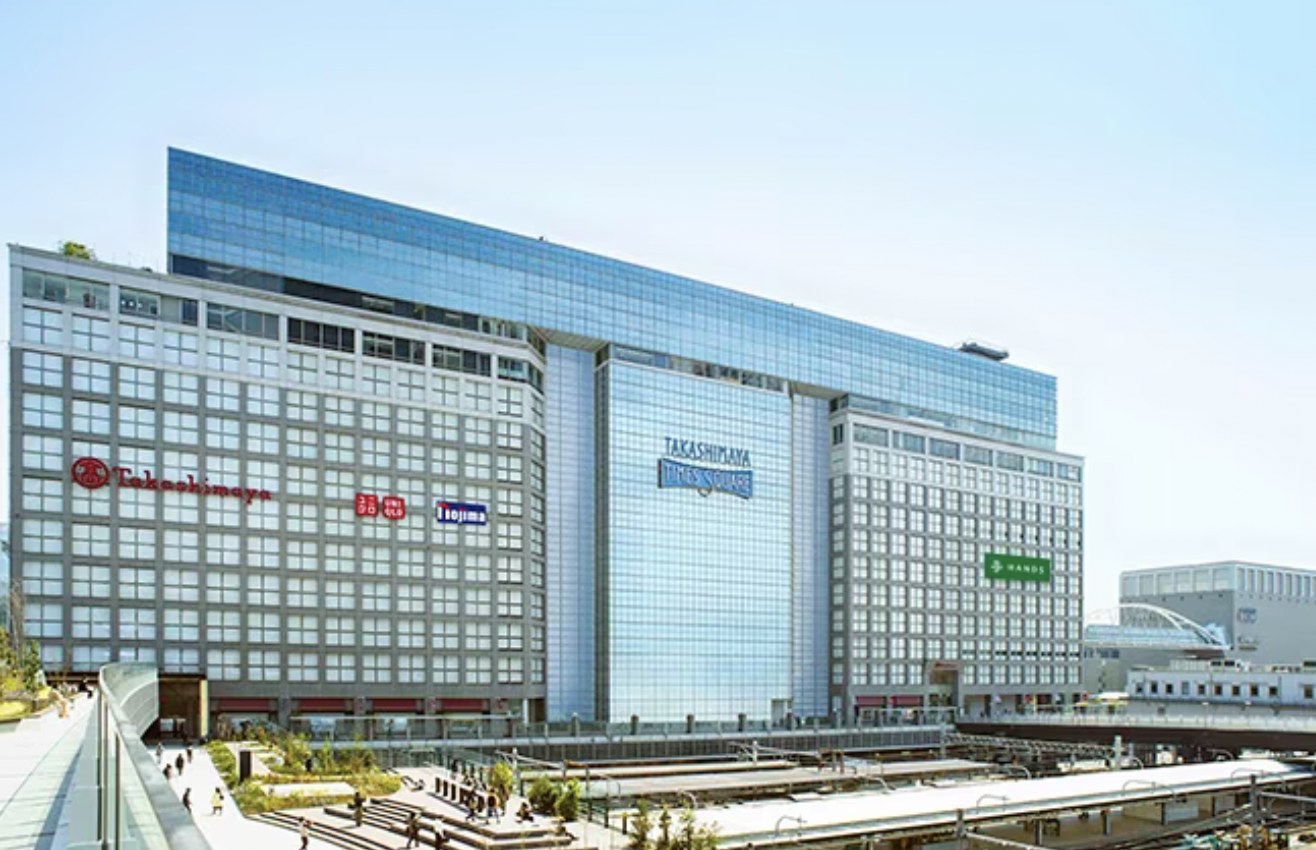
Takashimaya Times Square Shinjuku is a large-scale shopping center directly connected to the south exit of Shinjuku Station, offering diverse shopping experiences for all visitors. The facility brings together shops handling a wide range of products, including fashion, sundries, and food.
■ Kabukicho
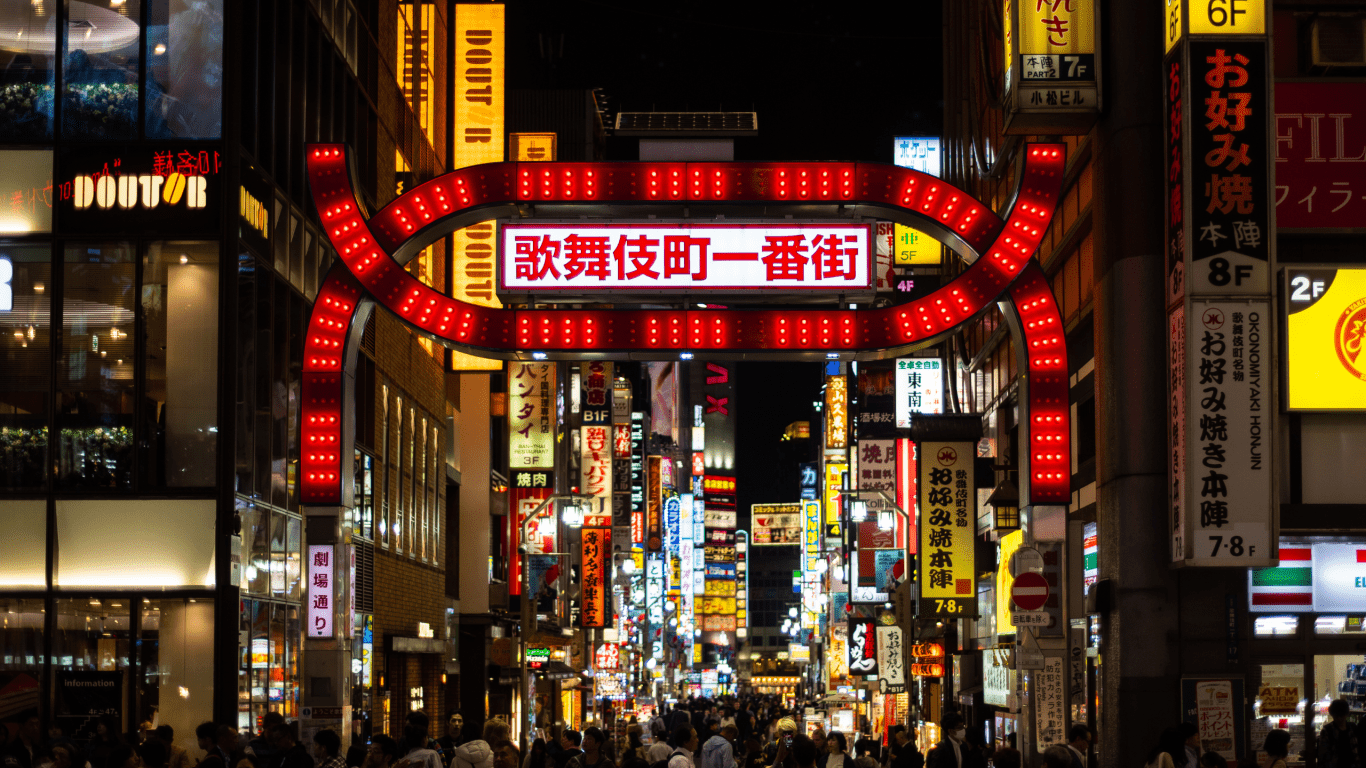
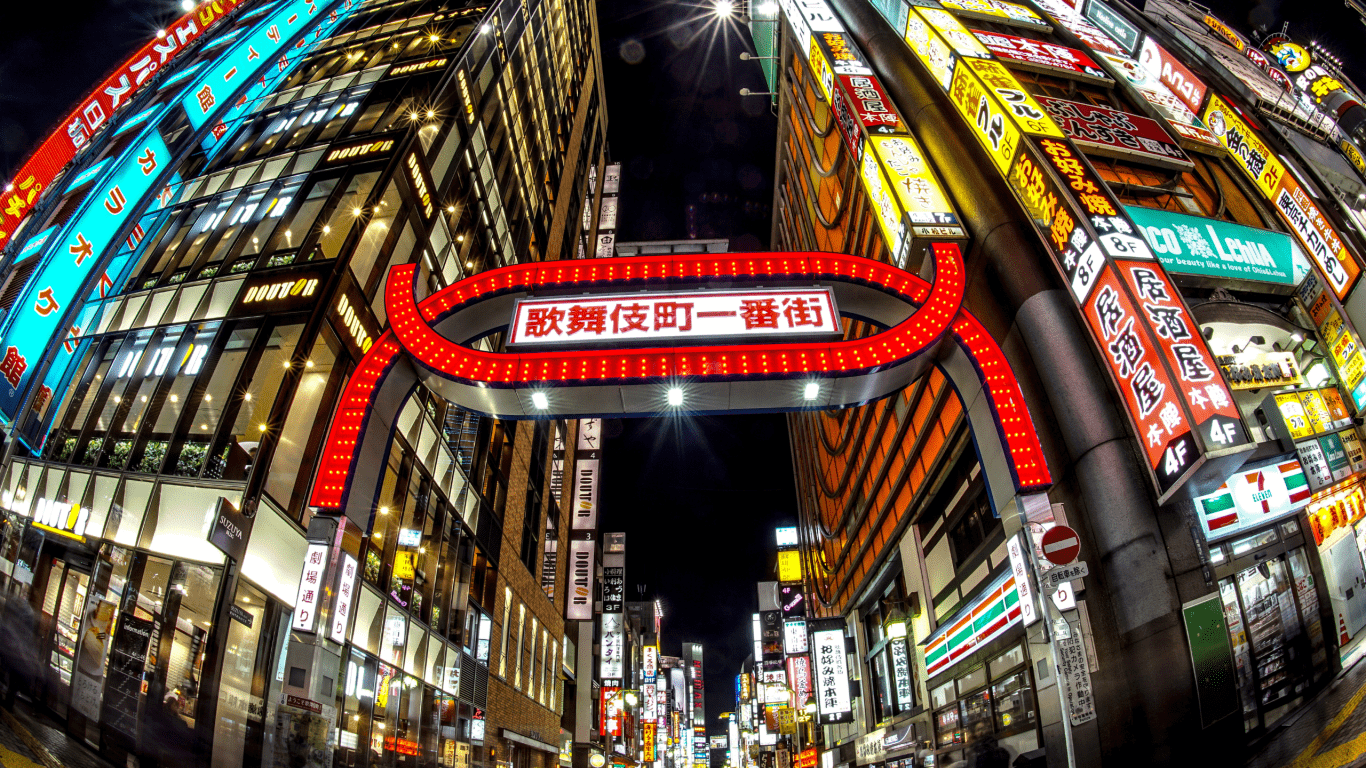
Kabukicho is known as Asia’s largest entertainment district, located in the heart of Shinjuku Ward. It is a lively area packed with bars, clubs, restaurants, and karaoke venues that can be enjoyed throughout the night.
Access to Kabukicho is very convenient, just about a 7-minute walk from Shinjuku Station. When visiting, be sure to experience its vibrant atmosphere and unique energy.
■ Golden Gai
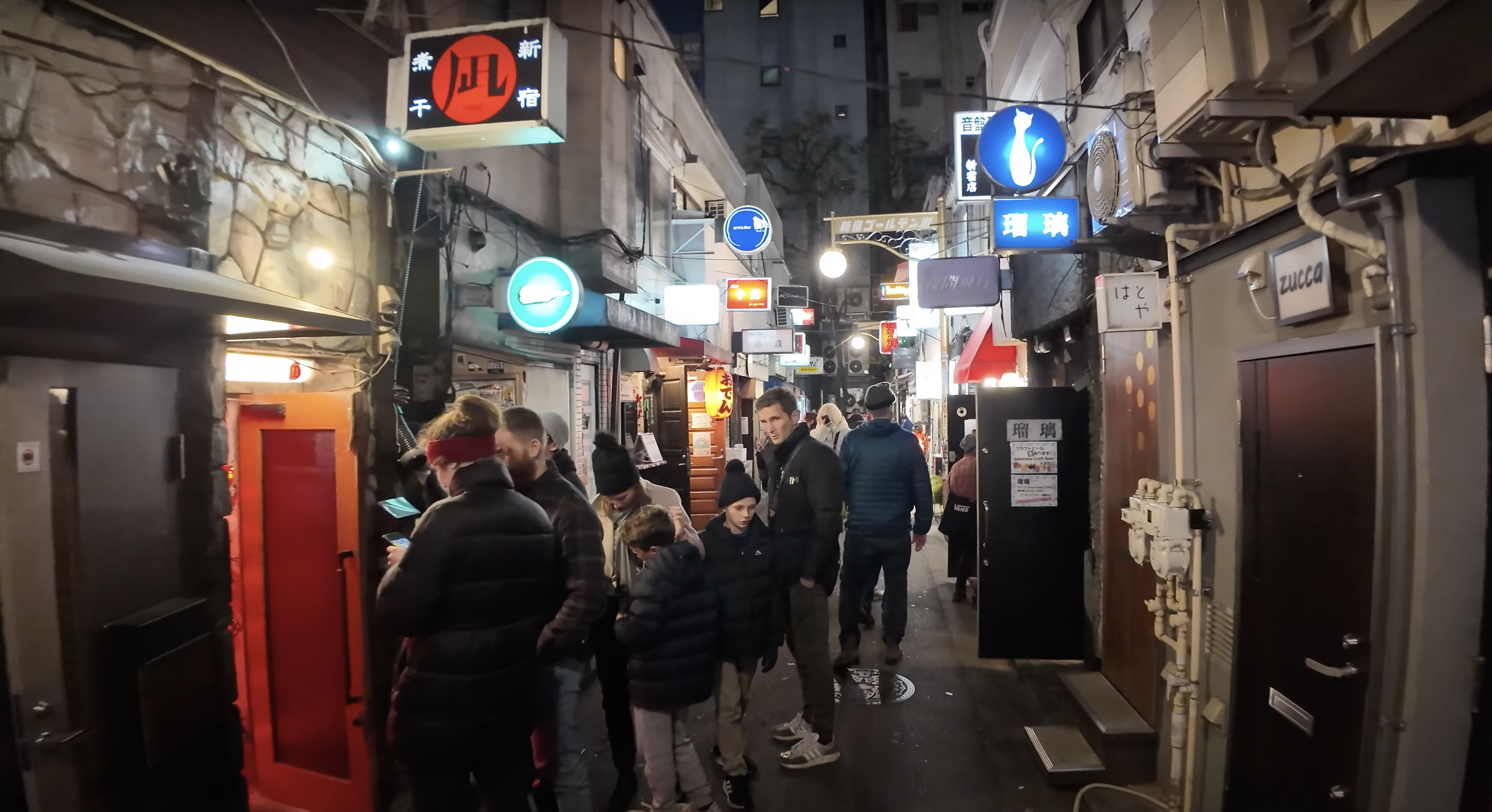
Golden Gai is a distinctive area located in Kabukicho, Shinjuku, where approximately 200 small bars are gathered. Each bar has its own unique character and atmosphere.
These tiny spaces, typically seating only 6 to 8 people, offer an intimate experience to visitors. Each bar has a different theme, ranging from jazz clubs and retro Showa-era bars to modern cocktail bars.
Click here to learn more about Golden Gai >>
Restaurants and Nightlife
Kabukicho and Golden Gai are located in Shinjuku Ward, Tokyo, and are known for their vibrant nightlife. Kabukicho is famous as Asia’s largest entertainment district, where various entertainment facilities are gathered.
■ Kabukicho
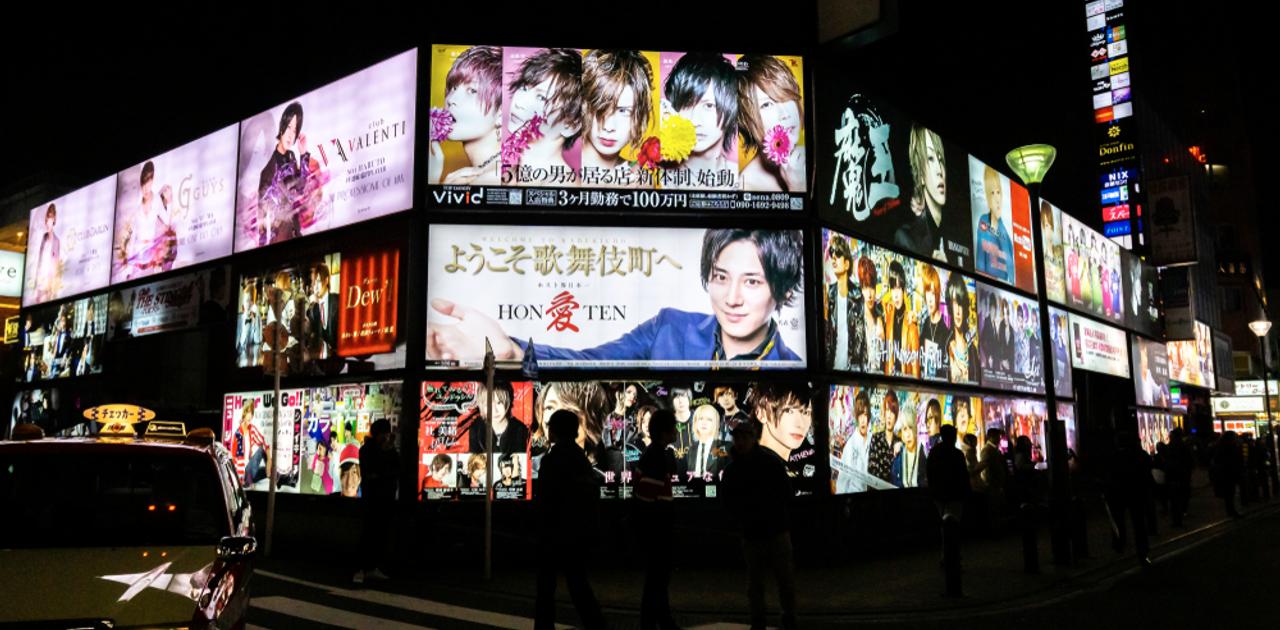
With countless spots to enjoy throughout the night, including kyabakura (cabaret clubs), host clubs, nightclubs, and bars, it offers a diverse and lively nightlife, making it an essential destination for enjoying Tokyo’s nights. This area is known as one of Tokyo’s most famous red-light districts, offering a wide range of entertainment options from traditional to modern.
A host club is a place where male hosts provide drinks and conversation to entertain guests. The clientele is primarily female, who come to enjoy their time with the hosts.
The clubs are known for their cutting-edge sound systems and captivating lighting, where you can dance all night to music performed by DJs from Japan and abroad. The genres are diverse, including electronic, hip-hop, R&B, pop, and more.
Kabukicho is an area that stays busy late into the night, and as a result, incidents of pickpocketing and scams have been reported. Be particularly wary of touts and suspicious promoters who approach you on the street with enticing offers.
■ Golden Gai
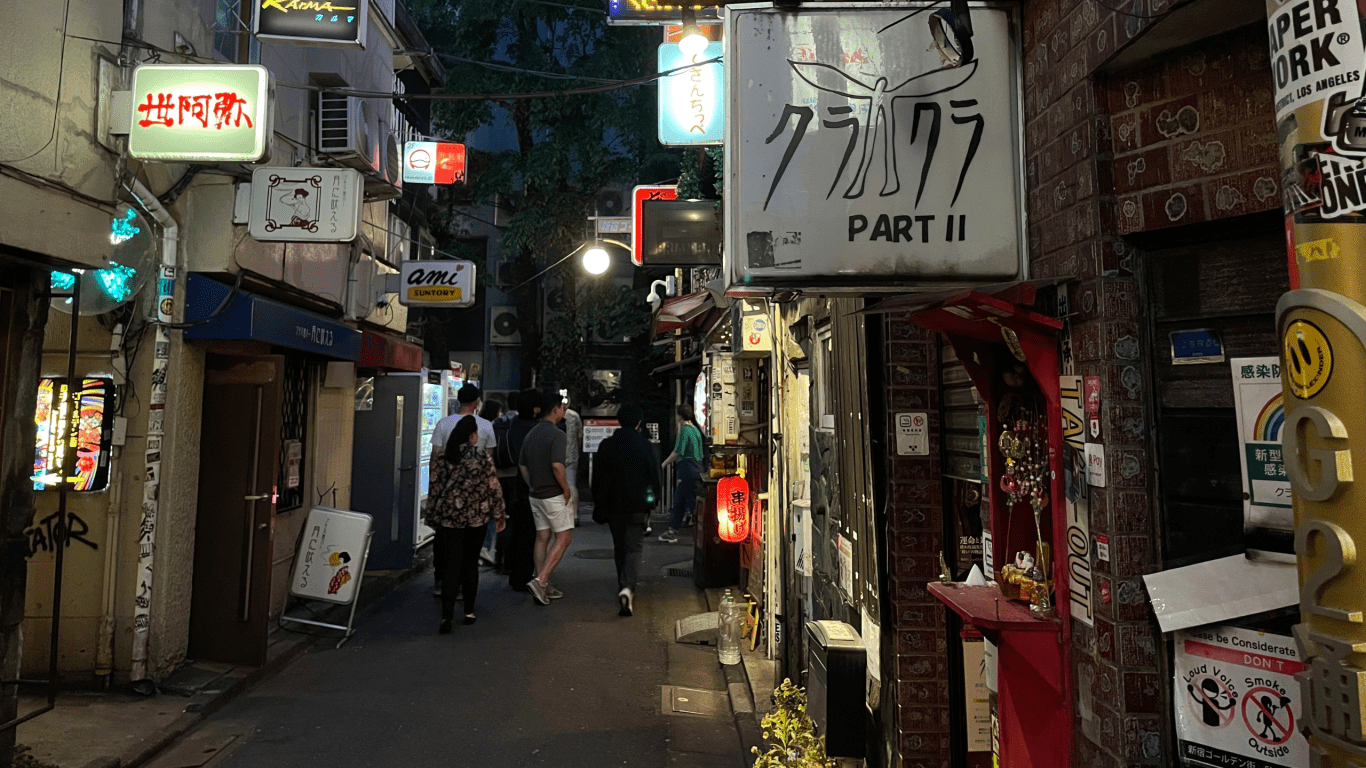
This area, which retains a distinctive atmosphere from the Showa era, features over 200 small bars packed tightly along narrow alleys. Each bar is unique, and tourists from around the world along with locals gather here to experience Japan’s traditional drinking culture.
The bars typically have only 6 to 8 seats, with extremely intimate spaces being their hallmark. Customers can enjoy direct conversation with the bartender, and this interaction is one of the great attractions of visiting Golden Gai.
This district was once known as a black market, and today its retro charm that evokes that history continues to draw people in. The narrow alleys and retro atmosphere provide visitors with a sensation of being transported back to Showa-era Tokyo, ensuring an unforgettable night.
Click here to learn more about Golden Gai >>
■ Omoide Yokocho (Memory Lane)
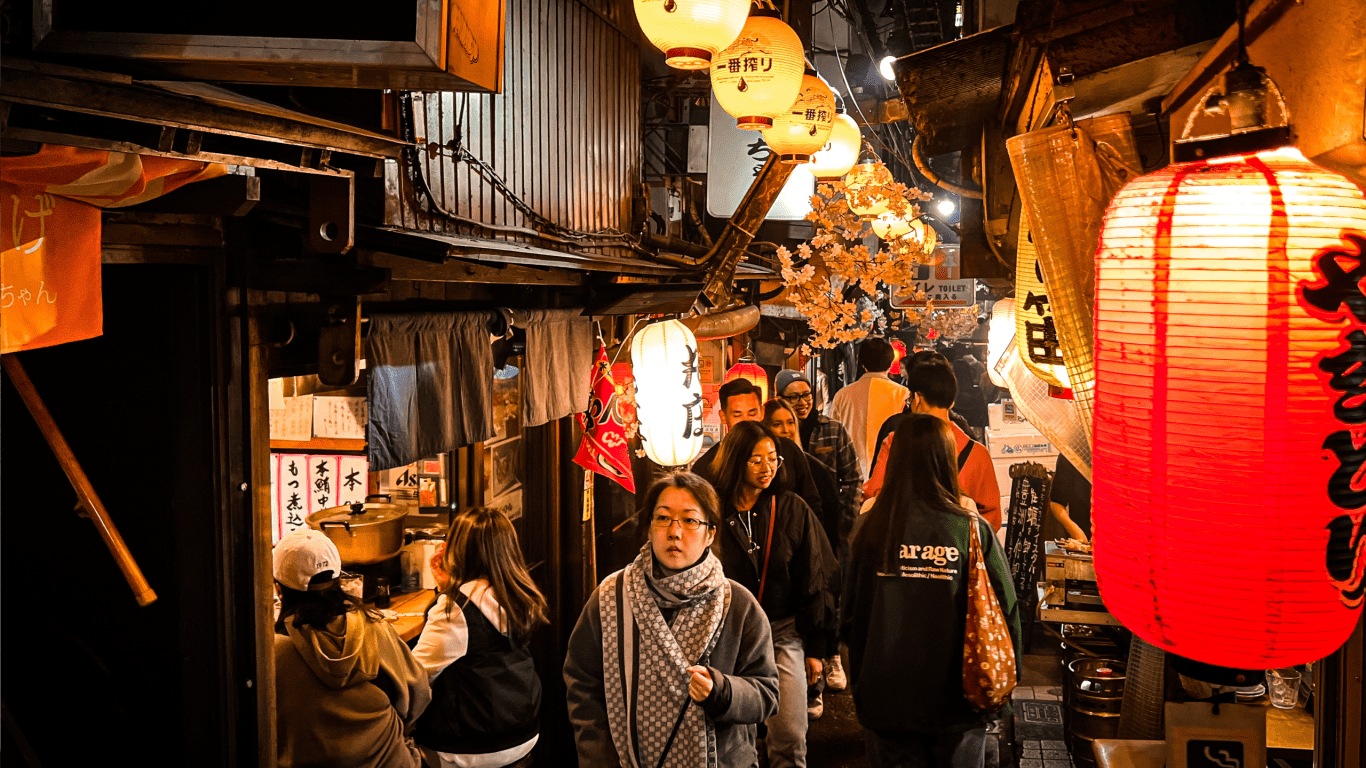
Omoide Yokocho is also known as a lively nightlife spot that stays vibrant until late. Located just steps from the west exit of Shinjuku Station, it is packed with numerous small eateries.
In the evening, the restaurants fill with local office workers and tourists, and the warm, convivial atmosphere makes for enjoyable socializing. Many shops offer handmade-style dishes along with an extensive selection of sake and shochu.
Click here to learn more about Omoide Yokocho >>
Events and Festivals in Shinjuku
■ Tori no Ichi (Rooster Market)
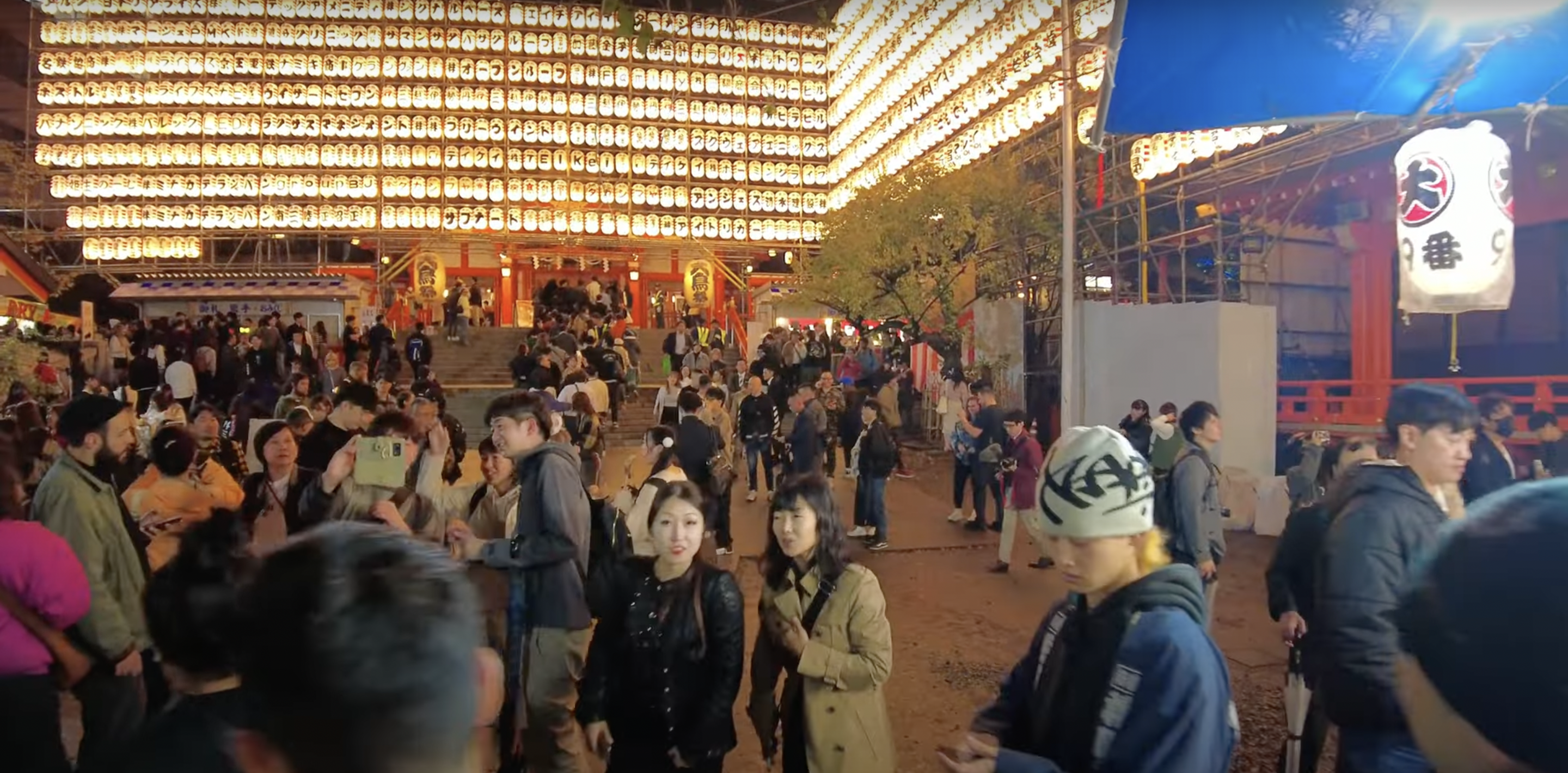
Tori no Ichi is a traditional festival held at Hanazono Shrine in Shinjuku, where visitors can purchase “kumade” (decorative bamboo rakes) to pray for business prosperity. The festival is held several times each November on specific “Days of the Rooster,” with many vendor stalls set up, creating a festive and lively atmosphere.
This festival has a history dating back to the Edo period, where worshippers purchase kumade to wish for business success and good fortune for the year. Kumade are decorated bamboo rakes, considered items that “rake in” good luck.
During the festival period, the area around Hanazono Shrine is adorned with lanterns and paper lanterns, creating a gorgeous atmosphere. Popular not only with locals but also with tourists, it provides an excellent opportunity to experience traditional Japanese culture.
■ Shinjuku Gyoen Autumn Leaves Illumination
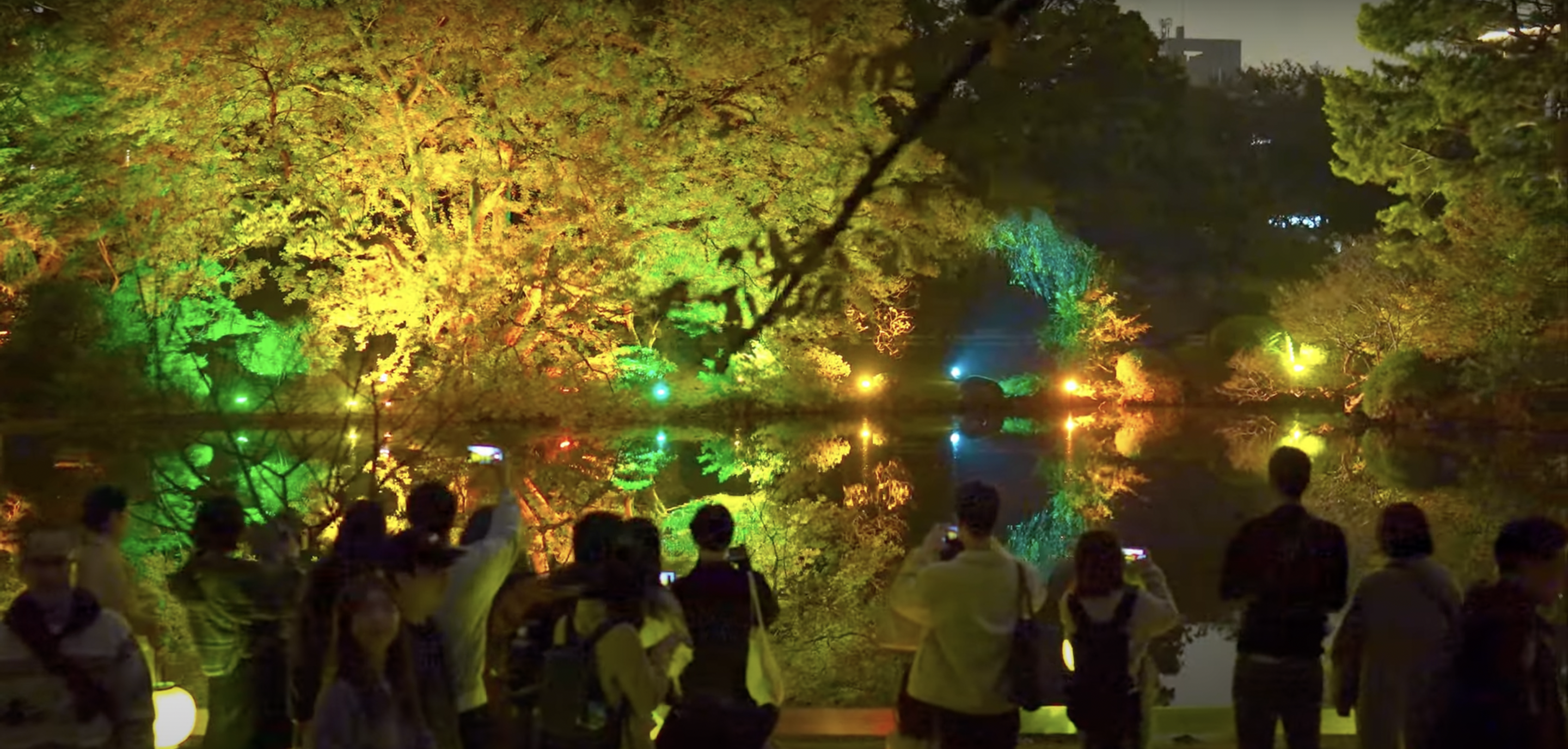
Held annually from mid-November to early December, this event allows visitors to enjoy colorful autumn foliage against the backdrop of Shinjuku Gyoen’s expansive gardens. During this period, the park is dyed in autumn colors, and visitors are treated to the vivid foliage displayed by the park’s various trees.
To further enhance the beauty of the autumn leaves, Shinjuku Gyoen also hosts an illumination event, allowing visitors to enjoy the foliage in a magical atmosphere during the evening hours. Various food stalls and live performances may also take place, enabling visitors to savor the arrival of autumn while enjoying food, music, and dance performances.
■ Shinjuku Kabukicho Bon Odori
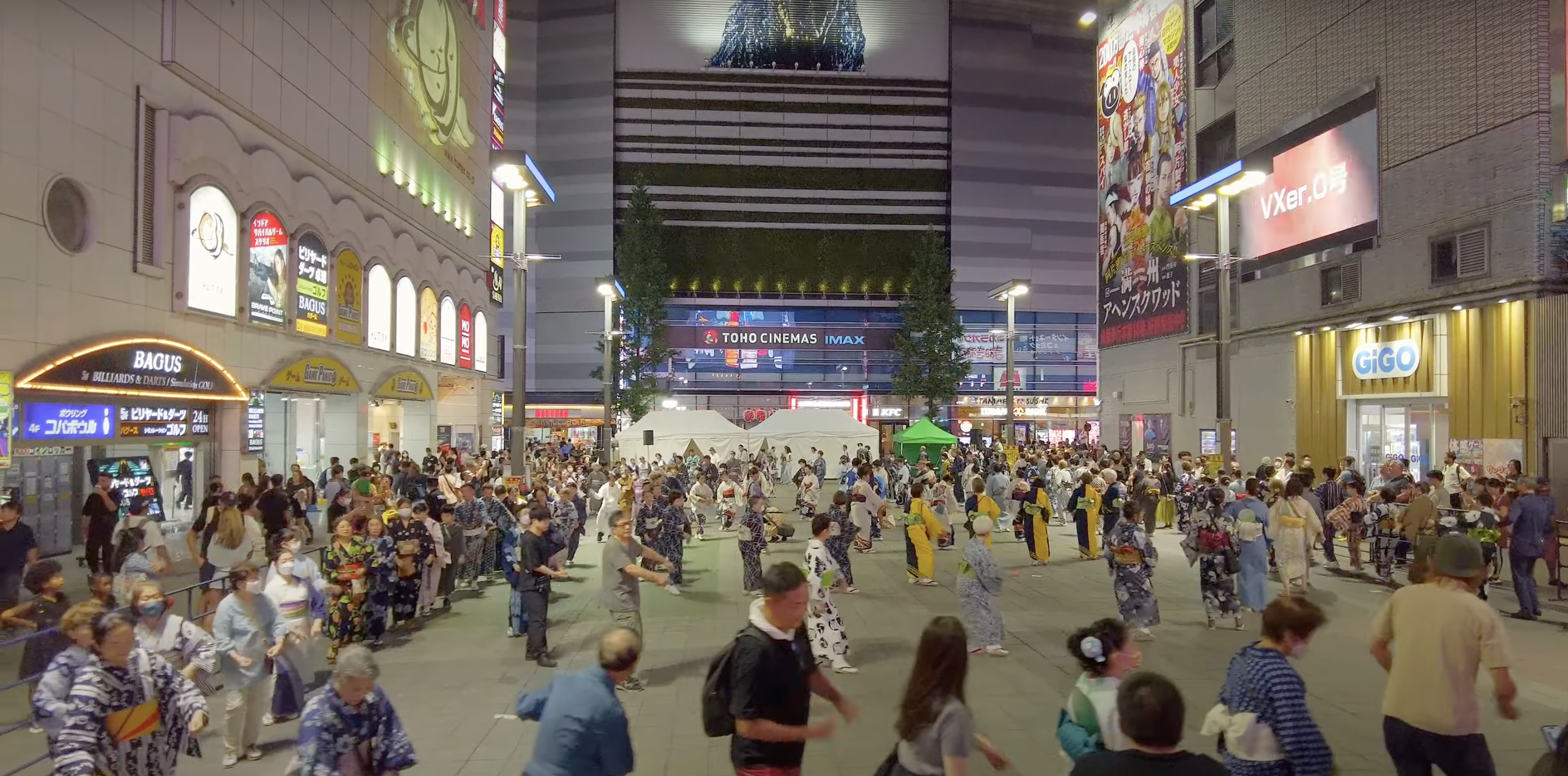
This is a traditional summer event held every August at Cine City Square in Shinjuku. At this festival, traditional Japanese bon odori dancing is fused with modern pop songs, creating a fun atmosphere that people of all ages can enjoy.
A special feature of the festival is the taiko drum performance by Tokyo Otome Taiko, whose powerful playing further enhances the bon odori atmosphere. The event is free to attend and held from evening to night, making it possible to enjoy the festivities during the cooler hours while avoiding the daytime heat.
Conclusion
Shinjuku, with its diverse attractions and historical background, is an essential destination for travelers visiting Tokyo. Not only as a center of business and entertainment, but also as a place where Japanese culture and history can be experienced, it continues to captivate many people. The tranquility of Shinjuku Gyoen, the magnificent views from the Tokyo Metropolitan Government Building’s observation deck, and the retro atmosphere of Omoide Yokocho and Golden Gai all embody the multifaceted nature of this district.
Additionally, the various events and festivals held throughout the year provide visitors with opportunities to connect with Shinjuku’s local culture and gain a deeper appreciation of its charm. Shinjuku is a dynamic city where Japanese tradition and modern culture merge.