
🕓 2025/1/29
#Shrine
A Detailed Guide to the History and Recommended Spots of Shirakawa-go
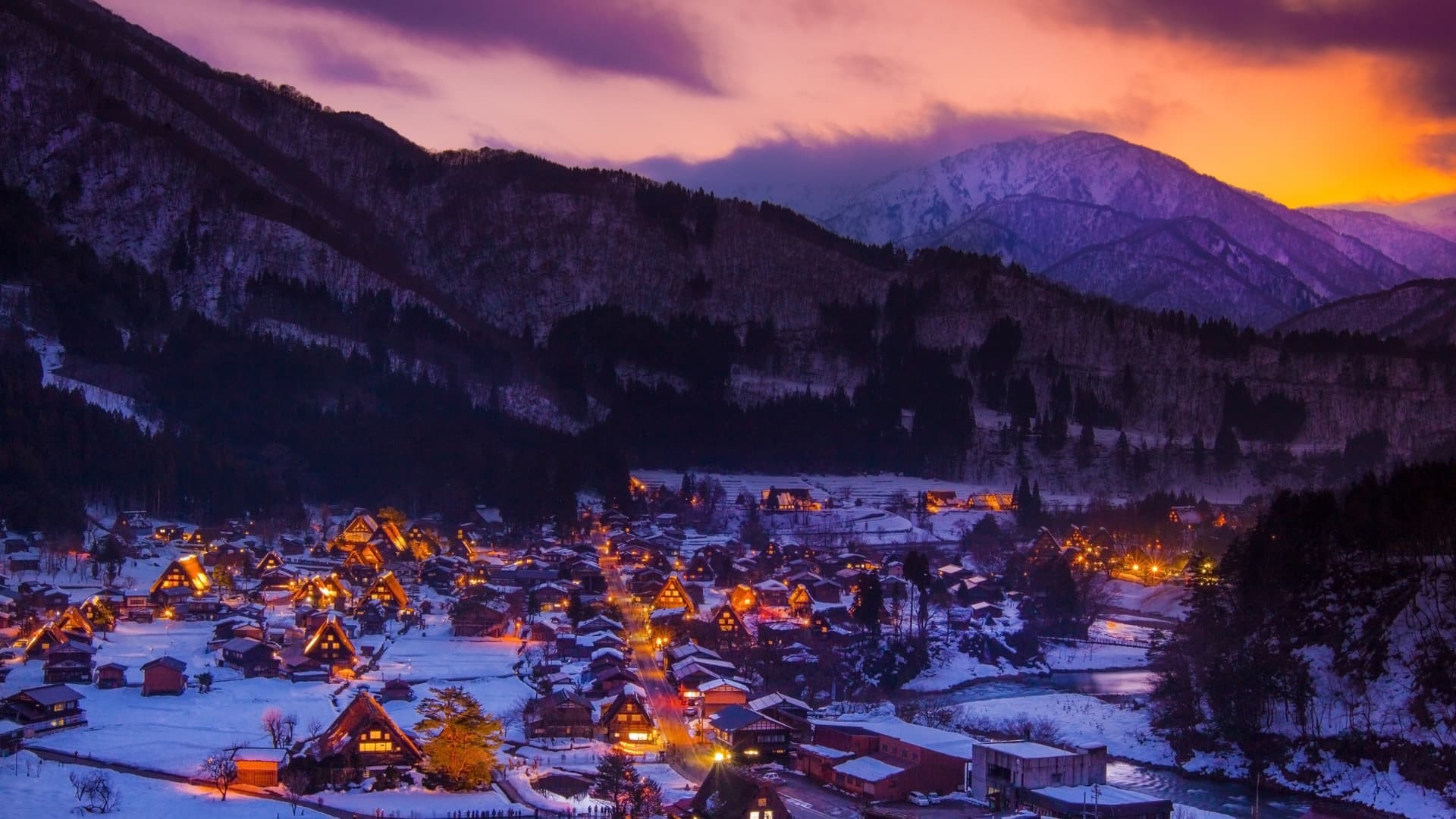
Table of Contents
Introduction
Shirakawa-go is a precious region where traditional Japanese culture and beautiful nature harmoniously blend together. This mountain village is lined with houses featuring a distinctive architectural style known as gassho-zukuri.
The scenery that changes with each season and the lifestyle of villagers that has continued since ancient times remain deeply rooted in this area. Since being registered as a UNESCO World Heritage Site in 1995, it has become a popular tourist destination attracting many visitors. In this article, we will provide a detailed introduction to the history and highlights of Shirakawa-go.
Overview of Shirakawa-go
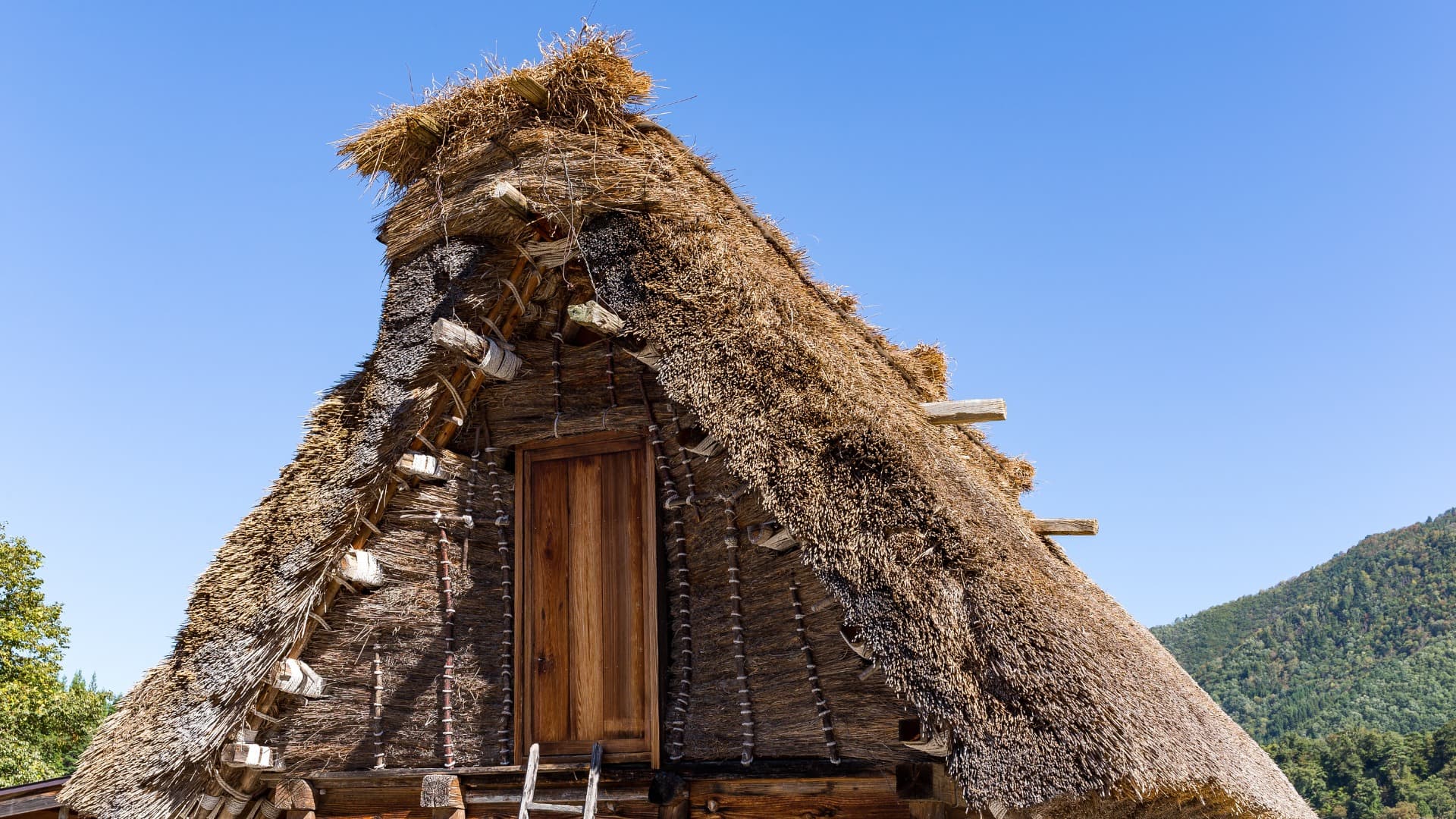
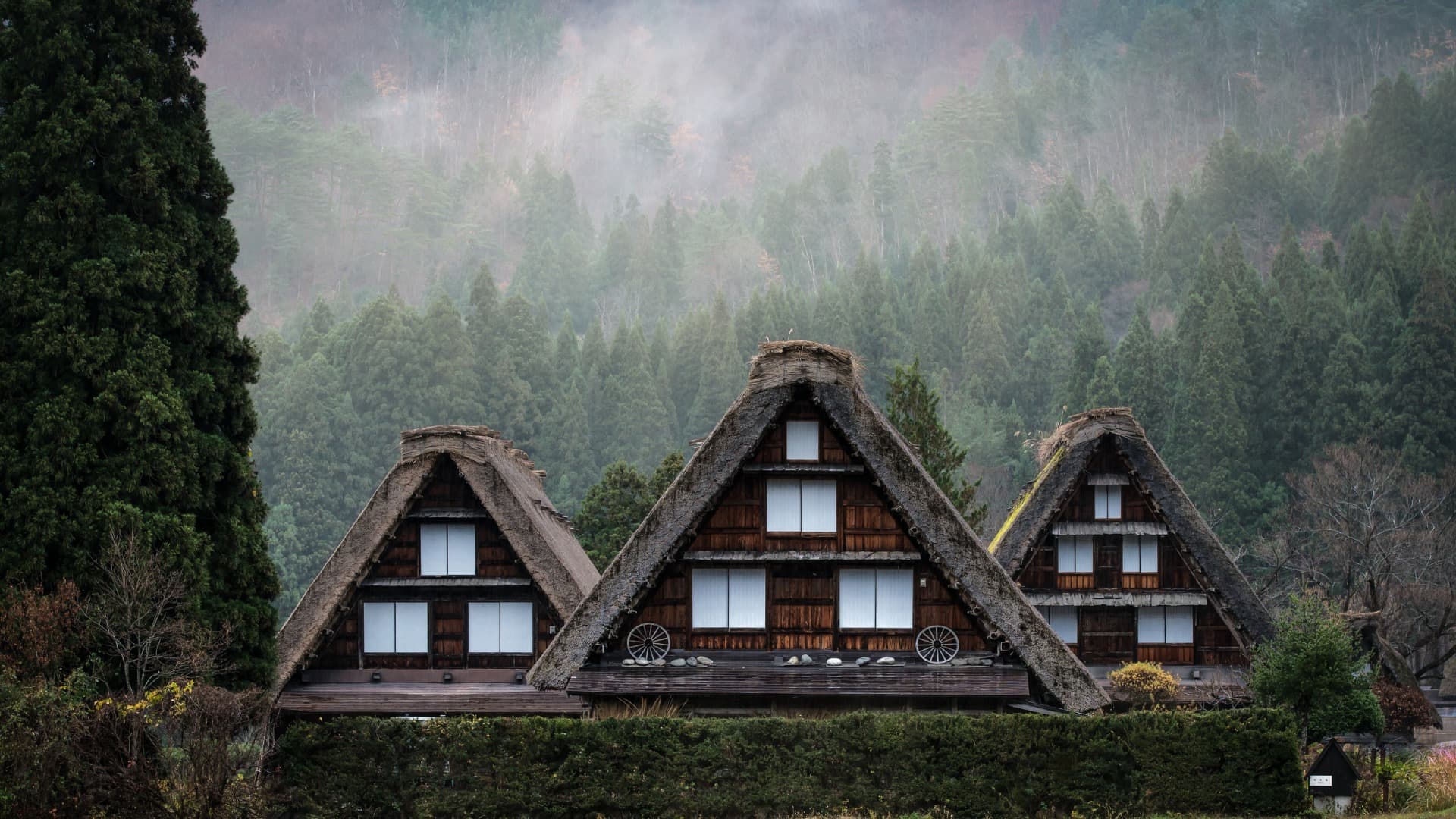
Shirakawa-go is a mountain village located in Gifu Prefecture, Japan, famous for its traditional “gassho-zukuri” style houses. Together with the neighboring Gokayama, this area was registered as a UNESCO World Heritage Site in 1995. The houses of Shirakawa-go are characterized by their distinctive gassho-zukuri architectural style, with steep thatched roofs designed to withstand the heavy snowfall of winter.
Considered one of the hidden retreats originating from the legend of the Heike clan refugees, Shirakawa-go was long an isolated area with limited contact with the outside world. As a result, the village’s lifestyle and culture developed uniquely and have been preserved to this day. Having sustained a self-sufficient lifestyle based on agriculture, the entire settlement functioned as a single community, with a unique cooperative system called “yui” that involved mutual help in building maintenance and farming.

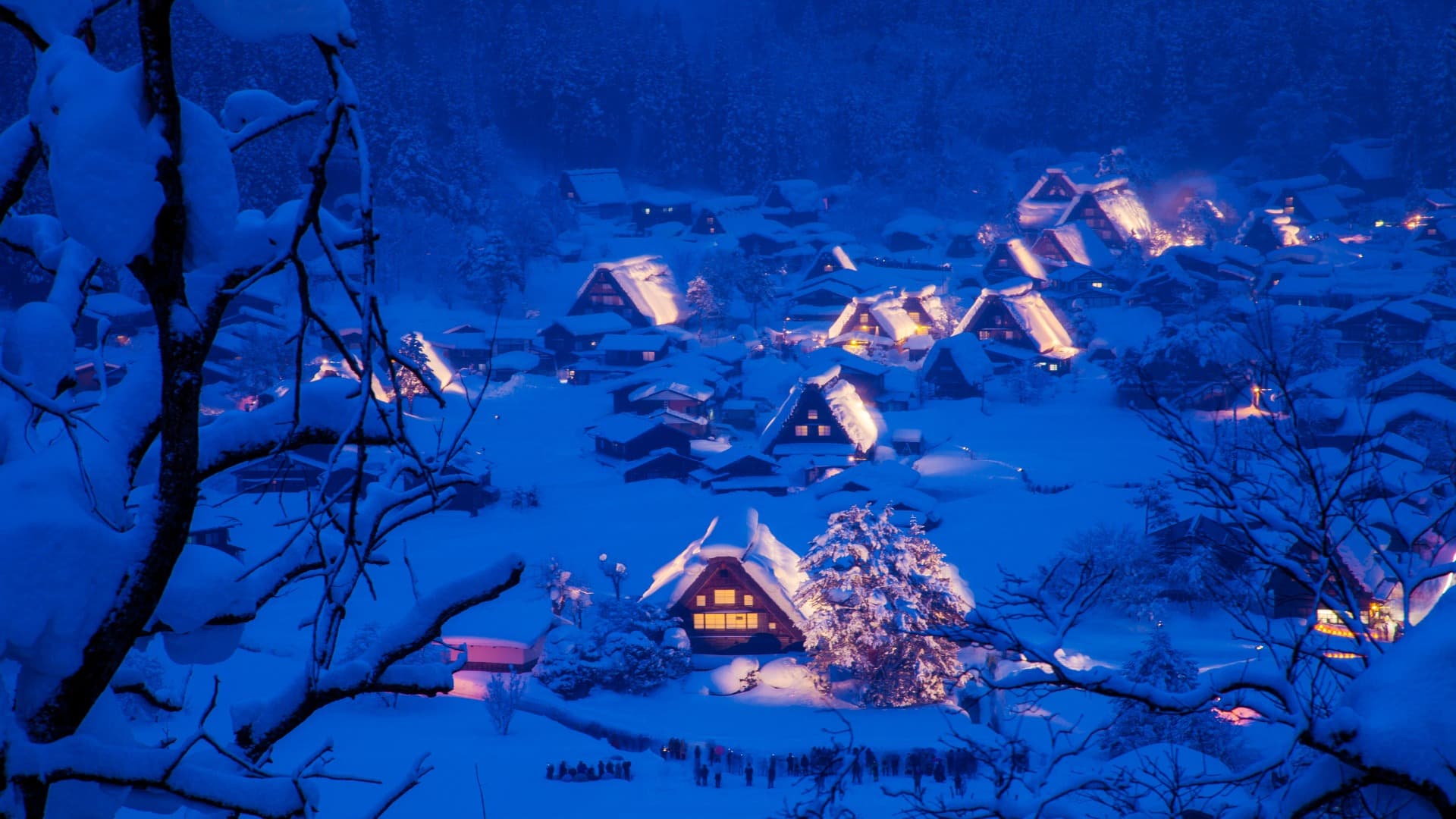
The gassho-zukuri houses were named because the shape of their roofs resembles the hands of a Buddhist monk joined in prayer. These houses were specially designed for the sericulture (silkworm farming) industry, with attic spaces used for raising silkworms. Shirakawa-go is also famous for its beautiful scenery in all four seasons, and in winter especially, the snow-covered gassho-zukuri houses create a magical landscape. Light-up events are also held in the area and are very popular with tourists.
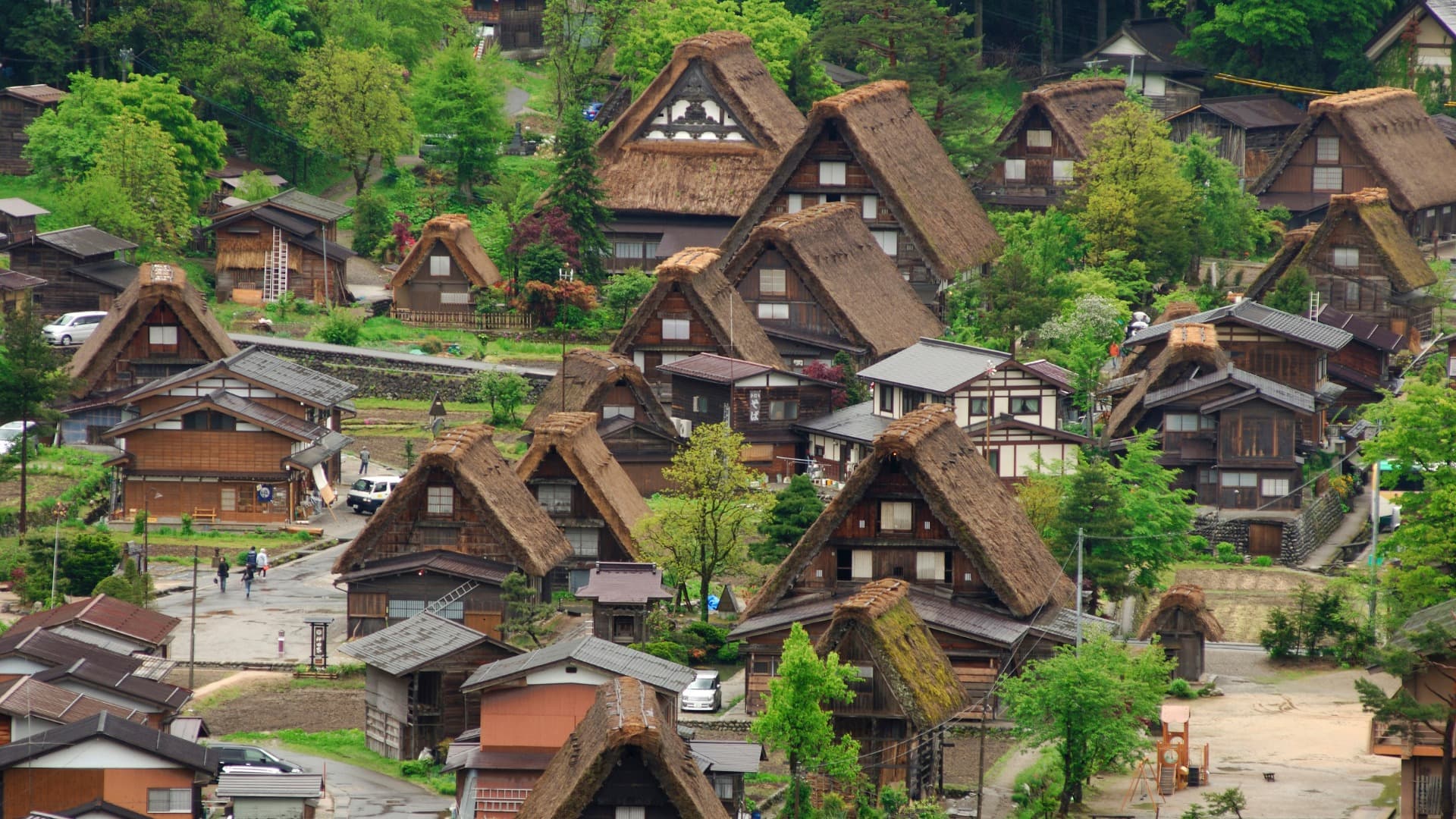
**Ogimachi**, the largest village in Shirakawa-go, is known as the center of tourism, with over 100 gassho-zukuri houses clustered together. Tourists can stroll through the village or stay at traditional guesthouses to experience the local culture.
History of Shirakawa-go
Shirakawa-go is located in Shirakawa Village, Ono District, Gifu Prefecture, and is a historic settlement known for its traditional gassho-zukuri houses. Historically, the following major events have been recorded.
1. 1185: The Legend of the Heike Refugees
 *Illustrative image
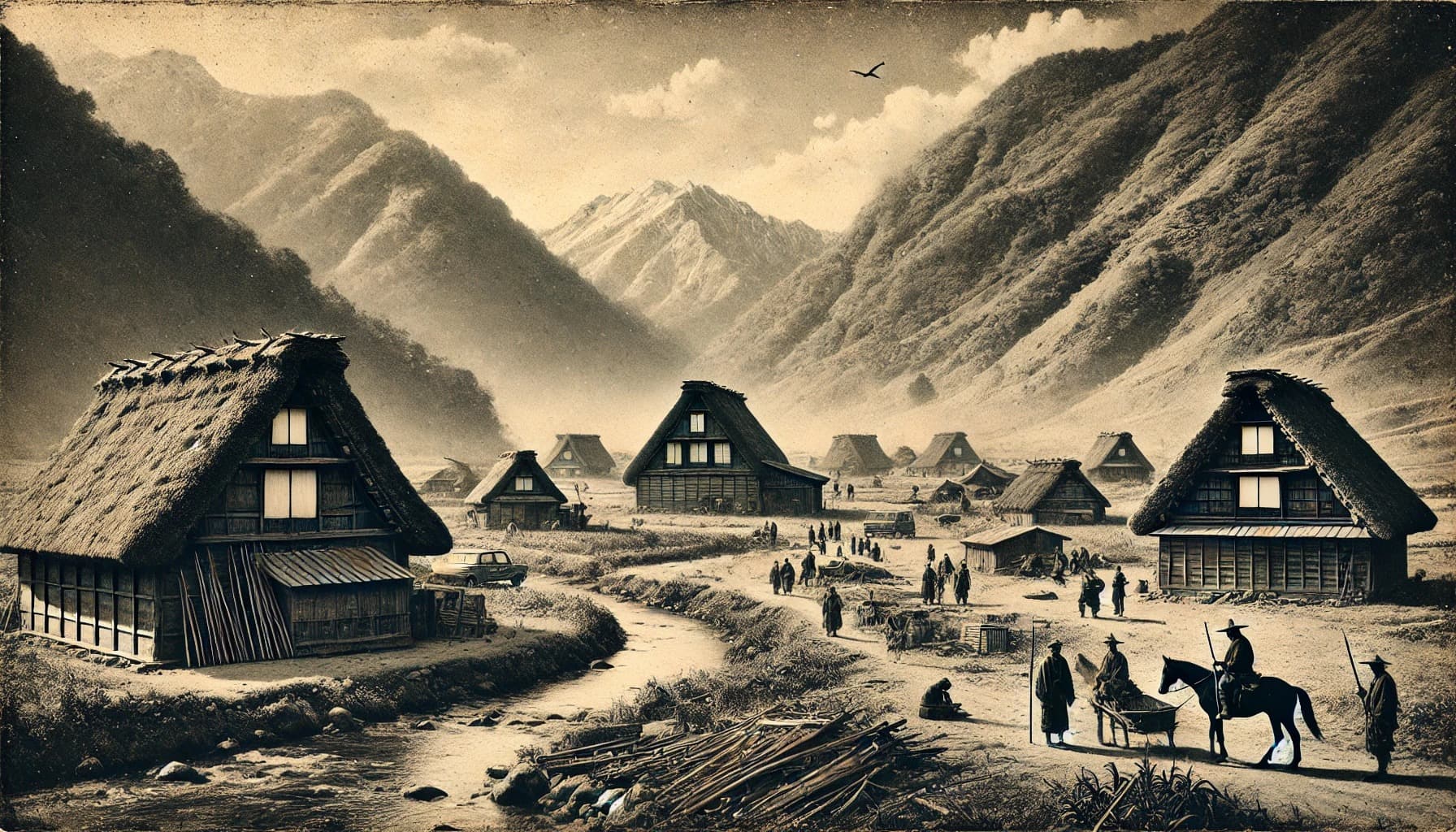
The history of Shirakawa-go traces back to the legend that when the Genpei War ended with the Battle of Dan-no-ura in 1185, members of the defeated Heike (Taira) clan fled to these remote mountains. This legend of the Heike refugees began with warriors who hid in this region, living in isolation and avoiding contact with the outside world as much as possible. This isolated environment later became the foundation for the development of Shirakawa-go’s unique culture.
Furthermore, the Heike legend passed down in this region is not merely a story of fugitives but also influenced the lives and beliefs of later local residents. It is said that descendants of the Heike built villages and made their living primarily through farming and hunting. These historical elements became factors supporting the unique formation of settlements and cultural identity in Shirakawa-go.
2. 1585: Rule of the Kaga Domain and Agricultural Development
 *Illustrative image
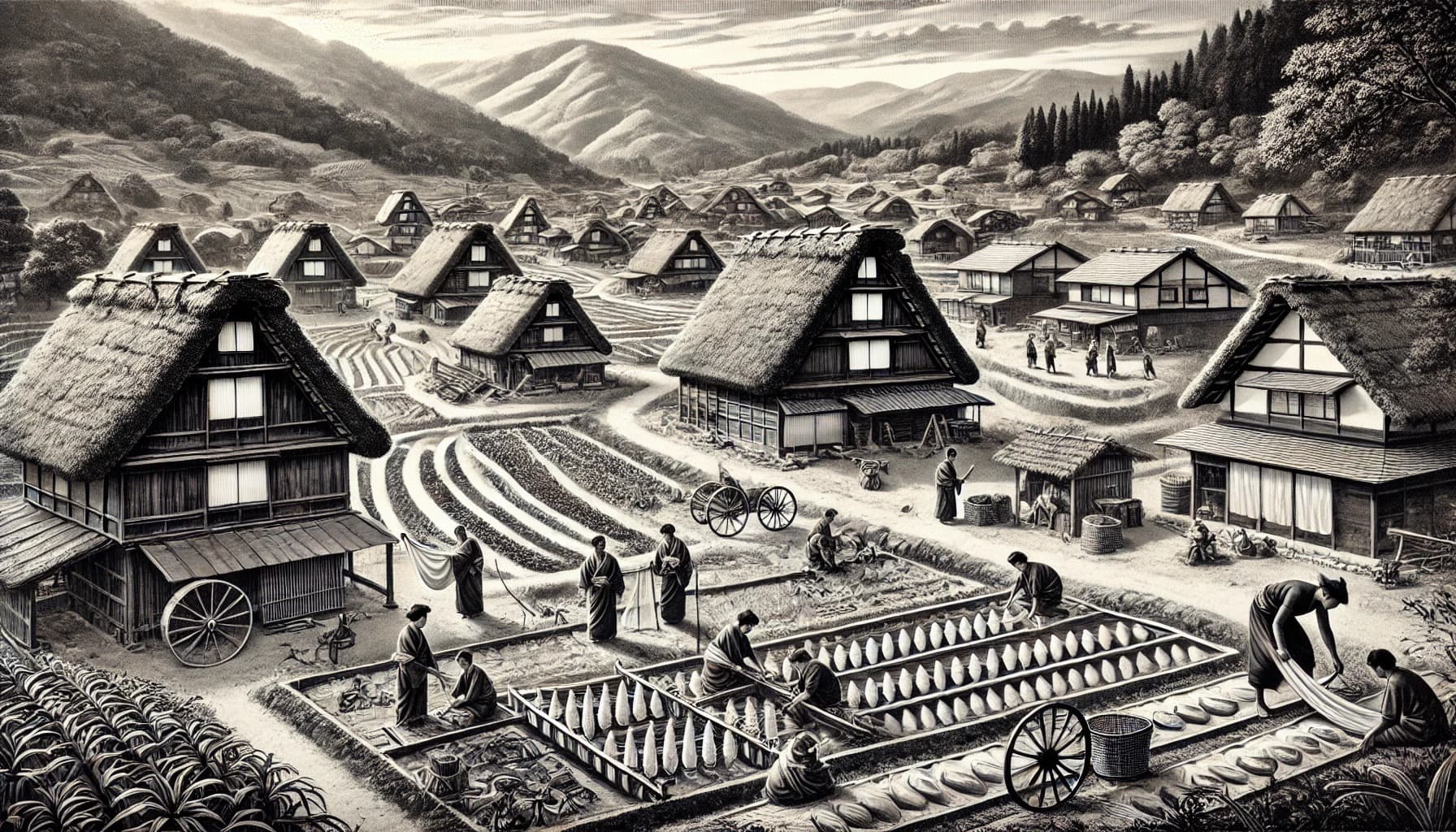
In 1585, amidst the turmoil of the Sengoku (Warring States) period, Shirakawa-go came under the rule of the Kaga Domain. The Maeda family, lords of Kaga, encouraged agricultural development in the region including Shirakawa-go, focusing particularly on promoting sericulture. Since sericulture could effectively utilize the limited farmland in mountainous areas, it became the economic foundation of Shirakawa-go. Raising silkworms and producing silk from their cocoons was established as the region’s primary industry, becoming an essential pillar supporting the local economy.
During this era, agricultural techniques also advanced, and in addition to rice cultivation, the cultivation of wild mountain vegetables and fruit trees began, gradually stabilizing residents’ lives. The agricultural policies carried out under Kaga Domain management supported the self-sufficient lifestyle of villagers and provided the economic foundation for the later formation of gassho-zukuri settlements.
3. 1700s: Formation of the Gassho-zukuri Settlement
 *Illustrative image
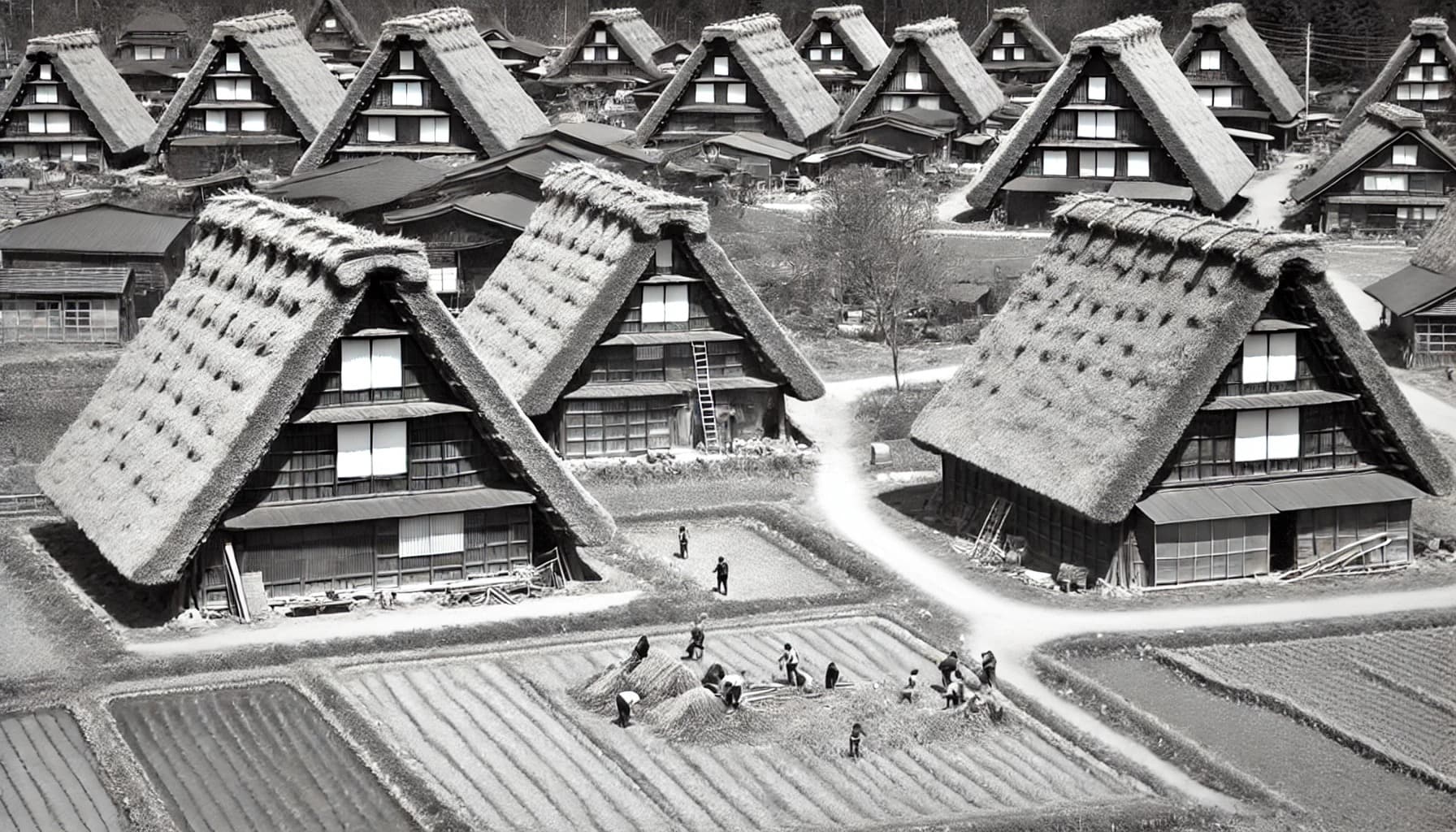
In the 1700s, the gassho-zukuri settlement of Shirakawa-go was fully established. During this period, gassho-zukuri buildings adapted to the heavy snow region spread throughout the settlement. The steep-sloped thatched roofs were designed to withstand winter snowfall and were also suited for sericulture. The attic spaces were used for raising silkworms, and the entire house functioned as a practical space closely tied to agriculture.
Furthermore, the cooperative system called “yui” operated strongly within the settlement. This system involved residents helping each other with building construction and repairs, maintaining and developing the entire settlement. Large-scale gassho-zukuri houses in particular required many hands to build, and could not have been completed without the yui system.
4. 1871: Meiji Era Reforms and Depopulation
 *Illustrative image
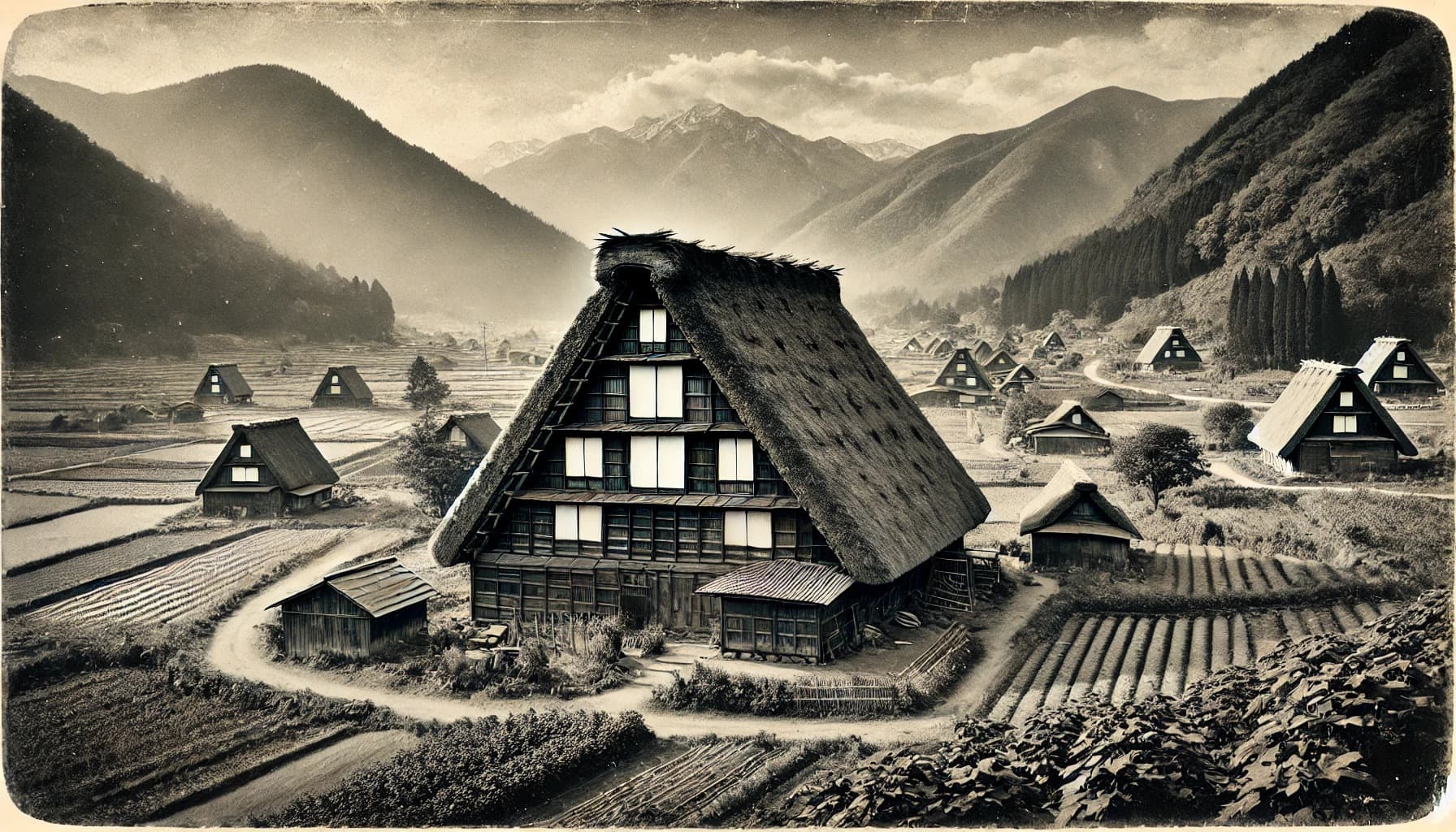
The centralization of the Meiji government that began in 1871 promoted modernization throughout Japan, but its impact was limited in mountainous areas like Shirakawa-go. Government policies for agricultural reform and industrial promotion accelerated economic development in flatlands and areas with convenient transportation, but Shirakawa-go was a remote mountainous region where economic development lagged behind.
Shirakawa-go had sustained a self-sufficient lifestyle based on agriculture and sericulture, but after the Meiji Restoration, the Industrial Revolution and expansion of the market economy widened the economic gap with other regions. Without developed transportation infrastructure, residents found it difficult to access external markets, and the economic situation remained severe. As a result, many young people migrated to urban areas, and depopulation progressed throughout the village.
Additionally, the government’s “Abolition of Domains and Establishment of Prefectures” policy removed Shirakawa-go from Kaga Domain management and placed it under direct central government control, dealing a blow to the village’s independent economic base and accelerating the decline of local agriculture and sericulture.
5. 1971: Beginning of the Gassho-zukuri Preservation Movement
In 1971, due to depopulation and population outflow to cities, the gassho-zukuri settlement of Shirakawa-go faced the crisis of extinction. A preservation movement began to protect the traditional architectural style and village culture. Local residents, scholars, and cultural property protection organizations joined forces to preserve the entire settlement.
In 1976, the gassho-zukuri houses were designated as Important Cultural Properties. With government support, restoration of buildings and development of tourism infrastructure progressed.
In 1995, the gassho-zukuri settlements of Shirakawa-go and Gokayama were registered as UNESCO World Heritage Sites, bringing international recognition and many visitors from Japan and abroad.
6. 2020s: Sustainable Tourism and Cultural Preservation
Entering the 2020s, annual tourist numbers reached hundreds of thousands, and environmental conservation and cultural heritage maintenance became new challenges. Concerns about the impact of excessive tourism on the landscape and traditional lifestyle created demand for sustainable tourism.
Local residents, tourism operators, and the government are cooperating to reduce the environmental burden from tourists while balancing cultural protection. A reservation system has been introduced to ease tourist concentration, and shuttle bus services reduce traffic within the settlement.
Recommended Spots in Shirakawa-go
Shirakawa-go offers many highlights thanks to its beautiful gassho-zukuri architecture and rich historical background. Below we introduce the major spots you should visit.
■ Wada House
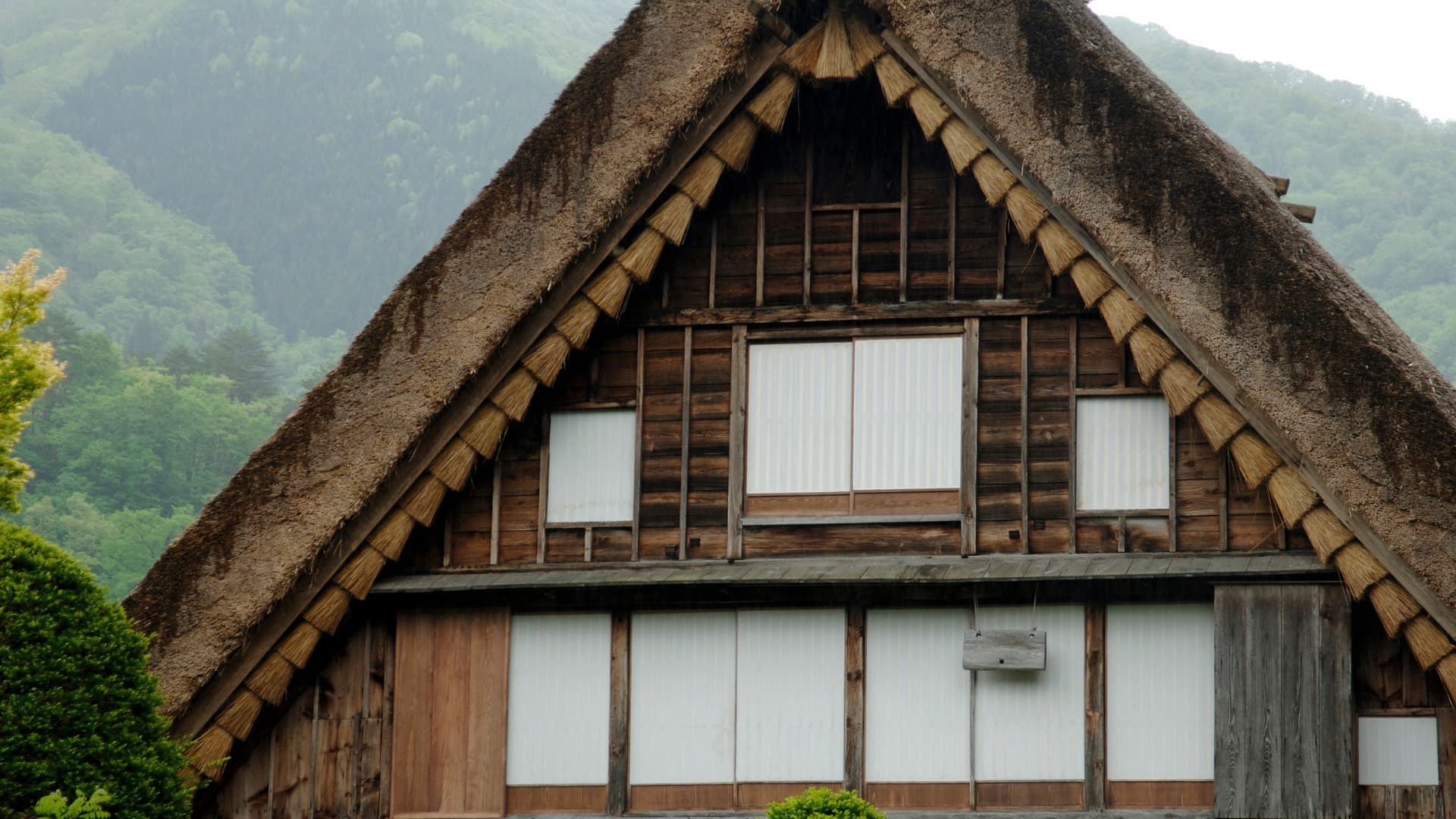
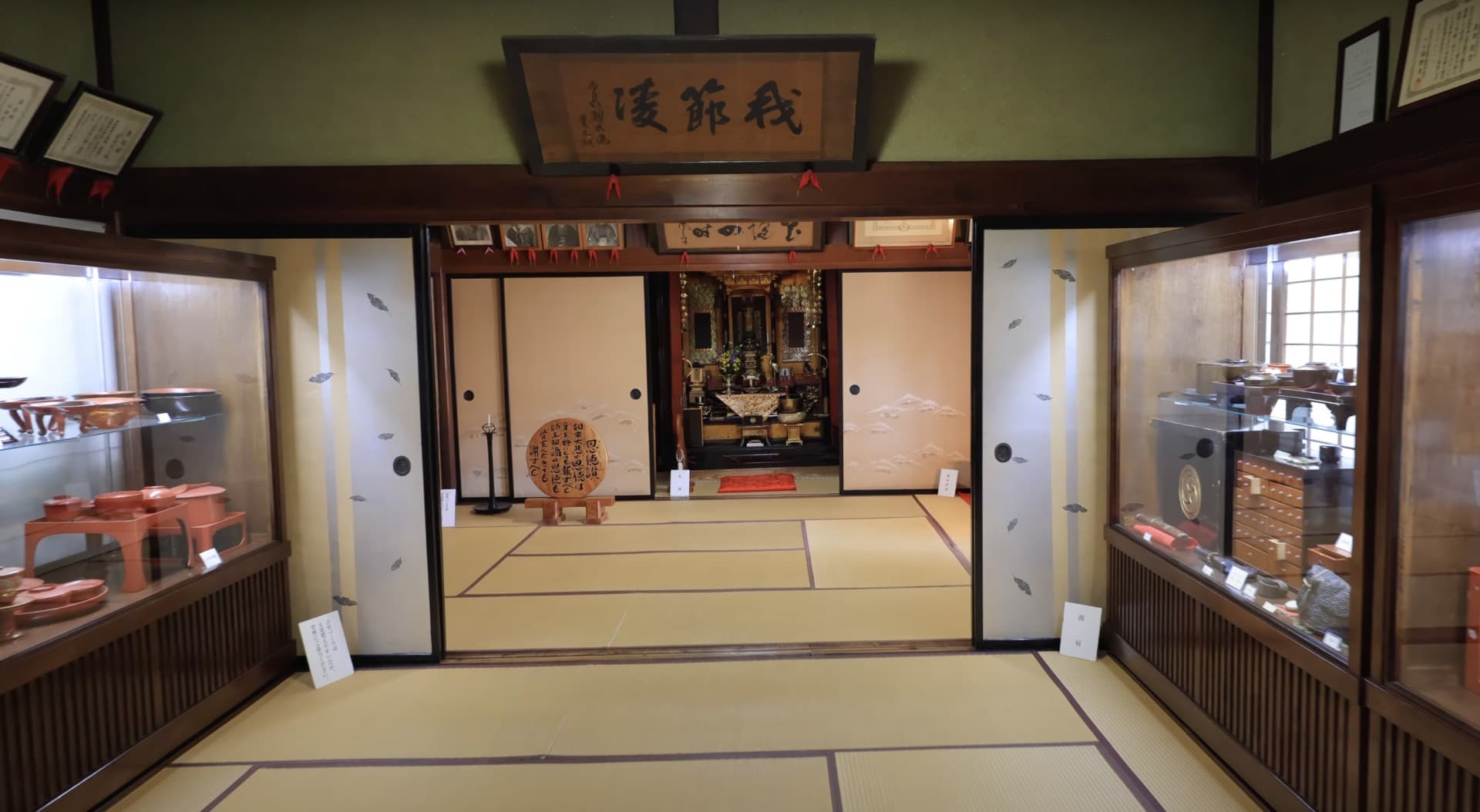
Wada House is one of the largest and best-preserved gassho-zukuri houses in Shirakawa-go, designated as a nationally Important Cultural Property. The Wada family once served as village headman. Inside, equipment and tools used for sericulture and farming are on display. Tourists can see the internal structure of gassho-zukuri up close and experience the lifestyle of that era.
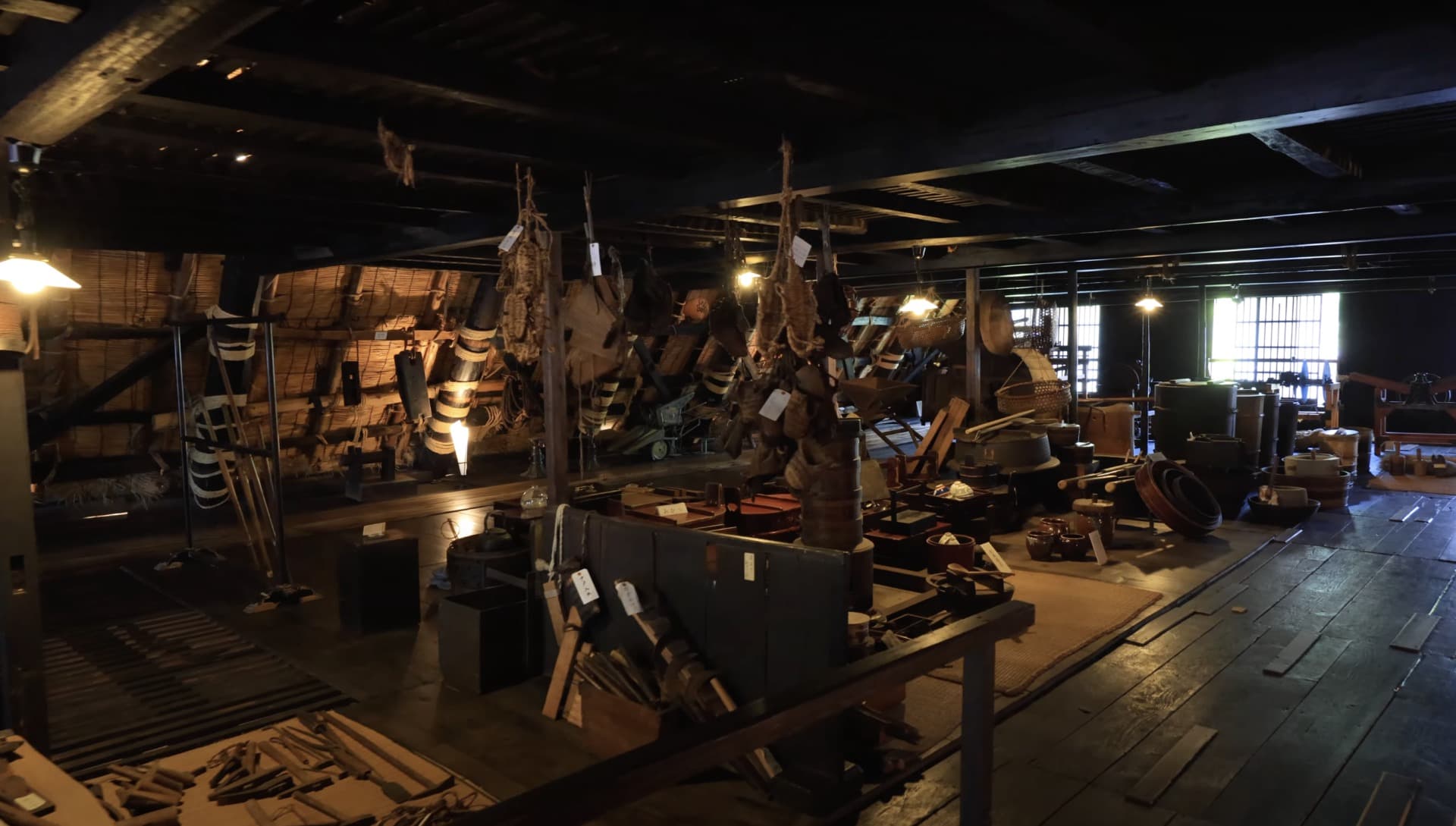 The spacious grounds also feature a beautiful garden where visitors can enjoy seasonal scenery throughout the year.
■ Shirakawa-go Gassho-zukuri Village Observation Deck
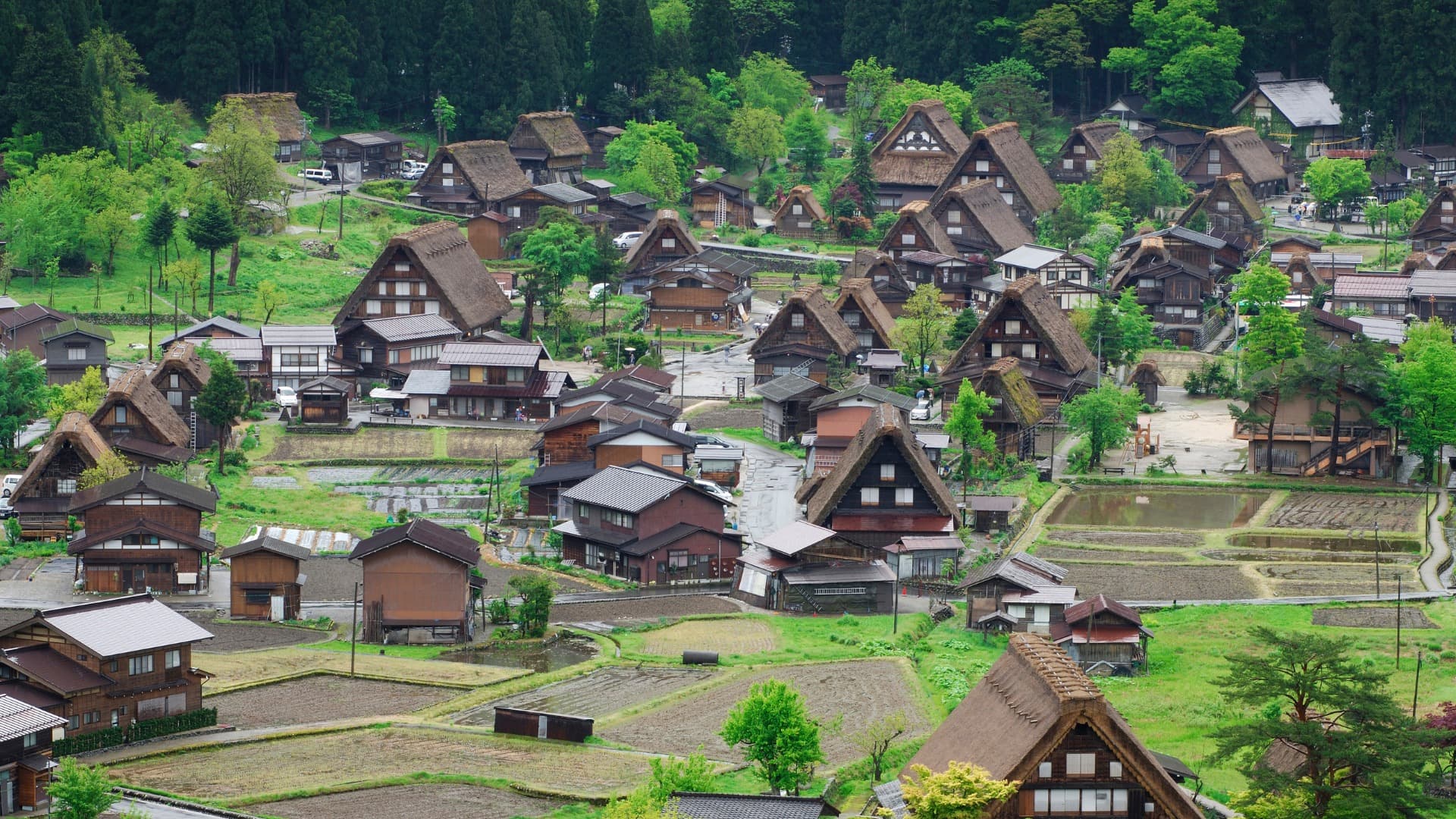
The observation deck is a popular spot offering a panoramic view of the entire Shirakawa-go settlement. Located at a high elevation, it provides a complete view of the gassho-zukuri settlement and is famous as a photography spot. In winter, you can see the beautiful snow-covered Shirakawa-go, creating a magical landscape. With autumn foliage, spring fresh greenery, and seasonal scenery to enjoy throughout the year, it is extremely popular with visitors.
■ Myozenji Temple

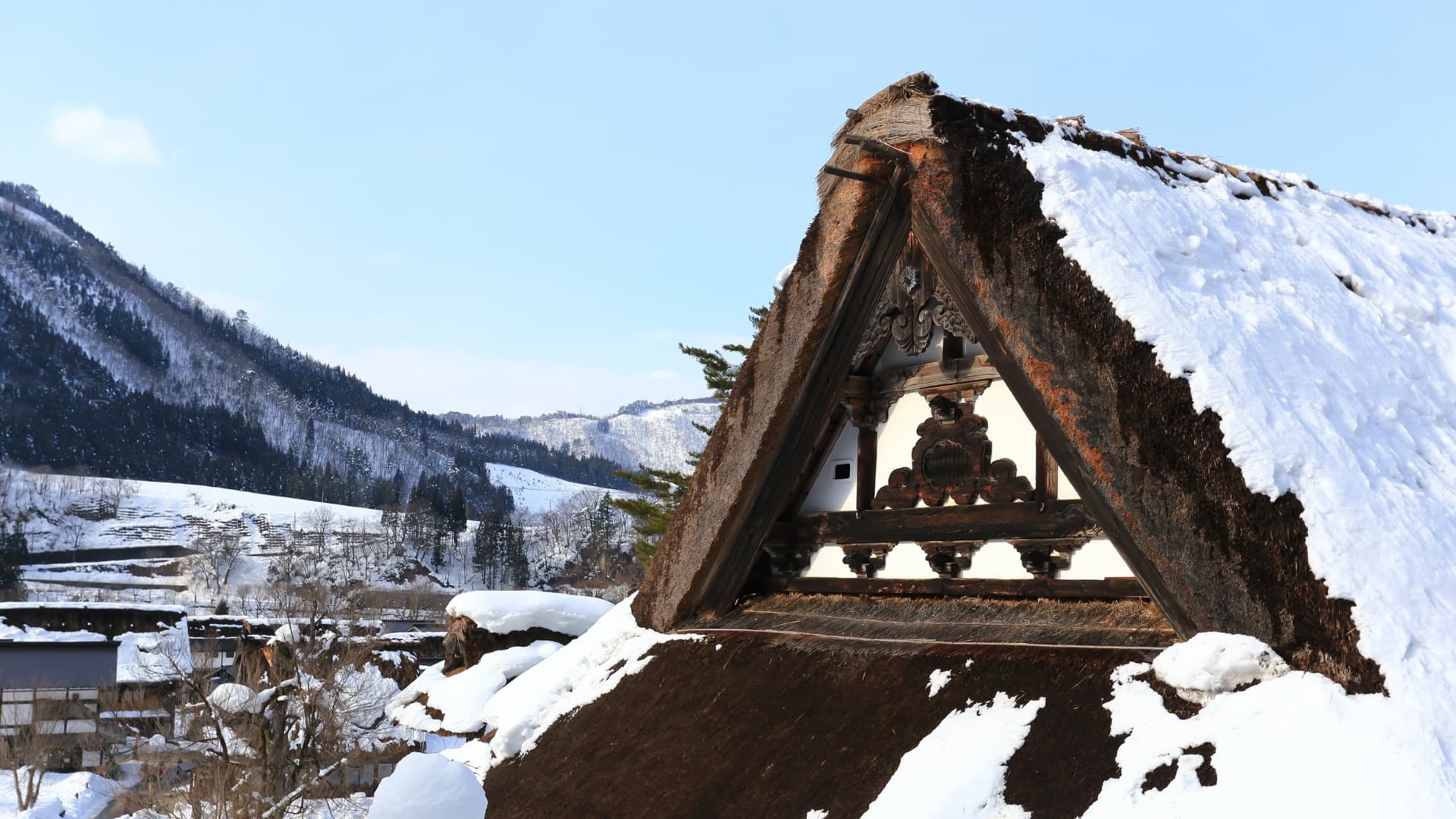
Myozenji Temple is a historic Buddhist temple in Shirakawa-go and the only gassho-zukuri building used as a temple. Founded in the 16th century, the existing buildings have over 200 years of history. Its five-story gassho-zukuri main hall houses Buddhist statues and ancient scriptures. The temple grounds also feature a quiet and beautiful garden providing a serene space.
■ Kanda House
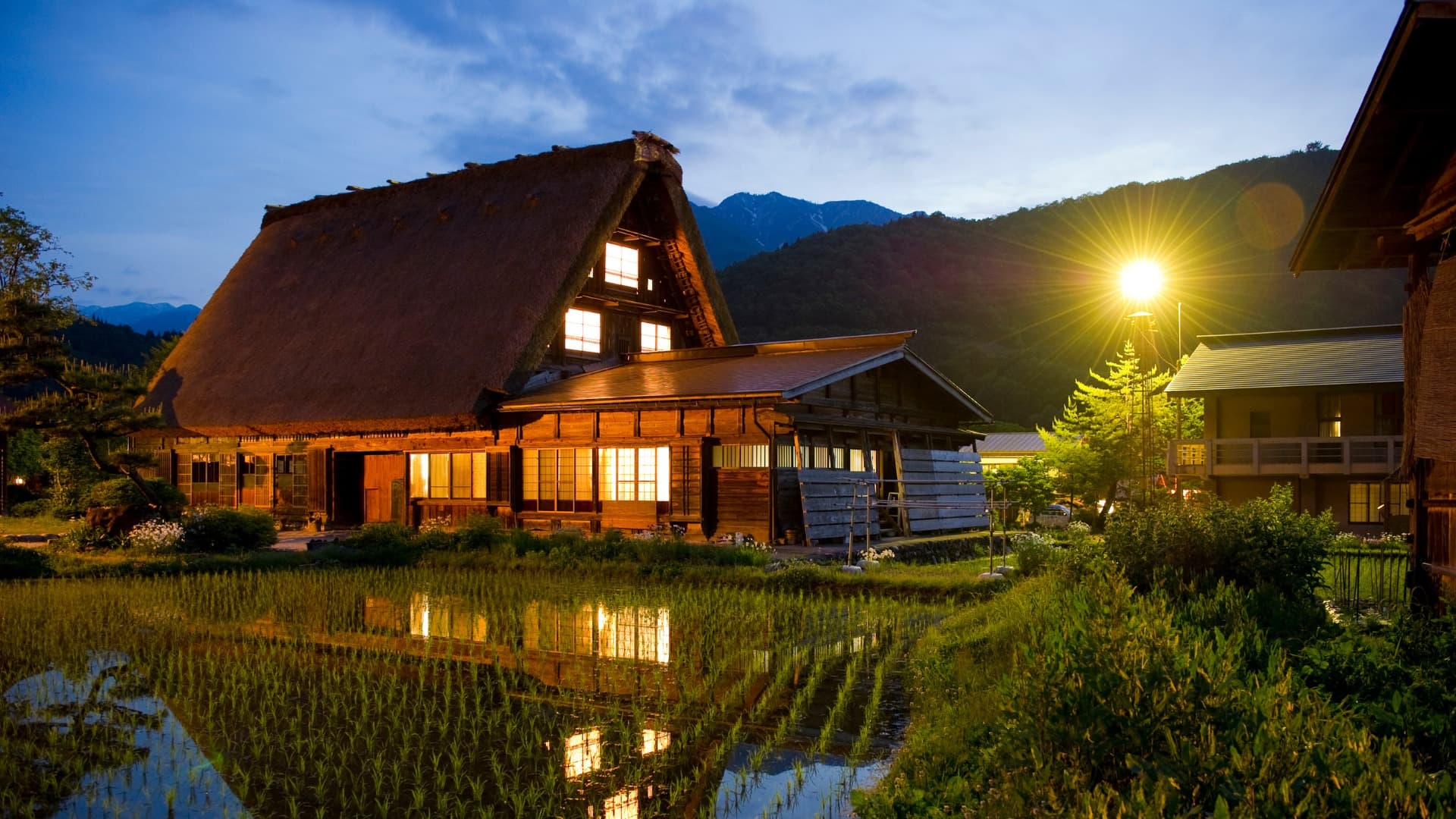
Kanda House is a representative gassho-zukuri house open to the public. The Kanda family has been engaged in sericulture since the Edo period. Of particular interest are the sericulture tools and looms preserved in the attic, offering a look at the structure of traditional houses and the lifestyle of the era.
■ Nagase House
Nagase House is one of the larger gassho-zukuri buildings, where visitors can see the distinctive architectural style adapted to heavy snowfall regions. Inside, tools for sericulture and everyday items are displayed. Nagase House also recreates the living scene from the period when residents actually lived there, offering a realistic sense of life in those times.
■ Shirakawa-go Light-Up (Winter Only)
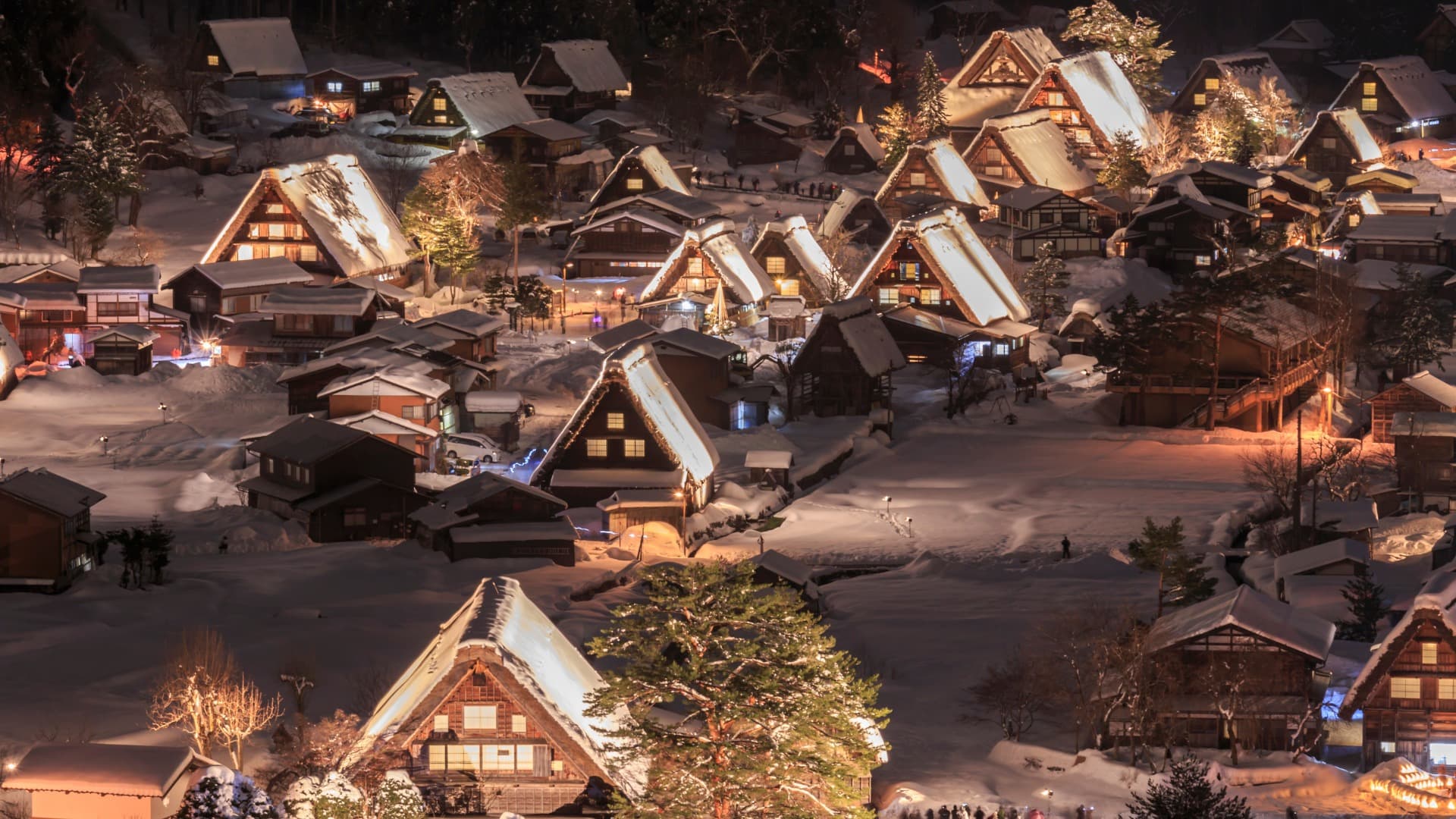
The gassho-zukuri settlement of Shirakawa-go holds a light-up event every winter. The entire settlement is covered in snow, and from dusk into the night, the beautifully illuminated scene is truly magical. This event captivates many tourists from Japan and abroad, and the nighttime scenery is breathtakingly beautiful. The light-up dates are announced in advance, so it is best to plan your visit accordingly.
Summary
In conclusion, Shirakawa-go is a place brimming with charm, woven from its distinctive gassho-zukuri architecture, long history, and rich nature. With scenery that shows a different face with each visit throughout the four seasons, and by encountering the traditional culture and lifestyle that has endured since ancient times, visitors can truly appreciate the depth of Japanese traditional culture.
Beyond just sightseeing, we encourage you to reflect on the efforts being made to preserve the region’s culture and history, and to fully enjoy everything Shirakawa-go has to offer.