
🕓 2024/7/20
#Culture
A Detailed Guide to the History and Overview of Tenma
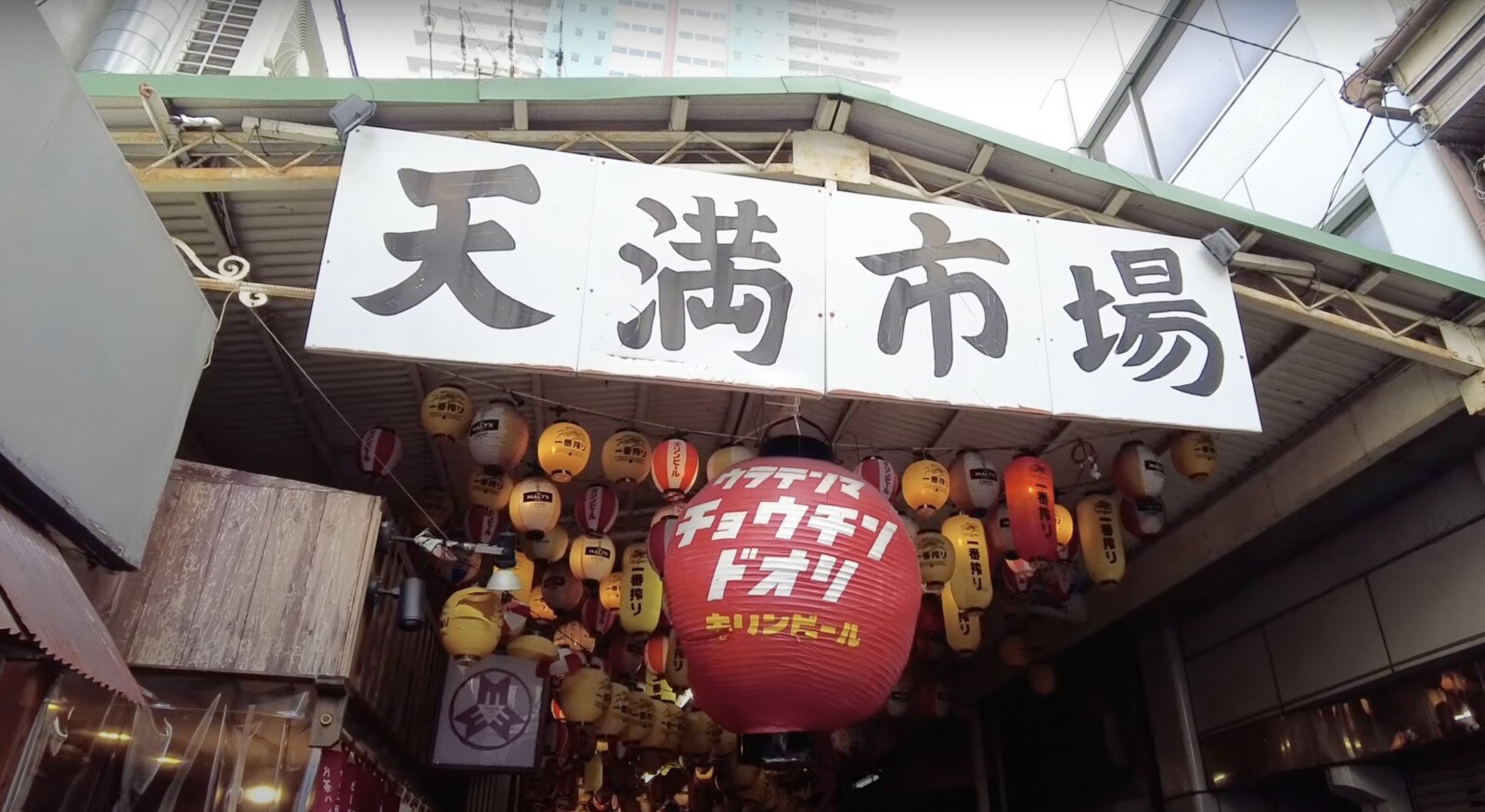
Table of Contents
- Overview of Tenma
- History of Tenma
- Recommended Spots in Tenma
Introduction
Located in Kita Ward of Osaka, Tenma is an area where history and modern charm come together. Known for attractions such as Osaka Tenmangu Shrine and Tenjinbashisuji Shopping Street, Tenma captivates visitors with its rich culture and lively streetscape.
The back alleys of Tenma are particularly noteworthy, lined with numerous unique bars and eateries that are popular among both locals and tourists. The “Ura-Tenma” (Back Tenma) area is packed with small izakaya pubs and bars tucked into narrow lanes, making it the perfect spot for a bar-hopping (hashigo-zake) adventure.
In this article, we provide a detailed look at Tenma’s overview, history, and how to enjoy this vibrant neighborhood. Explore the charms of Tenma and use this guide to plan your visit.
Overview of Tenma

Tenma is a vibrant, historically rich area located in Kita Ward, Osaka. The neighborhood is home to Osaka Tenmangu Shrine and Tenjinbashisuji Shopping Street, the longest shopping street in Japan.
Osaka Tenmangu Shrine was founded in 949 and is dedicated to Sugawara no Michizane, revered as the deity of learning and scholarship. The shrine is an important place of worship especially for students and those pursuing academic goals. The Tenjin Matsuri festival, held every July, is counted among the three greatest festivals in Japan and draws huge crowds of visitors.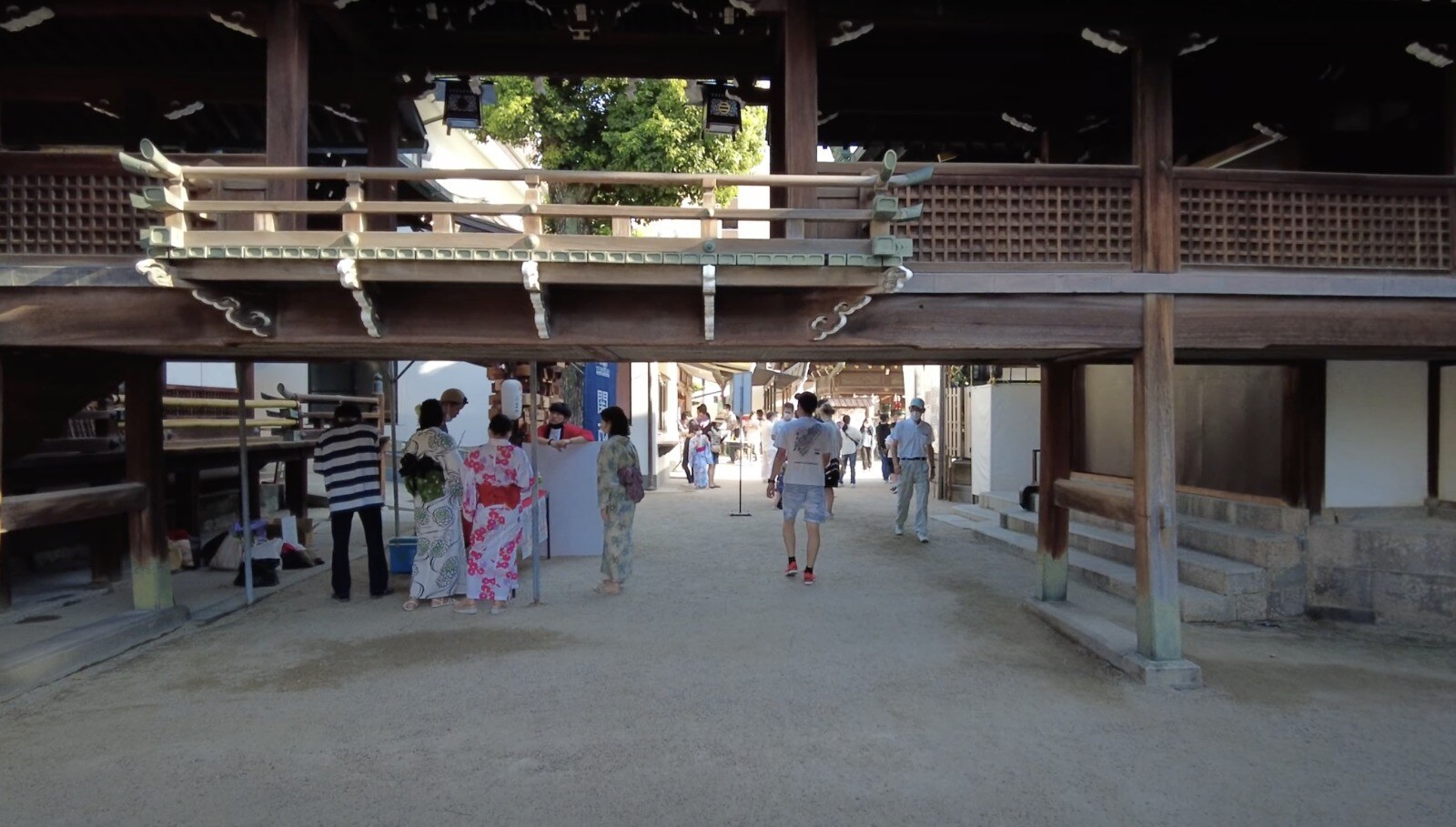
Tenjinbashisuji Shopping Street stretches approximately 2.6 kilometers, making it the longest shopping street in Japan. It features around 600 shops offering everything from daily necessities and clothing to restaurants and eateries. The shopping street is deeply connected to the everyday lives of local residents and is an excellent destination for tourists to enjoy shopping and dining. The entire arcade is covered with a roof, allowing visitors to stroll comfortably regardless of the weather.
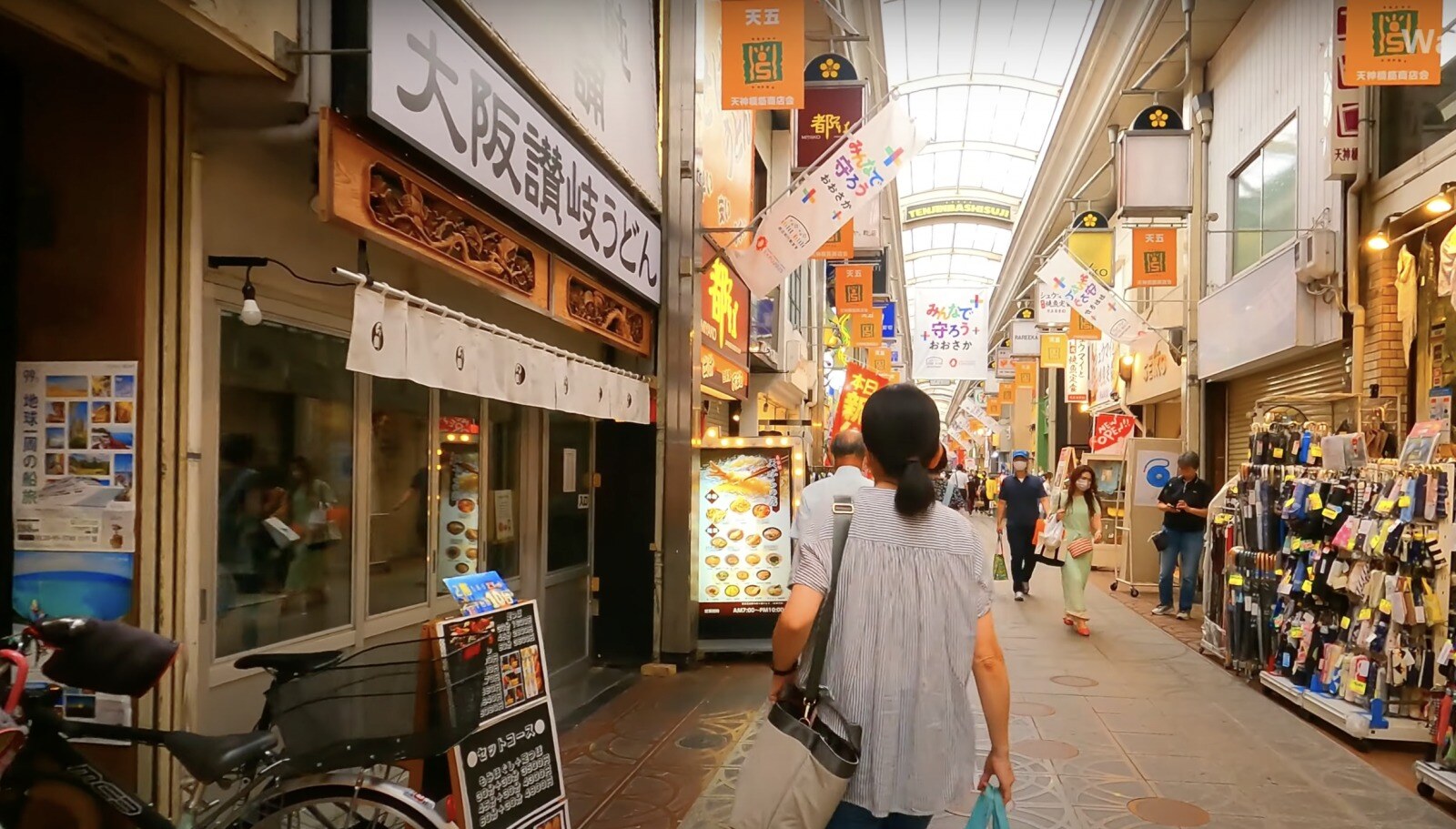
Tenma is also an ideal place to savor local food culture. Numerous restaurants and izakaya pubs serve traditional Osaka dishes such as takoyaki (octopus balls), okonomiyaki (savory pancakes), and kushikatsu (deep-fried skewers). The area comes alive especially at night, when many dining establishments bustle with activity. The narrow alleys around Tenma Station are dotted with unique bars and small drinking spots, perfect for evening food and drink explorations.
2. History of Tenma
Tenma is an area rich in history and culture, located in Kita Ward, Osaka. Its name derives from Osaka Tenmangu Shrine. The history of this area spans many centuries of transformation. Below, we explore Tenma’s history through its major milestones.
■ 949: Founding of Osaka Tenmangu Shrine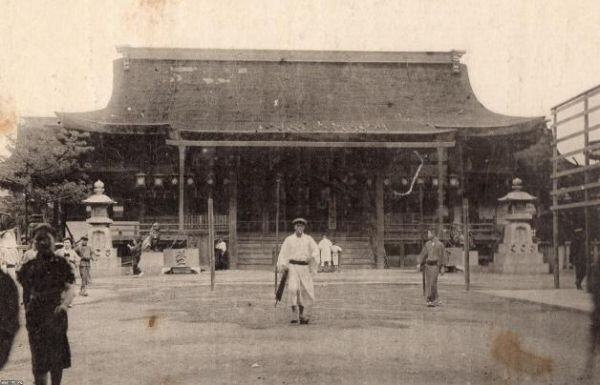
Osaka Tenmangu Shrine was founded in 949 to enshrine Sugawara no Michizane, the revered deity of learning. Michizane was a renowned scholar, poet, and statesman of the Heian period whose scholarly achievements earned him great respect. The shrine was established to appease his spirit and honor him as the guardian deity of learning. The shrine suffered numerous fires throughout its history but was rebuilt each time. The current main hall and main gate were reconstructed in 1845 during the late Edo period, adopting the beautiful architectural style that can be seen today.
■ 16th Century: Commercial Development
In the 16th century, Osaka began to develop as a commercial hub, and the Tenma area played an important role in this growth. The establishment of the Tenma Market transformed the area into a bustling center for fresh ingredients, filled with the energy of merchants.
■ Early 20th Century: Modernization and Urban Development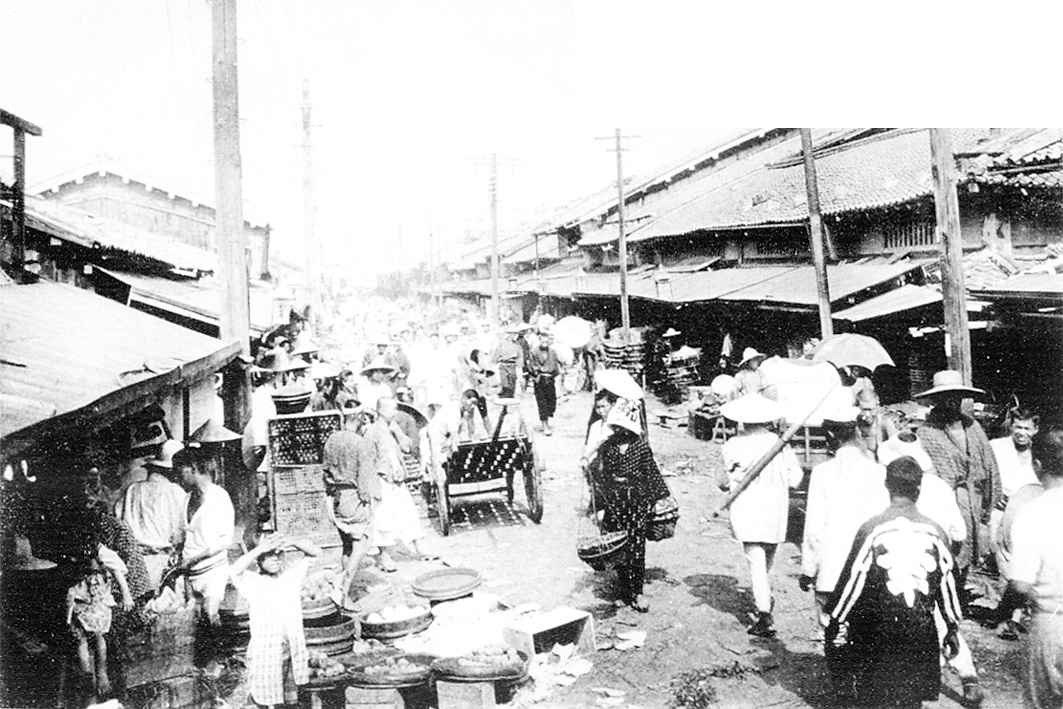
In the early 20th century, modernization advanced throughout Osaka, and the Tenma area underwent urban development. During this period, Tenjinbashisuji Shopping Street took shape and became known as the longest shopping street in Japan. The arcade offered a wide range of goods from daily necessities and food to clothing, becoming the heart of daily life for local residents.
■ 1945: Postwar Reconstruction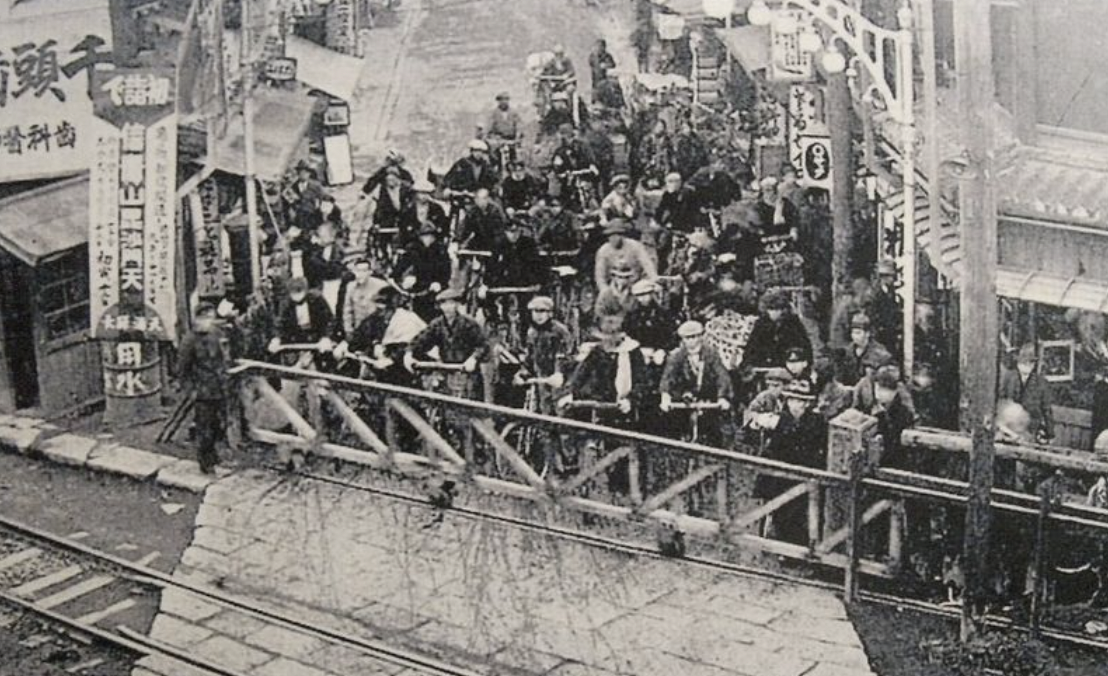
After World War II, the Tenma area recovered from wartime destruction. The area around Osaka Tenmangu Shrine saw the revival of the local community, with festivals and events becoming thriving traditions once again, reaffirming the shrine’s role as a symbol of the neighborhood.
■ Present Day: Growth as a Tourist Destination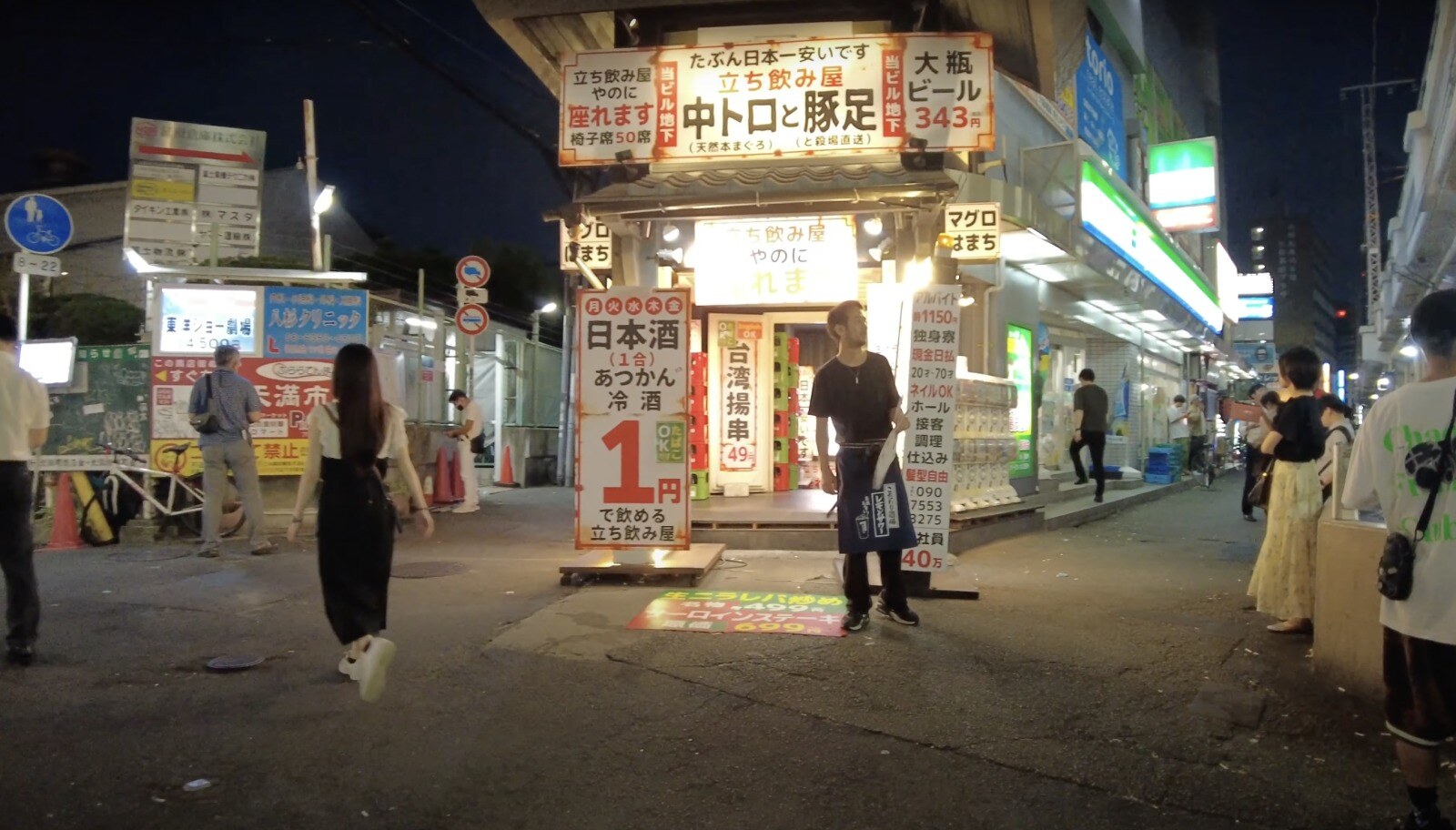
Today, Tenma attracts many visitors as an area where historical heritage and modern energy harmoniously blend. The Tenjin Matsuri is famous as one of Japan’s three greatest festivals, drawing hundreds of thousands of visitors every July. At Tenjinbashisuji Shopping Street and Tenma Market, visitors can enjoy local ingredients and culture, soaking in the unique atmosphere that defines Tenma.
Recommended Spots in Tenma
The Tenma area, located in Kita Ward of Osaka, is a charming neighborhood where historical landmarks and modern vitality come together. The area is scattered with diverse attractions including a historic shrine, Japan’s longest shopping street, and distinctive bar districts. Below, we introduce the best ways to enjoy Tenma by highlighting its major sightseeing spots.
■ Bar District & Ura-Tenma
Tenma is a back-alley bar district that retains an old-world charm. At night, paper lanterns cast a warm glow, creating a distinctive atmosphere. With many standing-bar izakaya and tiny counter-only establishments, it is easy to casually hop from one spot to the next.
The small size of each venue creates an intimate atmosphere where conversations naturally flow between the owner and other patrons. Socializing with locals is one of the great pleasures here. At many places, you may find yourself striking up a conversation with the person next to you and even making new friends. The bar owners and staff are friendly and are often happy to share recommendations for local spots and dishes.
- Features of Ura-Tenma
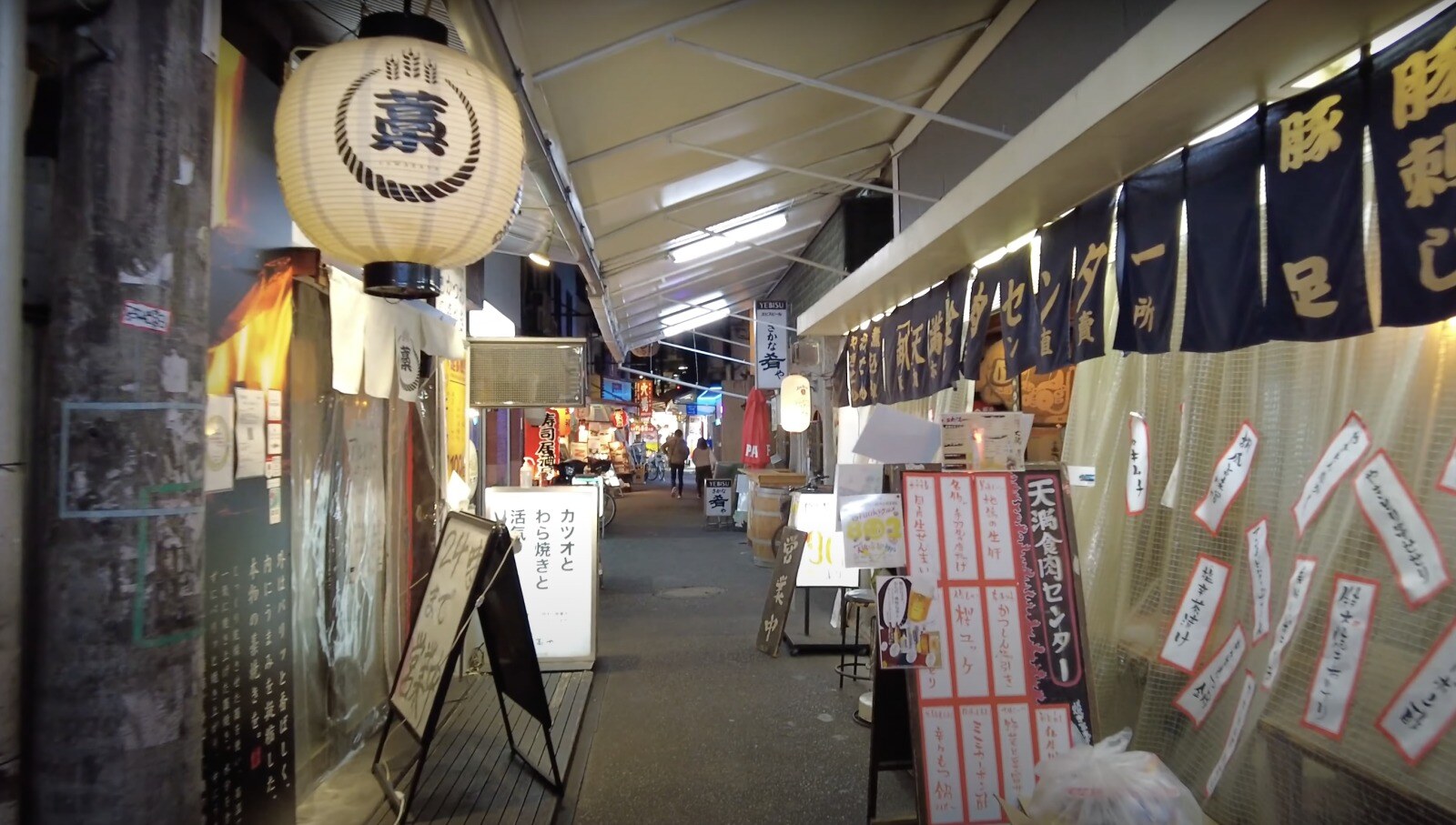
As its name “Ura” (back) suggests, Ura-Tenma is tucked away on the back streets just off the main road, preserving an old-fashioned charm. Here you will find many standing-bar izakaya and small counter-only establishments where you can casually enjoy a drink-hopping experience. The izakaya serve a wide variety of dishes including yakitori (grilled chicken skewers), oden (stewed hot pot), and hormone-yaki (grilled offal), offering new flavors to discover with every visit.
- Chochin-dori (Lantern Street)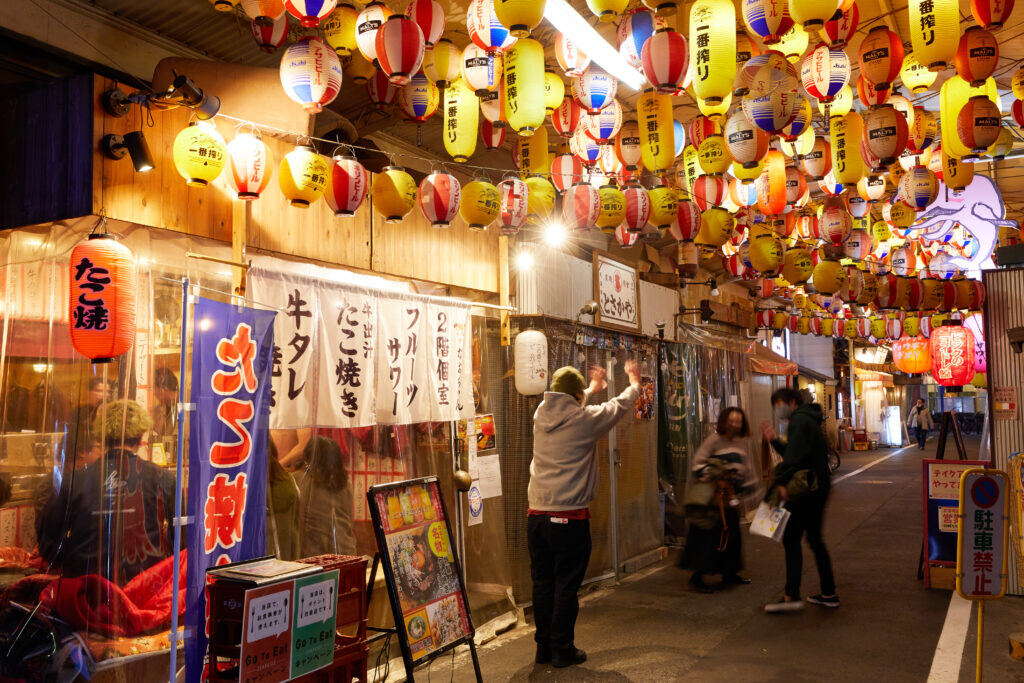
One of the highlights of Ura-Tenma is “Chochin-dori” (Lantern Street), where beautiful paper lanterns illuminate the night. Red and yellow lanterns line the street, enhancing the nighttime atmosphere. Visitors enjoy taking photos under the lanterns while soaking in the vibrant ambiance. This area is particularly lively in the evening, and you can stroll along the street lined with numerous bars, visiting one establishment after another.
■ Tenjinbashisuji Shopping Street
Tenjinbashisuji Shopping Street stretches approximately 2.6 kilometers and is the longest shopping street in Japan, with about 600 shops offering a wide range of goods from daily necessities and ingredients to clothing. Within the arcade, you will find renowned sushi restaurants like Harukoma Sushi, famous takoyaki spots such as Takoyaki Tamaya, and many other eateries serving quintessential Osaka cuisine. With different events and sales held throughout the seasons, there is always something new to discover whenever you visit.
■ Osaka Tenmangu Shrine
Osaka Tenmangu Shrine was founded in 949 and is dedicated to Sugawara no Michizane, the deity of learning and scholarship. The shrine is especially important for students and those pursuing academic endeavors. The Tenjin Matsuri, held every July, is one of Japan’s three greatest festivals and draws large crowds. Within the shrine grounds, visitors can learn about its history and culture and enjoy a peaceful worship experience in a tranquil setting.
- Tenjin Matsuri
The Tenjin Matsuri is one of Japan’s three greatest festivals and attracts large crowds.
The festival begins on the 24th with ceremonies at Osaka Tenmangu Shrine, including prayers and lion dances. The “Hokonagashi” purification ritual is also performed, in which a white wooden hoko (halberd) is cast into the river.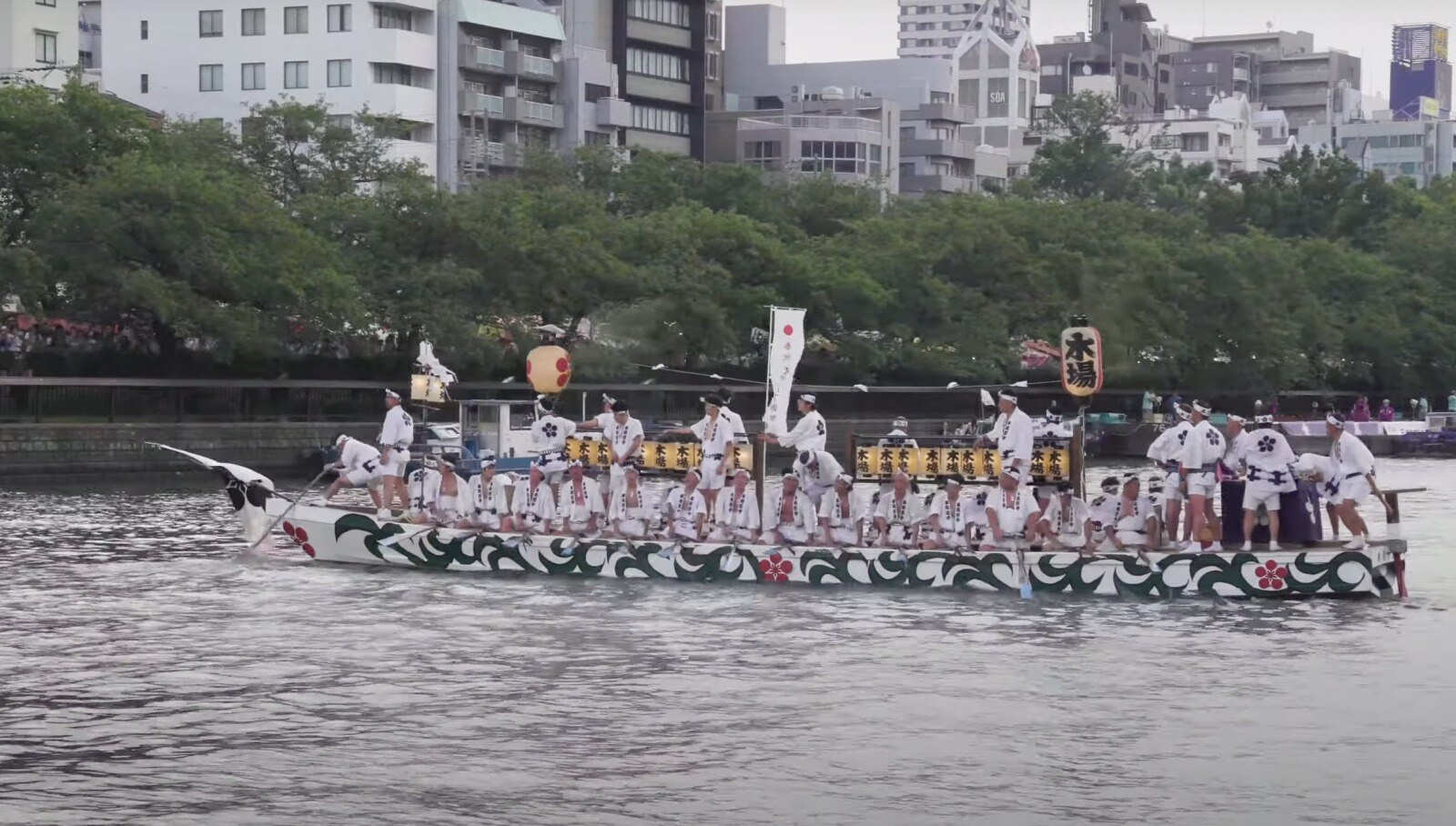
On the 25th, the Riku-togyo (land procession) and Funa-togyo (river procession) take place, with approximately 3,000 participants. The land procession begins at 3:30 PM as participants dressed in traditional attire parade through the streets from Osaka Tenmangu Shrine. The procession includes tengu (mythical figures), miko (shrine maidens), and people carrying mikoshi (portable shrines), creating a spectacular display.

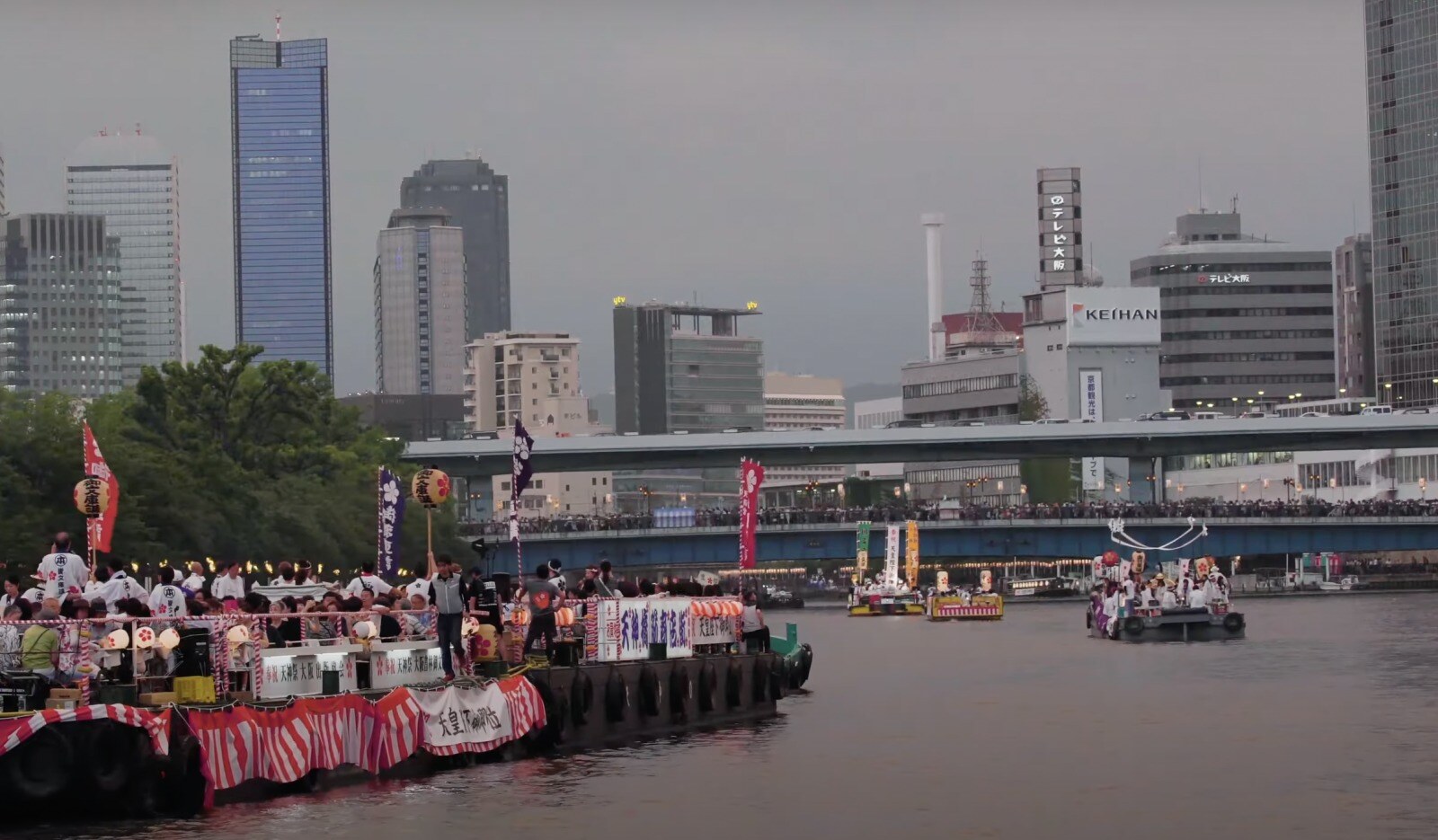
In the evening, the procession reaches the Okawa River, and the Funa-togyo begins. About 100 boats traverse the river, including boats carrying mikoshi and boats with taiko drummers. The climax of the festival is a breathtaking display of approximately 4,000 fireworks illuminating the night sky, creating a spectacular scene when viewed from the riverbanks.
During the Tenjin Matsuri, numerous food stalls line the festival venue, adding to the festive excitement. The stalls offer iconic Osaka street food such as takoyaki (octopus balls), yakisoba (fried noodles), and ika-yaki (grilled squid), along with classic festival treats like cotton candy and chocolate bananas.
★ Introducing Our Tourism Website ★
We curate and introduce carefully selected tourist destinations across Japan, just like the one featured in this article.
Bookmark this site to stay updated with essential travel information. We are constantly adding new content, providing an exciting experience for discovering tourist destinations.
Click the image below to learn more
Summary
Tenma is a captivating area in Kita Ward, Osaka, where historical heritage and modern vibrancy come together. The neighborhood is home to diverse sightseeing spots, including Osaka Tenmangu Shrine dedicated to the deity of learning, Japan’s longest Tenjinbashisuji Shopping Street, and numerous distinctive bar districts.
With its harmonious blend of historical character and lively contemporary atmosphere, Tenma offers a wide variety of experiences. From historic shrines and shopping streets to delicious food and a vibrant nightlife scene, there is something for everyone. If you are visiting Osaka, be sure to explore the Tenma area.