
🕓 2025/5/11
#Temples
A Detailed Guide to Tenryu-ji Temple: History and Must-See Spots
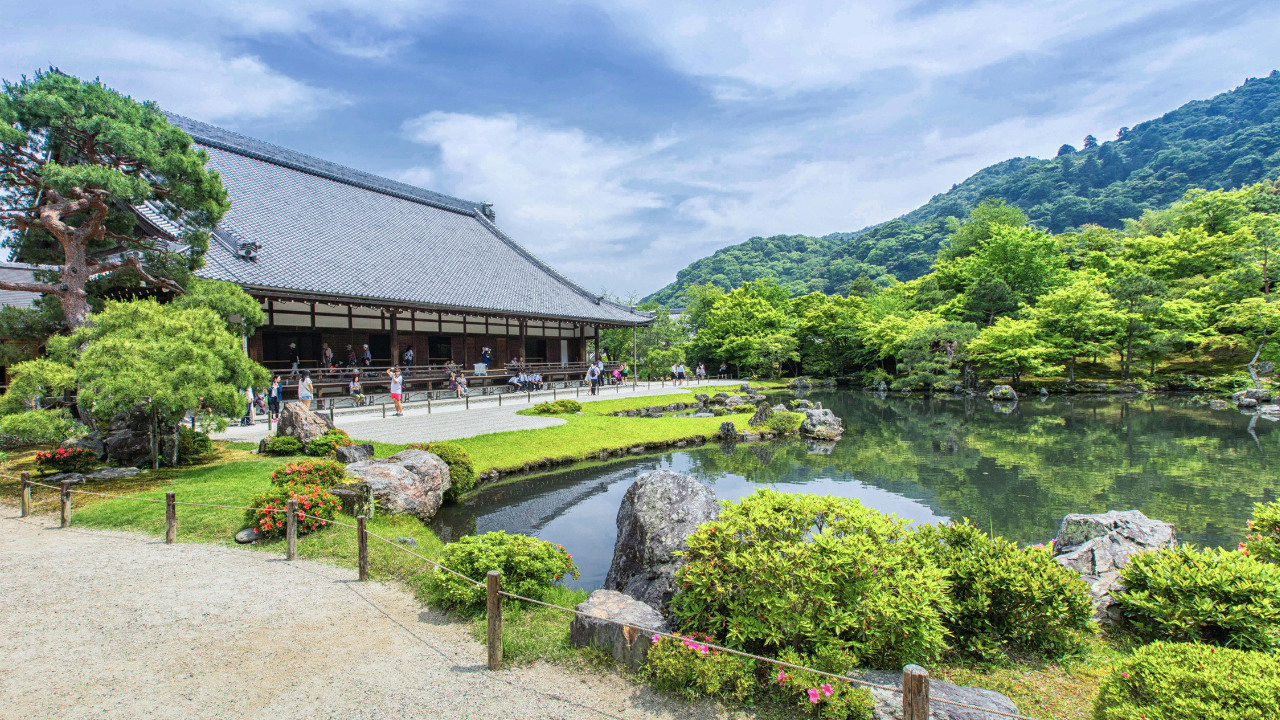
Table of Contents
- Overview of Tenryu-ji
- History of Tenryu-ji
- Recommended Hotels Near Tenryu-ji
- Must-See Spots at Tenryu-ji
Introduction
Tenryu-ji Temple is the head temple of the Rinzai school’s Tenryu-ji branch, set amidst the beautiful scenery of Arashiyama, Kyoto. The temple was established in 1339 by Ashikaga Takauji to pray for the repose of Emperor Go-Daigo.
Tenryu-ji was registered as a UNESCO World Heritage Site in 1994 as part of the “Historic Monuments of Ancient Kyoto,” and its exquisite Sogenchi Garden was the first site in Japan to be designated as both a Historic Site and Special Place of Scenic Beauty. This article provides a detailed introduction to the history and highlights of Tenryu-ji.
Overview of Tenryu-ji
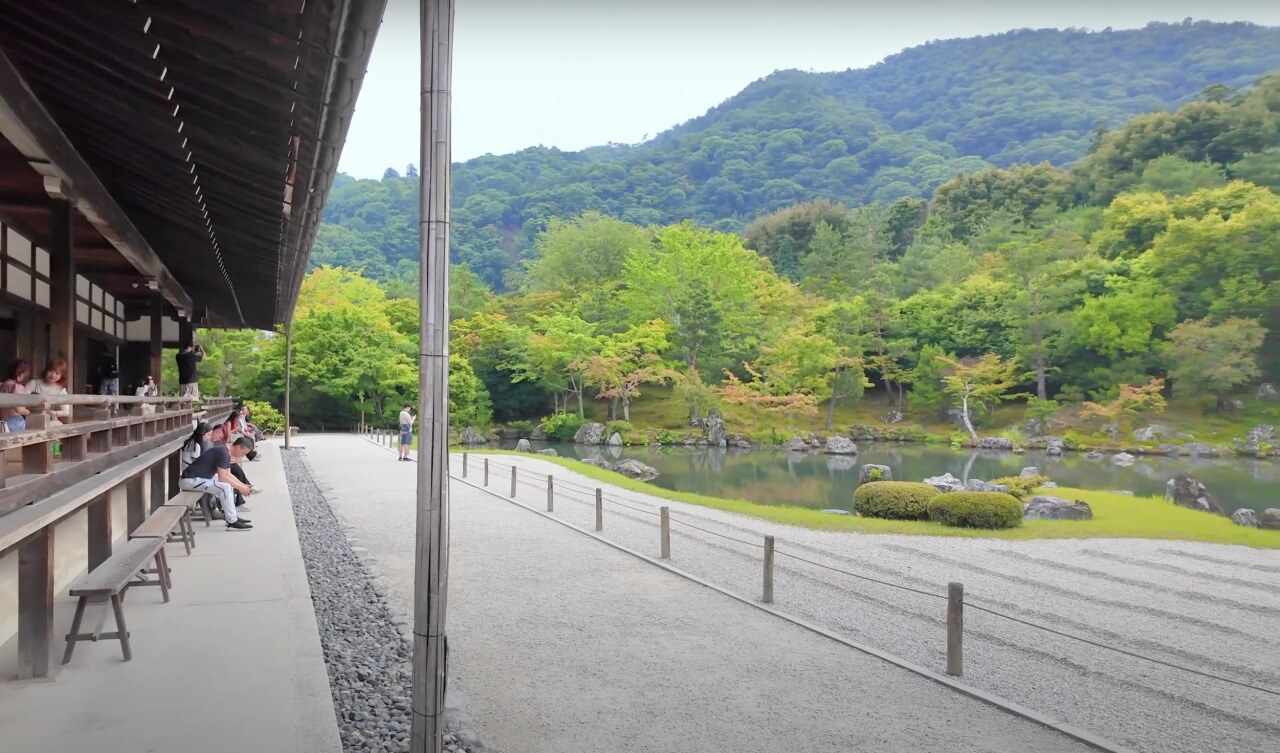
Tenryu-ji is the head temple of the Rinzai school’s Tenryu-ji branch, located in the Arashiyama area of Kyoto. It was built in 1339 by Ashikaga Takauji to enshrine Emperor Saga. The temple is particularly famous for its “Sogenchi Garden,” which was the first garden in Japan to be designated as a Historic Site and Special Place of Scenic Beauty, offering especially stunning scenery during the autumn foliage season.
The temple was built to pray for the repose of Emperor Go-Daigo, and its name derives from a dragon that appeared ascending to heaven in a dream after the emperor’s death. Tenryu-ji holds the prestigious rank of first among the “Five Great Zen Temples of Kyoto” (Kyoto Gozan) and has played an important role in Japan’s Zen Buddhist culture.
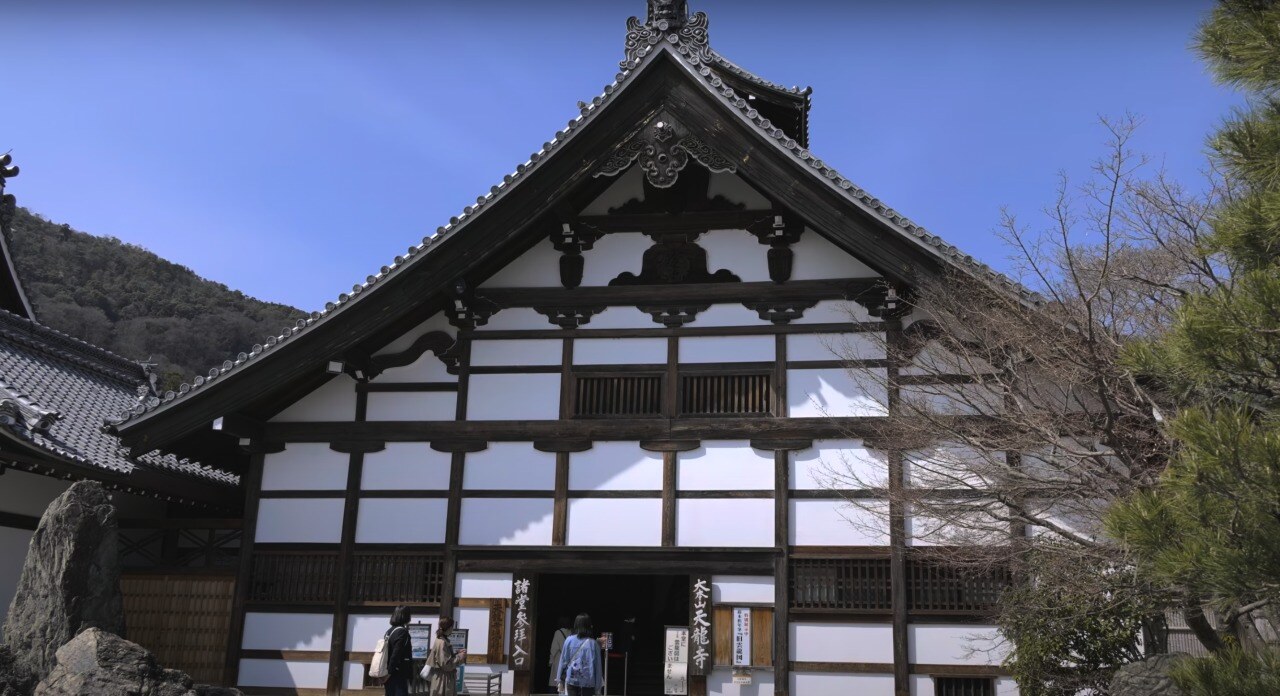
Ranked first among the Five Great Zen Temples of Kyoto, the temple was registered as a UNESCO World Heritage Site in 1994 as part of the “Historic Monuments of Ancient Kyoto” due to its historical and cultural significance. The Sogenchi Garden at the heart of the temple was designed by Muso Soseki and boasts the beauty of a pond-strolling garden. The garden features seasonal nature as well as views of the surrounding Arashiyama landscape incorporated as “borrowed scenery.”
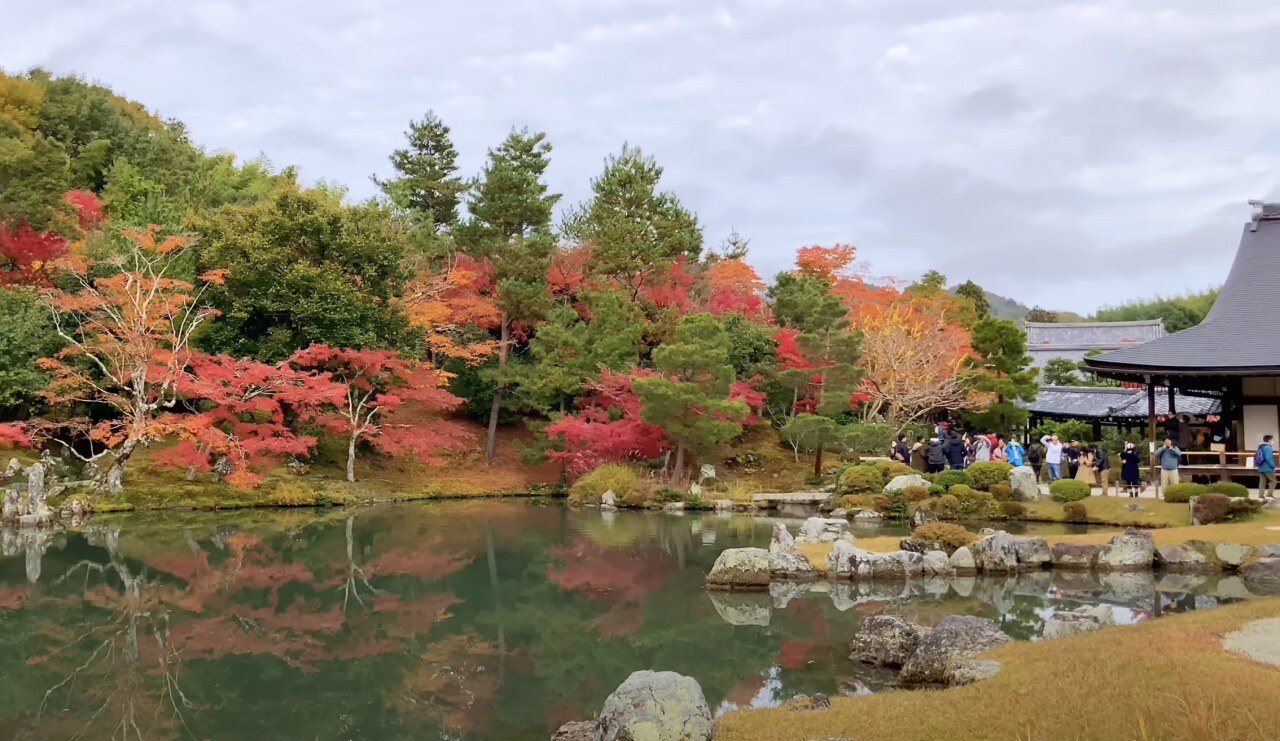
The buildings have been repeatedly damaged by fire throughout history, and most of the current structures were rebuilt during the Meiji period (1868-1912). However, the garden has been preserved in its original 14th-century form, maintaining its immense historical value. Tenryu-ji continues to offer meditation and Zen practice based on Zen Buddhist teachings, allowing visitors to experience the spirit of Zen.
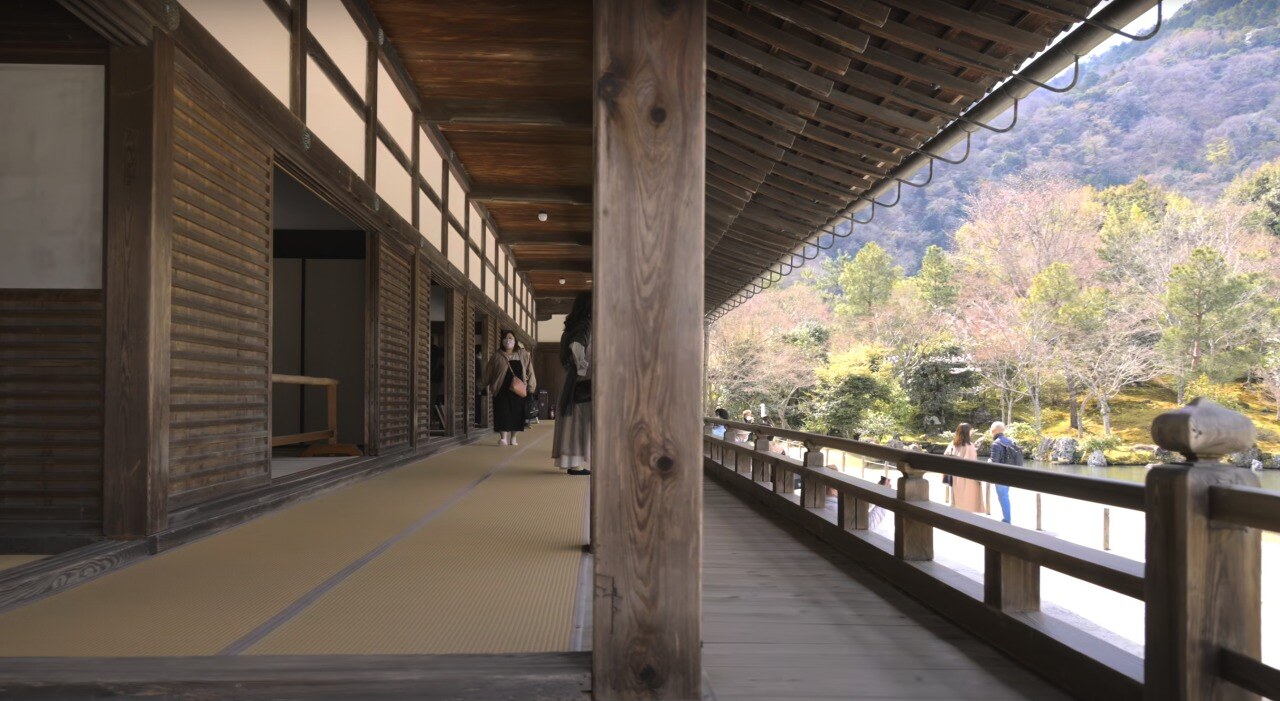
Access to Tenryu-ji is convenient: take a train from Kyoto Station to JR Saga-Arashiyama Station (about 16 minutes), then walk approximately 13 minutes. It is also close to the Randen Arashiyama Station, making it an easily accessible destination for sightseeing.
History of Tenryu-ji
Tenryu-ji has experienced many significant events from its founding to the present day. Below is a chronological overview of the major milestones.
1. Founding and Background (1339)
 *Illustrative image
Tenryu-ji was founded in 1339 by Ashikaga Takauji to pray for the repose of Emperor Go-Daigo. It was named “Tenryu-ji” after Ashikaga Tadayoshi, Takauji’s brother, dreamed of a “golden dragon ascending to heaven.” Originally called “Ryuko-ji,” the temple was renamed based on this auspicious dream.
The funding for Tenryu-ji’s construction came from trade with China, carried out by merchant ships known as “Tenryu-ji Ships.” The renowned Zen monk Muso Soseki was appointed as the temple’s first head priest.
2. Growth and Influence (14th Century)
 *Illustrative image
As one of Kyoto’s Five Great Zen Temples (Gozan), Tenryu-ji held an important position and was elevated to the top rank in 1386. During this period, Muso Soseki designed the garden, and the “Sogenchi Garden” was completed. This garden was the first in Japan to be designated as a “Special Place of Scenic Beauty,” and its beauty is preserved to this day. Tenryu-ji flourished as a cultural center, greatly influencing Kyoto’s Zen Buddhist culture.
3. Fires and Reconstructions (15th-19th Century)
 *Illustrative image
Throughout its long history, Tenryu-ji suffered numerous fires. The first major fire occurred in 1358, followed by severe damage during the Onin War (1467-1477) and fires in the early 18th century, necessitating repeated reconstructions. The Onin War was particularly devastating to many Kyoto temples including Tenryu-ji.
Subsequently, reconstruction was advanced in 1590 with the support of Toyotomi Hideyoshi, but fires continued to plague the temple through the Edo period. The fire of 1815 destroyed nearly all the buildings, and another fire struck in 1864. Most of the current buildings were reconstructed after these fires.
4. Modern Preservation Efforts (20th Century – Present)
 *Illustrative image
In 1994, Tenryu-ji was registered as a UNESCO World Heritage Site as part of the “Historic Monuments of Ancient Kyoto,” establishing its status as an internationally recognized cultural treasure. Many cultural properties and gardens are preserved to this day, with the Sogenchi Garden designated as a Special Place of Scenic Beauty for its remarkable beauty.
This garden, conveying its original appearance from the time of its founding, was designed by Muso Soseki. Today, the temple continues to serve as a place for Zen practice and meditation, welcoming many worshippers and tourists.
Recommended Hotels Near Tenryu-ji
Modern Kyoto Small Luxury ” MUNI KYOTO by Onko Chishin “
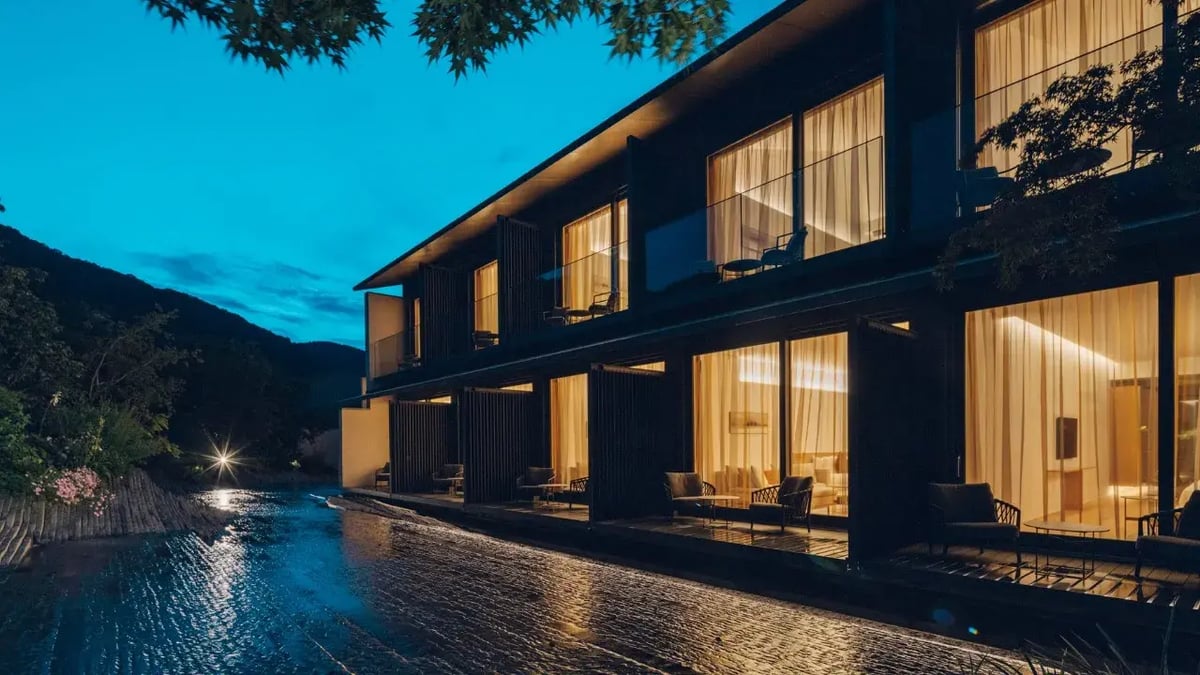


“MUNI KYOTO by Onko Chishin” is a refined luxury hotel that quietly stands beside the iconic Togetsukyo Bridge in Kyoto’s Arashiyama. Its spaces, where Japanese traditional beauty and modern design are beautifully harmonized, merge with the rich nature of Arashiyama to offer every guest a truly unforgettable stay.

1. Unparalleled Scenery
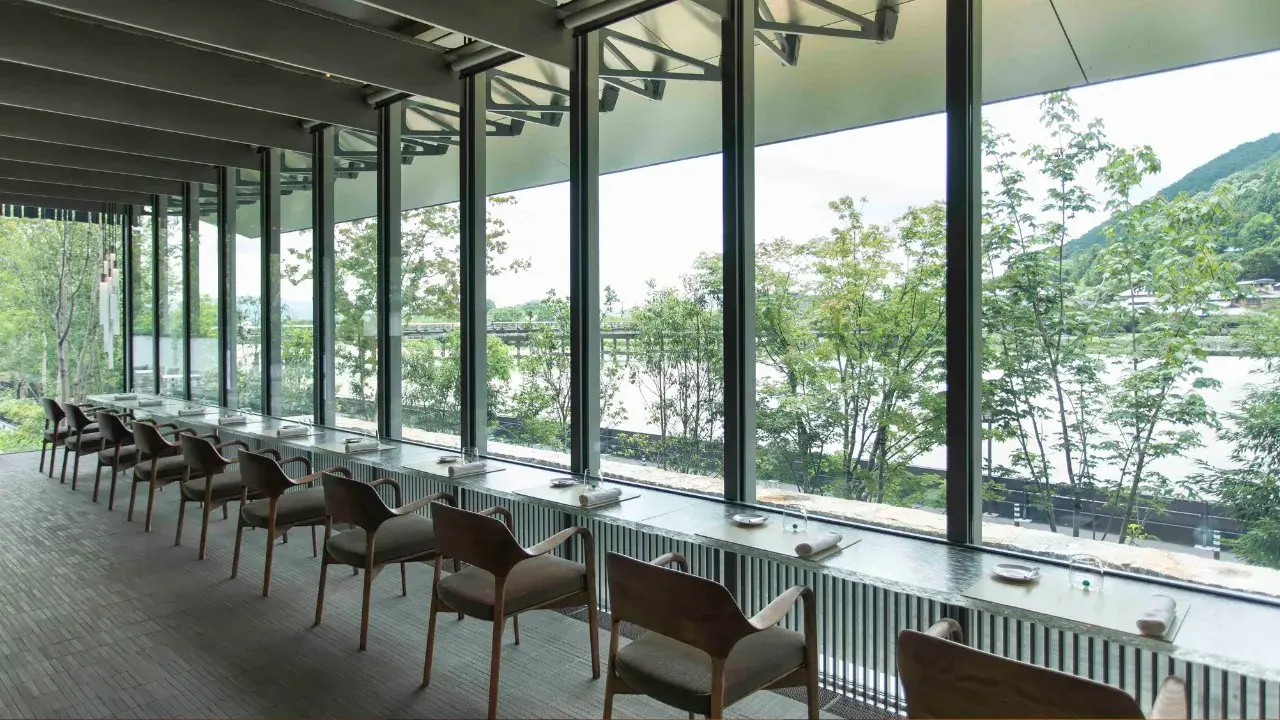
Positioned right in front of Togetsukyo Bridge, the symbol of Kyoto’s Arashiyama, this hotel offers a special space where guests can fully immerse themselves in the seasonal beauty of Arashiyama’s natural landscape.
Simply gazing from the window envelops you in nature’s artistry. Terrace-equipped rooms allow you to savor the crisp silence of morning and the enchanting twilight scenery, accompanied by the gentle murmur of the Katsura River and the whisper of the wind–healing moments you will never forget.
2. Refined Guest Rooms
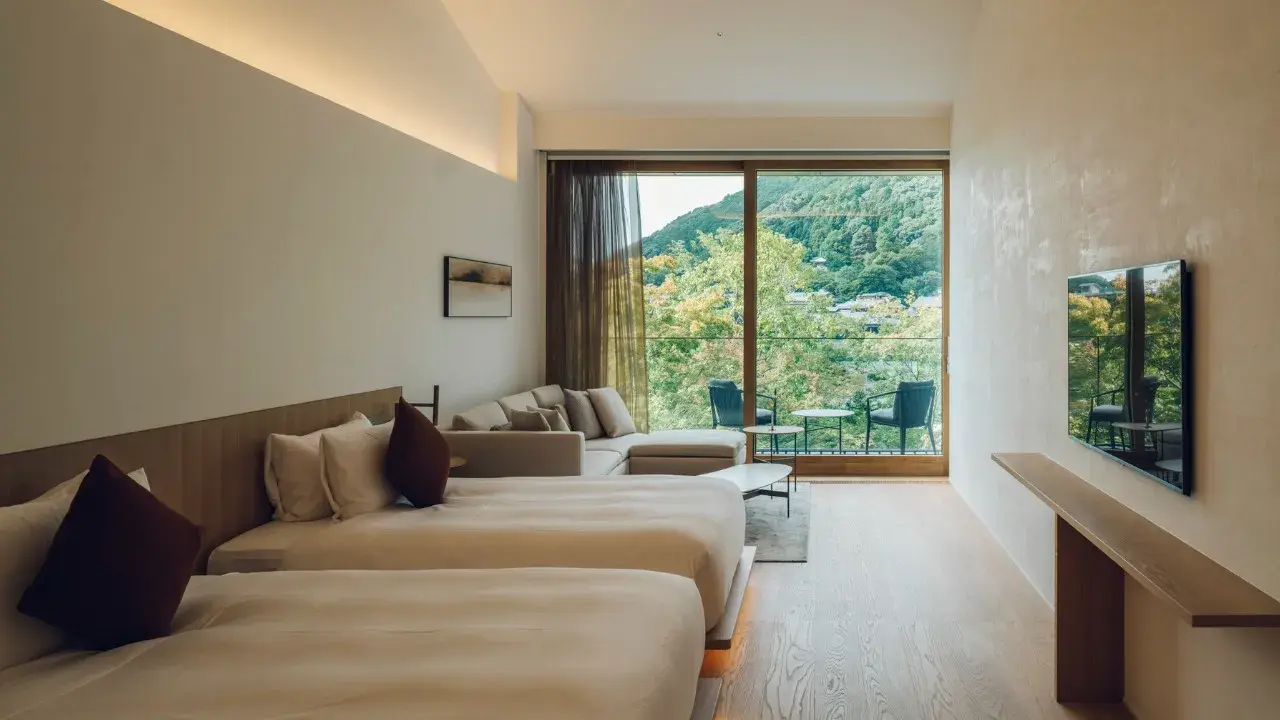
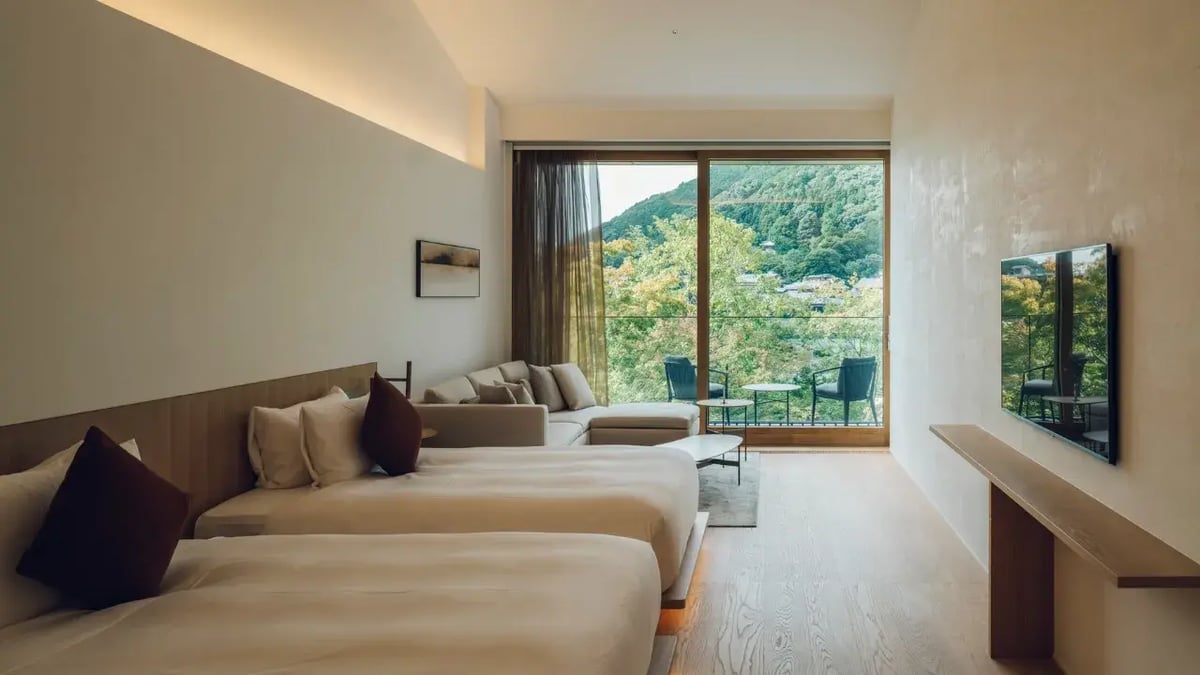
All 21 guest rooms harmonize the majestic nature of Arashiyama with gentle tones, creating spaces designed for ultimate comfort. The design embraces the beauty of “Ma and Yohaku” (space and margins), skillfully blending “West and East” and “tradition and modernity,” finished with natural materials and delicate, minimalist proportions. All custom furniture in the rooms is crafted from wood, creating a warm atmosphere.
Rooms feature large windows or balconies, allowing guests to fully enjoy the natural beauty of Arashiyama and the beautiful gardens. Listening to the murmur of the river, guests can savor luxurious moments that balance openness with privacy.
3. Supreme French Restaurants
 🄬Jordan SAPALLY
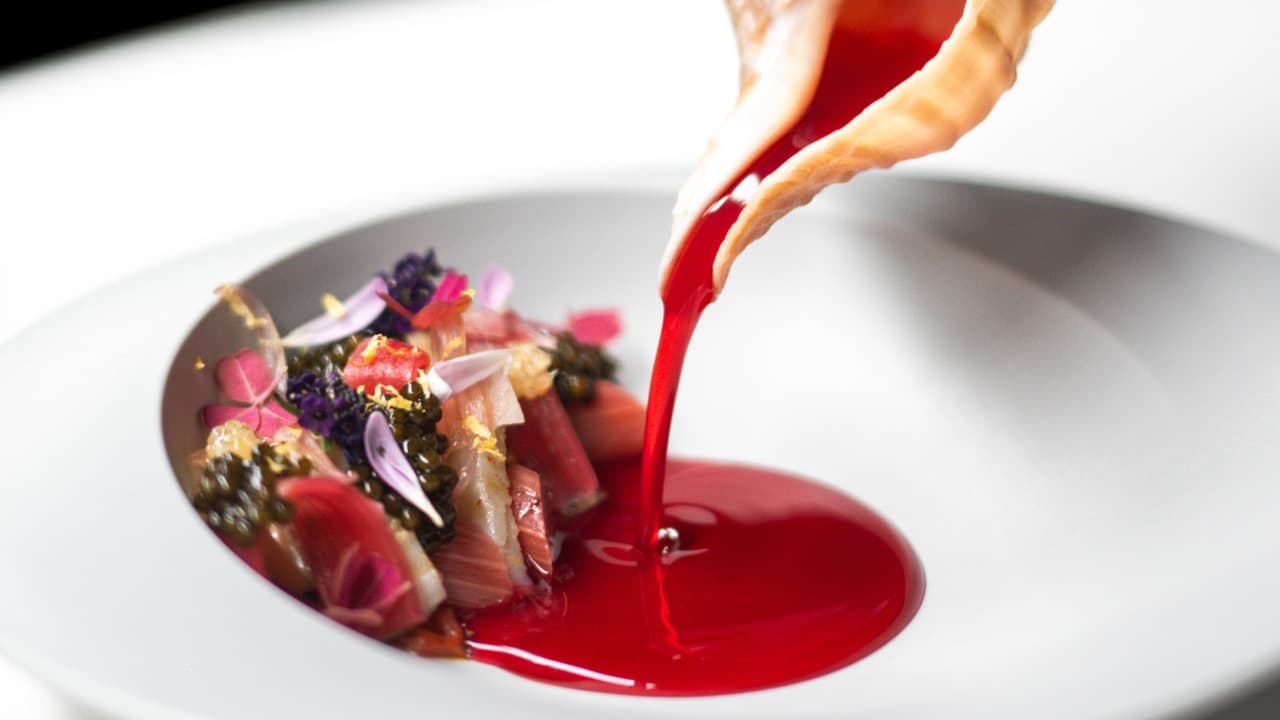
Two French restaurants by world-renowned chef Alain Ducasse offer guests an extraordinary culinary experience where gastronomy becomes art.
1. MUNI ALAIN DUCASSE
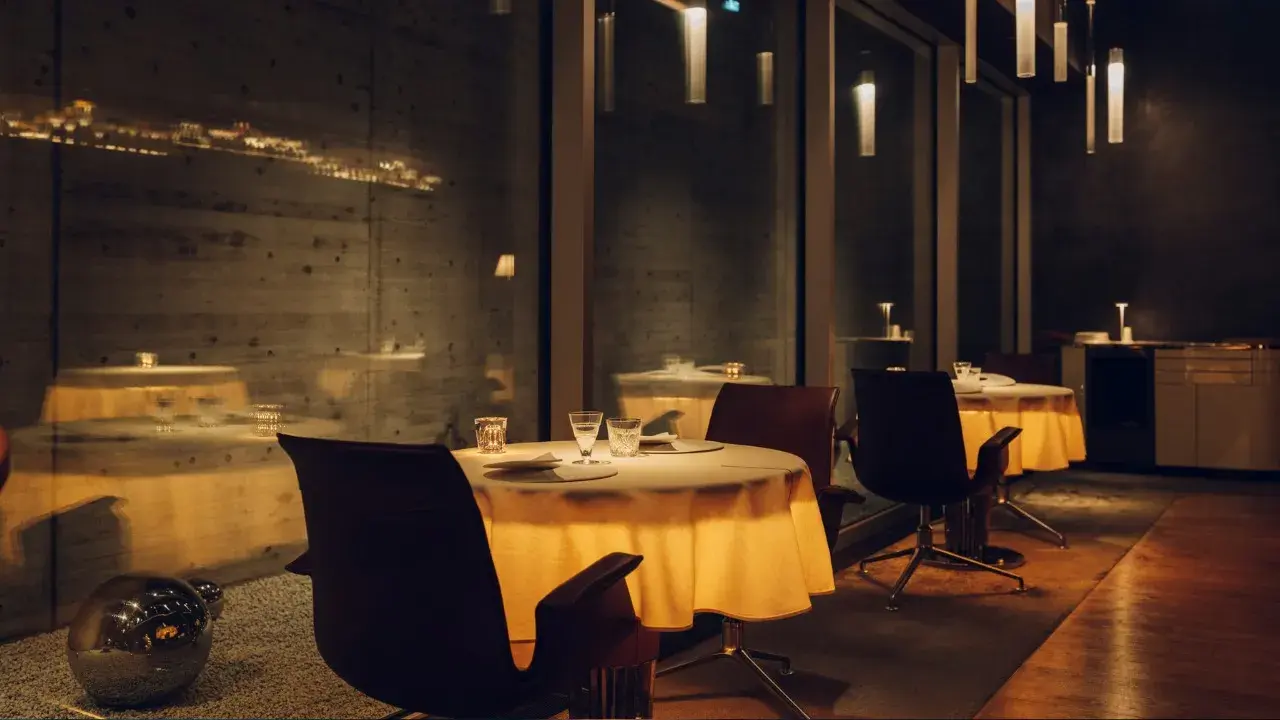
The Michelin one-star “MUNI ALAIN DUCASSE” offers French cuisine that lavishly showcases Kyoto’s seasonal ingredients at dinner. The course menu, featuring local vegetables and fresh seafood from the Sea of Japan, is presented with refined artistry worthy of a gallery.
2. MUNI LA TERRASSE
 🄬Jordan SAPALLY
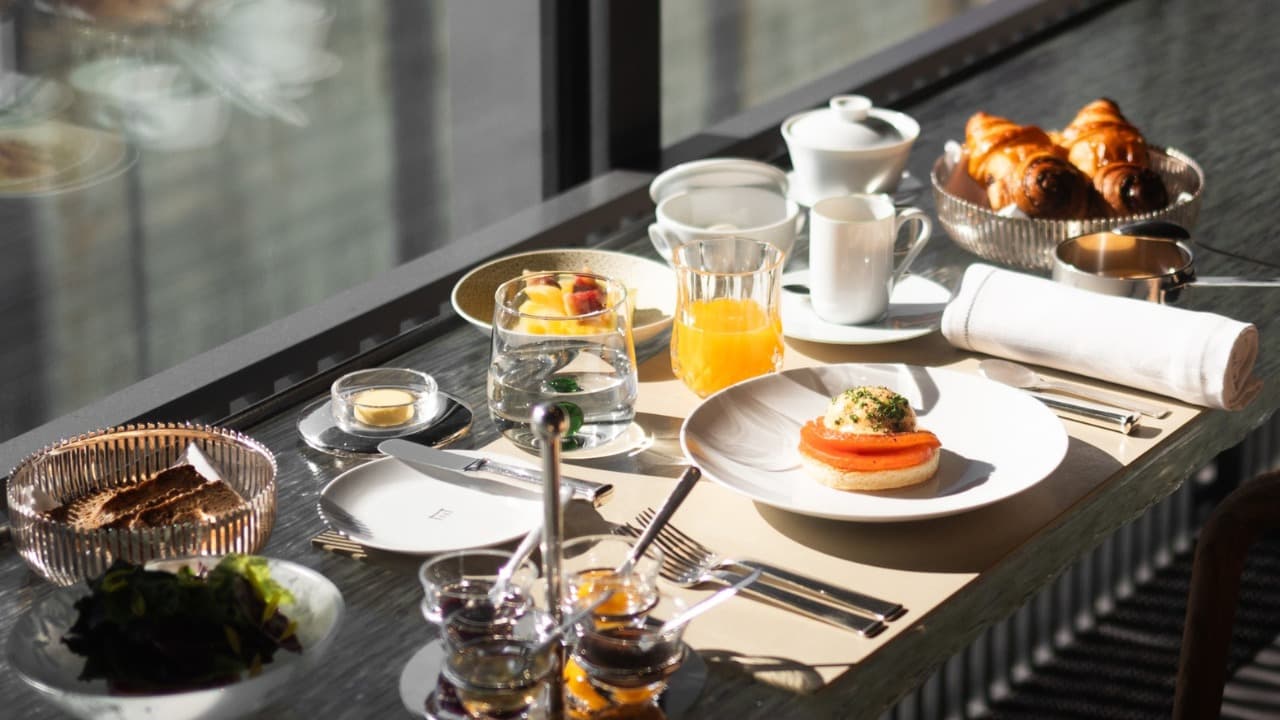
“MUNI LA TERRASSE” is a casual restaurant overlooking the Katsura River, open from breakfast through lunch and tea time. Breakfast features healthy, flavorful dishes made with fresh local ingredients, including freshly baked croissants and brioche that are simply exquisite. For lunch, light plates and seasonal dishes are served, making it the perfect spot for a break between sightseeing.
4. Exceptional On-Site Facilities
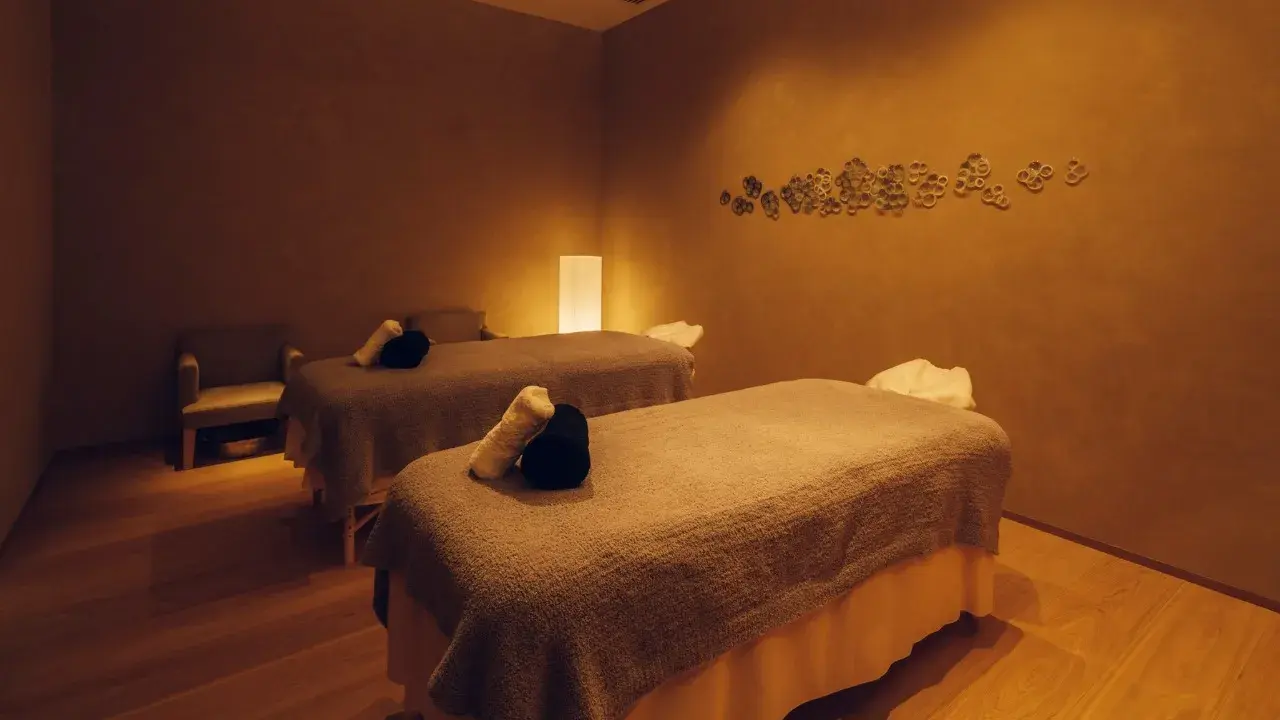
The hotel features meticulously crafted on-site facilities designed to provide each guest with an exceptional stay.
The “MUNI SPA” offers treatments that luxuriously incorporate the blessings of Kyoto’s nature. Custom aromatic oils made from locally sourced yuzu, Kitayama cedar, and tea seed oil balance the mind and body, guiding guests into deep relaxation. Private treatment rooms ensure an exclusive, luxurious experience.
5. Diverse Experience Programs

A variety of experience programs are available to make your stay truly special. These programs offer opportunities to fully enjoy Kyoto’s traditional culture and nature while creating one-of-a-kind memories. All programs are realized through partnerships with local businesses and artisans, making the community-rooted experiences all the more appealing.
1. Aerial Tour Plan
Helicopter flights allow guests to view famous landmarks such as Arashiyama, Togetsukyo Bridge, and Kinkaku-ji from above, revealing magnificent vistas impossible to experience from the ground. At dusk, the setting sun bathes Kyoto’s streetscape in golden light, creating an unforgettable scene.
2. Wagashi and Matcha Experience
Created in collaboration with a long-established local wagashi (Japanese confectionery) shop, this “Wagashi and Matcha” experience is extremely popular. Learning wagashi-making from a master artisan and savoring the creations with matcha provides a luxurious time to experience Kyoto’s deep culture and aesthetic sensibility.
3. Other Kyoto Experiences
The hotel also offers various activities connected to Kyoto, including an “Ikebana Program” for experiencing traditional culture, as well as special early-morning visits to the UNESCO World Heritage Site Tenryu-ji Temple.
■ Access Information for MUNI KYOTO by Onko Chishin
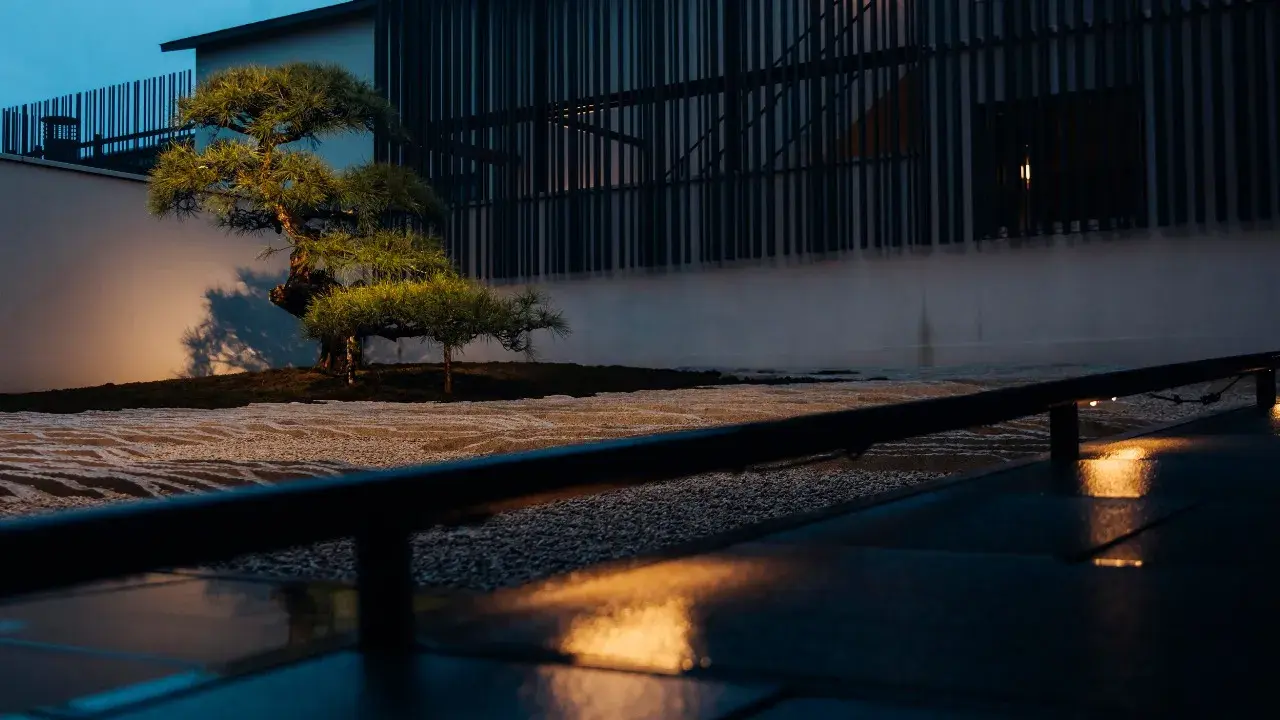
- Official Website: https://muni.by-onko-chishin.com/
- Access: 12-minute walk from JR Saga-Arashiyama Station (San-in Line / Sagano Line)
- Address: 3 Susukino Baba-cho, Saga Tenryuji, Ukyo-ku, Kyoto
- Phone: 075-863-1110 (10:00 – 19:00)
- Google Maps: https://maps.app.goo.gl/BsQM93Fm5qvQCA9W9
Must-See Spots at Tenryu-ji
Tenryu-ji, an important Zen temple located in Kyoto’s Arashiyama district, offers a wealth of attractions. Here are the most noteworthy spots within the temple grounds.
■ Sogenchi Garden
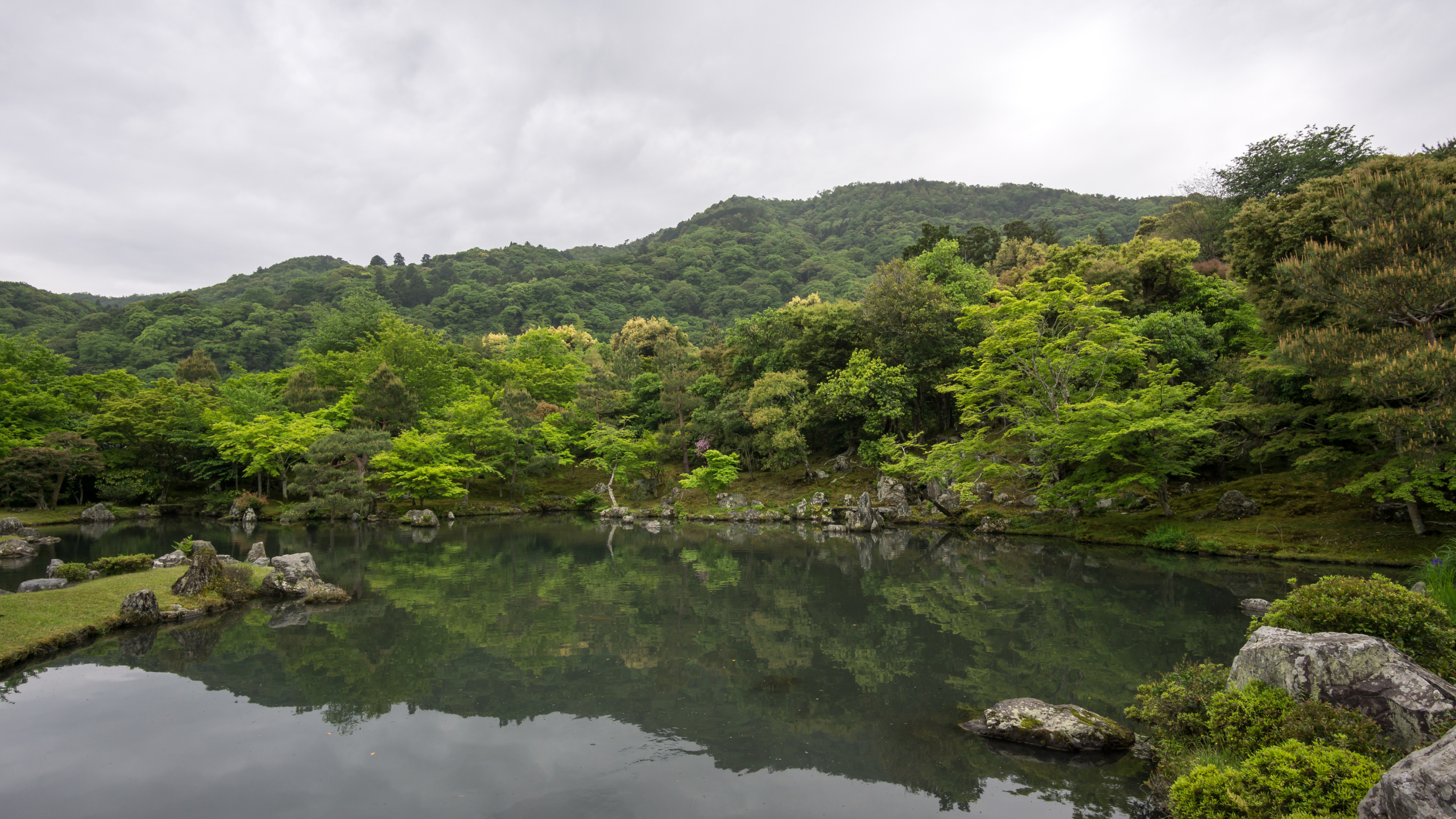
Sogenchi Garden is one of the primary highlights of Tenryu-ji, a Japanese garden with over 700 years of history. Designed and built by Muso Soseki, it is a pond-strolling garden where visitors can appreciate its beauty from various perspectives as they walk around the pond. At the center of the garden is a large pond surrounded by skillfully arranged stones and pine trees. The garden incorporates the Arashiyama mountain scenery as a backdrop, and the changing seasonal landscapes captivate all who visit.
The garden is also renowned as the first site in Japan to be designated as a “Special Place of Scenic Beauty,” a testament to its beauty and historical value. Autumn brings vivid foliage and spring showcases cherry blossoms in full bloom, offering visitors seasonal natural beauty throughout the year. Beyond mere visual appreciation, the garden holds importance as a place of silence and harmony rooted in Zen teachings.
■ The Cloud Dragon Painting (Unryu-zu)
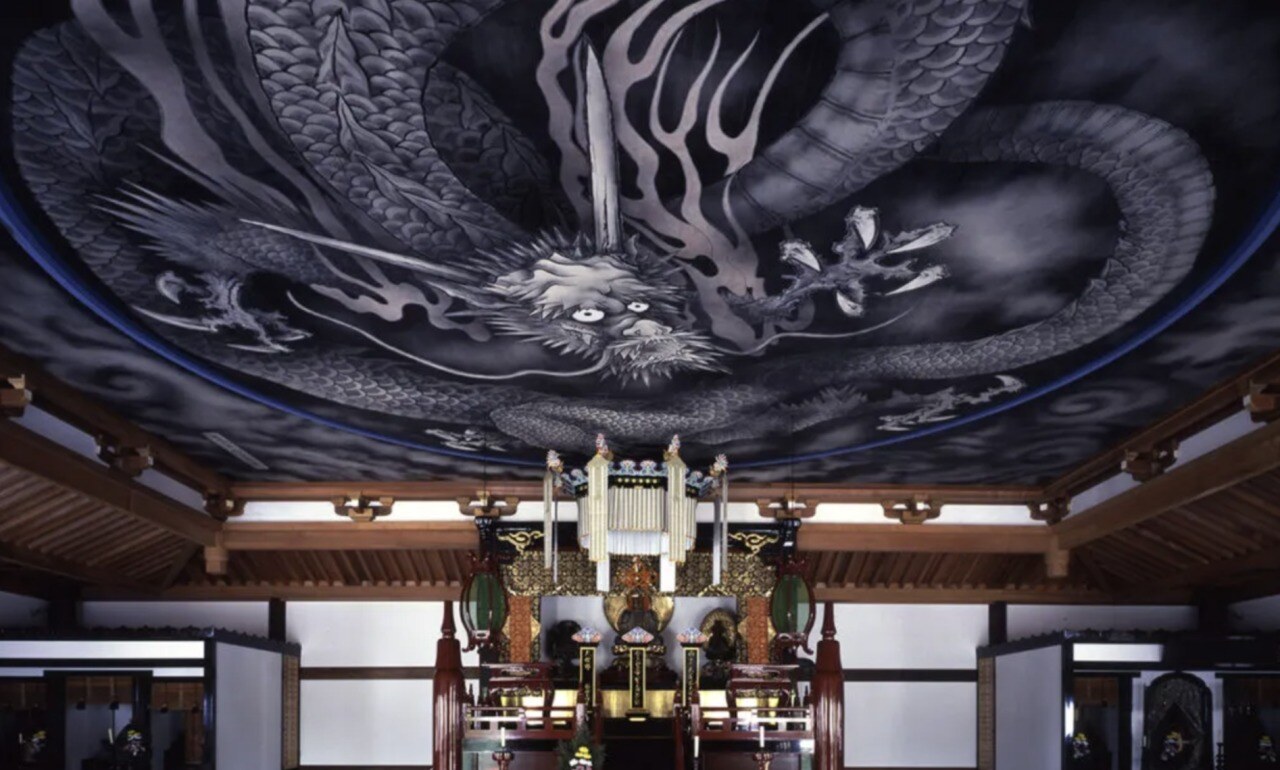
The Unryu-zu (Cloud Dragon Painting) is a massive dragon painting on the ceiling of Tenryu-ji’s Dharma Hall, known as the “dragon that watches you from every angle.” Painted in 1997 by Kayama Matazo to commemorate the 650th anniversary of temple founder Muso Soseki, this ceiling painting spans 9 meters in diameter and leaves a profound impression on all who see it.
The Cloud Dragon Painting is open to the public on weekends and specific holidays, allowing visitors to experience its power up close. The Dharma Hall where it is painted also functions as an important venue for transmitting Zen teachings, where Zen practice and meditation sometimes take place.
■ The Shoin and Kuri
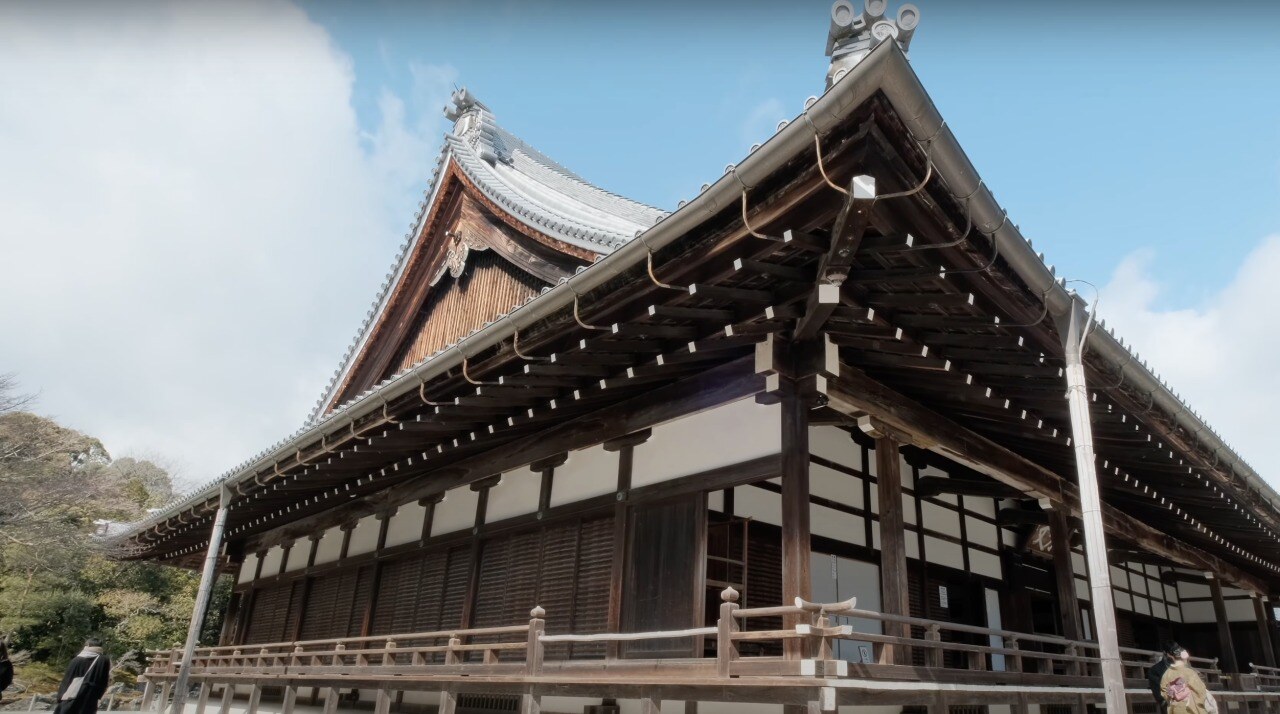
The Shoin (study halls) and Kuri (kitchen building) are the main structures of Tenryu-ji. The Shoin in particular has served as a residence and place of study for monks. The Shoin is divided into two parts: the “Dai-Hojo” (Large Abbot’s Quarters) and “Sho-Hojo” (Small Abbot’s Quarters). The Dai-Hojo was completed in 1899, and the Sho-Hojo in 1924. The Dai-Hojo is a spacious building primarily used for ceremonies and large-scale events, with a wide veranda facing the central gate at the front and windows overlooking the Sogenchi Garden at the back. The interior follows traditional abbot’s quarters architectural style, divided into six sections centered around the enshrined Buddha image.

The Kuri serves as the kitchen of the Zen temple and plays a central role in meal preparation and the temple’s economic activities. A painting of Daruma Daishi (Bodhidharma), the founder of Zen Buddhism, known as the “Daruma-zu,” is displayed within the Kuri, allowing visitors to connect with Zen teachings. The Kuri is also open to visitors, and its architecture and interior decorations offer a valuable experience of the Zen spirit.
■ Annual Events at Tenryu-ji
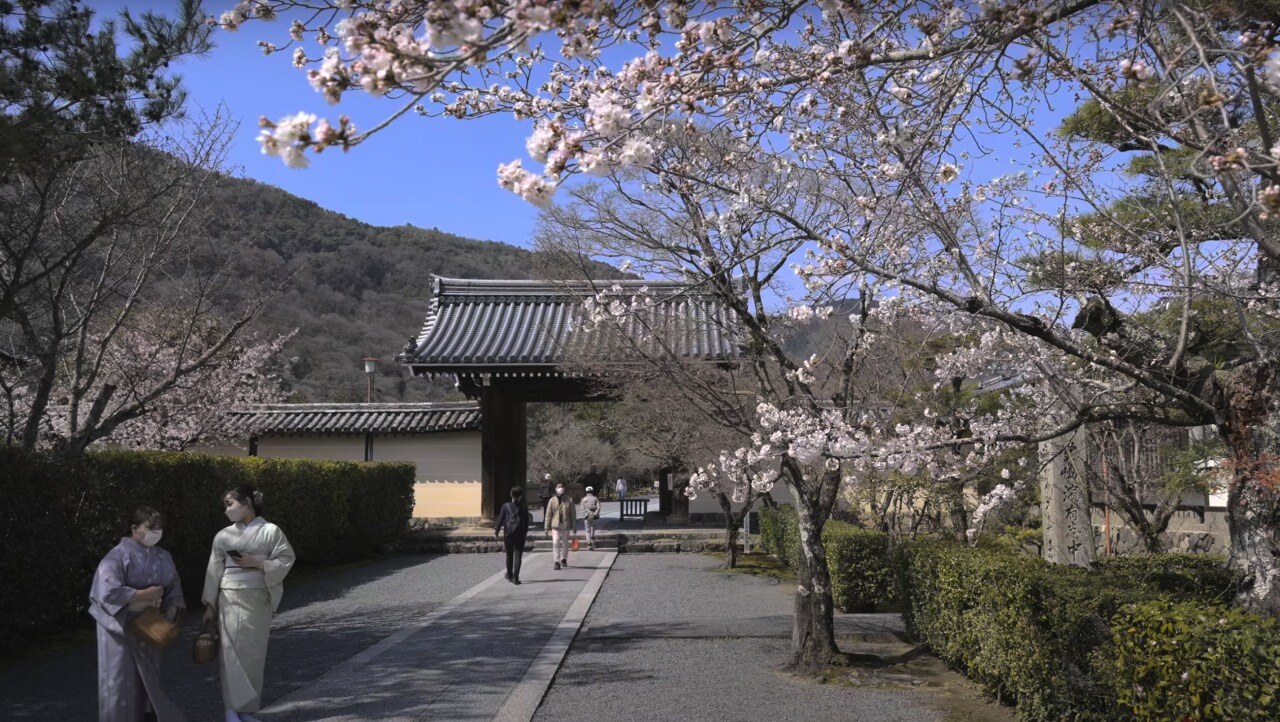
Tenryu-ji hosts various Buddhist events throughout the year, each with its own unique meaning and history. The “New Year Tea Ceremony” welcomes many visitors for hatsumode (the first shrine visit of the year), praying for peace and prosperity. On February 3rd, the “Setsubun-e” ceremony is held, featuring bean-throwing to ward off evil. On March 15th, the “Nehan-e” ceremony commemorates the passing of the historical Buddha, reaffirming his teachings.
On April 8th, the “Flower Festival” (Hanamatsuri) celebrates the Buddha’s birthday, featuring the ritual of pouring sweet tea over a flower-decorated altar. In August, the “Obon (Urabon-e)” ceremony is held for ancestral veneration, including the floating of memorial lanterns. October’s “Daruma-ki” commemorates Bodhidharma, the founder of Zen, reaffirming his teachings and spirit. Finally, on December 8th, the “Jodo-e” ceremony marks the day the Buddha attained enlightenment, emphasizing the importance of the path to awakening.
Summary
Tenryu-ji plays a vital role not only as a Kyoto tourist destination but also as a place to learn about Buddhist culture and the spirit of Zen, thanks to its rich historical background, beautiful gardens, and abundant cultural heritage. The beauty of the Sogenchi Garden, the Cloud Dragon Painting, the Shoin and Kuri, and other highlights deeply move all who visit.
When visiting Kyoto, be sure to stop by Tenryu-ji and experience its rich history and culture firsthand.