
🕓 2023/3/10
#Gourmet
About Yamagata’s Gourmet Scene
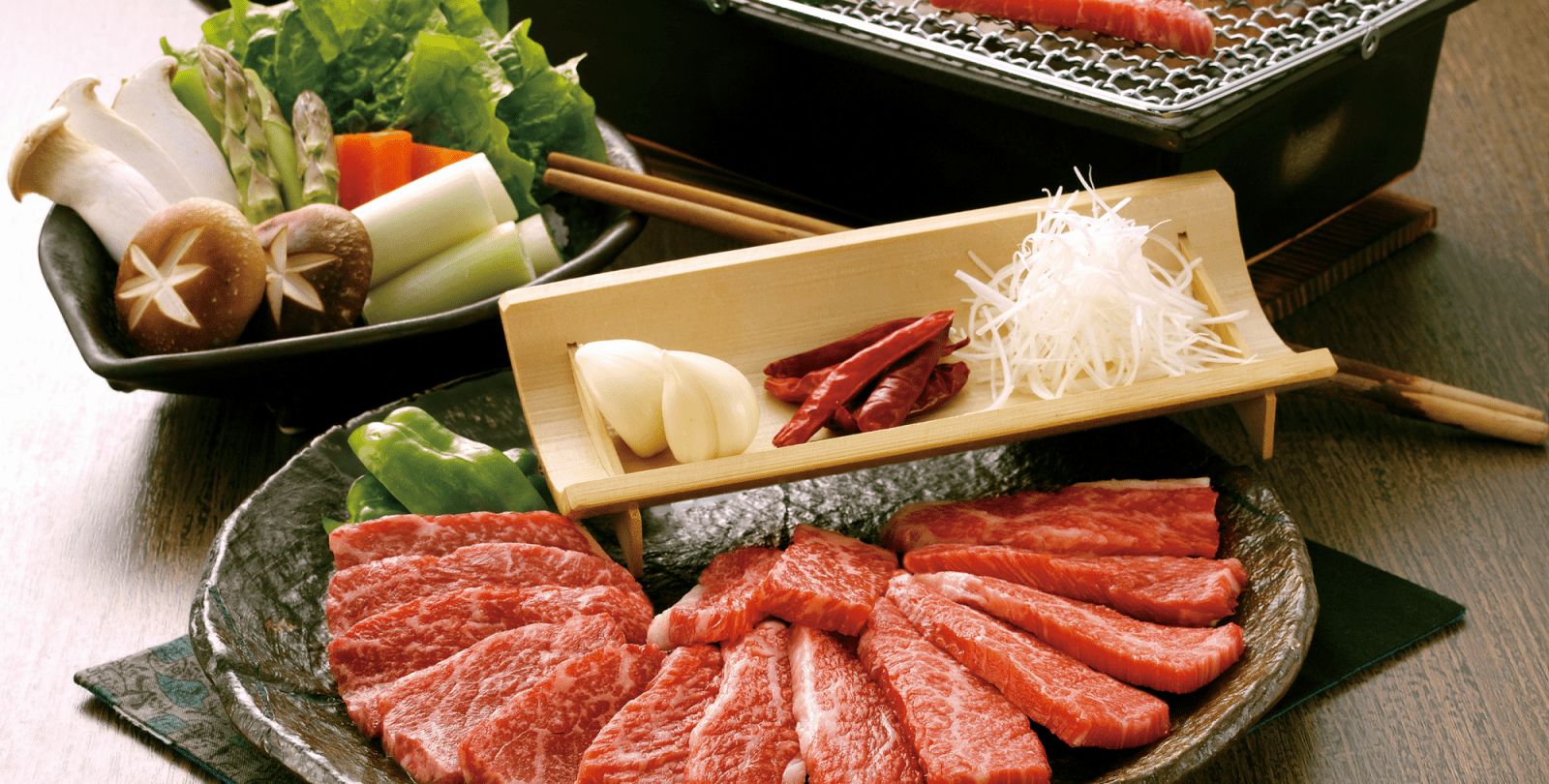
Yamagata Prefecture’s cuisine is defined by a distinctive food culture nurtured by its rich natural environment and long history. From traditional foods that take advantage of the harsh winter cold to refreshing chilled dishes that provide relief from the summer heat, there is a wide variety of seasonal specialties to enjoy throughout the year. Yamagata is also well known for its thriving fruit production, including cherries and La France pears, and visitors can savor desserts and products made from these fresh fruits. In addition, the region boasts premium wagyu beef such as Yamagata Beef, along with dishes featuring vegetables grown in the prefecture’s fertile land. Furthermore, Yamagata ranks among the top sake-producing prefectures in Japan, and visitors can indulge in rich local sake brewed from locally grown rice. The cuisine, which draws on the bounty of both the sea and the mountains, embodies Yamagata’s food culture and offers visitors exciting new culinary discoveries.
Top 3 Yamagata Gourmet Picks
Imoni (Taro Stew)
● The Appeal of Imoni
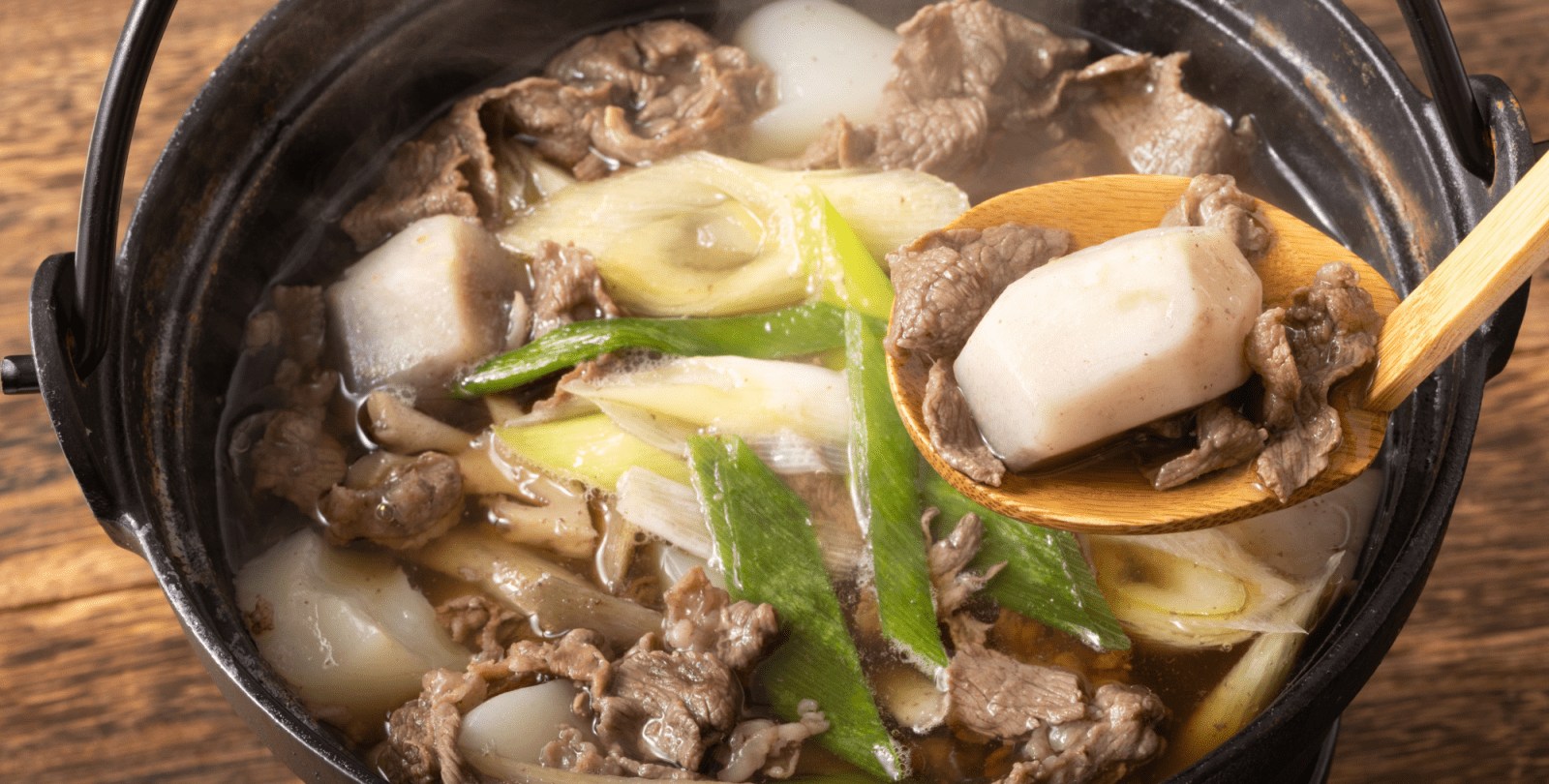
Yamagata’s imoni is a beloved local dish known for its rustic yet deeply satisfying flavor, and it stands as one of the most iconic dishes of Yamagata Prefecture. This dish is traditionally enjoyed during the autumn harvest season, when families and friends gather along riverbanks or in outdoor settings to cook in large pots and share the meal together. The main ingredients include fresh locally harvested taro, along with beef and vegetables, all simmered in a soy sauce-based broth that brings out the best of each ingredient. This simple yet perfectly balanced combination results in the rich, deeply comforting flavor that imoni is known for.
Part of imoni’s charm also lies in its cooking process. The communal act of preparing the dish together strengthens regional bonds and family ties, creating a form of communication through food.
● The History of Imoni
This traditional dish was born from Yamagata Prefecture’s unique natural environment and the lifestyle of its people. While there are no specific records documenting the exact origins of imoni, it is believed to have developed naturally in the taro-growing regions of Yamagata Prefecture. Local vegetables, including taro, along with river fish from the abundant natural surroundings, and eventually beef, were added over time, enriching the dish’s flavor.
Imoni became established as a social event dating back to the era when agriculture was central to daily life. During harvest time, as local communities worked together cooperatively, imoni gatherings were held to ease the fatigue of collective labor and celebrate bountiful harvests. This tradition has become a cherished occasion for feeling close to nature at the change of seasons while deepening bonds between families and the local community.
● Where to Eat Imoni
- Restaurant: Izakaya Omoya
- Highlights:
What makes this restaurant special is that their signature imoni, available year-round, is made with high-quality Yamagata beef. For horse meat enthusiasts, the restaurant also offers fresh “raw horse sashimi” from Shirataka Town in Yamagata Prefecture, available at just 1,200 yen — a unique attraction of this establishment. Additionally, Omoya focuses on serving Yamagata’s nationally acclaimed local sake, and the exquisite pairing of local ingredients with local sake is what keeps visitors coming back for more.
This restaurant is especially popular with repeat visitors from outside the prefecture, drawn by the seasonal ingredients that the owner personally sources. Dishes made with the freshest ingredients, including Yamagata beef and locally produced horse sashimi, deliver an unparalleled dining experience. The restaurant’s impressive sake selection, including hard-to-find labels, is highly praised for allowing guests to fully savor the rich flavors of Yamagata. - Address: 1-3-25 Tokamachi, Yamagata City, Yamagata Prefecture
- Access: 15-minute walk from JR Yamagata Station (745m from the station)
- Google Maps: https://maps.app.goo.gl/VNeETUaSZprBjXup8
Yonezawa Beef
● The Appeal of Yonezawa Beef
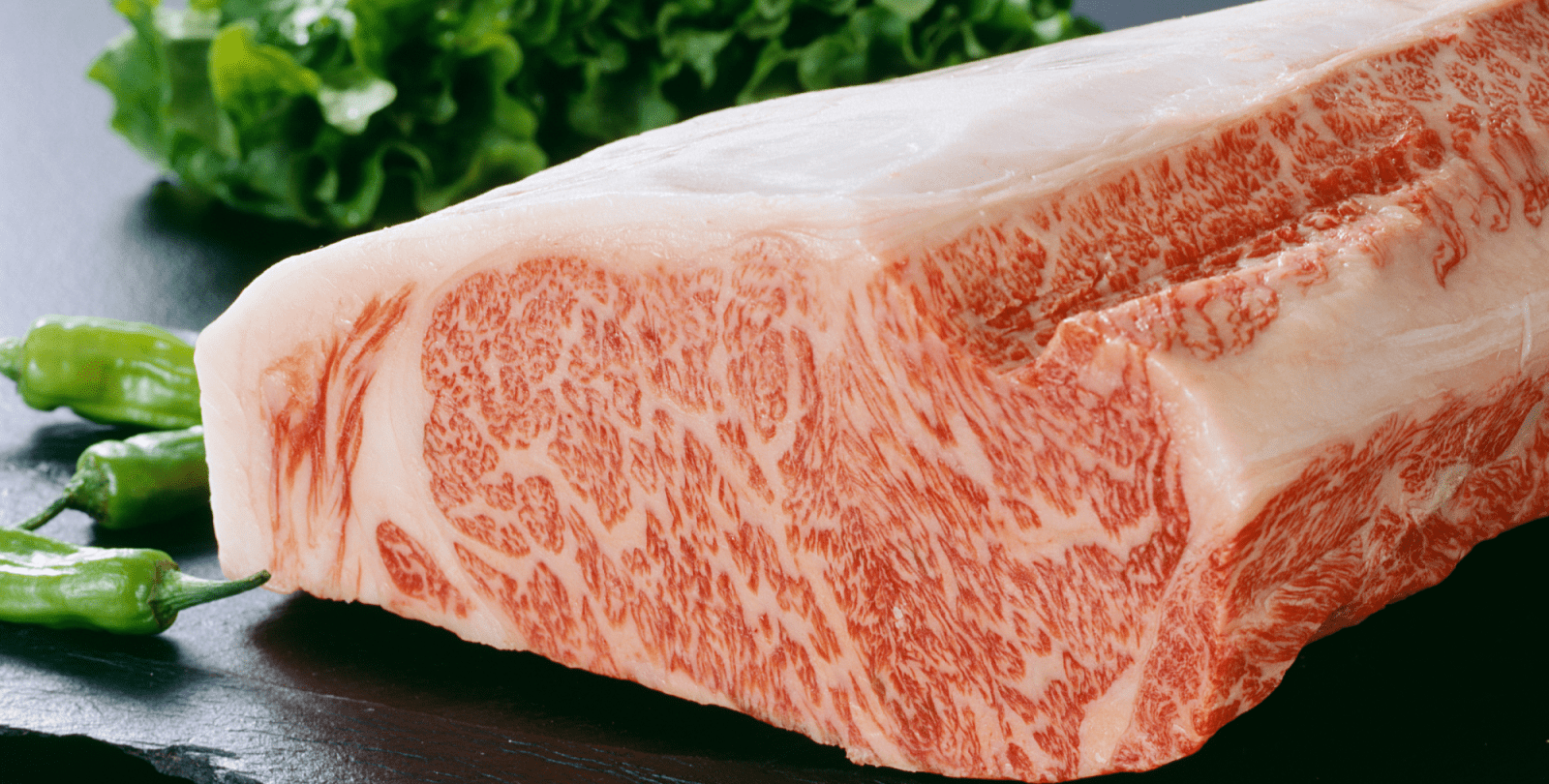
Yonezawa beef is one of Japan’s finest premium brand wagyu. The greatest appeal of this beef lies in its exquisite marbling and the rich flavor that spreads across your palate the moment you take a bite. Marbling refers to the fine streaks of fat interspersed throughout the meat, and Yonezawa beef’s marbling is exceptionally tender, juicy, and richly flavored. Moreover, this fat melts easily in the mouth, bringing out a distinctive sweetness and umami while leaving a clean, refreshing aftertaste.
The secret behind Yonezawa beef’s superb quality lies in its production process. Each animal is carefully raised according to strict standards and time-tested breeding methods. Particular attention is paid to feed, with a well-balanced diet of high-quality grass and grain that elevates the meat quality to the highest level.
Yonezawa beef is also prized for its rarity. With limited production and stringent quality controls governing its distribution, simply being able to obtain it becomes a special experience in itself. As a result, it is known as an exquisite delicacy typically reserved for fine dining restaurants and special occasions.
● The History of Yonezawa Beef
The history of Yonezawa beef has deep roots dating back to the Edo period and has been cultivated through the rich natural environment and skilled breeding techniques of the Yonezawa region in Yamagata Prefecture. Originally raised as draft animals for farming, the cattle gradually became sought after for their high quality. With the wave of Westernization during the Meiji era and the growing consumption of beef, serious efforts toward breed improvement began in earnest.
The Yonezawa region in particular, with its harsh winter cold and fertile land, provided an ideal environment for raising cattle that produce distinctively marbled meat. As beef gained a more prominent place in Japanese food culture from the Meiji era onward, Yonezawa beef became widely recognized for its outstanding quality and earned high acclaim both in Japan and abroad. The tender texture, deep flavor, and delicate marbling are the culmination of years of improvement and community effort, and to this day, Yonezawa beef maintains its reputation as one of the finest wagyu in the world.
● Where to Eat Yonezawa Beef
- Restaurant: Yonezawa Gyu DINING Bekoya
- Highlights:
This restaurant is conveniently located just a 3-minute walk from JR Yonezawa Station and features a charming traditional Japanese farmhouse-style exterior. It attracts both locals and tourists who come to enjoy premium Yonezawa beef.Inside, the restaurant is divided into different sections for yakiniku (grilled meat), steak, shabu-shabu, and sukiyaki, offering various ways to savor Yonezawa beef according to your preference. The lunch menu is particularly noteworthy, with prices more affordable than dinner. The “Yonezawa Beef Kalbi Feast Lunch” comes with salad, soup, and a drink for an incredible 1,980 yen (*weekdays only). By grilling over carefully selected charcoal, the natural sweetness and umami of Yonezawa beef fill your entire mouth with flavor.
Beyond yakiniku, the restaurant offers an extensive lunch menu, making it easy to casually enjoy Yonezawa beef cuisine. Set in a refined Japanese-modern atmosphere, the restaurant features a warm wooden interior, a teppanyaki counter where steaks are prepared right before your eyes, and a spacious dining area with over 150 seats, accommodating a variety of dining occasions.
- Address: 3-2-34 Higashi, Yonezawa City, Yamagata Prefecture
- Access: 3-minute walk from JR Yonezawa Station (175m from the station)
- Google Maps: https://maps.app.goo.gl/BxKMkapJdr6NxxdB7?g_st=ic
Tama Konnyaku (Ball-Shaped Konjac)
● The Appeal of Tama Konnyaku
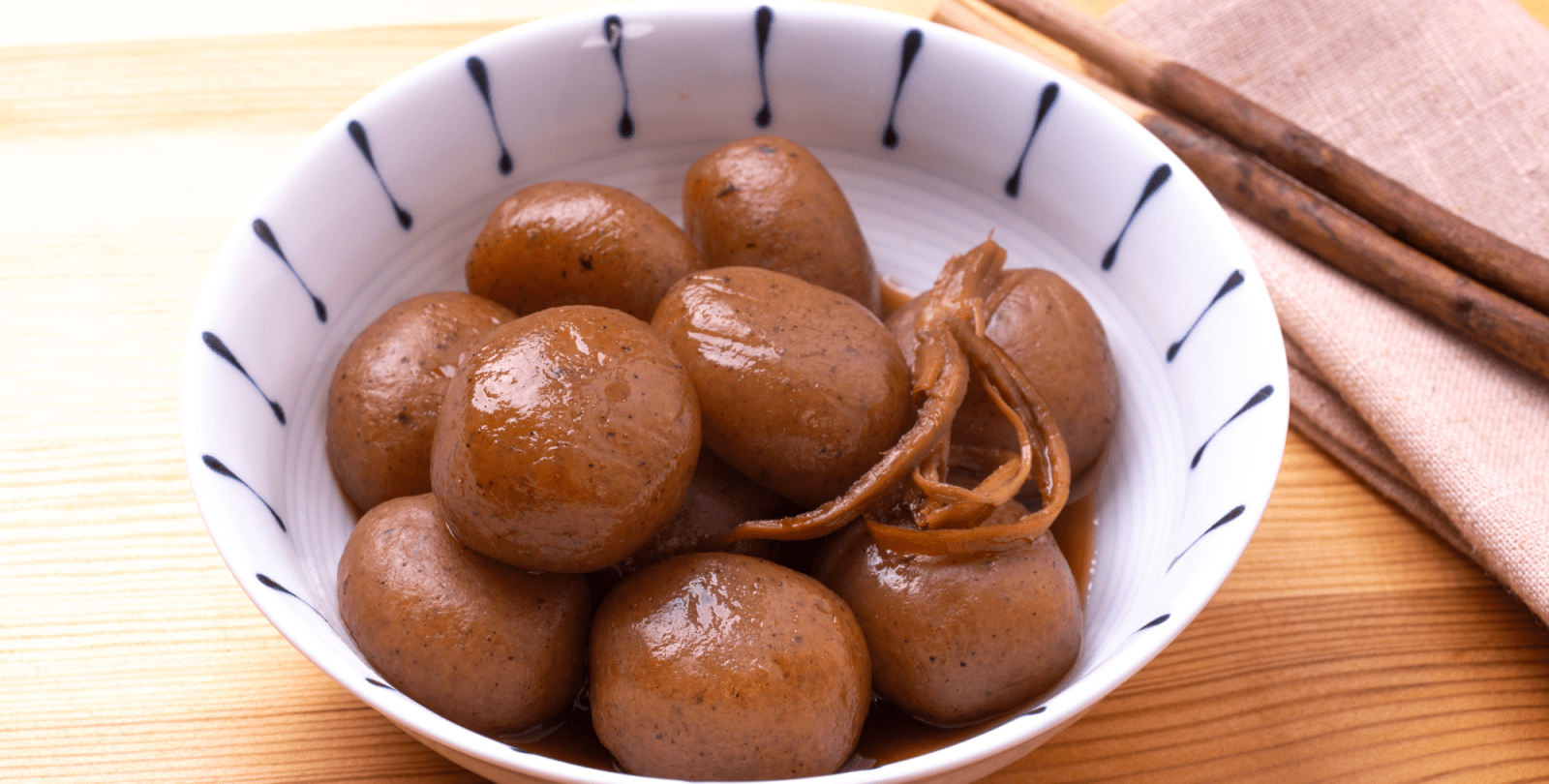
Yamagata Prefecture’s tama konnyaku is a distinctive local dish known for its unique texture and deep flavor. These small ball-shaped konjac pieces are a simple yet refined example of traditional Japanese food culture, nurtured within Yamagata Prefecture’s rich natural environment and long culinary heritage. The appeal of tama konnyaku lies in its low-calorie, healthy nature — rich in soluble dietary fiber while still providing a satisfying eating experience, it has become a favorite among many people. Its distinctive chewy, springy texture is truly unique and cannot be found in other foods, offering a simple yet profoundly satisfying flavor.
Tama konnyaku is also appealing for the versatility of its preparation methods. Whether simmered in a soy sauce or miso-based sauce, or skewered and grilled, you can enjoy the contrast between the slightly charred, aromatic exterior and the chewy, springy interior. In this way, tama konnyaku has become an essential food not only on household dining tables in Yamagata Prefecture but also at local festivals and events.
● The History of Tama Konnyaku
Yamagata’s tama konnyaku is a traditional Japanese food known for its distinctive shape and cooking methods, with a history stretching back centuries as it developed its own unique place within Japanese food culture. This regional specialty has been nurtured by the rich land and climate of Yamagata Prefecture and the wisdom and ingenuity of its residents, passed down through many generations to the present day.
The origins of konjac itself in Japan can be traced back several hundred years, and it was originally used for medicinal purposes, which is why its health benefits have long been highly valued. However, konjac became particularly notable in Yamagata because of the unique position it established within the region’s processing methods and food culture. Specifically, by shaping konjac into small balls and using them in various dishes such as simmered preparations and skewered grills, “tama konnyaku” became widely beloved.
Behind the development of this traditional food lies Yamagata Prefecture’s harsh winter climate and abundant summer natural environment. These conditions are well-suited for cultivating konjac yams, enabling the production of high-quality konjac. Additionally, through the wisdom and skills passed down among the people of Yamagata Prefecture, tama konnyaku has grown into an indispensable element of the region’s food culture as a food with a distinctive flavor and texture.
● Where to Eat Tama Konnyaku
- Restaurant: Chitoseyama Konnyaku Shop
- Highlights:
Nestled at the foot of Mount Chitose, “Chitoseyama Konnyaku Shop” is a historic konjac specialty shop that has been loved in Yamagata City for generations. Since its founding in the first year of the Showa era (1926), its handmade konjac has won the support of countless visitors. In its tranquil traditional Japanese farmhouse-style shop, you can enjoy their springy, firm homemade konjac in a variety of dishes.The shop offers a diverse range of konjac dishes, including konjac sashimi, konjac steak, and konjac hamburger, all available at reasonable prices starting from 550 yen. In particular, the famous tama konnyaku comes in two varieties — soy sauce flavor and yuzu miso dengaku — allowing you to fully savor the local taste. The konjac set meal, priced at 660 yen, is a recommended option that lets you enjoy a variety of flavors all at once.
Another part of this shop’s charm is its atmospheric traditional Japanese building. Amid the ambiance steeped in history, you can enjoy carefully crafted konjac instead of the typical dango at an old-fashioned tea house. On fine weather days, the signature tama konnyaku is sold under the eaves — homemade ball-shaped konjac simmered in dashi soy sauce and served on skewers.
- Address: 3-14-1 Matsuyama, Yamagata City, Yamagata Prefecture
- Access: 2,800m from Yamagata Station
- Google Maps: https://maps.app.goo.gl/bmZe8uJ1J2WuUcMU7