🕓 2025/3/15
#culture
Detailed explanation of the history and experience of Kabuki
more
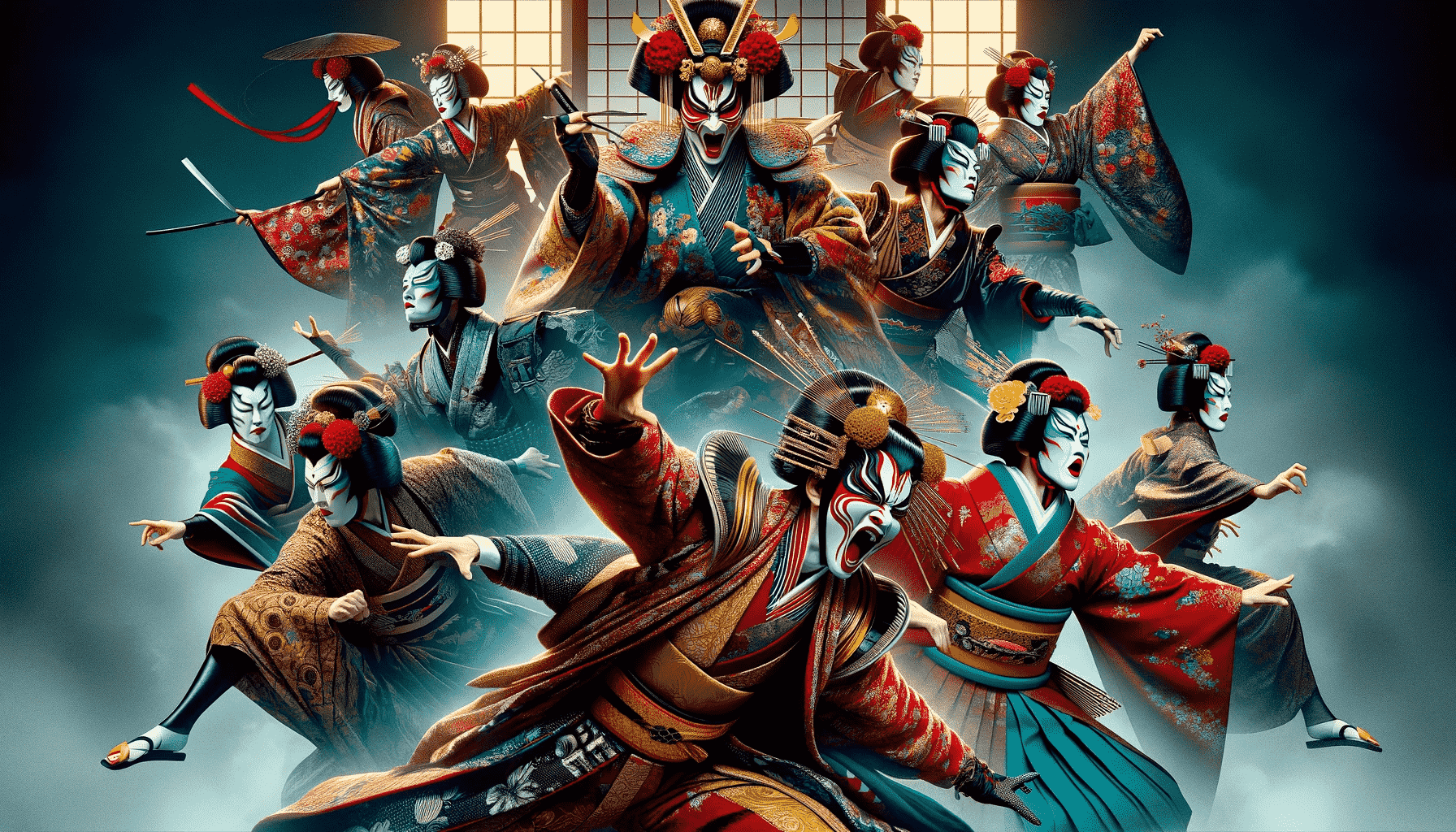
table of contents
- 1. What is Kabuki?
- 2. History of Kabuki
- 3. Kabuki tools
- 4. Types of Kabuki
- 5. Places where you can experience Kabuki
Introduction
Kabuki is one of Japan’s proud traditional performing arts, and is a unique theatrical form that has been passed down for over 400 years. Featuring gorgeous costumes, unique make-up, and dynamic stage production, the performance is sure to overwhelm the audience.
Kabuki is more than just theater; it is a mirror that reflects Japan’s history, culture, and values. The story depicts a variety of themes, including the exploits of brave samurai, the lives of common people, fleeting love affairs, and revenge dramas filled with fate. In this article, we will thoroughly explain the charm of Kabuki, from the basics of Kabuki to its history, stage equipment, types of performances, and even places where you can actually experience it.
1. What is Kabuki?
歌舞伎(かぶき)は、日本の伝統的な演劇形式で、歌(音楽)、舞(舞踊)、伎(演技)の三要素から成り立っています。 Its origins date back to 1603, when Okuni of Izumo, a shrine maiden of Izumo Taisha Shrine, performed dances and comedic programs based on the Nenbutsu dance at Kitano Tenmangu Shrine in Kyoto. Her innovative acting came to be known as “Kabuki,” which comes from the word “kabuku,” meaning to lean, and symbolized the fashion and eccentricity of the time.
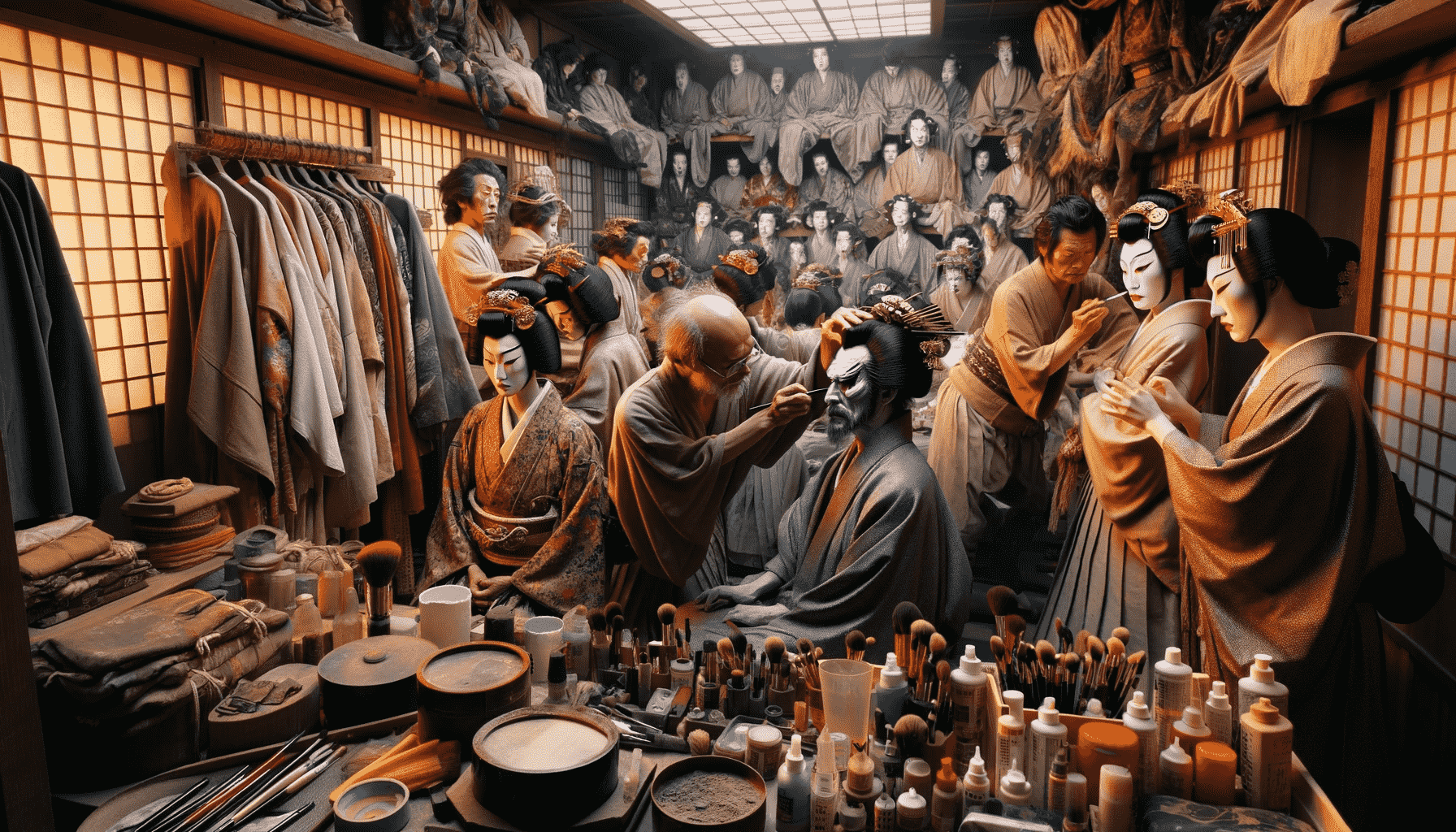
At first, Kabuki was mainly “Onna Kabuki” performed by women, but it was banned in 1629 due to problems such as the performers being involved in prostitution. Later, “Wakashu Kabuki” performed by young men appeared, but this was also banned in 1652 for the same reason. After these bans, “Yoro Kabuki” performed only by adult men was established, and the foundation of today’s Kabuki was laid.
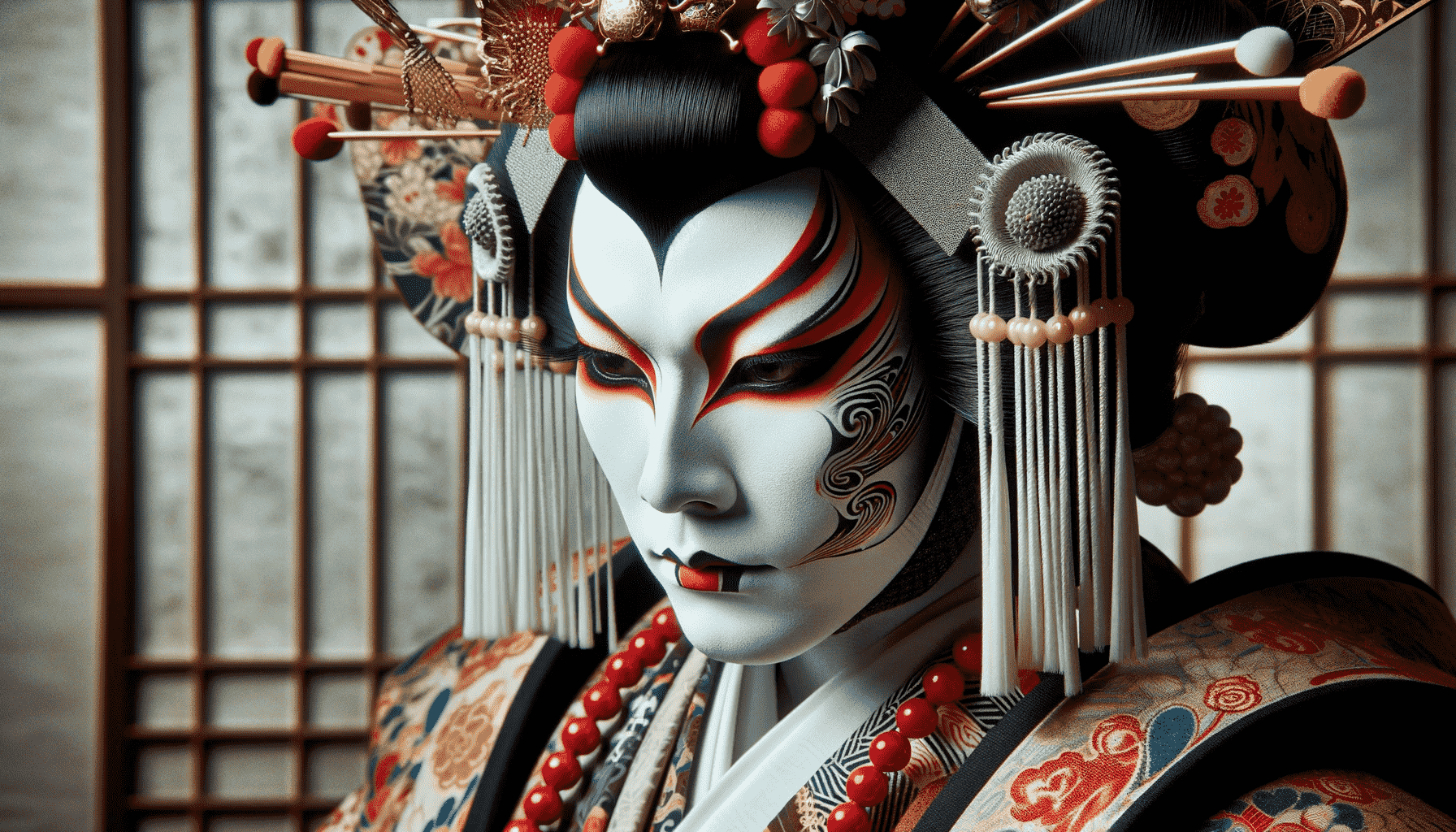
Kabuki plays are broadly classified into three genres. First, there are “Jidaimono,” which are based on historical events and people, “Sewamono,” which depicts the lives and love lives of common people during the Edo period, and “Shosagoto,” which focuses on dance.
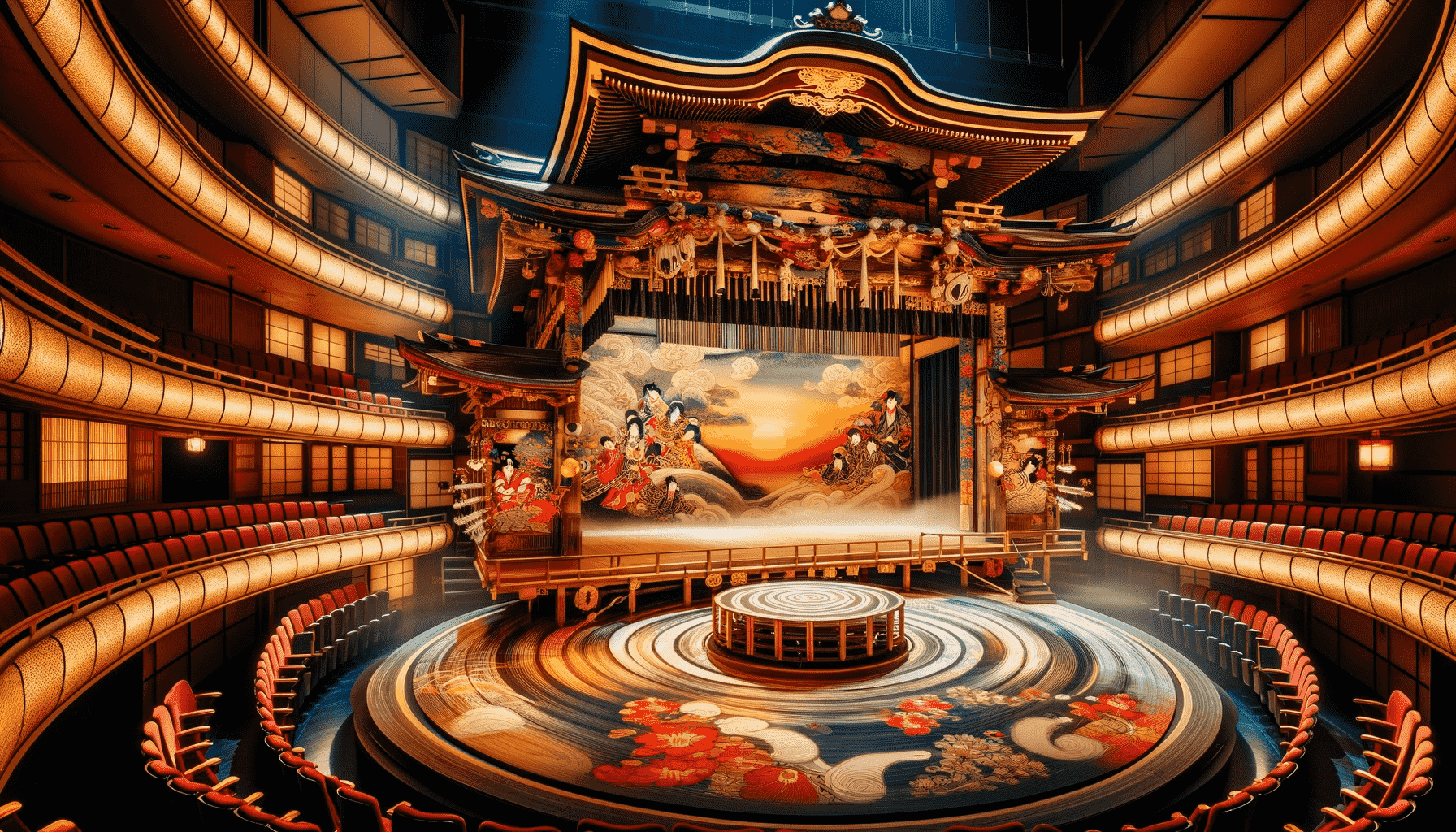
Kabuki stages have passageways called “hanamichi,” which are used by actors to enter and exit the stage. Also, one of the characteristic performances is the unique pose “Mie”, which is taken to express heightened emotions. Furthermore, a revolving stage and an auction (elevating device) were introduced as stage equipment, enhancing the visual presentation.
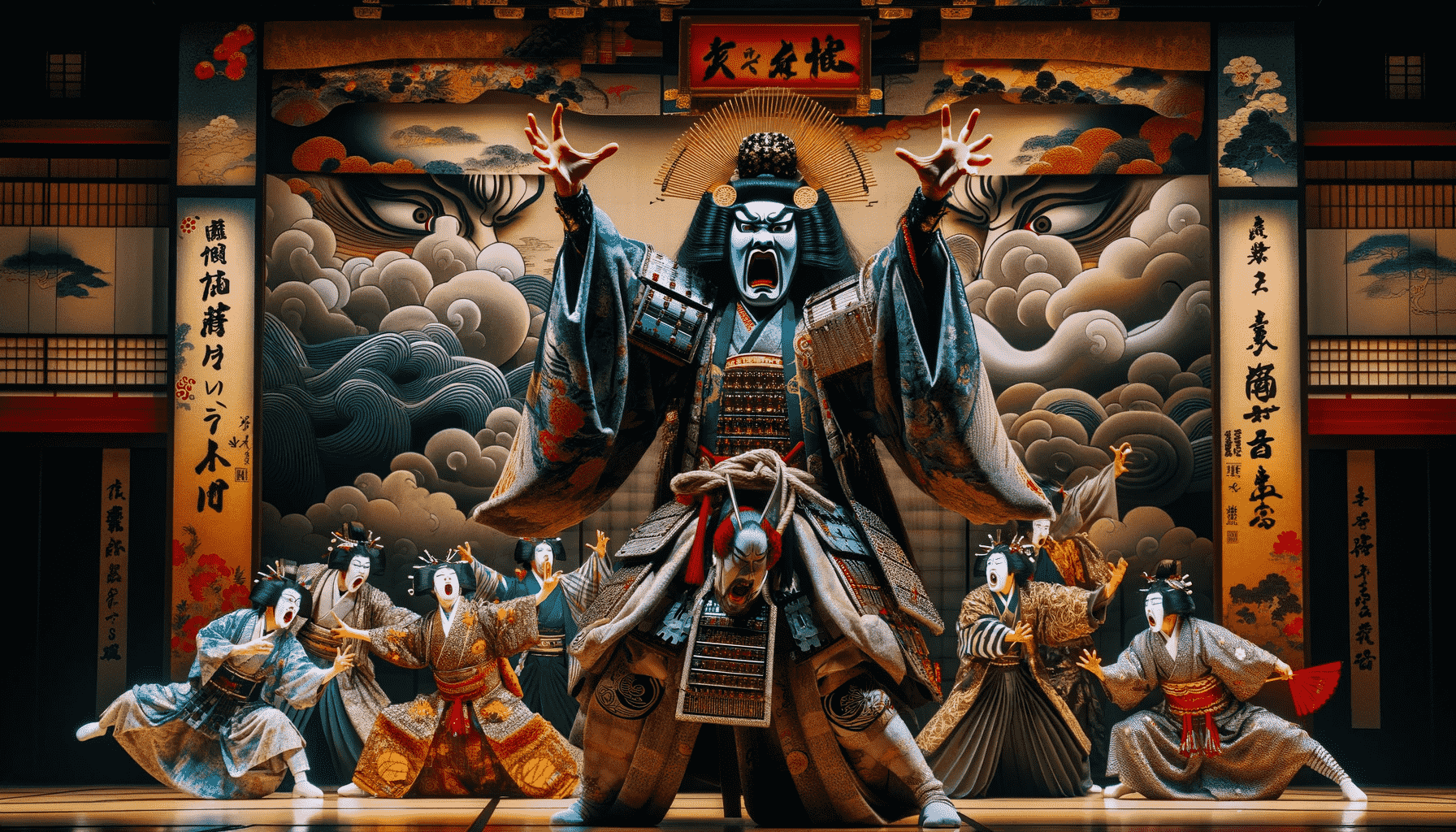
現代においても歌舞伎は多くの支持を集めており、東京の歌舞伎座、京都の南座、大阪の松竹座といった有名な劇場で上演されています。 In 2005, it was recognized by UNESCO as a “Masterpiece of the Oral and Intangible Heritage of Humanity,” and in 2008, it was included in the “Representative List of Intangible Cultural Heritage,” and its cultural value has been recognized internationally.
2. History of Kabuki
Kabuki is a traditional Japanese theatrical form that consists of three elements: song (music), mai (dance), and gi (acting). The history of its origin and development is as follows.
1. Origin and early development
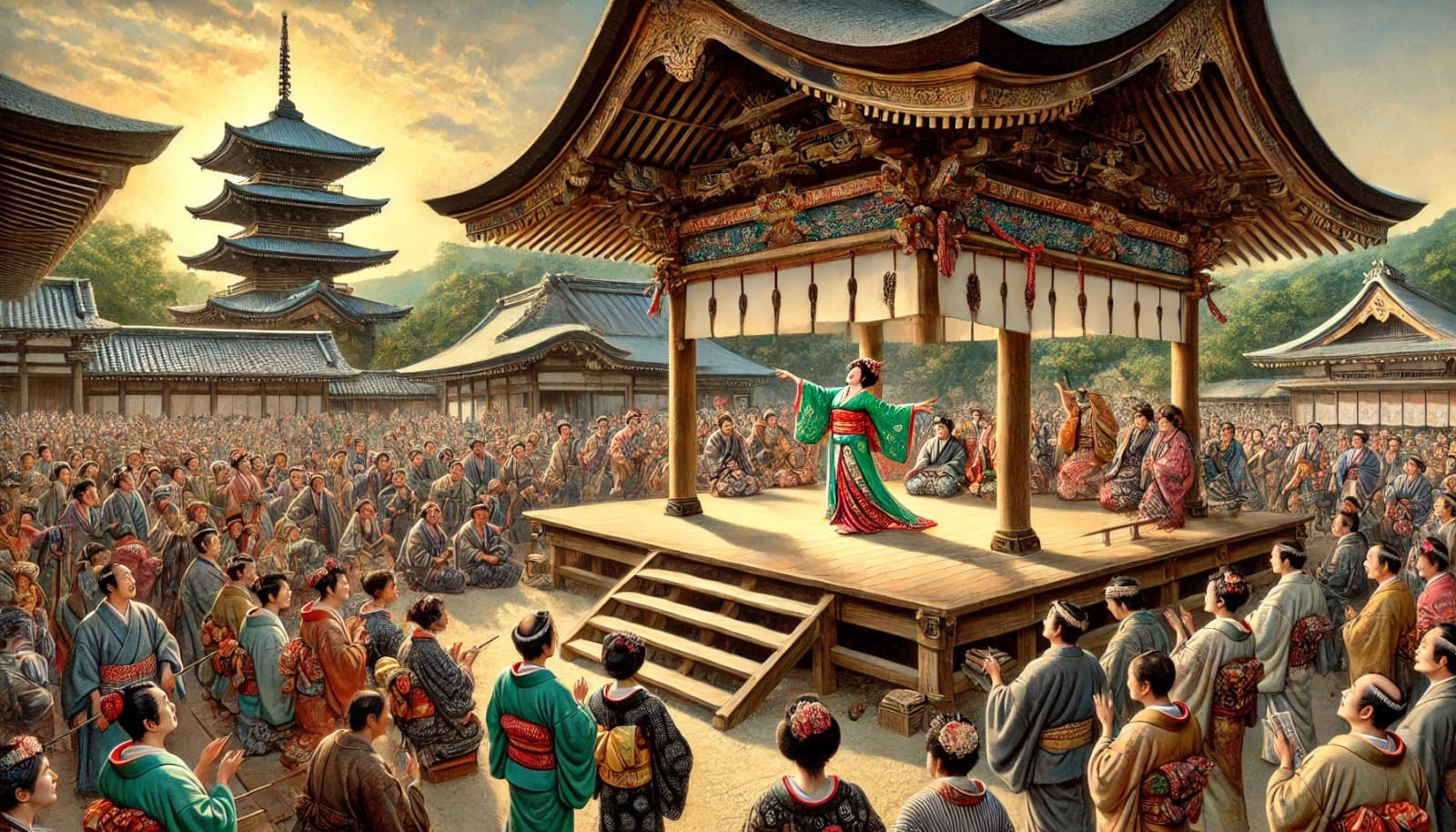
The origin of Kabuki dates back to 1603, when Okuni of Izumo, a shrine maiden of Izumo Taisha Shrine, performed dances and comedic plays based on the Nenbutsu dance at Kitano Tenmangu Shrine in Kyoto. Her innovative acting came to be known as “Kabuki” from the word “Kabuku”, which means the fashion or eccentricity of the time.
Initially, “Onna Kabuki” performed by women was the mainstream, but it was banned in 1629 due to problems such as the performers being involved in prostitution. Later, “Wakashu Kabuki” performed by young men appeared, but it was banned in 1652 for the same reason. After these bans, “Yoro Kabuki”, performed only by adult men, was established, and the foundation of today’s Kabuki was laid.
2. The rise of the Genroku period (1688-1704)
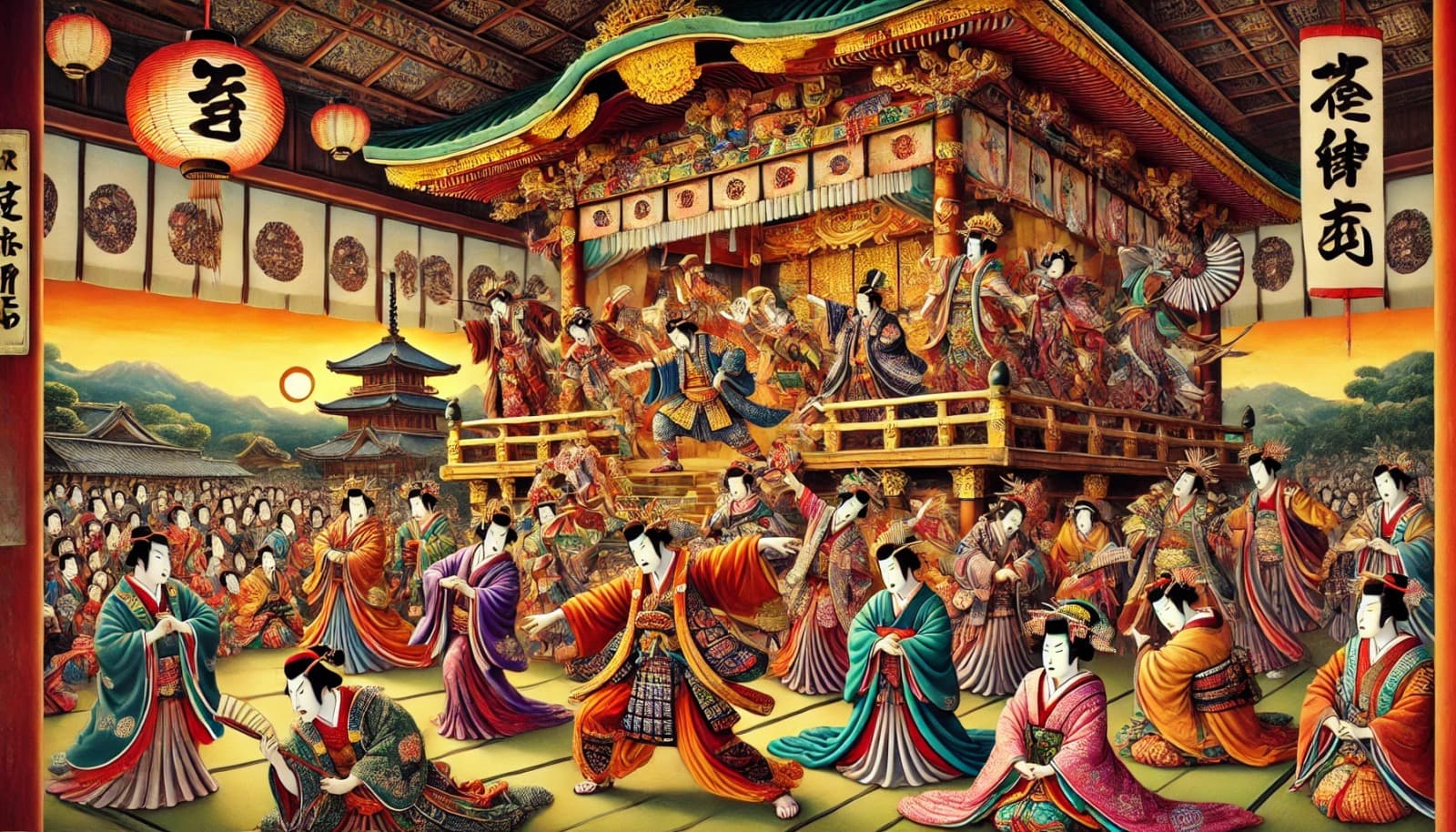
Kabuki achieved great development during the Genroku period. During this period, Ichikawa Danjuro I was good at Aragoto, and Sakata Tojuro I was active as a master of Wagoto. The theater was also rich in playwriting, with works by Monzaemon Chikamatsu being performed.
3. Developments from the middle to late Edo period (18th century to 19th century)
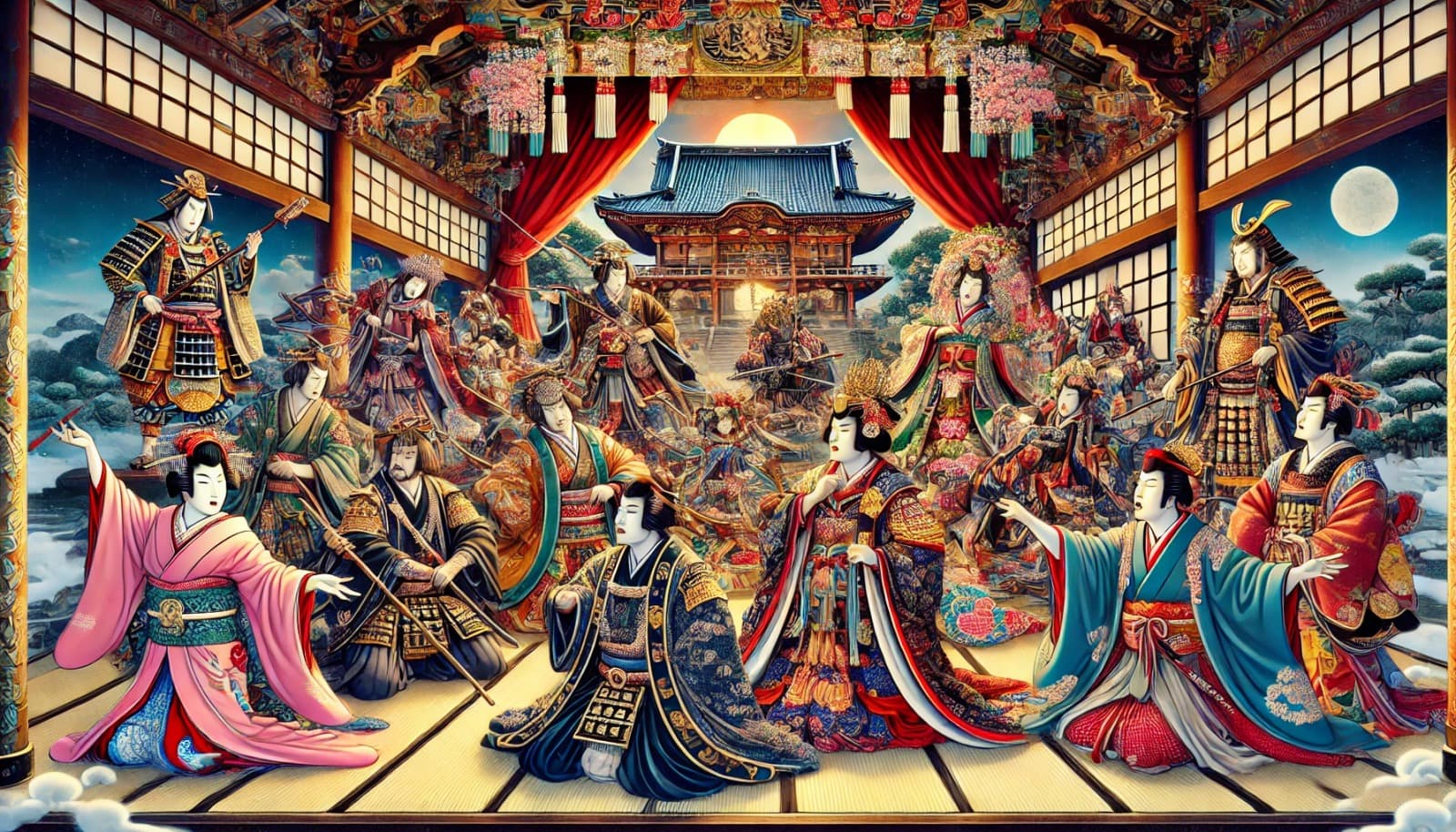
In the 18th century, Kabuki stage equipment evolved, with the introduction of revolving stages and auctions (elevating devices), which enhanced the visual performance. Also, “Sugawara Denju Teshukan”, “Yoshitsune Senbonzakura”, and “Kanadehon Chushingura”, which are known as the three major Kabuki plays, were premiered during this period. In the early 19th century, playwrights such as Tsuruya Namboku IV and Shinshichi Kawatake II (Mokuami) were active, and the diversity of their works expanded.
4. Changes since the Meiji period (1868-)
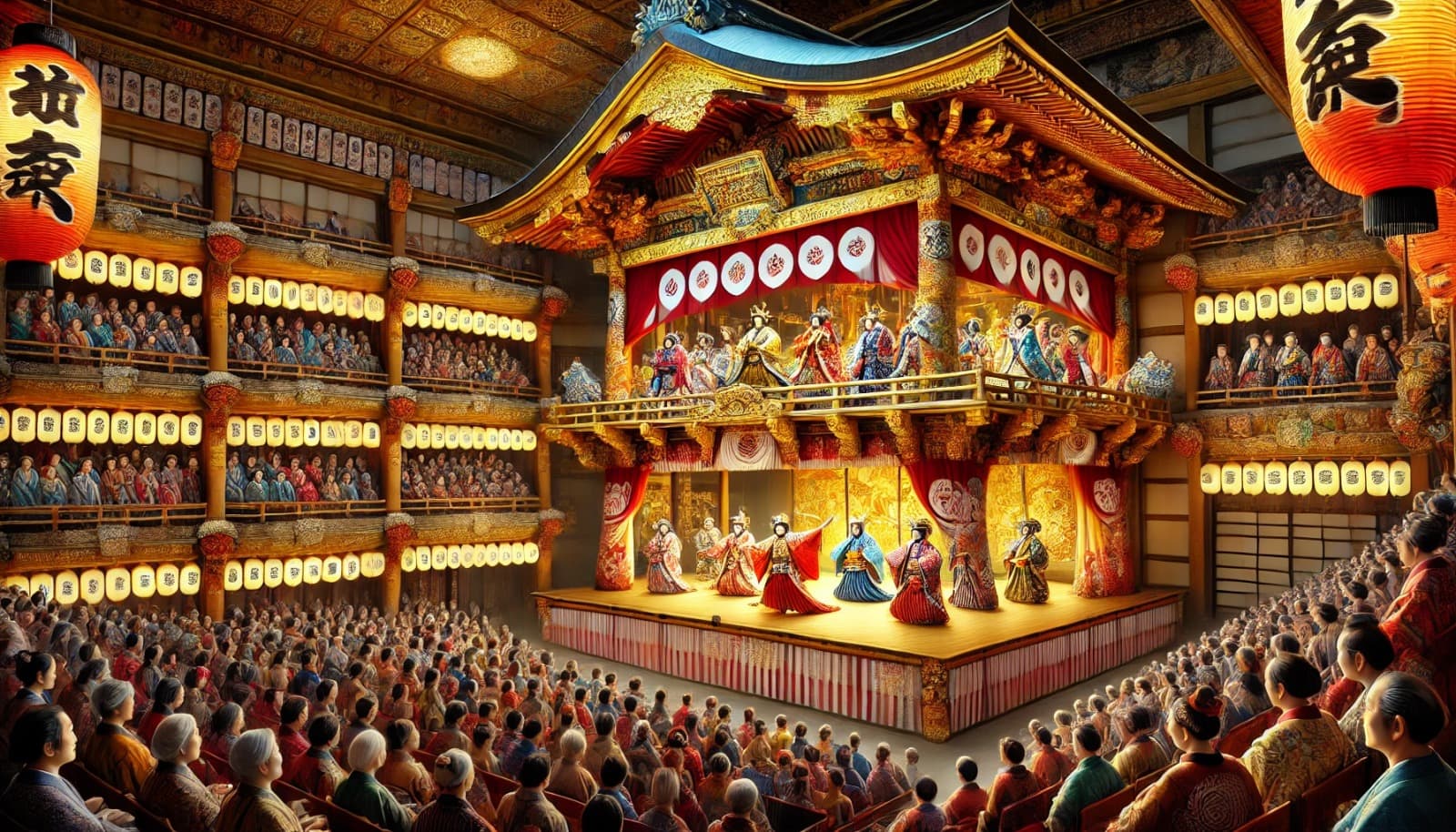
After the Meiji Restoration, Kabuki faced new challenges due to the influx of Western culture. A theater improvement movement arose, introducing realism and creating new Kabuki. After World War II, Kabuki was reevaluated, and in 1965 it was designated as an important intangible cultural property. In 2005, it was registered as UNESCO’s “Masterpiece of the Oral and Intangible Heritage of Humanity” and in 2008 as “Intangible Cultural Heritage,” and has received worldwide recognition.