
🕓 2024/12/10
#Tourist Spots
A Detailed Guide to the History and Overview of Togetsukyo Bridge
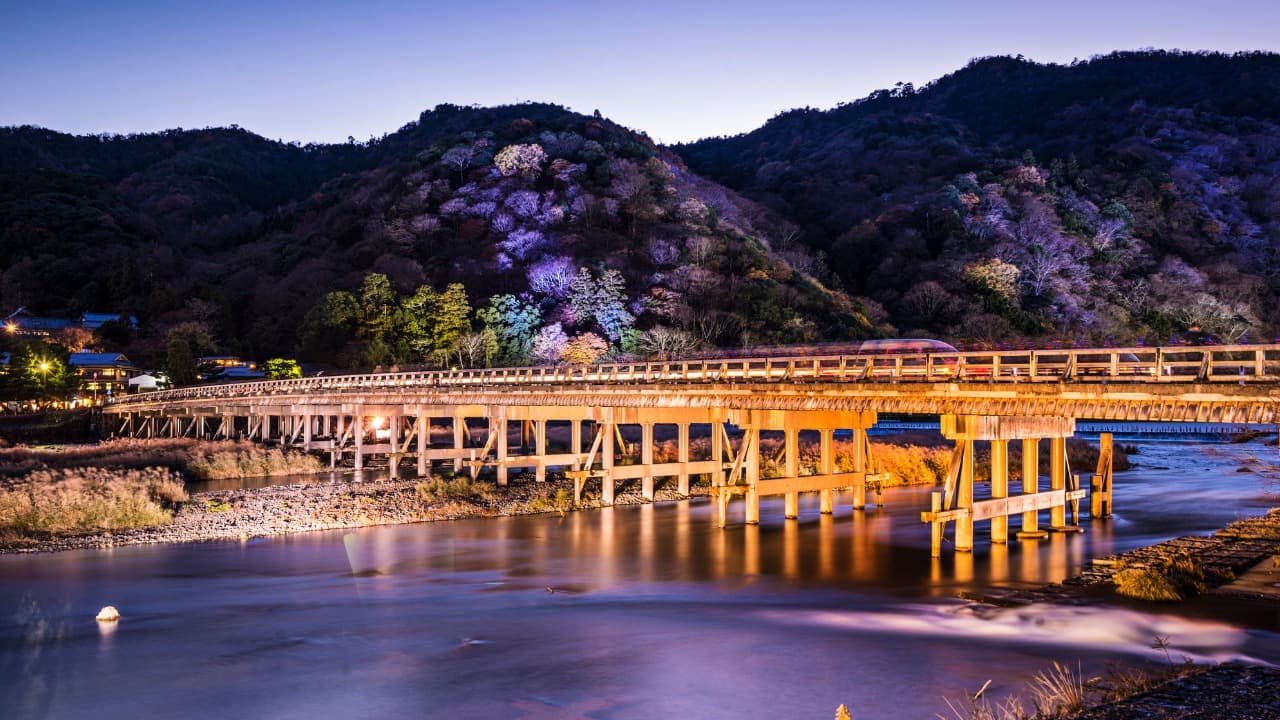
Table of Contents
Introduction
Togetsukyo Bridge, the iconic symbol of Kyoto’s Arashiyama area, captivates countless visitors with its elegant scenery and deep historical significance. The bridge and its surroundings are dotted with spots where natural beauty, history, and culture converge, offering visitors a rich variety of experiences.
In this article, we provide a detailed introduction to Togetsukyo Bridge itself – its overview and history – along with the must-visit highlights in the surrounding area. Come and experience the full charm of the Arashiyama area as it shows different faces with each passing season.
What is Togetsukyo Bridge?
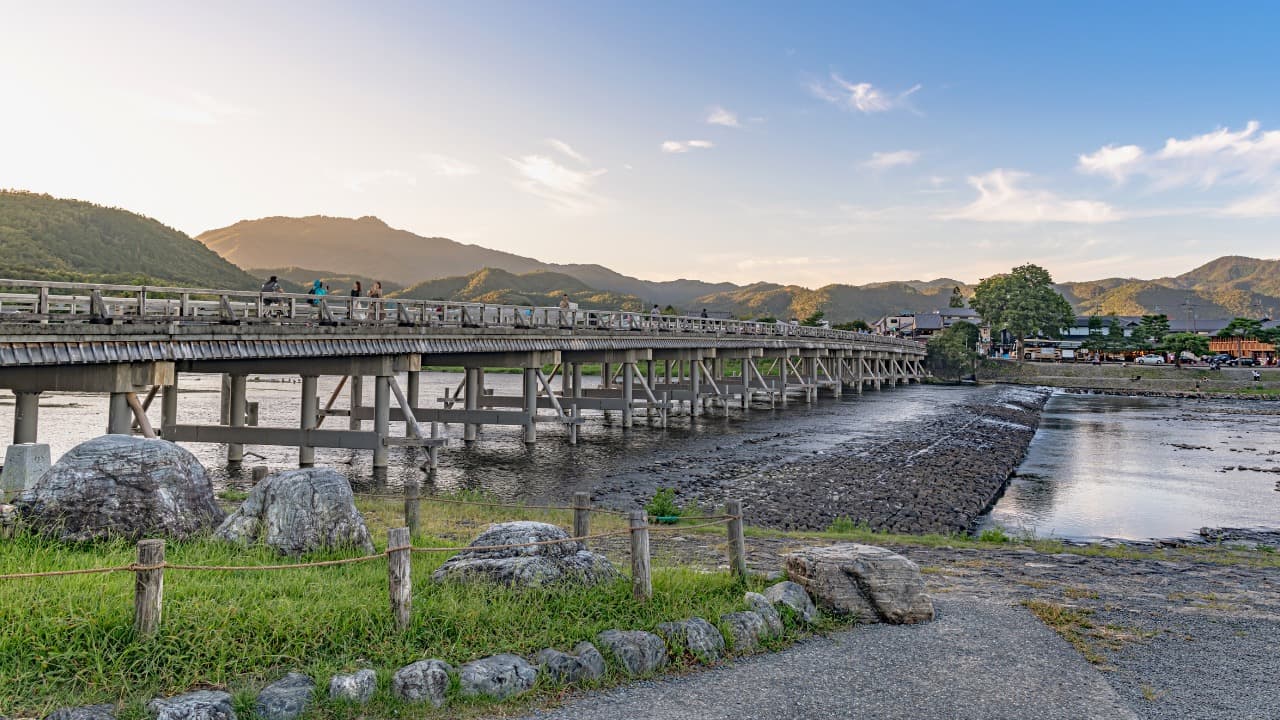
Togetsukyo Bridge spans the Katsura River (Oi River) in Ukyo Ward, Kyoto City. Approximately 155 meters long and 11 meters wide, it graces the scenic landscape that defines the Arashiyama area.
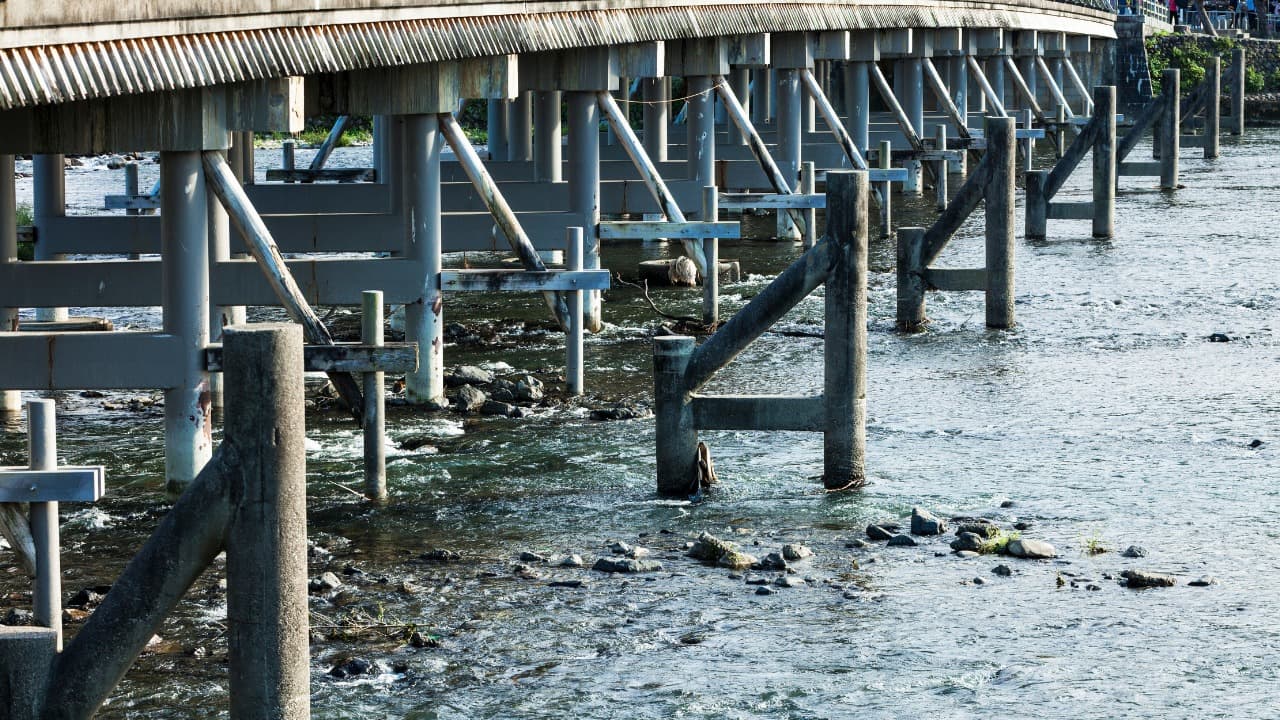
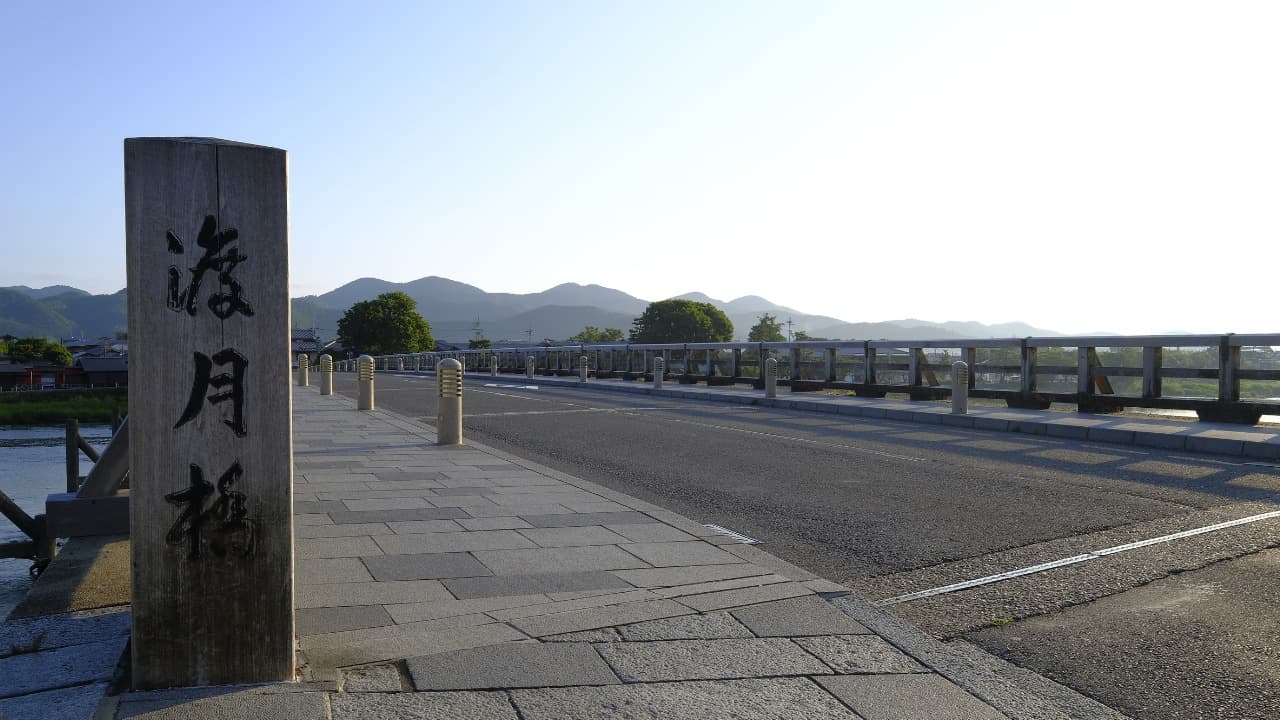
Its history dates back to the Jowa era (834-848) of the Heian period, when the monk Dosho built the “Horinji Bridge” to provide access to Horinji Temple. During the mid-Kamakura period, Emperor Kameyama, upon seeing the moon crossing above the bridge, remarked, “It is as if the moon itself is crossing over,” and thus the bridge came to be named “Togetsukyo” (Moon Crossing Bridge).
The current bridge was rebuilt in 1934 using steel-reinforced concrete, but the railings were crafted from wood to harmonize with the surrounding landscape. The area around Togetsukyo Bridge is beautiful with cherry blossoms in spring and autumn foliage in fall, offering stunning natural beauty throughout all four seasons. From the foot of the bridge, you can also enjoy yakatabune (traditional houseboat) rides and rental boats on the river, fully immersing yourself in the charm of Arashiyama.
Access is convenient from various transportation options: approximately 5 minutes on foot from Arashiyama Station on the Randen (Keifuku Electric Railway) Arashiyama Line, about 10 minutes from Saga-Arashiyama Station on the JR Sagano Line, and roughly 5 minutes from Arashiyama Station on the Hankyu Railway Arashiyama Line.
History of Togetsukyo Bridge
Togetsukyo Bridge, known as the symbol of the Arashiyama area in Ukyo Ward, Kyoto, has captivated many people with its elegant scenery and long history. In this section, we will explore the major historical background and significance of Togetsukyo Bridge in detail.
1. 834-848 (Jowa Era): Construction of the Original “Horinji Bridge”
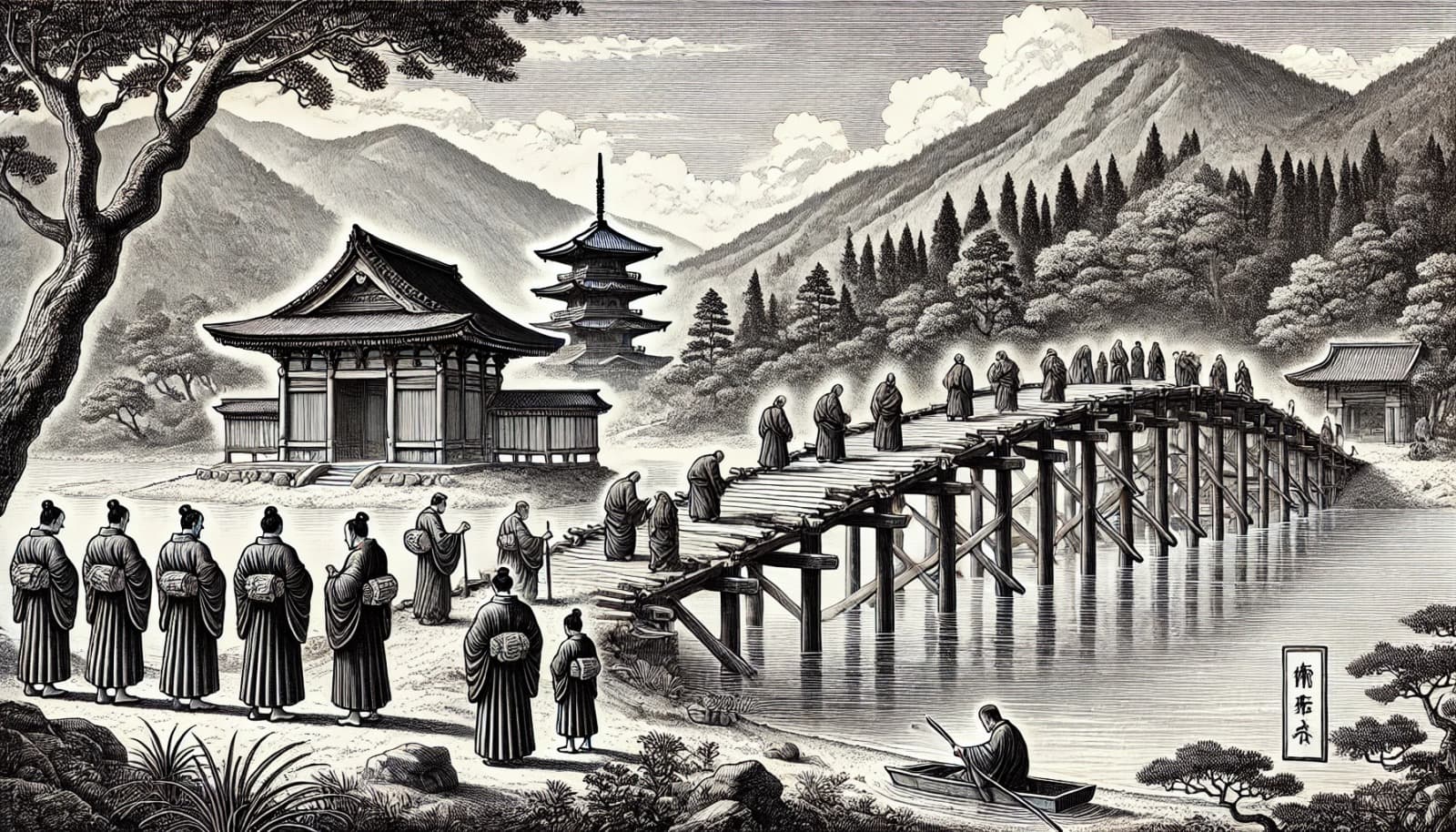 *Illustration for reference
During the Jowa era of the Heian period (around 834-848 AD), the monk Dosho built the “Horinji Bridge,” which corresponds to the present-day Togetsukyo Bridge, to secure a pilgrimage route to Horinji Temple. This became the historical starting point of what would later be known as Togetsukyo Bridge.
2. Late 13th Century (Mid-Kamakura Period): Birth of the Name “Togetsukyo”
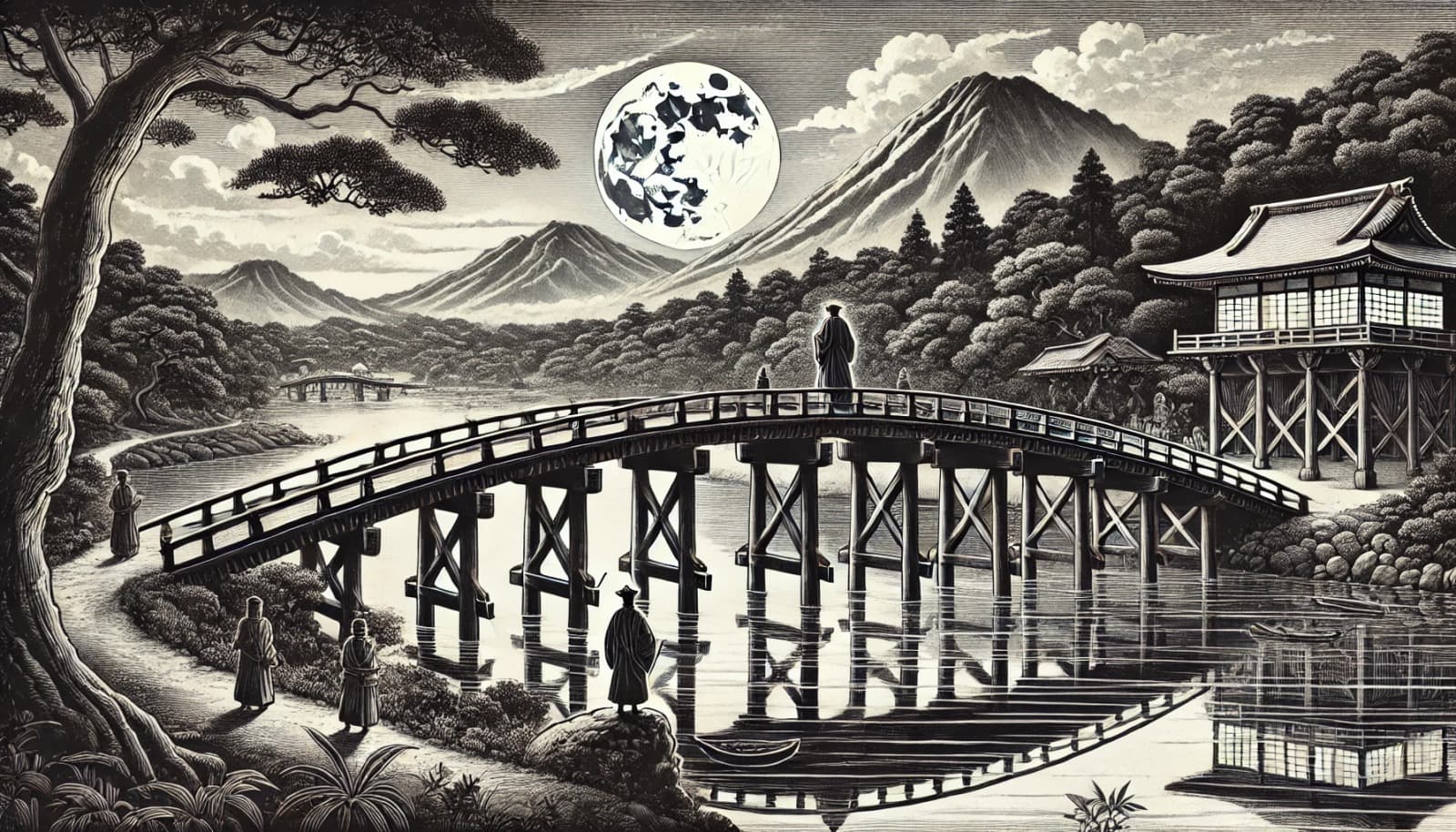 *Illustration for reference
During the mid-Kamakura period (roughly the late 13th century), Emperor Kameyama was so moved by the sight of the moon as viewed from the bridge that he remarked, “It is as if the moon itself is crossing over.” This poetic expression gave birth to the bridge’s name “Togetsukyo” (Moon Crossing Bridge). The name has been passed down through the generations and remains the established designation for the bridge to this day.
3. 1934 (Showa 9): Reconstruction as a Modern Bridge
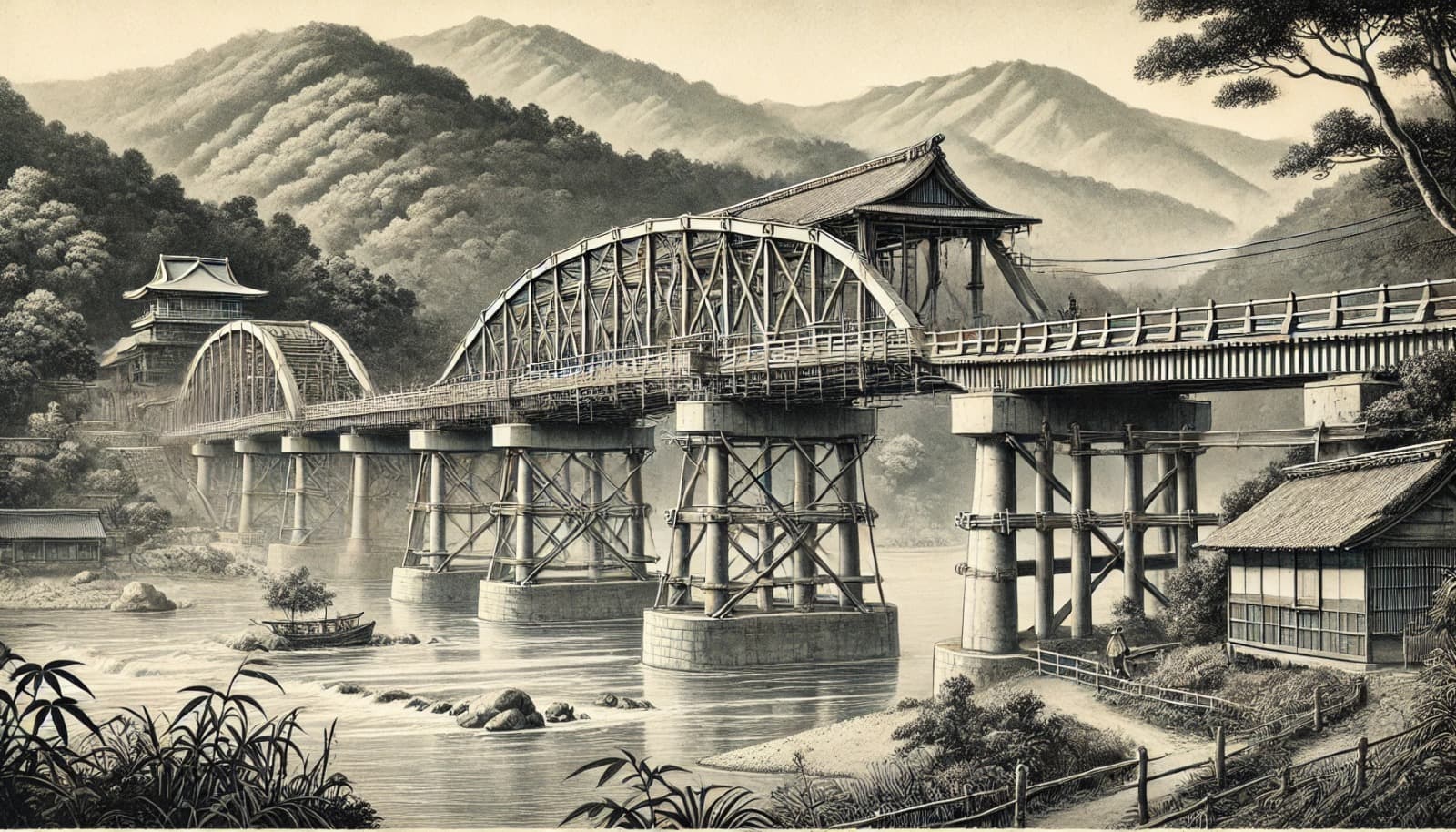 *Illustration for reference
In 1934, during the Showa era, Togetsukyo Bridge was reconstructed as a modern steel-reinforced concrete bridge. However, in consideration of the traditional surrounding landscape, wooden materials were used for the railings. This reconstruction achieved both structural strength and aesthetic beauty, and the bridge has continued to captivate visitors as Arashiyama’s iconic landmark to this day.
4. 2013 (Heisei 25): Impact of a Typhoon on the Surrounding Area
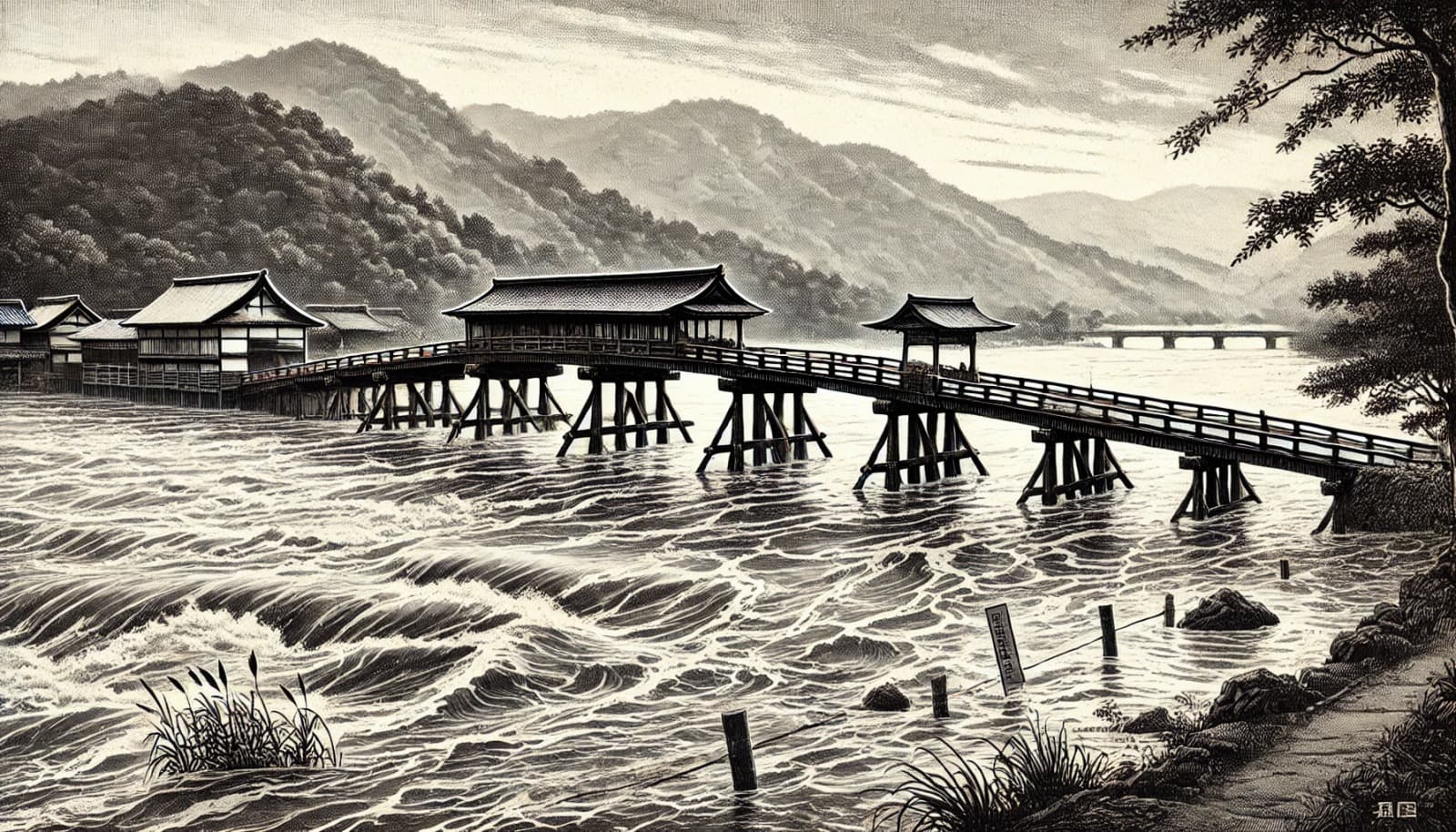 *Illustration for reference
In September 2013, Typhoon No. 18 (Typhoon Man-yi) caused the Katsura River to flood, and the entire Arashiyama area suffered water damage. Although Togetsukyo Bridge was surrounded by the swollen river, the bridge itself escaped major damage. After subsequent safety inspections and surrounding area improvements, the bridge returned to normal use.
Highlights Around Togetsukyo Bridge
Togetsukyo Bridge is the iconic symbol of Kyoto’s Arashiyama, and there are many highlights in its surroundings. Below, we introduce the major spots to visit in and around Togetsukyo Bridge.
■ Tenryu-ji Temple
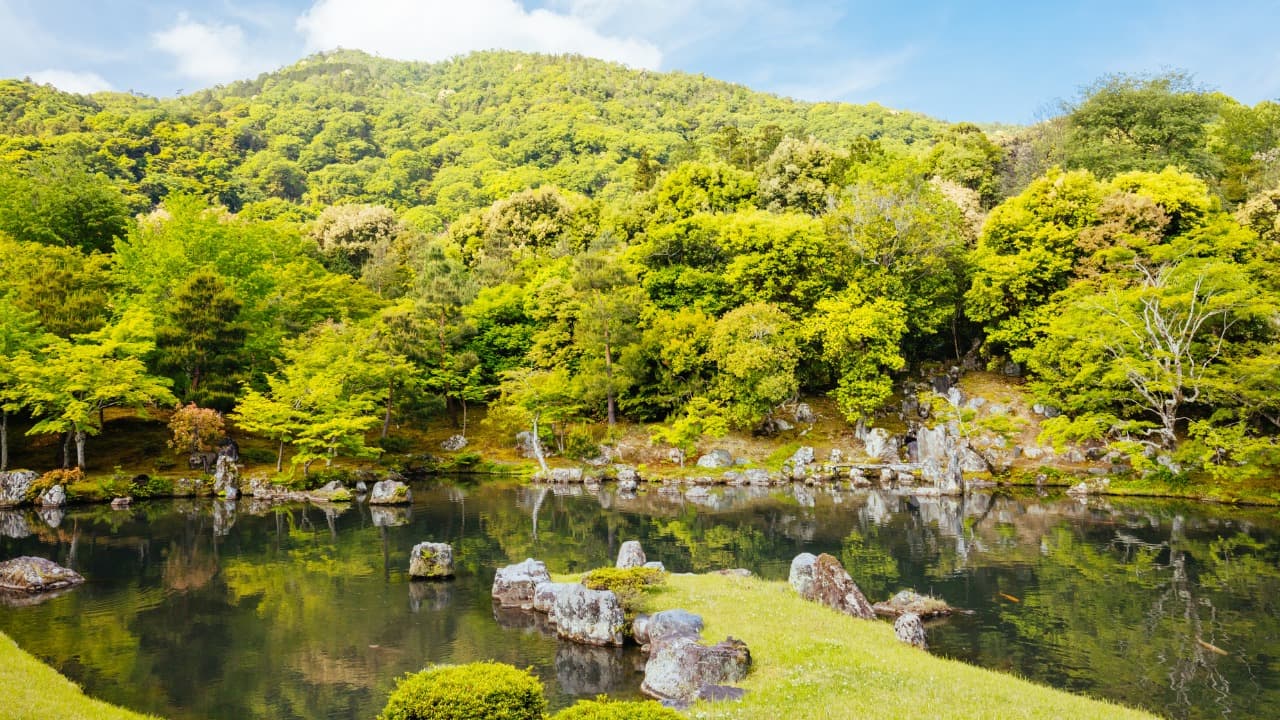
Tenryu-ji Temple is the head temple of the Rinzai Tenryu-ji school of Zen Buddhism and was designated as a UNESCO World Cultural Heritage Site in 1994. It was built in 1339 by Ashikaga Takauji to pray for the repose of Emperor Go-Daigo’s soul. The famous Sogenchi Garden, designed by Muso Soseki, is a pond strolling garden that uses the Arashiyama mountains as borrowed scenery. This garden is designated as a National Historic Site and Special Place of Scenic Beauty. The ceiling of the Dharma Hall features a “Cloud Dragon” painting by Kayama Matazo, which draws the admiration of visitors.
>> Learn More About Tenryu-ji Temple
■ Bamboo Grove Path
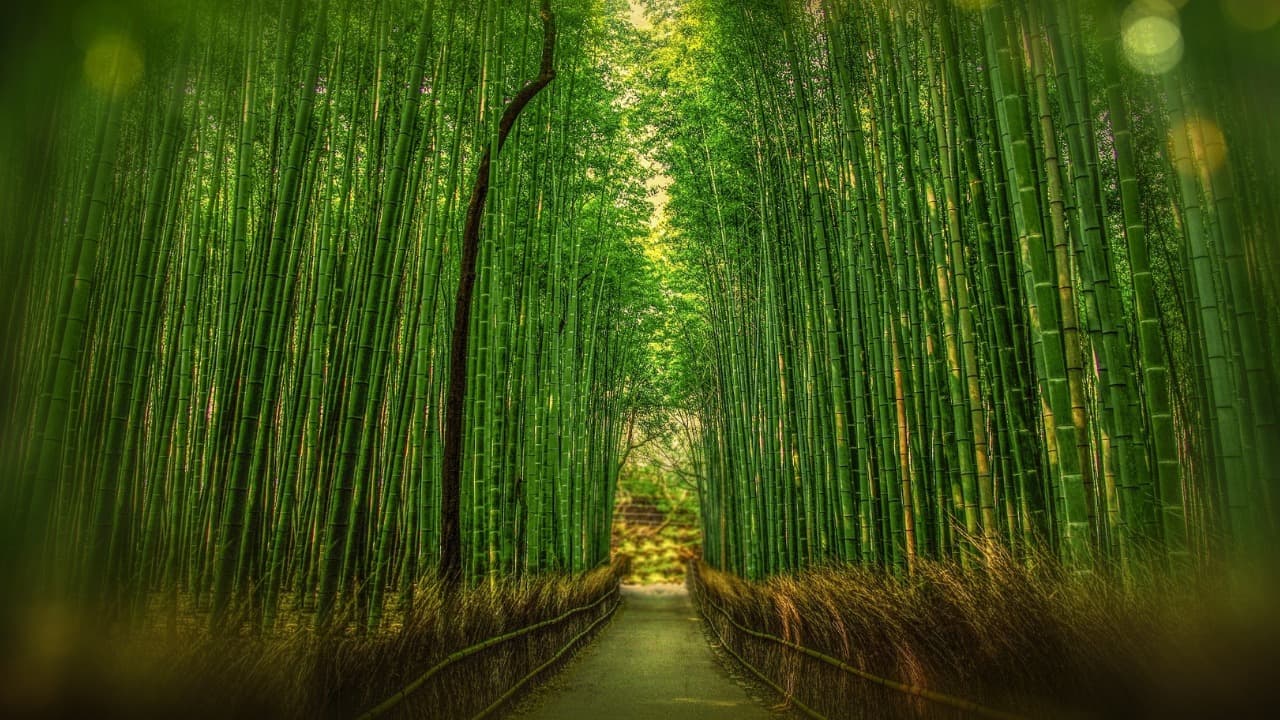
This approximately 400-meter bamboo-lined path extends from the north side of Tenryu-ji Temple, creating an enchanting atmosphere with tens of thousands of towering bamboo stalks. During the Heian period, this area was used as a villa district for aristocrats. Walking through this path while listening to the sound of bamboo swaying in the wind and dappled sunlight filtering through the leaves is a truly calming experience. Each December, the annual “Arashiyama Hanatouro” illumination event lights up the bamboo grove, offering a magical landscape completely different from daytime.
■ Sagano Scenic Railway (Torokko Train)
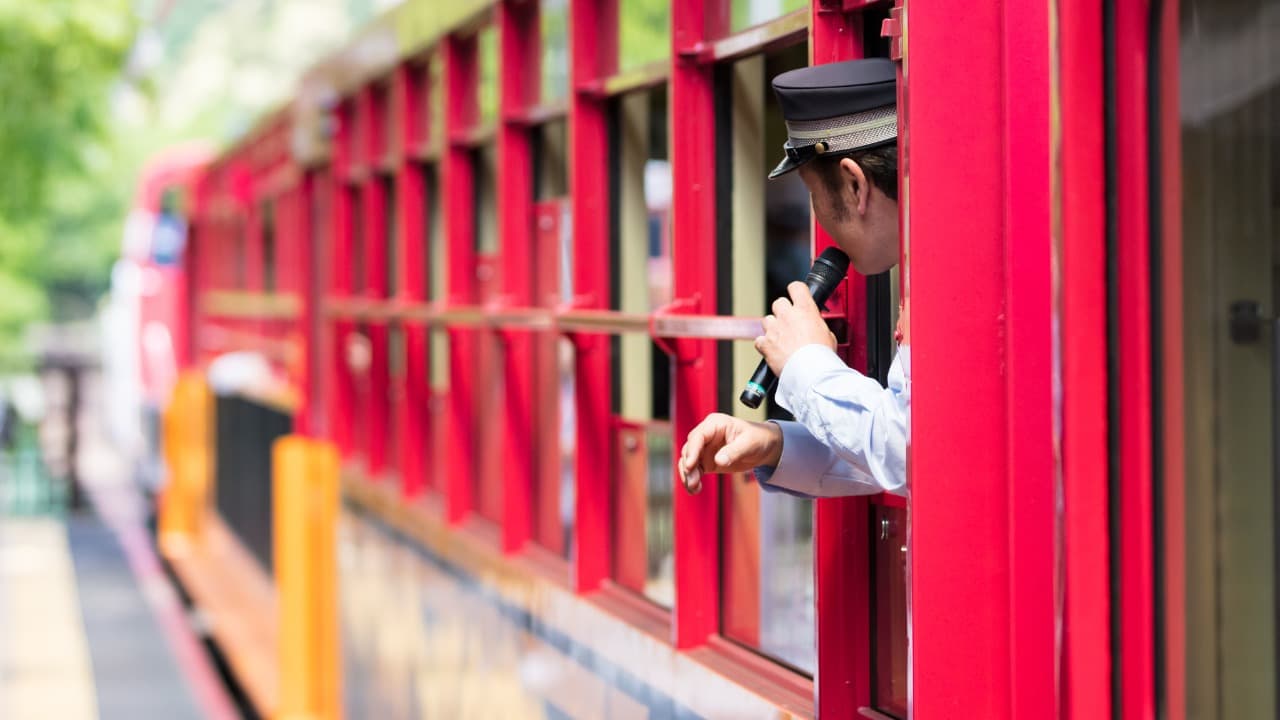
This sightseeing train runs approximately 7.3 kilometers from Saga-Arashiyama Station to Kameoka Station in about 25 minutes. Using the former San’in Main Line tracks, it offers close-up views of the beautiful Hozu River gorge. The autumn foliage season is especially spectacular, drawing large crowds of visitors. The train consists of five cars, with Car No. 5, the “Rich” car, being particularly popular as an open-air car with no window glass.
■ Arashiyama Monkey Park Iwatayama
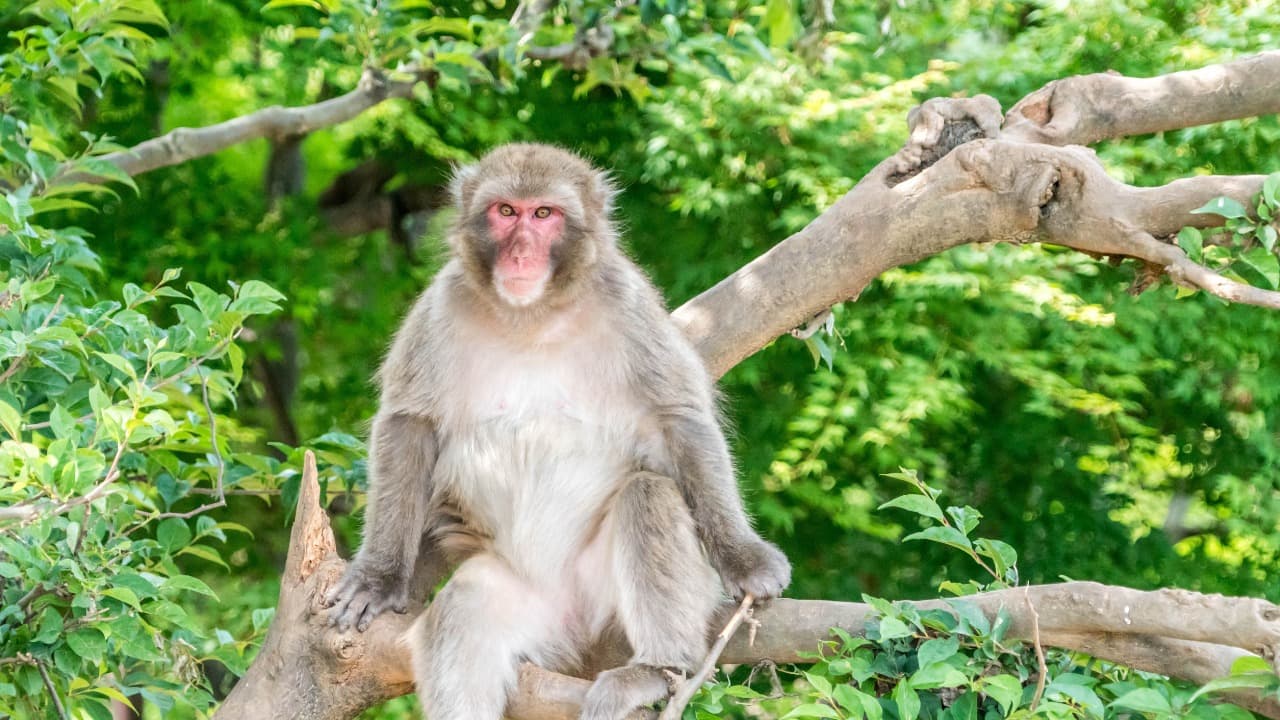
Arashiyama Monkey Park Iwatayama is a wild monkey park located on the hillside of Mt. Iwata (elevation 160 meters) within Arashiyama Park, on the south side of Togetsukyo Bridge. Opened in 1957, approximately 120 Japanese macaques live freely in their natural habitat. The trail from the entrance to the mountaintop observation deck takes about 20 minutes on foot, with benches along the way. From the summit, visitors can enjoy a panoramic view of Kyoto city, and the autumn foliage season offers especially beautiful scenery. The monkeys are friendly, and visitors can experience feeding them (for a fee) at designated areas.
■ Okochi Sanso Garden
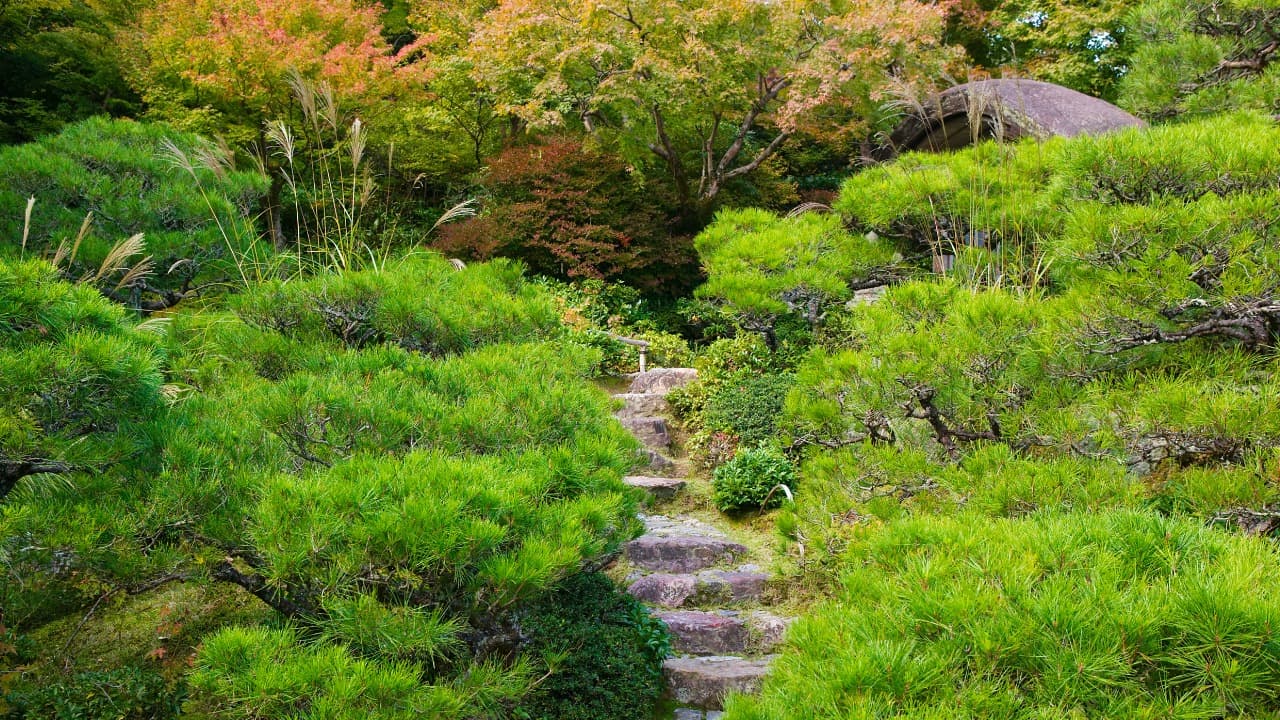
Okochi Sanso Garden is a vast strolling garden built over approximately 30 years by the early Showa-era actor Okochi Denjiro. Construction began in 1931, and the garden features beautiful scenery with borrowed landscapes of Arashiyama, Mt. Hiei, and the Hozu Gorge. Within the garden, buildings such as the sukiya-style “Taisho-kaku” and the tea house “Tekisui-an” are scattered throughout, and these have been designated as Registered Tangible Cultural Properties. The garden is especially popular during the autumn foliage season. The admission fee includes matcha tea and Japanese confections, allowing visitors to spend a peaceful moment in the garden’s tea room.
Summary
Togetsukyo Bridge and its surroundings offer a special place where you can fully enjoy Kyoto’s nature, history, and culture. The bridge’s magnificent scenery and nearby attractions such as Tenryu-ji Temple and the Bamboo Grove Path welcome visitors with their unique charm in every season. Activities like the Sagano Scenic Railway and Arashiyama Monkey Park also provide unforgettable experiences for families and tourists alike.
By learning about its historical background and exploring the highlights, you are sure to discover new aspects of Togetsukyo Bridge’s appeal. We hope you will visit and enjoy the unique atmosphere of the Arashiyama area.