
🕓 2025/1/27
#Sightseeing
A Detailed Guide to the History and Recommended Spots of Amanohashidate

Table of Contents
Introduction
Amanohashidate has long been beloved by many people as one of Japan’s most iconic scenic views. The beautiful sandbar landscape can truly be called a work of art crafted by nature. In this article, we provide a detailed overview of Amanohashidate, from its basic background to the events surrounding its formation and history, as well as the must-visit highlights when you come to see it.
By visiting Amanohashidate, you can experience the scenery created by the forces of nature and touch upon its historical and cultural background, discovering even more of its charm. We hope this article will help make your journey richer and more fulfilling.
What is Amanohashidate?
Amanohashidate is a beautiful scenic spot located in Miyazu City in the northern part of Kyoto Prefecture, known as one of Japan’s Three Scenic Views (Nihon Sankei). It is a narrow sandbar stretching approximately 3.6 kilometers, with Miyazu Bay (Sea of Japan) to the east and Aso Sea to the west. The narrowest part of the sandbar is about 20 meters wide, and most of it is planted with approximately 8,000 pine trees.

The name Amanohashidate comes from the sandbar’s resemblance to a bridge spanning across the heavens. In particular, when viewed using the unique method called “matanozoki” (looking through your legs while bending over) from Amanohashidate View Land (Hiryukan) at the southern end or Kasamatsu Park at the northern end, the sandbar is said to look like a dragon ascending to heaven.
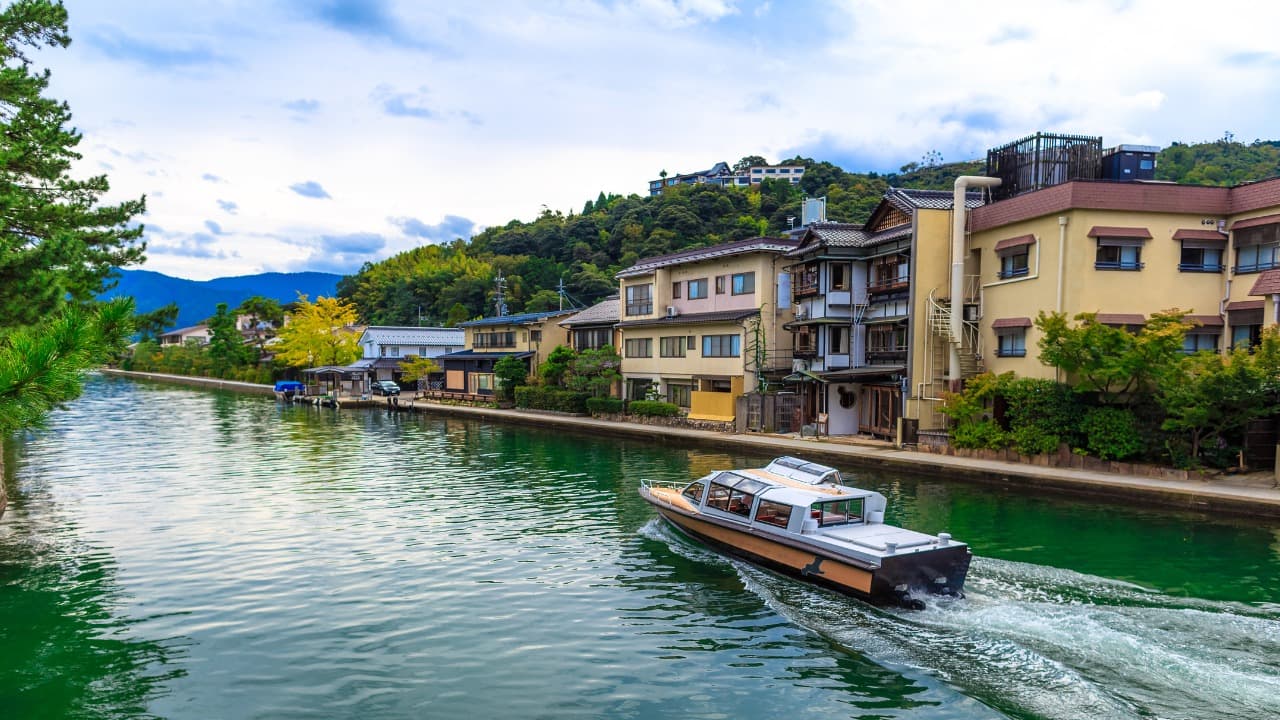
The formation of Amanohashidate is attributed to the depositional action caused by tectonic movements, which shaped it into its current form over a long period of time. On the sandbar, there is a well called “Isoshimizu,” which exhibits the rare phenomenon of freshwater springs emerging despite being surrounded by the sea. The surrounding area is dotted with historic temples and shrines such as Chionji Temple and Kono Shrine, offering rich cultural attractions. In summer, you can also enjoy swimming at the beautiful white sand and green pine beach.

With its natural beauty and historical background, Amanohashidate has become a tourist destination beloved by many people. When visiting, please fully enjoy its charm through the scenery of each season and the variety of activities available.
History of Amanohashidate
Amanohashidate is a beautiful scenic spot located in Miyazu City, Kyoto Prefecture, known as one of Japan’s Three Scenic Views. Its history is ancient, deeply intertwined with mythology, legends, and historical events. Below is a chronological summary of major events related to Amanohashidate.
1. Around the 2nd Century BCE: Formation of Amanohashidate
 *Illustration image
About 2,200 years ago, sand deposition began at the point where the coastal current flowing from north to south in Miyazu Bay met the coastal current flowing from west to east along the northern shore of Aso Sea. Through this deposition, the sandbar gradually extended southward, forming the prototype of today’s Amanohashidate. Along with this geographic change, the inland sea of Aso was created, and people began to settle in the surrounding area from the Yayoi period onward.
2. 8th Century: Description in the “Tango no Kuni Fudoki”
 *Illustration image
In the surviving fragments of the “Tango no Kuni Fudoki,” compiled during the Nara period, a myth is recorded in which the deity Izanagi no Mikoto built a ladder to connect heaven and earth, but it fell while he was resting, becoming Amanohashidate. This legend indicates that Amanohashidate has been recognized as a special place since the age of mythology.
3. 15th Century: Visit by Ashikaga Yoshimitsu
 *Illustration image
Ashikaga Yoshimitsu, the third shogun of the Muromachi Shogunate, visited Amanohashidate six times over approximately 20 years starting from Shitoku 3 (1386). It is said that Yoshimitsu was moved by the sight of Amanohashidate viewed from Mount Monju and praised the scenery as “the mystery of the universe.” This suggests that Amanohashidate was already highly regarded as a scenic spot at that time.
4. 17th Century: Description by Kaibara Ekken
 *Illustration image
The Edo-period Confucian scholar Kaibara Ekken visited Amanohashidate and extolled its scenery in his travel essay “Kishi Kiko,” written in Genroku 2 (1689). During his pilgrimage to Nariaiji Temple, he praised the view of Amanohashidate and the surrounding sea from the mountain path as “incomparably beautiful” and wrote, “It is fitting to count it as one of Japan’s Three Scenic Views.” This is considered the oldest written record of Amanohashidate being noted as one of Japan’s Three Scenic Views.
5. 20th Century: Development as a Tourist Destination
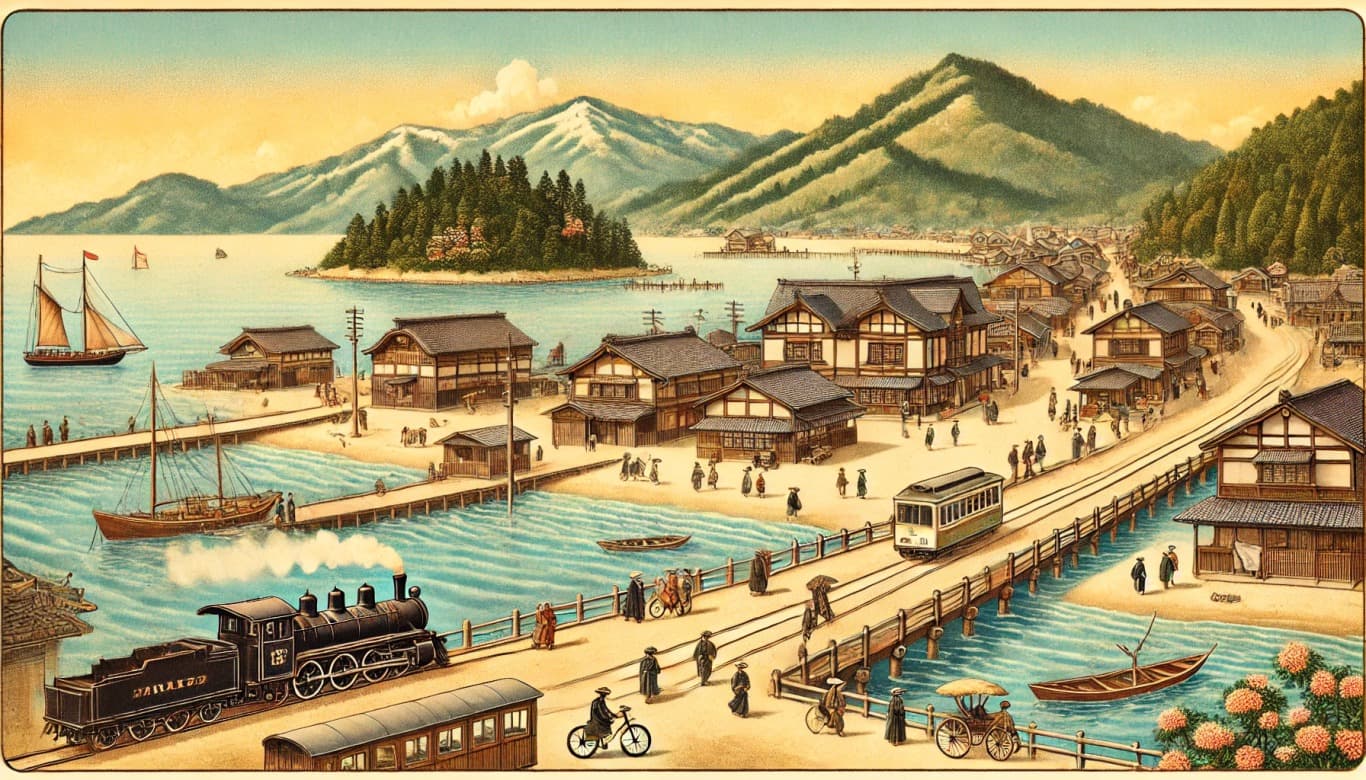 *Illustration image
From the Meiji to Taisho eras, the development of railways and roads improved access to Amanohashidate. In particular, the opening of JNR Miyazu Station in Taisho 13 (1924) established a direct route from Kyoto, attracting many tourists. As a result, Amanohashidate established its status as a nationally recognized tourist destination, and accommodation and tourist facilities were developed in the surrounding area, contributing to the economic development of the region.
6. 2004: Damage from Typhoon No. 23
 *Illustration image
In October of Heisei 16 (2004), Typhoon No. 23 struck the Japanese archipelago, and Amanohashidate was also affected. Strong winds felled approximately 200 pine trees, causing significant damage. This event prompted the strengthening of conservation activities by local residents and the government. Specifically, the “Amanohashidate Meisho Reverse Committee” was established, and initiatives aimed at the restoration and conservation of Amanohashidate were undertaken, including the creation of benches and flower pots from fallen pine trees and the holding of forums.
Highlights of Amanohashidate
Amanohashidate is a spectacular scenic spot in Miyazu City, Kyoto Prefecture, known as one of Japan’s Three Scenic Views. Its beautiful landscapes and surrounding tourist attractions captivate many visitors. Below, we introduce in detail the major spots you should visit when coming to Amanohashidate.
■ Amanohashidate View Land

Located at the summit of Mount Monju, Amanohashidate View Land is a viewing spot that offers a panoramic view of Amanohashidate from the south side. When viewed using the “matanozoki” technique, Amanohashidate appears like a dragon ascending to heaven, earning it the nickname “Hiryukan” (Flying Dragon View). The park also features attractions such as a Ferris wheel and go-karts, making it enjoyable for families. Access is easy using a chairlift or monorail from the base.
■ Kasamatsu Park
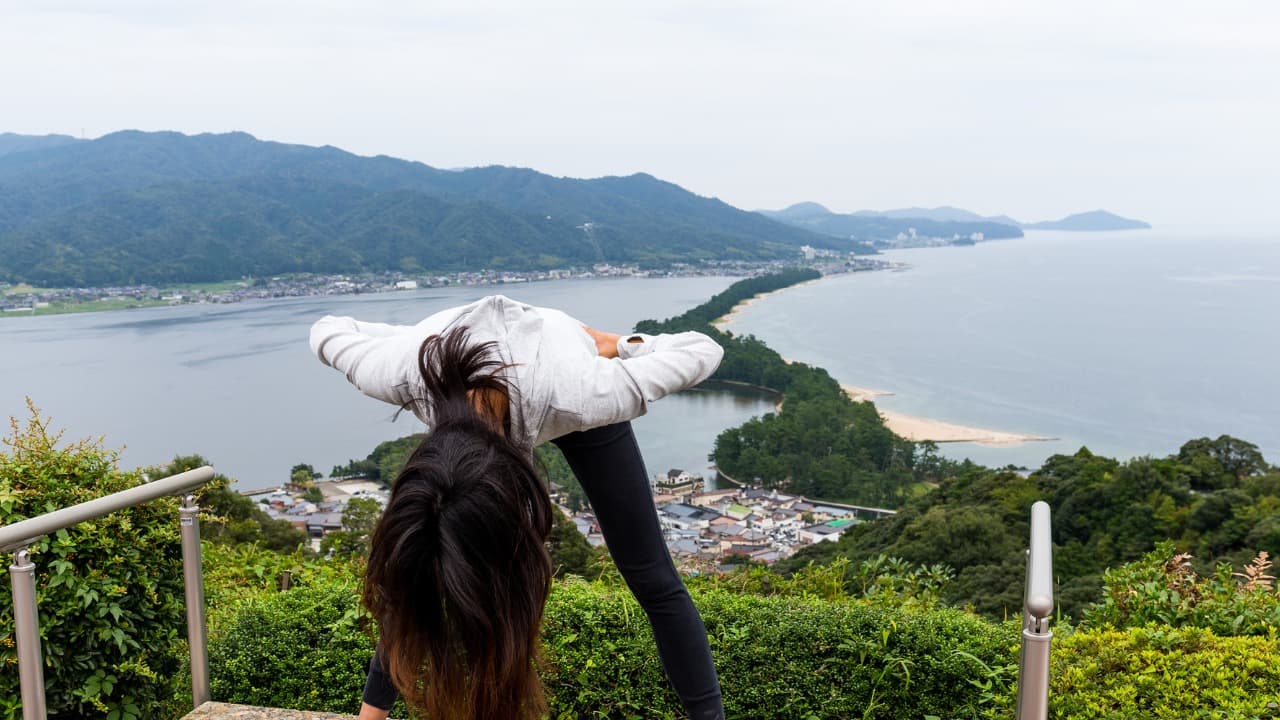
Located on the north side of Amanohashidate on the mid-slope of Mount Nariai, Kasamatsu Park is an excellent viewing spot for admiring Amanohashidate from the north. The view from here, where Amanohashidate appears like a rising dragon, is called “Shoryukan” (Rising Dragon View). The observation deck features a sky deck with transparent glass, allowing you to enjoy an open and expansive view. There is also a heart-shaped “Wishing Bell,” making it a popular spot for couples.
■ Chionji Temple

Known for the Japanese saying “Three heads are better than one” (referring to Monju, the Bodhisattva of Wisdom), Chionji Temple is visited by people from all over Japan who come to pray for academic success. On the temple grounds, there is a “Ring of Wisdom Lantern,” and it is said that walking through it three times will make you wiser. It is also conveniently located as a starting point for Amanohashidate sightseeing.
■ Kaisenkyo (Rotating Bridge)

Spanning the Amanohashidate Canal, the Kaisenkyo is a bridge approximately 36 meters long with a unique structure where the central section rotates when ships pass through. This movement is rare and draws many tourists who come to observe it. The bridge’s opening and closing times depend on ship traffic, but if you are lucky, you can see its movement up close.
■ Moto-Ise Kono Shrine
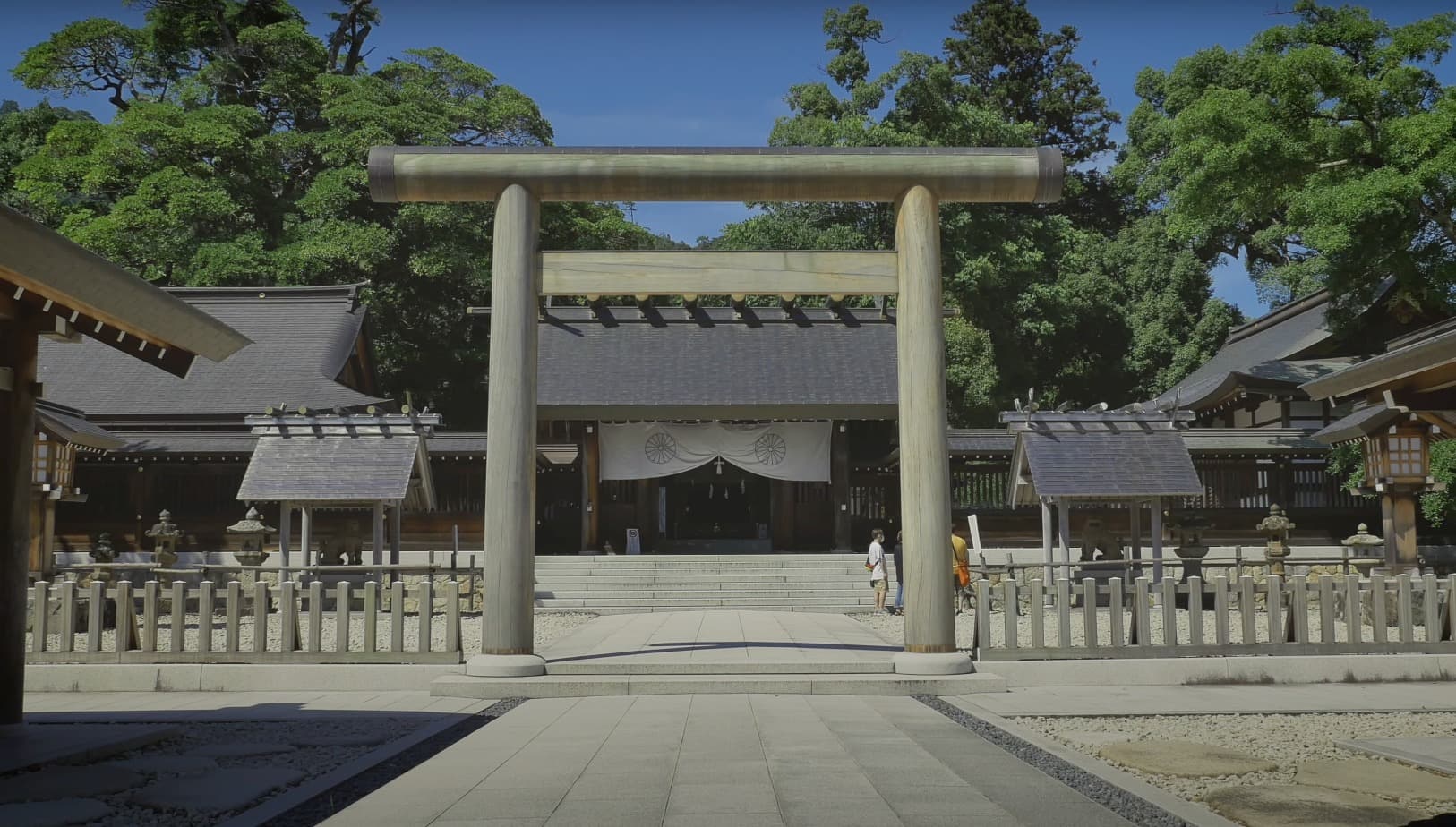
Located near the northern tip of Amanohashidate, Kono Shrine is a venerable shrine considered to be the original site of Ise Grand Shrine. On the grounds stands a sacred tree said to be about 2,000 years old, enveloped in a sacred atmosphere. Nearby Manai Shrine is also known as a power spot.
■ Nariaiji Temple

The 28th temple on the Saigoku Kannon Pilgrimage, Nariaiji Temple is located on a hilltop with a panoramic view of Amanohashidate. Known for the legend of the “Substitute Kannon” (Migawari Kannon), it is revered as a temple where wishes come true (nariau). In spring, cherry blossoms bloom, in early summer, rhododendrons, and in autumn, the foliage turns brilliant colors, offering beautiful scenery throughout the seasons.
■ Kanabiki Falls
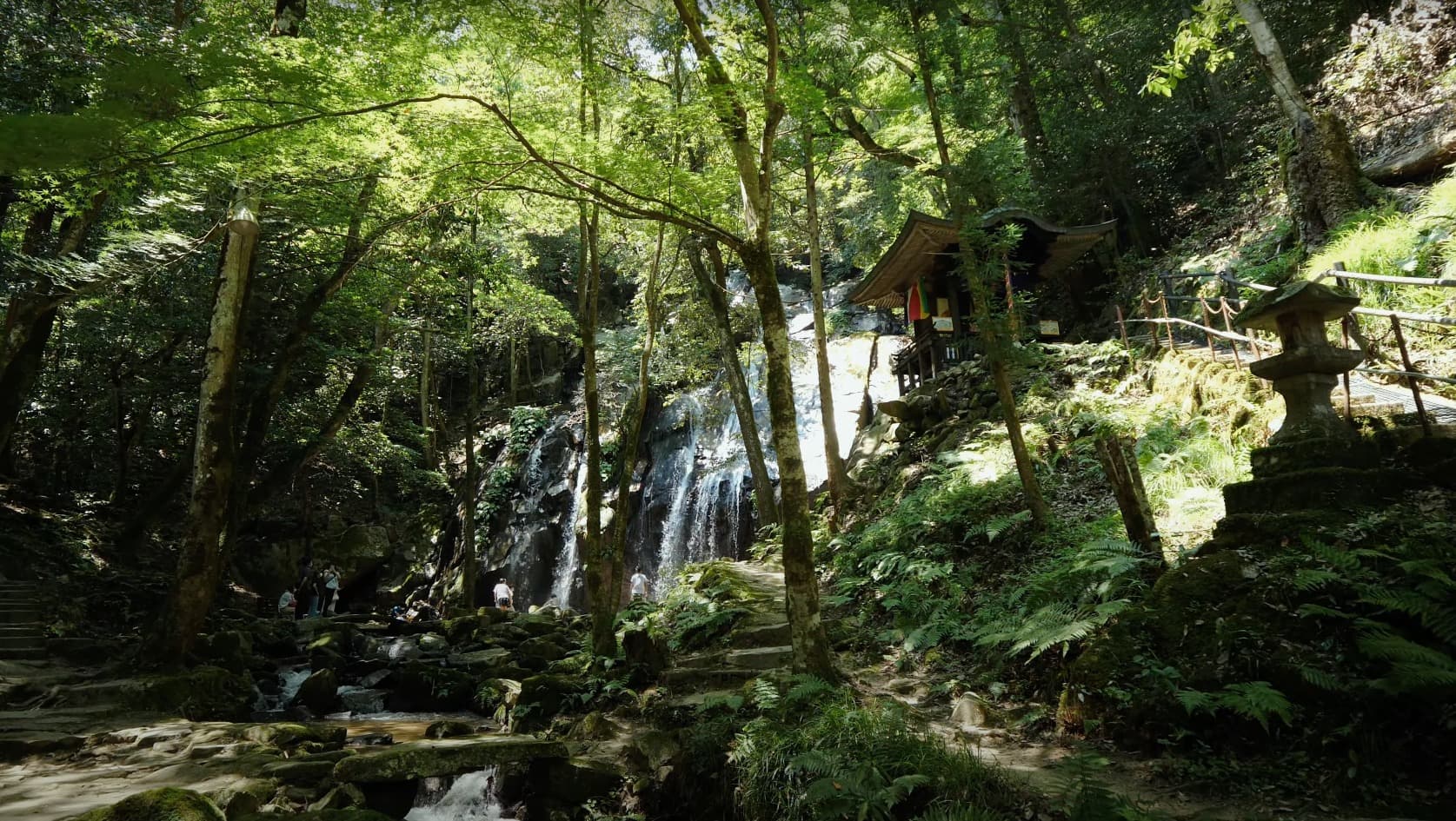
Selected as one of Japan’s 100 Best Waterfalls, Kanabiki Falls is a magnificent waterfall approximately 40 meters high and 20 meters wide. The water flows down in two streams, with the right side called “Otaki” (Male Falls) and the left side called “Metaki” (Female Falls). It boasts abundant water flow throughout the year, and combined with the surrounding nature, it creates a mystical atmosphere. A walking path to the waterfall is well-maintained, making it easy to visit.
■ Amanohashidate Winery
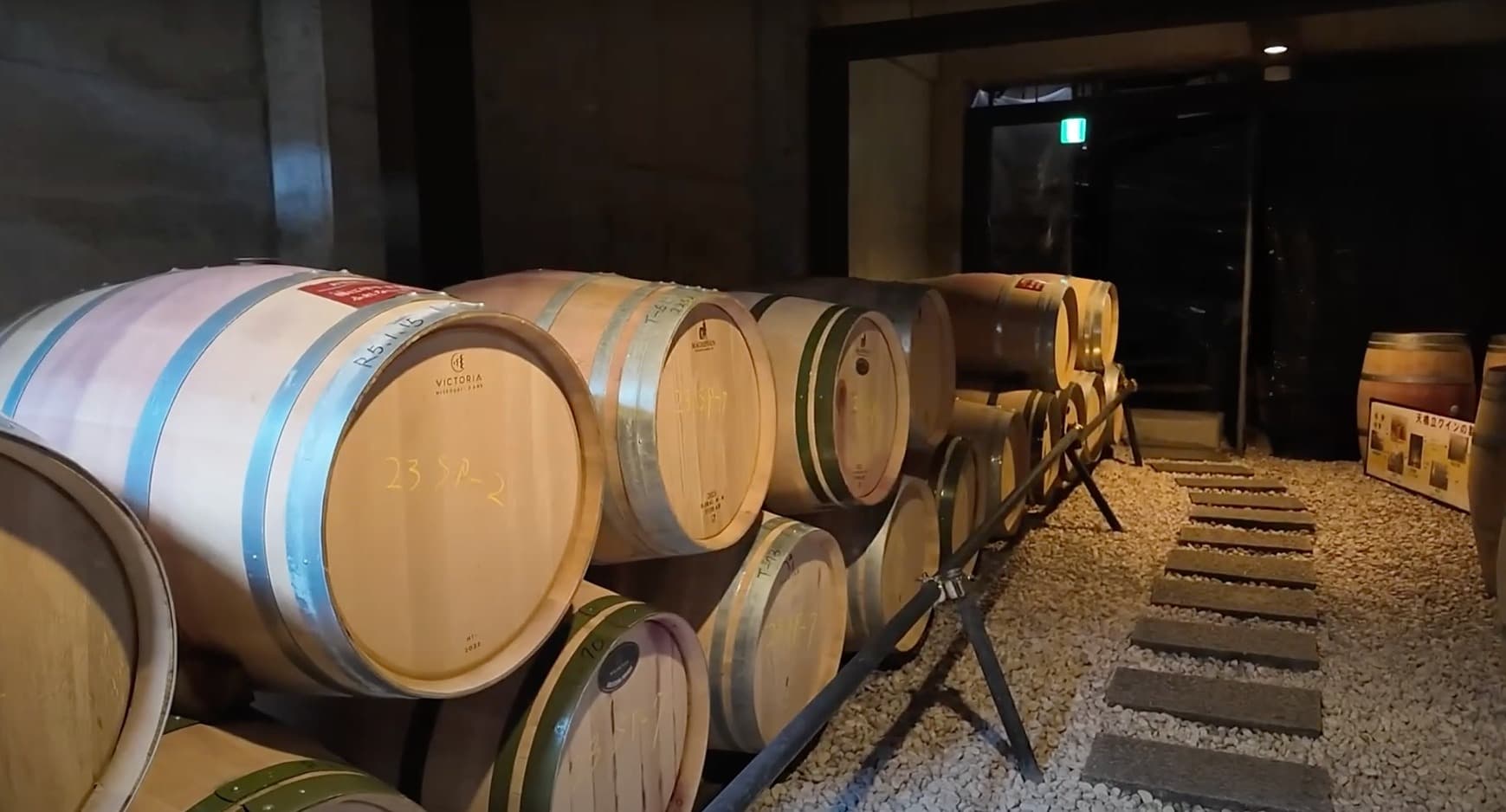
At Amanohashidate Winery, which produces and sells wine using locally grown grapes, you can enjoy wine tasting and purchases, as well as cuisine made with local ingredients at the adjacent restaurant. In particular, “Federota,” a red wine in mid-fermentation, features a sweet and fruity grape flavor with sparkling wine-like effervescence — a unique product available only at the winery. This is a must-visit spot for wine lovers.
Summary
Amanohashidate is one of Japan’s most representative tourist destinations, with its beautiful scenery and long history. It is a place where you can not only admire the spectacular sandbar created by nature but also experience the shrines, temples, and notable sites scattered around the area, as well as the region’s culture and traditions.
Amanohashidate reveals a different face with each visit, offering new discoveries and inspiration through its seasonal scenery and diverse activities. Please use this article as a reference to fully enjoy the charm of Amanohashidate and experience its value as one of Japan’s Three Scenic Views. May your travel memories become something truly special.